


 购物车
购物车 个人中心
个人中心
The Lone Star Ranger
¥8.82
When he is forced to kill a man after a deadly attack, Buck Duane begins a life on the run while trying to clear his name, and his fortunes are changed by a beautiful woman and a Texas Ranger who offers to pardon him for a price.
The Jewish State
¥9.48
"Der Judenstaat" (German, literally "The Jew State", commonly translated as "The Jewish State") is a pamphlet written by Theodor Herzl and published in February 1896 in Leipzig and Vienna by M. Breitenstein's Verlags-Buchhandlung. It is subtitled with "Versuch einer modernen L?sung der Judenfrage", "Proposal of a modern solution for the Jewish question", and originally called "Address to the Rothschilds" referring to the Rothschild family banking dynasty.It is considered one of the most important texts of early Zionism. As expressed in this book, Herzl envisioned the founding of a future independent Jewish state during the 20th century. He argued that the best way to avoid antisemitism in Europe was to create this independent Jewish state. Herzl, who had lived as a secular, largely assimilated Jew, was fluent in neither Hebrew nor Yiddish. His lack of contact with Jewish culture and intellectual currents, and his limited contact with Jews less assimilated than he was probably the reason he abandoned fundamental Jewish principles and rekindled Zionism with this text. The book was used to encourage Jews from all across Europe to purchase land in Palestine. In Der Judenstaat, Herzl noted the possibility of a Jewish state in Argentina.Herzl popularized the term "Zionism", which was coined by Nathan Birnbaum. The nationalist movement culminated in the birth of the State of Israel in 1948, though Zionism continues to be connected with political support of the State of Israel.

Tokat??: ?ocuk roman?
¥19.05
Bir ?ocu?un, ya?ad??? ?ehirden k?rsalda ya?ayan babaannesinin yan?nda gidip yaz tatilini ge?irirken ya?ad??? maceray? anlat?r Tokat??. 85 ya??ndaki babaannesinin dikti?i a?a?larla nas?l ya?ama ba?land???n?, kendi kedine eme?iyle nas?l ayakta kald???n? anlatan, ?ocuklar?n aya??n? yere bast?racak ger?ekli?in romand?r. Tokat?? karakteriyle g?revi k?tüye kullanman?n sonu?lar?n? ya?ayarak g?ren Bar?? bir atla ve ba? bek?isi k?z arkada??yla ge?irdikleri unutulmaz bir yaz maceras?n?n yan?nda bilgiye ula?may?, bilimselli?i ara?t?rma sonunda ??renen ?ocuklar?n ?yküsüdür Tokat??. ?AM KARDE?L??? ? Nisan sonlar?yd?. Hava ?oktan ?s?nm??, b?rtü b?cek hareketlenmi?ti. Toprakta bin bir tohum canlanm??, yeryüzünü ye?ile boyam??t?. Bademler, ?eftaliler, elma a?a?lar?, bütün do?a tomurcuk patlamas?yla ba? d?ndürücü bir güzelli?e bürünmü?tü. A?a?lar duva??n? takm?? gelin gibiydi. 23 Nisan co?kusu bütün ?ocuklar?n i?indeydi. Okullarda bayraklar, fenerler, ?e?it ?e?it el i?i süslemeler okul pencerelerinde ?ocuklara, gen?lere; hatta bütün ulusa k?van?la bak?yordu. Zil ?ald?. ?ocuklar ko?ullanm?? zil sesiyle bah?eyi bo?alt?p s?n?flara girdi. ?ocuklar?n sesleriyle yank?lanan bo?luk, ayak izlerini ta??yan bah?e, d??ar?da kald?. S?n?fa giren ??retmen: —?ocuklar, size güzel bir haberim var, Pamukkale’ye bir gezi yapaca??z, dedi. S?n?ftaki bütün ??renciler bir a??zdan: —Oley! diye sevin? ???l??? att?lar. Planlama ve haz?rl?klar yap?ld?. Yola ??k?ld?. May?s ay?n?n ilk haftas?yd?. Otobüs Antalya’dan ??k?p yükseklere do?ru yol ald?k?a, ?ocuklar havan?n serinledi?ini fark ettiler. ?? ?Denizli’ye girmeden mola verip piknik yapmak istiyorlard?. Her ?ocu?un geziden beklentileri ayr? ayr?yd?. Kimi ?i?eklerin i?inde oyunlar kuracakt?. Kimi a?a?lara t?rmanacakt?. Kimi de belgesellerde g?rdü?ü canl?larla kar??la?abileceklerini hayal ediyordu. ?imdilik onlara d?rt duvarl? s?n?ftan ??kmak bile yetmi?ti. ??? Otobüs, derin bir vadide bir süre ilerledikten sonra ?ay?r? ?imeni bol, ho? bir düzlükte durdu. ??retmen kap? a??lmadan gerekli uyar?lar? yapt?. Kap? a??ld?. ?ocuklar s?rayla indiler. Hava s?cakt?. Ku?lar?n, b?rtü b?ceklerin güzel sesleri bitmeyen bir ?ark? gibiydi. Yaban ?ilekleri, b??ürtlenler, al??lar, da? elmas?, ku?burnular hepsi ama hepsi ?i?eklerini ?oktan a?m??, yapraklar? tomurcuklanm??t?. ??? ?ocuklar, ?imenin yumu?akl???n? hissedince, ko?maktan kendini alam?yordu. K?zlar ?i?ekten ba?lar?na ta? yap?yor, ar?lar o ?i?ekten ?tekine u?u?urken, onlarla yar???rcas?na hoplay?p z?pl?yorlard?. ??? Bar??, g?züne kestirdi?i bir ?am a?ac?na y?nelip t?rmanmaya ba?lad?. Bar??’? g?ren ?ocuklar ??retmene g?sterdiler. ??retmen ?am a?ac?na bakt?: HAL?L ERDEM ? 1961 Dirmil-Burdur do?umlu. Gazi ?niversitesi E?itim Fakültesi S?n?f ??retmenli?ini bitirdi. Türk?e B?lümünde lisans tamamlad?. Kar Ayd?nl??????????? (Roman)?????? Fam Yay?nlar? 2014 Dirmil ?mürcüsü (Roman)?????? Fam Yay?nlar?2006- 2014 Goca Meryem????? (Roman)?????? Fam Yay?nlar? 2014 Tokat?????????????????????? (?ocuk Roman?) Kendi Yay?n? 2013 Teke Y?resi Halk ?nan?lar? (Ara?t?rma - inceleme) Kendi Yay?n? 2008 Karacao?lan Gelene?inde Dirmil Güzellemeleri ve ?yküler (Ara?t?rma inceleme) 2011 Alter Yay. Gece Mavisinde A?k???? (?iir)?????? Kendi Yay?n? 1998 Ve Al???ld? ?lüme?????????? (?iir )????? Temmuz Yay?nlar? 1990 Kardan Adam??????? (?ocuk ?iirleri) Kendi Yay?n? 1998 I??k Avc?lar???????????? (?ocuk ?iirleri) Kendi Yay?n?) 2013 ??pten ??rendi?im Hayat?? ?ocuk Kitab?????????????? 2015 G?l Hikayeleri?????????? (?ykü)???????????????????????????????????? 2015 ? ?iir ve yaz?lar?n? Bah?e, Mavi Umut, Bahar, ?al?, ??retmen Dünyas?, Dirmil, Noktam, Bezuvar, süje, Kar dergilerinde yay?nlad?. Beykonak E?itim ve Kültür Vakf? Yirce ?iir Yar??mas?nda. Ne-Var Yok ?iiriyle Birincilik ald?.(2004) Resim ?al??malar?n? da yürüten Halil ERDEM 3 ki?isel, 25 karma resim sergi etkinli?inde bulundu.
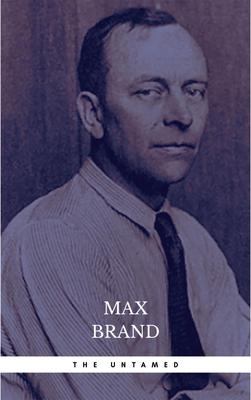
The Untamed
¥8.82
Brand's career as an author of Westerns began with this tale set in an otherworldly Wild West, which first appeared as a serial in All-Story magazine and was soon transformed into a film starring Tom Mix.
The Light of Western Stars
¥8.82
A New York society girl buys a ranch which becomes the center of frontier warfare. Her loyal superintendent rescues her when she is captured by bandits. A surprising climax brings the story to a delightful close.
Uno, nessuno, e centomila
¥8.82
Questo romanzo, l'ultimo di Pirandello, riesce a sintetizzare il pensiero dell'autore nel modo più completo. L'autore stesso lo definisce come il romanzo "più amaro di tutti, profondamente umoristico, di scomposizione della vita". Il protagonista Vitangelo Moscarda, infatti, può essere considerato come uno dei personaggi più complessi del mondo pirandelliano, e sicuramente quello con maggior autoconsapevolezza. Dal punto di vista formale, stilistico, si può notare la forte inclinazione al monologo del soggetto, che molto spesso si rivolge al lettore ponendogli interrogativi e problemi in modo da coinvolgerlo direttamente nella vicenda, il cui significato è senza dubbio di portata universale. A dispetto della sua lunga gestazione, l'opera non è né frammentaria né disorganizzata; al contrario, può essere considerata come l'apice della carriera dell'autore e della sua tensione narrativa.

Alcatraz
¥8.82
A classic western from one of the masters of the genre.
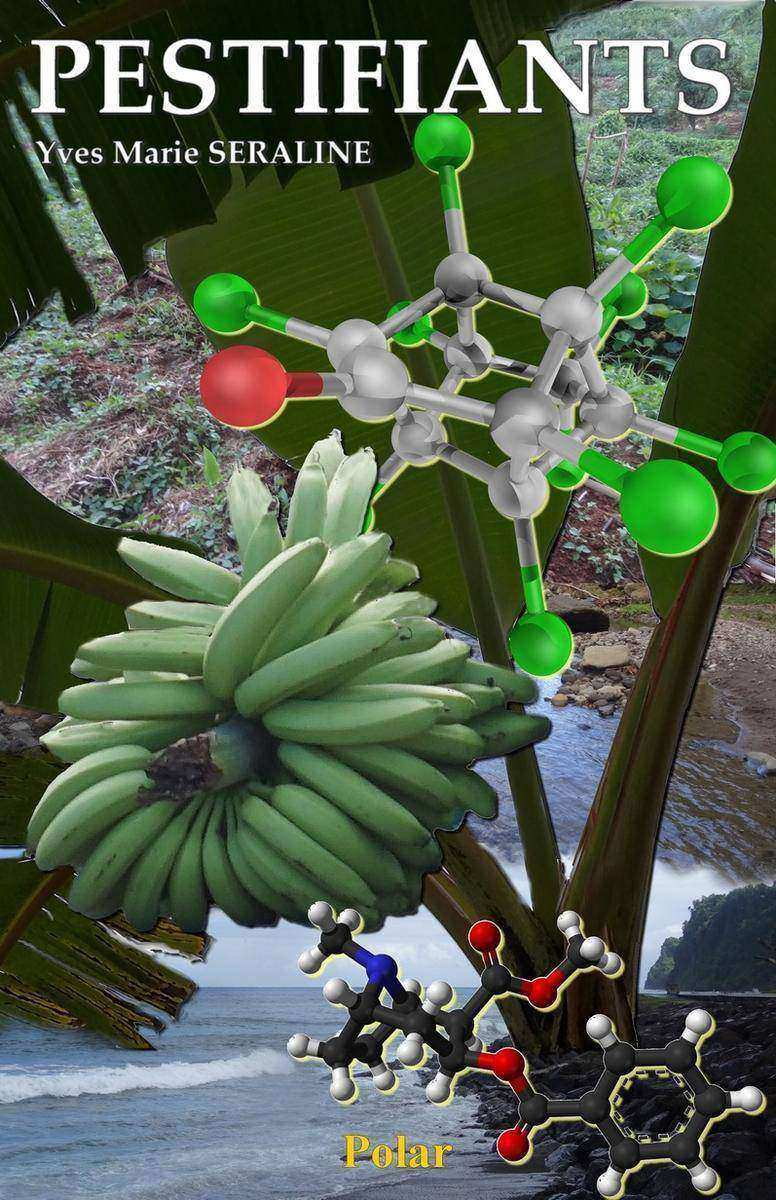
Pestifiants
¥56.73
Un polar de Yves Marie SERALINE Dans une ?le francophone des Antilles, un citoyen à la recherche d'un espace pour créer une activité dans la campagne de son pays, révèle la collusion entre un homme d'affaires cherchant à exploiter illégalement un stock de produits interdits, et un trafiquant de drogue international qui alimente le réseau de dealers locaux. Cette oeuvre d'imagination trouve une résonance particulière dans le débat qui agite les territoires de la Cara?be confrontés régulièrement aux risques naturels, mais aussi aux catastrophes sanitaires provoquées par l'usage non contr?lé de pesticides, tel que la chlordécone en Martinique, et aux conséquences de la drogue dans la population, en particulier chez les jeunes, plus vulnérables. C'est aussi une occasion de se plonger dans un environnement culturel marqué par le créole martiniquais, les dialogues et expressions avec traduction étant par ailleurs intégrés dans le texte.
L’Art de faire des livres
¥9.00
Extrait du Livre d'esquisses (The Sketch Book of Geoffrey Crayon, 1819-1820)

The Adventures of Akbar
¥13.90
THIS BOOK is written for all little lads and lasses, but especially for the former, since it is the true—quite true—story of a little lad who lived to be, perhaps, the greatest king this world has ever seen.?It is a strange, wild tale this of the adventures of Prince Akbar among the snowy mountains between Kandahar and Kabul, and though the names may be a bit of a puzzle at first, as they will have to be learned by and bye in geography and history lessons, it might be as well to get familiar with them in a story-book; though, indeed, as everybody in it except Roy the Rajput, Meroo the cook boy; Tumbu, the dog; and Down, the cat (and these four may have been true, you know, though they have not been remembered) really lived, I don't know whether this book oughtn't to be considered real history, and therefore??A LESSON BOOK:??"Anyhow, I hope you won't find it dull."??STORIES:?FAREWELL ?THE FIRST VICTORY ?THE ROYAL UMBRELLA ?TUMBU-DOWN ?ON THE ROAD ?AT COURT ?WINTER?DOWN'S STRATAGEM?SPRING ?THE NIGHT OF RECORD ?A WINTER MARCH?SNOW AND ICE ?OVER THE PASS ?IN THE VALLEY?DEAREST-LADY?CRUEL BROTHER KUMRAN?IMPRISONMENT?THE GARDEN OF GAMES?BETWIXT CUP AND LIP?ESCAPED?DAWN
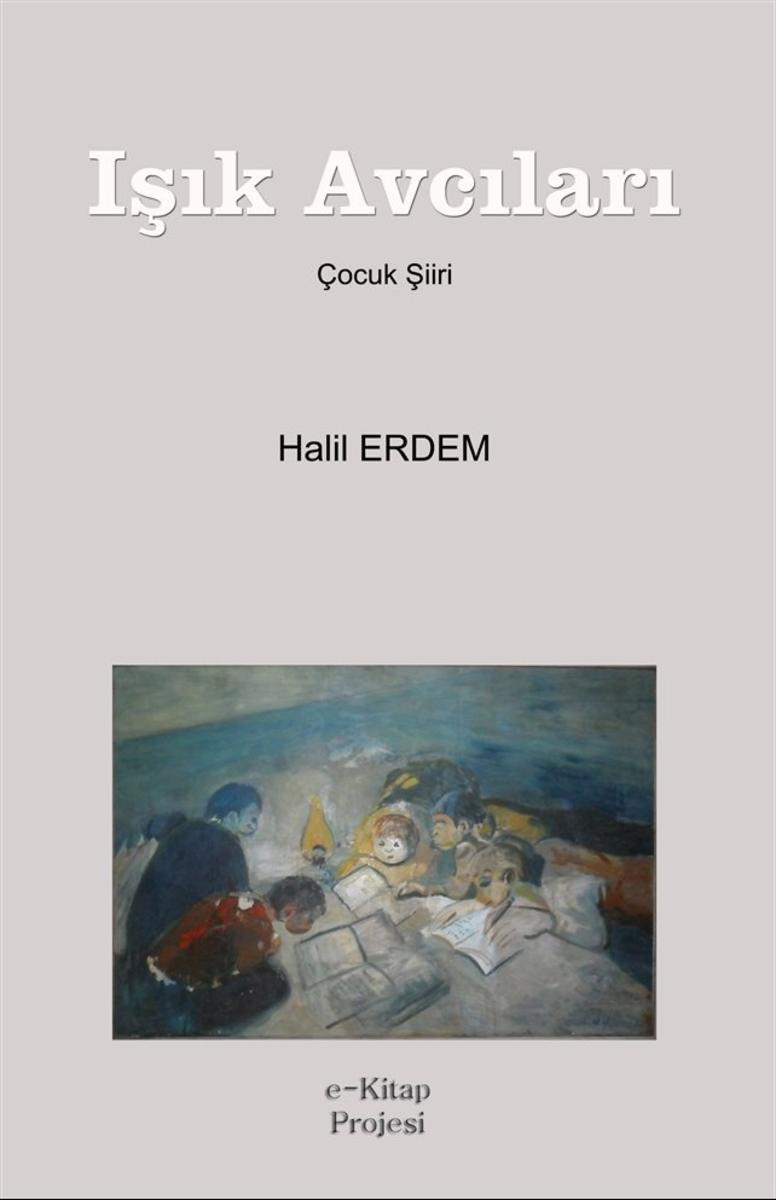
I??k Avc?lar?: ?ocuk ?iirleri
¥19.05
9 ya? ve üzeri ?ocuklar i?in yaz?lm?? fark?ndal?k yaratacak ?iirlerdir I??k Avc?s?. ? “Bir k?? günü do?du, Bizimle ya?ad? bir zaman. Fakat güne?le ?ldü, Kardan adam.” U?URTMALAR ? U?urtmalar telli duvakl?, Uzun kuyruklu. Bir g?rünür, Bir kaybolurdu penceremde. Oysa bahar?n renklerini ta??y?p Ebemku?a?? kurarm?? g?kyüzünde. ? DO?DU?UM YER?1 ? Yeni yetme bir tepeden bak?yorum, Sonbahar? konuk eden k?yüme: Hüzünle e?ilen a?a?lar?n belle?inde ku?lar?n ???l???, Bütün kokular? koynuma dolduran o deli rüzg?rlar, Yaln?z bir kuytu ?i?e?i a?klar?m, Ve beni kar??layan ?ocuklu?um, i?te hepsi orda. ? Sular?n sadetli yolu, co?kun dere, Bir yan? bulut, bir yan? suda seken yüzüm. Aksini bilmez ?i?ekler. Yaln?zd?, ne s?yledi sessizlikte yar?lan nar. Ya?anan bir a?k i?inde mi do?a? ? ?HAL?L ERDEM ?1961 Dirmil-Burdur do?umlu. Gazi ?niversitesi E?itim Fakültesi S?n?f ??retmenli?ini bitirdi. Türk?e B?lümünde lisans tamamlad?. Kar Ayd?nl??????????????????? (Roman)?????? Fam Yay?nlar? 2014 Dirmil ?mürcüsü???????? (Roman)?????? Fam Yay?nlar?2006- 2014 Goca Meryem????????????? (Roman)?????? Fam Yay?nlar? 2014 Tokat?????????????????????????????? (?ocuk Roman?) Kendi Yay?n? 2013 Teke Y?resi Halk ?nan?lar? (Ara?t?rma - inceleme) Kendi Yay?n? 2008 Karacao?lan Gelene?inde Dirmil Güzellemeleri ve ?yküler (Ara?t?rma inceleme) 2011 Alter Yay. Gece Mavisinde A?k? (?iir)?????? Kendi Yay?n? 1998 Ve Al???ld? ?lüme?????? (?iir )????? Temmuz Yay?nlar? 1990 Kardan Adam??????????????? (?ocuk ?iirleri) Kendi Yay?n? 1998 I??k Avc?lar???????????????????? (?ocuk ?iirleri) Kendi Yay?n?) 2013 ??pten ??rendi?im Hayat?? ?ocuk Kitab?????????????? 2015 G?l Hikayeleri?????????? (?ykü)???????????????????????????????????? 2015 ? ?iir ve yaz?lar?n? Bah?e, Mavi Umut, Bahar, ?al?, ??retmen Dünyas?, Dirmil, Noktam, Bezuvar, süje, Kar dergilerinde yay?nlad?. Beykonak E?itim ve Kültür Vakf? Yirce ?iir Yar??mas?nda. Ne-Var Yok ?iiriyle Birincilik ald?.(2004) Resim ?al??malar?n? da yürüten Halil ERDEM 3 ki?isel, 25 karma resim sergi etkinli?inde bulundu.

Così è (se vi pare)
¥8.82
Rappresentata per la prima volta il 18 giugno 1917 al Teatro Olimpia di Milano, "Così è (se vi pare)" è una commedia in tre atti derivata dalla novella "La signora Frola ed il signor Ponza, suo genero". L'opera, come la novella originaria, è incentrata su uno dei temi più forti della visione pirandelliana del mondo: l'inconoscibilità del reale, a cui ognuno può dare una propria interpretazione ed una propria verità che possono non coincidere con quelle degli altri.
The Border Legion
¥8.82
Jack Kells was a remorseless killer, head of a gang that ravaged the southern border. He didn't think twice before he kidnapped pretty Joan Randle on a lonesome Idaho trail. His cold eyes filled her with fear, but her goodness made something happen deep within him. Bad as he was, he knew he had to keep Joan safe from desperados far worse than he. Kells had a price on his head and on his heels. Now loving this woman could cost him his life...or it could make him a hero in this wild, dangerous land.
Sky Island: "A Borderland of Oz Story"
¥27.80
"HELLO," said the boy."Hello," answered Trot, looking up surprised. "Where did you come from?""Philadelphia," said he."Dear me," said Trot; "you're a long way from home, then.""'Bout as far as I can get, in this country," the boy replied, gazing out over the water. "Isn't this the Pacific Ocean?""Of course.""Why of course?" he asked."Because it's the biggest lot of water in all the world.""How do you know?""Cap'n Bill told me," she said. ? ? ? ? ? ? ? ? ? ? ? ? ? ? ? ? ? ?***? ?With "The Sea Fairies," my book for 1911, I ventured into a new field of fairy literature and to my delight the book was received with much approval by my former readers, many of whom have written me that they like Trot "almost as well as Dorothy." As Dorothy was an old, old friend and Trot a new one, I think this is very high praise for Cap'n Bill's little companion. Cap'n Bill is also a new character who seems to have won approval, and so both Trot and the old sailor are again introduced in the present story, which may be called the second of the series of adventures of Trot and Cap'n Bill. ? ?But you will recognize some other acquaintances in "Sky Island." Here, for instance, is Button-Bright, who once had an adventure with Dorothy in Oz, and without Button-Bright and his Magic Umbrella you will see that the story of "Sky Island" could never have been written. As Polychrome, the Rainbow's Daughter, lives in the sky, it is natural that Trot and Button-Bright meet her during their adventures there. Lyman Frank Baum (May 15, 1856–May 6, 1919) was an American author, actor, and independent filmmaker best known as the creator, along with illustrator W. W. Denslow, of one of the most popular books ever written in American children's literature, The Wonderful Wizard of Oz, better known today as simply The Wizard of Oz. He wrote thirteen sequels, nine other fantasy novels, and a plethora of other works, and made numerous attempts to bring his works to the stage and screen. Other Books of Author: ?- The Wonderful Wizard of Oz (1900)?- Dorothy and the Wizard in Oz (1908)?- American Fairy Tales (1901)?- The Emerald City of Oz (1910)?- Ozma of Oz (1907)?- The Lost Princess of Oz (1917)?- Glinda of Oz (1920)?- The Road to Oz (1909)?- Tik-Tok of Oz (1914)?- The Patchwork Girl of Oz (1913)
The Book of Princes and Princesses: "Developer Tales for Kids"
¥18.80
PREFACE?All the stories about Princes and Princesses in this book are true stories, and were written by Mrs. Lang, out of old books of history. There are some children who make life difficult by saying, first that stories about fairies are true, and that they like fairies; and next that they do not like true stories about real people, who lived long ago. I am quite ready to grant that there really are such things as fairies, because, though I never saw a fairy, any more than I have seen the little animals which lecturers call molecules and ions, still I have seen people who have seen fairies—truthful people. ??This book about Princes and Princesses is not one which a child is obliged to read. Indeed the stories are not put in order, beginning with the princes who lived longest ago and coming down gradually to people who lived nearest our own time. The book opens with the great Napoleon Bonaparte, who died when some very old people still living were alive. Napoleon was not born a prince, far from it; his father was only a poor gentleman on a wild rough little island. But he made himself not merely a king, but the greatest of all emperors and generals in war. He is not held up as a person whom every boy should try to imitate, but it is a truth that Napoleon always remained a boy in his heart. He liked to make up stories of himself, doing wonderful things which even he was unable to do. When he was a boy he played at being a general, making snow fortresses and besieging them, just as many boys do. And when he was a man he dreamed of conquering all the East, Asia, and India, and Australia; and he tried to do all that, but it was too much even for him.
A Modern Utopia
¥8.82
In A Modern Utopia, two travelers fall into a space-warp and suddenly find themselves upon a Utopian Earth controlled by a single World Government
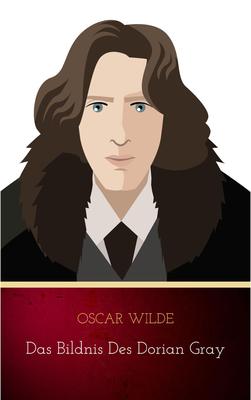
Das Bildnis des Dorian Gray
¥8.82
Das Bildnis des Dorian Gray ist der einzige Roman des irischen Schriftstellers Oscar Wilde. Eine erste Fassung erschien 1890 in Lippincott’s Monthly Magazine aus Philadelphia, 1891 wurde bei dem Londoner Verlag Ward, Lock and Co. die heute bekannte, überarbeitete und erweiterte Fassung in Buchform ver?ffentlicht. Der seinerzeit als anrüchig geltende Roman war auch Gegenstand des Unzuchtprozesses gegen Wilde. Die Hauptfigur, der reiche und sch?ne Dorian Gray, besitzt ein Portr?t, das statt seiner altert und in das sich die Spuren seiner Sünden einschreiben. W?hrend Gray immer ma?loser und grausamer wird, bleibt sein ?u?eres dennoch jung und makellos sch?n.
Vrt mu?enja
¥37.20
Kultno delo koje je obele?ilo po?etak novog pravca u knji?evnosti.
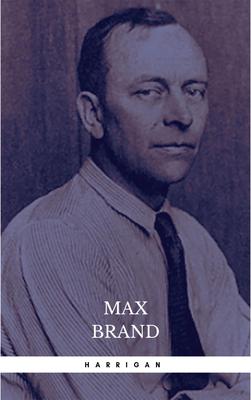
Harrigan
¥8.82
With gusts of wind fanning it roughly, the flame rose fast. Harrigan made other journeys to the rotten stump and wrenched away great chunks of bark and wood. He came back and piled them on the fire. It towered high, the upper tongues twisting among the branches of the tree. They laid Kate Malone between the windbreak and the fire. In a short time her trembling ceased; she turned her face to the blaze and slept.

Les meilleurs dossiers Warren
¥23.63
Edward et Lorraine Warren sont les célèbres enquêteurs du paranormal, les chasseurs de démons qui ont travaillé sur des affaires célèbres, dont celle de la maison d'Amityville ou encore celle de la famille Perron, histoire qui inspira le film "Conjuring : Les dossiers Warren" réalisé par James Wan. Dans ce livre, sont listées les meilleures affaires paranormales du couple, les plus terrifiantes, les plus terribles, les plus documentées, les plus médiatisées, les plus connues...
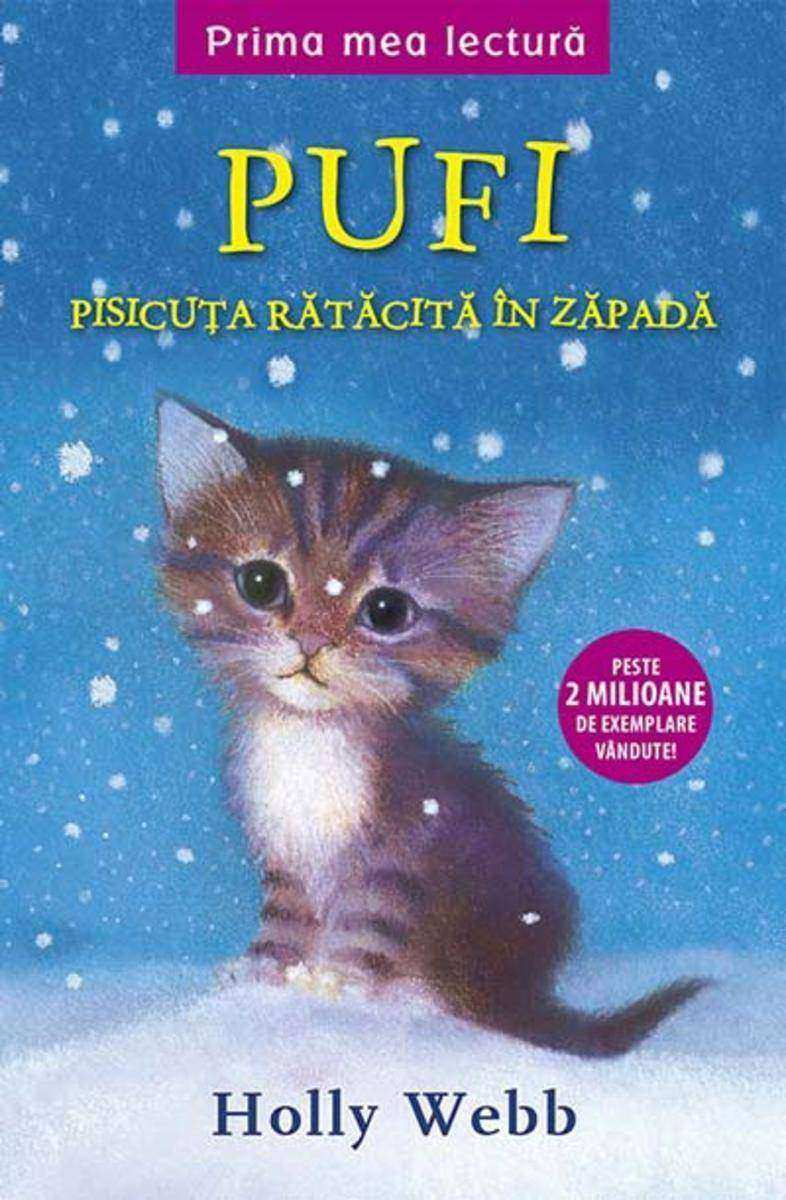
Pufi. Pisicu?a r?t?cit? ?n z?pad?
¥9.24
Ce ar fi dac? to?i cei patru pre?edin?i americani asasina?i de-a lungul timpului ar fi fost uci?i din acela?i motiv ?ocant: o clauz? din Constitu?ia Statelor Unite? C?nd pre?edintele Danny Daniels este ?inta unui atentat ?n inima Manhattan-ului, Cotton Malone, fost agent secret al Departamentului de Justi?ie, ??i risc? via?a pentru a-l salva ?i intr? astfel ?n conflict cu Commonwealth, o organiza?ie secret? ?nfiin?at? ?n vremea Revolu?iei Americane. Malone ?i Cassiopeia Vitt str?bat ?ara ?n lung ?i ?n lat ca s? sparg? cifrul secret al lui Thomas Jefferson, s? dezlege puzzle-ul lui Andrew Jackson ?i s? dezgroape un document semnat de ?n?i?i P?rin?ii Fondatori ai na?iei ?i suficient de puternic pentru a face din Commonwealth o for?? de neoprit. ?O intrig? ingenioas?, plin? de r?sturn?ri de situa?ie ?i scene de ac?iune, pe un fundal istoric care st?rne?te imagina?ia cititorilor.“ – Publishers Weekly ?Constitu?ia american?, coduri secrete, istorie c?t cuprinde ?i, ?n plus, pira?i! Ce altceva ?i-ai mai putea dori? Codul Jefferson te va b?ntui nu numai c?teva nop?i, ci toat? via?a. Cotton Malone se ?ntoarce ?n cel mai ?nfrico??tor loc de pe p?m?nt: acas?.“ – Brad Meltzer


