


 购物车
购物车 个人中心
个人中心

Pursuit
¥4.58
"When all the gods had assembled in conference, Zeus arose among them and addressed them thus" . . . "it is with this line that Plato's story of Atlantis ends; and the words of Zeus remain unknown." -- Francis Bacon, New Atlantis Of all the writings of Plato the Timaeus is the most obscure and repulsive to the modern reader, and has nevertheless had the greatest influence over the ancient and mediaeval world. The obscurity arises in the infancy of physical science, out of the confusion of theological, mathematical, and physiological notions, out of the desire to conceive the whole of nature without any adequate knowledge of the parts, and from a greater perception of similarities which lie on the surface than of differences which are hidden from view. To bring sense under the control of reason; to find some way through the mist or labyrinth of appearances, either the highway of mathematics, or more devious paths suggested by the analogy of man with the world, and of the world with man; to see that all things have a cause and are tending towards an end—this is the spirit of the ancient physical philosopher. He has no notion of trying an experiment and is hardly capable of observing the curiosities of nature which are 'tumbling out at his feet,' or of interpreting even the most obvious of them. He is driven back from the nearer to the more distant, from particulars to generalities, from the earth to the stars. He lifts up his eyes to the heavens and seeks to guide by their motions his erring footsteps. But we neither appreciate the conditions of knowledge to which he was subjected, nor have the ideas which fastened upon his imagination the same hold upon us. For he is hanging between matter and mind; he is under the dominion at the same time both of sense and of abstractions; his impressions are taken almost at random from the outside of nature; he sees the light, but not the objects which are revealed by the light; and he brings into juxtaposition things which to us appear wide as the poles asunder, because he finds nothing between them. He passes abruptly from persons to ideas and numbers, and from ideas and numbers to persons,—from the heavens to man, from astronomy to physiology; he confuses, or rather does not distinguish, subject and object, first and final causes, and is dreaming of geometrical figures lost in a flux of sense. He contrasts the perfect movements of the heavenly bodies with the imperfect representation of them (Rep.), and he does not always require strict accuracy even in applications of number and figure (Rep.). His mind lingers around the forms of mythology, which he uses as symbols or translates into figures of speech. He has no implements of observation, such as the telescope or microscope; the great science of chemistry is a blank to him. It is only by an effort that the modern thinker can breathe the atmosphere of the ancient philosopher, or understand how, under such unequal conditions, he seems in many instances, by a sort of inspiration, to have anticipated the truth. The influence with the Timaeus has exercised upon posterity is due partly to a misunderstanding. In the supposed depths of this dialogue the Neo-Platonists found hidden meanings and connections with the Jewish and Christian Scriptures, and out of them they elicited doctrines quite at variance with the spirit of Plato. Believing that he was inspired by the Holy Ghost, or had received his wisdom from Moses, they seemed to find in his writings the Christian Trinity, the Word, the Church, the creation of the world in a Jewish sense, as they really found the personality of God or of mind..
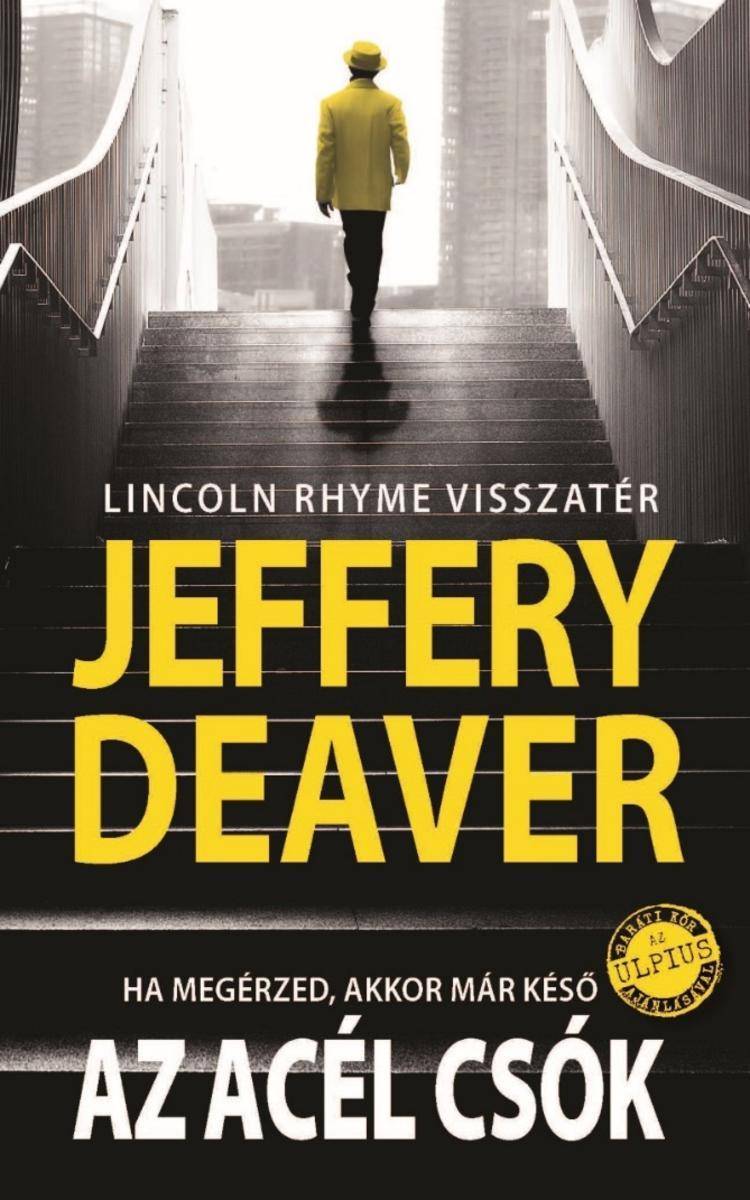
Az acél csók
¥119.27
1609 októberében?Fabricius Flóra, egy pozsonyi orvos lánya?Báthori Erzsébet ?udvarába érkezik, hogy megkeresse elt?nt n?vérét. Ha tudta volna, mi vár rá, talán útnak sem indul. Hamarosan megtanulja, semmi sem az, aminek látszik, és semmi sem biztos, csak a halál. Ki mozgatja vajon a szálakat? Ki az, aki befolyásolja az eseményeket, és a gyilkolástól sem riad vissza?? Minden erejére szüksége van, hogy legy?zze az akadályokat és kibogozza a s?tét titkot, melyet a csejtei vár falai rejtenek.? Egyetlen emberre számíthat csupán, az Itáliából érkezett, kétes jellem?, mégis rendkívül vonzó férfira, akir?l azt sem tudja pontosan, hogy kicsoda, és azt sem, miért segít neki.? R.?Kelényi Angelika, Terézanyu-díjas írón??17. század elején játszódóregénye kalandos, izgalmas, és vérfagyasztó t?rténetet mesél el, korh? t?rténelmi háttérbe helyezve.? Ahogy azt már megszokhattuk t?le, írása nem nélkül?zi a romantikát és a politikai cselsz?vést sem.?
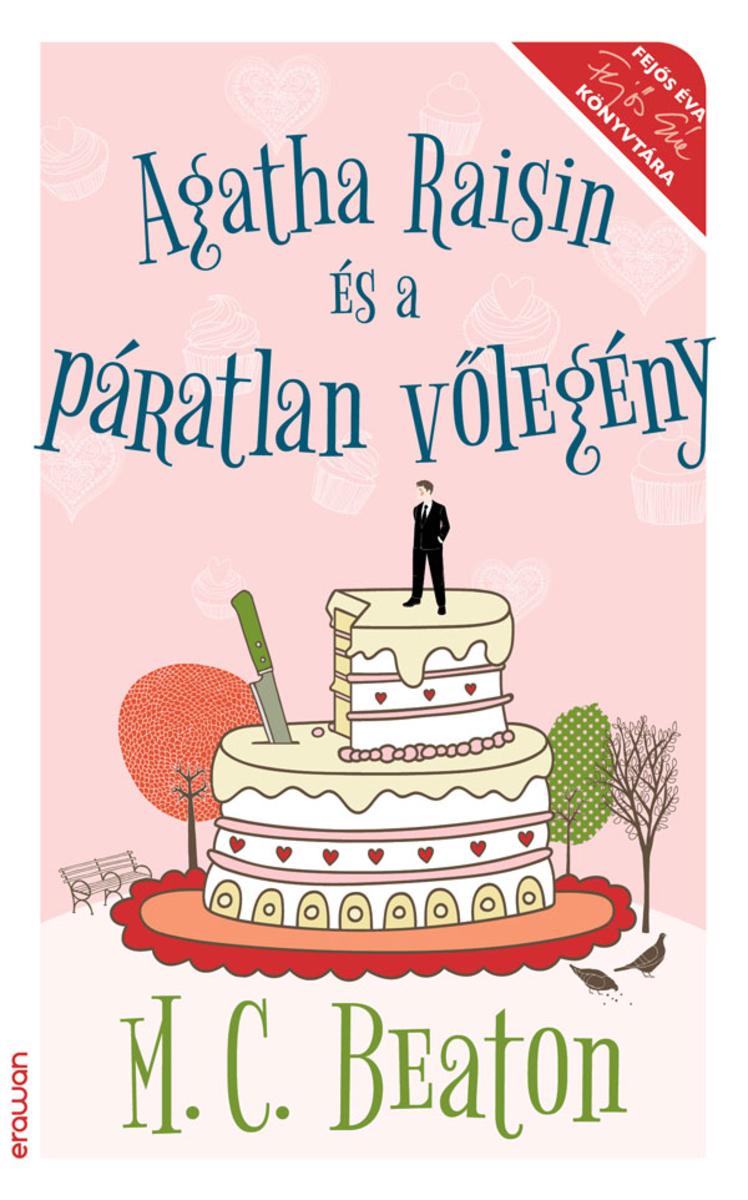
Agatha Raisin és a páratlan v?legény
¥80.36
Egy oknyomozó újságíró az egyik vállalat ügyei után járva ráakad egy vidéki temet?re, ahol ?tven évvel azel?tt t?bb halottat is eltemettek ugyanazon a napon. Kutatása során kapcsolatot talál a vizsgált vállalat tulajdonosa és a temet?ben elhunytak egyike k?z?tt. Ezzel egy politikai t?meggyilkosság nyomára jut, amelynek néhány túlél?jét és tanúját is megtalálja. Az ügy nyilvánosságra hozatala a nagyvállalat érdekeit súlyosan sérti, ezért vezet?je radikális lépésekre szánja el magát – a gyilkosságtól sem riad vissza...K?zben megjelenik egy amerikai befektet?, akit elriaszthat a rossz hírbe kevert magyar vállalat. Személyes kapcsolatok romolnak meg, kemény harc folyik a vállalat tulajdonlásáért. A küzdelemben a keleti és a nyugati t?keérdekeltségek csapnak ?ssze.

Secret of the Earth
¥28.04
Tolstoy incorporated extensive historical research. He was also influenced by many other novels. A veteran of the Crimean War, Tolstoy was quite critical of standard history, especially the standards of military history, in War and Peace. Tolstoy read all the standard histories available in Russian and French about the Napoleonic Wars and combined more traditional historical writing with the novel form. He explains at the start of the novel's third volume his own views on how history ought to be written. His aim was to blur the line between fiction and history, in order to get closer to the truth, as he states in Volume II. The novel is set 60 years earlier than the time at which Tolstoy wrote it, "in the days of our grandfathers", as he puts it. He had spoken with people who had lived through war during the French invasion of Russia in 1812, so the book is also, in part, accurate ethnography fictionalized. He read letters, journals, autobiographical and biographical materials pertaining to Napoleon and the dozens of other historical characters in the novel. There are approximately 160 real persons named or referred to in War and Peace. Plot summary:War and Peace has a large cast of characters, the majority of whom are introduced in the first book. Some are actual historical figures, such as Napoleon and Alexander I. While the scope of the novel is vast, it is centered around five aristocratic families. The plot and the interactions of the characters take place in the era surrounding the 1812 French invasion of Russia during the Napoleonic wars.Book/Volume OneThe novel begins in July 1805 in Saint Petersburg, at a soiree given by Anna Pavlovna Scherer—the maid of honour and confidante to the queen mother Maria Feodorovna. Many of the main characters and aristocratic families in the novel are introduced as they enter Anna Pavlovna's salon. Pierre (Pyotr Kirilovich) Bezukhov is the illegitimate son of a wealthy count, an elderly man who is dying after a series of strokes. Pierre is about to become embroiled in a struggle for his inheritance. Educated abroad at his father's expense following his mother's death, Pierre is essentially kindhearted, but socially awkward, and owing in part to his open, finds it difficult to integrate into Petersburg society. It is known to everyone at soiree that Pierre is his father's favorite of all the old count’s illegitimate children. Also attending the soireé is Pierre's friend, the intelligent and sardonic Prince Andrei Nikolayevich Bolkonsky, husband of Lise, the charming society favourite. Finding Petersburg society unctuous and disillusioned with married life after discovering his wife is empty and superficial, Prince Andrei makes the fateful choice to be an aide-de-camp to Prince Mikhail Ilarionovich Kutuzov in the coming war against Napoleon. The plot moves to Moscow, Russia's ancient city and former capital, contrasting its provincial, more Russian ways to the highly mannered society of Petersburg. The Rostov family are introduced. Count Ilya Andreyevich Rostov has four adolescent children. Thirteen-year-old Natasha (Natalia Ilyinichna) believes herself in love with Boris Drubetskoy, a disciplined young man who is about to join the army as an officer. Twenty-year-old Nikolai Ilyich pledges his love to Sonya (Sofia Alexandrovna), The eldest child of the Rostov family, Vera Ilyinichna, is cold and somewhat haughty but has a good prospective marriage in a Russian-German officer, Adolf Karlovich Berg. Petya (Pyotr Ilyich) is nine and the youngest of the Rostov family; like his brother, he is impetuous and eager to join the army when of age. The heads of the family, are an affectionate couple but forever worried about their disordered finances. At Bald Hills, the Bolkonskys' country estate, Prince Andrei departs for war and leaves his terrified, pregnant wife Lise with his eccentric father Prince Nikolai Andreyevich Bolkonsky and devoutly religious sister Maria Nikolayevna Bolkonskaya.

Peter Cotterell's Treasure
¥13.98
The Mole had been working very hard all the morning, spring-cleaning his little home. First with brooms, then with dusters; then on ladders and steps and chairs, with a brush and a pail of whitewash; till he had dust in his throat and eyes, and splashes of whitewash all over his black fur, and an aching back and weary arms. Spring was moving in the air above and in the earth below and around him, penetrating even his dark and lowly little house with its spirit of divine discontent and longing. It was small wonder, then, that he suddenly flung down his brush on the floor, said 'Bother!' and 'O blow!' and also 'Hang spring-cleaning!' and bolted out of the house without even waiting to put on his coat. Something up above was calling him imperiously, and he made for the steep little tunnel which answered in his case to the gavelled carriage-drive owned by animals whose residences are nearer to the sun and air. So he scraped and scratched and scrabbled and scrooged and then he scrooged again and scrabbled and scratched and scraped, working busily with his little paws and muttering to himself, 'Up we go! Up we go!' till at last, pop! his snout came out into the sunlight, and he found himself rolling in the warm grass of a great meadow. 'This is fine!' he said to himself. 'This is better than whitewashing!' The sunshine struck hot on his fur, soft breezes caressed his heated brow, and after the seclusion of the cellarage he had lived in so long the carol of happy birds fell on his dulled hearing almost like a shout. Jumping off all his four legs at once, in the joy of living and the delight of spring without its cleaning, he pursued his way across the meadow till he reached the hedge on the further side. 'Hold up!' said an elderly rabbit at the gap. 'Sixpence for the privilege of passing by the private road!' He was bowled over in an instant by the impatient and contemptuous Mole, who trotted along the side of the hedge chaffing the other rabbits as they peeped hurriedly from their holes to see what the row was about. 'Onion-sauce! Onion-sauce!' he remarked jeeringly, and was gone before they could think of a thoroughly satisfactory reply. Then they all started grumbling at each other. 'How STUPID you are! Why didn't you tell him——' 'Well, why didn't YOU say——' 'You might have reminded him——' and so on, in the usual way; but, of course, it was then much too late, as is always the case. It all seemed too good to be true. Hither and thither through the meadows he rambled busily, along the hedgerows, across the copses, finding everywhere birds building, flowers budding, leaves thrusting—everything happy, and progressive, and occupied. And instead of having an uneasy conscience pricking him and whispering 'whitewash!' he somehow could only feel how jolly it was to be the only idle dog among all these busy citizens. After all, the best part of a holiday is perhaps not so much to be resting yourself, as to see all the other fellows busy working.
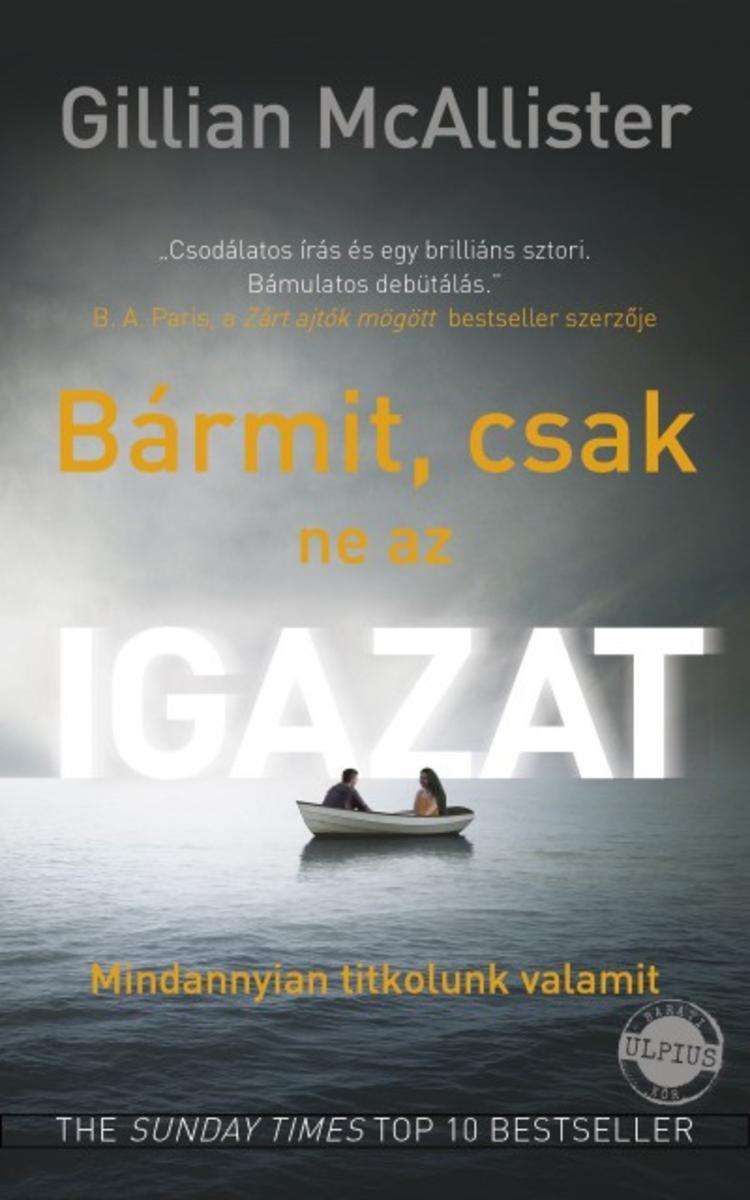
Bármit, csak ne az igazat
¥119.27
***T?bb, mint 70 millió eladott k?nyv írója*** Hét nagyon kül?nb?z? n? testvéri sz?vetségbe t?m?rül az ?r?k barátság jegyében, hogy orvosolják a jelent is beárnyékoló múltbeli sérelmeiket, és visszacsempésszék az ?r?m?t, a nevetést az életükbe. Myra Rutledge barátn?ivel, gy?ny?r? virginiai otthonukban, családias hangulatban, rózsaszín tulipánok k?z?tt, rákfalatkákkal és jeges teával kényeztetik magukat a hétk?znapokban.A barátn?k nekilátnak küldetésüknek, hogy kidolgozanak egy édes bosszút egy társukért.?Julia Websterért, akinek férje, az Egyesült ?llamok szenátora korábban felesége kifinomultságát és eleganciáját használta a karrierje építéséhez. Mindek?zben minden pillanatban visszaélt a n? bizalmával és romba d?nt?tte az álmait. Legnagyobb politikai gy?zelme estéjén azonban komoly lecke vár rá. A szenátor nem sejti, hogy mekkora hiba volt annak a n?nek ártani, aki mellett hat másik sorakozik fel, hogy elégtételt vegyenek a piszkos húzásokért.?Egy kül?n?s sz?vetség hihetetlenül izgalmas kalandjai bontakoznak ki: hét bátor n?, akit az igazságszolgáltatás semmibe vett, saját kezébe veszi a bíráskodást. Fern Michaels amerikai írón?, k?zel 150 bestseller sikerk?nyv szerz?je, 70 milliós eladott példányszámmal a háta m?g?tt. Romantikus regényei, krimijei világszerte népszer?ek, rendszeresen vezetik a sikerlistákat, a magyar olvasók számára sem ismeretlen.
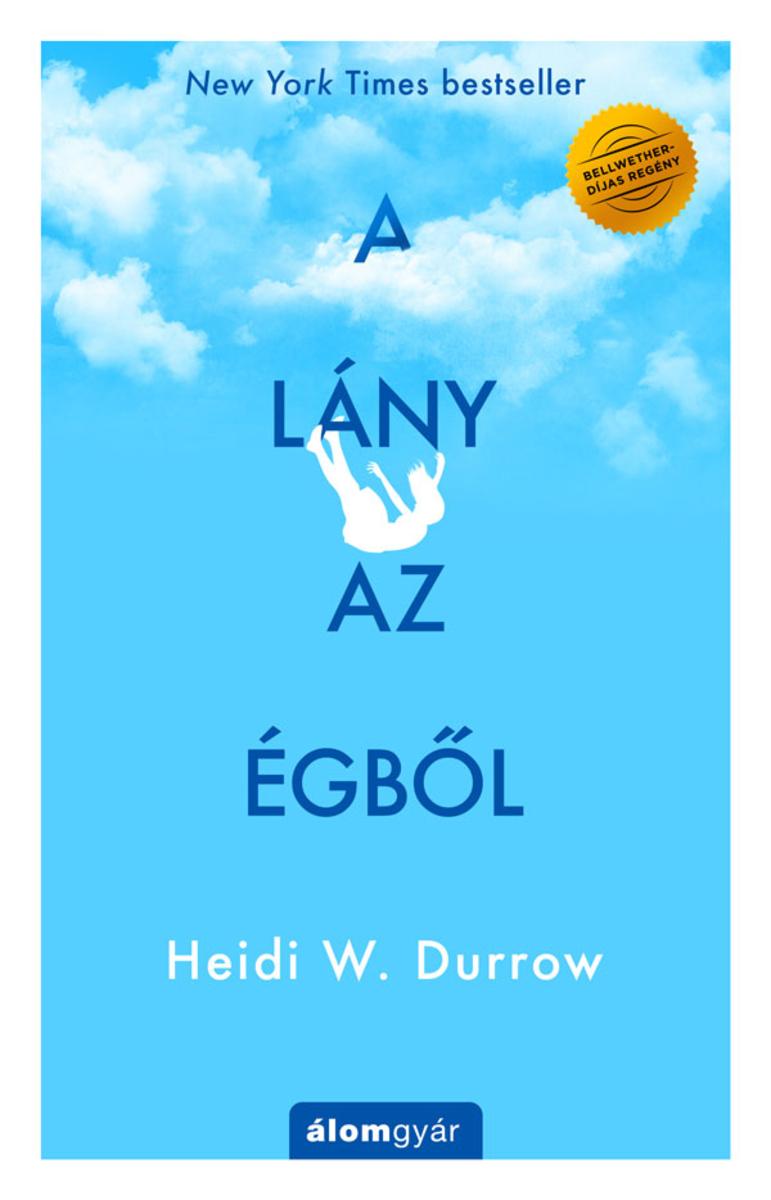
A lány az égb?l
¥57.55
Kóródi Szonját, egy kereskedelmi tévécsatorna kommunikációs szakemberét fejvadászcég k?zvetíti egy viszonylag új, de nagyra t?r? k?rnyezetvédelmi céghez. A munka nehezebb, de izgalmasabb, a fizetés jobb, a kilátások mesések… vagy mégsem? Szonja szép lassan ráj?n, hogy el?dje és egy másik kollégája titokzatos k?rülmények vesztette életét, és a szálak munkahelyére, a GreenDay óbudai bázisára, és onnan nagyon-nagyon magasra vezetnek… Míg Szonja az informatikus párja segítségével egy kis magánnyomozásba kezd, egy másik lány, a családi okokból otthonban él?, tizen?téves Tina egy rosszul végz?d? buliban vesz részt. Azonban az intézetbe már nem megy vissza a buli után, hanem bek?lt?zik egy elhagyatott hétvégi házba Szigetmonostoron. ?m amikor megtudja, hogy egyetlen barátn?je egy új dizájner drog áldozatává vált, bosszút esküszik, és a díler nyomába ered. A lány és a fiatal n? t?rténete eleinte nem keresztezi egymást, de mindketten elszántan küzdenek az igazukért, és mindkettejüknek menekülniük kell. Vajon elég bátrak-e ahhoz, hogy továbblépjenek és bevállalják az igazságot? Fej?s ?va új regénye az ?ton hozzád és a November lányában megszokott izgalmakat nyújtja az olvasóknak, és hatalmas tempóban száguldunk mi is Budapestr?l Sydney felé, ahol nem csak a szerelem vár a h?sn?re, Szonjára…
Through the Looking-Glass
¥18.74
Adler i?in Freud’dan ayr?ld?ktan sonraki y?llar olduk?a üretken ge?mi?tir. Bireysel psikoloji derne?i h?zla büyümü? ve Adler ?nemli yay?mlar yay?mlam??t?r. Bu süre i?inde olduk?a geli?tirdi?i kuram?na “Bireysel Psikoloji” ad?n? vermi?tir. Adler de Freud gibi 1. Dünya sava??ndan ?nemli ?l?üde etkilenir. Bu s?rada ciddi ekonomik s?k?nt?lar ya?aman?n yan?nda Adler kuram?nda da kimi ?nemli de?i?ikliklere gitmi?tir. Sosyal ilgi ve merhametin insandaki motivasyonunun k??e ta?lar? olabilece?ini belirtmi?tir.? Bu kitapta , moden psikolojinin kurucular?ndan birisi olan Alfred Adler'in tüm moden psikoloji ?al??malar?n?n bir ?zetini ve hayat hikayesini bulacaks?n?z.. ?Adler kendi g?rü?lerini ?ok daha iyi yans?taca??n? dü?ündü?ü “Bireysel Psikoloji” ismini se?ti. Freud ve Adler’in birbirleriyle anla?amaman?n tek nedeni fikir ayr?l?klar? de?ildi. Bu antla?mazl???n ve ayr?l???n tek nedeni de birbirlerini sevmemeleriydi. Ki?ilikleri bak?m?ndan pek birbirlerine benzemiyorlard?. Bu antla?mazl?klar ve ayr?l?ktan sonra Freud ve Adler aras?ndaki ili?ki birbirlerine kar?? olduk?a sert bir tutum i?inde kald?lar. Freud’un Adler’e olan ?fkesi hi? dinmemi? ve Adler’in ?lümü haberini ald???nda bu habere üzülen bir arkada??na “Senin Adler’e duydu?un sempatiyi anl?yorum. Viyana’n?n k?yünde do?mu? Yahudi ?ocuk i?in Aberdeen’de ?lmek duyulmam?? bir ba?ar? ve onun ne kadar ileri gitti?inin kan?t?d?r. Dünya, psikanalize kar?? ??kma hizmetinden ?türü onu ger?ekten zengin bir bi?imde ?düllendirdi” diyerek kar??l?k vermi?tir. Adler i?in Freud’dan ayr?ld?ktan sonraki y?llar olduk?a üretken ge?mi?tir. Bireysel psikoloji derne?i h?zla büyümü? ve Adler ?nemli yay?mlar yay?mlam??t?r. Bu süre i?inde olduk?a geli?tirdi?i kuram?na “Bireysel Psikoloji” ad?n? vermi?tir.
War of the Worlds
¥23.30
The Wizard was written in the year 1896 by Henry Rider Haggard. This book is one of the most popular novels of Henry Rider Haggard, and has been translated into several other languages around the world.This book is published by Booklassic which brings young readers closer to classic literature globally.

Little Women
¥18.74
In offering this study to a public accustomed only to the unquestioning acceptance of the home as something perfect, holy, quite above discussion, a word of explanation is needed. First, let it be clearly and definitely stated, the purpose of this book is to maintain and improve the home. Criticism there is, deep and thorough; but not with the intention of robbing us of one essential element of home life—rather of saving us from conditions not only unessential, but gravely detrimental to home life. Every human being should have a home; the single person his or her home; and the family their home. The home should offer to the individual rest, peace, quiet, comfort, health, and that degree of personal expression requisite; and these conditions should be maintained by the best methods of the time. The home should be to the child a place of happiness and true development; to the adult a place of happiness and that beautiful reinforcement of the spirit needed by the world's workers. We are here to perform our best service to society, and to find our best individual growth and expression; a right home is essential to both these uses. The place of childhood's glowing memories, of youth's ideals, of the calm satisfaction of mature life, of peaceful shelter for the aged; this is not attacked, this we shall not lose, but gain more universally. What is here asserted is that our real home life is clogged and injured by a number of conditions which are not necessary, which are directly inimical to the home; and that we shall do well to lay these aside. As to the element of sanctity—that which is really sacred can bear examination, no darkened room is needed for real miracles; mystery and shadow belong to jugglers, not to the truth. The home is a human institution. All human institutions are open to improvement. This specially dear and ancient one, however, we have successfully kept shut, and so it has not improved as have some others.

Tarajosvilág: Hányféleképpen hajthat hasznot a sokszín? baromfiudvar?
¥57.31
Betegséget humorral kezelni Képes-e az ember egy kemény, embert próbáló pszichés nyavalya kell?s k?zepén kinevetni saját magát? R. Kelényi Angelika szerint igen, s?t, neki a gyógyulásban is segített, hogy ?niróniával szemlélte saját problémáját. Pedig nem volt k?nny? dolga. Pánikbetegségének felbukkanása el?tt nemcsak bírta a t?meget, de kereste is; kifejezetten boltkóros volt, a legs?r?bb szórakozóhelyeket kedvelte, és sosem mondott nemet a mozira, színházra. Aztán egyik percr?l a másikra mindett?l félelem kerítette hatalmába. Ezt a naplót saját tapasztalatai alapján jegyezte le, ?nsajnálat nélkül, nyersen, fanyar humorral. Az agyam eldobom R. KEL?NYI ANGELIKA Terézanyu-díjas, t?bbsz?r?sen Aranyk?nyv-díjra jel?lt író els? k?nyve volt. A napló új ruhát kapott, és tartalma is jócskán kib?vült valós, humoros, néha megd?bbent? részletekkel. Az új kiadással az olvasók a szerz? életének egy meghatározó szeletét vehetik a kezükbe. Roppant szórakoztató, torokszorítóan laza remekm?! Nem tudtam letenni! Straub Dezs? - színész Habár kemény témát dogoz fel, végig hangosan nevettem. Imádom a humorát, az ?niróniáját! - Anne L. Green ?szintesége leny?g?z?tt. - Lyanna (moly.hu) K?nny? volt megszeretni - a másik világ blog
Cecily Parsley's Nursery Rhymes: "Illustrated"
¥9.48
England, My England was written in the year 1915 by David Herbert Lawrence. This book is one of the most popular novels of David Herbert Lawrence, and has been translated into several other languages around the world.This book is published by Booklassic which brings young readers closer to classic literature globally.
Last Entry
¥18.74
A NEW AND FACETIOUS INTRODUCTION TO THE ENGLISH TONGUEBy Percival LeighEmbellished with upwards of forty-five Characteristic IllustrationsBy JOHN LEECH. Fashion requires, and like the rest of her sex, requires because she requires, that before a writer begins the business of his book, he should give an account to the world of his reasons for producing it; and therefore, to avoid singularity, we shall proceed with the statement of our own, excepting only a few private ones, which are neither here nor there. To advance the interests of mankind by promoting the cause of Education; to ameliorate the conversation of the masses; to cultivate Taste, and diffuse Refinement; these are the objects we have in view in submitting a Comic English Grammar to the patronage of a discerning Public. Few persons there are, whose ears are so extremely obtuse, as not to be frequently annoyed at the violations of Grammar by which they are so often assailed. It is really painful to be forced, in walking along the streets, to hear such phrases as, "That 'ere omnibus." "Where've you bin?" "Vot's the odds?" and the like. Very dreadful expressions are also used by cartmen and others in addressing their horses. What can possibly induce a human being to say "Gee woot!" "'Mather way!" or "Woa not to mention the atrocious "Kim aup!" of the barbarous butcher's boy. It is notorious that the above and greater enormities are perpetrated in spite of the number of Grammars already before the world. This fact sufficiently excuses the present addition to the stock; and as serious English Grammars have hitherto failed to effect the desired reformation, we are induced to attempt it by means of a Comic one. With regard to the moral tendency of our labors, we may be here permitted to remark, that they will tend, if successful, to the suppression of evil speaking ; and as the Spartans used to exhibit a tipsy slave to their children with a view to disgust them with drunkenness, and We will not allow a man to give an old woman a dose of rhubarb if he have not acquired at least half a dozen sciences; but we permit a quack to sell as much poison as he pleases. When one man runs away with another's wife, and, being on that account challenged to fight a duel, shoots the aggrieved party through the head, the latter is said to receive satisfaction. We never take a glass of wine at dinner without getting somebody else to do the same, as if we wanted encouragement; and then, before we venture to drink, we bow to each other across the table, preserving all the while a most wonderful gravity. This, however, it may be said, is the natural result of endeavoring to keep one another in countenance. The way in which we imitate foreign manners and customs is very amusing. Savages stick fish-bones through their noses; our fair countrywomen have hoops of metal poked through their ears. The Caribs flatten the forehead; the Chinese compress the foot; and we possess similar contrivances for reducing the figure of a young lady to a resemblance to an hour-glass or a devil-on-two-sticks. There being no other assignable motive for these and the like proceedings, it is reasonable to suppose that they are adopted, as schoolboys say, "for fun." We could go on, were it necessary, adducing facts to an almost unlimited extent; but we consider that enough has now been said in proof of the comic character of the national mind. And in conclusion, if any other than an English or American author can be produced, equal in point of wit, humor, and drollery, to Swift, Sterne, Dickens, or Paulding, we hereby engage to eat him; albeit we have no pretensions to the character of a "helluo librorum." "English Grammar," according to Lindley Murray, "is the art of speaking and writing the English language with propriety." The English language, written and spoken with propriety, is commonly called the King's English.
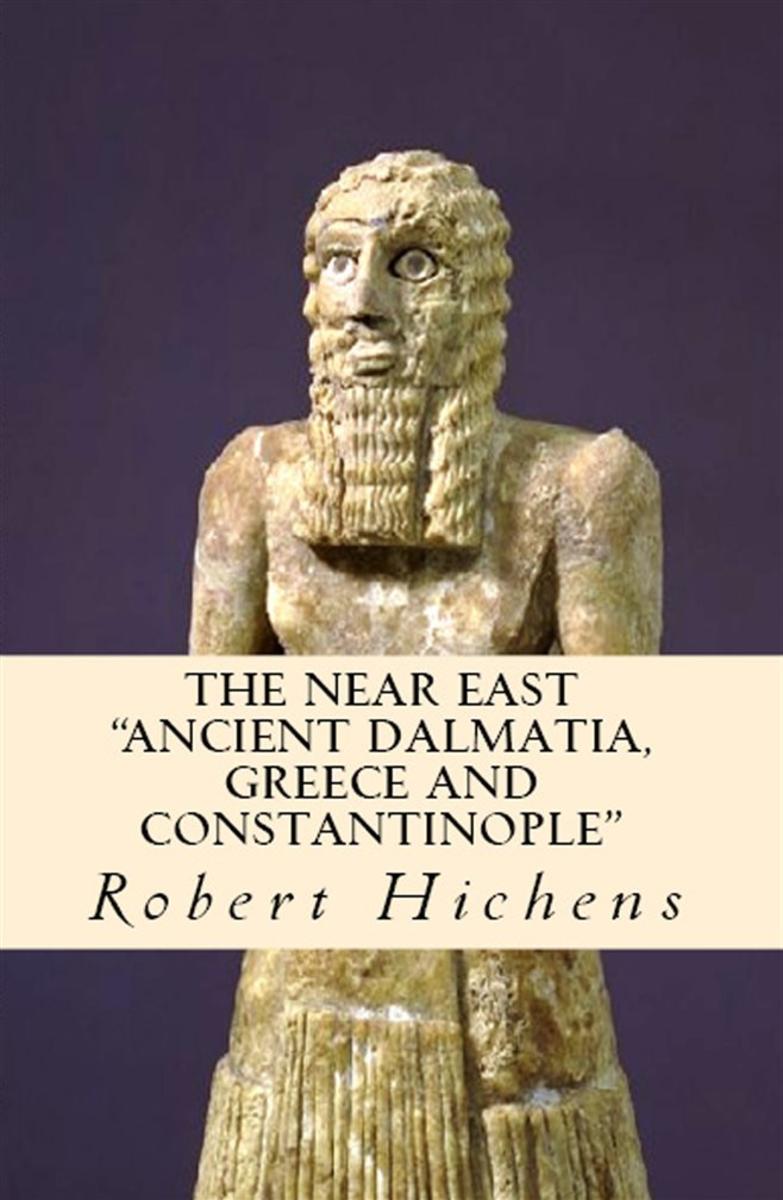
The Near East: "Ancient Dalmatia, Greece and Constantinople"
¥28.04
Through the Dragon Glass was written in the year 1917 by Abraham Merritt. This book is one of the most popular novels of Abraham Merritt, and has been translated into several other languages around the world.This book is published by Booklassic which brings young readers closer to classic literature globally.

Ukray Unified Field Theory: "An Approach to Electrogravity Unification"
¥0.01
The Virgin of the Sun was written in the year 1922 by Henry Rider Haggard. This book is one of the most popular novels of Henry Rider Haggard, and has been translated into several other languages around the world.This book is published by Booklassic which brings young readers closer to classic literature globally.
The Virgin of the Sun
¥8.01
Szenvedélyes kalandok vagy biztonságos házasság? Végtelen álmodozás vagy unalmas valóság? Zsuzsi felvágott nyelv? diák, aki a barátai és a családja szárnyai alatt élvezi a biztonságos kamaszkort egy álmos kisvárosban. Az iskola egyik népszer? sportolójával, Gerg?vel viharos tini szerelembe bonyolódnak, majd egészen az egyetem végéig egy-egy estére ?sszefújja ?ket a szél, míg a lány férjhez nem megy. Zsuzsi id?vel azonban rád?bben, hogy a házasság korántsem az a rózsaszín leányálom, amit menyasszonyként elképzelt, és ahogy egyre inkább elborítják a hétk?znapok problémái, mind gyakrabban jutnak eszébe a Gerg?vel k?z?s emlékek. ?rdemes-e harcolni egy kih?lt házasságért? ?rdemes-e mindent eldobni az újra fellángoló kamaszkori szerelemért? Képes-e belátni egy szeretetéhes n?, hogy csupán illúziókat kerget? Takáts Lilla els? k?nyve arra a kérdésre keresi a választ, hogy n?ként érdemes-e er?nk?n felül küzdeni a család ?sszetartásáért, vagy találhatunk-e rá mentséget, ha megelégelve a feleség- és anyaszerepet, az álmainkat k?vetjük.
The Blind Man
¥8.01
Minden család múltja befolyásolja annak j?v?jét?Az 1800-as évek Európájában járunk. Emma felismerve hibáit és tévedéseit megpróbálja újragondolni az életét, változtatni a viselkedésén, de lépten-nyomon akadályokba ütk?zik. A Headey család fokozatosan elénk táruló sz?vevényes titkai alaposan felforgatják Emma mindennapjait.A fiatal lány, aki eddig makacsul ellenállt a házasság gondolatának, egy napon szembesül vele, hogy néhai nagyanyja, az er?s akaratú, a családot vaskézzel irányító Anne Marie Shields d?ntései milyen nagy hatással bírhatnak még leszármazottai életére is, ha egyszer csak bepillanthatunk a múlt kútjába.Mindek?zben Emma egy régi jó barátjával való kapcsolatát is felülvizsgálja, aki hosszú távollét után újra felbukkan a n? életében.Vajon csak hazugság volt, hogy a férfi rendszeresen írt neki? Vagy valami rejtélyes okból t?ntek el az egymásnak küld?tt levelek? Kiderül-e valaha az igazság? Tisztázhatók-e a családot beárnyékoló titkok és félreértések? Kitart-e Emma az egyedüllét mellett?Szalai Mónika hisz benne: nem véletlen, hogy a romantikus és fordulatos családregény h?seiben a modern olvasó is magára ismerhet.

K?z?d?
¥65.42
Mindennapi szorongásainkat add meg nekünk ma… Egy ember a kit?rés el?tti utolsó pillanatokban, innen indulunk. Magunkon kívülre… Csak ott lehetünk szabadok. Nincs ebben semmi szomorú. Nehéz elmondanom, hogy minek írtam ezt a k?nyvet. Nem rólam szól, és mégis. Benne vagyok, ahogy te. Ahogy ?k. Fullasztó bennrekedtség…Csak az fogja érteni, aki érezte már, másként elolvasni sem érdemes.Egy kétségbeesett, kapkodó, g?rcs?kbe ránduló, esetlen szabadulási kísérlet a teljesség felé.Szét akartam a felszínt szaggatni, a tartalmat darabjaira akartam t?rni, hogy megtaláljam a lényeg hiányzó, ismeretlen részét. Nem sikerült. A semmit nem lehet megtalálni. De tovább kell keresni.?ngyilkosság a halál nélkül, ez a f?h?s útja.
You Touched Me
¥8.01
Egy természetfeletti képességekkel rendelkez? kamaszlány nem mindennapi kalandjai a szerelemmel és a túlvilággal.Bergmann Angéla éppen a tinédzserek szerelmi kalandokkal f?szerezett mindennapjait éli, amikor felfordul az élete: egy házibuli k?zben fény derül hátborzongató képességeire. Azonnal a Vatikánba hívják egy kül?nleges munkára, melynek során belebotlik egy pszichopata érsekbe és b?nsz?vetkezetébe. Kés?bb egy tibeti szerzetes oldalán megtalálja nemcsak a békéjét, de az igaz szerelmet is. Angéla gyerekes viselkedése és vágyakkal terhelt élete hamar átalakul és megcsillan benne valami más.Képes lesz Angéla elmenekülni a gonosz társaság hálójából és megakadályozni egy minden embert érint? ?sszeesküvést. Vajon tud-e választani a saját élete és másoké k?z?tt?Tamas Garam bemutatkozó regényében egyedi, szókimondó, nyers erotikától lüktet? stílusban bont ki el?ttünk egy új világot, mik?zben elgondolkoztatja az olvasót nemcsak a túlvilágról, de az élet értelmér?l is
Great Astronomers (Nicolaus Copernicus): Illustrated
¥18.74
Skye a világon mindennél jobban szereti az ikertesóját, Summert. Mindig mindent együtt csinálnak, ám a Skye újabban kezdi azt érezni, teljesen elt?nik testvére árnyékában, mellette mindig csak a második legjobb lehet. Emiatt is érinti annyira fájdalmasan, mikor kiderül, Alfie is csak azért barátkozik vele, hogy meghódíthassa Summer szívét. Skye szeretne ?nmaga lenni, megmutatni saját stílusát és egyéniségét. De nem k?nny? elszánnia magát, hiszen egy t?kéletes, men? és népszer? ikertestvér mellett miért lenne bárki pont rá kíváncsi? ?t lány, ?t néz?pont, ?t k?nyv. Cherry után a Mályvacukor égboltból megismerjük Skye t?rténetét. Egy k?nyvsorozat, melyben minden testvérnek megvan a maga t?rténete Neked melyik lány lesz a kedvenced? Talán a Mályvacukor égbolt f?h?se, Skye? ? az a lány, akinek sz?ke, hullámos a haja, kék a szeme, egy kissé talán kül?nc, de mindig vidám, kedves és barátságos. Igazi egyéniség. A szerz?r?l: Cathy Cassidy nyolc-kilencéves korában írta meg els? képesk?nyvét kis?ccsének, és azóta ontja magából a t?rténeteket. Magyarul els?ként a Csajok és csokik-sorozata jelent meg (a Cseresznyés ábrándot most a második k?tet, a Mályvacukor égbolt k?veti), melynek a vagány Tanberry-n?vérek a f?h?sei. De mellettük felt?nik néhány szupermen? srác is, valamint Cathy egyik legnagyobb szerelme, a csokoládé is fontos szerepet kap. Cathy Skóciában él a családjával. Az ?sszes munka k?zül, amivel valaha megpróbálkozott, az írást szereti a legjobban hiszen amikor ír, mást sem kell csinálnia, mint ébren álmodozni egész álló nap.
Moartea ?ntr-o gaur? neagr? ?i alte dileme cosmice
¥90.84
Tényleg azt hitted, hogy kamasznak lenni k?nny?? Bár a tizen?t éves Pataki Emma élete igen távol áll a t?kéletest?l, hiszen anya nélkül kell feln?nie alkoholista apukája és nagymamája szigorú kontrollja alatt, ? mégis megpróbálja élni a tinik szokásos mindennapjait. Bulizik a barátaival, mindent megbeszél b?lcs barátn?jével és még szerelmes is az elb?v?l? mosolyú osztálytársába. Az eszes kaposvári lány ügyesen lavíroz az ellentmondást nem t?r? apa elvárásai és a barátok napról napra féktelenebbé váló kicsapongásai k?z?tt. Az élet azonban nem t?ri sokáig ezt a t?rékeny egyensúlyt, szemberohan Emmával, hogy minél hamarabb g?rdíthessen elé megoldhatatlannak t?n? nehézségeket. A méretes akadályok k?z?tt botladozó lány mindinkább kétségbeesik, és kérdéses, hogy sikerülhet-e átverekednie magát az ?t elgáncsolni látszó problémákon. Vajon meg tud birkózni Emma az emberfeletti er?t kívánó kihívásokkal? Képes helytállni és feln?ttként viselkedni olyan helyzetekben, amik még sok valódi feln?ttnek is feladnák a leckét? ?s vajon ráj?n, hogy milyen súlyos titkot rejteget el?le a családja? Gombos Tünde a Margó-díjra jel?lt Szerelemtánc után megint egy embert próbáló helyzetbe került fiatal t?rténetét meséli el a t?le már megszokott stílusban, hol humorosan, hol szívhez szólóan.


