


 购物车
购物车 个人中心
个人中心

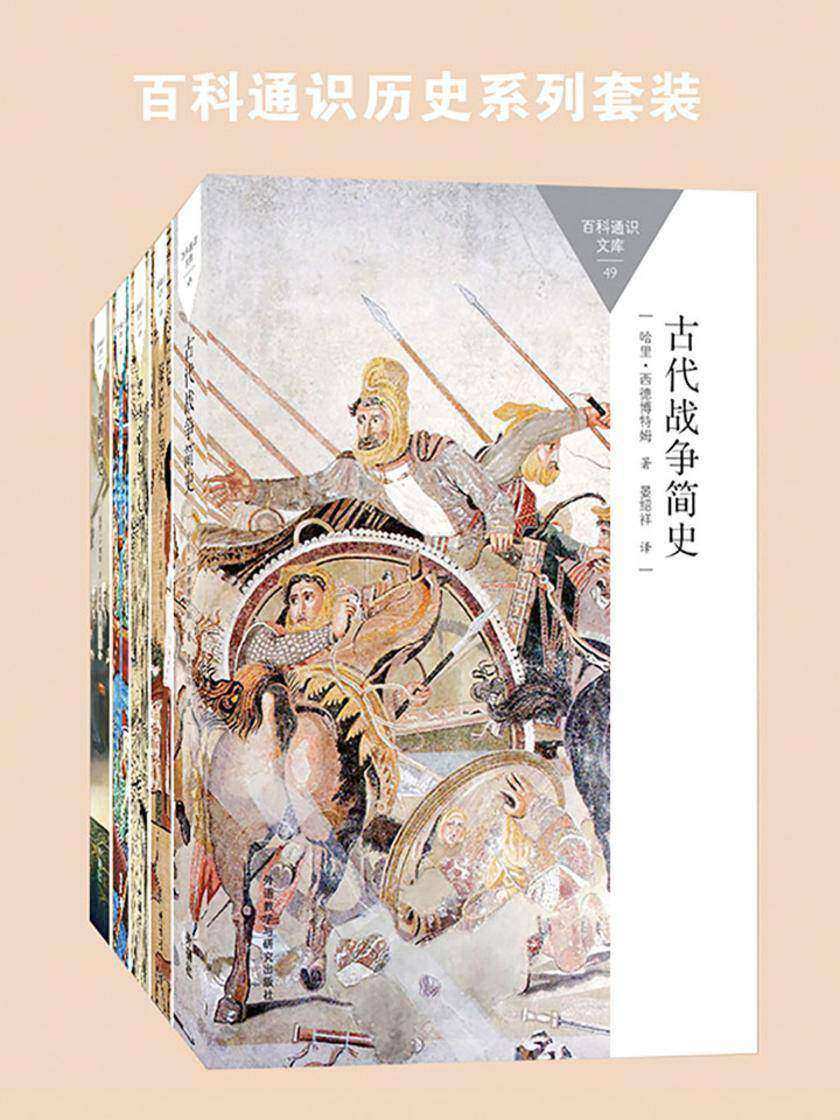
百科通识历史系列套装(古埃及、罗马、美国、北欧,共5本)
¥42.90
百科通识历史系列套装(古埃及、罗马、美国、北欧,共5本): 套装分别包括《古代战争简史》、《探秘古埃及》、《罗马帝国简史》、《揭秘北欧海盗》、《美国简史》共5本。 《古代战争简史》通过探寻隐藏于文学、艺术、宗教等文化编码中的西方意识形态对“西方式战争”的历史渊源做了饶有兴味的剖析,并以此为切入点对社会道德、人性及生命价值进行了深刻的思索。 《探秘古埃及》木乃伊、金字塔、法老诅咒、宗教仪式、古埃及的独特魅力吸引着一代又一代人的想象。本书以一项重要的考古发现——纳尔迈调色板为主线,分章讨论了古埃及文明的各个重要方面,从专制法老到木乃伊制作,从象形文字到动物头人身的神祗,为我们展示出了一幅古埃及全景图。 《罗马帝国简史》以全盛时期的罗马帝国史为经,以征服者和被征服者之间错综复杂的政治关系为纬,既展示了古罗马帝国的辉煌成就,又揭露了其政府和统治过程中的血腥和残酷,既有对古罗马人民日常生活的微观描写,又有对古罗马帝国运作机制的宏观分析,是一本引领读者走进神奇的古罗马世界的上佳读物。 《揭秘北欧海盗》他们是横行北大西洋海域的劫掠者;是四处寻找宝藏的探险家;是心灵手巧的手工业者;是不畏艰险的商人……不同的背景下,“北欧海盗”有着不同的身份。到底何为真实的历史?朱利安·D.理查兹教授借助近代考古发现,结合现代历史学、人类学等多种学科,全面地考察了维京人的社会、政治、经济和文化状况,为我们揭开了神秘的“北欧海盗”之谜。 《美国简史》在九个章节的篇幅中,威斯康星大学历史学教授、本书作者保罗?S.博耶讲述了从欧洲殖民者发现新大陆一直到现代美国的历史,语言简练但也精彩表现出了历史事件的跌宕起伏。在殖民地时期欧洲各大帝国在美洲的纷争、美国独立战争、南北战争、两次世界大战等大事件的脉络中,美国的民族特性逐渐确立,其政治、经济和社会文化传统与书中所述的历史背景紧密联系不可分割。
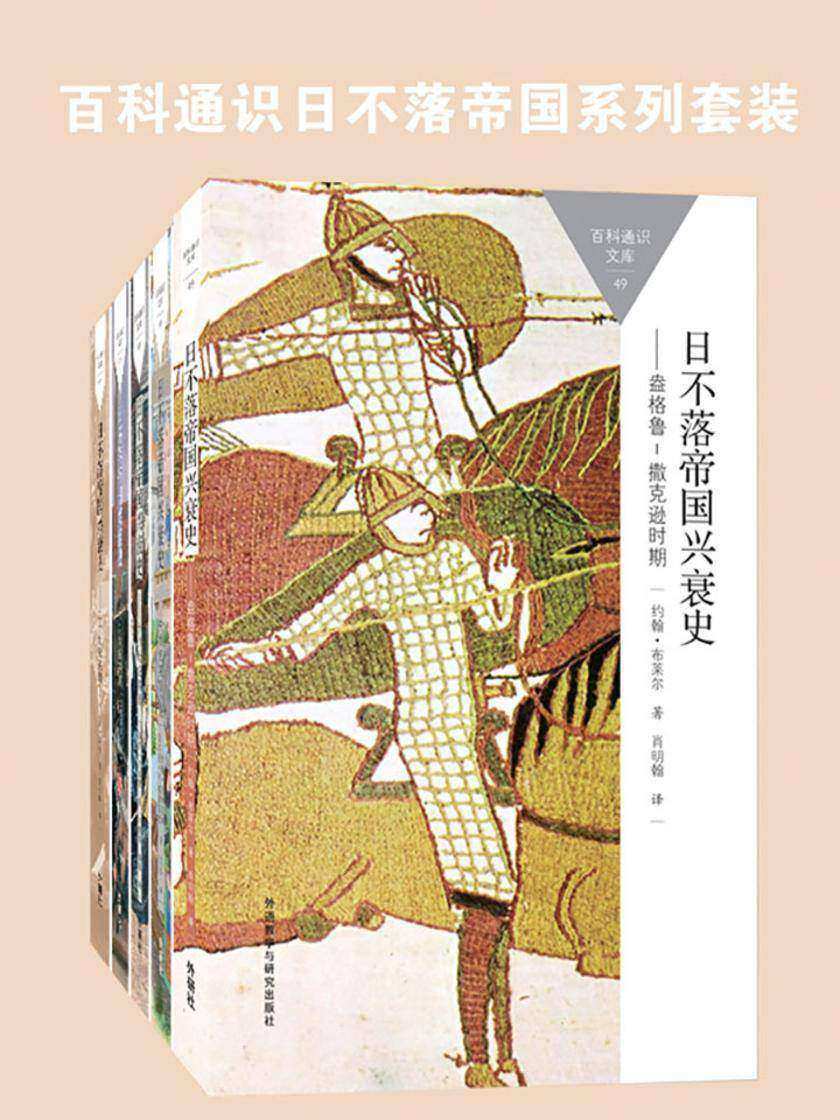
百科通识日不落帝国系列套装(盎格鲁-撒克逊时期至二十世纪英国,共5本)
¥42.90
百科通识日不落帝国系列套装(盎格鲁-撒克逊时期至二十世纪英国,共5本): 套装分别包含: 《日不落帝国兴衰史-盎格鲁-撒克逊时期》:这是一个唯有战争与野蛮的忠诚的时代,还是一个令人惊叹的秩序 井然的社会?国王们的沉浮缘何如此迅速?异教与耶稣基督的较量,谁将终获胜?罗马帝国崩溃后的盎格鲁-撒克 逊时代是英国历史的十字路口,是英格兰社会发生全方位剧烈变革的时代。本书从政治、经济、宗教、文化、律法 等方面对约六个世纪的盎格鲁-撒克逊时代进行了翔实而透彻的剖析,展现了盎格鲁-撒克逊人富有创造性的成就及 对未来英国发展的影响。 《日不落帝国兴衰史-中世纪英国》:这是一个征服与扩张的时代,还是一段压迫与反抗的历史?诺曼征服、十字 军东征、百年战争、玫瑰战争,它们造就了怎样的一个中世纪英国?诺曼、安茹、兰开斯特和约克,这些王朝各自 又有什么特点?本书以1066至1485年间英格兰王室的更迭浮沉为主线,以英国疆域的扩张与收缩为背景,将四百多 年的历史以及此期间政治、经济、文化、宗教等各方面的发展变化,清晰地呈现在读者眼前。 《日不落帝国兴衰史-18世纪英国》:有轰轰烈烈的革命运动,没有波澜壮阔的变革景象,但18世纪这百年间 英国无论在经济发展方面、政治制度与体制方面,还是在文化思维意识方面,均发生了巨大而深刻的变化,这个岛 国一步步迈向了世界舞台的中心位置。是无意间开启了神秘的崛起之门?是偶然发现了现代之路?还是其中蕴含了 必然? 《日不落帝国兴衰史-19世纪英国》:随着工业化、民主化、城市化的突飞猛进,恪守传统自由主义的英国在19世纪遭遇了一系列前所未有的危机和挑战。为此英国进行了哪些社会变革和制度创新?它如何能在没有爆发革命的情况下就化解了危机,成功地实现了现代化转型?本书在详述19世纪英国历届政府更替和社会变迁的基础上,对上述问题作出了精彩的分析和解答,这对我们思考当今中国社会面临的现代化问题具有相当的借鉴意义。 《日不落帝国兴衰史-20世纪英国》:0世纪的英国经历了纷繁复杂的内外部变化。在内部,固守传统与改革创 新持续对立,经济萧条、阶级矛盾和地区分野时常引发社会和政府内部的冲突;在外部,两次世界大战中英国均遭 受巨大冲击,殖民地民族主义运动声势渐大,大英帝国不断衰落。然而,20世纪对于英国来说又是一个社会进步, 成功转型的时代,历经沧桑的不列颠仍然维持了其大国的地位。那么,这个世纪的英国遇到了哪些危机和挑战?它 又是如何应变与调整的?本书在详论这些问题的同时,从政治、经济、社会和文化等各方面给读者展现了一幅20世 纪英国的全景图。

你的心病,庄子能医:活学活用庄子108个核心智慧
¥42.90
无须讳言,现代人哪个心中没有一点新的旧的伤痛?哪个没有一点这样那样的难言之隐?哪个没有一点对人生的迷惘和对世道的恐慌?这些“心病”,很难自愈。我们只能把它们包裹起来,背负着它们在人生的道路上踽踽而行。原来我们走得应该是从从容容游刃有余,现实却是匆匆忙忙连滚带爬。怎么办?心病还需心药医!中国自古以来的哲人灿若繁星,可论到*会做思想工作、*会为人治疗“心病”的,首推庄子。庄子的思想虽然深刻,却并不晦涩。庄子善于用寓言故事的方式,深入浅出地讲解人间的大道理。听庄子之言,观庄子之行,察庄子之心,都是那么的清澈,宛如一道自石缝中汩汩流出的山泉,一直流到你的心里,润物细无声。本书精心选取了108个闪烁着庄子思想光芒的故事与断面,从中提取出庄子的核心智慧。它们如同星空中的一个个坐标点,勾勒出庄子哲学那博大而迷人的轮廓。这108个“点”,每一个都是一个入口,带你窥见一种不一样的生活态度,一种颠覆常规的思维方式。它们教会你如何与自我相处,如何在纷扰世界中保持内心从容,如何看清事物的本质,如何获得真正的自由。
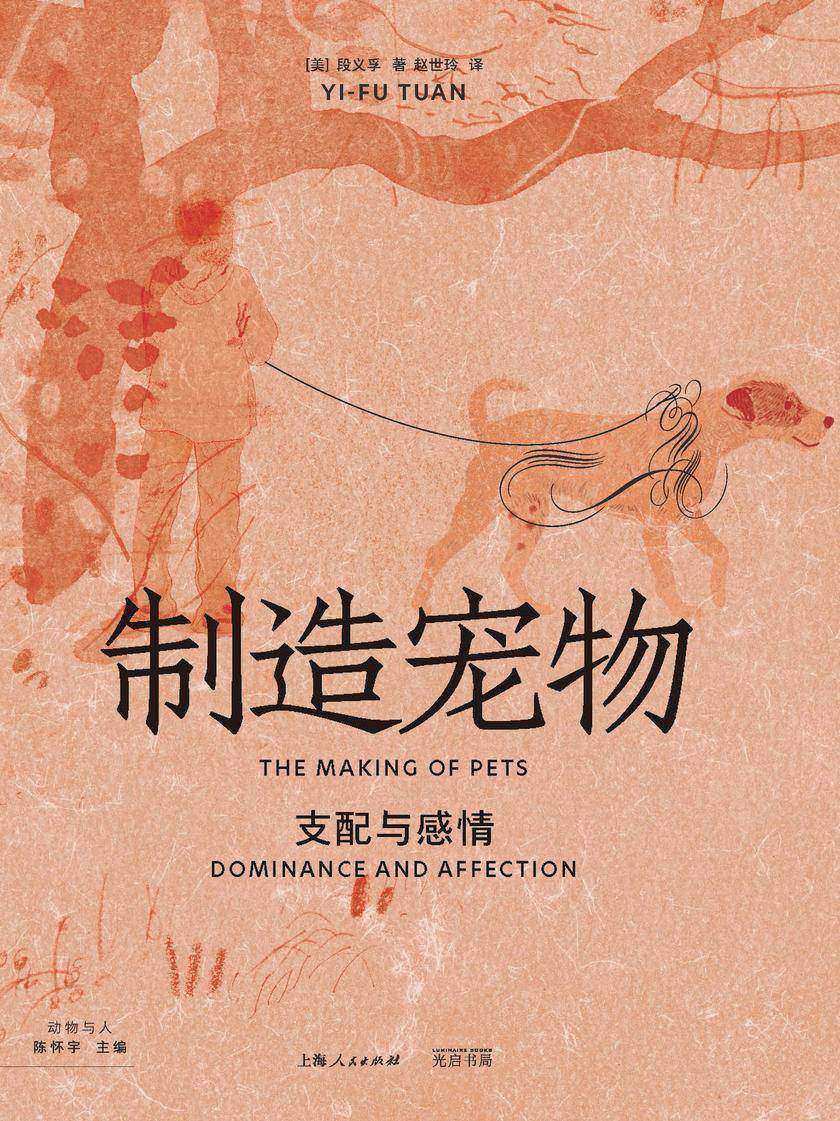
制造宠物:支配与感情
¥42.90
宠物,究竟是寄托感情的伴侣,还是供权力支配的对象?段义孚先生这本大家小书的迷人之处在于,它或许颠覆你的认知,不仅促使你重新审视家里的一盆花或一只猫,还指向对政治、历史、社会、自然、职场、家庭等事务的全新解释。总之,它引领我们更好地理解世界并温柔以待。
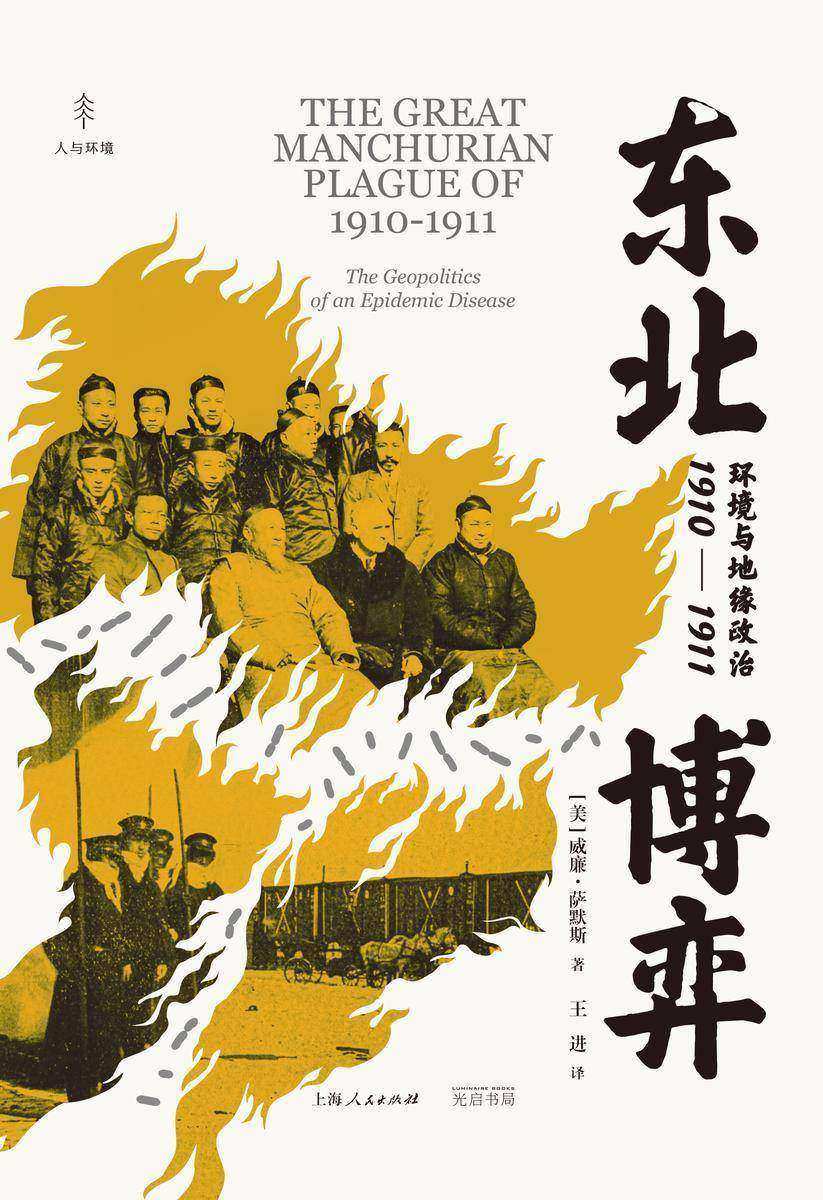
东北博弈:环境与地缘政治1910-1911
¥42.90
1910—1911年,饱受列强侵犯的中国东北,又面临鼠疫的严峻考验。日俄等列强以治理公共卫生之名,行扩张权力之实;行将日暮的清政府则做出后的应对。随着伍连德奔赴哈尔滨力挽狂澜,各国医学精英云集奉天,这场博弈白热化阶段…… 这不仅仅是一场环境灾变,还是近代中国应对外侮的历史写照,生态灾害、地缘冲撞和政治交锋相互交织,中国现代公共卫生事业于危机中借势萌芽,其影响延续至今。
汉日语语序对比研究:基于语言类型学的考察
¥42.90
任何语言都是沿着时间轴并按照一定方向进行线性排列的。句子是语言单位(语素)的单维列。由于一次无法表达两件或两件以上的事,所有语言单位一定是线性排列的。不过,语言单位的排列并不是毫无秩序的,其排列情况,因语言不同而有所区别。这种语言单位的排列,有时受句法限制,有时则取决于发话者的主观决定。不同语言对语序限制的程度也不尽相同。 语序研究在为语言系统提供判定语言亲疏远近的标准方面值得期待。语序研究在各语言之间更为准确的互译以及更为高效的自动机器翻译系统的开发方面都有着非常重要的实用价值。 本书首先对语序问题的先行研究进行了回顾,接着基于大规模语种库(约3000种语言)和多个大型语料库的统计,从语言类型学角度出发探讨了汉日语语序在世界语言中的定位,然后从形态、句法、语义、语用以及认知的角度来分析和探讨汉日语语序的共性和个性。本书重点探讨汉日语定语(连体修饰)成分和状语(连用修饰)成分的语序。 本书例句主要选自“中日对译语料库”、“CCL语料库”以及中国和日本的主要报纸(包括新闻、社论等)。本书的研究对象不包括倒装。 本书共分六个章节。 章 具体说明本书的研究目的、方法、范围、意义及内容构成。 第二章 对汉日语语序的先行研究进行回顾,并指出其不足之处。 第三章 从语言类型学角度出发,对汉日语语序类型在世界语言中的定位进行探讨,并设定21个参项对汉日语语序逐项进行对比,利用大规模语种库对主要语序参项进行统计,对格林伯格提出的一些语言共性进行了验证和修正,并将汉日语与之进行对比,揭示出汉日语语序的共性和个性。接着,从语言类型学角度出发对汉日语歧义结构差异进行了探讨,对歧义结构的产生原因进行了解释。后,对决定语序的主要原因进行了归纳和总结。 第四章 主要对汉日语定语成分(属格成分、指示词、形容词、数量词、关系从句等)进行考察,分析探讨两者的异同。探讨了多项定语成分共现时,各成分间的基本语序与词汇、语义、句法、语用、认知原则之间的关系,并从语言类型学角度进行了解释。 第五章 主要对汉日语状语成分(副词、数量词等)进行考察。首先,从跨语言的认知角度出发,对副词进行了分类,接着重点对多项副词共现进行了汉日对比,并分析探讨两者的异同。后,从语言类型学角度出发对汉日语数量词语序进行了分析和解释。 第六章 对本书主要内容进行总结。

译艺心语:文学翻译论说与实践
¥42.90
本书从文学语言的审美特性、文学文本的结构特、文学体裁的构成要素以及文学与艺术相互借鉴和交融等方面,阐述并演绎了如何研究文学翻译、如何教授与学习文学翻译以及如何实践与提高文学翻译质量的方法与策略。 本书分别从绘画、音乐、相声、摄影、舞蹈等视角对文学翻译行了研究、阐释与实践,强化了文学翻译研究与实践的直观体验性、表现生动性与艺术综合性。 本书深化了“文学翻译是一门艺术”的维度和内涵,有效实践了“艺术与艺术之间是相通的”普适性论断。
繁荣的代价——富有帝国的衰落与复兴
¥42.83
帝国几何,多维度解读帝国。 《帝国几何》丛书之《沉重的皇冠》重磅上市! 繁荣的国家也会分裂,帝国的陨落是否真的不可避免? 这是知名经济学家、对冲基金经理、总统顾问托德·G.布赫霍尔茨在这本顺应时代发展、颇有见地的著作中所提出的观。《繁荣的代价》既涉及经济史内容,又包含作者宣言,揭示了富裕国家所面临的经济、政治和文化裂痕,并阐明理由,建议把这些漏洞转变成力量源泉,变成民族复兴的基础。 为了帮助读者理解强大国家是如何分裂的,布赫霍尔茨明确提出了五种强大但充满悖论色彩的分裂力量,这些力量在国家取得经济成功之后始逐渐损毁国家的和谐稳定。其中包括:日趋降低的生育率、全球化贸易、不断增加的债务负担、日渐消失的职业道德和缺失的爱国主义精神。 帝国的衰败是难以避免的吗?答案是否定的。美国和欧洲能够重塑社会精神吗?答案是十分肯定的。《繁荣的代价》向读者讲述了一些昔日领袖们鼓舞人心的故事,其中包括土耳其国父穆斯塔法?凯末尔?阿塔图尔克、以坂本龙马为代表的日本明治维新领导者,以及以色列前总理“铁娘子”果尔达?梅厄,他们都成功扭转了国家当时的混乱局势。现在为时不晚,我们能够克服当下所面临的挑战,再次团结起来捍卫国家的和谐稳定,保卫我们的未来。

越整理,越轻松 只需4步,面对混乱不再无能为力
¥42.80
你是否很想拥有一个干净整洁的居住环境,却发现总有各种各样的事情阻碍你? ·刚收拾好的沙发,家人回来又往上扔了袜子。 ·好不容易下定决心把不怎么穿的衣服扔了,结果第 二天妈妈又把它们捡了回来。 ·孩子的玩具总是莫名其妙地出现在家里的各个角落。 …… 本书从整理的底层逻辑手,分析了“整了又乱”的原因,提出了整理四步法,教你如何有效地整理,将居住环境变得整洁有序、舒适有爱。 本书没有止步于讲解收纳技巧,而是更多地把整理术应用到了思维方式、心理探索等领域。学会书中的整理方法,你不仅可以得到舒适的居住环境,更能拥有良好的生活习惯、果断又清晰的决策能力和充满能量的生活态度。 让我们通过环境去影响行为和感受吧,从外在介内在,沉着宁静地面对纷扰和变化。

心灵元气社
¥42.80
本书以漫画形式来科普心理学知识,将内耗、抑郁、焦虑、低自尊、讨好、回避型依恋等22个与生活密切相关的心理问题,通过故事漫画的形式呈现出来,并用专业的心理学知识和自助方法给你指导,帮助你更轻松地生活。 书里创作了“心灵元气社”这样一个心灵的深夜食堂,元气社老板做得一手好菜,煲得一手好“鸡汤”。每一个被生活折腾得疲惫不堪的人来到这里,仿佛一个心灵疗愈空间,获得生活的解药。 我们都渴望长大,长大后却发现生活的滋味并没有那么美好,有苦、有辣、有涩。我们快乐的时间少了.烦恼的时候多了,生活在错综复杂的关系中,放松的时刻越来越少了。 人生百般滋味,需要微笑面对,学会给自己的生活加儿糖,才能收获有滋有味的人生。

未来教育遐思
¥42.80
西方工业化时代开始的学校、课堂式教育曾为人类的教育事业做出重大贡献,它使教育规模化、规范化、普及化,使每个学子有了系统学习的机会,它为工业化培训了所需的大量人才。然而,随着社会的进步,以及人类对个人幸福与社会和谐的不断追求,这种教育方式由于不符合个性的发展,与人的快乐学习规律相违背,阻碍人类幸福,已经越来越被人们诟病。教育呼唤能妥协处理各种教育矛盾的妙法,本书在此展示了“学分团制”这样一种全新的方法,意在让教育走向科学。

我们都是小红帽:从童话中解读女性心灵成长
¥42.80
小红帽不像其他童话中的主角那样幸运,别的主角或许出生并成长在金碧辉煌的宫殿中,在遇到危险与麻烦时,会有从天而降的“王子”或“仙女”拯救他们,帮助他们扫除障碍。 而小红帽既没有命运的偏爱,也没有“金手指”,她总会陷“命中注定”的困境,至于能否渡过危机,她的心里完全没底。从某种意义上来说,我们都是小红帽,既没有那么幸运,也不够强大、聪明,只能以平凡之驱应对频繁出现的失败、挫折、创伤和坏运气。 本书借经典童话故事《小红帽》的隐喻说明,总有一天,我们会离父母造的温暖小屋,步危险的森林,经历生活的洗礼。但如果我们学会应对挑战,从中学习、成长,将会拥有更加充实的人生 本书通过象征语言与心理语言间转换的手法,画出一幅女性自我成长的心灵地图,探讨了我们在青春期、成年期和中年期的不同人生阶段所面临的人生使命与挑战。喜怒哀乐都是珍贵的人生体验,愿我们在迷茫中寻得意义,在探索中觅得经验。
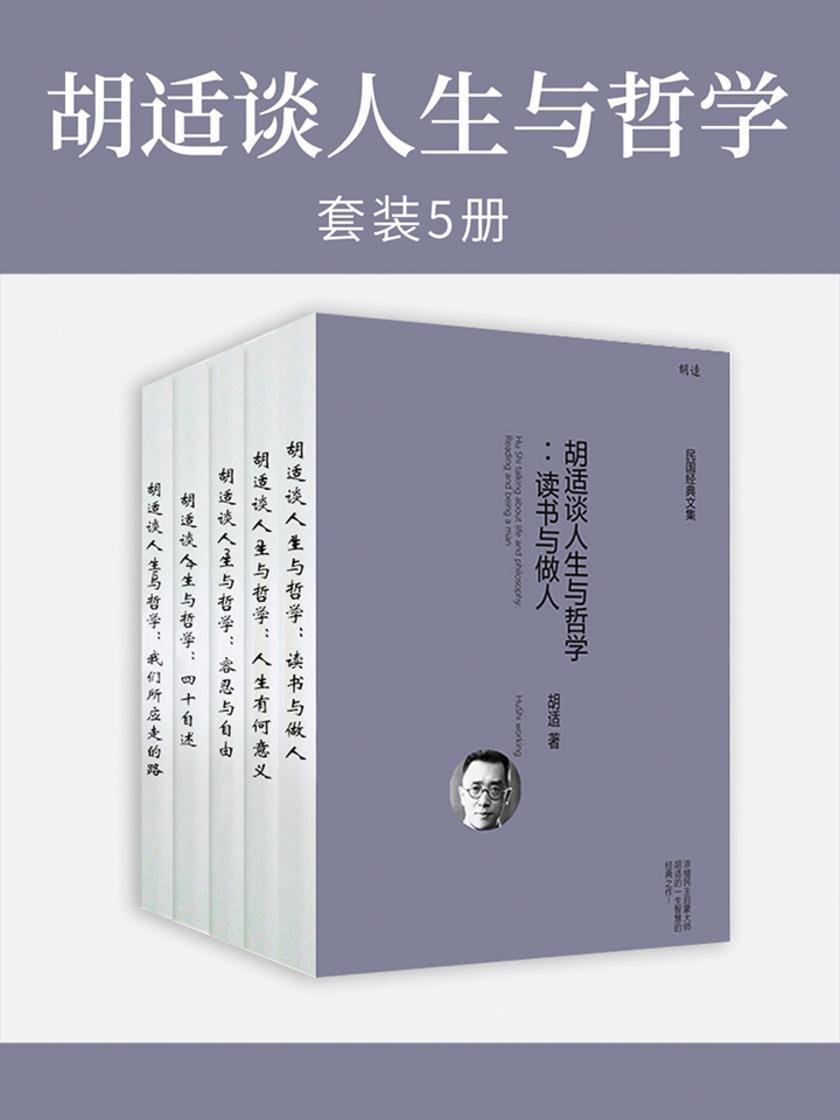
胡适谈人生与哲学套装5册
¥42.72
本套装包含《人生有何意义》《四十自述》《我们所应走的路》《读书与做人》《容忍与自由》 《读书与做人》选编的篇目既能够很好地体现胡适思想,又照顾到了大范围受众的阅读习惯,对及趣味性和知识性的增加,具有很大的作用。本书精心编选了胡适在当时即引起很大反响的散文随笔之精要,彰显其治学、为人、处世的大师风范,以还原一个真实的胡适。 《人生有何意义》是胡适精选文集,汇集了胡适先生浩如烟海的著作中富有闪光点、与人生有何意义主题相关的文章,集结成册,胡适深受赫胥黎与约翰·杜威的影响,自称赫胥黎教他怎么怀疑,杜威先生教他怎样思想。他学识渊博,学贯中西,对中国整个社会的发展产生了重要影响,那么他是怎么看待人生的呢,阅读本书,您能窥见胡适先生思想宝库中闪烁的数不清的珍宝。 《容忍与自由》收录了胡适各个时期的主要著述,涵盖了思想与教育、自由与民主、文明与社会等各个方面的内容。他用浅显风趣的白话文,将自己对文明、国家、人生、哲学等的见解娓娓道来,不仅开启了当时的民智,也启发着当下的我们。 《四十自述》是胡适唯 一亲笔撰写的自传。他用质朴的语言讲述了自己童年、少年与青年时期的经历,回忆了自己的成长历程,并展现了其所处时代的社会风貌。本书是了解胡适思想形成过程的之作。 《我们所应走的路》是胡适的一本散文集。胡适先生是新文化运动的领袖人物,在批判旧的思想,开创新文化方面有很大的贡献,特别是倡导文学改良、整理国故、民主与人自由、科学与实验精神、新学术新思想等方面有很多创获,至今仍然值得我们学习与思考。本书对现在的我们有极大的教育意义。
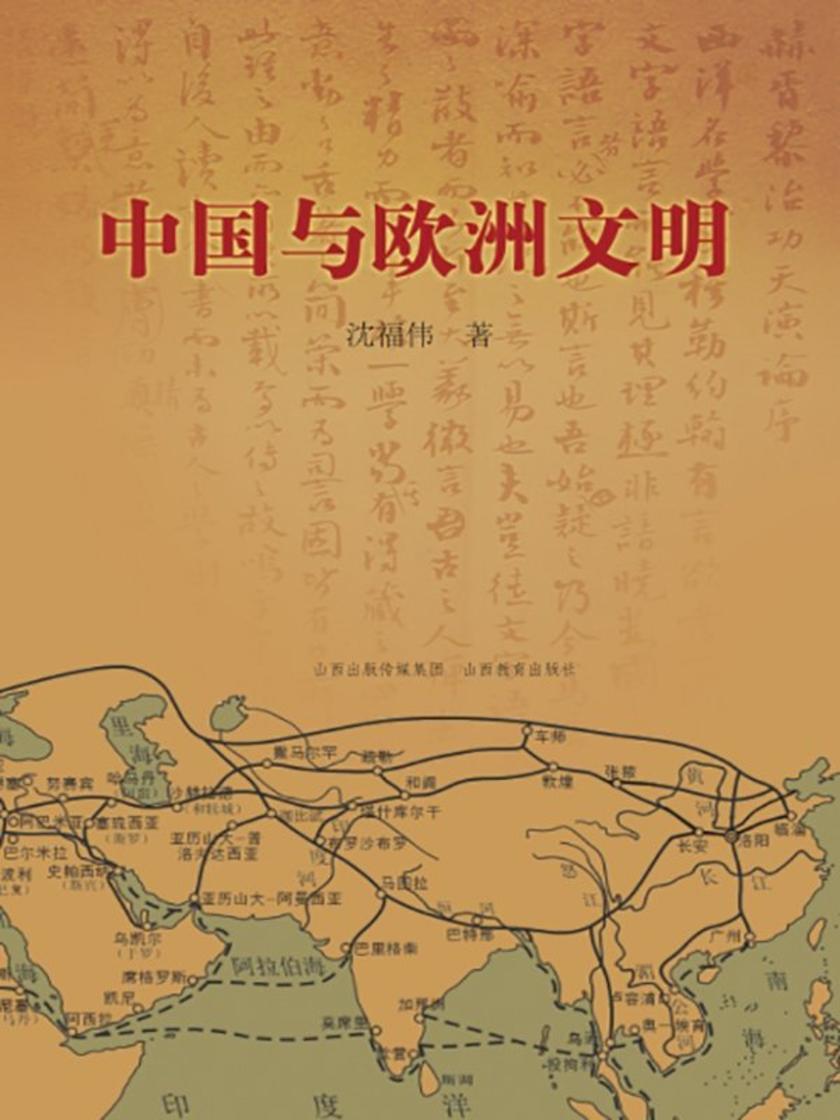
中国与欧洲文明
¥42.67
千百年来,中国文明与欧洲文明互相影响、互相学习,形成了文明互鉴的格局,从而促了人类文明的发展和步,在世界文明史上共同谱写了光辉璀璨的篇章。著名历史学家沈福伟教授的文明史著作《中国与欧洲文明》通过梳理过去的历史,来突出欧洲之外的一个文明古国所曾起过的作用,借此阐明创造文明社会历史的主体是不同宗教信仰、不同种族、不同地域、不同文化的人群,而不能只是少数几个民族、国家。
近代江苏交通运输发展与变迁:以江南汽车公司为中心
¥42.67
【内容简介】 本书以近代在江苏区域诞生的“国内规模的商办汽车运输公司”——江南汽车公司为主要采集样本,从中观测彼时公路运输事业与社会变革发展的线性关联。即在解析近代江苏公路运输行业背景的基础上,通过公路运输接续发展的外部因素、江南公司的创立程度和股份结构、公司的组织层级和人力资源、公司的物质资源和企业资产、公司的通行路线和营运经纬、公司的财务信息和会计活动、公司存续与兴盛的内生变量以及公路运输业生存和危机的博弈论等量化视角展开史料整理与研究,并辅以经济学、管理学等学理与范式,全景洞悉交通运输事业与近代社会变迁的深切互动。有见及此,本书旨在为中国经济史、社会史研究提供崭新视角,进而深化对中国交通运输行业的整体性观照,由此归纳近代交通运输发展的一般规律,俾期为当代交通运输体系完善与新时代江苏现代化建设展示有益的历史参考,终呈现理论意义和现世价值。
中日外交战略的博弈(1931—1941)
¥42.66
九一八事变爆发后,是引第三方因素国际性地解决中日矛盾,还是局限于中日两国而单独解决中日矛盾,此为中日之间的重大分歧。本书以中国外交为主线、日本外交为辅线,探究双方围绕这一分歧而展的战略博弈。方法上,本书在兼顾中日、双向比较的同时,重视将中日双边关系置于中日美苏德等多边关系之中加以宏观检讨。布局上,第一章至第五章以1931—1937年为对象,通过考察两国在处理九一八事变的方针与对待“直交涉”的态度等问题上的政策演变,追踪双方在大战略的对峙中走向全面战争的过程;第六章至第十二章以1937—1941年为对象,基于对重大节与事件的连续性的个案研究,论证中方对国际解决战略的修正与坚持,剖析日方在大战略上背离单独解决的初衷而挑起多国战争的路径与背景。

人文经济学的江苏观察
¥42.66
【内容简介】 本书以江苏这片兼具深厚文化底蕴与强劲经济活力的土地为观察场域,图文并茂,通俗生动,以数据、案例、经验与启示探讨人文与经济的相融共生之道,展现了江苏织就人文鼎盛与经济繁荣的“双面绣”,奋力作答“文化很发达的地方,经济照样走在前面”时代命题的担当作为。既呈现了人文经济学江苏实践的特色底蕴、非凡气韵、生成之道、发展旨归和能级跃升,又再现了13个设区市因地制宜探索人文经济发展路径的生动历程。

全球南方:中国视角
¥42.66
【内容简介】 近年来,“全球南方”概念不断升温,已成为世界热点。“全球南方”涵盖了非洲、拉丁美洲和加勒比地区、太平洋岛屿以及亚洲地区的广大发展中国家,是一个包含多样化的价值观念、文化传统、发展水平以及多元化利益诉求的国家群体。本书分为“前言:关键时刻”“全球南方:概念溯源”“全球南方:发展脉络”“全球南方:共同特点”“全球南方:坐标定位”“全球南方:国际关系”“全球南方:中国立场”“结论:全球南方与人类命运共同体的逻辑关系”等几个部分,探讨了“全球南方”这一概念的源起、历史脉络和现实意义。

晋察冀抗日根据地研究
¥42.66
晋察冀抗日根据地在整个中国抗战中占有重要地位,为中华民族的解放事业和中国人民的革命事业做出了重大贡献。本书本着“详人所略,略人所详”的原则,重考察了晋察冀抗日根据地的建立及武装斗争、晋察冀抗日根据地的军事建设、晋察冀抗日根据地的文艺、晋察冀抗日根据地的灾荒及其救济、晋察冀抗日根据地的群团组织建设等重要问题。本书认为,晋察冀抗日根据地的意义在于,以自身抗战之坚持,坚定了中共中央和其他敌后抗日根据地的抗战决心,影响了世界上一切爱好和平的国家和正义之士对于中国共产党及其领导的抗日根据地的态度,从而为中国共产党赢取抗日战争乃至解放战争的最终胜利奠定了基础,并在世界反法西斯战争中扮演了重要角色,做出了重要贡献。

老龄文明蓝皮书(2022)
¥42.66
《老龄文明蓝皮书2022》云集全国一流的老龄文明研究学者,立足贯彻落实积极应对人口老龄化国家战略,扎根全国及江苏老龄人口实际,坚持以“老龄文明与社会步”为理论统领,聚焦老龄化社会现实问题,总结老年事业已有的成功经验,致力于对老龄化社会的策略、路径与措施的规律性探索。
新华日报简史:1938-2023
¥42.66
《新华日报简史(1938—2023)》一书依据翔实权威史料全面描述《新华日报》创立以来的发展历程,充分展示《新华日报》在各个时期的办报理念、品格风貌和重要成就。


