


 购物车
购物车 个人中心
个人中心

传统文化时代化与马克思主义中国化
¥42.50
本书为中国传统文化论坛系列论文集之一,当前包括了30多篇学术论文,内容涵盖中华优秀文化传承、国学热、儒学融合与发扬、弘扬儒学价值观、传统文化的时代化与路径分析、国学思辨的创造性转化与创新性发展、孟子的廉耻观、荀子的社会治理思想、儒学思想中的治理智慧等。
清代内河水运史研究
¥42.50
本书首先概括了从历史学角度研究明清时代内河水运的课题和盛清时代的社会与水运的情况,然后解明了发生于清代社会,以大运河水系、长江水系等为中心的内河水运之特性。另外,关于支撑起清代内河水运的帆船,本书收录了于雍正年问编纂成书的关于大运河浙江省杭州北新关的《北新关志》船谱中所载全部民船图像。这些船舶图,令人浮想联翩,仿佛让读者亲眼看到了清代航行于内河之上的帆船的情况,作为史料意义重大。再者,本书还提炼整理了于20世纪初叶调查了除东北以外的中国全境的东亚同文书院编纂的《中国省别全志》中《民船》部分所见船名。这些船名,数量达到了1000种以上。这些史料十分珍贵,是一步研究水运史的基础。 本书作者松浦章先生,是日本的中国水运史研究*人,至今为止,他以航运、贸易、漂流船、海盗、海商等丰富多彩的主题,围绕中国大陆、日本、琉球、中国台湾、朝鲜等地域,积累了厚重的研究成果。
清代水浒戏三种考论
¥42.50
通过对《宣和谱》《虎囊弹》《忠义璇图》 三种清代水浒戏版本、作者、创作时间、内容、主题等的考论,探究清代水浒戏与元明水浒戏的联系与区别,对《水浒传》和水浒戏的传播、衍化研究有一定的推动作用。同时以附录的形式将前人未曾整理过的《宣和谱》和残*本《忠义璇图》 校整理,为研究者一步的阅读和研究提供借鉴。
“以人为本”安全观的一种社会学探索——个体安全的理论与实证研究
¥42.50
《马克斯主义研究论库(第1辑)·“以人为本”安全观的一种社会学探索:个体安全的理论与实证研究》通过个体安全研究,从社会学学科视角阐述了“以人为本”的安全观。作者力求坚持一种“多棱透镜原则”,以促成社会学不同传统理论范式(实证范式、解释范式、批判范式)的融合汇聚,推动社会学的基础理论研究向分支学科研究领域的扩展,增进宏观理论与实际应用的结合。《马克斯主义研究论库(第1辑)·“以人为本”安全观的一种社会学探索:个体安全的理论与实证研究》着力展示宏观社会的整体安全需要与微观个体的实际安全诉求的多面性和一体性,并重视学术研究与对策研究、知识关注与现实关怀之间密不可分的关联,在内容上涉及了目前我国个体安全的重要方面,如社会公共治理、社会群体和阶层、社会组织、社会劳动关系、企业、家庭、高龄老人健康、城市居民个体安全状况、互联网技术等等。这些探索旨在促使安全知识体系进一步走向生活、走进民众、贴近人们的实际诉求,对个体身临其境的安全问题进行观察和研究,解释人们生活中现实的和潜在的困扰,并探寻与之相应的实际对策和建议。
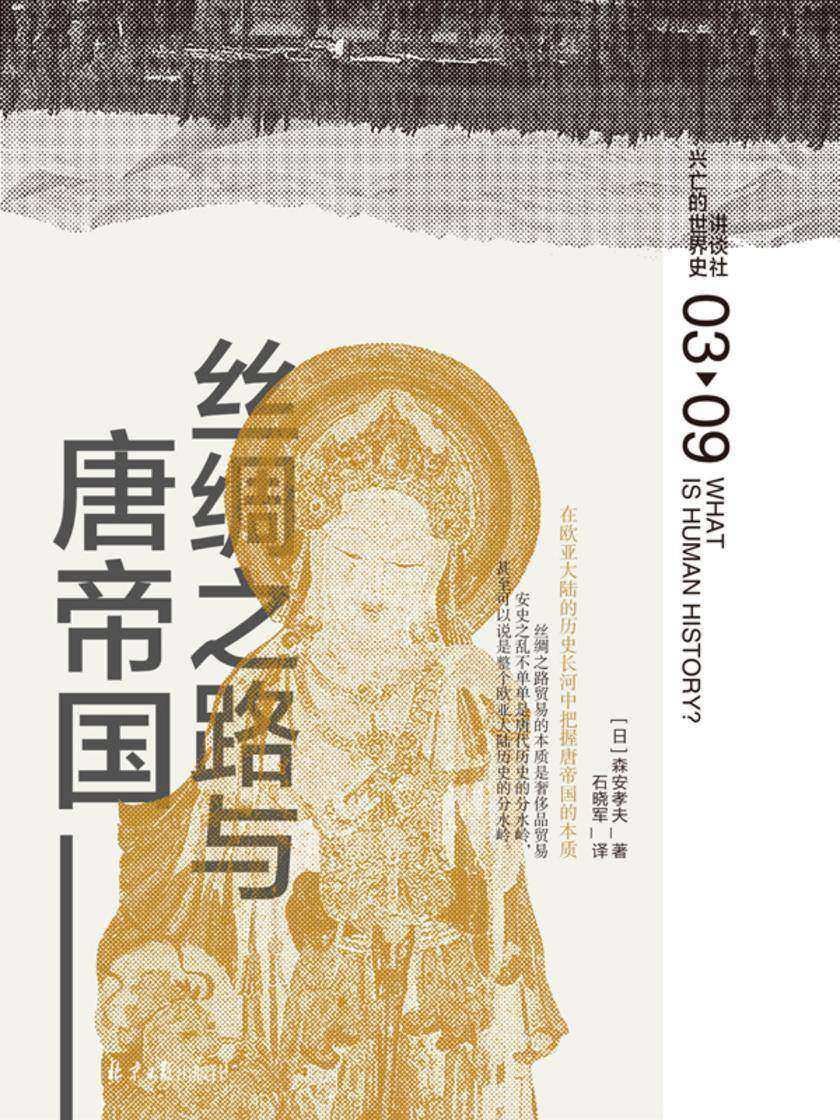
丝绸之路与唐帝国(讲谈社·兴亡的世界史 03)
¥42.48
《丝绸之路与唐帝国(讲谈社·兴亡的世界史 03)》本书从七世纪初唐朝建国开始写起,直至八世纪中叶“安史之乱”的发生。这段时间内,唐帝国与境外诸多国家的冲突、往来不断。在此背景下,作者讲述与丝绸之路历史一体的粟特人的东方发展史、唐朝的建国史与建国前后突厥的动向、安史之乱为唐帝国带来的变化与回鹘的活动,并以此定位当时世界上繁荣的唐王朝。本书特别关注唐帝国与游牧民族,尤其是鲜卑、突厥、回鹘的关系,以及唐帝国与丝绸之路的关联,探讨丝绸之路这条人、事、信息、文化交流的大动脉的重要性。
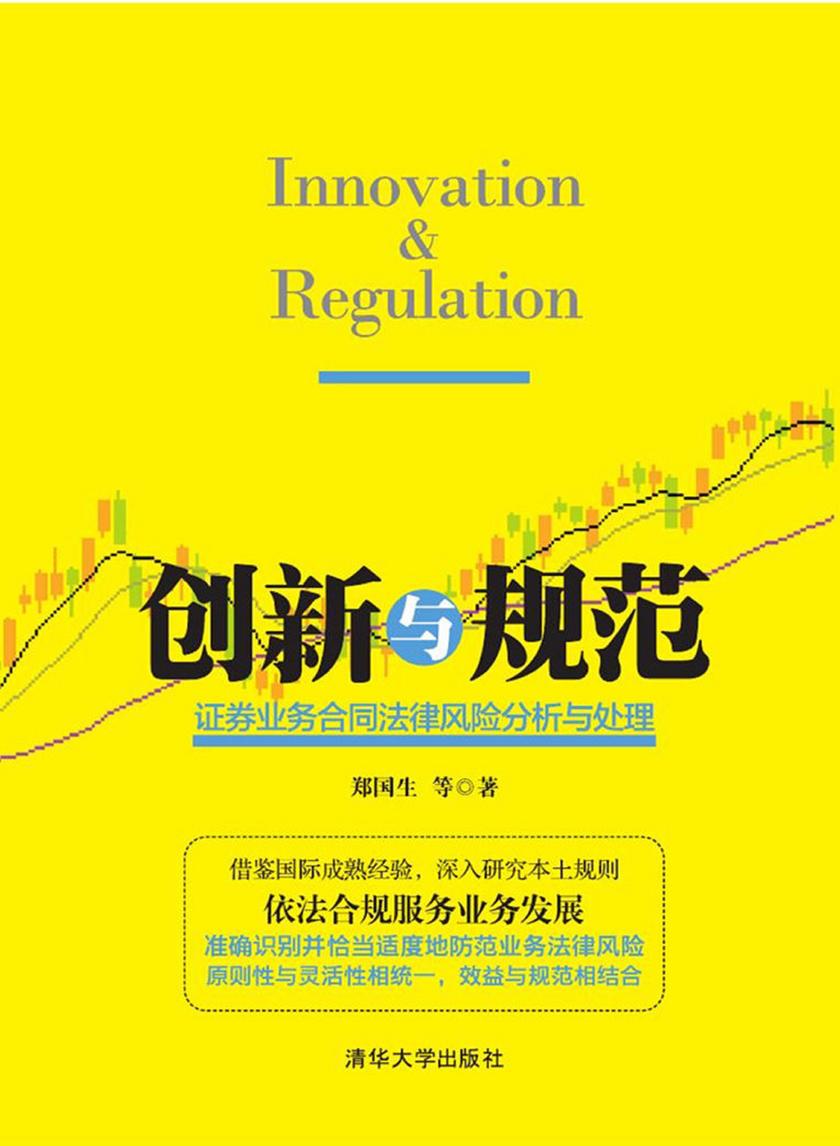
创新与规范——证券业务合同法律风险分析与处理
¥42.48
本书以证券公司各类业务为纲,作者在归纳各类业务中基本法律关系的基础上,结合多年法律实务经验,深入研究各类业务合同中的法律风险点,视角独特。本书虽然没有在证券法理论问题上耗费过多笔墨,但对于具体业务中涉及的法学理论问题仍进行了清楚的介绍,使得读者能够对该问题有所了解;对于如何从具体业务角度理解和适用法律,则作了深入探讨;对于立法中存在的问题也提出了一些有价值的建议。本书以证券业务合同为主轴,不拘泥于证券法律,特别注意到了相关部门法在证券业务中的适用问题。作者对于合同法、物权法、担保法等部门法的一些深层次问题进行了简要的分析,也给读者一定的启示。本书作为一本实务用书,对于理论工作者加强对证券业务的认识和研究,对于实务工作者学习和交流法律工作经验,对于证券投资者了解业务、学习法律知识都有着一定的积极作用。
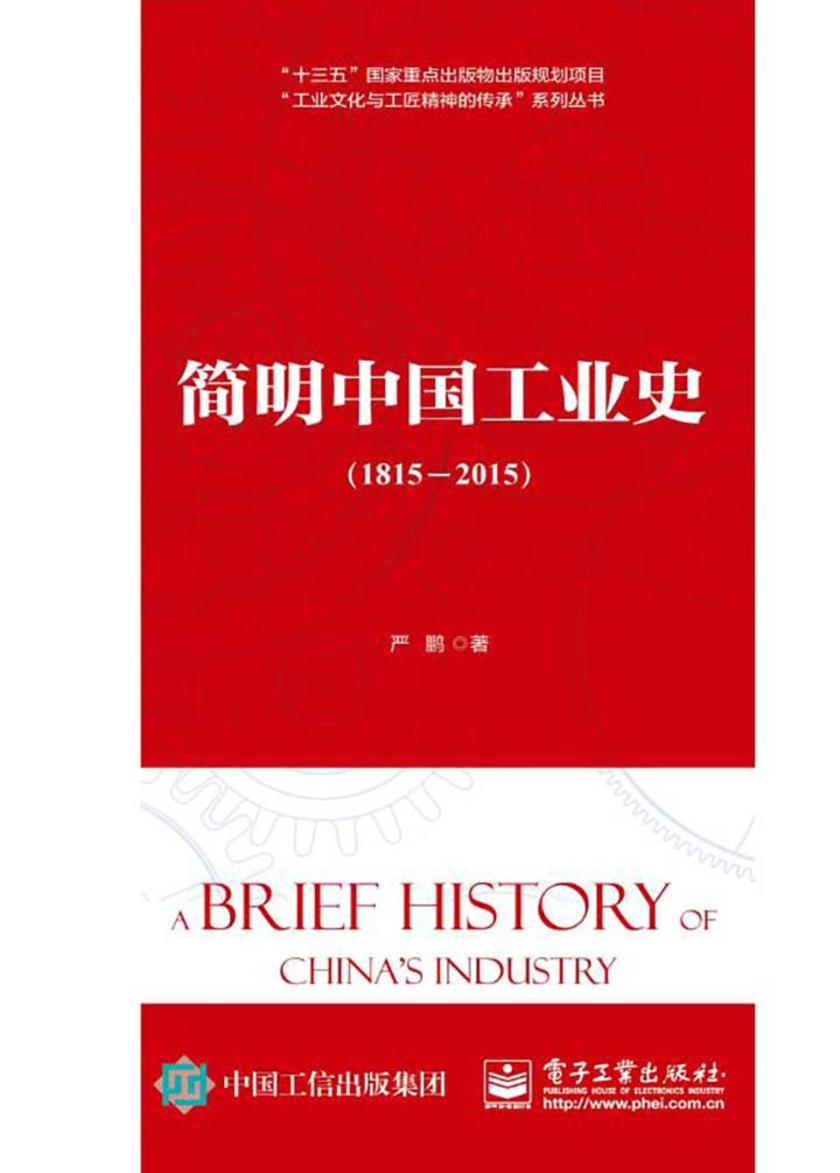
简明中国工业史.1815—2015
¥42.38
全书以时间脉络为顺序,在全球视野下分阶段描述中国工业从19世纪迄今的发展历程,剖析中国工业化每一阶段的突出特征与基本规律,,为当前中国工业的转型升级提供历史的经验。
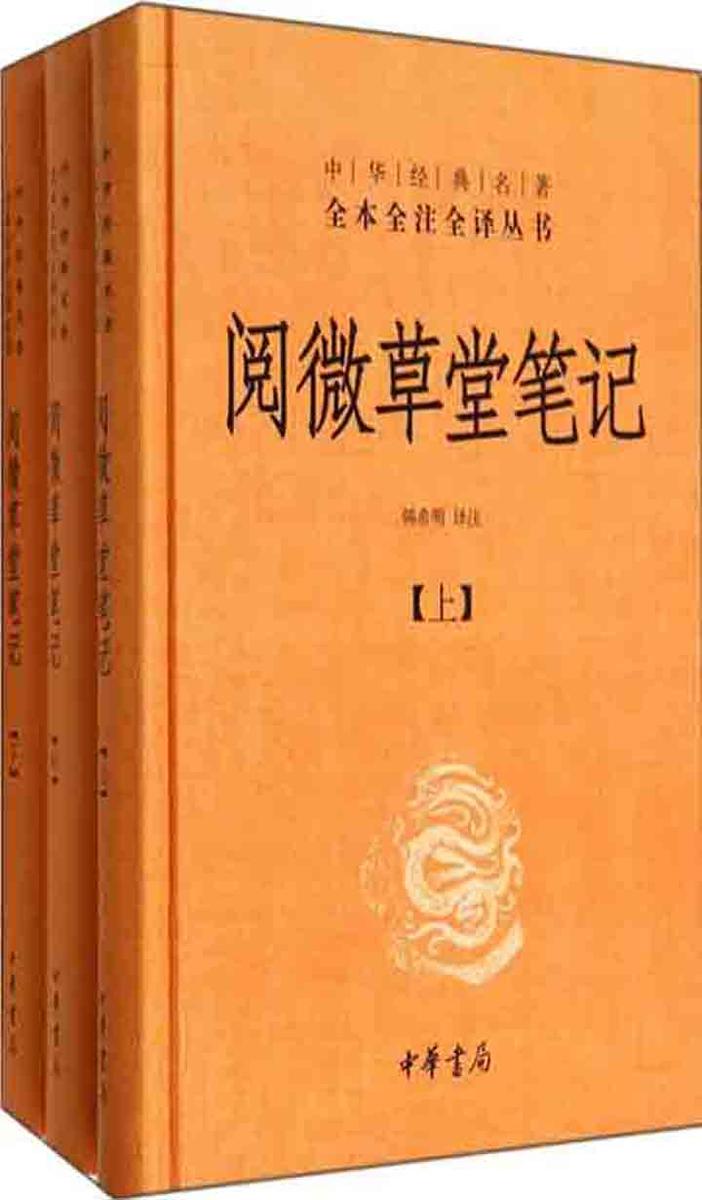
阅微草堂笔记 中华书局出品
¥42.35
《中华经典名著全本全注全译丛书:阅微草堂笔记(套装共3册)》共二十七卷,1196则,包括《滦阳消夏录》、《如是我闻》、《槐西杂志》、《姑妄听之》和《滦阳续录》5种。整部作品恬淡古雅,质朴简洁,无论是写人还是叙事,皆着墨不多,不过粗陈梗概,点到为止,但极有章法,颇见情致,其弟子盛时彦对此也有概括:“叙述剪裁,贯穿映带,如云容水态,迥出天机。”鲁迅所言,“立法甚严,举其体要,则在尚质黜,追踪晋宋”。《中华经典名著全本全注全译丛书:阅微草堂笔记(套装共3册)》为中华经典名著全本全注全译丛书之一,以权威版本为底本,约请专业作者注释翻译。
中国藏细菌战与卫生防疫档案(二)
¥42.33
【内容简介】 五卷《中国藏细菌战与卫生防疫档案》搜集了两岸藏档机构收藏的抗战时期传染病调查、卫生防疫和细菌战应对方面的档案,以及报刊中关于“细菌战”的各种报道,还包括1950年代中方对日本侵华战犯审讯材料,是迄今为止*为*的相关资料集。这批史料涉及的内容和性质,大致分为行政管理、科普宣传、调查统计和预防救治四个方面,*地展示日军侵华过程中,进行细菌武器试验和实施攻击下,中国从中央到地方的应对之策,医疗卫生专业人员、官员和民众,以及外籍专家深入调查、组织预防、开展救治的过程。本卷围绕当时制定并颁布的卫生法律和行政条例,依照行政管理的内容,分别说明了中日双方围绕“疫”的攻防战带来的影响。
认知心理学:认知科学与你的生活(原书第5版)
¥42.25
多年以来,企业营销活动存在着诸多营销投大、效果差的现象。营销人感叹投的营销费用有一半是浪费的,但他们找不出哪些被浪费了。营销“性价比低”的原因往往在于,企业忽视了营销的逻辑。营销有一定逻辑,在顾客认知方面,品牌传递的信息应该是一以贯之的,从企业使命、产品亮到理由,精准清晰的营销信息才能动目标顾客。本书提出了逻辑营销管理的概念,建立了相应的框架。本书将营销管理化繁为简,以让读者清晰感知营销的底层逻辑。
批判性思维(原书第12版)
¥42.25
21种思维谬误 相关性谬误 1. 诉诸人身的谬误——试图通过讨论立场的来源而不是针对立场来反驳论证。 2. 稻草人谬误——通过歪曲对方的观来驳斥对方。 3. 虚假的两难境地——试图提供难以受、难以企及或难以置信的选项,结论只能从这些选项中择取。 4. 错置举证责任——通过把举证责任推给对方来支持或证明自己的立场。 5. 乞题——把待争议的论重新包装成“证据”来出示。 6. 诉诸情感——通过煽动我们的情感来“支持”论,而不是给出真正的论证。 7. 无关结论——难以归为上述各类的相关性谬误。 非演绎谬误 8. 概括谬误——仓促概括、从例外中概括。 9. 弱类比——根据事物间有争议或不重要的相似性提供论证。 10. 错误地诉诸权威——试图通过援引非权威的消息来源支持主张。 11.错误地诉诸公众——引用公众意见来处理无法由公众意见解决的问题。 12. 求因果关系的谬误——认为先后相继的事件之间,或两个同时出现的变量之间有因果关系。 13. 滑坡——未经证据支持地警示某些事情会逐步发展出一个不受欢迎的结果。 14. 无法检验的解释——基于无法检验的解释表达观。 形式谬误及语言谬误 15. 三种形式谬误——肯定后件、否定前件、中项不周延。 16. 模棱两可与歧义谬误——同一论证中多次出现的某语词或短语可以做不同的解释。 17. 合成与分解谬误——把某物的构成部分所具有的特征错误地归为整体特征,或是相反。 18. 混淆解释与理由——假定解释某事件发生的方式或原因,试图为该事件提供理由或辩护。 19. 混淆反对关系与矛盾关系——未能注意相互矛盾的命题不可同真也不可同假,反对关系的命题不可同真但可以同假。 20. 一致和不一致——前后矛盾的信念是不一致的,但这并不构成对所持任何信念的反驳。 21. 误算概率——错误组合独立事件的概率、赌徒谬误、忽略先验概率与错误归纳换位。

回家吧,受伤的内在小孩
¥42.25
你看起来是一名成功人士,而内心其实是一个小孩子? 你渴望成为慈爱的父母,却又总是情绪失控,伤到孩子? 你渴望亲密关系,却又时而纳闷为之付出到底值不值得? 你被持久的焦虑或者抑郁所折磨,却对此还没有清醒的认识? 如果这些情况似曾相识,那么你的身体内可能一直隐藏着一个受伤的内在小孩。他是给成年的你带来痛苦的主要根源。如果不去拯救他、守护他,他就会让你的成年生活充满焦虑、抑郁、暴怒、过激反应、不良嗜好、婚姻危机、糟糕的育儿方式以及各种令人痛苦的关系。 约翰·布雷萧于1983年成立内在小孩疗愈工作坊,之后多年致力于内在小孩的治疗工作,帮助人们消除他们在童年时代尚未化解的悲痛——这些悲痛源于童年被忽视、被伤害、被遗弃、被侵犯的经历以及原生家庭的机能不健全。 布雷萧在本书中向我们展示了如何抚育我们的内在小孩,给予内在小孩所向往的父爱和母爱。通过逐步探寻童年每个发展阶段(婴儿期、幼儿期、学前期等)没有得到满足的需求,我们可以摆脱机能不健全家庭里的规则和角色,认真地活在当下。内在小孩得到治愈后,还会成为活力之源,让我们在生活中发现新的乐趣和能量。 《回家吧,受伤的内在小孩》含有丰富的案例以及与内在小孩的互动技巧,包括自我测验、引导式冥想、给内在小孩写信、说肯定语等。这些经典疗法由约翰·布雷萧首创并应用于大众,如今其有效性已由依恋科学和神经科学的新发现证实。

人际关系:职业发展与个人成功心理学(原书第10版)
¥42.25
人际关系是一门提高与人相处的能力、开展工作和提升职业效率的艺术,它不仅是“友善待人”,而且也是以系统的知识指导人们用一种更加得体的方式与人相处,使对方感觉更好,并起到激励的作用。如何通过有关人际关系的知识和技巧使工作和生活更有成效,书中提供了许多关于人际关系的有价值信息,涵盖职业发展、培养良好的工作习惯与管理压力和个人问题等主题。

高光时刻: 畅享职场人生的30个实用工具
¥42.25
你是想在职场发光发热的小白吗?你是期望在晋升机遇前“百发百中”的上员工吗? 你是在融新团队的挑战前束手无策的新任管理者吗? 这本书将碎你与职场工具之间的“壁垒”,以图表结合的形式,融包括金字塔原理、目标管理、教练技术、OKR思维和4D领导力系统等在内的各种管理学经典方法论,配合通俗透彻的文字讲解,为你呈现30个可以迅速上手的职场工具。 一个职场阶段对应一个实用工具,一个职场场景对应一种高效方法,翻这本书,你将告别“大海捞针”,高效找准*适合自己的职场高光之路。
女孩,你已足够好:如何帮助被“好”标准困住的女孩
¥42.25
书作者蕾切尔•西蒙斯基于20余年对于年轻女孩的研究和对96个女孩一对一的访谈,向社会、父母、年轻女孩发出警告与呼吁: 从表面上看,女孩们可能显得特别优秀,但在内心深处,她们既焦虑又不知所措,觉得无论有多么努力,她们永远都不够好:不够聪明、不够成功、不够漂亮、不够苗条…… 生动的研究案例表明,我们培养了一代如此专注于成功的年轻女性,以至于她们会忽略健康的风险、过度思考挫折;并患有冒名顶替综合征(认为自己是骗子);她们花更多时间在社交媒体上营造一种“毫不费力建立起来的”完美形象,很容易放弃那些能够提供安慰与支持、增强自尊感的必不可少的人际关系。 她在书中提出了切实可行的措施和方法,帮助被困住的女孩抛荒谬的“好”标准,提高女孩们的适应力和自信心,过上健康、快乐、充实的生活。这些方法包括: 用自我关怀取代自我批评 妥善管理过度思考的行为 抵制将自己与同龄人行比较的持续冲动 勇敢承担合理的风险 避社交媒体中的有害元素 把自我关爱放在首位 建立良好的人际关系,在需要的时候寻求支持
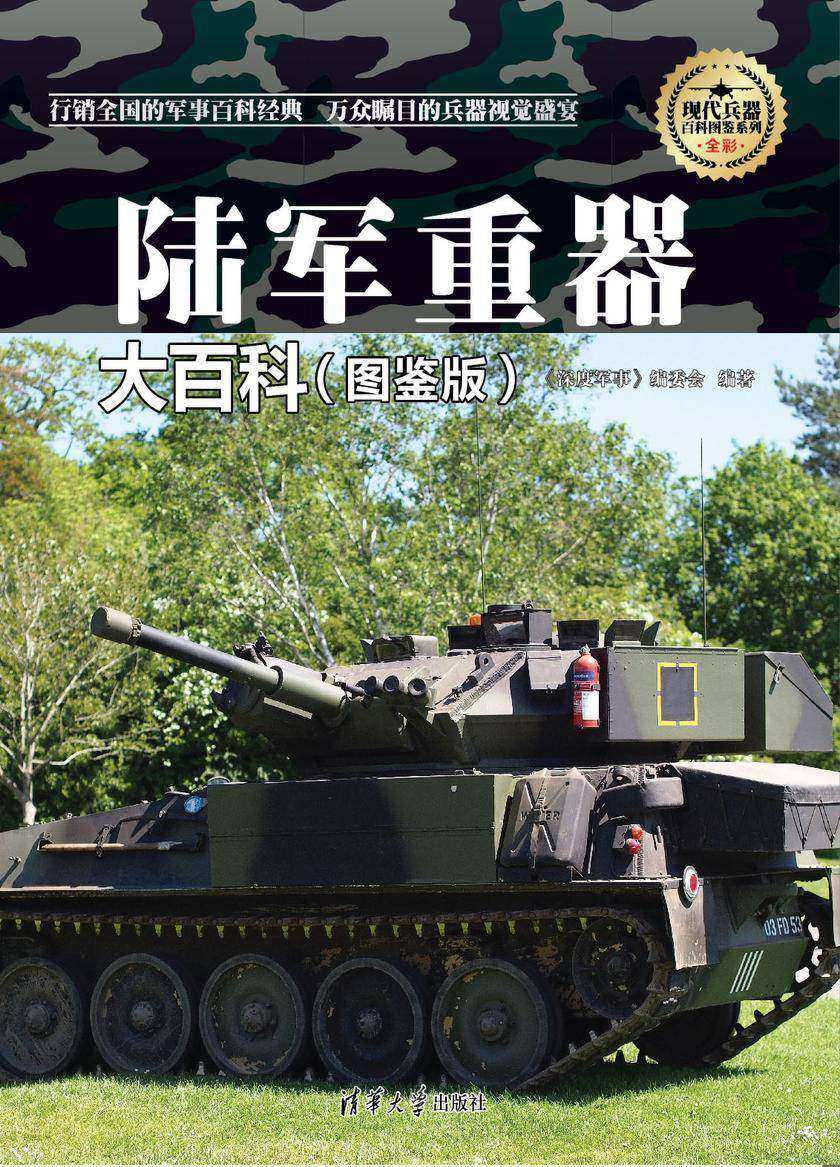
陆军重器大百科(图鉴版)(现代兵器百科图鉴系列)
¥42.25
本书精心选择了世界各国研制的多种重型武器装备,主要包括美国、俄罗斯、德国、法国等重型武器生产强国的武器装备。每种武器装备都对主要构造、作战性能、使用单位等情况进行了简明扼要的介绍。每种武器装备都配有精美细腻的鉴赏图片。 本书内容结构严谨、分析讲解透彻、图片精美丰富、版式新颖别致,不仅适合资深军事爱好者阅读和收藏,也可作为青少年爱国主义教育的参考用书,还能作为少年儿童的军事启蒙读物。

危机和创伤中成长:10位心理专家危机干预之道
¥42.25
本书由“致道中和”危机干预万人公益大讲堂中10位心理学专家的直播内容整理而成。本次万人大讲堂得以成功举办,除了10位专业大咖的鼎力支持以外,也离不开50位志愿者的倾情付出,非常感谢他们的付出和爱心奉献。他们都是心理学专业同行,有丰富的临床经验,并且尽职尽责。从*初的队伍组建,到学习群的运营和管理,再到每期讲座的逐字稿誊录和简报撰写,他们不仅热爱学习、精进专业,也克服各种困难,为群里的近500名学员适时答疑,营造良好的学习氛围,让整个项目得以顺利推进。志愿者们纷纷表示,每周六已经养成习惯,提前“搬好小板凳”进行学习,不仅学习专业知识,也从方老师和其他9位专家身上收获满满的感动。不少志愿者在活动结束后给我们发来感言,表达了的所思所想。
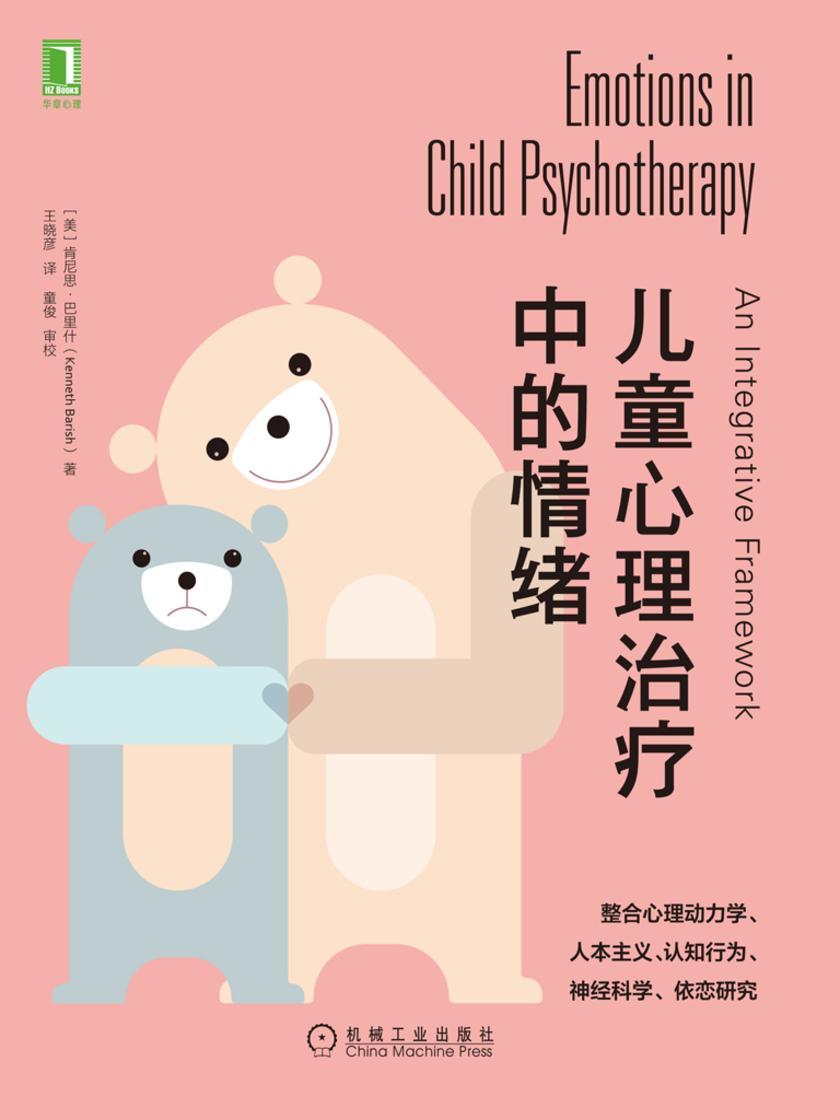
儿童心理治疗中的情绪
¥42.25
情绪是儿童心理治疗的基础,也是治疗师与儿童沟通的重要媒介。改善情绪是所有与儿童和家庭工作的治疗师的共同目标。 在本书中,巴里什博士向我们呈现了一种与儿童及其家庭行治疗性工作的整合性框架:将心理动力学观的精华与近年来神经科学、依恋研究、认知行为疗法以及系统化视角的研究发现相整合。 在此基础上,巴里什系统地阐述了如何关注儿童的情绪,其中包括积极情绪对治疗效果的促和维持作用、如何从新的视角看待儿童的良性发展和病理性发展、对治疗过程不同阶段的新理解,以及解决一些长期存在的临床问题的有效策略。书中还提供了一套修复家庭关系的积极策略,以及一些帮助父母应对养育过程中常见问题的具体技巧。
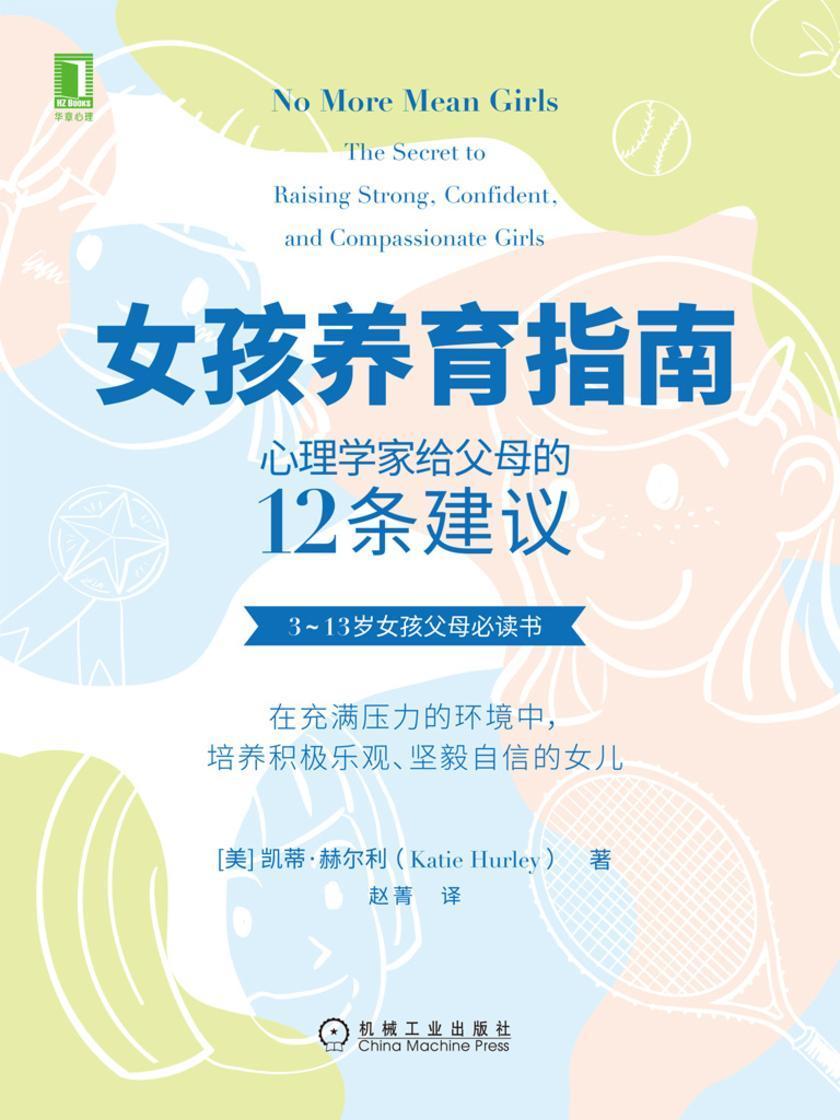
女孩养育指南:心理学家给父母的12条建议
¥42.25
如今的女孩面临着很大的压力,她们不仅要面临学业压力、同伴压力,而且要面临快节奏生活带来的压力。一些女孩在很小的时候就始遭受同伴欺凌、网络暴力等种种伤害,而这种伤害的影响可能将伴随她们多年。如果父母能及早帮助她们消除困惑、解决问题,她们就能在以后的学习和生活中走得更加平稳。 女孩成长专家凯蒂·赫尔利,在书中分享了许多关于女孩成长的有趣研究,从而让父母看到女儿发展的更多可能性。同时,她结合自己近20年的儿童和家庭咨询经验,为父母提供了一系列帮助女儿成长的方案。 本书还提供了很多父母和女儿可以一起参与的活动。这是一个你们共同参与的旅程,现在出发吧!

依恋的修复:唤醒创伤儿童的爱(原书第3版)
¥42.25
书中描述了一位小女孩凯蒂,在她的成长过程中遭遇忽视及虐待的经过,同时也呈现了特殊心理治疗如何促受创伤的孩子的心理发展与安全依恋。这一治疗模式以依恋理论和创伤理论为基础,并纳家庭治疗的一般原则而成为一种综合的介模式。 针对依恋困难的儿童及青少年,本书为致力于与之触的成人——无论是专业人员还是父母,提供具体有效的指导。? 作者将理论和研究编织成富有感染力的文字,为经历过严重创伤的儿童提供了修复依恋能力的有效方法,提出了旨在促儿童发展和安全依恋的专业心理治疗原则和育儿策略。 《依恋的修复》为临床医师、社会工作者、心理咨询师和父母提供了宝贵的指导。第3版的更新包括: 我们对父母和治疗师的依恋历史如何影响我们对当前亲子关系的理解; 引“被阻碍的照顾”概念,以更好地理解抚养一个有依恋困难的受创伤儿童所面临的挑战;? 发展性创伤的分类,现在通常用来描述有依恋困难的孩子所面临的挑战; 扩大了主体间性的覆盖范围,并在整本书中展示了它对儿童发展的影响; 更强的治疗和养育立场(PACE的态度:好玩、纳、好奇、共情),因为这已经成为一个强有力的组织原则,训练治疗师和父母使用双向发展心理治疗(DDP)模型; 更新了DDP(情感反思对话、后续引导、互动修复、加深叙述)组成部分的案例,并讨论了DDP与人际神经生物学研究之间的联系。
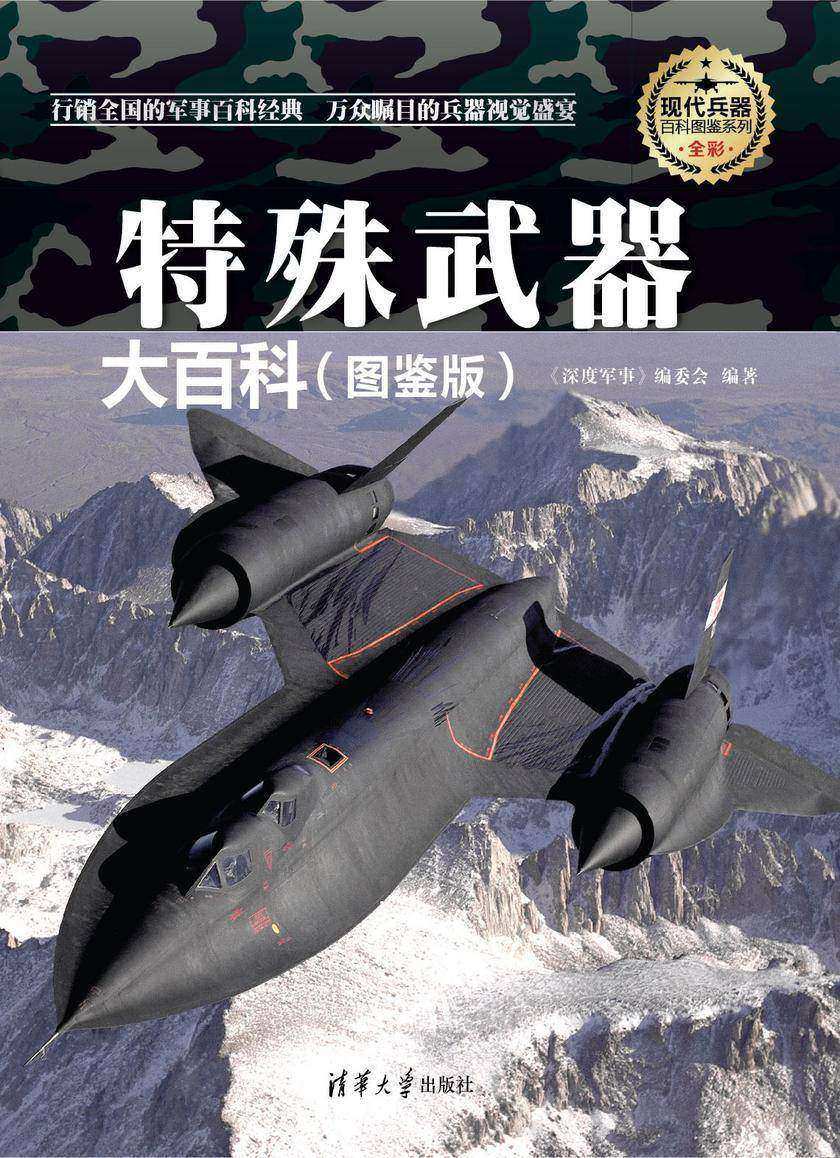
特殊武器大百科(图鉴版)(现代兵器百科图鉴系列)
¥42.25
本书精心选择了19 世纪以来世界各国研制的百余种特殊武器,分为特殊单兵武器、特殊空战武器、特殊陆战武器、特殊海战武器四个大类,对每种武器的研制时间、主要构造、突出特征、作战性能、使用单位等情况进行了简明扼要的介绍。 本书内容结构严谨、分析讲解透彻、图片精美丰富,不仅适合资深军事爱好者阅读和收藏,还能作为少年儿童的军事启蒙读物。


