


 购物车
购物车 个人中心
个人中心
Mastering Bootstrap 4
¥80.65
Learn how to build beautiful and highly customizable web interfaces by leveraging the power of Bootstrap 4 About This Book Adapt and customize Bootstrap to produce enticing websites that fit your needs Explore Bootstrap's grid system, helper classes, and responsive utilities Extend Bootstrap with jQuery plugins and learn how to create your own custom plugins Who This Book Is For This book targets intermediate-level front-end web-developers. The book is not intended to be an introduction to web development. As such, the book assumes that readers have a firm grasp on the basic concepts behind web-development, as well as essential HTML, JavaScript and CSS skills. What You Will Learn Create a professional Bootstrap-based website from scratch without using third-party templates Apply the Bootstrap mobile-first grid system and add responsiveness and aesthetic touches to image elements Style various types of content and learn how to build a page’s layout from scratch by applying the power of Bootstrap 4 Take advantage of Bootstrap’s form helper and contextual classes Infuse your web pages with life and movement using Bootstrap jQuery plugins Customize the behavior and features of Bootstrap’s jQuery Plugins extensively Optimize your Bootstrap-based project before deployment Incorporate Bootstrap into an AngularJS or React application and use Bootstrap components as AngularJS directives or React components In Detail Bootstrap 4 is a free CSS and JavaScript framework that allows developers to rapidly build responsive web-interfaces. Right from the first chapter, dive into building a customized Bootstrap website from scratch. Get to grips with Bootstrap’s key features and quickly discover the various ways in which Bootstrap can help you develop web-interfaces. Then take walk through the fundamental features, such as its grid system, helper classes, and responsive utilities. When you have mastered these, you will discover how to structure page layouts, use forms, style different types of content and utilize Bootstrap’s various navigation components. Among other things, you will also tour the anatomy of a Bootstrap plugin, creating your own custom components and extending Bootstrap using jQuery. Finally, you will discover how to optimize your website and integrate it with third-party frameworks. By the end of this book, you will have a thorough knowledge of the framework’s ins and outs, and be able to build highly customizable and optimized web interfaces. Style and approach This comprehensive step-by-step guide walks you through building a complete website using Bootstrap 4. Each chapter is accompanied by source code and screenshots, and focuses on a distinct set of lessons that are illustrated within the context of a demo project.
Xamarin 4.x Cross-Platform Application Development - Third Edition
¥80.65
Develop powerful cross-platform applications with Xamarin About This Book Write native cross-platform applications with Xamarin Design user interfaces that can be shared across Android, iOS, and Windows Phone using Xamarin.Forms Practical cross-platform development strategies Who This Book Is For If you are a developer with experience in C# and are just getting into mobile development, this is the book for you. This book will give you a head start with cross-platform development and will be the most useful to developers who have experience with desktop applications or the web. What You Will Learn Apple’s MVC design pattern The Android activity lifecycle Share C# code across platforms and call native Objective-C or Java libraries from C# Create a real web service back end in Windows Azure using SQL Azure as database storage Set up third-party libraries such as NuGet and Objective Sharpie in many different ways, and port a desktop .NET library to Xamarin Use Xamarin.Mobile for camera, contacts, and location In Detail Xamarin is a leading cross-platform application development tool used by top companies such as Coca-Cola, Honeywell, and Alaska Airlines to build apps. Version 4 features significant updates to the platform including the release of Xamarin.Forms 2.0 and improvements have been made to the iOS and Android designers. Xamarin was acquired by Microsoft so it is now a part of the Visual Studio family. This book will show you how to build applications for iOS, Android, and Windows. You will be walked through the process of creating an application that comes complete with a back-end web service and native features such as GPS location, camera, push notifications, and other core features. Additionally, you’ll learn how to use external libraries with Xamarin and Xamarin.Forms to create user interfaces. This book also provides instructions for Visual Studio and Windows. This edition has been updated with new screenshots and detailed steps to provide you with a holistic overview of the new features in Xamarin 4. Style and approach This book offers a tutorial style approach to teach you the skills required to develop end-to-end cross-platform solutions with Xamarin.
Teaching with Google Classroom
¥80.65
Put Google Classroom to work while teaching your students and make your life easier About This Book This is the first book to guide educators step by step through teaching with Google Classroom It’s focused on you, your students, and providing great learning experiences easily It’s easy to follow, with everything you need to get started and keep going even if you’re not a technology fan Who This Book Is For This is a book for educators who want to use Google Classroom to teach better. It’s not for geeks. There are rich examples, clear instructions, and enlightening explanations to help you put this platform to work. What You Will Learn Create a Google Classroom and add customized information for each individual class Add students to a Google Classroom Send announcements and questions to students Create, distribute, collect, and grade assignments through Google Classroom Add events to and share a Google Classroom’s calendar with parents to track a student's progress Reuse posts, archive classrooms, and perform other administrative tasks in Google Classroom Use Google Docs Add-ons, and Google Chrome Webstore Apps and Extensions to enhance assignments Set up Google Classroom’s mobile app In Detail Google Classroom helps teachers bring their work online. According to Google Trends, it’s already bigger than Moodle after barely a year in the wild. This book is a complete start-to-finish guide for teachers using Google Classroom for the first time. It explains what Google Classroom is, what it can do, how to set it up, and how to use it to enhance student learning while making your life as a teacher easier. It shows you how to place resources and activities online, gather assignments, and develop group and individual activities. It’s not just a manual, you’ll also discover inspiring, easy ways to put Google Classroom to work for you and your class. Style and approach This is a step-by-step guide to using Google Classroom, the rapidly emerging platform for education, effectively.
Android Design Patterns and Best Practice
¥80.65
Create reliable, robust, and efficient Android apps with industry-standard design patterns About This Book Create efficient object interaction patterns for faster and more efficient Android development Get into efficient and fast app development and start making money from your android apps Implement industry-standard design patterns and best practices to reduce your app development time drastically Who This Book Is For This book is intended for Android developers who have some basic android development experience. Basic Java programming knowledge is a must to get the most out of this book. What You Will Learn Build a simple app and run it on real and emulated devices Explore the WYSIWYG and XML approaches to material design provided within Android Studio Detect user activities by using touch screen listeners, gesture detection, and reading sensors Apply transitions and shared elements to employ elegant animations and efficiently use the minimal screen space of mobile devices Develop apps that automatically apply the best layouts for different devices by using designated directories Socialize in the digital word by connecting your app to social media Make your apps available to the largest possible audience with the AppCompat support library In Detail Are you an Android developer with some experience under your beltAre you wondering how the experts create efficient and good-looking appsThen your wait will end with this book! We will teach you about different Android development patterns that will enable you to write clean code and make your app stand out from the crowd. The book starts by introducing the Android development environment and exploring the support libraries. You will gradually explore the different design and layout patterns and get to know the best practices of how to use them together. Then you’ll then develop an application that will help you grasp activities, services, and broadcasts and their roles in Android development. Moving on, you will add user-detecting classes and APIs such as gesture detection, touch screen listeners, and sensors to your app. You will also learn to adapt your app to run on tablets and other devices and platforms, including Android Wear, auto, and TV. Finally, you will see how to connect your app to social media and explore deployment patterns as well as the best publishing and monetizing practices. The book will start by introducing the Android development environment and exploring the support libraries. You will gradually explore the different Design and layout patterns and learn the best practices on how to use them together. You will then develop an application that will help you grasp Activities, Services and Broadcasts and their roles in Android development. Moving on, you will add user detecting classes and APIs such as at gesture detection, touch screen listeners and sensors to our app. You will also learn to adapt your app to run on tablets and other devices and platforms, including Android Wear, Auto, and TV. Finally, you will learn to connect your app to social media and explore deployment patterns and best publishing and monetizing practices. Style and approach This book takes a step-by-step approach. The steps are explained using real-world practical examples. Each chapter uses case studies where we show you how using design patterns will help in your development process.
Mastering JavaScript Object-Oriented Programming
¥80.65
Unleash the true power of JavaScript by mastering Object-Oriented programming principles and patterns About This Book Covering all the new Object-Oriented features introduced in ES6, this book shows you how to build large-scale web apps Build apps that promote scalability, maintainability, and reusability Learn popular Object-Oriented programming (OOP) principles and design patterns to build robust apps Implement Object-Oriented concepts in a wide range of front-end architectures Who This Book Is For This book is ideal for you if you are a JavaScript developers who wants to gain expertise in OOP with JavaScript to improve your web development skills and build professional quality web applications. What You Will Learn Master JavaScript's OOP features, including the one's provided by ES6 specification Identify and apply the most common design patterns such as Singleton, Factory, Observer, Model-View-Controller, and Mediator Patterns Understand the SOLID principles and their benefits Use the acquired OOP knowledge to build robust and maintainable code Design applications using a modular architecture based on SOLID principles In Detail ECMAScript 6 introduces several new Object-Oriented features that drastically change the way developers structure their projects. Web developers now have some advanced OOP functionality at their disposal to build large-scale applications in JavaScript. With this book, we'll provide you with a comprehensive overview of OOP principles in JavaScript and how they can be implemented to build sophisticated web applications. Kicking off with a subtle refresher on objects, we'll show you how easy it is to define objects with the new ES6 classes. From there, we'll fly you through some essential OOP principles, forming a base for you to get hands-on with encapsulation. You'll get to work with the different methods of inheritance and we'll show you how to avoid using inheritance with Duck Typing. From there, we'll move on to some advanced patterns for object creation and you'll get a strong idea of how to use interesting patterns to present data to users and to bind data. We'll use the famous promises to work with asynchronous processes and will give you some tips on how to organize your code effectively. You'll find out how to create robust code using SOLID principles and finally, we'll show you how to clearly define the goals of your application architecture to get better, smarter, and more effective coding. This book is your one-way ticket to becoming a JavaScript Jedi who can be counted on to deliver flexible and maintainable code. Style and approach This comprehensive guide on advanced OOP principles and patterns in JavaScript is packed with real-world use cases, and shows you how to implement advanced OOP features to build sophisticated web applications that promote scalability and reusability.
Mastering PostCSS for Web Design
¥80.65
Explore the power of PostCSS to write highly performing, modular, and modern CSS code for your web pages About This Book Incorporate cutting-edge styles in your web pages with PostCSS Simplify the process of writing CSS to a great extent using PostCSS shortcuts, fallbacks, and pack plugins This in-depth, step-by-step guide will help you master PostCSS, to create amazing and responsive web designs Who This Book Is For This book is ideal for web developers and designers who are comfortable with HTML5 and CSS and now want to master PostCSS for web design. Web designers who have been using SASS or Less and now want to adopt PostCSS would also find this book useful. What You Will Learn Add mixin and variable support to PostCSS along with conditional support Explore the different ways of nesting code such as BEM and standard nesting within PostCSS Optimize media queries built with PostCSS to get the best performance Add dynamic styling elements such as images, fonts, grids, and SVG and retina support using existing preprocessors as well as PostCSS Get familiar with using plugins, and extend PostCSS with the API Build a fully working custom preprocessor and test it on different sites such as WordPress Write a custom syntax in PostCSS while still using pre-built syntaxes such as Less, SASS, or Stylus Provide support for future CSS such as CSS4 using current CSS3 classes In Detail PostCSS is a tool that has quickly emerged as the future of existing preprocessors such as SASS and Less, mainly because of its power, speed, and ease of use. This comprehensive guide offers in-depth guidance on incorporating cutting-edge styles into your web page and at the same time maintaining the performance and maintainability of your code. The book will show how you can take advantage of PostCSS to simplify the entire process of stylesheet authoring. It covers various techniques to add dynamic and modern styling features to your web pages. As the book progresses, you will learn how to make CSS code more maintainable by taking advantage of the modular architecture of PostCSS. By the end of this book, you would have mastered the art of adding modern CSS effects to web pages by authoring high performing, maintainable stylesheets. Style and approach This comprehensive book provides in-depth guidance on how to build a PostCSS powered responsive site from scratch. Following a step-by-step approach, you will learn how to add modern styles to web pages. It also contains several tips and best practices on how you can optimize your sites by writing high performing code in PostCSS.
Modular Programming with JavaScript
¥80.65
Modularize your JavaScript code for better readability, greater maintainability, and enhanced testability About This Book Design and build fully modular, modern JavaScript applications using modular design concepts Improve code portability, maintainability, and integrity while creating highly scalable and responsive web applications Implement your own loosely coupled code blocks that can power highly maintainable and powerful applications in a flexible and highly responsive modular architecture Who This Book Is For If you are an intermediate to advanced JavaScript developer who has experience of writing JavaScript code but probably not in a modular, portable manner, or you are looking to develop enterprise level JavaScript applications, then this book is for you. A basic understanding of JavaScript concepts such as OOP, prototypal inheritance, and closures is expected. What You Will Learn Understand the important concepts of OOP in JavaScript, such as scope, objects, inheritance, event delegation, and more Find out how the module design pattern is used in OOP in JavaScript Design and augment modules using both tight augmentation and loose augmentation Extend the capabilities of modules by creating sub-modules using techniques such as cloning and inheritance Move from isolated module pieces to a cohesive, well integrated application modules that can interact and work together without being tightly coupled See how SandBoxing is used to create a medium for all the modules to talk to each other as well as to the core Use the concepts of modular application design to handle dependencies and load modules asynchronously Become familiar with AMD and CommonJS utilities and discover what the future of JavaScript holds for modular programming and architecture In Detail Programming in the modular manner is always encouraged for bigger systems—it is easier to achieve scalability with modular programming. Even JavaScript developers are now interested in building programs in a modular pattern. Modules help people who aren’t yet familiar with code to find what they are looking for and also makes it easier for programmers to keep things that are related close together. Designing and implementing applications in a modular manner is highly encouraged and desirable in both simple and enterprise level applications. This book covers some real-life examples of modules and how we can translate that into our world of programming and application design. After getting an overview of JavaScript object-oriented programming (OOP) concepts and their practical usage, you should be able to write your own object definitions using the module pattern. You will then learn to design and augment modules and will explore the concepts of cloning, inheritance, sub-modules, and code extensibility. You will also learn about SandBoxing, application design, and architecture based on modular design concepts. Become familiar with AMD and CommonJS utilities. By the end of the book, you will be able to build spectacular modular applications in JavaScript. Style and approach This in-depth step-by-step guide will teach you modular programming with JavaScript. Starting from the basics, it will cover advanced modular patterns that can be used in sophisticated JavaScript applications.
Advanced Machine Learning with Python
¥80.65
Solve challenging data science problems by mastering cutting-edge machine learning techniques in Python About This Book Resolve complex machine learning problems and explore deep learning Learn to use Python code for implementing a range of machine learning algorithms and techniques A practical tutorial that tackles real-world computing problems through a rigorous and effective approach Who This Book Is For This title is for Python developers and analysts or data scientists who are looking to add to their existing skills by accessing some of the most powerful recent trends in data science. If you’ve ever considered building your own image or text-tagging solution, or of entering a Kaggle contest for instance, this book is for you! Prior experience of Python and grounding in some of the core concepts of machine learning would be helpful. What You Will Learn Compete with top data scientists by gaining a practical and theoretical understanding of cutting-edge deep learning algorithms Apply your new found skills to solve real problems, through clearly-explained code for every technique and test Automate large sets of complex data and overcome time-consuming practical challenges Improve the accuracy of models and your existing input data using powerful feature engineering techniques Use multiple learning techniques together to improve the consistency of results Understand the hidden structure of datasets using a range of unsupervised techniques Gain insight into how the experts solve challenging data problems with an effective, iterative, and validation-focused approach Improve the effectiveness of your deep learning models further by using powerful ensembling techniques to strap multiple models together In Detail Designed to take you on a guided tour of the most relevant and powerful machine learning techniques in use today by top data scientists, this book is just what you need to push your Python algorithms to maximum potential. Clear examples and detailed code samples demonstrate deep learning techniques, semi-supervised learning, and more - all whilst working with real-world applications that include image, music, text, and financial data. The machine learning techniques covered in this book are at the forefront of commercial practice. They are applicable now for the first time in contexts such as image recognition, NLP and web search, computational creativity, and commercial/financial data modeling. Deep Learning algorithms and ensembles of models are in use by data scientists at top tech and digital companies, but the skills needed to apply them successfully, while in high demand, are still scarce. This book is designed to take the reader on a guided tour of the most relevant and powerful machine learning techniques. Clear de*ions of how techniques work and detailed code examples demonstrate deep learning techniques, semi-supervised learning and more, in real world applications. We will also learn about NumPy and Theano. By this end of this book, you will learn a set of advanced Machine Learning techniques and acquire a broad set of powerful skills in the area of feature selection & feature engineering. Style and approach This book focuses on clarifying the theory and code behind complex algorithms to make them practical, useable, and well-understood. Each topic is described with real-world applications, providing both broad contextual coverage and detailed guidance.
The Android Game Developer's Handbook
¥80.65
Discover an all in one handbook to developing immersive and cross-platform Android games About This Book Practical tips and tricks to develop powerful Android games Learn to successfully implement microtransactions and monitor the performance of your game once it’s out live. Integrate Google’s DIY VR tool and Google Cardboard into your games to join in on the VR revolution Who This Book Is For This book is ideal for any game developer, with prior knowledge of developing games in Android. A good understanding of game development and a basic knowledge on Android platform application development and JAVA/C++ will be appreciated. What You Will Learn Learn the prospects of Android in Game Development Understand the Android architecture and explore platform limitation and variations Explore the various approaches for Game Development using Android Learn about the common mistakes and possible solutions on Android Game Development Discover the top Cross Platform Game Engines and port games on different android platform Optimize memory and performance of your game. Familiarize yourself with different ways to earn money from Android Games In Detail Gaming in android is an already established market and growing each day. Previously games were made for specific platforms, but this is the time of cross platform gaming with social connectivity. It requires vision of polishing, design and must follow user behavior. This book would help developers to predict and create scopes of improvement according to user behavior. You will begin with the guidelines and rules of game development on the Android platform followed by a brief de*ion about the current variants of Android devices available. Next you will walk through the various tools available to develop any Android games and learn how to choose the most appropriate tools for a specific purpose. You will then learn JAVA game coding standard and style upon the Android SDK. Later, you would focus on creation, maintenance of Game Loop using Android SDK, common mistakes in game development and the solutions to avoid them to improve performance. We will deep dive into Shaders and learn how to optimize memory and performance for an Android Game before moving on to another important topic, testing and debugging Android Games followed by an overview about Virtual Reality and how to integrate them into Android games. Want to program a different wayInside you’ll also learn Android game Development using C++ and OpenGL. Finally you would walk through the required tools to polish and finalize the game and possible integration of any third party tools or SDKs in order to monetize your game when it’s one the market! Style and approach The book follows a handbook approach, focused on current and future game development trend from every possible aspect including monetization and sustainability in the market.
Implementing Domain-Specific Languages with Xtext and Xtend - Second Edition
¥80.65
Learn how to implement a DSL with Xtext and Xtend using easy-to-understand examples and best practices About This Book Leverage the latest features of Xtext and Xtend to develop a domain-specific language. Integrate Xtext with popular third party IDEs and get the best out of both worlds. Discover how to test a DSL implementation and how to customize runtime and IDE aspects of the DSL Who This Book Is For This book is targeted at programmers and developers who want to create a domain-specific language with Xtext. They should have a basic familiarity with Eclipse and its functionality. Previous experience with compiler implementation can be helpful but is not necessary since this book will explain all the development stages of a DSL. What You Will Learn Write Xtext grammar for a DSL; Use Xtend as an alternative to Java to write cleaner, easier-to-read, and more maintainable code; Build your Xtext DSLs easily with Maven/Tycho and Gradle; Write a code generator and an interpreter for a DSL; Explore the Xtext scoping mechanism for symbol resolution; Test most aspects of the DSL implementation with JUnit; Understand best practices in DSL implementations with Xtext and Xtend; Develop your Xtext DSLs using Continuous Integration mechanisms; Use an Xtext editor in a web application In Detail Xtext is an open source Eclipse framework for implementing domain-specific languages together with IDE functionalities. It lets you implement languages really quickly; most of all, it covers all aspects of a complete language infrastructure, including the parser, code generator, interpreter, and more. This book will enable you to implement Domain Specific Languages (DSL) efficiently, together with their IDE tooling, with Xtext and Xtend. Opening with brief coverage of Xtext features involved in DSL implementation, including integration in an IDE, the book will then introduce you to Xtend as this language will be used in all the examples throughout the book. You will then explore the typical programming development workflow with Xtext when we modify the grammar of the DSL. Further, the Xtend programming language (a fully-featured Java-like language tightly integrated with Java) will be introduced. We then explain the main concepts of Xtext, such as validation, code generation, and customizations of runtime and UI aspects. You will have learned how to test a DSL implemented in Xtext with JUnit and will progress to advanced concepts such as type checking and scoping. You will then integrate the typical Continuous Integration systems built in to Xtext DSLs and familiarize yourself with Xbase. By the end of the book, you will manually maintain the EMF model for an Xtext DSL and will see how an Xtext DSL can also be used in IntelliJ. Style and approach A step-by step-tutorial with illustrative examples that will let you master using Xtext and implementing DSLs with its custom language, Xtend.
Mastering Swift 3 - Linux
¥80.65
Learn to build fast and robust applications on the Linux platform with Swift About This Book Create robust applications by building a strong foundation in the Swift Language Utilize Swift 3 on the embedded Linux platform for IoT and Robotic projects Build more flexible and high-performing applications on desktop, server, and embedded Linux platforms Who This Book Is For This book is for Linux developers who are interested in quickly learning how to use Swift to create exciting applications on Linux platforms. What You Will Learn Install Swift on the Linux platform Explore the power of the Swift language Get to know the proper design techniques Understand Swift’s new Core Library Implement popular design patterns with Swift Integrate C libraries with Swift Using Swift on Single-Board Computers Learn how to add concurrency to your application with Grand Central Dispatch Learn how to work with Swift Generics Learn how to use the Protocol-Oriented design paradigm In Detail Swift is a modern, fast, and safe programming language created by Apple. Writing Swift is interactive and fun, the syntax is concise yet expressive, and the code runs lightning-fast. Swift’s move to open source has been embraced with open arms and has seen increased adoption in the Linux platform. Our book will introduce you to the Swift language, further delving into all the key concepts you need to create applications for desktop, server, and embedded Linux platforms. We will teach you the best practices to design an application with Swift 3 via design patterns and Protocol-Oriented Programming. Further on, you will learn how to catch and respond to errors within your application. When you have gained a strong knowledge of using Swift in Linux, we’ll show you how to build IoT and robotic projects using Swift on single board computers. By the end of the book, you will have a solid understanding of the Swift Language with Linux and will be able to create your own applications with ease. Style and approach This easy-to-follow, code-rich guide is filled with examples that demonstrate how to put the concepts into practice. You’ll also get design patterns and best practices to get you writing better applications on the Linux platform.
Microsoft Dynamics NAV 2016 Financial Management - Second Edition
¥80.65
Master the world of financial management with Microsoft Dynamics NAV 2016 About This Book Familiarize yourself with Dynamics NAV and get up to date with the latest release – this is an invaluable tool for financial management Learn how to use reporting tools that will help you to make the right decisions at the right time Explore features inside the sale and purchase areas as well as functionalities including payments, budgets, cash flow, fixed assets, and business intelligence Who This Book Is For This book will appeal to financers and accountants who are using Dynamics NAV as their ERP and financial management system. Dynamics NAV consultants and project managers will find it useful for their daily work. What You Will Learn Handle complete business processes for purchases and sales in Dynamics NAV. Use the banking features and the reconciliation process to gain greater insights into a company’s financial status. Report data in a meaningful way that provides the company with insightful analysis. Set up dimensions and link them with master tables and journals. Work with multi-currency and intercompany postings. Receive and send documents electronically. Manage complete Fixed Asset by Setup, transactions, budgets, and Fixed Asset Reporting. In Detail Microsoft Dynamics NAV is a global Enterprise Resource Planning (ERP) solution that provides small and mid-size businesses with greater control over their finances and a way to simplify their supply chain, manufacturing, and operations. Microsoft Dynamics NAV Financial Management explains all you need to know in order to successfully handle your daily financial management tasks. This book walks you through all the improvements in the latest release and shows you how to apply them in your workplace. You will learn about functionalities including sales and purchase processes, payments, bank account management, reporting taxes, budgets, cash flow, fixed assets, cost accounting, inventory valuation, workflows, sending and receiving electronic documents, and business intelligence. This book comprehensively covers all the financial management features inside the latest version of Dynamics NAV and follows a logical schema. By the time you’re finished this book you will have learned about budgets, cash flow management, currencies, intercompany postings, and accounting implications in areas such as jobs, services, warehousing, and manufacturing. Style and approach This book is an in-depth, practical tutorial demonstrating both the basic and more advanced concepts of financial management in Dynamics NAV.
Programming Kotlin
¥80.65
Familiarize yourself with all of Kotlin’s features with this in-depth guide About This Book Get a thorough introduction to Kotlin Learn to use Java code alongside Kotlin without any hiccups Get a complete overview of null safety, Generics, and many more interesting features Who This Book Is For The book is for existing Java developers who want to learn more about an alternative JVM language. If you want to see what Kotlin has to offer, this book is ideal for you. What You Will Learn Use new features to write structured and readable object-oriented code Find out how to use lambdas and higher order functions to write clean, reusable, and simple code Write unit tests and integrate Kotlin tests with Java code in a transitioning code base Write real-world production code in Kotlin in the style of microservices Leverage Kotlin’s extensions to the Java collections library Use destructuring expressions and find out how to write your own Write code that avoids null pointer errors and see how Java-nullable code can integrate with features in a Kotlin codebase Discover how to write functions in Kotlin, see the new features available, and extend existing libraries Learn to write an algebraic data types and figure out when they should be used In Detail Kotlin has been making waves ever since it was open sourced by JetBrains in 2011; it has been praised by developers across the world and is already being adopted by companies. This book provides a detailed introduction to Kotlin that shows you all its features and will enable you to write Kotlin code to production. We start with the basics: get you familiar with running Kotlin code, setting up, tools, and instructions that you can use to write basic programs. Next, we cover object oriented code: functions, lambdas, and properties – all while using Kotlin’s new features. Then, we move on to null safety aspects and type parameterization. We show you how to destructure expressions and even write your own. We also take you through important topics like testing, concurrency, microservices, and a whole lot more. By the end of this book you will be able to compose different services and build your own applications. Style and approach An easy to follow guide that covers the full set of features in Kotlin programming.
F# High Performance
¥80.65
Build powerful and fast applications with F# About This Book· Explore the advanced concurrency support in F# and .NET TPL·Covers major optimization techniques in F# to improve the performance of applications·Use Struct, Class and Record model, Interop with C# and VB without sacrificing performance. Who This Book Is For This book is for F# developers who want to build high-performance applications. Knowledge of functional programming would be helpful. What You Will Learn· Understand how the execution of functions in F# works·Identify common performance bottlenecks·Implement best practices to optimize performance·Use the available tooling to help measure performance·Combine the best practice of asynchronous and synchronous·Optimize further using various F# language constructs In Detail F# is a functional programming language and is used in enterprise applications that demand high performance. It has its own unique trait: it is a functional programming language and has OOP support at the same time. This book will help you make F# applications run faster with examples you can easily break down and take into your own work. You will be able to assess the performance of the program and identify bottlenecks. Beginning with a gentle overview of concurrency features in F#, you will get to know the advanced topics of concurrency optimizations in F#, such as F# message passing agent of MailboxProcessor and further interoperation with .NET TPL. Based on this knowledge, you will be able to enhance the performance optimizations when implementing and using other F# language features. The book also covers optimization techniques by using F# best practices and F# libraries. You will learn how the concepts of concurrency and parallel programming will help in improving the performance. With this, you would be able to take advantage of multi-core processors and track memory leaks, root causes, and CPU issues. Finally, you will be able to test their applications to achieve scalability. Style and approach This easy-to-follow guide is full of hands-on examples of real-world multithreading tasks. Each topic is explained and placed in context, and for the more inquisitive, there are also more in-depth details of the concepts used.
Principles of Data Science
¥80.65
Learn the techniques and math you need to start making sense of your data About This Book Enhance your knowledge of coding with data science theory for practical insight into data science and analysis More than just a math class, learn how to perform real-world data science tasks with R and Python Create actionable insights and transform raw data into tangible value Who This Book Is For You should be fairly well acquainted with basic algebra and should feel comfortable reading snippets of R/Python as well as pseudo code. You should have the urge to learn and apply the techniques put forth in this book on either your own data sets or those provided to you. If you have the basic math skills but want to apply them in data science or you have good programming skills but lack math, then this book is for you. What You Will Learn Get to know the five most important steps of data science Use your data intelligently and learn how to handle it with care Bridge the gap between mathematics and programming Learn about probability, calculus, and how to use statistical models to control and clean your data and drive actionable results Build and evaluate baseline machine learning models Explore the most effective metrics to determine the success of your machine learning models Create data visualizations that communicate actionable insights Read and apply machine learning concepts to your problems and make actual predictions In Detail Need to turn your skills at programming into effective data science skillsPrinciples of Data Science is created to help you join the dots between mathematics, programming, and business analysis. With this book, you’ll feel confident about asking—and answering—complex and sophisticated questions of your data to move from abstract and raw statistics to actionable ideas. With a unique approach that bridges the gap between mathematics and computer science, this books takes you through the entire data science pipeline. Beginning with cleaning and preparing data, and effective data mining strategies and techniques, you’ll move on to build a comprehensive picture of how every piece of the data science puzzle fits together. Learn the fundamentals of computational mathematics and statistics, as well as some pseudocode being used today by data scientists and analysts. You’ll get to grips with machine learning, discover the statistical models that help you take control and navigate even the densest datasets, and find out how to create powerful visualizations that communicate what your data means. Style and approach This is an easy-to-understand and accessible tutorial. It is a step-by-step guide with use cases, examples, and illustrations to get you well-versed with the concepts of data science. Along with explaining the fundamentals, the book will also introduce you to slightly advanced concepts later on and will help you implement these techniques in the real world.
Windows 10 for Enterprise Administrators
¥80.65
Learn the art of configuring, deploying, managing and securing Windows 10 for your enterprise. About This Book ? Enhance your enterprise administration skills to manage Windows 10 Redstone 3 ? Get acquainted with configuring Azure Active Directory for enabling cloud-based services and Remote Server Admin Tools for managing Windows Server ? Provide enterprise-level security with ease using the built-in data loss prevention of Windows 10 Who This Book Is For If you are a system administrator who has been given the responsibility of administering and managing Windows 10 Redstone 3, then this book is for you. If you have deployed and managed previous versions of Windows, it would be an added advantage. What You Will Learn ? Understand the remote access capabilities ? Use third-party tools to deploy Windows 10 ? Customize image and user Interface experience ? Implement assigned access rights ? Configure remote administration ? Manage Windows 10 security ? Work with Azure AD and Intune management In Detail Microsoft’s launch of Windows 10 is a step toward satisfying the enterprise administrator’s needs for management and user experience customization. This book provides the enterprise administrator with the knowledge needed to fully utilize the advanced feature set of Windows 10 Enterprise. This practical guide shows Windows 10 from an administrator's point of view. You'll focus on areas such as installation and configuration techniques based on your enterprise requirements, various deployment scenarios and management strategies, and setting up and managing admin and other user accounts. You’ll see how to configure Remote Server Administration Tools to remotely manage Windows Server and Azure Active Directory. Lastly, you will learn modern Mobile Device Management for effective BYOD and how to enable enhanced data protection, system hardening, and enterprise-level security with the new Windows 10 in order to prevent data breaches and impede attacks. By the end of this book, you will know the key technologies and capabilities in Windows 10 and will confidently be able to manage and deploy these features in your organization. Style and approach This step-by-step guide will show you how to configure, deploy, manage, and secure the all new Windows 10 Redstone 3 for your enterprise.
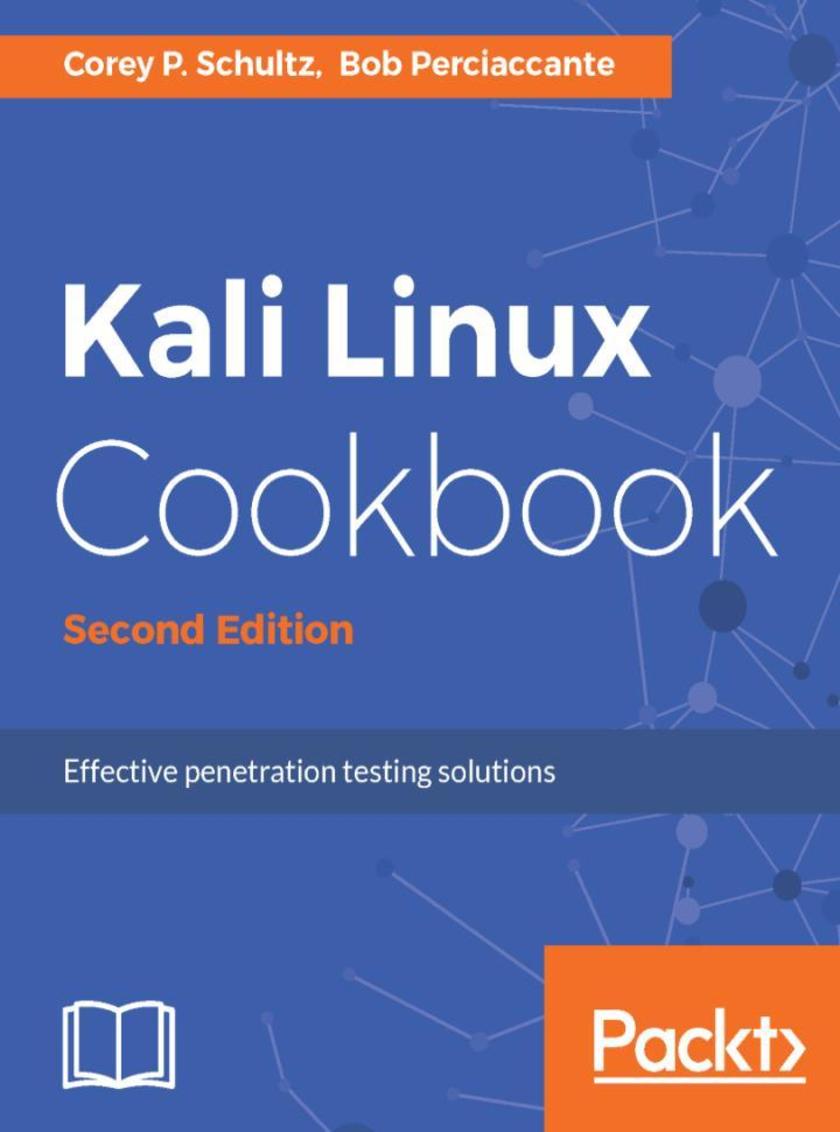
Kali Linux Cookbook - Second Edition
¥80.65
Over 80 recipes to effectively test your network and boost your career in security About This Book ? Learn how to scan networks to find vulnerable computers and servers ? Hack into devices to control them, steal their data, and make them yours ? Target wireless networks, databases, and web servers, and password cracking to make the most of Kali Linux Who This Book Is For If you are looking to expand your career into penetration testing, you will need a good understanding of Kali Linux and the variety of tools it includes. This book will work as a perfect guide for anyone who wants to have a practical approach in leveraging penetration testing mechanisms using Kali Linux What You Will Learn ? Acquire the key skills of ethical hacking to perform penetration testing ? Learn how to perform network reconnaissance ? Discover vulnerabilities in hosts ? Attack vulnerabilities to take control of workstations and servers ? Understand password cracking to bypass security ? Learn how to hack into wireless networks ? Attack web and database servers to exfiltrate data ? Obfuscate your command and control connections to avoid firewall and IPS detection In Detail Kali Linux is a Linux distribution designed for penetration testing and security auditing. It is the successor to BackTrack, the world’s most popular penetration testing distribution. Kali Linux is the most widely used platform and toolkit for penetration testing. Security is currently the hottest field in technology with a projected need for millions of security professionals. This book focuses on enhancing your knowledge in Kali Linux for security by expanding your skills with toolkits and frameworks that can increase your value as a security professional. Kali Linux Cookbook, Second Edition starts by helping you install Kali Linux on different options available. You will also be able to understand the lab architecture and install a Windows host for use in the lab. Next, you will understand the concept of vulnerability analysis and look at the different types of exploits. The book will introduce you to the concept and psychology of Social Engineering and password cracking. You will then be able to use these skills to expand the scope of any breaches you create. Finally, the book will guide you in exploiting specific technologies and gaining access to other systems in the environment. By the end of this book, you will have gained the core knowledge and concepts of the penetration testing process. Style and approach This book teaches you everything you need to know about Kali Linux from the perspective of a penetration tester. It is filled with powerful recipes and practical examples that will help you gain in-depth knowledge of Kali Linux.
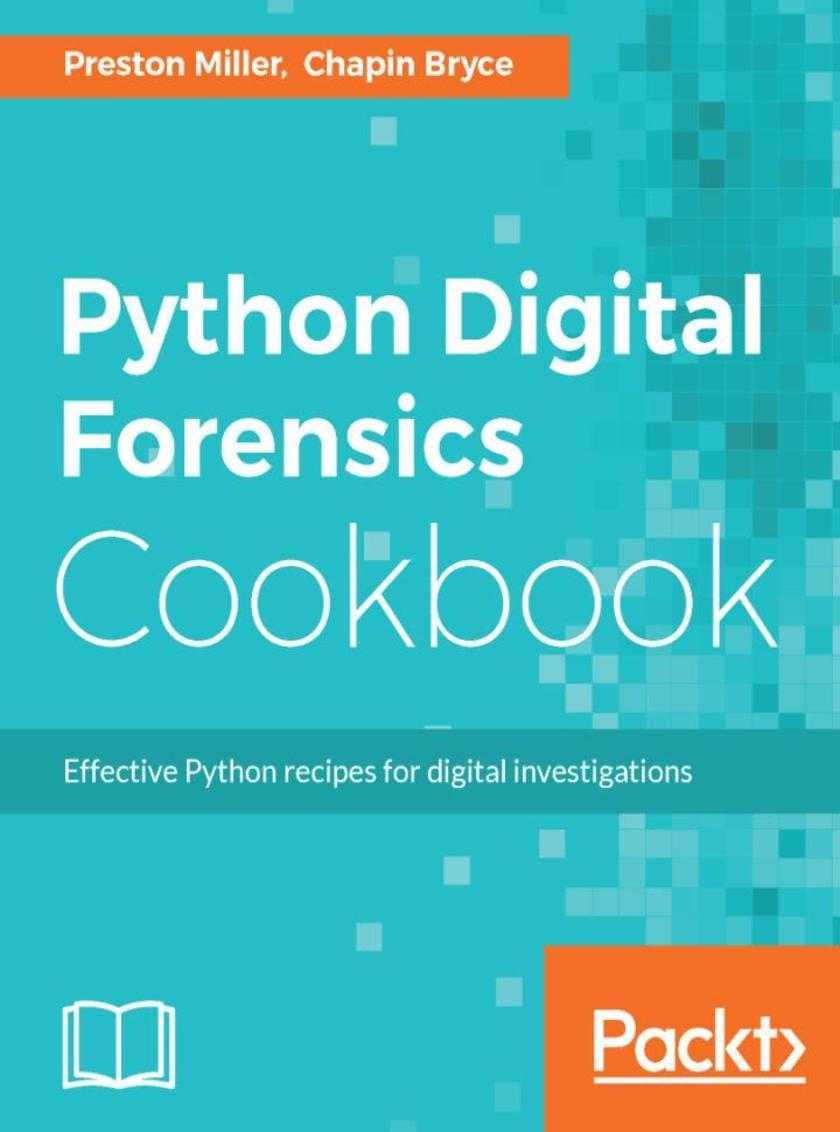
Python Digital Forensics Cookbook
¥80.65
Over 60 recipes to help you learn digital forensics and leverage Python *s to amplify your examinations About This Book ? Develop code that extracts vital information from everyday forensic acquisitions. ? Increase the quality and efficiency of your forensic analysis. ? Leverage the latest resources and capabilities available to the forensic community. Who This Book Is For If you are a digital forensics examiner, cyber security specialist, or analyst at heart, understand the basics of Python, and want to take it to the next level, this is the book for you. Along the way, you will be introduced to a number of libraries suitable for parsing forensic artifacts. Readers will be able to use and build upon the *s we develop to elevate their analysis. What You Will Learn ? Understand how Python can enhance digital forensics and investigations ? Learn to access the contents of, and process, forensic evidence containers ? Explore malware through automated static analysis ? Extract and review message contents from a variety of email formats ? Add depth and context to discovered IP addresses and domains through various Application Program Interfaces (APIs) ? Delve into mobile forensics and recover deleted messages from SQLite databases ? Index large logs into a platform to better query and visualize datasets In Detail Technology plays an increasingly large role in our daily lives and shows no sign of stopping. Now, more than ever, it is paramount that an investigator develops programming expertise to deal with increasingly large datasets. By leveraging the Python recipes explored throughout this book, we make the complex simple, quickly extracting relevant information from large datasets. You will explore, develop, and deploy Python code and libraries to provide meaningful results that can be immediately applied to your investigations. Throughout the Python Digital Forensics Cookbook, recipes include topics such as working with forensic evidence containers, parsing mobile and desktop operating system artifacts, extracting embedded metadata from documents and executables, and identifying indicators of compromise. You will also learn to integrate *s with Application Program Interfaces (APIs) such as VirusTotal and PassiveTotal, and tools such as Axiom, Cellebrite, and EnCase. By the end of the book, you will have a sound understanding of Python and how you can use it to process artifacts in your investigations. Style and approach Our succinct recipes take a no-frills approach to solving common challenges faced in investigations. The code in this book covers a wide range of artifacts and data sources. These examples will help improve the accuracy and efficiency of your analysis—no matter the situation.
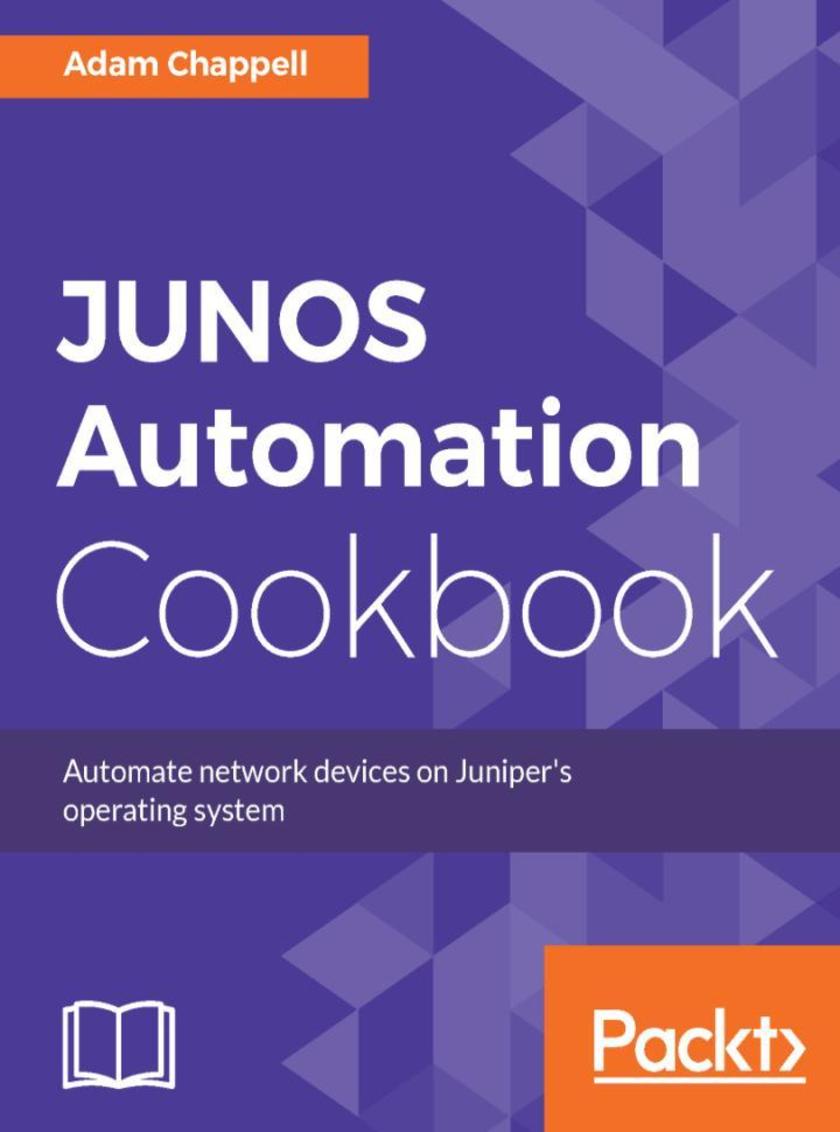
JUNOS Automation Cookbook
¥80.65
Administer, configure, and monitor Junos in your organization About This Book ? Get well acquainted with security and routing policies to identify the use of firewall filters. ? Learn to provide end-user authentication and protect each layer in an enterprise network. ? A recipe-based guide that will help you configure and monitor Junos OS and basic device operations. Who This Book Is For This book targets network engineers, developers, support personals, and administrators who are working on devices running Junos OS and are looking at automating their organisation's operations. Some understanding about Junos would be necessary What You Will Learn ? Start using NETCONF RPC standard and understand its usefulness in programming JUNOS ? Write SLAX *s to respond to events in the JUNOS environment ? Automate JUNOS with PyEZ ? Deal with events in the JUNOS environment, and writing response handlers to deal with them ? Make the most of automation technologies to help with maintenance and monitoring of JUNOS ? Use the Ansible framework to extend the automation functionality of Junos In Detail The JUNOS Automation Cookbook is a companion guide for the complex field of automating tasks on JUNOS devices. With a foundation in industry-standrd XML, JUNOS provides an ideal environment for programmatic interation, allowing you to build upon the capabilities provided by Juniper, with your own original code. You will begin by learning about, and setting up, the industry-standard NETCONF remote procedure call mechanisms on your device. After initial setup, you'll walk through SLAX - Juniper's foundation *ing language - for manipulating XML representations of JUNOS concepts and elements. You'll learn how to write your own SLAX *s to customise the operating environment, and also how to write proactive event handlers that deal with situations as they happen. You'll then delve into PyEZ - Juniper's bridging framework to make automation accessible to Python code - allowing you to build automation applications in the popular *ing language. You'll witness some examples of how to write applications that can monitor configuration changes, implement BGP security policies and implement ad-hoc routing protocols, for those really tricky situations. You'll also leaarn how asynchronous I/O frameworks like Node.js can be used to implement automation applications that present an acceptable web interface. Along with way, you'll explore how to make use of the latest RESTful APIs that JUNOS provides, how to visualize aspects of your JUNOS network, and how to integrate your automation capabilities with enterprise-wide orchestration systems like Ansible. By the end of the book, you'll be able to tackle JUNOS automation challenges with confidence and understanding, and without hassle. Style and Approach A guide that will cover all the automation tools along with steps on leveraging these tools
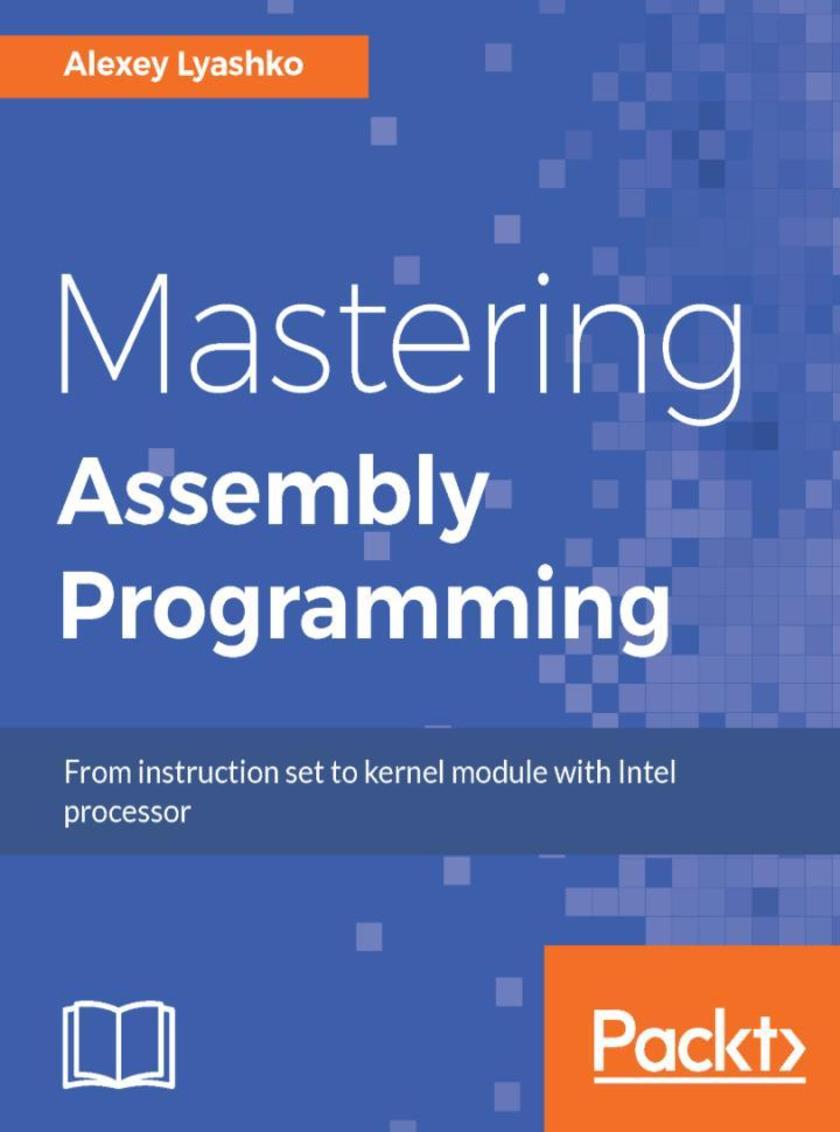
Mastering Assembly Programming
¥80.65
Incorporate the assembly language routines in your high level language applications About This Book ? Understand the Assembly programming concepts and the benefits of examining the AL codes generated from high level languages ? Learn to incorporate the assembly language routines in your high level language applications ? Understand how a CPU works when programming in high level languages Who This Book Is For This book is for developers who would like to learn about Assembly language. Prior programming knowledge of C and C++ is assumed. What You Will Learn ? Obtain deeper understanding of the underlying platform ? Understand binary arithmetic and logic operations ? Create elegant and efficient code in Assembly language ? Understand how to link Assembly code to outer world ? Obtain in-depth understanding of relevant internal mechanisms of Intel CPU ? Write stable, efficient and elegant patches for running processes In Detail The Assembly language is the lowest level human readable programming language on any platform. Knowing the way things are on the Assembly level will help developers design their code in a much more elegant and efficient way. It may be produced by compiling source code from a high-level programming language (such as C/C++) but can also be written from scratch. Assembly code can be converted to machine code using an assembler. The first section of the book starts with setting up the development environment on Windows and Linux, mentioning most common toolchains. The reader is led through the basic structure of CPU and memory, and is presented the most important Assembly instructions through examples for both Windows and Linux, 32 and 64 bits. Then the reader would understand how high level languages are translated into Assembly and then compiled into object code. Finally we will cover patching existing code, either legacy code without sources or a running code in same or remote process. Style and approach This book takes a step-by-step, detailed approach to Comprehensively learning Assembly Programming.
Mastering the C++17 STL
¥80.65
This book breaks down the C++ STL, teaching you how to extract its gems and apply them to your programming. About This Book ? Boost your productivity as a C++ developer with the latest features of C++17 ? Develop high-quality, fast, and portable applications with the varied features of the STL ? Migrate from older versions (C++11, C++14) to C++17 Who This Book Is For This book is for developers who would like to master the C++ STL and make full use of its components. Prior C++ knowledge is assumed. What You Will Learn ? Make your own iterator types, allocators, and thread pools. ? Master every standard container and every standard algorithm. ? Improve your code by replacing new/delete with smart pointers. ? Understand the difference between monomorphic algorithms, polymorphic algorithms, and generic algorithms. ? Learn the meaning and applications of vocabulary type, product type and sum type. In Detail Modern C++ has come a long way since 2011. The latest update, C++17, has just been ratified and several implementations are on the way. This book is your guide to the C++ standard library, including the very latest C++17 features. The book starts by exploring the C++ Standard Template Library in depth. You will learn the key differences between classical polymorphism and generic programming, the foundation of the STL. You will also learn how to use the various algorithms and containers in the STL to suit your programming needs. The next module delves into the tools of modern C++. Here you will learn about algebraic types such as std::optional, vocabulary types such as std::function, smart pointers, and synchronization primitives such as std::atomic and std::mutex. In the final module, you will learn about C++'s support for regular expressions and file I/O. By the end of the book you will be proficient in using the C++17 standard library to implement real programs, and you'll have gained a solid understanding of the library's own internals. Style and approach This book takes a concise but comprehensive approach to explaining and applying the C++ STL, one feature at a time.


