


 购物车
购物车 个人中心
个人中心
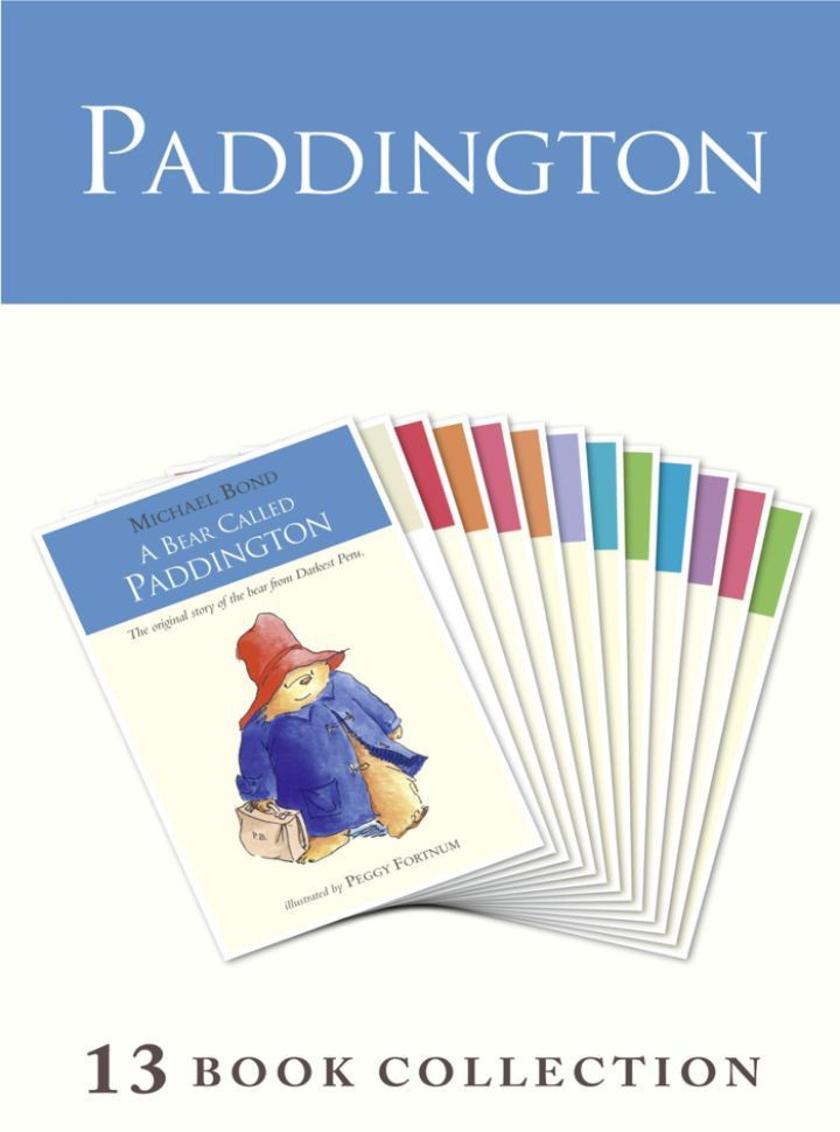
Paddington Complete Novels (Paddington)
¥481.47
Brought together for the very first time, all 13 novels about Paddington, the beloved, classic bear from Darkest Peru! Paddington Bear had travelled all the way from Darkest Peru when the Brown family first met him on Paddington Station. Since then their lives have never been quite the same… for ordinary things become quite extraordinary when a bear called Paddington is around. From arriving at Paddington station and meeting the Brown family, to being mistaken for a famous athlete, with plenty of laugh-out-lad mishaps along the way, there is certainly never a dull moment in this fabulous story collection! Paddington Bear has been delighting adults and children alike with his earnest good intentions and humorous misadventures for over fifty years.
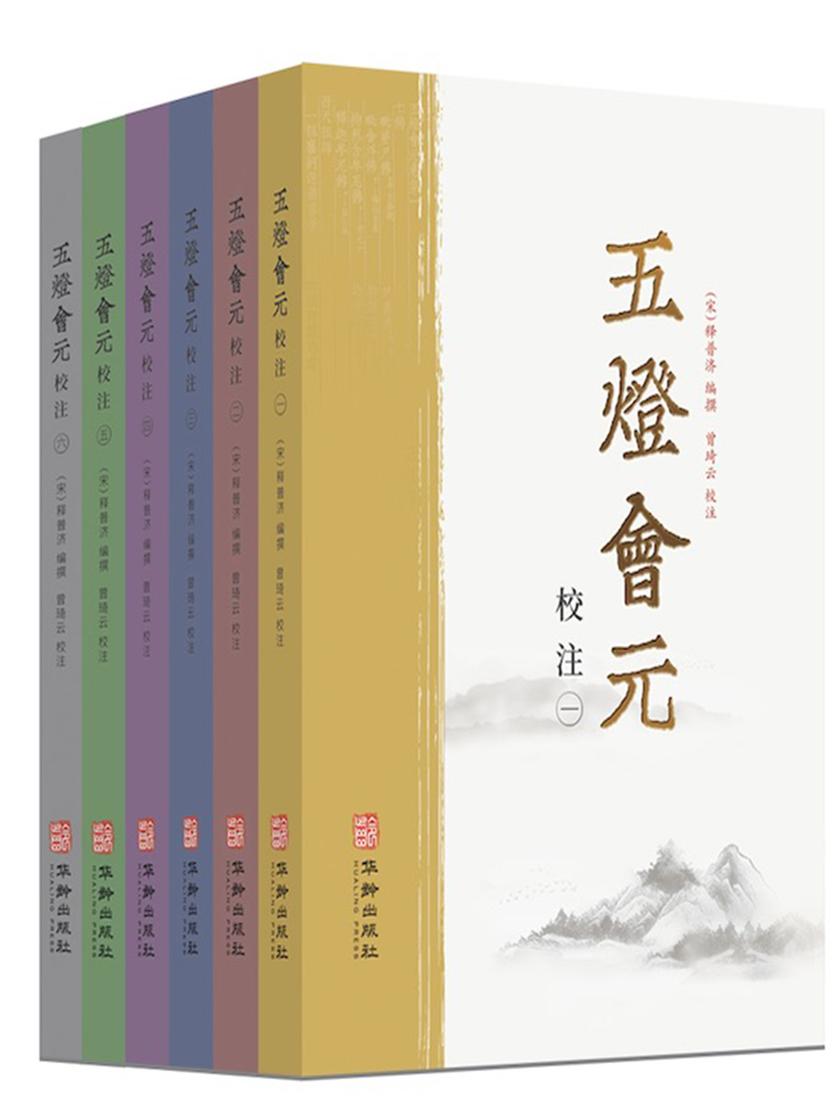
五灯会元校注(全六册)
¥480.00
《五灯会元》是中华文化史上一部伟大的禅宗经典巨著,也是中国古典文学的代表作,由《景德传灯录》《天圣广灯录》《建中靖国续灯录》《联灯会要》《嘉泰普灯录》等五部禅宗灯录改编而成。保留了“五灯”诸书的精华,修改润色了适于实修的公案典故,是中国禅宗史料*为齐全的古代文献。 本书在参考之前旧版本并纠正其错讹基础上,对《五灯会元》进行了重新点校、注释并解读。注释详尽,解决了阅读难题。“概要”为点睛之笔,对禅师的生平与思想进行整体解读,或简单概述,或补充史料,或研究重点难点,或分析禅宗典故与公案的含义,使我们对每一位禅师的行迹以及教化都有深刻的理解。“概要”后写上参考文献,使读者可以继续深入研究。
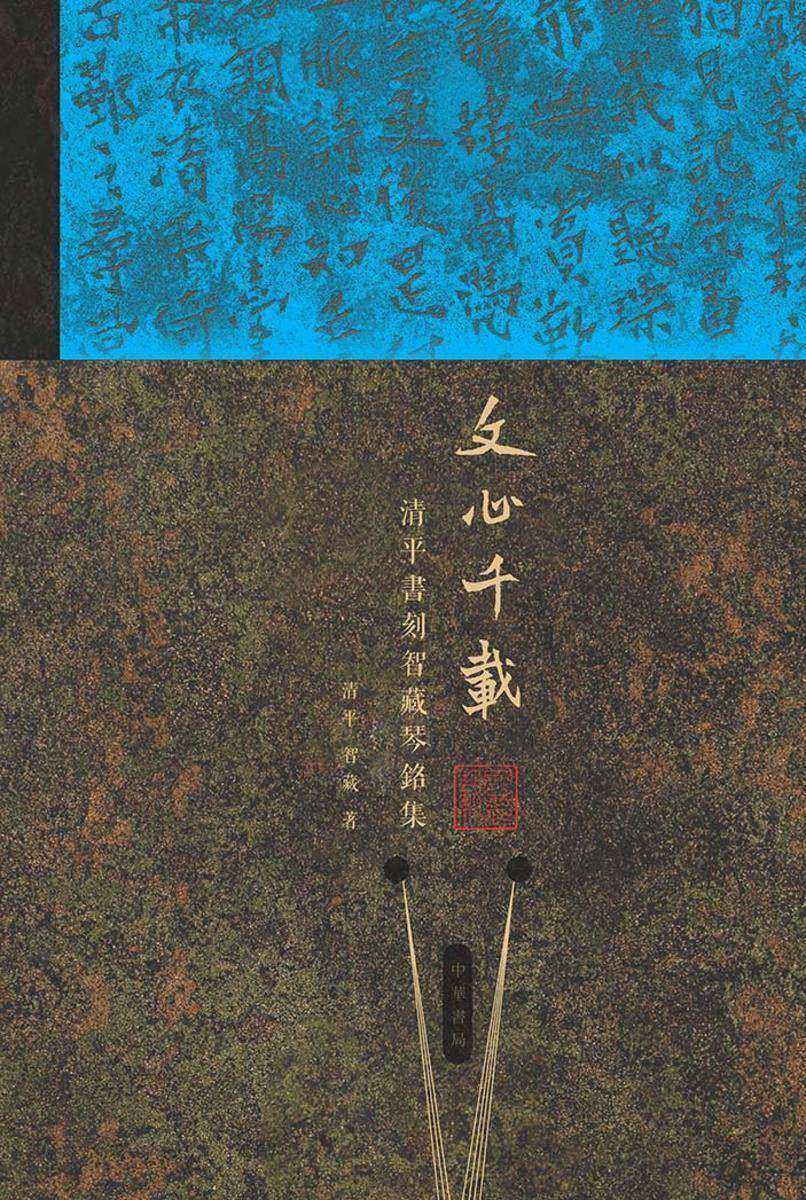
文心千载——清平书刻智藏琴铭集【中华书局出品】
¥480.00
《文心千载——清平书刻智藏琴铭集》是中华书局2017年出版的《西来意——智藏和尚斫琴法》的姊妹篇。顾名思义,《西来意》是智藏和尚对自身多年斫琴方法、经验、体会的总结,而本稿是基于智藏斫琴的*后环节即古琴琴铭的创作和篆刻的总结。总体上看,两书各有侧重,相辅相成,可谓是对古琴制作法以及古琴所承载的文化及其属性的总结和体悟,虽更多带有个体经验属性,但也能给古琴同行提供借鉴。 本稿分为导论和图录两大部分。导论部分由五篇文章构成,主要阐述了古琴铭文的创作和文化属性,其中清平作为琴铭的书刻者,集中论述了他篆刻古琴铭文的实践,详细介绍了镌刻与传拓的工具、古琴铭文的创作技法和流程、琴铭拓本制作技法和流程,很有实操性。图录主要用高清图片展示了智藏和尚斫制、清平书刻的竹林七闲、蕉叶十三式、风花雪月、二十四况、淀山十境、道家三圣六组组琴和28张散琴的琴铭,图片极强的视觉冲击力,加上铭文兼具儒释道的文化韵味和追求,以及清平清正的篆刻风格,可读性和艺术性兼具,称得上艺术图录。
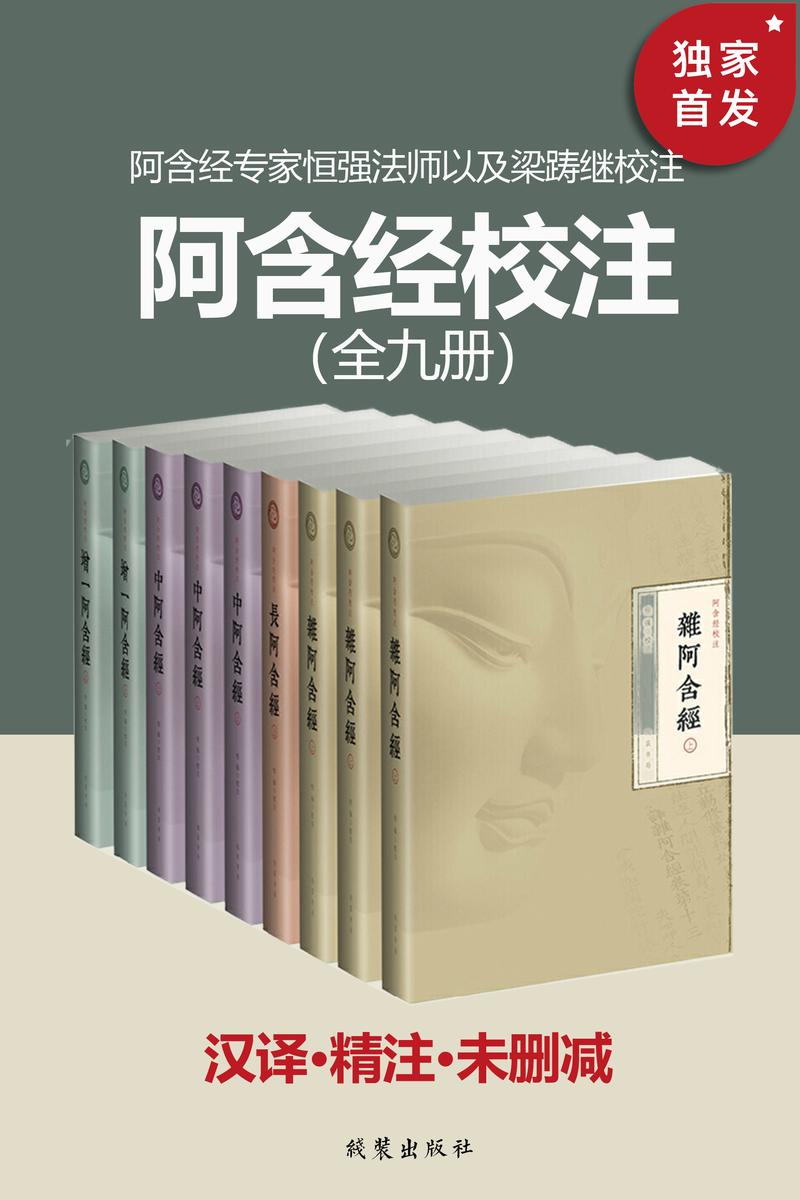
阿含经校注(全9册)
¥480.00
汉译四部《阿含经》——《杂阿含经》、《中阿含经》、《长阿含经》与《增一阿含经》,是由佛陀的圣弟子于佛陀般涅槃的当年夏安居时结集出来的,忠实地汇集了佛陀自成佛以来至般涅槃前所宣讲的教法,由此说明了《阿含经》的原始性、根本性与权威性。在汉传佛教的三藏典籍中,《阿含经》就代表着原始佛教,也是印度部派佛教时期所公认的“根本佛法”。 为便于广大信徒与学者更好地了解、学修原始佛教,本书校注者以高丽藏为底本,尽量保持原本整体风貌,将四部阿含经文转为简体字,加上现代标及分段。并在前人研究成果的基础上,参考《南传大藏经》、《碛砂藏》、《大正新修大藏经》、《正仓院圣语藏本》等不同藏经,纠正原经文部分错漏之处,就经中出现的地名、人名、法相名词、艰涩文句及其它译本的不同翻译作出注释,方便读者更为精准地把握根本教义与修行原理。本书有较高的学术、实用、版本和收藏价值,是广大佛教信徒与佛学研究者难得的学习、研究参考书。


罪案实录:卷宗之上,人性之下(共10册)
¥479.99
卷宗之上,人性之下!罪案实录合集,全10册。分别为《告白》《完美嫌疑人》《消失在恶的尽头》《未曾遗忘》《无人幸免》《黄雀》《悬案》《寒夜无声》《无声言证》《十日逆转》
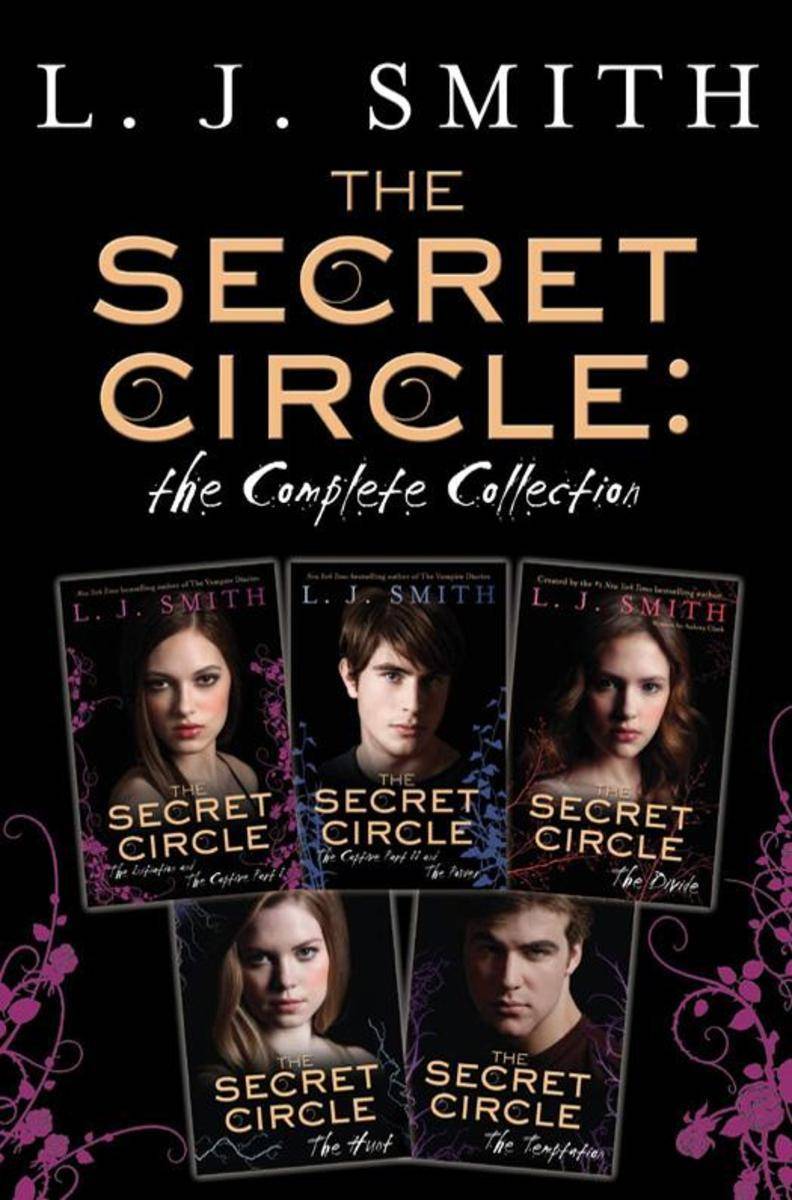
The Secret Circle: The Complete Collection
¥479.81
From the bestselling author of The Vampire Diaries L. J. Smith, comes a dangerously exciting tale of love, witchcraft, and the supernatural, perfect for fans of the Beautiful Creatures series. This collection includes all seven books in the series.The Secret Circle: The Initiation and The Captive Part I: Forced to move from sunny California to gloomy New England, Cassie longs for her old life. Even so, she feels a strange kinship to a terrifying group of teens who seem to rule her school. But when she falls for the mysterious and intriguing Adam, Cassie must choose whether to resist temptation or risk dark forces to get what she wants—even if it means that one wrong move could ultimately destroy her.The Secret Circle: The Captive Part II and The Power: Cassie has joined the most alluring—and deadly—in-crowd imaginable. But power comes with a price, and it's more dangerous than she knows. In the ultimate battle between good and evil, will Cassie's supernatural powers be strong enough to lead the coven out of danger?The Secret Circle: The Divide: For the first time since moving to New Salem, Cassie Blake feels normal. She's dating her soul mate Adam and making new friends in town. But the Circle is being hunted by an unknown enemy—and anyone could be the next victim. As they struggle to protect themselves, alliances are formed and relationships are tested. No one knows who to trust or who to fear. Will Cassie be able to save the Circle . . . and herself?The Secret Circle: The Hunt: Cassie's life is far from ordinary. Her best friends are a coven of witches and her relationship with her boyfriend, Adam, is written in the stars. But then Cassie's evil half sister surfaces, determined to take Cassie's place in the Secret Circle. And a band of powerful witch-hunters begins targeting the group, determined to destroy them. Will Cassie survive this ultimate battle between good and evil?The Secret Circle: The Temptation: Black John's curse has been unleashed on the Circle, and it is up to Cassie to set things right. As Cassie's heart is tested once more, she is forced to finally choose between Nick and Adam, and she faces the ultimate test of her power in this gripping showdown between good and evil.
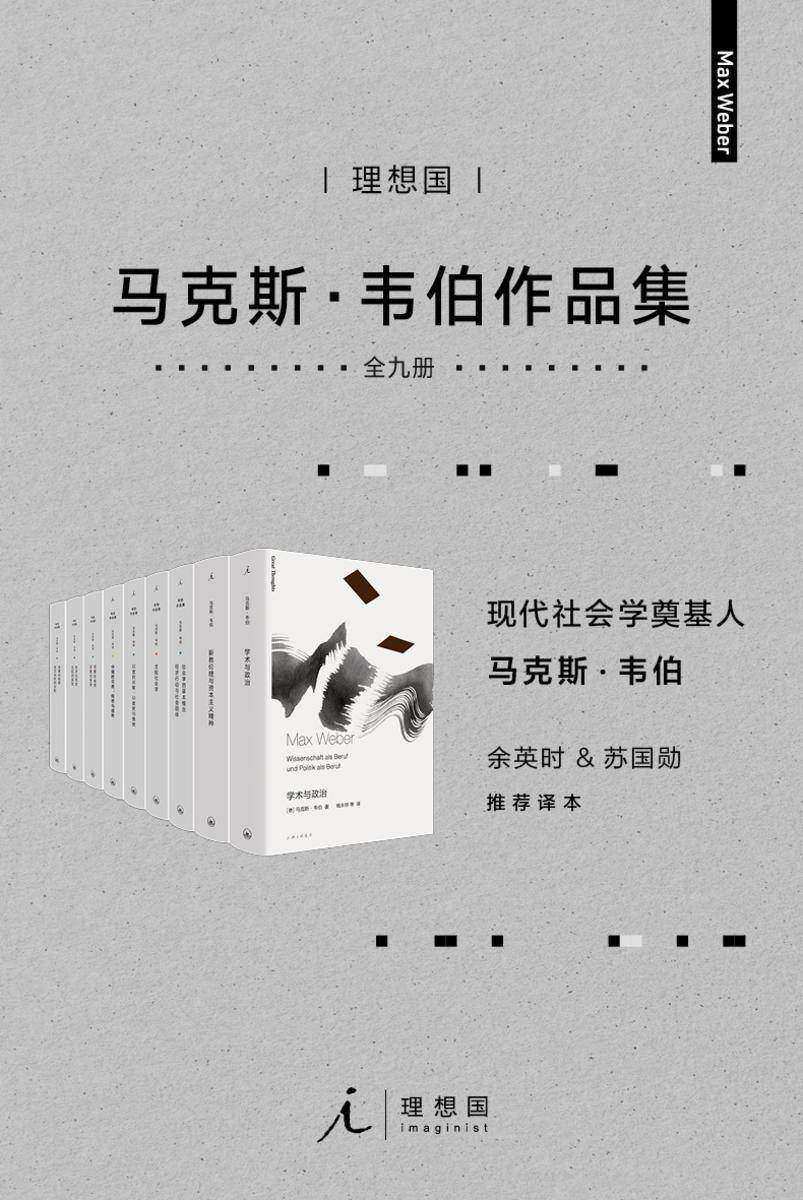
韦伯作品集(套装9册)
¥479.50
《马克斯·韦伯作品集(套装9册)》包括《学术与政治》《新教伦理与资本主义精神》《社会学的基本概念;经济行动与社会团体》《支配社会学》《中国的宗教:儒教与道教》《印度的宗教:印度教与佛教》《宗教社会学 宗教与世界》《经济与历史 支配的类型》《法律社会学 非正当性的支配》。1.《学术与政治》一百年前的韦伯命题,今日知识人的共同困境。 2.《新教伦理与资本主义精神》韦伯代表性作品,探讨“资本主义”的根本性著作。 3.《社会学的基本概念;经济行动与社会团体》一本不可或缺的社会学入门书,深入了解韦伯学术的基础和核心概念,系统地展现了韦伯本人,对“理解社会学”研究典范的全盘性设计。 4.《支配社会学》对“权力与支配”的社会学研究,韦伯社会学“功力纯熟与精致的部分”,通过研究宗教与政治的交互影响,进一步探讨其与近代民主政治的关系。 5.《中国的宗教:儒教与道教》专注于探索中国社会与西欧不同的地方,以此突显西方基督教文明的特色,并且提出了一个问题:为什么资本主义没有在中国发展呢 6.《印度的宗教:印度教与佛教》对亚洲而言,举凡超越现实利益的思想,很少能不将其根源追溯到印度的,尤其是印度的救赎宗教,在整个亚洲地区扮演了类似于基督教的角色。 7.《宗教社会学 宗教与世界》研究宗教行为对于伦理与经济的影响及对于政治与教育的影响。宗教社会学是韦伯晚年研究核心所在,在比较宗教社会学中的地位举世公认。 8.《经济与历史 支配的类型》将韦伯作为历史学家的一面展现的淋漓尽致,通过韦伯对支配类型的研究使其与宗教、法律与经济史的研究贯串成一个完整的体系。 9.《法律社会学 非正当性的支配》法律到底是怎么来的?法律的演讲过程如何?深入浅出探讨了“法”的缘起与变化,阐明了法律与人的关系。
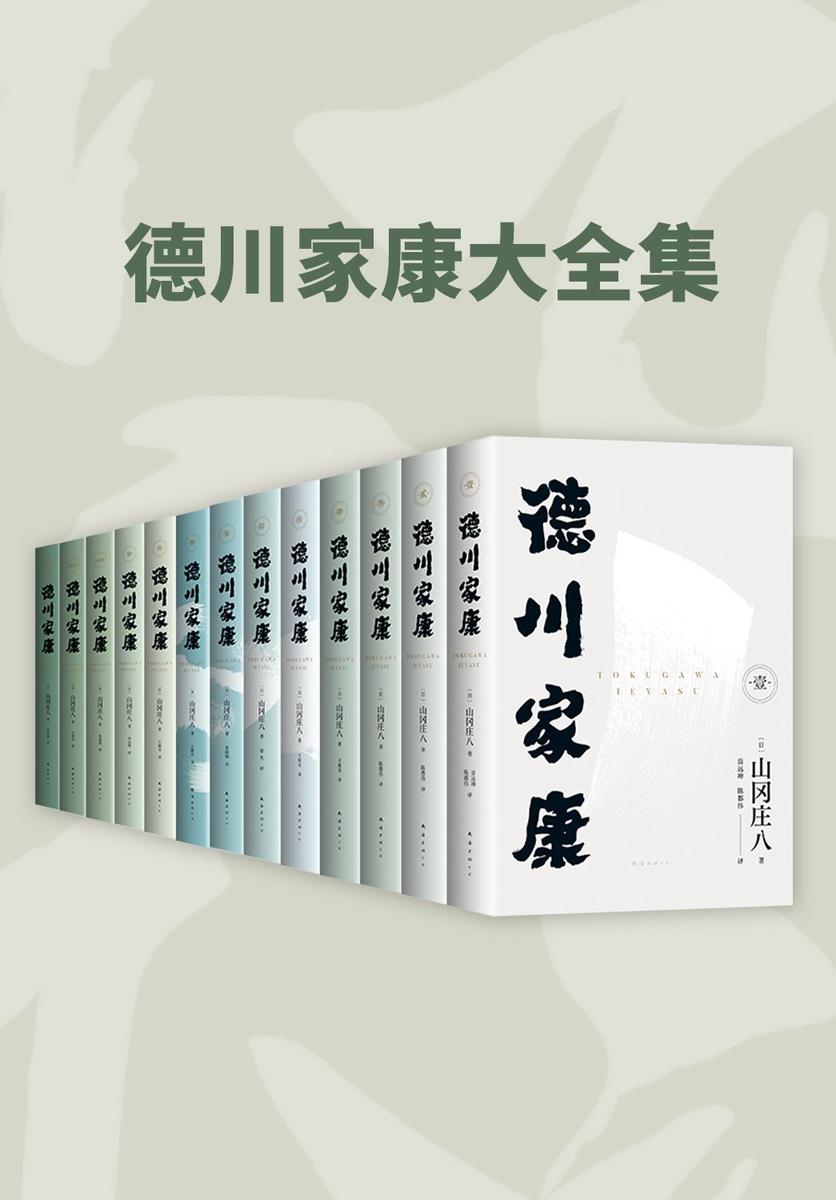
德川家康(2024版)
¥479.40
《德川家康》是日本小说家山冈庄八历时18年创作完成的长篇小说,代表了日本历史小说的至高成就。全套书共13册,讲述了崛起于日本战国乱世,结束割据一统天下的“千年人物”德川家康曲折而又传奇的一生,展现了战国中后期英豪并起、群雄逐鹿的壮阔历史面貌。织田信长、武田信玄、丰臣秀吉等风云人物悉数登场,纵横天下、金戈铁马,每一行每一页都充满谋略、诡诈,也充满忠贞、效命和崇高,共同演绎一段交织着智慧与交锋、谋略与权术、天道与玄机的历史传奇。 ? ? ? 德川家康,生于乱世,并非天选之子。 他用30年的隐忍、奋斗、生与死, 和武田信玄、织田信长、丰臣秀吉等几乎所有对手交锋过。 他活了下来,留到了结尾,建立起江户幕府三百年基业。 “人生如负重致远,不可疾至。”
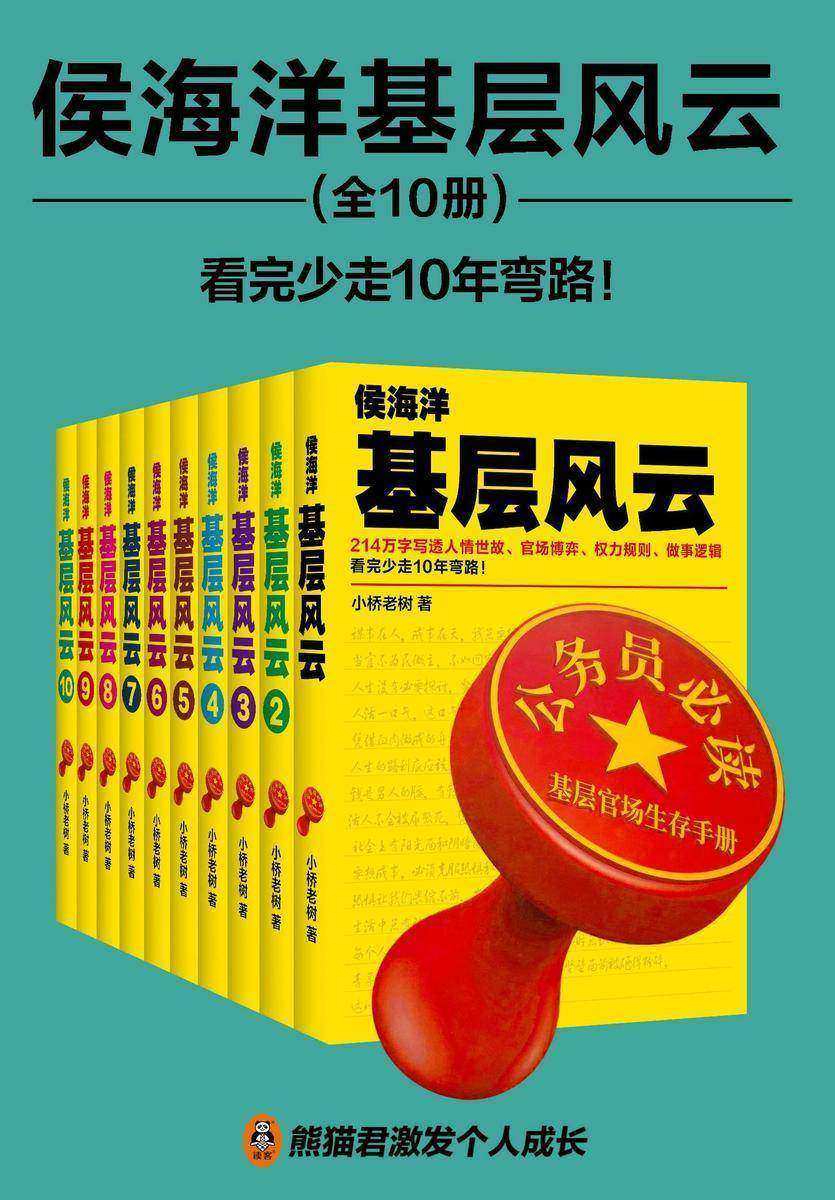
侯海洋基层风云(全10册)
¥479.00
一个农村娃的县长之路,《侯卫东官场笔记》作者小桥老树力作!214万字写透人情世故、官场博弈、权力规则、做事逻辑,看完少走10年弯路! 1993年,19岁的侯海洋因一份火锅鱼的“人情债”,被一脚踹进偏远山沟当乡村教师。原生家庭?父亲老实巴交,帮不上忙,反而因说真话得罪了权贵。 面对晋升无望、借调被阻、辞职破产、蒙冤入狱的天崩开局,他决不认输,通过复读成为了一名基层公务员。 这一次,他不再是愣头青。学会了在夹缝中求生存,在酒桌上听懂弦外之音,在文件堆里摸清权力脉络。他不再指望谁拉一把,而是自己铺路。从没背景、没资源的农村娃到县长,没有金手指,都是步步为营的真实成长。 翻开本书,看侯海洋如何在基层扎根,凭实力破局,看清规则,方能行远!

熬通宵读历史丛书(全十册)
¥477.00
套装共10册,包含《熬通宵也要读完的大秦史》、《熬通宵也要读完的大汉史》、《熬通宵也要读完的三国史》、《熬通宵也要读完的大晋史》、《熬通宵也要读完的大宋史》、《熬通宵也要读完的大隋史》、《熬通宵也要读完的大唐史》、《熬通宵也要读完的大元史》、《熬通宵也要读完的大明史》、《熬通宵也要读完的大清史》。
The New Forest (Collins New Naturalist Library, Book 73)
¥476.96
I recall the New Forest in childhood and explored it in the 1950s. It has been my home and I have been involved in its affairs since 1960 when almost by accident I found myself working in the Nature Conservancy (since 1974 the NCC). The Forest has not been my only professional concern or research interest since then, but it has been of constant and absorbing interest. The absorption grows with time – partly because over long time spans, it becomes possible to measure and witness changes which illuminate the relationships between soils, vegetation, animals and management in ways which no short-term study can achieve; and partly because time increases rather than diminishes the degree of spiritual renewal and intellectual wonder to be derived from the familiar woods and heaths.
The Broads (Collins New Naturalist Library, Book 46)
¥476.96
The broads are shallow, reed-fringed lakes associated with rivers that wind slowly through the lowlands of east Norfolk and neighbouring Suffolk to flow into the North Sea through a common harbour at Great Yarmouth. Their waters are often ruffled by sea breezes and salt tides affect them from time to time; indeed, but for coast defences, they and many thousands of acres of adjacent marshes would be at the mercy of regular sea flooding. It used to be thought that they were relict pools of an estuary clogged by centuries of silting and reclaimed by the spread of marsh vegetation; but the recent researches of Dr. J. M. Lambert and her associates have proved (seechapter 3) that although estuarine conditions have prevailed temporarily in the lower parts of the east Norfolk river valleys on more than one occasion in the past, the broads originated comparatively recently as peat-pits, flooded and linked by artificial channels with the rivers, as the general water-level rose in late historic times.

Northumberland (Collins New Naturalist Library, Book 95)
¥476.96
A native of Northumberland, Angus Lunn is a geographer and ecologist who, until he took early retirement, was Head of Adult Education at the University of Newcastle. He now lectures there part-time. He served for several years on the Northumberland National Park Committee and is currently Chairman of the Council for National Parks and of the Conservation Committee of the Northumberland Wildlife Trust. He has contributed to several published works, including the Flora of Northumberland, Geology of North East England and the Red Data Book for Northumberland.
Insect Natural History (Collins New Naturalist Library, Book 8)
¥476.96
THE name insect is very commonly given to any small creeping animal with a ringed or segmented body and several pairs of legs. Not many people, excepting entomologists and trained biologists, could give a proper definition of an insect that would distinguish it from its near relatives. In the first place it needs to be borne in mind that insects belong to the great group of invertebrate animals known as the Arthropoda. These creatures have the body divided into more or less separate rings or segments, of which a variable number bear jointed limbs. Their whole body and the limbs are covered with a specially hardened cuticle forming an external skeleton. Between the segments, and at the joints of the limbs, there is flexible connecting membrane which allows of freedom of movement. An arthropod, in fact, is encased in a tubular outer skeleton, in striking contrast with a vertebrate animal whose skeleton lies within the body. The functions of the skeleton, whether it be an inner or an outer one, is to give attachment to the muscles and general support to the body. The word insect is derived from the Latin insectum, meaning “cut into,” and refers to the way in which its body is made up of a series of ring-like pieces.
思维认知书系(套装10册)(探索的思维本质,开启认知的大门,摒蔽行为决策的噪声,精准解决学习工作生活的所有难题)
¥476.20
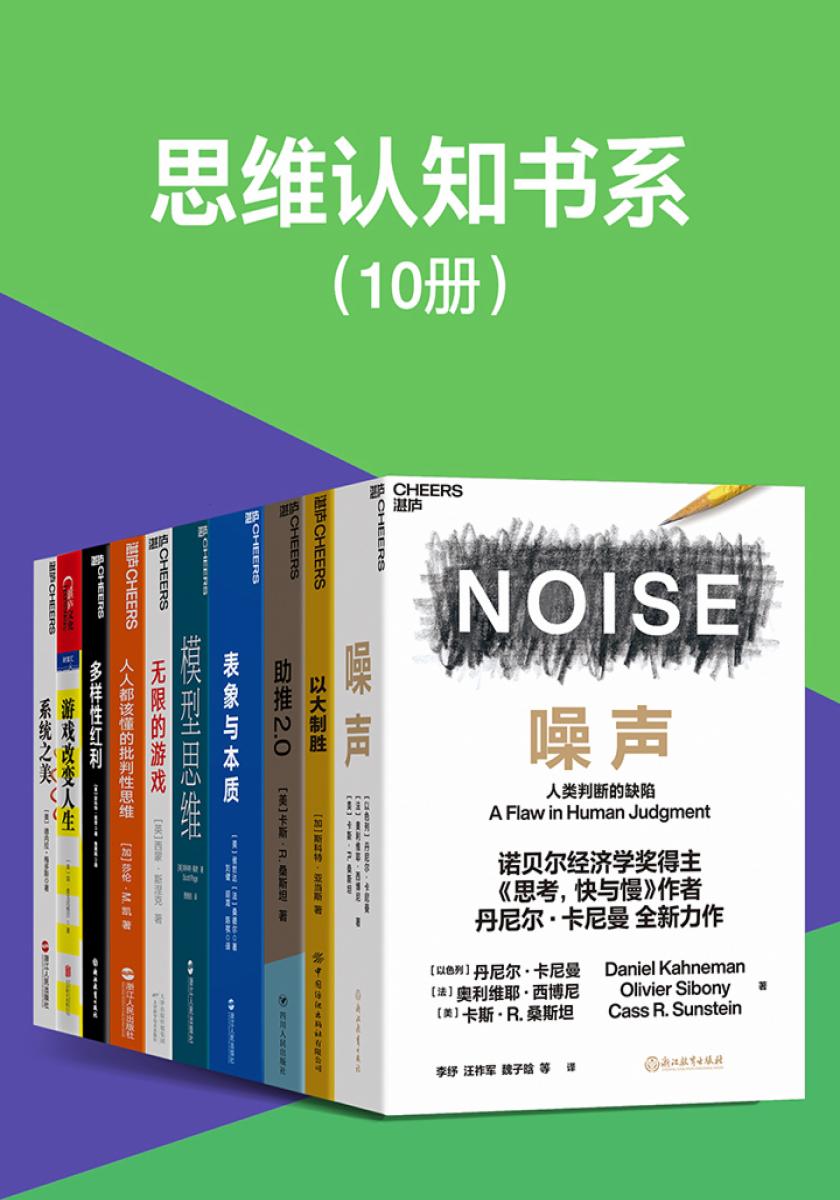
噪声 想象一下,两名医生对相同的病人给出了不同的诊断;两名法官对犯了同罪的嫌疑人给出了不同的判决。再想象一下,同样的医生、法官或决策者做出了不同的决策,而这种决策仅仅取决于决策是在什么时间做出的。这些不同决策背后的罪魁祸首,就是“噪声”。 《噪声》是诺贝尔经济学奖得主、“行为经济学之父”丹尼尔·卡尼曼携手决策领域专家奥利维耶·西博尼和卡斯·桑斯坦共同推出的重磅新作,也是卡尼曼继畅销书《思考,快与慢》之后酝酿10年思考的全球瞩目里程碑式巨作,行为科学领域又一重大发现。几十年来,大家都认为,偏差是导致人类判断出错的关键。但是今天,卡尼曼系统性地指出:噪声,才是影响人类判断的黑洞。 以大制胜 如何利用人的非理性说服他人?如何在说服的过程中利用视觉想象力?如何为对手贴标签,对其一击必杀?如何抢占制高点,转守为攻?如何在事情发生之前引导用户的思维?如何设计有效的口号,率先赢得客户? 在本书中,知名系列企业管理漫画《呆伯特》作者斯科特·亚当斯介绍了自己的说服理论,即如何利用“武器级”说服力,抢先竞争对手影响受众,在竞争中赢得胜利。 亚当斯认为,说服力分为三个层次,分别是“商业级”“科学级”“武器级”。其中“武器级”说服力尤其难,达到这个级别的大师非常少,几位曾经的美国总统和乔布斯在此级别;“科学级”说服力的代表是认知科学家;“商业级”说服力就是我们通常说的“影响力”“说服力”,市场营销、品牌形象管理、危机公关等用的都是这个级别的说服力。 助推2.0 桑斯坦从行为科学入手,探讨了助推作为改变工具的优势与局限。助推是一种保留选择的干预措施,由行为科学提供信息,可以很大程度上影响人们的选择。有哪些非常重要的助推手段?评估助推的标准是什么?我们究竟该往什么方向助推?什么时候助推会失败?当助推失败时,我们应该怎么做?助推与道德的关系是什么?助推与强制手段之间的关系是什么?助推是如何改变社会和我们的生活的? 我们并不总是理性的,也不总是能做出有利于自己的选择,这个时候,那些不经意的“助推”刚好可以让我们在两难中找到第三条路。 表象与本质 闻名世界的认知科学家侯世达凭借独特的智慧与天赋,联合法国心理学家桑德尔,终于向世人展示了这部极具开创性的著作,一解人类认知之谜。 人类大脑中的每个概念都源于多年来不知不觉中形成的一长串类比,这些类比赋予每个概念生命,我们在一生中不断充实这些概念。大脑无时无刻都在作类比。类比,就是思考之源和思维之火。 我们的大脑是如何工作的?所谓的类比到底是什么?我们是怎么在截然不同的情景间建立起联系的?类比在学习的过程中发挥着怎样的作用?在爱因斯坦发现相对论的过程中,类比又扮演着怎样的角色? 《表象与本质》深刻地丰富了我们对心智的理解,引领读者进入语言、思想和记忆的多彩情境,逐步揭示出隐藏的认知机制。而认知的核心就是:我们总是无意识地联系过往经验作类比。 模型思维 工作中,你在团队中是不是不可替代的人? 爱情上,为什么异地恋的相聚能够带来很大的幸福感? 游戏中,选择什么样的策略才能在各种游戏中立于不败之地? 现实社会中,为什么很少有女性成为CEO?为什么披头士的歌曲会那么流行? …… 关于这些问题的正确答案,都可以用斯科特·佩奇新书《模型思维》中的模型来回答。斯科特·佩奇是风靡全球的“模型思维课”主讲人,有超过100万各行各业的人反复学习并从中受益。新书《模型思维》讲解了24种模型,从线性回归到随机漫步,从博弈论到合作,涵盖学习、工作、生活等方方面面——这些有趣的模型可以把任何人变成天才。 芒格说:“要想成为一个有智慧的人,你必须拥有多个模型。”这是一个数据爆炸的时代,数据充斥着我们的工作与生活,但仅拥有数据是远远不够的,必须学会让数据说话。模型就是让数据说话的秘诀,模型将帮助我们所有人从掌握信息提升到拥有智慧。 本书中的24种模型就是一个应对复杂世界的思维工具箱。各行各业、各种需求的所有人都可以根据此书建立专属于自己的思维工具箱,成为一个多模型思考者。它将帮助你整理数据、提取信息、去伪存真,在决策时让你知道选择什么样的模型,选取一个模型还是几个模型。而这是现代高手的一种大智慧。 无限的游戏 世界上有两种游戏,一种是有限游戏,一种是无限游戏。商业游戏就是一场无限的游戏。在这场无限的商业游戏中,没有所谓的时限,没有所谓的终点,更不存在所谓的赢。游戏的首要目标就是让游戏一直玩下去,只有这样,才能成为无线游戏中的头号玩家。 许多领导者总是将“赢”挂在嘴边,沉迷于“赢得竞争”,用有限思维来参与这场游戏。却不知道,在商业无限的游戏中,我们必须停止思考赢,转而思考如何建立一个足够强大、足够健康的组织,让它能够经久不衰,不被游戏淘汰。 人人都该懂的批判性思维 在现实世界中,广为流传的演讲、电视中的广告、杂志上的一篇文章,很多看似合乎逻辑的背后其实往往存在着逻辑错误。如果可以的话,我们应当反复琢磨自己和他人思考的逻辑,而这就是所谓的批判性思维。 真正的批判性思维是应用正确的逻辑去思考事情。通过学习优秀逻辑的基本原理,就不会再轻易地被混乱逻辑所愚弄。同时,你将更容易在重要的问题上提出可靠的观点。本书的目的就是阐述所有你需要的批判性思维技巧。 游戏改变人生 麦戈尼格尔揭示了近10年的科学研究成果,包括游戏、运动和心理建设。她解释了如何改变我们应对压力、挑战和痛苦的反应,如何在日常生活中培养复原力,仅仅需要一种更加“冒险”的游戏化心态。当我们玩游戏时,我们会展示出强大的心理优势,比如乐观、创造力、勇气和决心。 《游戏改变人生》包含了近100个有趣的任务,任何人都可以尝试这些游戏。另外,书中列举了很多人的真实案例,他们在面对疾病、受伤和其它重大挫折时,通过SuperBetter这款游戏变得更强大;有的人也通过这款游戏实现了减肥、跑马拉松、找到新工作等目标。 系统之美 一本简明扼要的系统思考入门指南,也是认识复杂动态系统的有力工具,帮助大家提高理解和分析身边系统的能力。小到个人问题,大到全球性复杂挑战,本书都可以为你提供睿智的解答和洞察。 作为一本实用的入门指南,本书不仅讲解了系统动力学的基本概念、列举了常见的系统结构,还详细陈述了复杂系统的3大特征、8大陷阱与对策、12大变革方式以及15大生存法则。作者把系统思考从计算机和方程式的世界中解脱出来,以各种真实的案例,阐述了系统思考如何应用于各种现实问题,向读者展示了如何提升和应用系统思考技能——这一项普遍被认为是21世纪全球领导力的核心技能。 作者认为,系统思考将有助于我们发现问题的根本原因,看到多种可能性,从而让我们更好地管理、适应复杂性挑战,把握新的机会,去打造一个完全不同的自我和一个崭新的世界。 一本书,引领个人、组织与社会变革的先河,促使人们觉醒,改变看待这个世界和系统的方式,以此改变当今社会的发展进程,让大家在这个充满各种复杂系统的世界里更好地生活。 多样性红利 《多样性红利》创造性地提出多样性视角、启发式、解释和预测模型四个认知工具箱框架,并得出惊人结论:一个人是否聪明不是由智商决定的,而取决于认知工具的多样性!本书将告诉你如何应用工具箱中的工具,用多样性创造更多的红利。 查理?芒格的认知工具箱是怎么建立起来的?智能等于智商吗?人和计算机相比谁拥有更多样性的视角?多样性和能力谁更重要?拥有很优秀问题解决者的群体和由多样性人群组成的群体谁会更好地解决问题?在本书中,这些问题都将得到解答。 多样性视角、启发式、解释和预测模型让人们找到了更多更好的解决方案,让人们的预测更有价值。 多样性在4个条件下比能力更重要! 人生一切难题,视角给你答案。好的视角可以让问题变得更简单、更容易解决。任何一个问题,都存在一个可以让答案脱颖而出的视角。
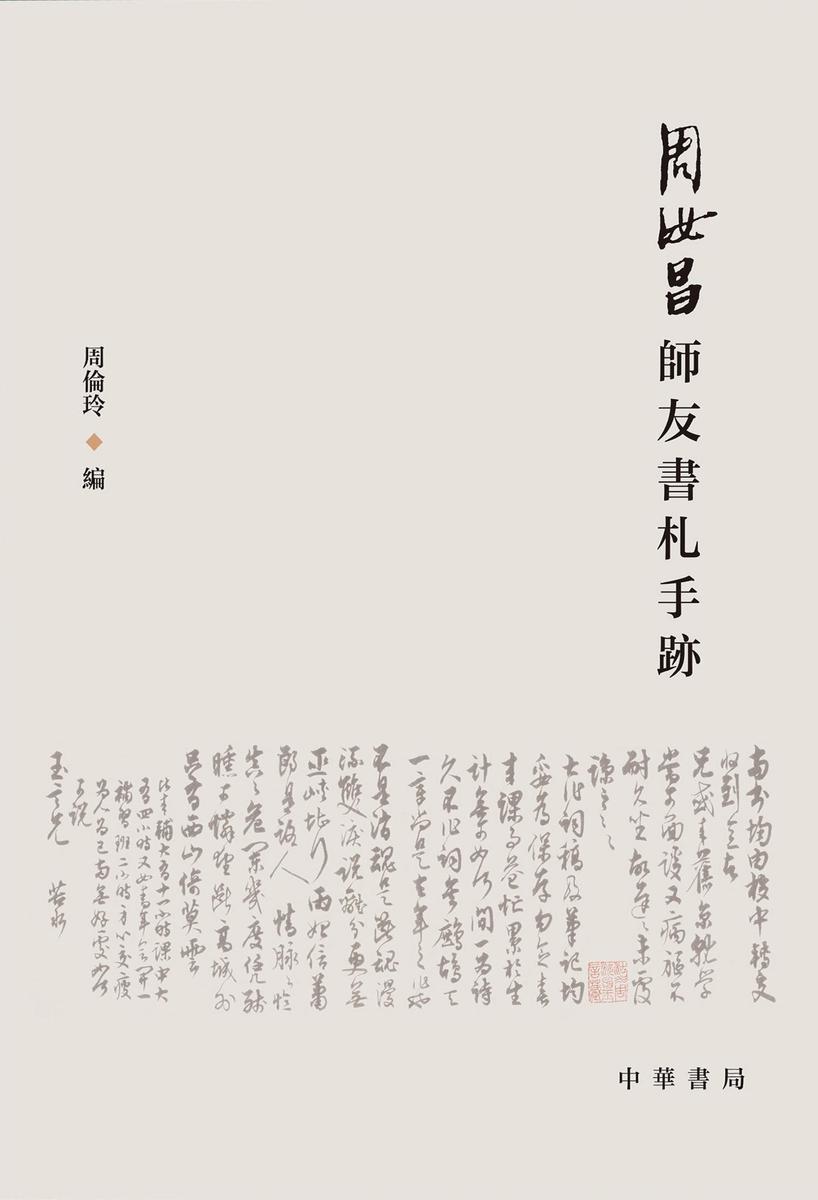
周汝昌师友书札手迹(精) 中华书局出品
¥476.00
周汝昌先生(1918—2012)早岁两度就读于燕京大学,后执教于成都华西大学、四川大学。一九五四年返回北京,历任人民文学出版社编辑、中国艺术研究院研究员等职。自二十世纪四十年代至新世纪之初,周先生不仅撰写了包括《红楼梦新证》、《诗词赏会》等在内的大量学术论著与随笔、诗词,参与文学古籍的整理和编辑工作,还妥善保存了一批珍贵的文献资料,这就是数量极为丰富的师友翰札与书画墨迹。这批文献资料藴含着丰富的文化与学术信息,具有重要的历史价值和文物价值。有鉴于此,中华书局编辑部特约请周伦玲女士编选本书,将周先生师友翰札及诗笺、画作较有代表性者按原貌影印刊布,并附参考释文,俾可嘉惠学林,以为相关研究的参考。 本书收录张元济、汪鸾翔、夏仁虎、陶洙、胡适、吴宓、顾随、张伯驹、夏承焘、俞平伯、谢国桢、闻宥、商承祚、聂绀弩、缪钺、赵万里、张次溪、钱锺书、陈梦家、林庚、徐邦达、何其芳、启功、吴则虞、陈迩冬、吴晓铃、陈凡、柳存仁、黄裳、唐德刚、夏志清、许政扬等102位学人、作家的书札及书画墨迹近300通(件),每位书信作者均附小传,后附参考释文。
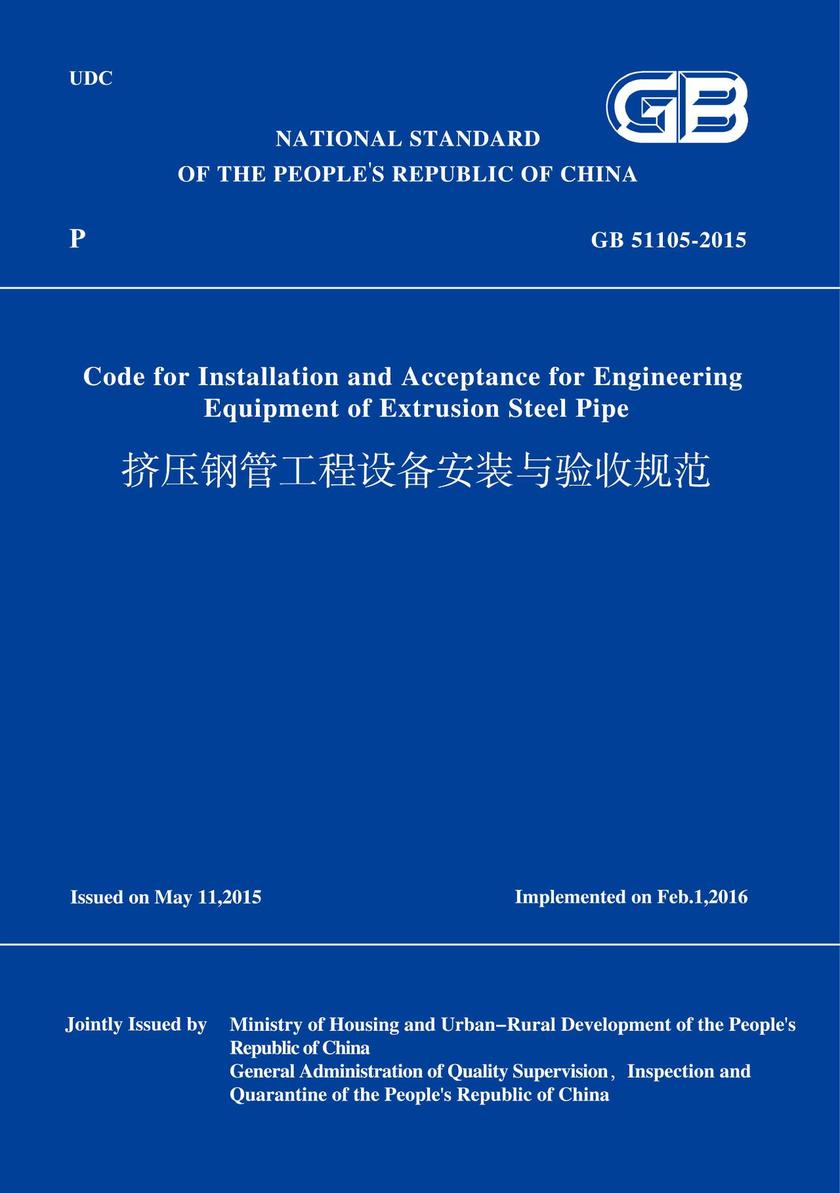
GB51105-2015挤压钢管工程设备安装与验收规范(英文版)
¥475.00
本书是《挤压钢管工程设备安装与验收规范》GB51105-2015的英文版,由中华人民共和国住房和城乡建设部组织编译。本书共分11章,主要技术内容包括:总则,基本规定,设备基础、地脚螺栓和垫板,设备及材料进场,管坯准备段设备,穿/扩孔机,挤压机,挤压线辅助设备,环形加热炉,精整线设备,安全及环保。本书适用于挤压钢管工程设备安装及质量验收。
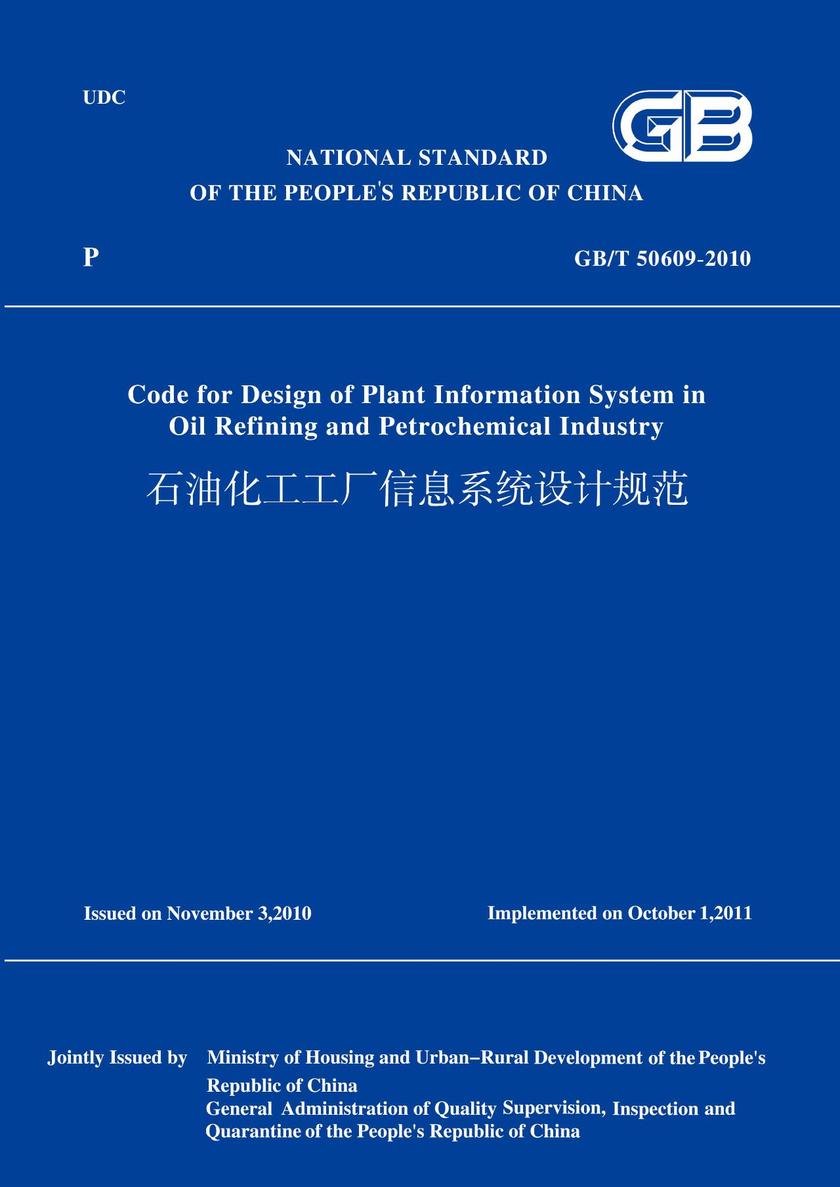
GB/T50609-2010石油化工工厂信息系统设计规范(英文版)
¥475.00
本规范适用于新建、改建和扩建的石油化工工厂信息系统的工程设计。本规范主要技术内容包括:总则、术语和缩略语、系统设计、过程控制系统、生产执行系统、经营管理系统、综合信息管理系统、信息系统基础设施等。
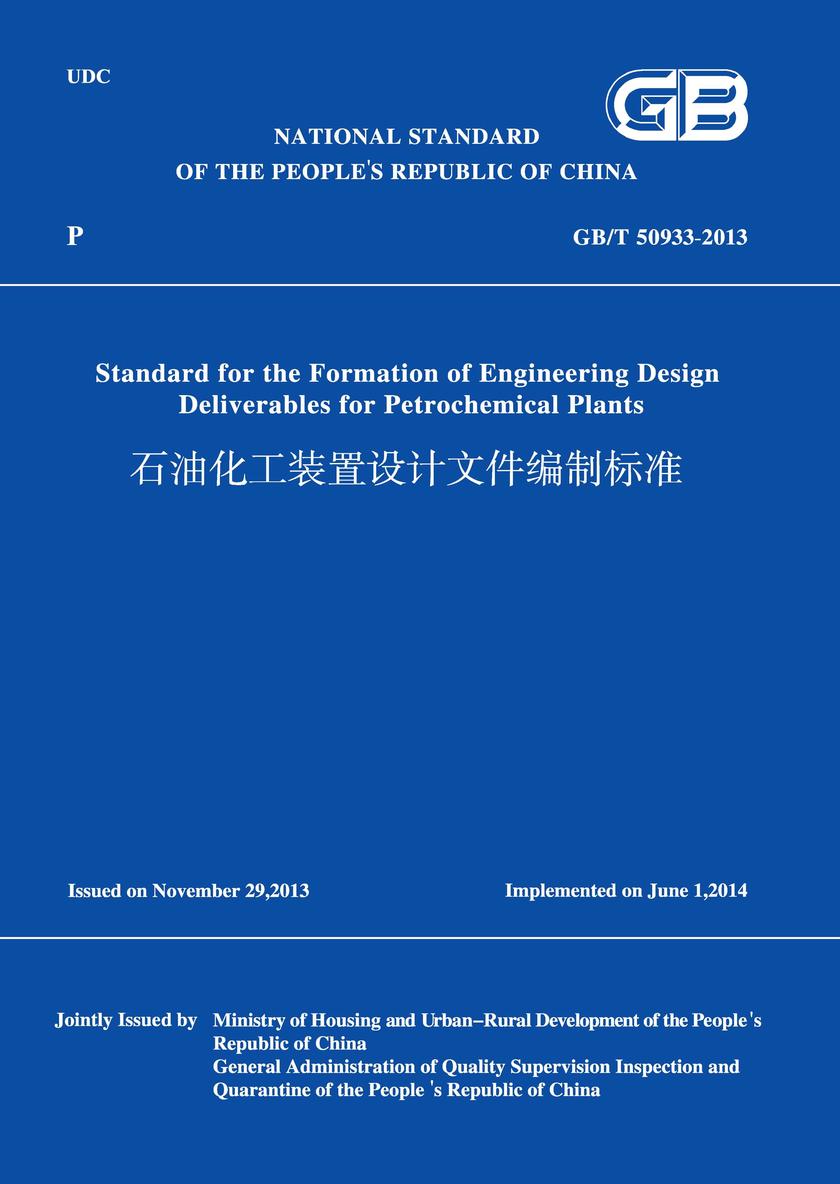
GB/T 50933-2013 石油化工装置设计文件编制标准 (英文版)
¥475.00
本书适用于新建、改建和扩建的石油化工装置的工程设计文件编制。
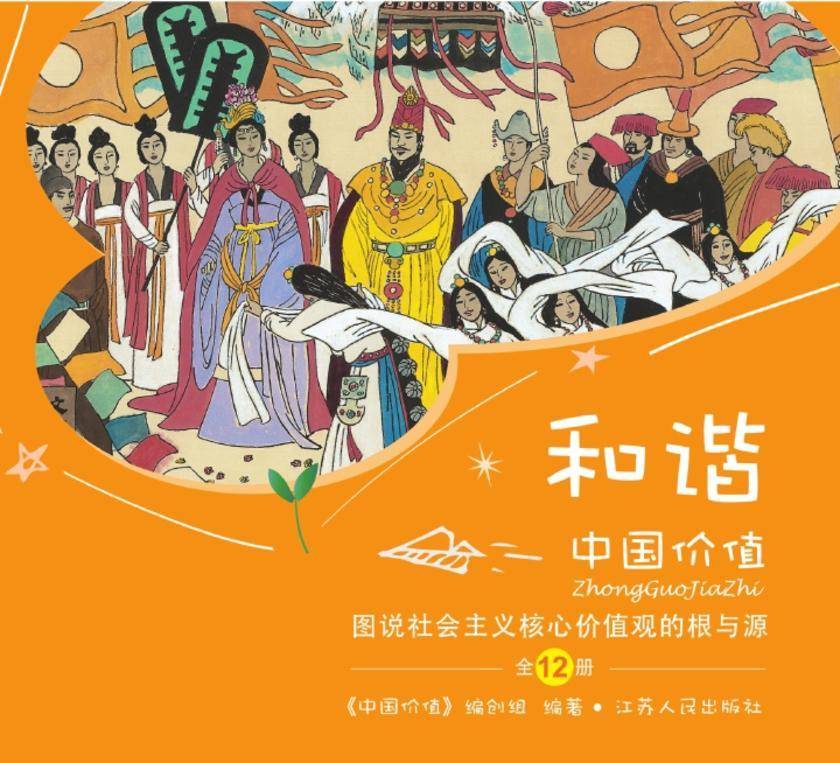
中国价值(少儿版) 图说社会主义核心价值观“和谐”的根与源
¥474.00
如何让“富强、民主、文明、和谐,自由、平等、公正、法治,爱国、敬业、诚信、友善”这12个社会主义核心价值理念,被青少年更好地受?30位文史专家和书画艺术家之力,围绕社会主义核心价值观24个字,系统地挖掘和整理中华五千年文明史中的精华,*终精选出60个经典故事,以此创作300余幅连环画,对社会主义核心价值观国家、社会、公民三个层面,行图文并茂的阐释和注解。本书选取中国传统文化中的60多个经典故事,以连环画的形式,用12本小册子分别对这12个词行了对应的演绎,形象生动地寻找到中华文脉中的根和源,古为今用恰到好处。

韩寒作品集(全14册)
¥472.00
【韩寒14部作品集重磅集结!从千万销量《三重门》到百万级杂文《青春》,看*敢言的青年作家,如何用犀利笔锋定义一代人的青春与思考。】作为中国当代文坛*具影响力的现象级作家与公共知识分子,韩寒自2000年《三重门》横空出世至今,累计销量逾千万册。本套书收录其14部代表作,完整呈现从叛逆少年到思想者的文学版图。 作品概览: 长篇小说:《三重门》《像少年啦飞驰》《一座城池》《光荣日》《他的国》《长安乱》《1988:我想和这个世界谈谈》——以冷峻目光审视成长迷惘与现实荒诞。 杂文随笔:《通稿二零零三》《零下一度》《杂的文》《可爱的洪水猛兽》《青春》《我所理解的生活》——韩寒思想*犀利的呈现,痛陈教育积弊,针砭社会时事。 自传纪实:《就这么漂来漂去》——中国*拉力及场地赛“双冠王”的赛车人生首次完整记录。 十四部作品,从小说虚构的锋芒到杂文论战的率直,再到赛车生活的温度,见证一个“想和这个世界谈谈”的青年如何以文字为刀,刻下这个时代的深刻印记。


