


 购物车
购物车 个人中心
个人中心

中华创世神话选注·世界万物起源卷
¥258.00
中华民族在漫长的文明程中创造出许多优秀的神话。创世神话不仅是众多神话类型的主体,而且内容丰富,形式多样,往往蕴含着一种积极向上、奋发有为、敢于创新的民族精神。 ? ? 《中华创世神话选注》将中华创世神话划分为综合型创世、神的起源、世界万物起源、人类起源、动植物起源、自然现象起源等六大类型,共选录各类创世神话3000余篇。本书选录的是世界万物起源神话。每篇神话除尽可能呈现文本的原来面貌之外,还增添了相应的阅读提示、基本母题等信息,并对原文本出版信息作出必要的补充和规范,使用者能够据此对每篇神话文本的出处、流传情况、叙事主题、文化内涵、关键情节、基本母题等有所把握。

Blossom Street Bundle (Book 6-10): Twenty Wishes / Summer on Blossom Street / Ha
¥258.00
Perfect for fans of Maeve Binchy' - Candis Welcome to Blossom Street – where dreams come true. Fall head over heels in Blossom Street with the second five books in Debbie Macomber’s bestselling series bundled together for perfect reading pleasure. Including: Twenty Wishes, Summer on Blossom Street, Hannah’s List, A Turn in the Road and Thursdays at Eight. Make time for friends. Make time for Debbie Macomber.

世界文化寻踪(套装共6册)
¥258.00
本套装包括《中国文化常识:一本了解中国文化的微型百科》《优雅的发现:伦敦的每一个角落,都铭刻着一场文学盛宴》《德国文化漫游:再遥远也能拥抱不灭的浪漫主义灵魂》《莎士比亚的戏剧世界》《优雅的相遇》《菊与刀》

生动:在漫游中发现艺术
¥258.00
“生”指生命,“动”指运动。在品评艺术时,“生动”意味着作品富有动感和生命力。浏览古今中外有关艺术的写作,我们发现各地的人对理想图像的想象大致相同:在抽象画和“观念艺术”产生之前,当人们赞美一幅画的时候,无论在中国或欧洲,“生动”和“如生”是*常用的两个词汇。越美好的艺术品越具有内在的生命,越像生命体那样能够触动人心。 ——巫鸿 “生动”是东西方艺术评论中都会用的词,中国南齐谢赫在《古画品录》中,将“气韵生动”列为绘画“八法”之首,这一标准也成为后世衡量艺术的至高标准。那么艺术品如何才算“生动”?艺术家为了“生动”做了哪些努力?在《生动》这本书中,巫鸿先生从具象和抽象两个层面进行了解读。《生动》的内容主要包括三部分:*部分“动感”,讲述古今中外艺术中对“动”的表现。艺术中表现运动的画面数不胜数,给人的感觉却各不相同——古埃及壁画中有捕鸟的猎人,但他们似动非动。而战国帛画《人物御龙图》中,主体人物纹丝不动,却传递出御风而行的动感。为什么会这样?跟随巫鸿先生的眼睛,我们将学会用“运动”的视角阅读经典作品,注意到《洛神赋图》《女史箴图》中优美的飘带,重新审视莫高窟、麦积山石窟壁画中的飞天艺术。第二部分“风气”,聚焦常被图像学研究忽略的主题——风,讨论的范围从古希腊的风神浮雕到汉代画像石中的“风伯”,又到西方艺术名作《维纳斯的诞生》中横贯画面的风气,还有无形的“阴风”“鬼气”。第三部分“情动”,透过身体的动态语言,解读内在的微妙情动。情绪构成艺术作品的心理深度,而对死亡的哀痛无疑是至为激烈的一种。那么,不同地区的艺术在表现哀痛的方式上有何不同?巫鸿先生结合古埃及、希腊、罗马艺术中的葬礼图像,以及佛教的涅槃图像、中国墓葬壁画等,追索出一条“情动”的演变轨迹。跟随巫鸿先生的眼光,我们将从一种艺术形式游移到另一种形式,从一个层面跨越到另一个层面,发现艺术作品之间超文化和超历史的无穷联系。

提升你的认知格局(套装共8册)
¥258.00
本套装包括《目标的力量:从目标看格局,让境界定结局》《出众,从改变习惯开始:迈向卓越人生的七大习惯法则!》《你的情商,决定你的人生高度》《越独立,越高贵:把一个人的生活过得光芒万丈》《不要输在思维方法上:摆脱低层思维,实现阶层跃升》《极简思维:颠覆传统思维模式的极简法则》《跃升:划时代的性格解析巨著,重建人生格局,帮你实现人生的超越!》《深度成长》

被遗忘的真迹:吴镇书画重鉴(修订版)
¥258.00
一位700年前的著名画家,真迹有无可能留存于世?如果有,你该如何从大量的假画中,识别出大师的真品?而为什么有的人明知一张画是假的,却闭口不谈?赝品如何“欺骗”了我们的眼睛?假画真的一文不值吗?它与大师的真迹有什么关系,是如实的临摹,对原作的扭曲,还是全新的捏造?…… 面对扑朔迷离的“真假之辨”,艺术史家徐小虎以异乎寻常的学术勇气,开拓出一套福尔摩斯式的“读画方法论”。本书以“元四家”之一的著名画家吴镇(1280—1354)为个案,检视收藏在世界各地的50余幅署名“吴镇”作品,逐步揭开关于古画创作、收藏、鉴赏与造假的面纱。作者从文字记载、笔墨风格、书法落款、印章等多个层面检阅每一幅画作,并通过横向对比同时代作品、纵向比较不同时代风格等多重交叉对比,逐步分析出这位14世纪艺术家的真迹与大量伪作。“真相”触目惊心:50余幅“吴镇作品”中,只有3.5幅为真!而在悠久的中国艺术史中,像吴镇这样名下充斥大量伪作的画家,并非个例!借由追寻吴镇真迹的“冒险”,本书在推理中阐明了细读、欣赏、研究中国绘画的有效方法,并鼓励大家以开放的眼光、包容的心态直面原作,超越二元对立的“真伪”之争,感受作品渗透出来的关于画家、时代的审美观与世界观。
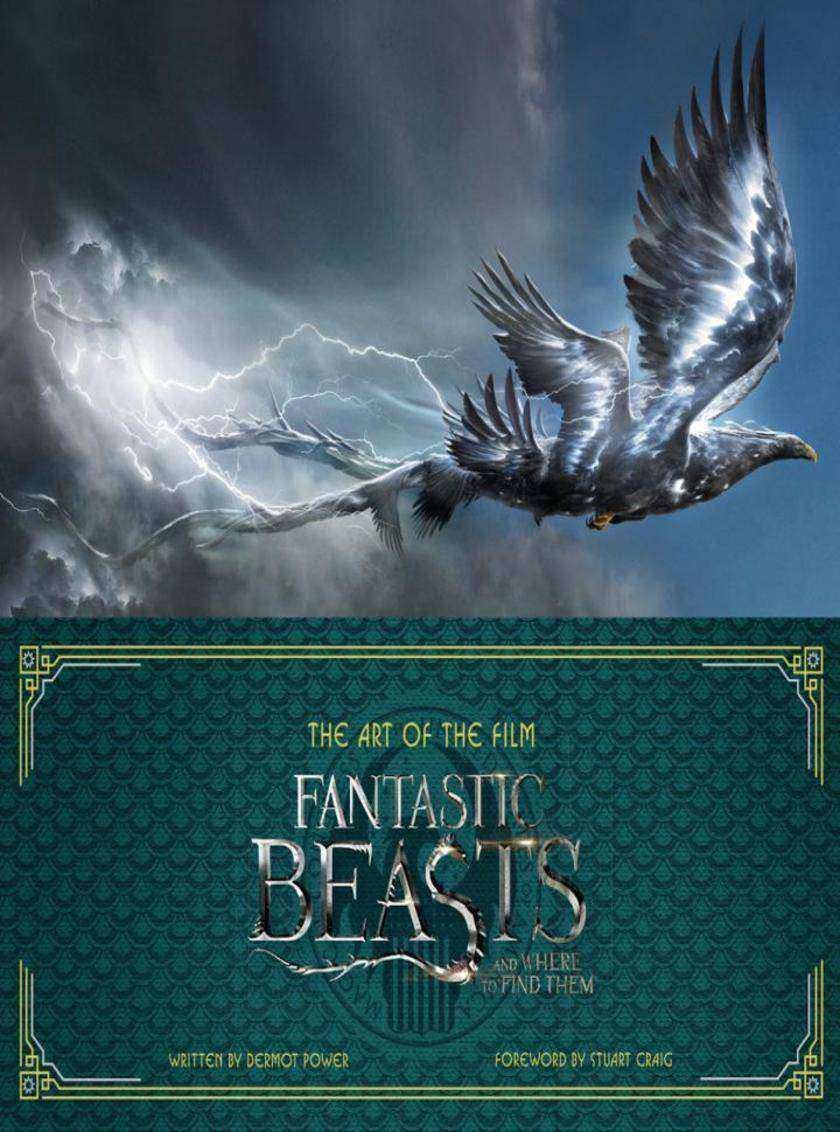
The Art of the Film:Fantastic Beasts and Where to Find Them
¥257.90
Step inside the world of the talented art departments who, led by Academy Award?-winning production designer Stuart Craig, were responsible for the creation of the unforgettable characters, locations and beasts from the eagerly anticipated new adventure in J.K. Rowling’s Wizarding World. The Art of Fantastic Beasts and Where to Find Them, edited by Dermot Power, concept artist on the film, takes you on a magical journey through a design process every bit as wonderful as that encountered by Newt Scamander in the wizarding world:from the earliest gatherings of the artists, designers and filmmakers to the magical time of the film’s production itself at Leavesden Studios. Bursting with hundreds of production paintings, concept sketches, storyboards, blueprints and matte paintings, and filled with unique insights about the filmmaking journey from Stuart Craig and the artists themselves, this superb book – officially licensed by Warner Bros. Consumer Products – presents a visual feast for readers, and will welcome fans of Harry Potter films into the world of Fantastic Beasts and Where to Find Them.

Yorkshire Dales (Collins New Naturalist Library, Book 130)
¥257.90
A definitive natural history of the Yorkshire Dales, covering the range of wildlife habitats, rich cultural heritage and ecological history of one of our best-loved National Parks. The Yorkshire Dales National Park is a special place: its outstanding scenery and the diversity of habitats is perhaps unrivalled in any other National Park in Britain. This rich biodiversity has been a great attraction to naturalists for over two centuries. But to fully appreciate the present-day plant and animal communities, their status and the constraints upon them, it is important to understand the geology and landscape history of the National Park, including the role that human populations have played in modifying the environment. In this long-anticipated New Naturalist volume, John Lee introduces the National Park, exploring both its geology and geomorphology, and describing the role of early naturalists and the Yorkshire Naturalists Union in recording and understanding the natural history of the Dales. He describes the major habitats or groups of habitats which underline the ecological importance of the Dales. Lee covers the earliest settlement times to the modern day, and he focuses in particular on the most iconic plant of the Dales, the Lady’s Slipper Orchid, arguably the rarest of native British plants, which until recently was thought to be confined to a single plant in the Dales. Lee takes a historical approach, describing its near eradication and early attempts to conserve it – including the establishment of a secret society – concluding with recent scientific conservation approaches.
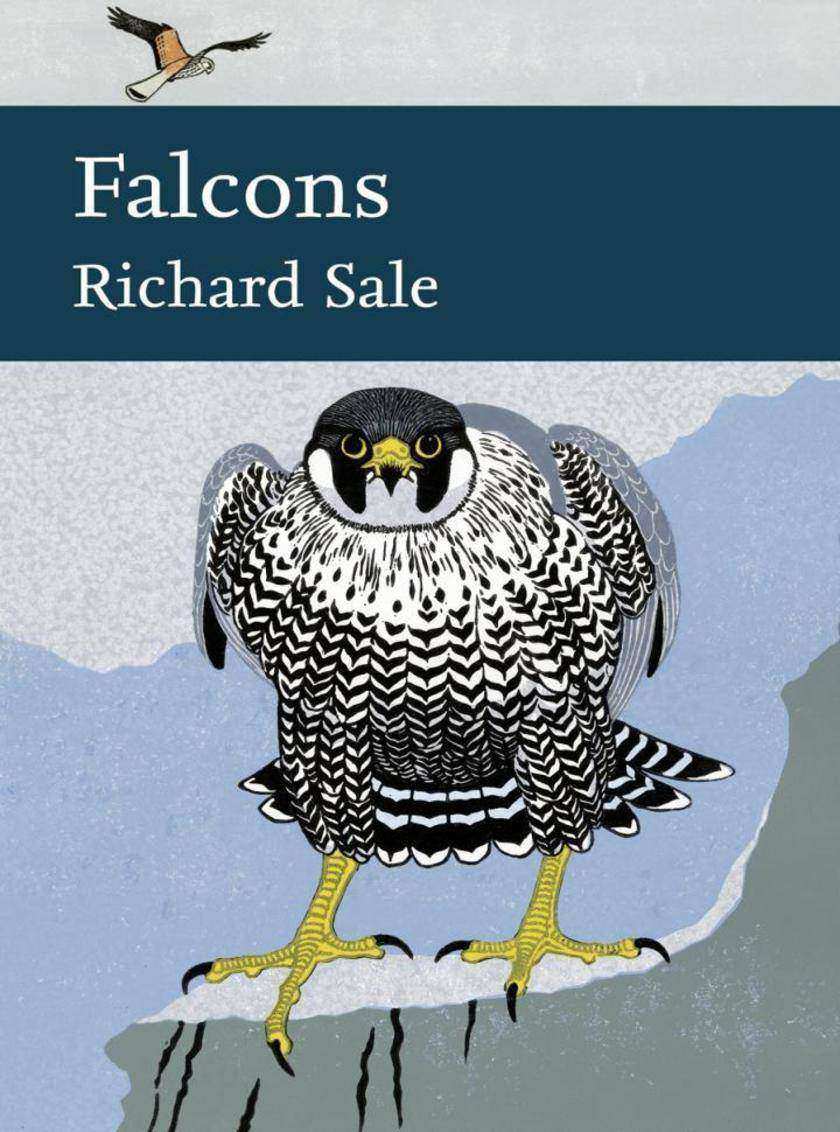
Falcons (Collins New Naturalist Library, Book 132)
¥257.90
Falcons have been a source of inspiration to writers, artists, historians and naturalists alike. In a much-anticipated volume on one of Britain’s most fascinating group of birds, Richard Sale draws on a wealth of experience and research, providing a comprehensive natural history of the four British breeding falcons. The book takes each of the four breeding species in turn (Kestrel, Merlin, Hobby and Peregrine Falcon), exploring its form, habitat, breeding biology and status, along with a chapter on the hunting techniques of each species.
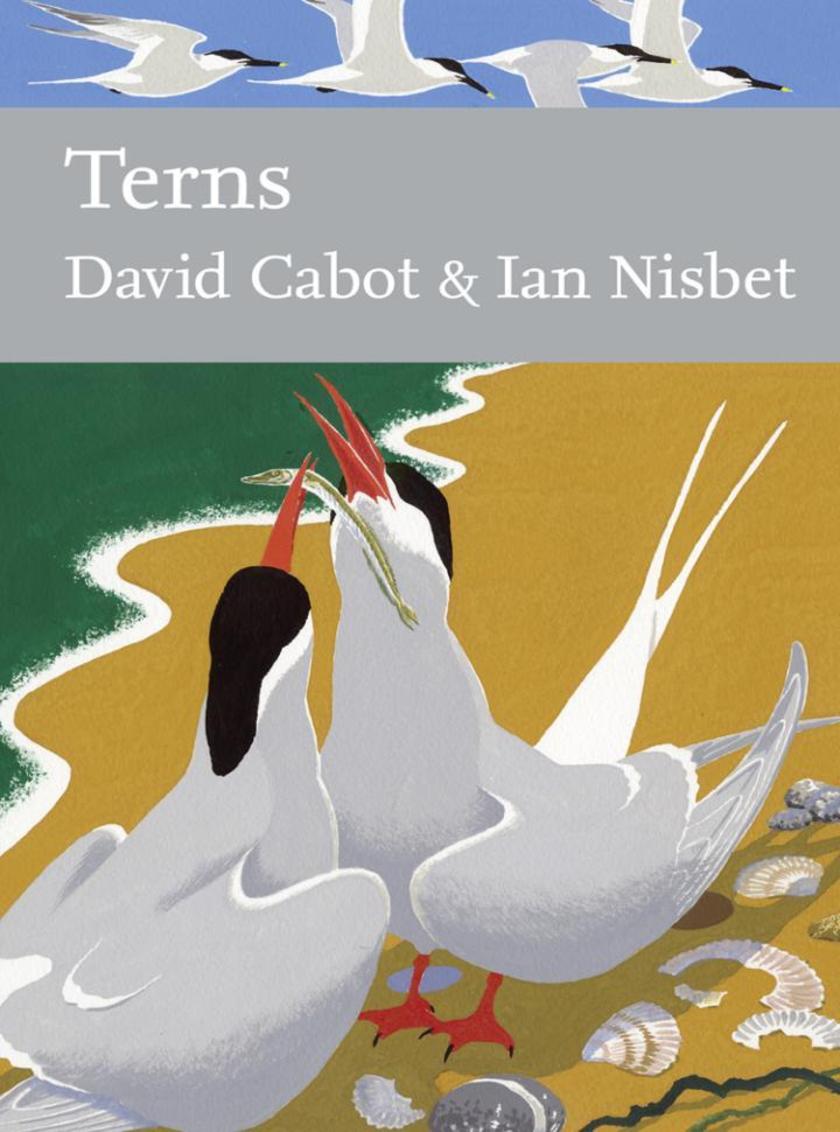
Terns (Collins New Naturalist Library, Book 123)
¥257.90
This New Naturalist volume provides a much-anticipated overview of these fascinating birds – the first book on the natural history of British and Irish terns since 1934. Terns are small seabirds that are commonly seen along coastlines and estuaries in the summer months – their graceful flight and command of the air are among their most attractive features. Most of the five species of terns breeding in Britain and Ireland today are under intensive management, involving protection from predators, human interference, egg-collecting, recreational activities, land-use changes, and a range of issues concerning climate change, including rising sea levels and flooding of low-lying colonies. If these protective measures were abandoned then the numbers of terns would inevitably decline, with the possibility of several species ending up on the endangered list. Covering the history of terns in Britain and Ireland, David Cabot and Ian Nisbet explore these diverse issues as well as offering a comprehensive natural history of these stunning seabirds. Drawing on a wealth of new information and research, the authors focus on migrations, food and feeding ecology as well as breeding biology and behaviour. Perhaps most importantly, they highlight recent conservation issues and prospects, and what this means for the future of terns.
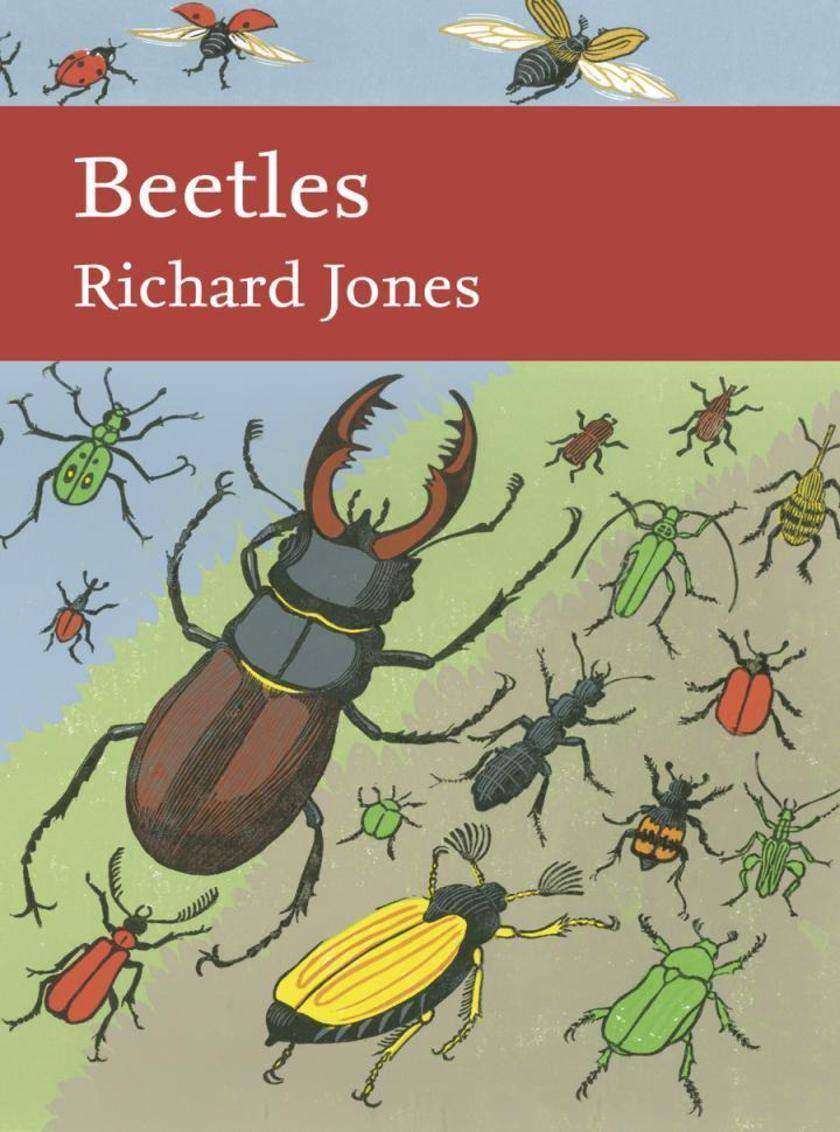
Beetles (Collins New Naturalist Library)
¥257.90
Richard Jones is a nationally acclaimed entomologist, a fellow of the Royal Entomological Society, fellow of the Linnean Society, and past president of the British Entomological and Natural History Society. He has been fascinated by wildlife since a childhood exploring the South Downs and Sussex Weald after plants and insects – especially beetles. He now writes about insects, nature and the environment for BBC Wildlife, Gardener’s World, Countryfile, the Guardian and Sunday Times and has regular media appearances on programmes such as Springwatch Unsprung, Natural Histories and Open Country. He is the author of several books on science and wildlife.
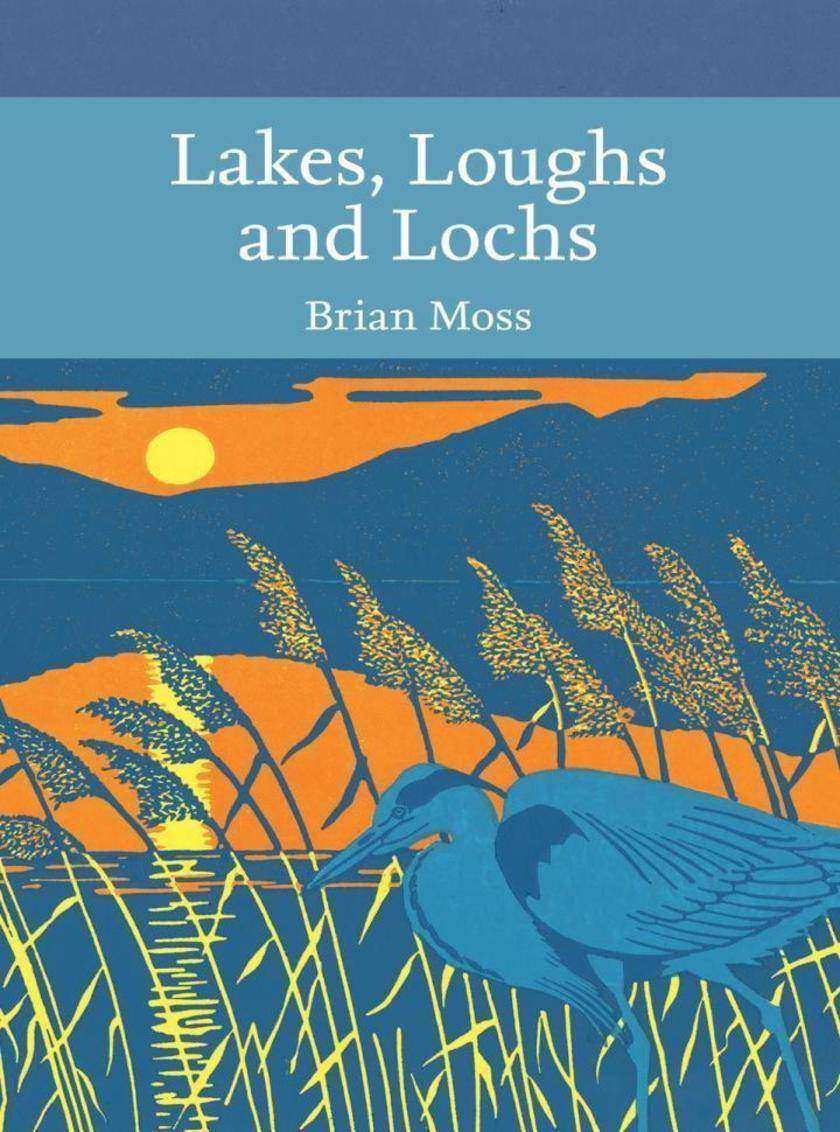
Lakes, Loughs and Lochs (Collins New Naturalist Library, Book 128)
¥257.90
Another volume in the popular New Naturalist series, this book gives a comprehensive account of the natural history of Britain and Ireland’s inland waters, many of which are popular holiday destinations. The study of life in British lakes and rivers has been traditionally neglected in natural history publications, and yet the intricacies of plant and animal ecology as a whole can be readily studied in a pond or lake. Not since Macan and Worthington’s landmark publication in 1951, Life in Lakes and Rivers – volume 15 in the New Naturalist series – has there been a comprehensive overview of British freshwater life. In Brian Moss’s much-anticipated new volume, he gives a passionate account of the natural history of our lakes, loughs and lochs. Our understanding of lakes has changed enormously since the days of Macan and Worthington. From new techniques using stable isotopes and molecular biology to ambitious approaches using whole lakes for experiments; from advances in chemical methods that detect tiny traces of organic substances to the development of new electronic instruments, it is becoming increasingly urgent to make use of these advances to help maintain and conserve some of the most damaged of the Earth’s ecosystems. Freshwaters form the fascinating threads that stitch together the landscapes of our planet with a myriad of exchanges involving an array of organisms, from algae and insects to hippopotami and otters. Healthy lakes and their shores influence our quality of life and they strengthen the economy. They are important ecosystems that can sustain a healthy balance of aquatic life, provide us with much enjoyment, and help support our socio-economic needs. At the same time they suffer the consequences of human abuses of the land – increasing urbanisation, intensive farming, drainage and an increasing invasion of non-native species, to name but a few. Moss explores the richness of their fundamental ecology, emphasizing the need to view these freshwater systems as a whole, and not to manage or assess them in isolation, as well as the importance of ongoing conservation efforts.
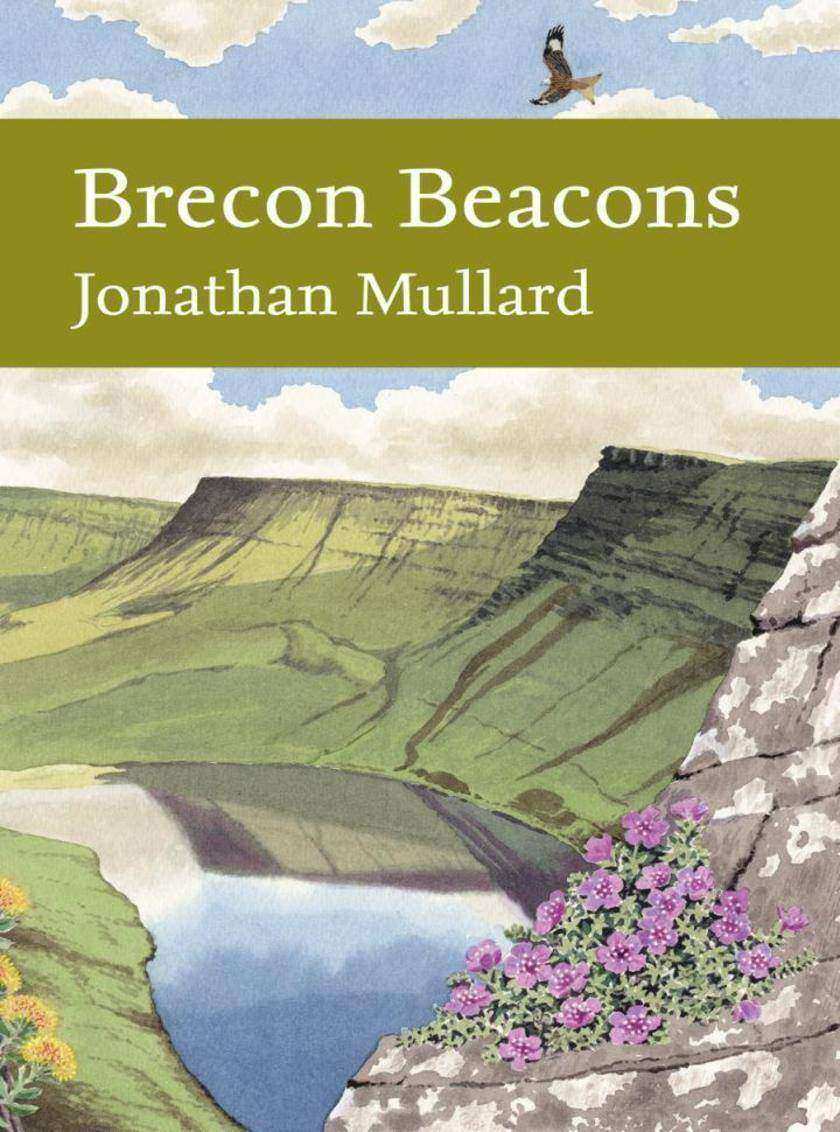
Brecon Beacons (Collins New Naturalist Library, Book 126)
¥257.90
The first comprehensive book to be published about the wildlife of the Brecon Beacons is a much-anticipated addition to the New Naturalist series, and reveals the natural wonders of this seemingly wild and inhospitable mountain landscape. The Brecon Beacons range across upland Wales and create a varied landscape of extensive cave systems, limestone crags and rich meadows. This variety supports thousands of species, some of which are found nowhere else on Earth. The natural history of the Brecon Beacons is like most parts of the British Isles – inextricably linked to the activities of man across many thousand years. Jonathan Mullard explores the evolving landscape and observes its effects on its native species and habitats. He provides a detailed examination of the geology of the region and the integration of the archaeological and historic landscape with the natural landscape and its fauna. Covering the vast diversity of its mountains and moorlands, rivers and waterfalls, caves, woodlands, wetlands and farmland, he provides an overview of man’s influence on the natural environment over the centuries and the ongoing conservation of the area. A landscape rich in legends, the Brecon Beacons play host to a number of myths involving, among others, King Arthur. Mullard explores these rich tales alongside other cultural landmarks of historical interest, such as the churches and chapels of the area. The culmination of years of research, New Naturalist Brecon Beacons is an inspiring exploration of this diverse and fascinating area.
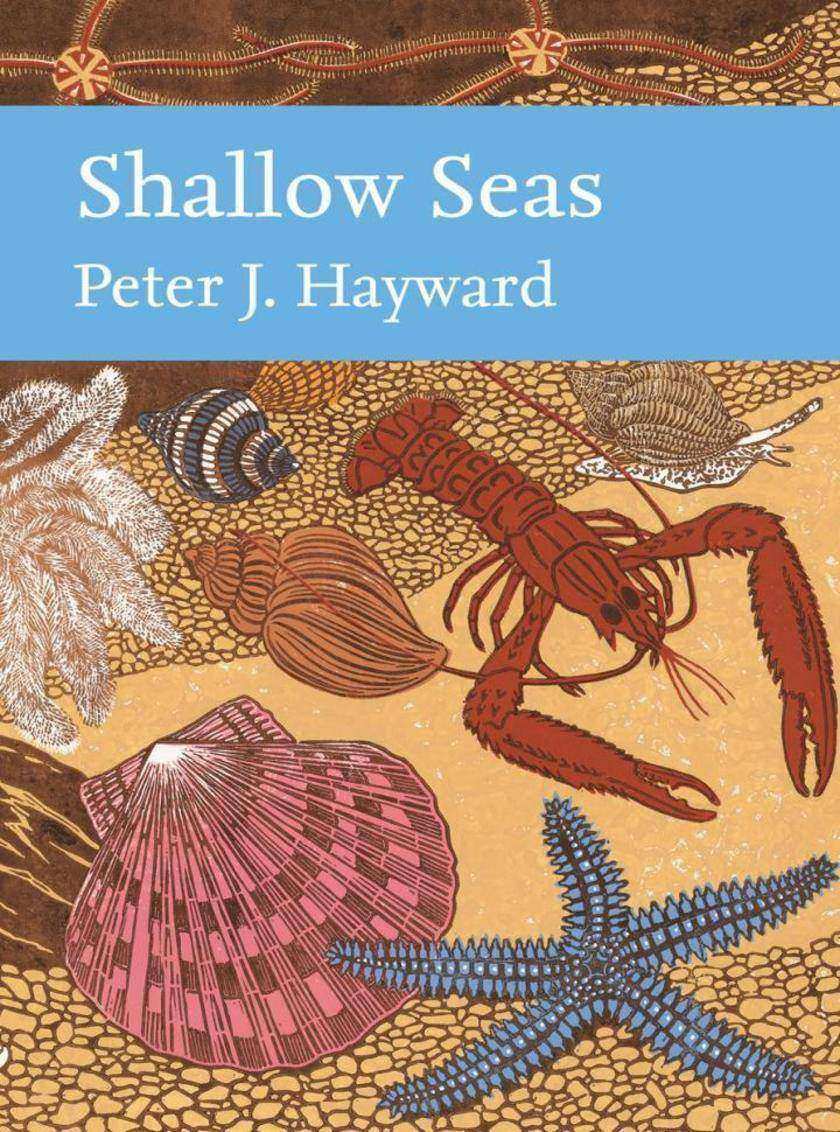
Shallow Seas (Collins New Naturalist Library, Book 131)
¥257.90
Told for the first time in English, Paul Preston’s new book tells the story of a preventable tragedy that cost many thousands of lives and ruined tens of thousands more at the end of the Spanish Civil War. This is the story of an avoidable humanitarian tragedy that cost many thousands of lives and ruined tens of thousands more. It has many protagonists but centres on three individuals. One, Dr Juan Negrín, the victim of what might be termed a conspiracy of fools, tried to prevent it. Two bore responsibility for what transpired. One of those, Julián Besteiro, was guilty of culpable na?vety. The other, Segismundo Casado behaved with a remarkable combination of cynicism, arrogance and selfishness. On 5 March 1939, the eternally malcontent Colonel Casado launched a military coup against the government of Juan Negrín. Ironically, he ensured that the end of the Spanish Civil War was almost identical to its beginning. As Mola, Franco and the other conspirators of 1936 had done, Casado led a part of the Republican Army in revolt against the Republican government. He claimed, as they had done, and equally without foundation, that Negrín’s government was the puppet of the Communist Party and that a coup was imminent to establish a Communist dictatorship. Casado’s ambition was to go down in history as the man who ended the Spanish Civil War. Instead he ensured the Republic ended in catastrophe and shame as Negrin’s attempts to achieve an honourable and negotiated peace with guarantees for the civilian population were thwarted and Franco and his forces wreaked havoc and revenge. Madrid collapsed into civil war and two thousand people died. Refugees fled reprisals in their thousands and those who couldn’t escape met a terrible fate. Paul Preston, the leading historian of 20th century Spain, tells this shocking story for the first time in English. It is a harrowing tale of how the flawed decisions of politicans can lead to tragedy.
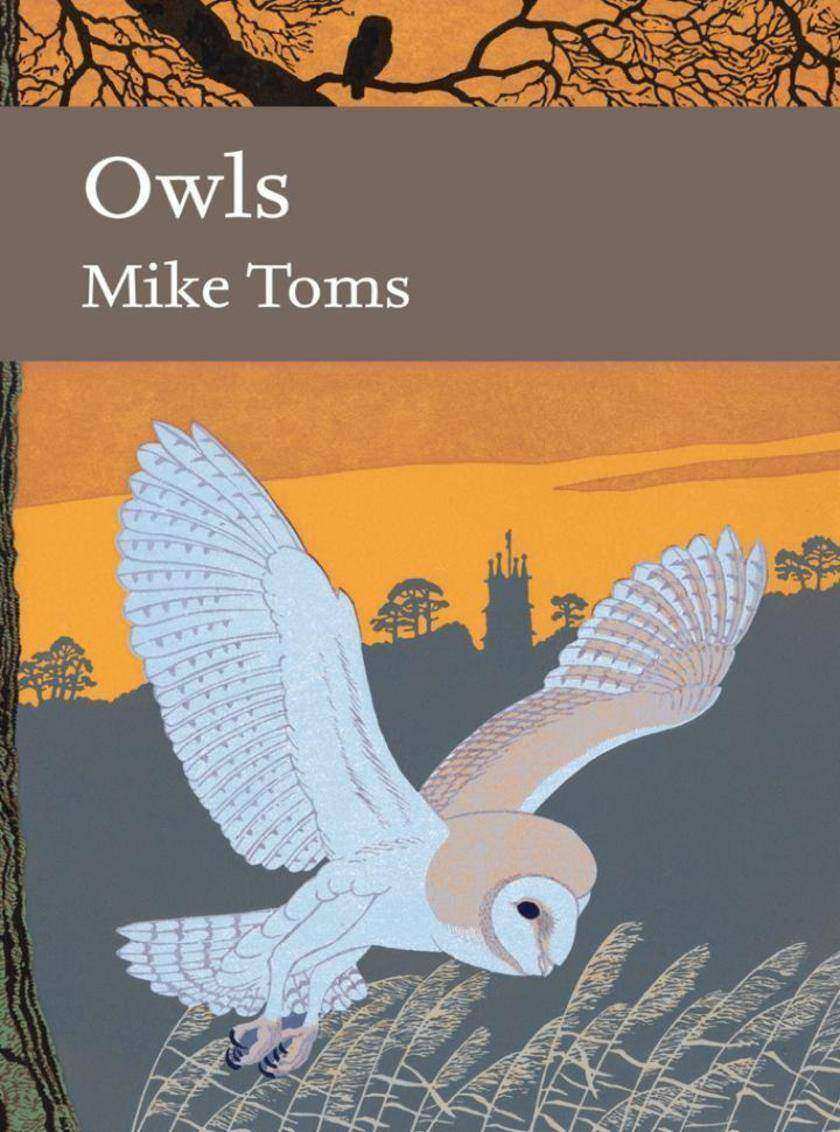
Owls (Collins New Naturalist Library, Book 125)
¥257.90
Owls have always featured prominently in the mythology and folklore of a variety of cultures. These mysterious nocturnal creatures are thought to be symbols of wisdom, omens of death, and bringers of prophecy. In fact, owls are one of the oldest species of vertebrate animal, with fossils dating back 60 million years. Owls have been a source of inspiration to writers, artists, historians and naturalists alike. In a much-anticipated volume on one of Britain’s most fascinating group of birds, Mike Toms draws on a wealth of experience and research, providing a comprehensive natural history of British owls. The first part of the book covers various aspects of owl taxonomy, origins, anatomy, behaviour and ecology and looks across the British owl species, drawing comparisons and highlighting differences. The second part takes each species in turn to provide a more detailed perspective, fleshing out relevant conservation issues, behaviour and status. Toms explores Britain’s beloved Barn Owl, Tawny Owl and Snowy Owl amongst several others. He uses the vast database and latest research from his work with the British Trust for Ornithology (BTO) to focus particularly on the specifics of owls’ breeding ecology, their dispersal patterns, diet, vocalisations, de*ion, population changes and mortality. He addresses conservation issues, changes in legislation and potential changes in the status of one of Britain’s most iconic birds, providing a fascinating overview of the biology and history of British owls.
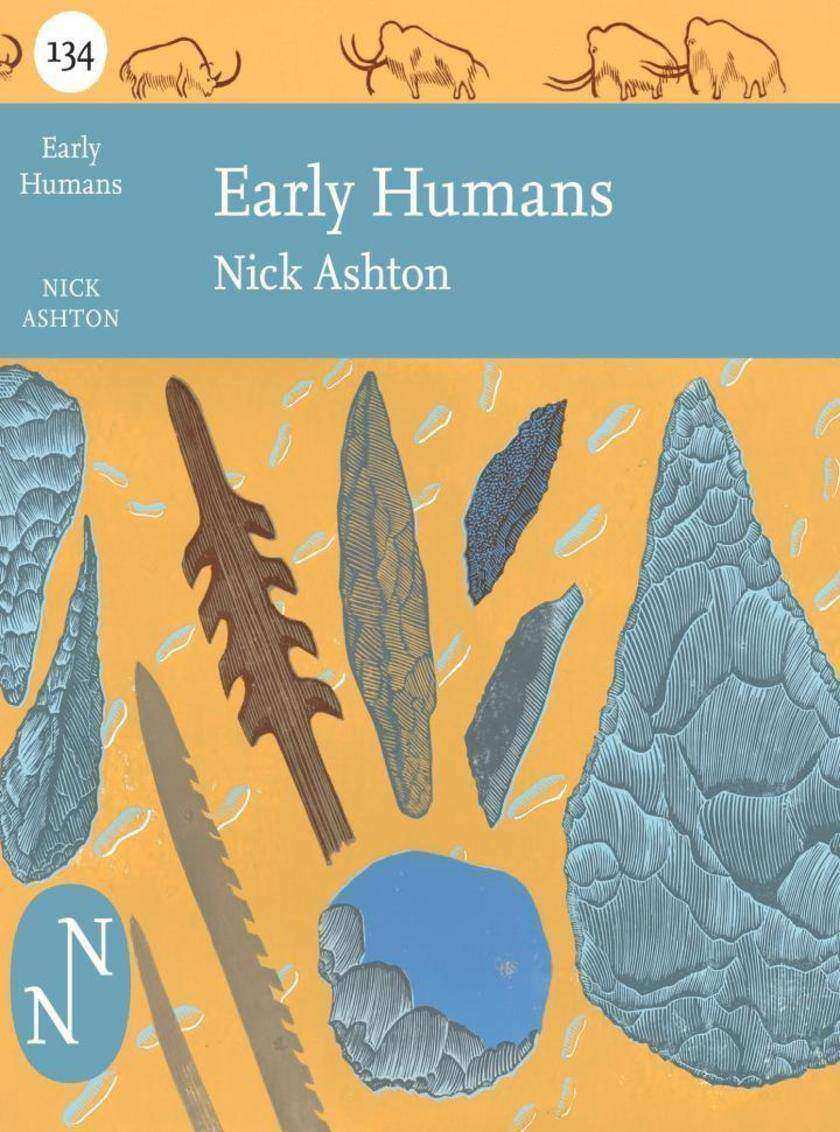
Early Humans (Collins New Naturalist Library, Book 134)
¥257.90
Nick Ashton has been a curator at the British Museum for over 30 years, specialising in Lower and Middle Palaeolithic archaeology. He helps curate the extensive stone tool collections from these periods and has directed and published major excavation projects at the Lower Palaeolithic sites of High Lodge, Barnham, Elveden and Hoxne (all in Suffolk). He is currently Co-Director of the Pathways to Ancient Britain Project funded by the Calleva Foundation. His work focuses on the earliest occupation of northern Europe, currently being investigated through fieldwork at Happisburgh (Norfolk), the early human adaptation to northern environments and the investigation of when Britain first became an island.

中国绿色工业年鉴(2019)
¥257.60
为了一步发挥中国工业节能与清洁生产协会在工业绿色发展领域的资源平台优势和桥梁纽带作用,加快节能环保、清洁生产和绿色发展等各项工作的顺利展,推动国家各项政策文件的落地实施,引导工业企业采用先适用的新技术、新设备、新材料,推动绿色工业领域的咨询、设计、承包、装备、运营等,帮助企业把握"一带一路”能源合作所提供的市场机遇"走出去”,中国工业节能与清洁生产协会组织编写了《中国绿色工业年鉴(2019)》。年鉴涵盖绿色工业发展的各个领域,全面详实地反应"十三五”期间我国绿色工业发展情况,集中展示绿色工业发展领域具有典型性、示范性的优秀企事业单位,重推荐市场应用广、节能减排潜力大、需求拉动效应明显的重领域先技术与装备,将成为实际工作中具有较强推广性和实用性的工具书,也可供工业发展相关领域研究人员和行业主管部门人员参考。

繁荣的裂痕:从布雷顿森林到美元信用危机五部曲(套装共5册)
¥257.00
本套装包含:《左手咖啡,右手世界(珍藏版)》《世界金融史:泡沫、战争与股票市场》《繁荣的背后:解读现代世界的经济大增长》《这次不一样:八百年金融危机史(纪念版)》《布雷顿森林货币战:美元如何统治世界(珍藏版)》5册图书

民国大师列传(全8册)
¥256.99
民国新旧交替、命运之争, 在旧传统和新思潮的影响下,涌现了一大批杰出的思想者与文人墨客, 他们博学多才、冠绝当时,创造了中国思想史上ZUI传奇的一页。 这些耳熟能详的人物背后,都藏有哪些不为人知的有趣故事; 这些众所周知的故事背后, 又有着怎样曲折离奇的隐情? 著名作家、《南渡北归》作者岳南老师,为您还原ZUI真实、ZUIQUANMIAN、ZUI有趣的的民国大师故事!

最经典英语文库(第十五辑)共15册
¥256.85
告别碎片式阅读,从阅读经典开始。“最经典英语文库”系列丛书(15辑)共15册:《虹》《无意识幻想曲》《邦斯舅舅》《米德尔马契》《十年以后》《贝尔武夫(英国史诗)》《人性论》《褐衣男子》《九三年》《莎士比亚传》《夜与日》《雅各的房间》《铁面人》《契诃夫短篇小说精选集》《首相绑架案》。

淮南子校释--新编诸子集成续编(试读本)
免费
《淮南子》,又名《淮南鸿烈》,是西汉淮南王刘安及其门客收集资料集体编写而成的一部哲学著作,在继承先秦道家思想的基础上,糅合了阴阳、墨、法和一部分儒家思想。《淮南子》内容牢笼天地,博极古今,是研究中国古代哲学、政治、军事、思想的重要典籍,也是探寻古代天文、历法、地理、物候、养生乃至文学、神话、民俗的宝藏,同时还是考察汉初语言的极珍贵的资料。 《淮南子校释》以正统《道藏》本为底本,以景宋本、王溥本等十二种有代表性的版本为校本加以校勘,并辑录庄逵吉、王念孙、孙诒让、杨树达、于省吾等众家注释。校释本最早出版于1997年,本次为第三次增补修订本。


