


 购物车
购物车 个人中心
个人中心
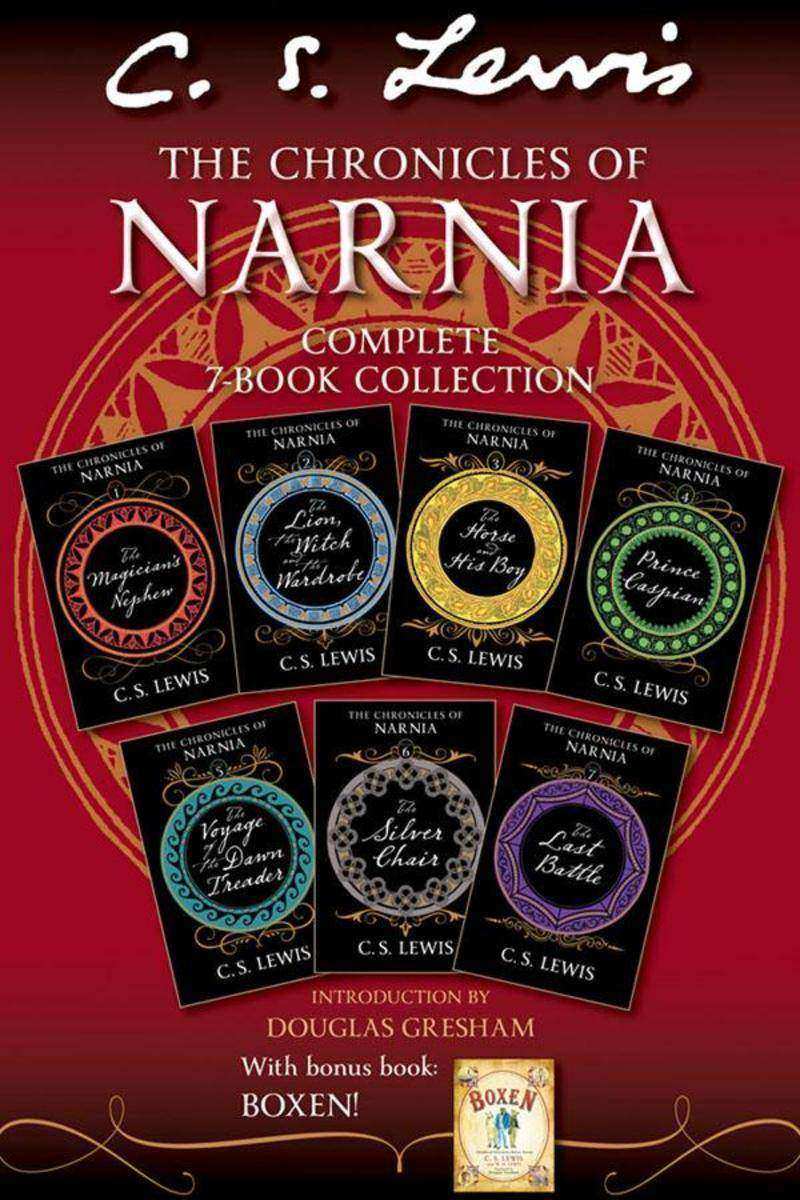
The Chronicles of Narnia Complete 7-Book Collection with Bonus Book: Boxen
¥249.23
This collection contains all seven books in the classic fantasy series The Chronicles of Narnia without art, to appeal to older readers. This special ebook edition includes an introduction by C. S. Lewis's stepson, Douglas Gresham, and full text and art for Lewis's very first work Boxen!Experience C. S. Lewis's The Chronicles of Narnia in its entirety The Magician's Nephew; The Lion, the Witch and the Wardrobe; The Horse and His Boy; Prince Caspian; The Voyage of the Dawn Treader; The Silver Chair; and The Last Battle. This bundle comes with a special introduction by Douglas Gresham, C. S. Lewis's stepson, for a behind-the-scenes look at Lewis while he was writing the book. The Chronicles of Narnia has become part of the canon of classic literature, drawing readers of all ages into magical lands with unforgettable characters for over sixty years. Epic battles between good and evil, fantastic creatures, betrayals, heroic deeds, and friendships won and lost all come together in this unforgettable world.And then discover the world before Narnia with Boxen, a collection of stories written by C. S. Lewis and his brother when they were children, with the authors' own delightful illustrations. For every reader who has been captivated by the magic of Narnia, Boxen will open a window to another enchanted land and offer the first glimmer of C. S. Lewis's amazing creativity.

The Food of Morocco
¥249.23
Paula Wolfert’s name is synonymous with revealing the riches of authentic Mediterranean cooking, especially the cuisine of Morocco. In The Food of Morocco, she brings to bear more than forty years of experience of, love of, and original research on the traditional foodways of that country. The result is the definitive book on Moroccan cuisine, from tender Berber skillet bread to spiced harira (the classic soup made with lentils and chickpeas), from chicken with tangy preserved lemon and olives to steamed sweet and savory breast of lamb stuffed with couscous and dates. The recipes are clear and inviting and infused with the author’s unparalleled knowledge of this delicious food. Essays illuminate the essential elements of Moroccan flavor and emphasize the accessibility of once hard-to-find ingredients such as saffron, argan oil, and Moroccan cumin seed.Lavishly photographed in full color, The Food of Morocco not only showcases Wolfert’s tantalizing recipes but also evokes Morocco in all its timeless splendor and mystery: its markets with their lush produce, its dazzling textiles and intricate mosaic tiles, its communal ovens and ancient souks, and of course its people, from Marrakech to Tangier. A labor of love four decades in the making, The Food of Morocco is a once-in-a-lifetime book of uncommon scope and authenticity, an essential work for every serious cook, anyone interested in Moroccan cuisine, and discerning armchair travelers alike.
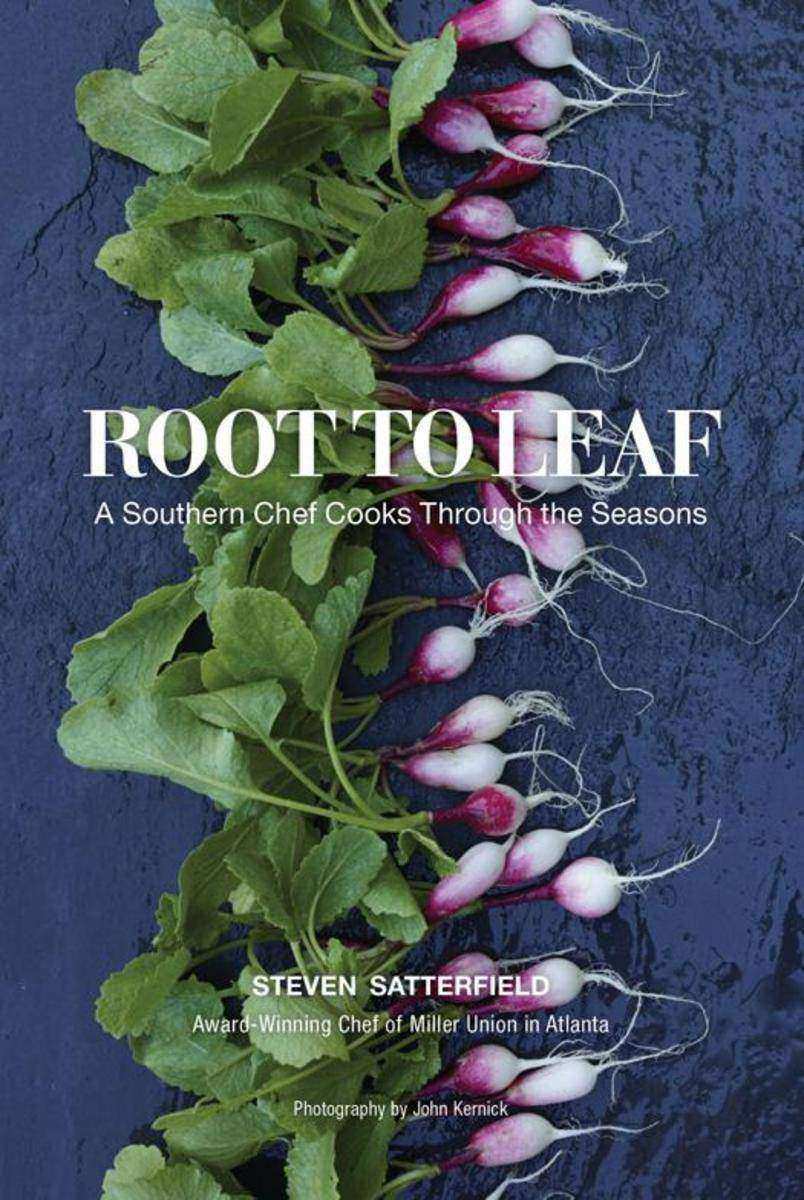
Root to Leaf
¥249.23
Eat More Vegetables.Chef of the award-winning Atlanta restaurant Miller Union, Steven Satterfield—dubbed the “Vegetable Shaman” by theNew York Times’?Sam Sifton—has enchanted diners with his vegetable dishes, capturing the essence of fresh produce through a simple, elegant cooking style. Like his contemporaries April Bloomfield and Fergus Henderson, who use the whole animal from nose to tail in their dishes, Satterfield believes in making the most out of the edible parts of the plant, from root to leaf. Satterfield embodies an authentic approach to farmstead-inspired cooking, incorporating seasonal fresh produce into everyday cuisine. His trademark is simple food and in his creative hands he continually updates the region’s legendary dishes—easy yet sublime fare that can be made in the home kitchen.Root to Leaf?is not a vegetarian cookbook, it’s a cookbook that celebrates the world of fresh produce. Everyone, from the omnivore to the vegan, will find something here. Organized by seasons, and with a decidedly Southern flair, Satterfield's collection mouthwatering recipes make the most of available produce from local markets, foraging, and the home garden. A must-have for the home cook, this beautifully designed cookbook, with its stunning color photographs, elevates the bounty of the fruit and vegetable kingdom as never before.
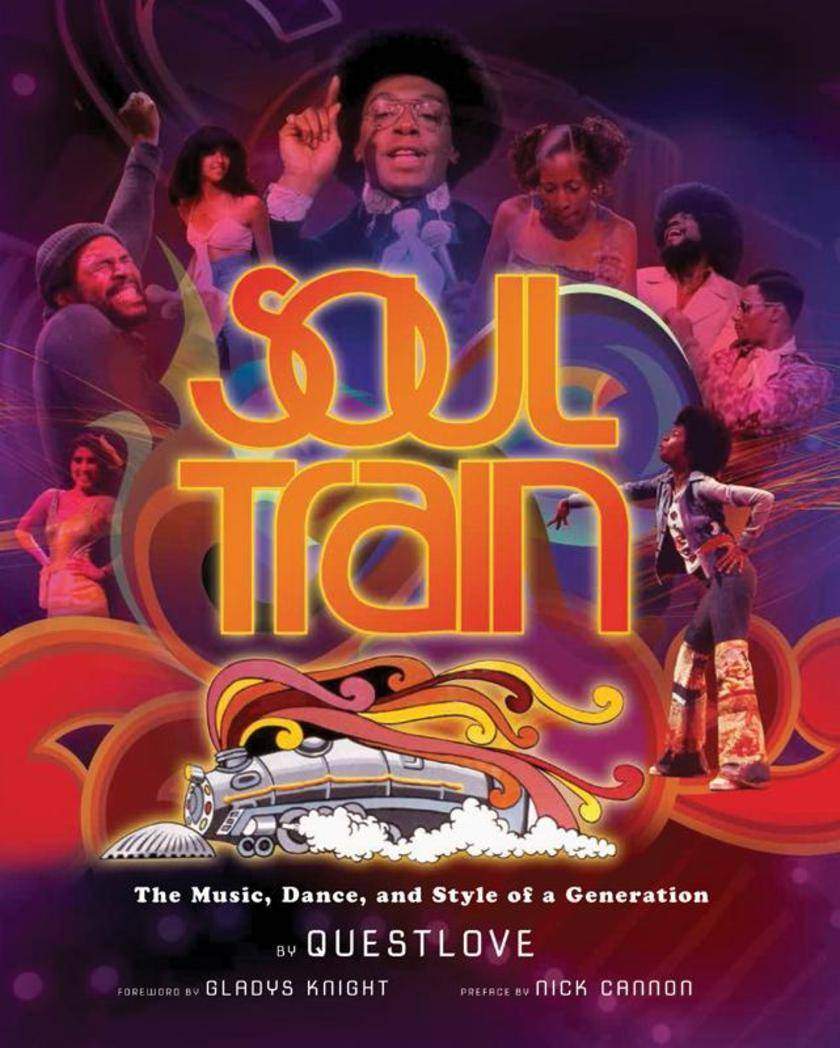
Soul Train
¥249.23
With its smooth, soulful tunes and groovy dance moves, Soul Train launched the careers of countless African American artists and set lasting trends in music, dance, and fashion for more than three decades. To create this unparalleled tribute to the show, Questlove, the brilliant frontman for the Roots, has pored through more than 1,100 episodes of the show and been given exclusive access to its archives to present hundreds of never-before-seen photographs and the riveting, unfiltered story of how Don Cornelius revolutionized black entertainment.In this incredible volume, Questlove takes you on a journey from the show's conception and first episode in 1971 to Don's final episode as host in 1993. You will learn how all-star performers such as Ike and Tina Turner, Marvin Gaye, Michael Jackson, Stevie Wonder, Elton John, Whitney Houston, David Bowie, Aretha Franklin, LL Cool J, Lenny Kravitz, the Beastie Boys, and Mariah Carey, to name a few, got their start, and get an up-close look at the show's most memorable dancers, and the moves and fashion they popularized.Soul Train was the longest-running syndicated program in television history. It was beloved by generations of youth, like Questlove, who eagerly awaited every episode, and young music lovers are still discovering it today. It's taken more than forty years for the awesome legacy of Soul Train to be celebrated in a proper way, and this book does just that.
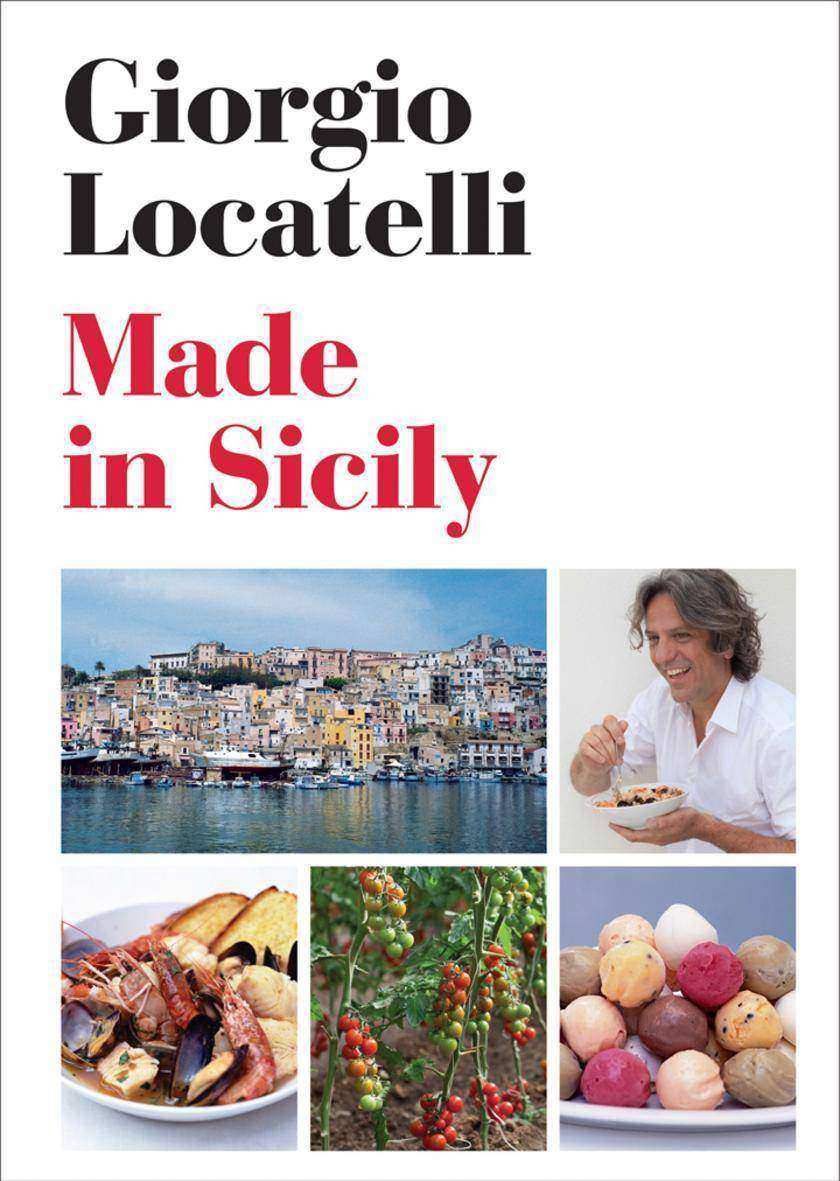
Made In Sicily
¥249.23
From Giorgio Locatelli, bestselling author of Made in Italy, comes an exquisite cookbook on the cuisine of Sicily, which combines recipes with the stories and history of one of Italy’s most romantic, dramatic regions: an island of amber wheat fields, lush citrus and olive groves, and rolling vineyards, suspended in the Mediterranean Sea. Mapping a culinary landscape marked by the influences of Arab, Spanish, and Greek colonists, the recipes in Made in Sicily showcase the island’s diverse culinary heritage and embody the Sicilian ethos of primacy of quality ingredients over pretentiousness or fuss in which “what grows together goes together.”


一寸河山一寸血(全5册)(【抗战+军事+历史+热血】全景式展现中国正面抗日战场的历史,百万读者期待五年,完整无删节版本全新面世!战争,只是历史的一部分。战争很热血,全史更精彩。)
¥249.00
上个世纪二三十年代,日本欲在东北攫取特权。草莽出身的张作霖脱颖而出,依靠自己的谋略,与其斗智斗勇,终却死于关东军一手制造的“皇姑屯事件”。张学良继之而起,但一个震惊中外的“九一八”事变,东北沦亡。危机时刻,马占山在江桥迎关东军,为东北抗战燃了烽火。马占山和张作霖一样,虽是土匪出身的将军,然而都不愧是有硬骨头的东北汉子。 萧振瀛凭借令人眼花缭乱的纵横术,一手缔造了29军,后者在宋哲元的率领下,参加长城抗战,并取得了喜峰口大捷的胜利。杨杰被称为“军事家”,可他却因自视太高,疏忽大意,从而丢失了古北口,沦落为现代马谡。徐庭瑶防守南天门,经受住了大炮的考验,却吃不消坦克的冲,长城战事面临失败,华北陷危机,危急时刻,谁能拯救?
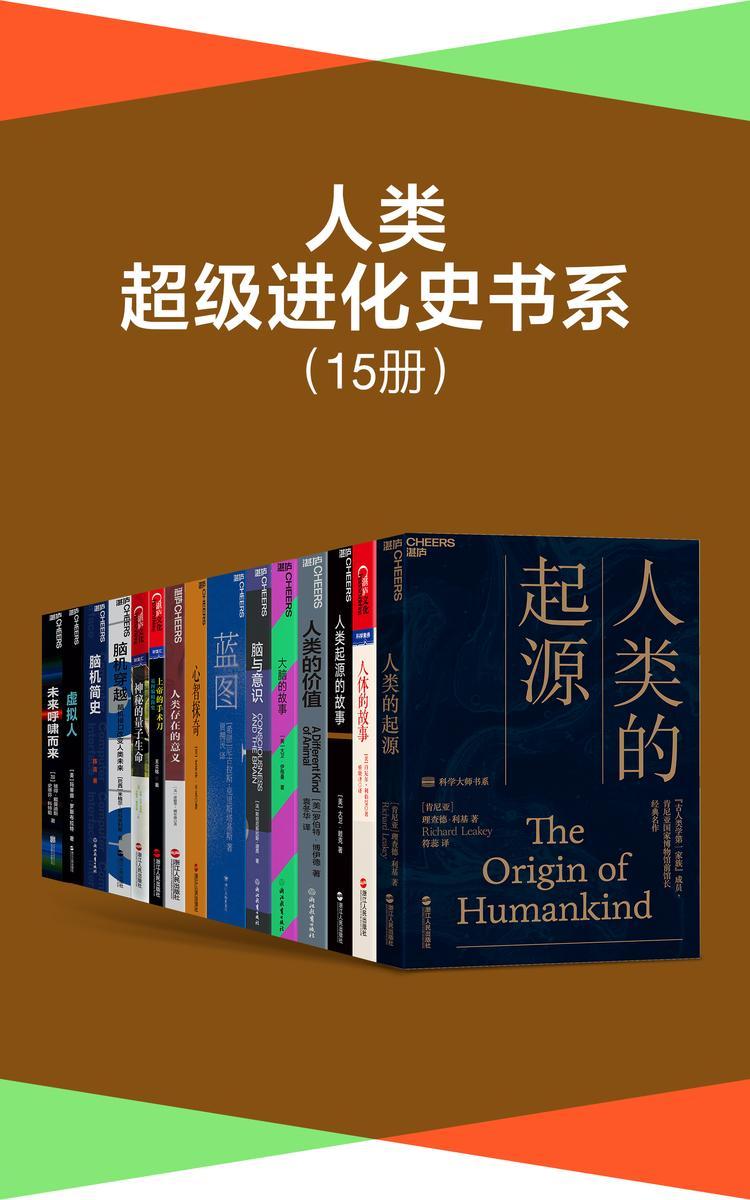
人类超级进化史书系(15册)(跟随著名人类学家、人类进化学家、认知心理学家、未来学家探索人类的超级进化史,了解人类心智的起源与进化,理解人类社会的发展规律,掌握未来世界的数字化生存指南)
¥249.00
人类的起源 理查德·利基以直立人骨架“图尔卡纳男孩”这一20世纪古人类学zui重要的发现为起点,清晰明了地勾画了人类进化的四大阶段:700 万年前人科的起源;两足行走的猿类的“适应性辐射”;250 万年前人属的起源;现代人的起源。除此之外,《人类的起源》还将带领我们利用有限的证据,提出种种出人意料的假说,推断人类的艺术、语言和心智起源之谜。 人体的故事 这是一部从现代语境出发、回溯人类历史的人体进化简史,一本从进化、健康与疾病的相互关系着手、审视人体命运的权威著作。 作为哈佛大学进化生物学教授,作者丹尼尔·利伯曼在书中汇集了多年来针对人体进化展开的深入研究,详细讲述了人类如何一步步落入了当前失配性疾病频发的泥沼。而进化无疑是帮助我们寻找病因、预防并治疗失配性疾病的一剂良方,得以让我们重新思考人类的过去、现在和未来! 人类起源的故事 大卫·赖克从古人类遗骨中提取DNA,从基因层面还原了人类祖先的面貌。原来,我们的先祖在地球上已经上演了几百万年的“权力的游戏”:在任何一片大陆上,人群都经历了多次毁灭与更迭;所有当代人的祖先都拥有一段复杂难辨的混血史,没有人是“纯种”;千百万年来的种族、性别、阶层不平等在我们每个人的DNA里都留下了深深的刻痕。 人类的价值 人类之所以能够适应各种不同的环境,并解决各种问题,主要依靠的不是个人智慧,而是“累积性的文化适应”, 以及更长时间维度下,不同文化之间的达尔文式的自然选择过程。这里的“文化”主要是指各种社会规范和道德价值。博伊德认为,不仅人类是自然世界的一部分,人类文化也是自然世界的一部分。文化使人类成了一种与众不同的生物。累积性文化进化是人类zui大的,也是zui独特的优势。 大脑的故事 享誉全球的脑科学家,《西部世界》科学顾问大卫·伊格曼,用一篇篇引人入胜的故事,为你展现脑科学领域的前沿成果,带你领略大脑宇宙的奇妙之处。 你会看到大脑如何塑造了我们,我们如何依靠大脑感知世界,如何做出一个个影响我们人生的决策,以及未来人类将走向何方。没有一本书,比《大脑的故事》更适合作为脑科学的入门读物了。阅读这本书,不需要你具备任何专业知识,只需要带着好奇心和自我探索的欲望就够了! 脑与意识 迪昂集结了意识与思维近20年来的前沿研究成果,用丰富、富有创新性的实验,将深奥难懂的脑科学知识,以大众看得懂的方式娓娓道来,发现了人类主观意识的客观标志,原来意识是“可见的”,掀起了脑科学的新篇章。 从我们感觉不到无意识讲到人人可察觉的主观思想,从意识的功能讲到意识的测量方法,从与植物人沟通讲到创造有意识的AI。本书对意识与思维背后的脑活动进行了重新定义、检验和阐释,探讨了意识在临床医疗和未来科技方面的潜在用途和进展,为读者打开了新思路。迪昂与同事提出的突破性理论“全脑神经工作空间”书中也进行了详细解释。 蓝图 融合了哲学、历史学、人类学、社会学、遗传学、进化生物学、经济学、流行病学等多个学科领域,作者克里斯塔基斯提出了一个令人瞩目的观点:基因不仅影响着我们身体的结构与功能,影响着我们心智的结构与功能,影响着我们的行为,更影响着我们我们社会的结构与功能。 心智探奇 权威解答“什么是智能”这一深刻问题,破解机器人难题。详细剖析心智的四大能力,权威解读“心智如何工作”。一扇窥视人类心智活动神奇与奥秘的窗户。一场探索心智本质的奇幻之旅。 当代zui伟大思想家、TED演讲人、世界顶jian语言学家和认知心理学家史蒂芬·平克经典重现。 人类存在的意义 “社会生物学之父”、两届普利策奖得主、进化生物学先驱、殿堂级的科学巨星爱德华·威尔逊重磅新书,跨越人文科学与自然科学的鸿沟,追索社会进化的源动力! 在《人类存在的意义》中,威尔逊从个体选择和群体选择的角度,解释了人性本身包含的自私和利他共生的特点,这种内在有冲突性的进化过程还在继续。唯yi不同的是,随着科技的发展,进化已经从自然选择转变为意向选择,也就是人类已经意识到了进化选择过程,并开始通过科技的发展创造性地塑造自身的进化过程。 上帝的手术刀 这本书从孟德尔神父的“豌豆试验”入手,用跌宕起伏、起承转合的文学讲述手法,在全书中埋下层层伏笔,抖出了一个又一个的重磅包袱,宛如一位智者在科学之树下摇着扇子对基因编辑的历史脉络娓娓道来。其内容之深入浅出、讲述手法之驾轻就熟,令人手不释卷。 一本细致讲解生物学热门进展的科普力作,一本解读人类未来发展趋势的精妙“小说”。 神秘的量子生命 在整个科学领域,量子力学是zui具影响力的重要理论。没有量子力学,我们就无法解释世界是如 何运转的,比如:知更鸟长途迁徙时是如何通过微弱的地球磁场感知方向的?小丑鱼是如何找到回家之路的?光合作用中能量的传递效率为什么 那么高?对所有这些问题的解答,都离不开量子 力学,离不开量子隧穿、量子相干性和量子纠缠。 酶促反应,光合作用,嗅觉,鸟类的磁感应,基因的复制,心智之谜,生命的起源,这种种现象都与神秘的量子世界有关。物理世界有三个层次,第yi层是宏观世界,遵循牛顿运动力学法则,第二层次是热力学世界。遵循热力学法则。zui深的第三层是量子世界。在这个维度里,原子、分子以及组成它们的所有成分粒子都遵循精确而有序的量子规则。 脑机简史 《脑机简史》便是向读者介绍脑机接口这一新兴技术的科普著作。从对大脑的重新认识,到神经科学颠覆传统的发现,再到脑机接口领域正在发生的前瞻探索和令人振奋的突破,作者对这项技术自诞生至今的演进历程以及它对未来的影响进行了生动的展示,让人在感叹“脑机融合”创造的惊人变化的同时,更为脑科学的飞速发展以及人类大脑浩如烟海的未解之谜而神往。 脑机穿越 讲述了“人机融合”的未来,即“脑机接口时代”的到来!在未来科技的驱动下,科幻大片的场景已逐渐走入现实。人类通过思维控制人造工具,如今听起来无法想象的事情,在未来会成为常态。从海洋深处到超新星禁区,甚至到我们体内细胞间的微小裂缝,人类的触及范围将追上我们探索未知领域的野心。 虚拟人 利用思维克隆技术,我们能否重新构建所爱之人的记忆、行为方式以及人格特征?思维克隆人和其生物学原型有着怎样的区别?未来,我们该如何界定思维克隆人的社会地位和法律地位? 元宇宙概念大爆发,虚拟人成为zui受入局者关注的切入点,玛蒂娜·罗斯布拉特《虚拟人》一书将帮助你quan面了解虚拟人,了解人类未来与自己的虚拟人分身共生的未来! 未来呼啸而来 作者彼得·戴曼迪斯和史蒂芬·科特勒quan面展示了商业创业风口上的9大指数型技术——量子计算、人工智能、网络、机器人、虚拟现实与增强现实、3D打印、区块链、材料科学与纳米技术、生物技术,并洞察这9大指数型技术的互相融合会带来巨大的变革力量,将会完全重塑我们的生活方式与商业模式。两位作者结合9大指数型技术的融合,充分预测和描述了零售业、广告业、娱乐业、教育、医疗保健、长寿、商业、食品业等8大行业指数型变革的未来。
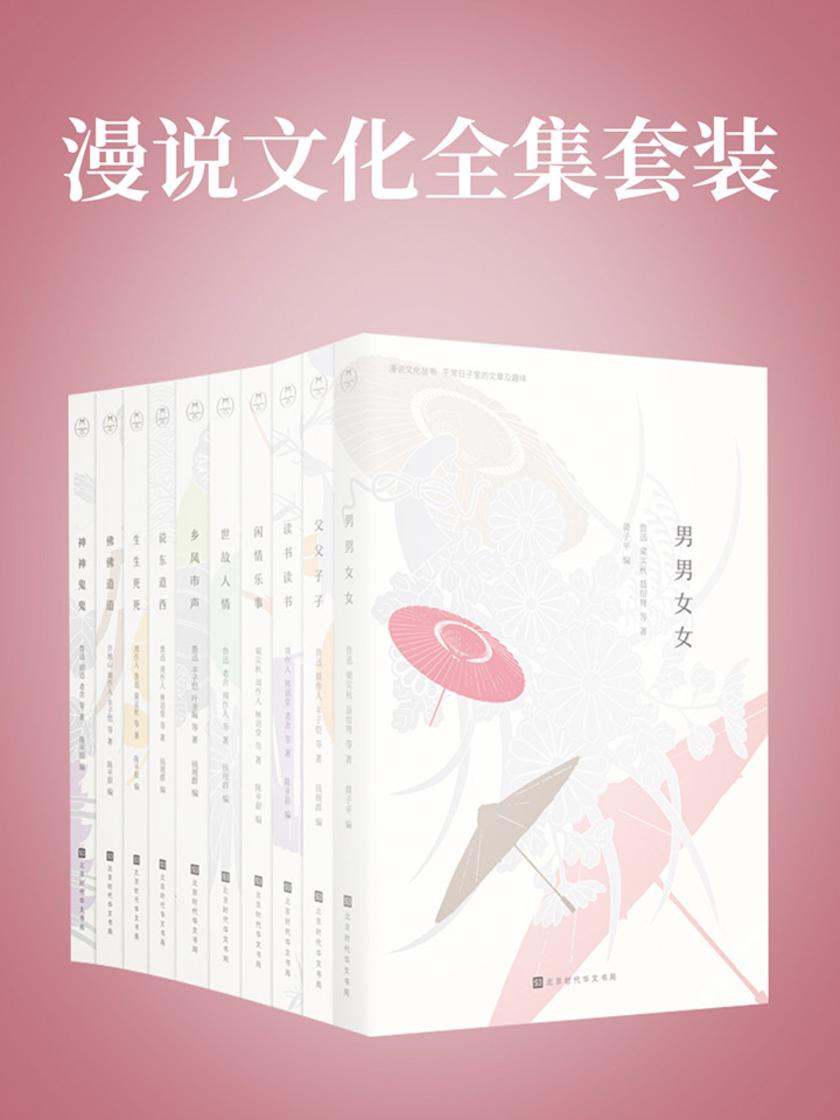
漫说文化全10册套装(三位文学界大牛“燕园三剑客”之钱理群、黄子平、陈平原联袂选编,荟聚百年来深受国民喜爱的阅读经典)
¥249.00
漫说文化全集套装(三位文学界大牛“燕园三剑客”之钱理群、黄子平、陈平原联袂选编,荟聚百年来深受国民喜爱的阅读经典),套装分别包含:1985年,被称为 “燕园三剑客”的钱理群、黄子平、陈平原三人共同提出了“20世纪中国文学”的概念,倡导以整体的眼光将中国现当代文学溯源至晚清,将“近代文学”“现代文学”“当代文学”三个时段打通,引起了学术界的强烈反响。“漫说文化丛书”即是这一概念的具体表现,所选散文充满文化意味而又妙趣横生。乡风与市声,似乎是古已有之的;在“20世纪中国文学”这一概念里,却别有一种意义:它与中国走出自我封闭状态,打开通向世界的窗口,政治、经济、文化全面现代化的历史息息相关。《乡风市声》一书选录了老舍、鲁迅、茅盾、叶圣陶、钟敬文等现当代文学史上的名家作品,以风情趣闻为主题,来传达文化的精华,是一本极有阅读趣味的文化读物。 《世故人情》是一本由钱理群选编的文集,所谓“世故人情”主要是一种人生智慧与政治智慧。全书节选了22位在现当代文学史上享有盛名的大家如鲁迅、老舍、聂绀弩、郁达夫、叶圣陶等人的散文和小品文,通过选入的这46篇文章向读者展现了一个个鲜活而又充满情趣的精神世界。选文短小精炼,意旨深远,语言幽默,是诸多大家人生经验的凝练总结,是他们长时期的思考琢磨融铸成的智慧隽语,给人启发。真诚,不做作。 《闲情乐事》这一集子里收入的基本上都是“闲文”,由陈平原选编,搜集了周作人、林语堂、丰子恺、梁实秋、贾平凹等23位作家的所谓“士大夫趣味”作品,所收的43篇文章涵盖了“食”“衣”“住”“行”等更对中国文人口味的消闲之事,后殿以一组忙闲之辩的文章。每一篇都是作家个体性情的自然流露,都是“生活的艺术”的散文小品。“能闲世人之所忙者,方能忙世人之所闲”,人生的精义就在于如何把握“忙”与“闲”之间这个颇为微妙的“度”。 《读书读书》是一本关于“读书”“买书”“藏书”这一读书人雅事的集子,由陈平原编写,共收入了林语堂、老舍、周作人、王力、叶灵凤等24位知名学者、作家的48篇文章,带你分享他们的读书智慧和心得。读书是一辈子的乐事,正因为其乐无穷,才引得一代代读书人如痴如醉。随便翻翻,也许在书中,你也能发现自己的影子。 《男男女女》是一本十来万字的、谈论“男与女”专题的、带点儿文化意味的集子,由黄子平选编,共收录了鲁迅、周作人、朱自清、林语堂、孙犁等23位现当代文学史上的大家的38篇文章,文体、主题、语言和观念均驳杂不纯,散而且杂,却也向读者展示了他们在看待“男与女”这一亘古常谈话题时各自的角度和有趣的观点,可谓大家小作,阅读起来兴味十足又颇得启发。 《父父子子》一书由钱理群选编,收录了朱自清、丰子恺、周作人、鲁迅、傅雷等23位大家描写的“人生里基本的事实,单纯的,普遍的,平庸的,近人情的经验”,39篇关于亲子之情、母爱天性、师长观念和“爱”的哲学“的“人伦”题材作品,既“真”且“纯”,不仅表现了真挚的亲子之爱,尊父之情,而且有着相当深广的历史、文化内涵,也包含了对于文学艺术本质的思考与感悟。 1985年,被称为 “燕园三剑客”的钱理群、黄子平、陈平原三人共同提出了“20世纪中国文学”的概念,倡导以整体的眼光将中国现当代文学溯源至晚清,将“近代文学”“现代文学”“当代文学”三个时段打通,引起了学术界的强烈反响。“漫说文化丛书”即是这一概念的具体表现,所选散文充满文化意味而又妙趣横生。《说东道西》一集中收录了鲁迅、周作人,林语堂等大家的散杂文。他们以"世界民"自居的全球意识,站在平等、独立的角度,体现了他们爱的博大情怀。同时文章的字里行间充满了幽默感,这些幽默包孕着慈爱与温馨,包含着苦涩,这样的幽默,丰厚而不轻飘,既耐品位,又引人深思! 1985年,被称为 “燕园三剑客”的钱理群、黄子平、陈平原三人共同提出了“20世纪中国文学”的概念,倡导以整体的眼光将中国现当代文学溯源至晚清,将“近代文学”“现代文学”“当代文学”三个时段打通,引起了学术界的强烈反响。“漫说文化丛书”即是这一概念的具体表现,所选散文充满文化意味而又妙趣横生。《生生死死》一集中收集了冰心、俞平伯等大家的著作。赞颂青春之美丽、生命之可贵,在平凡的生活中笑看人生。书中作者对于生活各自不同的感悟让读者看到不同年龄、不同阶级的生活观。书中有智慧的老人,平淡的中年人,他们以过来人的身份告诉你生活应该怎样。 1985年,被称为 “燕园三剑客”的钱理群、黄子平、陈平原三人共同提出了“20世纪中国文学”的概念,倡导以整体的眼光将中国现当代文学溯源至晚清,将“近代文学”“现代文学”“当代文学”三个时段打通,引起了学术界的强烈反响。“漫说文化丛书”即是这一概念的具体表现,所选散文充满文化意味而又妙趣横生。《佛佛道道》一集中收录了许地山、周作人等作家关于佛道方面的文章。诗一般的语言表达出佛道家的精神,体现出作家们宽容的心态和寻求理解的愿望。书中关于弘一法师、曼殊法师的描写,更让人对这些传奇经历的高僧产生浓厚的兴趣。在娓娓道来的故事中,带来一种宁静淡雅的感觉! 1985年,被称为 “燕园三剑客”的钱理群、黄子平、陈平原三人共同提出了“20世纪中国文学”的概念,倡导以整体的眼光将中国现当代文学溯源至晚清,将“近代文学”“现代文学”“当代文学”三个时段打通,引起了学术界的强烈反响。“漫说文化丛书”即是这一概念的具体表现,所选散文充满文化意味而又妙趣横生。"鬼"与"神"在一般民众心目中是两个完全不同的概念,《神神鬼鬼》一书节录了现当代文学史上名家如鲁迅、茅盾、陈独秀、胡适、老舍等在鬼神观念上的看法和观点,在理论上介绍了鬼诗、鬼画、鬼戏的艺术特色,并对若干以鬼为表现对象的文艺作品进行了介绍分析,是一代文人对鬼神及"鬼神文艺"潜在而浓厚的兴趣所在。

北京抗日战争志
¥249.00
一、本志以马克思列宁主义、*思想、邓小平理论、“三个代表”重要思想、科学发展观、习近平新时代中国特色社会主义思想为指导,坚持辩证唯物主义和历史唯物主义立场、观点和方法,存真求实,从军事、政治、经济、文化、社会等方面记述北京地区抗日战争的基本情况。二、本志分篇、章、节、目等层次。设军事、政治、经济、文化、社会、文献资料辑录六篇以及概述、大事记、附录、后记。不设人物传,对历史有重大影响者采用以事系人方式入志。三、本志记述上限起自1931年九一八事变,下限断至1945年9月抗战胜利,必要时适当上溯下延。四、本志记述范围为今北京市行政区辖域,包括记述断限内北平市全境,河北省大兴县、宛平县、良乡县、房山县、通县、顺义县、平谷县、密云县、怀柔县、昌平县全境及三河县部分区域,察哈尔省延庆县全境及赤城县部分区域,热河省丰宁县、滦平县部分区域。五、本志所记“北平”“北平地区”均指北平市。为便于记述并尊重历史称谓,北平周边抗日根据地记为“平郊抗日根据地”,包括平西、平北、冀东、平南四个区域。六、除志名使用“北京”外,全书有关地名、机构名一般使用“北平”等历史称谓。机构名称、*番号一般情况下使用全称,出现频率较高的,在正文首次出现时使用全称并括注简称,之后使用简称。伪政权机构名称前加注“伪”字。七、本志所记中国共产党中央委员会统一简称为中共中央,中共中央革命军事委员会简称为中共中央军委,中国共产党××市委员会简称为中共××市委,其他组织以此类推;中国共产党领导的国民革命军第八路军简称为八路军,国民革命军陆军新编第四军简称为新四军。八、本志资料主要来源于国内外公开出版物、报纸、期刊以及有关档案资料、内部出版物等。九、全书采用规范语体文,行文力求准确、简洁、通畅。十、年份采用公元纪年,标点符号、计量单位等参照国家相关标准规定执行。除特别标注外,本志所记币种均为法币。

我的动物朋友(全25册)
¥249.00
本书是一套低幼自然认知启蒙书,25册分别对应25种可爱的 动物,如北极熊、*、海獭、骆驼……以拟人化的*人 称,讲述动物们如何与父母、伙伴共同生活。200+知识点融 入在亲切的叙述中,不仅有科普,更是对大自然的生动讲 述——动物们如何如何与父母、伙伴共同生活,如何学会捕 猎和逃避天敌、慢慢长大。书中的语言浅显易懂,平易近 人,拉近孩子与大自然的距离,在孩子心中种下爱自然、爱 世界、爱探索的种子。

九滴水:特殊罪案调查组(全6册)
¥248.99
痕迹检验师、悬疑作家九滴水“特殊罪案调查组”系列(全6册),聚焦横跨多年悬而未破的旧案! 每个人都希望这个世界上,有一个彻底理解自己痛苦的人。 数字凶手、灵魂祭祀、灭顶贼帮、油桶封尸、双尸迷棺、复仇饮鸩......12综案件,如何才能“回到”*现场,还原真实的案发过程? 痕迹检验学+刑事侦查学+犯罪心理学+刑事相貌学,破案手段更专业!

“你需要知道的职场进阶指南”(套装12册)
¥248.90
如何利用人的非理性说服他人?如何在说服的过程中利用视觉想象力?如何为对手贴标签,对其一必杀?如何抢占制高,转守为攻?如何在事情发生之前引导用户的思维?如何设计有效的口号,率先赢得客户? 在本书中,知名系列企业管理漫画《呆伯特》作者斯科特·亚当斯介绍了自己的说服理论,即如何利用“武器级”说服力,抢先竞争对手影响受众,在竞争中赢得胜利。 ◆ 亚当斯认为,说服力分为三个层次,分别是“商业级”“科学级”“武器级”。其中“武器级”说服力尤其难,达到这个级别的大师非常少,几位曾经的美国总统和乔布斯在此级别;“科学级”说服力的代表是认知科学家;“商业级”说服力就是我们通常说的“影响力”“说服力”,市场营销、品牌形象管理、危机公关等用的都是这个级别的说服力。 ◆ 如今,想要在与对手的竞争中赢得胜利,抢夺用户的注意力,不仅要懂得如何影响用户,更重要的是要懂得如何抢先对手影响用户。掌握了这一套说服术,你就拥有了一套杀手级的武器,可以抢先对手先发制胜!

Teeth of the Souls
¥248.88
As the sequel to Morkan's Quarry, The Teeth of the Souls tells the story of a marriage betrayed, a lifelong and secret love, and an Ozarks city riven by an Easter lynching.The story begins just after the Civil War when Leighton Shea Morkan, son of Irish immigrants, marries Patricia Grnhaagen Weitzer, daughter of a German banking family. Yet he can't let go of his childhood love and wartime confidante, the house hand and former slave, Judith. Both unions produce children, one a shrouded secret, and one the heir to the Morkan legacy: the limestone quarries of Springfield, Missouri, and the bloody past, what Judith calls "e;The Teeth of the Souls."e;Grounded in broad historical research and spanning Missouri's reconstruction, vigilantism, and fall from grace, The Teeth of the Souls chronicles the violent melding of immigrant strains-Irish, German, Scots-Irish, and African American-into the fabric of the Ozarks.
探寻人类自身的秘密(8册)
¥248.77
【内容简介】 人体的故事 这是一部从现代语境出发、回溯人类历史的人体进化简史,一本从进化、健康与疾病的相互关系着手、审视人体命运的权威著作。 作为哈佛大学进化生物学教授,作者丹尼尔·利伯曼在书中汇集了多年来针对人体进化展开的深入研究,详细讲述了人类如何一步步落入了当前失配性疾病频发的泥沼。而进化无疑是帮助我们寻找病因、预防并治疗失配性疾病的一剂良方,得以让我们重新思考人类的过去、现在和未来! 人类存在的意义 在《人类存在的意义》中,威尔逊从个体选择和群体选择的角度,解释了人性本身包含的自私和利他共生的特点,这种内在有冲突性的进化过程还在继续。不同的是,随着科技的发展,进化已经从自然选择转变为意向选择,也就是人类已经意识到了进化选择过程,并开始通过科技的发展创造性地塑造自身的进化过程。在这一过程中,我们需要对人类存在的意义这个终极命题进行思考,探寻社会进化的源动力。 生命的法则 大肠杆菌和大象受同一自然法则制约,这就是——生命的法则!在分子层面上,过高的胆固醇会导致心血管疾病,基因突变会导致各种癌症,从本质上看,它们都是与调节失控有关的疾病。在塞伦盖蒂草原上,动物的地位并不平等,关键物种的作用举足轻重,它们的影响会向下延伸至更多的营养层级。同一营养层级的物种,也会为生存而相互竞争。然而,分子层面和生态系统中的调节都遵循着同样的普适逻辑——正向调节、负向调节、双重负向调节和反馈调节机制无处不在。 创造的本源 社会生物学鼻祖爱德华?威尔逊本书中提出了一个宏伟的命题:重振哲学。书中有着更多的跨学科交叉,不局限于人类自身的历史观,个性鲜明的立论足以从不同角度启发读者。从一个全新的维度,向我们阐释了创造的本质,让我们更好地理解了创造如何产生、如何繁盛这一问题,把对科学的理解融入了人文之中。 人类起源的故事 大卫·赖克从古人类遗骨中提取DNA,从基因层面还原了人类祖先的面貌。原来,我们的先祖在地球上已经上演了几百万年的“权力的游戏”:在任何一片大陆上,人群都经历了多次毁灭与更迭;所有当代人的祖先都拥有一段复杂难辨的混血史,没有人是“纯种”;千百万年来的种族、性别、阶层不平等在我们每个人的DNA里都留下了深深的刻痕。 面对DNA序列分析这种可靠的技术,我们以前所以为的所有关于人类演变的知识,凡是跟这本书所代表的当前科学理解不一样的,都只能改写。 生存 《生存》是一部关于生存与进化的“新博物学”,一部海洋世界版的 “博弈论”,一个别开生面的“生物学思维大课堂”。它在展现大量生物学和生态学前沿性知识的同时,提供了一系列海洋生命在环境下的疯狂生存策略和创新案例,这些案例让我们称赞叫绝的同时,也给身处不确定性和复杂度极高的商业环境中的我们带来灵感火花和深刻的洞察力。 神秘的量子生命 酶促反应,光合作用,嗅觉,鸟类的磁感应,基因的复制,心智之谜,生命的起源,这种种现象都与神秘的量子世界有关。物理世界有三个层次,层是宏观世界,遵循牛顿运动力学法则,第二层次是热力学世界。遵循热力学法则。深的第三层是量子世界。在这个维度里,原子、分子以及组成它们的所有成分粒子都遵循精确而有序的量子规则。 上帝的手术刀 这本书从孟德尔神父的“豌豆试验”入手,用跌宕起伏、起承转合的文学讲述手法,在全书中埋下层层伏笔,抖出了一个又一个的重磅包袱,宛如一位智者在科学之树下摇着扇子对基因编辑的历史脉络娓娓道来。其内容之深入浅出、讲述手法之驾轻就熟,令人手不释卷。 一本细致讲解生物学热门进展的科普力作,一本解读人类未来发展趋势的精妙“小说”。 【编辑推荐】 人体的故事 继《枪炮、病菌与钢铁》和《人类简史》之后,又一本讲述人类进化史的有趣著作!倾听600万年的人体进化简史,了解人体每个部分的进化源头,寻找现代疾病的进化良方。趣味与严谨兼备,前沿与实用相融。 人类存在的意义 爱德华·威尔逊继《生命的未来》《缤纷的生命》《半个地球》之后又一聚焦人类与其他物种的相互关系,探寻人类存在的终极意义的倾情力作! “社会生物学之父”、两届普利策奖得主、进化生物学先驱、殿堂级的科学巨星爱德华·威尔逊重磅新书! 北京大学哲学系教授刘华杰,美国前副总统阿尔?戈尔倾情推荐。 生命的法则 美国两院院士、伟大的科普作家肖恩·B·卡罗尔重磅新书!《金融时报》十佳科学图书,《自然》Top20好书。 商业思想家吴伯凡、财讯传媒首席战略官段永朝、北京大学教授谢灿、厦门大学教授王传超、“社会生物学之父”爱德华·威尔逊、美国国家科学院院士尼尔·舒宾、《基因传》《众病之王》作者悉达多·穆克吉联袂推荐! 生态系统中,有些动物比其他动物更平等,把握这些关键物种,我们才能在大灭绝时代力挽狂澜,重造美好家园。 创造的本源 继《半个地球》《人类存在的意义》之后,爱德华?威尔逊基于人类的命运,提出了有一个历史性的大问题:科学与人文的融合如何带来人类的演进? “社会生物学之父”、两届普利策奖得主爱德华?威尔逊全新力作! 人类起源的故事 这不仅仅是一本书,还是科学进入历史领域的里程碑。本书作者大卫·赖克是古人类DNA领域的领跑者,哈佛医学院遗传学系教授。2013年到2018年,赖克的古DNA实验室生产了7 000多份古人类全基因组数据,占全世界总量的一半以上。作为古DNA革命的领头人,他义不容辞花费3年写出了《人类起源的故事》这本领域奠基之作,以古DNA这个非凡的视角,向读者提供了一幅人类历史的清晰画卷。 这是一本给全人类的寻根指南,一部人类祖先的疯狂混血史。大卫·赖克从当代人和古人DNA中挖掘信息,描绘了一幅数十万年的人类起源、迁徙、演化和混合的宏大地图。他厘清了欧洲人、印度人、东亚人、美洲人、非洲人的历史变迁,得出一个惊人的结论:人类大家庭根本不是一棵枝干分明的树,而是一张疯狂混血的网。 生存 斯坦福大学杰出海洋生物学教授史蒂芬·帕鲁比和美国知名科学作家安东尼·帕鲁比联袂巨献。 海洋世界版的“博弈论”,生存与进化的“新博物学”,别开生面的“生物学思维大课堂”。首次探秘海洋里的10种神奇的生命:古老之、微小之、深水之、浅水之、长寿之、速度和旅程之、高温之、低温之、古怪家庭之。 神秘的量子生命 媲美薛定谔《生命是什么》,量子生物学奠基之作!北京大学生命科学学院教授动物磁感应受体基因和“生物指南针”发现者倾情推荐。亚马逊科学图书、《纽约时报》畅销书;《经济学人》《金融时报》年度好书;英国皇家学会温顿奖获奖图书。 上帝的手术刀 听会讲故事的科学家讲前沿的人类基因编辑技术,感受科学研究的磅礴气势和能量。趣味与知识兼备,前沿与实用相融。学术权威,实业精英,科普达人,畅销书作者 各界人士倾力推荐。 湛庐文化出品。

风云变幻的英国兴衰史(套装共5册)
¥248.00
本套装包括《大英帝国的崛起与衰落》《大英帝国与*次世界大战》《维京时代与英格兰:北欧勇士征服英格兰的传奇和历史》《亨利八世与都铎王朝:“多面暴君”和他的传奇帝国》《大英帝国3000年:全新视角评估英国历史,细述帝国的崛起与衰落》

中国名家经典集(全8册)
¥248.00
用残损的手掌抚摸记忆,在寂寞的雨巷邂逅诗歌 戴望舒是中国现代杰出的诗人、翻译家和古典文学学者,被称为“现代派”诗人的领袖。他有着浓厚的文化修养和艺术才能,在毕生的文学实践中走出了一条自己的路。本书收录了戴望舒的经典诗歌、散文、短篇小说和他的部分翻译作品,基本上反映了作者的创作思想和艺术魅力。

《资本论》轻松读(全三册)
¥248.00
150余年前,伟大导师马克思根据观察到的资本主义经济危机与革命,写出了划时代的巨著《资本论》。他在黑格尔辩证法的基础上,颠覆了传统的“形而上学”唯物主义,建立起一个在现实中能得以实践的社会思想体系,一个影响到地球50%以上人口的体系。在书中他指出,资本和劳动的关系,其实就是现代社会全部体系赖以运转的轴心。而在该书出版150年后的今天,仍旧在被人们反复阅读和研习。 日本经济学教授的场昭弘,结合自己在“二战”后数十年以来关于马克思主义的研究经验,对《资本论》行了补充和发挥,将《资本论》与现代经济发展相结合,独创出《<资本论>轻松读》一书,将人们对《资本论》的研究又向前推了一大步。
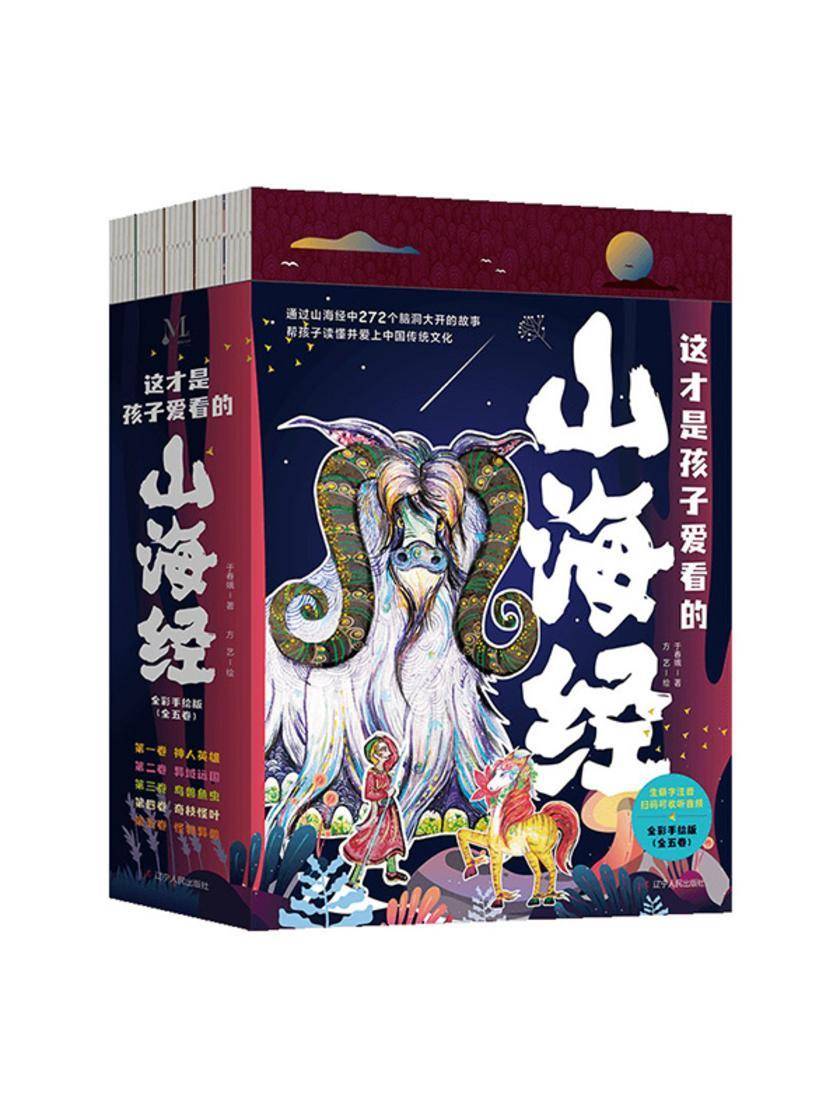
这才是孩子爱看的山海经.全五卷
¥248.00
《这才是孩子爱看的山海经》*册之神人英雄,主要讲述了山海经中各种神人、仙人、异人的故事,这些人有些已经随历史的演变逐渐走入了传说,成为了中华民族共同记忆的一部分,作为中国神话传说的起点,山海经将这些人还原到了*初的模样,读者通过阅读本册,可以一窥这些传说在源头是怎样的一幅景象。 《这才是孩子爱看的山海经》第二册之异域远国,主要讲述了山海经中各种奇奇怪怪的国家,古人说山海经是一本博物和地理知识,而本册侧重的就是山海经中的地理元素,打开本册读者可以了解带着老虎出门的君子国、人长着三个脑袋的三首国,这些有趣的记录会让读者畅想那个蒙昧的时代,我们的祖先是怎样将地理异化成传说的。 《这才是孩子爱看的山海经》第三册之鸟兽鱼虫,主要讲述了山海经中各种神奇动物的故事,有天上飞的鸟类、地下跑的兽类、水里游的鱼类,读者阅读本册能够了解到上古时期的神奇生物,更能够在其中找到我们祖先在蒙昧时期,对于一些现在仍然存在的动物的神奇观察。 《这才是孩子爱看的山海经》第四册之奇枝怪叶,主要讲述了山海经中记录的各种植物,作为山海经中*为准确的一部分,大多数植物在今天仍然存在,因此本册也是山海经中*有现实对照意义的一册,读者阅读本书的时候,可以对照着想一想我们的祖先是怎么认为沙棠书可以治溺水、苦辛草可以治疟疾的,替祖先开一开脑洞,也不失为一种别样的乐趣。 《这才是孩子爱看的山海经》第五册之怪物异兽,主要讲述了山海经中记载的上古时期各种神奇兽类的故事,神鸟凤凰有怎样美丽的传说?无面帝江又为何被归为瑞兽一类?各种妖兽都有着怎样的异能?各种凶兽又应该怎样降服?这些在本册中都能寻找到答案。
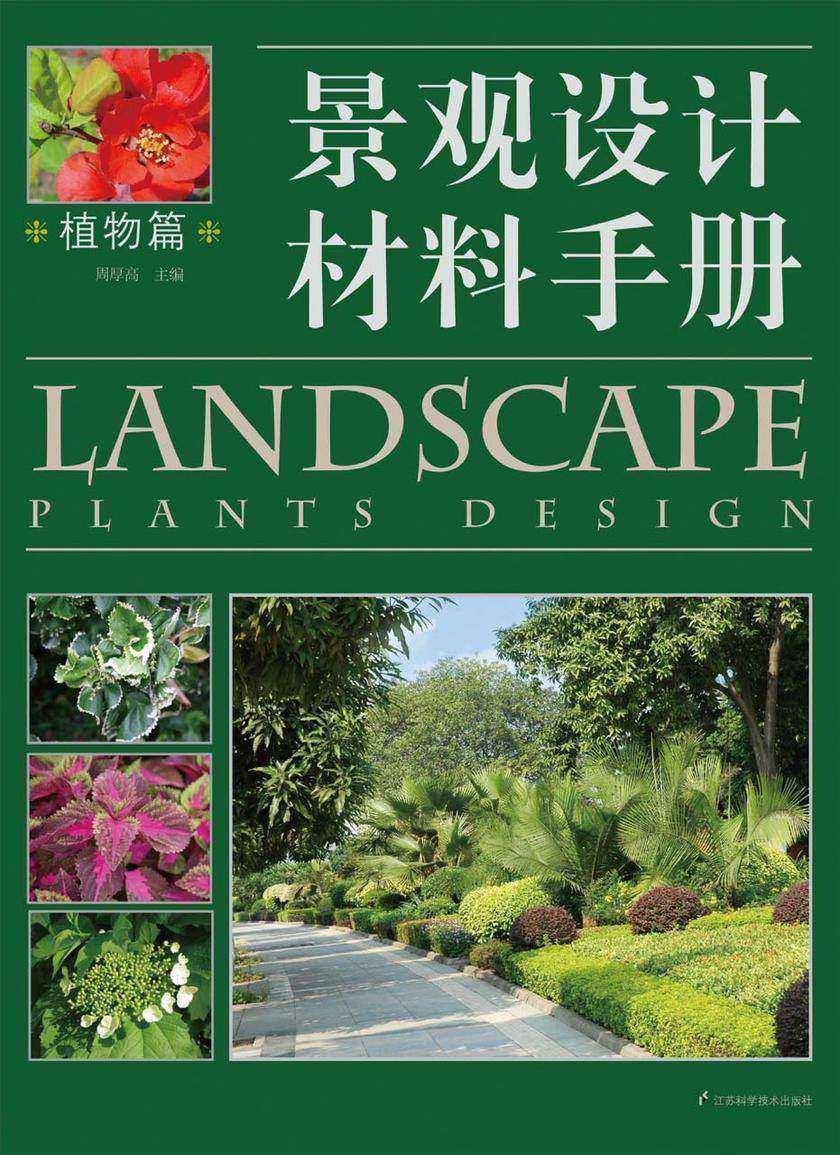
景观设计材料手册. 植物篇
¥248.00
本书收录了800多种园林常见植物及其品种。注重植物品种的实用功能及其造景效果。此书以植物应用区域的不同分类,从植物形态到其特有的传统含义,书中都有详细的介绍。图片多以景观图为主,表现植物在实际应用中的景观效果。符合园林景观设计师工作的实际需求。

那些让你更睿智的科学新知(套装共12册)
¥247.80
●《理论*小值:经典力学》是理论物理学家、弦论创始人莱昂纳德·萨斯坎德联合物理爱好者 乔治·拉保夫斯基的全新作品。全书的结构简洁,语言优雅,是一本经典物理学的入门书。在国 外一经上市,就得到了广大师生的追捧。 ●萨斯坎德和乔治·拉保夫斯基善于运用清晰的逻辑一步步让读者对他们所讲述的内容进行理 解,他们通过11讲,讲述了经典物理学的本质,揭示了运动、动力学、能量、*小作用量、 对称性和守恒定律以及角动量、电力与磁力等关键原理与概念。旨在引领读者去欣赏理论物理 之美,深入浅出,层层推进,引人入胜。 ●《理论*小值:经典力学》属于湛庐文化重磅推出的“科学大师”系列图书之一。此系列还 包括《理论*小值:量子力学》《理论*小值:相对论与经典场论》,这些书即将由湛庐文化 2021年策划推出。

海草房
¥247.50
《海草房》是一本以胶东半岛的海草房为主题的摄影作品集。《海草房》的摄影作品全是用5×7技术相机拍摄黑白胶片拍摄。海草房在淡雅的色调中,一幅幅呈现。暗部与亮部,还有那过渡的中间色调当中,蕴含着早春、仲夏、深秋与晚冬,藏匿着海草房的温情与呼唤。作者拍摄的影像里面情节内容拨动了人们的心弦,他所纪录的影像也为逝去的时间和空间留下了某种佐证。了详实可靠影像凭证。


