


 购物车
购物车 个人中心
个人中心

Referendum Roundabout
¥63.67
A lively and sharp critique of the role of the referendum in modern British politics. The 1975 vote on Europe is the lens to focus the subject, and the controversy over the referendum on the European constitution is also clearly in the author's sights.
Playing the Long Game
¥58.76
We obsess about what our politicians are doing, but ignore that our companies are no longer investing, instead they are focusing on next quarter's profits in order to justify ever higher executive compensation. This is in turn accelerating the West's economic decline versus the East. While the short-term focus of business is becoming widely acknowledged, we are not doing enough to reverse this. Looking at the less known history of companies shows us the choices we can no longer afford to ignore. Some current reforms need to go further and some areas that need reform are currently being ignored. Encouraging our businesses to invest again is one of the most important issues of our time.
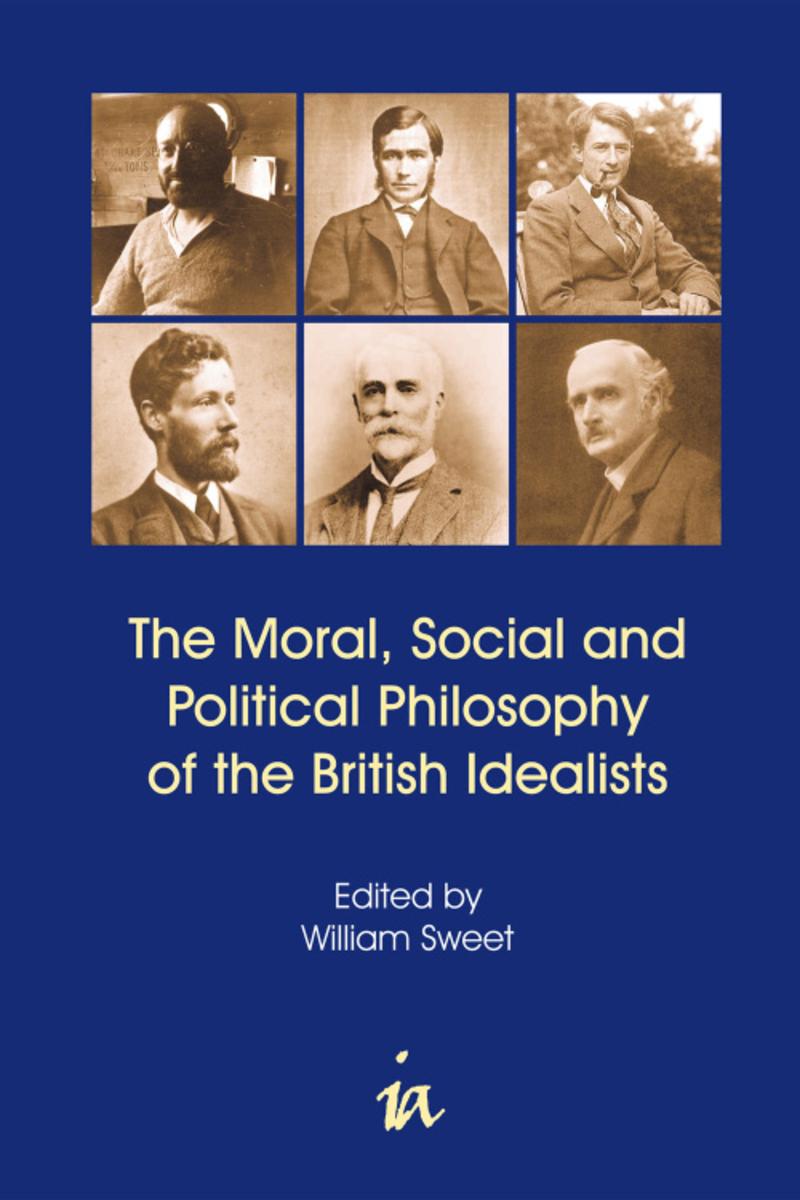
Moral, Social and Political Philosophy of the British Idealists
¥186.29
The British idealists of the late 19th and early 20th century are best known for their contributions to metaphysics, logic, and political philosophy. Yet they also made important contributions to social and public policy, social and moral philosophy and moral education, as shown by this volume. Their views are not only important in their own right, but also bear on contemporary discussion in public policy and applied ethics. Among the authors discussed are Green, Caird, Ritchie, Bradley, Bosanquet, Jones, McTaggart, Pringle-Pattison, Webb, Ward, Mackenzie, Hetherington, Muirhead, Collingwood and Oakeshott. The writings of idealist philosophers from Canada, South Africa, and India are also examined. Contributors include Avital Simhony, Darin Nesbitt, Carol A. Keene, Stamatoula Panagakou, David Boucher, Leslie Armour, Jan Olof Bengtsson, Thom Brooks, James Connelly, Philip MacEwen, Efraim Podoksik, Elizabeth Trott and William Sweet.

Language of Lies
¥58.76
A thrilling debut novel from exciting new author Polly Bradshaw. There is a terrorist bomb plot being set in motion against London banks; Terrorists have been brought into Britain by the mysterious Mr Smith, who can procure passports as easily as he can do away with people he doesn't care for. But where does the plot start? In Aldershot, an unsuspecting Registrar of Births, Marriages and Deaths, named Sasha, finds herself the target of a man, Kit Hatton, hell-bent on getting some bogus birth certificates from her, by hook or by crook. But by the time the terrorists have found their way into Britain, both Kit and his accomplice, Gary, are dead, and Gary has Sasha's name and address in his back pocket.
Illusionism
¥147.05
Illusionism is the view that phenomenal consciousness (in the philosophers' sense) is an illusion. This book is a reprint of a special issue of the Journal of Consciousness Studies devoted to this topic. It takes the form of a target paper by the editor, followed by commentaries from various thinkers, including leading defenders of the theory such as Daniel Dennett, Nicholas Humphrey, Derk Pereboom and Georges Rey. A number of disciplines are represented and different viewpoints are discussed and defended. The colleciton is tied together with a response to the commentaries from the editor.
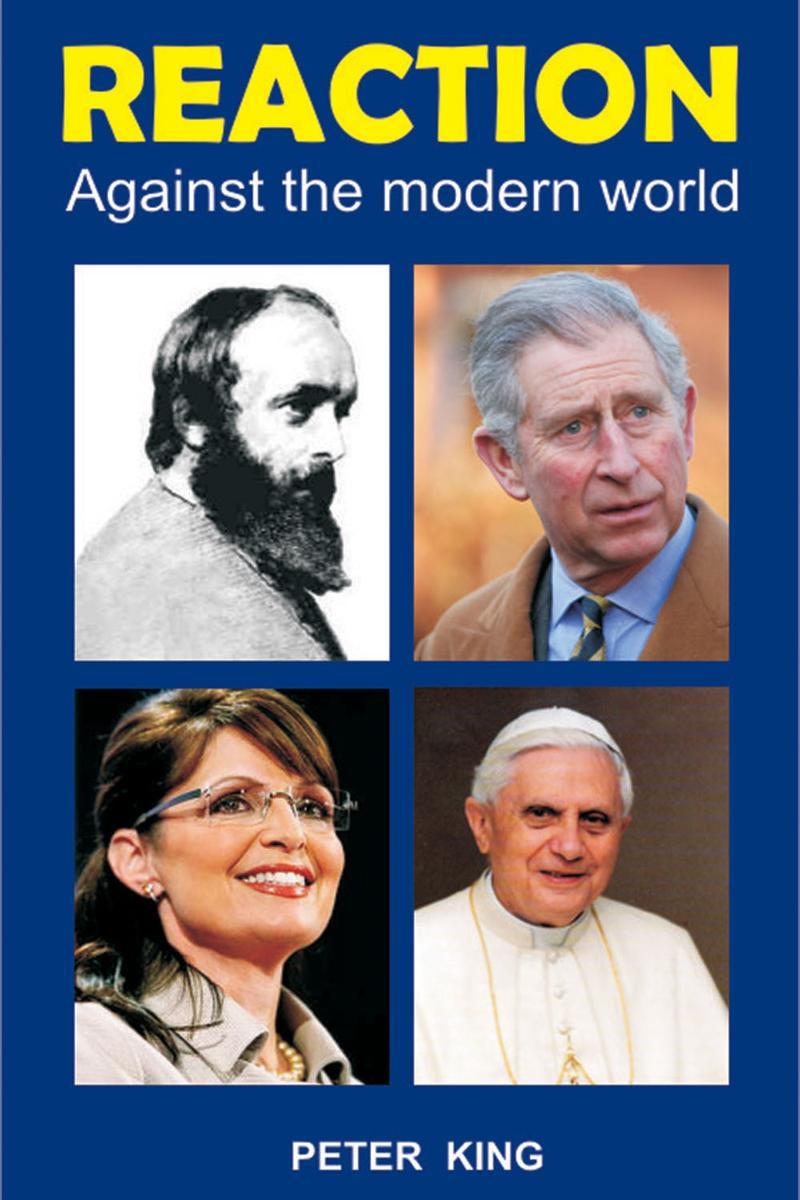
Reaction
¥63.67
To call someone a reactionary is to insult them and to end any argument. There is no possible rejoinder: no one could possibly wish to be a reactionary. But what if one were to gratefully accept the label? What would it mean to wilfully and honestly be a reactionary? Referencing thinkers as diverse as Burke, de Maistre, Guenon, Ratzinger, Scruton and the Prince of Wales this book considers the nature of reaction as a justified response to modernity and the constant call for change. Reaction is shown to take two distinct forms: first, as a rejection of progress and a defence of traditional culture and values; and second, as a common sense disquiet and distaste towards elites. These are seen as entirely valid responses to the failure of modernity. 'Reaction' presents an original and thoughtful critique of modernity and a defence of tradition. It will be of interest to anyone concerned that we are heading too far and too quickly in the wrong direction.
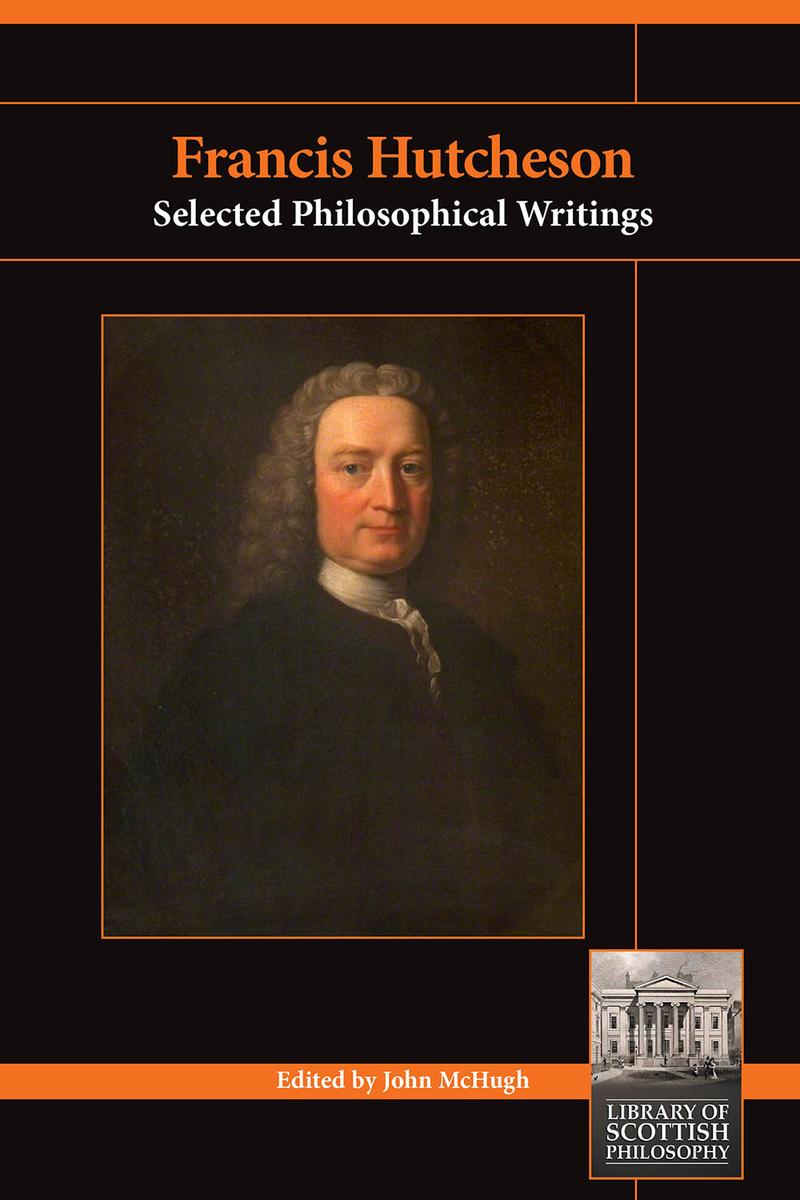
Francis Hutcheson
¥107.81
Known today mainly as a teacher of Adam Smith (1723-90) and an influence on David Hume (1711-76), Francis Hutcheson (1694-1746) was a first-rate thinker whose work deserves study on its own merit. While his most important contribution to the history of ideas was likely his theory of an innate sense of morality, Hutcheson also wrote on a wide variety of other subjects, including art, psychology, law, politics, economics, metaphysics, and logic. Spanning his entire literary career, this collection brings together selections from Hutcheson's greater and lesser known works, including his youthful "e;Thoughts"e; (1725) on Thomas Hobbes' (1588-1679) egoistic theory of laughter.
Sherlock Holmes and the Ghoul of Glastonbury
¥68.57
Emotion-filled memories come cascading from the mind of Britain's foremost investigator as a troubled Glastonbury sends its emissaries to beg help in solving a series of poisonings besetting a region Holmes had experienced and explored as a young lad.Somerset, battleground of successive invaders over the centuries, has a secret which forms a bond between all those born under the mantle of Britannia, a secret trying to break free but which, in doing so, might destroy the very fabric of Britain's hard-won but still tenuous unity.Sherlock Holmes, summoned to solve a murder threatening ruin to greater Glastonbury's commercial prosperity, finds that there are deeper motives behind his summons and that one secret hides a great many more and forces the Great Sleuth to make a decidedly deadly decision to taunt the grim and ghastly Ghoul of Glastonbury.
Sherlock Holmes and the Ley Line Murders
¥68.57
The mists of Britain's insula antiquity have drifted into the modernity of the nineteenth century bringing with them echoes of the savage rituals of its ancient peoples. The Press has fuelled the Public's fear over dismembered victims discovered at the intersection of ancient ley-lines, points on the landscape where logic is defied and science is rendered impotent as ancient forces emerge menacingly from the living Earth itself.Sherlock Holmes finds he must anchor his superior mind on solid ground to uncover the truth and deliver justice for the victims as the reader accompanies the Intrepid Doctor Watson and the Great Sleuth as they conquer their innermost fears when encountering the mysteries of Britain's ancient Ley Lines, the Ancient Ways.
Snake that Swallowed Its Tail
¥63.67
Liberal values are the hallmark of a civilised society. Yet they depend on an optimistic view of the human condition, Stripped of this essential ingredient, liberalism has become a hollowed-out abstraction. Tracing its effects through the media, politics and the public services, the author argues that hollowed-out liberalism has helped to produce our present discontent. Unless we stop boasting about our values and try to recover their essence, liberal society will be crushed in the coils of its own contradictions.
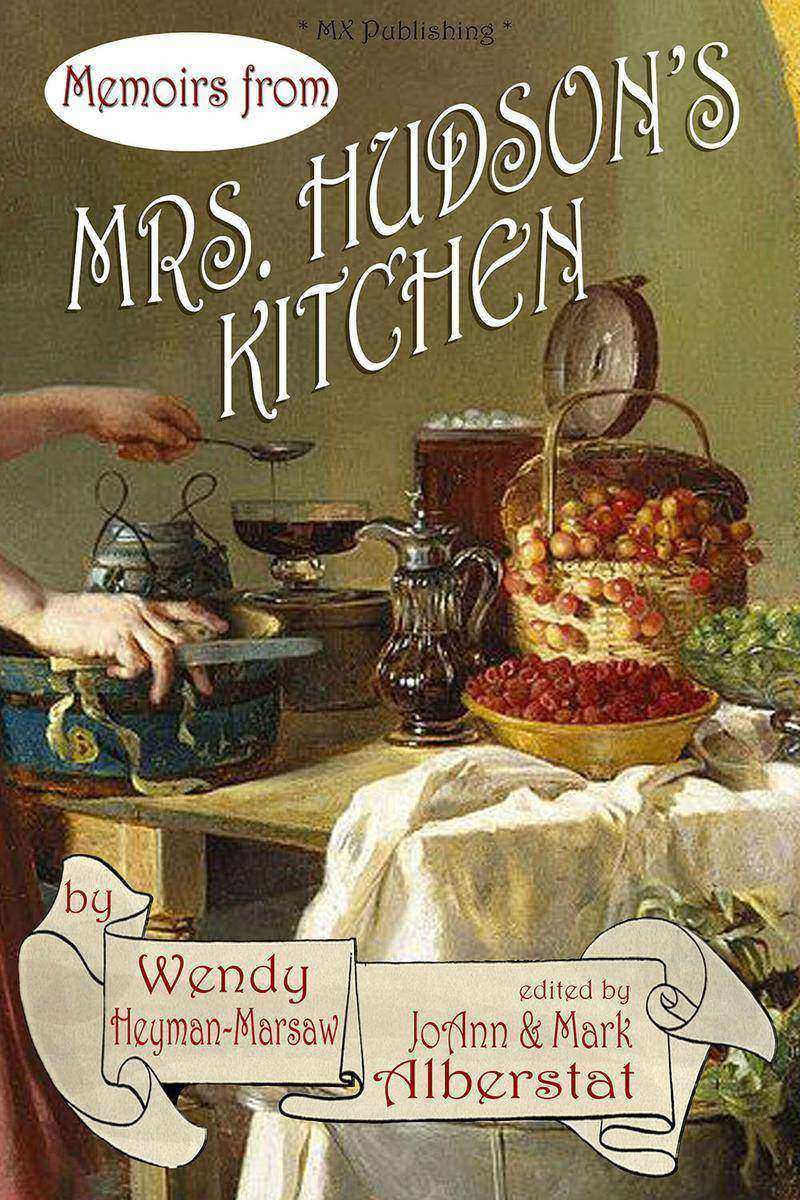
Memoirs from Mrs. Hudson's Kitchen
¥58.76
Mrs. Hudson is possibly the most famous landlady in literature. Presiding over the comings and goings at 221B Baker Street, she saw many clients, villains and Baker Street Irregulars during the tenancy of Sherlock Holmes and Dr. Watson. This series of columns, thoughts, recipes and memoirs are from a long-running column in the Sherlockian journal Canadian Holmes. In it the author, Wendy Heyman-Marsaw, puts herself in Mrs. Hudson's shoes, up and down the 17 steps, and recounts not only the time and era but the food, dining and eating habits of Victorian England. This book explores the meals Mrs. Hudson would have prepared and served her two famous lodgers, what food they would have had while on rail journeys or eaten at hotels around London or inns around England. You will also learn about Mrs. Hudson herself, her husband and even her views towards women's roles and rights in Victorian times. With many illustrations from the Strand Magazine, readers will get a rare peek inside Victorian life.
Before Consciousness
¥147.05
Without consciousness we would not have the experientially flavoured world we have, but without the non-conscious we would not have it at all; for we would not be able to breathe, eat, move, walk, feel, mimic, gesture, laugh, etc., and even see, talk, remember, reason, understand, think, imagine, and make myriad spontaneous decisions as we continuously do in all life situations, from trivial to existential ones. Without consciousness we would not be the kind of creatures we are, but what makes us really unique is our specific non-conscious constellation - a basis from which all mentality germinates and which is irreducible, that is, not representable or in any way simulable.This collection of essays by leading scholars in consciousness aims to show that in order to understand mind as a whole we have to also consider its non-conscious part. Obtaining a more thorough insight into the non-conscious is indispensable for a better understanding of consciousness - the two spheres are to be perceived not as separated but rather as interconnected. The non-conscious is habitually associated with automatized motor behaviour, skills, and habits, but even in their most elementary forms these aspects of mind require a high level of sophistication and cognitive competence. Most complex cognitive tasks, such as perception, memory, decision making, etc. also rely heavily on non-conscious processing, which is not only faster but also proves to be in many respects more fundamental.The investigations included in this volume point to the conclusion that we can behave in a cognitively competent way without recourse to consciousness; that we may act in a reasoned manner even away from awareness; that thinking can be instantiated without engaging the sober conscious reasoner; that our coping in the world is meaningful and fulfilling even when conscious control and volition are dormant. This book aims to integrate the non-conscious as a constitutive dimension of the mind and also to outline how it is indispensable in virtually everything we do.
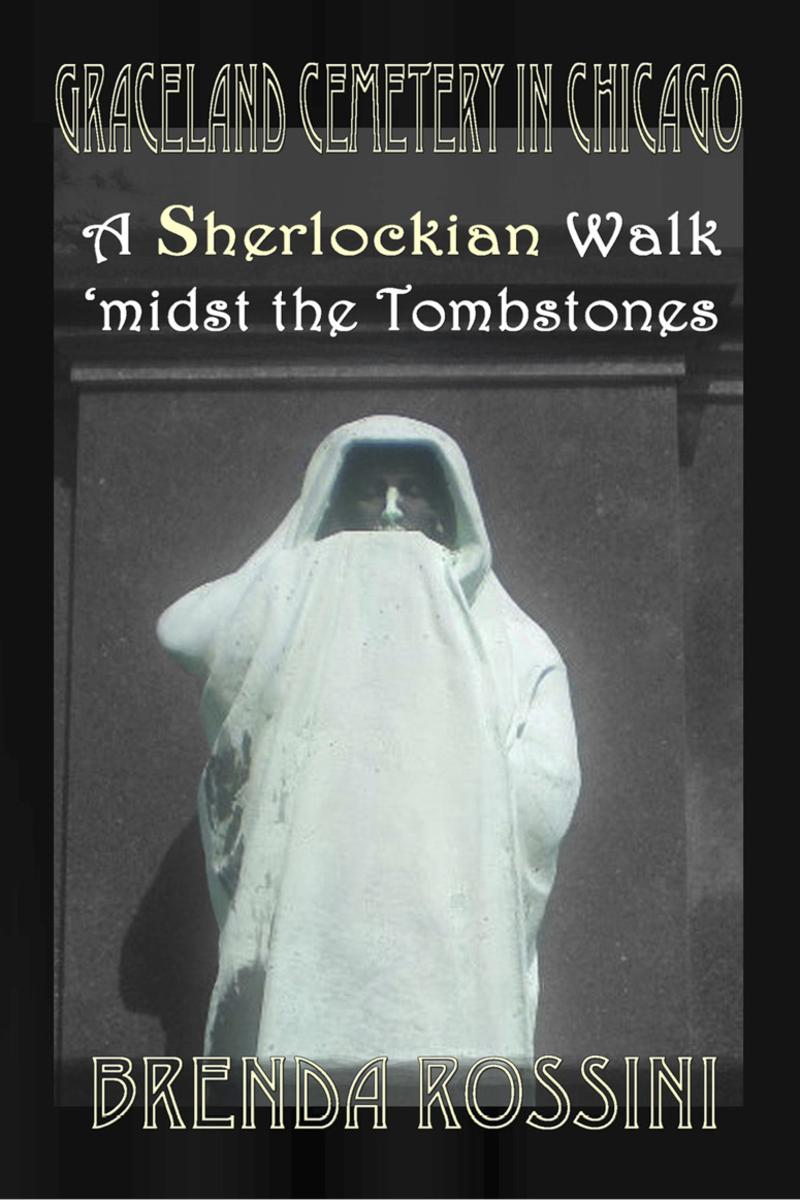
Graceland Cemetery in Chicago
¥44.05
Graceland Cemetery is one of Chicago's most outstanding memorial grounds. It's like a little town with a private lake and mausoleums lining its streets. The funerary architecture is spectacular. Here lie Chicago's deceased: baseball players, boxers, ballerinas, fire victims, detectives, politicians, department store owners and inventors. They passed through nature and on to eternity but not without a pawky connection to Sherlock Holmes.
Knowing, Doing, and Being
¥107.81
Between 1965 and 2002 several key lines of research emerged which, taken together, can potentially revolutionise our understanding of the place of consciousness in the universe. Two of these are crucial: first, the analyses of human mental processes by Barnard, and independently by McGilchrist, revealing two separate elements, one rational and one based on relationships; and, second, research by several workers linking quantum theory to consciousness in much greater detail then hitherto. Both of these investigations use an alternative logical system in order to make sense of the quantum/consciousness area. In this book the author explains the close connections between these new ingredients - connections which until now have barely been noticed. Using these insights the author set out a new foundation for consciousness studies in which consciousness is integrated with physics while retaining its qualitatively different character. Finally the book discusses how this affects our everyday approach to ecology, religion, and spiritual practice.
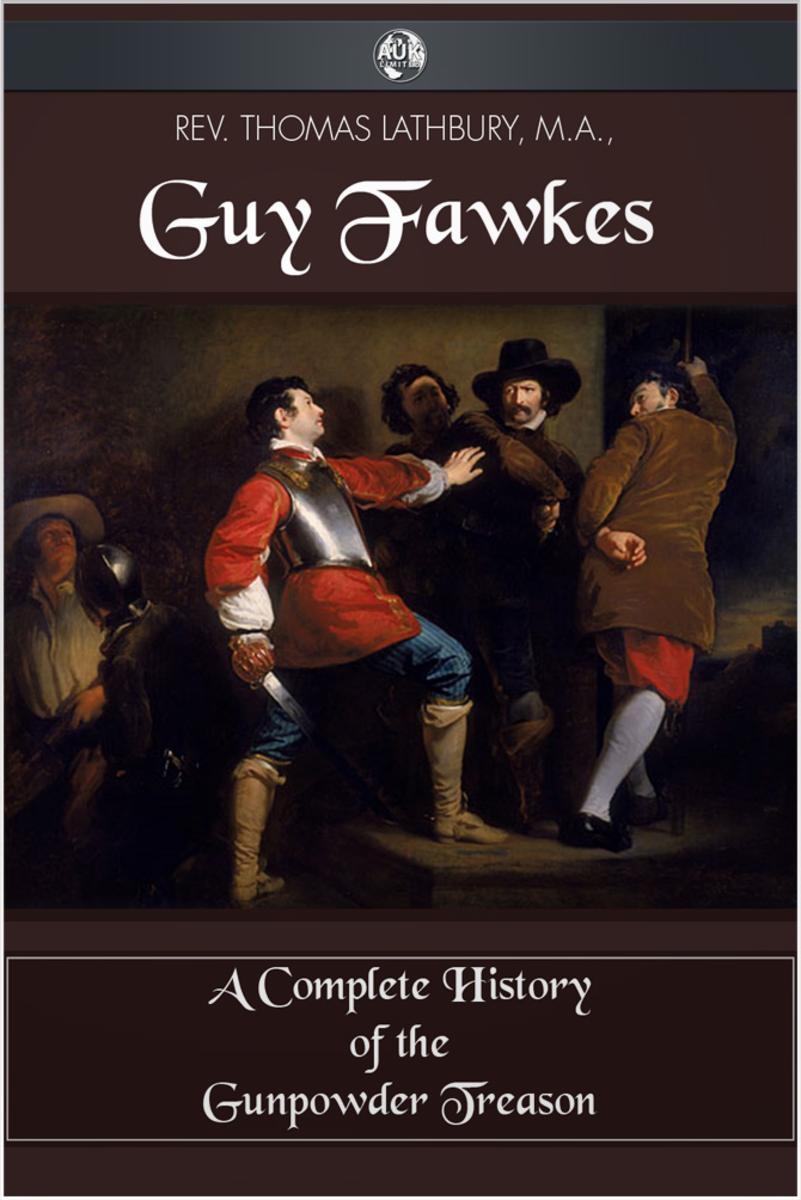
Guy Fawkes
¥44.05
This excellent analysis of the famous 'Gunpowder Plot' by Thomas Lathbury has been specially formatted for today's e-readers. The account details the full history of one of England's most famous historical periods, including information about the characters involved, the political situation at the time and of course what happened to those involved. It is a fantastic account which will appeal both to those interested in history and of course lovers of intrigue and suspense.

Sherlock Holmes and the Battersea Fetishists
¥19.52
In this compelling short story a secret society is hiding some truly murderous rituals. Watson's membership of the organisation enables him and his long-standing partner to identify a killer; a killer who happens to be a well-known politician who has risen to the rank of Sovereign Inspector-General within the arcane society...This Sherlockian gem was first published in 2016 in the third collection of the Final Tales of Sherlock Holmes.
Write Your Self
¥58.76
We live in an age of information, but very little of this is about the individual. Too often we communicate in no more than ready-made cliches. But now more than ever there is a need to know ourselves and to discover more about our own profound resources for imagination and creativity. Write Your Self has been written with this in mind: you will keep a journal, but it is structured and directed, and all the writing leads to more understanding of you. Whether you simply treat this book as a different kind of journal, or whether you use it as a basis for creative writing, the result will be a new access to your own words and to your personal development as an individual.

Lectures in the History of Political Thought
¥132.34
Oakeshott's memorable lectures on the history of political thought, delivered each year at the London School of Economics, will now be available in print for the first time as Volume II of his Selected Writings. Based on manuscripts in the LSE archive for 1966-67, the last year of Oakeshott's tenure as Professor of Political Science, these thirty lectures deal with Greek, Roman, mediaeval, and modern European political thought in a uniquely accessible manner. Scholars familiar with Oakeshott's work will recognize his own ideas subtly blended with an exposition carefully crafted for an undergraduate audience; those discovering Oakeshott for the first time will find an account of the subject that remains illuminating and provocative.
Sherlock Holmes and the Hammersmith Hound
¥19.52
In this compelling short story, the grandson of a university friend provides a crossword puzzle for Holmes, which leads to his meeting the ghost of an old love. But can he solve an important final problem for her? This enjoyable Sherlockian tale was first published in 2015 in the second collection of the Final Tales of Sherlock Holmes.
Adventures in The Wild West, 1878
¥63.67
Here is the first of the "e;lost"e; diaries of Sir Arthur Conan Doyle, written in 1878 while he was a nineteen-year-old student at the University of Edinburgh Medical School. This rollicking story of high adventure begins with Sir Arthur Conan Doyle as the clerk for the legendary Doctor Joseph Bell-who became the real-life inspiration for the world's most famous literary detective, Sherlock Holmes. This diary details how Doyle and Dr. Bell journey to America on a secret forensic mission to solve a string of grisly and mysterious murders. Peopled with Doyle's real-life contemporaries-including JM Barrie and Robert Louis Stevenson, both of whom attended the University of Edinburgh with Doyle, it is an exciting mix of murder, mystery, literary history, and humor sure to please Sherlock Holmes fans everywhere!
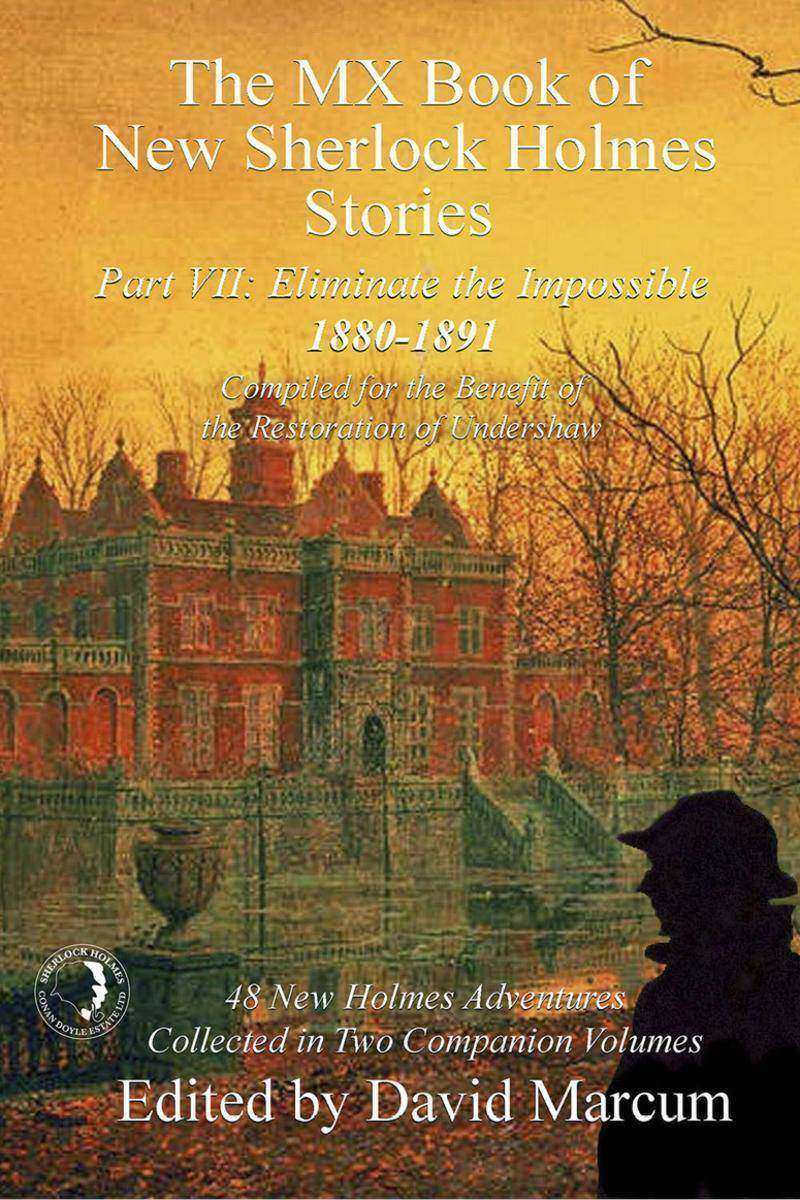
MX Book of New Sherlock Holmes Stories - Part VII
¥132.34
Part VII - Eliminate the Impossible: 1880-1891 features contributions by: Mark Mower, Jan Edwards, Daniel D. Victor, James Lovegrove, Gayle Lange Puhl, Thomas Fortenberry, Mike Hogan, Thomas A. Turley, Adrian Middleton, James Moffett, Hugh Ashton, Geri Schear, S. Subramanian, John Hall, Jayantika Ganguly, S.F. Bennett, Steven Philip Jones, Jim French, John Linwood Grant, Mike Chinn, Robert V. Stapleton, Charles Veley and Anna Elliott, and Shane Simmons, with a poem by Jacquelynn Bost Morris, and forewords by David Marcum, Lee Child, Rand Lee, Michael Cox, and Melissa Farnham.In 2015, The MX Book of New Sherlock Holmes Stories burst upon the scene, featuring adventures set within the correct time period, and written by many of today's leading Sherlockian authors from around the world. Those first three volumes were overwhelmingly received, and there were soon calls for additional collections. Since then, their popularity has only continued to grow, with six volumes already released, and now two more, Eliminate the Impossible, featuring tales of Holmes's encounters with seemingly impossible events - ghosts and hauntings, curses and mythical beasts, and more.In "e;The Sussex Vampire"e;, Holmes tells Watson: "e;This agency stands flat-footed upon the ground, and there it must remain. The world is big enough for us. No ghosts need apply."e; In each of the stories presented in this massive two-volume collection, Holmes approaches the varied problems with one of his favorite maxims firmly in place: "e;... when you have eliminated the impossible whatever remains, however improbable, must be the truth..."e; But what, exactly, is the truth?2017 is the 130th anniversary of the publication of A Study in Scarlet, the first recorded adventure of Sherlock Holmes and Dr. John H. Watson. What an amazing journey it's been! In addition to the pitifully few sixty tales originally presented in The Canon, published between 1887 and 1927, there have been literally thousands of additional Holmes adventures in the form of books, short stories, radio and television episodes, movies, manuscripts, comics, and fan fiction. And yet, for those who are true friends and admirers of the Master Detective of Baker Street, where it is always 1895 (or a few decades on either side of that!) these stories are not enough. Give us more!The forty-eight stories in these two companion volumes represent some of the finest new Holmesian storytelling to be found, and honor the man described by Watson as "e;the best and wisest... whom I have ever known."e;All royalties from this collection are being donated by the writers for the benefit of the preservation of Undershaw, one of the former homes of Sir Arthur Conan Doyle.


