


 购物车
购物车 个人中心
个人中心
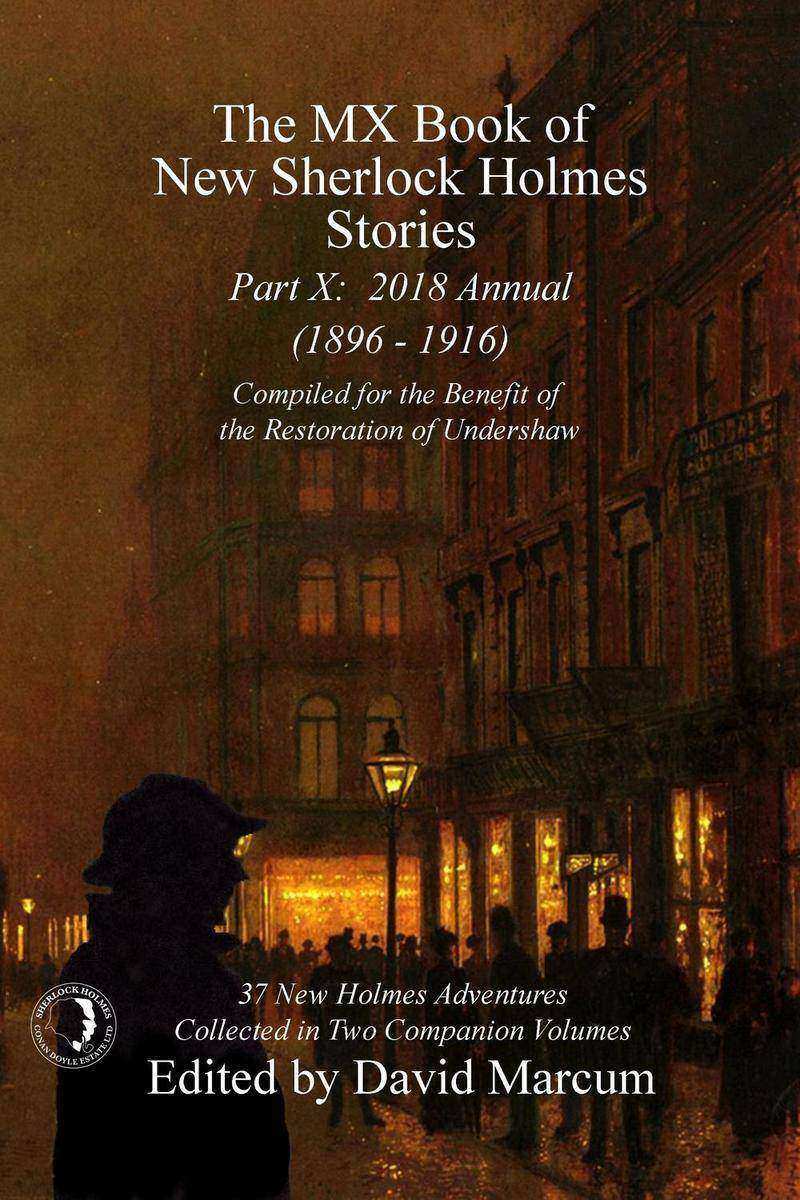
MX Book of New Sherlock Holmes Stories - Part X
¥132.34
Part X: 2018 Annual (1896-1916) features contributions by: Mike Hogan, Kelvin Jones, Jim French, Arthur Hall, Steve Ehrman, Greg Hatcher, Jayantika Ganguly, Paul Freeman, Dick Gillman, Maurice Barkley, Daniel D. Victor, Martin Rosenstock, Peter Coe Verbica, Hugh Ashton, Will Murray, Robert Perret, Thaddeus Tuffentsamer, G.L. Schulze, Tim Symonds, and a poem by Derrick Belanger... and Forewords in both volumes by Nicholas Meyer, Roger Johnson, and David Marcum.Once again, the adventures of Sherlock Holmes and Dr. Watson continue in this acclaimed anthology series, with thirty-seven new tales presented in two companion volumes - more Holmes than could fit into one book!In 2015, The MX Book of New Sherlock Holmes Stories was first published, a huge three-book set featuring over sixty new traditional Holmes exploits, all set within the correct time period. Soon, the demand for even more traditional Holmes adventures led to further volumes. The next year brought Part IV: 2016 Annual, and then Part V: Christmas Adventures. In spring 2017 there was Part VI: 2017 Annual, and that fall revealed the massive two-volume set, Parts VII and VIII: Eliminate the Impossible. Now we present another two simultaneous volumes, Parts IX and X: 2018 Annual (1879-1895) and (1896-1916).There can be no argument that Sherlock Holmes is one of the most famous and recognizable figures in the world. There were only sixty narratives brought to us by the original Literary Agent, Sir Arthur Conan Doyle. Clearly that is not enough. Watson once wrote that he kept his unpublished cases in his old Tin Dispatch Box. Now, with the publication of these latest volumes, that box has again been explored by some of today's best Sherlockian writers, all of whom are donating their royalties from these anthologies toward the restoration of Undershaw, one of Sir Arthur Conan Doyle's houses, and the location where The Hound of the Baskervilles and many later Holmes stories were completed.Climb the seventeen steps to the sitting room at 221b Baker Street. Sherlock Holmes and Doctor Watson are waiting....The game is afoot!
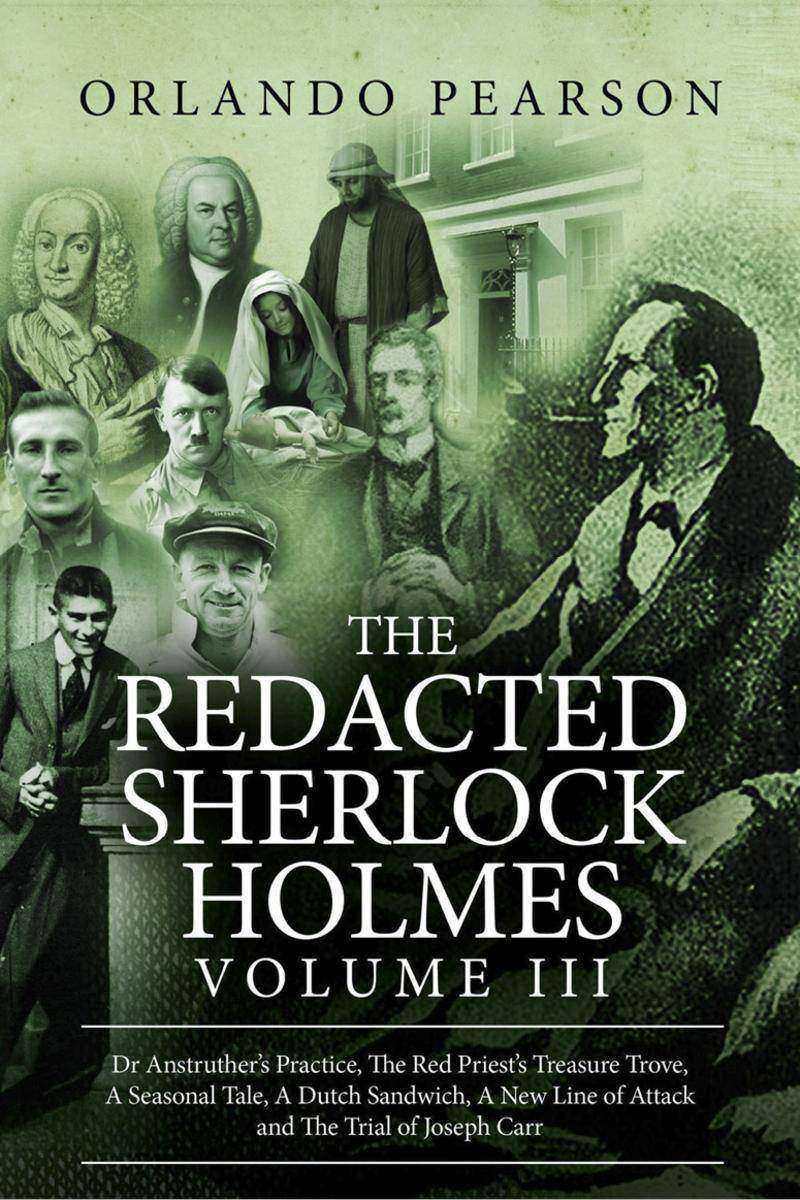
Redacted Sherlock Holmes - Volume 3
¥48.95
VOLUME III of THE REDACTED SHERLOCK HOLMES presents six more scintillating stories from the pen of Orlando Pearson about the great Baker Street detective. Holmes investigates:- Alarming events at the medical practice next door to Dr Watson;- Missing autograph manuscripts in Fascist Italy;- Climate change and a mysterious birth in London in 1894/95;- Tax evasion by the London Softwear Company;- The role of cricket in the rise of Hitler; and - A Kafkaesque plot which foreshadows the banking crash of 2007/08Mr Pearson mixes the Canon with events from history both very recent and from earlier epochs to show-case the talents of the Baker Street sleuth. In this latest volume:- Dr Anstruther's Practice;- The Red Priest's Treasure Trove;- A Seasonal Tale;- A Dutch Sandwich;- A New Line of Attack; and- The Trial of Joseph Carr

Swords for a Dead Lady
¥29.33
Enjoy the quiet life of a middle aged cartographer. Well it was quiet until somebody finds the naked body of a young woman hastily buried in a marsh. The journey to discover her identity and hunt down her killer leads our protagonists across the Land of the Three Seas, through ambush, civil strife and even light opera.

Evidence Withheld
¥39.14
The story tells of a man who, having served seven years of a ten year jail sentence for a crime which he maintains he did not commit, embarks upon a crusade to prove his innocence, only to be faced with a number of facts that appear to prove his guilt. Would he be able to find someone who had faith in him and believe his story ?
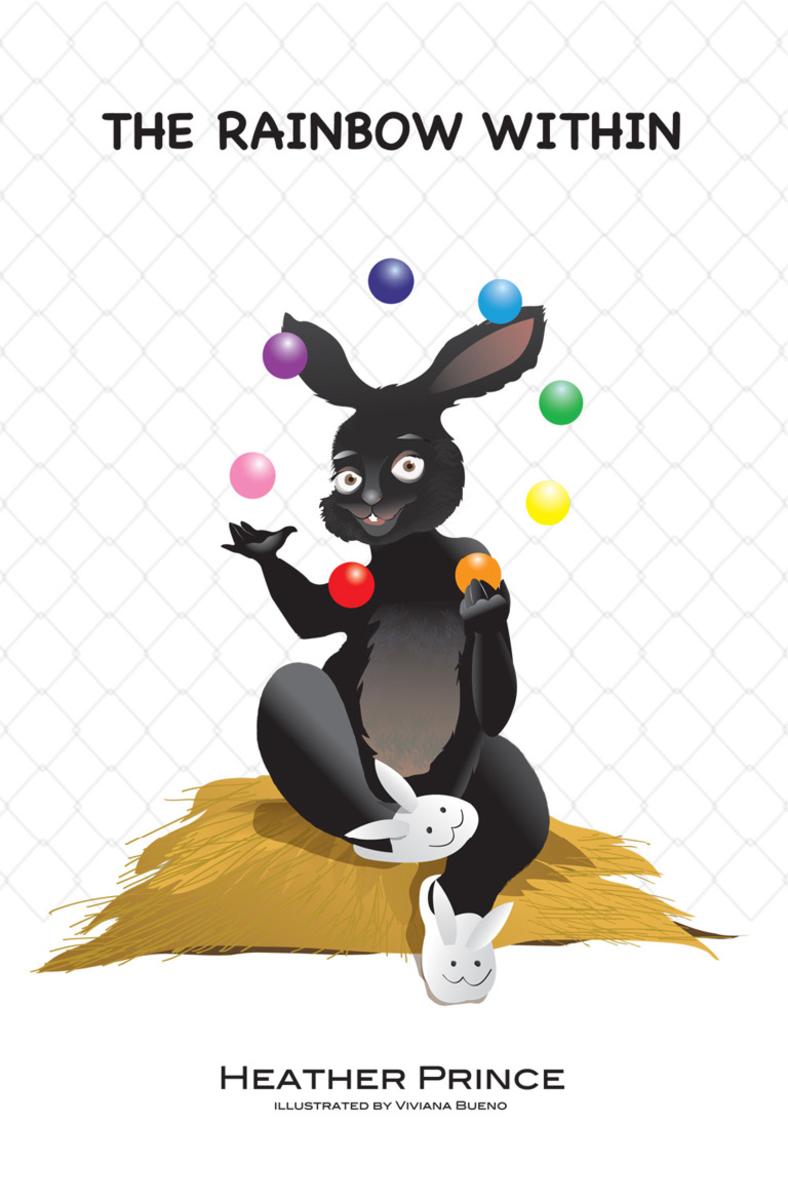
Rainbow Within
¥29.33
A wonderful children's read from author Heather Prince. Most rabbits live happily and contented, rarely having adventures, but not Bumbly Rabbit. She leaps out of her hutch and goes to search for the rainbow within. There are three things that every living being strives for in their lives: Love, Peace and Happiness. The story simply demonstrates that the only way we can experience lasting happiness and peace is by going deep inside to the core of our being - which is in fact - peace. Bumbly's 'enlightenment' is her realisation that all we seek comes from within!

Redacted Sherlock Holmes - Volume 4
¥48.95
Five more sizzlingly scandalous Sherlock Holmes stories from the pen of Orlando Pearson- The Baron of Wimbledon: Holmes averts an injustice and makes a dramatic self-discovery- On Consistent Luck: What an enables an industry to enjoy constant good fortune? Sherlock Holmes shows how- Variations on an Enigma: Holmes unravels one Enigma and analyses another- A Study in Red, White and Blue: A diplomatic coup after a divisive vote on a European Alliance- The Hounding of Peers Baskerville: Is the Hound back on Dartmoor? Holmes and Watson investigateMr Pearson mixes the canon with elite sport, business high jinks, a musical mystery, a literary mystery, Realpolitik and, in The Hounding of Peer Baskerville rolls the most famous of all detective stories on twenty years.A must for traditionalists, lovers of mystery, and anyone who likes a rattling good read.
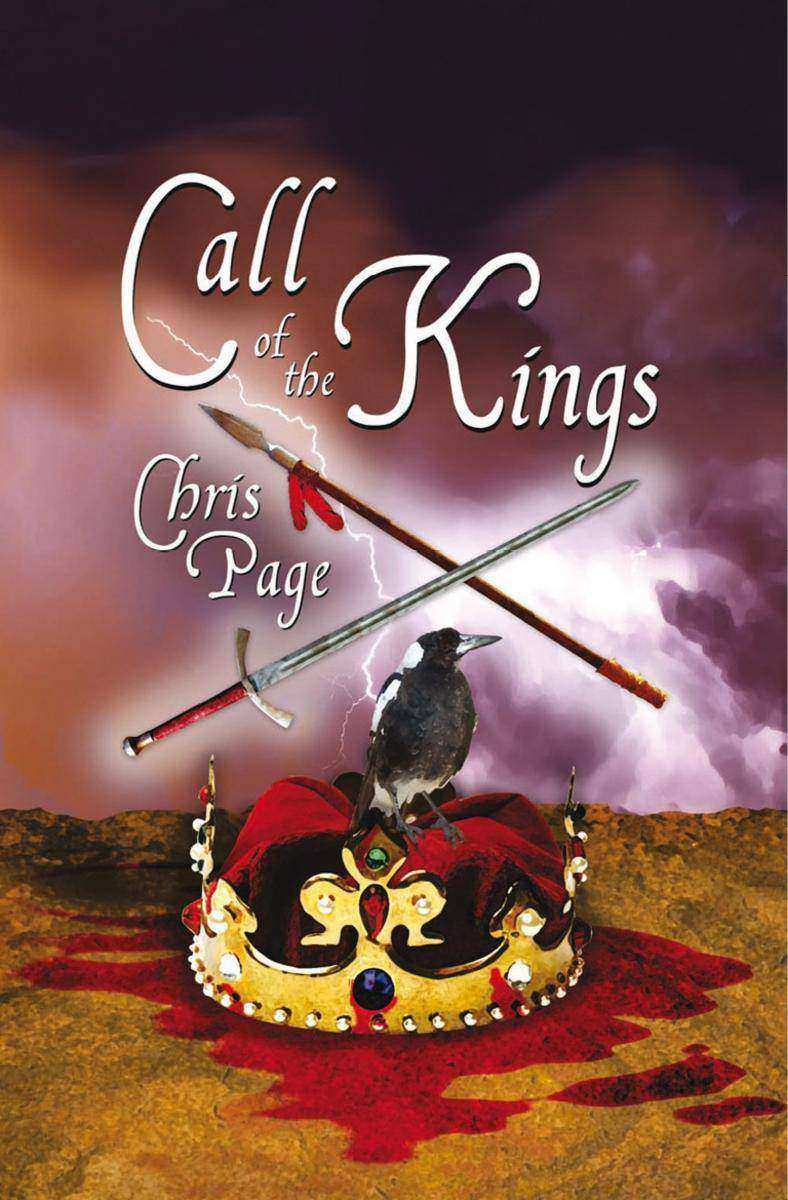
Call of the Kings
¥19.52
The French and English kings are at war, the Viking invaders are still causing mayhem having integrated into the Wessex landscape, and local warlord's battle to gain a foothold on the Celts territory in any way they can. Twilight, the now old veneficus of Wessex, finds his replacement in Tara, a curly red-haired little girl from Ireland with special powers. As he trains Tara in the enchantments amidst the conflict raging around them, they must also maintain the crucial venefical presence at Stonehenge and Avebury. But while the old veneficus and his young novice attempt to deal with weak monarchs, a flesh-eating sorceress and three deviate and particularly evil Francian venefici, the Duke of Normandy invades England at the Battle of Hastings...

Pavillion
¥19.52
Pavilion - Samuel's story sets the opulence and excesses of the former Prince Regent, recently crowned George IV and his summer residence the magnificent Brighton Pavilion against a young architect's assistant Samuel Grey who finds himself working there. Samuel has a heavy social conscience and is appalled at the King's profligacy when the working people of England are hungry and suppressed following the end of the Napoleonic Wars in 1815. After accidentally witnessing the violation of Caroline a young servant girl in the fables tunnels underneath the Pavilion by one of the King's acolytes, Samuel first vows to avenge her, then falls in love with her. But after making a terrible discovery in one of the tunnels their plans for revenge expand even further than either of them had dared to imagine, perhaps even to the toppling of the Monarchy itself. A lot of the characters, the King, Lord Alvanley and John Nash obviously did exist but I have taken some liberties with their manner and propensities!
Brick Monster
¥19.52
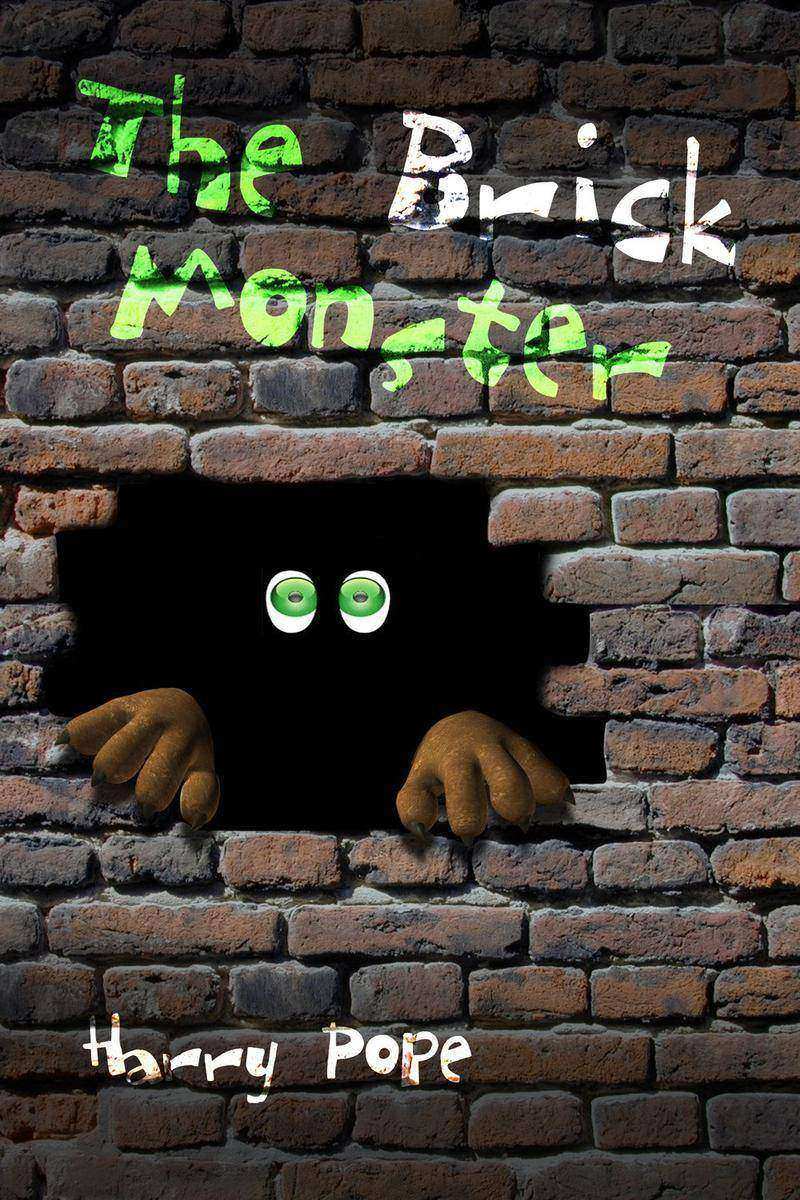
Let your imagination feed on itself as a Brick Monster comes to live under the sidewalk of a seaside resort. He has anti-social eating habits, bad breath, is thrown out by his parents and at the tender age of 58 has to fend for himself. The Brick Monster finds new friends, eats a Mermaid, and then falls in love. Author Harry Pope brings together a range of characters, situations and humour that children and adults will find enjoyable
Sherlock Holmes and The Romanov Conspiracies
¥127.43
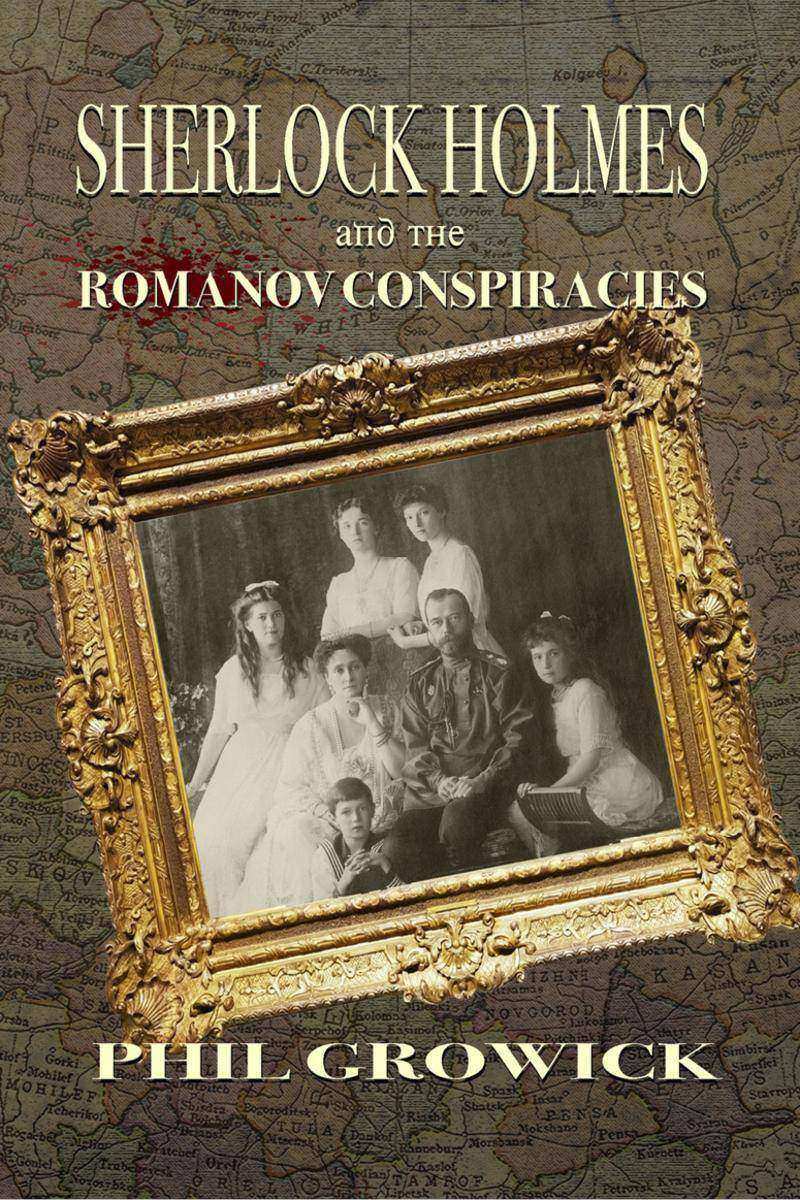
For the first time, a very special edition combining two of the most intricately intertwined Sherlock Holmes adventures.In The Secret Journal of Dr. Watson: it's the height of the Russian Revolution; Holmes and Watson are sent by the British PM, David Lloyd George, deep into the nascent Soviet Union to rescue the Imperial Romanovs before they're assassinated by the Bolsheviks. But with Lenin, the Cheka, MI-6 and "e;The Black Faction"e; at their throats, who can rescue Holmes and Watson? And if they succeed, what will ultimately happen to them all? Can we believe that Holmes meets his death? And with a stunning surprise ending, how many questions will be left unanswered?In The Revenge of Sherlock Holmes, those questions are answered. But how does Prohibition in America, the birth of organized crime there with murderers like Lucky Luciano and Bugsy Siegel, impact Watson, the Romanovs and the man who claims to be Holmes? And once again, all these tension-filled events keep racing towards another incredible surprise ending.

Avatar-Philosophy (and -Religion) or FAITHEISM
¥63.67
Are you prepared, either as an atheist or a religious believer, to have your ideas of God, the self, other people, the body, the soul, spirituality, and faith challenged in an unexpected and original way? Here is a book that moves out from under and away from the received notions of those ponderous topics, whether or not you believe in the divine. The author is a confessed atheist but one who rejects the approach of Richard Dawkins, Christopher Hitchens, Michel Onfray and the rest when they depart from their justifiable criticisms of the historical record of the established creeds and endeavour to rubbish what faith could actually be. The book takes its origin from an exploration of the idea of an avatar; the writing of it was stimulated by seeing the Cameron film, though it subjects that film itself to an assessment of its hidden assumptions. The book finally arrives at specific recommendations for our time, ones to which the argument of the book has been directed throughout.

Farce Forward - Volume 2
¥39.14
An ex-colleague, a school librarian, once told me, much to my surprise, that quite a lot of children came into the library at lunch-time to read plays, but that there were not so many available. I therefore offer this set of 5 plays partially to fill the gap, whether merely for reading or even for performing. They range from the first two fairly simple ones, 'The Vase' and 'Neighbours' to the more complicated such as' Aline's Dream' and 'Mr. Far West'. You may note some familiar themes, which I may deliberately or not have borrowed. Aline is definitely not Dorothy, although 'Little Red Robin Hood' and 'Little Horrors' echo some of the ideas in my straightforward stories in 'Colin the Librarian'. The plays may sometimes seem to have serious ideas, such as loyalty and betrayal, but generally they are tongue-in-cheek and intended as (hopefully) a bit of fun. My own favourites are the rather spare 'Pythonesque', and to my mind, especially 'The Haunted Bedroom' with its spooky ending. However, I humbly offer them for you (once again hopefully) to enjoy.
Riddle of Foxwood Grange
¥58.76
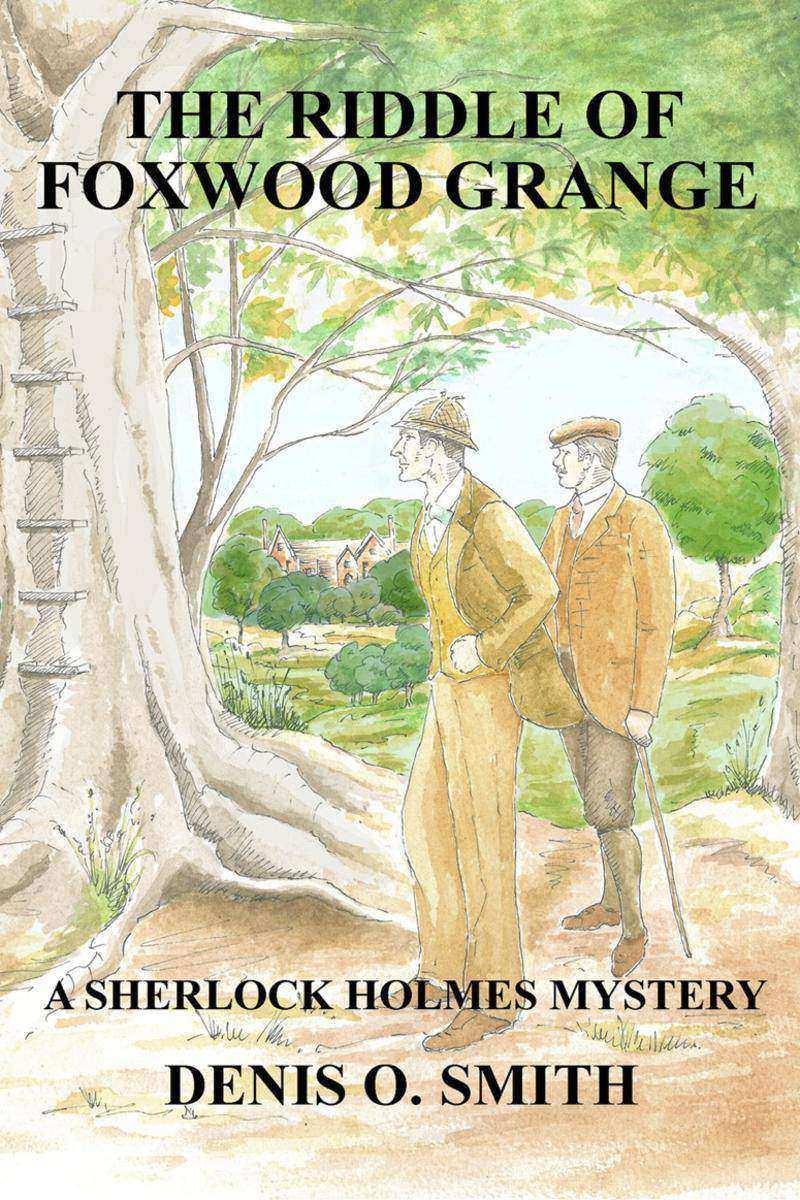
An invitation to take lunch at the Great Western Hotel at Paddington station leads Sherlock Holmes into a baffling mystery. Who is it that is watching every move made by popular journalist, Farringdon Blake, and why? When the trail goes cold in London, Holmes and his friend, Dr Watson, must travel down to Foxwood Grange, Blake's home in rural Oxfordshire, to seek a solution to the mystery there. But Foxwood Grange, a 300-year-old Elizabethan mansion, is a house with a chequered past and holds mysteries of its own.In this superb evocation of both the spirit and the style of Conan Doyle's earlier Sherlock Holmes stories, Denis O. Smith, acclaimed author of numerous Sherlock Holmes short story collections, here presents the great detective on a larger stage, in a gripping mystery which builds remorselessly to a thrilling and dramatic climax.

Knowledge Monopolies
¥63.67
Historians and sociologists chart the consequences of the expansion of knowledge; philosophers of science examine the causes. This book bridges the gap. The focus is on 'academisation' - the paradox whereby, as the general public becomes better educated to live and work with knowledge, the 'academy' increases its intellectual distance from the public, so that the nature of social and natural reality becomes more rather than less obscure.
Return of Tarzan
¥44.05
The second novel in the Tarzan series opens with the aristocratic ape man aboard an ocean liner en route from New York to Europe, on which he has encounters with Russian spies, French counts, and beautiful women. Tarzan had renounced his right to the woman he loved, and civilization held no pleasure for him. After a brief and harrowing period among men, he turned back to the African jungle where he had grown to manhood. It was there he first heard of Opar, the city of gold, left over from fabled Atlantis, but with altars stained with the blood of many sacrifices. Unheeding of the dangers, Tarzan led a band of savage warriors toward the ancient crypts and the more ancient evil of Opar...
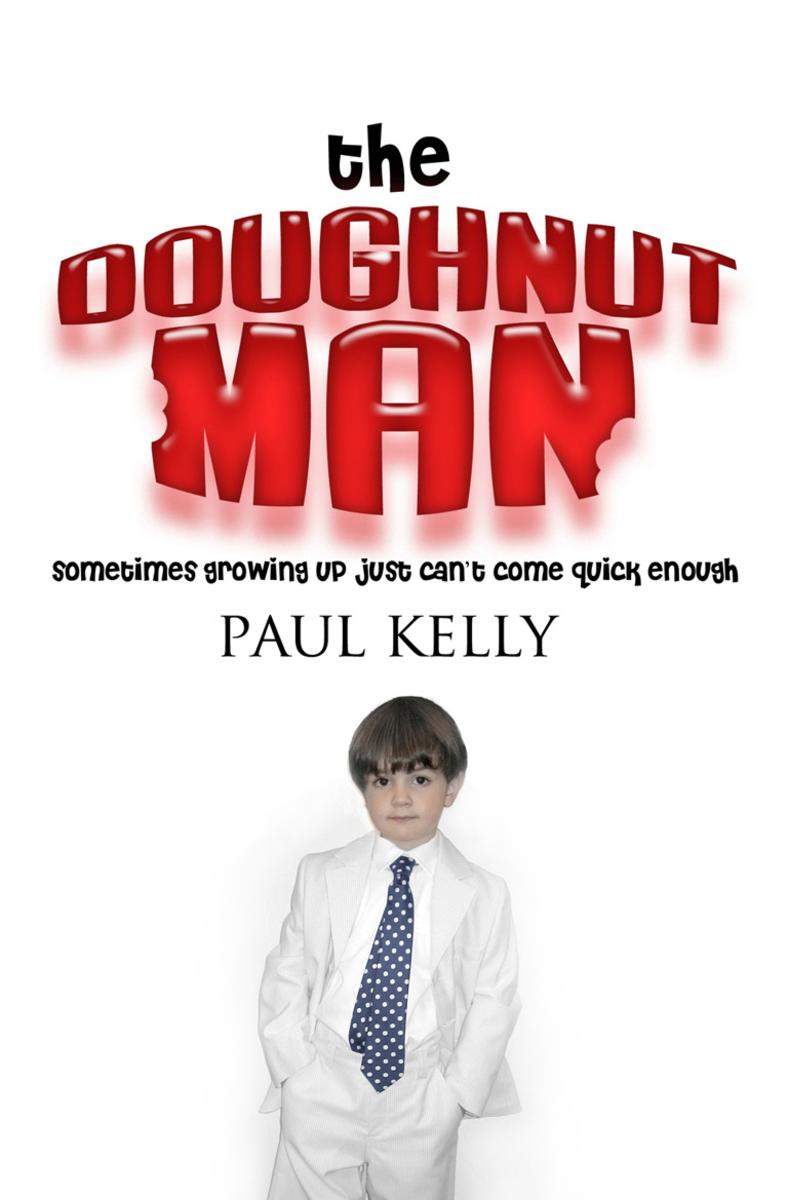
Doughnut Man
¥58.76
A surreal story for children. Joe Osborne was an orphan. He waseleven years of age and could not wait to grow up quickly enough. Hewanted to be a man, not tomorrow or the day after. He wanted to be aman, NOW and his wish was granted when he met BERTIE, who solddoughnuts outside the football ground where Joe wanted to watch thematch, but a bad storm broke out that day and the doughnut stall was adisaster. Joe helped the old man to resurrect his stall under shelter,only to discover that he was seven-hundred and forty-two years old ...(well, give or take a decade or two . . but nobody was counting. . .)Bertie was able to tell Joe how life was in the reigns of older kingsand queens of the past and relates interesting tales of those pasttimes. He also knew how to become invisible at times, as nobody wouldexpect anyone to live to that ripe old age unless he could get awayfrom himself sometimes. Would they?Joe longed to live like a man and Bertie just wanted to die as one...and couldn't. But there was a secret that would release the oldman from his toil worn life ... and another secret that would grantJoe the wish he wanted..
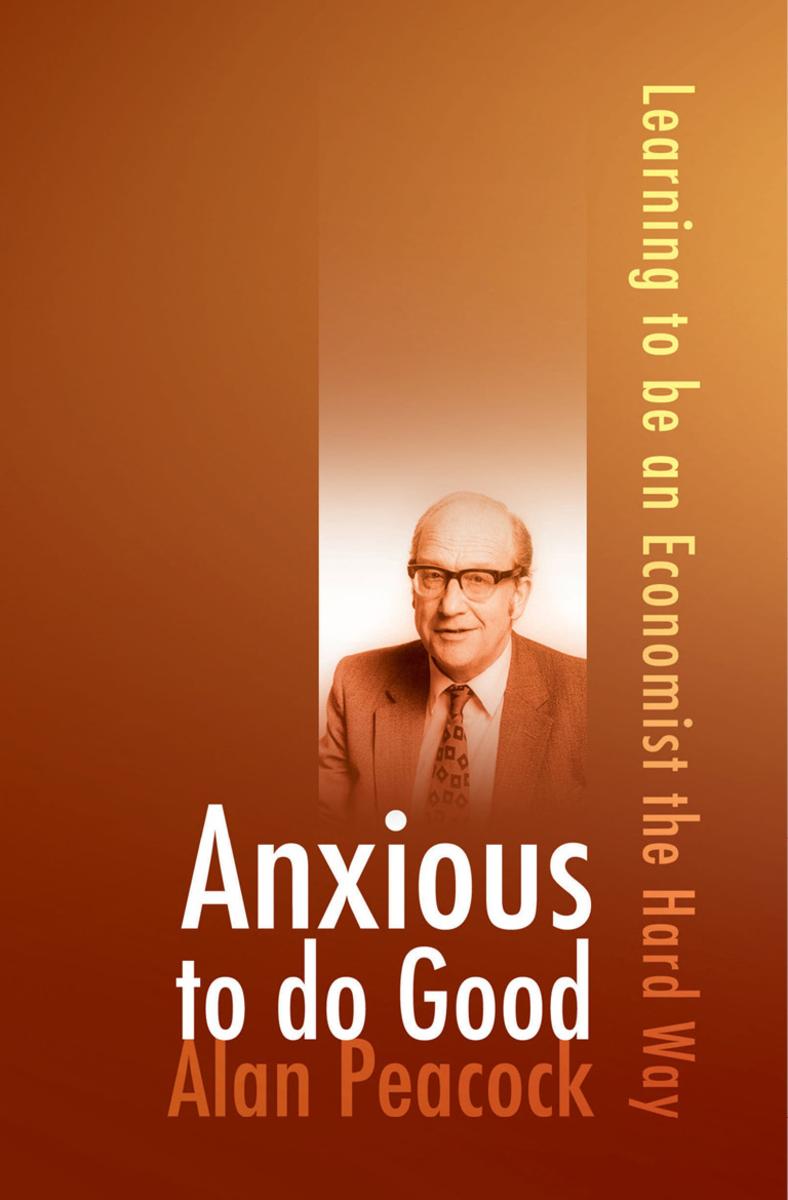
Anxious to do Good
¥107.81
After nearly three and a half -- rather too exciting -- years as a young war-time sailor, Alan Peacock expected to return to a life of quiet contemplation. Instead he became an activist economist frequently engaged in controversies about the conduct of economic policy lasting all his professional life. His earlier experiences at trying to 'do good' will resonate with all those who have attempted to influence political action, but the account is also designed to inform and entertain those who are curious to know whether economists are actually human.The author has lived long enough to have become a Fellow of both the British Academy and Royal Society of Edinburgh and was knighted for public service in 1987.

Relativism and the Foundations of Liberalism
¥220.63
Moral relativism is often regarded as both fatally flawed and incompatible with liberalism. This book aims to show why such criticism is misconceived. First, it argues that relativism provides a plausible account of moral justification. Drawing on the contemporary relativist and universalist analyses of thinkers such as Harman, Nagel and Habermas, it develops an alternative account of 'coherence relativism'. Turning to liberalism, the book argues that moral relativism is not only consistent with the claims of contemporary liberalism, but underpins those claims. The political liberalism of Rawls and Barry is founded on an unacknowledged commitment to a relativist account of justification. In combining these two elements, the book offers a new understanding of relativism, and demonstrates its relevance for contemporary liberal thought.

Peaceful Night Poisonings
¥58.76
Lestrade felt his heart fall through his rib-slats and hit the floor. "e;Bradstreet, please tell me you did not bring Mr. Holmes in while I was stark staring mad."e; "e;What do you take me for? He came himself. Needed a clip of your hair."e; "e;What in God's Teeth did he want with a clip of my hair?"e; Lestrade shouted. All things considered, he was proud of himself for not screaming. Without intending it, he reached up to seek out that offending spot in the back. With horrible clarity he now knew the cause of his earlier hair-dressing dilemma.
Son of Tarzan
¥44.05
In this sequel to The Beasts of Tarzan, the Lord of the Apes' old nemesis (Alexis Paulvitch) lures Tarzan's son, Jack, to Africa, where he plans to kill him. His plan is foiled when Jack escapes with the help of Akut, the great ape. The pair flee to the jungle where Tarzan was raised a generation earlier, and Jack establishes his own reputation among the apes as Korak the Killer. He also rescues Meriem, a beautiful young woman, from a band of Arab raiders. She turns out to be the daughter of Armand Jacot, the Prince de Cadrenet, and is therefore a fitting mate for the son of Lord Greystoke.

Last Prime Minister
¥63.67
Echoing Mahatma Gandhi's comment on Western civilization, Graham Allen thinks the British constitution would be a very good idea-a clear constitution providing real power to the British people and their elected representatives. In The Last Prime Minister he showed the British people how they had acquired an executive presidency by stealth. It was the first-ever attempt to codify the Prime Minister's powers, many hidden in the mysteries of the royal prerogative. This timely new edition takes in new issues, including Parliament's constitutional impotence over Iraq.


