


 购物车
购物车 个人中心
个人中心
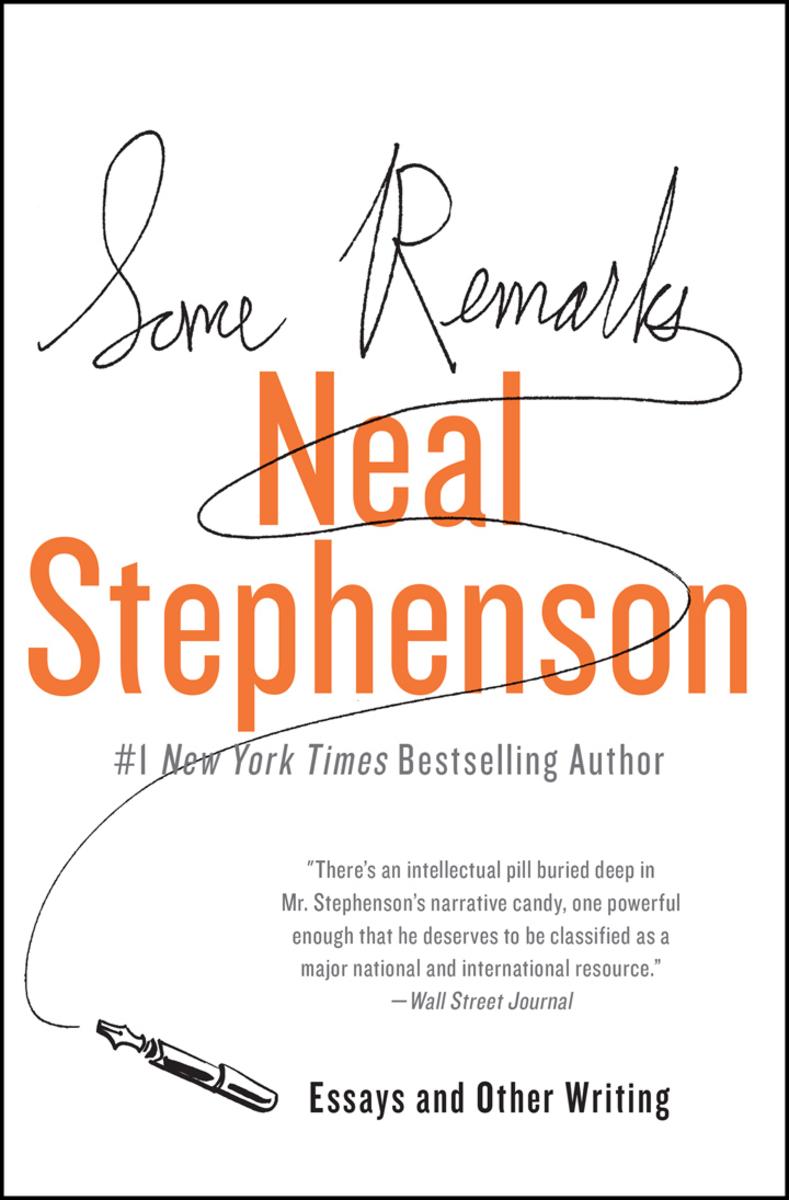
Some Remarks
¥88.56
One of the most talented and creative authors working today, Neal Stephenson is renowned for his exceptional novels—works colossal in vision and mind-boggling in complexity. Exploring and blending a diversity of topics, including technology, economics, history, science, pop culture, and philosophy, his books are the products of a keen and adventurous intellect. Not surprisingly, Stephenson is regularly asked to contribute articles, lectures, and essays to numerous outlets, from major newspapers and cutting-edge magazines to college symposia. This remarkable collection brings together previously published short writings, both fiction and nonfiction, as well as a new essay (and an extremely short story) created specifically for this volume.Stephenson ponders a wealth of subjects, from movies and politics to David Foster Wallace and the Midwestern American College Town; video games to classics-based sci-fi; how geekdom has become cool and how science fiction has become mainstream (whether people admit it or not); the future of publishing and the origins of his novels. Playful and provocative, Some Remarks displays Stephenson's opinions and ideas on:The Internet, our dwindling national attention span, and the cultural importance of books and bookishnessWaco, religion, and the cluelessness of secular societyMetaphysics and the battle between Isaac Newton and Gottfried Wilhelm Leibniz The laying of the longest wire on Earth—and why it matters to youTechnology, freedom, commerce, and the Chinese How Star Wars and 300 mirror who we are today and what that spells for our futureModern Jedi knights, a.k.a. scientists and technologists, and why they are admired and feared by both the left and the rightBy turns amusing and profound, critical and celebratory, yet always entertaining, Some Remarks offers a fascinating look into the prismatic mind of this extraordinary writer.

Tell My Horse
¥88.56
As a first-hand account of the weird mysteries and horrors of voodoo, Tell My Horse is an invaluable resource and fascinating guide. Based on Zora Neale Hurston's personal experiences in Haiti and Jamaica, where she participated as an initiate rather than just an observer of voodoo practices during her visits in the 1930s, this travelogue into a dark world paints a vividly authentic picture of ceremonies and customs and superstitions of great cultural interest.
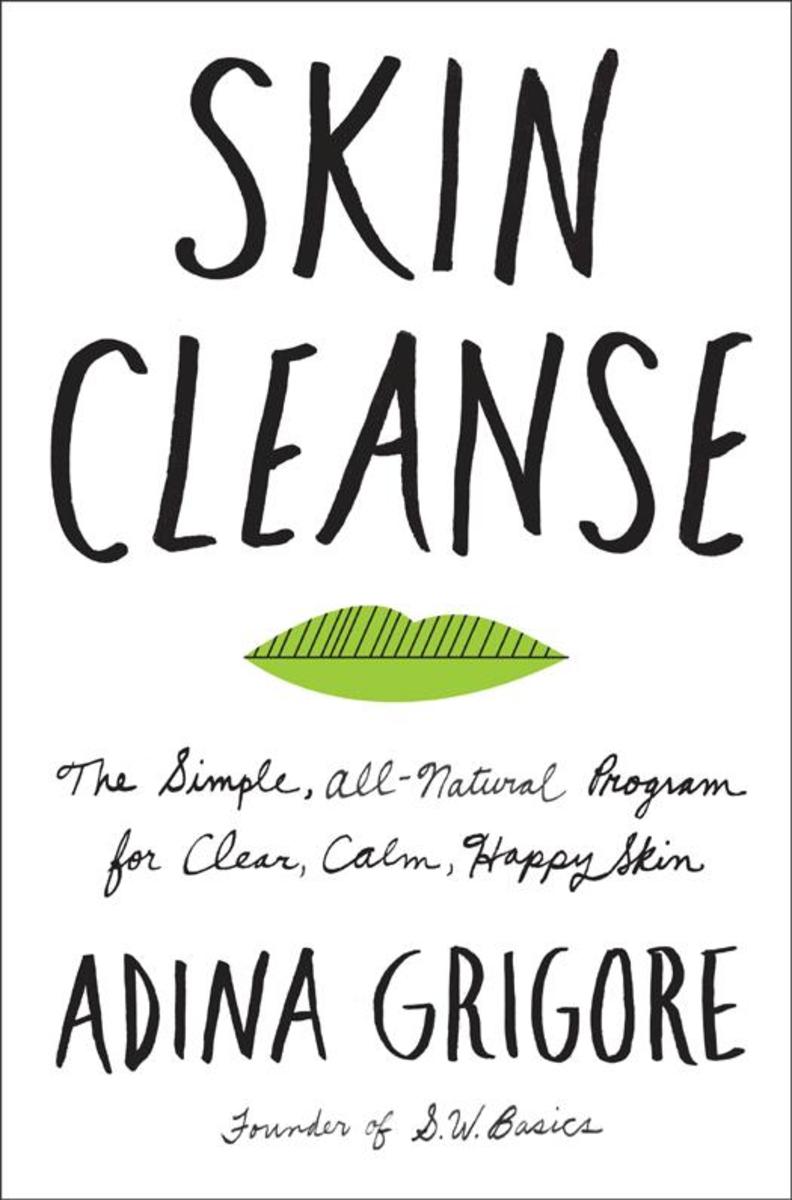
Skin Cleanse
¥88.56
Breakouts. Dryness. Redness. Oiliness. If you're like most women, you've been on a never-ending quest for perfect skin—or even just good skin—since adolescence. It's a frustrating pursuit to say the least, filled with one disappointing (and expensive) miracle solution after another. Why is it so hard to get good skin?Adina Grigore, founder of the organic skincare line S.W. Basics, would argue that getting clear, calm, happy skin is about much more than products and peels. Or, rather, it's about much less. In Skin Cleanse, she guides readers through a holistic program designed to heal skin from the inside out. We tend to think of our skin as a separate entity from the rest our bodies when in fact it is our largest organ. The state of our skin is a direct reflection of what our bodies look like on the inside. So Adina's program begins as any healthy regime should: with the basics for full-body health. That means eating plenty of fresh, whole foods; drinking more water; getting blood pumping and oxygen flowing to your cells through movement; and giving your skin a chance to repair and regenerate by resting.From there, readers are challenged to a skin cleanse that requires going product-free for twenty-four hours. Once detoxed, Adina then shows us how to overhaul our beauty routine, how to carefully add some products back in, and even how to make our own products at home, with advice and targeted solutions for specific skin conditions such as acne, dry skin, oily skin, and more.The secret to beautiful, stress-free skin is simple: it's an inside job.

Diamond Head
¥88.56
A sweeping debut, crossing from China to Hawaii, that follows three generations of a wealthy dynasty whose rise and decline is riddled with secrets and tragic love—from a young, powerful new voice in fictionFrank Leong, a prominent shipping industrialist and head of the celebrated Leong family, brings his loved ones from China to Hawaii at the turn of the twentieth century, abandoning his interests at the port of Tsingtao when the Japanese invade. But something ancient follows the Leongs to the islands, haunting them—the parable of the red string of fate. According to Chinese legend, the red string binds one to her intended beloved, but also punishes for mistakes in love, twisting any misstep into a destructive knot that passes down through generations.When Frank Leong is murdered on Oahu, his family is thrown into a perilous downward spiral. Left to rebuild in their patriarch's shadow, the surviving Leongs attempt a new, ordinary life, vowing to bury their gilded past. Still, the island continues to whisper—fragmented pieces of truth and chatter—until a letter arrives two decades later, carrying a confession that shatters the family even further.Now the Leongs' survival rests with young Theresa, Frank's only grandchild. Eighteen and pregnant, Theresa holds the answers to her family's mysteries and is left to carry the burden of their mistakes. On the day of her father's funeral, as the Leongs gather to mourn the loss of their firstborn son, Theresa must decide what stories to tell, with whom to side, and which knots will endure for another generation.Told through the eyes of the Leongs' secret-keeping daughters and wives—and spanning the Boxer Rebellion, Pearl Harbor, and 1960s Hawaii—Diamond Head is an exploration of whether there's such a thing as a legacy of the heart. Passionate and devastating, it is a story filled with love, lies, loss, and—most astounding of all—hope.
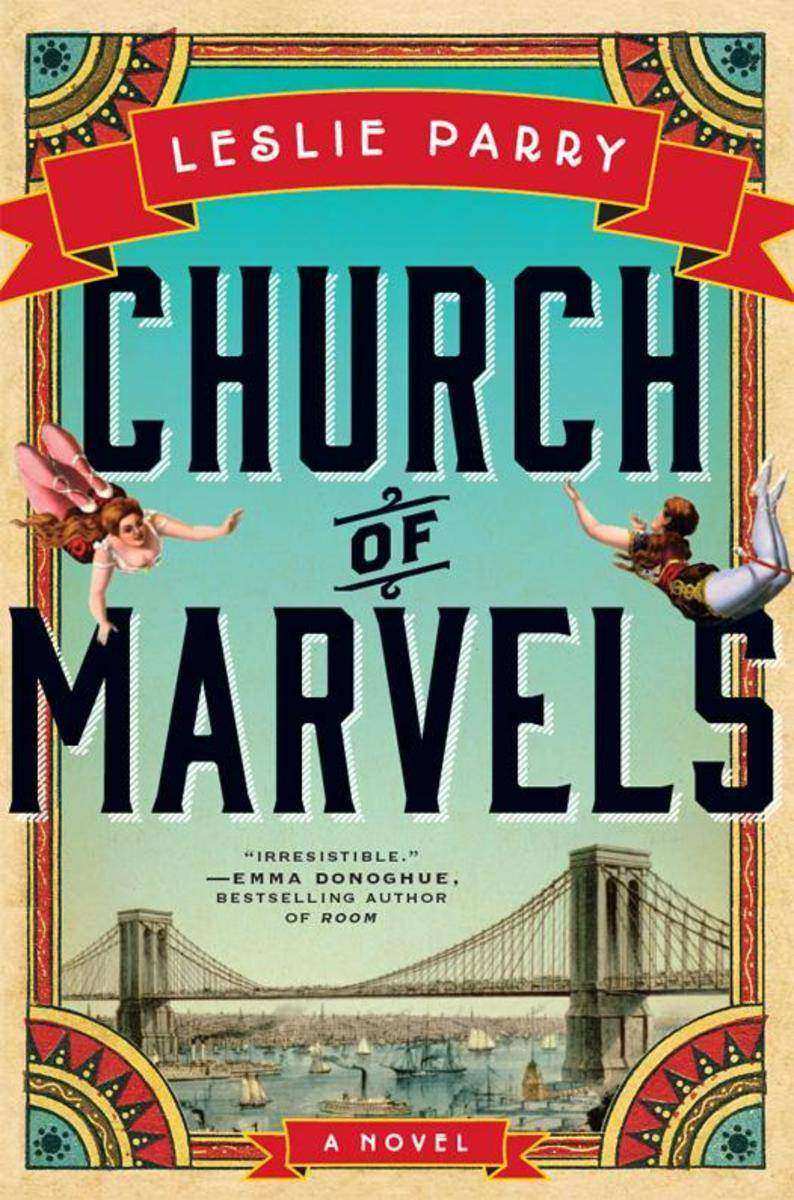
Church of Marvels
¥88.56
A ravishing first novel set in vibrant, tumultuous turn-of-the-century New York City, where the lives of four outsiders become entwined, bringing irrevocable change to them allNew york, 1895. Sylvan Threadgill, a night-soiler cleaning out the privies behind the tenement houses, finds an abandoned newborn baby in the muck. An orphan himself, Sylvan rescues the child, determined to find where she belongs.Odile Church and her beautiful sister, Belle, were raised amid the applause and magical pageantry of the Church of Marvels, their mother's spectacular Coney Island sideshow. But the Church has burnt to the ground, their mother dead in its ashes. Now Belle, the family's star, has vanished into the bowels of Manhattan, leaving Odile alone and desperate to find her.A young woman named Alphie awakens to find herself trapped across the river in Blackwell's Lunatic Asylum–sure that her imprisonment is a ruse by her husband's vile, overbearing mother. On the ward she meets another young woman of ethereal beauty who does not speak, a girl with an extraordinary talent that might save them both.As these strangers' lives become increasingly connected, their stories and secrets unfold. Moving from the Coney Island seashore to the tenement-studded streets of the Lower East Side, a spectacular human circus to a brutal, terrifying asylum, Church of Marvels takes readers back to turn-of-the-century New York–a city of hardship and dreams, love and loneliness, hope and danger. In magnetic, luminous prose, Leslie Parry offers a richly atmospheric vision of the past in a narrative of astonishing beauty, full of wondrous enchantments, a marvelous debut that will leave readers breathless.
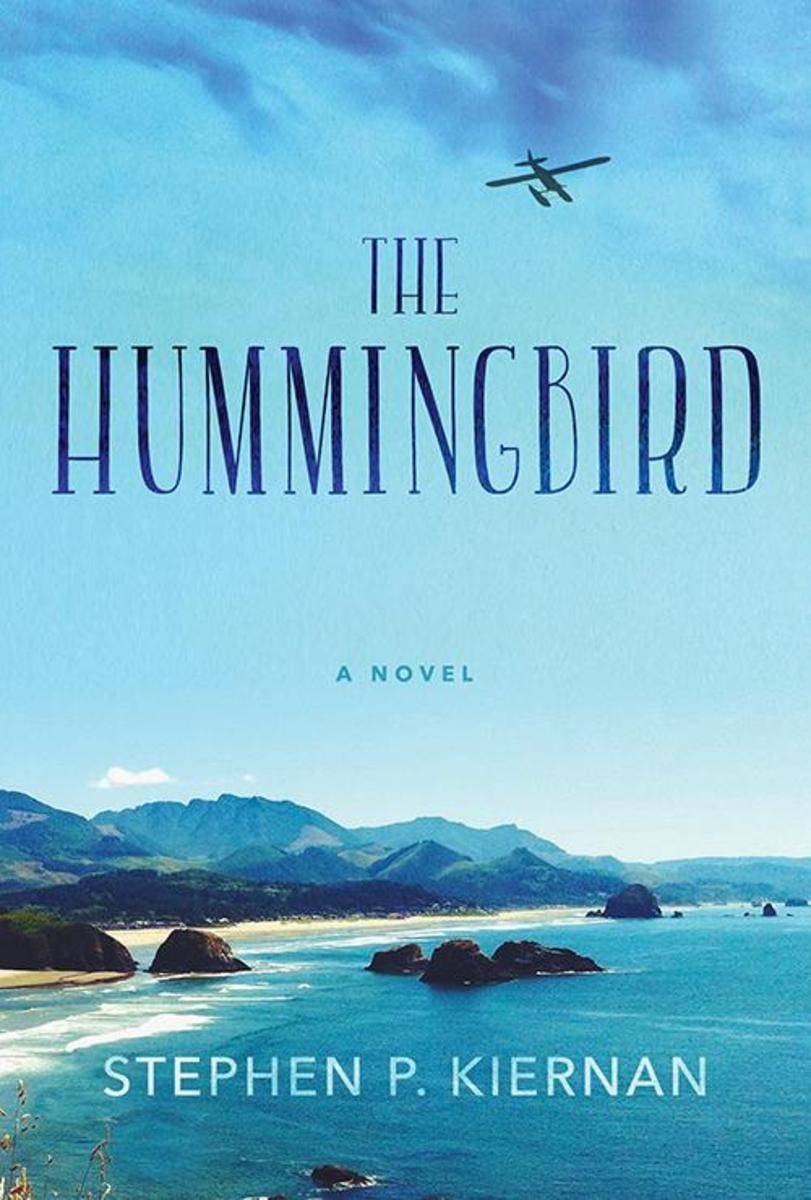
The Hummingbird
¥88.56
Deborah Birch is a seasoned hospice nurse who never gives up—not with her patients, not in her life. But her skills and experience are fully tested by the condition her husband, Michael, is in when he returns from his third deployment to Iraq. Tormented by nightmares, anxiety, and rage, Michael has become cold and withdrawn. Still grateful that he is home at last, Deborah is determined to heal him and restore their loving, passionate marriage.But Michael is not her only challenge. Deborah's primary patient is Barclay Reed, a retired history professor and fierce curmudgeon. An expert on the Pacific Theater of World War II, Barclay is suffering from terminal kidney cancer and haunted by ghosts from his past, including the academic scandal that ended his career.Barclay's last wish is for Deborah to read to him from his final and unfinished book—a little-known story from World War II that may hold the key to helping Michael conquer his demons. Together, nurse, patient, and soldier embark on an unforgettable emotional journey that transforms them all, offering astonishing insights into life and death, suffering and finding peace.Told with piercing empathy and heartbreaking realism, The Hummingbird is a masterful story of marital commitment, service to country, the battles we fight for those we love, learning to let go, and finding absolution through wisdom and acceptance.

When the Moon Is Low
¥88.56
By turns astonishing, frightening, and triumphant, When the Moon Is Low chronicles one brave Afghan woman's odyssey to save her familyIn Kabul, we meet Fereiba, a schoolteacher who puts her troubled childhood behind her when she finds love in an arranged marriage. But Fereiba's comfortable life implodes when the Taliban rises to power and her family becomes a target of the new fundamentalist regime. Forced to flee with her three children, Fereiba has one hope for survival: to seek refuge with her sister's family in London.Traveling with forged papers and depending on the kindness of strangers, Fereiba and the children make a dangerous crossing into Iran under cover of darkness, the start of a harrowing journey that reduces her from a respected wife and mother to a desperate refugee.Eventually they fall into the shadowy underground network of the undocumented who haunt the streets of Europe's cities. And then, in a busy market square in Athens, their fate takes a frightening turn when Fereiba's teenage son, Saleem, becomes separated from the rest of the family. Without his mother, Saleem is forced, abruptly and unforgivingly, to come of age in a world of human trafficking and squalid refugee camps.Heartbroken, Fereiba has no choice but to continue on with only her daughter and baby. Mother and son cross border after perilous border, risking their lives in the hope of finding a place where they can be reunited.
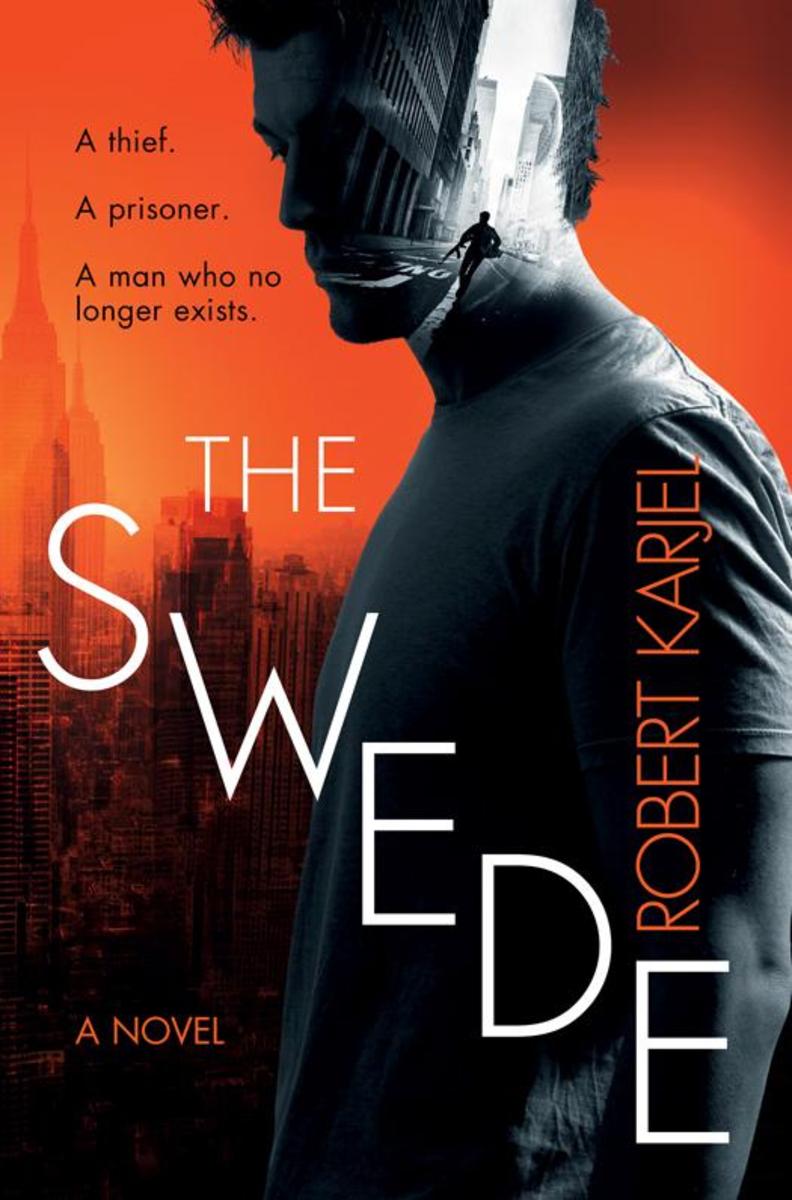
The Swede
¥88.56
A Swedish security agent is summoned to interrogate a terror suspect held by the FBI in this sophisticated, fast-paced thriller—but the prisoner isn't the only one with something to hide.At a remote military base in the Indian Ocean, the FBI is trying to get a prisoner to confess. But the detainee, a suspect in an Islamist-inspired terror attack in the United States, refuses to talk.Ernst Grip, a Swedish security officer, has no idea why he's been dispatched to New York City. The FBI agent he meets on arrival, Shauna Friedman, seems to know a little too much about him. And when he arrives at his real destination, the American authorities have just one question: Is their terror suspect a Swedish citizen?In the process of uncovering the prisoner's true identity, Grip discovers the man's ties to a group of other suspects—a ruthless American arms dealer, a Czech hit man, a mysterious nurse from Kansas, and a heartbreakingly naive Pakistani. The closer Grip gets to the truth, the more complicated the deception becomes. Who is real and who is leading a double life?The Swede is a riveting, intense novel about the compromises that people—and nations—make in the name of security and survival. Within this world built on secrets, Grip and Friedman have to learn to trust each other if they hope to stay alive.
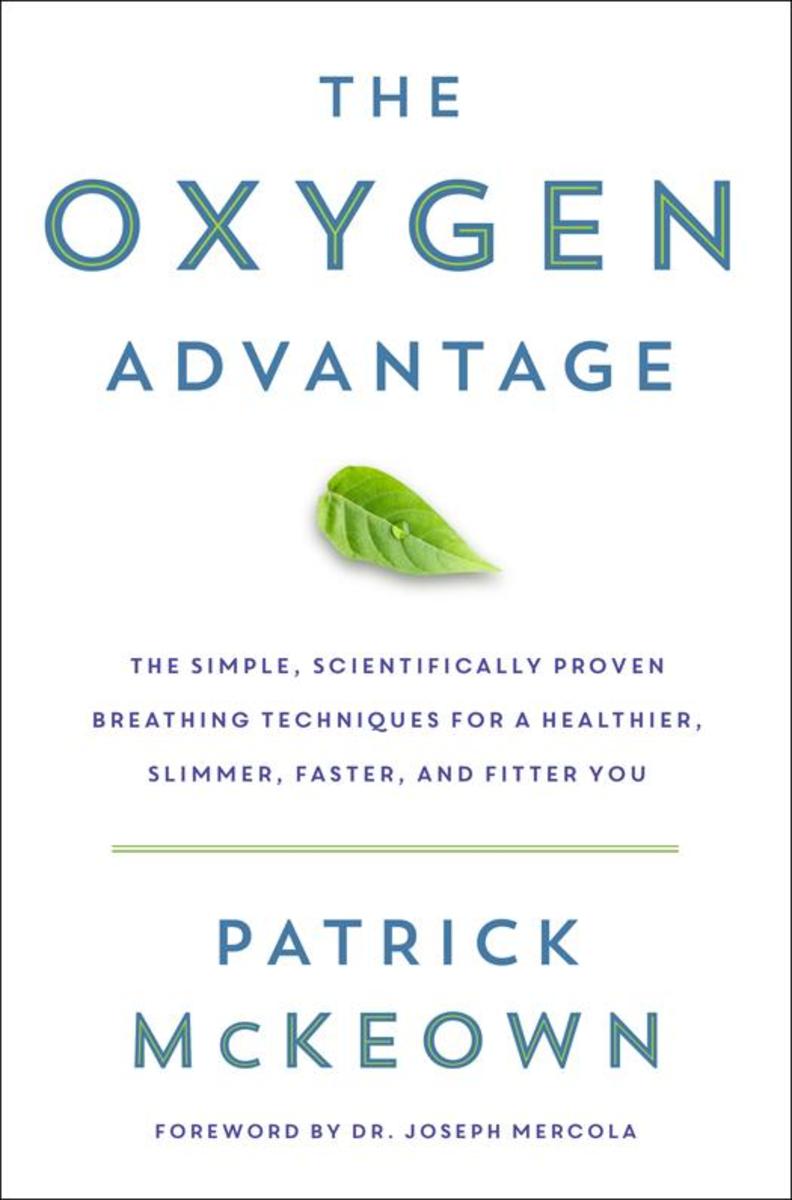
The Oxygen Advantage
¥88.56
A simple yet revolutionary approach to improving your body’s oxygen use, increasing your health, weight loss, and sports performance—whether you’re a recovering couch potato or an Ironman triathlon champion. With a foreword by New York Times bestselling author Dr. Joseph Mercola.Achieve more with less effort: The secret to weight loss, fitness, and wellness lies in the most basic and most overlooked function of your body—how you breathe. One of the biggest obstacles to better health and fitness is a rarely identified problem: chronic over-breathing. We often take many more breaths than we need—without realizing it—contributing to poor health and fitness, including a host of disorders, from anxiety and asthma to insomnia and heart problems.In The Oxygen Advantage, the man who has trained over 5,000 people—including Olympic and professional athletes—in reduced breathing exercises now shares his scientifically validated techniques to help you breathe more efficiently. Patrick McKeown teaches you the fundamental relationship between oxygen and the body, then gets you started with a Body Oxygen Level Test (BOLT) to determine how efficiently your body uses oxygen. He then shows you how to increase your BOLT score by using light breathing exercises and learning how to simulate high altitude training, a technique used by Navy SEALs and professional athletes to help increase endurance, weight loss, and vital red blood cells to dramatically improve cardio-fitness.Following his program, even the most out-of-shape person (including those with chronic respiratory conditions such as asthma) can climb stairs, run for a bus, or play soccer without gasping for air, and everyone can achieve:Easy weight loss and weight maintenance Improved sleep and energy Increased concentration Reduced breathlessness during exercise Heightened athletic performance Improved cardiovascular health Elimination of asthmatic symptoms, and more.With The Oxygen Advantage, you can look better, feel better, and do more—it’s as easy as breathing.

The End of the Point
¥88.56
A place out of time, Ashaunt Point—a tiny finger of land jutting into Buzzards Bay, Massachusetts—has provided sanctuary and anchored life for generations of the Porter family, who summer along its remote, rocky shore. But in 1942, the U.S. Army arrives on the Point, bringing havoc and change. That summer, the two older Porter girls—teenagers Helen and Dossie—run wild. The children's Scottish nurse, Bea, falls in love. And youngest daughter Janie is entangled in an incident that cuts the season short and haunts the family for years to come.As the decades pass, Helen and then her son Charlie return to the Point, seeking refuge from the chaos of rapidly changing times. But Ashaunt is not entirely removed from events unfolding beyond its borders. Neither Charlie nor his mother can escape the long shadow of history—Vietnam, the bitterly disputed real estate development of the Point, economic misfortune, illness, and tragedy.An unforgettable portrait of one family's journey through the second half of the twentieth century, The End of the Point artfully probes the hairline fractures hidden beneath the surface of our lives and traces the fragile and enduring bonds that connect us. With subtlety and grace, Elizabeth Graver illuminates the powerful legacy of family and place, exploring what we are born into, what we pass down, preserve, cast off or willingly set free.
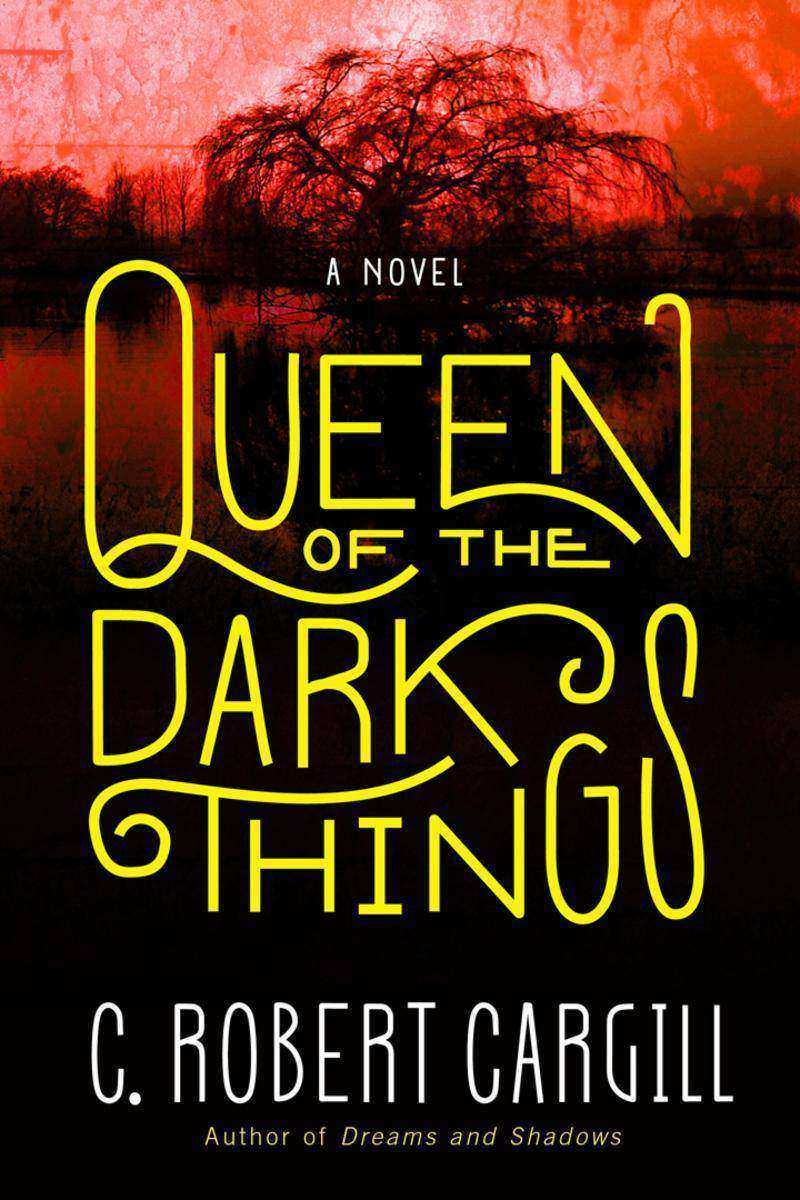
Queen of the Dark Things
¥88.56
Screenwriter and noted film critic C. Robert Cargill continues the story begun in his acclaimed debut Dreams and Shadows in this bold and brilliantly crafted tale involving fairies and humans, magic and monsters—a vivid phantasmagoria that combines the imaginative wonders of Neil Gaiman, the visual inventiveness of Guillermo del Toro, and the shocking miasma of William S. Burroughs.ix months have passed since the wizard Colby lost his best friend to an army of fairies from the Limestone Kingdom, a realm of mystery and darkness beyond our own. But in vanquishing these creatures and banning them from Austin, Colby sacrificed the anonymity that protected him. Now word of his deeds has spread, and powerful enemies from the past—including one Colby considered a friend—have resurfaced to exact their revenge. As darkness gathers around the city and time runs out, Colby has to turn to forces even darker than those he once battled for aid.Following such masters as Lev Grossman, Erin Morgenstern, and Kim Harrison, C. Robert Cargill takes us deeper into an extraordinary universe of darkness and wonder, despair and hope to reveal the magic and monsters around us . . . and inside us.

The Promise of Stardust
¥88.56
Matt Beaulieu was two years old the first time he held Elle McClure in his arms, seventeen when he first kissed her under a sky filled with shooting stars, and thirty-three when they wed. Now in their late thirties, the deeply devoted couple has everything—except the baby they've always wanted.When a tragic accident leaves Elle brain-dead, Matt is devastated. Though he cannot bear losing her, he knows his wife, a thoughtful and adventurous scientist, feared only one thing—a slow death. Just before Matt agrees to remove Elle from life support, the doctors discover that she is pregnant. Now what was once a clear-cut decision becomes an impossible choice. Matt knows how much this child would have meant to Elle. While there is no certainty her body can sustain the pregnancy, he is sure Elle would want the baby to have a chance. Linney, Matt's mother, believes her son is blind with denial. She loves Elle, too, and insists that Elle would never want to be kept alive by artificial means, no matter what the situation.Divided by the love they share, driven by principle, Matt and Linney fight for what each believes is right, and the result is a disagreement that escalates into a controversial legal battle, ultimately going beyond one family and one single life.Told with sensitivity and compassion, The Promise of Stardust is an emotionally resonant and thought-provoking tale that raises profound questions about life and death, faith and medicine—and illuminates, with beauty and grace, the power of love to wound . . . and to heal.

Fountain of St. James Court; or, Portrait of the Artist as an Old Woman The
¥88.56
"Is it a crime to liveTo create happiness for yourself through your own work?"How do writers and painters get their ideasAnd what are the hard realities of such seemingly glamorous and romantic livesIn her groundbreaking new novel, New York Times bestselling author Sena Jeter Naslund explores the transformative power of art, history, and love in the lives of creative women.It's midnight on St. James Court, at the heart of which is a beautiful fountain sculpture of Venus rising from the sea. Kathryn Callaghan has just finished the first draft of her novel about renowned painter ?lisabeth Vigée-Le Brun, a survivor of the French Revolution who was hated for her sympathetic portraits of Marie Antoinette. Although the manu* is complete, its author remains haunted by ?lisabeth's experiences, which are revealed in Sena Jeter Naslund's ingenious novel-within-a-novel interleaved with the chronicle of a day in the life of Kathryn Callaghan. Despite being separated by time, place, and culture, Kathryn and ?lisabeth possess similar gifts and burdens: uncompromising aesthetic codes, fierce pride in their artistic expression, and unwavering love and sacrifice for their children. And before the next midnight rolls around, Kathryn will have confronted personal danger as frightening as the butchery that ?lisabeth faced during the Reign of Terror. Each woman will be called upon and tested; each will, like Venus, rise triumphantly above the expectations of her world.In this, her compelling and intimate ninth book, Sena Jeter Naslund presents the reader with an eye-opening alternate vision of The Artist: not an angry young man but a woman of age and hard-won experience who has created for herself, against enormous odds, a fulfilling life of thoroughly realized achievement.
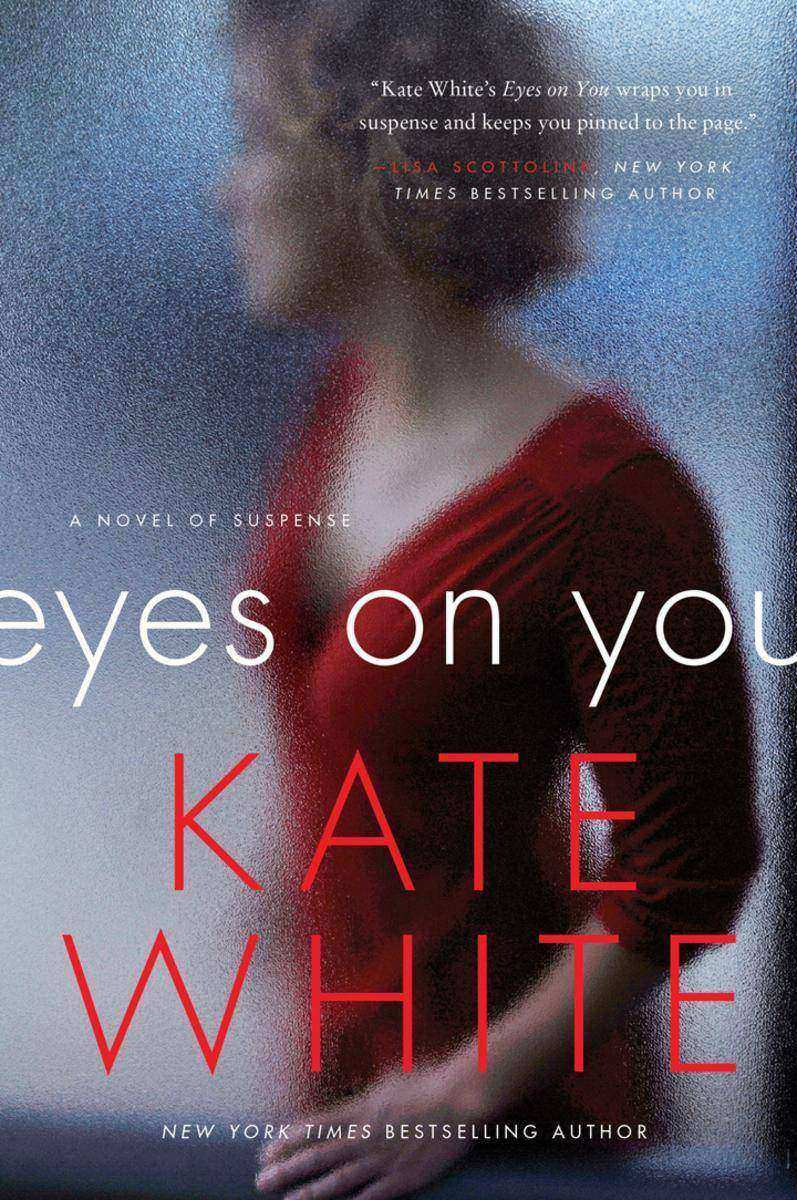
Eyes on You
¥88.56
A rising media star must battle a diabolical enemy in this riveting tale of psychological suspense from Kate White, the New York Times bestselling author of The Sixes and Hush.After a painful divorce and losing her on-air job two years ago, Robin Trainer has fought hard to regain her career. Now, as the popular cohost of a nightly entertainment show and the author of a hot new bestseller, she's being dubbed a media double threat. In a business full of rivals eager to see you fail, making a comeback was tough, and Robin isn't about to do anything that could jeopardize her newfound success.But suddenly things begin going wrong. A few small but nasty incidents shake her confidence: a vicious note tucked into her purse at her book signing; the photo on her book jacket slashed in her office; a doll that looks just like her—but with its eyes gouged out—left on her desk chair. Soon the meanness turns threatening.Someone has eyes on Robin, an adversary with a dark agenda who wants to hurt her and see her fall, and the clues point to someone she works with every day. As she frantically tries to put the pieces together and unmask an enemy hiding in the shadows all too close to her, it becomes terrifyingly clear that the person responsible isn't going to stop until Robin loses everything that matters to her . . . including her life.In this nail-biting thriller full of stunning twists, Kate White takes you behind the scenes of the glamorous, high-intensity world of television and ratchets up the suspense, page by page, to the shocking end.
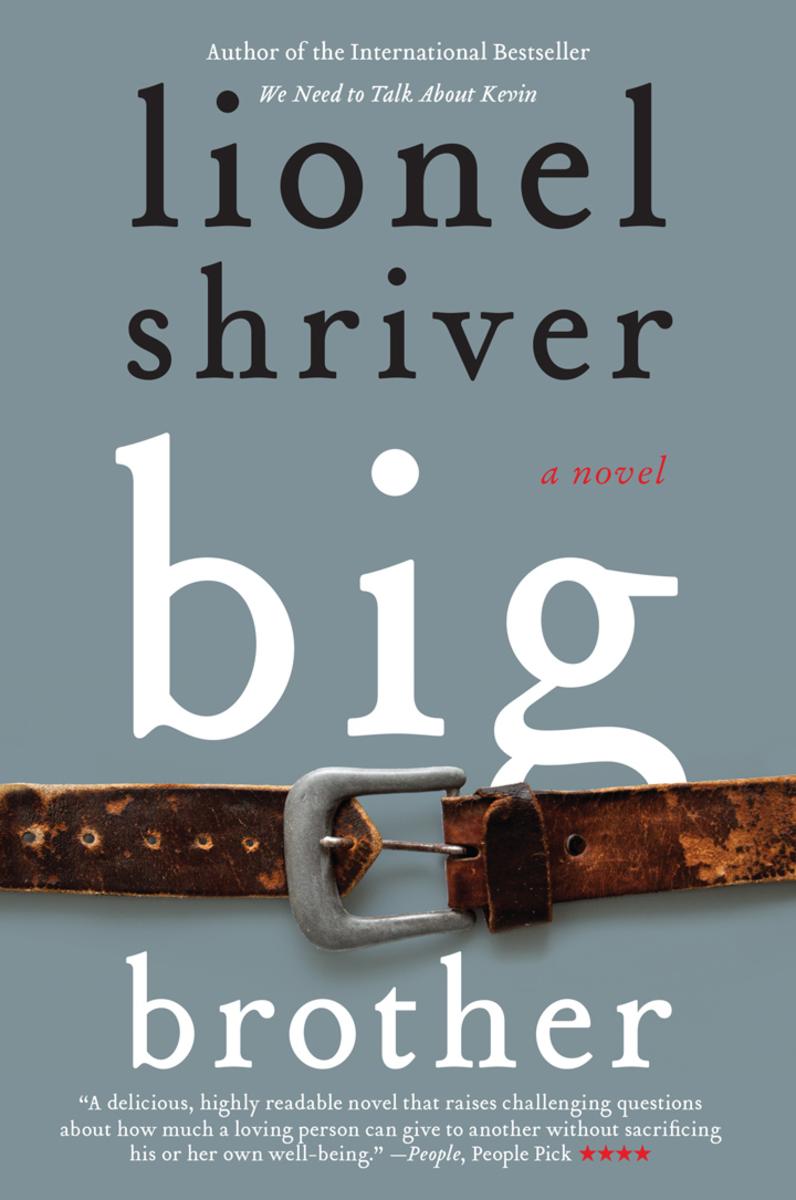
Big Brother
¥88.56
From the acclaimed author of the National Book Award finalist So Much for That and the international bestseller We Need to Talk About Kevin comes a striking new novel about siblings, marriage, and obesity.When Pandora picks up her older brother Edison at her local Iowa airport, she literally doesn't recognize him. In the four years since the siblings last saw each other, the once slim, hip New York jazz pianist has gained hundreds of pounds. What happened?And it's not just the weight. Imposing himself on Pandora's world, Edison breaks her husband Fletcher's handcrafted furniture, makes overkill breakfasts for the family, and entices her stepson not only to forgo college but to drop out of high school.After the brother-in-law has more than overstayed his welcome, Fletcher delivers his wife an ultimatum: It's him or me. Putting her marriage and adopted family on the line, Pandora chooses her brother—who, without her support in losing weight, will surely eat himself into an early grave.Rich with Shriver's distinctive wit and ferocious energy, Big Brother is about fat—an issue both social and excruciatingly personal. It asks just how much we'll sacrifice to rescue single members of our families, and whether it's ever possible to save loved ones from themselves.
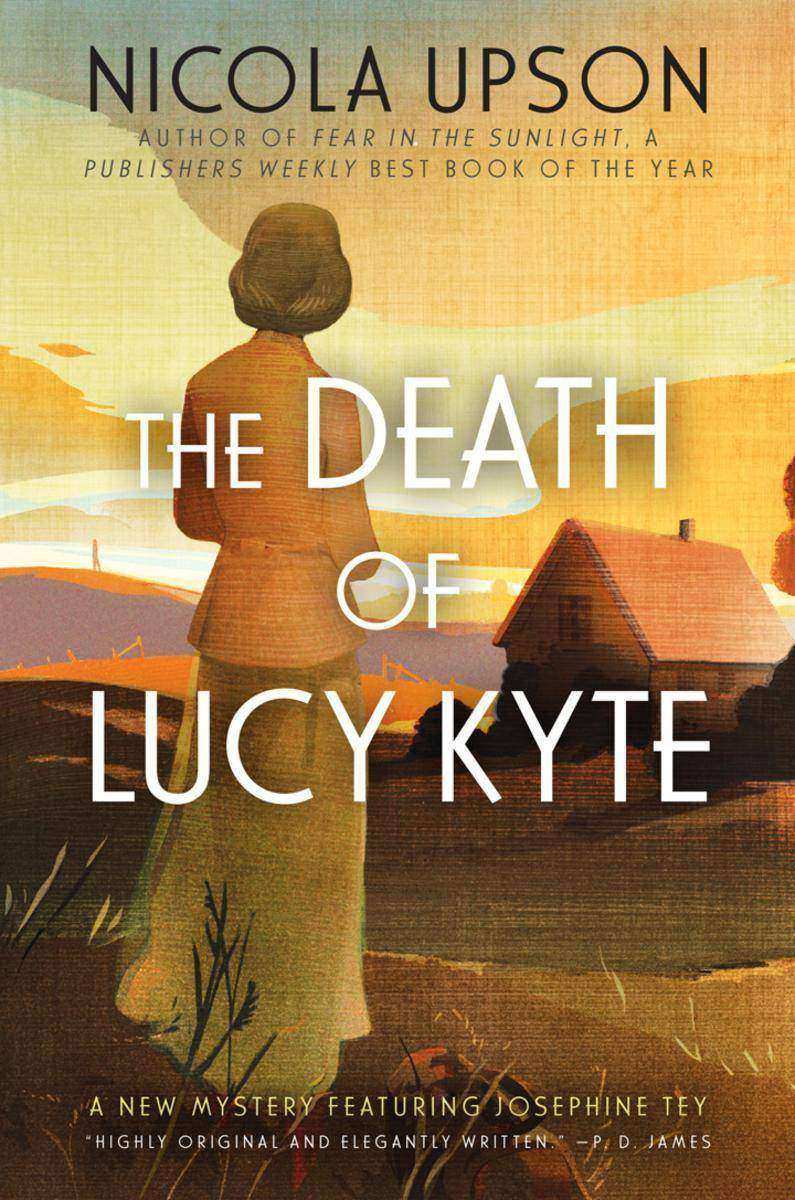
The Death of Lucy Kyte
¥88.56
An unexpected inheritance plunges beloved British mystery author Josephine Tey into a disturbing puzzle of dark secrets connecting the present and the past in this intriguing historical mystery brimming with psychological tension.When Josephine Tey unexpectedly inherits Red Barn Cottage from a godmother she barely knows, the will stipulates that she must personally claim the house in the Suffolk countryside. But Josephine is not the only benefactor—a woman named Lucy Kyte is also in Hester's will. Sorting through the artifacts of her godmother's life, Josephine is intrigued by an infamous murder committed on the cottage's grounds a century before. This old crime—dubbed the Red Barn murder—still haunts the tight-knit village and its remote inhabitants. Is it superstition, or is there a very real threat that is frightening the localsAnd is the truth related to the mysterious Lucy Kyte, whom no one in the village admits to knowingSurrounded by the shadows of obsession, abuse, and deceit, with a palpable sense of evil thickening around her, Josephine must untangle historic tragedy from present danger to prevent a deadly cycle from beginning once again.?
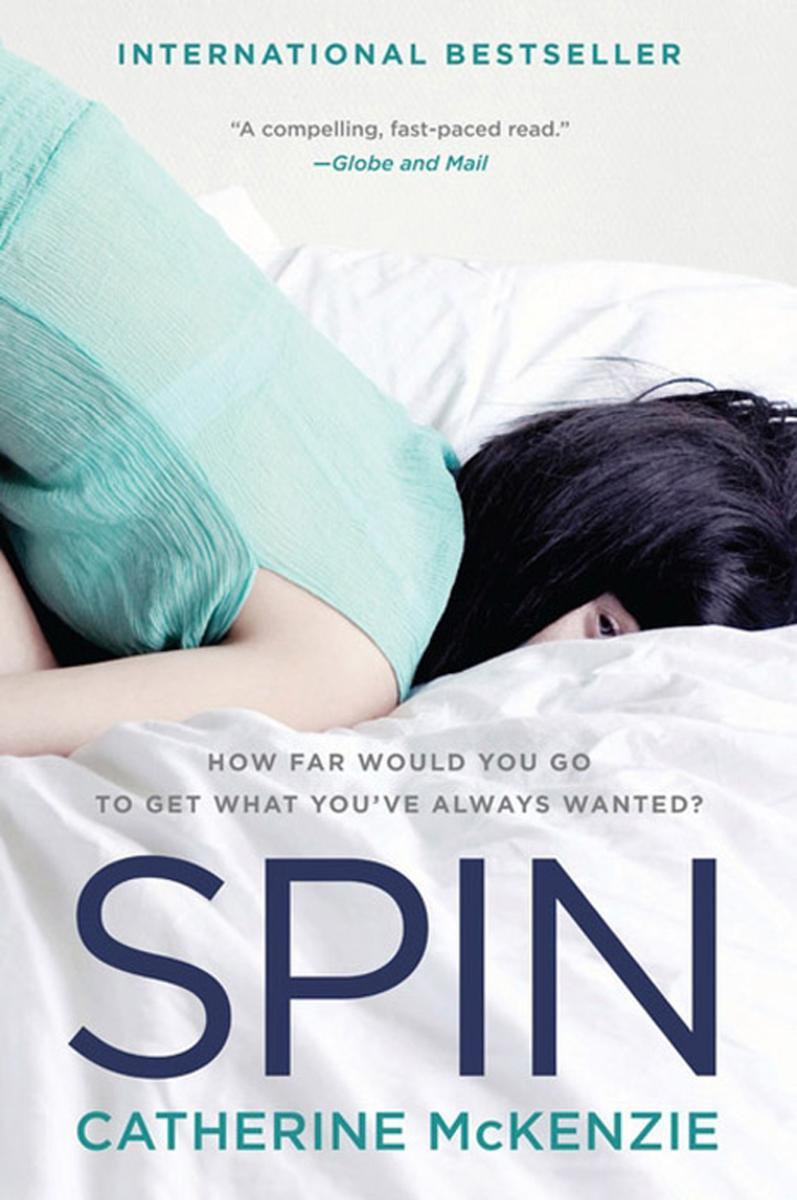
Spin
¥88.56
Kate's To-Do List:Go to rehabBefriend/spy on "It Girl"Write killer exposeLand dream jobPiece of cake!When Kate Sandford lands an interview at her favorite music magazine, The Line, it's the chance of a lifetime. So Kate goes out to celebrate—and shows up still drunk to the interview the next morning. It's no surprise that she doesn't get the job, but her performance has convinced the editors that she'd be perfect for an undercover assignment for their gossip rag. All Kate has to do is follow "It Girl" Amber Sheppard into rehab. If she can get the inside scoop—and complete the thirty-day program—they'll reconsider her for the position at The Line. Kate takes the assignment, but when real friendships start to develop, she has to decide if what she has to gain is worth the price she'll have to pay.

Porch Lights
¥88.56
When Jimmy McMullen, a fireman with the NYFD, is killed in the line of duty, his wife, Jackie, and ten-year-old son, Charlie, are devastated. Charlie idolized his dad, and now the outgoing, curious boy has become quiet and reserved. Trusting in the healing power of family, Jackie decides to return to her childhood home on Sullivans Island. Crossing the bridge from the mainland, Jackie and Charlie enter a world full of wonder and magic—lush green and chocolate grasslands and dazzling red, orange, and magenta evening skies; the heady pungency of Lowcountry Pluff mud and fresh seafood on the grill; bare toes snuggled in warm sand and palmetto fronds swaying in gentle ocean winds. Awaiting them is Annie Britt, the family matriarch who has kept the porch lights on to welcome them home. Thrilled to have her family back again, Annie promises to make their visit perfect—even though relations between mother and daughter have never been what you'd call smooth. Over the years, Jackie and Annie, like all mothers and daughters, have been known to have frequent and notorious differences of opinion. But her estranged and wise husband, Buster, and her flamboyant and funny best friend Deb are sure to keep Annie in line. She's also got Steven Plofker, the flirtatious and devilishly tasty widowed physician next door, to keep her distracted as well. Captivated by the island's alluring natural charms and inspired by colorful Lowcountry lore—lively stories of Blackbeard and his pirates who once sailed the waterssurrounding the Carolinas and of former resident Edgar Allan Poe—mother, daughter, and grandson will share a memorable, illuminating summer. Told in Annie's and Jackie's alternating voices, and filled with Dorothea Benton Frank's charming wit, indelible poignancy, and hallmark themes—the bonds of family, the heart's resilience, and the strength of love—Porch Lights is a triumph from "the queen of Southern fiction" (Charlotte Observer).
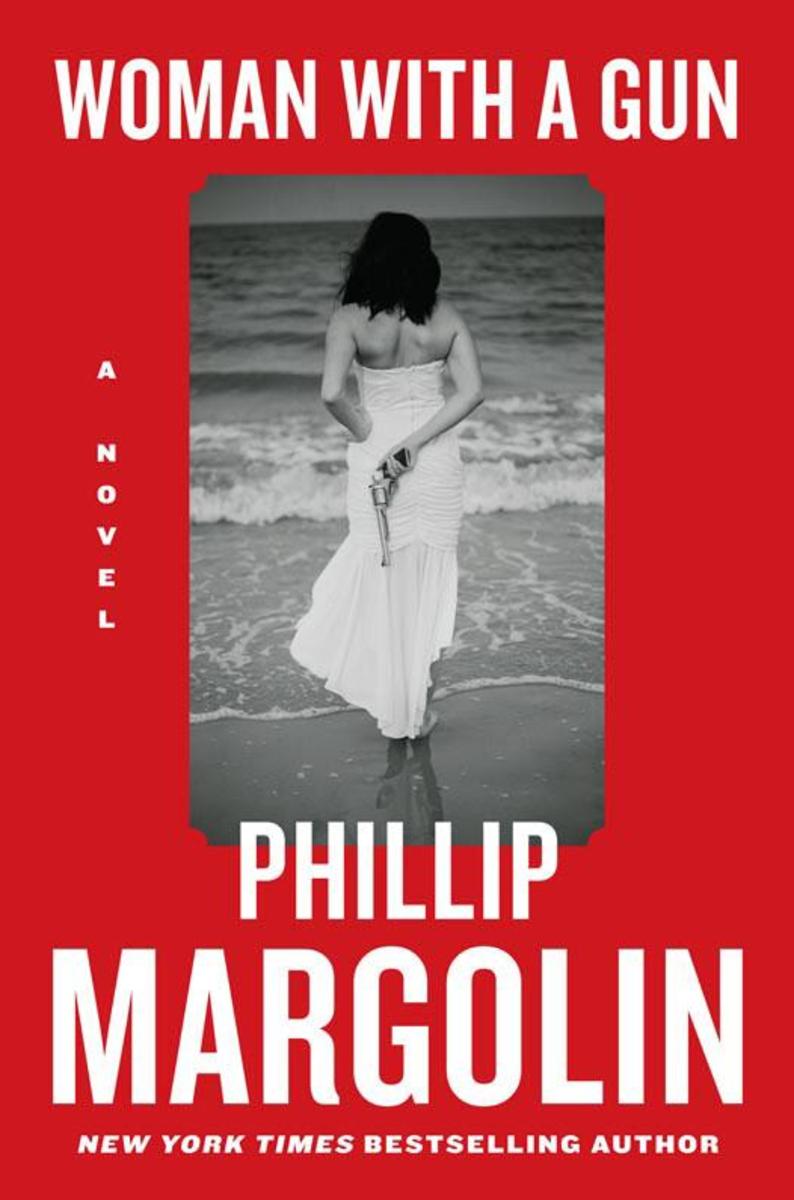
Woman with a Gun
¥88.56
This compelling thriller, from new york times bestseller Phillip Margolin, centers on an intriguing photograph that may contain long-hidden answers to the mystery of a millionaire's murder.At a retrospective on the work of acclaimed photographer Kathy Moran, aspiring novelist Stacey Kim is fascinated by the exhibition's centerpiece: the famous Woman with a Gun, which launched the artist's career. Shot from behind, the enigmatic black-and-white image depicts a woman in a wedding dress standing on the shore at night, facing the sea. But this is no serene, romantic portrait. In her right hand, which is hidden behind her back, she holds a six-shooter.The picture captures Stacey's imagination and raises a host of compelling questions: Who is this womanIs this a photograph of her on her wedding dayDoes she plan to kill herself or someone elseObsessed with finding answers, she soon discovers the identity of the woman: a suspect in a ten-year-old murder investigation. Convinced that proof of the woman's guilt, or innocence, is somehow connected to the photograph, Stacey embarks on a relentless investigation.Drawn deeper into the case, Stacey finds that everyone involved has a different opinion of the woman's culpability. But the one person who may know the whole story—Kathy Moran—isn't talking. Stacey must find a way to get to the reclusive photographer, and get her to talk, or the truth about what happened that day will stay forever hidden in the shadows.
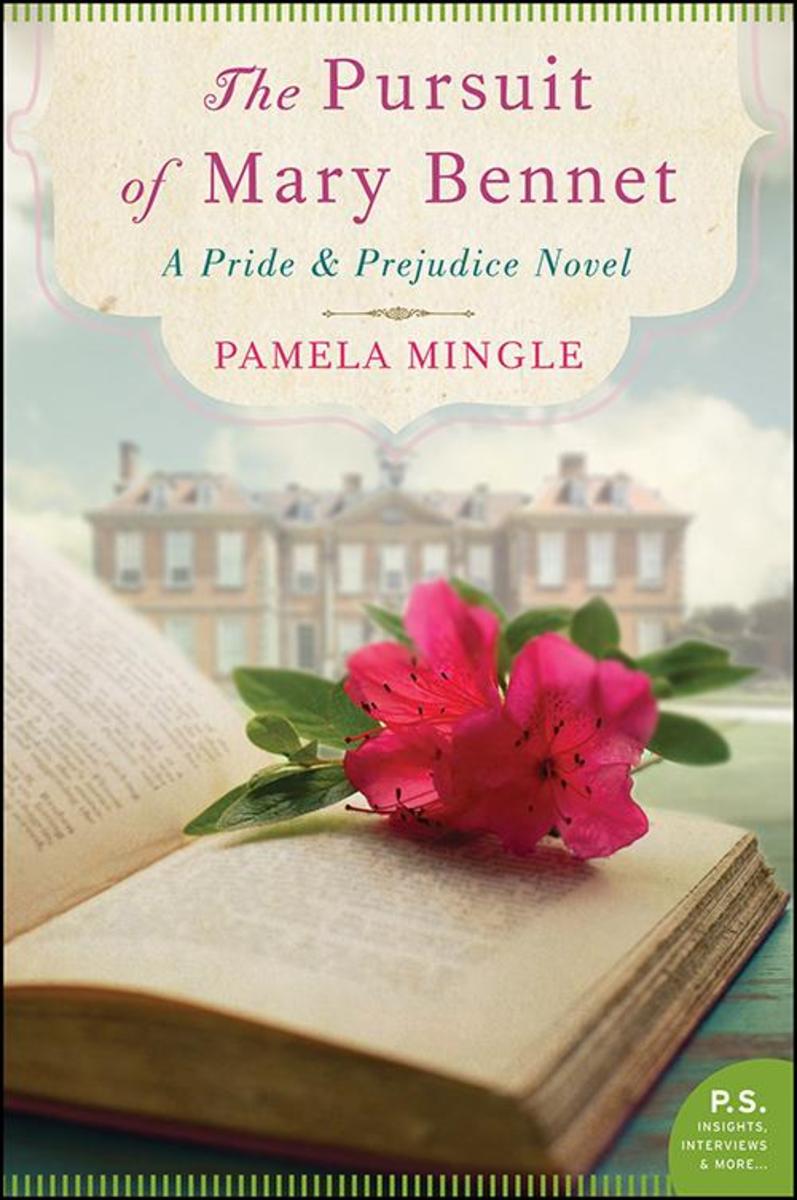
The Pursuit of Mary Bennet
¥88.56
The enthralling story of Pride and Prejudice's middle sister, Mary Bennet—an enchanting modern sequel to the beloved classicFor most of her life, Mary, the serious and unpolished third daughter of the Bennet family, has been overshadowed by her sisters—beautiful and confdent Jane and Elizabeth, and firtatious and lighthearted Lydia and Kitty. But with nearly all of her sisters married and gone from the household, awkward, unrefned Mary has blossomed into an attractive young woman with a quiet poise of her own.When a very pregnant Lydia unexpectedly returns to the Bennet home and scandalously announces she's left Wickham, Mary and Kitty are packed off to visit Jane and her husband, Charles Bingley, in Derbyshire. Yearning for the solitude of home, Mary is dismayed to discover Bingley's handsome and eligible friend Henry Walsh everywhere she turns. Unschooled in the game of love, Mary fnds Henry's warm attentions confounding. Is his interest genuine or does she foolishly mistake friendliness for something moreWith her heart and her future at risk, Mary must throw caution to the wind to fnd the truth—a journey of discovery that will teach her surprising lessons about herself and the desires of her heart.
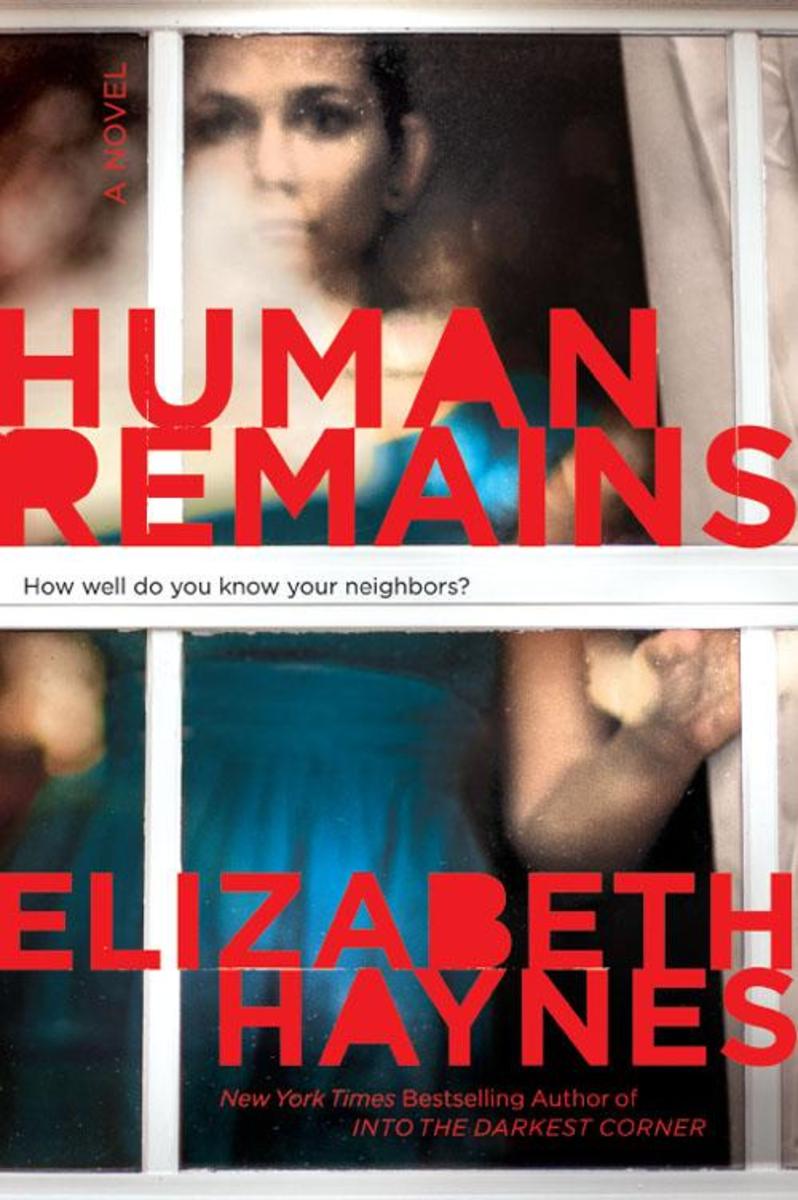
Human Remains
¥88.56
New York Times bestselling author Elizabeth Haynes returns with a disturbing and powerful tale that preys on our darkest fears.Police analyst Annabel wouldn't describe herself as lonely. Her work and the needs of her aging mother keep her busy. But Annabel is shocked when she discovers her neighbor's decomposing body in the house next door, and she is appalled to think that no one, including herself, noticed the woman's absence. Annabel sets out to investigate, despite her colleagues' lack of interest, and discovers that such cases are frighteningly common in her hometown.A chilling thriller and a hymn to all the lonely people whose individual voices haunt its pages, Human Remains shows how vulnerable we are when we live alone, and how easily ordinary lives can fall apart when no one is watching.


