


 购物车
购物车 个人中心
个人中心
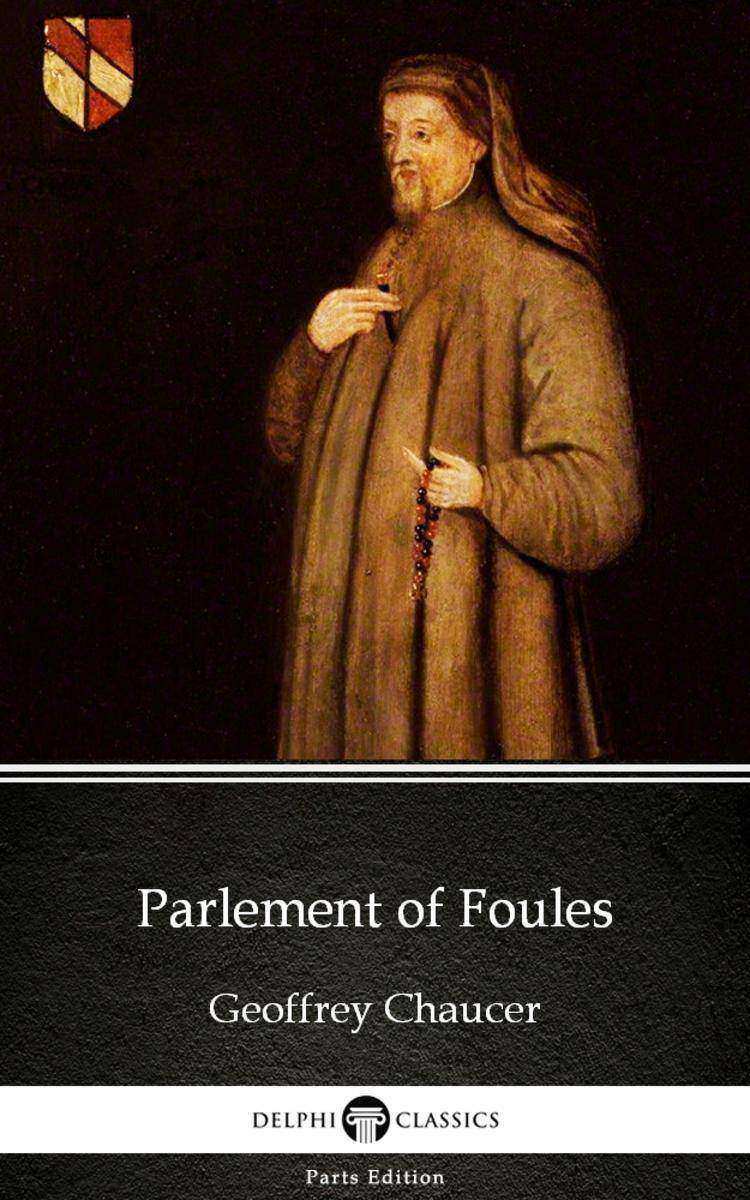
Parlement of Foules by Geoffrey Chaucer - Delphi Classics (Illustrated)
¥8.09
This eBook features the unabridged text of ‘Parlement of Foules by Geoffrey Chaucer - Delphi Classics (Illustrated)’ from the bestselling edition of ‘The Complete Works of Geoffrey Chaucer’. Having established their name as the leading publisher of classic literature and art, Delphi Classics produce publications that are individually crafted with superior formatting, while introducing many rare texts for the first time in digital print. The Delphi Classics edition of Chaucer includes original annotations and illustrations relating to the life and works of the author, as well as individual tables of contents, allowing you to navigate eBooks quickly and easily. eBook features: * The complete unabridged text of ‘Parlement of Foules by Geoffrey Chaucer - Delphi Classics (Illustrated)’ * Beautifully illustrated with images related to Chaucer’s works * Individual contents table, allowing easy navigation around the eBook * Excellent formatting of the textPlease visit www.delphiclassics.com to learn more about our wide range of titles

The Paradigm Shift
¥37.36
A sinister conspiracy is about to change the world forever. One of the world s most powerful nations has secretly joined an unholy alliance with India to tip the balance of world power and create an axis that will never again be dictated to by the US government... The world watches helplessly as nuclear weapons replace diplomacy in the increasingly volatile exchanges between the Indian and Pakistan governments. With a fanatic s finger on the nuclear button, world oil supplies are cut off and chaos reigns throughout the Gulf States and beyond. The US and UK governments stand together to face the world threat head on using détente and political pressure to hold crisis at bay while dispatching two of their best agents with more incisive methods in mind. One half of the team is battle hardened but weary Special Forces veteran Luke Weaver. The other, to his discomfort, is the dynamic and beautiful Kirin an American field officer of Indian descent who s familiar with the language and the terrain. As the oil supplies dwindle, the world learns that this is only the beginning of the master plan. Fronted by the maniacal Prime Minister of India, the axis plans to change the world forever: this is the paradigm shift. As the President battles against time and treachery in the highest corridors of White House power, the options are running out as fast as the oil supplies...

EZ Gamer Issue 2
¥31.07
Hello, and welcome to an exciting new video game ezine,? EZ Gamer. Throughout this textbased ezine we aim to provide you with an insightful view on all things video games. We are dedicated gamers with many years of video games experience? We believe a social life is not necessary if there's an awesome new game coming out. In EZ Gamer Issue 2 we are giving you previews to the most anticipated games of 2011. To think, over the next year top games like Batman: Arkham City, Portal 2, the next Assassin's Creed, The Last Guardian, and many more will be gracing our consoles. Be sure to check out our 20 most anticipated feature.We also put plenty of focus on the biggest games that have arrived in the last couple of months. Don't fear we have all the classics covered, from Halo: Reach and Black Ops, to the recent Gran Turismo 5 and Assassin's Creed: Brotherhood. All reviewed in our bumper end of the year reviews section. In addition to all this great content, we're also giving you the full walkthrough guides for Halo: Reach and Call of Duty: Black Ops. Plus cheats and tips for the latest games. Including a Weapon Combination guide for Capcom's Dead Rising 2. So sit back, prepare you eyes and enjoy this edition of EZ Gamer. About EZGamer Ezine -EZGamer is a bimonthly downloadable video game magazine, featuring the big news stories, previews of upcoming games, insightful and humorous features on games and the industry, all the top and indepth reviews for the latest games across all formats, a cheats, tips and hints section for the newest games, plus a detailed walkthrough guide for the biggest and toughest game in that period. The content is given to you by dedicated gamers with an unbiased opinion on all things video games.Disclaimer All game titles, names and images are trademarks of their respective companies. Editorial content copyright ICE Games Ltd. 2010.

The Canterbury Tales - Original and Modernised Text by Geoffrey Chaucer - Delphi
¥8.09
This eBook features the unabridged text Chaucer's ‘The Canterbury Tales' in the Original medieval text and a Modernised Text, from the bestselling edition of ‘The Complete Works of Geoffrey Chaucer’. Having established their name as the leading publisher of classic literature and art, Delphi Classics produce publications that are individually crafted with superior formatting, while introducing many rare texts for the first time in digital print. The Delphi Classics edition of Chaucer includes original annotations and illustrations relating to the life and works of the author, as well as individual tables of contents, allowing you to navigate eBooks quickly and easily. eBook features: * The complete unabridged text of ‘The Canterbury Tales - Original and Modernised Text by Geoffrey Chaucer - Delphi Classics (Illustrated)’ * Beautifully illustrated with images related to Chaucer’s works * Individual contents table, allowing easy navigation around the eBook * Excellent formatting of the textPlease visit www.delphiclassics.com to learn more about our wide range of titles

The Gambler
¥40.79
Dostoyevsky's own passion for gambling lays in foundation of this novel. He first gambled at the gaming tables at Wiesbaden and later, when his passion for gambling subsided, he played at Baden-Baden, often beginning by winning a small amount of money and losing far more in the end. Using his future work as collateral with his publisher in exchange for cash he was eventually given a final deadline to complete the novel or sell the rights to all his work in the next nine years. So great was the pressure that Dostoyevsky was only able to finish the novel on time using one of the very first stenographers in Russia and his wife-to-be, Anna Grigorievna.

Typee by Herman Melville - Delphi Classics (Illustrated)
¥8.09
This eBook features the unabridged text of ‘Typee by Herman Melville - Delphi Classics (Illustrated)’ from the bestselling edition of ‘The Complete Works of Herman Melville’. Having established their name as the leading publisher of classic literature and art, Delphi Classics produce publications that are individually crafted with superior formatting, while introducing many rare texts for the first time in digital print. The Delphi Classics edition of Melville includes original annotations and illustrations relating to the life and works of the author, as well as individual tables of contents, allowing you to navigate eBooks quickly and easily. eBook features: * The complete unabridged text of ‘Typee by Herman Melville - Delphi Classics (Illustrated)’ * Beautifully illustrated with images related to Melville’s works * Individual contents table, allowing easy navigation around the eBook * Excellent formatting of the text Please visit www.delphiclassics.com to learn more about our wide range of titles

Omoo by Herman Melville - Delphi Classics (Illustrated)
¥8.09
This eBook features the unabridged text of ‘Omoo by Herman Melville - Delphi Classics (Illustrated)’ from the bestselling edition of ‘The Complete Works of Herman Melville’. Having established their name as the leading publisher of classic literature and art, Delphi Classics produce publications that are individually crafted with superior formatting, while introducing many rare texts for the first time in digital print. The Delphi Classics edition of Melville includes original annotations and illustrations relating to the life and works of the author, as well as individual tables of contents, allowing you to navigate eBooks quickly and easily. eBook features: * The complete unabridged text of ‘Omoo by Herman Melville - Delphi Classics (Illustrated)’ * Beautifully illustrated with images related to Melville’s works * Individual contents table, allowing easy navigation around the eBook * Excellent formatting of the text Please visit www.delphiclassics.com to learn more about our wide range of titles

Mardi by Herman Melville - Delphi Classics (Illustrated)
¥8.09
This eBook features the unabridged text of ‘Mardi by Herman Melville - Delphi Classics (Illustrated)’ from the bestselling edition of ‘The Complete Works of Herman Melville’. Having established their name as the leading publisher of classic literature and art, Delphi Classics produce publications that are individually crafted with superior formatting, while introducing many rare texts for the first time in digital print. The Delphi Classics edition of Melville includes original annotations and illustrations relating to the life and works of the author, as well as individual tables of contents, allowing you to navigate eBooks quickly and easily. eBook features: * The complete unabridged text of ‘Mardi by Herman Melville - Delphi Classics (Illustrated)’ * Beautifully illustrated with images related to Melville’s works * Individual contents table, allowing easy navigation around the eBook * Excellent formatting of the text Please visit www.delphiclassics.com to learn more about our wide range of titles

White-Jacket by Herman Melville - Delphi Classics (Illustrated)
¥8.09
This eBook features the unabridged text of ‘White-Jacket by Herman Melville - Delphi Classics (Illustrated)’ from the bestselling edition of ‘The Complete Works of Herman Melville’. Having established their name as the leading publisher of classic literature and art, Delphi Classics produce publications that are individually crafted with superior formatting, while introducing many rare texts for the first time in digital print. The Delphi Classics edition of Melville includes original annotations and illustrations relating to the life and works of the author, as well as individual tables of contents, allowing you to navigate eBooks quickly and easily. eBook features: * The complete unabridged text of ‘White-Jacket by Herman Melville - Delphi Classics (Illustrated)’ * Beautifully illustrated with images related to Melville’s works * Individual contents table, allowing easy navigation around the eBook * Excellent formatting of the text Please visit www.delphiclassics.com to learn more about our wide range of titles

A journey to the centre of the Earth
¥40.79
In this classic science fiction story we descend into an extinct Icelandic volcano, encountering many adventures, including prehistoric animals and natural hazards, before eventually coming to the surface again in southern Italy.

The Further Adventures of Mr Wallace
¥31.07
It was obvious at once that Mr. Wallace was no ordinary teddy bear. There was mystery behind his eyes. Mr. Wallace was first introduced in the short story 'The Life and Times of Mr. Wallace' from the short story book 'Serrated Skylines and Other Tales'. That first peep into his life was just not enough. Join him as the secrets in his extraordinary life are unlocked and gasp as the adventures continue and the further perils he has yet to face unfold. ?
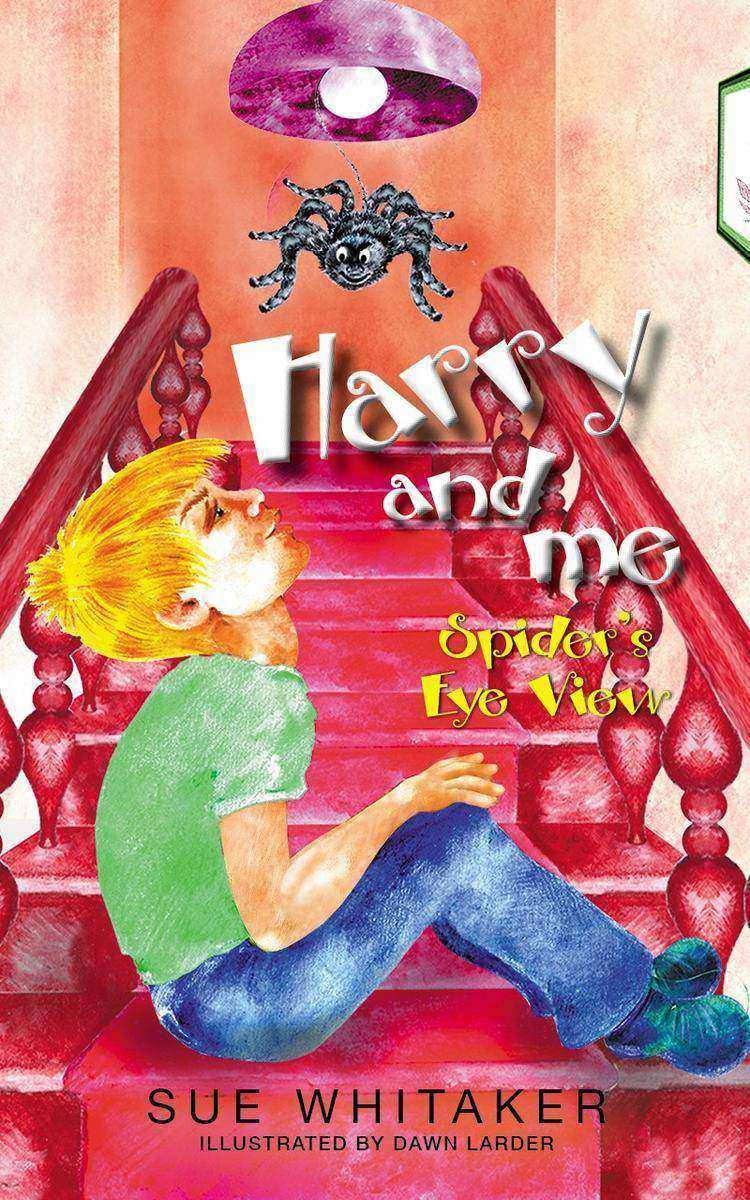
Harry and Me: Spider?s Eye View
¥31.07
Follow on from Harry and Me with the further adventures with Andy and his pet spider Harry. Each story entertains, educates and highlights the plight of the insect and animal world.?
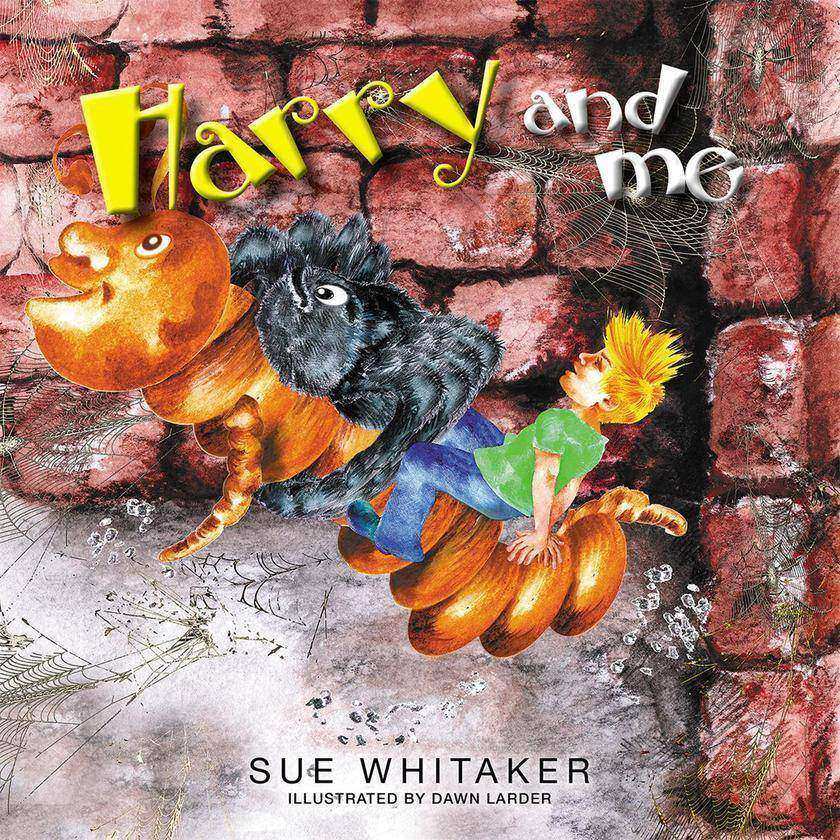
Harry and Me
¥31.07
A collection of stories featuring 7 year old Andy and his adventures with his best friend 'Harry the Spider'. This is an illustrated book educating children about the insect world in a way that entertains and removes phobias. ?

The Message by Honoré de Balzac - Delphi Classics (Illustrated)
¥8.09
This eBook features the unabridged text of ‘The Message by Honoré de Balzac - Delphi Classics (Illustrated)’ from the bestselling edition of ‘The Collected Works of Honoré de Balzac’. Having established their name as the leading publisher of classic literature and art, Delphi Classics produce publications that are individually crafted with superior formatting, while introducing many rare texts for the first time in digital print. The Delphi Classics edition of Balzac includes original annotations and illustrations relating to the life and works of the author, as well as individual tables of contents, allowing you to navigate eBooks quickly and easily. eBook features: * The complete unabridged text of ‘The Message by Honoré de Balzac - Delphi Classics (Illustrated)’ * Beautifully illustrated with images related to Balzac’s works * Individual contents table, allowing easy navigation around the eBook * Excellent formatting of the text Please visit www.delphiclassics.com to learn more about our wide range of titles
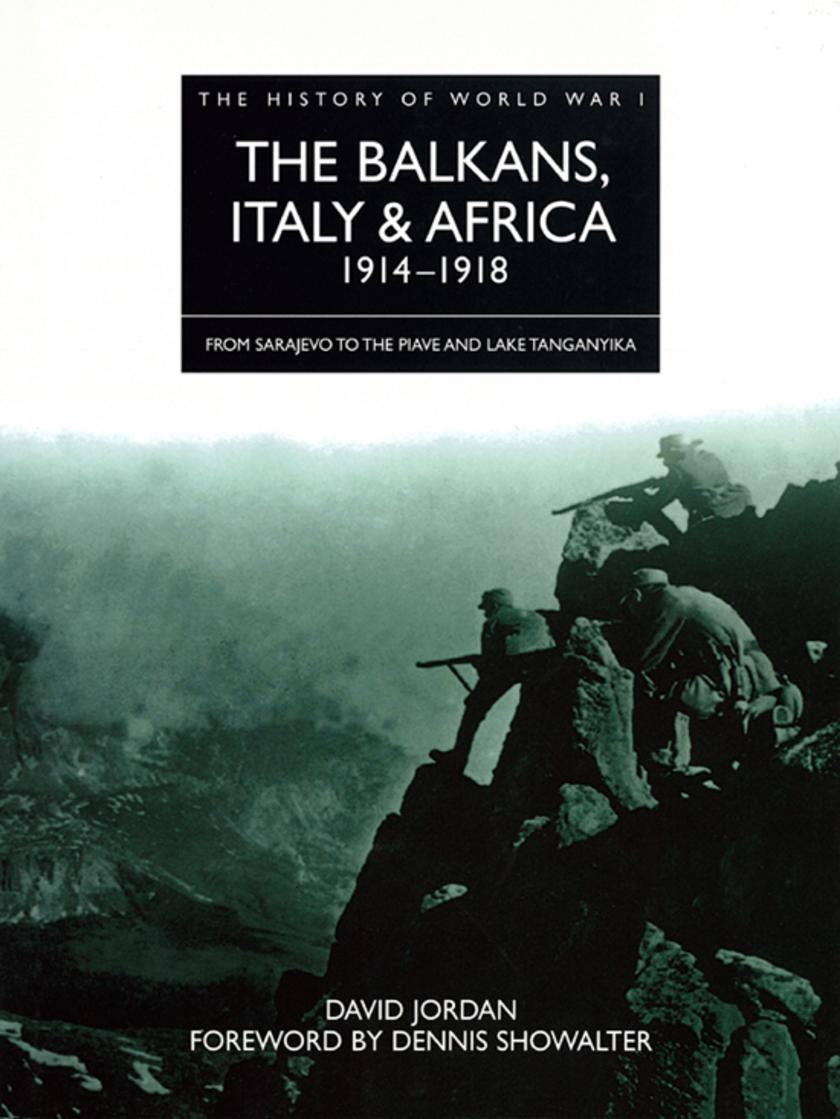
The Balkans, Italy & Africa 1914–1918: From Sarajevo to the Piave and Lake Tanga
¥81.67
The History of World War I series recounts the battles and campaigns that took place during the 'Great War'. From the Falkland Islands to the lakes of Africa, across the Eastern and Western Fronts, to the former German colonies in the Pacific, the series provides a six-volume history of the battles and campaigns on land, at sea and in the air. The assassination in Sarajevo of the Austro-Hungarian heir, Archduke Franz Ferdinand lit an explosive mixture of ethnic tensions, nationalism, political opportunism, and the quest for power within the Balkans to plunge Europe into a conflict that would cost millions of lives. Austro-Hungary faced both Serbia and Russia during the opening phase of the war, but Bulgaria's decision to join the Central Powers in October 1915 led to the opening of the Salonika front in Greece, where 150,0000 British and French troops saw little fighting until the disastrous 1918 Doiran campaign. At the war's outbreak, the British authorities in Africa were totally unprepared, with few forces available to attack the German colonies, who themselves were effectively left isolated from help. The German commander in East Africa, Paul von Lettow-Vorbeck, launched a brilliant guerrilla campaign with scant resources, conducting lightning attacks on Allied targets, particularly the Uganda Railway. He was opposed by the South African General Jan Smuts and his mixture of Boer, British, Rhodesian, Indian, African, Belgian and Portuguese soldiers: fighting continued until November 1918. Italy entered the war against the Central Powers in April 1915. For two years, Austro-Hungarian forces were kept at bay on Italy's northern borders, until a combined German and Austro-Hungarian defeated?the Italian forces at the Battle of Caporetto in October 1917. Revenge came with the Allied victory at Vittorio Veneto in November 1918, which led to Austro-Hungary's collapse. With the aid of over 300 photographs, complemented by full-colour maps, The Balkans, Italy & Africa provides a detailed guide to the background and conduct of the war in the Balkan, Italian and African theatres from the assassination in Sarajevo to the surrender of the Central Powers.

Beatrix by Honoré de Balzac - Delphi Classics (Illustrated)
¥8.09
This eBook features the unabridged text of ‘Beatrix by Honoré de Balzac - Delphi Classics (Illustrated)’ from the bestselling edition of ‘The Collected Works of Honoré de Balzac’. Having established their name as the leading publisher of classic literature and art, Delphi Classics produce publications that are individually crafted with superior formatting, while introducing many rare texts for the first time in digital print. The Delphi Classics edition of Balzac includes original annotations and illustrations relating to the life and works of the author, as well as individual tables of contents, allowing you to navigate eBooks quickly and easily. eBook features: * The complete unabridged text of ‘Beatrix by Honoré de Balzac - Delphi Classics (Illustrated)’ * Beautifully illustrated with images related to Balzac’s works * Individual contents table, allowing easy navigation around the eBook * Excellent formatting of the text Please visit www.delphiclassics.com to learn more about our wide range of titles

Gobseck by Honoré de Balzac - Delphi Classics (Illustrated)
¥8.09
This eBook features the unabridged text of ‘Gobseck by Honoré de Balzac - Delphi Classics (Illustrated)’ from the bestselling edition of ‘The Collected Works of Honoré de Balzac’. Having established their name as the leading publisher of classic literature and art, Delphi Classics produce publications that are individually crafted with superior formatting, while introducing many rare texts for the first time in digital print. The Delphi Classics edition of Balzac includes original annotations and illustrations relating to the life and works of the author, as well as individual tables of contents, allowing you to navigate eBooks quickly and easily. eBook features: * The complete unabridged text of ‘Gobseck by Honoré de Balzac - Delphi Classics (Illustrated)’ * Beautifully illustrated with images related to Balzac’s works * Individual contents table, allowing easy navigation around the eBook * Excellent formatting of the text Please visit www.delphiclassics.com to learn more about our wide range of titles

The Western Front 1917–1918: From Vimy Ridge to Amiens and the Armistice
¥81.67
The History of World War I series recounts the battles and campaigns that took place during the 'Great War'. From the Falkland Islands to the lakes of Africa, across the Eastern and Western Fronts, to the former German colonies in the Pacific, the World War I series provides a six-volume history of the battles and campaigns that raged on land, at sea and in the air. Following the climactic battles of Verdun and the Somme the previous year, the Allies sought to finish the war on the Western Front in 1917 through a major French offensive designed to rupture the German front and roll up their position. This attack was to be supported by a diversionary British offensive at Arras in the north, which would draw off both German attention and their reserves. In the event, the French offensive in Champagne failed to deliver the promised breakthrough, leaving the French Army in a state of open mutiny. While French discipline recovered, the British Expeditionary Force took on the burden of the bulk of the fighting for the rest of the year. The need for an Allied offensive to take the pressure off the French resulted in the Third Battle of Ypres, more commonly known as Passchendaele. The battle degenerated into a slaughter in the Flanders mud thanks to heavy rain, and the only rays of light for the Allies at the end of 1917 were the arrival of fresh American troops on the Western Front, and the potential for a decisive victory shown by the use of armour at the Battle of Cambrai. However the Russian Revolution brought the fighting on the Eastern Front to an end, releasing numerous battle-hardened divisions to reinforce the Germans in the west. The year 1918 saw Germany launch her Spring Offensives, desperate attempts to defeat the Allies before the Americans could arrive in force. Although these assaults came close to breaking the Allied line, they eventually petered out in the face of determined resistance and over-extended supply lines. Following the Battle of Amiens in August, the Allies pressed onwards: the British in Flanders, the French and the Americans in the Meuse-Argonne region. By September it was obvious that Germany was losing the war, and the decision was made to sue for peace before Allied troops reached German soil. The Armistice came into force at 11am on the morning of 11 November 1918, although the war did not officially end until the signing of the Treaty of Versailles in June 1919. With the aid of over 300 black and white and colour photographs, complemented by full-colour maps, The Western Front 1917–1918 provides a detailed guide to the background and conduct of the conflict on the Western Front in the final years of World War I.
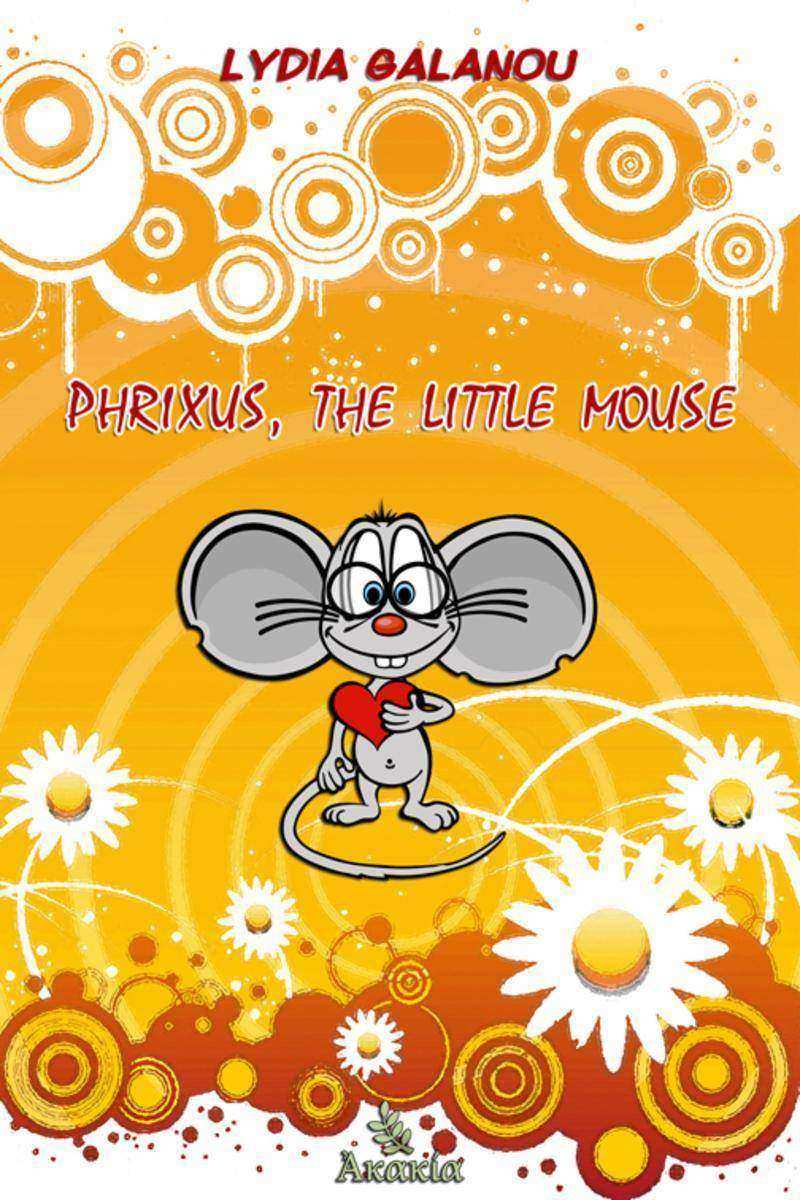
Phrixus, the Little Mouse
¥31.56
Lydia Galanou offers the world of children's literature, an amazing little story which talks about relationships and love and how one can impart to them important advice about their future in a beautiful and vivid way!
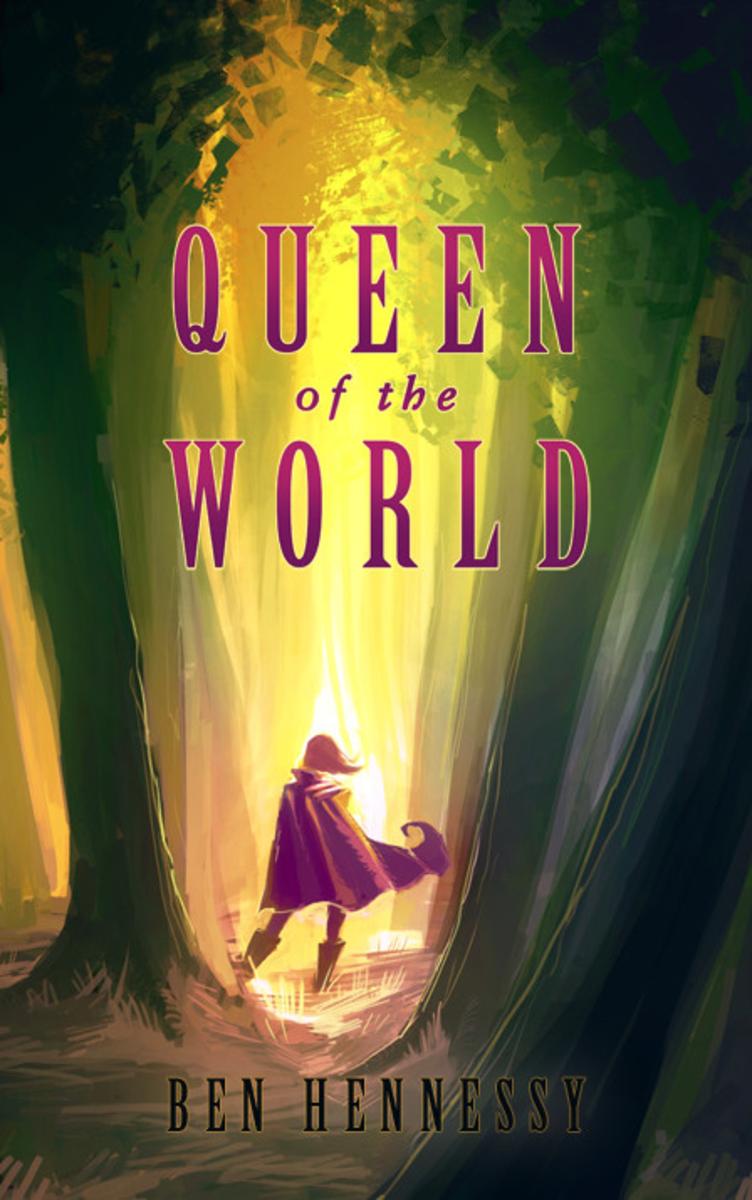
Queen of the World
¥32.62
In the legends, the Four saved the world from war and poverty. These incredible men walked the lands, seeking an audience with the ruler of each nation. They demanded that mankind focus its efforts on education, trade and culture. No longer would the people face starvation and terror. This commandment was enforced with displays of miraculous power. After all, it is difficult to argue with the Gods. Once finished, the Four left with a promise: If ever your people fall back into darkness, then we shall return. Now, over five centuries later, Sarene grows tired of her village life. Suffocated by the confines of her surroundings and the overbearing protection of her family, she yearns to have an adventure of her own. But the world outside is not as tranquil as it seems. And Sarene is already in danger...

The Chouans by Honoré de Balzac - Delphi Classics (Illustrated)
¥8.09
This eBook features the unabridged text of ‘The Chouans by Honoré de Balzac - Delphi Classics (Illustrated)’ from the bestselling edition of ‘The Collected Works of Honoré de Balzac’. Having established their name as the leading publisher of classic literature and art, Delphi Classics produce publications that are individually crafted with superior formatting, while introducing many rare texts for the first time in digital print. The Delphi Classics edition of Balzac includes original annotations and illustrations relating to the life and works of the author, as well as individual tables of contents, allowing you to navigate eBooks quickly and easily. eBook features: * The complete unabridged text of ‘The Chouans by Honoré de Balzac - Delphi Classics (Illustrated)’ * Beautifully illustrated with images related to Balzac’s works * Individual contents table, allowing easy navigation around the eBook * Excellent formatting of the textPlease visit www.delphiclassics.com to learn more about our wide range of titles


