


 购物车
购物车 个人中心
个人中心
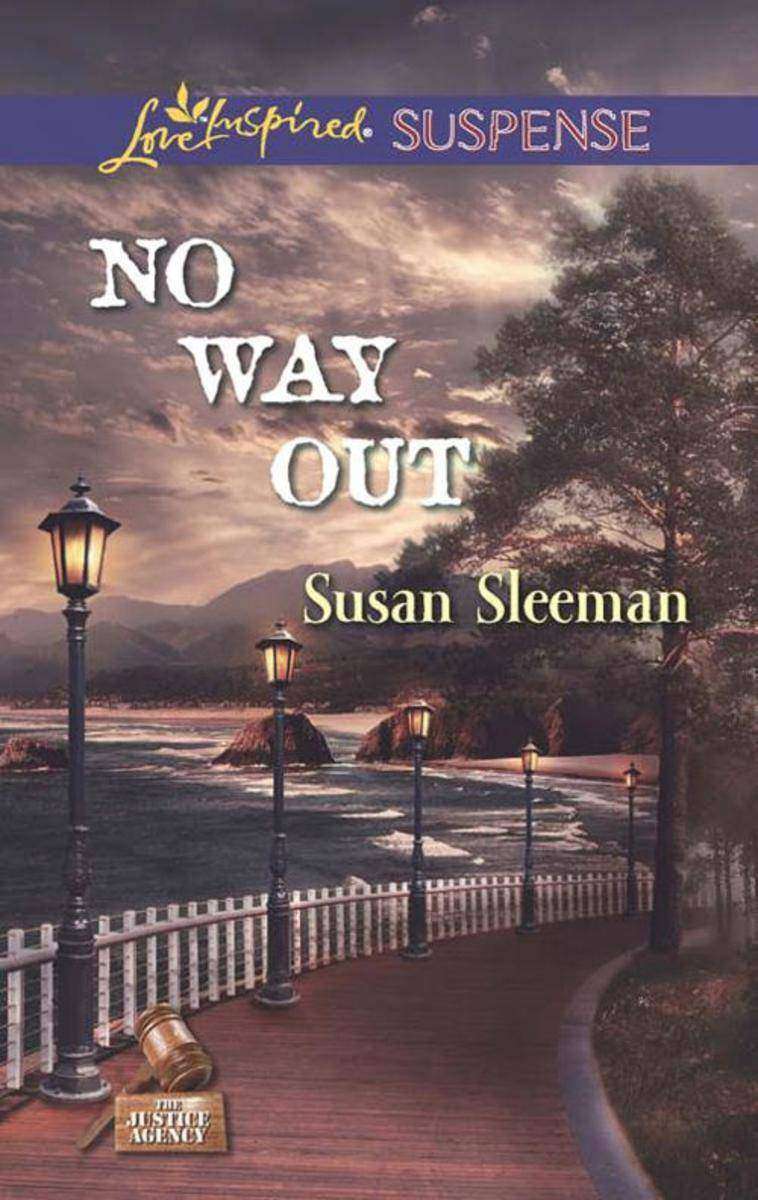
No Way Out (Mills & Boon Love Inspired Suspense) (The Justice Agency, Book 3)
¥31.10
Who can she trust? Alyssa Wells has uncovered evidence that her police officer husband was murdered by his partner, a dangerous claim in a small town. After two tours in Iraq, protecting Alyssa and her children shouldn't be a problem for private investigator Cole Justice. Alyssa feels drawn to him, but how can she trust anyone after everything? Cole's sure his heart is closed off to love but Alyssa and her children seem to have found a way in. As the killer draws closer, Alyssa realizes she's trusting Cole with more than her safety. The Justice Agency: Family and law enforcement go hand in hand??????
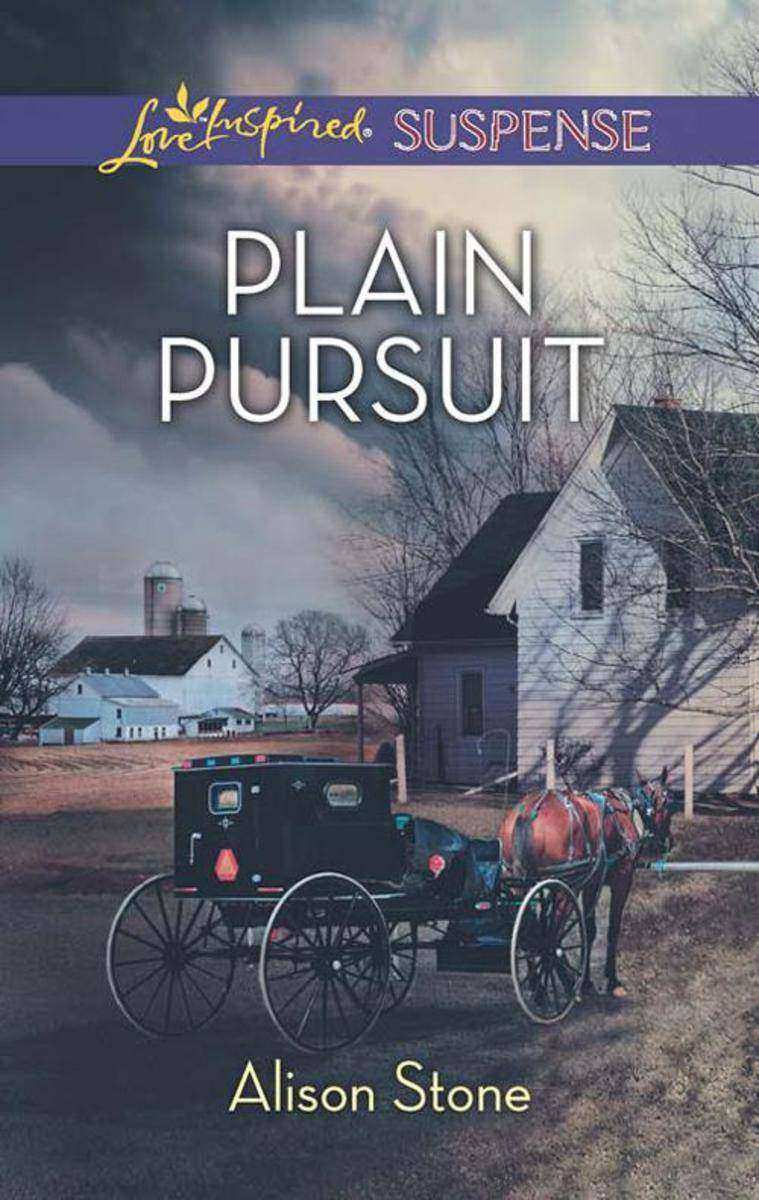
Plain Pursuit (Mills & Boon Love Inspired Suspense)
¥31.10
DANGER IN AMISH COUNTRY When her brother is killed in a small Amish town, Anna Quinn discovers she’s an unwelcome outsider. But the FBI agent investigating the case is right at home—because Eli Miller was born and raised in Apple Creek’s Plain community. Eli left his Amish faith behind long ago, but his heart is rooted in a local cold case he can’t forget—a mystery with strange connections to Anna’s loss. Desperate to uncover the truth, Anna and Eli are faced with stony silences and secrets . . . secrets that someone wants to stay buried in the past.
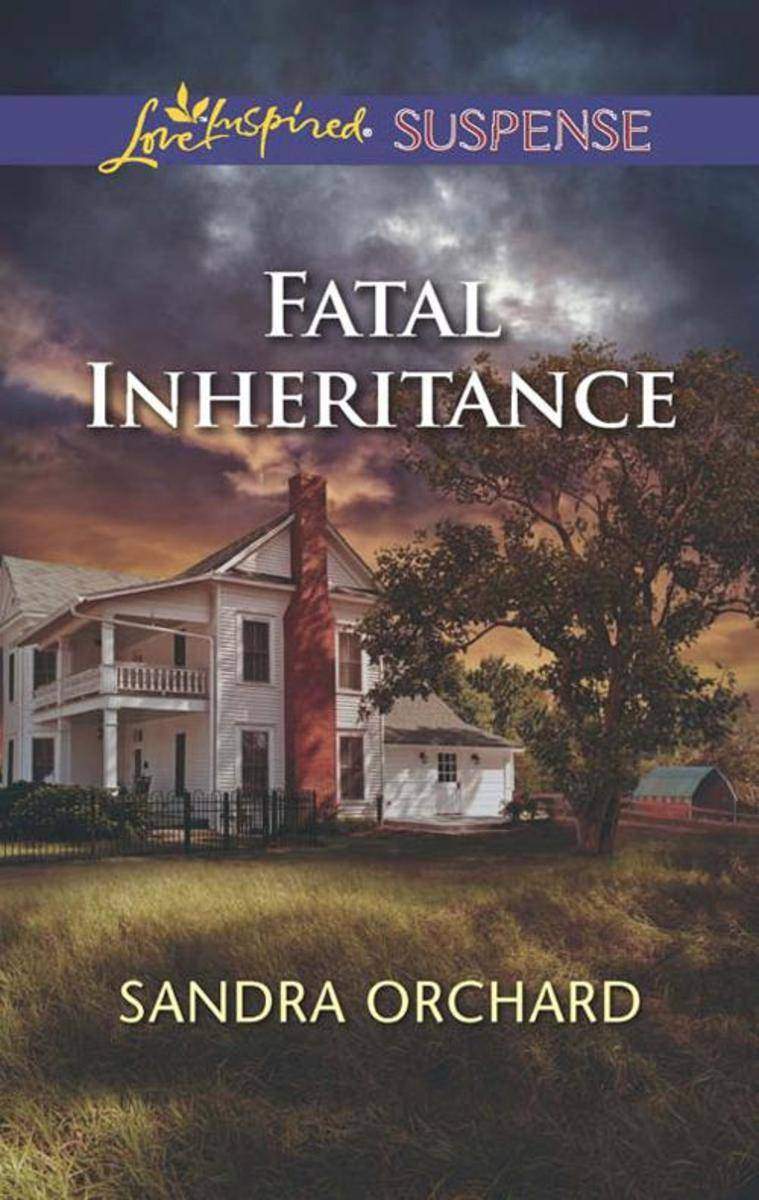
Fatal Inheritance (Mills & Boon Love Inspired Suspense)
¥31.10
Someone wants to stop Becki Graw from claiming her inheritance. Police officer Rayne is just as determined to keep his beautiful neighbor safe. She may not be the tomboy Josh remembers, but she’s just as stubborn. Becki is intent on keeping her grandparents’ remote farmhouse—no matter the danger. Becki’s feelings for her childhood crush may be rekindled, but she’s seen too much to risk opening her heart. As the threats against Becki escalate, the list of suspects grows longer. Josh must convince Becki to trust him with her heart—and her life—before a madman ends their chance at happiness—permanently.
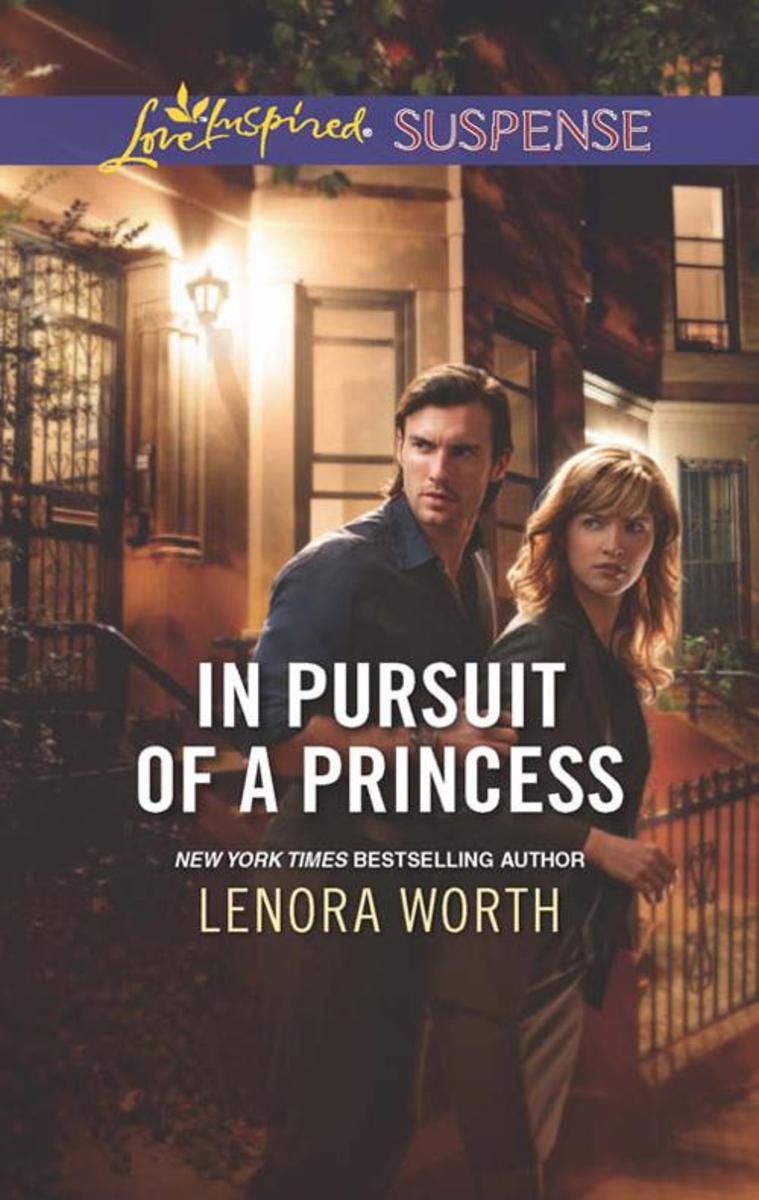
In Pursuit of a Princess (Mills & Boon Love Inspired Suspense)
¥25.60
Princess Lara Kincade returned home to New Orleans to continue her late husband’s humanitarian work. She also hopes to force his killer out of hiding. But a priceless painting has put her plans—and life—at risk. Embroiled in a deadly art scandal, Lara must depend on handsome photojournalist Gabriel Murdock to help her expose a murderer. Gabriel’s determination to keep her safe has softened her heart to love’s possibilities again. Somewhere among his photos lies the identity of the murderer, but can they uncover the killer before this heist turns deadly?
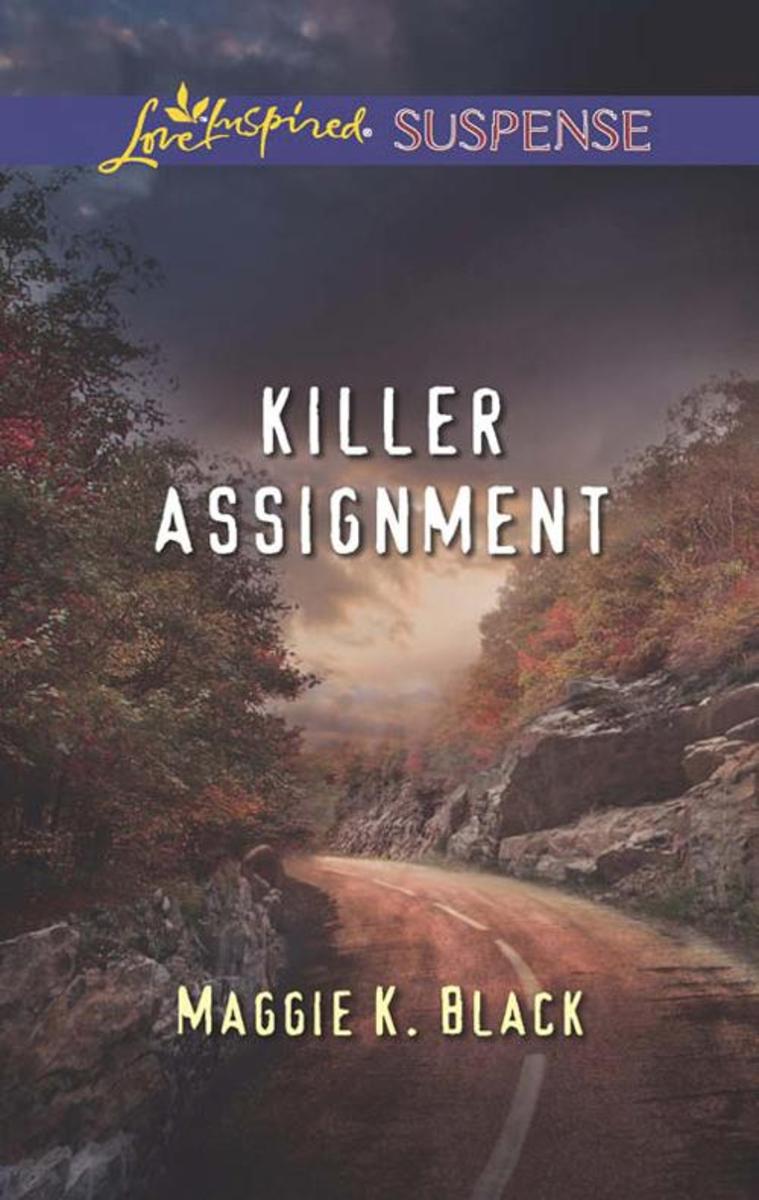
Killer Assignment (Mills & Boon Love Inspired Suspense)
¥31.10
Journalist Katie Todd wanted her name as a byline on the front page, not in the obituaries. When an assignment goes very wrong, she finds herself pursued by ruthless kidnappers. Her only hope is the enigmatic and handsome Mark Armor. All clues point to him being the enemy of her enemy, but is he a friend—or something much more dangerous? Every move Mark makes to help Katie brings him closer to the life he left behind, but he can’t say no to the beautiful writer. Will the secrets of his past put Katie in even more danger?
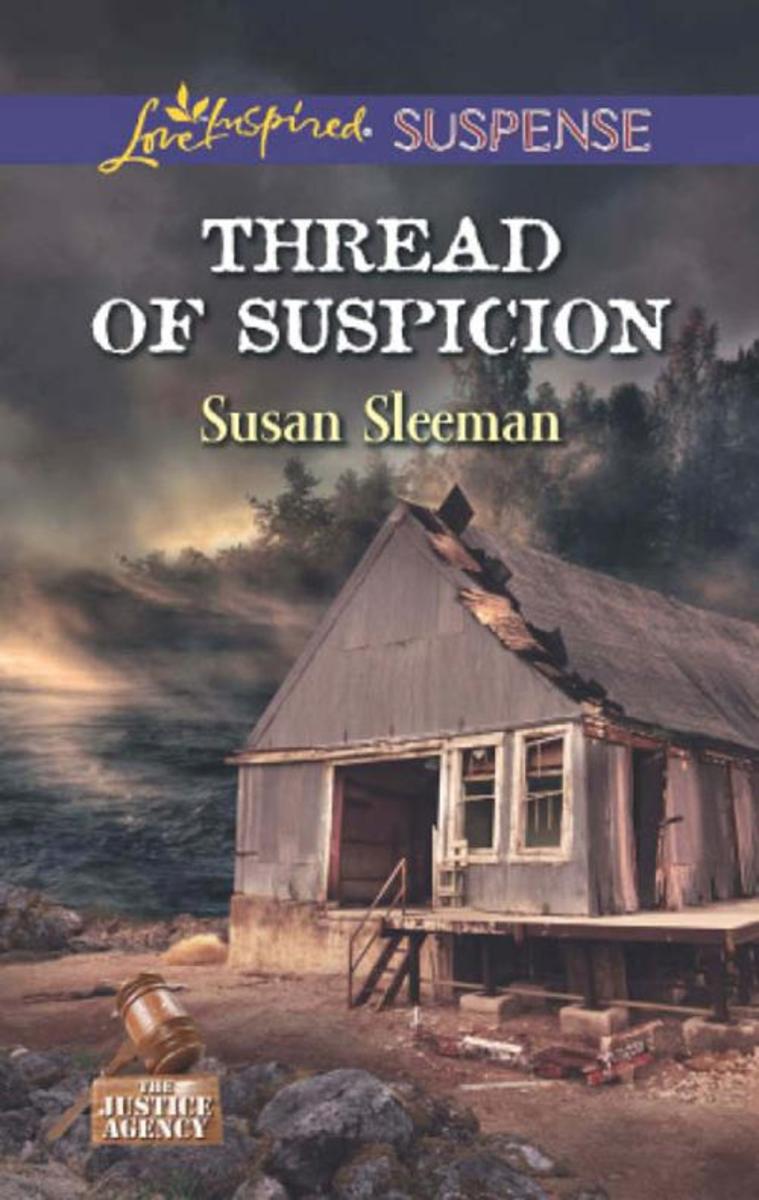
Thread of Suspicion (Mills & Boon Love Inspired Suspense) (The Justice Agency, B
¥31.10
When someone sabotages ex-Navy SEAL Luke Baldwin’s “unhackable” software, there’s more than his reputation at stake. Faced with treason charges, Luke turns to Dani Justice, a computer expert and skilled investigator. She’s eager to dive into the challenging case…until she uncovers a devastating connection. The hacker framing Luke has a personal, deadly history with Dani. Luke’s code of honor—and his growing feelings—make him resolved to protect the sweet, strong woman he knows is more vulnerable than she’d admit. But what good are his training or determination against an enemy who can hack into any system, and find them wherever they hide?
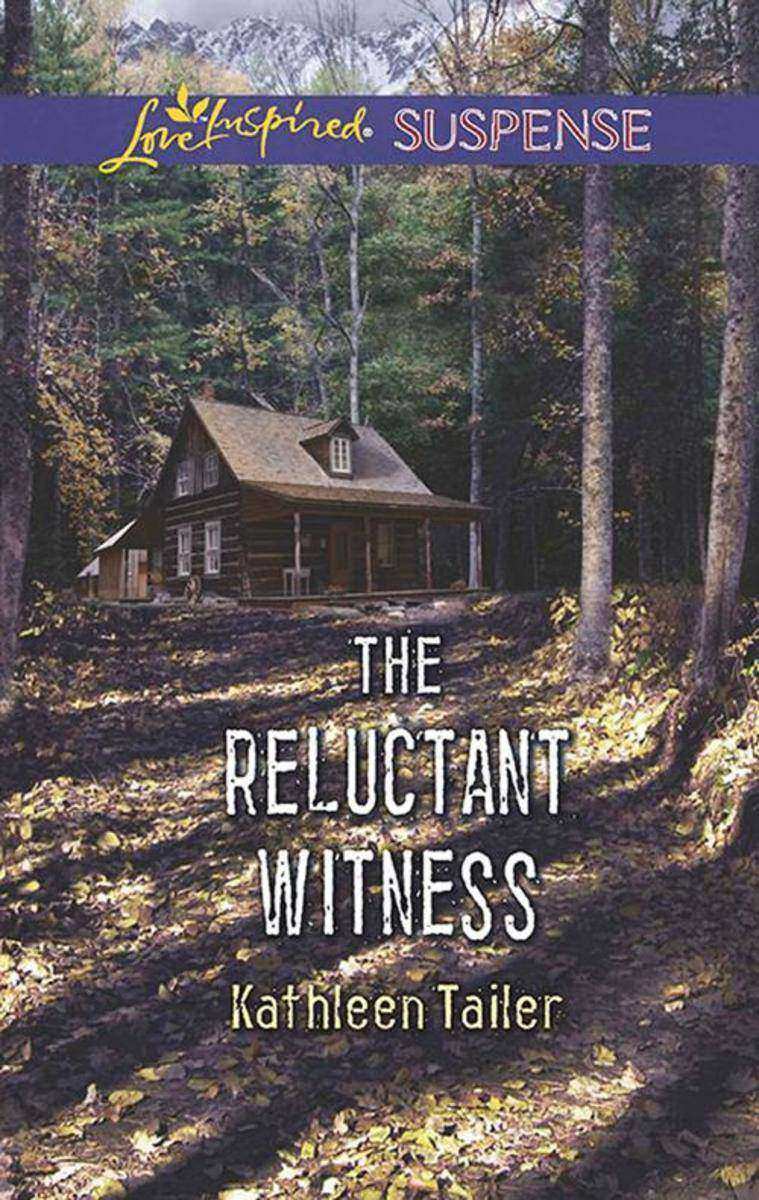
The Reluctant Witness (Mills & Boon Love Inspired Suspense)
¥31.10
When his partner turns on him and tries to kill him, FBI agent Jack Mitchell is framed for murder and abandoned… until a blue-eyed beauty saves his life. Even in his wounded haze Jack sees Casey Johnson is hiding a secret. As the only witness to his innocence, Jack needs her. But Casey doesn't know who's more dangerous–the man who wants Jack dead or the handsome agent himself. For if Jack knew the reason she escaped to the wilderness with her niece, he’d have to arrest her. But on the run with Jack, Casey realizes more than her secret is at stake now. So is her heart….

Wildest Dreams (Thunder Point, Book 9)
¥45.03
www.robyncarr.com With Thunder Point, #1 New York Times bestselling author Robyn Carr has created a town where hard work and determination are all it takes to make dreams come true Blake Smiley searched the country for just the right place to call home. The professional triathlete has traveled the world, but Thunder Point has what he needs to put down the roots he's never had. In the quiet coastal town, he can focus on his training without distractions. Until he meets his new neighbors and everything changes. Lin Su Simmons and her teenage son, Charlie, are fixtures at Winnie Banks's house as Lin Su nurses Winnie through the realities of ALS. A single mother, Lin Su is proud of taking charge and never showing weakness. But she has her hands full coping with a job, debt and Charlie's health issues. And Charlie is asking questions about his family history–questions she doesn't want to answer. When Charlie enlists Blake's help to escape his overprotective mother, Lin Su resents the interference in her life. But Blake is certain he can break through her barriers and be the man she and Charlie need. When faced with a terrible situation, Blake comes to the rescue, and Lin Su realizes he just might be the man of her dreams. Together, they recognize that family is who you choose it to be.
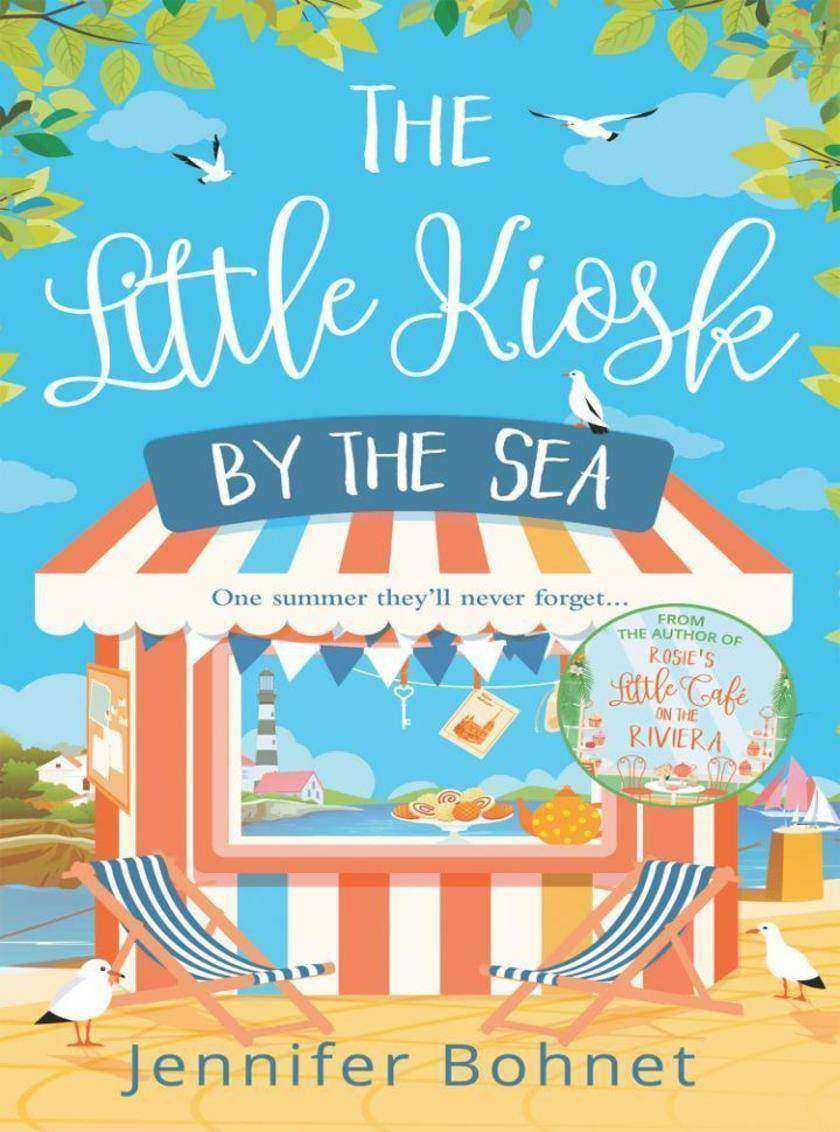
The Little Kiosk By The Sea: A Perfect Summer Beach Read
¥11.77
The wonderful seaside story from Jennifer Bohnet, perfect for fans of Fern Britton and Veronica Henry! One summer they’ll never forget… Meet Sabine, desperately fighting to save her little kiosk from closure whilst turning down her friend Owen’s proposals, time and time again. Cue Harriet, returning to Dartmouth after thirty years, haunted by the scandal that drove her away and shocked by a legacy that threatens her relationship with her journalist daughter. Enter Rachel, the mysterious newcomer who has an unexpected chemistry with a local widower, and who sets in motion a chain of events she could never have predicted… One thing’s for sure, as the autumn tide turns, there’ll be more than one secret laid bare!
A Spoonful Of Sugar: A Novella (Could It Be Magic?, Book 5)
¥16.97
Competing with witches spells disaster… When popular baking show Britain Bakes decides to televise their latest series on location in Claddach, Esme is thrilled. This will finally put her beloved hometown back on the tourist map, and revive the family’s cafe business. But when her cousin Harmony insists that novice baker Esme join her as a contestant on the show, she panics – with no witching allowed on prime-time TV, this will be a question of focus over hocus pocus… So once filming gets underway, Esme is surprised to find that she is actually enjoying herself, until strange ‘accidents’ start to befall the other contestants. Are they just run-of-the-mill baking mishaps, or is someone trying to sabotage the show? It looks like Esme may need to wave her magic spatula after all…

A Baby to Bind Them (Mills & Boon Medical)
¥30.61
The greatest bond of all… Neonatal nurse Jade Grant’s former wild-child existence ended the day she became sole guardian to her newborn niece. Three years on and she’s ‘Miss Sensible’ – she’d wrap Amber in cotton wool if she could! And she definitely doesn’t have time for men… Especially not Amber’s devil-may-care uncle, Mitchell Forrester – no matter how gorgeous he is! But as Mitchell reminds Jade how to live a little, and she sees the way he lights up Amber’s eyes, she begins to wonder… Perhaps her perfect family was right there all along!

A Reunion and a Ring (Mills & Boon Cherish) (Proposals & Promises, Book 3)
¥31.10
Someone's sleeping in my bed Needing to ponder a marriage proposal, play-it-safe Jenny Baer escapes to an Ozarks cabin–right into bed with a naked man! What's a recuperating Officer Gavin Locke doing in her rental amid a raging storm? He's the last thing she needs–the man she loved…and left. Trapped with Jenny in his cabin, with no power and too many memories, Gavin knows nothing's changed. She can't accept his dangerous career, and she's about to marry a powerful politician. But when one little kiss brings him to his knees, Gavin can't deny the attraction never died. Nor can Jenny. Once the flood waters recede, Jenny will wear a ring…But from whom?

A Will, a Wish...a Proposal (Mills & Boon Cherish)
¥31.10
"Will you marry me?" Ellie Scott stopped believing in fairy tales three years ago. Now she’s living by her own rules, and nothing will distract her—especially not hotshot executive Max Loveday. They might be bound together by her godmother’s will, but Ellie’s determined to ignore the sparks lighting up her heart every time Max is near! Max is used to women walking away when they realize they can’t change him. But beautiful, vulnerable Ellie makes him want to be a different man, and with four little words he’ll prove it!
Angel Of Doom
¥22.46
MYTHIC PROPORTIONS Insidious alien forces conspiring to enslave humanity grow increasingly dangerous and defiant. Willing to do whatever it takes to defeat these ancient invaders, the Cerberus rebels carry on the fight for freedom. DAMNATION THRALL The Cerberus fighters embark on an urgent quest to discover what happened to expeditions lost in Italy, on land that once belonged to the Etruscan empire. On site they encounter the monstrous Charun, armed with the hammer of the gods, and Vanth, the angelic winged huntress with a heart of evil. These alien gods are intent on opening a portal to bring their kind to earth, harnessing the power of victims' minds while using their bodies as shock troops. As the river Styx is poised to flow again, the Cerberus team must prevail or an invasion from a barbaric dimension will lay siege to Europe…and beyond.

Australian Dreams (Mills & Boon M&B)
¥51.60
From The Rugged Beauty of Australia Comes a Story of Love and Hope… Claire McIntyre needs to remember what really makes her happy when tragedy and the loss of her job throw her into turmoil. Soon Claire finds herself back at the very place she’s been running from – the family property. A place where reputations are hard won and easily lost, and where fortune is as fickle as the weather. Here, in the rugged Adelaide Hills, Claire starts to rebuild her life with her friends, her father and his beloved racehorses – including one really promising horse. But, just as she begins to find happiness and perhaps even love, fate comes to call. Now Claire must decide whether to risk it all on her newfound passion…
Falling for the Sheriff (Mills & Boon American Romance) (Texas Rebels, Book 2)
¥30.61
A FRESH START Widow Kate Sullivan moved to Cupid's Bow, Texas, to get her teenage son on the right path. But their new life in the small town gets off to a rocky start when her son is caught shoplifting by the sheriff. Kate is immediately attracted to Cole Trent, but she's not ready to fall in love again, and certainly not with another cop. Cole should have known Cupid's matchmakers would scramble to fix him up with a smart, beautiful woman like Kate. The single dad has managed to evade their efforts until now, so he and Kate come up with a plan to keep the matchmakers at bay. Pretending to be a couple was a good idea, until Cole realizes his feelings are anything but pretend. Can he convince Kate to give their romance a real chance?

Following the Doctor's Orders (Mills & Boon Cherish) (Texas Rescue, Book 3)
¥29.43
The Man To Heal Her Heart? ER physician Dr Brooke Brown is too busy saving patients to have time for men – especially men like firefighter Zach Bishop. But, after one unexpected night with Zach, Brooke begins to fear that it’s not her job but her tragic past that’s standing in the way of her happily-ever-after.
Her Second-Chance Family (Mills & Boon Superromance)
¥27.27
Good can come out of bad If it wasn't for the tragic accident ten years earlier, Audrey Smith might never have taken in the three foster kids she loves so dearly. And if it wasn't for the new addition to her home–a troubled teenage thief–she wouldn't be fantasizing about Sawyer Williams. Make no mistake–Sawyer's the victim here. He's the one who was robbed by Audrey's daughter. But teaching the teen a lesson rather than punishing her makes Sawyer a superhero in Audrey's eyes. Someone who can forgive and forget… That is until another break-in rocks their community, threatening Audrey's family and her future with Sawyer.

Hired by the Brooding Billionaire (Mills & Boon Cherish)
¥31.10
Billionaire Declan Grant has been a recluse since his wife's death. But, when his garden needs taming, he reluctantly invites gardener Shelley Fairhill into his home. And, as he watches his garden come back to life, he feels his heart come back to life too...

His Girl Friday
¥31.10
From New York Times bestseller Diana Palmer comes a reader-favorite story of a woman attempting to do the impossible: tame the roguish man she loves from afar… There has only ever been one man for young Danetta Marist…but he's the one she can never have. That's gruff, handsome boss Cabe Ritter, whose mere glance makes her spine tingle and her heart race. And then there was that heart-stopping kiss in his office. But Danetta believes in marriage and happily-ever-afters. And everyone knows Cabe is a terrible womanizer… Deep down, Cabe is no playboy. Long ago, he put up a facade to protect himself from any woman–like his alluring secretary–who wanted a commitment from him. Cabe knows that young, fresh and deliciously tempting Danetta has a lot to learn about love. But now that he has held her in his arms once, he decides that he'll be the man to teach her…for the rest of their lives.

Hoodwinked
¥31.10
New York Times bestselling author Diana Palmer delivers another fan-favorite story of intrigue, passion and unexpected love! Maureen Harris is dedicated to her job at McFaber Corporation, which manufactures jets. The green-eyed ingenue has her eye on everything that comes through the company's offices…including a report of a sabotaged plane! When she hears the news, Maureen decides to conduct her own investigation. She is suspicious of the company's newest and most antagonistic mechanic. There's more to him than meets the eye, though. Soon, Maureen is shocked to find herself seduced by the sexy stranger! But Jake has a deeply buried secret that will surprise her even more…


