


 购物车
购物车 个人中心
个人中心
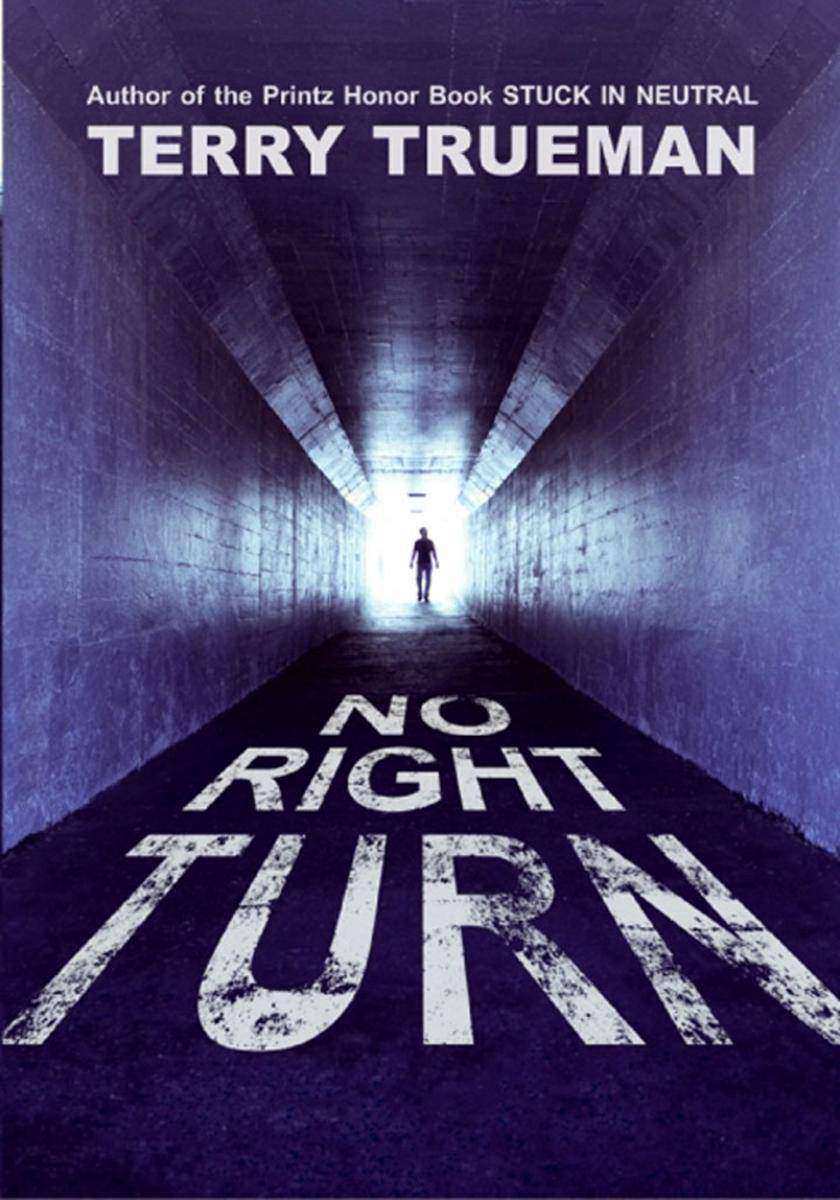
No Right Turn
¥50.47
I heard the gunshot and I knew what had happened. Even before I made it downstairs to Dad's office, I knew what he'd done.How do you live your life after catastrophe hits your familyHow do you go back to football practice, or take a girl out on a date, or talk to your friends about normal stuff when nothing is normal anymoreThree years after his father's death, Jordan is still wondering. But then, salvation comes—in the form of a '76 Corvette. It's gorgeous, it's beautiful, it's incredibly sexy. And so is the girl who suddenly takes notice of him.Slowly Jordan realizes that maybe, just maybe, he can start living again. But the real question is: Does he want to?
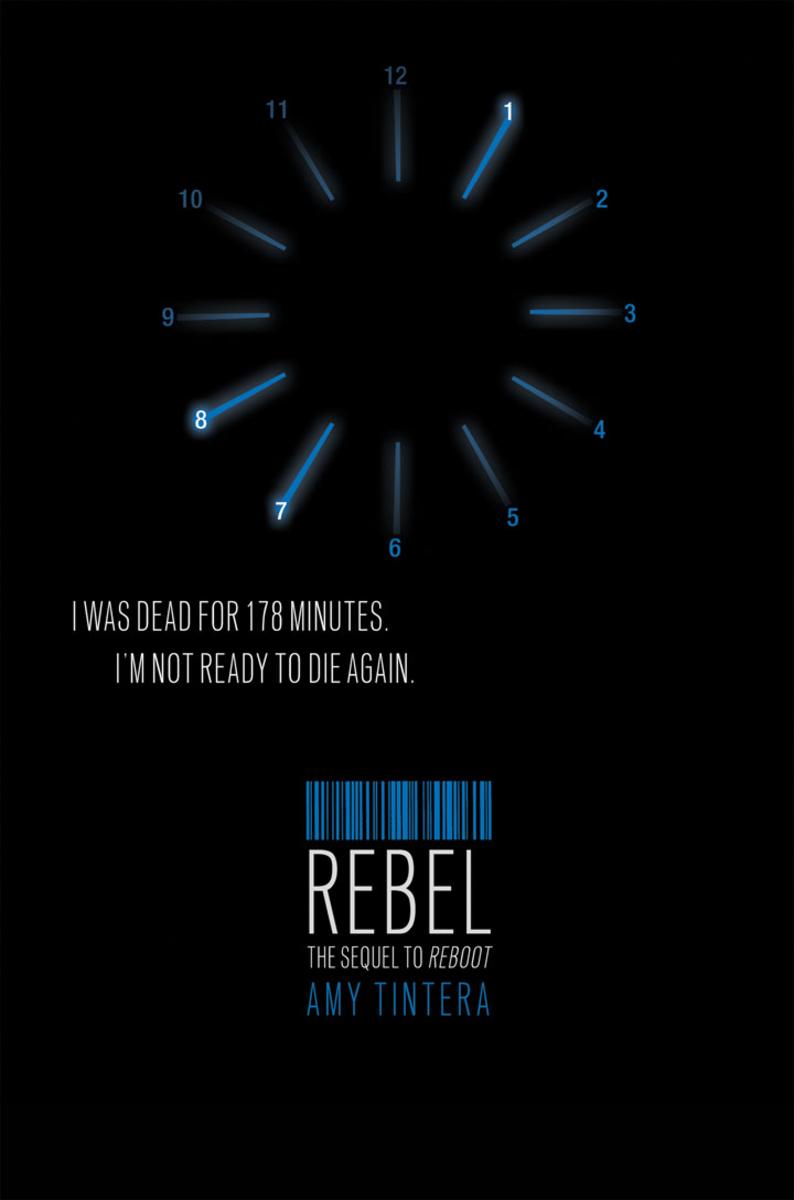
Rebel
¥55.33
The sequel to the action-packed Reboot is a can't-miss thrill ride, perfect for fans of James Patterson and Marie Lu.After coming back from death as Reboots and being trained by HARC as soldiers, Wren and Callum have finally escaped north, where they hope to find a life of freedom. But when they arrive at the Reboot reservation, it isn't what they expected. Under the rule of a bloodthirsty leader, Micah, the Reboots are about to wage an all-out war on the humans. Although Wren's instincts are telling her to set off into the wilderness and leave the battle far behind, Callum is unwilling to let his human family be murdered. When Micah commits the ultimate betrayal, the choice is made for them. But Micah has also made a fatal mistake—he's underestimated Wren and Callum.The explosive finale to the Reboot duology is full of riveting action and steamy love scenes as Wren and Callum become rebels against their own kind.
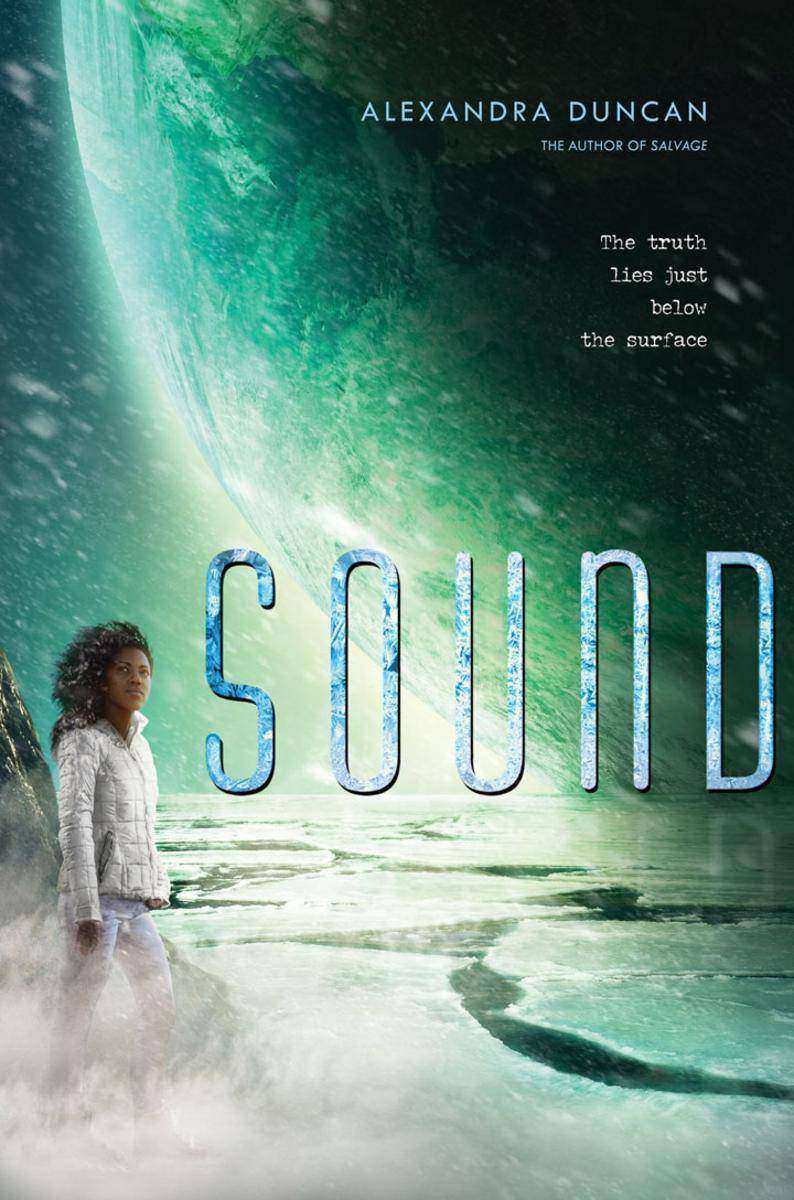
Sound
¥99.65
Sound is the stand-alone companion to Alexandra Duncan's acclaimed debut novel Salvage, which was praised by internationally bestselling author Stephanie Perkins as "brilliant, feminist science fiction." For fans of Beth Revis, Firefly, and Battlestar Galactica.As a child, Ava's adopted sister, Miyole, watched her mother take to the stars, piloting her own ship from Earth to space making deliveries. Now a teen herself, Miyole is finally living her dream as a research assistant on her very first space voyage. If she plays her cards right, she could even be given permission to conduct her own research and experiments in her own habitat lab on the flight home. But when her ship saves a rover that has been viciously attacked by looters and kidnappers, Miyole, along with a rescued rover girl named Cassia, embarks on a mission to rescue Cassia's abducted brother, and that changes the course of Miyole's life forever. Harrowing, provocative, and stunning, Sound begins roughly a decade after the action in the author's critically acclaimed Salvage, and is a powerful stand-alone companion.
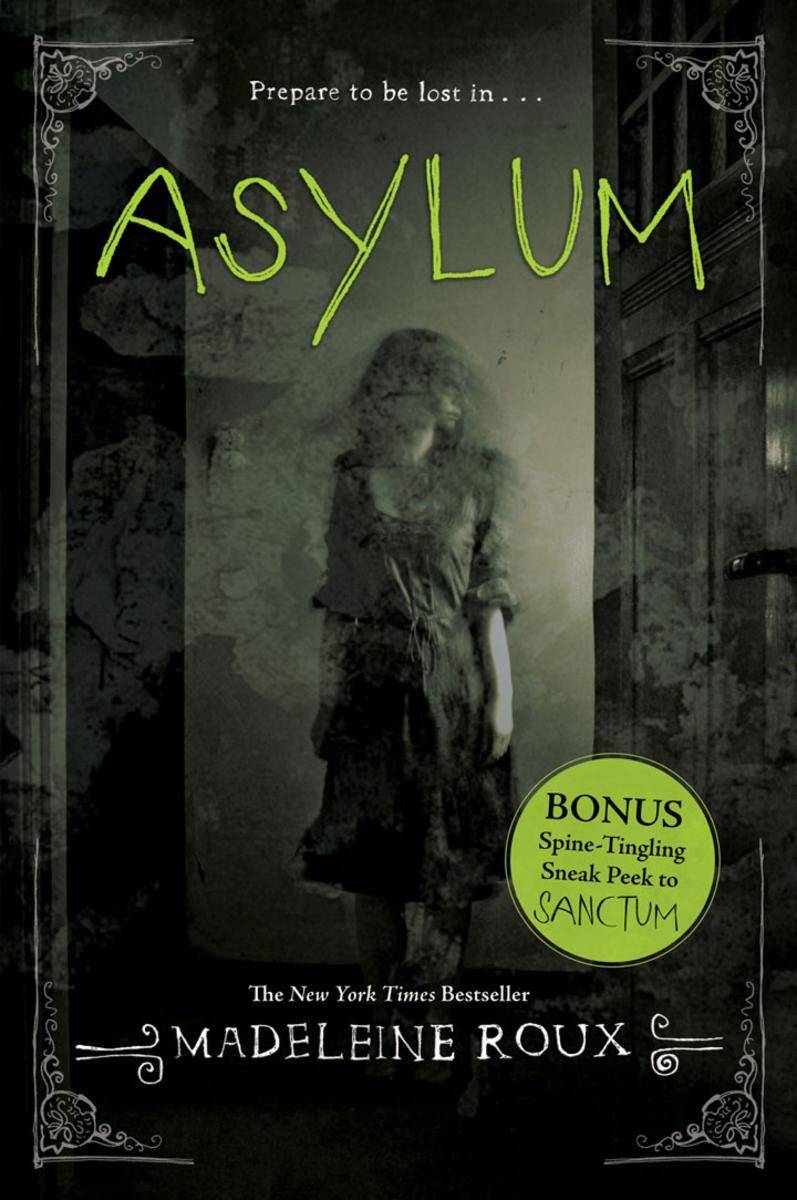
Asylum
¥61.52
Madeleine Roux's New York Times bestselling Asylum is a thrilling and creepy photo-illustrated novel that Publishers Weekly called "a strong YA debut that reveals the enduring impact of buried trauma on a place." Featuring found photographs from real asylums and filled with chilling mystery and page-turning suspense, Asylum is a horror story that treads the line between genius and insanity, perfect for fans of Miss Peregrine's Home for Peculiar Children.For sixteen-year-old Dan Crawford, the New Hampshire College Prep program is the chance of a lifetime. Except that when Dan arrives, he finds that the usual summer housing has been closed, forcing students to stay in the crumbling Brookline Dorm—formerly a psychiatric hospital. As Dan and his new friends Abby and Jordan start exploring Brookline's twisty halls and hidden basement, they uncover disturbing secrets about what really went on here . . . secrets that link Dan and his friends to the asylum's dark past. Because Brookline was no ordinary mental hospital, and there are some secrets that refuse to stay buried.
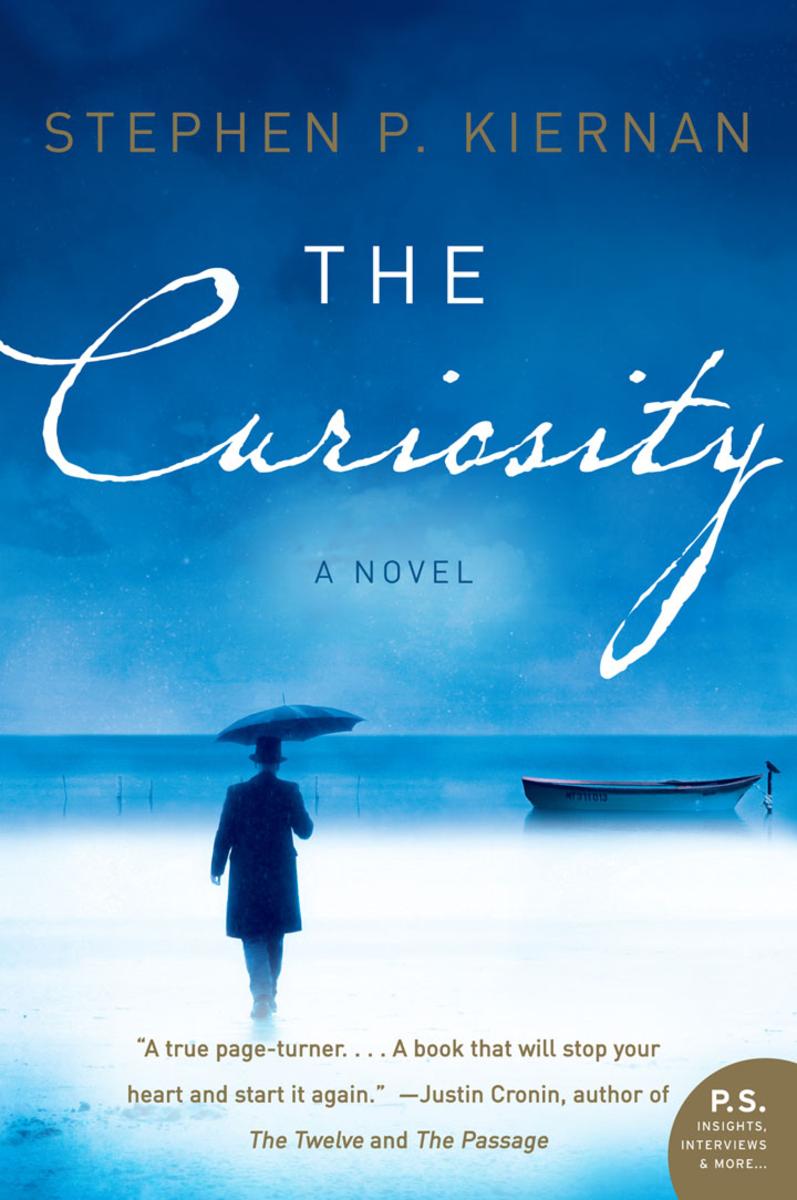
The Curiosity
¥83.03
A powerful debut novel in which a man, frozen in the Arctic ice for more than a century, awakens in the present day and finds the greatest discovery is love . . .The Curiosity Dr. Kate Philo and her scientific exploration team make a breathtaking discovery in the Arctic: the body of a man buried deep in the ice. As a scientist in a groundbreaking project run by the egocentric and paranoid Erastus Carthage, Kate has brought small creatures—plankton, krill, shrimp—back to life for short periods of time. But the team's methods have never been attempted on larger life-forms.Heedless of the potential consequences, Carthage orders that the frozen man be brought back to the lab in Boston and reanimated. The endeavor is named "The Lazarus Project." As the man begins to regain his memories, the team learns that he was—is—a judge, Jeremiah Rice, and the last thing he remembers is falling overboard into the Arctic Ocean in 1906. When news of the project and Jeremiah Rice breaks, it ignites a media firestorm and protests by religious fundamentalists.Thrown together by fate, Kate and Jeremiah grow closer. But the clock is ticking and Jeremiah's new life is slipping away. With Carthage planning to exploit Jeremiah while he can, Kate must decide how far she is willing to go to protect the man she has come to love.A gripping, poignant, and thoroughly original thriller, Stephen P. Kiernan's provocative debut novel raises disturbing questions about the very nature of life and humanity—man as a scientific subject, as a tabloid novelty, as a living being: a curiosity.

The Good Sister
¥55.91
In New York Times bestselling authorWendy Corsi Staub's electrifying new thriller,a mother races to save her daughter beforeher darkest nightmare comes true. Sacred Sisters Catholic girls' school has hardly changed since Jen Archer was a student. Jen hoped her older daughter would thrive here. Instead, shy, studious Carley becomes the target of vicious bullies. But the real danger at Sacred Sisters goes much deeper.The only person Carley can talk to is "Angel," a kindred spirit she met online. Carley tells Angel everything—about her younger sister, about school, about the sudden death of her former best friend. Angel is her lifeline. And Angel is closer than she knows.When another schoolgirl is found dead, Jen's unease grows. There are too many coincidences, too many links to her past. Every instinct tells her that Carley is the next target. For someone is intent on punishing the guilty, teaching the ultimate lesson in how to fear . . . and how to die.

Divine Secrets of the Ya-Ya Sisterhood
¥90.77
“A big, blowzy romp through the rainbow eccentricities of three generations of crazy bayou debutantes.” —Atlanta Journal-Constitution “A very entertaining and, ultimately, deeply moving novel about the complex bonds between mother and daughter.” —Washington Post “Mary McCarthy, Anne Rivers Siddons, and a host of others have portrayed the power and value of female friendships, but no one has done it with more grace, charm, talent, and power than Rebecca Wells.” —Richmond Times-Dispatch The incomparable #1 New York Times bestseller—a book that reigned at the top of the list for an remarkable sixty-eight weeks—Rebecca Wells’s Divine Secrets of the Ya-Ya Sisterhood is a classic of Southern women’s fiction to be read and reread over and over again. A poignant, funny, outrageous, and wise novel about a lifetime friendship between four Southern women, Divine Secrets of the Ya-Ya Sisterhood brilliantly explores the bonds of female friendship, the often-rocky relationship between mothers and daughters, and the healing power of humor and love, in a story as fresh and uplifting as when it was first published a decade and a half ago. If you haven’t yet met the Ya-Yas, what are you waiting for?
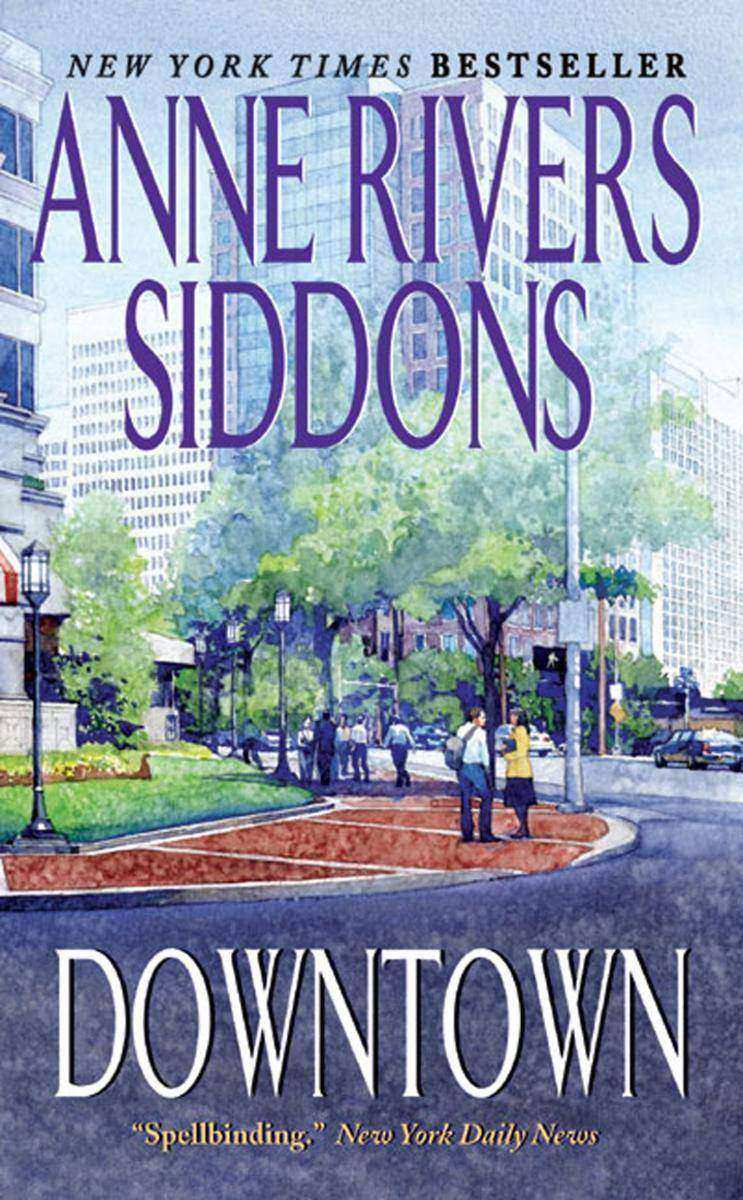
Downtown
¥55.31
The year is 1966, a time of innocence, possibility,and freedom. And for Atlanta, the country, and one woman making her way in a changing world, nothing will be the same . . .After an airless childhood in Savannah, Smoky O'Donnell arrives in Atlanta, dazzled and chastened by this hectic young city on the rise. Her new job as a writer with the city's Downtown magazine introduces her to many unforgettable people and propels her into the center of momentous events that will irrevocably alter her heart, her career, and her world.
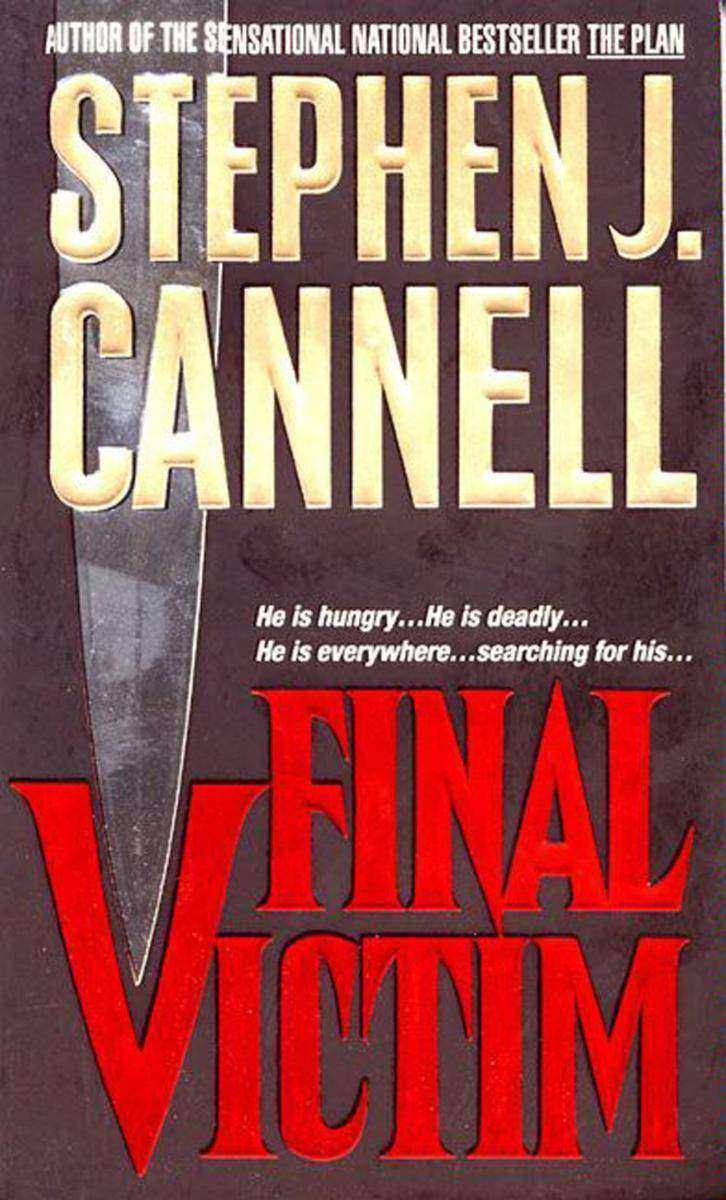
Final Victim
¥55.31
A genius, hairless, seven-foot-tall psychopath, Leonard Land is many people wired into the cyber-subculture of Satanism and Death Metal. He is smart and cunning. He is quick, brutal and deadly. And he is everywhere. A renegade U.S. customs agent, a brilliant and beautiful forensic phychologist and a streetwise convict master hacker are on the trail of the maniac who is methodically slaughtering innocent women -- a hunt that is leading a trio of unlikely heroes across an imperiled nation...and deep into the darkest corridors of cyberspace. But there is no system the maniac cannot infiltrate, no secrets he cannot access. He knows he is being hunted...and by whom. And he's determined to strike first -- in ways too terrible to anticipate.

For Pete's Sake
¥72.70
Ellen isn't sure true love exists. That is until she landscapes the estate of the widower next door, Adrian Sinclair. Adrian has it all at least on the surface. A successful businessman, he's engaged to a beautiful woman and he'll soon have a stepmom for his troubled son, Pete. Yet from the moment Ellen rescues a stranded Adrian on her Harley, his well-ordered world turns upside down. With his business under investigation for espionage and his son pushing for the tomboy next door as his new mom, Adrian's facade of happiness shatters. As Ellen and Pete bond, she realizes that Adrian is about to marry the wrong woman. Despite her resolve to remain neighbors only, Ellen is drawn to Adrian. But how can she be the one when he's engaged to a sophisticated beauty who is everything Ellen isn'tAs Ellen's three best friends step in to help her navigate this uncharted territory, Ellen must ask herself whether she's ready to risk the heart that she's always held close. Will Ellen trust that God brought this family into her life for a reasonOr will fear cause her to turn away from God's plan and her one true chance at love?
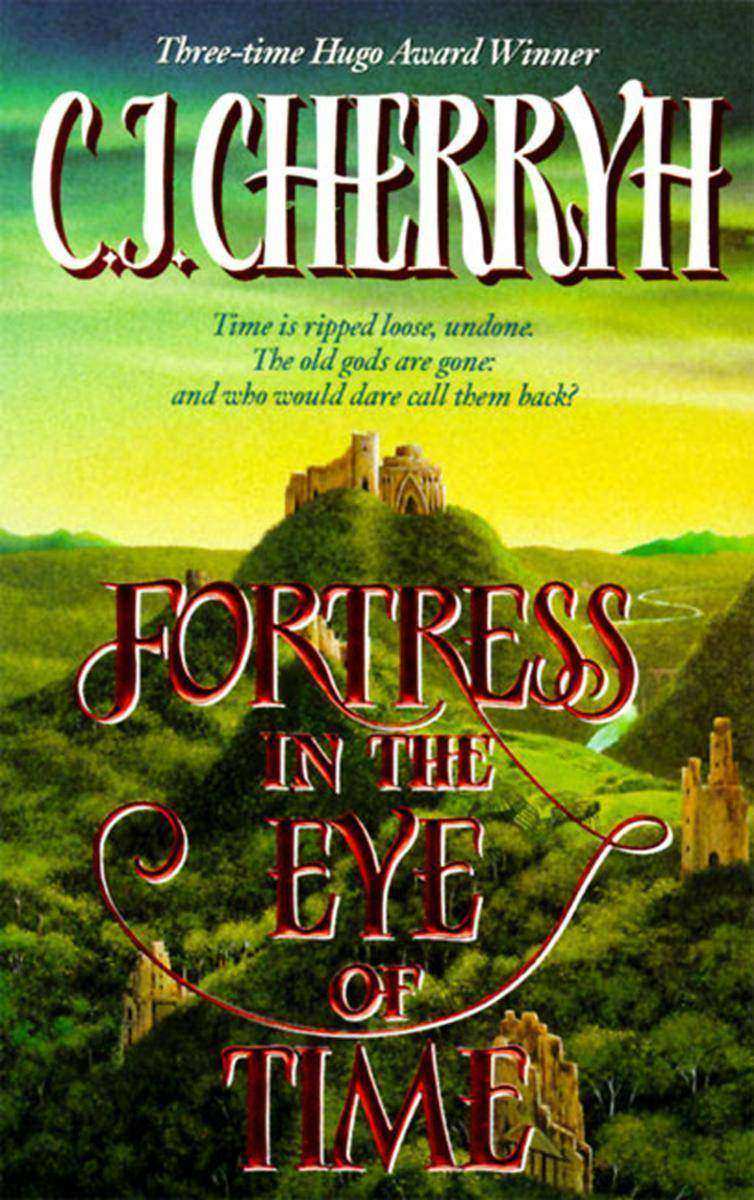
Fortress in the Eye of Time
¥63.09
Deep in an abandoned, shattered castle, an old man of the Old Magic muttered almost forgotten words. His purpose -- to create out of the insubstance of the air, from a shimmering of light and a fluttering of shadows. that most wonderous of spells, a Shaping. A Shaping in the form of a, young man who will be sent east on the road the old was to old to travel. To right the wrongs of a long-forgotten wizard war, and call new wars into being. Here is the long-awaited major new novel from one of the brightest stars in the fantasy and science fiction firmament.C.J.Cherryh's haunting story of the wizard Mauryl, kingmaker for a thousand years of Men, and Tristen, fated to sow distrust between a prince and his father being. A tale as deep as legend and a intimate as love, it tells of a battle beyond Time, in which all Destiny turns on the wheel of an old man's ambition, a young man's innocence, and the unkept promised of a king to come.
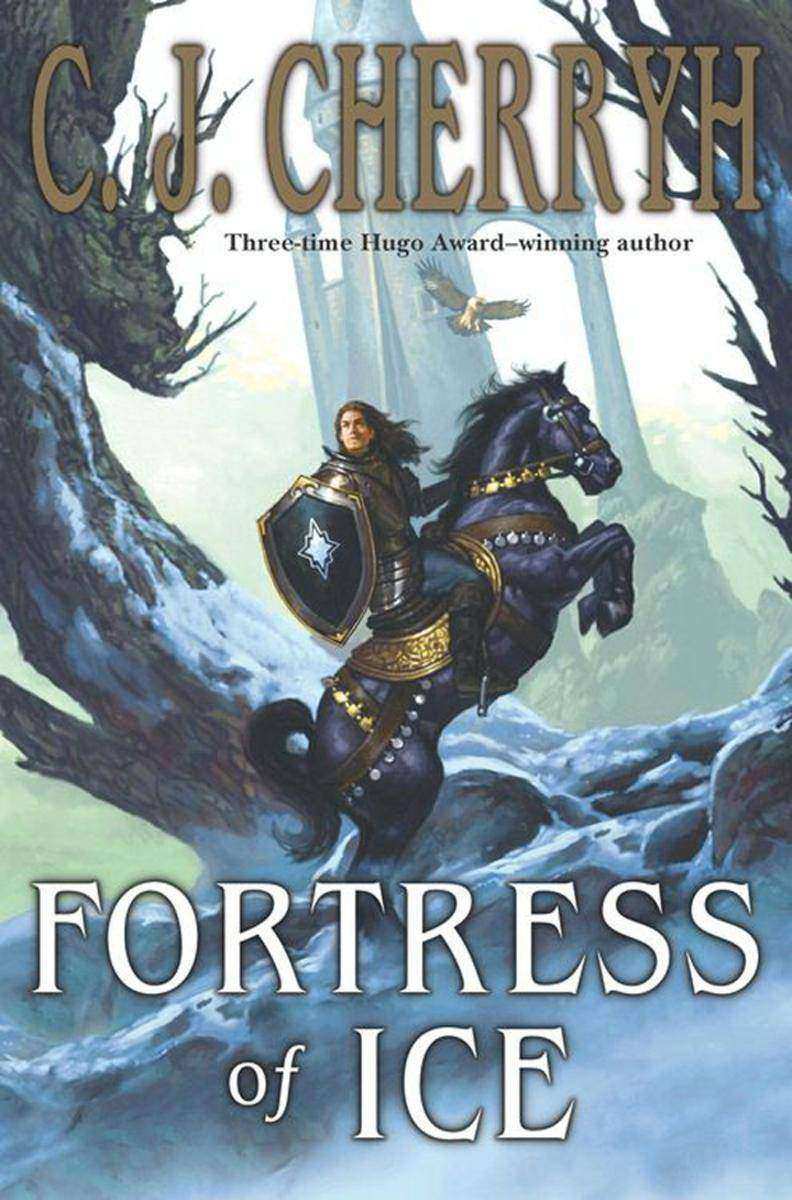
Fortress of Ice
¥55.31
Sixteen years have passed since the dramatic events of Fortress of Dragons, and Cefwyn, king at last, must rebuild his devastated kingdom. The embattled ruler is aided by his powerful friend Tristen Sihhe and two surprising allies in a struggle he must win: his two young sons. Elfwyn Aswydd, the bastard son of Cefwyn and the sorceress Tarien Aswydd, has spent years unaware of his parentage, yet now it is his time to emerge and claim the gifted birthright he's been denied for so long. But a dark, sinister magic has crept close to the young man and seized hold of the kingdom. Nothing is as it seems, and the bonds of family strain against the powerful forces that would see them undone. It is up to an embattled four—Elfwyn; his half brother, Aewyn Marhanen; Cefwyn; and Tristen—to unmask and destroy the dark forces that threaten to unhinge the king's peaceful and fragile reign.
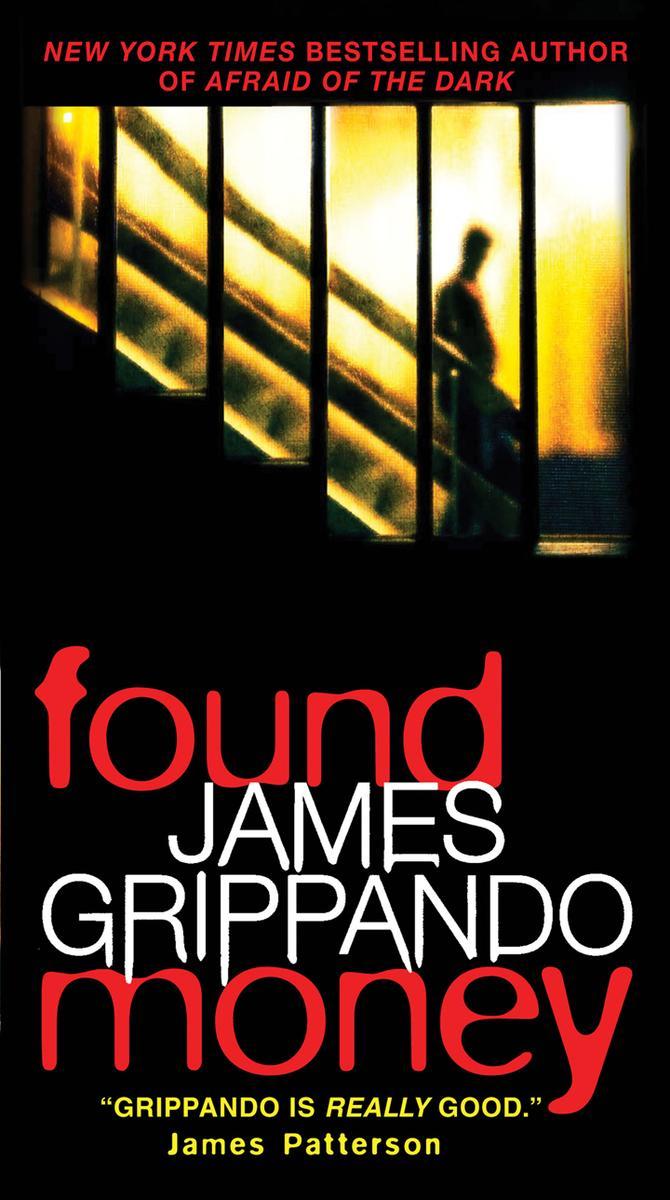
Found Money
¥69.16
A young woman finds $200,000 in cash in a cardboard box delivered to her door. A man inherits a fortune from a father who died "penniless." Amy Parkens and Ryan Duffy have never met, but they are about to, as each discovers that found money can be a godsend--or a nightmare. Amy Parkens is a struggling single mother forced to abandon a career in astronomy for a practical computer job. She feels condemned to long hours, low pay, and no time to spend with her daughter. Then an unmarked package arrives. There's no card, no note, no return address. Someone has simply sent her a small fortune. Amy has no idea who--or why. She only knows her dead-end life has changed forever. Though she longs to keep the cash, Amy fears a mistake, a setup, or even a possible connection to her mother's mysterious suicide twenty years earlier. She has to find the source. But when she tries to look her gift horse in the mouth, someone snatches the money away--quickly, violently. Ryan Duffy is a decent, responsible man, a small-town physician from the plains of southeastern Colorado. Like Amy, Ryan has recently found unexpected wealth. His father's estate is worth more than Ryan could ever have imagined--millions more. Truth is, Dad was a hardworking electrician for forty-years. But in his attic, he hid a fortune. The Duffy family has been guarding this secret. Was it extortion, burglary, or some other shocking crimeAnd now that Ryan has the money, what should he doPainful as it is, Ryan is drawn to his father's dark past. Amy, on the same desperate quest for answers, soon crosses Ryan's path. Their search takes them through a labyrinth of deception and blackmail, leading to a man of unfathomable power. Yet the past is not what it appears. Heinous crimes touched their families years ago. Amy and Ryan must solve a treacherous puzzle to learn why the true victims never came forward, why the real wrongdoers went unpunished, and why certain people would kill to keep their secrets.
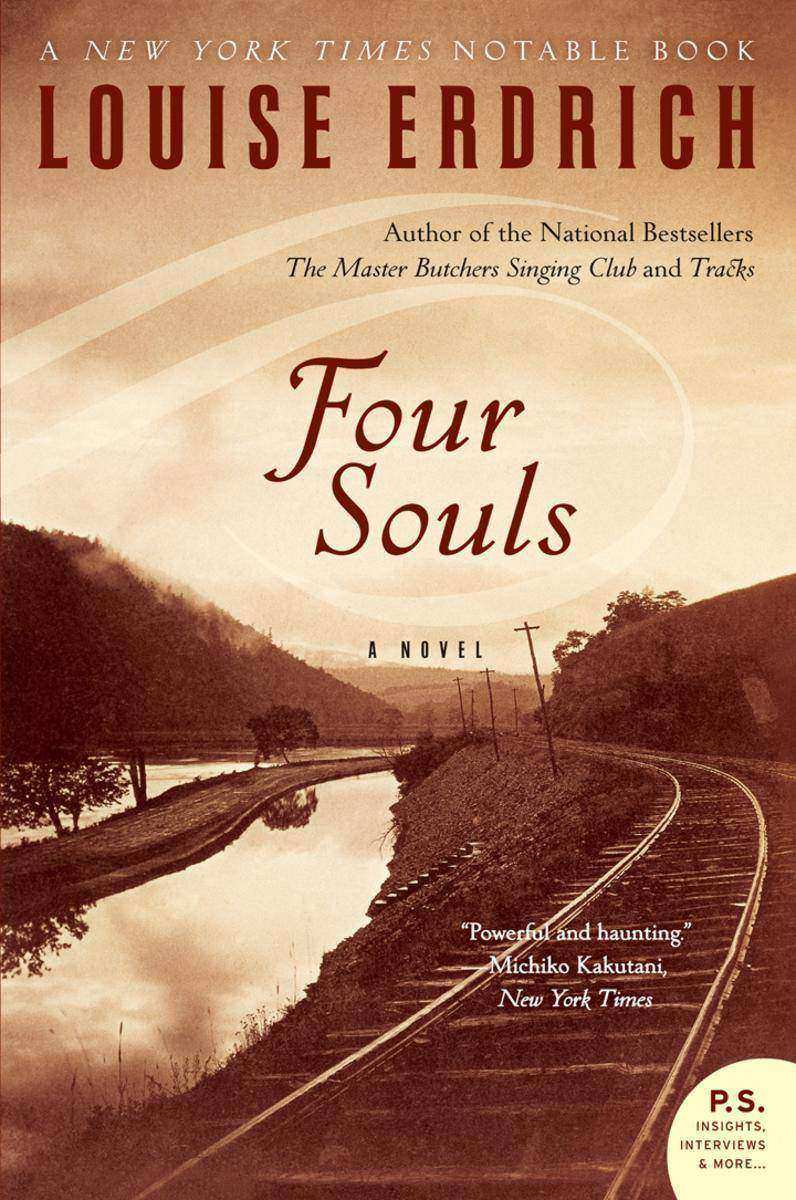
Four Souls
¥83.03
A strange and compelling unkillable woman decides to leave home, and the story begins. Fleur Pillager takes her mother's name, Four Souls, for strength and walks from her Ojibwe reservation to the cities of Minneapolis and Saint Paul. She is seeking restitution from and revenge on the lumber baron who has stripped her reservation. But revenge is never simple, and she quickly finds her intentions complicated by her own dangerous compassion for the man who wronged her. The two narrators of Four Souls are from utterly different worlds. Nanapush, a "smart man and a fool," is both Fleur's savior and her conscience. He tells Fleur's story and tells his own. He would like a calm and discriminating love with his sweetheart, Margaret. He is old and would like to face death with his love beside him. Instead the two find themselves battling out their last years. When the childhood nemesis of Nanapush appears and casts his eye toward Margaret, Nanapush acts out an absurd revenge of his own and nearly ends up destroying everything. The other narrator, Polly Elizabeth Gheen, is a pretentious and vulnerable upper-crust fringe element, a hanger-on in a wealthy Minneapolis family, a woman aware of her precarious hold on those around her. To her own great surprise the entrance of Fleur Pillager into her household and her life effects a transformation she could never have predicted. In the world of interconnected novels by Louise Erdrich, Four Souls is most closely linked to Tracks. All these works continue and elaborate the intricate story of life on a reservation peopled by saints and false saints, heroes and sinners, clever fools and tenacious women. Four Souls reminds us of the deep spirituality and the ordinary humanity of this world, and is as beautiful and lyrical as anything Louise Erdrich has written.
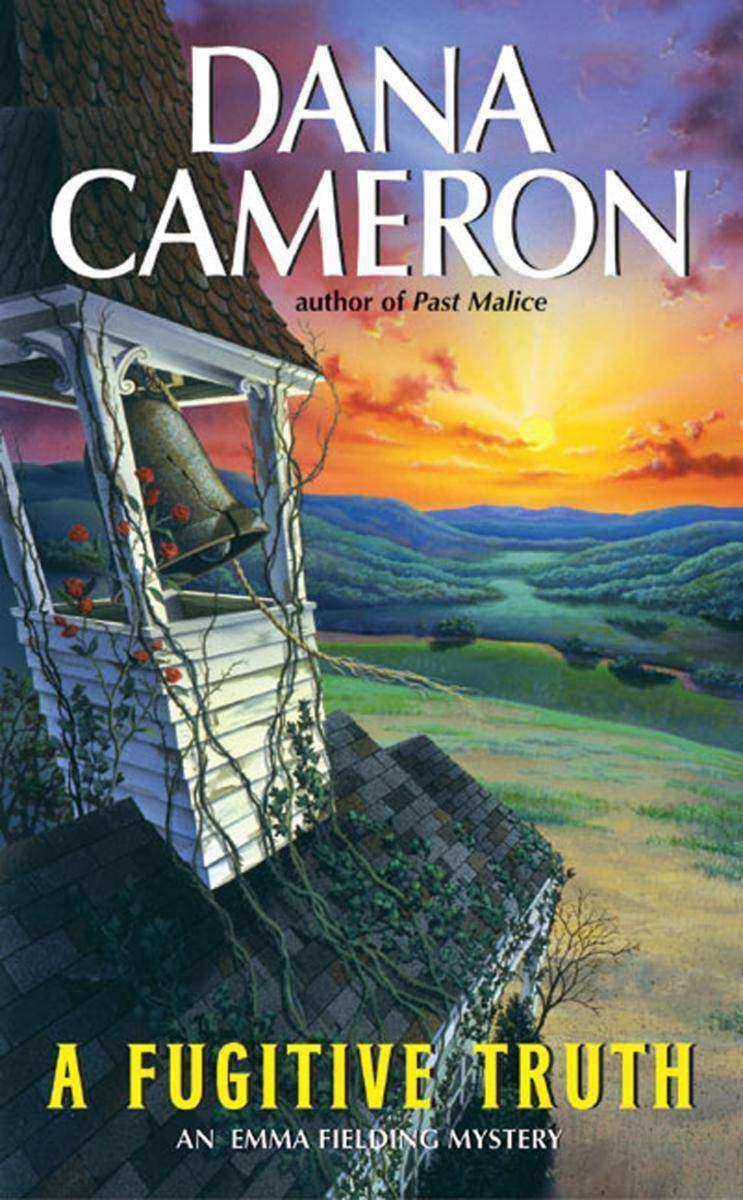
A Fugitive Truth
¥48.91
The past's blood stains the presentThe opportunity of a lifetime awaits archaeologist EmmaFielding in the Berkshire foothills of Western Massachusetts: the chance to study the eighteenth-century diary of Margaret Chandler, the accused witch and murderess whose home Emma excavated only months before. However, the three other Shrewsbury Foundation fellows she must share the premises with are a disturbingly odd bunch, and before too long one of them is dead.But Emma can find no solace in the bleak beauty of thesurrounding wilderness, for there are dark secrets encoded in Madam Chandler's writings, and shocking parallels between an ancient slaying and the strange, brutal demise of her colleague.When the killer strikes again, Emma realizes her own life isat stake. And suddenly there is no choice left: she is driven to investigate bloody crimes past and present -- before her own death becomes a footnote in a chilling, three-centuries-old story.

Full Exposure
¥83.03
Hailed by Utne Reader as "a visionary" and the San Francisco Chronicle as "the X-rated intellectual," Susie Bright is indisputably the sexpert of our times. Now, in a frank and intimate look at our own erotic experience, she delves into the most personal aspects of sex and shows us how our sexual passion can be a source of creativity and inspiration. By her own example and insight, she helps us to discover our own erotic story and sexual philosophy. How do talking, reading, and writing about sex affect your actual sex life What are the real differences between men's and women's sense of the eroticWhy is it so threatening to consciously address sexual desire in the first placeIs there a line to be drawn in erotic creativity--can you go too farIs the best erotic expression soulfulHow can articulate erotic expression make us better lovers and, more important, better peopleBright concludes with an "erotic manifesto" that is a call for everyone to reclaim sexuality, cast off sexual shame, overcome repression, and become true sexual beings. She offers up "rules to live by," which include debunking your own fantasy life, appreciating the simplest erotic gesture, and taking inspiration from everyone but instruction from no one. Bright's work celebrates the joy of sexual creativity--and the very uniqueness of each individual's sense of the erotic. Susie Bright is the author and editor of more than a dozen books, including The Best American Erotica series, the first three editions of Herotica, Sexwise, and The Sexual State of the Union. She has written for Esquire, Playboy, Village Voice, New York Times Book Review, and is a regular columnist for the on-line magazine Salon. She lectures and performs at theaters and universities nationwide and currently lives in Northern California. How do you really feel about sex"I want to cut through all the labels and politics, and reveal what I've learned about sex - what has been transformational for me as a lover, a parent, a daughter, and an artist. I want to argue that sexuality is the soul of the creative process, and that erotic expression of any kind is a personal revolution." -- from Full Exposure Bestselling author and erotic pioneer Susie Bright boldly crosses our culture's most private boundary--our personal eroticism--and reveals the ways in which individual sexual expression has the power to inspire, challenge, and transform all aspects of our lives. Bright explores some of the most complex questions about sexuality today, including: how our emotional and sexual lives intertwine, how we can come clean about our true desire, and what sexual expression teaches us about our bodies. She offers an erotic manifesto of seventeen straightforward guidelines for gaining erotic freedom.
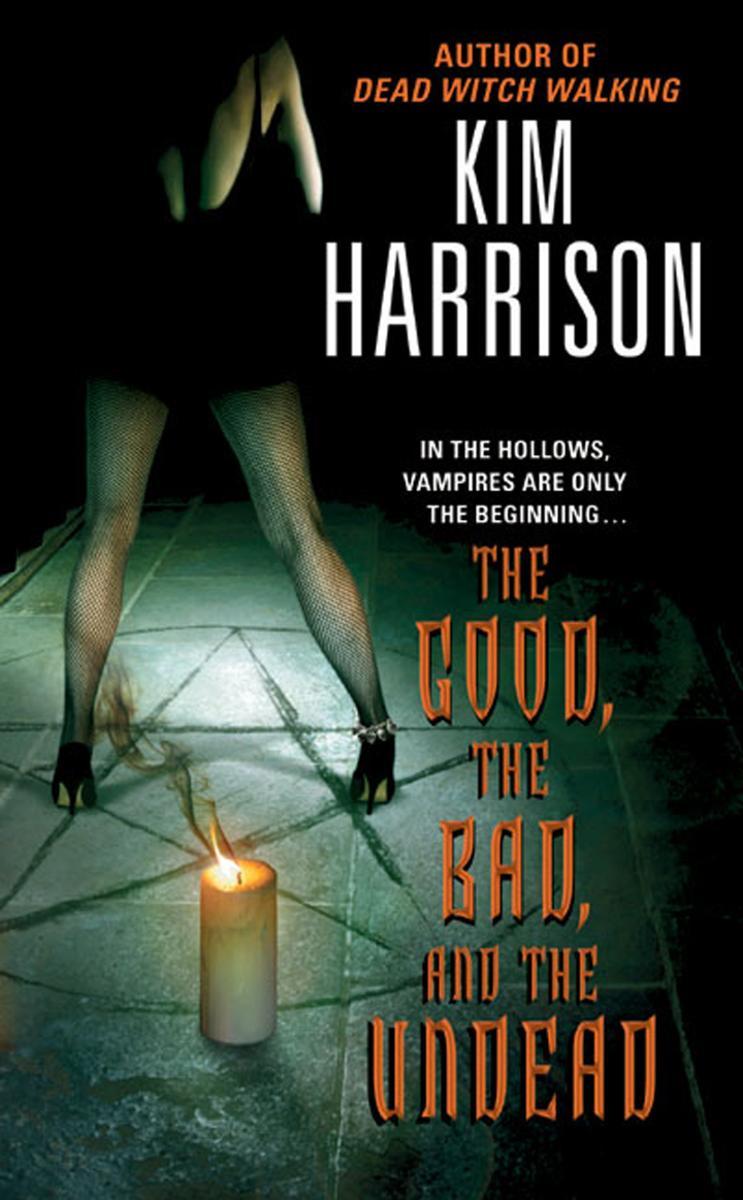
The Good, the Bad, and the Undead
¥55.31
It's a tough life for witch Rachel Morgan, sexy, independent bounty hunter, prowling the darkest shadows of downtown Cincinnati for criminal creatures of the night.She can handle the leather-clad vamps and even tangle with a cunning demon or two. But a serial killer who feeds on the experts in the most dangerous kind of black magic is definitely pressing the limits.Confronting an ancient, implacable evil is more than just child's play -- and this time, Rachel will be lucky to escape with her very soul.
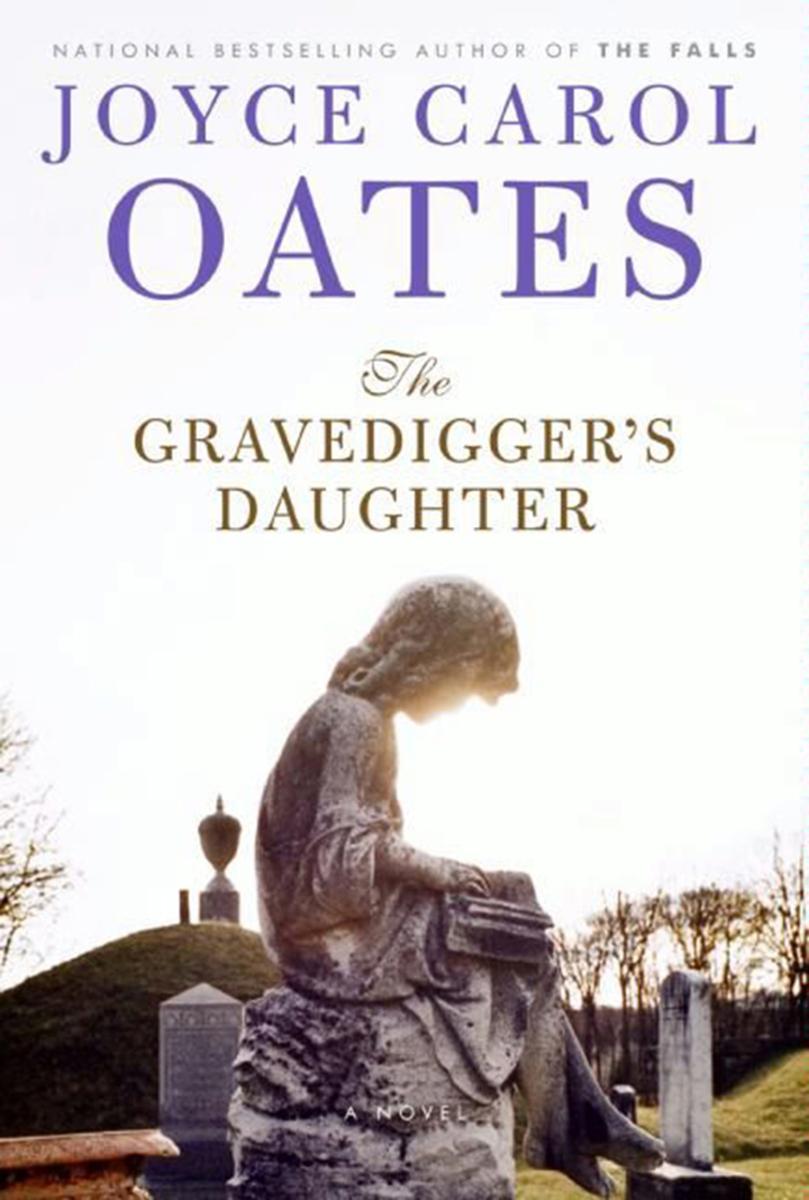
The Gravedigger's Daughter
¥88.56
In 1936 the Schwarts, an immigrant family desperate to escape Nazi Germany, settle in a small town in upstate New York, where the father, a former high school teacher, is demeaned by the only job he can get: gravedigger and cemetery caretaker. After local prejudice and the family's own emotional frailty result in unspeakable tragedy, the gravedigger's daughter, Rebecca, begins her astonishing pilgrimage into America, an odyssey of erotic risk and imaginative daring, ingenious self-invention, and, in the end, a bittersweet—but very "American"—triumph. "You are born here, they will not hurt you"—so the gravedigger has predicted for his daughter, which will turn out to be true. In The Gravedigger's Daughter, Oates has created a masterpiece of domestic yet mythic realism, at once emotionally engaging and intellectually provocative: an intimately observed testimony to the resilience of the individual to set beside such predecessors as The Falls, Blonde, and We Were the Mulvaneys.

A Green Desire
¥94.10
Two brothers, as different as night and day: one, charming and ruthless, buys his way into Harvard, Wall Street, and high society; the other brother remains by his mother's side and makes his way to the top without the influence of money or prestige.Raised in separate worlds, these brothers are bound by a bitter rivalry for riches and power, but mostly, for the exciting, wildly captivating woman they fight all their lives to possess, a woman whose passion for one destroys her love for the other.Their story consumes an American century, spanning decades of splendor, struggle, upheaval, and war. It's an absorbing saga of innocent dreams and green desire corrupted by gilded temptation.
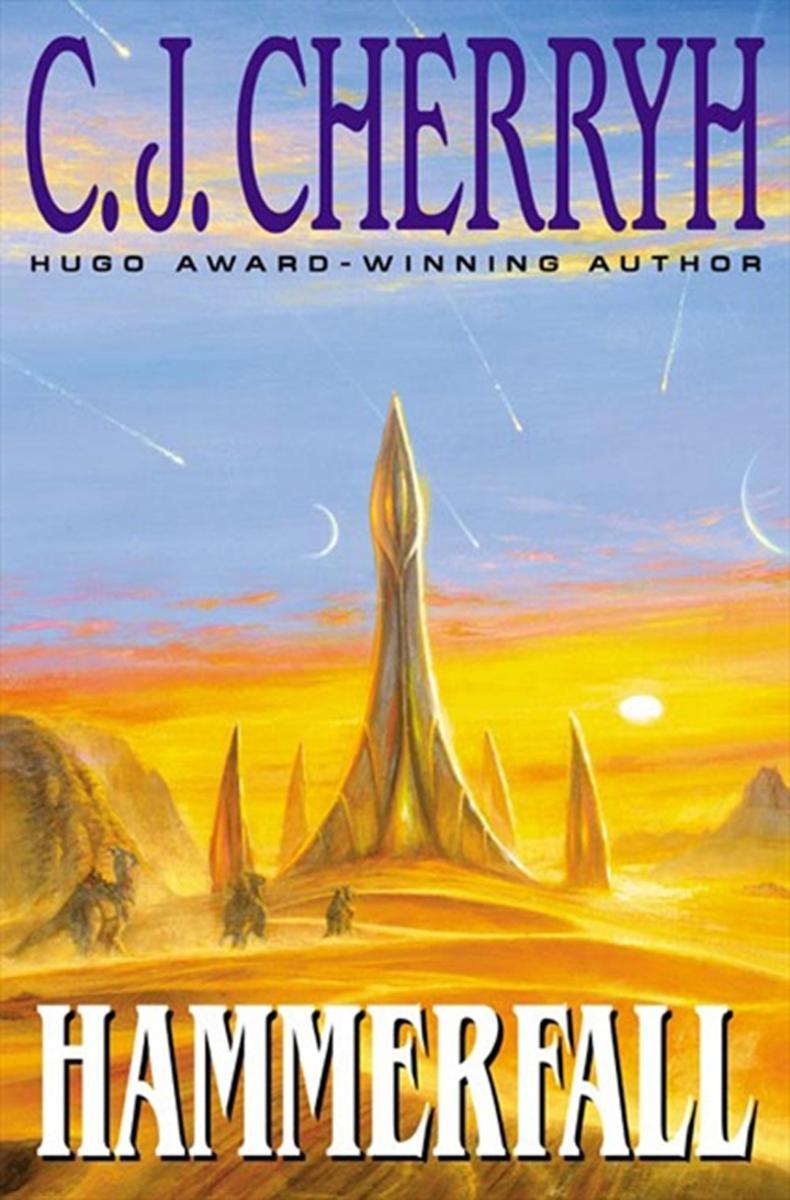
Hammerfall
¥51.92
One of the most renowned figures in science fiction, C.J. Cherryh has been enthralling audiences for nearly thirty years with rich and complex novels. Now at the peak of her career, this three-time Hugo Award winner launches her most ambitious work in decades, Hammerfall, part of a far-ranging series, The Gene Wars, set in an entirely new universe scarred by the most vicious of future weaponry, nanotechnology. In this brilliant novel -- possibly Cherryh's masterwork -- the fate of billions has come down to a confrontation between two profoundly alien cultures on a single desert planet."The mad shall be searched out and given to the Ila's messengers. No man shall conceal madness in his wife, or his son, or his daughter, or his father. Every one must be delivered up." -- The Book of the Ila's Au'itMarak has suffered the madness his entire life. He is a prince and warrior, strong and shrewd and expert in the ways of the desert covering his planet. In the service of his father, he has dedicated his life to overthrowing the Ila, the mysterious eternal dictator of his world. For years he has successfully hidden the visions that plague him -- voices pulling him eastward, calling Marak, Marak, Marak, amid mind-twisting visions of a silver tower. But when his secret is discovered, Marak is betrayed by his own father and forced to march in an endless caravan with the rest of his world's madmen to the Ila's city of Oburan.Instead of death, Marak finds in Oburan his destiny, and the promise of life -- if he can survive what is surely a suicidal mission. The Ila wants him to discover the source of the voices and visions that afflict the mad. Despite the danger sof the hostile desert, tensions within the caravan, and his own excruciating doubts, Marak miraculously reaches his goal -- only to be given another, even more impossible mission by the strange people in the towers.According to these beings who look like him yet act differently than anyone he has ever known, Marak has a slim chance to save his world's people from the wrath of Ila's enemies. But to do so, he must convince them all -- warring tribes, villagers, priests, young and old, as well as the Ila herself -- to follow him on an epic trek across the burning desert before the hammer of the Ila's foes falls from the heavens above.Written with deceptive simplicity and lyricism, this riveting, fast-paced epic of war, love, and survival in a brave new world marks a major achievement from the masterful C.J. Cherryh.
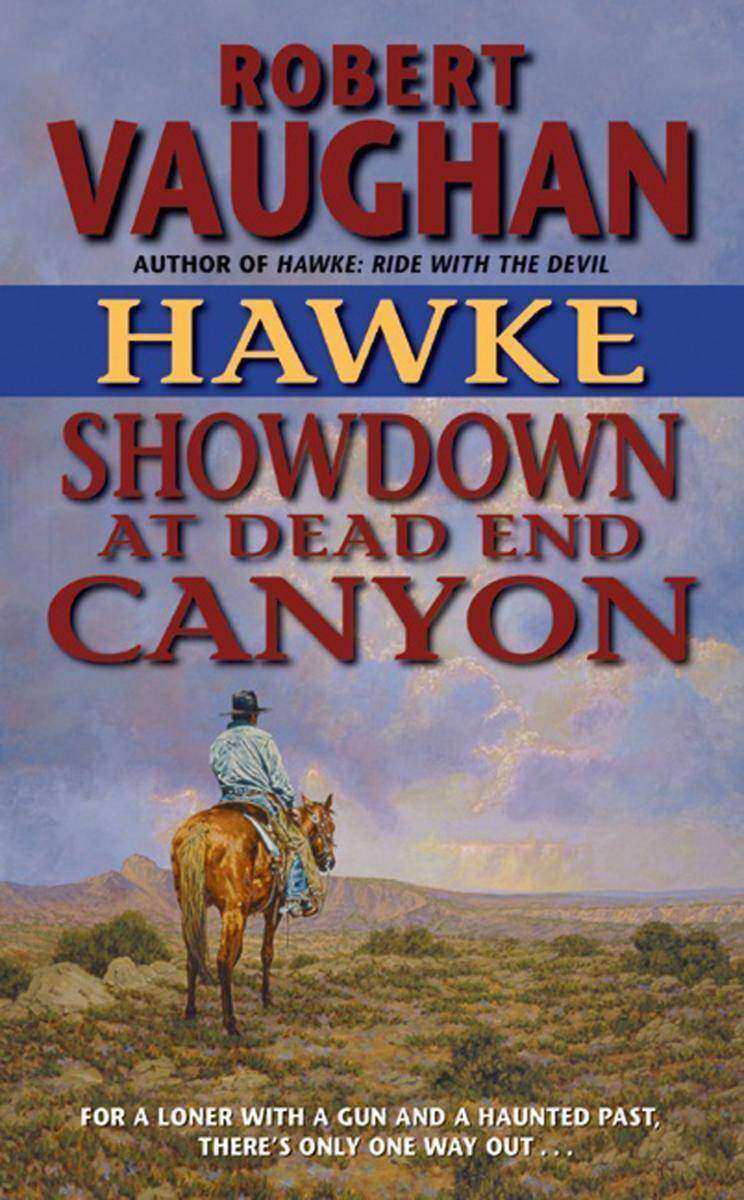
Hawke: Showdown at Dead End Canyon
¥42.03
There's no peace for Mason Hawke from the ghosts of his past. A drifter and a loner, he's not looking for trouble when he rides into Wyoming Territory –– but it's waiting for him nonetheless. Coming to the rescue of a wealthy landowner's daughter who was kidnapped by a pair of inept outlaws, Hawke finds himself an unlikely hero in a town called Green River. But his unsought celebrity has earned him some powerful enemies, including a land–hungry lady with a crooked official in her pocket and a ruthless killer on a leash. Justice, it seems, is an illusion in this place where fraud and fortune hunting dance with cold–blooded murder. But all that is about to change in a brutal hail of gunfire now that Hawke has come to play.


