


 购物车
购物车 个人中心
个人中心
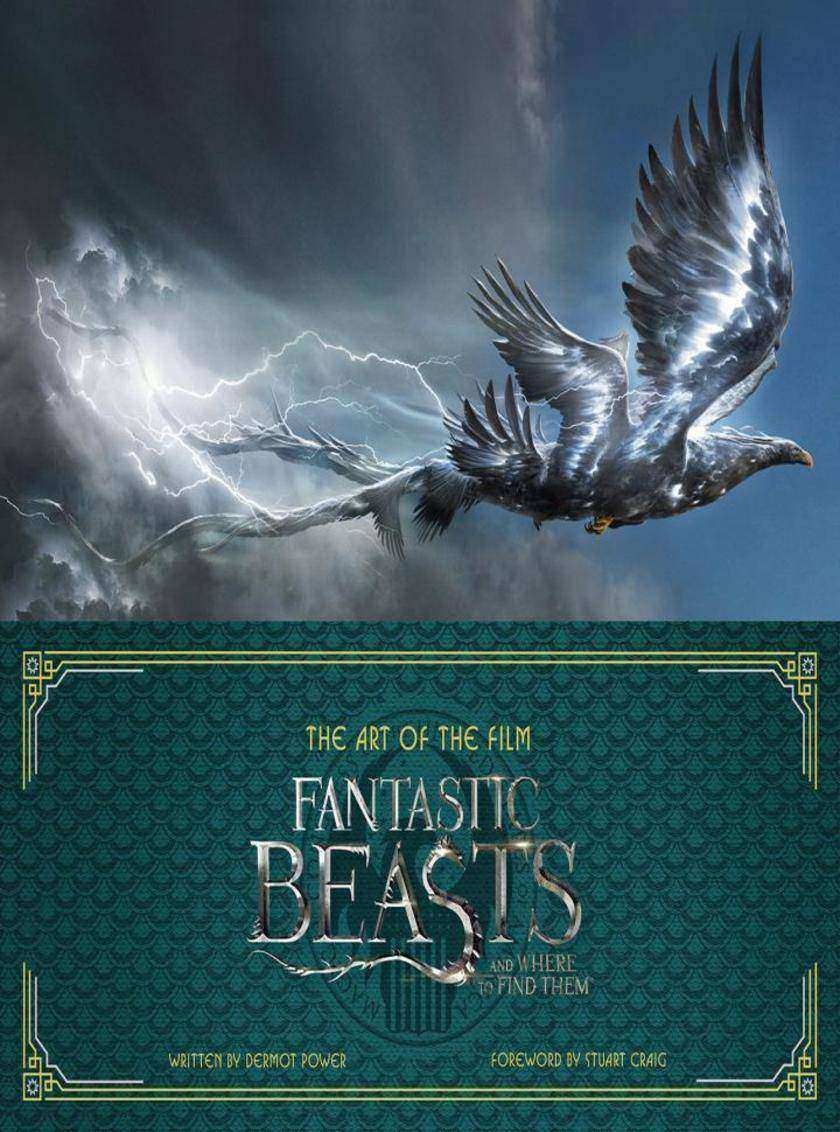
Art of the Film: Fantastic Beasts and Where to Find Them
¥279.90
Step inside the world of the talented art departments who, led by Academy Award?-winning production designer Stuart Craig, were responsible for the creation of the unforgettable characters, locations and beasts from the eagerly anticipated new adventure in J.K. Rowling’s Wizarding World.The Art of Fantastic Beasts and Where to Find Them, edited by Dermot Power, concept artist on the film, takes you on a magical journey through a design process every bit as wonderful as that encountered by Newt Scamander in the wizarding world: from the earliest gatherings of the artists, designers and filmmakers to the magical time of the film’s production itself at Leavesden Studios.Bursting with hundreds of production paintings, concept sketches, storyboards, blueprints and matte paintings, and filled with unique insights about the filmmaking journey from Stuart Craig and the artists themselves, this superb book – officially licensed by Warner Bros. Consumer Products – presents a visual feast for readers, and will welcome fans of Harry Potter films into the world of Fantastic Beasts and Where to Find Them.
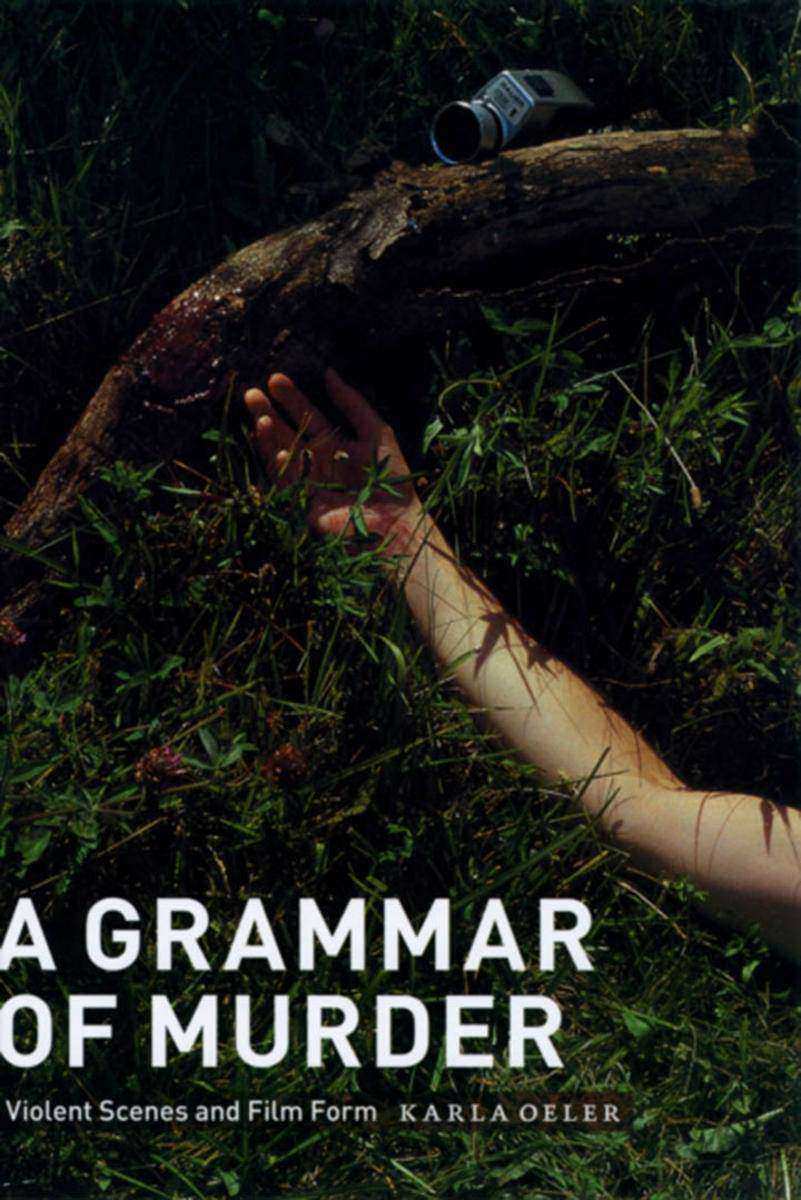
A Grammar of Murder
¥282.53
The dark shadows and offscreen space that force us to imagine violence we cannot see. The real slaughter of animals spliced with the fictional killing of men. The missing countershot from the murder victim's point of view. Such images, or absent images, Karla Oeler contends, distill how the murder scene challenges and changes film.?Reexamining works by such filmmakers as Renoir, Hitchcock, Kubrick, Jarmusch, and Eisenstein, Oeler traces the murder scene's intricate connections to the great breakthroughs in the theory and practice of montage and the formulation of the rules and syntax of Hollywood genre. She argues that murder plays such a central role in film because it mirrors, on multiple levels, the act of cinematic representation. Death and murder at once eradicate life and call attention to its former existence, just as cinema conveys both the reality and the absence of the objects it depicts. But murder shares with cinema not only this interplay between presence and absence, movement and stillness: unlike death, killing entails the deliberate reduction of a singular subject to a disposable object. Like cinema, it involves a crucial choice about what to cut and what to keep.

Sorcery in the Black Atlantic
¥253.10
Girls abused in London and torsos of black boys found in the Thames; African boys disappearing from school and child traffic in Africa; child sacrifice and Brazilian Pentecostal exorcism. Unrelated events are swiftly connected in an uncanny work of prestidigitation, including hitech digital images of torsos and forensic drawings of abused children. Les correspondances symboliques, Baudelaire would say, or contiguous magic, in Frazer’s more prosaic de*ion. It all could make sense, if we believe in our fears, suspicions, gossip, and prejudices. Furthermore, this incredible work of prestidigitation was engineered by two respectable institutions, known for their enlightened search of truth: the BBC and Scotland Yard. But where was the evidence that all these things were connectedThe “exorcism scandal” bewitched the media in Britain for the whole month of June, until some dissenting voices started to talk about a “racist witch hunt.” 5 By then, however, a population of hundreds of thousands of Africans, in particular Pentecostal Africans, was already under suspicion. “What if some of that was true?” some people still may ask. In fact, shortly before completing this introduction, the local London newspaper Evening Standard published a two-page report on an African church in the United Kingdom, with the title “Miracles and claims of baby-snatching,” mixing rumors of child trafficking, sorcery, syncretism, and extreme wealth. 6 That is how sorcery works: not by fully demonstrating its power, but by opening a possible doubt; one is never fully sure it is not true.
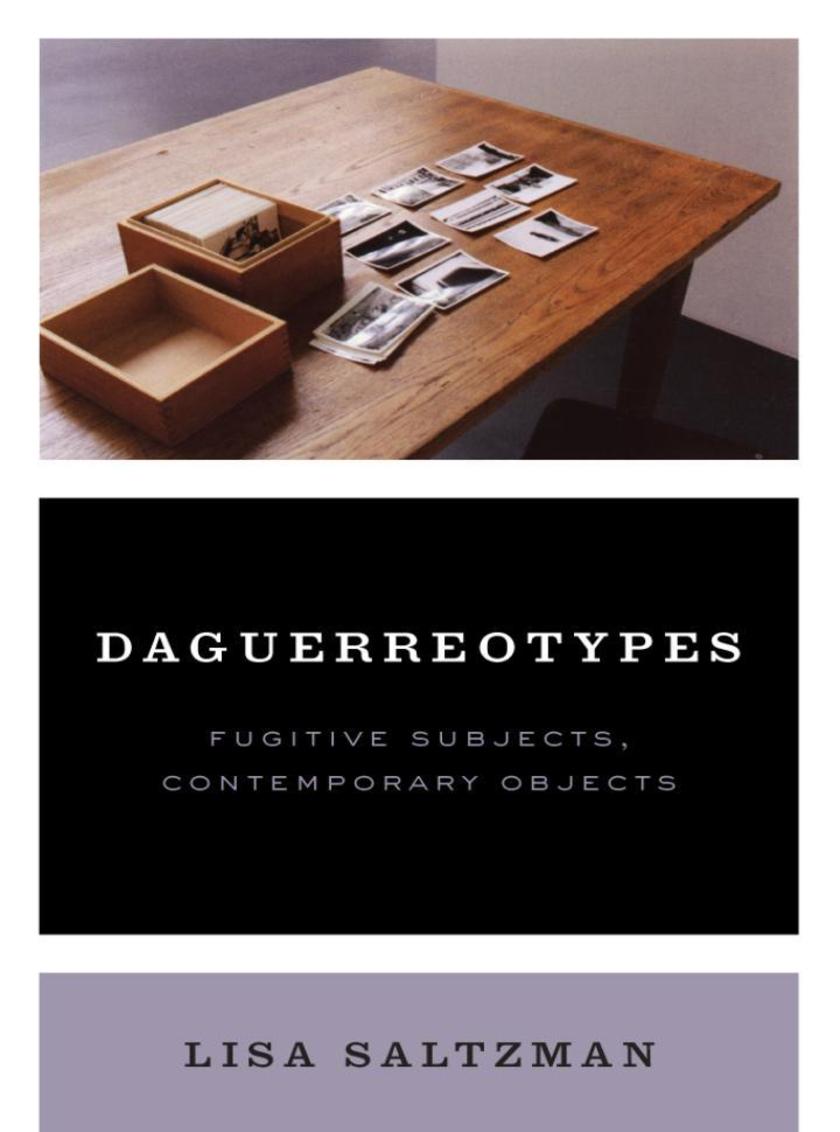
Daguerreotypes
¥288.41
In the digital age, photography confronts its future under the competing signs of ubiquity and obsolescence. While technology has allowed amateurs and experts alike to create high-quality photographs in the blink of an eye, new electronic formats have severed the original photochemical link between image and subject. At the same time, recent cinematic photography has stretched the concept of photography and raised questions about its truth value as a documentary medium. Despite this situation, photography remains a stubbornly substantive form of evidence: referenced by artists, filmmakers, and writers as a powerful emblem of truth, photography has found its home in other media at precisely the moment of its own material demise.By examining this idea of photography as articulated in literature, film, and the graphic novel, Daguerreotypes demonstrates how photography secures identity for figures with an otherwise unstable sense of self. Lisa Saltzman argues that in many modern works, the photograph asserts itself as a guarantor of identity, whether genuine or fabricated. From Roland Barthes's Camera Lucida to Ridley Scott's Blade Runner, W. G. Sebald's Austerlitz to Alison Bechdel's Fun Home-we find traces of photography's "e;fugitive subjects"e; throughout contemporary culture. Ultimately, Daguerreotypes reveals how the photograph, at once personal memento and material witness, has inspired a range of modern artistic and critical practices.
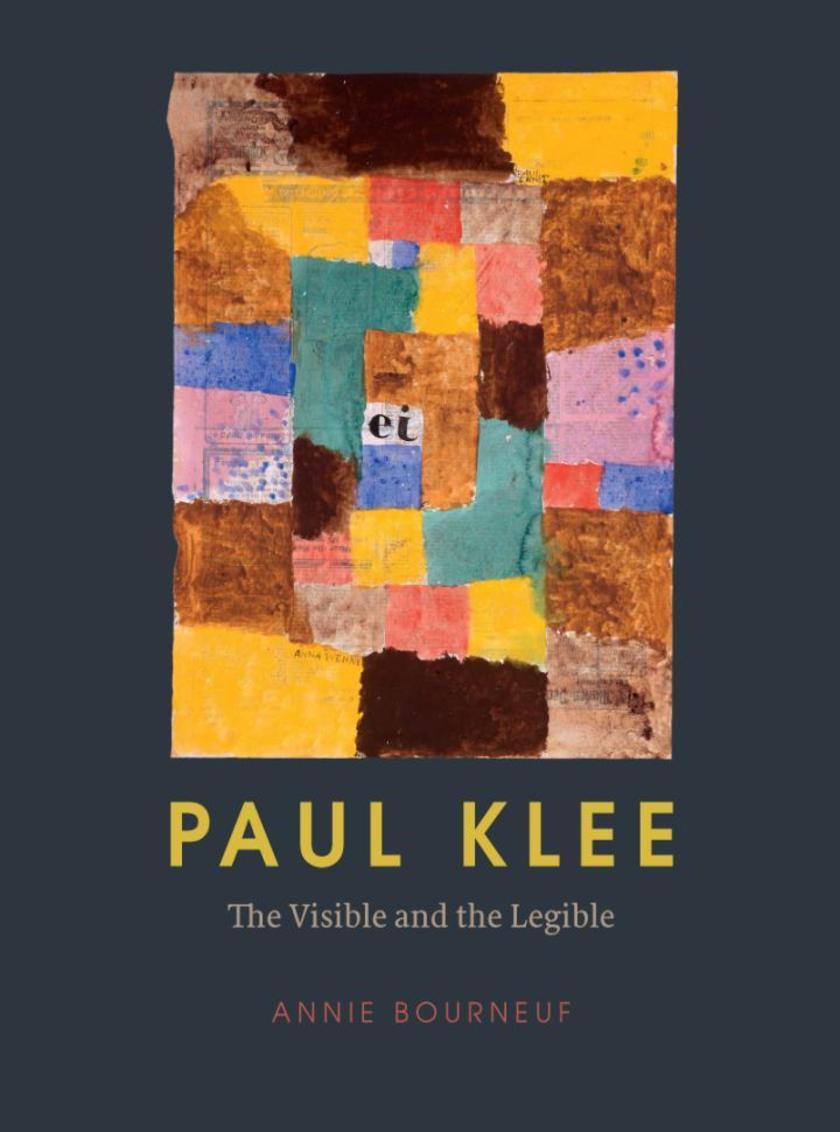
Paul Klee
¥370.82
The fact that Paul Klee (1879-1940) consistently intertwined the visual and the verbal in his art has long fascinated commentators from Walter Benjamin to Michel Foucault. However, the questions it prompts have never been satisfactorily answered-until now. In?Paul Klee, Annie Bourneuf offers the first full account of the interplay between the visible and the legible in Klee's works from the 1910s and 1920s.Bourneuf argues that Klee joined these elements to invite a manner of viewing that would unfold in time, a process analogous to reading. From his elaborate titles to the small scale he favored to his metaphoric play with materials, Klee created forms that hover between the pictorial and the written. Through his unique approach, he subverted forms of modernist painting that were generally seen to threaten slow, contemplative viewing. Tracing the fraught relations among seeing, reading, and imagining in the early twentieth century, Bourneuf shows how Klee reconceptualized abstraction at a key moment in its development.
The Southern Belle's Handbook
¥55.86
Learn how to navigate life with the effortless savior faire of a true daughter of the South with The Southern Belle's Handbook.Sissy LeBlanc's rules to live by will teach you how to hook, hold on to, and handle any man as well as conquer any personal situation with the poise and confidence of a sophisticated southern stunner.And because every woman possesses her own sassy instincts, you can also record your own rules for unstoppable fabulousness and success.
Pottery Analysis, Second Edition
¥453.22
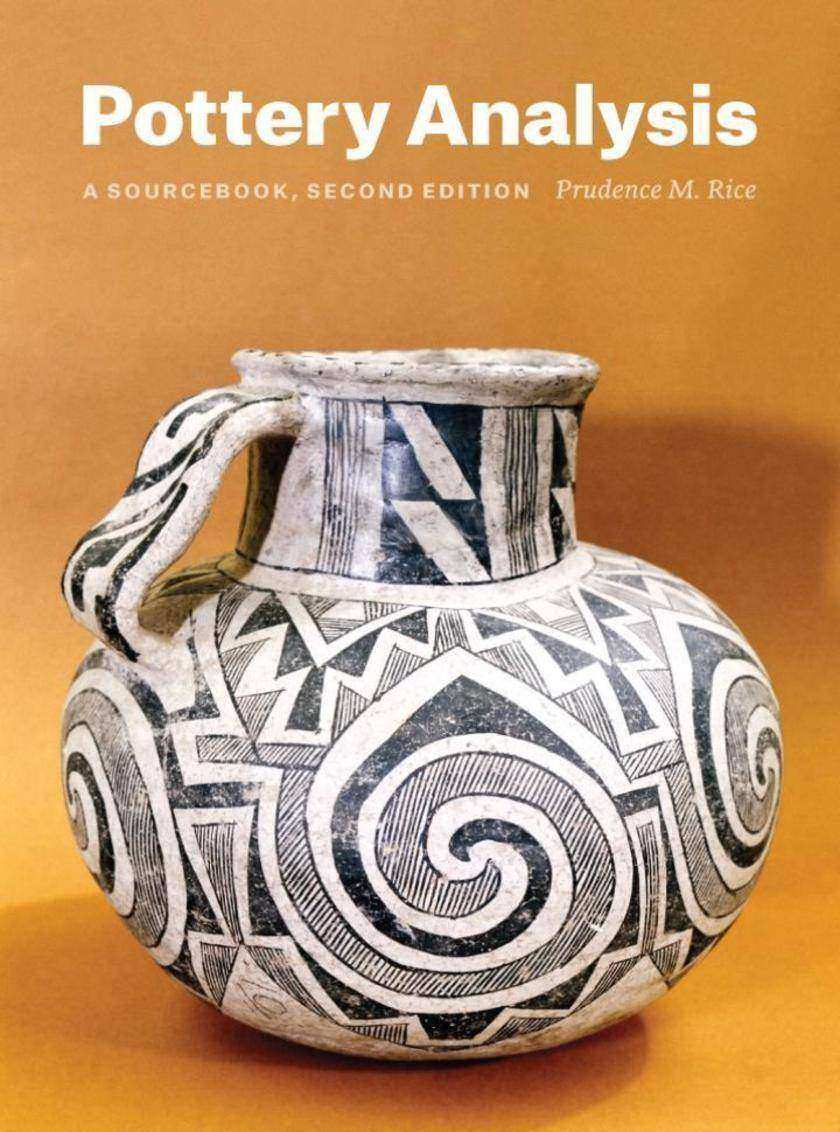
Just as a single pot starts with a lump of clay, the study of a piece's history must start with an understanding of its raw materials. This principle is the foundation of Pottery Analysis, the acclaimed sourcebook that has become the indispensable guide for archaeologists and anthropologists worldwide. By grounding current research in the larger history of pottery and drawing together diverse approaches to the study of pottery, it offers a rich, comprehensive view of ceramic inquiry.This new edition fully incorporates more than two decades of growth and diversification in the fields of archaeological and ethnographic study of pottery. It begins with a summary of the origins and history of pottery in different parts of the world, then examines the raw materials of pottery and their physical and chemical properties. It addresses ethnographic and ethnoarchaeological perspectives on pottery production; reviews the methods of studying pottery's physical, mechanical, thermal, mineralogical, and chemical properties; and discusses how proper analysis of artifacts can reveal insights into their culture of origin. Intended for use in the classroom, the lab, and out in the field, this essential text offers an unparalleled basis for pottery research.
Poet's Freedom
¥229.55
Why do we need new artHow free is the artist in makingAnd why is the artist, and particularly the poet, a figure of freedom in Western cultureThe MacArthur Award-winning poet and critic Susan Stewart ponders these questions in The Poet's Freedom. Through a series of evocative essays, she not only argues that freedom is necessary to making and is itself something made, but also shows how artists give rules to their practices and model a self-determination that might serve in other spheres of work.Stewart traces the ideas of freedom and making through insightful readings of an array of Western philosophers and poets-Plato, Homer, Marx, Heidegger, Arendt, Dante, and Coleridge are among her key sources. She begins by considering the theme of making in the Hebrew Scriptures, examining their accountof a god who creates the world and leaves humans free to rearrange and reform the materials of nature. She goes on to follow the force of moods, sounds, rhythms, images, metrical rules, rhetorical traditions, the traps of the passions, and the nature of language in the cycle of making and remaking. Throughout the book she weaves the insight that the freedom to reverse any act of artistic making is as essential as the freedom to create.?A book about the pleasures of making and thinking as means of life, The Poet's Freedom explores and celebrates the freedom of artists who, working under finite conditions, make considered choices and shape surprising consequences. This engaging and beautifully written notebook on making will attract anyone interested in the creation of art and literature.
Broadside e-books
¥109.31
It's hard to remember the dark days before 2008. It was a time of hatred, racism, violence, obese children, war, untaxed rich people, and incandescent light bulbs -- perhaps the worst days we had ever seen. And at the heart of it all was a thuggish, thoughtless man, George W. Bush, who lashed out angrily at whatever he didn't understand -- and he understood so very little. Then there was that laugh of his -- that horrible snicker that mocked everything intelligent and nuanced. Also, he looked like a chimp. It seemed like the end for the United States of America. We would crumble in the hands of vicious, superstitious dimwits determined to hunt "ter'ists" or other figments of Bush's rotten mind. There was nothing left to do but head to Whole Foods to prepare our organic, sustainable, fair-trade last meal as the country ended around us. Despair had overtaken us, and we wondered aloud whether we could ever feel hope again. And then a man emerged who firmly answered, "Yes we can!" Oh, but Barack Obama was no mere man. He was a paragon of intelligence and civilized society. A savior to the world's depressed. A lightbringer. A genius thinking thoughts the common man could never hope to comprehend. And his words -- his beautiful words read from crystal panes -- reached down to our souls and told us all would be well. With the simple act of casting a ballot for Barack Obama, we could make the world an immeasurably better place -- a world of peace, of love, of understanding, of unicorns, of rainbows, of expanded entitlements. This was his promise. And now, having had him as president for more than two years, we can say without reservation that he has delivered all his promises and more and is the best president this country -- or any country -- has ever had or could even imagine to have.
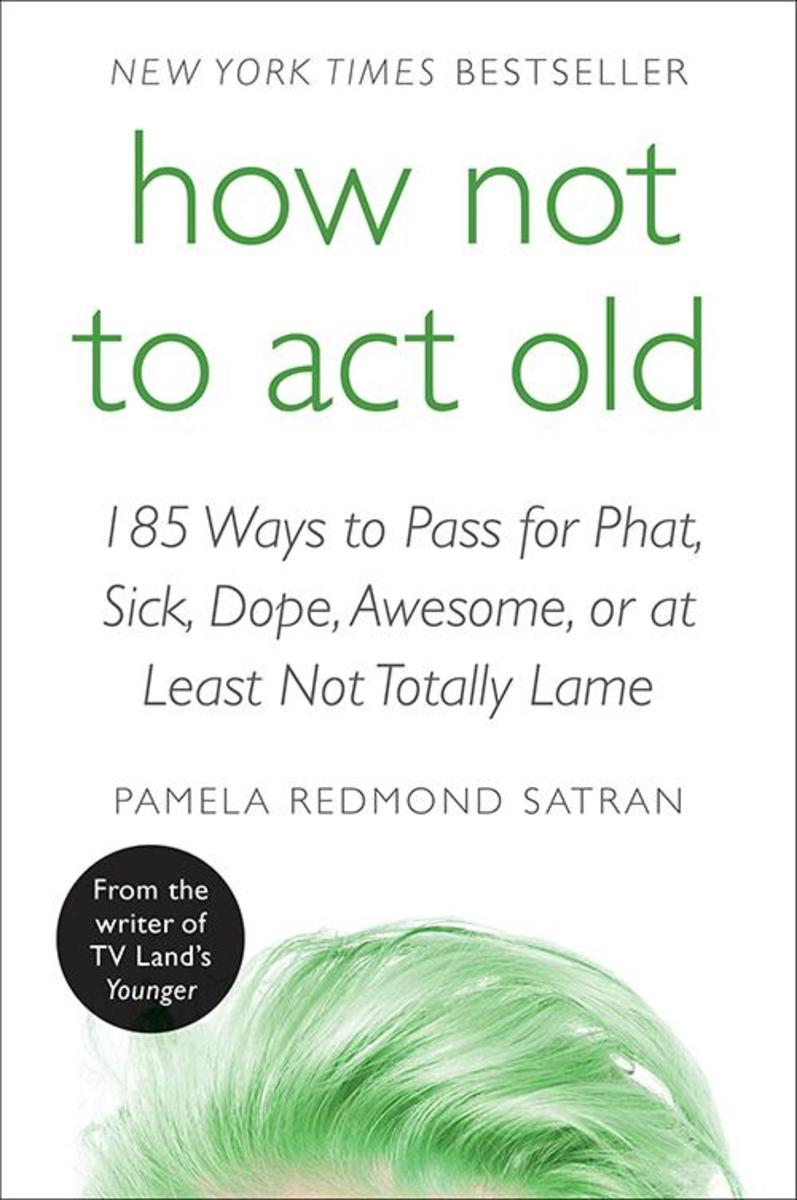
How Not to Act Old
¥83.03
How to be cool when you're afraid you've forgotten how . . . Sure, you can try to stay younger by exercising, coloring your hair, and wearing stylish clothes but how do you respond when someone asks, "Do you Twitter?" How Not to Act Old gives you simple ways to come back from over the hill and to act as young as you look.Covering everything from old-people entertainment (cancel that dinner party!) to old-people communication (it's called a "voice mail," not a "message," and no one leaves or listens to them anyway), Pamela Redmond Satran decodes the behaviors, viewpoints, and cultural touchstones that separate you from the hip young person you wish you still were. This irreverent guide is essential for anyone who doesn't want to embarrass their kids or themselves.
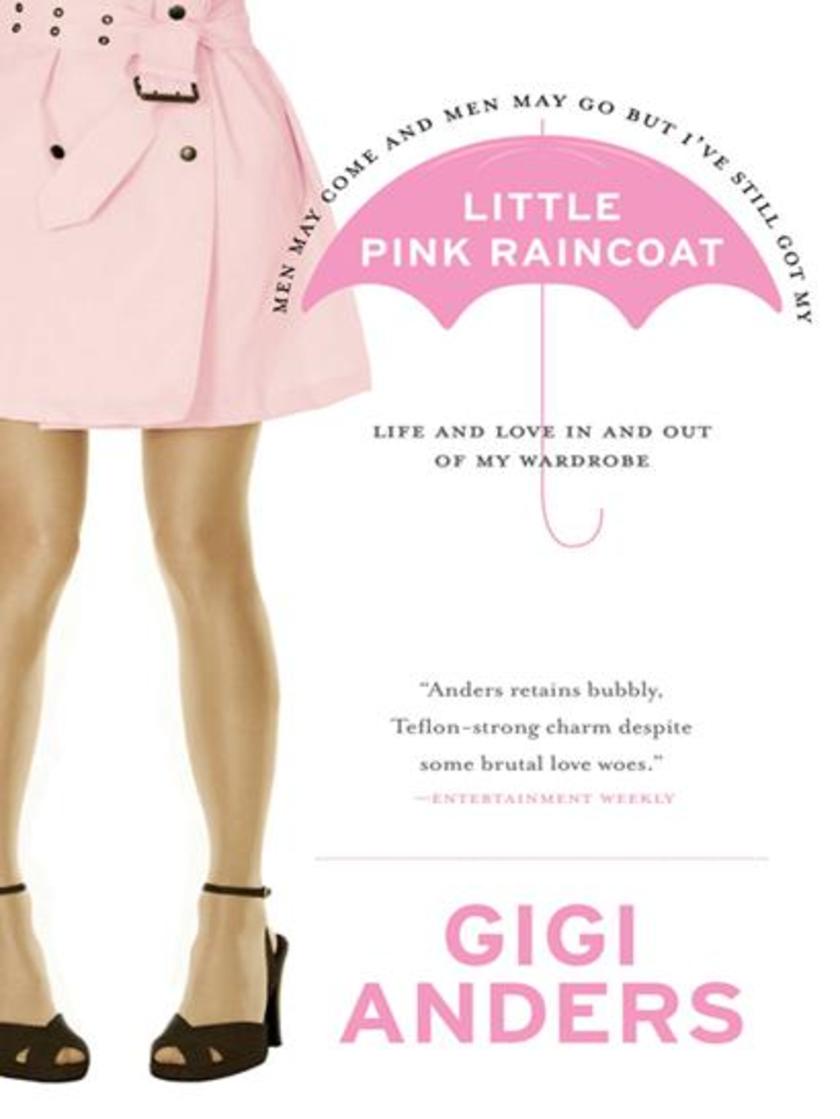
Little Pink Raincoat
¥84.16
A little Coco Chanel, a lot Carrie Bradshaw, with a dash of Maureen Dowd a hip, hilarious collection of mini-profiles in shopping and romantic courage. From one very fabulous and elusive little pink raincoat (to woo the commitment phobe) to a pair of very persuasive peach panties (gift from a dazzling doc), author Gigi Anders relates her experiences as they deal with her dual obsessions of clothing and men. Here are ten vignettes chronicling ten choice sartorial items and the corresponding boyfriends that would undoubtedly love her stylishly ever after...even if they didn't.Featuring items and boyfriends from Anders's real life, real (extremely jammed) closet, and real bed, Little Pink Raincoat is a very tasty, very funny, universal, uplifting, pop cultural meditation on the things we crave and the lengths we'll go to get them.
How to Be Black
¥83.03
If You Don't Buy This Book, You're a Racist.Have you ever been called "too black" or "not black enough"Have you ever befriended or worked with a black personIf you answered yes to any of these questions, this book is for you.Raised by a pro-black, Pan-Afrikan single mother during the crack years of 1980s Washington, DC, and educated at Sidwell Friends School and Harvard University, Baratunde Thurston has over thirty years' experience being black. Now, through stories of his politically inspired Nigerian name, the heroics of his hippie mother, the murder of his drug-abusing father, and other revelatory black details, he shares with readers of all colors his wisdom and expertise in how to be black.Beyond memoir, this guidebook offers practical advice on everything from "How to Be The Black Friend" to "How to Be The (Next) Black President" to "How to Celebrate Black History Month."To provide additional perspective, Baratunde assembled an award-winning Black Panel three black women, three black men, and one white man (Christian Lander of Stuff White People Like) and asked them such revealing questions as:"When Did You First Realize You Were Black?""How Black Are You?""Can You Swim?"The result is a humorous, intelligent, and audacious guide that challenges and satirizes the so-called experts, purists, and racists who purport to speak for all black people. With honest storytelling and biting wit, Baratunde plots a path not just to blackness, but one open to anyone interested in simply "how to be."
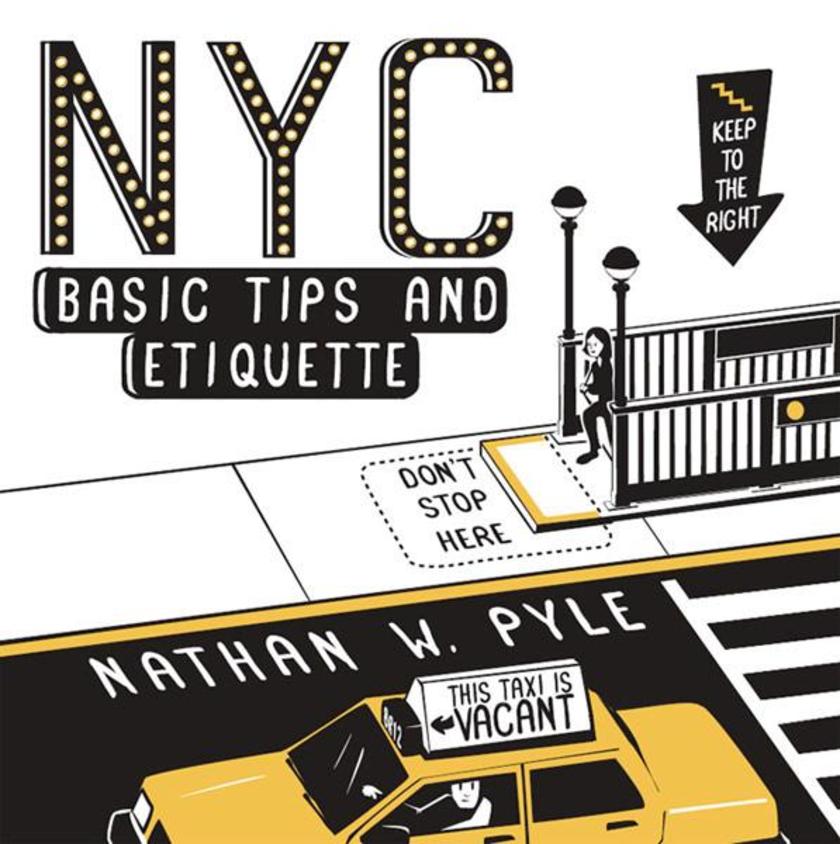
NYC Basic Tips and Etiquette
¥72.71
Living in New York City for five years as a transplant from Ohio, illustrator and T-shirt designer Nathan Pyle was fascinated by the unique habits and unspoken customs New Yorkers follow to make life bearable in a city with 8 million people (and seemingly twice the number of tourists). Nathan decided to draw his favorite tips and etiquette lessons and post them on the internet, where his 12 original panels went viral immediately and became the basis for this hilarious illustrated book (check out the fully animated ebook, too!).In NYC Basic Tips and Etiquette, Pyle reveals the secrets and unwritten rules for living in and visiting New York including the answers to such burning questions as, which cabs should I try to hailWhat is a bodegaWhich way is UptownWhy are there so many doors in the sidewalkHow do I walk on an escalatorDo we need to be touching right nowWhere should I inhale or exhale while passing sidewalk garbageHow long should I honk my hornIf New York were a game show, how would I winWhat happens when I stand in the bike laneWho should get the empty subway seatsHow do I stay safe during a trash tornadoEach tip is a little story illustrated in simple black and white drawings.Visitors and newcomers to New York will love it because the advice is smart, funny, and not condescending. New Yorkers will love it for its strategic and humorous approach to mastering the daily chaos of the city.
Enough About You
¥67.09
The Complete Narcissist's GuideMimi E. Gotist delivers a gift for our times: practical, simple guidance to help you cope with the self-loving people in your life-while nurturing your own inner narcissist.At once utterly self-absorbed, and charmingly aware of it, Gotist offers advice on: Dating: You're not looking for the person you want to marry -- you're looking for the person you want to change Career: Don't work -- work it Spirituality: Me Here Now Personal Growth: You can't help anyone who won't help you

More Mirth of a Nation
¥95.52
More seriously funny writing from American's most trusted humor anthology Witty, wise, and just plain wonderful, the inaugural volume of this biennial, Mirth of a Nation, ensured a place for the best contemporary humor writing in the country. And with this second treasury, Michael J. Rosen has once again assembled a triumphant salute to one of America's greatest assets: its sense of humor. More than five dozen acclaimed authors showcase their hilariously inventive works, including Paul Rudnick, Henry Alford, Susan McCarthy, Media Person Lewis Grossberger, Ian Frazier, Richard Bausch, Amy Krouse Rosenthal, Nell Scovell, Andy Borowitz, and Ben Greenman -- just to mention a handful so that the other contributors can justify their feelings that the world slights them. But there's more! More Mirth of a Nation includes scads of Unnatural Histories from Randy Cohen, Will Durst's "Top Top-100 Lists" (including the top 100 colors, foods, and body parts), and three unabridged (albeit rather short) chapbooks: David Bader's "How to Meditate Faster" (Enlightenment for those who keep asking, "Are we done yet?") Matt Neuman's "49 Simple Things You Can Do to Save the Earth" (for instance, "Make your own honey" and "Share your shower.") Francis Heaney's "Holy Tango of Poetry" (which answers the question, "What if poets wrote poems whose titles were anagrams of their names, i.e., 'Toilets,' by T. S. Eliot?") And there's still more: "The Periodic Table of Rejected Elements," meaningless fables, Van Gogh's Etch A Sketch drawings, a Zagat's survey of existence, an international baby-naming encyclopedia, Aristotle's long-lost treatise "On Baseball," and an unhealthy selection of letters from Dr. Science's mailbag. And that's just for starters! Just remember, as one reviewer wrote of the first volume, "Don't drink milk while reading."

Damage Control
¥78.32
Traditionally, women share their secrets with their hairdressers. But what about their manicurists, masseurs, chi gong teachers, and tattoo artistsIn Damage Control, women wax poetic about the experts and gurus who help them love themselves, sharing stories of everything from friendships born in the make-up chair to the utter dismay of a truly horrible haircut. Minnie Driver finally meets a Frenchman who understands her hair . . . and tries to teach her not to hate it.Marian Keyes remembers the blow-dry that pushed her over the edge.Francesca Lia Block tells the ugly story of the plastic surgeon who promised to make her beautiful.Rose McGowan explains why it's harder to be depressed when you're glamorous . . . and shows how it takes a village to transform from mere mortal to movie star.Witty and wise, Damage Control is an intimate, sometimes dark, look at our experiences with the professionals who pluck, prod, and pamper every inch of our bodies and a reminder why we surrender ourselves to their (hopefully) very capable hands.
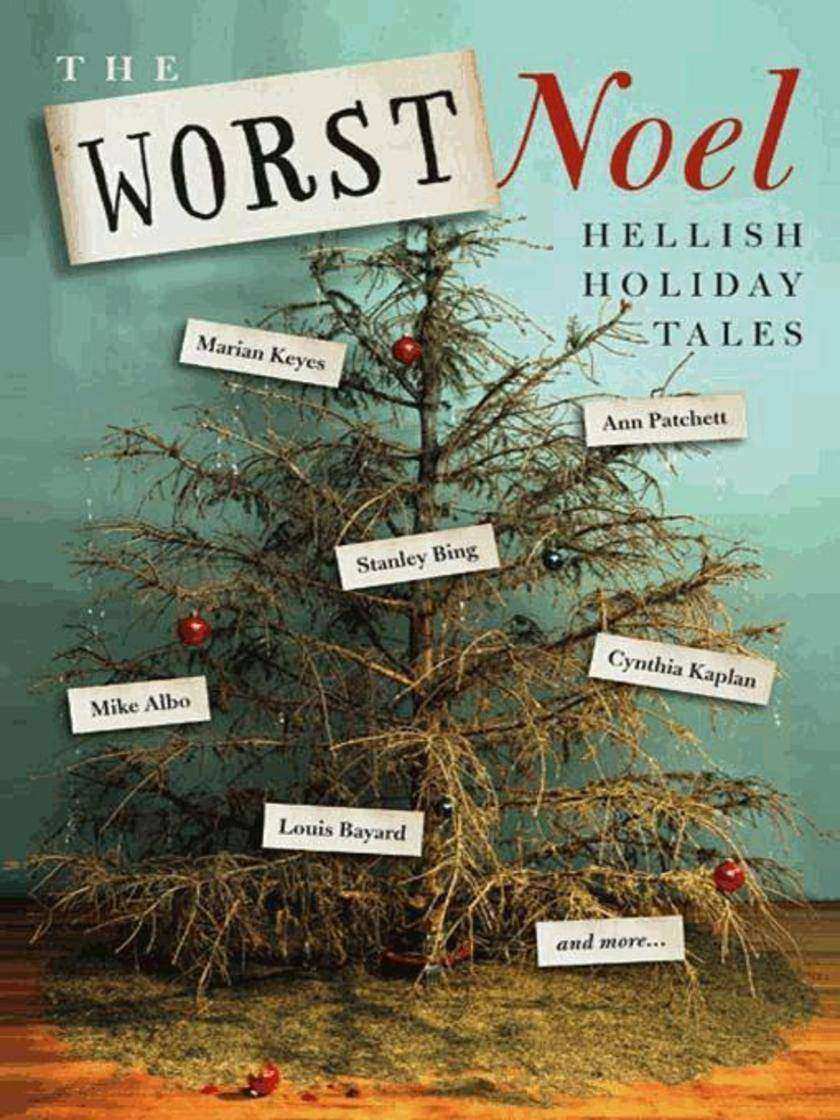
The Worst Noel
¥83.93
Does the thought of mistletoe give you hivesDoes the sound of jingling bellsinstill fear in your heartDo you hide under the covers from the day after Thanksgiving till New Year's DayAnd even if you love Christmas, do thehyperconsumerism, overindulgence, andtinsel-covered everything make you crazy?If you said yes to any of these questions, this is the book for you. You are not alone. Everyone has a Christmas-nightmare story to tell. Some of the best writers around have gone through some of the worst Christmases ever. Their tales of holly-draped horror are gathered here for your amusement, from NEAL POLLACK's Christmas-ham disaster to the accidental Santahood of JONI RODGERS to BINNIE KIRSHENBAUM's receiving what may be the worst gift ever given. And Stanley Bing gives us a peek at the lonely guy's Xmas feast. All this, plus many more recollections of Worst Noels past.So pour yourself a glass of eggnog, chisel off a piece of rock-hard fruitcake, and curl up in the big comfy chair by the fireplace where the stockings have been hung with such care -- and settle in to read The Worst Noel.

101 Reasons to Dump Your Man and Get a Cat
¥83.93
The modern woman has enough hassles without having to put up with the antics of the man in her life. Why endure another day of snoring, football, and wet towels on the floorWith this hilarious, fully illustrated guide, learn 101 reasons why you should dump your chump and hook up with a cat! So, besides the fact that your man's just not that into you, can he scratch his ear with his footIs he adorable when he pounces off the fridge onto your shoulderDo you get to watch him nudge another man aside and eat his foodAnd can you improve his mood by tossing a fuzzy mousie for him to chaseOf course not. There; that's four reasons to dump him and get a cat instead! Plus, you never have to remember how your cat takes his coffee. You don't need to pretend to your cat that you haven't had many other cats. And if your cat thinks your friends are hot, so whatFor every woman who's had enough of men, 101 Reasons to Dump Your Man and Get a Cat is the perfect gift—chock-full of humor, inspiration, and great advice. Why look for love in all the wrong places when it's right across the room chasing its own tail?
Drinking Problems at the Fountain of Youth
¥140.08
Short of spending every waking hour engaged in antiaging treatments, is there anything the average woman can do to shave even a few months from her appearanceDo any of the miracle creams, procedures, or magic potions actually make a person look more youthfulDoes a woman have to worry about her nasolabial folds if she doesn't even know where they're located on her bodyVeteran journalist Beth Teitell aims to find the answers to these questions and many more in her hilarious travels looking for the elusive elixir of youth. If you feel bad about your neck (or any other body part), if the idea of Botox-filled syringes fills you with horror, if you don't want to empty your wallet to pay for $475 serums that promise to cheer up aging skin or the hourly cost of a facial-fitness coach, or if you don't believe the claims of antiaging gummy bears or age-defying bottled water, then Drinking Problems at the Fountain of Youth is the book for you. There's not a woman in America who won't see herself in Teitell's struggles or come away feeling that the enormous amount of energy, time, and money we spend trying to restore our bodies to the way they were when we were twenty could be better spent elsewhere. With honesty, outrage, and wit, Teitell goes deep into the youth-at-any-cost culture and takes it apart from the inside out. And then she reassures us that there is hope there are things we can do to look and feel younger, and ways we can learn to stop worrying about looking older.Drinking Problems at the Fountain of Youth is for every woman who isn't as young as she used to be a book of wisdom and advice, and a laugh-out-loud look at our age-obsessed culture.
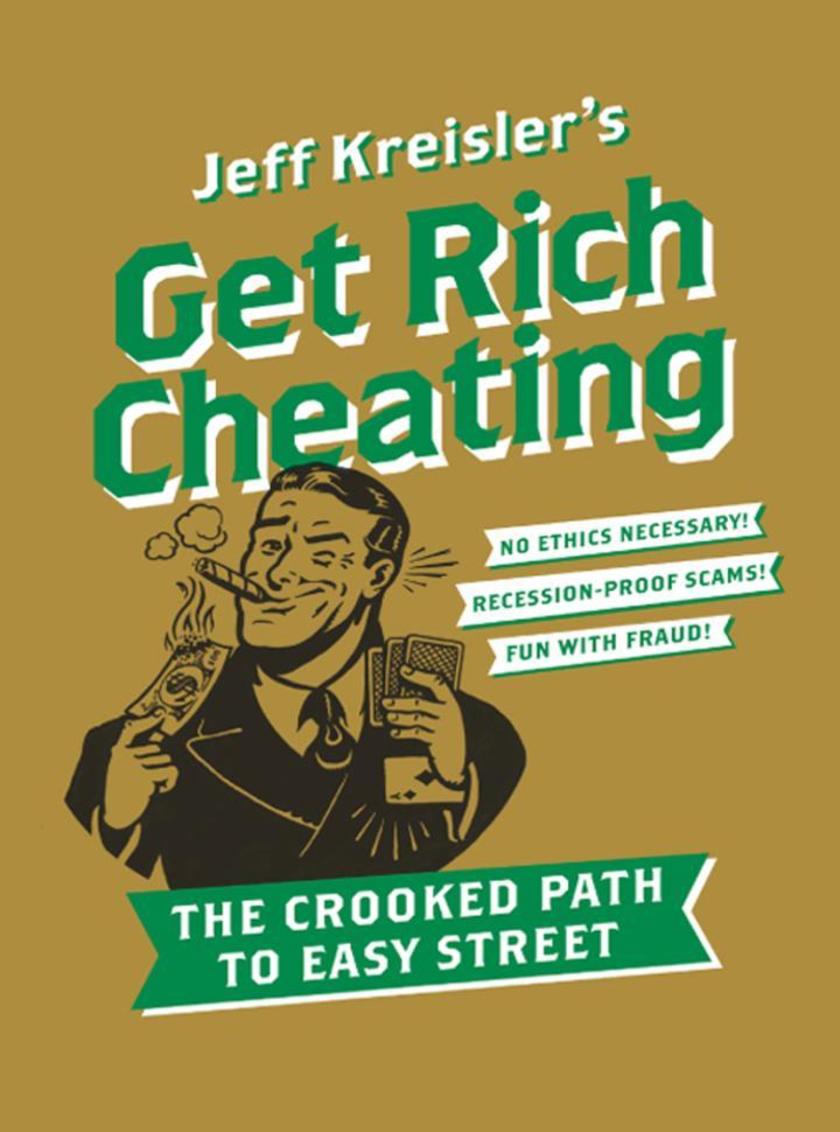
Get Rich Cheating
¥88.56
In these difficult times, there's only one proven path to ridiculous amounts of money: Cheating. Everyone's doing it from sleazy CEOs to 'roided-up home run kings, silicone-enhanced starlets, and backroom-dealing congressmen so why not youGet Rich Cheating is your definitive guide to the illegal, immoral, and fun, detailing the schemes that have proven time and time again to generate more cash than God, Google, and the Treasury combined. No one ever bought a fleet of Bentleys with hard work, perseverance, and honesty. Simply by purchasing this book, you've already done more than most "ethical" people dare. Open it, savor the moment, and inhale deeply in the musk of your impending wealth it's time to Get Rich Cheating.
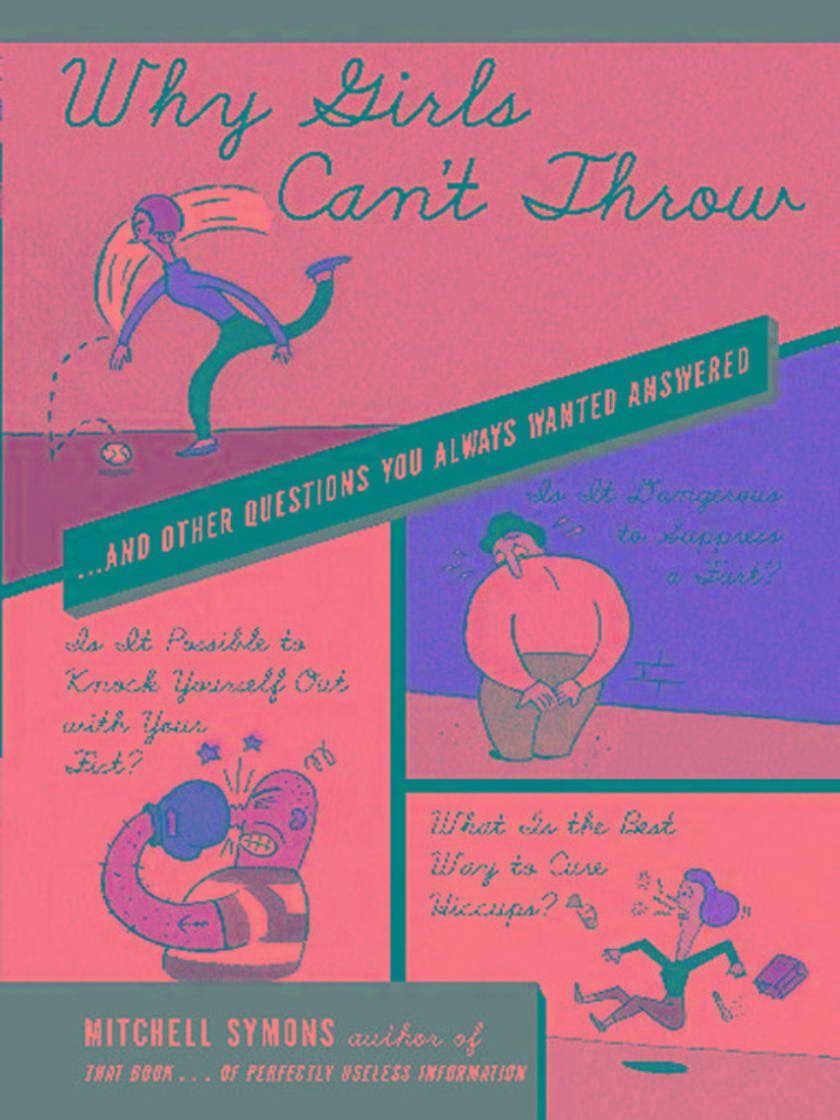
Why Girls Can't Throw
¥72.70
Warning: the truth can be shocking, seductive, offensive, outrageous...even disgusting!Are you perplexed by the mysteries of the universe, confounded by the workings of the human body, prone to pondering the great imponderablesAt long last, the answers are here for every inquiring mind that's not afraid to face up to the cold, hard facts of life. The author who brought you That Book . . . of Perfectly Useless Information now addresses the quirky, the eclectic, and the essential conundrums of our age in Why Girls Can't Throw . . . and Other Questions You Always Wanted Answered, including: What's the kindest way to tell a friend he has halitosisIs it cheaper to send yourself as a package to Australia rather than fly on an airplaneAre there any benefits to smokingIs it true that Keith Richards used to regularly replace all the blood in his body?


