


 购物车
购物车 个人中心
个人中心
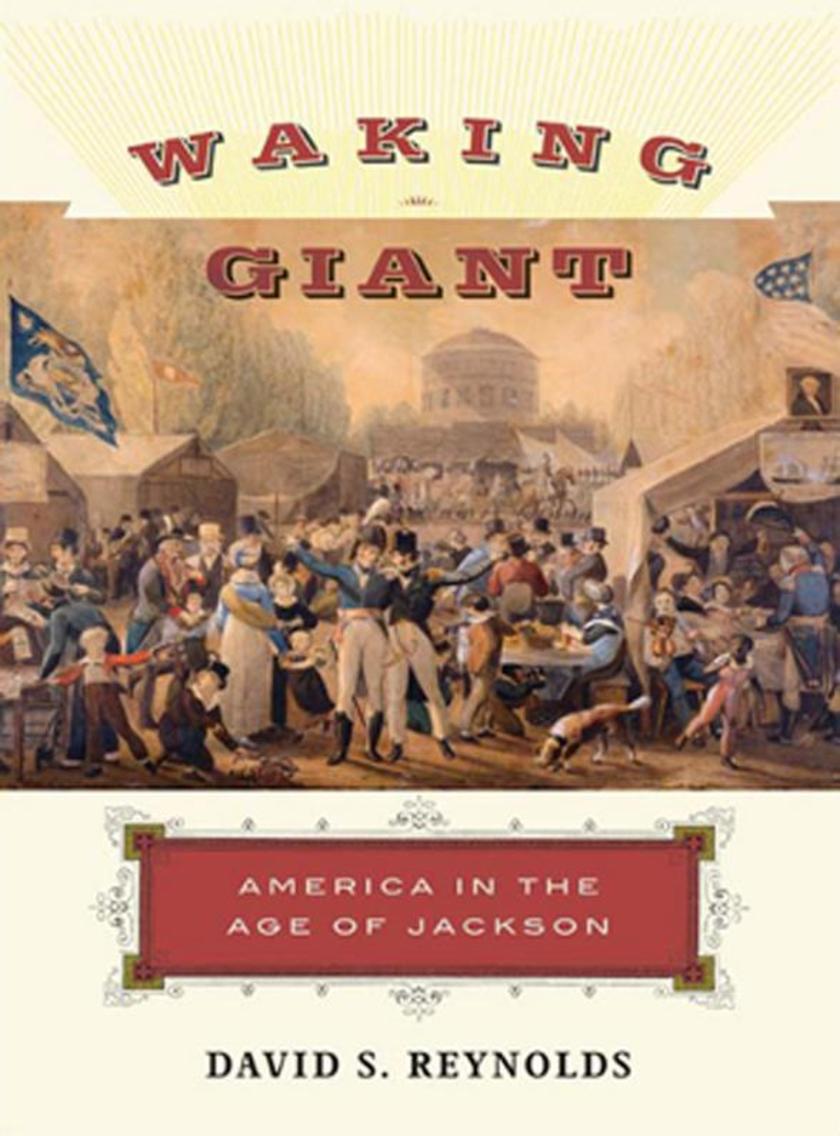
Waking Giant
¥94.10
America experienced unprecedented growth and turmoil in the years between 1815 and 1848. It was an age when Andrew Jackson redefined the presidency and James K. Polk expanded the nation's territory. Bancroft Prize–winning historian and literary critic David S. Reynolds captures the turbulence of a democracy caught in the throes of the controversy over slavery, the rise of capitalism, and the birth of urbanization. He brings to life the reformers, abolitionists, and temperance advocates who struggled to correct America's worst social ills, and he reveals the shocking phenomena that marked the age: violent mobs, P. T. Barnum's freaks, all-seeing mesmerists, polygamous prophets, and rabble-rousing feminists. Meticulously researched and masterfully written, Waking Giant is a brilliant chronicle of America's vibrant and tumultuous rise.
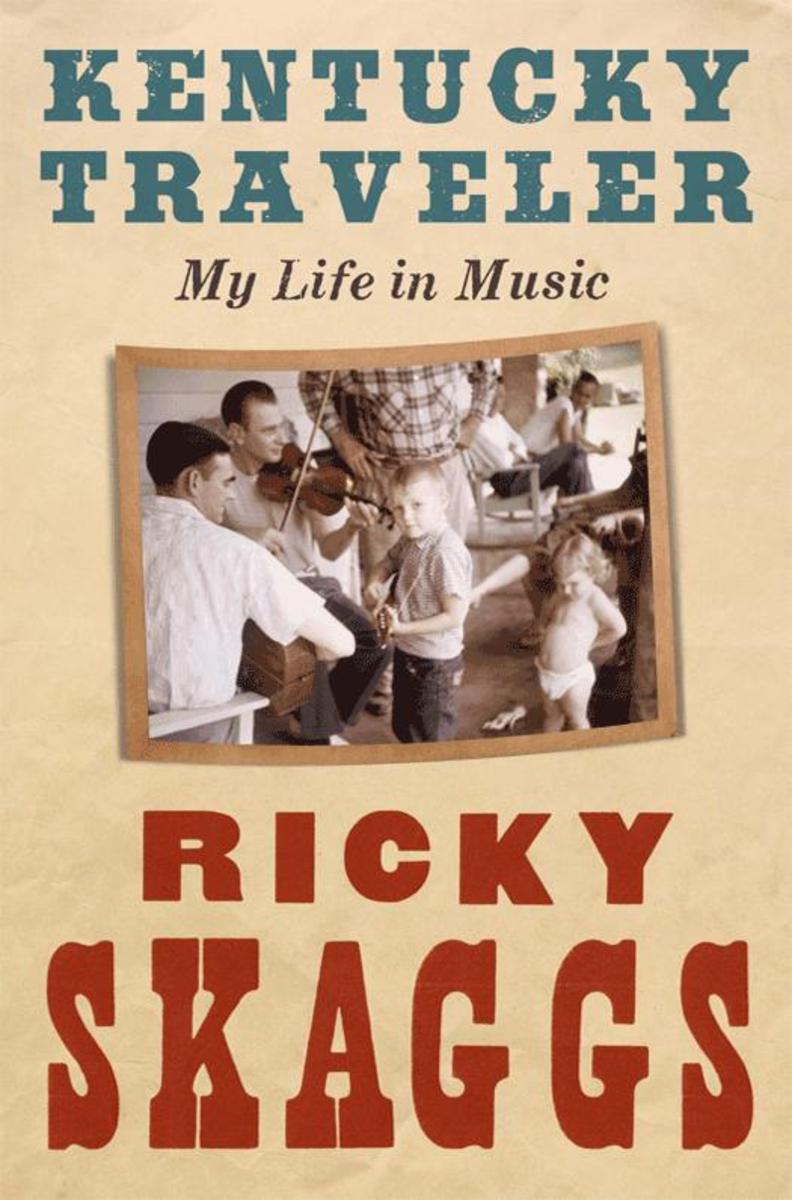
Kentucky Traveler
¥94.10
An honest, deeply American story of the power of faith, family, and music from one of America's most beloved bluegrass and country artists.Unlike other farm boys growing up in the small town of Cordell, Kentucky, Ricky Skaggs learned to play the mandolin at five years old. Sure, plenty of other mountain boys plucked guitars or fiddles, or learned the old songs their grandparents taught them. But few tried and fewer still mastered the mandolin. By the time he was six years old, Ricky Skaggs's talent was clear enough that his daddy knew he had to get that boy onstage. When bluegrass master and mandolin virtuoso Bill Monroe rolled into a nearby small town, Ricky was there. As the crowd cheered, Let little Ricky sing one! so began a storied life in music.With Bill Monroe as a mentor and with a family who supported him at every turn, Ricky joined the Clinch Mountain Boys band and became a professional musician at age fifteen. By twenty-one he was already considered a star in the bluegrass world. Yet, following the advice of music industry executives, Skaggs moved away from his roots into the world of mainstream country music and in doing so, became a country legend and a household name.Despite the hit singles, gold records, and successful tours, Ricky knew there was more to his mission. With a failed marriage and a sometimes strained relationship with his children, Ricky had to make a choice. He would follow God's plan, and rededicate his life to Christ, to his family, and to the music that made him. He would carry the torch lit by his musical heroes Ralph Stanley, Earl Scruggs, and Bill Monroe and, most important, live the life and play the music that would make his mom and dad proud. Telling the intimate stories of a successful career built on passion, drive, and faith, sharing tales of his influences, and fondly recalling the instruments that have shaped his sound over the years and the friendships that have shaped his life, Skaggs paints a unique insider look at the evolution of bluegrass.

Everyone Loves You When You're Dead
¥94.10
Neil Strauss can uncover the naked truth like nobody else. With his groundbreaking book The Game, Strauss penetrated the secret society of pickup artists. Now, in Everyone Loves You When You're Dead, the Rolling Stone journalist collects the greatest moments from the most insane music interviews of all time. Join Neil Strauss, "The Mike Tyson of interviewers," (Dave Pirner, Soul Asylum), as he Makes Lady Gaga cry, tries to keep Mtley Cre out of jail is asked to smoke Kurt Cobain's ashes by Courtney Love Shoots guns with Ludacris, takes a ride with Neil Young goes to church with Tom Cruise and his mother Spends the night with Trent Reznor, reads the mind of Britney Spears finds religion with Stephen Colbert Gets picked on by Led Zeppelin, threatened by the mafia serenaded by Leonard Cohen Picks up psychic clues with the CIA, diapers with Snoop Dog prison survival tips from Rick James Goes drinking with Bruce Springsteen, dining with Gwen Stefani hot tubbing with Marilyn Manson Talks glam with David Bowie, drugs with Madonna, death with Johnny Cash sex with Chuck Berry Gets molested by the Strokes, in trouble with Prince in bed with . . . you'll find out who inside. Enjoy many, many more awkward moments and accidental adventures with the world's number one stars in Everyone Love You When You're Dead.
Winning the Money Game
¥94.10
Former NBA center Adonal Foyle has seen athletes burn through millions on women, large entourages, family gifts, gambling debts even shark tanks! Such spending habits are partly responsible for 60 percent of NBA players going broke within five years of retirement and nearly 80 perfect of NFL players being strapped within two.Rich with anecdotes from a sports insider, Winning the Money Game shows you how to avoid the financial fouls of athletes. Foyle gives you the straight, offering guidance on a wide range of money matters, from taxes to alimony, from child support to medical bills, and so much more. He beaks down expenses point by point, illustrating the difference between luxury items and family needs, and lays out the essential dos and don'ts to help you spend, save, and grow your money wisely.
The Love Fix
¥94.10
Find your way back to a happy, satisfying relationshipAll couples argue, but how do some couples get to what seems like the point of no returnLicensed marriage and family therapist Dr. Tara Fields has spent more than twenty-eight years working with couples, and she has discovered that there are five common conflict loops that couples fall into and three steps to getting past having the same fights over and over again and onward to building a relationship where each partner feels heard, understood, respected, and loved. These steps include: Recognizing the conflict loop at play Exploring past and present fears Creating opportunities to get in touch with the deepest needs of both partners in order to find new gratitude, respect, and trust Change comes with awareness. When you're present in the moment, conflict with your partner can become an opportunity to work through unresolved issues and to learn more about each other; it can even become a way to grow closer. In The Love Fix, Fields shares her tested and proven tools to help build stronger relationships, including: Insight from real couples who have repaired their relationships Self-assessment quizzes to get to the root of the problem Practical 3-Minute Fixes you can start using immediately HEARTwork exercises to help you dig deeper in order to reconnect It's never too late to reignite your passion and to restore the love between you and your partner. Stop rehashing the same issues, figure out what you're really fighting about, and start enjoying a happier, stronger relationship today.
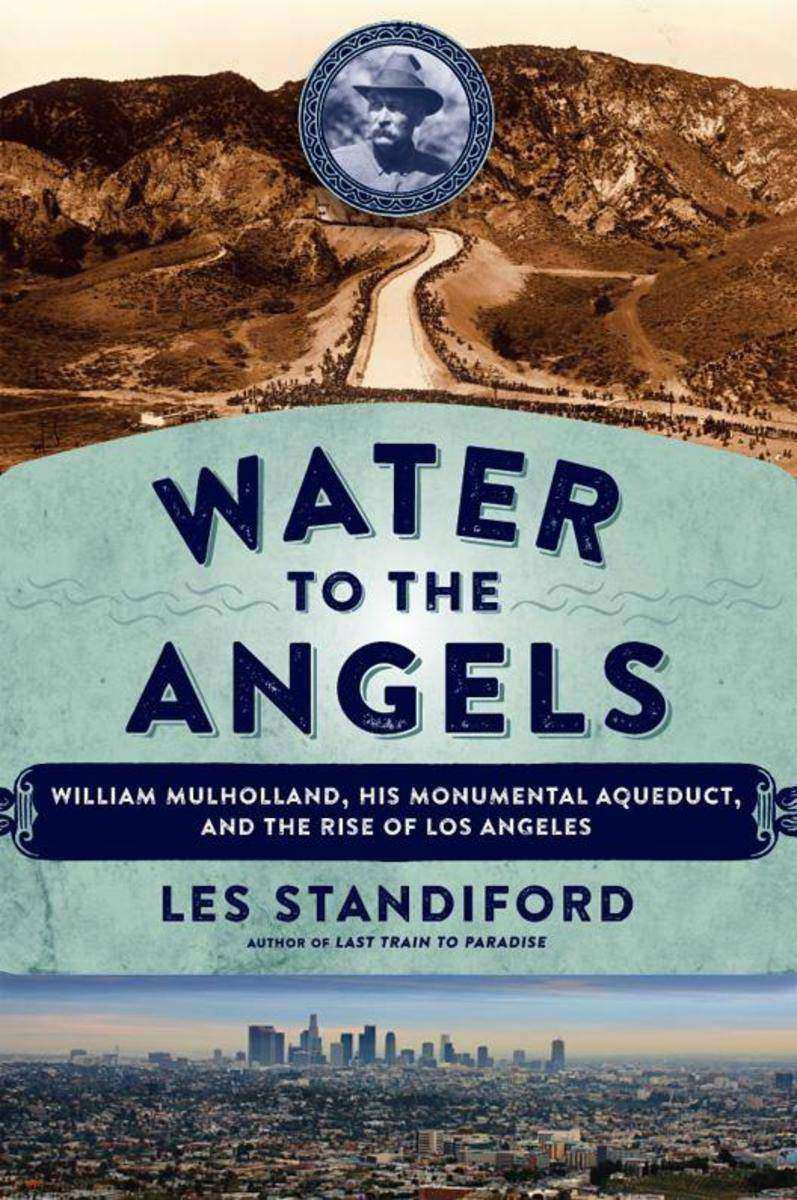
Water to the Angels
¥94.10
In 1907, Irish immigrant William Mulholland designed and began to build one of the greatest civil engineering feats in history: the aqueduct that carried water 233 miles from the Sierra Nevada Mountains to Los Angeles allowing this small, resource-challenged desert city to grow into a modern global metropolis. Drawing on new research, Les Standiford vividly captures the larger-than-life engineer and the breathtaking scope of his six-year, $23 million project that would transform a region, a state, and a nation at the dawn of its greatest century.Mulholland, a penniless Dublin immigrant who made his way west as a stowaway on a passenger ship, personifies the American rags-to-riches tale, working from a position as a ditchdigger to become chief engineer of the Los Angeles Water Company. Confronted with a decade-long drought that threatened his adopted city's future, the self taught Mulholland found the answer in the rushing snow melt from the Eastern Sierra Nevada Mountains, nearly 250 miles away. He proposed to build an aqueduct that would outdo any such ever conceived, one that would carry an entire river from its source to Los Angeles, through mountains, over chasms, and across an alternately freezing and blistering terra incognita, because he believed it was the city's only hope.The project brought a simmering-to-this-day firestorm of protest from residents of California's Owens Valley where the waters would be taken, as well as an all-out onslaught from political opponents and vested interests in Los Angeles, who were fearful of losing their stranglehold on the city's yield. But after nine years of struggle, including the efforts of thousands of workmen many of whom lost their lives and the use of engineering techniques and strategies never previously employed, Mulholland turned the gates and loosed the waters that brought an unprecedented wave of development and prosperity to his city and the region.Though the landmark film Chinatown touched on the subject, Mulholland was characterized there as Hollis Mulwray, a colorless pipsqueak easily dispatched by archvillain and developer Noah Cross (John Houston). In real life, however, Mulholland was every bit the equal of any of his foes, a colorful, brook-no-nonsense man of the people who accomplished a feat like no other and became a hero in the process. Water to the Angels is not only a book that provides insight into the seeds of significant ecological concerns of this day, it is also a stirring story of accomplishment against all odds, all the more captivating for being true.As Robert Towne, author of the screenplay for Chinatown suggests, the subject is timeless. "I found the ubiquity of water in everyone's lives to be compelling. Everybody needs water."At a time when the importance of water is being recognized as never before considered by many experts to be the essential resource of the twenty-first century Water to the Angels brings into focus the vigor of a fabled era, the might of a larger-than-life individual, and the scale of a priceless construction project, and sheds critical light on a past that offers insights for our future.

Bloody Crimes
¥94.10
On the morning of April 2, 1865, Jefferson Davis, president of the Confederacy, received a telegram from General Robert E. Lee. There is no more time the Yankees are coming, it warned. Shortly before midnight, Davis boarded a train from Richmond and fled the capital, setting off an intense and thrilling chase in which Union cavalry hunted the Confederate president. Two weeks later, President Lincoln was assassinated, and the nation was convinced that Davis was involved in the conspiracy that led to the crime. Lincoln's murder, autopsy, and White House funeral transfixed the nation. His final journey began when soldiers placed his corpse aboard a special train that would carry him home on the 1,600-mile trip to Springfield. Along the way, more than a million Americans looked upon their martyr's face, and several million watched the funeral train roll by. It was the largest and most magnificent funeral pageant in American history.To the Union, Davis was no longer merely a traitor. He became a murderer, a wanted man with a $100,000 bounty on his head. Davis was hunted down and placed in captivity, the beginning of an intense and dramatic odyssey that would transform him into a martyr of the South's Lost Cause. The saga that began with Manhunt continues with the suspenseful and electrifying Bloody Crimes. James Swanson masterfully weaves together the stories of two fallen leaders as they made their last expeditions through the bloody landscape of a wounded nation.

You've GOT to Read This Book!
¥94.10
There's nothing better than a book you can't put down or better yet, a book you'll never forget. This book puts the power of transformational reading into your hands. Jack Canfield, cocreator of the bestselling Chicken Soup for the Soul series, and self-actualization pioneer Gay Hendricks have invited notable people to share personal stories of books that changed their lives. What book shaped their outlook and habitsHelped them navigate rough seasSpurred them to satisfaction and successThe contributors include Dave Barry, Stephen Covey, Malachy McCourt, Jacquelyn Mitchard, Mark Victor Hansen, John Gray, Christiane Northrup, Bernie Siegel, Craig Newmark, Michael E. Gerber, Lou Holtz, and Pat Williams, to name just a few. Their richly varied stories are poignant, energizing, and entertaining.Author and actor Malachy McCourt tells how a tattered biography of Gandhi, stumbled on in his youth, offered a shining example of true humility and planted the seeds that would help support his sobriety decades later. Bestselling author and physician Bernie Siegel, M.D., tells how William Saroyan's The Human Comedy helped him realize that, in order to successfully treat his patients with life-threatening illnesses, "I had to help them live not just prevent them from dying."Actress Catherine Oxenberg reveals how, at a life crossroads and struggling with bulimia, a book taught her the transforming difference one person could make in the life of another and why that person for her was Richard Burton.Rafe Esquith, the award-winning teacher whose inner-city students have performed Shakespeare all over the world, recounts his deep self-doubt in the midst of his success and how reading To Kill a Mockingbird strengthened him to continue teaching.Beloved librarian and bestselling author Nancy Pearl writes how, at age ten, Robert Heinlein's science fiction book Space Cadet impressed on her the meaning of personal integrity and gave her a vision of world peace she'd never imagined possible. Two years later, she marched in her first civil rights demonstration and learned that there's always a way to make "a small contribution to intergalactic harmony."If you're looking for insight and illumination or simply for that next great book to read You've Got to Read This Book! has treasures in store for you.
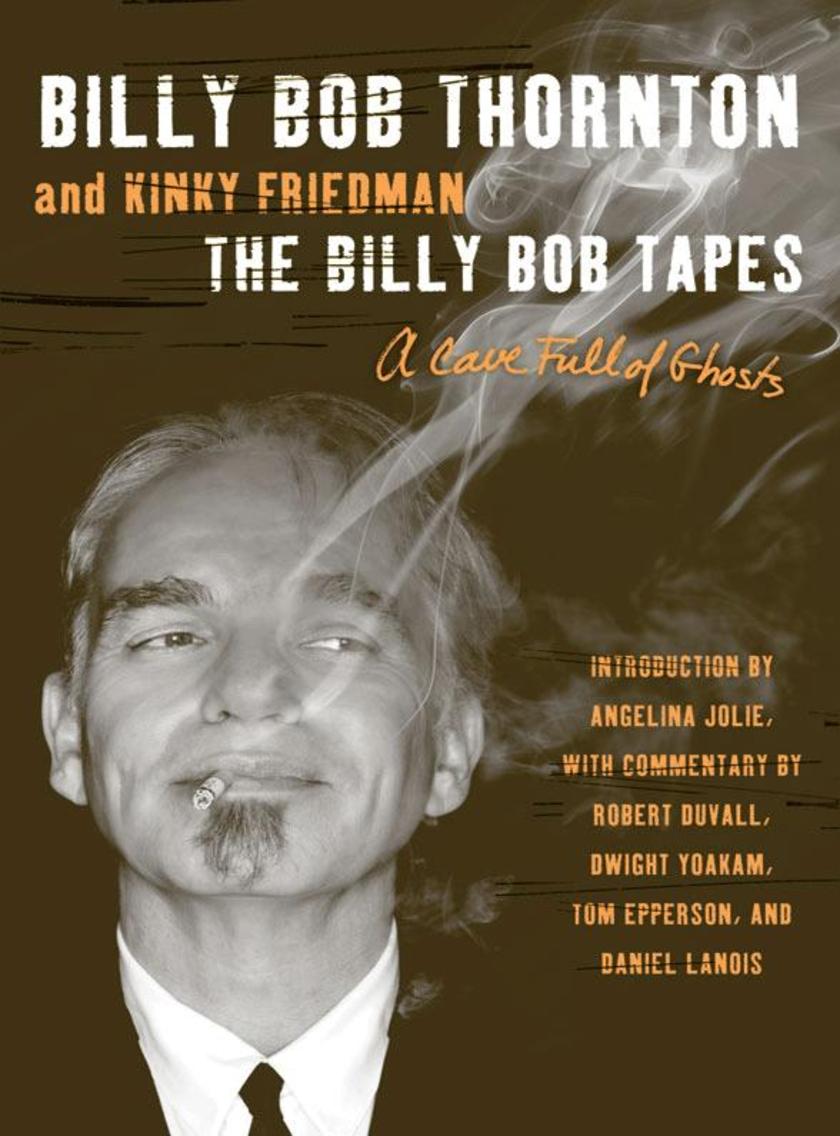
The Billy Bob Tapes
¥94.10
Raised in small-town Arkansas, Billy Bob Thornton grew up amid a rich storytelling tradition. See, the South is just different than other places. . . . You can feel the ghosts there. As a kid, he would sit on the porch listening to his family or some old man down the road spinning yarns about colorful neighbors. These stories didn't have to be made up. The characters were already there, so the stories just came out of the characters we knew. Thus was borne his Oscar-winning masterpiece Sling Blade and now The Billy Bob Tapes a narrative based on late-night conversations with Kinky Friedman and other friends who gathered 'round to hear Billy mine a cave full of ghosts. Billy grew up shooting squirrels, playing drums in VFW clubs, and dreaming of rock 'n' roll stardom or pitching for the St. Louis Cardinals. Then at sixteen he took a drama class to meet chicks and met Mrs. Treadway, who noticed the young man's talent and encouraged him as an actor and writer. "You don't know what it's like to be a drama teacher in a small town in Arkansas where nobody really cares," she said, "but let me tell you something. You can do this." Everything I've accomplished since, I can trace back to this woman, Maudie Treadway.The colorful characters, stories, and experiences of his youth would find their way into Billy's work, in his films and music, and in his perspective and attitude. It's like the old saying goes: you can take the boy out of the hills, but you can't take the hills out of the boy. That boy did leave the hills for Hollywood Hills. A true fish out of water, he recalls stories of miserable jobs, the cheapest accommodations, and physical hunger but also a devoted writing partner Tom Epperson, a life-changing acting teacher in L.A., and a compassionate nurse who snuck him milk shakes when he was near starvation. But there was always the dream of being an actor, and his fortunes turned when he served hors d'oeuvres as a catering waiter to legendary director Billy Wilder, who advised him, "Write about your interesting life." Billy's long career in Hollywood yields stories of inspired collaborations and failed ones, true friendships with other actors and musicians, and good friends gone too soon. In The Billy Bob Tapes, he reflects on the critics, the culture around fame, and the challenges of conveying an artistic vision in film. Most striking is Billy's clear-eyed perspective about the magic of entertainment, and how we perceive it in a rapidly changing world. With passion, unvarnished honesty, wry humor, and a little help from friends Angelina Jolie, Robert Duvall, Dwight Yoakam, Tom Epperson, and Daniel Lanois, Billy Bob finally talks.
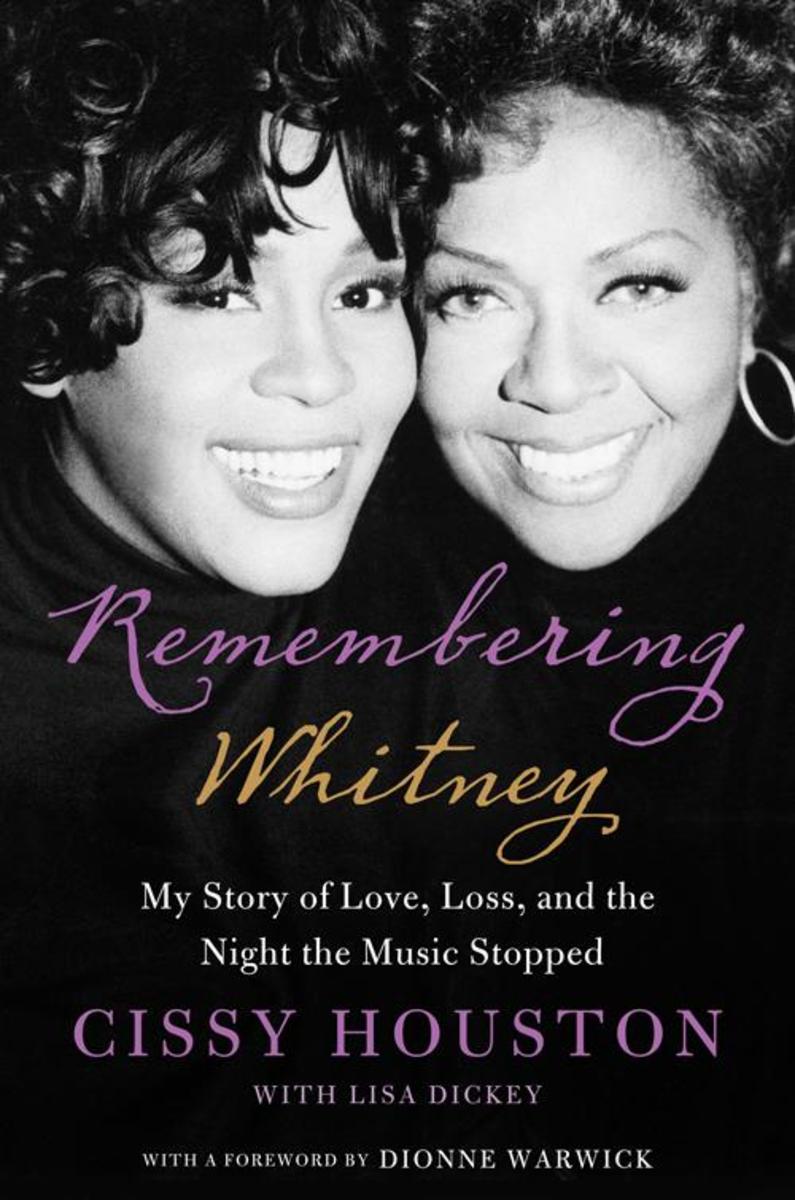
Remembering Whitney
¥94.10
Honest and heartbreaking, a mother's story of tears, joy, and her greatest love of all—her daughter, Whitney On the eve of the 2012 Grammy Awards, the world learned of a stunning tragedy: Whitney Houston, unquestionably one of the most remarkable and powerful voices in all of music, had been silenced forever. Over the weeks and months that followed, family, friends, and fans alike tried to understand how such a magnificent talent and beautiful soul could have been taken so early and so unexpectedly. Glamorous and approachable, captivating and sweet, Whitney had long ago won the hearts of America, but in recent years her tumultuous personal life had grabbed as many headlines as her soaring vocal talents. Her sudden death left behind not only a legacy of brilliance, but also painful questions with no easy answers. Now, for the first time, the beloved superstar's mother, Cissy Houston—a gospel legend in her own right—relates the full, astonishing scope of the pop icon's life and career. From Whitney's earliest days singing in the church choir to her rapid ascent to the pinnacles of music stardom, from her string of number one hits to her topping the Hollywood box office, Cissy recounts her daughter's journey to becoming one of the most popular and successful artists of all time. Setting the record straight, Cissy also speaks candidly about Whitney's struggles in the limelight, revealing the truth about her turbulent marriage to singer Bobby Brown, her public attempts to regain her celebrated voice, and the battle with drugs that ultimately proved too much. In this poignant and tender tribute to her "Nippy," Cissy summons all her strength to reveal not only Whitney the superstar, but also Whitney as a sweet girl, a bright-eyed young woman, and a deeply caring mother. Complete with never-before-seen family photographs, Remembering Whitney is an intimate, heartfelt portrait of one of our most revered artists, from the woman who cherished her most.
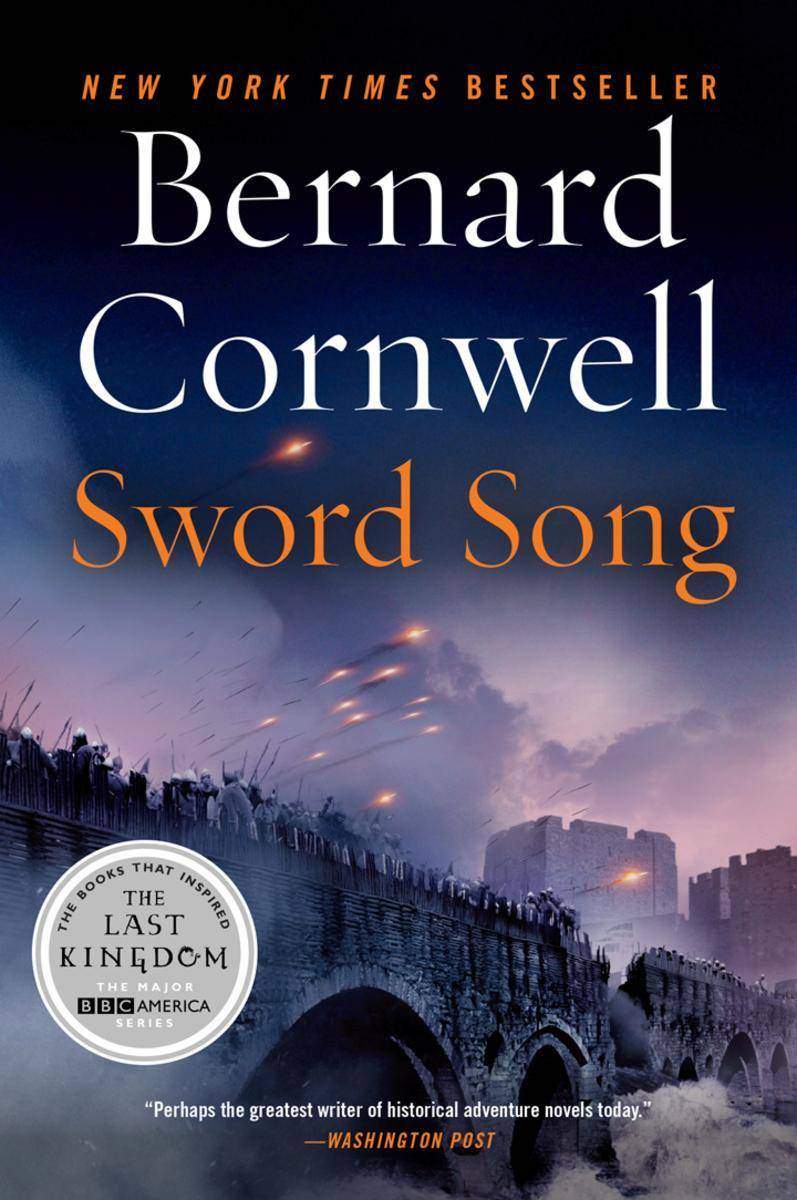
Sword Song
¥94.10
The year is 885, and England is at peace, divided between the Danish kingdom to the north and the Saxon kingdom of Wessex in the south. Uhtred, the dispossessed son of a Northumbrian lord—warrior by instinct, Viking by nature—has finally settled down. He has land, a wife, and two children, and a duty given to him by King Alfred to hold the frontier on the Thames. But then trouble stirs: a dead man has risen, and new Vikings have arrived to occupy the decayed Roman city of London. Their dream is to conquer Wessex, and to do it they need Uhtred's help.Alfred has other ideas. He wants Uhtred to expel the Viking raiders from London. Uhtred must weigh his oath to the king against the dangerous turning tide of shifting allegiances and deadly power struggles. And other storm clouds are gathering: ?thelefl?d—Alfred's daughter—is newly married, but by a cruel twist of fate, her very existence now threatens Alfred's kingdom. It is Uhtred—half Saxon, half Dane—whose uncertain loyalties must now decide England's future.A gripping story of love, deceit, and violence, Sword Song is set in an England of tremendous turmoil and strife—yet one galvanized by the hope that Alfred may prove an enduring force. Uhtred, his lord of war and greatest warrior, has become his sword—a man feared and respected the length and breadth of Britain.
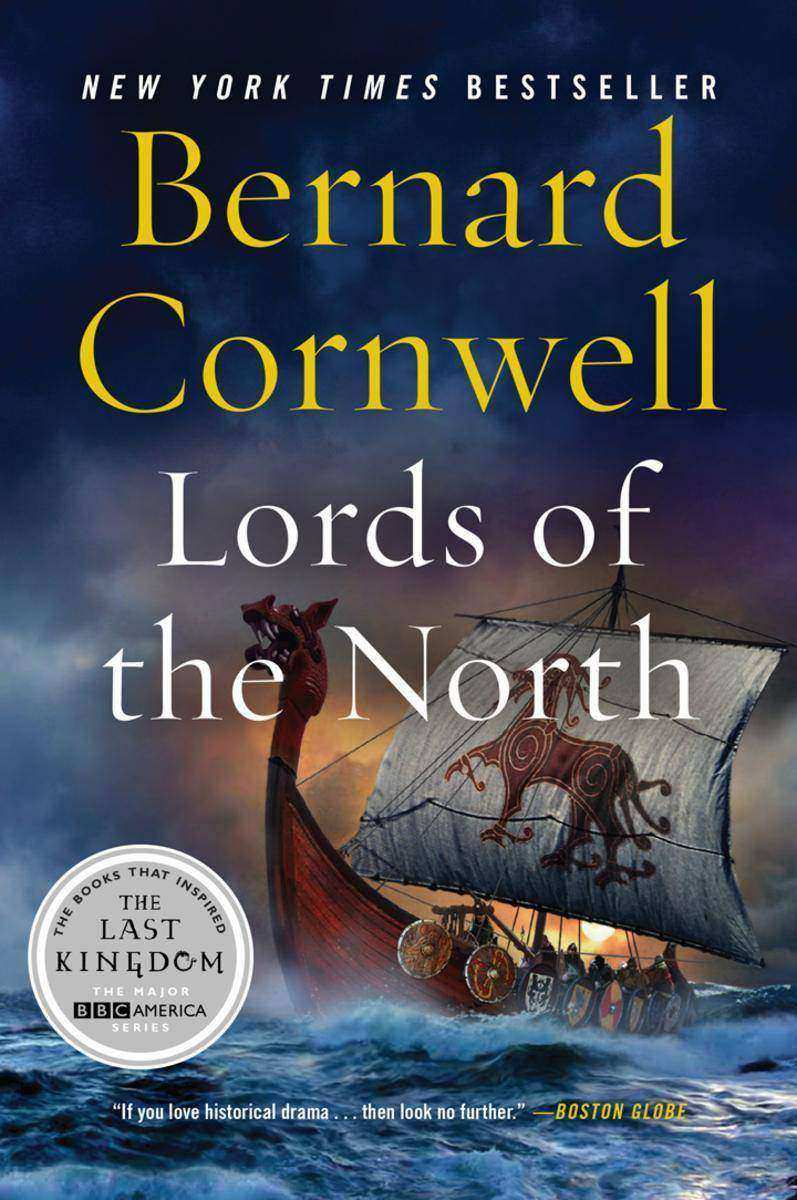
Lords of the North
¥94.10
The year is 878. Uhtred, the dispossessed son of a Northumbrian lord, has helped the Saxons of Wessex defeat the invading Danes. Now, finally free of his allegiance to the victorious, ungrateful King Alfred, he is heading home to rescue his stepsister, a prisoner of Kjartan the Cruel in the formidable Danish stronghold of Dunholm. Uhtred's best hope is his sword, Serpent-Breath, for his only allies are Hild, a West Saxon nun fleeing her calling, and Guthred, a slave who believes himself king. Rebellion, chaos, fear, and betrayal await them in the north, forcing Uhtred to turn once more, reluctantly, to the liege he formerly served in battle and blood: Alfred the Great.
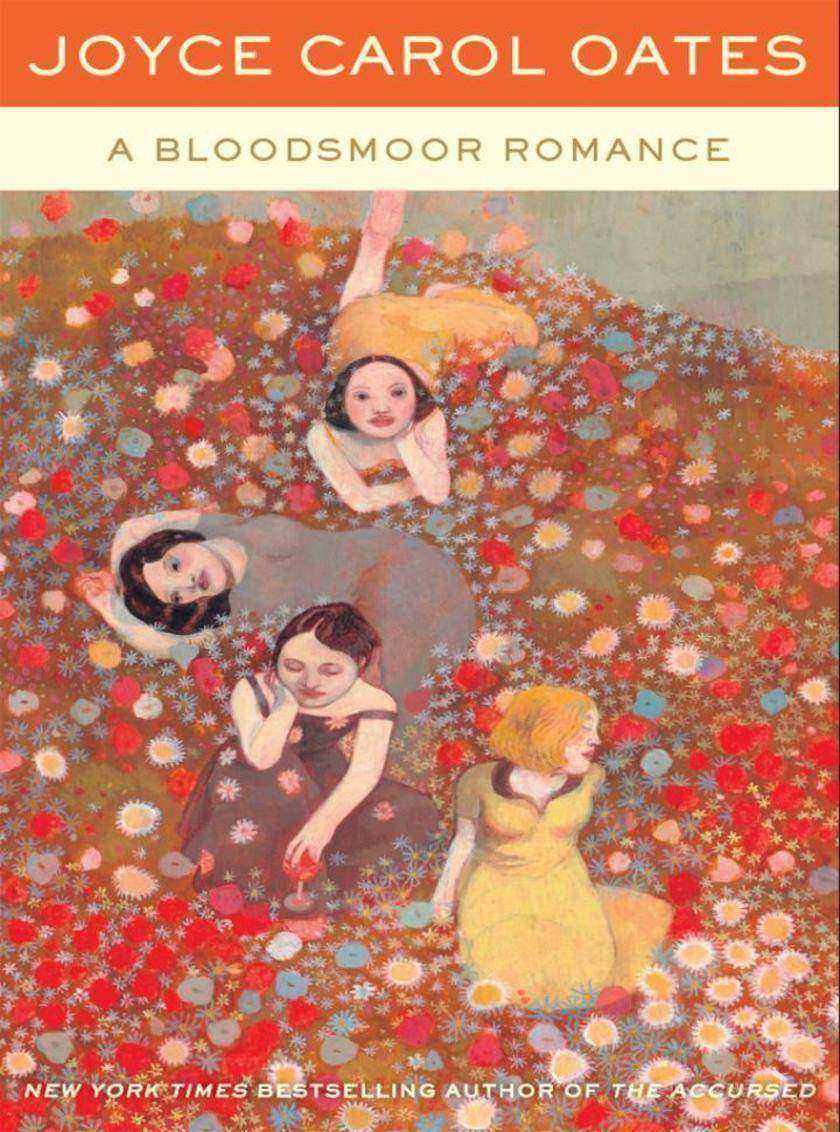
A Bloodsmoor Romance
¥94.10
Finally returned to print, Joyce Carol Oates's lost classic: the satirical, often surreal, and beautifully plotted Gothic romance that follows the exploits of the audacious Zinn sisters, whose nineteenth-century pursuit of adventurous lives turns a lens on contemporary American culture When their sister is plucked from the shores of the Bloodsmoor River by an eerie black-silk hot air balloon that sails in through a clear blue sky, the lives of the already extraordinary Zinn sisters are radically altered. The monstrous tragedy splinters the family, who must not only grapple with the mysterious and shameful loss of their sister and daughter but also seek their way forward in the dawn of a new era—one that includes time machines, the spirit world, and the quest for women's independence.Breathlessly narrated in the Victorian style by an unnamed narrator who is herself shocked and disgusted by the Zinn sisters' sexuality, impulsivity, and rude rejection of the mores of the time, the novel is a delicious filigree of literary conventions, "a novel of manners" in the tradition of Austen, Dickens, and Alcott, which Oates turns on its head. Years ahead of its time, A Bloodsmoor Romance touches on murder and mayhem, ghosts and abductions, substance abuse and gender identity, women's suffrage, the American spiritualist movement, and sexual aberration, as the Zinn sisters come into contact with some of the nineteenth century's greatest characters, from Mark Twain to Oscar Wilde.Pure Oates in its mordant wit, biting assessment of the American landscape, and virtuosic transformation of a literary genre we thought we knew, A Bloodsmoor Romance is a compelling, hilarious, and magical antiromance, a Little Women wickedly recast for the present day.
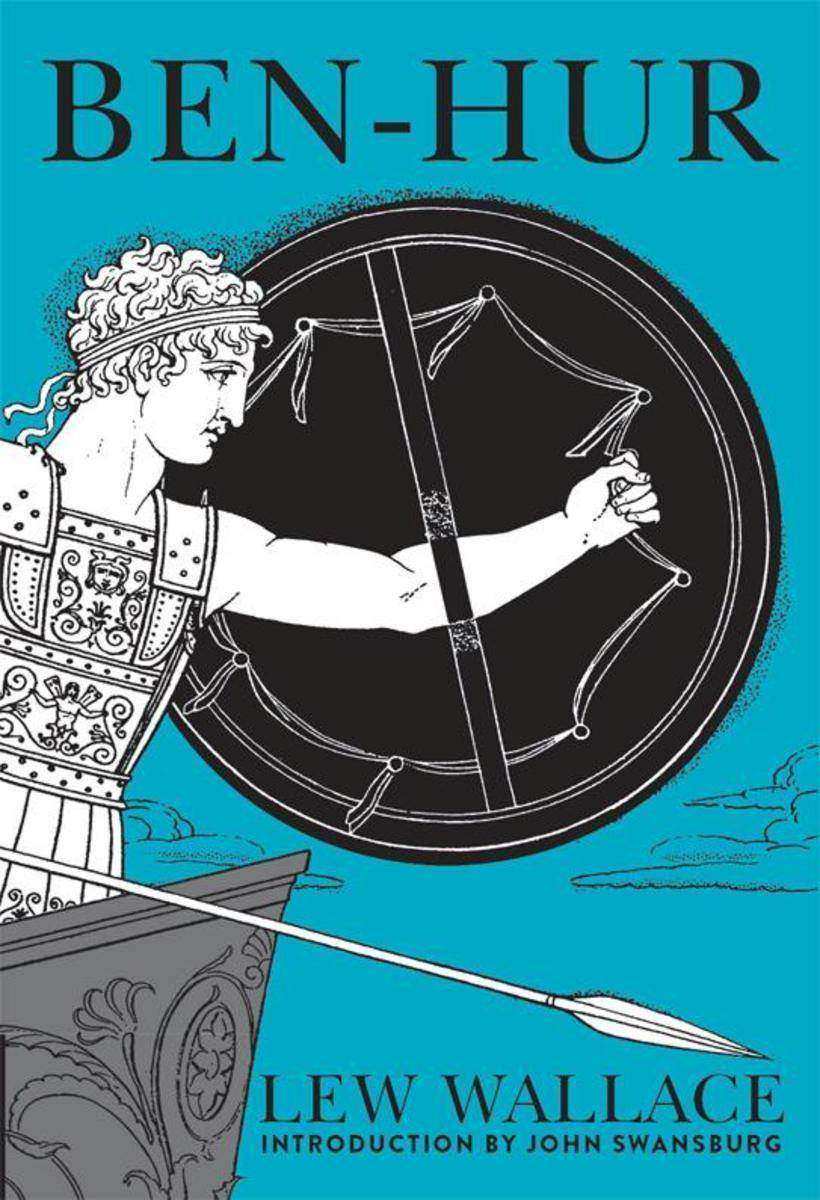
Ben-Hur
¥94.10
A deluxe Harper Perennial Legacy Edition, with an introduction from John Swansburg, Deputy Editor at SlateOne of the best-selling books of all time, Lew Wallace’s enduring epic is a tale of revenge, betrayal, honor, compassion and the power of forgiveness, set during the life of Christ.At the beginning of the first century, Judah Ben-Hur lived as a prince, descended from the royal line of Judea and one of Jerusalem’s most prosperous merchant families. But his world falls apart when he is betrayed by his best friend, Messala, who falsely accuses him of an attempt to assassinate the Roman governor.Convicted without trial, Judah is sentenced to slavery on a Roman galley, while his mother and sister are imprisoned and his family’s assets are seized. All seems lost, but just before boarding the ship, Ben-Hur has his first interaction with the Christ, who offers him water and hope. Their lives continue to intersect as Ben-Hur miraculously survives his time as a slave to become a charioteer, confront his betrayer, Messala, in an epic race, fall in love with the beautiful Esther, avenge his family, and become a follower of the Christ.A true epic, Ben-Hur weaves biblical history and a rich adventure plot into a timeless tale certain to entertain a new generation of readers.
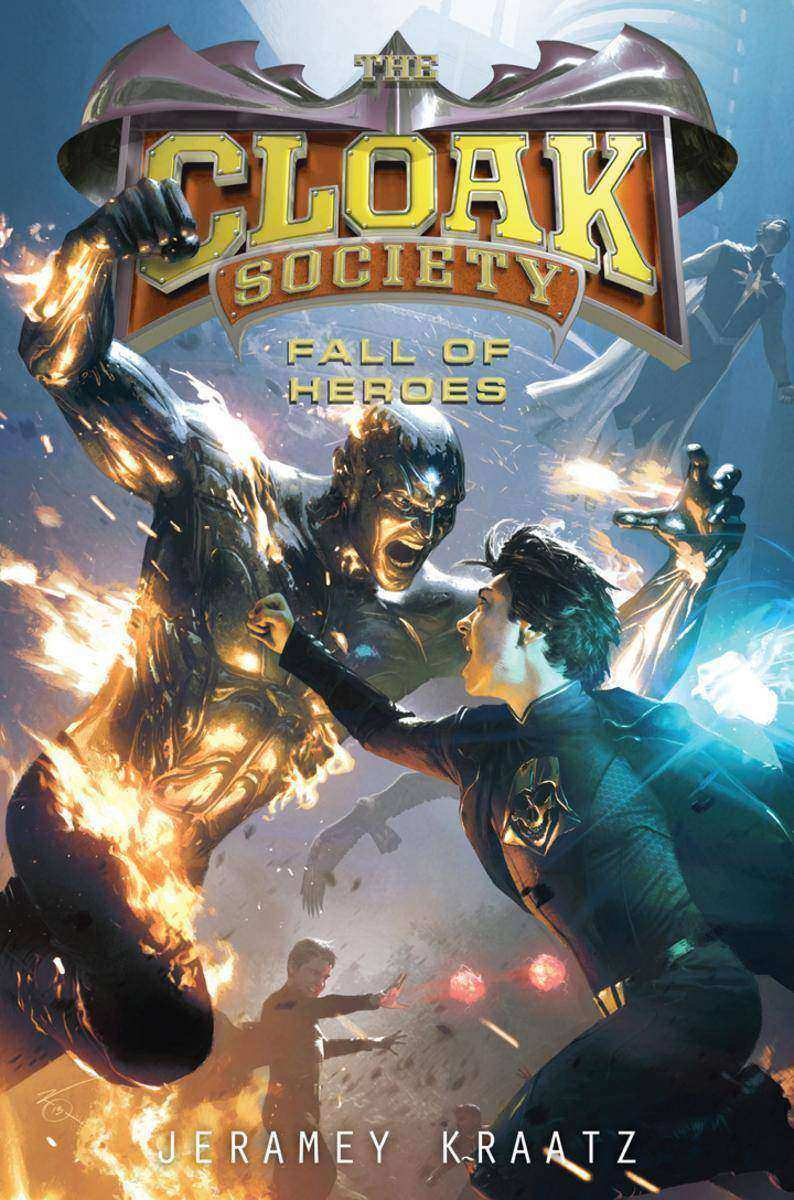
Fall of Heroes
¥94.10
The Cloak Society has risen and heroes will fall in the epic conclusion to the Cloak Society series—a thrilling middle grade trilogy that's perfect for fans of the Alex Rider Adventures and the 39 Clues.The Cloak Society has finally risen to power—by posing as the saviors of Sterling City. As long as the people believe Cloak's lies, Alex and his friends are all that stand in the way of total Cloak domination. But to bring Cloak to justice, Alex must make a final stand against his parents, his past, and the life of supervillainy he's always known.Praised by Publishers Weekly for its "rapid-fire, comic book–style action" and by School Library Journal for having "the same wide appeal as Rick Riordan's Percy Jackson books," the Cloak Society trilogy delivers high-stakes battles, extraordinary superpowers, and an original twist on the superhero stories readers know and love. Can a villain ever truly become a heroIn this explosive series finale, the stakes are higher than ever—and the answer will be decided once and for all.
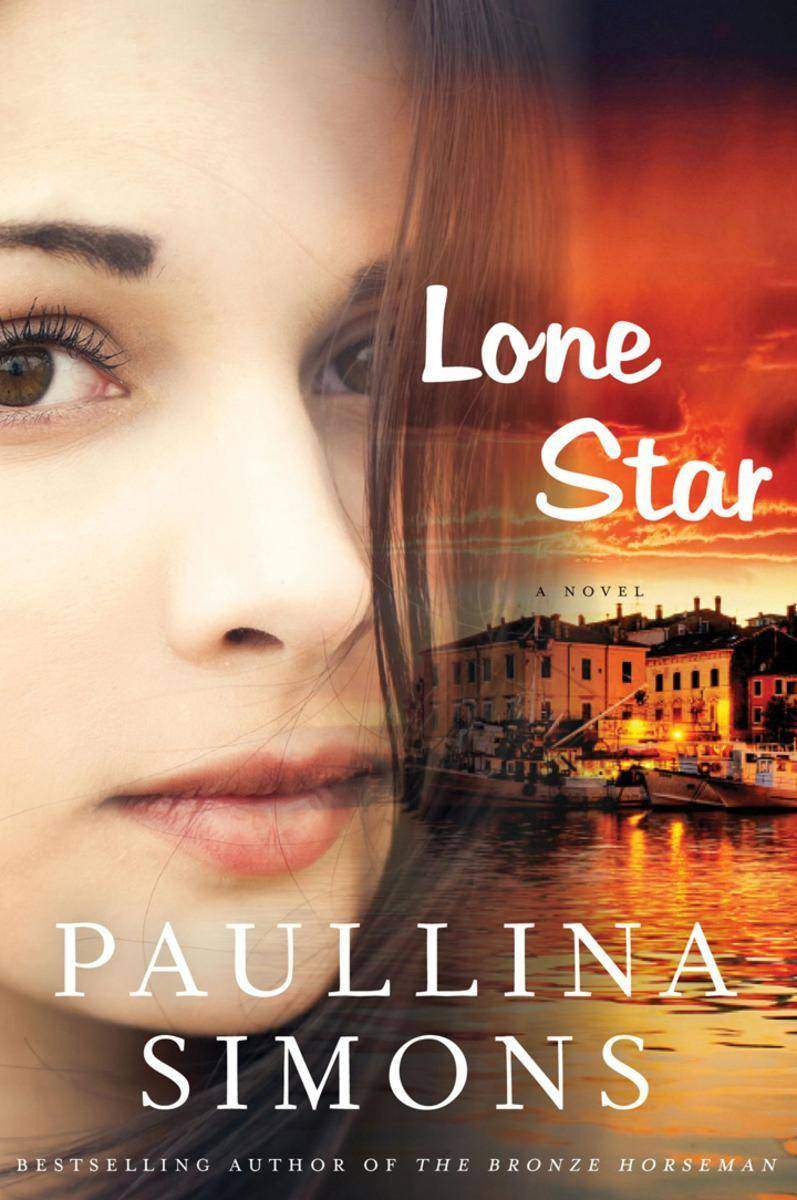
Lone Star
¥94.10
Falling in love was the easy part . . .Chloe and her three best friends are weeks away from finishing high school and beginning their new grown-up lives apart from one another. They have been friends since they were kids, their families and lives intertwined, but this is their last summer together. They plan a magical trip to sun-drenched Barcelona, with its possibility of adventure and passion. But first, Chloe has an old family promise to keep, and the four of them must detour through historic Eastern Europe.In this fledgling post-Communist world, Chloe meets a mysterious American vagabond named Johnny, who carries a guitar, an easy smile, and a lifetime of secrets. From Treblinka to Trieste, from Carnikava to Krakow, the unlikely band of friends and mismatched lovers traverses the Old World on a train ride that becomes a treacherous journey into Europe’s and Johnny’s dark pasts—a journey that jeopardizes Chloe’s plans and all she ever thought she wanted.The ties that bind Chloe to her friends and her future are about to be put to the ultimate test. Whether or not they reach Barcelona . . . their lives will never be the same again.A sweeping, beautiful tale of old friendships and new love that mesmerizes and enchants, Lone Star will linger long in the memory even after the final page has been turned.

Parents Need to Eat Too
¥94.10
The question is as old as parenting itself: How can new moms and dads eat well when all their time and energy is spent on babyFinally, we have the answer!Specifically designed for frazzled, sleep-deprived parents, every recipe in Parents Need to Eat, Too is nutritious, delicious, satisfying, and EASY. As a bonus each recipe includes instructions for preparing baby food from the same ingredients. Plus every recipe has the added advantage of being tested by a group of more than 100 new parents.Inside you'll find: Meals you can eat with one hand Recipes for the new parent's best friend: the slow cooker More ambitious recipes, broken down into simple stages to perform while baby naps “Un-Recipes” for parents who can't cook at all Recipes that support breastfeeding Advice from experts, including a pediatric dietitian and a lactation consultantHere are real solutions for the real problems new parents face in the kitchen. Through comforting, honest, and essential help for stressed out, undernourished moms and pops, Parents Need To Eat Too ensures that nobody will go hungry!Parents Need to Eat Too has been named one of the Best Cookbooks of 2012 by Leite’s Culinaria, whose Editor-in-Chief Renee Schettler Rossi called it the “What to Expect After You’re Expecting” and said that the book “savvily and sassily helps you extend the efficiency of any time spent in the kitchen.”
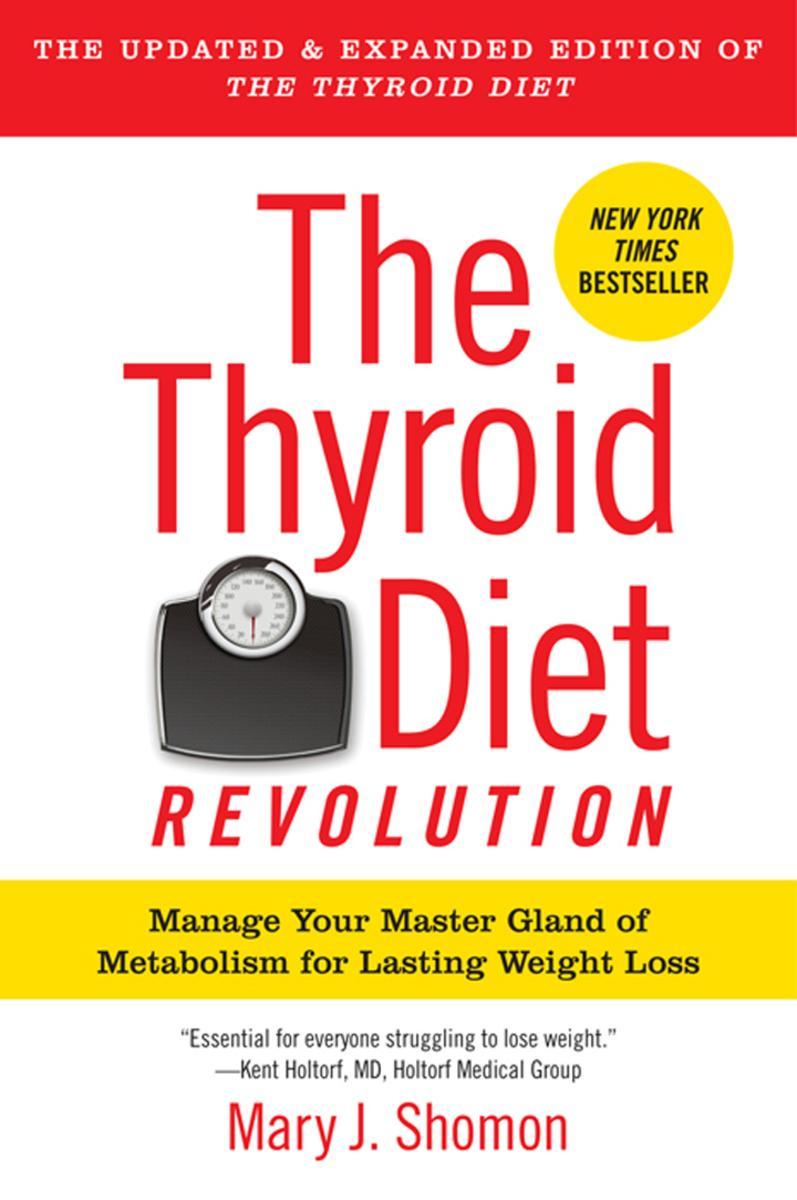
The Thyroid Diet Revolution
¥94.10
Fifty Million Americans Have Thyroid-Based Weight Problems—Do You?Since Mary J. Shomon’s groundbreaking book The Thyroid Diet hit the New York Times bestseller list in 2004, the number of Americans diagnosed with thyroid disease has more than doubled. This newly expanded and updated version of Shomon’s classic work, The Thyroid Diet Revolution identifies the many hormonal factors that can get in the way of your weight loss and offers much-needed solutions. New material includes:Guidelines to help frustrated dieters determine if they have an undiagnosed thyroid condition.A comprehensive step-by-step approach to help you get proper thyroid treatment, optimize thyroid function, increase metabolism, and effectively lose weight.A common-sense look at cutting-edge hormonal, nonsurgical weight-loss treatments, plus the latest on weight-loss drugs and surgery.Updated information on the latest nutritional approaches—herbs, supplements, and vitamins to help enhance your metabolism, improve energy, balance hormones, control blood sugar, and promote weight loss.Customized exercise approaches that help you fit in fitness and build muscle without fatigue.Reviews and recommendations of the best diet programs for thyroid patients . . . and more.Offering an integrated diet and exercise recommendations—and a special resource section featuring websites, books, and support groups—The Thyroid Diet Revolution provides vital help for the millions of thyroid patients dealing with weight problems.
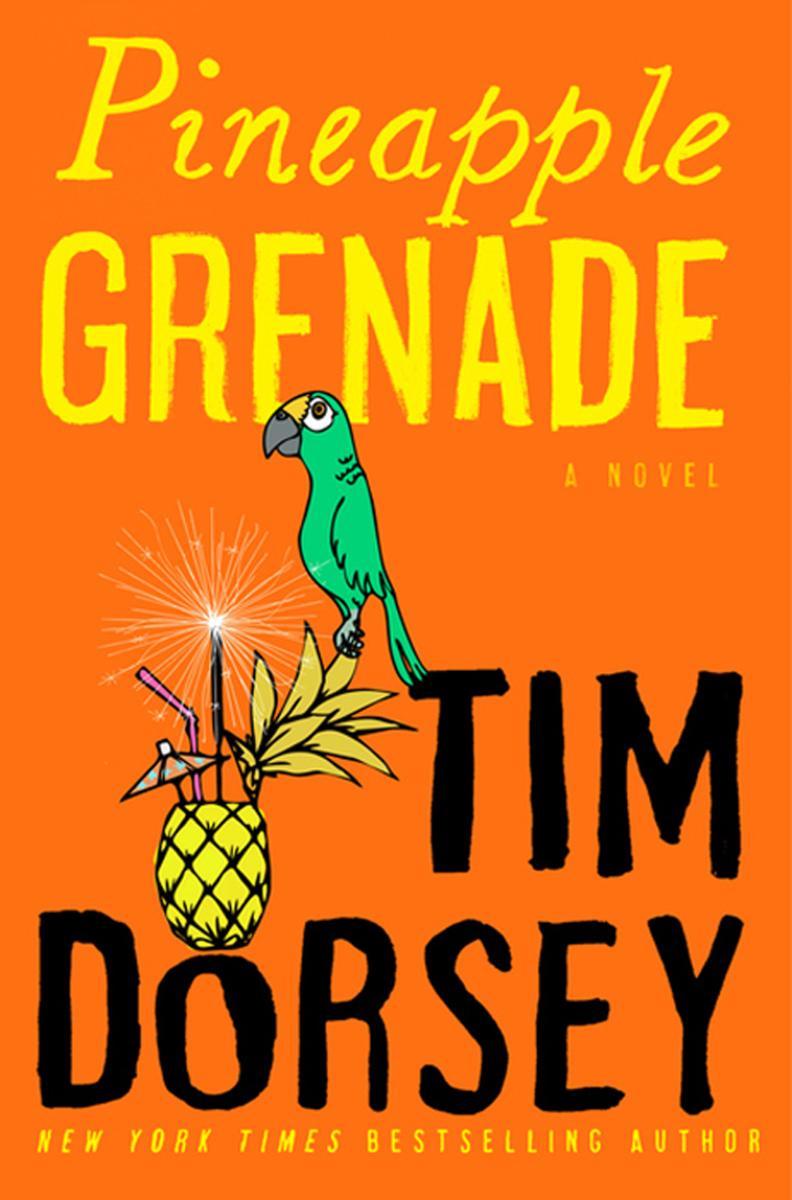
Pineapple Grenade
¥94.10
Miami has always set the weirdness bar, but Serge Storms is back in action and ready to pole vault over it.First, there’s the media frenzy over the “Hollow Man,” a gutless corpse found on the beach. And yet people think it’s perfectly normal to find dead sharks in the middle of downtown boulevards—or to spot black mushroom clouds behind the airport. Then there are the roving bands of carjackers who suddenly find themselves inconvenienced. Not to mention people lurking outside sex-addiction meetings. Could this be the work of Serge, that eccentric trivialista and one-man vigilanteAnd why is he extensively photographing foreign consulates right before the critically important Summit of the Americas comes to townDoes it have something to do with Serge’s declaration to tell his ever-stoned sidekick, Coleman, that he’s decided to become a spyOf course he’s not working for anyone yet, so Serge is content to just spy for himself until he shows up on radar and his talents are appreciated. His ace in the holeSerge’s newly revamped Secret Master Plan! His spider senses tell him something big is about to go down in Miami, and it just might involve the recently reactivated CIA cell operating in the same historic building that plotted the overthrow of Fidel Castro.The intelligence community isn’t amused, and they want answers:How did Serge and Coleman get so cozy with the president of a banana republic?Who is the femme fatale with a heart of gold—and national pride?Why is the congressman in favor of the latest oil spill?When did everyone in the city forget how to drive?And what about the Most Laid Man in MiamiMeanwhile, a mysterious international man of intrigue is shipping military arms around the clock, in competition with clandestine flights of souvenirs, causing the office of Homeland Security to take measures against people who aren’t scared enough. The crossfire of chaos continues to escalate as Serge plays Extreme Dominos in Little Havana, hurtling everyone toward a fateful climax that seems destined for the hemispheric summit jamboree on the shores of Biscayne Bay.So put on your favorite pink flamingo shirt, hit the dunes of South Beach, and find all the answers in . . . Pineapple Grenade!
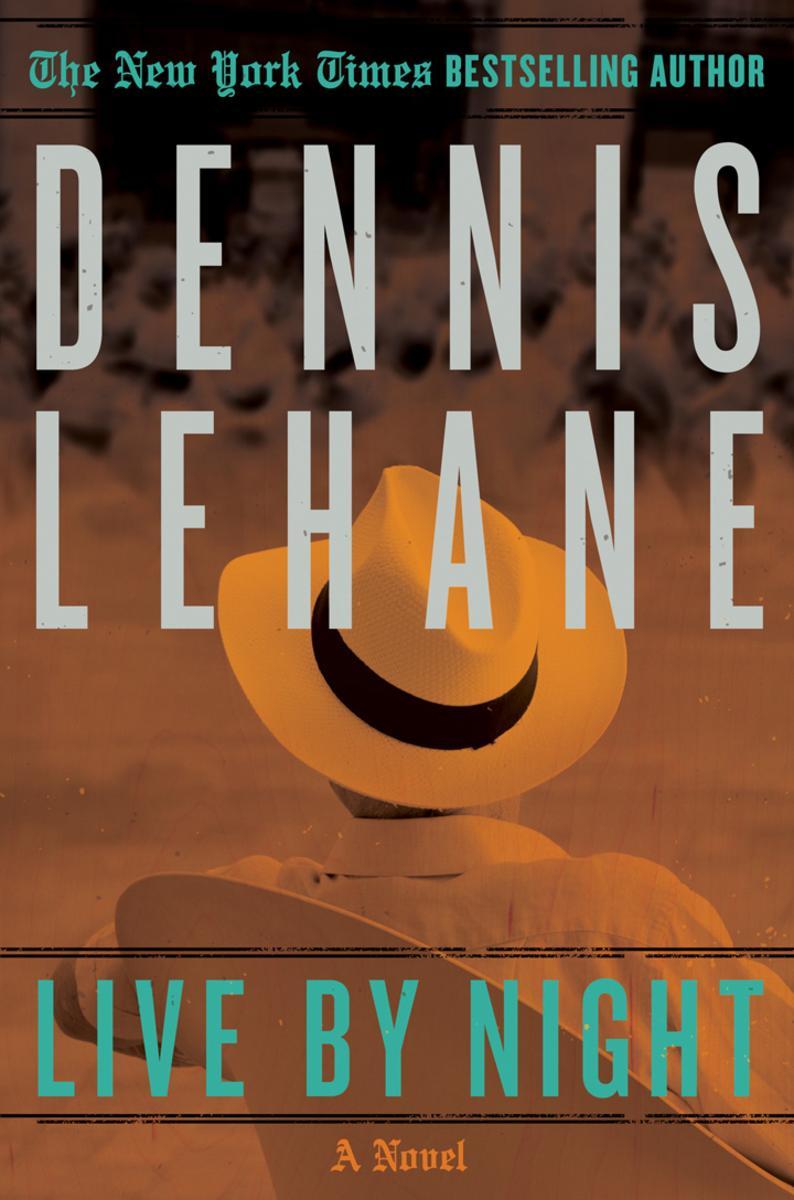
Live by Night
¥94.10
Boston, 1926. The '20s are roaring. Liquor is flowing, bullets are flying, and one man sets out to make his mark on the world.Prohibition has given rise to an endless network of underground distilleries, speakeasies, gangsters, and corrupt cops. Joe Coughlin, the youngest son of a prominent Boston police captain, has long since turned his back on his strict and proper upbringing. Now having graduated from a childhood of petty theft to a career in the pay of the city's most fearsome mobsters, Joe enjoys the spoils, thrills, and notoriety of being an outlaw.But life on the dark side carries a heavy price. In a time when ruthless men of ambition, armed with cash, illegal booze, and guns, battle for control, no one—neither family nor friend, enemy nor lover—can be trusted. Beyond money and power, even the threat of prison, one fate seems most likely for men like Joe: an early death. But until that day, he and his friends are determined to live life to the hilt.Joe embarks on a dizzying journey up the ladder of organized crime that takes him from the flash of Jazz Age Boston to the sensual shimmer of Tampa's Latin Quarter to the sizzling streets of Cuba. Live by Night is a riveting epic layered with a diverse cast of loyal friends and callous enemies, tough rumrunners and sultry femmes fatales, Bible-quoting evangelists and cruel Klansmen, all battling for survival and their piece of the American dream. At once a sweeping love story and a compelling saga of revenge, it is a spellbinding tour de force of betrayal and redemption, music and murder, that brings fully to life a bygone era when sin was cause for celebration and vice was a national virtue.
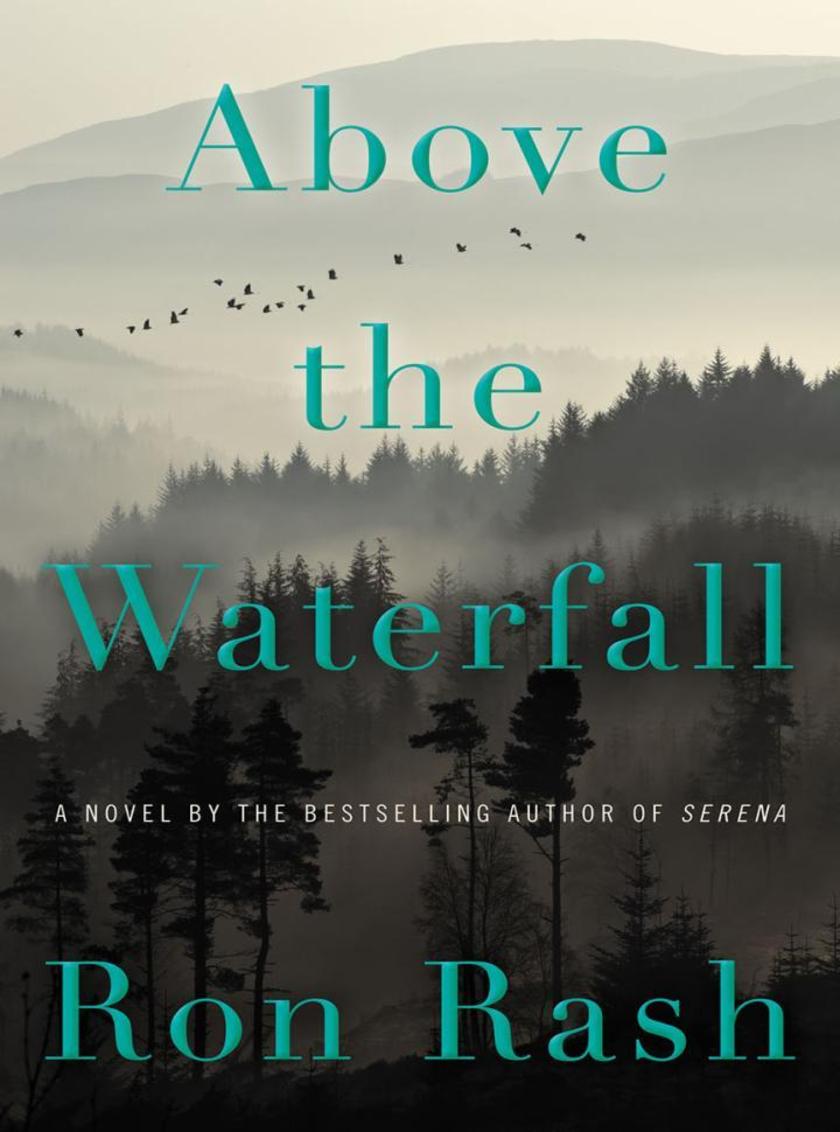
Above the Waterfall
¥94.10
In this poetic and haunting tale set in contemporary Appalachia, New York Times bestselling author Ron Rash illuminates lives shaped by violence and a powerful connection to the landLes, a longtime sheriff, is just weeks from retirement when he is forced to contend with the ravages of crystal meth—and his own corruption—in his small Appalachian town. Meanwhile, Becky, a park ranger with a harrowing past, finds solace amid the lyrical beauty of the North Carolina mountains.Enduring the mistakes and tragedies that have indelibly marked them, they are drawn together by a reverence for the natural world. When an embittered elderly local is accused of poisoning a trout stream on the property of a nearby resort, Les and Becky are plunged into deep and dangerous waters, forced to navigate currents of disillusionment and betrayal that will force them to question themselves and test their tentative bond—and threaten to carry them over the edge.Echoing the lapsarian beauty of William Faulkner and the spiritual isolation of Carson McCullers, Above the Waterfall demonstrates the prodigious talent of an author hailed as "a gorgeous, brutal writer" (Richard Price) and "one of the best American novelists of his day" (Janet Maslin, New York Times). Unforgettable and evocative, tragic and indelible, Above the Waterfall is a breathtaking achievement from a literary virtuoso.


