


 购物车
购物车 个人中心
个人中心

The Andrew Gross Thriller
¥218.68
Get three?contemporary?thrillers from #1?New York Times?bestselling author Andrew Gross in one e-book, including:?The Blue Zone,?Eyes Wide Open, and?15 Seconds.The Blue Zone—The electrifying thriller about a young woman searching for her father who has gone missing from the Witness Protection Program.Eyes Wide Open—A man looks for the truth behind his nephew's suicide and finds something much more sinister.15 Seconds—15 Seconds can tear your life apart. This is a lightning-paced story of a desperate man on the run, trying to save his family from the faceless enemy that's determined to destroy them all.

The Familiars 4-Book Collection
¥218.05
The Familiars series is a thrilling tale of magic and adventure perfect for fans of Erin Hunter's Warriors series. A wizard-in-training is nothing without a familiar, so it's lucky that Jack finds Aldwyn, a cat with a past but without a lot of magical experience. They'll have to learn fast and work together to save themselves, their friends, and the entire queendom of Vastia. An Indie New Voices Pick, The Familiars is soon to be a major motion picture directed by Sam Raimi of Spider-Man.Together for the first time, this collection includes:The Familiars The Familiars #2: Secrets of the Crown The Familiars #3: Circle of Heroes The Familiars #4: Palace of Dreams

The Genius Files 4-Book Collection
¥218.05
With the real-kid humor that has earned Dan Gutman millions of fans around the world, and featuring weird-but-true American tourist destinations, The Genius Files is a one-of-a-kind mix of geography and fun. This collection includes the first four novels in this bestselling series.The Genius Files: Mission Unstoppable: The most exciting road trip in history begins! In this action-packed, New York Times bestselling adventure, twelve-year-old twins Coke and Pepsi McDonald embark on a family vacation you'll have to read to believe. As Coke and Pepsi dodge nefarious villains from the Pez museum in California all the way to the Infinity Room in Wisconsin, black-and-white photographs and maps put young readers right into the action.The Genius Files #2: Never Say Genius: Coke and Pepsi McDonald never asked to be geniuses. They never asked to get lowered into a basket of boiling French fries, either. And they certainly never asked to be frozen in soft-serve ice cream, stampeded in a wild stadium riot, or kidnapped on a high-speed roller coaster. But that's what happens when a red-haired villain named Archie Clone is chasing you across America. This just might be the most dangerous road trip in history—and the most awesome!The Genius Files #3: You Only Die Twice: As the twins continue their family road trip from Washington D.C. through the South, it will take every bit of their genius abilities to outwit their wacky enemies. It doesn't help that their parents remain totally oblivious! When they finally get to Graceland, Elvis's home in Memphis, Tennessee, Coke and Pepsi come to an explosive conclusion you'll have to read to believe!The Genius Files #4: From Texas with Love: After their explosive escape at Graceland, twins Coke and Pepsi are ready to resume their trip across America. They travel through Arkansas and Oklahoma, visiting weird-but-true tourist stops along the way, and finally end up in Texas, home of the Weird Capital of the Country, Austin. The twins' many enemies—the bowler dudes, Mrs. Higgins, and Dr. Warsaw—all swear that they're done chasing Coke and Pepsi for good. But when the twins start receiving more codes and ciphers from a mysterious robotic voice, they know someone's after them. They just have to figure out who before the mystery villain finds them first.
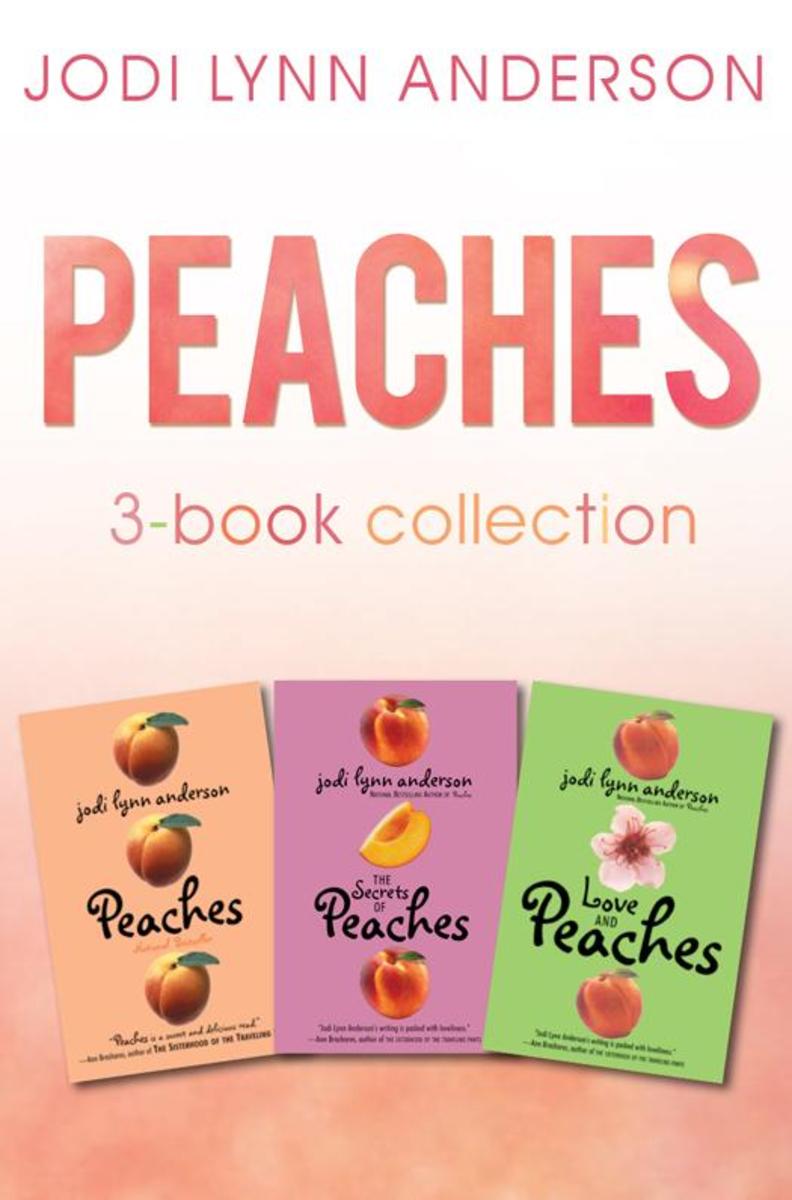
Peaches Complete Collection
¥218.05
This collection contains the complete text of the three bestselling Peaches books, by Jodi Lynn Anderson: Peaches, The Secrets of Peaches, and Love and Peaches.Peaches: Three Georgia peaches are in for one juicy summer…but Birdie would rather eat Thin Mints and sulk in the AC. Leeda would prefer to sneak off with her boyfriend, Rex. And Murphy just wants to cause a little mischief. Together these three very different girls will discover the secret to finding the right boy, making the truest friends, and picking the perfect Georgia peach.The Secrets of Peaches: After a magical summer living on a peach orchard, Murphy, Leeda, and Birdie confront a series of breakups, makeups, and takeoffs. They may have to leave one another, along with the orchard that brought them together. But despite their heartbreak, this year's bittersweet endings could lead to the sweetest of new beginnings.Love and Peaches: After a not-quite-peachy year apart, three Georgia peaches come home to Darlington Orchard. Together for another juicy summer, carefree Murphy, perfect Leeda, and big-hearted Birdie return to the place that allowed them to bloom. Brimming with all the charm, humor, and heart of Peaches and The Secrets of Peaches, this satisfying conclusion to the series reunites three unlikely best friends for a final sweet farewell.
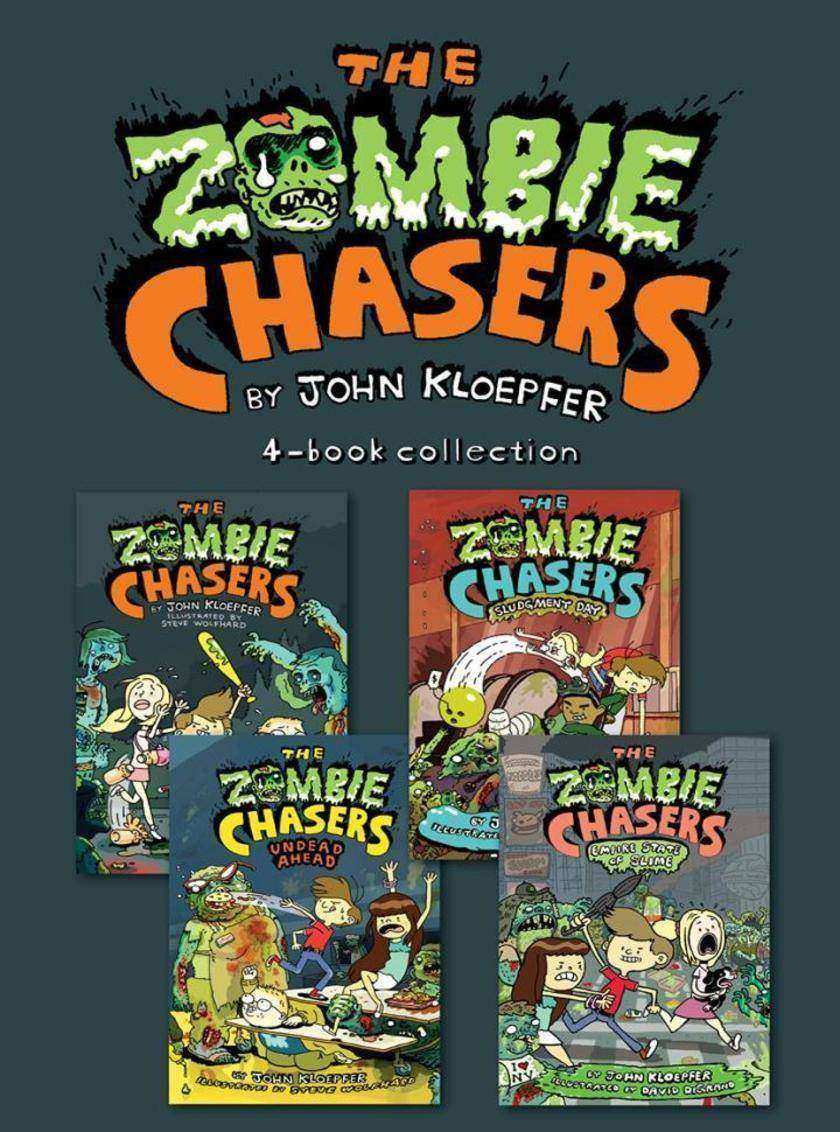
Zombie Chasers 4-Book Collection
¥218.05
Perfect for fans of Diary of a Wimpy Kid and The Strange Case of Origami Yoda, John Kloepfer's hilarious and stomach-churning Zombie Chasers tween series is overflowing with uproarious middle school humor, dead-on illustrations, and high-action adventure that will leave readers moaning for more. This collection contains the first four books in the series.The Zombie Chasers: Zombie Attack! When brain-gobbling zombies invade, a sleep?over at Zack Clarke's house quickly turns into a Level-3 creep-over. The undead have infested the streets, filling the air with deathly moans and the stench of rotting flesh. The Zombie Chasers are on a mission to save the world, but first they have to survive their flesh-eating, half-dead neighbors—and one another.The Zombie Chasers #2: Undead Ahead: Zack's sister is a zombie and his parents might be goners. Rice has uncovered the source of the zombie outbreak, and Madison's health-drink habit may be the key to a cure. Ozzie, the newest zombie chaser, is a nunchaku-wielding, monster-fighting machine who's ready to kick some undead butt. The whole country—from their parents to the president—is counting on them. Can the Zombie Chasers save the nation from brain-gobbling ghoulsOr will the US of A become the US of Z?The Zombie Chasers #3: Sludgment Day: Zack and his crew of Zombie Chasers—Rice, Madison, Ozzie, and Zoe—are ready to end this nightmare once and for all! With the antidote in hand, the gang sets off on a wild cross-country road trip to defeat the evil genius behind the zombie apocalypse.The Zombie Chasers #4: Empire State of Slime: Six months after Zack Clarke, his sister, Zoe, and pals Rice, Ozzie, and Madison saved the country from brain-gobbling ghouls, life is finally heading back to normal. But while the kids are busy exploring the Big Apple's sites on a class trip to New York City, things go from sublime to slime when millions of people suddenly rezombify! The Zombie Chasers are back on undead duty, but can they escape the crowded city streets and find a new cure, or is Z-Day here to stay?
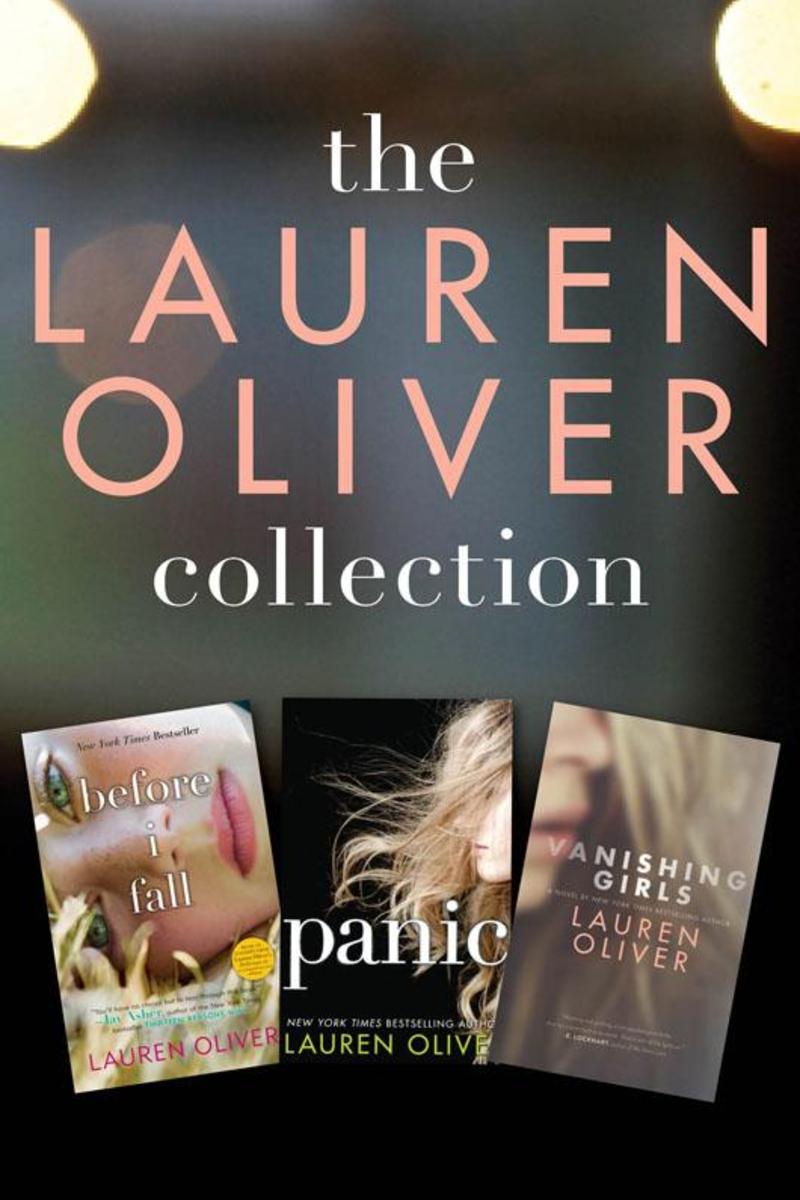
The Lauren Oliver Collection
¥218.05
From Lauren Oliver, New York Times bestselling author of the Delirium trilogy, comes a collection of three outstanding standalone teen novels.Before I Fall: With this stunning debut novel, Lauren Oliver emerged as one of today's foremost authors of young adult fiction. After she dies in a car crash, Samantha relives the day of her death seven times, trying desperately to change the outcome, until she discovers that the way to save herself might be to save someone else. Named to numerous state reading lists, this novel was also recognized as a Best Book of the Year by The Daily Beast, NPR, and Publishers Weekly, among others.Panic: In this contemporary teen novel, a group of teens enters a high-stakes game with the hope of winning a chance at a better life. This is an extraordinary story of fear, friendship, courage, and hope that Kirkus Reviews says "will have readers up until the wee hours," E. Lockhart, author of We Were Liars, calls this novel "a thrill a minute."Vanishing Girls: Lauren Oliver's latest novel delivers a gripping story about two sisters inexorably altered by a terrible accident. Dara and Nick used to be inseparable, but that was before the accident that left Dara's beautiful face scarred and the two sisters totally estranged. When Dara vanishes on her birthday, Nick thinks Dara is just playing around. But another girl has vanished, too, and Nick becomes increasingly convinced that the two disappearances are linked.
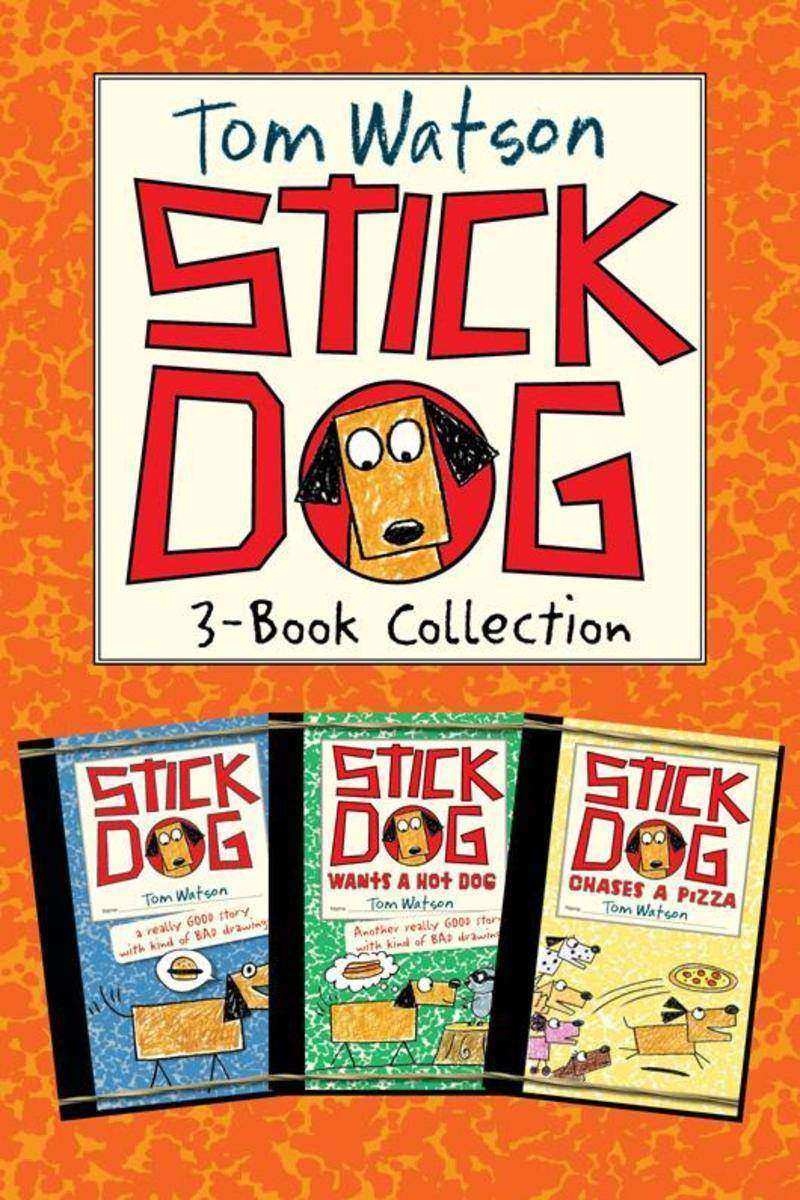
Stick Dog 3-Book Collection
¥218.05
This collection includes the first three books in the bestselling Stick Dog series: Stick Dog, Stick Dog Wants a Hot Dog, and Stick Dog Chases a Pizza. These heavily illustrated, fun books are perfect for fans of series such as Diary of a Wimpy Kid and Big Nate.Stick Dog: Introducing everyone's new best friend: Stick Dog! He'll make you laugh . . . he'll make you cry . . . but above all, he'll make you hungry. Follow Stick Dog as he goes on an epic quest for the perfect burger. With hilarious stick-figure drawings, this book has a unique perspective, as the author speaks directly to the reader throughout the story in an engaging and lively way.Stick Dog Wants a Hot Dog: In this second book, Stick Dog and his four friends, Poo-Poo, Mutt, Stripes, and Karen, must execute a master plan for stealing hot dogs. The closer they get to the hot dog vendor, the more difficult their mission becomes. With the same hilarious antics, the five dogs are met with many challenges along the way, including having to distract the frankfurter guy and Karen getting locked in a human's house. No matter what, these dogs have their eyes—and stomachs—on the prize.Stick Dog Chases a Pizza: Stick Dog returns with the same crazy crew. This time these canine friends have discovered a newfangled flavor—and it's even more delicious than hamburgers and hot dogs. It's pizza! And they won't be satisfied until they get some slices of their own. But it won't be that easy. There's a kitten to rescue, a plan to make, and the messiest—and most dangerous—game of catch they've ever played. Pizza is on the menu, but only if their mission succeeds.

The Complete Crash Collection
¥218.02
In the New York Times bestselling Crash trilogy, the world is introduced to this generation's Romeo and Juliet: Jude Ryder and Lucy Larson—Explosive. Sizzling. Tragic.Crash: A steamy summer encounter with bad boy Jude means trouble for Lucy. Her sights are set on becoming a ballerina, and she won't let anything get in her way . . . except Jude. He's got a rap sheet, dangerous mood swings, and a name that's been sighed, shouted, and cursed by who knows how many girls. Jude's a cancer, the kind of guy who's fated to ruin the lives of girls like Lucy—and he tells her so. But as rumors run rampant and reputations are destroyed, Lucy's not listening to Jude's warning. Is tragedy waiting in the wingsClash: Their Romeo-and-Juliet-level passion is the only thing Jude and Lucy agree on. That, and fighting all the time . . .Also not helpingLucy's raging jealousy of the cheerleader who's wormed her way into Jude's life. While trying to hang on to her quintessential bad boy and also training to be the top ballet dancer in her class, Lucy knows something's going to give . . . soon.Crush: A football fantasy. A giant diamond. The modern-day Romeo and Juliet are taking their relationship to the next level. . . . Jude and Lucy are happily engaged, but that doesn't mean life's a bed of roses. Once again, the hottest couple around is torn apart, this time by football training and a summer job. Now it's Jude with the trust issues. Will Lucy's life-changing news bring them back together or end their relationship for goodCan love triumph forever?

为什么我们容易失控(套装共10册)
¥218.00
本套装包括《心的重建:生命中的失去,就是重整命运的机会》《与原生家庭和解》《如何才能不焦虑》《真正的接纳,就是爱上不完美的自己》《摆脱焦虑》《零压人生》《与内心的冲突和解:激发人生动力的内在成长课!》《改变心理学:世界正在狠狠惩罚不改变的人》《制怒心理学:提升情绪自控力的高品质沟通课》《曼陀罗的秘密》。

活出不纠结 不妥协的人生(套装共8册)
¥218.00
本套装包括《摆脱焦虑》《清零,做自己的人生修缮师》《零压人生:》《决定上限的,是你处理情绪的能力:开启正能量的七堂情绪管理课!》《如何成为一个抗压的人》《如何才能没压力:遇见内心平衡的自己》《共情力》《如何才能不焦虑》

笑出腹肌的漫画中国史(全五册)
¥218.00
这是一套用至简的文字 风趣幽默的漫画的形式将中国历史上的重大历史事件、重大政治举措、重要历史人物、关键历史转折、传统文化、历史冷知识等以轻松幽默的方式一一展现在读者面前。让你在轻松愉悦中了解中国的传统文化,学习历史人物的人生哲学,获取人生智慧,少走人生弯路。 《笑出腹肌的漫画中国史 . 历史大事件》 从远古时代讲到明清,通过一组组轻松幽默的漫画,还原我们每个炎黄子孙都应该知道的历史大事件。 《笑出腹肌的漫画中国史 . 历史人物》 从远古时代讲到明清,从一些影响历史走向的关键人物身上,我们或许能看到自己的影子,旨在从历史人物身上汲取经验,少走人生弯路。 《笑出腹肌的漫画中国史 . 传统文化》 从文学、绘画、乐器等中国传统文化方面,诉说悠悠中华五千年历史,从“上古三大奇书”,讲到《四库全书》,从龙凤符号的含义,讲到经典的明清小说…… 《笑出腹肌的漫画中国史 . 历史冷知识》 讲述中国历史趣事,从远古时代的历史传说,到《鹿鼎记》中韦小宝的原型是谁,破我们的刻板认知,抽丝剥茧,将真正的历史还原。 《笑出腹肌的漫画中国史 . 历史奇案》 讲述历史谜案奇案,通过大量考证资料,拨重重迷雾,解我们感兴趣的历史迷案。

读懂人格心理学(套装共8册)
¥218.00
本套装包括《隐藏的人格:揭开人格面具的秘密,探寻真实的自我》《边缘型人格障碍:深入解读边缘型人格的权威著作》《别让控制型人格绑架你》《大五人格心理学(比九型人格更好用的人格测评工具)》《披着羊皮的狼:如何与控制型人格相处》《人性的弱点(插图珍藏版)》《自卑与超越(精装)》《疯子——一个实习心理医生的精神探险》

南怀瑾国学八经典(套装共12册)(南怀瑾独家授权定本种子书)
¥218.00
南怀瑾先生的著述涉及儒、释、道等中国传统文化经典,他常以经史合参的讲述方式、生动幽默语言,结合古今中外历史人文典故,结合当下的日常生活,引领新世代的人们直入文化的核心智慧,让读者更乐于了解历史人文的博大精深。本套装收录东方出版社已出版的南怀瑾作品。

全球石墨烯产业研究报告
¥218.00
本书是石墨烯产业技术创新战略联盟(CGIA)协同行业/产业专家、企业家、科学家、政策专家、智库专家等倾力造的面向产业一线、科研一线、决策一线等,覆盖全球石墨烯全产业的产业研究报告。本书从世界相关国家的国家政策、产业发展态势与动态、区域发展特、重应用方向分析、产业发展瓶颈及对策等方面,客观分析全球石墨烯产业现状,为关心世界石墨烯产业发展的相关单位和科研人员提供重要的参考依据。本书的出版还将为中国石墨烯产业发展提供决策指导。

中国文化常识系列(套装共9册)
¥218.00
本套装包括《中国历史常识》、《中国文化常识2》、《中国文化常识3》、《中国文化常识:一本了解中国文化的微型百科》、《仙与道:神仙信仰与道家修身(精美插图版)》、《腹有诗书气自华:唐五代两宋词简史》、《唐诗宋词常识》、《中国近代史常识》、《中国书法常识:中国书法文化的集大成之作》

提升你的变现能力(套装共8册)
¥218.00
本套装包括:《高效赋能》、《你缺的不是努力,而是变现的能力》、《情境销售:让客户追着你成交》、《成交一定有方法:22招让客户自愿买单的实战技巧》、《高绩效销售的5大习惯:掌控关键习惯,实现极速成交》、《顾客心理战:读懂顾客心理,实现快速成交》、《成交:如何实现可持续性销售》、《销售就是要成交:拒绝平庸,成为“招招致胜”的销售精英》。

全球顶尖10×100景观.3
¥218.00
全球*10×100景观(中文版)》是对景观设计发展的见证,是一部呕心之作,亦是全球*全的景观设计参考书。全球化的今天,每一位景观设计师都在积极寻求和探索更加自然、生态化和人性化的景观设计方法,而每一个成功的项目都必将成为他们心中的一本教科书。《全球*10×100景观(中文版)》将景观设计项目细分为10种经典类型,100多个现代优秀案例,力求展现国际景观设计的全景,包括技术、材料、设计理念、设计方法,从而更深层次地解读环境与生态、文化、人类之间的关系。其中每个项目的要素介绍详细,图片精美,信息量巨大,不同地形与环境的设计将人与自然的关系巧妙协调。
石墨烯材料质量技术基础:计量
¥218.00
本书共七章。前两章主要介绍了计量与材料计量的基本概念,以及石墨烯材料计量、标准的规划设计及框架。后五章主要介绍了石墨烯材料质量评价中关于真假判断的部分计量技术。第3章介绍了石墨烯材料拉曼光谱计量技术,第4章介绍了X 射线衍射法测量石墨烯材料晶体结构,第5章介绍了原子力显微镜法测量石墨烯材料厚度,第6章介绍了石墨烯材料电子显微镜计量技术,第7章介绍了石墨烯粉体化学成分测量技术。附录补充了X 射线衍射仪的溯源性研究、掠射X 射线反射膜厚测量仪器校准的内容。

磨铁经典文库系列:加缪文集(全五册)
¥218.00
《磨铁经典文库系列·加缪文集(全五册)》收录诺奖作家阿尔贝·加缪五部不朽经典:小说《快乐的死》,成名作、全球现象级畅销书《局外人》,荒诞哲学ZUI具代表性小说、现代公共危机之作《鼠疫》,荒诞哲学的奠基之作、20世纪ZUI重要的思想著作之一《西西弗神话》,以及豆瓣9.0高分译本散文集《在我身上有一个不可战胜的夏天》(完整收录《反与正》《婚礼集》《夏天集》共17篇散文)。

广州市水务志:2001—2017
¥218.00
按照市地方志编撰委员会的统一部署与要求,本志由地方志编撰委员会办公室、市水务局及市水务科学研究所共同负责承修。本志记事立足部门,较为*地记叙和反映广州市水务事业发展过程和治水业绩。全书总共分为十个章节,分别从组织机构、水资源、水务管理、水务规划、水政监察及水行政执法、防汛防旱防风、工程建设、水生态文明建设、科技信息化与人物等方面来阐述。

宫颈机能不全防治
¥218.00
宫颈机能不全,是*可以通过微创手术治疗的早产。因此,规范诊治宫颈机能不全而防治早产,改善母儿预后,尤为重要。 本书参考了国内外的循证医学研究证据,系统*地介绍了宫颈机能不全的病因及发病机制、临床表现、诊疗标准、治疗方法,包括环扎注意事项、拆线时机和饮食指导等,以及国内外*新的宫颈机能不全的研究进展。典型病例及病案讨论,特别是制作精良的手术视频,让读者身临其境,*大程度地参与作者团队对疾病的诊断与治疗。 本书不仅对产科医生解决实际工作中的问题具有指导意义,同时对宫颈机能不全防治的普及也有极大的帮助。


