


 购物车
购物车 个人中心
个人中心
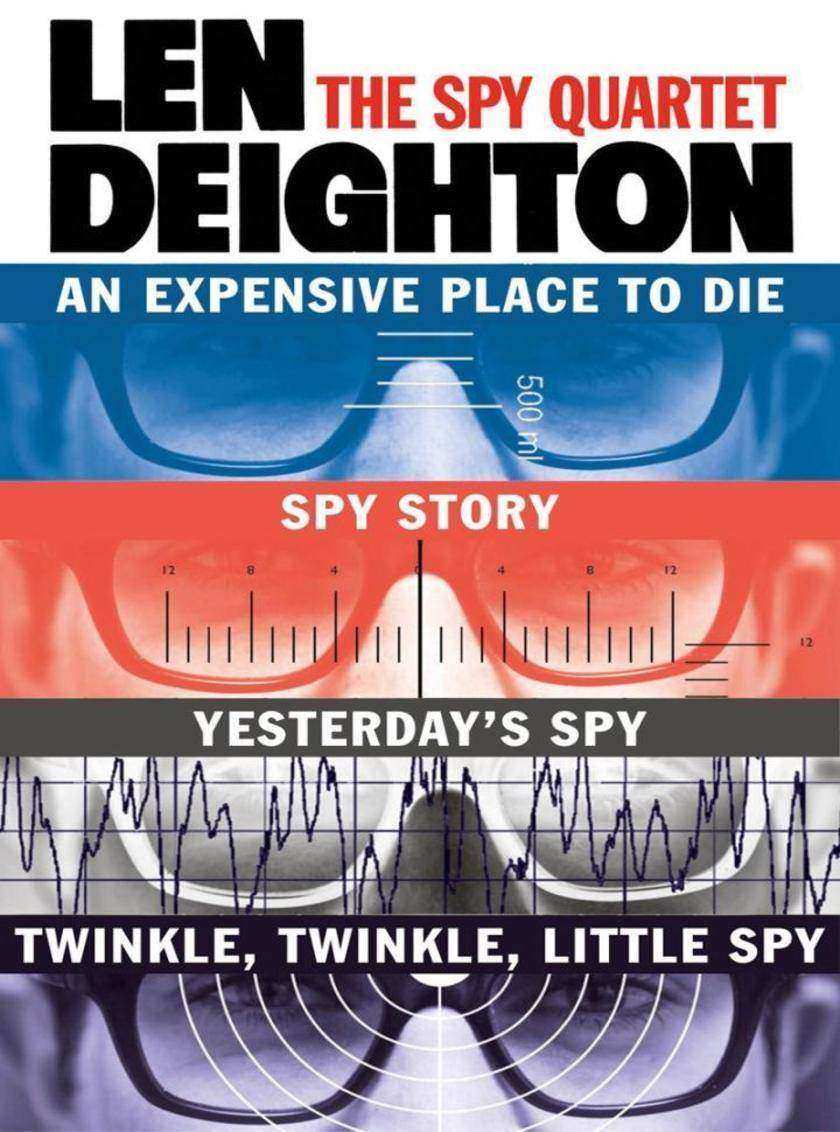
The Spy Quartet: An Expensive Place to Die, Spy Story, Yesterday’s Spy, Twinkle
¥291.85
Four classic spy novels, four unnamed spies - just like Britain’s uber-cool sixties spy, ‘Harry Palmer’ - together in one e-bundle for the first time. When Len Deighton wrote THE IPCRESS FILE, he not only reinvented spy fiction, he created a style icon and literary legend: ‘Harry Palmer’. The nameless, working-class spy of the books found fame in three films starring Michael Caine, and the smart-talking, anti-establishment spy was suddenly cool. Hollywood would create a host of similarly super-slick spies, such as Napoleon Solo and Illya Kuryakin in The Man from Uncle. But ‘ Harry Palmer’ remains the best, and this quartet showcases the international exploits of someone who looks, sounds and acts like Harry. AN EXPENSIVE PLACE TO DIE – Into the twilight world of Parisian decadence and hidden motives come the agents of four world powers. SPY STORY – An attempted murder, the defection of a senior KGB official, and an explosive nuclear submarine chase beneath the Arctic Ocean are the sparks that ignite a brutal East-West power play. YESTERDAY’S SPY – They thought that Steve Champion, flamboyant hero and leader of an anti-Nazi intelligence group was gone. Then rumours surface of Champion’s sinister Arab connections and weapons-smuggling, forcing his old friend to investigate. TWINKLE, TWINKLE, LITTLE SPY – A Soviet space scientist defector, an English spy and an ex-CIA agent leave a blood-soaked killing trail across three continents, while overhead spy satellites watch all, twinkling like stars.

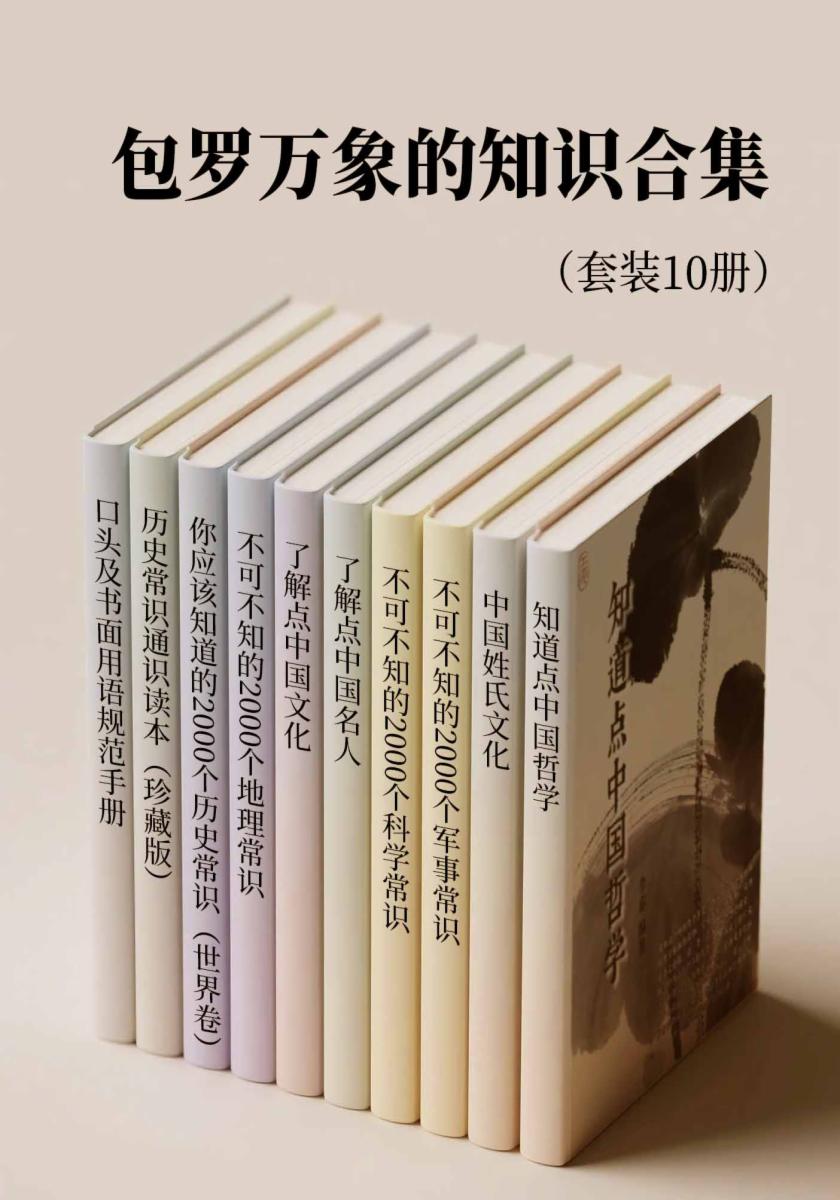
包罗万象的知识合集(套装10册)
¥291.66
《包罗万象的知识合集(套装10册)》堪称一座移动的知识宝库。《知道点中国哲学》以精炼语言勾勒中国哲学思想脉络,带读者领略先贤智慧;《中国姓氏文化》深挖姓氏背后的故事与文化密码,探寻家族传承奥秘。《不可不知的2000个军事常识》《科学常识》《地理常识》分别从军事、科学、地理领域,以丰富有趣的知识点,满足读者对不同学科的好奇。《了解点中国名人》《中国文化》聚焦中国名人风采与传统文化魅力,展现华夏文明底蕴。《你应该知道的2000个历史常识(世界卷)》和《历史常识通识读本(珍藏版)》则从不同视角讲述中外历史,让读者把握历史发展脉络。此外,《口头及书面用语规范手册》助力读者提升语言表达规范性。这10册书涵盖广泛,是读者丰富知识储备、提升综合素养的绝佳选择。
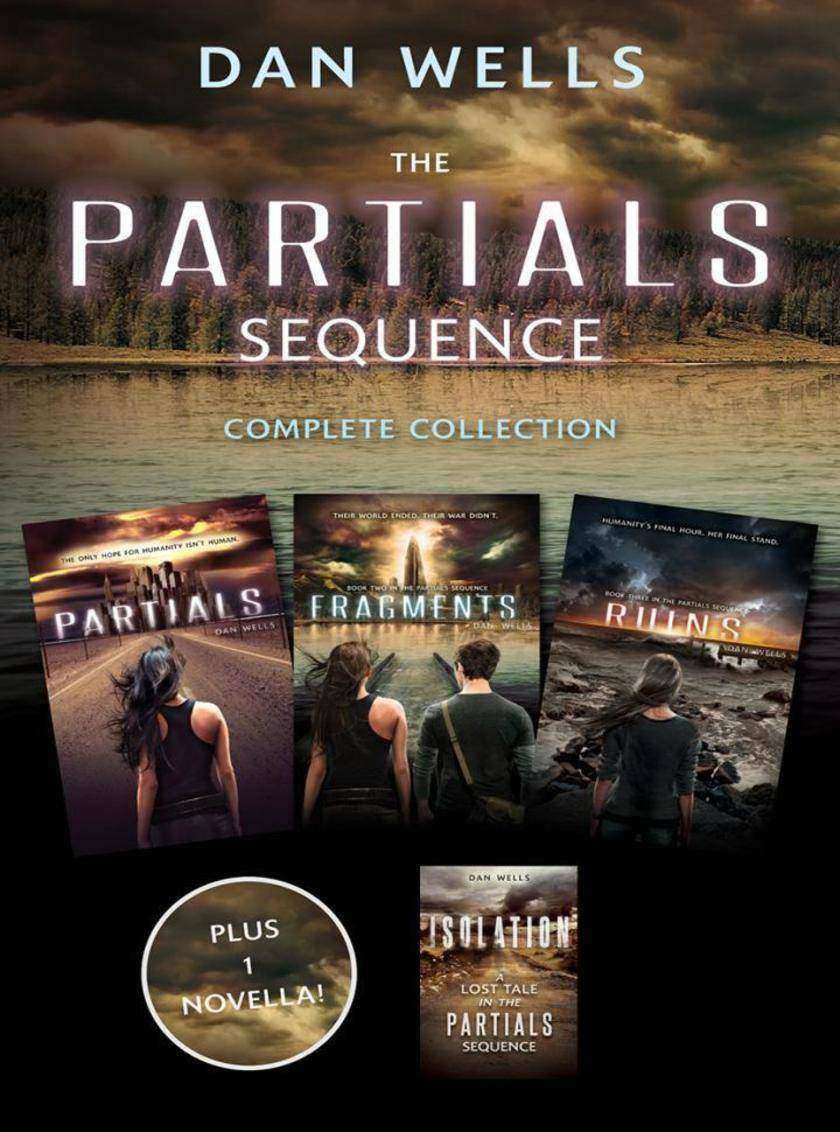
The Partials Sequence Complete Collection
¥291.26
For fans of The Hunger Games, Battlestar Galactica, and Blade Runner comes the Partials Sequence, a fast-paced, action-packed, and riveting sci-fi teen series, by acclaimed author Dan Wells. This collection contains all four books in the series.Partials: Humanity is all but extinguished after a war with Partials—engineered organic beings identical to humans—has decimated the population. Reduced to only tens of thousands by a weaponized virus to which only a fraction of humanity is immune, the survivors in North America have huddled together on Long Island. But sixteen-year-old Kira is determined to find a solution. As she tries desperately to save what is left of her race, she discovers that that the survival of both humans and Partials rests in her attempts to answer questions about the war's origin that she never knew to ask.Isolation: This digital novella takes us back to the front lines of this war, a time when mankind's ambition far outstripped its foresight. Heron, a newly trained Partial soldier who specializes in infiltration, is sent on a mission deep behind enemy lines. What she discovers there has far-reaching implications—not only for the Isolation War, but for Partials and humans alike long after this war is over.Fragments: After discovering the cure for RM, Kira Walker sets off on a terrifying journey into the ruins of postapocalyptic America and the darkest desires of her heart in order to uncover the means—and a reason—for humanity's survival.Ruins: Kira, Samm, and Marcus fight to prevent a final war between Partials and humans in the gripping final installment in the Partials Sequence. There is no avoiding it—the war to decide the fate of both humans and Partials is at hand. Both sides hold in their possession a weapon that could destroy the other, and Kira Walker has precious little time to prevent that from happening. She has one chance to save both species and the world with them, but it will only come at great personal cost.
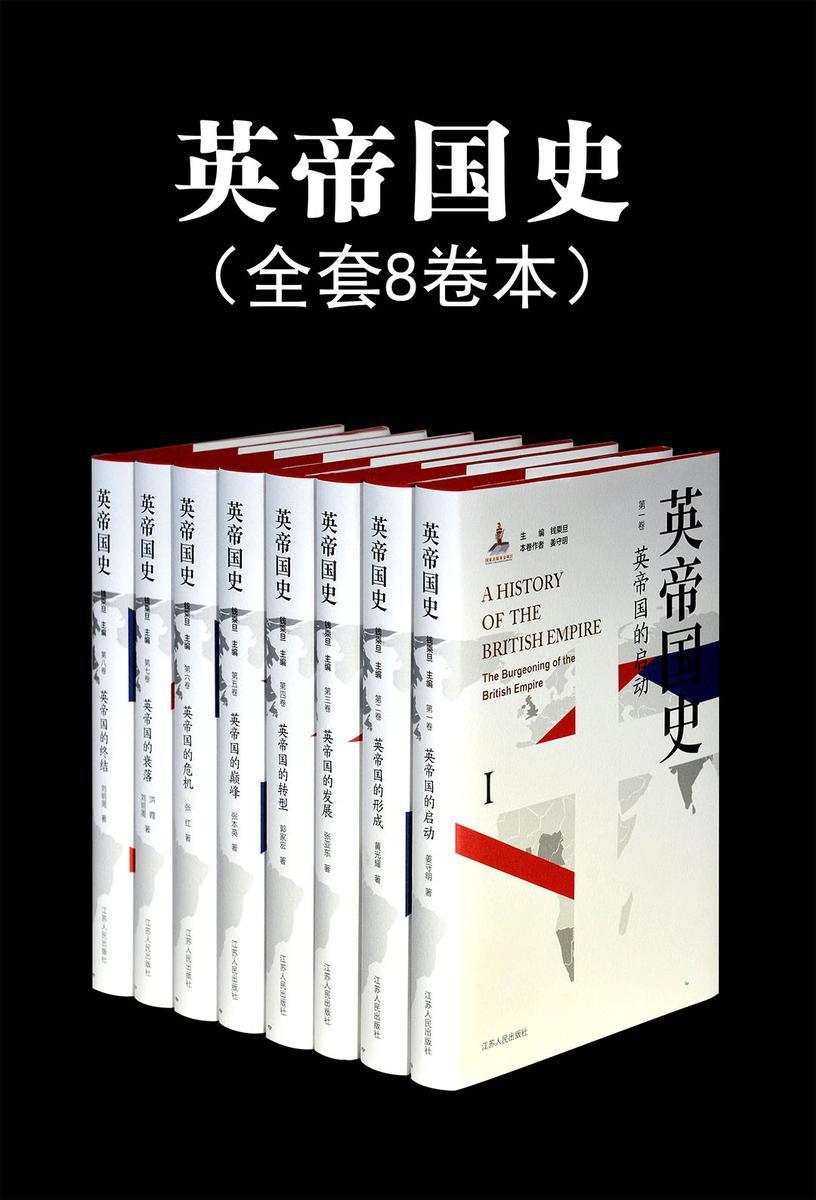
英帝国史(八卷本)得到罗振宇“双十一”直播推荐图书! 中国学者撰写的全景式英帝国史!英国史权威学者钱乘旦教授领衔,十余位专家历时二十年写作!
¥290.00
本书是中国学者撰写英帝国史的扛鼎之作。 二战后,“帝国”与“后殖民”研究已成为国际学术界的热门之一,成果赫然。但西方的研究都站在西方的立场上、弘扬西方的价值观念。这在英帝国研究中也是如此,以致今天的英帝国研究领域中,西方话语充斥其间,形成西方的一统天下。本书对英帝国的历史作细致的剖析,通过深研究,提出中国学者自己的诠释体系。 全书根据英帝国史的客观演,分八个阶段行讨论。 *阶段是英帝国的萌生期,这一时期,英国民族国家始形成,为海外扩张提供了制度保障。英帝国的萌生是民族国家的派生物,都铎王朝是英帝国的孕育人。本卷主要解释民族国家与英帝国萌生的关系,以及英国走上帝国扩张之路的背景与条件。 17世纪,英帝国从初生到形成。17世纪英国经历了政治大动荡,各种政体走马灯似地替换。但所有政府在帝国问题上却立场一致,都尽力扩张殖民地。这种现象背后是这样一个事实,即英国从民族国家形成起,就成为重商主义性质的国家。重商主义要求殖民地,早期英帝国是重商主义帝国。 18世纪是英帝国的第三阶段,是重商主义帝国战争的阶段,战争的规模逐渐从欧洲扩展到世界,始出现“世界的”大战。所有这些战争都是重商主义性质,英国与其他重商主义国家(西、葡、荷、法等)争夺海洋控制权,为重商主义而鏖战。本卷主要研究帝国战争的本质,重商主义是战争的根源。 就在英国败所有对手、几乎赢得海洋霸权的时刻,美国革命却瓦解了英帝国。这是殖民帝国内在危机的*次大暴露:宗主国与殖民地之间必定要对抗,结局一定是帝国解体。不过在那个时代,人们没有意识到这一,相反,英国政府从美国革命中吸取教训,调整了殖民政策,以致短短三十年之间,又形成一个崭新的帝国,即“第二帝国”。这是英帝国的第四阶段:新旧交替的阶段。在这个阶段上,重商主义帝国渐次退出,新理念和新地域构成了新帝国。本卷主要研究了导致帝国生命更新的机制。 新帝国的基础是工业革命,其巨大的生产力和廉价的工业品成为新帝国的力量源泉。英国在实现自由贸易的过程中夺取了世界霸权,它着“自由贸易”的旗帜,将触角伸向全世界。就在这个时候,“自由帝国主义”理论出现了,它提倡“无形帝国”,认为英国不需要殖民地,只需要“自由贸易”。一个老牌的殖民国家,却“不要殖民地”了,这是为什么?这是英帝国的第五个阶段。 19世纪下半叶,就在帝国的旗帜高高飘扬、大英帝国如日中天时,英国却始走下坡路了。其他国家追赶工业化,破了英国的工业霸权,也破了它的殖民霸权。英国再一次调整殖民政策,投到争夺殖民地的斗争中去,“无形帝国”又变成“有形帝国”,英帝国也完成了“日不落”的使命。可是,帝国的内在逻辑仍然在起作用:就在英帝国看似*辉煌时,新的解体又始了。对英帝国的第六阶段,本卷重分析了帝国内在逻辑的必然性。 为拯救帝国,英国政治家再一次使尽解数,试图用“帝国联邦”来代替帝国,建立世界性的“联邦共同体”,在大世界中建立一个“英国的”小世界。英帝国在第七个阶段上试图完成这个转型,但转型没有成功。本卷解释了这一转型失败的原因和实质,涉及英国的观念、价值、制度结构等等。 二战结束后,英帝国骤然瓦解,其速度令人诧异。尽管有政治家构想出“第三帝国”的方案,试图在苏伊士以西维持帝国;但人们普遍以为:英国人深知时务,主动撤离,完成了“非殖民化”。果真如此吗?并不是。本卷研究发现,英国人在不同地区的撤离方式是不同的,有和平退出,有战争对抗。原因是,和平与战争都服从相同的帝国目标:构建一个实质性的“英联邦”,以维护英国的大国地位,这就是所谓“非殖民化”的本质。不过英国的梦想还是破灭了,英国的大国地位也随之破灭:英帝国寿终就寝。
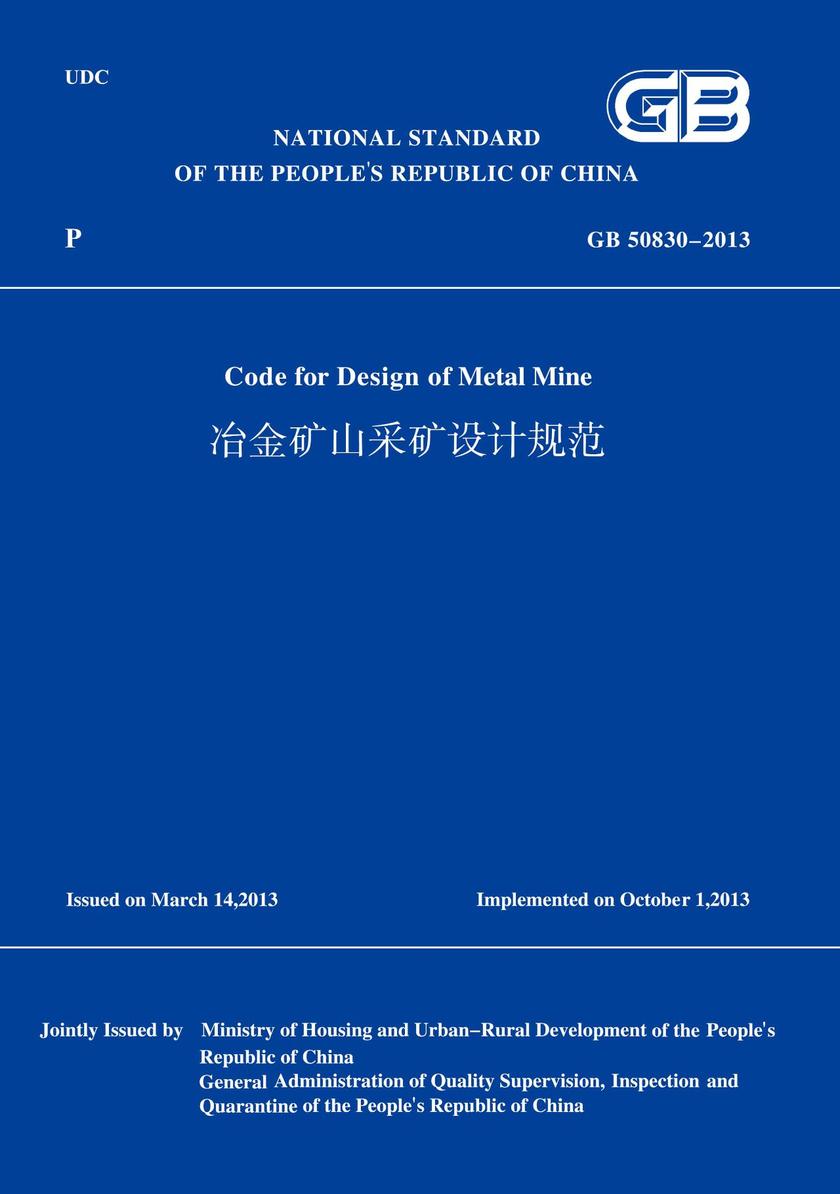
GB50830-2013冶金矿山采矿设计规范(英文版)
¥290.00
本书是国家标准《冶金矿山采矿设计规范》GB50830-2013的英文版。本规范由住房和城乡建设部第7号公告发布,自2013年10月1日实施。本规范适用于冶金矿山新建、改建和扩建工程的采矿设计。本规范共11章和7个附录,主要内容包括:总则,术语,基本规定,矿山地质,矿山防治水,岩石力学,露天开采,地下开采,矿山机械,井巷工程,矿山安全生产与环境保护。

中国农村调查(总第58卷.村庄类第27卷.黄河区域第8卷)
¥290.00
【内容简介】 本卷收录了两个村庄的调查报告:一是安徽省宿州市萧县刘套镇管粥集村,二是河南省商丘市虞城县镇里固乡刘屯村。两份报告均从村庄由来、自然、经济、社会、文化、治理六方面,重点对村庄的传统形态进行深描,兼涉其历史变迁与现状,全景式展现了相应地区乡村社会的生产、生活与组织形态,为深入了解黄河区域村户社会的底色与特质提供了翔实的一手资料。两篇报告末尾均附有调查小记与调查日记,着重记录驻村期间的见闻,内容自选,没有框架束缚,灵活而真实地反映了当下乡村的状况。

中国农村调查(总第59卷.村庄类第28卷.黄河区域第9卷)
¥290.00
【内容简介】 本卷收录了两个村庄的调查报告:一是河南省周口市项城市永丰镇郭大庄村,二是河南省洛阳市偃师市首阳山镇南蔡庄村。两份报告均从村庄由来、自然、经济、社会、文化、治理六方面,重点对村庄的传统形态进行深描,兼涉其历史变迁与现状,全景式展现了相应地区乡村社会的生产、生活与组织形态,为深入了解黄河区域村户社会的底色与特质提供了翔实的一手资料。两篇报告末尾均附有调查小记与调查日记,着重记录驻村期间的见闻,内容自选,没有框架束缚,灵活而真实地反映了当下乡村的状况。
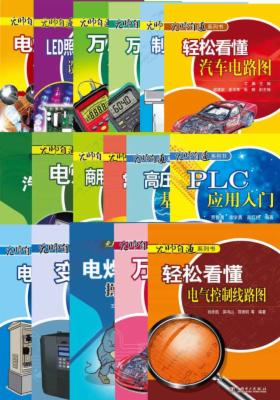
无师自通系列书 (17册)
¥290.00
包括: 无师自通系列书 电焊工操作技能(见5123-4819)(停版) 无师自通系列书 LED照明驱动电路设计方法与实例(停版) 无师自通系列书 轻松看懂电气控制线路图(停版) 无师自通系列书 制冷设备维修操作(停版) 无师自通系列书 商用制冷设备检修即学即用(停版) 无师自通系列书 电焊工操作技能(彩图版) 无师自通系列书 万用表使用技巧(停版) 无师自通系列书 电焊工操作技能(第二版) 无师自通系列书 汽车电工操作技能 无师自通系列书 高压电工基础知识 无师自通系列书 PLC应用入门(停版) 无师自通系列书 电气故障快速查找技巧 无师自通系列书 轻松看懂汽车电路图 无师自通系列书 万用表检测电子元器件 无师自通系列书 变频器选型、安装与维修 无师自通系列书 万用表检测汽车电路 无师自通系列书 常用电焊机维修技术
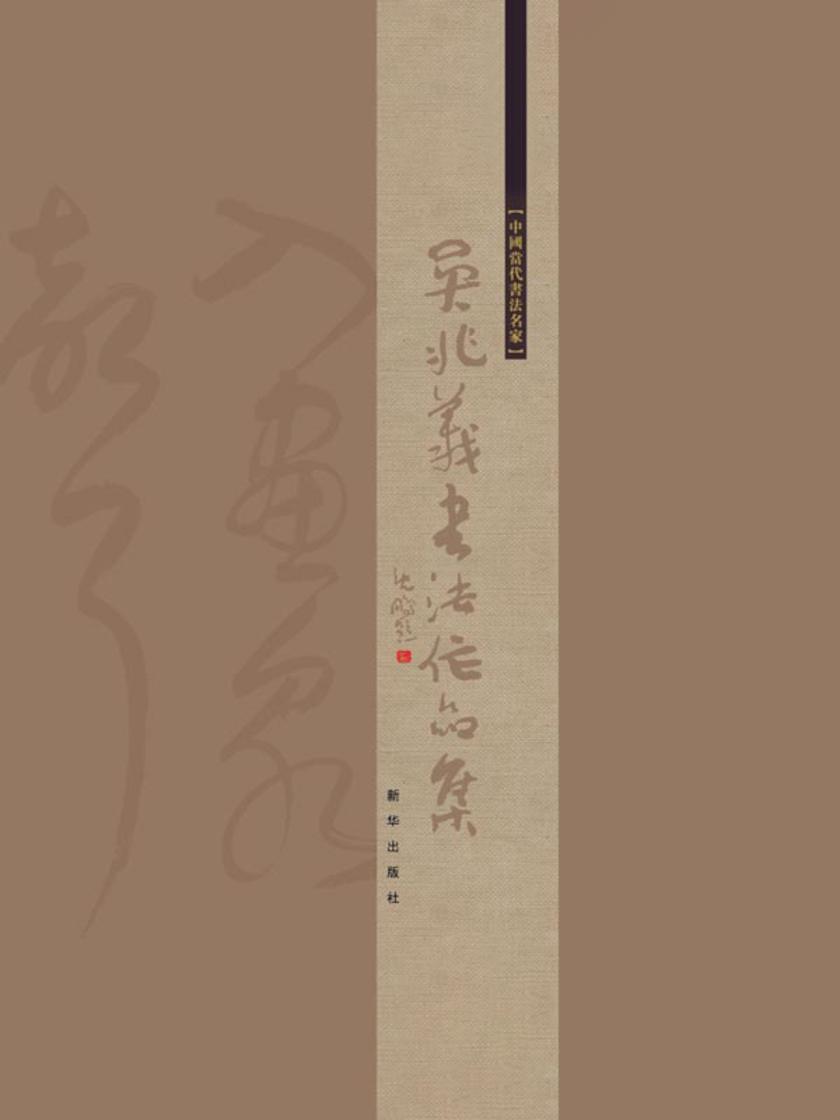
吴兆义书法作品集
¥290.00
本作品集分上、下卷。豪华精装版。作品书写内容丰富,诗词曲赋、名言名句、古今中外尽情展现。作品形式多样,行楷草书、竖式横幅、楹联册页、扇面斗方琳琅满目。

百家讲坛李寅:清十二帝的政治、爱情与性格(共8册)
¥289.99
百家讲坛主讲人李寅清史著作合集,帝王生平,后宫秘辛大揭秘。 双面帝王乾隆:饱受争议,毁誉交织的一代帝王,乾隆,他把清朝推向了*,刷新了两项中国封建帝王的记录:寿命长、掌权久。 本书从乾隆帝的顺利即位开始写起,到其陵墓被盗为止。 全书以史为据,正本清源,为广大读者呈现了一个真实的乾隆帝。 聪睿可汗努尔哈赤:努尔哈赤从出生至出道,从出道至发迹,从发迹至称汗,期间可谓荆棘丛生,历经坎坷。 本书讲述了他一生的征战,也写了其家庭与感情生活,给读者还原了一个性格鲜明、形象丰满的努尔哈赤。 皮影皇帝同治:19岁离世,是大清朝为短命的皇帝。他在位期间,几乎所有的政事都由他的母后慈禧代劳,他或许只是一个皮影,由幕后的慈禧操纵而已。 本书描写了同治皇帝短短的十三年发生的大事件,从同治的性格、教育、感情、死因等方面多维度展现了一个鲜活的真实的同治。 智慧之王皇太极:清朝历目前一个承前启后的君王,继承了后金可汗努尔哈赤的大业。 本书按时间顺序从皇太极的主要成就、性格、感情生活、为政举措等方面多维度展现了一个鲜活的真实的皇太极。 清朝十二帝疑案正解:清朝十二位皇帝,一共有多少谜团? 顺治帝看书累吐血,这个传说可信度几何? 康熙为什么喜欢小儿子? 雍正弑父和康熙暴亡传闻靠谱吗? 乾隆皇帝竟然会五种外语,这事儿是真是假? 同治皇帝为何没有遗传慈禧的韧劲? 光绪帝缘何死于慈禧去世前一天? 本书为您剖析权力塔尖上的皇帝们的悲喜人生,帮您看透奢华背后鲜为人知的爱恨悲欢,还原一个真实鲜活的大清朝。 清十二帝后宫疑案:清朝这些朝堂之上正襟危坐、高高在上的皇帝,在后宫之中和他们的妻妾儿女过着怎样的家庭生活? 接近权力的清宫嫔妃们,过的真是“一朝入选帝王宫,万千宠爱于一身”的生活吗? 本书为我们讲述清代十二帝王的后宫生活,揭开那些鲜为人知的后宫疑案。 大清后宫的正面与侧面:这里有你在影视剧中遇到的种种问题的正面回答:历史上真有甄嬛这个人吗?帝王在后宫中的权势也像外朝那样充满血腥吗?雍正是一个多情种还是勤勉帝王?……这里也有你在历史教科书中所没有了解的清代后宫段子:康熙当演员、乾隆养生秘诀、甄嬛“红杏出墙”、慈禧怕女儿…… 一样的后宫,不一样的风情。 雍正和他的甄嬛们:以热播电视剧《甄嬛传》为线索,将电视剧中几位引人注目的后、妃、嫔与其历史原型相对应的一一对比剖析,揭开雍正帝后妃的历史真面目。 并且以史实的形式,细致描述了清代帝王及嫔妃的后事安排、棺材制作、入殓出殡和大葬及他们的陵墓等,揭开雍正帝的甄嬛们后宫生活的神秘面纱。

天明有暖风
¥289.90
【都市情感+温暖治愈+女性群像】《我的治愈人生》医生系列第二部。所有苦难与挣扎背后,都有不期而遇的灿烂天明。 凌晗是肝胆病医学高材生,为了家庭转岗基层医院,却因不生二胎致婆婆不满,丈夫家暴,离异带娃,事业停滞…… 钱明慧是工作狂女强人,为躲父母催婚甚至要出家为尼,当真爱为结婚而来,婚恋观的不断碰撞让她心力交瘁…… 蒋夕溪是金融行业精英,背后却伤痕累累,家庭重男轻女,初恋爱而不得,现任男友甚至当面出轨…… …… 生活总会遭遇一场场猝不及防的暴雨,但坚韧和智慧让她们携手前进,直到暖风拂袖的那天。 若你也正在经历人生的阴雨季,翻开本书,共待云开雾散,雨霁天明!
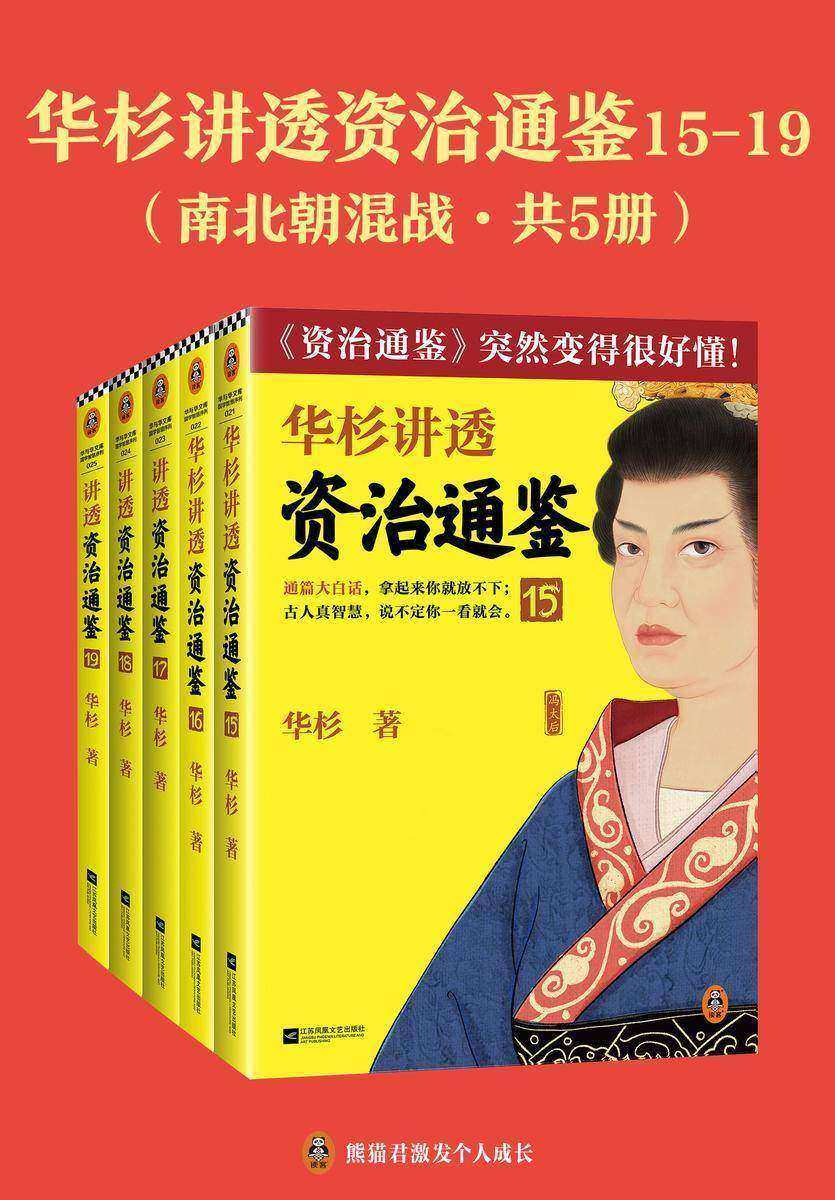
华杉讲透《资治通鉴》15-19(南北朝混战·共5册)
¥289.70
《资治通鉴》从战国写到五代十国,生动展现了16个朝代1362年历史中一个个活生生的人和故事,可以说是中国政治和文化遗产的“大数据”和“案例集”。 本系列共5册,讲述魏晋后期和南北朝混战的历史,宋齐梁陈一一登场。*终,陈国末任皇帝陈叔宝荒废朝政,为隋主杨坚所灭! 北齐主高纬错误决策致兵败:避免情绪化决策 【历史事件】北周主宇文邕带兵抵达平阳,被壕沟阻止。北齐主高纬头脑一热,下令填平壕沟,迎战,北齐军稍有退却,高纬就执意逃走。*终,北齐军心涣散,大溃。 【华杉讲透】决策背后都是情绪在起作用。我们的通病就是不讲逻辑,只有意识到自己有这毛病,才有可能防止自己犯病。 翻开本书,像读小说一样津津有味读懂《资治通鉴》!

蔡东藩少年中华史系列(全10册)
¥289.00
《中国历朝通俗演义》是一部广为人知的历史巨著,多年来风靡海内外,拥有很高的知名度。但经过多年的再版、改版,唯独缺少一部专门给青少年等历史入门读者的版本。 《蔡东潘少年中华史》以《中国历朝通俗演义》为底本,梳理讲述从秦汉到清朝两千多年的历史进程和故事,是一部极具小说阅读快感的通俗历史读物。新作在保持历史逻辑主线的基础上对原著进行精炼编译,将旧白话改写为现代白话,同时保留蔡东潘先生的重要点评、观点及原著精神,便于青少年阅读、理解和记忆。全系列既有史学的深度与思考,又兼具小说的妙趣与情调,引领读者跨越千年时空,见证中华文明历史演进波澜壮阔的进程,堪称一部入门级的简明“二十四史”。
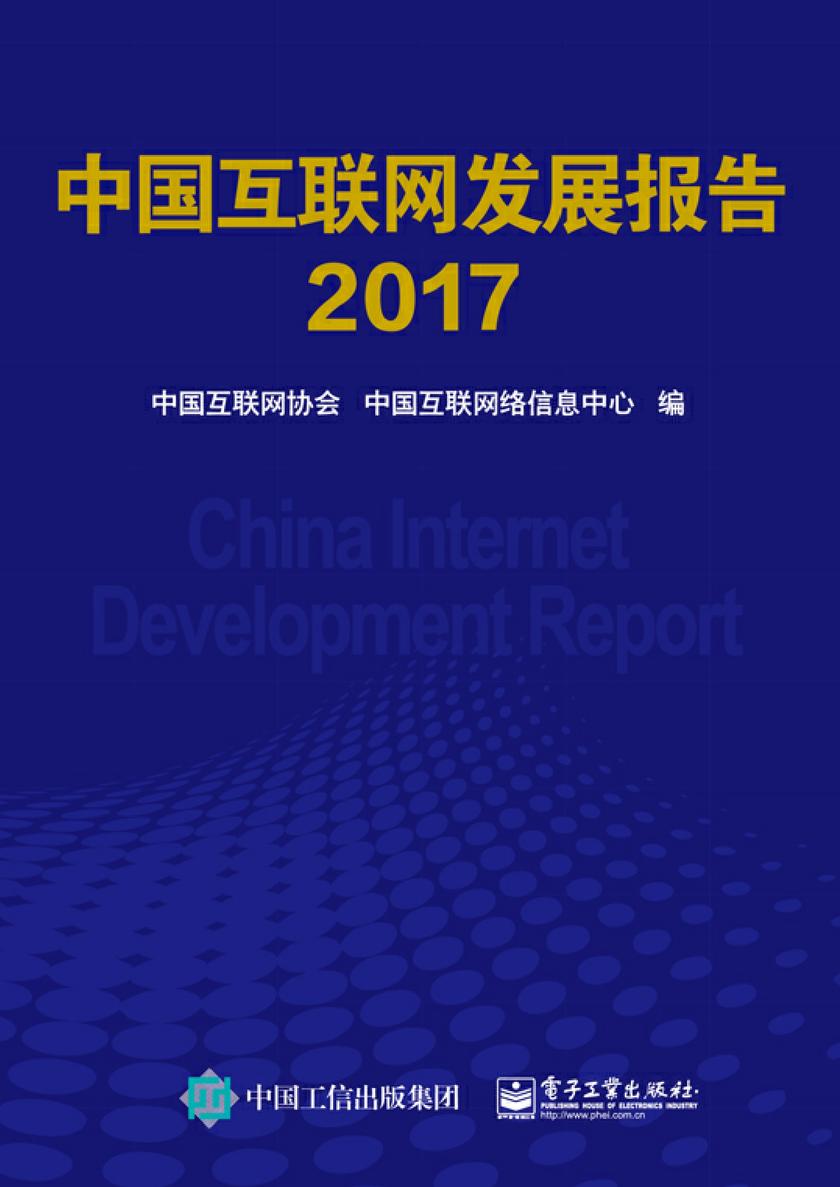
中国互联网发展报告2017
¥288.99
《中国互联网发展报告2017》将客观、忠实记录2016年以来中国互联网行业的发展状况,对中国互联网发展环境、资源、重业务和应用、主要细分行业和重领域的发展状况行总结、分析和研究,既有宏观分析和综述,也有专项研究。报告内容丰富、重突出、数据翔实,图文并茂,对互联网相关从业者具有重要的参考价值。

世界名著精选小说集25本(卡夫卡、加缪、黑塞、毛姆等)(品味经典,博古通今)
¥288.88
本书为卡夫卡中短篇小说精选集,收录了《一次斗争的描述》《变形记》《在流放地》《普罗米修斯》《饥饿艺术家》等38篇作品,其中《变形记》为其短篇小说的代表作品。《变形记》的主人公格里高尔?萨姆沙是一名旅行推销员,以微薄的薪资供养薄情寡义的家人。有一天他突然变成了甲虫,再也无法对家庭做出一丝贡献。父亲恶狠狠地用苹果他,母亲吓得晕倒,妹妺厌弃他。渐渐地,萨姆沙远离了社会,在饥饿中孤独痛苦地死去

全家都爱读的绘本故事书(全套23册)(文字通俗易懂、言简意明,漫画呆萌可爱、幽默风趣,贴近孩子的阅读水平与语言习惯)
¥288.88
中国人习惯用生肖来计算年龄,这一习惯已延续上千年。本书是一本妙趣横生的绘本图画书,生肖的来历、排名始,分别介绍十二生肖,从妙趣横生的小故事始,为小读者展生肖文化——一个生肖一年,十二年一轮回,体现着古时的天文历法、岁时礼俗,让小读者了解民俗历史,了解生肖历史文化的文化内涵,感受古人的智慧之光。

突破逻辑思维局限,掌握明智行为的艺术(套装共12册)
¥288.60
在这本书中,福格博士亲自拆解了他提出的福格行为模型,揭示了驱动人类所有行为的3个关键要素,解析了每一个要素在驱动人类行为中的重要作用,提供了激发每一个要素以更好地推动行为改变的有效方法。此外,福格博士还给出了让福格行为模型更好地发挥作用的两个方法,通过设计情绪设计行为,通过造高频率小成功让小改变自然生长。 本书不仅能够帮助人们毫不费力地养成好习惯,也能够指导人们成功对抗坏习惯;不仅能够帮助个人实现改变,也能够帮助群体直面挑战。只要掌握福格行为模型的精髓并加以灵活运用,每个人都能够轻松改变自己的工作与生活,成为自己想要成为的那个人。 本书给出了福格行为设计工作箱,包含15种人生情景与挑战,300个微习惯配方,100种庆祝方式,手把手第教你你减重、减压、提升睡眠质量、摆脱坏习惯、提升效率……

Rereading the Fossil Record
¥288.41
Rereading the Fossil Record presents the first-ever historical account of the origin, rise, and importance of paleobiology, from the mid-nineteenth century to the late 1980s.?Drawing on a wealth of archival material, David Sepkoski shows how the movement was conceived and promoted by a small but influential group of paleontologists and examines the intellectual, disciplinary, and political dynamics involved in the ascendency of paleobiology. By tracing the role of computer technology, large databases, and quantitative analytical methods in the emergence of paleobiology, this book also offers insight into the growing prominence and centrality of data-driven approaches in recent science.
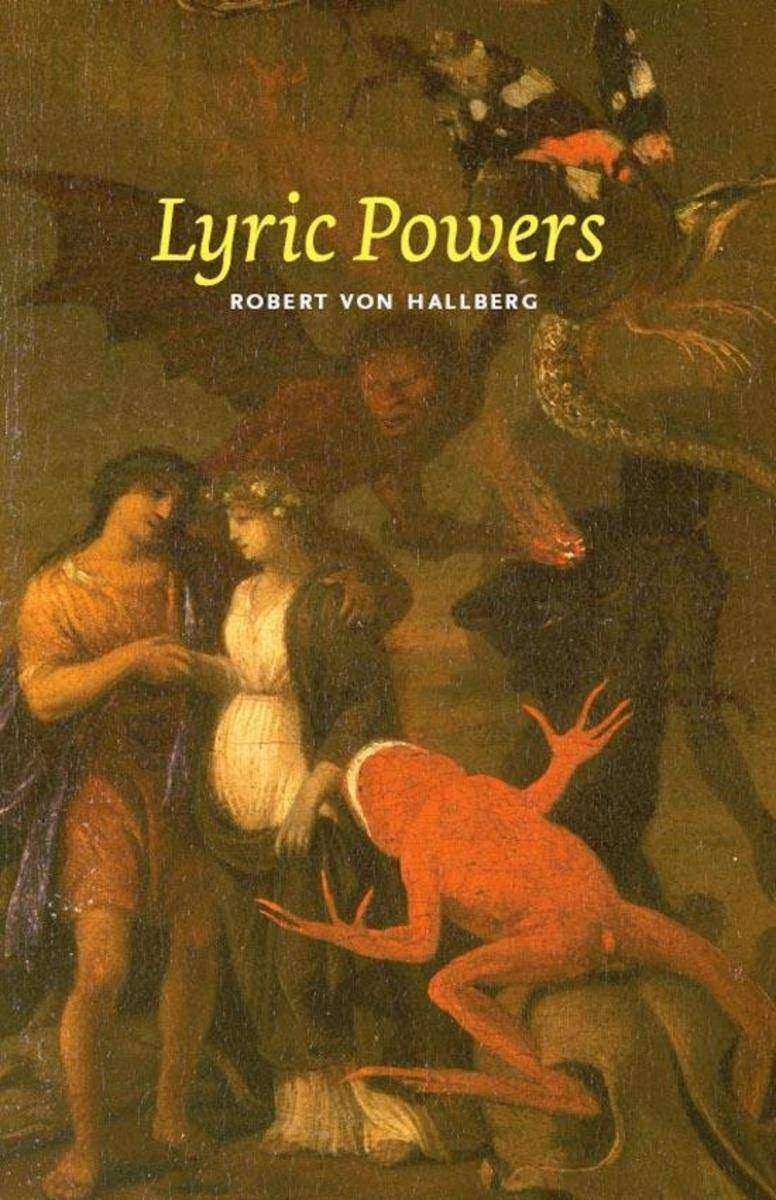
Lyric Powers
¥288.41
The authority of poetry varies from one period to another, from one culture to another. For Robert von Hallberg, the authority of lyric poetry has three sources: religious affirmation, the social institutions of those who speak the idioms from which particular poems are made, and the extraordinary cognition generated by the formal and musical resources of poems. Lyric Powers helps students, poets, and general readers to recognize the pleasures and understand the ambitions of lyric poetry.To explain why a reader might prefer one kind of poem to another, von Hallberg analyzes-beyond the political and intellectual significance of poems-the musicality of both lyric poetry and popular song, including that of Tin Pan Alley and doo-wop. He shows that poets have distinctive intellectual resources-not just rhetorical resources-for examining their subjects, and that the power of poetic language to generalize, not particularize, is what justly deserves a critic's attention.The first book in more than a decade from this respected critic, Lyric Powers will be celebrated as a genuine event by readers of poetry and literary criticism.
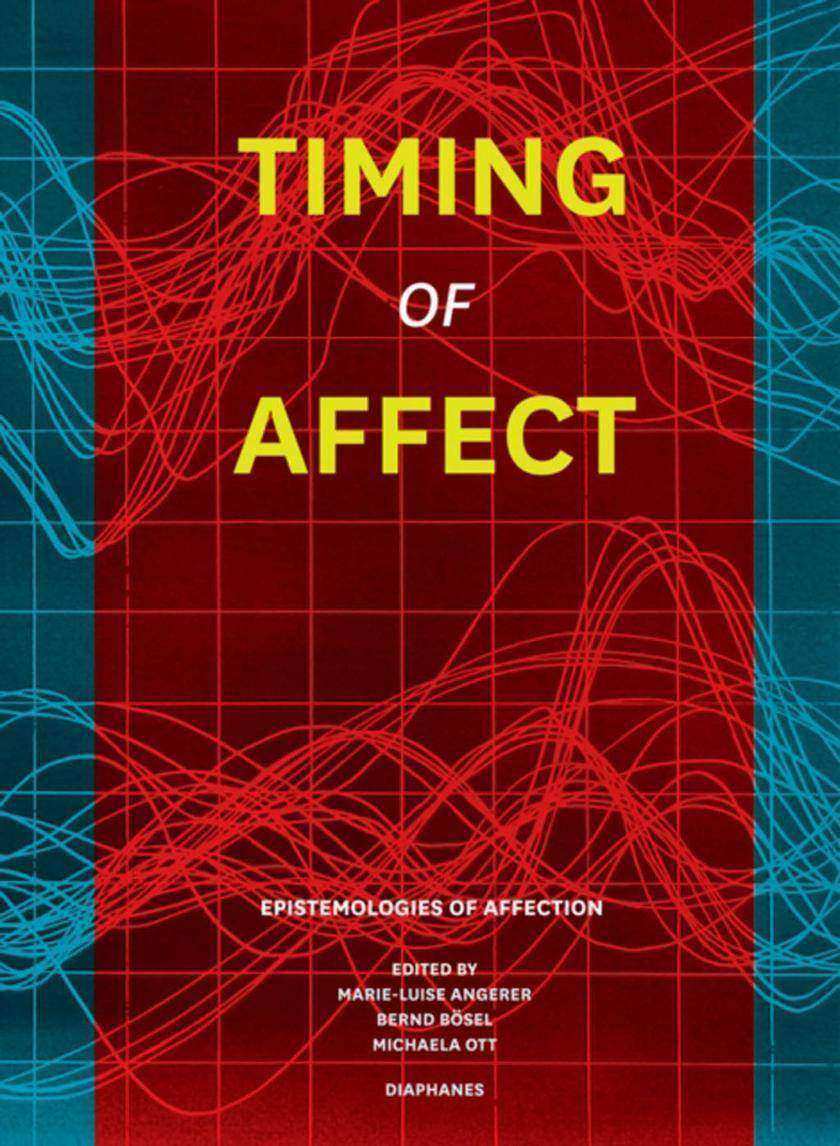
Timing of Affect
¥288.41
Affect, or the process by which emotions come to be embodied, is a burgeoning area of interest in both the humanities and the sciences. For Timing of Affect, Marie-Luise Angerer, Bernd Bosel, and Michaela Ott have assembled leading scholars to explore the temporal aspects of affect through the perspectives of philosophy, music, film, media, and art, as well as technology and neurology. The contributions address possibilities for affect as a capacity of the body; as an anthropological in*ion and a primary, ontological conjunctive and disjunctive processes; as an interruption of chains of stimulus and response; and as an arena within cultural history for political, media, and psychopharmacological interventions. Showing how these and other temporal aspects of affect are articulated both throughout history and in contemporary society, the editors then explore the implications for the current knowledge structures surrounding affect today.
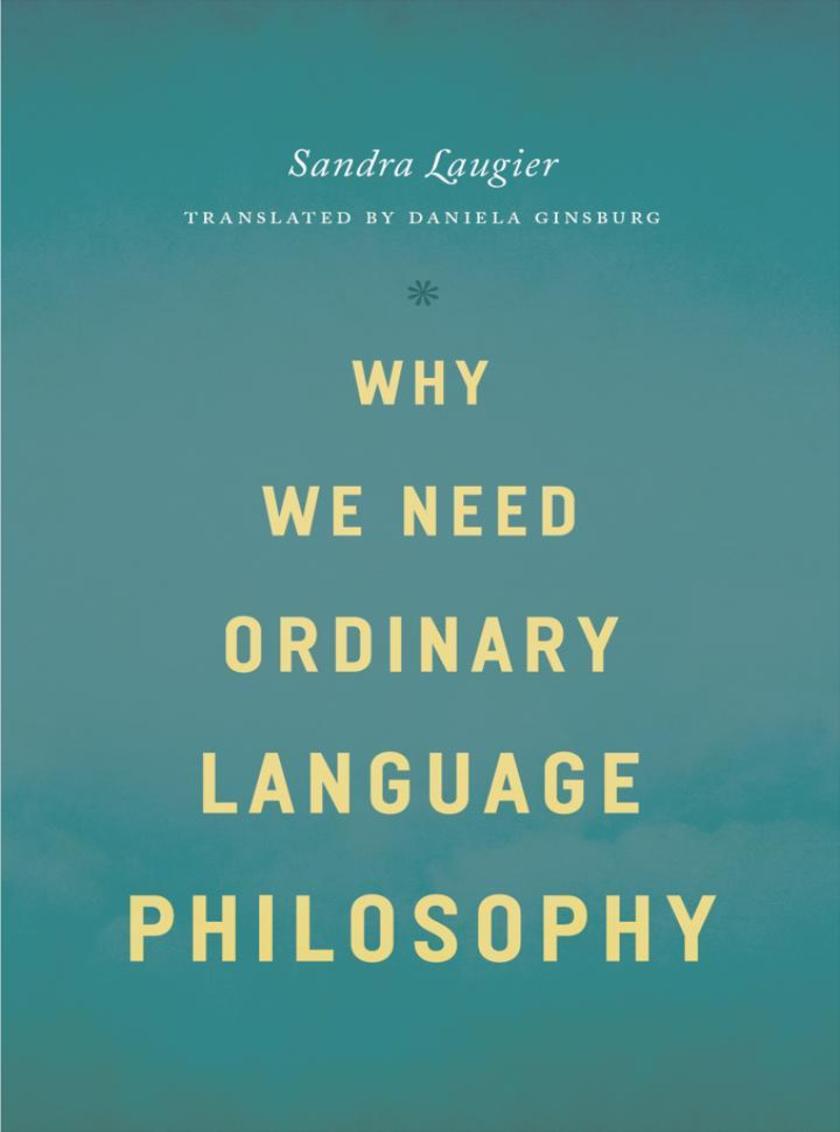
Why We Need Ordinary Language Philosophy
¥288.41
Sandra Laugier has long been a key liaison between American and European philosophical thought, responsible for bringing American philosophers such as Ralph Waldo Emerson, Henry David Thoreau, and Stanley Cavell to French readers-but until now her books have never been published in English. Why We Need Ordinary Language Philosophy rights that wrong with a topic perfect for English-language readers: the idea of analytic philosophy.?Focused on clarity and logical argument, analytic philosophy has dominated the discipline in the United States, Australia, and Britain over the past one hundred years, and it is often seen as a unified, coherent, and inevitable advancement. Laugier questions this assumption, rethinking the very grounds that drove analytic philosophy to develop and uncovering its inherent tensions and confusions. Drawing on J. L. Austin and the later works of Ludwig Wittgenstein, she argues for the solution provided by ordinary language philosophy-a philosophy that trusts and utilizes the everyday use of language and the clarity of meaning it provides-and in doing so offers a major contribution to the philosophy of language and twentieth- and twenty-first-century philosophy as a whole.


