


 购物车
购物车 个人中心
个人中心
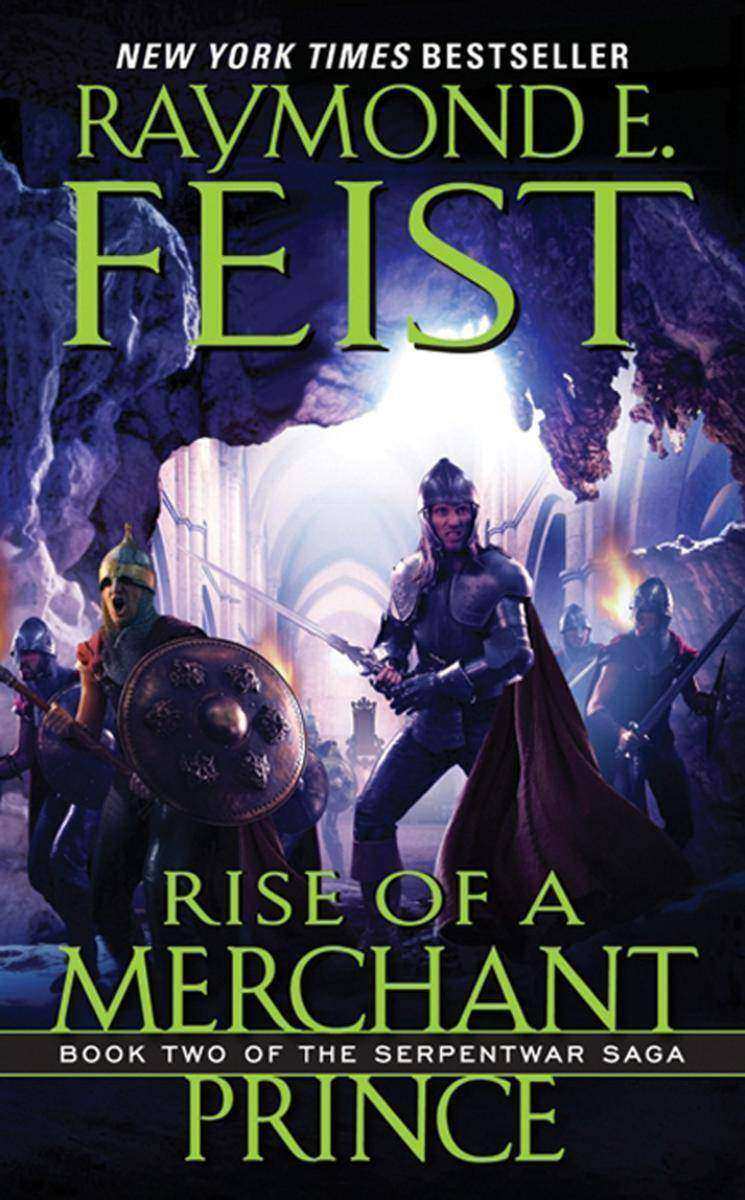
Rise of a Merchant Prince
¥55.91
Surviving the wrath of the fearsome Sauur—a hideous race of invading serpents—noble Erik and cunning Roo have delivered a timely warning to the rulers of the Midkemian Empire, and are now free to pursue their separate destinies. Erik chooses the army—and the continuing war against Midkemia's dread enemies. Roo lusts for wealth and power—rising high and fast in theworld of trade. But with luxury comes carelessness and a vulnerability to the desires of the flesh. And a beautiful seductress with her ruthless machinations threatens to destroy everything Roo has built and become—summoning catastrophe into his future . . . and terror into his world.
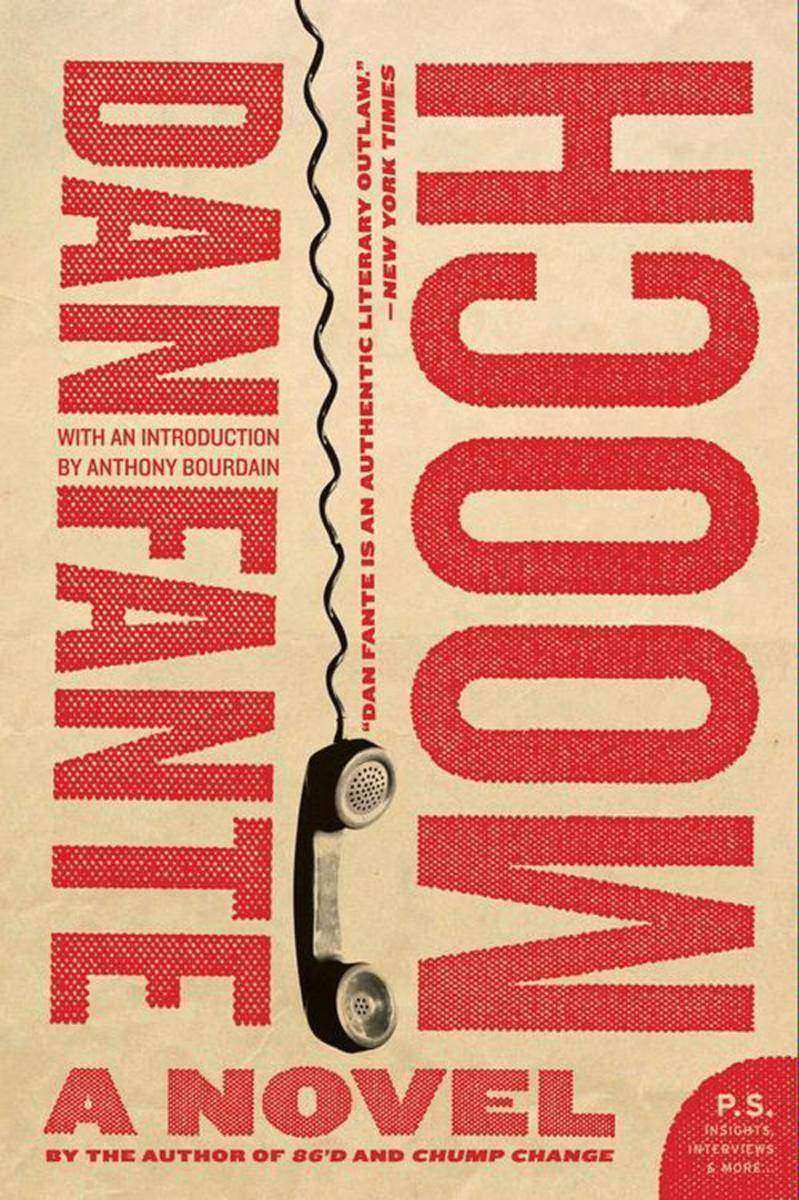
Mooch
¥78.32
Bruno Dante is the best boiler-room salesman in Los Angeles. There's only one problem: he can't keep a good thing going. When he becomes involved with a beautiful but dangerous fellow Orbit Computer Supplies employee—sexy ex-stripper, gangbanger, and crackhead Jimmi Valiente—Bruno's ready to chuck his job and his most recent twelve–step program. Leaping headfirst into an impossibly destructive love-hate relationship with the addictive Jimmi, Bruno finds it's not long at all before his world begins to spiral out of control . . . again.
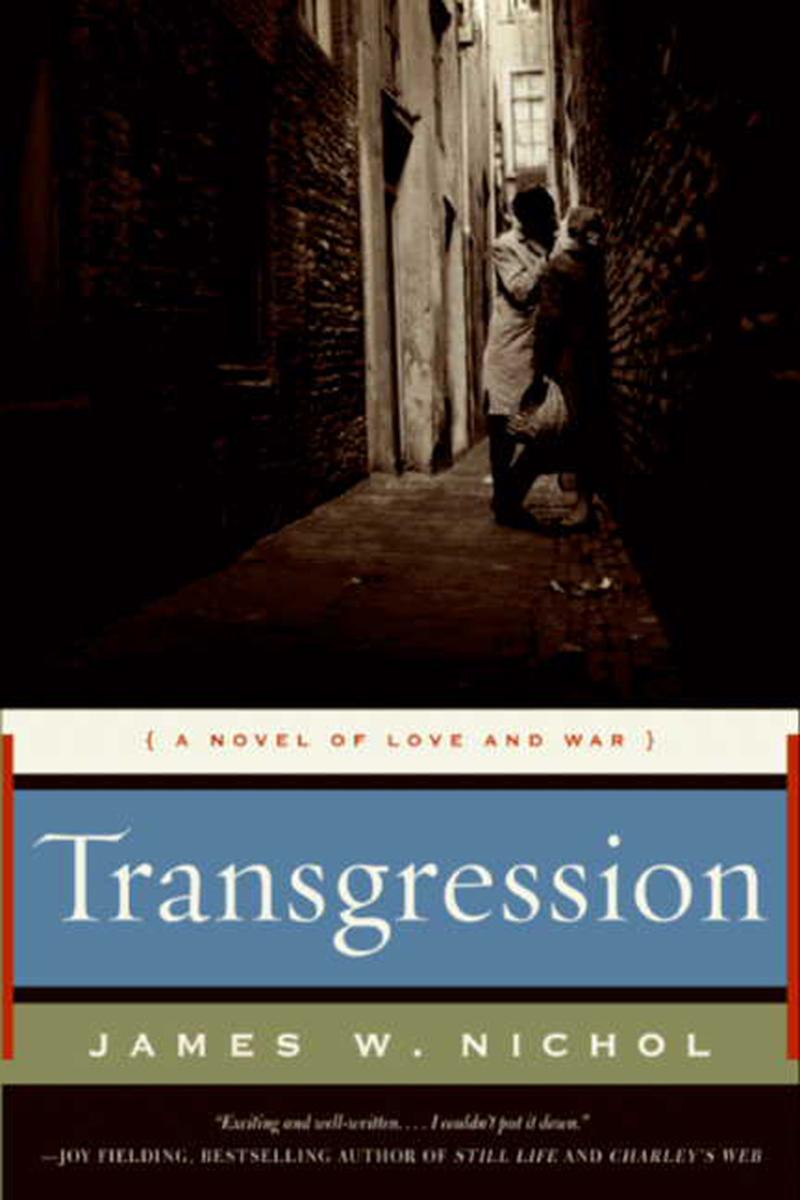
Transgression
¥79.38
How can love survive a brutal timeIn 1946 in North America, a child makes a grisly find in a deserted field—a discovery that opens a shuttered window on a secret dating back to the beginning of the turbulent decade.In 1941 in occupied France, Adele Georges's fruitless attempts to learn the whereabouts of her father, captured by the Nazis, lead her to a lonely young German soldier far from home. A spark between them becomes a fire—and a dangerous love affair blooms across enemy lines, dooming Adele to a grim postwar existence as a despised outcast, one of the infamous "horizontal collaborators." Ostracized, tortured, tormented, she chooses a desperate escape, accompanying a war-damaged yet optimistic Allied soldier across an ocean to a new land. But there is no refuge from the past, as Adele's broken heart and shameful secret drive her deeper into despair...and toward a shocking outcome.Part mystery and part love story—an unforgettable and beautifully written novel of secrets, passions, and consequences—Transgression is an exceptional work of power and strange beauty.

Phantom Pain
¥22.03
In "Phantom Pain," the Tennessee woods are a sliver of what they once were, where men now hunt with GPS and cell phones, and the rumor of a dangerous panther on the loose stirs up a small town.
Mule Killers
¥22.03
"Mule Killers" evokes the end of an era and of a grandfather's dreams when he decides to replace animal power with tractors on his farm.

Reasons for and Advantages of Breathing
¥85.05
In "Reasons for and Advantages of Breathing", a young woman becomes fascinated with reptiles and finds a way to relate them to her life.

Shadow on a Weary Land
¥22.03
The narrator of "Shadow on a Weary Land" imagines the many lives that have been lived over the years on Brown's Ridge—from the teeming wildlife that once roamed the land to Jesse and Frank James, who settled there, to the farmers recently pushed out by the imminent rise of a housing development. These ghosts from the past haunt the narrator and his friends, a group of misfits who realize that their hardscrabble lives are intimately tied to a vanishing place.

The Still Point
¥22.03
In "The Still Point", Lydia Peelle tells the story of a man stuck in the routine of life while traveling with a carnival.

This is Not a Love Story
¥21.73
Set in a small town in rural Georgia, this poignant story unfolds a disappointing love affair between a 22-year old girl from the North and a man twice her age haunted by the ghosts of the South.
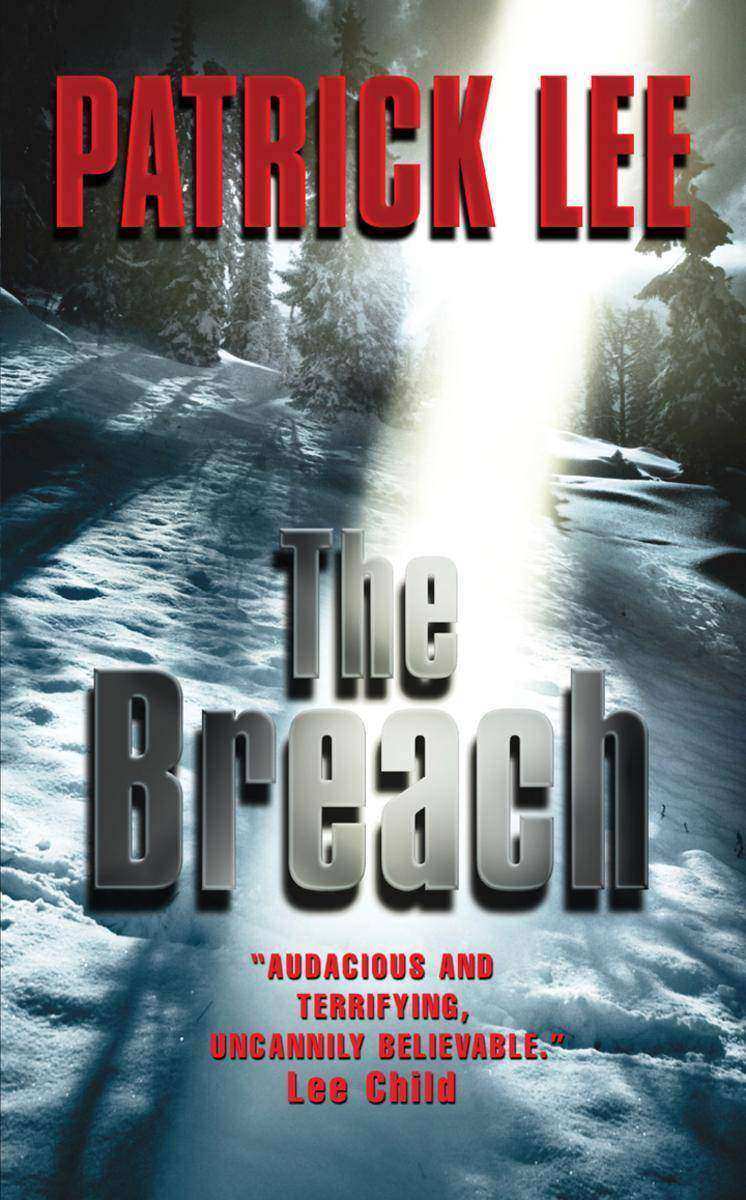
The Breach
¥55.31
Thirty years ago, in a facility buried beneath a vast Wyoming emptiness, an experiment gone awry accidentally opened a door.It is the world's best-kept secret—and its most terrifying.Trying to regain his life in the Alaskan wilds, ex-con/ex-cop Travis Chase stumbles upon an impossible scene: a crashed 747 passenger jet filled with the murdered dead, including the wife of the President of the United States. Though a nightmare of monumental proportions, it pales before the terror to come, as Chase is dragged into a battle for the future that revolves around an amazing artifact. Allied with a beautiful covert operative whose life he saved, Chase must now play the role he's been destined for—a pawn of incomprehensible forces or humankind's final hope—as the race toward Apocalypse begins in earnest. Because something is loose in the world.And doomsday is not only possible . . . it is inevitable.

Blood Secret
¥90.77
The minute she had opened the trunk, she knew there wasn't anything like hope in it. Just awful musty things, but each one with a kind of terrible dark halo around it. She picked up that piece of old lace. She saw that stain -- pale, brownish in color. She knew it was blood. Somebody's blood. There was violence in that trunk, and dark secrets, and she did not want to know them.Curious about the old homestead where she now lives, Jerry finds an ancient trunk in the basement that contains, among other things, an old piece of bloodstained lace, some letters, and a battered doll. The objects in the trunk have stories to tell -- stories about the Spanish Inquisition spanning nearly five hundred years and stories of secrets locked deep in the bloodlines of Jerry's ancestors.Kathryn Lasky's powerhouse novel is a dramatic historical saga that brings the reader face-to-face with some of the worst atrocities ever committed against humankind in the name of God. But above all, it is an unforgettable coming-of-age story about a girl who, in connecting with her own past and faith, is at last able to face her own demons and liberate not only herself but also future generations of her family from the long chain of suffering and silence.
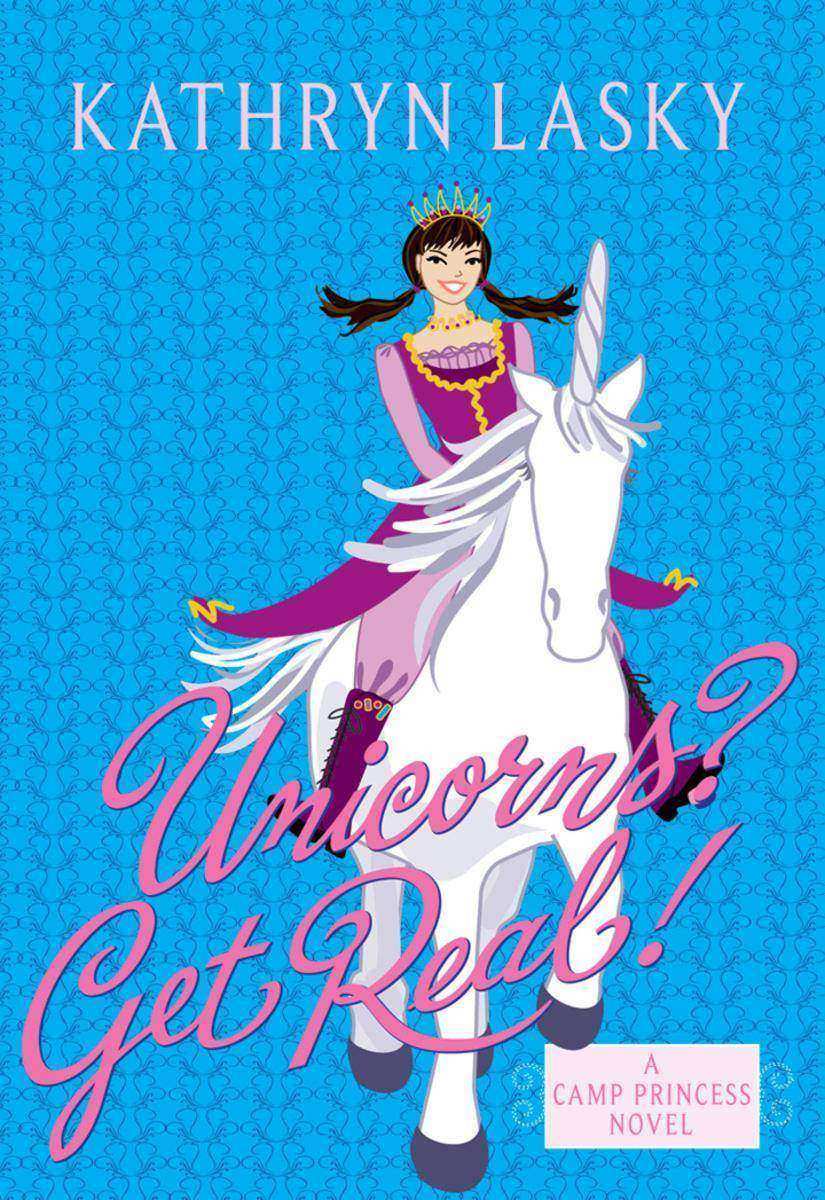
Camp Princess 2: Unicorns? Get Real!
¥86.25
When rumors of wild unicorns come to Camp Princess, there's a frenzy of excitement as the royal maidens prepare for the Unicorn Round-Up. But Princess Gundersnap has more important things to worry about. Her war-inclined mother has taken her beloved pony, Menschmik, into battle, and Gundersnap fears for his life. Besides, Gundersnap is much too practical to believe in unicorns.Or is sheBoth the magical tapestry in the tower and her favorite local witch, Berwynna, seem to be trying to tell Gundersnap something. Could the Unicorn Round-Up be more than just a bunch of royal hooey?
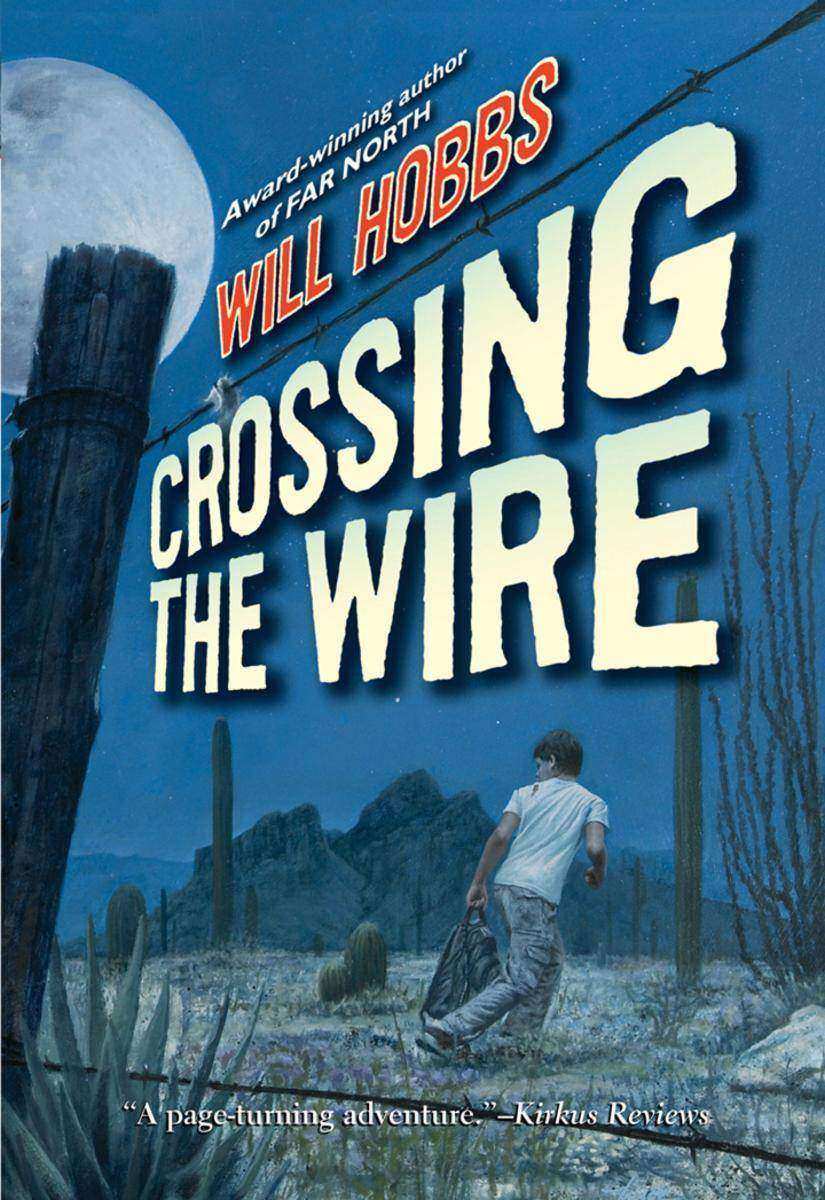
Crossing the Wire
¥44.73
When falling crop prices threaten his family with starvation, fifteen-year-old Victor Flores heads north in an attempt to "cross the wire" from Mexico into the United States so he can find work and send money home. But with no coyote money to pay the smugglers who sneak illegal workers across the border, Victor must struggle to survive as he jumps trains, stows away on trucks, and hikes grueling miles through the Arizona desert. Victor's journey is fraught with danger, freezing cold, scorching heat, hunger, and dead ends. It's a gauntlet run by millions attempting to cross the border. Through Victor's often desperate struggle, Will Hobbs brings to life one of the great human dramas of our time.
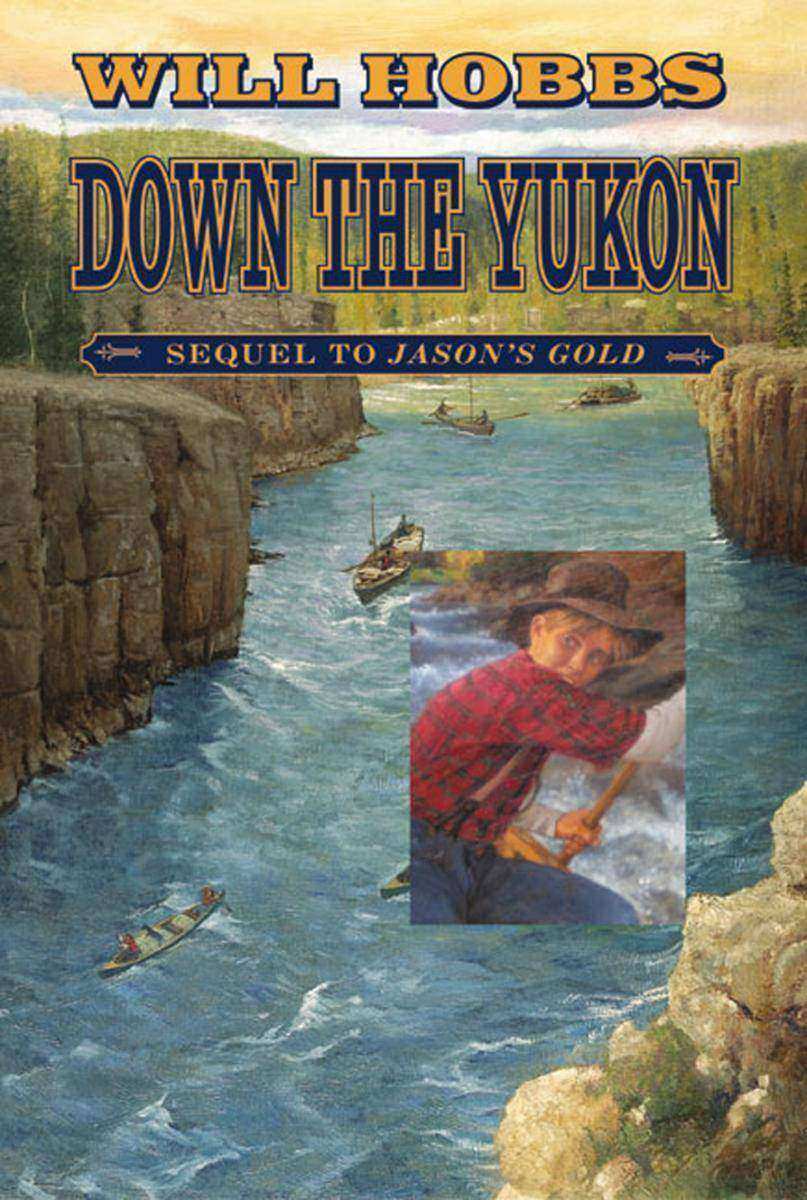
Down the Yukon
¥60.87
The great race across Alaska!As Dawson City goes up in flames, Jason Hawthorn itches to join the new rush for gold in Nome, 1,700 miles away. He and his brothers have been cheated out of their sawmill, so when a $20,000 prize is announced for the winner of a race to Nome, Jason enters. His partner in the canoe is Jamie Dunavant, the adventurous girl he loves. Will they make it to the finish line, despite the hazards of the Yukon River, two dangerous rivals, and the terrors of the open sea?

The Maze
¥39.24
Just fourteen, Rick Walder is alone, on the run, and desperate. Stowing away in the back of a truck, he suddenly finds himself at a dead end, out in the middle of nowhere. The Maze. In this surreal landscape of stark redrock spires and deep sandstone canyons, Rick stumbles into the remote camp of Lon Perigrino, a bird biologist who is realeasing fledgling California condors back into the wild. Intriqued by the endangered condors and the strange bearded man dedicated to saving them, Rick decides to stay on. When two men with a vicious dog drive up in a battered old Humvee, Rick discovers that Lon and his birds are in grave danger. Will he be able to save themIn a heart-stopping adventure infused with the spirit of the Icarus myth and a boy's dreams of flight, Will Hobbs brings readers a unique tale of identity, personal growth, and friendship. 01 Blue Spruce Award Masterlist (YA Cat.), 01 AZ Young Reader Award Masterlist (Teen Bks cat.), 00-01 Sunshine State Young Reader's Award Masterlist (Gr. 6-8), 00-01 Black-Eyed Susan Award Masterlist, 00-01 Minnesota's Maud Hart Lovelace Book Award Masterlist, 00-01 South Carolina Book Award Nomination Masterlist (Grds 6-9), 00-01 Lone Star Reading List, 00-01 Utah Book Award (Gr. 7-12), 01 Washington State Evergreen YA Book Award Masterlist, 00-01 Young Hoosier Book Award Masterlist (Gr. 6-8), and 01 Rebecca Caudill Young Readers' Book Award Nominee Masterlist

Good Family
¥82.80
A retreat on Lake Michigan for old-money WASPs, Sand Isle has long been the summer residence of the Addison family. The youngest member of the clan, Maddie Addison, survived an awkward but sheltered adolescence only to be plagued in adulthood by alcoholism, a failed marriage, and an unendurable loss that sent her fleeing the burden of family expectations. Now, after an eleven-year hiatus, Maddie has been summoned back to Sand Isle, where her widowed mother languishes near death. What awaits Maddie is a collision of distinct, eccentric personalities -- by turns hilarious and poignant -- as well as an archive of memories that evoke pleasure, passion, and pain. Beneath the silent gaze of her ailing mother, Maddie and her family must confront their past and face the future to once again find a home in a house steeped in untold stories of its own.
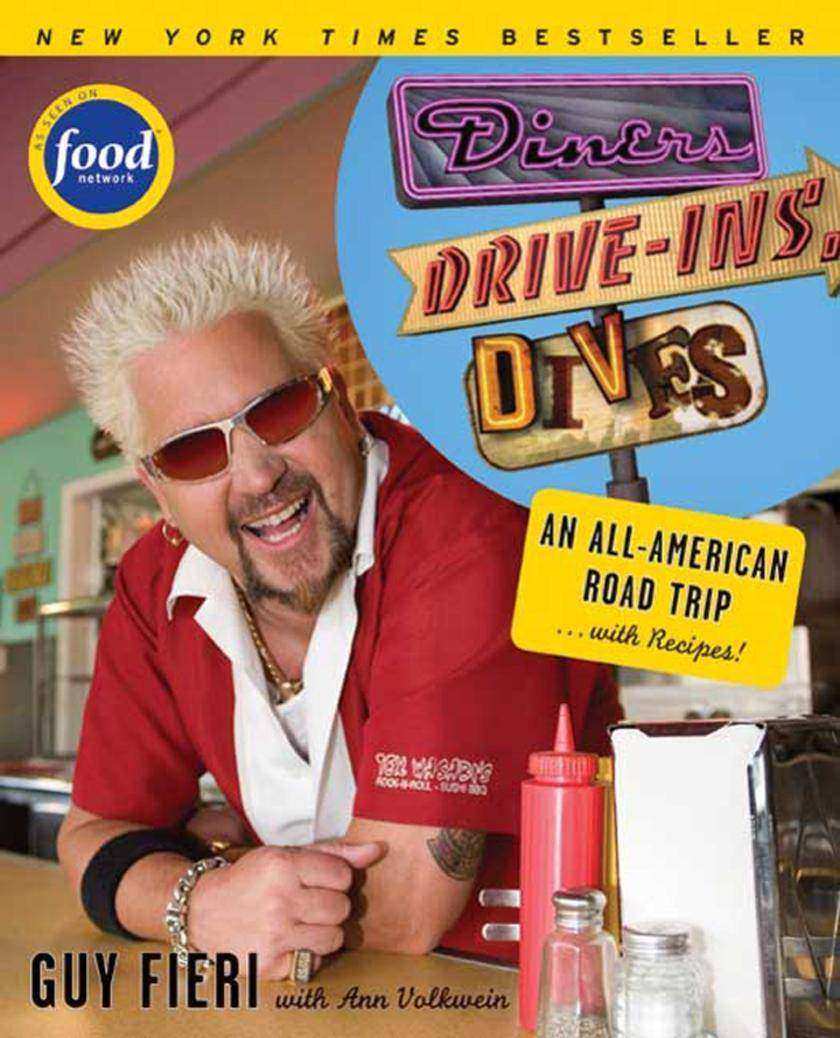
Diners, Drive-ins and Dives
¥129.07
Food Network star Guy Fieri takes you on a tour of America's most colorful diners, drive-ins, and dives in this tie-in to his enormously popular television show, complete with recipes, photos, and memorabilia.Packed with Guy's iconic personality, Diners, Drive-ins and Dives follows his hot-rod trips around the country, mapping out the best places most of us have never heard of. From digging in at legendary burger joint the Squeeze Inn in Sacramento, California, baking Peanut Pie from Virginia Diner in Wakefield, Virginia, or kicking back with Pete's "Rubbed and Almost Fried" Turkey Sandwich from Panini Pete's in Fairhope, Alabama, Guy showcases the amazing personalities, fascinating stories, and outrageously good food offered by these American treasures.
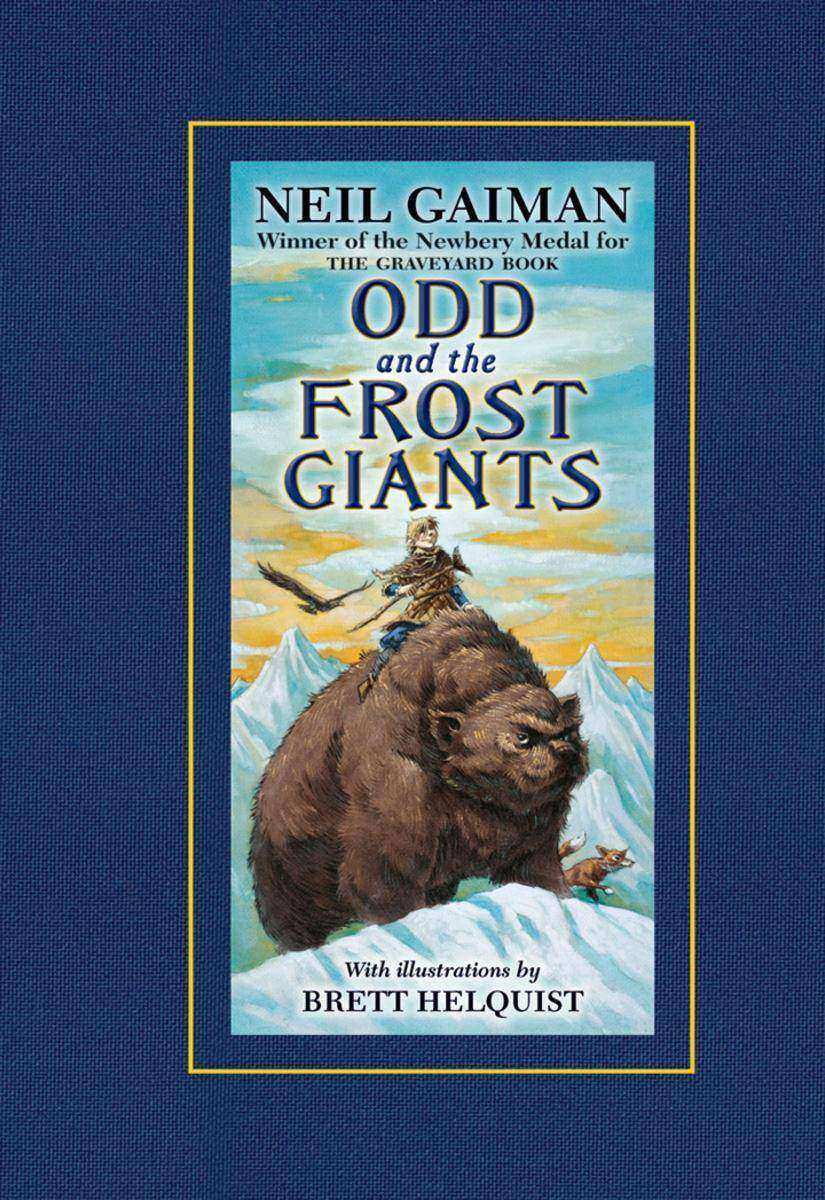
Odd and the Frost Giants
¥83.92
In this inventive, short, yet perfectly formed novel inspired by traditional Norse mythology, Neil Gaiman takes readers on a wild and magical trip to the land of giants and gods and back.In a village in ancient Norway lives a boy named Odd, and he's had some very bad luck: His father perished in a Viking expedition; a tree fell on and shattered his leg; the endless freezing winter is making villagers dangerously grumpy.Out in the forest Odd encounters a bear, a fox, and an eagle—three creatures with a strange story to tell.Now Odd?is forced on a stranger journey than he had imagined—a journey to save Asgard, city of the gods, from the Frost Giants who have invaded it.It's going to take a very special kind of twelve-year-old boy to outwit the Frost Giants, restore peace to the city of gods, and end the long winter.Someone cheerful and infuriating and clever . . . Someone just like Odd .
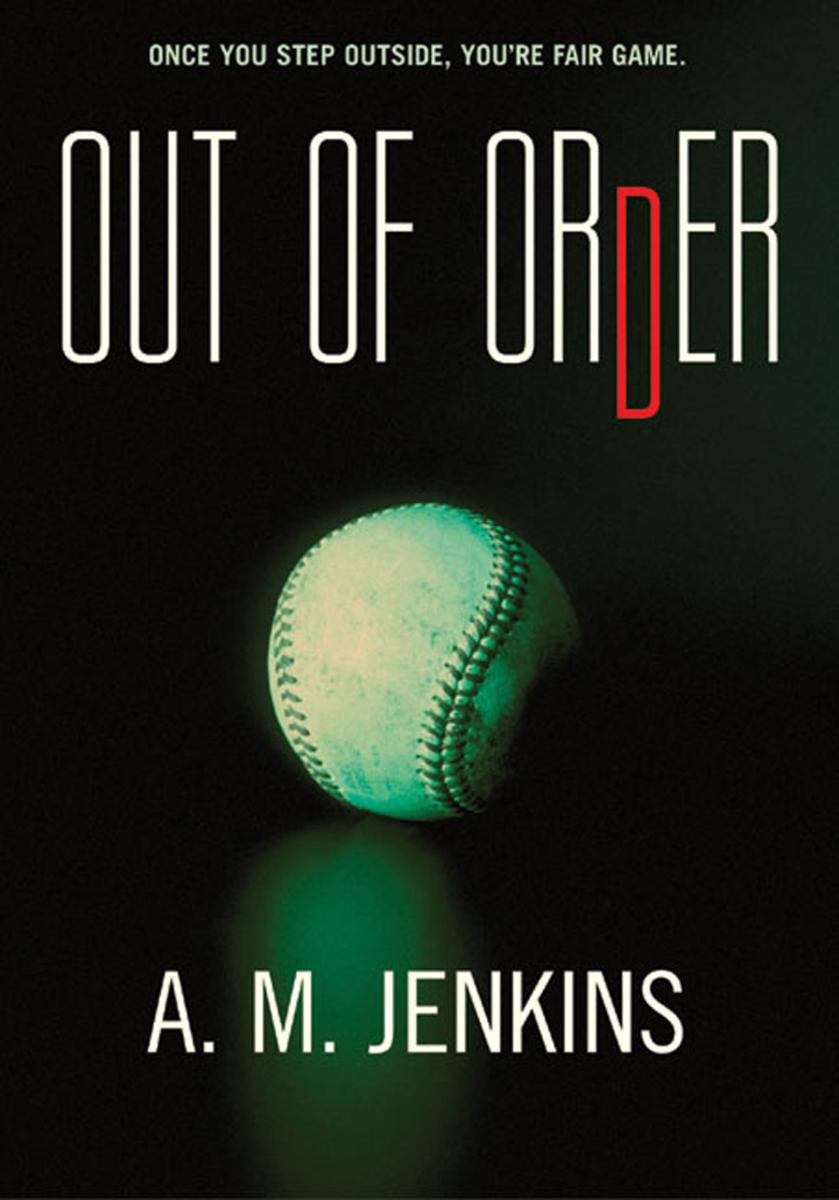
Out of Order
¥108.99
Colt's perfect life crumbles when his girlfriend breaks up with him and looming academic ineligibility threatens his baseball career. For a guy who gets by on his good looks and talent with a bat, Colt knows that he could be facing his toughest challenge ever. Just as she did in her acclaimed novel Damage, author A. M. Jenkins strikes to the heart of an outwardly confident teenager to expose surprising sensitivity, uncertainty, and humor within. o Jenkins successfully tackles such common young adult themes as peer pressure and self esteem by addressing them through an inquisitive and likeable character to whom teens will easily relate. o Out Of Order will resonate with girls and boys, reluctant and avid readers. Ages 12 +
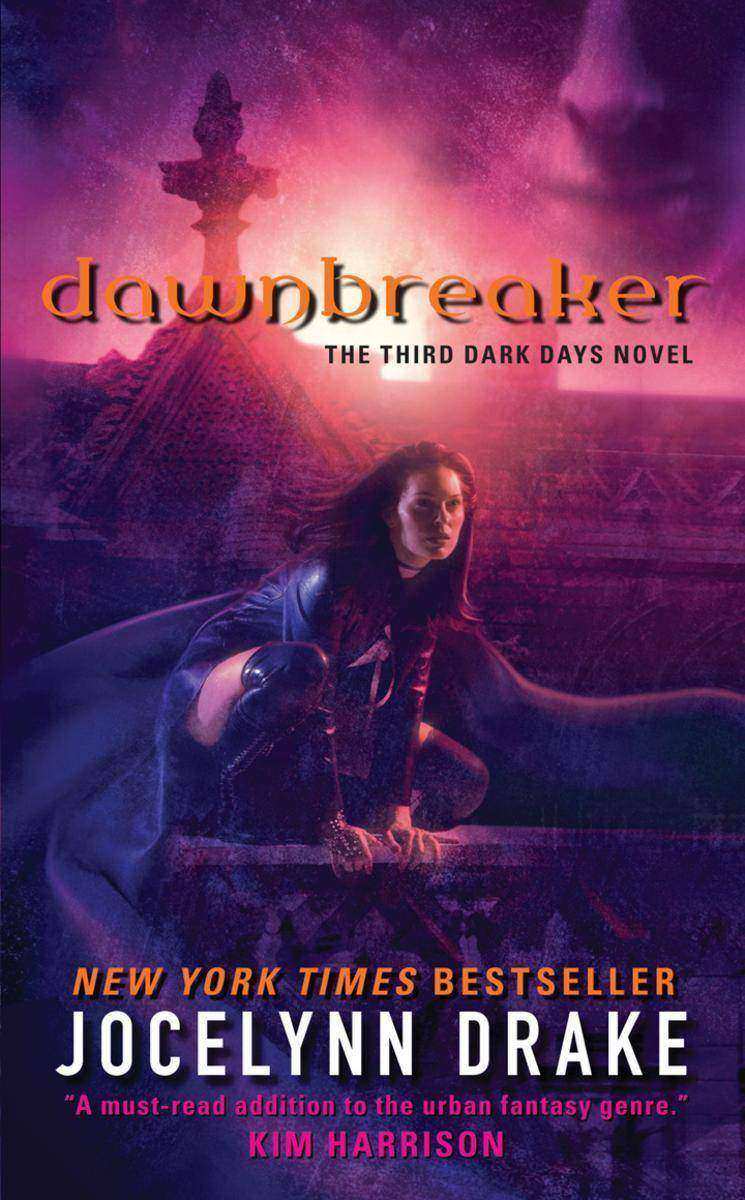
Dawnbreaker
¥56.07
The dawn brings new terror for the creatures of the night . . .Those of her race fear Mira for the lethal fire she bends to her will—a power unique among nightwalkers, both a gift . . . and a curse.The naturi despise Mira for what she is—as they prepare the final sacrifice that will destroy the barriers between the worlds. And once the naturi are unchained, blood, chaos, and horror will reign supreme on Earth.Mira can trust only Danaus, the more-than-mortal vampire slayer, though he is sworn to destroy her kind. And now, as the day approaches when titanic forces will duel under cover of darkness, destiny draws them toward an apocalyptic confrontation at Machu Picchu. But all is not lost, for a wild card has been dealt to them: a rogue enemy princess who can change the balance of power and turn the dread tide.

Far From Home
¥85.05
After a shocking family betrayal and an unexpected pregnancy, Jo leaves home,college, and everything she knows. Far from home, she finds her way to Cass'sRoadside Café, an isolated diner on a mountain pass. Cass's seems as good aplace as any for Jo to get her bearings, as near to nowhere as it is possible to be. Here, Jo finds a rough sort of kindness in diner regulars such as Archie, a long-haul trucker, and Bob, a cop with a secret. But Cass's is also a way station through which an odd assortment of travelers blow: the water witcher, coming to terms with a talent he'd denied; the old woman who expected to die, and didn't; and the hippie whose rule of the road is to let the wind blow him where it will. The stories of these strangers open Jo's eyes to life lessons, and what it really means to follow your heart—and, ultimately, give Jo the strength to face her past, and find the direction she needs to step into her future.


