


 购物车
购物车 个人中心
个人中心
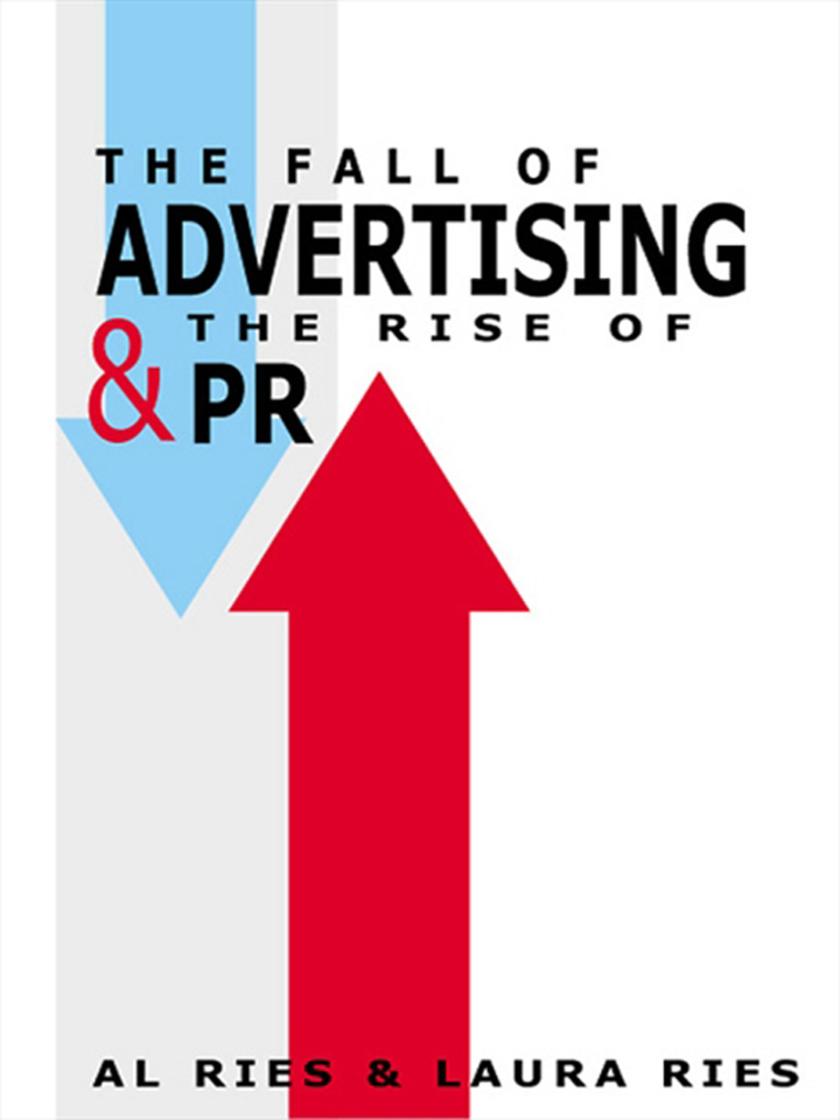
The Fall of Advertising and the Rise of PR
¥83.03
Bestselling authors and world-renowned marketing strategists Al and Laura Ries usher in the new era of public relations. Today's major brands are born with publicity, not advertising. A closer look at the history of the most successful modern brands shows this to be true. In fact, an astonishing number of brands, including Palm, Starbucks, the Body Shop, Wal-Mart, Red Bull and Zara have been built with virtually no advertising. Using in-depth case histories of successful PR campaigns coupled with those of unsuccessful advertising campaigns, The Fall of Advertising provides valuable ideas for marketers -- all the while demonstrating why advertising lacks credibility, the crucial ingredient in brand building, and how only PR can supply that credibility; the big bang approach advocated by advertising people should be abandoned in favor of a slow build-up by PR; advertising should only be used to maintain brands once they have been established through publicity. Bold and accessible, The Fall of Advertising is bound to turn the world of marketing upside down.
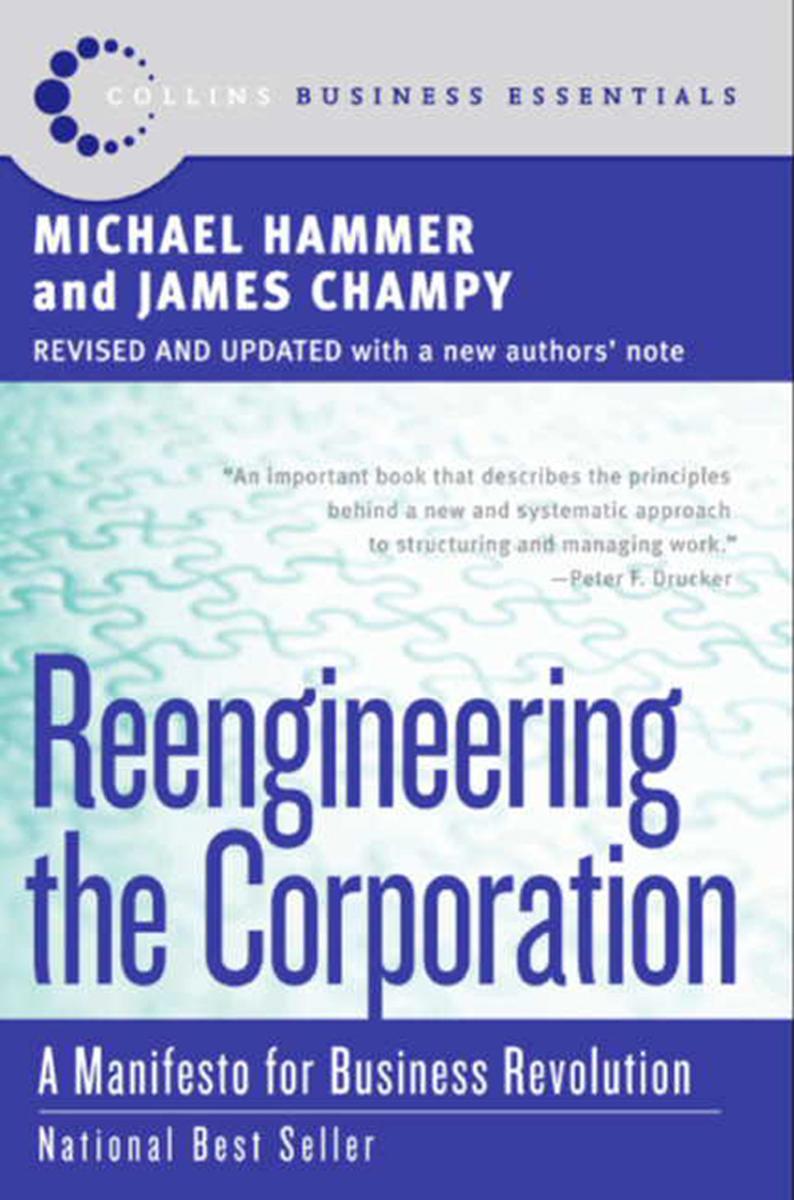
Reengineering the Corporation
¥94.10
The most successful business book of the last decade, Reengineering the Corporation is the pioneering work on the most important topic in business today: achieving dramatic performance improvements. This book leads readers through the radical redesign of a company's processes, organization, and culture to achieve a quantum leap in performance. Michael Hammer and James Champy have updated and revised their milestone work for the New Economy they helped to create -- promising to help corporations save hundreds of millions of dollars more, raise their customer satisfaction still higher, and grow ever more nimble in the years to come.
The 22 Immutable Laws of Branding
¥105.17
This marketing classic has been expanded to include new commentary, new illustrations, and a bonus book: The 11 Immutable Laws of Internet Branding Smart and accessible, The 22 Immutable Laws of Branding is the definitive text on branding, pairing anecdotes about some of the best brands in the world, like Rolex, Volvo, and Heineken, with the signature savvy of marketing gurus Al and Laura Ries. Combining The 22 Immutable Laws of Branding and The 11 Immutable Laws of Internet Branding, this book proclaims that the only way to stand out in today's marketplace is to build your product or service into a brand and provides the step-by-step instructions you need to do so. The 22 Immutable Laws of Branding also tackles one of the most challenging marketing problems today: branding on the Web. The Rieses divulge the controversial and counterintuitive strategies and secrets that both small and large companies have used to establish internet brands. The 22 Immutable Laws of Branding is the essential primer on building a category-dominating, world-class brand.
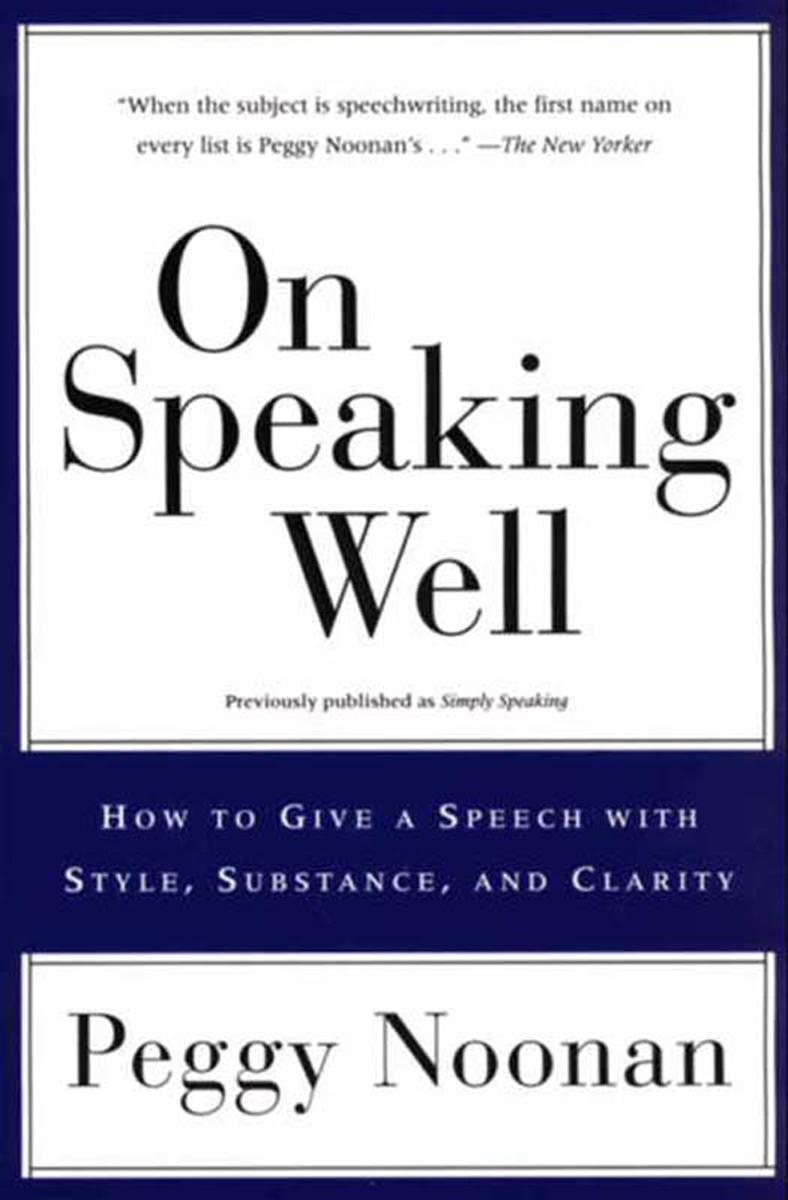
On Speaking Well
¥88.56
For anyone who fears the thought of writing and giving a speech--be it to business associates, or at a wedding--help is at hand. Acclaimed presidential speechwriter Peggy Noonan shares her secrets to becoming a confidence, persuasive speaker demystifying topics including: Finding you own authentic voice Developing a text that interest you Acing the all-important first paragraph Using logic to move your audience Creating, developing, and reinventing the "core speech" for diverse audiences Strengthening your speech with a vital element: humor Winnowing your thought down to the essentials Handling professional jargon, clich s, and the sound bite syndrome Presenting your speech in the best way Collecting intellectual income--conversing your speech treasures Breaking all the rules and still succeeding Reading for inspiration--how to use the excellence of others Complete with lessons, tips and memorable examples, On Speaking Well shows us how to create forceful, persuasive, relevant speeches that will resonate with our audiences. Engaging, informative, and always entertaining, this is undoubtedly the authoritative how-to guide for anyone writing or giving a speech
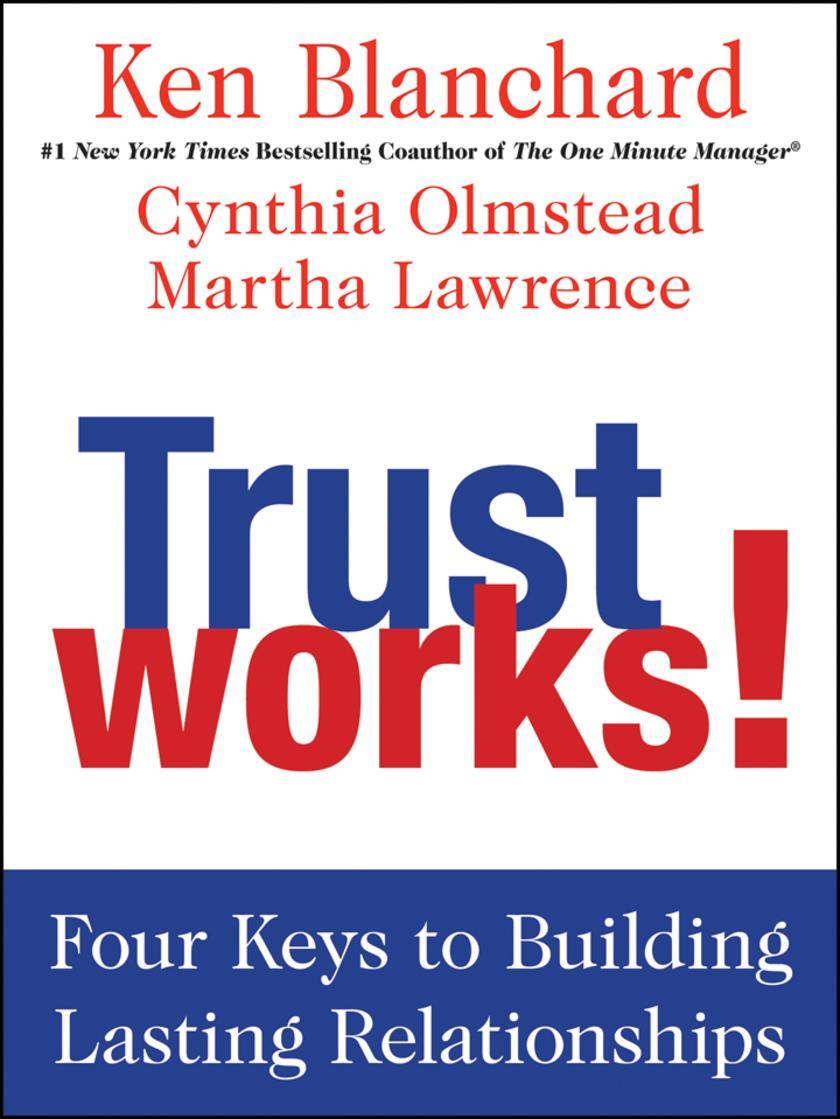
Trust Works!
¥127.33
Trust Works! How to build it How to keep it In this enlightening guide developed from his popular Trust Works! training program, #1 bestselling author and management guru Ken Blanchard turns his vast knowledge and insight to one of the most timely and complex issues that affects all areas of our lives. Once upon a time, a dog and a cat lived together with other animals and the humans who cared for them. But canine and feline did not trust each other a situation that led to fighting, backbiting, and sabotaging that soon affected the whole household. Unless their conflict was resolved, all of the pets would lose their home. Fortunately, a wise old parrot stepped in, teaching dog and cat the ABCDs of trust. As each became aware of the unconscious behaviors at the root of their hostility, dog and cat discovered how to change their behavior a mutual transformation that created a happy, productive environment for all. In Trust Works! Ken Blanchard applies that fable to real-life situations to show anyone how to get along better with those around them. He outlines his ABCD trust model and uses it to address the factors that lead to discord, including low morale, miscommunication, poor response to problems and issues, and dysfunctional leadership. In today polarized society, building trust and sustaining it has never been more important or seemingly elusive. Trust Works! provides a common language and essential skills that can replace dissension with peace and cooperation and help us all work together productively and in harmony.

Collateral Knowledge
¥265.87
It has been more than twelve years since this project began.This book draws upon seventeen months of fieldwork conducted in Tokyo between summer 1997 and fall 2001 followed by frequent research visits in the years that followed.Research and writing were supported by the American Bar Foundation, a Howard Fellowship, an American Council of Learned Societies Fellowship, a residential fellowship at Girton College, Cambridge, and research grants from the Social Science Research Council, the Japan Foundation, and the National Endowment for the Humanities.During that time, I held visiting positions at the University of Tokyo Faculty of Law, the Department of Anthropology at Keio University, and the Institute of Social Science at the University of Tokyo.I am grateful to each of these institutions for their hospitality, and in particular to professors Yoshiko Terao, Satoshi Tanahashi, and Yuji Genda, respectively, for making each of these affiliations possible.
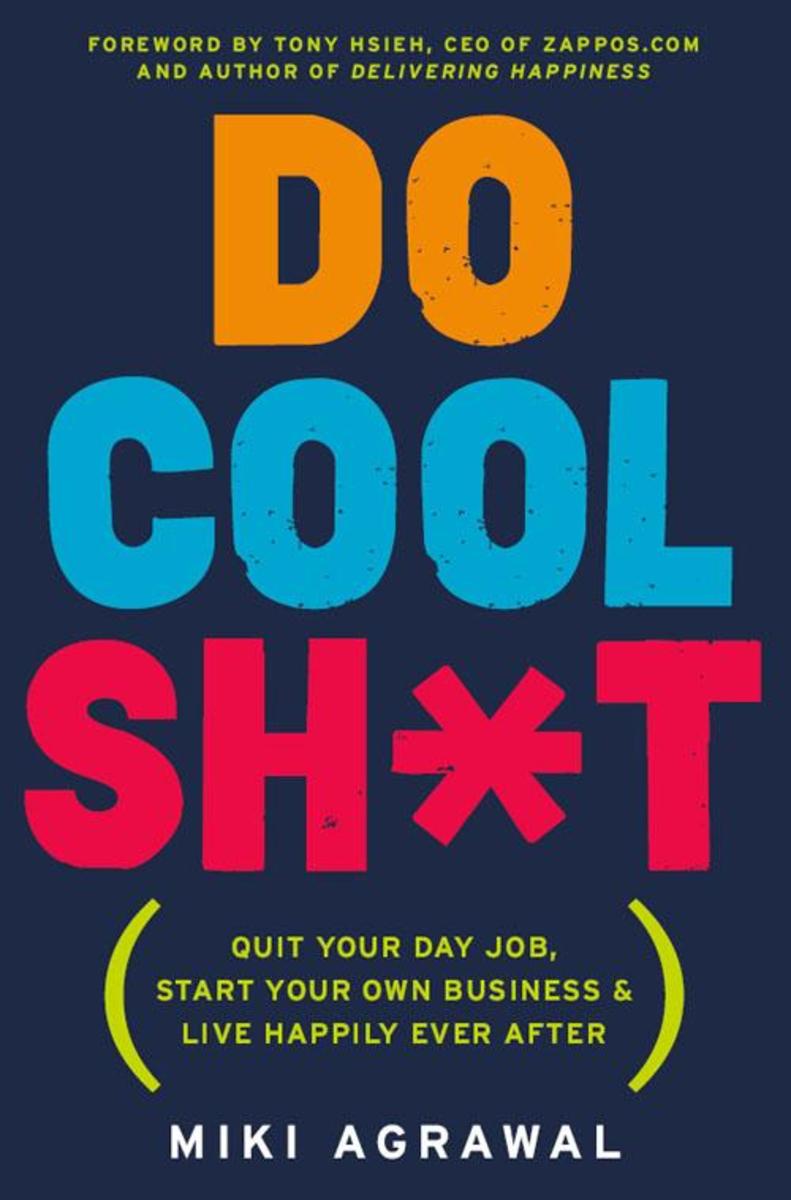
Do Cool Sh*t
¥88.56
An inspiring, irreverent manifesto for those seeking to blaze their own path to entrepreneurship and find fulfillment and happiness through bold action and big ideasHave you ever wondered if it's possible to make a career out of something you loveOr how to march through life with a purpose and get the most out of every secondMiki Agrawal, entrepreneur, angel investor, and cool-sh*t-doer, has figured it out. Here Miki shares her own adventures in entrepreneurship and life, from learning to step out of her comfort zone in a foreign country to achieving her dream of playing soccer for the New York Magic to partnering with Tony Hsieh of Zappos.com to launch her dream business.In Do Cool Sh*t, Miki shows you how to start your own business, fund it on a shoestring budget, convene the perfect group to brainstorm your business plan, test your product, get great (free) press coverage, and more all while living a life you're proud of.Miki pulls back the curtain to reveal how you can live out loud, honor your hunches, and leave nothing on the table. She reminds you that it's cool to care and be excited about ideas and to be proactive; it's cool to mess up; it's cool to work your ass off on something that is meaningful to you; and it's cool to keep trying when the odds are stacked against you. Whether you're about to graduate from college and are wondering what the heck you want to do with your life, or you are in a dead-end job, dreaming about starting your own business, Do Cool Sh*t will make you open your eyes, laugh out loud, and shout, "I can do that!"
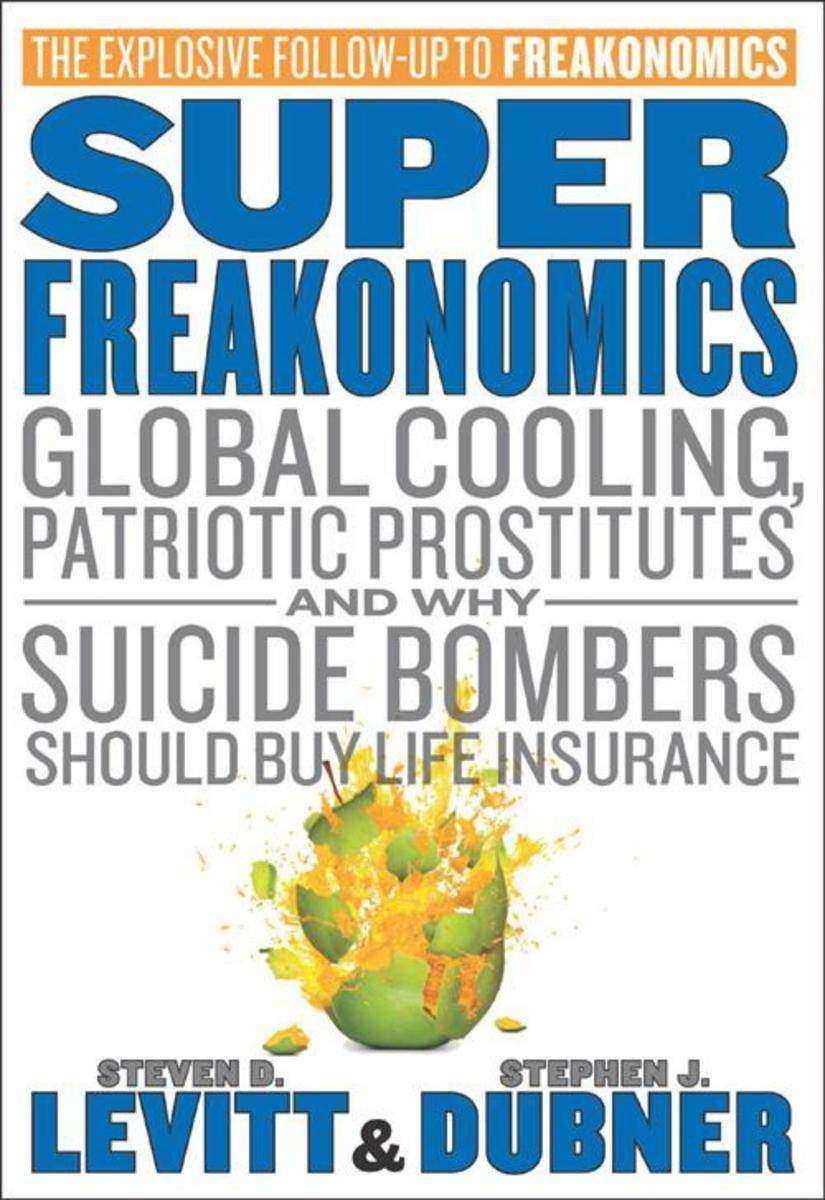
SuperFreakonomics
¥95.11
The New York Times best-selling Freakonomics was a worldwide sensation, selling over four million copies in thirty-five languages and changing the way we look at the world. Now, Steven D. Levitt and Stephen J. Dubner return with SuperFreakonomics, and fans and newcomers alike will find that the freakquel is even bolder, funnier, and more surprising than the first. Four years in the making, SuperFreakonomics asks not only the tough questions, but the unexpected ones: What's more dangerous, driving drunk or walking drunkWhy is chemotherapy prescribed so often if it's so ineffectiveCan a sex change boost your salarySuperFreakonomics challenges the way we think all over again, exploring the hidden side of everything with such questions as: How is a street prostitute like a department-store SantaWhy are doctors so bad at washing their handsHow much good do car seats doWhat's the best way to catch a terroristDid TV cause a rise in crimeWhat do hurricanes, heart attacks, and highway deaths have in commonAre people hard-wired for altruism or selfishness?Can eating kangaroo save the planetWhich adds more value: a pimp or a RealtorLevitt and Dubner mix smart thinking and great storytelling like no one else, whether investigating a solution to global warming or explaining why the price of oral sex has fallen so drastically. By examining how people respond to incentives, they show the world for what it really is good, bad, ugly, and, in the final analysis, super freaky. Freakonomics has been imitated many times over but only now, with SuperFreakonomics, has it met its match.
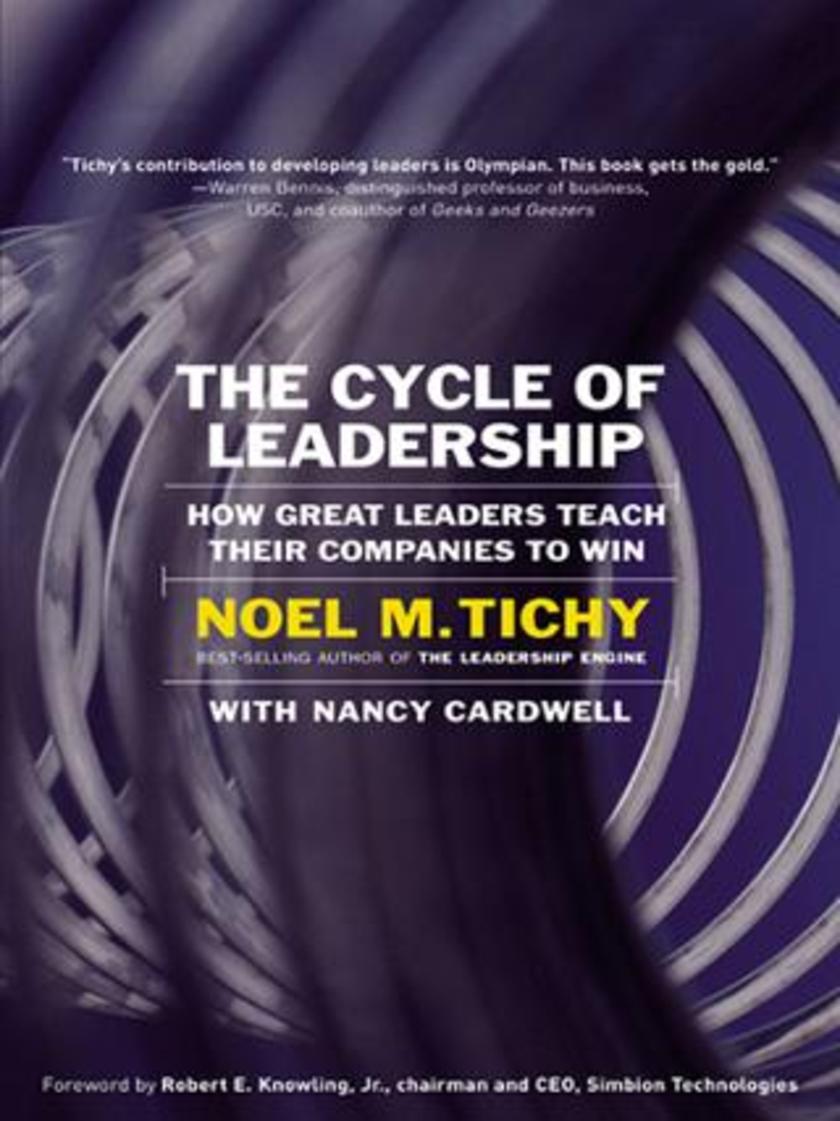
The Cycle of Leadership
¥101.00
In The Leadership Engine Noel Tichy showed how great companies strive to create leaders at all levels of the organization and how those leaders actively develop future generations of leaders. In this new book he takes the theme further showing how great companies and their leaders develop their business knowledge into achable points of view pend a great portion of their time giving their learnings to others sharing best practices and how they in turn learn and receive business ideas/knowledge from the employees they are teaching. Calling this exchange a virtuous teaching cycle Professor Tichy shows how business builders from Jack Welch at GE to Joe Liemandt at Trilogy create organizations that foster this knowledge exchange and how their efforts result in smarter more agile companies and winning results. Some of these ideas were showcased in Tichy's recent Harvard Business Review article entitled Ordinary Boot Camp. Using examples from GE Ford Dell Southwest Airlines and many others Tichy presents and analyzes these principles in action and shows how managers can begin to transform their own businesses into teaching organizations and consequently better performing companies
Revolt in the Boardroom
¥83.93
Throughout the 20th century, American corporations were governed by autocratic, almost unaccountable chief executives. Their word was law and the only check on their power was a board of directors composed of their friends and allies.Then, in a stunning reversal, a momentous series of firings deposed the heads of some of the world's best-known companies: AIG, Morgan Stanley, Boeing, Hewlett-Packard and Pfizer, just to name a few. Formerly unchallenged CEOs found themselves under fire, often from their own handpicked boards. The number of deposed executives is astonishing. In 2004, the leaders of 600 companies were asked to leave. That number more than doubled in 2005 and reached 1,400 companies in 2006.Flexing new muscles, directors are assuming new and unfamiliar responsibilities. In Revolt in the Boardroom, Alan Murray reveals the inner workings of the new seat of power. Using the access afforded to him by his influential Wall Street Journal column, Murray tells the story of three seminal board revolts the now-famous Hewlett-Packard drama, the ousting of Boeing's Harry Stonecipher and the end of the reign one of the world's most autocratic executives, Hank Greenberg at AIG.Murray goes further to chart the history of the corporation, the rise of governance and the effects of the new power gained by outside institutions like hedge funds and interest groups. Through it all, Murray shows how the job of chief executive has rapidly and permanently changed. Leaders like A. G. Lafley and Jeff Immelt govern instead of rule, build alliances and support instead of dictating direction and pay careful attention to a broader range of stakeholders than ever before.Revolt in the Boardroom is the first look at the new world of corporate power and the last word on the transformational events of the last two years.
Know What Makes Them Tick
¥84.16
Max Siegel started with none of the obvious advantages, yet again and again he built mutually beneficial partnerships with peers, mentors, supervisors, and industry leaders that took him to the heights of professional and personal achievement. He's managed some of the world's top recording artists, ballplayers, and race-car drivers, and helped run some of the top organizations in sports and entertainment. He's grown fragmented niche markets into bestselling audiences by tapping into the universal hopes and passions that bring people together. Now he travels the country giving motivational speeches and inspiring professionals of all kinds, sharing his method for connecting with people, whatever their differences.The secret, Siegel says, is to know what makes others tick. For some, it's financial security; for others, it's respect, devotion to family, a creative calling, or a vision of a better world. He shows how to encourage people to share these hidden, all-important motivations, and how to partner with them in the most powerful way there is: by finding the overlap between their goals and yours, so that together you can realize the dreams that make you tick.The nine universal rules outlined in Know What Makes Them Tick include:See Where You Want to Be, Not Where You AreFind Your AmbassadorsShow What's in It for ThemReaders will learn practical strategies for negotiating the challenges in every part of life, whether motivating colleagues to be more productive, finding a market for their product, uniting a divided family, or building a life of satisfaction in an unpredictable world. It's an eye-opening guide to a unique and powerful approach that anyone can use.

Buy, Close, Move In!
¥84.16
The rules have changed, but your dreams haven't. You can buy the home you want let award-winning real estate guru Ilyce Glink show you how! With her books, syndicated newspaper and Internet columns, radio show, blog, Web site, and numerous media appearances, Ilyce Glink has become the go-to expert Americans rely on to help them successfully navigate the tricky world of real estate a marketplace made even more complex today thanks to the Great Recession. Sure, there's a maze of new regulations. Sure, it's harder than ever to find a great deal or get the best loan. But you can do it. All it takes is a little expert advice from Ilyce. Clear and concise, Buy, Close, Move In! cuts through confusing red tape to provide the essential inside information you need to make the best decisions, and answers commonly asked questions about every step of the process, including: Credit from raising your score to identitifying theft protection Real estate investments trends and opportunities Foreclosures, short sales, and auctions Appraisals, closing costs, and other fees Mortgages fixed rate versus adjustable rate and other financing options With Ilyce Glink's Buy, Close, Move In! you're one step closer to home.
The Capitalist's Bible
¥95.39
Everything you ever wanted and needed to know about capitalism . . . but were afraid to ask. What is capitalism, and will it surviveWhat does globalization really mean and how does it affect your bank accountIf capitalism, left unchecked, has caused disasters like the Great Depression and the financial crisis of 2008–09, why has it been the economic system of choice for centuriesTo many people, the complex, jargon-rich world of capitalism can be intimidating, raising more questions than it answers. However, as the excesses and failures of free-market capitalism continue to hold sway over the daily news and our daily lives, understanding our economic system including where it has succeeded and where it has not is more important than ever. Edited by New York Times business journalist Gretchen Morgenson, The Capitalist's Bible is the essential reference on capitalism and how it works from the people who champion it to the mechanisms and institutions that uphold it to the terms and laws that define it. Whether you seek a more well-rounded understanding of the ideology that underwrites America's and, increasingly, the world's economy, or simply wish to be able to speak more knowledgeably on the subject in conversation, this book is an invaluable tool for understanding capitalism.
Pit Bull
¥105.17
Welcome to the world of Martin "Buzzy" Schwartz, Champion Trader--the man whose nerves of steel and killer instinct in the canyons of Wall Street earned him the well-deserved name "Pit Bull." This is the true story of how Schwartz became the best of the best, of the people and places he discovered along the way and of the trader's tricks and techniques he used to make his millions.

Piggybanking
¥90.77
How to afford kids and teach them about moneyWe all want to raise smart children. But somewhere between the reading, writing, and arithmetic, one of life's most important lessons is too often overlooked: personal finances. As adults, we interact with money every day, whether by saving, investing, spending, or giving it, but we often forget that kids also face these same decisions from their own unique perspective as they mature. How do we teach today what kids really need to know tomorrow to thrive as financially savvy adultsIn Piggybanking, veteran Wall Street Journal personal-finance writer Jeff D. Opdyke provides a clear and effective plan to help parents raise children to be comfortable and confident managing the daily finances of life.But even before kids arrive, parents face a rash of financial decisions. Accordingly, Piggybanking also deals with the essential problems every struggling young family must face, including how to prepare your budget for a child's arrival, how to choose between single- and dual-income lifestyles, and how to plan for funding a college education.With Opdyke's valuable advice, and with his 15 Rules of Kids Money in hand, parents will be well equipped to create a sound financial foundation for their family and a successful financial life for their kids.
Broke, USA
¥88.56
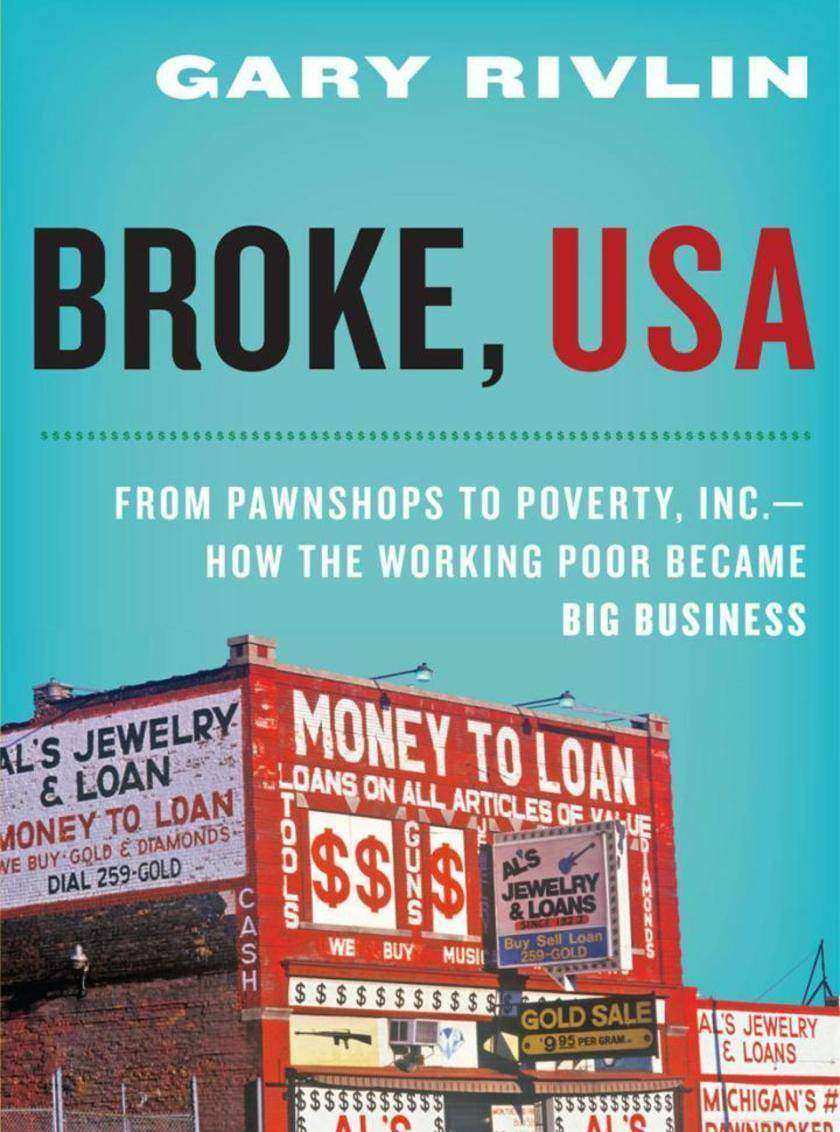
For most people, the Great Crash of 2008 has meant troubling times. Not so for those in the flourishing poverty industry, for whom the economic woes spell an opportunity to expand and grow. These mercenary entrepreneurs have taken advantage of an era of deregulation to devise high-priced products to sell to the credit-hungry working poor, including the instant tax refund and the payday loan. In the process they've created an industry larger than the casino business and have proved that pawnbrokers and check cashers, if they dream big enough, can grow very rich off those with thin wallets.Broke, USA is Gary Rivlin's riveting report from the economic fringes. From the annual meeting of the national check cashers association in Las Vegas to a tour of the foreclosure-riddled neighborhoods of Dayton, Ohio, here is a subprime Fast Food Nation featuring an unforgettable cast of characters and memorable scenes. Rivlin profiles players like a former small-town Tennessee debt collector whose business offering cash advances to the working poor has earned him a net worth in the hundreds of millions, and legendary Wall Street dealmaker Sandy Weill, who rode a subprime loan business into control of the nation's largest bank. Rivlin parallels their stories with the tale of those committed souls fighting back against the major corporations, chain franchises, and newly hatched enterprises that fleece the country's hardworking waitresses, warehouse workers, and mall clerks.Timely, shocking, and powerful, Broke, USA offers a much-needed look at why our country is in a financial mess and gives a voice to the millions of ordinary Americans left devastated in the wake of the economic collapse.
You're Hired
¥129.07
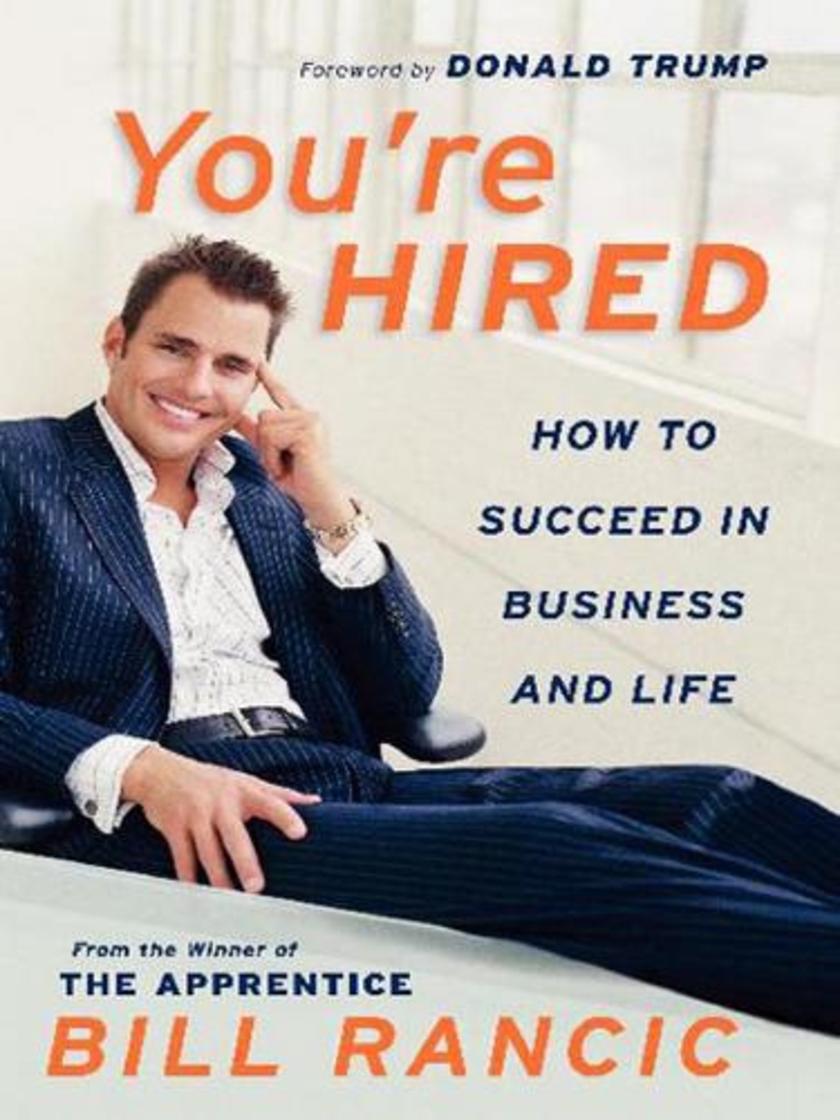
*Author will be named after the final show is aired in Australia*The winner of the hit TV show, The Apprentice, shows how anyone can become their own personal success in both business and life, using his or her own experiences as a self-made entrepreneur,his or her work ethic, top business strategies, and lessons learned competing on the show, working for Donald Trump and winning the most talked about reality shows in years.Foreword by Donald Trump.

The Great Hangover
¥99.65
Vanity Fair presents 21 true stories of the new hard times Where did all the billions goCommissioned by the editors at Vanity Fair magazine, The Great Hangover is an eye-opening collection of essays on the global economic crisis by fifteen of the most respected contemporary business writers in America, including:Bryan Burrough (Barbarians at the Gate) on the atmosphere of uncertainty and fear that preceded the demise of Bear Stearns . . . Michael Lewis (Liar's Poker) on Iceland's bizarre national implosion . . . Mark Bowden (Black Hawk Down) on the decline of The New York Times and the threat to the ailing newspaper industry . . . Mark Seal on the defining figure of the seriously tarnished New Gilded Age: the Grand Master of Greed, Bernie Madoff . . . Along with compelling and sometimes hair-raising pieces from a dozen other Vanity Fair contributors on the recent recession's myriad villains and victims and the worldwide impact of the financial downturn.
The IBM Way
¥61.76
IBM is one of the greatest sales and marketing organizations ever assembled. Established over seventy years ago, it now employs 400,000 people and generates $50 billion a year in revenue. Yet it operates more like a cottage industry than a huge multinational organization.How does IBM do itThat's what even the most successful companies want to know. Now Buck Rodgers, the man who has personified "the IBM way," describes for the first time the reasons behind its extraordinary achievements. He has not written a company history, or an expose, or a book on management theory. He has written a book about everything that makes IBM IBM, as only an insider could.

The E-Myth Contractor
¥95.39
With The E-Myth Contractor, Michael E. Gerber launches a series of books that apply the E-Myth to specific types of small businesses. The first is aimed at contractors.This book reveals a radical new mind-set that will free contractors from the tyranny of an unprofitable, unproductive routine. With specific tips on topics as crucial as planning, money and personnel management, The E-Myth Contractor teaches readers how to: Implement the ingenious turnkey system of management a means of creating a business prototype that reflects the business owner's unique set of talents and replicating and distributing them among employees and customers. Recognise and manage the four forms of money income, profit, flow and equity. Harness the power of change to expand the company. The book also provides help on a larger level, leading readers towards becoming business visionaries by relinquishing tactical work and embracing strategic work, by letting go to gain control. Once put into action, Gerber's revolutionary ideas promise not only to help contractors build successful businesses, but successful lives as well.

When Generations Collide
¥94.10
If your workplace feels like a battle zone and colleagues sometimes act like adversaries, you ore not alone. Today four generations glare at one another across the conference table, and the potential for conflict and confusion has never been greater. Traditionalist employees with their "heads down, onward and upward" attitude live out a work ethic shaped during the Great Depression. Eighty million Baby Boomers vacillate between their overwhelming need to succeed and their growing desire to slow down and enjoy life. Generation Xers try to prove themselves constantly yet dislike the image of being overly ambitious, disrespectful, and irreverent. Millennials, new to the workforce, mix savvy with social conscience and promise to further change the business landscape. This insightful book provides hands-on methods to close the generation gaps. With effective tools to recruit, retain, motivate, and manage each generation, you can now create teamwork, not war, in today's highperformance workplace . . . where at any age, productivity is what counts.


