


 购物车
购物车 个人中心
个人中心
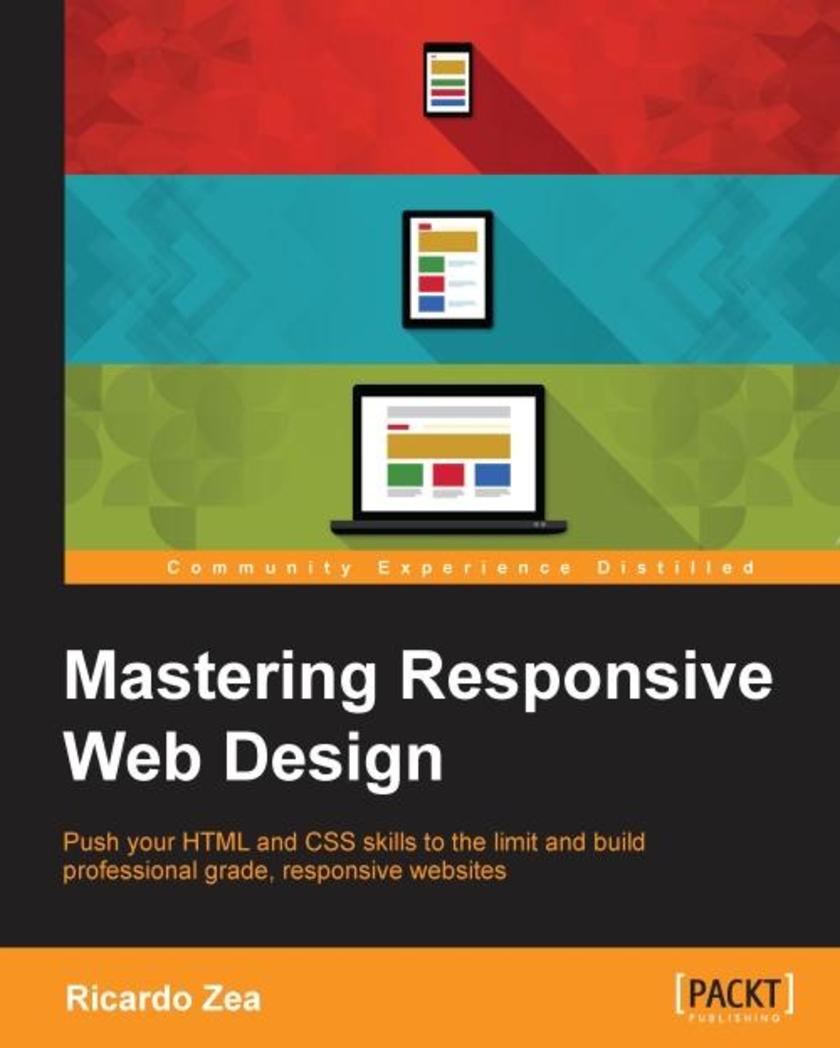
Mastering Responsive Web Design with HTML5 and CSS3
¥90.46
If you already know some HTML and CSS and understand the principles of responsive web design, this book is for you. There's something here for you to learn regardless of whether you're a web designer or web developer, or whether you're a seasoned expert web professional.
Java EE 7 Development with WildFly
¥90.46
If you are a Java developer who wants to learn about Java EE, this is the book for you. It's also ideal for developers who already have experience with the Java EE platform but would like to learn more about the new Java EE 7 features by analyzing fully functional sample applications using the new application server WildFly.
PHP Oracle Web Development
¥90.46
Through numerous examples, this book shows you how to build simple and efficient PHP applications on top of Oracle, efficiently distributing data processing between the Web/PHP server and Oracle Database server. Although this book covers only the most popular and up-to-date topic areas on the use of PHP in conjunction with Oracle, the author does not make any assumption about the skill level of the reader. Packed with information in an easy-to-read format, the book is ideal for any PHP developer who deals with Oracle.
Visual SourceSafe 2005 Software Configuration Management in Practice
¥90.46
After introducing the fundamental principles of SCM and the benefits of using SCM to manage the software development lifecycle this book uses a real-world case-study project to build a Service-Oriented Application named Orbital Hotel. You will learn the team cooperation features in Visual SourceSafe with the help of John and Mary, two fictional team members assigned to implement various project components. You can visit Orbital Hotel online and you can download its source code. The appendices deal with SourceSafe administration tasks: database creation and management, how to secure the database and how to assign users and user rights, how to manage projects and project settings, and how to customize SourceSafe to best suit your development style. This book is for .NET developers, testers and configuration managers who: Use Visual Studio .NET 2005 for building software Want to use software configuration to manage their products in day-to-day activities Want to improve their efficiency by learning to use the best practices with SourceSafe Want to install, manage, and configure Visual SourceSafe 2005 for optimal operation. The book does not assume previous knowledge of Software Configuration Management or Visual SourceSafe. It takes the reader from the ground up and is a great resource for people starting to learn about this subject. Readers with previous SourceSafe experience will benefit by discovering the improved and new features in Visual SourceSafe 2005.
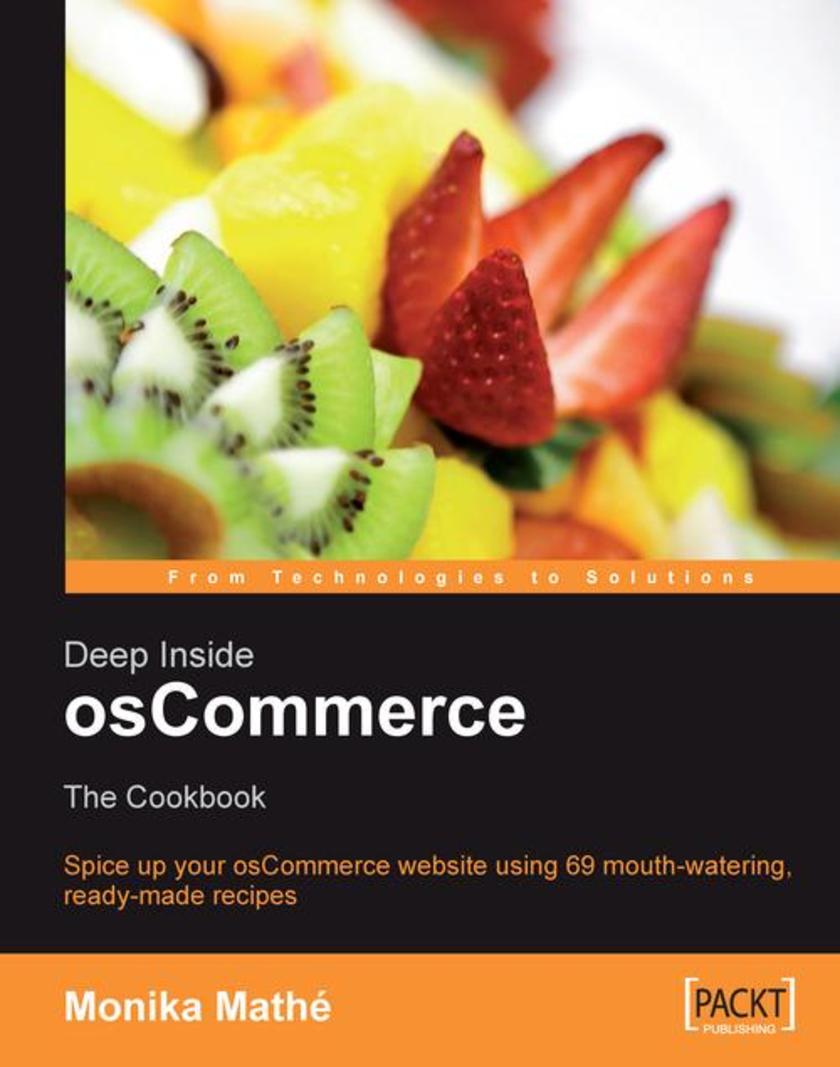
Deep Inside osCommerce: The Cookbook
¥90.46
This book is aimed at people with existing online stores, built using osCommerce. The book follows a systematic approach whereby users can modify and extend features on their already existing osCommerce site. Each chapter deals with a different aspect , and provides ready-made recipes for modifying code to your requirements. The author starts by explaining basic changes one can make to the design of your store, and then covers features like navigation, images, shipping and payment modules, and even explains how to make changes on the administrator?s side and keeping your own recipes private. This book is for people who are already familiar with osCommerce. It presumes a working knowledge of PHP and HTML, as well as basic understanding of phpMyAdmin for database inserts.
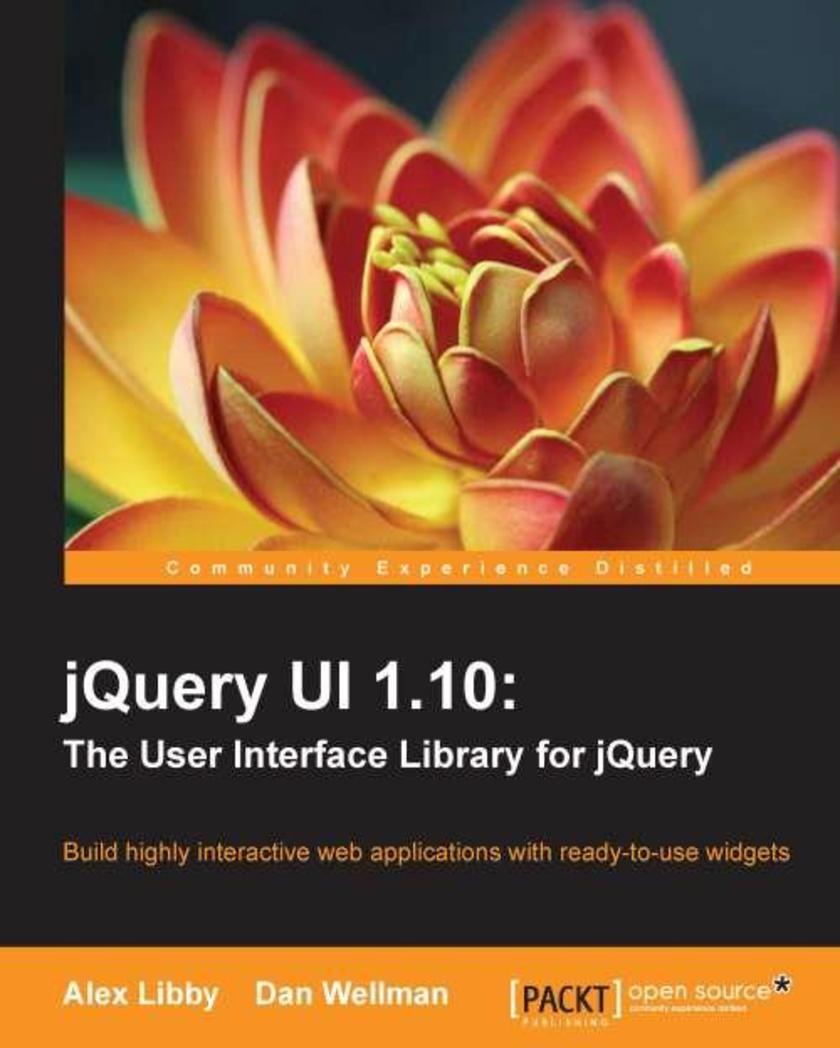
jQuery UI 1.10: The User Interface Library for jQuery
¥90.46
This book consists of an easy-to-follow, example-based approach that leads you step-by-step through the implementation and customization of each library component.This book is for frontend designers and developers who need to learn how to use jQuery UI quickly. To get the most out of this book, you should have a good working knowledge of HTML, CSS, and JavaScript, and should ideally be comfortable using jQuery.
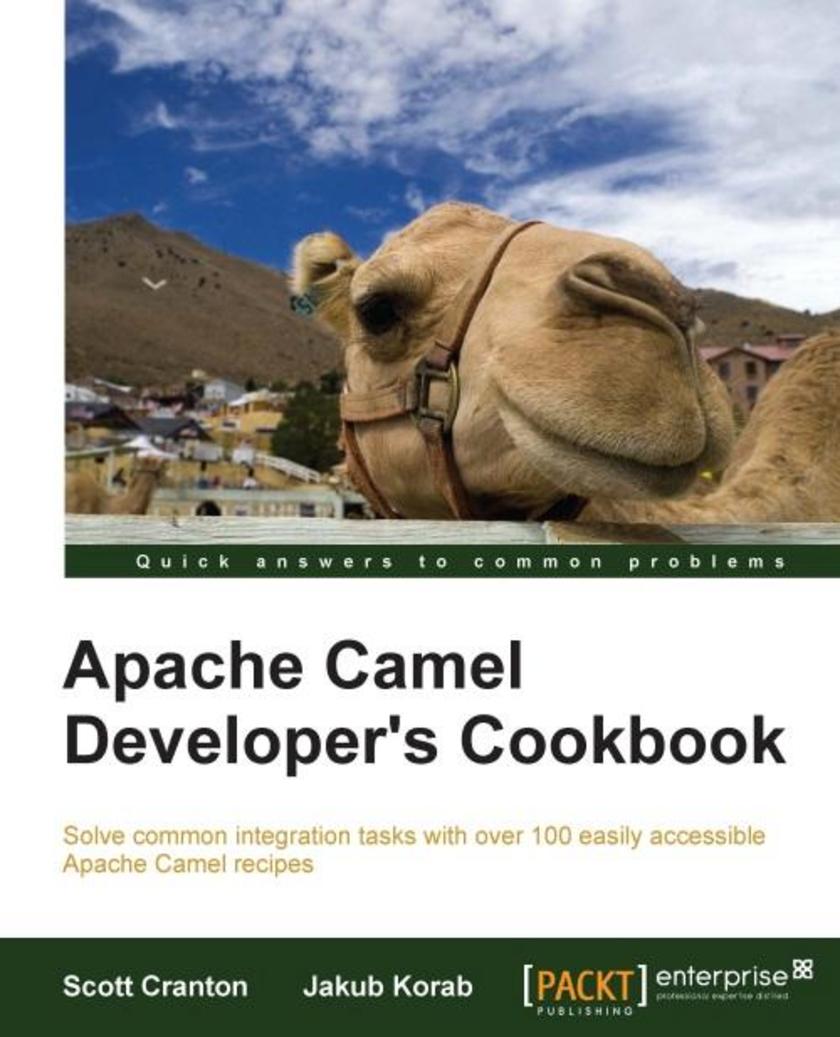
Apache Camel Developer's Cookbook
¥90.46
This book is written in a Cookbook style with short recipes showing developers how to effectively implement EIP without breaking everything in the process. It is concise and to the point, and it helps developers get their data flowing between different components without the need to read through page upon page of theory, while also enabling the reader to learn how to create exciting new projects.Camel Enterprise Integration Cookbook is intended for developers who have some familiarity with Apache Camel and who want a quick lookup reference to practical, proven tips on how to perform common tasks. Every recipe also includes a summary and reference pointers for more details that make it easy for you to get a deeper understanding of the Apache Camel capabilities that you will use day to day.
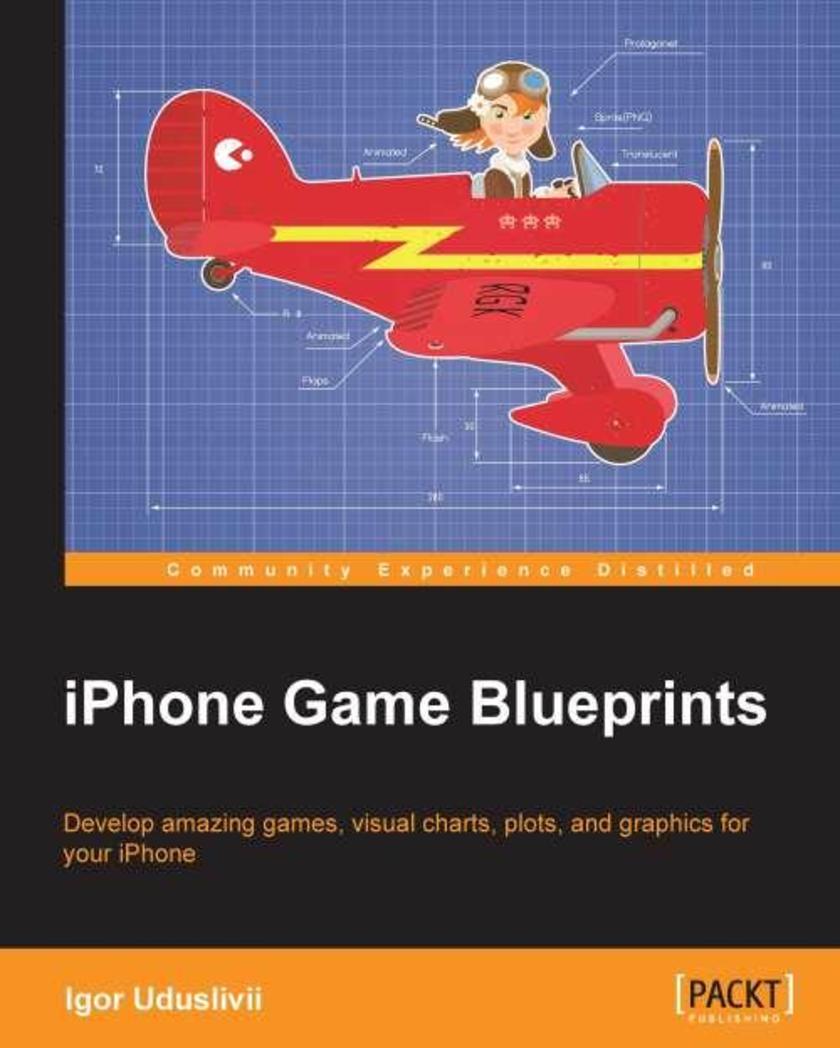
iPhone Game Blueprints
¥90.46
iPhone Game Blueprints is a practical, hands-on guide with step-by-step instructions leading you through a number of different projects, providing you with the essentials for creating your own iPhone games.This book is for graphic designers, developers, illustrators, and simple enthusiasts, who dream about the creation of mobile games or who have already worked in that domain, but need some additional inspiration and knowledge. This book can be considered as an illustrated handbook, worth having in your game development studio. It can work as a “paper art-director” for your project.
SAP HANA Cookbook
¥90.46
An easy-to-understand guide, covering topics using practical scenarios and live examples, and answering all possible questions.If you are a solution architect, developer, modeler, sales leader, business transformation managers, directors, COO, or CIO; this book is perfect for you. If you are interested in other technologies and want to jump-start into SAP, this book gives you the chance to learn SAP HANA. Basic knowledge of RDBMS concepts enough is to get you started.
Network Analysis using Wireshark Cookbook
¥90.46
Network analysis using Wireshark Cookbook contains more than 100 practical recipes for analyzing your network and troubleshooting problems in the network. This book provides you with simple and practical recipes on how to solve networking problems with a step-by-step approach.This book is aimed at research and development professionals, engineering and technical support, and IT and communications managers who are using Wireshark for network analysis and troubleshooting. This book requires a basic understanding of networking concepts, but does not require specific and detailed technical knowledge of protocols or vendor implementations.
Enterprise Application Development with ExtJS and Spring
¥90.46
An easy-to-follow tutorial, that breaks down the enterprise application development journey into easy to understand phases documented by clear examples and concise explanations.If you are an intermediate developer with a good understanding of Java, JavaScript and web development concepts, this book is ideal for you. Basic ExtJS development experience, including an understanding of the framework APIs is needed by those of you who are interested in this book. Regardless of your experience and background, the practical examples provided in this book are written in a way that thoroughly covers each concept before moving on to the next chapter.
Mastering Node.js
¥90.46
This book contains an extensive set of practical examples and an easy-to-follow approach to creating 3D objects.This book is great for anyone who already knows JavaScript and who wants to start creating 3D graphics that run in any browser. You don’t need to know anything about advanced math or WebGL; all that is needed is a general knowledge of JavaScript and HTML. The required materials and examples can be freely downloaded and all tools used in this book are open source.
GeoServer Cookbook
¥90.46
This book is ideal for GIS experts, developers, and system administrators who have had a first glance at GeoServer and who are eager to explore all its features in order to configure professional map servers. Basic knowledge of GIS and GeoServer is required.
Hyper-V Network Virtualization Cookbook
¥90.46
If you are a virtualization architect, engineer, or administrator who wants to leverage Hyper-V to create virtual networks (virtual data centers), this is the book for you. Prior knowledge of Hyper-V or a similar solution and a good understanding of the end goals of creating a virtual network is required.
LibGDX Cross platform Development Cookbook
¥90.46
If you want to make cross-platform games without the hassle and dangers of writing platform-specific code, or If you are a game programmer who may have some experience with Java and you want to learn everything you need to know about Libgdx to produce awesome work, this is the book for you. To take full advantage of the recipes in this book, you are expected to be familiar with java with good game programming knowledge.
Splunk Operational Intelligence Cookbook
¥90.46
This book is intended for users of all levels who are looking to leverage the Splunk Enterprise platform as a valuable operational intelligence tool. The recipes provided in this book will appeal to individuals from all facets of a business – IT, Security, Product, Marketing, and many more!
VMware Horizon View 6 Desktop Virtualization Cookbook
¥90.46
If you want a more detailed explanation concerning the implementation of several different core features of VMware Horizon View, this is the book for you. Whether you are new to VMware Horizon View or an existing user, this book will provide you with the knowledge you need to successfully deploy several core features and get introduced to the latest features of version 6.0 as well.

Microsoft SharePoint 2010 Developer's Compendium
¥90.46
“Microsoft SharePoint 2010 Developer’s Compendium: The Best of Packt for Extending SharePoint” takes a less discussion, more value approach to helping you learn all that you can about extending SharePoint. A medley of a total of five Packt books, each chapter has its own unique style so that you can learn not only from content written in a step by step tutorial style, but also from handbook and cookbook chapters. If you are a developer who would like to enhance your knowledge of SharePoint development to create sites with great user experience, don’t miss “Microsoft SharePoint 2010 Developer’s Compendium: The Best of Packt for Extending SharePoint”. You should already be comfortable with general SharePoint development practices, though prior experience with PowerShell, Visual Studio, Silverlight and Windows 7 Phone is not a necessity.
Axure RP 6 Prototyping Essentials
¥90.46
Axure RP 6 Prototyping Essentials is a detailed, practical primer on the leading rapid prototyping tool. Short on jargon and high on concepts, real-life scenarios and step-by-step guidance through hands-on examples, this book will show you how to integrate Axure into your UX workflow. This book is written for UX practitioners, business analysts, product managers, and anyone else who is involved in UX projects. The book assumes that you have no or very little familiarity with Axure. It will help you if you are evaluating the tool for an upcoming project or are required to quickly get up to speed in a project you just joined. The book assumes some familiarity with the principles of the User Centred Design methodology.
Linux Shell Scripting Essentials
¥90.46
Learn shell *ing to solve complex shell-related problems and to efficiently automate your day-to-day tasks About This Book Familiarize yourself with the terminal by learning about powerful shell features Automate tasks by writing shell *s for repetitive work Packed with easy-to-follow, hands-on examples to help you write any type of shell * with confidence Who This Book Is For This book is aimed at administrators and those who have a basic knowledge of shell *ing and who want to learn how to get the most out of writing shell *s. What You Will Learn Write effective shell *s easily Perform search operations and manipulate large text data with a single shell command Modularize reusable shell *s by creating shell libraries Redirect input, output, and errors of a command or * execution to other streams Debug code with different shell debugging techniques to make your *s bug-free Manage processes, along with the environment variables needed to execute them properly Execute and embed other languages in your *s Manage creation, deletion, and search operations in files In Detail Shell *ing is a quick method to prototype complex applications or problems. Shell *s are a collection of commands to automate tasks, usually those for which the user has a repeated need, when working on Linux-based systems. Using simple commands or a combination of them in a shell can solve complex problems easily. This book starts with the basics, including essential commands that can be executed on Linux systems to perform tasks within a few nanoseconds. You’ll learn to use outputs from commands and transform them to show the data you require. Discover how to write shell *s easily, execute * files, debug, and handle errors. Next, you’ll explore environment variables in shell programming and learn how to customize them and add a new environment. Finally, the book walks you through processes and how these interact with your shell *s, along with how to use *s to automate tasks and how to embed other languages and execute them. Style and approach This book is a pragmatic guide to writing efficient shell programs, complete with hands-on examples and tips.
Web Penetration Testing with Kali Linux - Second Edition
¥90.46
Build your defense against web attacks with Kali Linux 2.0 About This Book Gain a deep understanding of the flaws in web applications and exploit them in a practical manner Get hands-on web application hacking experience with a range of tools in Kali Linux 2.0 Develop the practical skills required to master multiple tools in the Kali Linux 2.0 toolkit Who This Book Is For If you are already working as a network penetration tester and want to expand your knowledge of web application hacking, then this book tailored for you. Those who are interested in learning more about the Kali Sana tools that are used to test web applications will find this book a thoroughly useful and interesting guide. What You Will Learn Set up your lab with Kali Linux 2.0 Identify the difference between hacking a web application and network hacking Understand the different techniques used to identify the flavor of web applications Expose vulnerabilities present in web servers and their applications using server-side attacks Use SQL and cross-site *ing (XSS) attacks Check for XSS flaws using the burp suite proxy Find out about the mitigation techniques used to negate the effects of the Injection and Blind SQL attacks In Detail Kali Linux 2.0 is the new generation of the industry-leading BackTrack Linux penetration testing and security auditing Linux distribution. It contains several hundred tools aimed at various information security tasks such as penetration testing, forensics, and reverse engineering. At the beginning of the book, you will be introduced to the concepts of hacking and penetration testing and will get to know about the tools used in Kali Linux 2.0 that relate to web application hacking. Then, you will gain a deep understanding of SQL and command injection flaws and ways to exploit the flaws. Moving on, you will get to know more about *ing and input validation flaws, AJAX, and the security issues related to AJAX. At the end of the book, you will use an automated technique called fuzzing to be able to identify flaws in a web application. Finally, you will understand the web application vulnerabilities and the ways in which they can be exploited using the tools in Kali Linux 2.0. Style and approach This step-by-step guide covers each topic with detailed practical examples. Every concept is explained with the help of illustrations using the tools available in Kali Linux 2.0.


