


 购物车
购物车 个人中心
个人中心
Measure for Measure/ Maass fur Maass: Bilingual edition
¥8.09
Bilingual, English and German. Shakespeare comedy in English with line numbers and translated to German. According to Wikipedia: "Measure for Measure is a play by William Shakespeare, believed to have been written in 1603 or 1604. It was (and continues to be) classified as comedy, but its mood defies those expectations. As a result and for a variety of reasons, some critics have labelled it as one of Shakespeare's problem plays. Originally published in the First Folio of 1623 (where it was first labelled as a comedy), the play's first recorded performance was in 1604. The play deals with the issues of mercy, justice, and truth and their relationship to pride and humility: "Some rise by sin, and some by virtue fall". Zweisprachig, Englisch und Deutsch. Shakespeare-Kom?die in Englisch mit Zeilennummern und ins Deutsche übersetzt. Laut Wikipedia ist "Measure for Measure" ein Stück von William Shakespeare, das 1603 oder 1604 geschrieben wurde. Es wurde (und wird weiterhin) als Kom?die klassifiziert, aber seine Stimmung widersetzt sich diesen Erwartungen Eine Vielzahl von Gründen wurde von einigen Kritikern als eines von Shakespeares Problemspielen bezeichnet.Erst im First Folio von 1623 ver?ffentlicht (wo es zuerst als Kom?die bezeichnet wurde), war die erste Aufnahme des Stücks 1604. Das Stück handelt von den Themen von Barmherzigkeit, Gerechtigkeit und Wahrheit und ihrer Beziehung zu Stolz und Demut: "Einige erheben sich aus Sünde, und manche fallen durch Tugend".
Tom Sawyer Abroad
¥8.09
Sequel to the Adventures of Tom Sawyer. Short novel. According to Wikipedia: "Samuel Langhorne Clemens (November 30, 1835 - April 21, 1910), better known by the pen name Mark Twain, was a humorist, satirist, lecturer and writer from the United States of America. Twain is most noted for his novels Adventures of Huckleberry Finn, which has since been called the Great American Novel, and The Adventures of Tom Sawyer. He is also known for his quotations. During his lifetime, Twain became a friend to presidents, artists, leading industrialists and European royalty. Twain enjoyed immense public popularity, and his keen wit and incisive satire earned him praise from both critics and peers. American author William Faulkner called Twain 'the father of American literature.'"
Le Vicomte de Bragelonne
¥8.09
Suite des Trois Mousquetaires, en fran?ais original. Selon Wikipédia: "Alexandre Dumas, père (fran?ais pour" père ", apparenté à" Senior "en anglais), né Dumas Davy de la Pailleterie (24 juillet 1802 - 5 décembre 1870) était un écrivain fran?ais, mieux connu pour ses nombreux romans historiques de grande aventure qui ont fait de lui l'un des auteurs fran?ais les plus lus au monde, dont plusieurs de ses romans, dont Le Comte de Monte-Cristo, Les Trois Mousquetaires et Le Vicomte de Bragelonne, écrit des pièces de thé?tre et des articles de magazines et était un correspondant prolifique. "
Vingt Ans Apres
¥8.09
Suite des Trois Mousquetaires, en fran?ais original. Selon Wikipédia: "Alexandre Dumas, père (fran?ais pour" père ", apparenté à" Senior "en anglais), né Dumas Davy de la Pailleterie (24 juillet 1802 - 5 décembre 1870) était un écrivain fran?ais, mieux connu pour ses nombreux romans historiques de grande aventure qui ont fait de lui l'un des auteurs fran?ais les plus lus au monde, dont plusieurs de ses romans, dont Le Comte de Monte-Cristo, Les Trois Mousquetaires et Le Vicomte de Bragelonne, écrit des pièces de thé?tre et des articles de magazines et était un correspondant prolifique. "
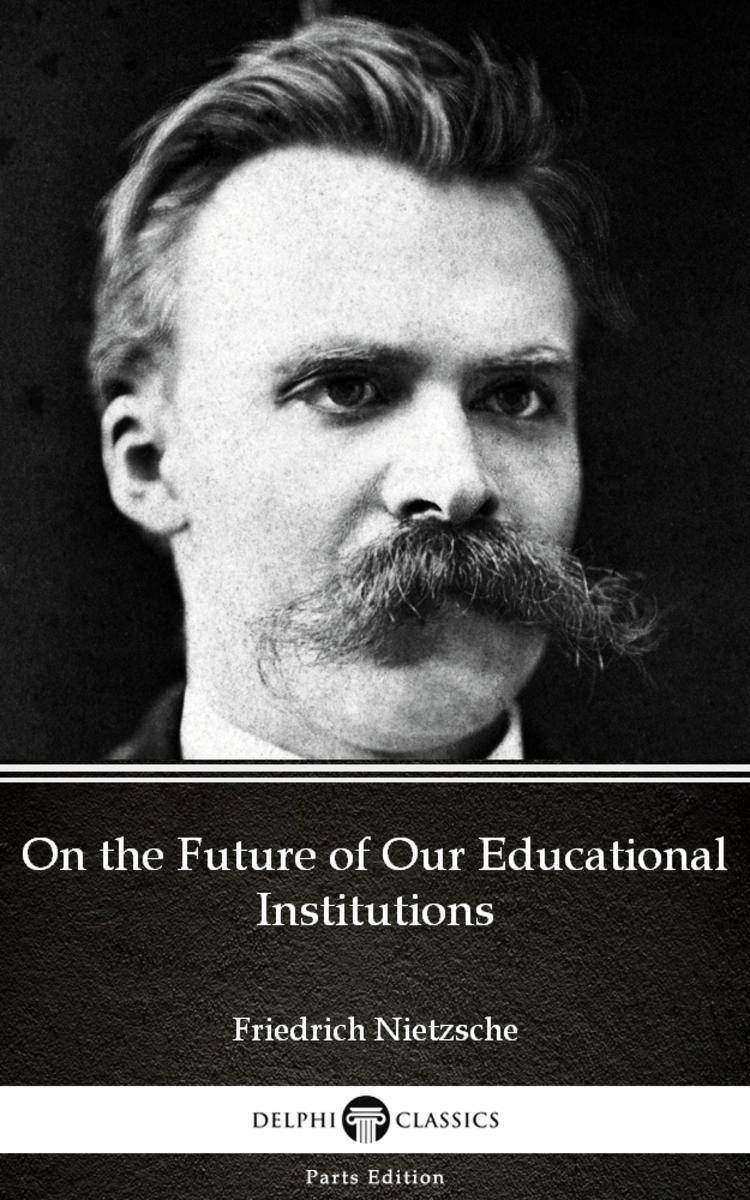
On the Future of Our Educational Institutions by Friedrich Nietzsche - Delphi Cl
¥8.09
This eBook features the unabridged text of ‘On the Future of Our Educational Institutions by Friedrich Nietzsche - Delphi Classics (Illustrated)’ from the bestselling edition of ‘The Complete Works of Friedrich Nietzsche’. Having established their name as the leading publisher of classic literature and art, Delphi Classics produce publications that are individually crafted with superior formatting, while introducing many rare texts for the first time in digital print. The Delphi Classics edition of Nietzsche includes original annotations and illustrations relating to the life and works of the author, as well as individual tables of contents, allowing you to navigate eBooks quickly and easily. eBook features: * The complete unabridged text of ‘On the Future of Our Educational Institutions by Friedrich Nietzsche - Delphi Classics (Illustrated)’ * Beautifully illustrated with images related to Nietzsche’s works * Individual contents table, allowing easy navigation around the eBook * Excellent formatting of the text Please visit www.delphiclassics.com to learn more about our wide range of titles
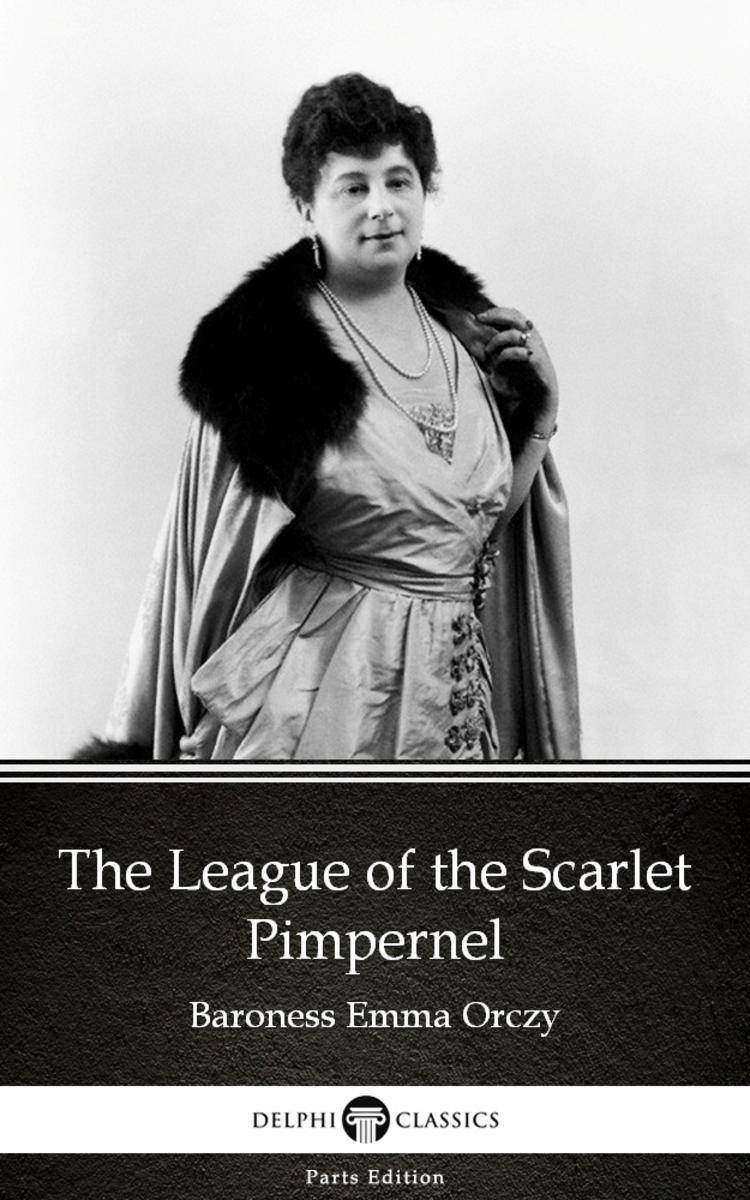
The League of the Scarlet Pimpernel by Baroness Emma Orczy - Delphi Classics (Il
¥8.09
This eBook features the unabridged text of ‘The League of the Scarlet Pimpernel by Baroness Emma Orczy - Delphi Classics (Illustrated)’ from the bestselling edition of ‘The Collected Works of Baroness Emma Orczy’. Having established their name as the leading publisher of classic literature and art, Delphi Classics produce publications that are individually crafted with superior formatting, while introducing many rare texts for the first time in digital print. The Delphi Classics edition of Orczy includes original annotations and illustrations relating to the life and works of the author, as well as individual tables of contents, allowing you to navigate eBooks quickly and easily. eBook features: * The complete unabridged text of ‘The League of the Scarlet Pimpernel by Baroness Emma Orczy - Delphi Classics (Illustrated)’ * Beautifully illustrated with images related to Orczy’s works * Individual contents table, allowing easy navigation around the eBook * Excellent formatting of the textPlease visit www.delphiclassics.com to learn more about our wide range of titles
Fort Amity
¥8.09
Dodo Collections brings you another classic from Arthur Quiller-Couch ‘Fort Amity. Fort Amity was published in 1904. Quiller-Couch was a noted literary critic, publishing editions of some of Shakespeare's plays (in the New Shakespeare, published by Cambridge University Press, with Dover Wilson) and several critical works, including Studies in Literature (1918) and On the Art of Reading (1920). He edited a successor to his verse anthology: Oxford Book of English Prose, which was published in 1923. He left his autobiography, Memories and Opinions, unfinished; it was nevertheless published in 1945.
Dead Man's Rock
¥8.09
Dodo Collections brings you another classic from Arthur Quiller-Couch ‘Dead Man's Rock.’ "Dead Man's Rock" was Q's first published novel. The genesis came from a curious bit of family lore, in which his great grandfather Richard had a key hanging from a beam, with instructions that no one should take it down till he returned. Richard was lost at sea during a war, and the key was never touched. What might it have unlocked? Hence the inspiration for the story. A family in poverty, great wealth to be unlocked by a key, two parties vying for it, and a curse on the treasure the key could unlock. Quiller-Couch was a noted literary critic, publishing editions of some of Shakespeare's plays (in the New Shakespeare, published by Cambridge University Press, with Dover Wilson) and several critical works, including Studies in Literature (1918) and On the Art of Reading (1920). He edited a successor to his verse anthology: Oxford Book of English Prose, which was published in 1923. He left his autobiography, Memories and Opinions, unfinished; it was nevertheless published in 1945.
The Mystery Of The Hasty Arrow
¥8.09
A young woman is killed by an arrow in the middle of the museum. An older woman seems to be in shock and huddles next to the girl. Mr. Gryce is an old man now, but he is still sharp of mind. He and his detectives slowly unravel the mystery of who could've have killed the girl and why. It involves a lot of thinking and chasing and interviews. Lots of twists and turns.
The Orange-Yellow Diamond
¥8.09
When an elderly pawnbroker is murdered in the London parish of Paddington, a young, down on his luck writer is accused of the crime. But then it's found the pawnbroker had had in his possession an extraordinary South African diamond worth over eighty-thousand pounds -- a diamond that's now missing. It falls to Melky Rubenstein to unravel the mystery and prove the young man's innocence. But what is the significance of the Spanish manuscript? What part do the Chinese medical students play? And what about the mysterious Mr. Mori Yada? Find the answers in The Orange-Yellow Diamond!
After Dark
¥8.09
After Dark is Wilkie Collins's first collection of six short stories, published in 1856. The book is a series of tales supposed to be told to poor travelling portrait-painter, William Kerby, who is forced to abandon his profession for six months in order to save his sight. ? Collins provides a narrative framework, which tells us how the painter came to think of publishing the stories, (Kerby’s wife Leah realizes that if she acts as amanuensis William can support them by turning author), how they were collected (from the people who ‘sat’ for him to have their portraits painted) and descriptions of the circumstances under which the tales were told. The tales are stories of adventure, well varied, and often striking in the incidents, or with thrilling situations; and are as pleasant reading as a novel reader could desire. ? The six stories contained in the book are: The Traveller's Story of A Terribly Strange Bed The Lawyer's Story of A Stolen Letter The French Governess's Story of Sister Rose The Angler's Story of The Lady of Glenwith Grange The Nun's Story of Gabriel's Marriage The Professor's Story of The Yellow Mask ? ? This idea for the book may have been prompted by a period of eye-trouble suffered by Collins's father, William Collins, an English landscape and genre painter. In the preface to After Dark, Collins also acknowledges the painter W. S. Herrick as his source for the facts on which 'A Terribly Strange Bed' and 'The Yellow Mask' are based
Confessions of a Young Man
¥8.09
This unique edition of Confessions of a Young Man from Dead Dodo Vintage includes the full original text as well as exclusive features not available in other editions.
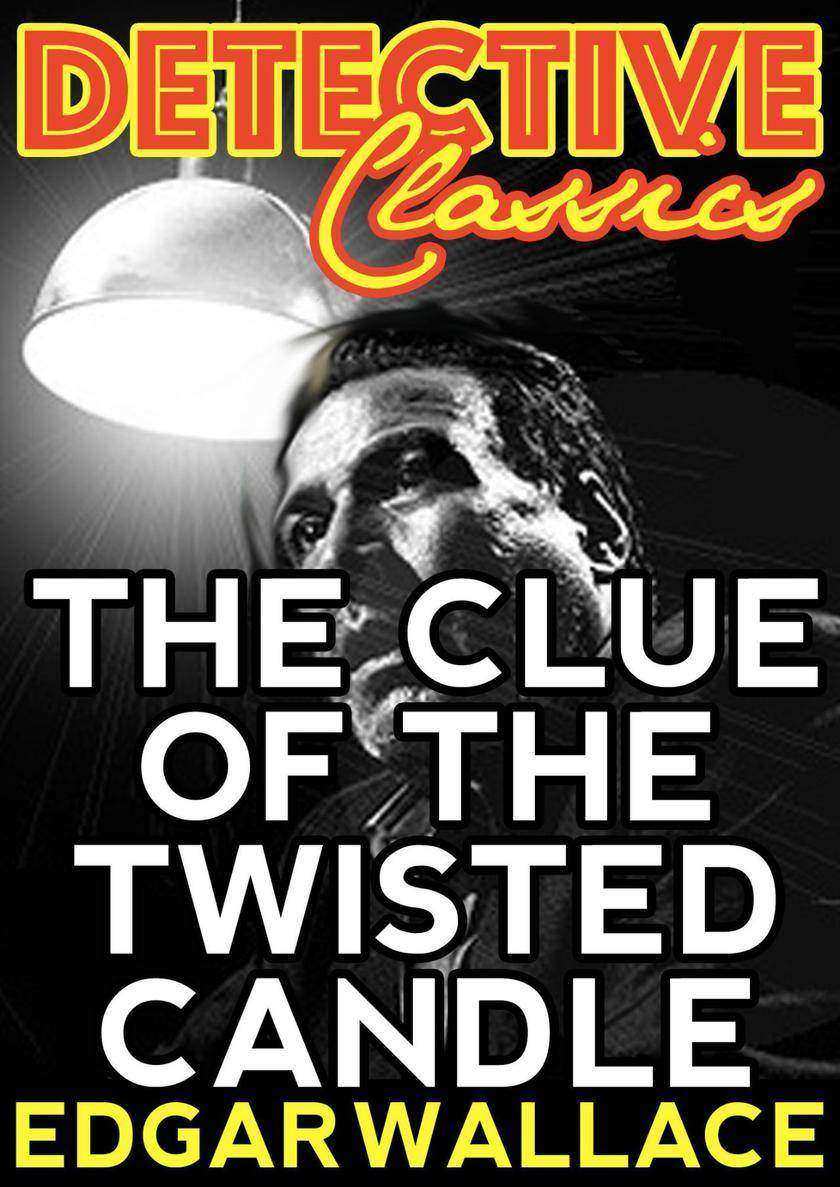
The Clue Of The Twisted Candle
¥8.09
Detective Classics presents you The Clue of the Twisted Candle in a fantastic ebook edition. ? The Urbane T.X. is back in this locked-room mystery by British master storyteller Edgar Wallace. ? The renown mystery writer John Lexman is charged with murder and sent to prison. His friend T.X. Meredith, employed by Scotland Yard, tries to prove his innocence. ? A good "room locked from the inside" who and how dunnit. It has everything - mystery, adventure, a villain, love, a new romance, revenge, a gentleman detective, a one armed man, small handguns and long knives galore and of course cellars and locked rooms.
Great Expectations
¥8.09
This unique edition of Great Expectations from Dead Dodo Vintage includes the full original text as well as exclusive features not available in other editions.
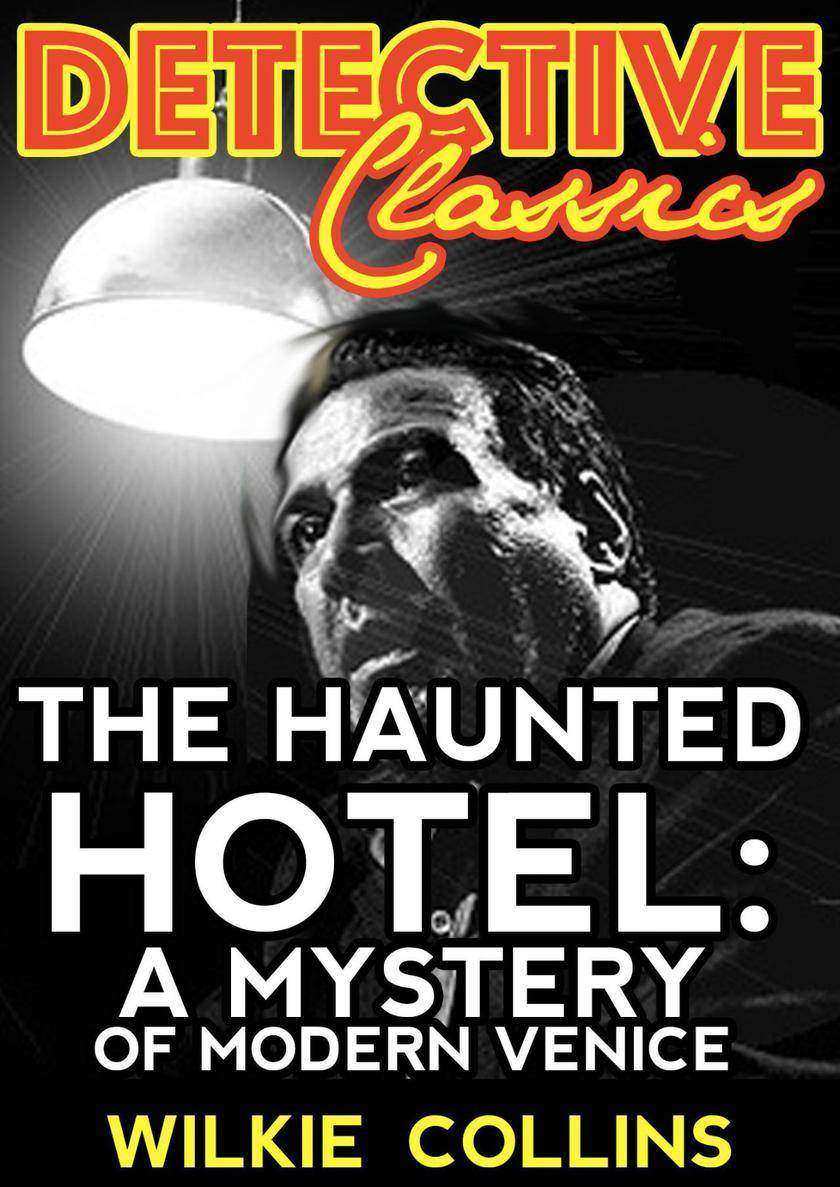
The Haunted Hotel:A Mystery Of Modern Venice
¥8.09
Detective Classics presents you The Haunted Hotel: A Mystery of Modern Venice in a fantastic ebook edition. ? Lord Montbarry breaks off his engagement to Agnes Lockwood to marry the Countess Narona.? The couple end a continental tour in Venice where they live reclusively in a large, decaying palace.? They are accompanied by Baron Rivar, brother of the Countess, and by Ferrari, their courier. ? Agnes learns from Montbarry's brother, Henry Westwick, that Mountbarry, whose life was insured for ?10,000 in favour of his wife, has died of bronchitis.? The courier has disappeared without trace although Ferrari's wife receives an anonymous note containing ?1,000.? The insurance companies carefully investigate but find no evidence that Mountbarry died other than by natural causes. ? The palace is refurbished as a fashionable hotel, and the Westwick family arrange to meet there.? Without realising that they are sleeping in the room where Montbarry died, three of his family separately experience insomnia, nightmares or nauseous smells.? Agnes awakes in the night to see a disembodied head descending from the ceiling.? A real head is discovered the next day decomposing in a secret compartment in the room above.? Henry finds a set of gold false teeth which are later confirmed as Montbarry's by his dentist. ? The Countess has also come to Venice, compelled by Destiny.? She writes a ghost story in the form of a play which is in effect a confession of Montbarry's murder by herself and the Baron.? Ferrari, dying of bronchitis, had agreed to assume the identity of Montbarry to perpetrate an insurance fraud in exchange for the ?1,000 sent to his wife.? Montbarry's body was disposed of by acid but the head hidden in the secret compartment.? Agnes and Henry return to England and are married privately.? They never discuss details of the confession.

The Schoolmaster And Other Stories
¥8.09
Anton Chekhov (1860-1904) was a master of the short story. The son of a former serf in southern Russia, he attended Moscow University to study medicine, writing short stories for periodicals in order to support his family. What began as a necessity became a legitimate career in 1886 when he was asked to write in St. Petersburg for the Novoye Vremya (New Times), owned by millionaire magnate Alexey Suvorin. Chekhov began paying more attention to his writing, revising and developing his own principles and conceptions of truth, for a time coming under the influence of Leo Tolstoy. As a result of his widespread popularity, Chekhov amassed a vast collection of short stories displaying an early use of stream-of-consciousness writing, as well as his powerful ideas concerning the individual, the tedium of life, and the beauty nature and humanity. This edition contains many stories, including "Enemies," "In the Dark," "A Mystery," "Joy," "A Peculiar Man," "The Album," "Overdoing It," "In the Graveyard," and "In a Strange Land."
Short Stories of Various Types
¥8.09
You will find that the stories in this collection are of different types with settings that take you in imagination all over our own country and into foreign lands. Try writing a story with a surprise ending like "The Gift of the Magi," a character story with the theme of unselfish love, and its setting in a big city. Again, "John G," the story of adventure with an animal for the hero, might suggest to you an adventuresome incident in your own experience. If you have a vivid imagination, it might be interesting to write a fanciful story like "Feathertop." All of you have heard of true and thrilling incidents of the recent Great War. Try to weave one into a good war story as did Daudet or Mrs. Andrews. Almost every young person loves nature or the open country. After you have read Mr. Garland's, "The Camping Trip," see how well you can tell a story of your own experience in the out-of-doors. Or, best of all, see if you can equal the great Conan Doyle in a detective story.
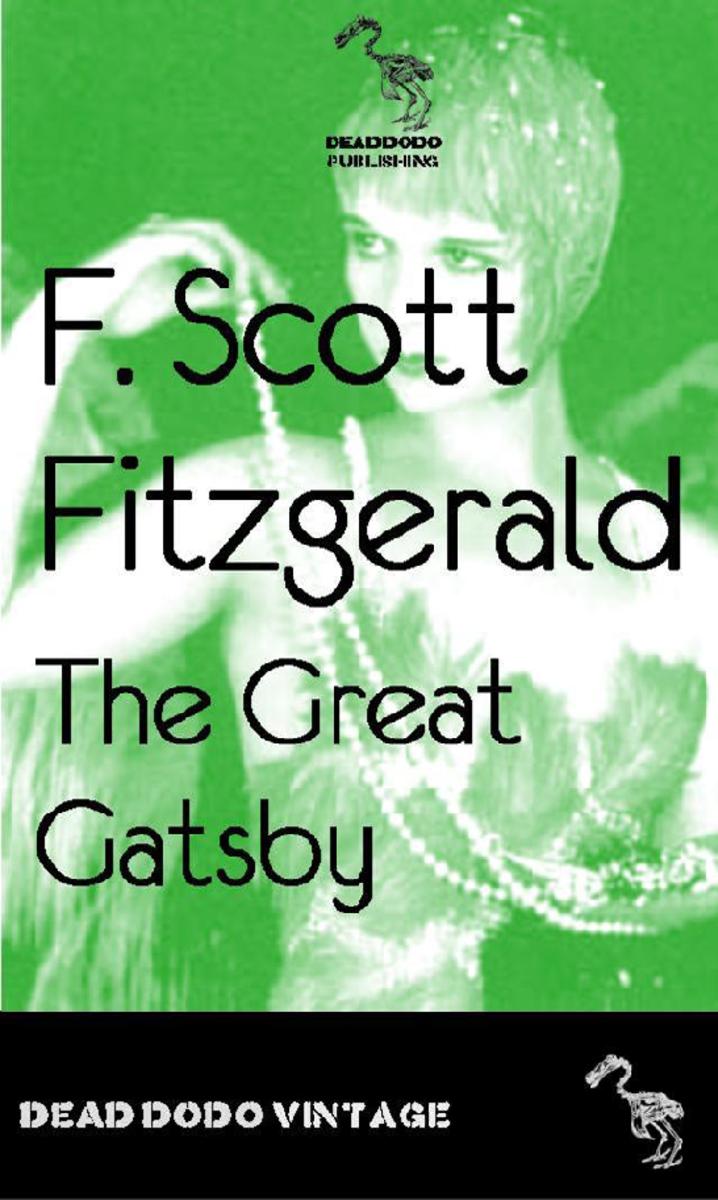
The Great Gatsby
¥8.09
This unique edition of The Great Gatsby from Dead Dodo Vintage includes the full original text as well as exclusive features not available in other editions. The Great Gatsby is a 1925 novel written by American author F. Scott Fitzgerald that follows a cast of characters living in the fictional town of West Egg on prosperous Long Island in the summer of 1922. The story primarily concerns the young and mysterious millionaire Jay Gatsby and his quixotic passion for the beautiful Daisy Buchanan. Considered to be Fitzgerald's magnum opus, The Great Gatsby explores themes of decadence, idealism, resistance to change, social upheaval, and excess, creating a portrait of the Jazz Age that has been described as a cautionary tale regarding the American Dream. Fitzgerald, inspired by the parties he had attended while visiting Long Island's north shore, began planning the novel in 1923 desiring to produce, in his words, "something newsomething extraordinary and beautiful and simple and intricately patterned." Progress was slow with Fitzgerald completing his first draft following a move to the French Riviera in 1924. His editor, Maxwell Perkins, felt the book was too vague and convinced the author to revise over the next winter. Fitzgerald was ambivalent about the book's title, at various times wishing to re-title the novel Trimalchio in West Egg. First published by Scribner's in April 1925, The Great Gatsby received mixed reviews and sold poorly; in its first year, the book only sold 20,000 copies. Fitzgerald died in 1940, believing himself to be a failure and his work forgotten. His work, spearheaded by The Great Gatsby, experienced a revival during World War II, and the novel became a part of American high school curricula in the following decades. The book has remained popular since, leading to numerous stage and film adaptations. The Great Gatsby is widely considered to be a literary classic and a contender for the title "Great American Novel". The book is consistently ranked among the greatest works of American literature.
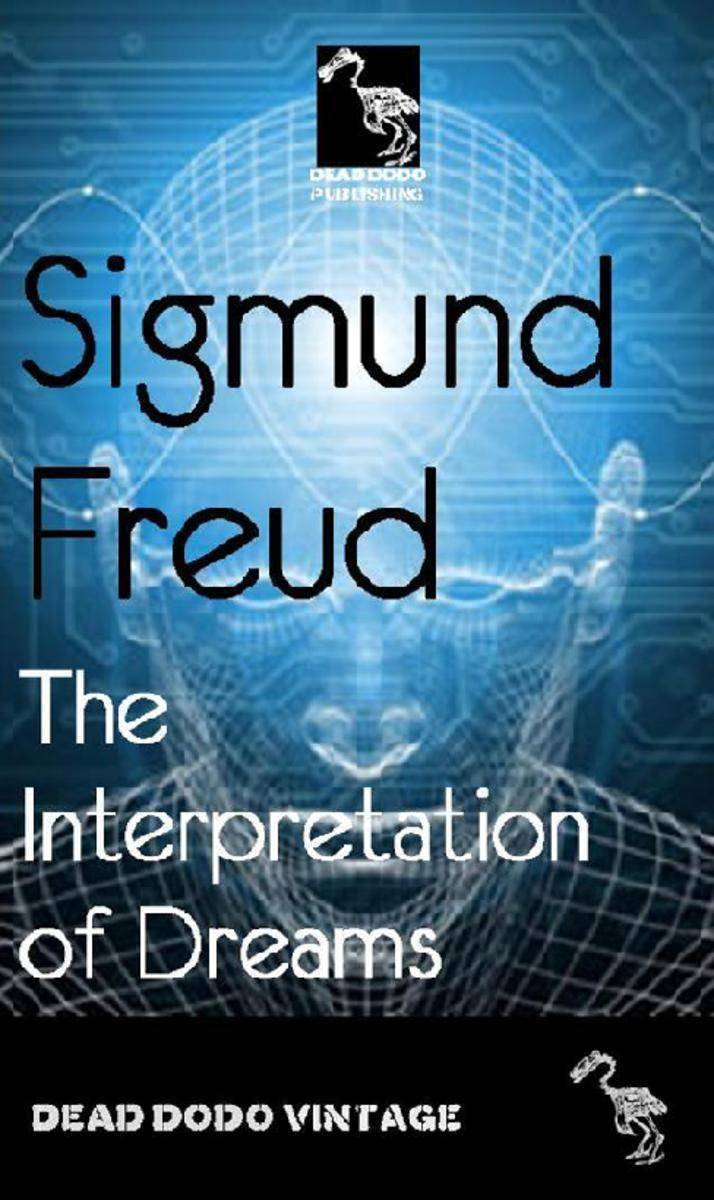
The Interpretation of Dreams
¥8.09
This unique edition of The Interpretation of Dreams from Dead Dodo Vintage includes the full original text as well as exclusive features not available in other editions.
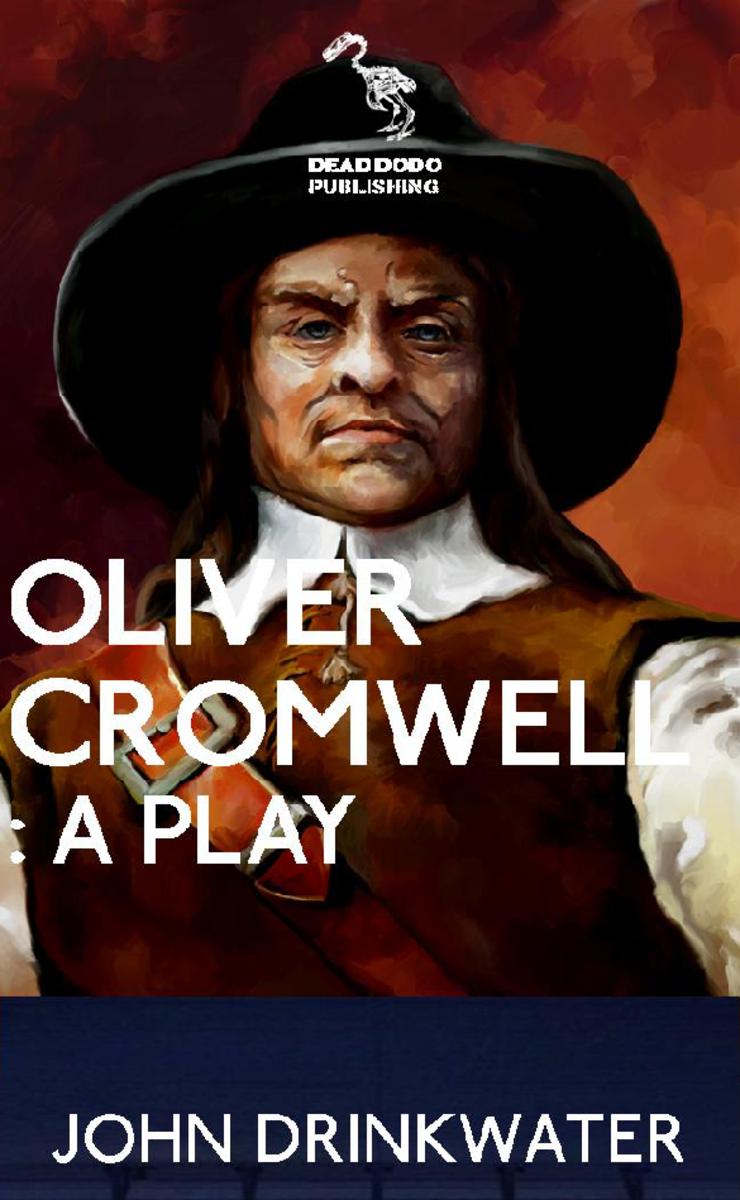
Oliver Cromwell: A Play
¥8.09
This unique edition of Oliver Cromwell: A Play from Dead Dodo Vintage includes the full original text as well as exclusive features not available in other editions.
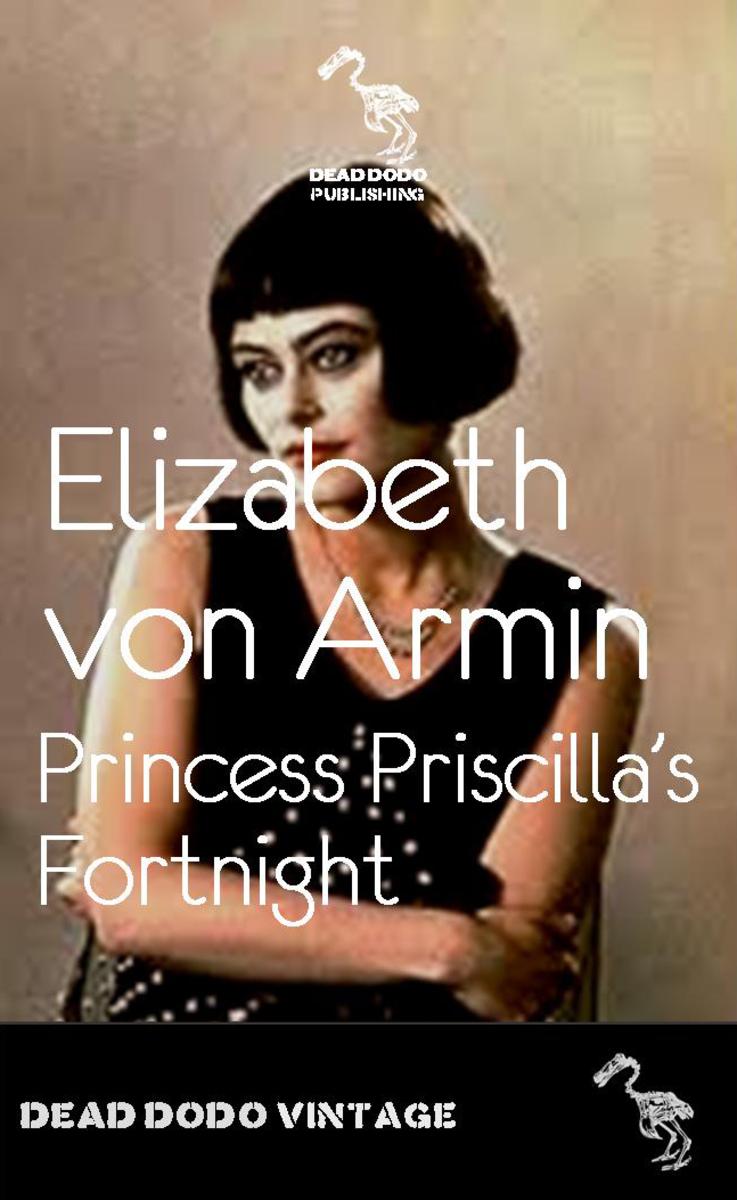
Princess Priscilla's Fortnight
¥8.09
This unique edition of Princess Priscilla's Fortnight from Dead Dodo Vintage includes the full original text as well as exclusive features not available in other editions.


