


 购物车
购物车 个人中心
个人中心

A Family At Last (Mills & Boon M&B)
¥9.71
Can Izzy’s dreams of finding peace with her beautiful baby girl and new man Diego really come true? Especially when family troubles threaten to tear them apart… St Pirans: Part 1 - The Secret Son Part 2 - The Big Move Part 3 - Too Much At Stake Part 4 - The Wedding Part 5 - Pregnant Cinderella Part 6 - Just Friends? Part 7 - Baby Emergency Part 8 - Staying the Night Part 9 - A Family At Last Stay tuned for more in the St Pirans series!

A Wife in Wyoming (Mills & Boon American Romance) (The Marshall Brothers, Book 1
¥31.10
RANCH RESCUE Ford Marshall returns to Wyoming temporarily to help his brothers run the Circle M. He's looking forward to some hard work, but also peace and quiet–until Caroline Donnelly hijacks his ranch for her program to help troubled teens. Now he's got unruly kids to deal with, a thousand chores and a growing attraction to Caroline that he isn't sure he wants to deny. But Ford has nothing to offer a hometown girl. He has to return to his job in the city at some point soon–his brothers depend on that outside income to keep the ranch afloat. So why can't Ford get the idea of a Wyoming wife, and coming home for good, off his mind?
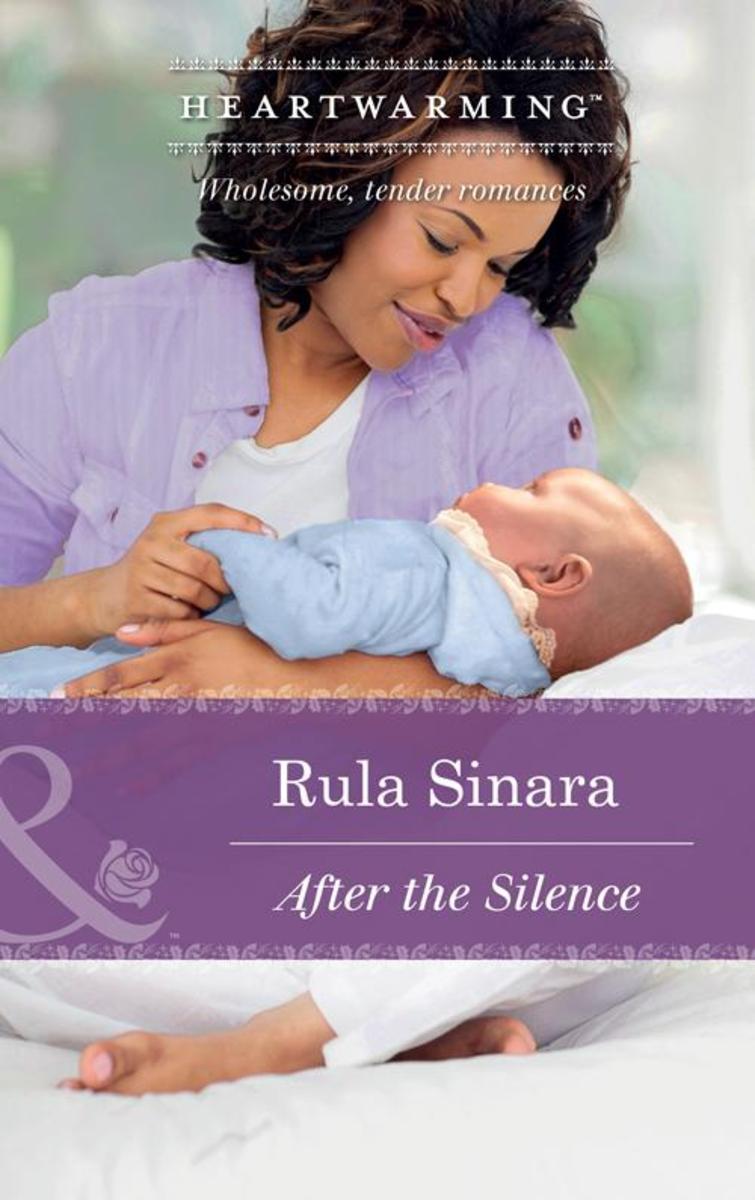
After the Silence (Mills & Boon Heartwarming)
¥31.10
Does following her passion mean losing her way? Marine Ben Corallis is an expert at facing death, but nothing comes close to the terror that grounds him when his wife is killed in a car accident the day he returns from duty. He's left to raise an infant, a toddler and a ten-year-old girl who hasn't uttered a word since her mother's death. It's hard not to care for the widowed marine with three young children. Yet he's still grieving, too burdened with guilt to fall in love again. And Hope Alwanga's future as a doctor awaits her on the other side of the world, in Nairobi. If two such opposites can't agree on a common country, how can they ever create a safe place to call home?
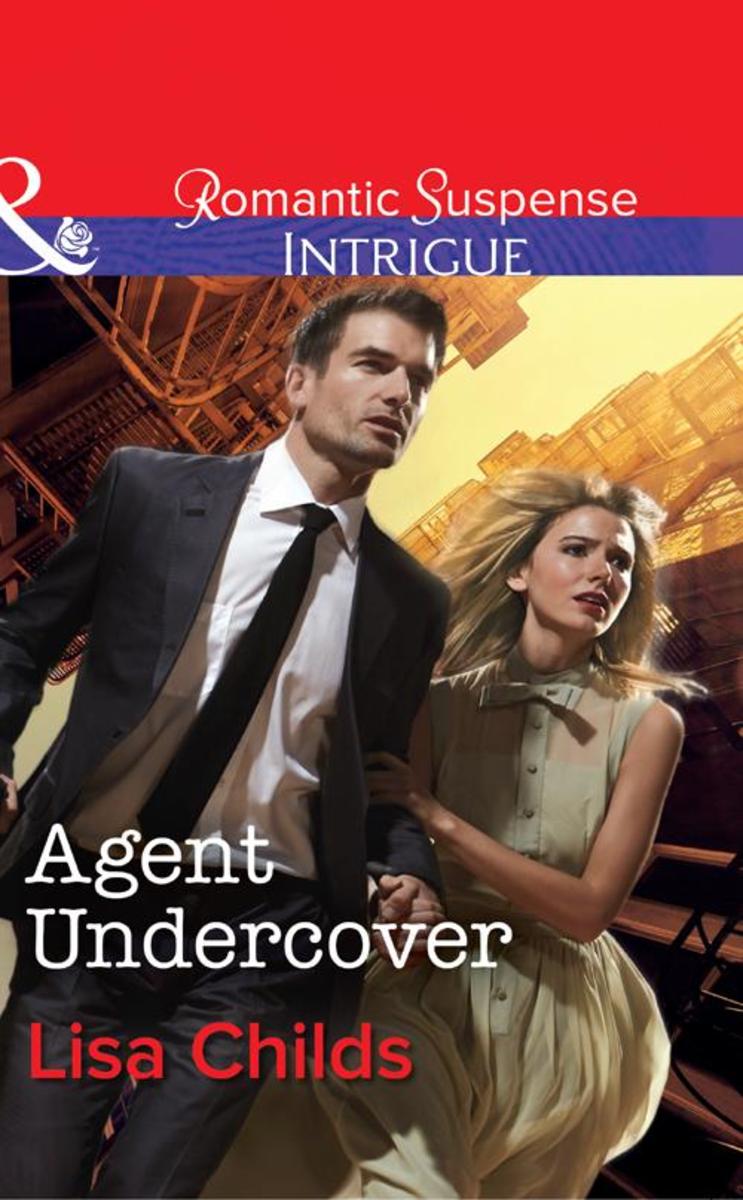
Agent Undercover (Mills & Boon Intrigue) (Special Agents at the Altar, Book 2)
¥31.10
She’s wanted by unknown assailants, the government…and the man sworn to protect her. A man like FBI Special Agent Ash Stryker would never be caught dead at a speed-dating event. But that’s where he tracks down Claire Molenski, a computer programmer suspected of selling government information. When he rescues her from a botched kidnapping, he realizes not only that she’s innocent, but also the only way to protect her is to pose as her boyfriend. Claire knows that their relationship is a ruse. Once the case is closed, she’ll never see Ash again, and that scares her almost as much as the abduction attempts. But the way he acts towards her makes her wonder just how much of an act their relationship really is. And if she'll be able to survive long enough to find out.
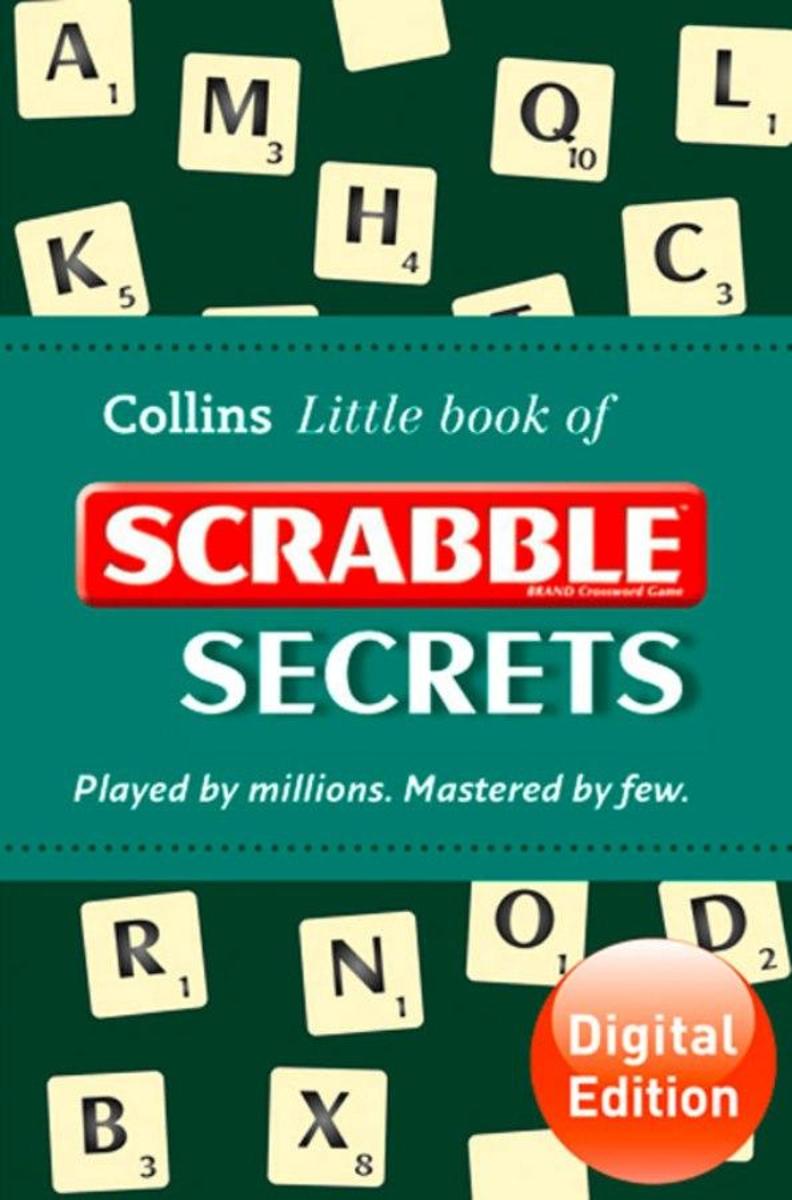
Scrabble Secrets (Collins Little Books)
¥44.05
Inside this little book lie the secrets of Britain’s only ever Scrabble World Champion.
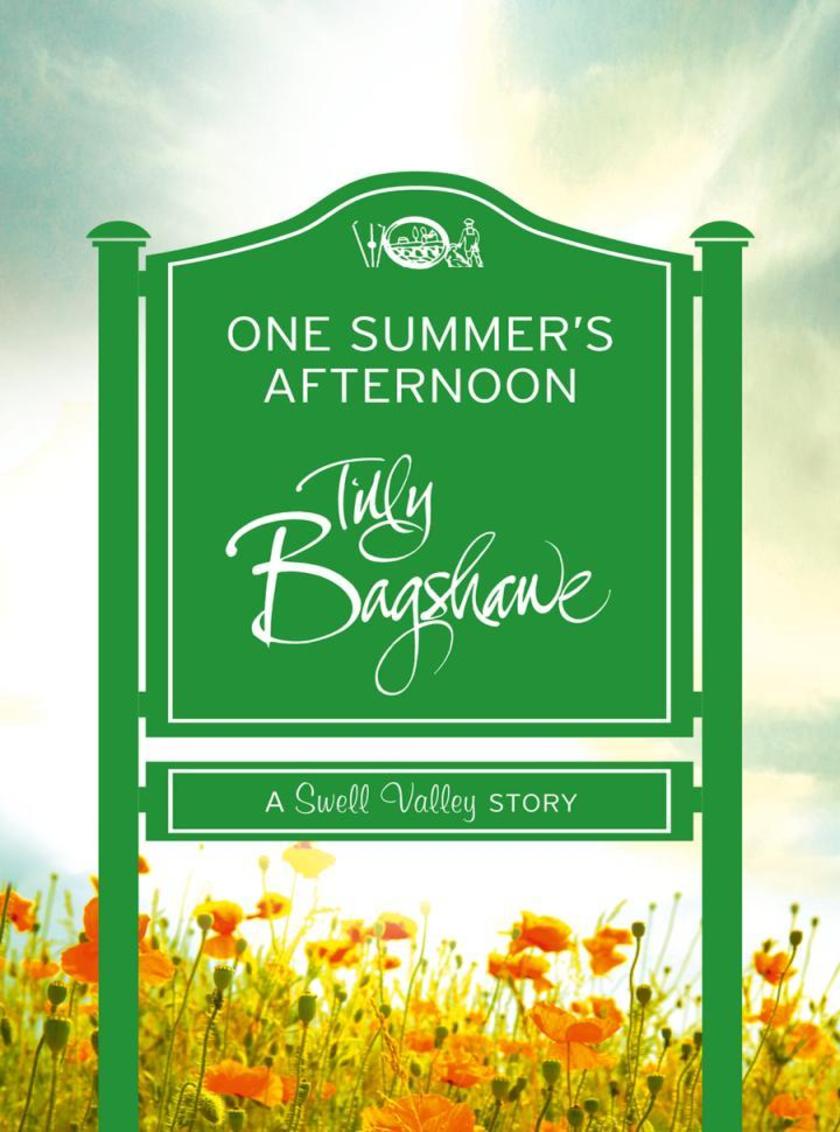
One Summer’s Afternoon:A perfect summer treat!
¥34.14
This is no ordinary cricket match. This is the Swell Valley One Day Match… More exclusive than the Buckingham Palace Summer Garden Party, and more star-studded than Cartier Polo, the annual Fittlescombe vs Brockhurst cricket match is older than the Ashes, and every bit as hotly contested. The Fittlescombe team have their hopes pinned on local boy Will Nuttley, but 24 year-old Will has his heart set on winning back the love of his life, Emma Harwich. As the champagne goes on ice and the sandwiches are being cut, little do the Swell Valley residents know that Emma has got wind of Brockhurst’s newly arrived ‘secret weapon’, the Argentine heartthrob Santiago de la Cruz. She’s intent on sleeping with the enemy, and it’s throwing Will into a spin…

The Steel Bonnets
¥114.48
From the author of the famous ‘Flashman Papers’ and the ‘Private McAuslan’ stories.
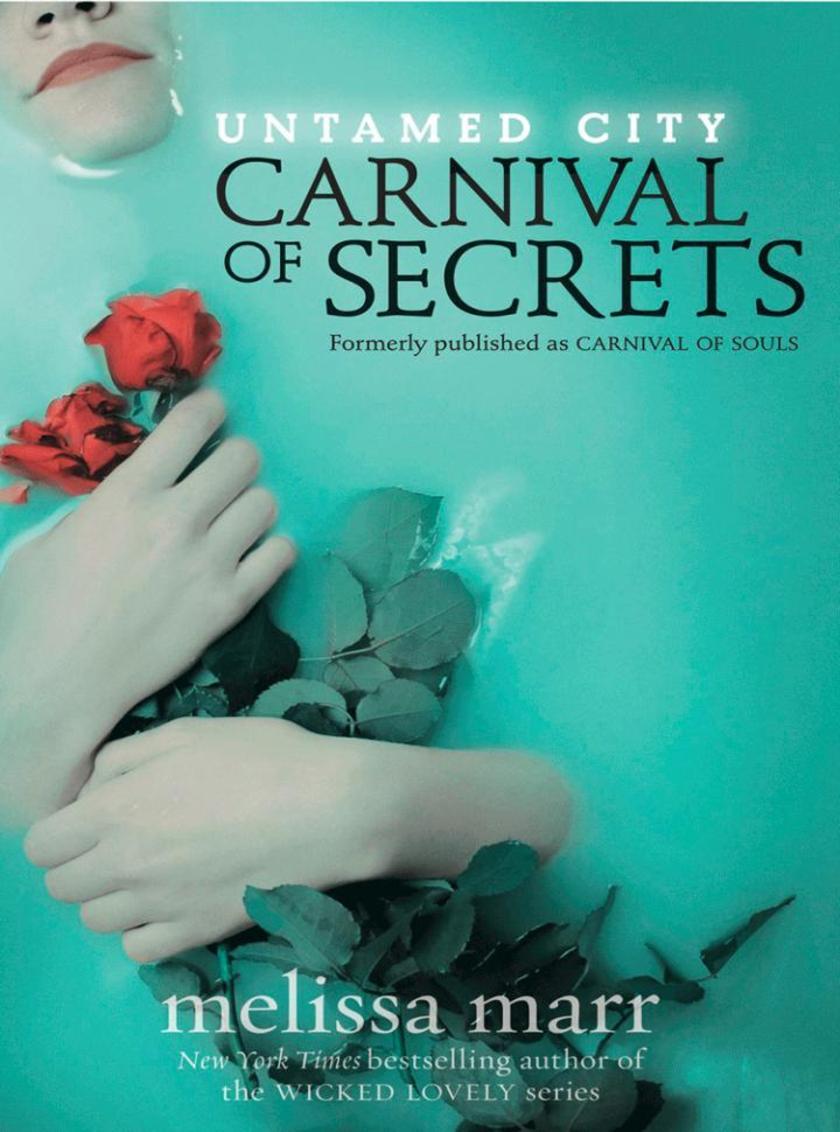
Untamed City:Carnival of Secrets
¥51.50
An extraordinary new world, from the New York Times bestselling author of the Wicked Lovely series. Warriors Kaleb and Aya will stop at nothing to destroy their competition. But when Kaleb finds his fate entwined with that of Mallory, a seventeen-year-old human girl, he can't seem to separate the vicious Carnival contest he's entered from his sudden devotion to her. He and Aya may be prize fighters from the otherworldly Untamed City, but his strange, obsessive connection makes staying away from the witch-ruled human world, and Mallory, harder every day. All Mallory knows of the Untamed City is what her elders have told her – that it's full of debauchery and daimons looking to destroy her. But she knows she's being pulled toward Kaleb with an emotion so fierce that it's utterly foreign. The two are forced apart by Mallory's overprotective witch father, stranded by necessity between warring populations that can't coexist. But when The City's ruler raises the stakes of the Carnival's prize, there's nothing Mallory, Kaleb, or Aya can do to stop the two worlds colliding. Mallory's about to discover her true identity – and stumble into a fate she'd die to avoid. Fans of The Hunger Games will devour this tale of lush secrets, dark love, and the struggle to forge one's own destiny from the bestselling author of Wicked Lovely, Melissa Marr.

Angel Rock
¥72.99
A beautiful, haunting, engrossing, terrifying, enchanting novel destined to win prizes and storm the bestseller lists. To read this book is a total immersion experience. Since it was first acquired in a hot auction, Darren Williams’ novel has attracted comparisons – Picnic at Hanging Rock, To Kill a Mockingbird, Stand By Me, to name but a few (and no coincidence that all three have been made into major movies, because Angel Rock is a feast for all the senses) – but it is also a completely unique and original novel. The setting is Australia, 1969. Two half-brothers get lost in the wild wooded countryside around the small town of Angel Rock. Only the eldest, 13-year-old Tom, finds his way home. At about the same time, a 16-year-old girl goes missing from the town and is found in Sydney. She has killed herself. The policeman who gets the case in the city follows the trail back to Angel Rock. In searching for a meaning in this tragic death, he is searching for nothing less than a meaning in his own troubled life. The tales of the policeman, Gibson, and the boy, Tom, converge in the mystical back-country of Angel Rock, in a story that is part coming-of-age, part detective thriller, of redemption both individual and communal, and altogether one story that you will never forget.

The Yips
¥66.22
The hilarious Man Booker-longlisted novel from the author of ‘Darkmans’ and ‘The Burley Cross Postbox Theft’. 2006 is a foreign country; they do things differently there. Tiger Woods' reputation is entirely untarnished and the English Defence League does not exist. But storm-clouds are gathering above the bar of Luton's less-than-exclusive Thistle Hotel. Among those caught up in the unfolding drama are a man who's survived cancer seven times, a woman priest with an unruly fringe, the troubled family of a notorious local fascist, an interfering barmaid with three E's at A-level but a PhD in bullshit, a free-thinking Muslim sex therapist and his considerably more pious wife. But at the heart of every intrigue and the bottom of every mystery is the repugnantly charismatic Stuart Ransom – a golfer in free-fall.
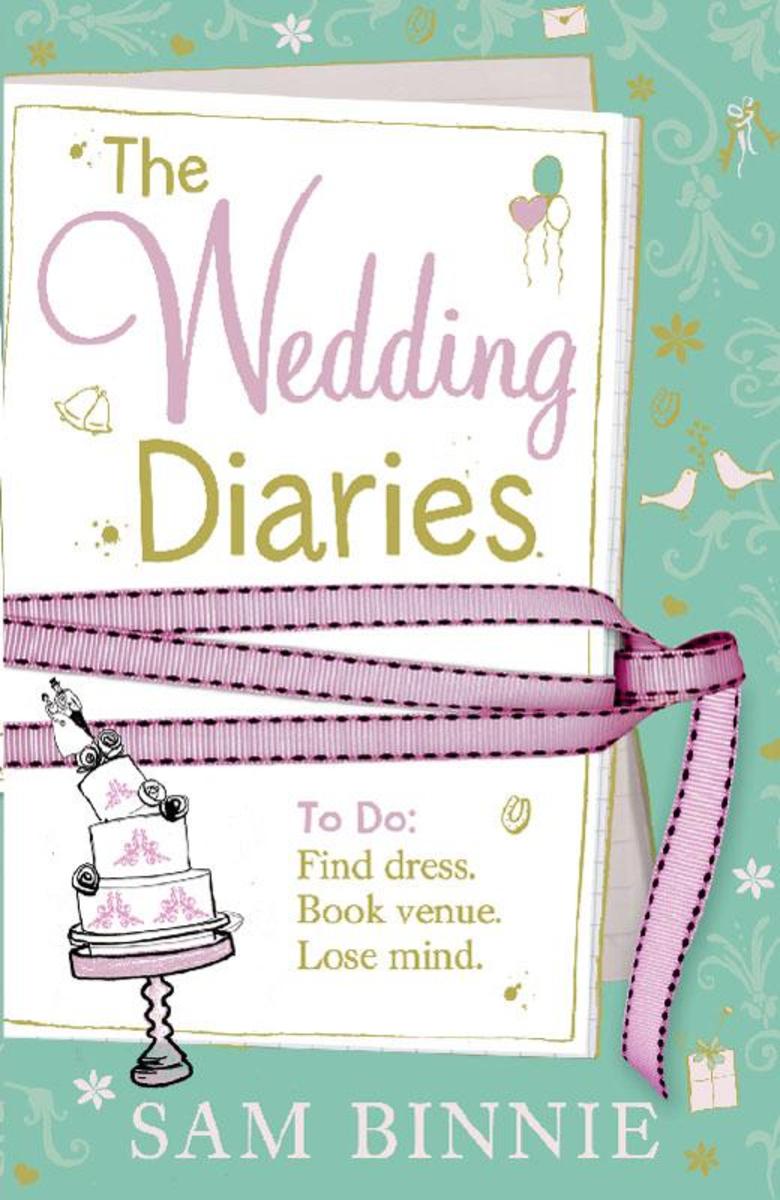
The Wedding Diaries
¥34.14
The first novel in an entertaining and hilarious new series introduces Kiki Carlow, a woman on a mission to create her perfect wedding. Kiki Carlow is shocked but delighted when boyfriend Thom proposes. Planning a wedding is easy, right? That’s as long as you ignore: 1. The utterly bankrupting price of the only dress you’ll ever truly love. 2. Your suddenly pregnant sister – surprise! 3. The celebrity wedding you’re covering for work which is devouring your every waking thought. 4. The Mother of the Bride. Entirely. Kiki soon discovers that planning the perfect wedding might just bring total chaos to the rest of her life. Can she stop being a Bridezilla in time to marry the man she loves? Heart-warming and hilarious, The Wedding Diaries will make you laugh, cry, and want to watch Bridesmaids all over again…

Piece of Mind (Emily the Strange)
¥72.59
Emily is not your average thirteen year-old girl. She wears the same black dress every day. She loves maths and science. Her best friends are four black cats and she's into old rock and punk music. Emily is anything but typical and so is this exciting new series of novels about her life. Emily the Strange is back for her fourth amazing and intriguing adventure. Her Strange To-Do List includes: 1. Lose (and regain) mind 2. Reprogramme golem 3. Locate secret book vault 4. Commune with Dead Dark Aunts 5. Rescue Cousin Jakey 6. Redecorate souvenir kiosk 7. Thwart Thought Thief 8. Endure hero worship 9. Grant ancestral enemy’s deepest wish 10. Save cat-napped kitty 11. Summon black rock 12. Defeat Shady Uncles 13. Guard family legacy & claim inheritance! Told in Emily’s established diary format, it features her strong, unique first-person narrative. The books are illustrated with black-and-red art representing Emily’s own sketches, doodles and archival photographs.

Invisible Girl
¥34.14
Gabriella Midwinter used to have a home. She wasn't invisible back then. . .For fans of Cathy Cassidy and Jacqueline Wilson, a stunning new novel from the author of Shine, Glitter, Sea Of Stars and A Million Angels. "What's strange is that the day it actually happened, everything seemed so normal." Caught between arguing parents and moving house, twelve-year-old Gabriella somehow slips through the cracks. Now she's more alone than ever before. The city streets are no place for young girls but they're all she's got. Unless she can find her brother Beckett. Unless she can find her home.
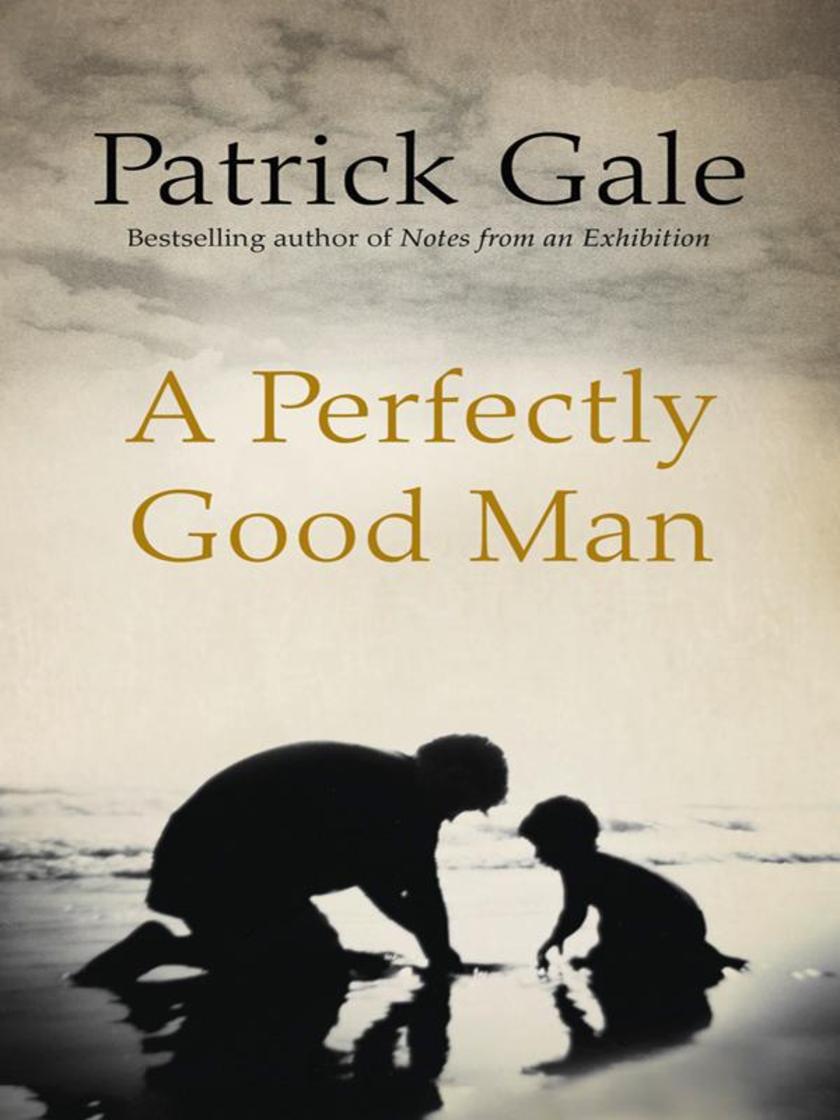
A Perfectly Good Man
¥37.57
The new novel from Patrick Gale, author of Richard & Judy-bestseller ‘Notes from an Exhibition’, returning readers to his beloved Cornish coastline. "Do you need me to pray for you now for a specific reason?” “I’m going to die.” “We’re all going to die. Does dying frighten you?” “I mean I’m going to kill myself.” When 20-year-old Lenny Barnes, paralysed in a rugby accident, commits suicide in the presence of Barnaby Johnson, the much-loved priest of a West Cornwall parish, the tragedy's reverberations open up the fault-lines between Barnaby and his nearest and dearest. The personal stories of his wife, children and lover illuminate Barnaby's ostensibly happy life, and the gulfs of unspoken sadness that separate them all. Across this web of relations scuttles Barnaby's repellent nemesis – a man as wicked as his prey is virtuous. Returning us to the rugged Cornish landscape of Notes from an Exhibition, Patrick Gale lays bare the lives and the thoughts of a whole community and asks us:what does it mean to be good?
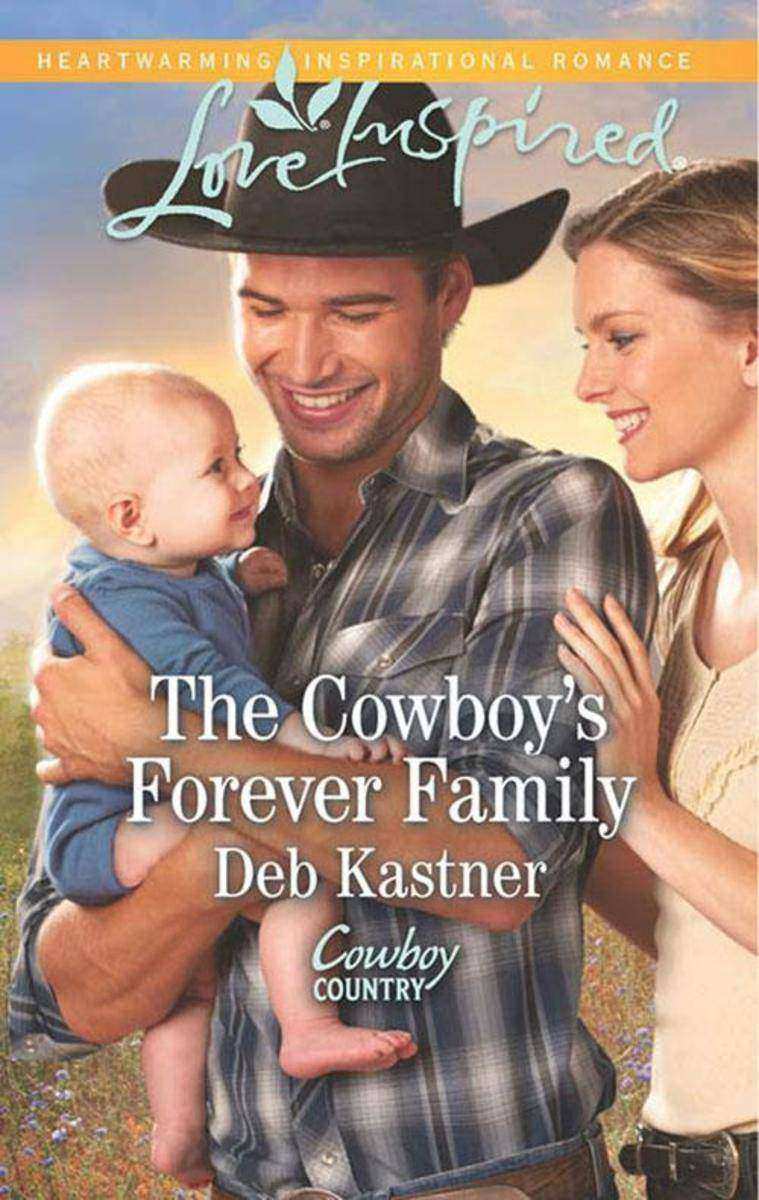
The Cowboy's Forever Family (Mills & Boon Love Inspired) (Cowboy Country, Book 2
¥31.10
His Best Friend's Baby Widowed and pregnant, Laney Beckett wants nothing to do with stubborn rodeo cowboy Slade McKenna. But avoiding her late husband's best friend is nearly impossible now that Slade thinks Laney and her baby need his protection. Though Slade figures he's too rough a man to settle down, his thrill-seeking ways have already cost him his childhood pal. Looking out for the man's wife and child is the least he can do, especially when headstrong Laney doesn't know the first thing about running the family's ranch. For the sake of baby Beckett, Laney and Slade give friendship a chance…but could they become a true family? Cowboy Country: Surprise babies lead to unexpected love in Texas
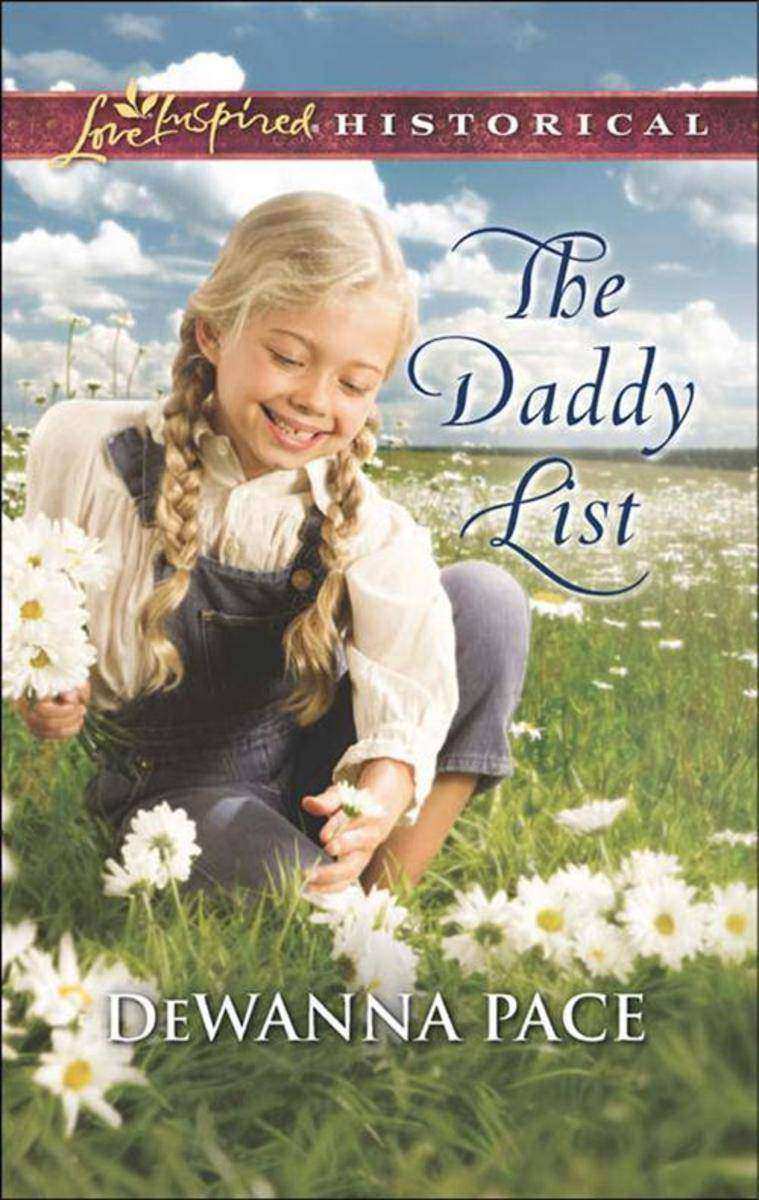
The Daddy List (Mills & Boon Love Inspired Historical)
¥31.10
A Substitute Husband Discovering her daughter is holding bank patrons hostage to interview daddy candidates sends widow Daisy Trumbo running to intervene. But when real bank robbers take advantage of the fake stickup, the hero of the day is Bass Parker–the man Daisy blames for her husband's death. Yet duty compels her to care for him as he recovwers from his injuries. Bass is determined to make amends to the widow and child of the fallen soldier who took his place on the battlefield. But he slowly finds himself feeling more than obligation to this independent woman and her spirited little girl. Their happiness hinges on Daisy's forgiveness, but can she let go of the past?
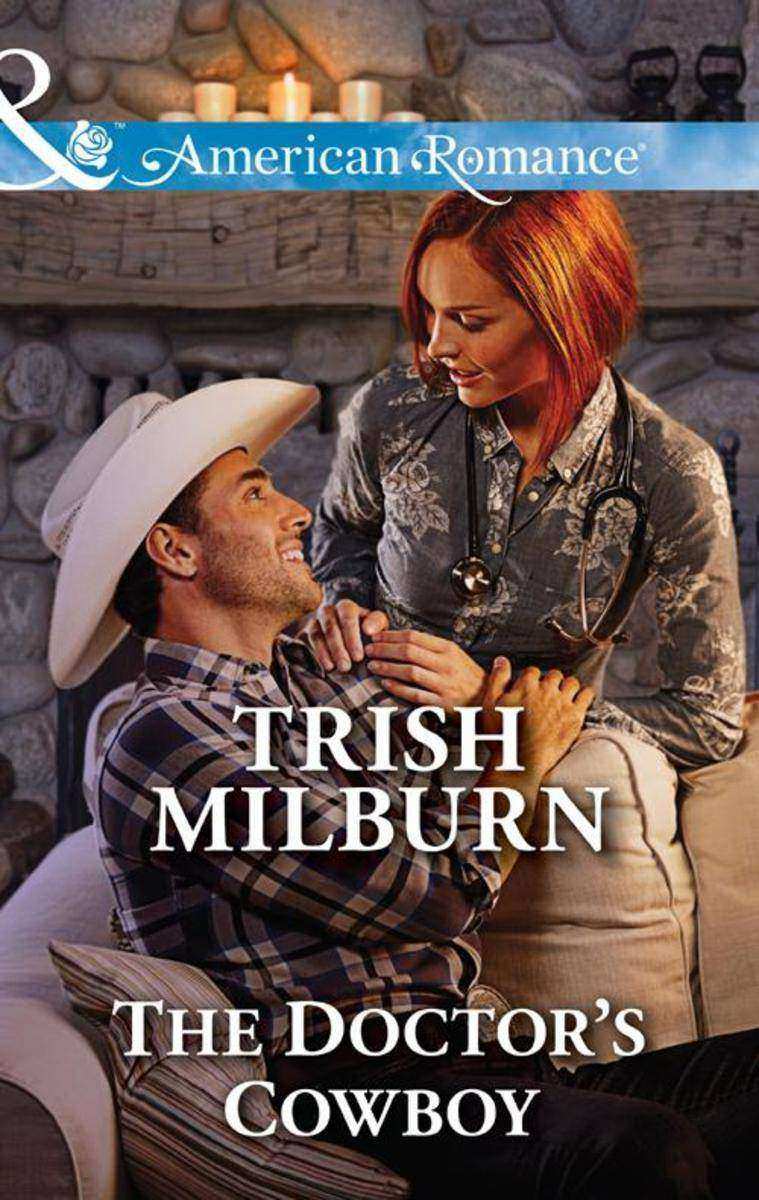
The Doctor's Cowboy (Mills & Boon American Romance) (Blue Falls, Texas, Book 4)
¥31.10
THE PERFECT PRESCRIPTION Dr. Chloe Brody cares about all her patients. Maybe more than she should. Because one day rodeo cowboy Wyatt Kelley shows up in her ER, busted up but still flirting. He's got no place to go, so she takes him home. Soon, Wyatt is seeing stuff no one else in Chloe's life has noticed. The pretty doctor has a full life, but inside, she's alone, just like him. When the attraction between them heats up, Wyatt knows he should leave Blue Falls and Chloe behind - because what can a broken cowboy with an ugly past offer a woman like her? Chloe, though, is determined to show Wyatt that she doesn't care about his past. She just wants him to be a part of her future.

The Family She Needs (Mills & Boon Medical)
¥30.61
And doctor makes three… Nurse Karina Brown only has room in her heart for one guy: four-year-old Mickey. Running a small-town surgery and looking after a little boy with Down syndrome isn't easy, but Katrina wouldn't have it any other way. Until Mickey's co-guardian, gorgeous Dr. Logan Pascale, moves into their home–determined to sell up! His heart is on lockdown but soon, united in their love for Mickey, Logan and Karina are falling for each other, too! Can Karina persuade Logan that everything he needs is right under her roof…already?
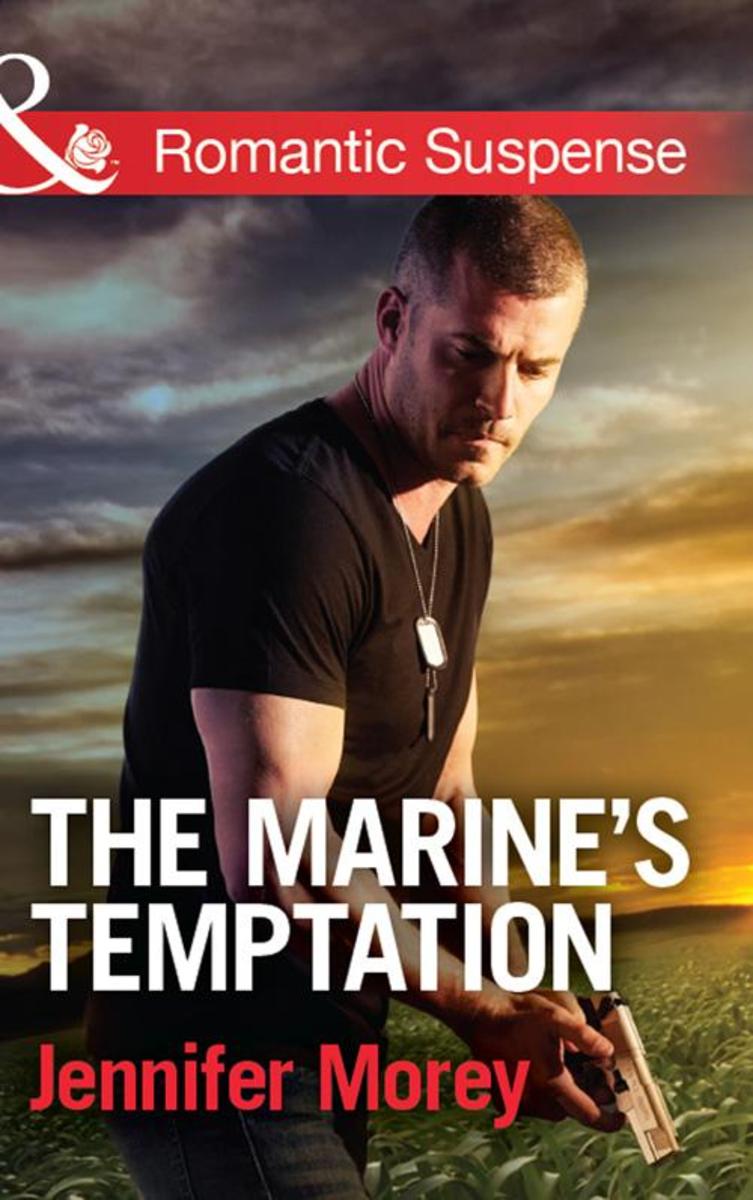
The Marine's Temptation (Mills & Boon Romantic Suspense) (The Adair Affairs, Boo
¥25.21
CAN’T BUY ME LOVE… Carson Adair’s father ruined Georgia Mason’s stepmother’s life and Georgia is not about to give Carson the same opportunity with her. She’s determined to resist his charms – however tempting it is to allow the smouldering sexy ex-marine to seduce her! But it’s hard to hate him when he’s trying to track down the traitor behind his botched mission. And, when a gunman from Carson’s dark past tracks him down and puts Georgia in the line of fire, Carson protects her, igniting a scorching passion. Maybe Carson’s someone for Georgia to trust, respect… and love.
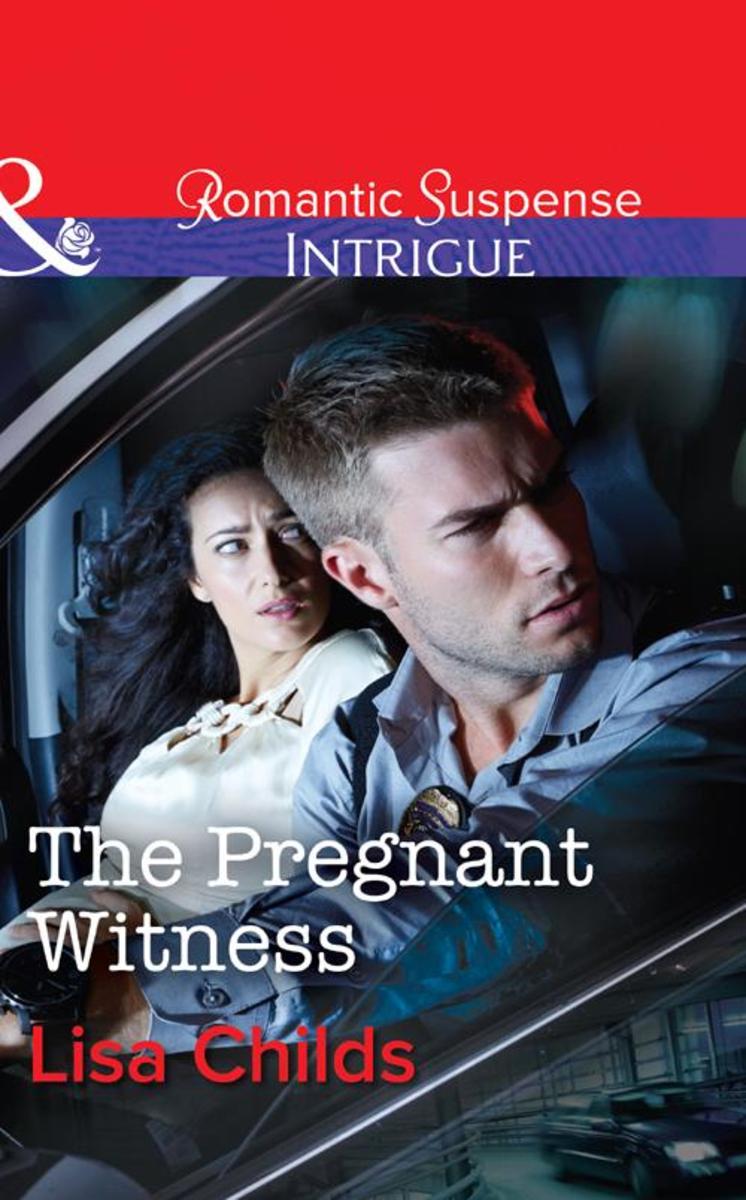
The Pregnant Witness (Mills & Boon Intrigue) (Special Agents at the Altar, Book
¥31.10
Strong, handsome and crossing a dangerous line! An expert at catching bank robbers, FBI Special Agent Blaine Campbell isn’t sure who to trust. He's just rescued the beautiful assistant manager from being abducted by robbers–but was it an inside job? What if pregnant Maggie Jenkins wasn’t a hostage but a co-conspirator? After several harrowing attempts on the young widow’s life, the steely Blaine relies on his instincts. Maggie wasn't involved. The only thing she's guilty of is stealing his heart. Risking his life to find Maggie’s would-be killers has become more than a job. She and her unborn child could be the future he never imagined for himself. All he has to do is keep her alive.
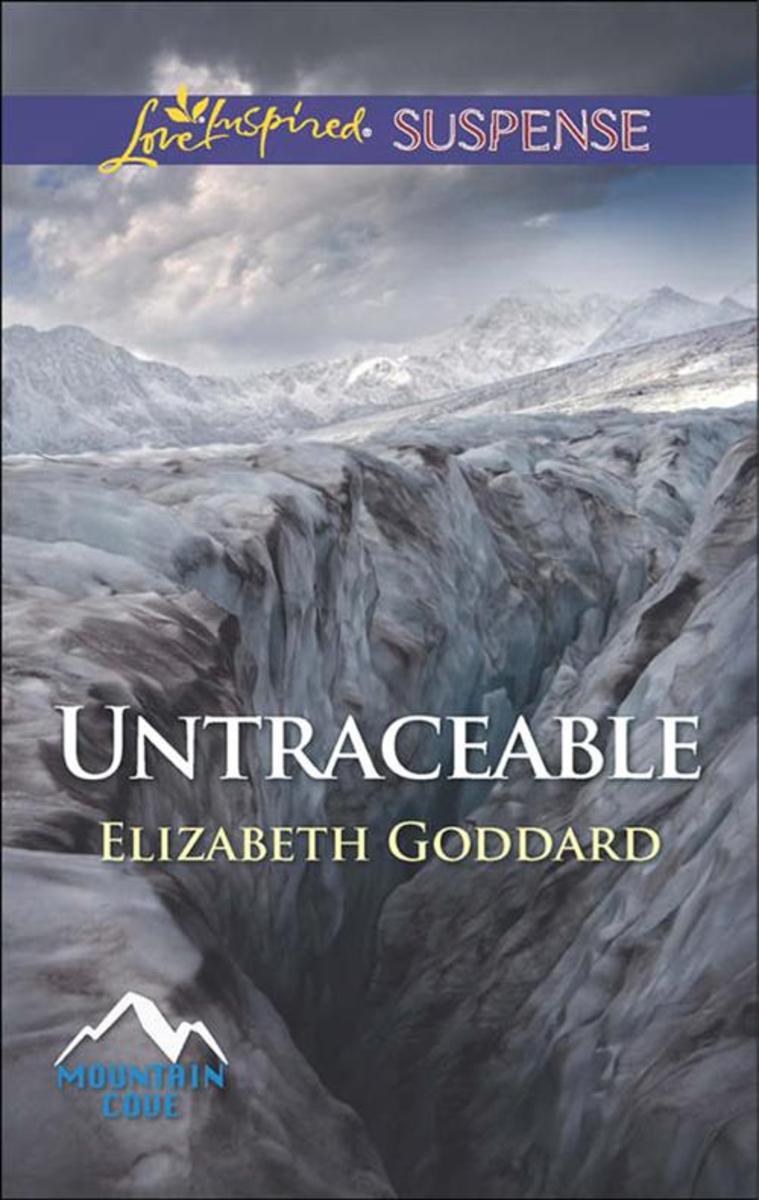
Untraceable (Mills & Boon Love Inspired Suspense) (Mountain Cove, Book 2)
¥31.10
NO WAY OUT On a daring mission, search-and-rescue specialist Heidi Warren and her team step onto an icy Alaskan mountaintop. . .and right into a trap. A stranded gang of thieves holds them at gunpoint, forcing them to serve as guides along the treacherous path. Menaced on all sides by dangerous weather, deadly terrain and murderous criminals, Heidi desperately needs someone to trust. But her rescue partner, Isaiah Callahan, is keeping secrets from her. Secrets that ended their chance at a relationship before it could even begin. Yet her survival depends on finding a way to trust Isaiah when a blizzard starts closing in and her options start running out. Mountain Cove: In the Alaskan wilderness, love and danger collide.


