


 购物车
购物车 个人中心
个人中心
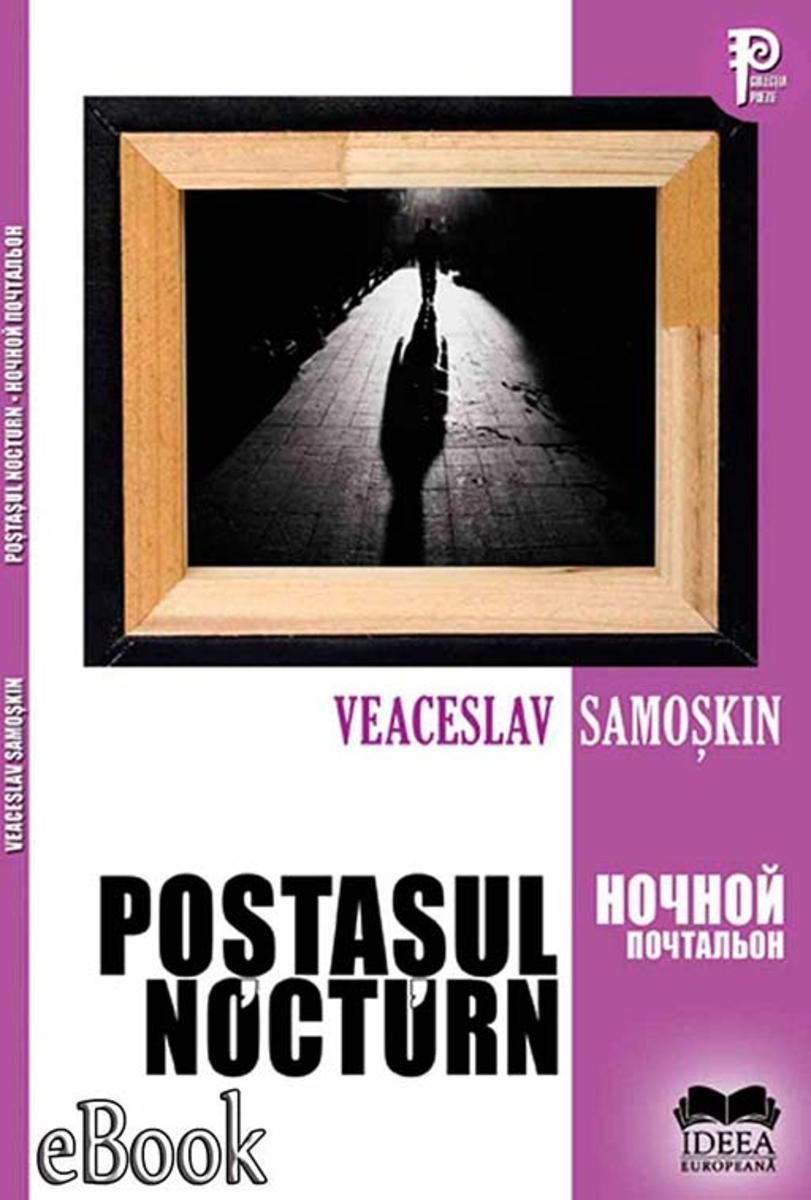
Po?ta?ul nocturn. Ночной Почтальон
¥20.44
Edi?ie bilingv? Veaceslav Samo?kin este rus, corespondent de pres? la Bucure?ti, dar ?n primul r?nd, poet. Universul lui poetic penduleaz? ?ntre tragismul ?nsingur?rii ?i nevoia de confesiune. Elegiac? ?i intimist?, lirica din volumul Po?ta?ul nocturn este strig?tul de am?r?ciune al intelectualului lucid ?n fa?a vicisitudinilor unei istorii contorsionate ?i, totodat?, supapa prin care se revars? preaplinul propriilor drame existen?iale. Poet prin excelen?? citadin, Veaceslav Samo?kin ??i aminte?te cu nostalgie de ora?ul natal ?cu nume bol?evic“, care ?i-a pus amprenta asupra ?ntregii lui vie?i – ?Arhitectura sufletului meu/ e-a str?zilor lui prelungire“–, descrie cu delicate?e ner?bdarea de a ?nt?lni fata drag? – ?ochii mei ?nverzesc semaforul“ –, identific? ?n triste?ea unei toamne destinul unei iubiri trecute – ?era acea toamn?/ nu un anotimp, ci/ soarta noastr? doamn?“–, sufer? al?turi de femeile care pl?ng noaptea, cu hohote ?n?bu?ite, ?vie?ile nen?scute ori ucise/ ?n disperate p?ntece de mam?“... Tr?itor de c?teva decenii ?n ?ara noastr?, Veaceslav Samo?kin s-a integrat perfect ?n peisajul d?mbovi?ean: ?l putem ?nt?lni pe str?zile ora?ului sau ?i putem asculta, ?ntr-o cafenea, considera?iile generoase asupra literaturii ?i artei, politicii sau vie?ii, ?n general. C?ci cel pe care prietenii ?l apeleaz? cu diminutivul Slava nu este doar un intelectual de stirpe aleas?, impresionant prin erudi?ie, ci ?i un om de o fermec?toare ?i bl?nd? colocvialitate. ?n c?teva din versurile sale, poetul pentru care Rom?nia a devenit a doua patrie zugr?ve?te imaginea Bucure?tiului sub ar?i?a necru??toare a verii, anotimp ?nscris ?ntr-un ineluctabil ciclu universal. (Dinu Moraru)
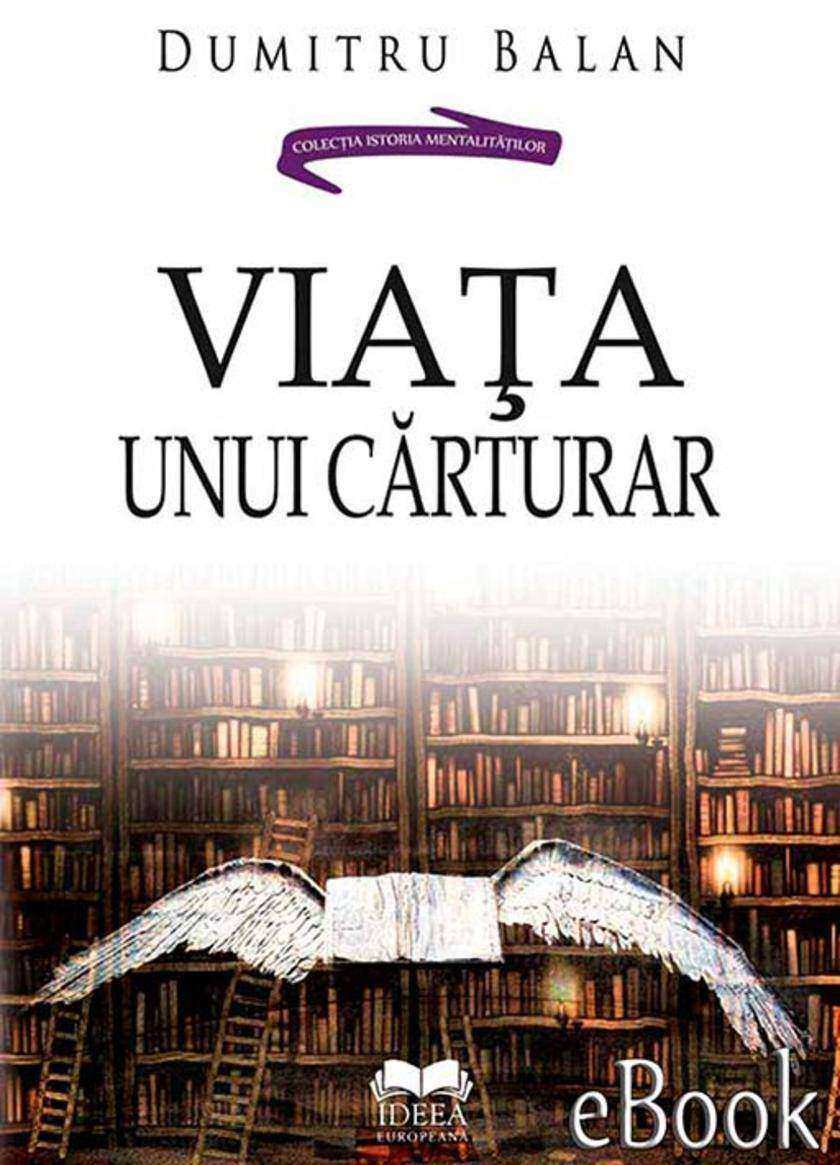
Via?a unui c?rturar
¥186.80
Tr?g?nd linie, am spune c? ne afl?m ?n prezen?a unui demers pertinent de mare actualitate, a unui pre?ios instrument de lucru menit s? umple un gol ?n literatura didactico-?tiin?ific? de specialitate, dar totodat? put?nd deveni util ?i unor cercuri intelectuale interesate de evolu?ia fenomenului poetic rusesc ?n secolul XX, situate ?n afara comunit??ii universitare. (Mircea Croitoru) E o bibliotec? umbl?toare. A citit mii de c?r?i ale altora ?i a scris c?teva ale sale. ?l recuno?ti dintr-o mie. Ziarele, revistele, c?r?ile ?i sunt lipite de degete. Merge pe strad? ?i cite?te, a?teapt? lini?tit la o coad? ?i cite?te. Absent pentru lumea aceasta viermuitoare ?i pragmatic?, el s-a retras protector ?n spatele ziarelor ?i c?r?ilor, ?i a rezistat. Cu o ?inut? sobr?, de o ?epeno?enie verde, demn? de ?ara Fagilor de unde-?i trage ob?r?ia, nu-i po?i da anii pe care, incredibil, ?i are. (…) Dac? te duci la el acas?, totul pare sprijinit pe tomuri, iar dac? ai proasta inspira?ie s? clinte?ti ceva, acea ?arhitectur? intelectual?“ ??i poate fi fatal?. Un soi de Manole Anapoda, zidit ?n chip de An? ?ntr-o m?n?stire de c?r?i. Prietenii ?i spun Dima. Am tradus ?mpreun? din Bulat Okudjava volumul de versuri C?ntecul esen?ial ?i, din mul?i al?i poe?i contemporani ru?i, ?n periodice. Metodic, punctual, suferind de acribie ?i, bine?n?eles, scufundat ?ntr-o lectur? atunci c?nd nu lucram ?mpreun?, a dovedit c? nu e doar un consumator de literatur?, ci ?i un excelent cunosc?tor al limbii din care traducea, ?i chiar un creator. ?l invidiez pentru felul sfid?tor ?n care ?tie s? uite de televizor ?i de calculator. Dima cite?te. El e scufundat ?n ecranul unei file de carte, al unei pagini de ziar sau de revist?. ?ntr-o vreme ?n care aceste dou? ustensile subjug? lumea obosind-o, nevroz?nd-o, ?mb?tr?nind-o, f?c?nd abstrac?ie de mirajul lor, el a r?mas ?nc? proasp?t, zdrav?n ?i t?n?r. (Passionaria Stoicescu)
Penki i? vienos ank?ties
¥9.24
O carte incitant? despre unul dintre cei mai mari poe?i interbelici, taxat pe nedrept de c?tre G. C?linescu drept un poet minor. Studiul este semnat de cunoscutul exeget literar Mihai Cimpoi, pre?edinte al Uniunii Scriitorilor din R. Moldova, Membru al Academiei Rom?ne. Cartea se adreseaz? elevilor, studen?ilor, precum ?i publicului larg de cititori.
Büd?ss úr
¥58.94
Un volum fundamental, pagini memorabile despre literatura francez? nu numai pentru elevi, studen?i, profesori, constituind un manual indirect de literatur? francez?; este editat pentru prima dat? ?n Colec?ia Edi?ii Definitive, ?n condi?ii grafice cu totul excep?ionale. ??...Vor crede poate c? a fost un bufon, un farsor?. Medicul Pierre Boulenger nu se ?n?el? scriind astfel despre faima viitoare a marelui s?u prieten, Rabelais. Nimic mai ridicol dec?t p?rerile felurite care s-au risipit ?n decursul veacurilor pe socoteala maestrului Alcofibras. Mirarea acestuia ar fi mare dac? le-ar putea afla ?i desigur nu o dat? ar azv?rli printre hohote c?te-o vorba pe care urechile noastre mult prea fine de fii ai veacului al dou?zecilea nu ar putea-o cuprinde dec?t ?nro?indu-se. Ronsard vede ?n autorul lui Gargantua un animal jovial ?i ve?nic ?nsetat, t?v?lindu-se ?n b?l?i de vin ?ca o broasc? ?n noroi?. Tabloul acesta bestial cred c? n-a mai fost reluat de altul. ?n schimb judec??ile au fost tot at?t de neverosimile.” O carte esen?ial?. Un manual indirect de literatur? francez?.
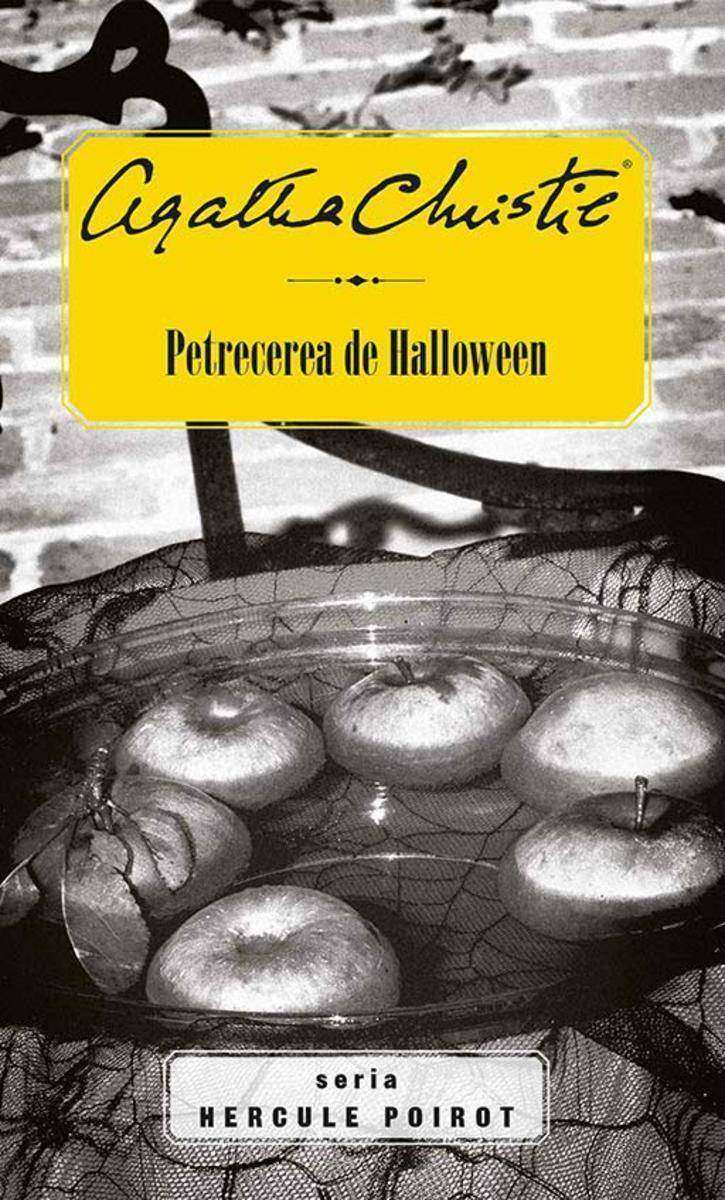
Agatha Christie
¥33.03
„În 1964, ca parte dintr-un proiect de istorie oral? despre via?a ?i cariera lui John F. Kennedy, mama mea a intrat într-un dialog cu Arthur M. Schlesinger Jr. pentru a-?i împ?rt??i amintirile ?i percep?ia asupra lucrurilor. Înregistrate la mai pu?in de patru luni dup? moartea so?ului ei, aceste conversa?ii reprezint? un dar f?cut istoriei... Sper c? tinerele genera?ii care încep s? afle mai multe despre anii 1960 vor considera aceste rememor?ri o introducere util? în modul în care se face istoria ?i vor g?si în ele inspira?ia de a oferi ceva acestei ??ri care ne-a oferit tuturor atât de multe.“
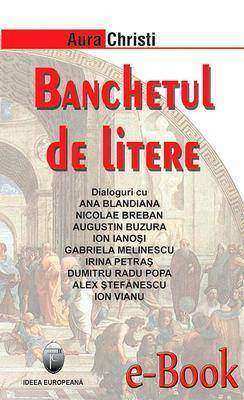
Banchetul de litere
¥61.83
Romanul e captivant, bine scris, n ciuda unor efuziuni retorice prea lungi pe alocuri, care puteau fi scurtate. Un text elaborat de ctre un crturar, cu lecturi din Schopenhauer, Nietzsche, Jung sau Dostoievski fcute n profunzime, temeinic. n consecin, e un roman n care simbolurile apar la tot pasul, incifrate n text, n tehnica unui modernism hermeneutic care nu poate fi scos din ecuaie (…). Strict tehnic, ne aflm n faa unui Bildungsroman construit pe un scenariu clasic, de iniiere: tnrul Matei (toate numele sunt luate din Biblie…) interiorizeaz sfietor, dramatic moartea prematur a tatlui su, David, pierdut ntr-un accident de main pe Valea Oltului, se afl n conflict deschis cu mama sa, Riri, femeie pragmatic, dar intrat n faza unui deficit de cldura uman, mascat prin nervozitate, i i fixeaz ntreaga afeciune pe fiina compensativ a bunicului, Grig, mort i el spre sfritul romanului, i pe aceea a profesorului universitar Semion Ruda, stilat, elevat, aristorcatic, un concitadin de ocazie i tat-surogat, cruia, n cele din urm, protagonistul romanului i datoreaz relansarea intelectuala – viitor student n filosofie – i formarea literar, ca romancier, talentul compensativ al scrisului descoperindu-i-l oarecum fr premeditare sau ndemnuri din afar, ca pe o efervescen intern a propriei sale fiine. (tefan Borbély)Viaa cotidian este transferat n interioritate, iar tensiunile generatoare de suspans sunt direcionate ctre aceeai nevoie urgent de a deveni. Eroii Aurei Christi sunt fpturi aflate ntre lumi, ntre vrste, ntre maluri. (Irina Ciobotaru)Intenia vdit a autoarei este aceea de a explora personajele pn n adncul firii lor, astfel nct nu aciunea s stea n prim-plan, ci caracterele. (Bogdan Mihai Dasclu)

Despre dragoste - Anatomia unui sentiment
¥30.88
Edi?ia de fa?? o reproduce ?ntocmai pe cea din 1966 care a v?zut lumina tiparului la Editura pentru literatura ?i este menit? s? repun? – laolalt? cu alte titluri editate de noi – ?n circula?ie numele ?i opera unui mare profesor de filosofie ?i a unui important om de cultur? din perioada interbelice. Edi?ia este structurat? pe c?teva capitole, cum ar fi bun?oar? ?Amintiri din copil?rie ?i tinere?e“, ?Amintiri culturale, didactice ?i politice“, cuprinz?nd, ?ntre altele, ?i coresponden?a cu Titu Maiorescu, conferin?e ?i cursuri ?inute la Viena, Paris, Geneva, Praga, Oslo ?i Bruxelles. ?Petrovici a avut o via?? fracturat?. ?ntr-o vreme, a urcat n? pe Everestul performan?ei ?i al recunoa?terii publice, de unde, atunci c?nd istoria s-a virusat de o ideologie apocaliptic?, s-a pr?bu?it direct ?n groapa Marianelor, b?ntuit? de tot felul de silnicii ?i nes?buin?e. Mult? vreme s-a am?git cu in?elesul m?ng?ietor al filosofiei, a?a cum i-l h?r?zise cei vechi, dar s-a ?i ?nfiorat de mizeriile ei, atunci c?nd a v?zut-o dec?zut? ?n condi?ia de surogat ideologic. Oare trebuia, dup? ce a privit lumea prin sp?rtura pe?terii lui Platon, s-o p?ndeasc? ?i din spatele gra?iilor ?i ale z?voarelor trase? Vremurile noi, rascolnice, l-au g?sit total nepreg?tit. Glasul s?u, obi?nuit s? peroreze ?n aule universitare, ?n Camera, ?n Academie, ?n cadrul unor fastuoase reuniuni interna?ionale a fost, pentru multe decenii, obligat la t?cere.“ (Ionel Necula)
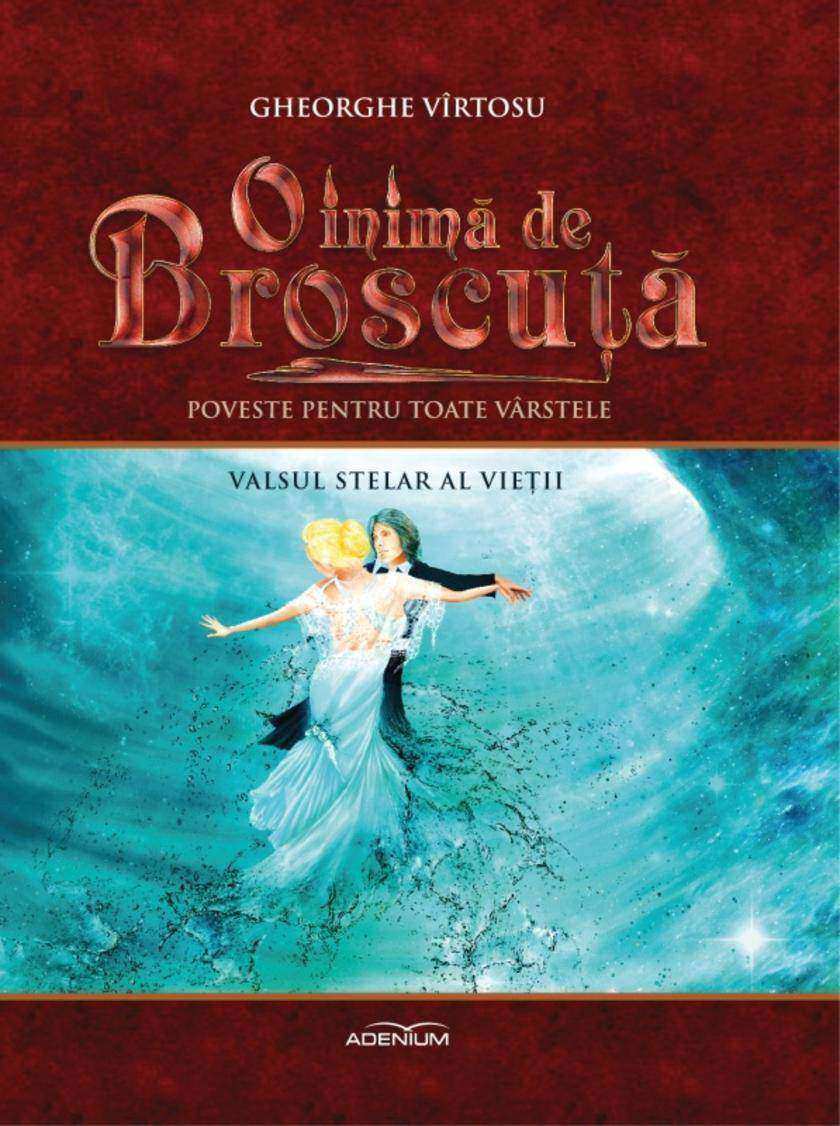
O inim? de Broscu??. Volumul 3. Valsul stelar al vie?ii
¥65.32
Un fast spectacol despre feminitate, moarte ?i alte teme eterne, ne ofer? de ast? dat? redutabilul eseist, istoric ?i critic literar Irina Petra?, despre care Marin Mincu scria c? este ?cel mai “b?rbat“ critic al nostru“. ?Demersul constituie o modalitate de a-?i apropia moartea, propria moarte, de a o studia sub lupa m?ritoare, de a o ?ine deliberat, zi de zi, ceas de ceas, al?turi, ?n imediata proximitate, pentru a te impulsiona s? fii c?t mai mult, c?t mai decis ?n spirit, pentru a te determina s? te investe?ti ?n toate cu ?ntreaga-?i fiin??, una dintre limitele c?reia e moartea-cea-cotidian?, pentru a te remodela, sim?ind atingerea botului mor?ii, pentru a recurge la travaliul dep??irii de sine prin crea?ie. A nu te obi?nui cu vecin?tatea mor?ii, obi?nuindu-te ?n acela?i timp, a realiza eficienta ei, adun?ndu-te, sporindu-?i eficien?a, a fi, ?n pofida con?tiin?ei tragice a finitudinii umane – iat? o piatr? de ?ncercare, iat? un examen major, la care au c?zut nu pu?ini. Cei ce-au rezistat constituie pentru Irina Petra? un fast obiect de studiu, care, fiind cercetat cu acribia unui colec?ionar, nelipsit de o redutabil? experien?? ?n domeniu, alc?tuiesc o galerie acoperit? cu oglinzi, ?n care, v?z?nd reflectat propriul univers, propriile spaime, frici, angoase, nelini?ti, autorul se supune, el ?nsu?i, din spirit de fair play, dar ?i dintr-un subtil, rafinat amestec de sado-masochism intelectual, unui examen: ?i va rezista co?ul pieptului? va ?ti sa r?spund?? dar s? reziste? Ei, mon?trii sacri… au rezistat, descriind modul ?n care se men?in pe muchia abisului, ?n care ?i-au v?zut propriul chip, contemplat de cineva…“ (Aura Christi)
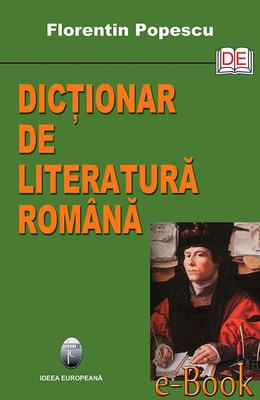
Dic?ionar de literatur? rom?n?
¥61.83
Editorul, criticul ?i istoricul literar clujean Irina Petra? propune lectorilor un studiu despre locurile favorite din literatura rom?n? ?i cea universal?, paginile de teorie literar? oferind nu pu?ine repere asupra predilec?iilor clasicilor autohtoni de la Eminescu ?i Creang? p?n? la Norman Manea ?i Marta Petreu. Cartea se adreseaz? elevilor, studen?ilor, precum ?i publicului larg de cititori.
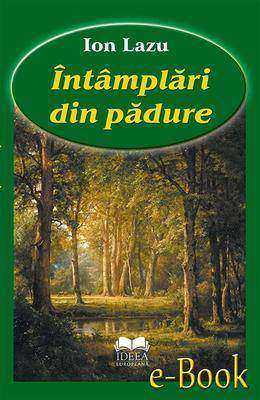
?nt?mpl?ri din p?dure
¥46.36
Lidia Lazu semneaz? o poezie delicat-confesiv?, parcelat? pe momente distincte, cu o structur? de jurnal. De?i termenul structur? e oarecum inadecvat acestei materii de fr?gezimi ce se transcriu ca atare, f?r? grija unei osaturi, a unui tipar ce i-ar st?njeni fluiditatea, evanescent?. Fiin?a respir? neconstr?ns? de nimic, supus? doar clipei, ?nc?nta?iei tranzitoriului. A?tept?rile sale sunt naiv-fabuloase, ?n continuitatea unei copil?rii care nu s-a epuizat, care-?i tr?ie?te intens uimirile, dezvolt?ndu-le fin imaginativ... O atare autoscopie fantezista este rodul unei virtuozit??i a simplit??ii. Coeziunea textului se produce ?n jurul acestei neputin?e de a accepta ordinea pragmatic?, meschin?ria, ?n numele unei candori funciare. La polul opus criticismului luciferic, poeta se d?ruie lumii nu doar prin contempla?ie, ci ?i printr-un soi de automatism existen?ial, l?s?ndu-se ?n voia lui, sublim lipsit? de voin??. Ceea ce e o moral? a extazului. (Gheorghe Grigurcu)
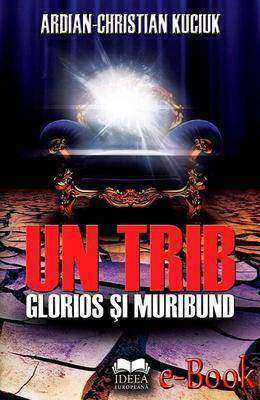
Un trib glorios ?i muribund
¥100.53
Mai ales inteligena speculativ i iueala fixrii prioritilor n cmpul de idei au facut din Rzvan Voncu un critic de ntmpinare imposibil de ignorat n peisajul literar romnesc.“ (Eugen Negrici)O panoram literar a ultimului deceniu. Istorie literar, evenimente editoriale. Cri de excepie i autori de excepie. Istoria ultimului deceniu de literatur romn semnat de Rzvan Voncu ofer un peisaj exact, descris n cunotin de cauz.

Ultima vr?jitoare din Transilvania. Vol. 2 - Mathias
¥40.79
Aer ?n iarb? este o poezie a ciclicit??ii. Anotimpuri ?i anotimpuri ale inimii. Toposuri ?i loca?uri ale refugiului ?n bucurii simple. Regenerarea prin elemente g?site ?n col?urile altor inimi. O poezie filmic?. O dinamic? cinematic? a cuvintelor ?i a surprizelor prinse de suflet ?i redate ?n pixelii colora?i ai fericirilor nea?teptate. Aer ?n iarb? este ?i ?n ?note de mare“ ?i ?n ?prim?vara la cheie“ un ciclu care mimeaz? numai aparent dicteul automat. Aer ?n iarb? este momentul c?nd treci pe strad? ?i scapi de lume, este spa?iul gol dintre cuvintele care ??i rostesc via?a ca s? dea propulsie maxim?.?Cu totul remarcabil? este, ?n poemele lui Mihai Vieru, capacitatea autorului de a descoperi, ?n spatele spectacolului cotidian, prezen?a miraculosului, a misterului, c?teodat? feeric, alt?dat? terifiant. Poetul e un spirit fantast, ?nzestrat cu ni?te antene extrem de sensibile la partea de umbr? a existen?ei, ?i un vizionar apt s? surprind? spectacularul banalului ?i s? transforme, a?a cum ??i dorea pe vremuri Rimbaud, o fabric? oarecare ?ntr-o moschee.“ (Octavian Soviany)
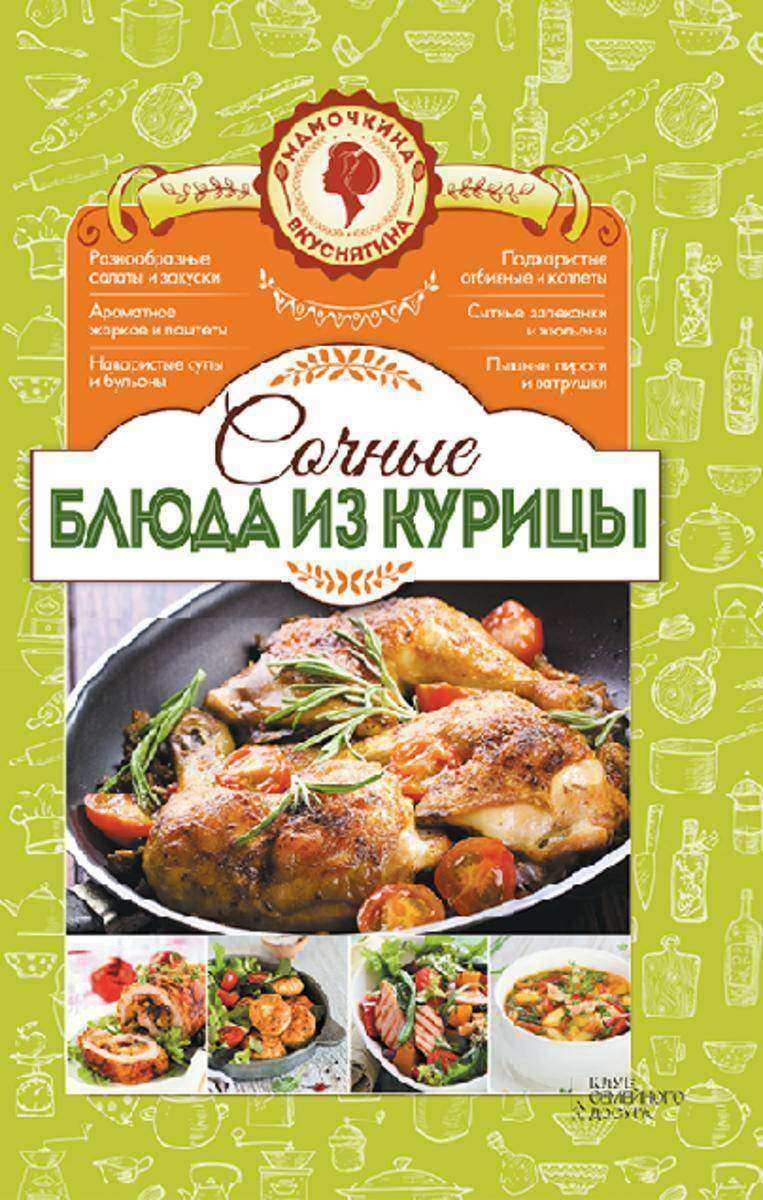
Сочные блюда из курицы. Мамочкина вкуснятина!
¥17.74
Доля ж?нки в Пакистан? визначена наперед: бути пок?рною дружиною, догоджати чолов?ков? й виховувати д?тей. Але 1997 року народилася ??накша? д?вчинка. Вона хот?ла ходити в школу, носити яскравий одяг ? не ховати обличчя. В цей час владу в ?? р?дних краях, в долин? Сват, захопив ?Тал?бан?. За найменшу провину перед ?законом? терористи карали людей побоями ? нав?ть смертю. Геро?ня ? авторка ц??? книжки розум?ла важлив?сть осв?ти ? боронила права ж?нок, за що й отримала кулю в голову... ?? звуть Малала. ? це т?льки початок ?? ?стор??...
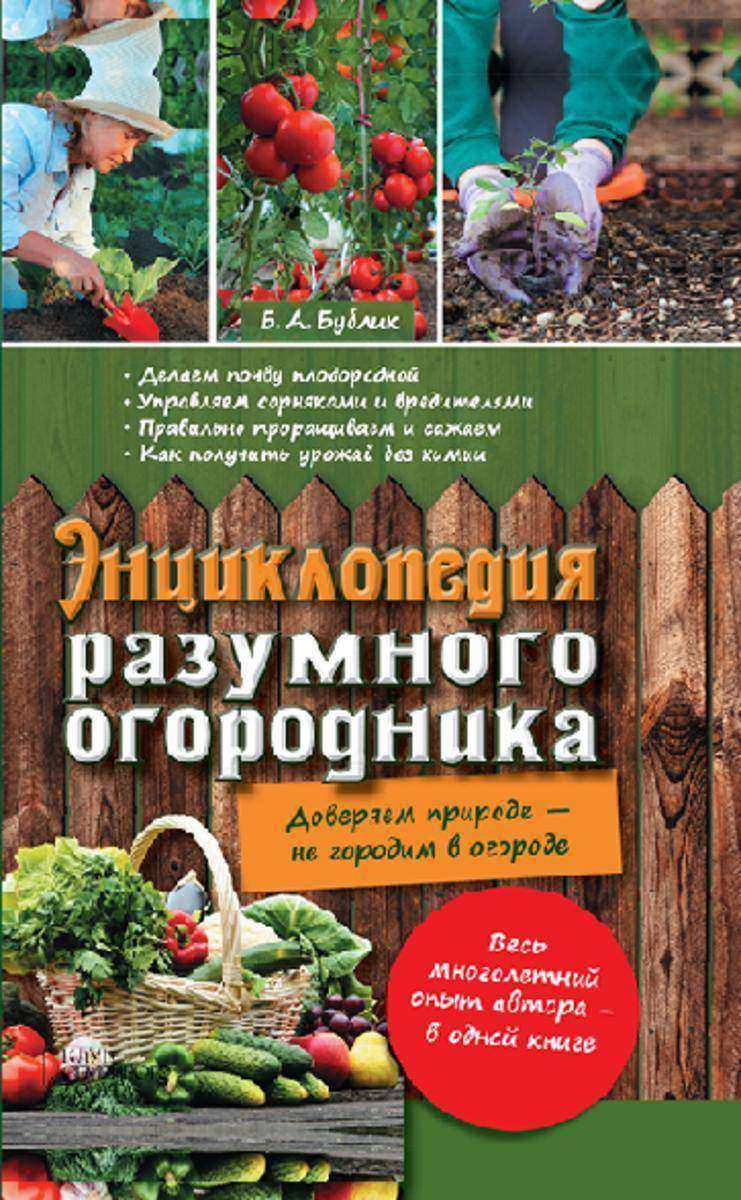
Энциклопедия разумного огородника
¥17.74
Нельсон Мандела — п?вденноафриканський правозахисник, юрист, пол?тик, президент П?вденно-Африкансько? Республ?ки (1994 –??1999 рр.). Мандела був першим президентом ПАР, обраним на демократичних, не сфальсиф?кованих виборах. У сво?й трет?й книз? Нельсон Мандела в?дверто опису? ?н?ц?ац?ю африканських хлопчик?в, побут ? злидн? свого дитинства, навчання й одруження, народження ? смерть сво?х д?тей, жах самотност? в’язня на остров? Роббен ? вистраждану Свободу. Житт?вий досв?д та погляди Нельсона Мандели як н?коли актуальн? в контекст? нин?шн?х укра?нських реал?й, бо ?правда поляга? в тому, що ми ще не в?льн?, ми просто здобули свободу бути в?льними, право не бути пригноблюваними…справжн? випробування нашо? в?дданост? свобод? лише почина?ться?.??

Júlia 522. (Kegyetlen szeret?)
¥18.72
Júlia 522. (Kegyetlen szeret?)

Orvosok kíméljenek!, Tengernyi szenvedély, ?j esély a szerelmre
¥46.03
Orvosok kíméljenek!, Tengernyi szenvedély, ?j esély a szerelmre

Romana kül?nszám 54. k?tet
¥43.16
Romana kül?nszám 54. k?tet
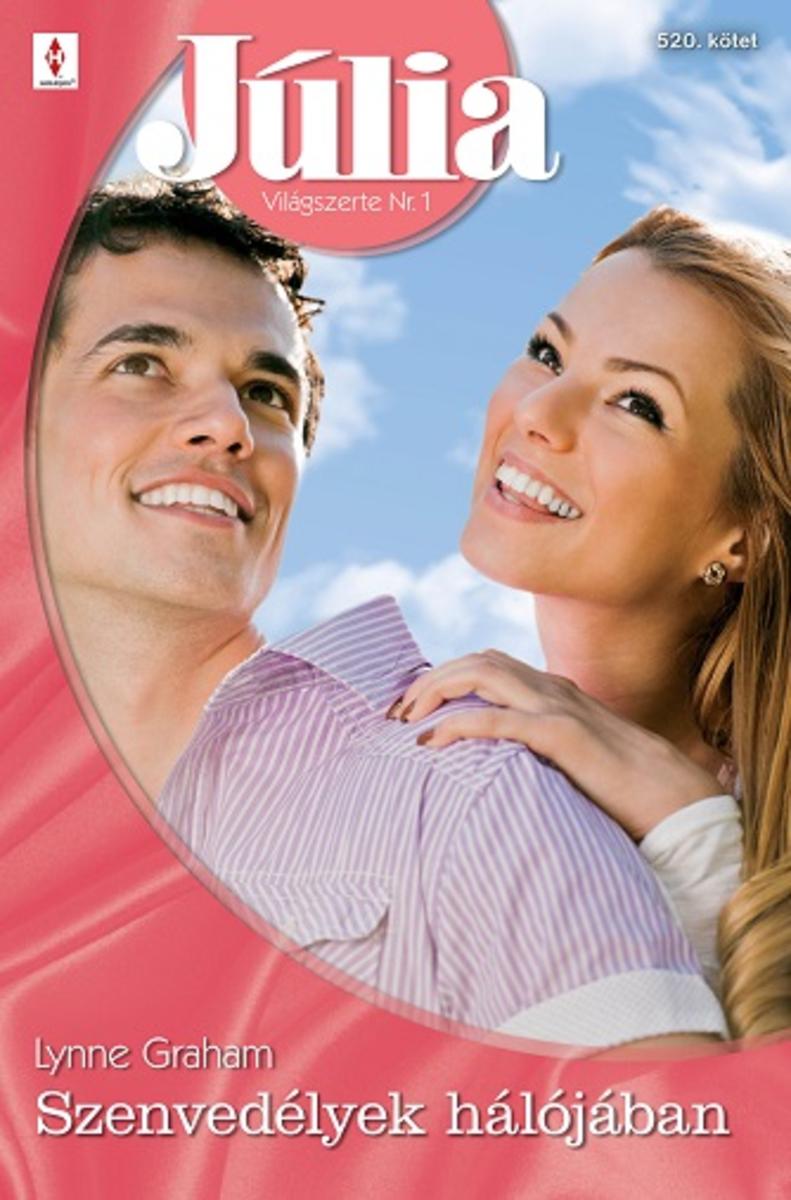
Júlia 520. (Szenvedélyek hálójában)
¥18.72
Júlia 520. (Szenvedélyek hálójában)

Isten hozott a családban! (A Dante-legenda 9.)
¥48.97
Isten hozott a családban! (A Dante-legenda 9.)
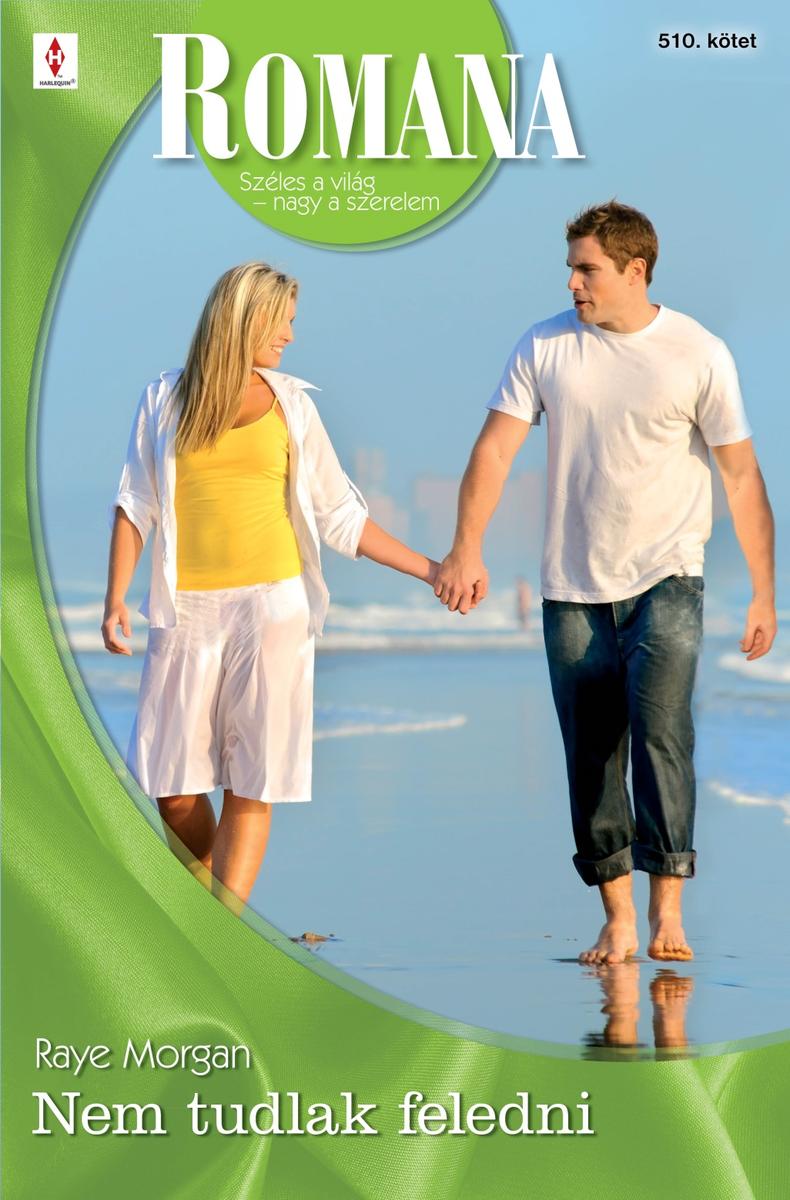
Romana 510. (Nem tudlak feledni)
¥18.72
Romana 510. (Nem tudlak feledni)

Júlia 517. (Hivatali valóságshow)
¥18.72
Júlia 517. (Hivatali valóságshow)


