


 购物车
 个人中心

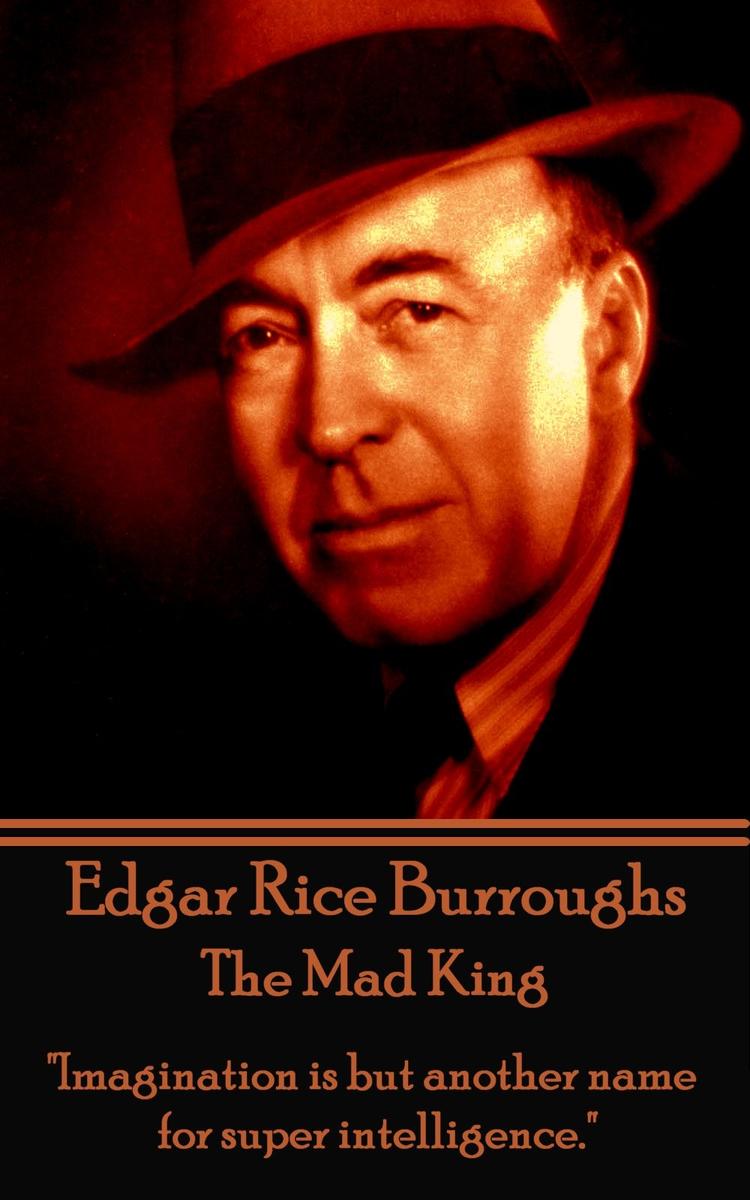
Mad King - Imagination is but another name for super intelligence.
¥35.22
Edgar Rice Burroughs was born on September 1, 1875, in Chicago, Illinois. His early career was unremarkable. After failing to enter West Point he enlisted in the 7th Calvary but was discharged after heart problems were diagnosed. A series of short term jobs gave no indication as to a career path but finally, in 1911, married and with two young children, he turned his hand to writing. He aimed his works squarely at the very popular pulp serial magazines. His first effort 'Under The Moons Of Mars' ran in Munsey's Magazine in 1912 under the pseudonym Norman Bean. With its success he began writing full time. A continuing theme of his work was to develop series so that each character had ample opportunities to return in sequels. John Carter was in the Mars series and there was another on Venus and one on Pellucidar among others. But perhaps the best known is Tarzan. Indeed Burroughs wanted so much to capitalise upon the brand that he introduced a syndicated Tarzan comic strip, movies and merchandise. He purchased a large ranch north of Los Angeles, California, which he named "e;Tarzana."e; The surrounding communities outside the ranch voted in 1927 to adopt the name as their own. By 1932 Burroughs set up his own company to print his own books. Here we publish 'The Mad King' somewhat different to what you think Burroughs would write but an engaging and crafted work that shows why Burroughs was able to weave his talents into so many stories.
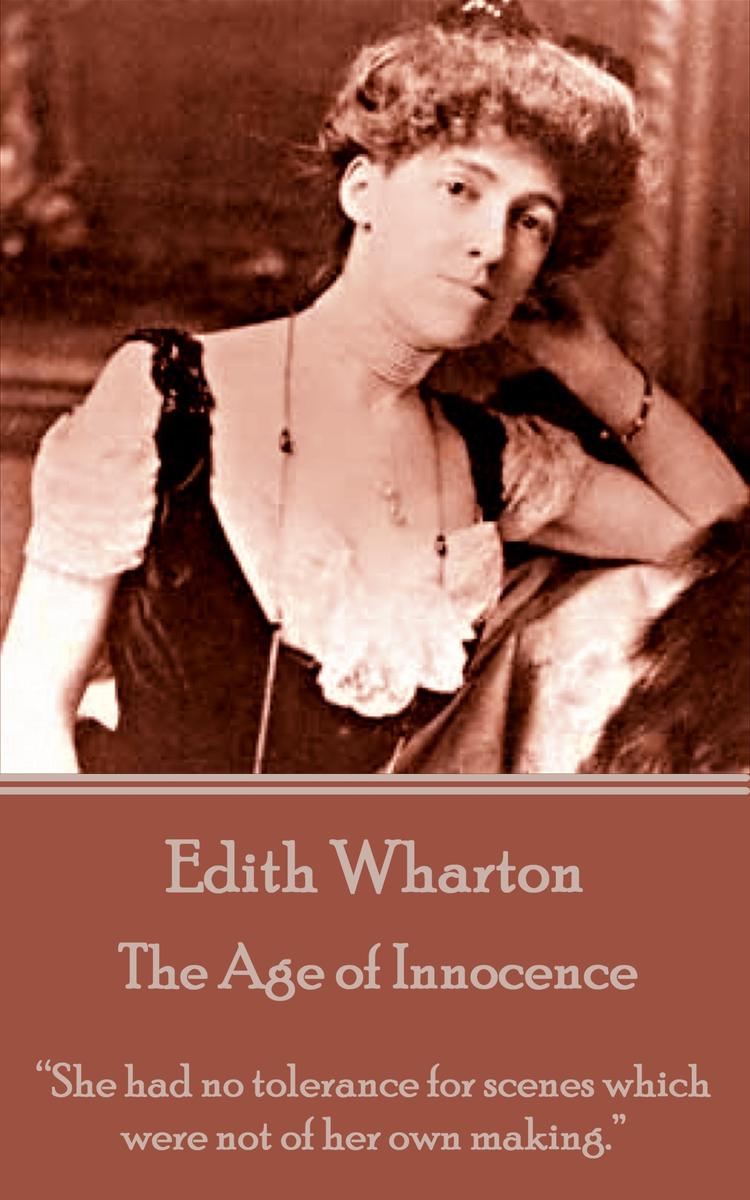
Age of Innocence - She had no tolerance for scenes which were not of her own mak
¥26.98
Edith Newbold Jones was born in New York on January 24, 1862. Born into wealth, this background of privilege gave her a wealth of experience to eventually, after several false starts, produce many works based on it culminating in her Pulitzer Prize winning novel 'The Age Of Innocence'. Marriage to Edward Robbins Wharton, who was 12 years older in 1885 seemed to offer much and for some years they travelled extensively. After some years it was apparent that her husband suffered from acute depression and so the travelling ceased and they retired to The Mount, their estate designed by Edith. By 1908 his condition was said to be incurable and prior to divorcing Edward in 1913 she began an affair, in 1908, with Morton Fullerton, a Times journalist, who was her intellectual equal and allowed her writing talents to push forward and write the novels for which she is so well known. Acknowledged as one of the great American writers with novels such as Ethan Frome and the House of Mirth among many. Wharton also wrote many short stories, including ghost stories and poems which we are pleased to publish. Edith Wharton died of a stroke in 1937 at the Domaine Le Pavillon Colombe, her 18th-century house on Rue de Montmorency in Saint-Brice-sous-Foret.
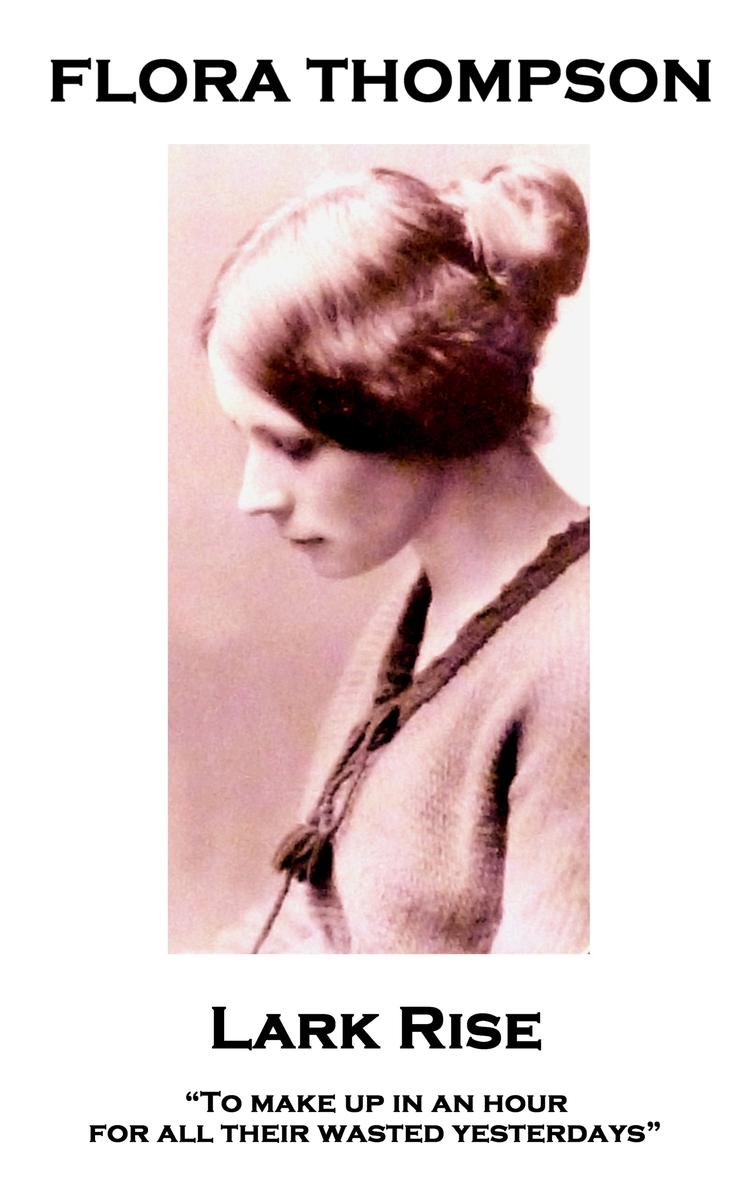
Lark Rise - To make up in an hour for all their wasted yesterdays
¥26.98
Flora Jane Timms was born on December 5th, 1876 in Juniper Hill in northeast Oxfordshire, the eldest of twelve children to Albert Timms, a stonemason, and Emma, a nursemaid. Only she and five siblings survived.Flora was educated at the parish school in the village of Cottisford and described as 'altogether her father's child'.When she was 14, In 1891, Flora moved to start work as a counter clerk at the post office in Fringford, a village about 4 miles northeast of Bicester. It was to be the first in a series of jobs at various other post offices, including those at Grayshott, Yateley, and later Bournemouth.By 1896 Flora was a regular contributor to The Catholic Fireside on her thoughts and activities in the Countryside and many of her works from here were published as The Peverel Papers.In 1903 she married John William Thompson, a post office clerk and telegraphist from the Isle of Wight, at Twickenham Parish Church. After the marriage they moved to Bournemouth to settle down and build a life together. A daughter, Winifred Grace, was born in 1903, followed by two sons, Henry Basil, in 1909 and Peter Redmond in 1918.Flora was a self-taught writer but had taken some time to establish her career. Her early married life may have also required setting writing aside for some time but in 1911 she won a competition in The Ladies Companion for a 300-word essay on Jane Austen.In 1921 she published her only book of poetry, Bog-Myrtle and Peat, and, by the following year, 1922, she was thinking of writing about her childhood in what would later become her defining works.Meanwhile she continued to write extensively, publishing short stories together with magazine and newspaper articles.In 1925 she published a travel guide to Liphook, Bramshott and Neighbourhood.Flora also had a great interest and knowledge, again self-taught, as a naturalist. Many of her works on the subject were published and later anthologised.In 1938 Flora at last sent several essays on her country childhood to Oxford University Press. The publisher accepted them, and they were published in three separate volumes, Lark Rise (1939), Over to Candleford (1941), and Candleford Green (1943). In 1945 the books were republished as a trilogy under the title Lark Rise to Candleford. Together the books are a lightly disguised story of the author's own youth, describing life in a hamlet, a village, and a country town in the 1880s.The death of her younger son during the Second World War affected her deeply and overshadowed her final years.Flora Thompson died on 21st May 1947, at age 70, of a heart attack in Brixham, and is buried at Longcross Cemetery, Dartmouth in Devon.Two of Thompson's later lesser-known works were published posthumously: Heatherley, recounting her time in the post office at Grayshott at the turn of the 20th century as her lifelong interests took shape, the longing for education and culture and the desire to become a writer; and her last completed book Still Glides the Stream.
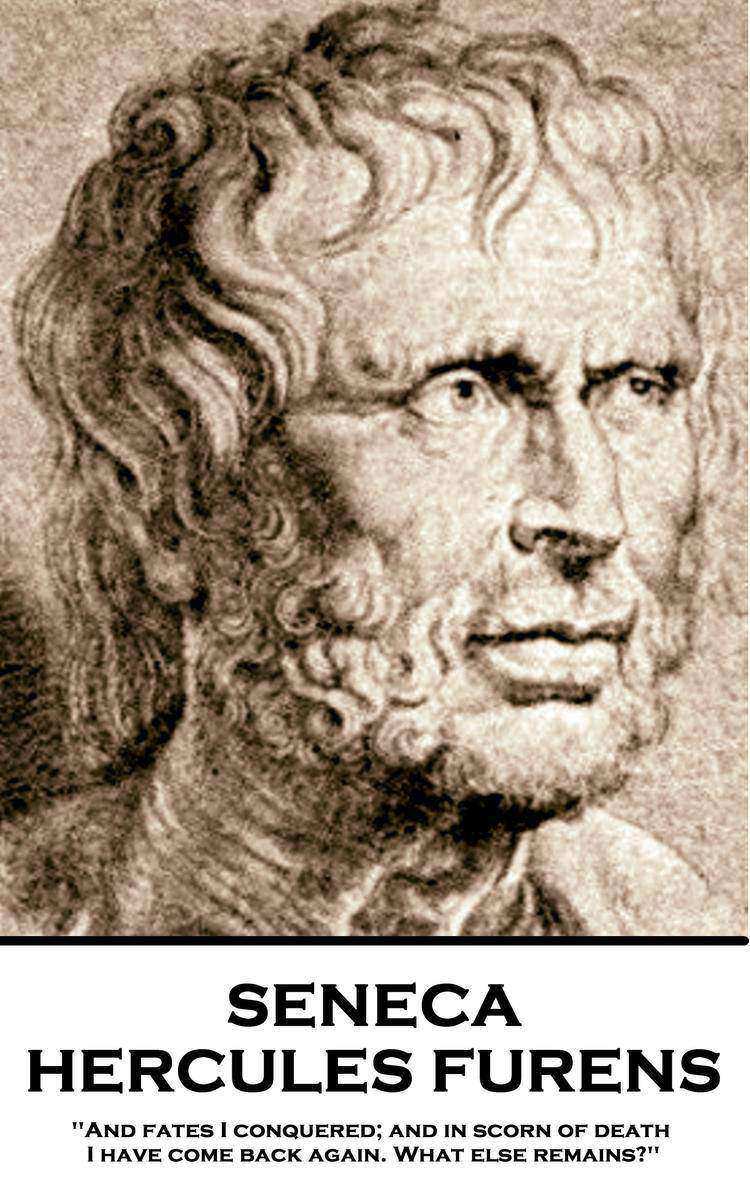
Hercules Furens -And fates I conquered; and in scorn of death I have come back a
¥14.03
Lucius Annaeus Seneca, more readily known as Seneca the Younger, was born at Cordoba in the Roman province of Baetica in Hispania in approx 4 BC.Seneca attests that he was taken to Rome at a young age and educated in literature, grammar, and rhetoric; the standard education of high-born Romans. He also received philosophical training.Much of his life is not well documented but accounts do lean towards a pattern of ill-health at times. His breathing difficulties are thought to be the result of asthma and during his mid-twenties he contracted tuberculosis.He was sent to Egypt to live with his aunt, whose husband, Gaius Galerius, was Prefect of Egypt. In 31 AD he returned to Rome with her and, with her influence, was elected quaestor and with it the right to sit in the Roman Senate.Seneca's early career as a senator was successful and he was fulsomely praised for his oratory. A story related that emperor Caligula was so offended by Seneca's oratorical success that he ordered him to commit suicide. Seneca's ill-health prevented that.In 41 AD, Claudius became emperor, and Seneca was promptly cited by the new empress Messalina of adultery with Julia Livilla, the sister of Caligula and Agrippina.After trial the Senate pronounced a death sentence, which Claudius then commuted to exile. Seneca was to now spend the next eight years in Corsica. From this period of exile survive two of his earliest works-both consolations.In 49 AD Agrippina married her uncle Claudius, and through her Seneca was recalled to Rome. Agrippina appointed him, as tutor to her son, the future emperor Nero.Nero's early rule, during which he followed the advice of Seneca and Burrus, was competent. However, within a few years both Seneca and Burrus had lost their influence.In 58 AD the senator Publius Suillius Rufus made a series of public attacks on him saying that, Seneca had acquired a personal fortune of three hundred million sestertii. In response, Seneca brought a series of prosecutions for corruption against him. Suillius was dispatched into exile.After Burrus's death in 62 AD, Seneca's influence further declined. He adopted a quiet lifestyle at his country estates, concentrating on his studies and seldom visiting Rome. It was during these final few years that he composed two of his greatest works: 'Naturales Quaestiones'-an encyclopedia of the natural world; and his 'Letters to Lucilius'-which document his philosophical thoughts.In AD 65, Seneca was caught up in the aftermath of the Pisonian plot to kill Nero. Nero ordered him to kill himself. Seneca followed tradition by opening several veins in order to bleed to death. It was a sad conclusion for a man who has been called the first great Western thinker on the complex nature and role of gratitude in human relationships.
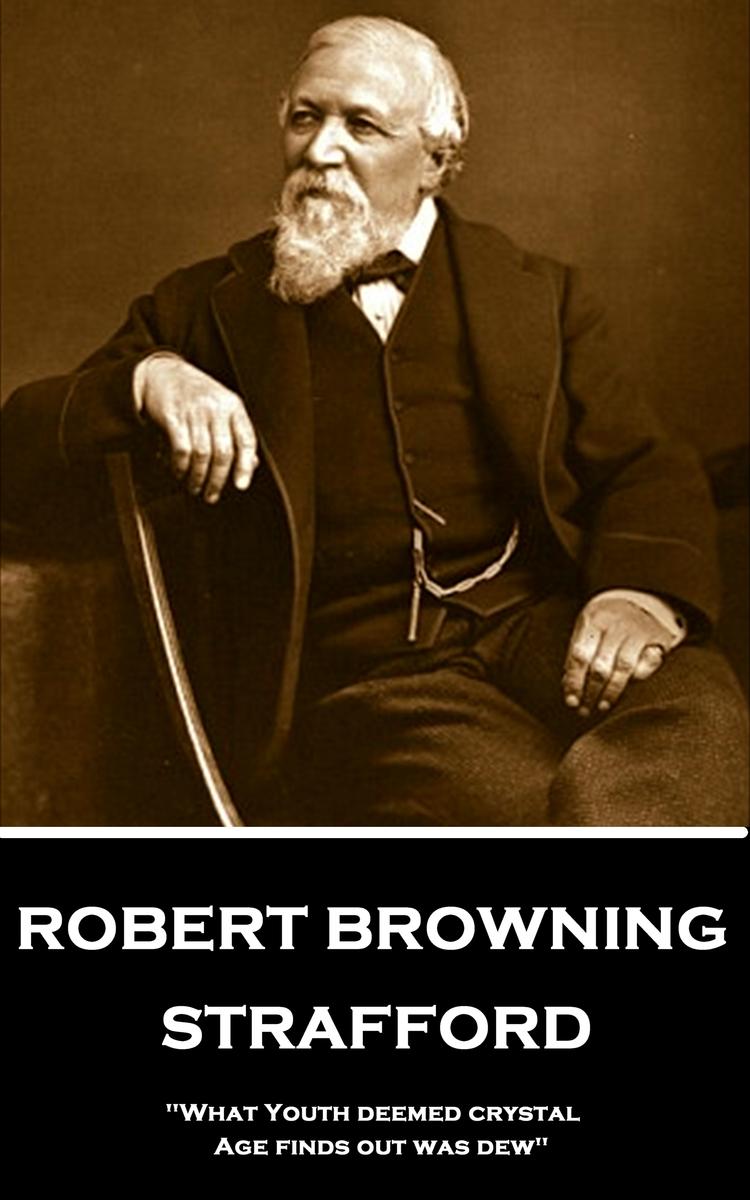
Strafford - What Youth deemed crystal, Age finds out was dew
¥21.09
Robert Browning is one of the most significant Victorian Poets and, of course, English Poetry.Much of his reputation is based upon his mastery of the dramatic monologue although his talents encompassed verse plays and even a well-regarded essay on Shelley during a long and prolific career. He was born on May 7th, 1812 in Walmouth, London. Much of his education was home based and Browning was an eclectic and studious student, learning several languages and much else across a myriad of subjects, interests and passions. Browning's early career began promisingly. The fragment from his intended long poem Pauline brought him to the attention of Dante Gabriel Rossetti, and was followed by Paracelsus, which was praised by both William Wordsworth and Charles Dickens. In 1840 the difficult Sordello, which was seen as willfully obscure, brought his career almost to a standstill. Despite these artistic and professional difficulties his personal life was about to become immensely fulfilling. He began a relationship with, and then married, the older and better known Elizabeth Barrett. This new foundation served to energise his writings, his life and his career. During their time in Italy they both wrote much of their best work. With her untimely death in 1861 he returned to London and thereafter began several further major projects. The collection Dramatis Personae (1864) and the book-length epic poem The Ring and the Book (1868-69) were published and well received; his reputation as a venerated English poet now assured. Robert Browning died in Venice on December 12th, 1889.
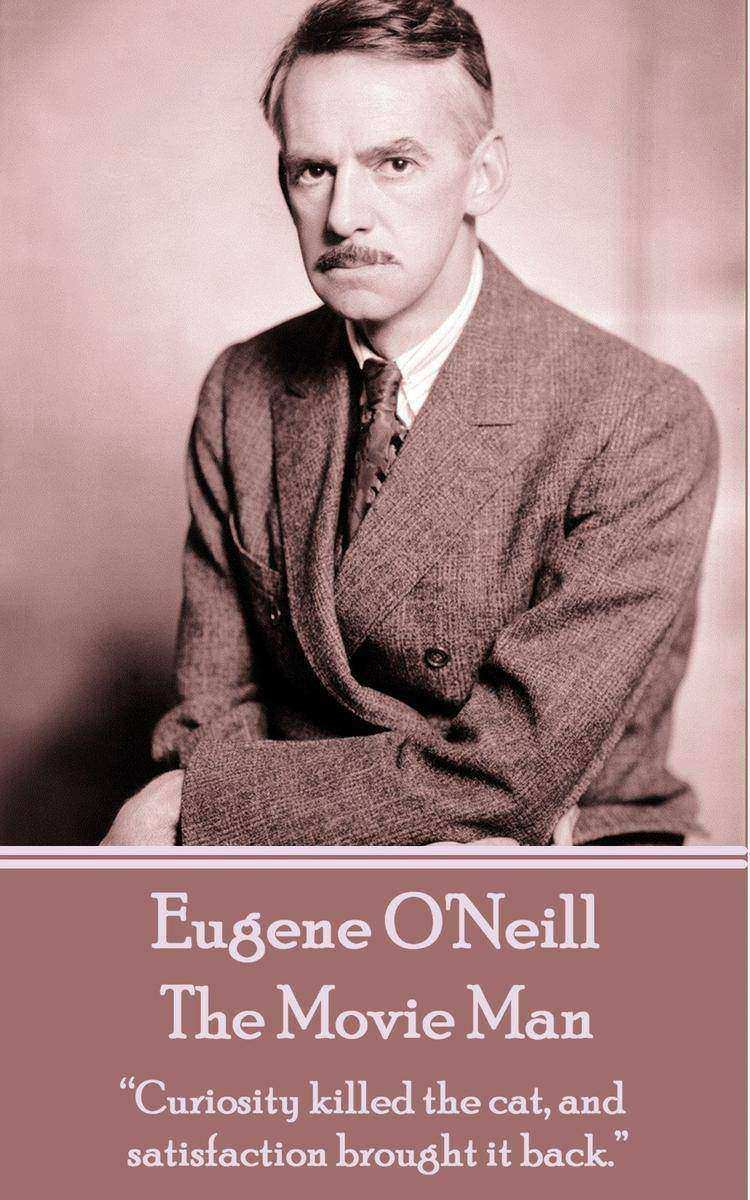
Movie Man - Curiosity killed the cat, and satisfaction brought it back.
¥14.03
Eugene Gladstone O'Neill was born on October 16, 1888 in a hotel bedroom in what is now Times Square, New York. Much of his childhood was spent in the comfort of books at boarding schools whilst his actor father was on the road and his Mother contended with her own demons. He spent only a year at University - Princeton - and various reasons have been given for his departure. However whatever his background and education denied or added to his development it is agreed amongst all that he was a playwright of the first rank and possibly America's greatest. His introduction of realism into American drama was instrumental in its development and paved a path for many talents thereafter. Of course his winning of both the Pulitzer Prize (4 times) and the Nobel Prize are indicative of his status. His more famous and later works do side with the disillusionment and personal tragedy of those on the fringes of society but continue to build upon ideas and structures he incorporated in his early one act plays. Eugene O'Neill suffered from various health problems, mainly depression and alcoholism. In the last decade he also faced a Parkinson's like tremor in his hands which made writing increasingly difficult. But out of such difficulties came plays of the calibre of The Iceman Cometh, Long Day's Journey Into Night, and A Moon for the Misbegotten. Eugene O'Neill died in Room 401 of the Sheraton Hotel on Bay State Road in Boston, on November 27, 1953, at the age of 65. As he was dying, he whispered his last words: "e;I knew it. I knew it. Born in a hotel room and died in a hotel room."e;
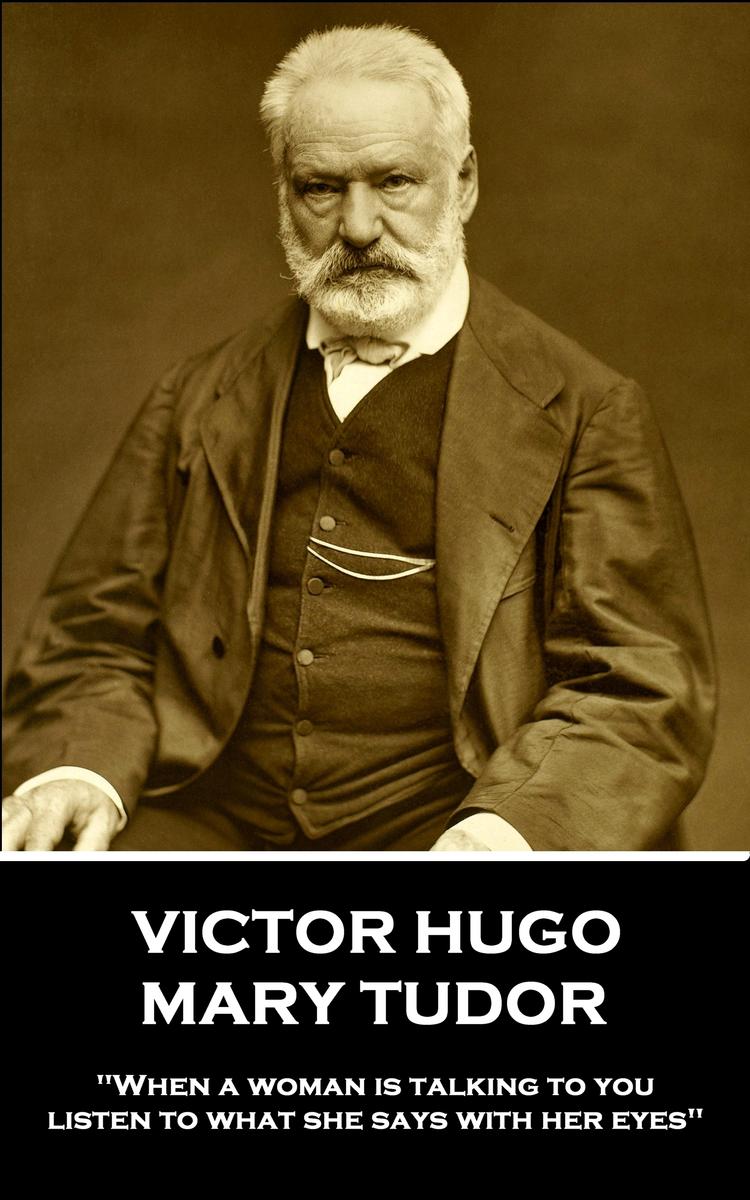
Mary Tudor - When a woman is talking to you, listen to what she says with her ey
¥29.33
Victor Marie Hugo was born on 26th February 1802 and is revered as the greatest of all French writers. A poet, novelist, dramatist and painter he was a passionate supporter of Republicanism and made a notable contribution to the politics of his Country.His life was paralleled by the immense political and social movements of the 19th Century. When he was two Napoleon was proclaimed Emperor but before he was eighteen the Bourbon Monarchy was restored.It was only with his Mother's death in 1821 that he felt confident enough to marry Adele Foucher, a relationship he had kept secret from his mother. Their first child was born inside a year but died in infancy. Leopoldine was born the following year, followed by three further siblings.Hugo published his first novel the year following year, Han d'Islande, (1823). Three years later his second, Bug-Jargal (1826).Between 1829 and 1840 he would publish five further volumes of poetry solidifying his reputation as one of the greatest elegiac and lyric poets of his time. His reputation was growing not only in France but across Europe.In 1841 he was elected to the Academie Francaise, cementing his position in the world of French arts and letters. Hugo also now began to turn his attention to an involvement in French politics.Elevated to the peerage by King Louis-Philippe in 1841 he spoke eloquently and at length against the death penalty and social injustice as well as passionately in favour of freedom of the press and self-government for Poland.When Napoleon III seized power in 1851, and established an anti-parliamentary constitution, Hugo openly declared him a traitor to France and began a long exile, based mainly in Guernsey.In exile, Hugo published his famous political pamphlets; Napoleon le Petit and Histoire d'un crime. Although the pamphlets were banned in France, they nonetheless made a strong impact there. His exile also seemed to have a creative impetus. He composed or published some of his greatest work including Les Miserables, and three widely honoured collections of poetry (Les Chatiments, 1853; Les Contemplations, 1856; and La Legende des siecles, 1859).In 1870 the Third Republic was established and Hugo finally returned home, where he was elected to the National Assembly and the Senate. That same year War erupted between France and Prussia and the French were badly beaten.With the end of the War Hugo began his campaign for a great valuation and protection for the rights of artists and copyright. He was a founding member of the Association Litteraire et Artistique Internationale, which led to the Berne Convention for the Protection of Literary and Artistic Works.Victor Hugo's death on 22nd May 1885, at the age of 83, generated intense nation-wide mourning. Revered not only as a towering figure in literature, he was a statesman who had helped to shape the Third Republic and democracy in France.Index of ContentsDRAMATIS PERSONTIME: LONDON, 1553MARY TUDORFIRST DAYA MAN OF THE PEOPLESCENE:-Border of the Thames.SCENE ISCENE IISCENE IIISCENE IVSCENE VSCENE VISCENE VIISCENE VIIISCENE IXSECOND DAYTHE QUEENSCENE:-A Room in the royal apartment.SCENE ISCENE IISCENE IIISCENE IVSCENE VSCENE VISCENE VIISCENE VIIISCENE IXTHIRD DAYPART IWHICH OF THE TWO?SCENE:-Hall in the Interior of the Tower of London.SCENE ISCENE IISCENE IIISCENE IVSCENE VSCENE VISCENE VIIISCENE IXSCENE XTHIRD DAYPART IISCENE:-A Hall or Room into Which lead Two Staircases.SCENE ISCENE IIVICTOR HUGO - A SHORT BIOGRAPHYVICTOR HUGO - A CONCISE BIBLIOGRAPHY
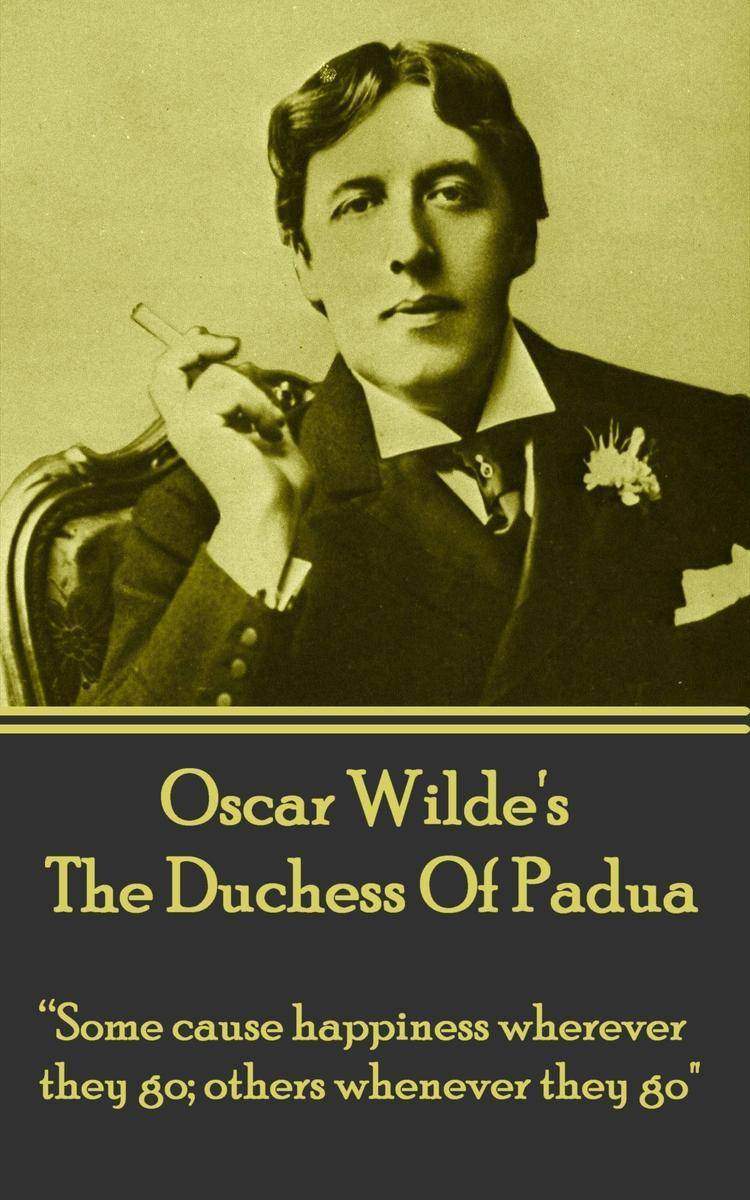
Duchess Of Padua - Some cause happiness wherever they go; others whenever they g
¥23.45
The Duchess of Padua is a play by the world famous wit Oscar Wilde. A five-act melodramatic tragedy set in Padua and written in blank verse. It was written for the actress Mary Anderson in early 1883 while in Paris. Alas she turned it down and it was abandoned until a run on Broadway re-titled Guido Ferranti. It ran for three weeks. It is rarely seen but on account of the immense talents of its author we thought it deserved a wider audience. We hope that includes you.
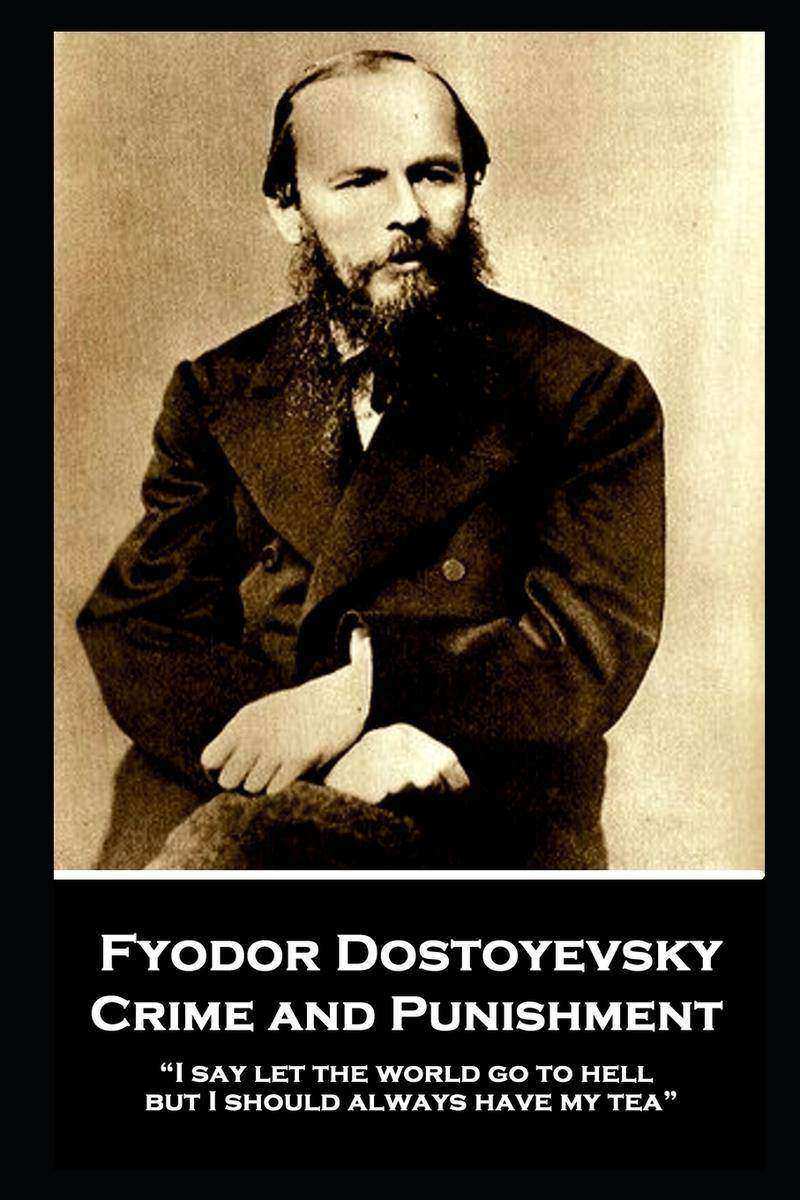
Crime and Punishment - I say let the world go to hell, but I should always have
¥38.75
Fyodor Dostoyevsky was born on 11th November 1821.He was introduced to literature very early. At age three, it was heroic sagas, fairy tales and legends. At four his mother used the Bible to teach him to read and write. His immersion in literature was wide and varied. His imagination, he later recalled, was brought to life by his parents' nightly readings.On 27th September 1837 tragedy struck. Dostoyevsky's mother died of tuberculosis.Dostoyevsky and his brother were now enrolled at the Nikolayev Military Engineering Institute, their academic studies abandoned for military careers. Dostoyevsky disliked the academy, his interests were drawing and architecture.His father died on 16th June 1839 and perhaps triggered Dostoyevsky's epilepsy. However, he continued his studies, passed his exams and obtained the rank of engineer cadet.Dostoyevsky's first completed work was a translation of Honore de Balzac's novel Eugenie Grandet, published in 1843. It was not successful. He believed his financial difficulties could be overcome by writing his own novel. The result was 'Poor Folk', published in 1846, and a commercial success.His next novel, 'The Double', appeared in January 1846. Dostoyevsky now became immersed in socialism. However, 'The Double' received bad reviews and he now had more frequent seizures. With debts mounting he joined the utopian socialist Betekov circle, which helped him to survive. When that dissolved he joined the Petrashevsky Circle, which proposed social reforms. The Petrashevsky Circle was then denounced and Dostoyevsky accused of reading and distributing banned works. Arrests took place in late April 1849 and its members sentenced to death by firing squad. The Tsar commuted the sentence to four years of exile with hard labour in Siberia.His writings on these prison experiences, 'The House of the Dead' were published in 1861.In Saint Petersburg that September he promised his editor he would deliver 'The Gambler', a novella on gambling addiction, by November, although work had yet to begin. It was completed in a mere 26 days.Other works followed but a different approach helped immensely. In 1873 'Demons' was published by the "e;Dostoyevsky Publishing Company"e;. Only payment in cash was accepted and the bookshop was the family apartment. It sold around 3,000 copies.However, Dostoyevsky's health continued to decline, and in March 1877 he had four epileptic seizures. In August 1879 he was diagnosed with early-stage pulmonary emphysema. He was told it could be managed, but not cured.On 26th January 1881 Dostoyevsky suffered a pulmonary haemorrhage. After the second the doctors gave a poor prognosis. A third haemorrhage followed shortly afterwards.Fyodor Dostoyevsky died on 9th February, 1881.

Tamerlane
¥23.45
Nicholas Rowe was born in Little Barford, Bedfordshire, England, on June 20th, 1674. He was educated at Highgate School, and then at Westminster School under the tutelage of Dr. Busby.In 1688, Rowe became a King's Scholar, and then in 1691 gained entrance into Middle Temple. This was his father's decision (he was a barrister) who felt that his son had made sufficient progress to study law. While at Middle Temple, he decided that studying law was easier if seen as a system of rational government and impartial justice and not as a series of precedents, or collection of positive precepts.On his father's death, when he was nineteen, he became the master of a large estate and an independent fortune. His future path now was to ignore law and write poetry with a view to eventually writing plays.The Ambitious Stepmother, Rowe's first play, produced in 1700 at Lincoln's Inn Fields by Thomas Betterton and set in Persepolis, was well received. This was followed in 1701 by Tamerlane. In this play the conqueror Timur represented William III, and Louis XIV is denounced as Bajazet. It was for many years regularly acted on the anniversary of William's landing at Torbay. In 1704, he tried his hand at comedy, with The Biter at Lincoln's Inn Fields. The play is said to have amused no one except the author, and Rowe returned to tragedy in Ulysses (1706). For Johnson, this play was to share the fate of many such plays based on mythological heroes, as, "e;We have been too early acquainted with the poetical heroes to expect any pleasure from their revival"e;The Royal Convert (1707) dealt with the persecutions endured by Aribert, son of Hengist and the Christian maiden Ethelinda. The story was set in England in an obscure and barbarous age. Rodogune was a tragic character, of high spirit and violent passions, yet with a wicked with a soul that would have been heroic if it had been virtuous.Rowe is however well known for his work on Shakespeare's plays. He published the first 18th century edition of Shakespeare in six volumes in 1709. His practical knowledge of the stage helped him divide the plays into scenes and acts, with entrances and exits of the players noted. The spelling of names was normalized and each play prefixed with a dramatis personae. This 1709 edition was also the first to be illustrated, a frontispiece engraving being provided for each play. Unfortunately, Rowe based his text on the discredited Fourth Folio, a failing which many succeeding him also followed.Rowe also wrote a short biography of William Shakespeare, entitled, Some Account of the Life of Mr. William Shakespeare.In Dublin in 1712 a revival of his earlier play, Tamerlane, at a time when political passions were running high, the performance provoked a serious riot.The Tragedy of Jane Shore, played at Drury Lane with Mrs Oldfield in the title role in 1714. It ran for nineteen nights, and kept the stage longer than any other of Rowe's works. In the play, which consists chiefly of domestic scenes and private distress, the wife is forgiven because she repents, and the husband is honoured because he forgives.Whilst his plays met with little success at the time his poems were received extremely well. Although he was not prolific nor his output large the quality was high. With the accession to the throne of George I he was made a surveyor of customs, and then, in 1715, he succeeded Nahum Tate as poet laureate. It was the high point of his artistic life.He was also appointed clerk of the council to the Prince of Wales, and in 1718 was nominated by Lord Chancellor Parker as clerk of the presentations in Chancery. Nicholas Rowe died on December 6th, 1718, and was buried in Westminster Abbey.Rowe married first a daughter of a Mr Parsons and left a son John. By his second wife Anne, nee Devenish, he had a daughter Charlotte.
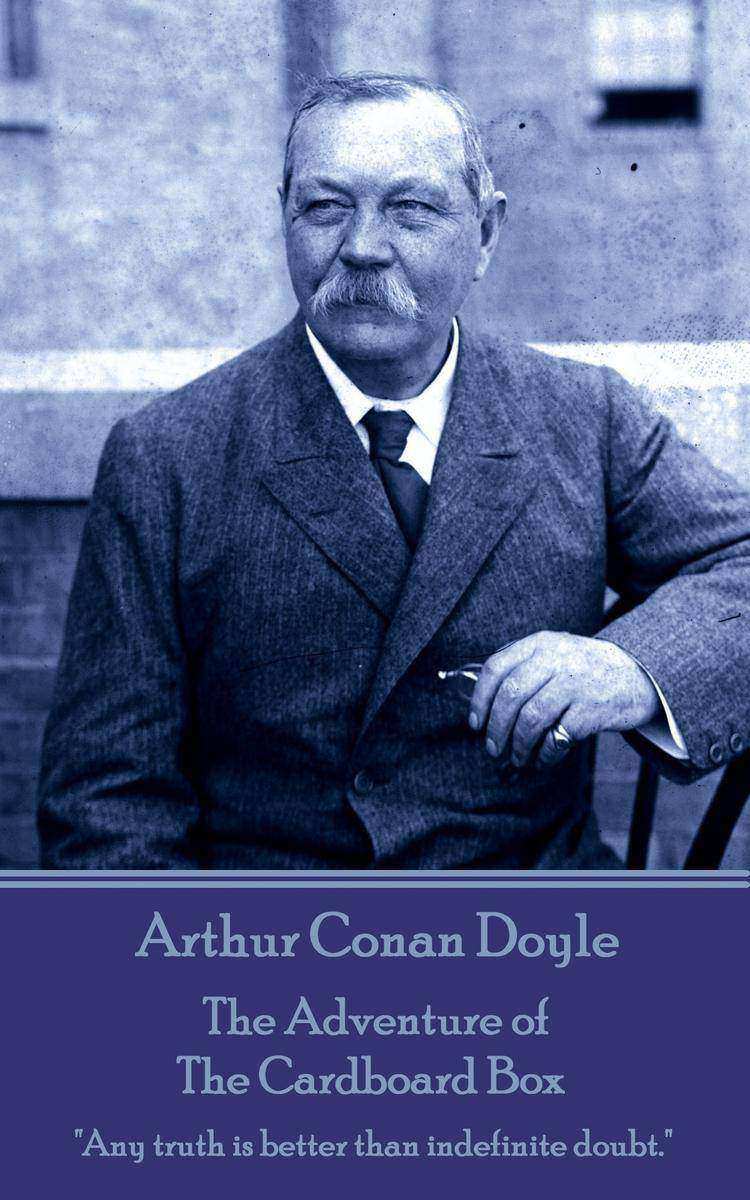
Adventure of the Cardboard Box - Any truth is better than indefinite doubt.
¥14.03
If ever a writer needed an introduction Arthur Conan Doyle would not be considered that man. After all, Sherlock Holmes is perhaps the foremost literary detective of any age. Add to this canon his stories of science fiction and his poems, his historical novels, his plays, his political campaigning, his efforts in establishing a Court of Appeal and there is little room for anything else. Except he was also an exceptional writer of short stories of the horrific and macabre. Something very different from what you might expect. Born in Arthur Conan Doyle was born on 22 May 1859 at 11 Picardy Place, Edinburgh, Scotland. From 1876 - 1881 he studied medicine at the University of Edinburgh following which he was employed as a doctor on the Greenland whaler Hope of Peterhead in 1880 and, after his graduation, as a ship's surgeon on the SS Mayumba during a voyage to the West African coast in 1881. Arriving in Portsmouth in June of that year with less than GBP10 (GBP700 today) to his name, he set up a medical practice at 1 Bush Villas in Elm Grove, Southsea. The practice was initially not very successful. While waiting for patients, Conan Doyle again began writing stories and composed his first novel The Mystery of Cloomber. Although he continued to study and practice medicine his career was now firmly set as a writer. And thereafter great works continued to pour out of him.
Knights - A man may learn wisdom even from a foe
¥11.67
The reality is that little is known of Aristophanes actual life but eleven of his forty plays survive intact and upon those rest his deserved reputation as the Father of Comedy or, The Prince of Ancient Comedy. Accounts agree that he was born sometime between 456BC and 446 BC. Many cities claim the honor of his birthplace and the most probable story makes him the son of Philippus of gina, and therefore only an adopted citizen of Athens, a distinction which, at times could be cruel, though he was raised and educated in Athens. His plays are said to recreate the life of ancient Athens more realistically than any other author could. Intellectually his powers of ridicule were feared by his influential contemporaries; Plato himself singled out Aristophanes' play The Clouds as a slander that contributed to the trial and condemning to death of Socrates and although other satirical playwrights had also caricatured the philosopher his carried the most weight. His now lost play, The Babylonians, was denounced by the demagogue Cleon as a slander against the Athenian polis. Aristophanes seems to have taken this criticism to heart and thereafter caricatured Cleon mercilessly in his subsequent plays, especially The Knights. His life and playwriting years were undoubtedly long though again accounts as to the year of his death vary quite widely. What can be certain is that his legacy of surviving plays is in effect both a treasured legacy but also in itself the only surviving texts of Ancient Greek comedy.
Feast of Solhoug (1856)
¥23.45
Henrik Ibsen (20th March, 1828 - 23rd May, 1906) is often referred to as the father of realism and ranked just below Shakespeare as Europe's greatest ever playwright especially as his plays are performed most frequently throughout the world after Shakespeare's. He was Norwegian and although set his plays in Norway, he wrote them in Danish and lived most of his professional life in Italy and Germany. His affect on the theatre is still evident today and shapes the distinction of plays being art as opposed to entertainment since he broke down all previous traditions and explored issues, developed characterisation, revealed uncomfortable truths, challenged assumptions and brokedown facades in ourselves as well as society. These factors are clearly demonstrated in The Feast of Solhoug, Ibsen's first publicly successful drama which employed Ibsen's poetic style to great effect providing a melody to the lines echoing old Scandinavian ballads and songs. The plot centres around Magrit who as the play opens is marrying the master of Solhoug, Bengt Guateson, Knut Gersling who wants to marry her and Gudmund Alfson, who she wants to marry but is in love with another woman. These make good ingredients for a wonderful melodrama with tantalising misunderstandings. The play has been said to possess the charm of a northern summer night, in which the glimmer of twilight gives place only to the gleam of morning.
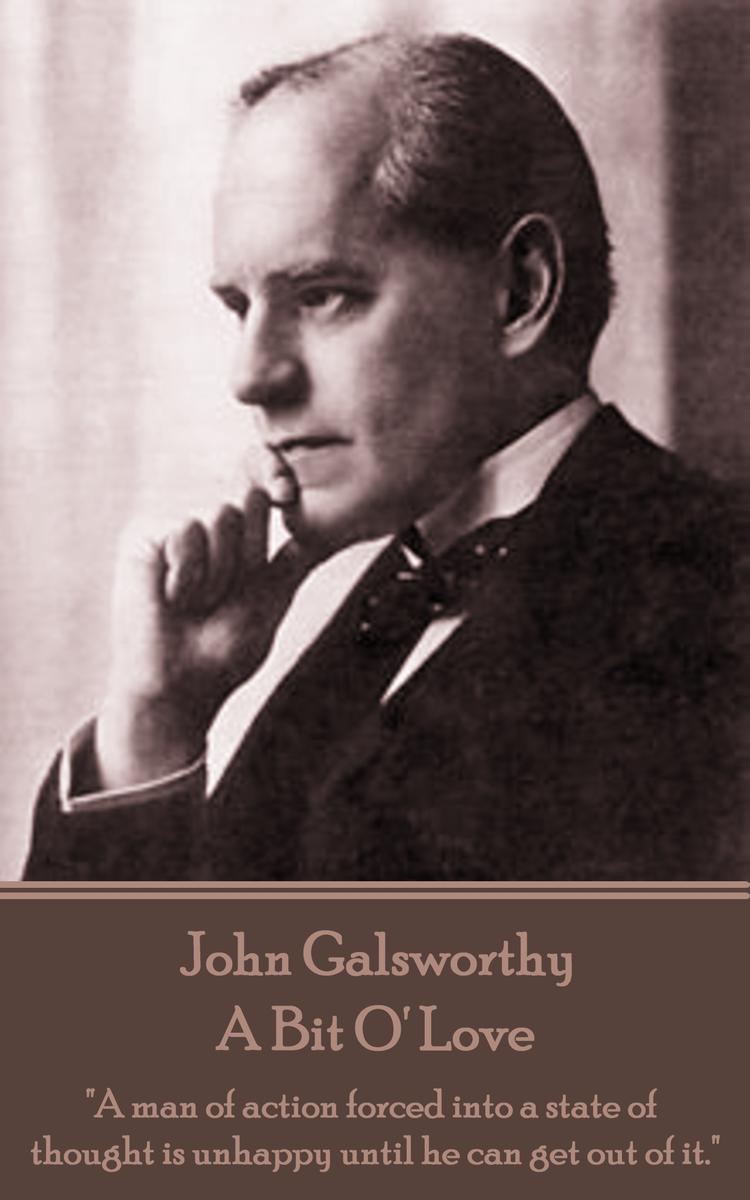
Bit O' Love - A man of action forced into a state of thought is unhappy until he
¥21.09
John Galsworthy was born at Kingston Upon Thames in Surrey, England, on August 14th 1867 to a wealthy and well established family. His schooling was at Harrow and New College, Oxford before training as a barrister and being called to the bar in 1890. However, Law was not attractive to him and he travelled abroad becoming great friends with the novelist Joseph Conrad, then a first mate on a sailing ship. In 1895 Galsworthy began an affair with Ada Nemesis Pearson Cooper, the wife of his cousin Major Arthur Galsworthy. The affair was kept a secret for 10 years till she at last divorced and they married on 23rd September 1905. Galsworthy first published in 1897 with a collection of short stories entitled "e;The Four Winds"e;. For the next 7 years he published these and all works under his pen name John Sinjohn. It was only upon the death of his father and the publication of "e;The Island Pharisees"e; in 1904 that he published as John Galsworthy. His first play, The Silver Box in 1906 was a success and was followed by "e;The Man of Property"e; later that same year and was the first in the Forsyte trilogy. Whilst today he is far more well know as a Nobel Prize winning novelist then he was considered a playwright dealing with social issues and the class system. Here we publish Villa Rubein, a very fine story that captures Galsworthy's unique narrative and take on life of the time. He is now far better known for his novels, particularly The Forsyte Saga, his trilogy about the eponymous family of the same name. These books, as with many of his other works, deal with social class, upper-middle class lives in particular. Although always sympathetic to his characters, he reveals their insular, snobbish, and somewhat greedy attitudes and suffocating moral codes. He is now viewed as one of the first from the Edwardian era to challenge some of the ideals of society depicted in the literature of Victorian England. In his writings he campaigns for a variety of causes, including prison reform, women's rights, animal welfare, and the opposition of censorship as well as a recurring theme of an unhappy marriage from the women's side. During World War I he worked in a hospital in France as an orderly after being passed over for military service. He was appointed to the Order of Merit in 1929, after earlier turning down a knighthood, and awarded the Nobel Prize in 1932 though he was too ill to attend. John Galsworthy died from a brain tumour at his London home, Grove Lodge, Hampstead on January 31st 1933. In accordance with his will he was cremated at Woking with his ashes then being scattered over the South Downs from an aeroplane.

The 15:17 to Paris: The True Story of a Terrorist, a Train and Three American He
¥66.22
The 15:17 to Paris is the amazing true story of friendship and bravery, and of near tragedy averted by three heroic young men who found the unity and strength inside themselves when they – and 500 other innocent travellers – needed it most. On 21st August 2015, Ayoub El-Khazzani boarded train #9364 in Brussels, bound for Paris. There could be no doubt about his mission: he had an AK-47, a pistol, a box cutter and enough ammunition to obliterate every passenger on board. Slipping into the bathroom in secret, he armed his weapons. Another major ISIS attack was about to begin, but Khazzani wasn’t expecting Anthony Sadler, Alek Skarlatos and Spencer Stone. Stone was a martial arts enthusiast and airman first class in the US Air Force, Skarlatos was a member of the Oregon National Guard, and all three were fearless. But their decision, to charge the gunman, then overpower him even as he turned first his gun, then his knife, on Stone, depended on a lifetime of loyalty, support, and faith. Their friendship was forged as they came of age together in California: going to church, playing paintball, teaching each other to swear, and sticking together when they got in trouble at school. Years later, that friendship would give all of them the courage to stand in the path of one of the world's deadliest terrorist organisations.

Nobody’s Son: All Alex ever wanted was a family of his own
¥55.23
Born in a prison and removed from his drug-dependent mother, rejection is all that 7-year-old Alex knows. When Cathy is asked to foster little Alex, aged 7, her immediate reaction is: Why can’t he stay with his present carers for the last month? He’s already had many moves since coming into care as a toddler and he’ll only be with her a short while before he goes to live with his permanent adoptive family. But the present carers are expecting a baby and the foster mother isn’t coping, so Alex goes to live with Cathy. He settles easily and is very much looking forward to having a forever family of his own. The introductions and move to his adoptive family go well. But Alex is only with them for a week when problems begin. What happens next is both shocking and upsetting, and calls into question the whole adoption process.

An Unlikely Countess: Lily Budge and the 13th Earl of Galloway (Text Only)
¥77.01
A vivid and moving portrait of the inimitable Lily Budge, who overcame poverty and class to become the 13th Countess of Galloway, and one of Scotland's most colourful eccentrics. Randolph Stewart was lobotomized as a teenager after a crude diagnosis of schizophrenia. When the operation went wrong, he was hidden away by his aristocratic parents in a mental institution and then taken in by a sect of monks. By the time Lily Budge met him in 1975, he appeared a shy and lonely tramp. In reality he was the future Earl of Galloway, heir to a fortune and a title considered to be linchpin of the Scottish establishment. Lily, an extroverted character from a working-class family, would join him in a powerful bond of love that challenged conventions, made national headlines, and led to enormous heartache. A vibrant portrait of 20th-century Scotland, 'An Unlikely Countess' is also a profile of two unforgettable characters, and the doomed love that they shared.
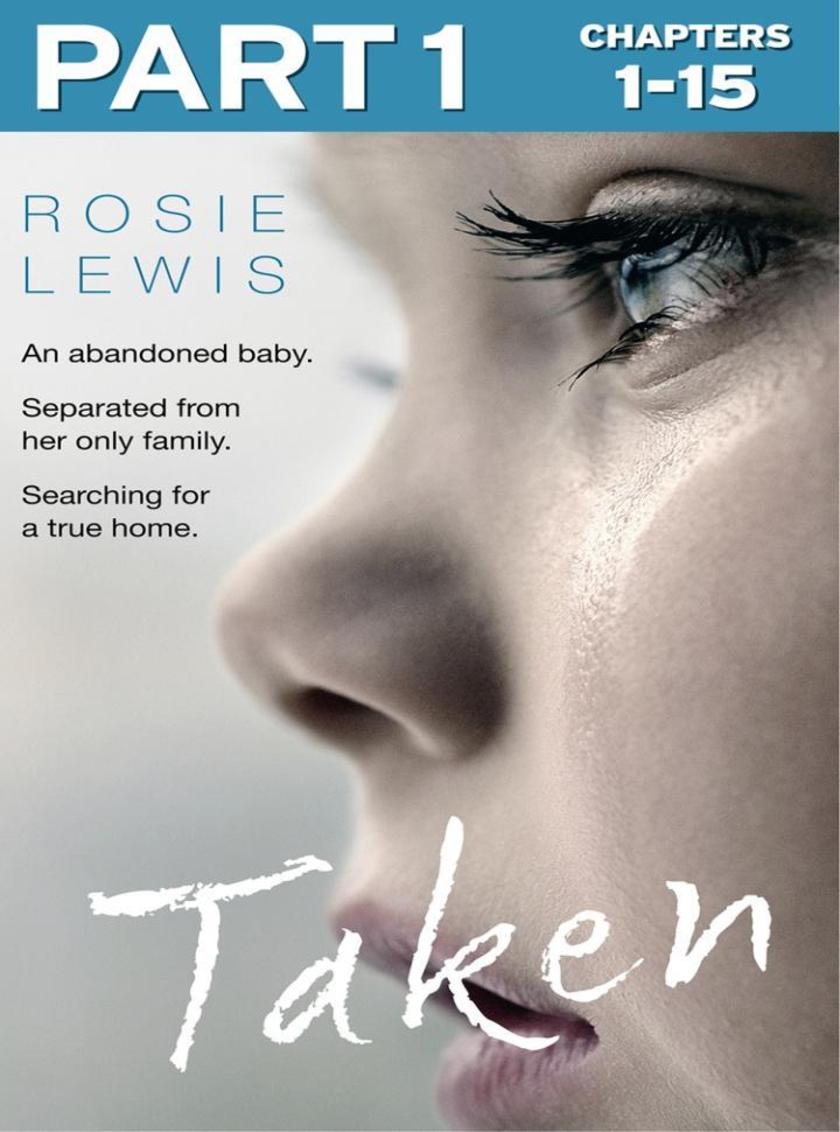
Taken: Part 1 of 3
¥24.33
Experienced foster carer, Rosie Lewis, takes on the heart-breaking case of Megan, a baby born with a drug addiction and a cleft palate. Addicted to drugs from birth because of her mother’s substance abuse during pregnancy, new-born Megan is taken into Rosie’s loving care. Rosie is supposed to help Megan find her new permanent home, but it turns out that Megan has already found her ‘forever mummy’ in Rosie. Rosie grows incredibly attached to Megan and applies to adopt her, but the system refuses her in favour of a young couple and Rosie is devastated. Against all her instincts, Rosie does her job and prepares Megan for her new ‘forever family’, but everything about Megan leaving feels wrong. When Rosie learns a few months later that Megan’s adoption has broken down, she is saddened but also filled with hope – will this little girl be allowed to return to her true ‘forever home’?

The Prince Who Would Be King: The Life and Death of Henry Stuart
¥73.58
Henry Stuart’s life is the last great forgotten Jacobean tale. Shadowed by the gravity of the Thirty Years’ War and the huge changes taking place across Europe in seventeenth-century society, economy, politics and empire, his life was visually and verbally gorgeous. NOW THE SUBJECT OF BBC2 DOCUMENTARY The Best King We Never Had Henry Stuart, Prince of Wales was once the hope of Britain. Eldest son to James VI of Scotland, James I of England, Henry was the epitome of heroic Renaissance princely virtue, his life set against a period about as rich and momentous as any. Educated to rule, Henry was interested in everything. His court was awash with leading artists, musicians, writers and composers such as Ben Jonson and Inigo Jones. He founded a royal art collection of European breadth, amassed a vast collection of priceless books, led grand renovations of royal palaces and mounted operatic, highly politicised masques. But his ambitions were even greater. He embraced cutting-edge science, funded telescopes and automata, was patron of the North West Passage Company and wanted to sail through the barriers of the known world to explore new continents. He reviewed and modernised Britain’s naval and military capacity and in his advocacy for the colonisation of North America he helped to transform the world. At his death aged only eighteen, and considering himself to be as much a European as British, he was preparing to stake his claim to be the next leader of Protestant Christendom in the struggle to resist a resurgent militant Catholicism. In this rich and lively book, Sarah Fraser seeks to restore Henry to his place in history. Set against the bloody traumas of the Thirty Years’ War, the writing of the King James Bible, the Gunpowder Plot and the dark tragedies pouring from Shakespeare’s quill, Henry’s life is the last great forgotten Jacobean tale: the story of a man who, had he lived, might have saved Britain from King Charles I, his spaniels and the Civil War with its appalling loss of life his misrule engendered.

AutoBioPhilosophy: An intimate story of what it means to be human
¥110.46
AutoBioPhilosophy is an astonishingly frank and original autobiography that explores the fundamental question of what it means to be human. Robert Rowland Smith’s life story involves a love triangle, office politics, police raids, illegal drugs, the academic elite and a near-death experience. It sees him grappling with the tragic fate of his father, going through a double divorce and encountering a living divinity. We witness him confronting his demons but also looking out for angels. A former Oxford don, Robert uses these deeply personal experiences to generate philosophical insights that will resonate with everybody. What are the recurring patterns, unconscious motives and social forces that govern our behaviour? Through his experiences, and referencing writers from Shakespeare to Freud, he offers new models and ways into human psychology. As we are led into Robert’s private world, we gain an understanding of what it means to be human that is relevant to all.
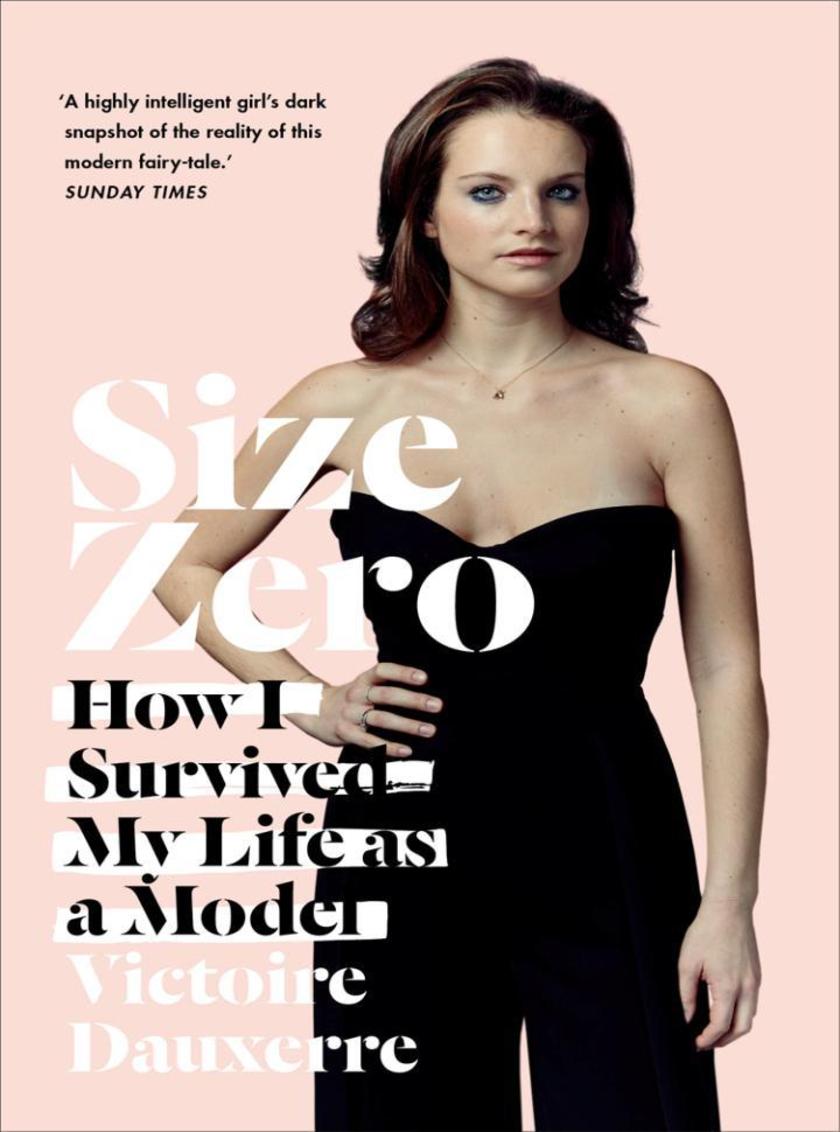
Size Zero: My Life as a Disappearing Model
¥73.58
A memoir of a brief career as a top model - and the brutally honest account of what goes on behind the scenes in a fascinating, closed industry. Scouted in the street when she is 17, Victoire Dauxerre’s story started like a teenager’s dream: within months she was on the catwalks of New York’s major fashion shows, and part of the most select circle of in-demand supermodels in the world. But when fashion executives and photographers began to pressure her about her weight, forcing her to become ever thinner, Victoire’s fantasy came at a cost. Food was now her enemy, and soon, living on only three apples a day and Diet Coke galore, Victoire became anorexic. An unflinching, painful expose of the uglier face of fashion, her testimony is a shocking example of how our culture’s mechanisms of anorexia and bulimia can push a young woman to the point of suicide. It is the story of a survivor whose fight against poisonous illness and body image shows us how to take courage and embrace life. Written with Valérie Péronnet.


