


 购物车
购物车 个人中心
个人中心

Jill's Leading Ladies
¥48.95
When Jill Allen-King OBE, suddenly lost her sight at the age of 24, with little help and advice available from Social Services she had to teach herself to cope with a whole new way of living that had its own set of challenges to overcome, including looking after her daughter, Jacqueline, born soon afterwards. It wasn't until seven years later that Jill successfully completed a training course with her first guide dog and finally, after years of being virtually housebound, was able to begin rebuilding her confidence and reclaiming her independence.Drawing on her own experiences of the problems and dangers that face the blind and partially sighted, as well as those with other mobility difficulties and disabilities, Jill has devoted her life to raising awareness of the needs and rights of the disabled, particularly in regard to access to public buildings, and campaigning for these issues to be considered by householders, businesses, councils and the government. None of this would have been possible without her six guide dogs over the past 40 years: Topsy, Bunty, Brandy, Quella, Lady and her current dog, Amanda.This book, following close on the heels of Jill's autobiography, Just Jill, is a heartfelt tribute to her trusted four-legged friends, who have given her companionship, instilled her with confidence and guided her safely in both her personal life and in her incredibly important voluntary work throughout the UK. No one can fail to be inspired by Jill's perseverance and achievements or by the fantastic work that guide dogs carry out for their owners. Although now in her seventies, with new challenges for those with disabilities always on the horizon, such as electric cars, shared streets and changes to the benefits system, Jill's contributions to the fight neither cease nor cease to amaze.
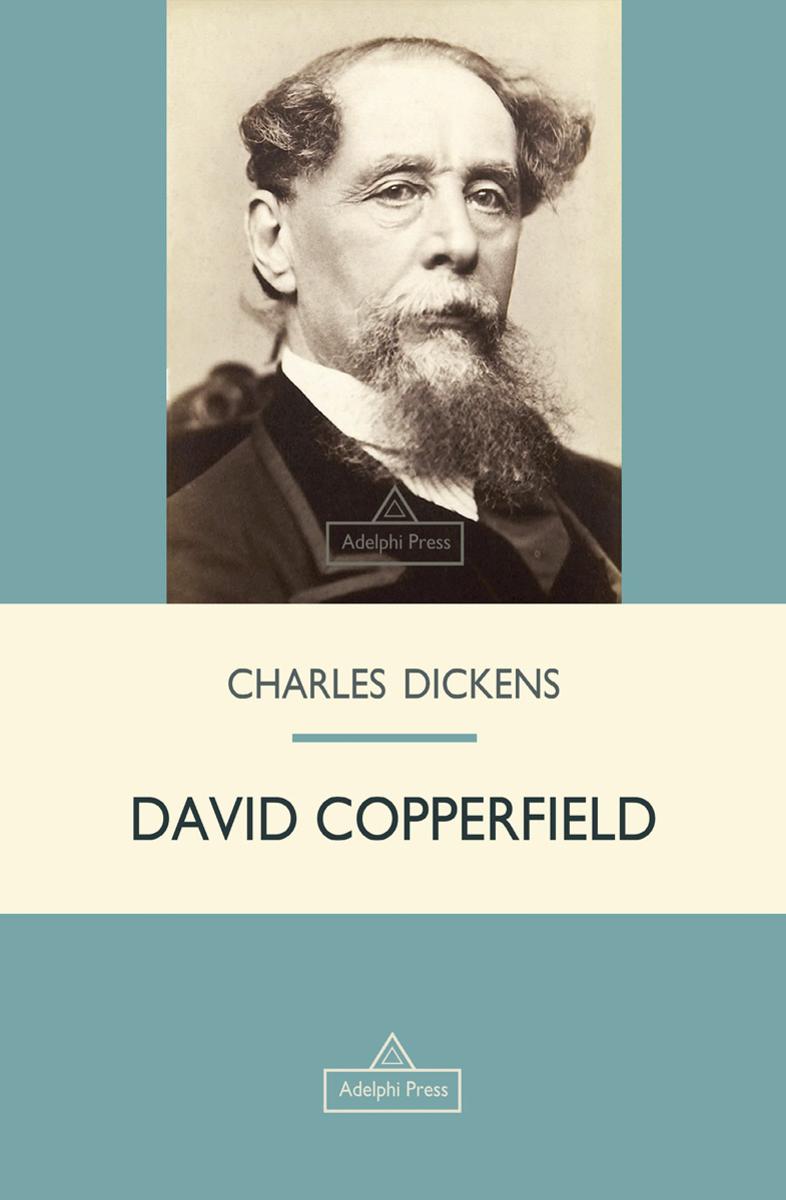
David Copperfield
¥24.44
The novel follows the character David Copperfield, and is written in the first person, as a description of his life until middle age, with his own adventures and the web of friends and enemies he meets along his way. Copperfield finds career success as an author, and is a person of deep emotions. Many elements of the novel follow events in Dickens's own life, and it is often considered his veiled autobiography. It was Dickens' favourite among his own novels.
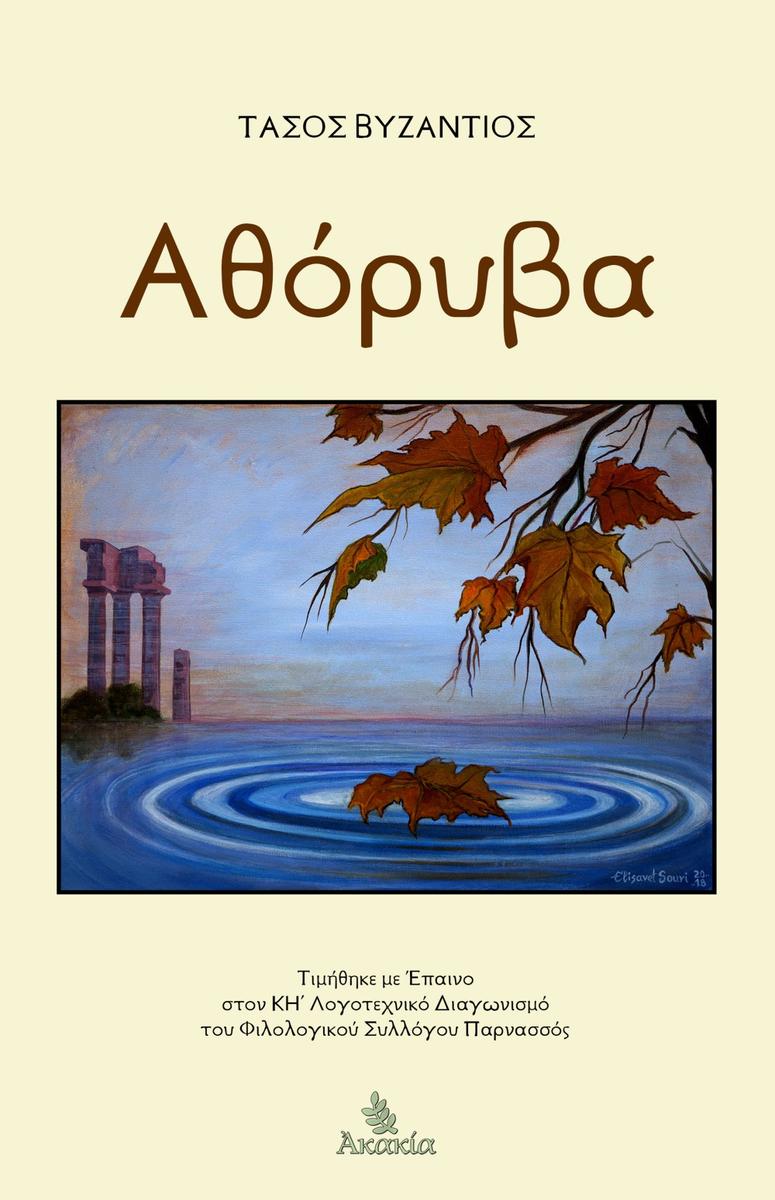
ΑΘΟΡΥΒΑ
¥52.40
Η Πο?ηση, οι εμπνε?σει? και τα μην?ματα που προσωπικ? και αυθ?ρμητα εκπ?μπονται απ? την ψυχ? του ποιητ? δ?σκολα περιγρ?φονται και αναλ?ονται. Ο Γι?ργο? Σεφ?ρη? δεν ?θελε να μιλ? και να εξηγε? τ?ποτα απολ?τω? για τα ποι?ματ? του. Ο Euros Bowen ?λεγε πω? ?η Πο?ηση δεν ε?ναι λ?ξει?, αλλ? ο χορ?? τη? φωτι???! Την παραλληλ?ζει δε με τη φωτι?, ?χι με την ?ννοια τη? καταστροφ?? και τη? απ?λειψη?, αλλ? με την εξαιρετικ? ?ννοια του καυτηριασμο?, τη? κ?θαρση? και επομ?νω? τη? θεραπε?α?. Κι αυτ? τα στοιχε?α προσφ?ρονται π?ντα... αθ?ρυβα!

Doktor Proktor pukipora 4. - A nagy aranyrablás
¥56.98
Facerea unei case necesit? voin?a ?i pricepere, cu at?t mai mult facerea unei lumi. Acum, cred ca Muzulie Ceatpat avea geniu. ?mprejur?rile ?ns? i-au fost neprielnice. Amintirile mele legate de proiectul lui se pierd ?n tenebrele Templului s?pat, mai ?nainte de to?i vecii, ?n st?nca hercinic?, de natur?, de oamenii primitivi, ori de c?tre sfin?ii atra?i prin lucarna surprinz?toare a cupolei, ?n str?dania lor de a comunica cu o lume mai presus de fire. Templul Celui Foarte Mare, Bai Ulgun, cum se pomene?te el din str?vechime, este o caverna uria?? ascuns? vederii ?n inima gorganului ?nalt acoperit de zmeuri? ?i tufe de alun printre grohoti?uri. Calota lui, deschisa lumii de un trepan uria?, permite accesul ?n interior pe traseul ?erpuitor al unei sc?ri?e s?pat? ?n t?mpla de piatra p?n? la arhitrava care ?ncercuie?te naosul. De aici se ajunge la platforma principala mult mai u?or, pe scara solida de stejar, ce coboar? ?n fr?nturi de cate ?apte trepte, ?n jurul unei coloane de sus?inere, p?n? la locul unde se petrec toate: jertfe, impreca?ii, rug?ciuni. De jur ?mprejur, delimit?nd parca secven?ial spa?iul ?i timpul, pe suprafa?? concav? a platformei dou?sprezece ?an?uri sub?iri pornesc ?n raze, ca spi?ele unei ro?i ce se unesc ?ntr-un un punct virtual din mijlocul chepengului p?trat aflat ?n opozi?ie cu lucarna rotund? din acoperi?, ?i care prelungit sub podeaua naosului, duce ?ntr-un h?u b?nuit, unind astfel cerul cu p?m?ntul. (Ileana Cudalb) Un roman senza?ional.
Bezn? sub soare
¥85.05
Poet? remarcabil?, Simona-Grazia Dima confirm? ?n aceast? carte un adev?r cunoscut: poe?ii ?i ?n?eleg cel mai bine pe poe?i. ?n mai mare m?sur? dec?t criticii, ei au cunoa?terea intim? a poeziei. ?ns? autoarea face mai mult: ??i extinde aria, pentru a cuprinde ?i prozatori, ?i esei?ti. ?i cite?te nu numai simpatetic, ci ?i critic, dar – cum m?rturise?te ?nc? din titlul volumului – este un ?scorpion bl?nd“. O intereseaz? mai presus de orice accesul la spiritualitate al scriitorilor comenta?i. Caut? la ei o Cale, un traseu ini?iatic. Spiritul se oglinde?te ?n spirit, altfel zis. (Livius Cioc?rlie)Oare poe?ii pot fi ?i critici literari? Primul nostru mare critic spunea c? nu. Poetul nu are ?transparen?a“, obiectivarea, impersonalizarea celui chemat s? analizeze ?i s? evalueze o carte. Dar a cunoa?te literatura dinl?untrul ei mi se pare un avantaj ?n plus. Simona-Grazia Dima, o voce liric? foarte personal?, ??i cite?te confra?ii cu fervoare ?i ?i critic? – bl?nd – cu acuitate. Poate fi un poet adev?rat ?i un critic, autentic, de identificare? Eu zic c? da. (Daniel Cristea-Enache)
C?derea dup? Cioran
¥54.10
La ?mplinirea unui deceniu de la moartea filosofului de la R??inari, profesorul I. Necula ne ofer? un incitant studiu despre opera ?i via?a acestui controversat moralist francez de origine rom?neasc?. Cartea se adreseaz? elevilor, studen?ilor, precum ?i publicului larg de cititori.
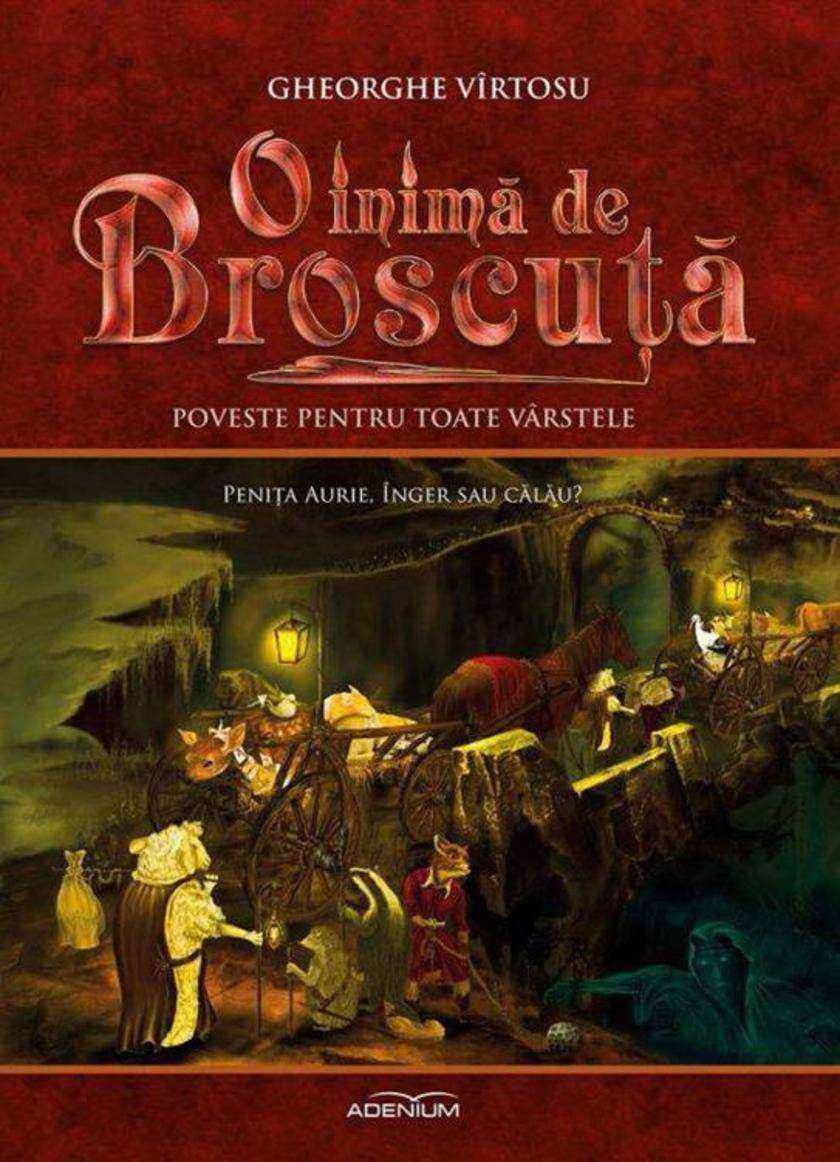
O inim? de Broscu??. Volumul 1. Peni?a aurie, ?nger sau c?l?u?
¥48.97
O confesiune ?i o medita?ie despre mediul evreiesc din Rom?nia de dup? al doilea r?zboi mondial, pornind de la propria experien?? ?i biografie a autorului, ?n prezent conferen?iar la Universitatea Ebraic? din Ierusalim. Av?nd ca nucleu un dialog cu t?n?rul filozof Sandu Frunz?, de la Universitatea din Cluj, cartea reconstituie via?a evreilor din Ia?i (ora?ul natal al autorului), de dup? r?zboi, adolescen?a ?n perioada stalinist?, dilemele ?i reflec?iile stimulate de op?iunile mediului evreiesc din Rom?nia ?n noile condi?ii de dup? r?zboi, av?nd de ales ?ntre integrarea ?n viata social? ?i intelectual? rom?neasc? marcat? de tenta?ia ?i pervertirea comunist? sau, dimpotriv?, alternativa stabilirii ?n Israel. O semnificativ? parte a c?r?ii se concentreaz? asupra evolu?iei acelor intelectuali evrei care au p?r?sit Rom?nia ?n perioada ceau?ist?, dificult??ile ?i dramele adapt?rii la o noua ambian?? cultural?, ca ?i complexa rela?ie cu mediul ?i cultura ?n care s-au format. Pe parcursul a c?teva decenii, amintirile ?i reflec?iile autorului reconstituie, dintr-un unghi inedit ?i foarte personal, mediul universitar ie?ean, ca ?i universul spiritual al intelectualilor israelieni originari din Rom?nia.O medita?ie despre comunism ?i antisemitism, despre dramele dublei apartenen?e culturale, despre emigra?ie, despre tensiuni ?i interferen?e rom?no-evreie?ti, despre lumea v?zut? de la Ia?i ?i de la Ierusalim.

Cum s? cre?ti un adult. Preg?te?te-?i copilul pentru succes
¥67.53
n noaptea dinaintea zilei n care mplinea 40 de ani, Rich Roll a avut revelaia nspimnttoare a viitorului su. Cntrind cu aproape 25 de kilograme mai mult dect normalul i incapabil s urce cteva scri fr s gfie, a putut s vad care era rezultatul stilului su de via complet sedentar – i ce fel de schimbare trebuie s adopte pentru a obine rezultate reale. Adoptnd o nou rutin care punea pe primul loc nutriia din plante si antrenamentele zilnice, Rich s-a transformat – n doar cteva luni – dintr-un brbat total ieit din form, ntr-o adevrat mainrie“ destinat sportului de anduran. Omul ultra relateaz cltoria remarcabil a lui Rich spre linia de start a competiiei de elit Ultraman, care i supune pe cei mai n form oameni din lume la un calvar de peste 500 de kilometri strbtui not, pe biciclet i n alergare. i, dup acest test, Rich a trecut cu succes de unul chiar mai dificil: EPIC5 – cinci triatloane pe distana folosit la competiia Ironman, fiecare dintre ele pe o insul diferit din arhipelagul Hawaii, toate finalizate n mai puin de o sptmn. Omul ultra este un portret minunat despre ceea ce poate realiza puterea voinei. Ne provoac pe toi s ne gndim din nou la ce suntem capabili s realizm i ne ndeamn, implicit i explicit, s trecem la treab“.

Poezii
¥33.03
Mergnd pe linia lui Adrian Punescu, autorul volumului abordeaz aceeai atitudine fa de cititorii obinuii ca i marele su nainta. Ioan Popa, membru al Uniunii Scriitorilor din Romnia, privete lirica din perspectiva cititorului de rnd. El i exprim sentimentele i ideile n aa fel, nct s fie neles de toat lumea. Abordeaz subiecte din viaa de zi cu zi a fiecruia dintre noi, vorbete de mersul la cumprturi, de evoluiile vieii politice, de divor, beii, scandaluri, aglomeraie urban i cte i mai cte. Adic aduce n poezie situaiile i strile sufleteti crora trebuie s le facem fa zilnic cu toii.Poetul are o solid formaie clasic i, n scrierile sale, apar i referine la antichitate, fie c acestea in de istorie, fie c in de mit. n acest fel, de multe ori elementele efemerului, ale derizoriului, ajung s ating o rezonan universal. ns exprimarea este lipsit de preiozitate, are simplitatea i transparena pe care cititorul nesofisticat de poezie le simte ca fiindu-i familiare.Scriind pentru toi cititorii de poezie, Ioan Popa continu o tradiie romneasc nobil. S amintim numai de mult iubiii notri poei George Cobuc, Ion Minulescu, George Toprceanu, Adrian Punescu. Oricare dintre noi intr uor n rezonan cu poeziile lor i le ptrunde nelesul fr s dispun de o aparatur complicat de receptare i interpretare.Fiind uor de neles, poeziile lui Ioan Popa se citesc cu bucurie i plcere – i cu un zmbet n colul gurii.“ – Vasile Poenaru
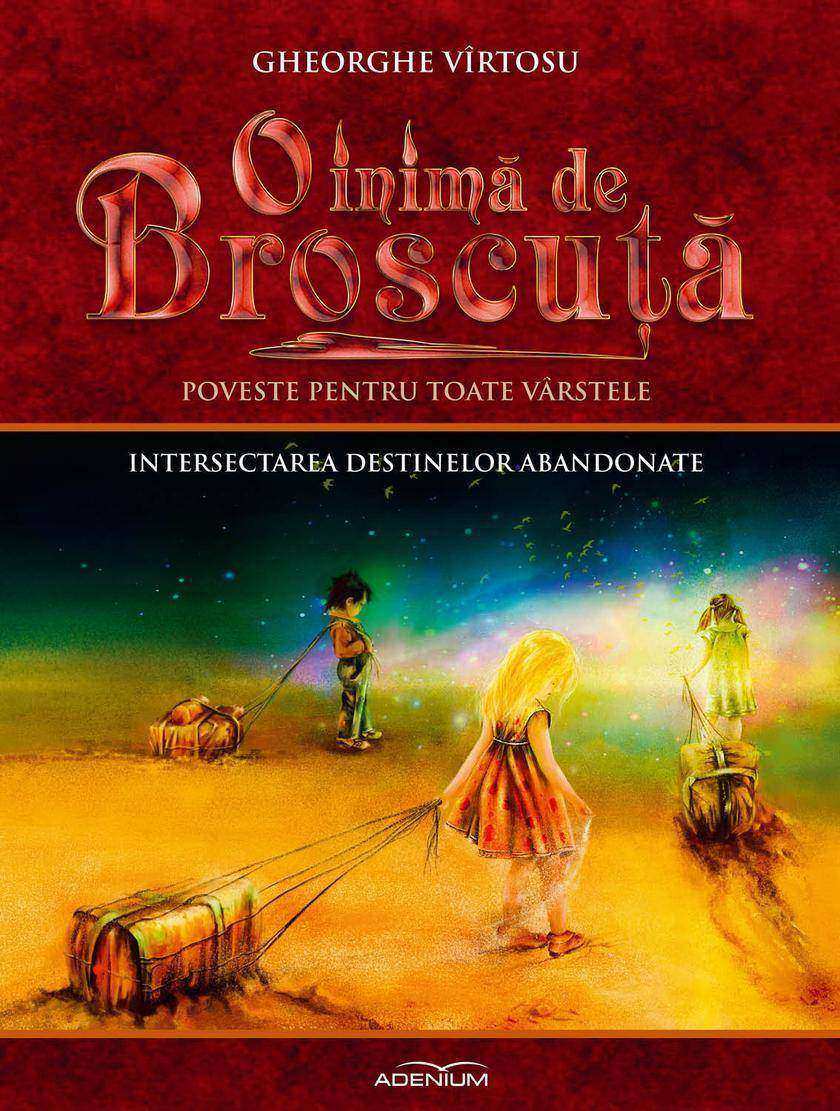
O inim? de Broscu??. Volumul 7. Intersectarea destinelor abandonate
¥65.32
Volumul reune?te c?teva studii ?i eseuri care interogheaz? rela?ia controversat? ?n ?tiin?a actual? dintre comparatism ?i germanistic?, respectiv noua paradigm? cu preten?ii salvatoare, ?germanistica intercultural?“, aduc?nd ?n scen? c?teva analize consacrate scriitorilor germani mai vechi ?i mai noi sau unor probleme de estetic? a crea?iei. Incitante sunt perspectivele deschise de investigarea fenomenologiei faustice ?n hermeneutica lui Ernst Bloch ?i Constantin Noica ?i nu mai pu?in interesante sunt spa?iile de cercetare asupra operei lui Lucian Blaga ?n context german ?i cele dedicate lui Heidegger ?i implica?iei sale politice.Reflex al dublei direc?ii pe care o reprezint? de fapt toate volumele lui Vasile Voia, cartea de fa?? este expresia unei dimensiuni de profunzime ?i, desigur, am putea spune, a unicit??ii ei ?n cultura noastr? actual?. Ea ?mbin? inspirat un comparatism al ideilor cu estetic? ?i filosofia, realiz?nd interferen?a ?i unitatea la nivelul superior al discursului critic.
Despre feminitate, moarte ?i alte eternit??i
¥61.83
Aceast crticic nu reprezint pariul unor mari ambiii auctoriale, nu urmrete s revoluioneze “filosofia iubirii“, nici s deschid vreun drum nou. Nu este nici un manual, un “ghid“ al relaiei de cuplu, cum au nceput sa apar attea, ca i cum ai putea da sfaturi n ceea ce privete iubirea! Scopul su este infinit mai modest – i anume de a depune mrturie despre un fenomen esenial cum este dragostea, n funcie de experiena proprie, de lecturile ce fac i ele parte din aceasta experien i de meditaia, cat s-a putut de onest, n jurul propriilor mele triri. Dac o singura pereche va nelege ce miracol i se ntmpl, dac un singur solitar ce sufer din dragoste va depi criza, dac un mare dezamgit va cpta puterea i curajul de a mai ncerca o dat, voi crede c n-am scris-o aiurea, c n-am nfruntat n zdar temperaturile unei veri incendiare. Pe deasupra, am crezut, cred i voi crede, pn la extincie, c se mai poate nc scrie despre dragoste i altfel dect n romanele “roz“, n filmele de serie X ori n celebrele telenovele. Dragostea este mult prea importanta pentru a fi abandonata complet i definitiv melodramei, vulgaritii, prostului gust. Un subiect vechi de cnd lumea, frecventat de pene ilustre, compromis de scribi mediocri, te poate solicita s-i ncerci puterile nelegerii, precum i pe cele expresive. M ntreb ct de sincer am reuit s fiu. Dar nu mai este, de-acum, problema mea, ci a eventualilor cititori. Ca niciodat, probabil, oricum nu n aceste proporii, m ncearc emoia. n cele din urm, nu te poi prezenta oricum fa n fa cu dragostea.“ (Liviu Antonesei)
Jér?me
¥85.05
Proza rural“ ajunsese s nsemne, n percepia obteasc, o proz conservatoare, desuet, presupus simplist, schematic, dnd seam cu mijloace artistice modeste de o realitate uman mai degrab rudimentar, lipsit de rafinament, subtilitate ori profunzime sufleteasc. I se opunea, ntr-o viziune cvasi-maniheist, proz urban, presupus a fi n mod automat purttoarea complexitii, a nnoirii i rafinamentului, a valorii. n practic, ns, respectiva prejudecat a fost, de fapt, tot mai viguros contrazis de ivirea unor opere de proz rural“ nzestrate cu caracteristicile literaturii moderne de calitate. Acest studiu caut s depisteze, s reliefeze i expliciteze succint trei dintre etapele semnificative ale afirmrii unei proze efectiv moderne, cu tematic rural“, survenite de-a lungul ultimelor dou treimi ale secolului trecut i marcate de contribuia a trei scriitori reprezentativi: Pavel Dan, Marin Preda i Sorin Titel.
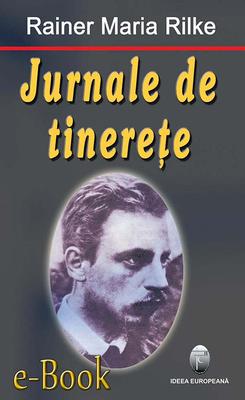
Jurnale de tinere?e
¥54.10
Planeta Rilke. Planeta uria?ului Rilke. Totul irumpe ?nl?untru cu for?e neb?nuite, ?mplinindu-se sub semnul ?noii fiin?e“, al unui ?nceput formidabil de puternic, sugestiv, inspirat, ?n raza presim?irii unei ?noi mari str?luciri, care d? for?? ?i o abunden?? de imagini limbii mele“, a?a ?nc?t ?ma surprind c?teodat? c?t de mult ?mi sunt mie ?nsumi receptiv ?i c?t de mult ?nv??, ?ntr-o uimitoare venera?ie, din propriile mele dialoguri. R?sun? ceva ?n ad?ncul meu, ce vrea s? ajung? la oameni, trec?nd peste aceste pagini, peste dragele mele c?ntece ?i peste toate planurile de viitoare fapte“.?nsemn?rile jubilatorii se transform?, sub ochii no?tri, ?n prelungirea ?ncinselor lecturi de sine, ?n exces de for??, deci, ?ntr-o iubire at?t de plin? ?i de puternic?, ?nc?t elibereaz? numaidec?t din grelele lan?uri ale fricii, devenind o laud? fiin?ei, o laud? f?cut? ?mplinirii ?i viului con?inut ?n exces: ?M? simt de parc? ar trebui s? vorbesc acum, ?n clipe de for?? ?i claritate, c?nd din mine vorbe?te mai mult dec?t eu ?nsumi: sufletul meu. M? simt de parc? ar trebui s?-i convertesc pe to?i cei care ezit? ?i care se ?ndoiesc; c?ci am mai mult? putere ?n mine dec?t pot re?ine ?n cuvinte ?i vreau s? o folosesc pentru a elibera oamenii de str?ina fric?, din care eu ?nsumi am venit“.

Micul print
¥34.25
Demersul exegetic al lui Constantin Cuble?an vine ?ntr-o perioad? ?n care scriitorii nu sunt trata?i a?a cum se cuvine ?n societatea actuala. Cartea include eseuri docte, ample, axate pe crea?ia unor importan?i scriitori ca, bun?oara, Valeriu Anania, Ioan Alexandru, Ion Barbu, Ana Blandiana, Nicolae Breban, Emil Brumaru, Augustin Buzura s.a. Un fragment important, sugestiv, din peisajul literaturii de dup? 1989. ?i nu numai.
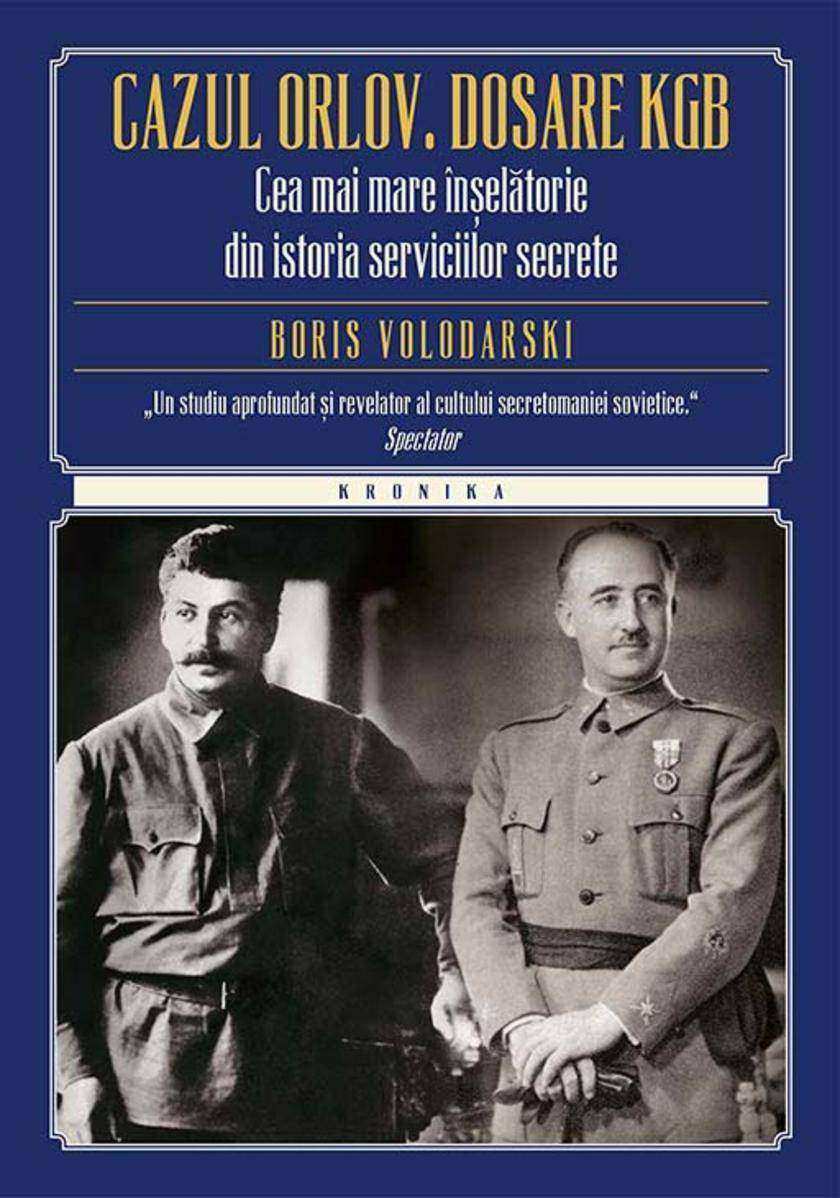
Cazul Orlov. Dosare KGB. Cea mai mare ?n?el?torie din istoria serviciilor secret
¥57.96
Suntem pe deplin convini c Nietzsche i Marea Amiaz sau aceast absolut original, curajoas Religie a Viului se vor nscrie nu numai printre exegezele importante, necesare n acest moment literaturii contemporane, ci va propune i un alt stil al interpretrii, repetm nc o dat, extrem de curajos, al autoarei, deoarece se aplic, vine n urma unor mari hermeneui, exersndu-se pe texte despre care nu se mai poate spune nimic!, ar exclama orice neofit. Acest curaj, credem noi, nc o dat, i este druit literalmente Aurei Christi, cci ea nu ezit s se scufunde n ntregime n baia fierbinte sau insuportabil de rece, de glacial, a unor texte, care, dei scrise i publicate cu un secol sau dou nainte, ne apar mereu n fa.“ (Nicolae Breban) Aura Christi construiete un religios redimensionat spre mit: ca i cum, trecnd istmul ontologic dintre pioenie i exuberan, Iisus devine Dionysos, ntr-un palimpsest cultural care pe muli i exaspereaz. Interpretarea operei brebaniene ca propunere mitic face parte din acelai registru, tot aa cum marginea diafan a mitului reapare obsesiv n numeroase alte eseuri, transformnd ntreaga carte ntr-o tulburtoare i foarte vie mitoconstrucie personal.“ (tefan Borbély)http://aurachristi.ro/
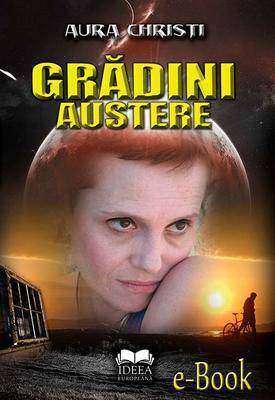
Gr?dini austere
¥54.10
Recapitulm altdat spusele lui Rainer Maria Rilke referitoare la generaii cu un amestec de uimire i spaima; astfel, autorul Elegiilor duineze – scrise, e tiut, pe ntinderea a mai bine de un deceniu – susine c se succed mereu trei generaii:1) cea care l-a gsit pe Dumnezeu;2) cea care construiete temple;3) cea care smulge pietre din templele nlate pentru a ridica colibe.Acum ns, depind uimirea, spaima, susin aceleai lucruri emise i odinioar, lucruri de care sunt aproape sigura mai ales atunci cnd sunt eu nsmi: nu tiu dac l-am gsit pe Dumnezeu; cnd mi se pare ca l simt aproape, n mine, l pierd, l pun la ndoial, m cert“ cu el, imaginez psalmi n rspr; mi-a dori/vreau s cred. Nu sunt sigur c voi avea fora s construiesc n continuare templul meu din cuvinte. Dar tiu ca nu voi smulge pietre din temple strine pentru a construi colibe. Aceasta siguran, chiar dac fragil, chiar dac se susine, se construiete din mers, poate fi semnul unui nceput.Am adunat – la ndemnul editorului meu – aceste dialoguri, selectate din nu puine altele, realizate n timp, ntr-o carte, ntruct ele constituie semnele unei treceri, semnele efortului susinut de a construi un destin; unul literar, desigur. Nu tiu dac aceste dialoguri, constituite n exerciii de destin, fcute n siajul lui Ignaiu de Loyola, pe urmele Sfntului Augustin, sunt convingtoare; pentru mine ele rmn a fi circumscrise foamei (pn la un punct, unamunoiene) de a fi. Ceea ce probabil nu este deloc puin. E limpede ns c timpul, critica, lectorii urmeaz s judece dac aceste exerciii rezist, dac, n adevr, sunt semnele unui destin literar.“ (Aura Christi)O istorie a mentalitilor predominante n perioada post-decembrist.

Emigra?ia belarus?, caucazian?, rus? ?i ucrainean? ?n timpul celui de al Doilea
¥61.83
Povestea scriitoarei britanice care ?i-a g?sit fericirea ?n inima Transilvaniei Arabella McIntyre-Brown a ?nceput s? scrie o carte sincer? ?i antrenant?, plin? de umor, despre aventura mut?rii dintr-un mare ora? britanic ?ntr-un sat din Carpa?i, ?i a sf?r?it prin a compune o veritabil? scrisoare de dragoste pentru Rom?nia. A?a cum magia Transilvaniei rurale a fermecat-o profund pe autoare, volumul ?Din Liverpool ?n Carpa?i” va cuceri, f?r? ?ndoial?, inimile tuturor cititorilor rom?ni. ?n ultimii ani, mai mult de 200.000 de rom?ni au plecat s? locuiasc? ?n Marea Britanie, iar din Anglia au venit ?n Rom?nia doar c?teva mii de britanici doritori s? se stabileasc? aici. Cei mai mul?i au ales Bucure?tiul sau alte ora?e mari; numai c??iva au descoperit atmosfera deosebit? a mediului rural. Scriitoarea ?i jurnalista Arabella McIntyre-Brown este una dintre ei. A luat aceast? hot?r?re ?n urma unor decese ?n familie, dar adev?rul din spatele plec?rii din Anglia ??i are r?d?cinile ?ntr-o copil?rie dificil?. La v?rsta de 50 de ani, tocmai c?nd ?ncepuse s? se bucure de un oarecare succes ca editor de carte ?i autor, ?i-a v?ndut casa din Liverpool, abandon?ndu-?i via?a citadin?, de om ocupat, ?i s-a aruncat ?n acest labirint care este Europa de Est. A p?r?sit tot ce-i era familiar ?i s-a mutat ?n Rom?nia, pentru a-?i tr?i via?a ?n solitudine. Astfel, din 2010, Arabella McIntyre-Brown nume?te ?acas?” aceast? parte a lumii m?rginit? la sud de Mun?ii Carpa?i, pe care prietenii r?ma?i ?n Anglia o puteau vedea pe Google Maps doar ca pe o p?tur? verde, difuz?. Decizia de se muta dintr-un ora? britanic animat ?ntr-o caban? construit? doar pe jum?tate, aflat? pe un pov?rni? al mun?ilor, ar fi putut fi un dezastru. Autoarea are peste 50 de ani, nu are un venit stabil, nici pensie sau un plan de rezerv?. ?n ciuda fapului c? toate indiciile sugerau c? avea s? e?ueze lamentabil, ast?zi poate afirma f?r? rezerve c? a descoperit secretul fericirii. Pentru ea, paradisul este satul transilv?nean M?gura, aflat cam la altitudinea la care se afl? cele mai ?nalte piscuri muntoase din Marea Britanie. ?... un fel de ghid pentru propriile c?l?torii c?tre sine – dac? ve?i avea curajul s? v? aventura?i pe un astfel de drum.” – Sir Ranulph Fiennes

Paradoxul obezit??ii. Kilogramele ?n plus. Avantaje ?i dezavantaje
¥73.49
Am adunat n aceast carte momente din viaa public, ncercnd s refac, din ceea ce a selectat memoria, traseul profesional care m-a adus de la catedra de fizic la ipostaza de candidat pentru preedinie. Am inclus n ea i lucruri personale, dar nu am fcut-o neaprat pentru a rspunde curiozitii celorlali. Am recuperat acele ntmplri, ntlniri sau detalii care au spus ceva despre felul n care m-am format, despre valorile pe care le-am preuit. Identitatea mea personal a umplut, prin intermediul faptelor, dar i prin aceste principii n care am crezut, rolul de persoan public pe care l-am ocupat mai bine de paisprezece ani. Momentele n care am descoperit un adevr, intervalele n care am nvat lucruri importante, despre mine sau despre oamenii din jurul meu, i-au adus de fiecare dat ceva i profilului meu public. Tot ceea ce am dobndit i tot ceea ce am neles de-a lungul unei viei cu destul de multe mpliniri a lucrat n sprijinul profesionistului care am vrut s ajung. Viaa mea privat a fost, pentru cei mai muli, invizibil. De fapt, ca orice om, mi-am folosit n public tot ceea ce am descoperit ca fiind valoros n viaa simpl, de zi cu zi: calmul, discreia, nelegerea. Au fost bunuri preioase, pe care am vrut s le protejez ca s le pot cultiva n continuare. Nu cred c, dezvluindu-le sursa, le pun n pericol.“ Klaus Iohannis

La r?scruce de... dresuri
¥57.14
?Raluca Feher e o rockeri?? a scrisului, din cel pu?in dou? motive. Unu: lucreaz? ?n publicitate, unde cuvintele scap?r? ?i pocnesc din c?lc?ie. Doi: ?n literatura conven?ional? (?i prost) denumit? ?de c?l?torie“, blues-ul nu invit? la ?nfierbin?irea s?ngelui, ci la picoteal?. Pe rastelul din care ea ??i ia armamentul scrie, cu litere electrice, ?Rock’n roll over, Beethoven“. Dac? i-a?i citit p??aniile din Argentina, Uruguay ?i Chile, ?ti?i la ce s? v? a?tepta?i: ritm de TGV, fraze trepidante ?i un cocktail afectiv cu o re?et? u?or de transcris ?i greu de nimerit: ironie, insolen??, bravad?, ni?ic? exasperare ?i credin?a c? po?i lua la bord orice pasager f?r? riscul de a-l pierde de client. Mul?umesc, Raluca Feher. Fiindc? scrii cum scrii, dar ?i fiindc? ai umblat dup? vize ?i pentru mine.“ – Radu Paraschivescu ?Terapie curat?. Func?ioneaz? ?i ?n intimidate ?i ?n grup, citit? cu voce tare. O recomand cu toat? ?ncrederea ?i f?r? prescrip?ie medical?. Nu promit c? vindec?, dar sigur alin?. Are o singur? problem?. Provoac? invariabil r?sul ?i, se ?tie, r?sul ?ngra??.“ – Andi Moisescu
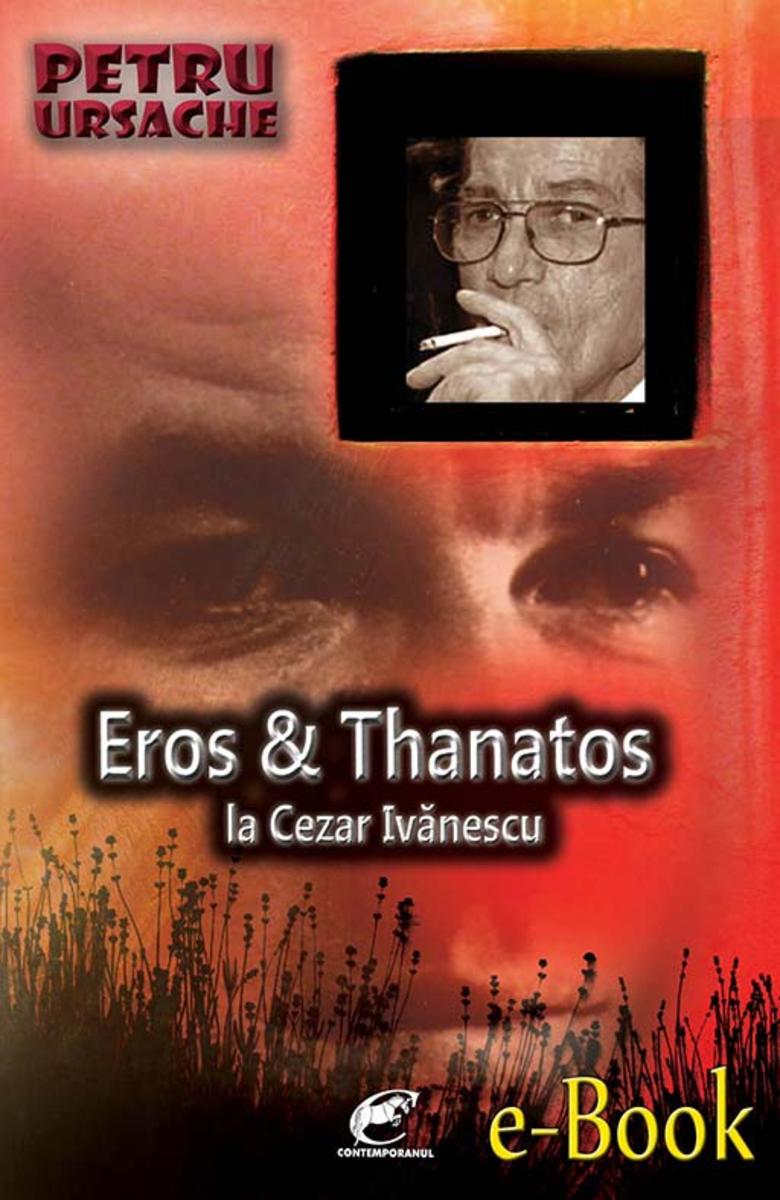
Eros ?i Thanatos la Cezar Iv?nescu
¥48.97
Volumul este c??tig?torul Concursului de Debut organizat de Editura Adenium, sec?iunea ?Teatru“, ?i con?ine dou? piese ce readuc ?n prim-plan vechi personaje mitologice (Dionysos, Medeea, Electra, Antigona, Penteu) ?i literare (Don Quijote, Dulcinea, Arlechino, Pulcinella, Trufaldino), dintr-o perspectiv? liric?, dar ?i umoristic?.

Via?a mea cu John F. Kennedy. Interviuri cu Arthur M. S
¥49.46
Volumul De unde stau eu pot vedea cerul este c??tig?torul Concursului de Debut, sec?iunea Poezie, organizat de Editura Adenium ?n anul 2014.Volumul cuprinde trei sec?inui ?n care poemele se ?n?iruie ca o poveste intim? care merit? citit? pe ner?suflate. Poezia Ioanei Du?? este una feminin?, confesiv?, cald?, liric?, direct?, cu accente ironice. Cititorul este plasat ?n microuniversul autoarei, tensiunea creat? de aceasta fiind conving?toare.


