


 购物车
购物车 个人中心
个人中心
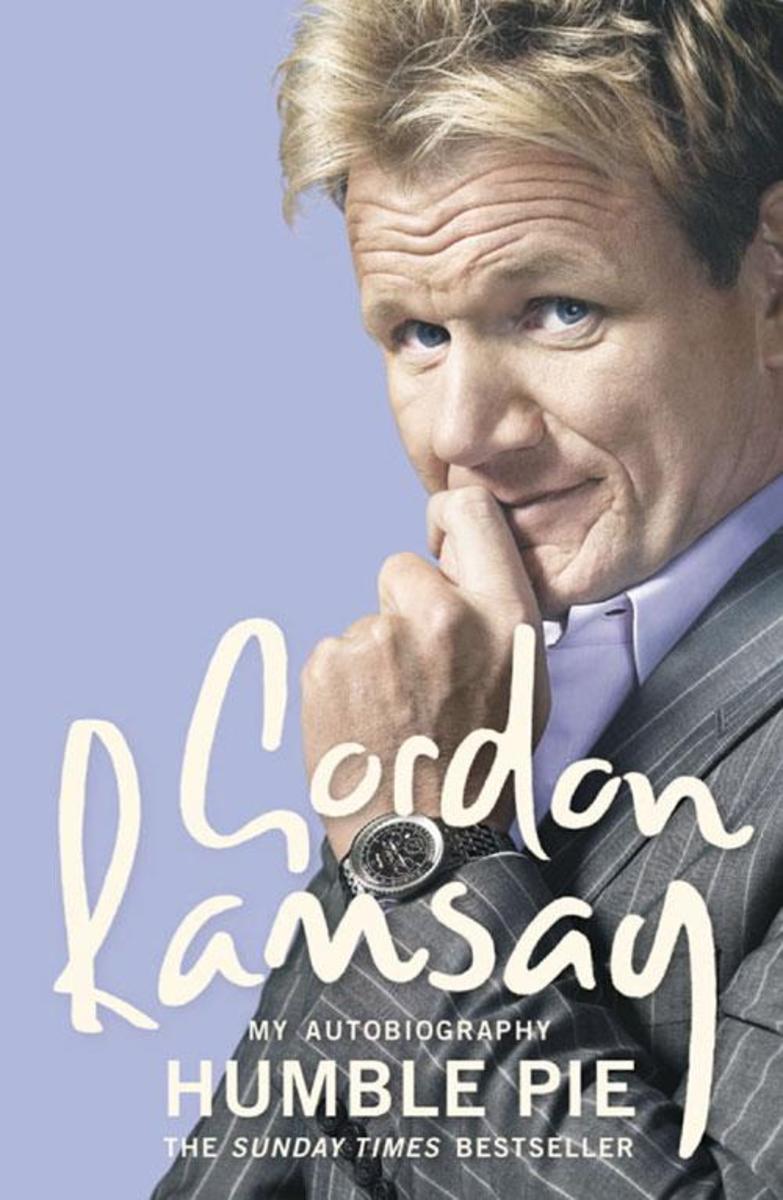
Humble Pie
¥63.18
Everyone thinks they know the real Gordon Ramsay: rude, loud, pathologically driven, stubborn as hell. But this is his bestselling real story… Humble Pie tells the full story of how he became the world’s most famous and infamous chef: his difficult childhood, his brother’s heroin addiction and his failed first career as a footballer: all of these things have made him the celebrated culinary talent and media powerhouse that he is today. Gordon talks frankly about: ? his tough childhood: his father’s alcoholism and violence and the effects on his relationships with his mother and siblings, ? his first career as a footballer: how the whole family moved to Scotland when he was signed by Glasgow Rangers at the age of fifteen, and how he coped when his career was over due to injury just three years later, ? his brother’s heroin addiction. ? Gordon’s early career: learning his trade in Paris and London; how his career developed from there: his time in Paris under Albert Roux and his seven Michelin-starred restaurants. ? Kitchen life: Gordon spills the beans about life behind the kitchen door, and how a restaurant kitchen is run in Anthony Bourdain-style. ? How he copes with the impact of fame on himself and his family: his television career, the rapacious tabloids, and his own drive for success.

More Than A Game: The Story of Cricket's Early Years
¥95.75
The former Prime Minister examines the history of one of the great loves of his life. Throughout John Major’s life, one of the constant factors has been his deep love of cricket. In this sumptuously illustrated book he delves deep into the game’s history, tracing its development from its rustic beginnings to the international sport we know today. Along the way he examines – and at times demolishes – many cherished myths. Among the subjects to which he pays particular attention are the changing social role of cricket, developments in the rules, the emergence of the professional player, the game’s spread throughout the British Empire and the part it has played in cementing international relations. John Major’s history of cricket reflects not only his lifelong passion for the game, but the depth of his research among a wealth of hitherto neglected but fascinating sources. It is a significant addition to the already rich literature of the greatest game of all.
Pete: My Story
¥53.76
When Pete Bennett exploded into the Big Brother house, and into everyone's living rooms, he instantly became an icon. Weird, unpredictable, involuntarily foul-mouthed, beautiful and endlessly entertaining, from day one he was the favourite to win. As a small, sensitive boy, Pete struggled with the bullies and gangs of thugs in some of the hardest housing estates and schools in South London. Despite a tough start, he showed prodigious creative talents in art, music and performance. When Tourette's exploded in his head at puberty, he lost control of his mouth, his body and his face. Unable to finish his education or follow any normal career path, he was led to living the high life and low life on the streets of Brighton. He cheerfully experimented with hard drugs and perverse sexuality, happy to find himself in a world where being beautiful and weird made you a star, not a victim. After witnessing the death of his close friend, he came crashing down to earth. As he battled on with the effects of depression and drug addiction, poverty and Tourette's, a visionary trip to heaven convinced him that the only way he could survive and save his family from penury was by winning Big Brother. After a euphoric victory in August 2006, he is now one of the most famous faces and voices in the country.
Lewis Hamilton: My Story
¥73.58
Lewis Hamilton’s explosive arrival on the Formula 1 scene has made front-page headlines. In My Story, for the first time Lewis opens up about his stunning debut season in grand prix racing, as well as his dad Anthony, his home life and his early years. The only book with the real story, as told by Lewis. In his first season in F1, Lewis Hamilton thrilled the world of motor racing by finishing on the podium in his first nine consecutive races – the first driver to do so in the sport's 57-year history – and drove to victories in Canada, America, Hungary and Japan. But bare statistics alone do scant justice to the amazing impact Lewis Hamilton has had on the sporting landscape. My Story gives the real account from Lewis himself, as he sets the record straight about his colourful life on and off the track. Given a grounded upbringing by his dedicated father in unremarkable Stevenage, Lewis tells about how he first tried out go-karting while on a cut-price family holiday in Ibiza. In his book he gives the real version of events at a motor sport dinner where, as a nine-year-old wearing a borrowed suit, he approached McLaren team boss Ron Dennis with the immortal words that were to change his life forever. He rose rapidly through the Junior and Formula ranks, dominating every series with his raw speed and canny race craft. Here Lewis candidly recalls those key moments that shaped his career and went some way towards compensating for the sacrifices made by his father Anthony in getting his son to the top. Lewis also charts how he got into the sport and was signed up by Ron Dennis, what motivates him, who are his closest friends, how he copes with the constant travelling, and the physical and mental challenges of driving a state-of-the-art Formula 1 car. He looks back in detail at the 2007 World Championship – the race wins, the frightening crash in Germany, his intense rivalry with team-mate Fernando Alonso, his special relationship with Ron Dennis, and the furore over the Ferrari allegations – right up to the dramatic last race of the season in Brazil.
Provided You Don’t Kiss Me: 20 Years with Brian Clough
¥72.40
‘One day you’ll write a book about this club. Or, more to the point, about me. So you may as well know what I’m thinking and save it up for later when it won’t do any harm to anyone.’ Brian Clough’s twenty years as Nottingham Forest manager were an unpredictable mixture of success, failure, fall-outs and alcoholism. Duncan Hamilton, initiated as a young journalist into the Brian Clough empire, was there to see it all. In this strikingly intimate biography – William Hill Sports Book of the Year 2007 – Hamilton paints a vivid portrait of one of football’s greatest managers: from Nottingham Forest’s double European Cup triumph to the torturous breakdown of relations at the club and Clough’s descent into alcoholism. Sad, joyous and personal, Hamilton’s account of life with Brian Clough is a touching tribute to a brilliant man.
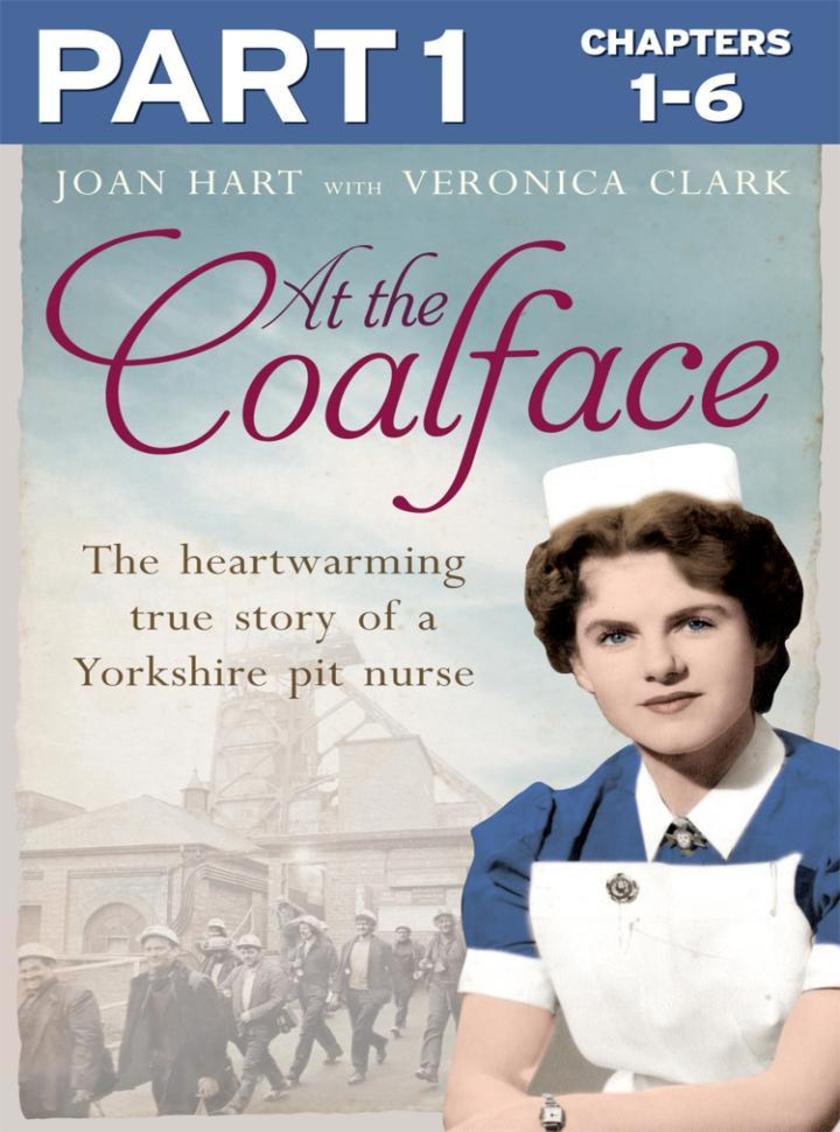
At the Coalface: Part 1 of 3: The memoir of a pit nurse
¥33.75
A heart-warming story of a woman who devoted her life to helping others. This is the memoir of Joan, who started nursing in the 1940s and whose experiences took her into the Yorkshire mining pits and through the tumult of the 1984-85 miners’ strike. Joan Hart always knew what she wanted to do with her life. Born in South Yorkshire in 1932, she started her nursing training when she was 16, the youngest age girls could do so at the time. She continued working after she married and her work took her to London and Doncaster, caring for children and miners. When she took a job as a pit nurse in Doncaster in 1974, she found that in order to be accepted by the men under her care, she would have to become one of them. Most of the time rejecting a traditional nurse’s uniform and donning a baggy miner’s suit, pit boots, a hardhat and a headlamp, Joan resolved always to go down to injured miners and bring them out of the pit herself. Over 15 years Joan grew to know the miners not only as a nurse, but as a confidante and friend. She tended to injured miners underground, rescued men trapped in the pits, and provided support for them and their families during the bitter miners’ strike which stretched from March 1984 to 1985. Moving and uplifting, this is a story of one woman’s life, marriage and work; it is guaranteed to make readers laugh, cry, and smile.
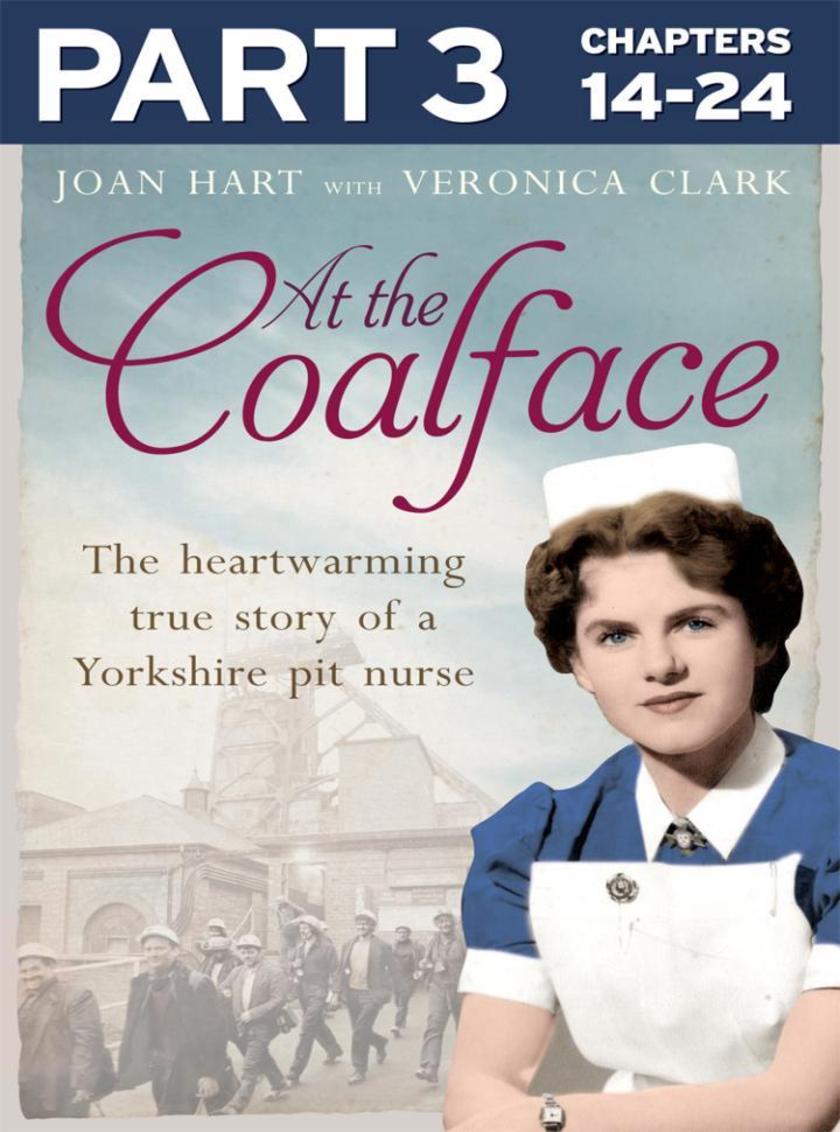
At the Coalface: Part 3 of 3: The memoir of a pit nurse
¥41.01
A heart-warming story of a woman who devoted her life to helping others. This is the memoir of Joan, who started nursing in the 1940s and whose experiences took her into the Yorkshire mining pits and through the tumult of the 1984-85 miners’ strike. Joan Hart always knew what she wanted to do with her life. Born in South Yorkshire in 1932, she started her nursing training when she was 16, the youngest age girls could do so at the time. She continued working after she married and her work took her to London and Doncaster, caring for children and miners. When she took a job as a pit nurse in Doncaster in 1974, she found that in order to be accepted by the men under her care, she would have to become one of them. Most of the time rejecting a traditional nurse’s uniform and donning a baggy miner’s suit, pit boots, a hardhat and a headlamp, Joan resolved always to go down to injured miners and bring them out of the pit herself. Over 15 years Joan grew to know the miners not only as a nurse, but as a confidante and friend. She tended to injured miners underground, rescued men trapped in the pits, and provided support for them and their families during the bitter miners’ strike which stretched from March 1984 to 1985. Moving and uplifting, this is a story of one woman’s life, marriage and work; it is guaranteed to make readers laugh, cry, and smile.
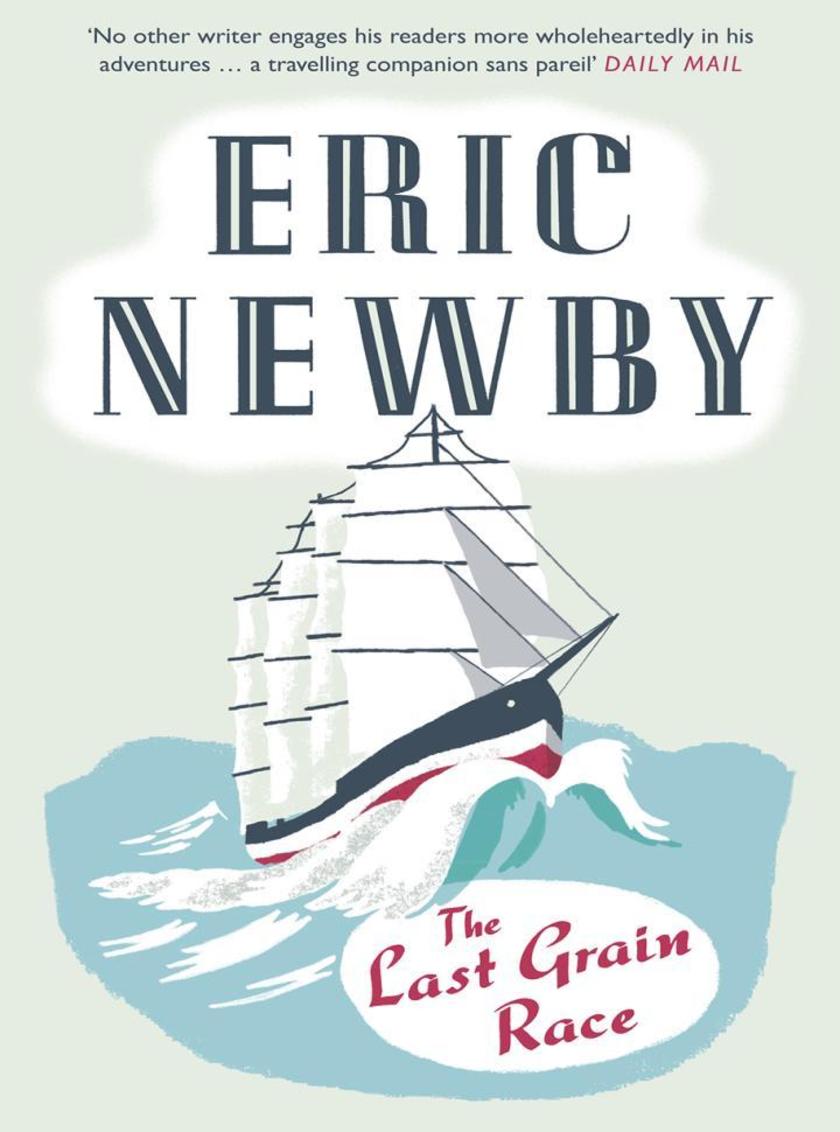
The Last Grain Race
¥80.25
An engaging and informative first-hand account of the last ‘grain race’ of maritime history, from respected travel writer Eric Newby. In 1939, a young Eric Newby – later renowned as a travel writer of exceptional talent – set sail aboard Moshulu, the largest sailing ship still employed in the transportation of grain from Australia to Europe. Every year from 1921 to 1939, the vessels involved in the grain trade would strive to find the shortest, fastest passage home – ‘the grain race’ – in the face of turbulent seas, atrocious weather conditions and hard graft. First published in 1956, ‘The Last Grain Race’, featuring many photographs from the author’s personal collection, celebrates both the spirit of adventure and the thrill of sailing on the high seas. Newby’s first-hand account – engaging and informative, with frequent bursts of humour and witty observations from both above and below deck – chronicles this classic sailing voyage of the Twenties and Thirties, and records the last grain race of maritime history.

David and Me: My path to solo motherhood
¥11.77
“This is the very beginning of the story of my life with my son. In some ways it is an unconventional one; a tale of choosing solo motherhood, with all its painful and joyful twists and turns. But at its heart it simply recounts a mother’s love for her child; a love that has been replicated throughout time all over the world.” The true story of Esther, who, at the age of 42, found herself single yet longing to be a mother. Flying in the face of the advice and scaremongering from the media, she made the brave decision to go it alone. Initially, the path was smooth, and Esther received nothing but encouragement and support from family and friends. But, as she ventured further down the path towards solo motherhood, Esther began to run up against bureaucracy, crushing negativity, obstructions and, occasionally, in amongst the care and compassion of doctors, nurses, embryologists and sonographers, bewildering incompetence. From IUI to IVF, dramatic hormonal fluctuations creating frustration and exhaustion, and a devastating blow, through to the joy of motherhood at last, Esther’s story is both moving and life-affirming.

Laugh or You’ll Cry
¥11.77
For most mothers, keeping up with the washing, the mess and the irrepressible energy of two young boys is a challenge in itself. But when Sue Askin’s eldest son was diagnosed with autism, only to be followed by her own diagnosis of MS the next year, the challenge became ever so slightly harder… Told in her own upbeat words, this is the heart-warming and funny account of one woman’s determination to do the best for her child, whilst learning to cope with her own diagnosis without any fuss. Packed with funny anecdotes and familiar challenges to which all families will relate, you’ll be uplifted and inspired as much as you’ll be smiling.
Memories, Dreams and Reflections
¥72.40
This book is a more personal history than has ever before been written by or about Marianne Faithfull. Anecdotal, conversational, intimate and revealing, this is her no-holds-barred account of her life, her friends, her triumphs and mistakes. A decade after the publication of ‘Faithfull’, one of the most acclaimed rock autobiographies of all time, Marianne Faithfull is back, vowing periodically leave her wicked ways behind and grow up, but finding that somehow strange things keep happening. A wry observer of her slightly off-kilter world, Marianne muses nostalgically about afternoons languishing on Moroccan cushions at George and Pattie's, getting high and listening to new songs. She fondly recalls the outlandish antics of her Beat friends Allen Ginsberg and William Burroughs; is frequently baffled at her image in the press (opening the paper to read of her own demise: 'Sixties Star in Death Plunge'); terrified by the curse sent by Kenneth Anger; mortified by her history of reckless behaviour; not to mention her near-death experience in Singapore while looking for an opium den. Marianne peoples her anecdotal memoir with legendary characters one can imagine only Marianne assembling around her, both the eccentric and the beautiful, from Henrietta Moraes and Donatella Versace to Sofia Coppola, Juliette Greco, and Yves St. Laurent's dog. Here is Marianne on the dark side of the sixties and the bright side of the nineties, which saw her collaborating with the likes of Blur and Jarvis Cocker; compelling recollections of an unconventional childhood in her father's orgiastic literary commune to a hilariously decadent few days at Lady Caroline Blackwood's deathbed. Here she is her blossoming movie career, on her records as subliminal autobiography. This is as intimate a portrait as we've ever had of Marianne, as she meditates on sex and drugs, confronts her alter-ego, the Fabulous Beast, and faces her own mortality in her battle with breast cancer. Since her last book Marianne has, in her own words, 'made quite a few records, gone on many tours, tried to play it straight, and… Well, the rest is the subject of this book.'

The Complete Helen Forrester 4-Book Memoir
¥268.30
The complete four-volume collection of classic memoir recounting a poverty-stricken childhood in 1930s Liverpool that started with Twopence To Cross the Mersey. Twopence To Cross The Mersey – When Helen Forrester’s father went bankrupt in 1930 she and her six siblings were forced into dreadful poverty in Depression-ridden Liverpool. Managing the household and caring for the younger children all fell on twelve-year-old Helen. Written without self-pity, Forrester’s memoir of these grim days is as heart-warming as it is shocking. Liverpool Miss – Life remains extremely tough for fourteen-year-old Helen. Her continuing struggles against malnutrition, dirt and, above all, the selfish demands of her parents, are deeply shocking. But Helen’s fortitude in the most harrowing of situations makes this a story of amazing courage. By The Waters Of Liverpool – though her parents are as financially irresponsible as ever, wasting money while their children go without, for Helen the future is brightening. At seventeen, she has fought won some important battles with her parents and won, then she meets Harry… Lime Street At Two – It is 1940 and Helen, now twenty, is working at a welfare centre. Her wages are pitifully low and her mother claims the whole of them for housekeeping but she is still thrilled to be gaining some independence. As WWII rages, tragedy isn’t very far away, but Helen faces it with courage and determination.
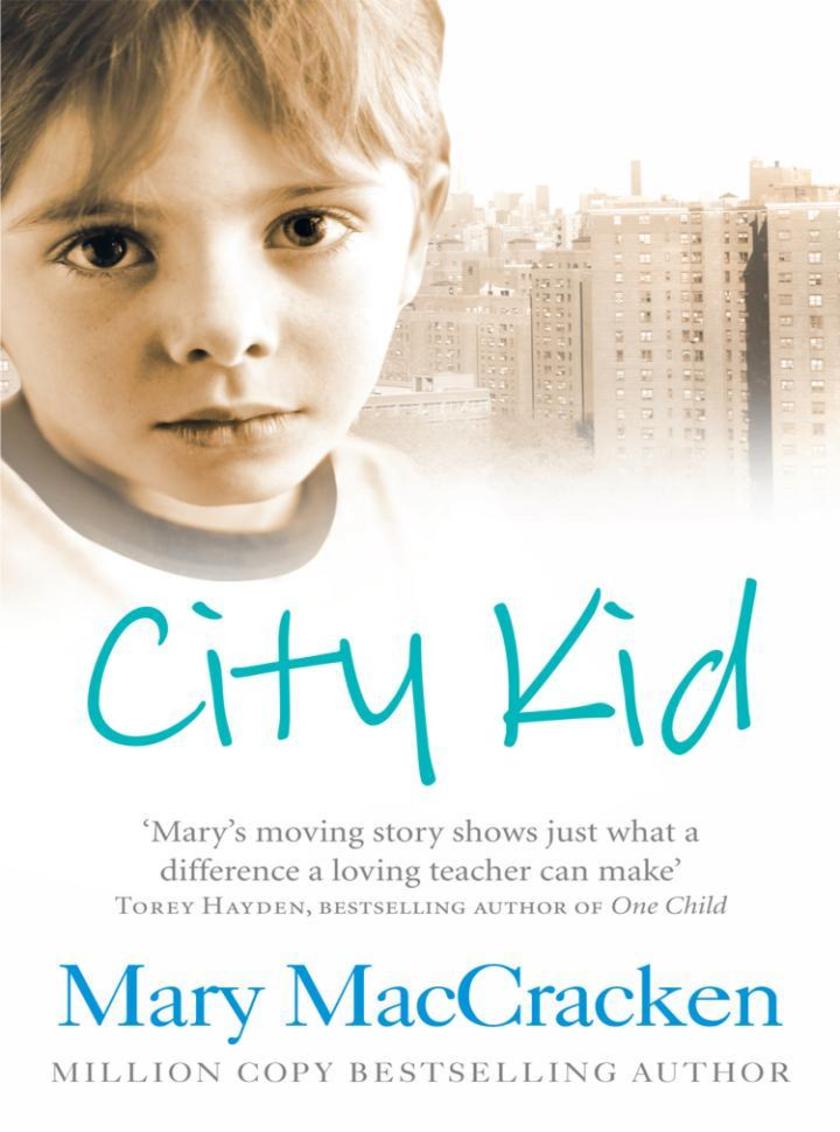
City Kid
¥58.86
From the author of international bestsellers A Circle of Children and Lovey comes an inspiring true story of a gifted teacher’s determination to understand the ‘rotten’ city kid everyone has given up on. Sitting quiet and withdrawn at a battered school desk, Luke had the looks of a shy angel – and a past that special needs teacher Mary MacCracken could barely believe. Already Luke had been picked up 24 times by the police. He’d set over a dozen major fires, and had a staggering record of thefts. No adult could reach him, no teacher could control him, and no policeman could cow him. All this – and Luke was only seven and a half years old. Trying to help Luke was Mary MacCracken’s job – and a seemingly impossible challenge. This is the remarkable story of how the impossible came true.
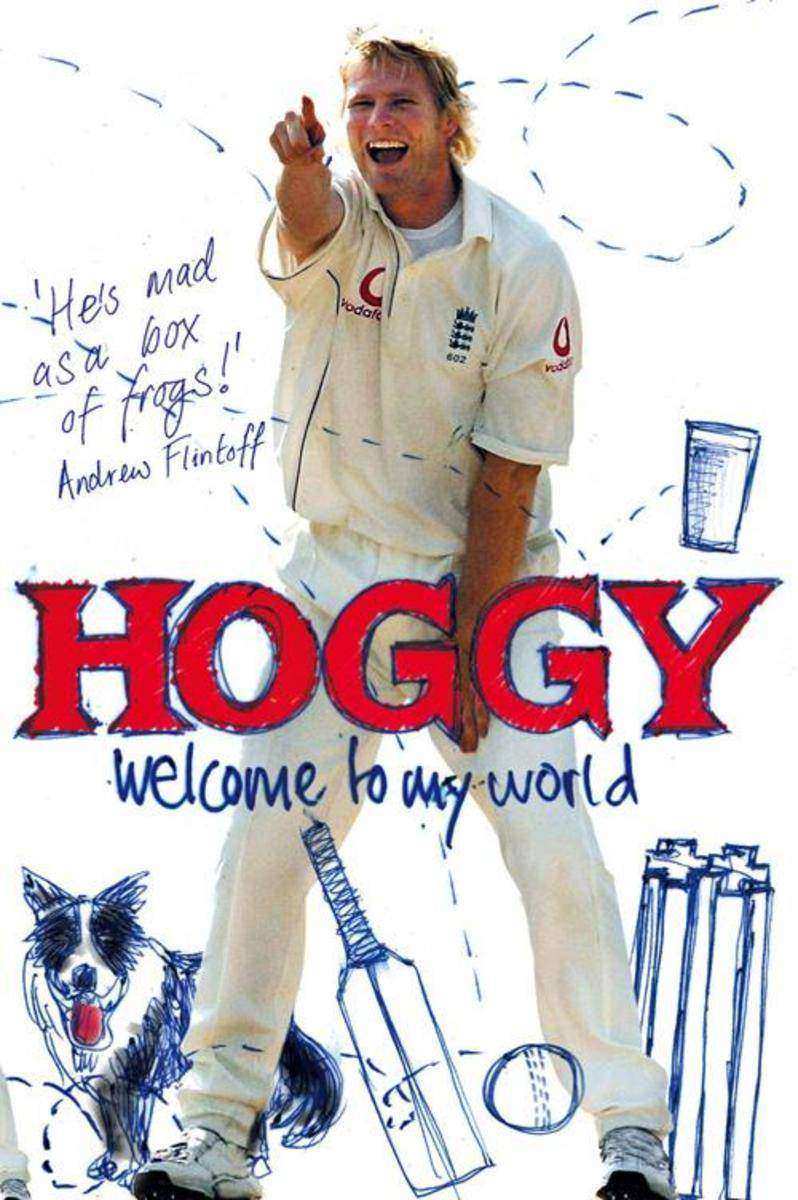
Hoggy: Welcome to My World
¥66.22
The quintessential barking-mad Yorkshire cricketer, 'Hoggy's' record-breaking bowling exploits for England allied to his humorous, uniquely oddball yet hugely endearing attitude to sport and life makes this essential reading for all lovers of the game. More than just a line-and-length cricketer's biography, Hoggy offers an entertaining insight into the weird and wonderful world of one of cricket's true characters. From the pub to the wicket and everywhere in-between, the dogged nightwatchman and wicket-taker looks beyond the runs and wickets to reveal what cricketers really get up to on tour and in the dressing room …
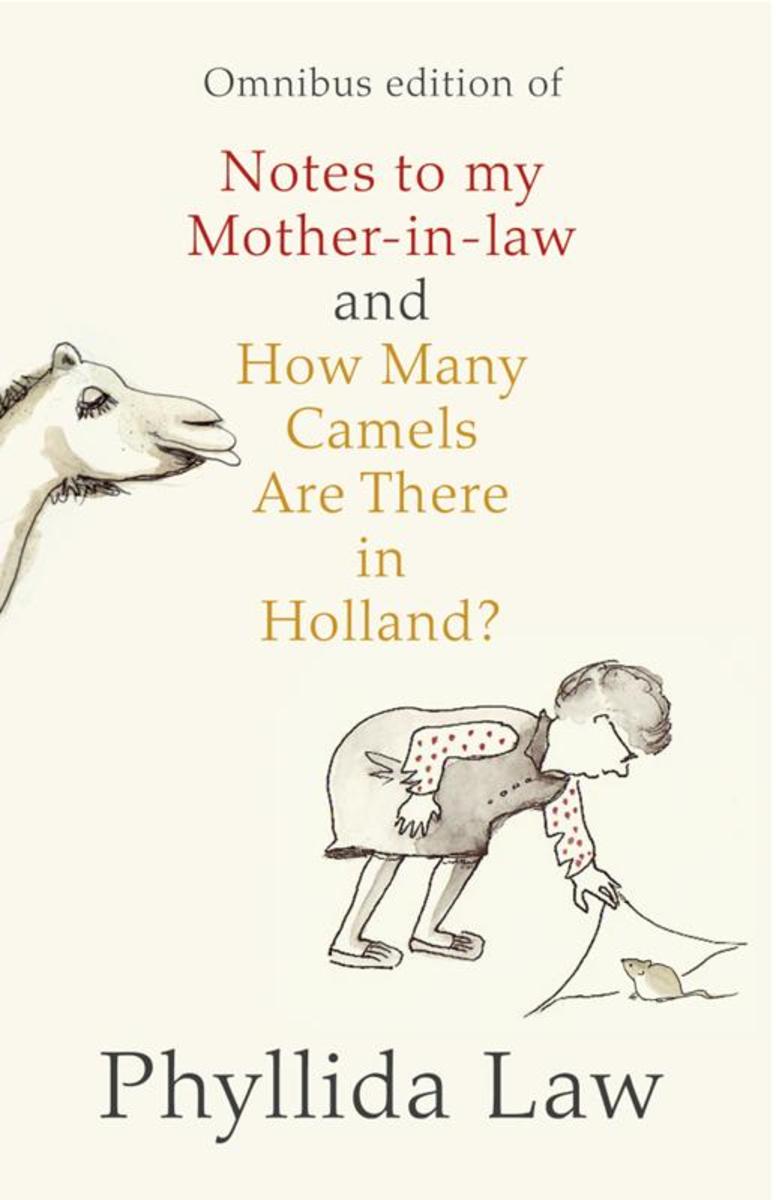
Notes to my Mother-in-Law and How Many Camels Are There in Holland?
¥95.75
A single-volume edition of two hugely charming and funny memoirs of family life – ‘Notes to my Mother-in-Law’ and ‘How Many Camels Are There in Holland?’ – by the inimitable Phyllida Law. Phyllida Law’s treasured mother-in-law Annie was the lynchpin of the entire family, so when they realised she was growing ever more deaf the only solution was for Phyllida to note down all the day’s gossip for Annie to read. When her own mother Mego – always deliciously dotty – was diagnosed with dementia late in her life, Phyllida devoted herself to Mego’s care, on hand to keep the cottage tidy and prepare a medicinal G&T. And all the while Phyllida had to manage her busy acting career and bring up her own daughters, the actresses Emma and Sophie Thompson. Complete with wonderful new material from Phyllida, Emma and Sophie, this single-volume edition of Phyllida Laws’s two enchanting memoirs of family life – ‘Notes to my Mother-in-Law’ and ‘How Many Camels Are There in Holland?’ – is a tender and sweetly comic story of mothers, daughters, a malfunctioning hearing aid and a most peculiar question about camels …
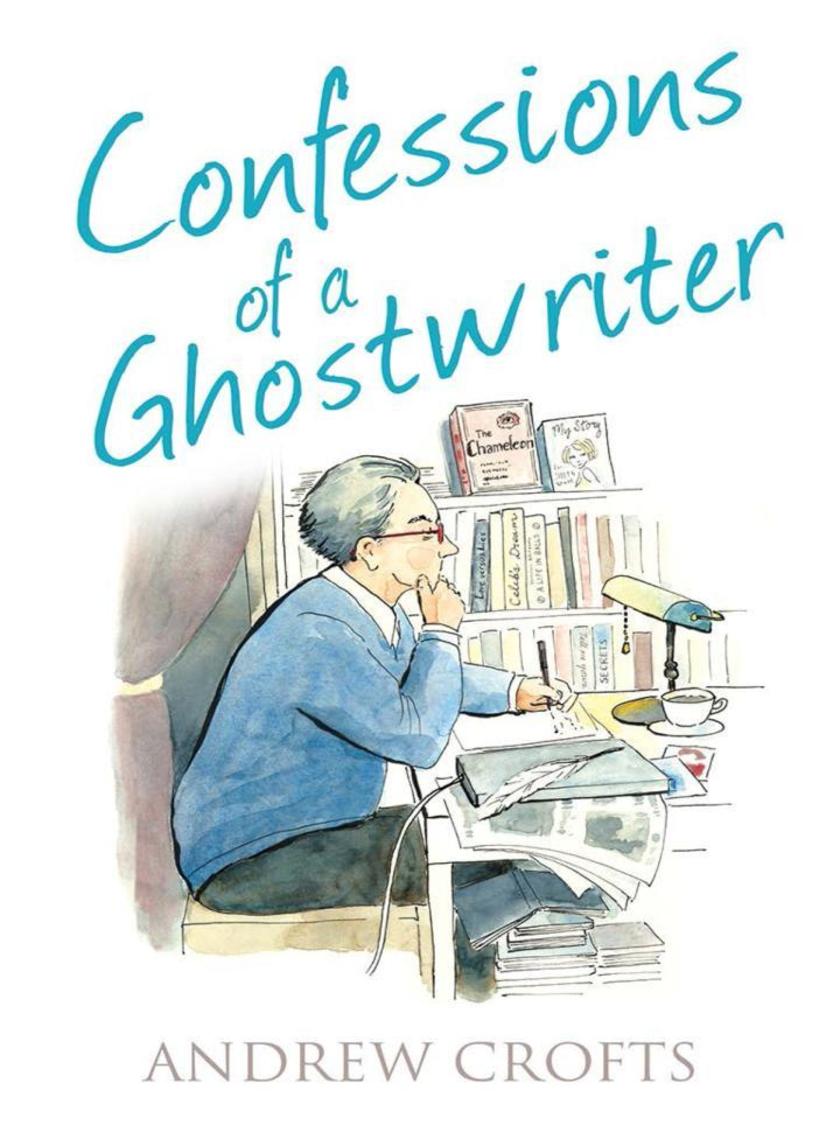
Confessions of a Ghostwriter (The Confessions Series)
¥34.14
HE’S WRITTEN MORE THAN 80 BOOKS. HE’S SOLD MILLIONS OF COPIES ACROSS THE WORLD. HE IS THE MAN BEHIND A DOZEN SUNDAY TIMES TOP 10 HITS, SPENDING OVER 120 WEEKS IN THE BESTSELLER CHARTS. BUT YOU PROBABLY HAVEN’T HEARD OF HIM. Andrew Crofts is a ghostwriter, an author for hire, employed to write other people’s stories – everyone from film stars to footballers, hitmen to hookers, world leaders to abused children. Ghostwriters are confidantes to the most famous people on earth, and they help give a voice to some of the most vulnerable and inspiring. They dip their toes into every corner of life, and inhabit worlds that are both shadowy and glamorous. They are the ones who write the books that top the bestseller charts. Andrew is one of the world’s most sought-after ghosts. In this book he confesses the truth about ghosting; how it feels to be an invisible author, to be given first class tickets to travel anywhere and permission to ask whatever questions you like. Confessions of a Ghostwriter gives an unrivalled peek into private worlds that few others gain admission to.
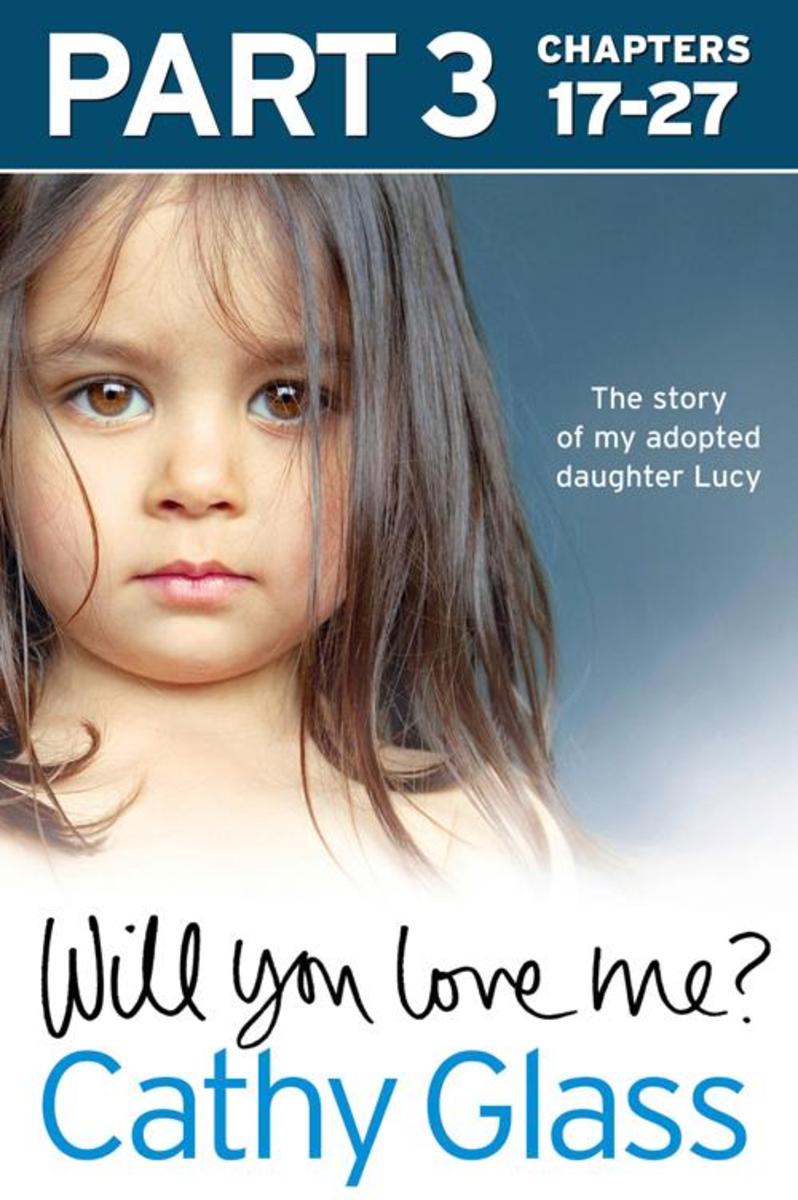
Will You Love Me?: The story of my adopted daughter Lucy: Part 3 of 3
¥47.48
Will You Love Me can either be read as a full-length eBook or in 3 serialised eBook-only parts. This is PART 3 of 3 (Chapters 17-27 of 27). You can read Part 3 on release of the full-length eBook and paperback. The eleventh memoir and latest title from the internationally bestselling author and foster carer Cathy Glass. This book tells the true story of Cathy’s adopted daughter Lucy. Lucy was born to a single mother who had been abused and neglected for most of her own childhood. Right from the beginning Lucy’s mother couldn’t cope, but it wasn’t until Lucy reached eight years old that she was finally taken into permanent foster care. By the time Lucy is brought to live with Cathy she is eleven years old and severely distressed after being moved from one foster home to another. Withdrawn, refusing to eat and three years behind in her schooling, it is thought that the damage Lucy has suffered is irreversible. But Cathy and her two children bond with Lucy quickly, and break through to Lucy in a way no-one else has been able to, finally showing her the loving home she never believed existed. Cathy and Lucy believe they were always destined to be mother and daughter – it just took them a little while to find each other.
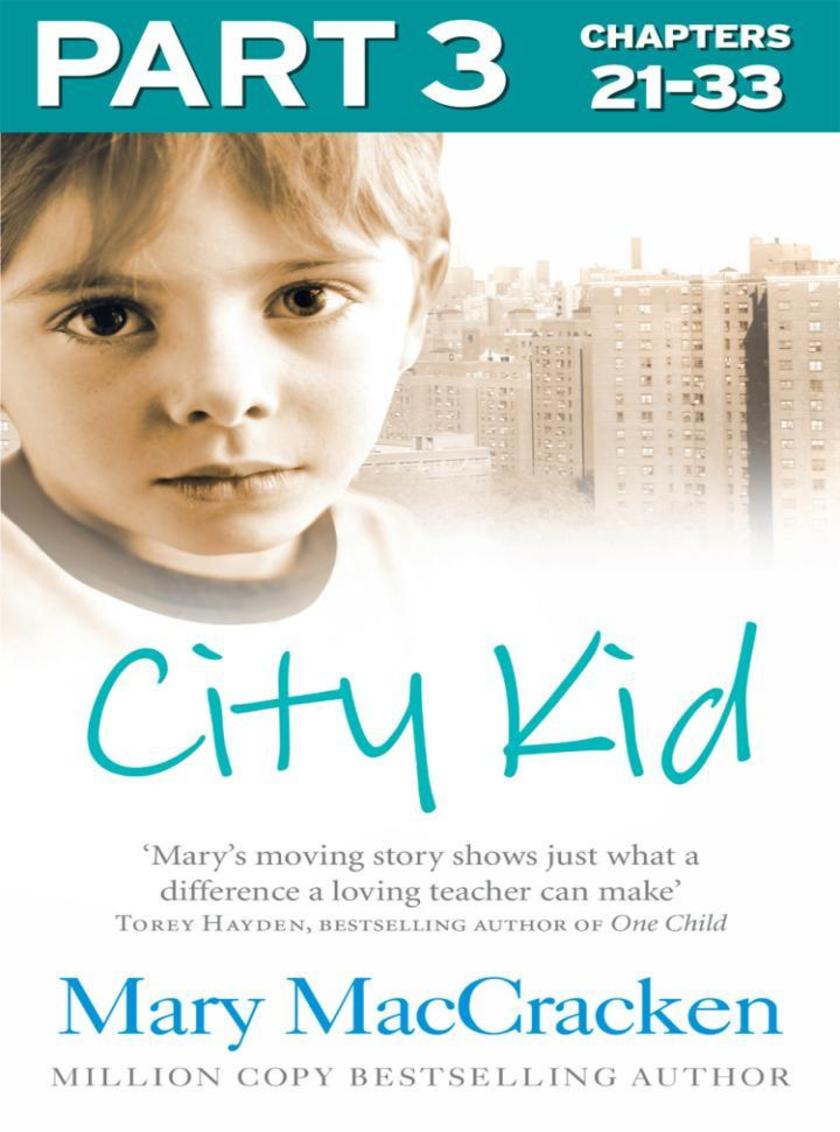
City Kid: Part 3 of 3
¥47.48
City Kid can either be read as a full-length eBook or in 3 serialised eBook-only parts. This is PART 3 of 3. You can read Part 3 on release of the full-length eBook and paperback. From the author of international bestsellers A Circle of Children and Lovey comes an inspiring true story of a gifted teacher’s determination to understand the ‘rotten’ city kid everyone has given up on. Sitting quiet and withdrawn at a battered school desk, Luke had the looks of a shy angel – and a past that special needs teacher Mary MacCracken could barely believe. Already Luke had been picked up 24 times by the police. He’d set over a dozen major fires, and had a staggering record of thefts. No adult could reach him, no teacher could control him, and no policeman could cow him. All this – and Luke was only seven and a half years old. Trying to help Luke was Mary MacCracken’s job – and a seemingly impossible challenge. This is the remarkable story of how the impossible came true.
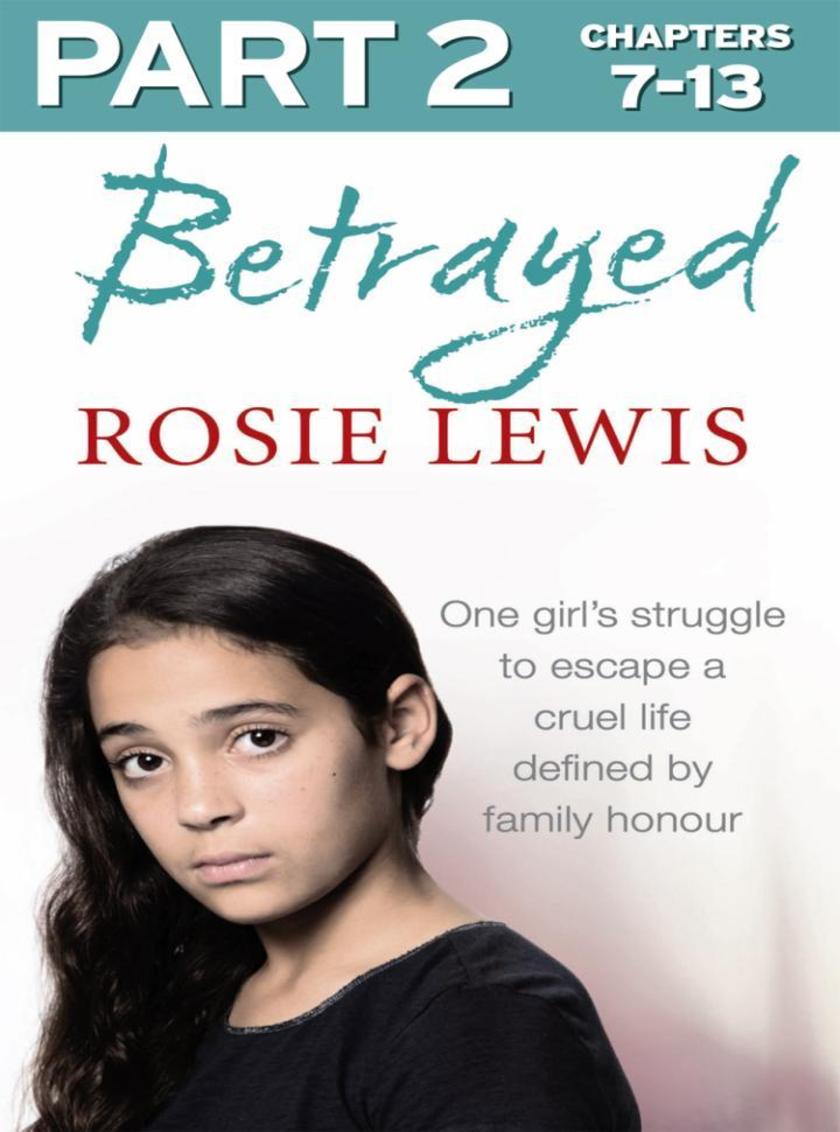
Betrayed: Part 2 of 3
¥28.45
Betrayed can either be read as a full-length eBook or in 3 serialised eBook-only parts. This is PART 2 of 3. You can read Part 2 one week ahead of release of the full-length eBook and paperback. In the much-anticipated follow-up to Sunday Times bestseller Trapped, foster carer Rosie Lewis tells the heartbreaking true story of 13-year-old Zadie. When the young teenage girl runs away and is discovered hiding on the city streets by the police, it is clear that all is not as it should be. Taught to believe that Westerners should not be trusted, when Zadie is initially delivered into the experienced hands of foster carer Rosie she is polite and well-behaved, but understandably suspicious of the family around her. Through Rosie’s support and understanding, gradually Zadie begins to settle into her new surroundings, but loyalty to her relatives, and fear of bringing shame on those around her, prevents her from confessing the horrifying truth about her troubled past. When the shocking truth finally emerges, Rosie and her family can hardly believe that Zadie had managed to keep the shocking secrets to herself for so long.

Trilogy Collection (Tales of the Notorious Hudson Family)
¥182.47
The first three titles in a series of gritty family sagas, Our Vinnie, My Uncle Charlie and My Mam Shirley chart the lives of three of the most infamous members of Yorkshire’s real-life notorious criminal family, the Hudsons. Dramatic and shocking, these three explosive true stories document a community forsaken by society - one brother’s unrelenting determination to take justice into his own hands, one man’s ascendancy to power, and the tragedy that brought it all crashing down, and, finally, the vivid account of the ‘Tucker’ girls; the resourceful women at the helm of a notorious Bradford family who will never be forgotten.
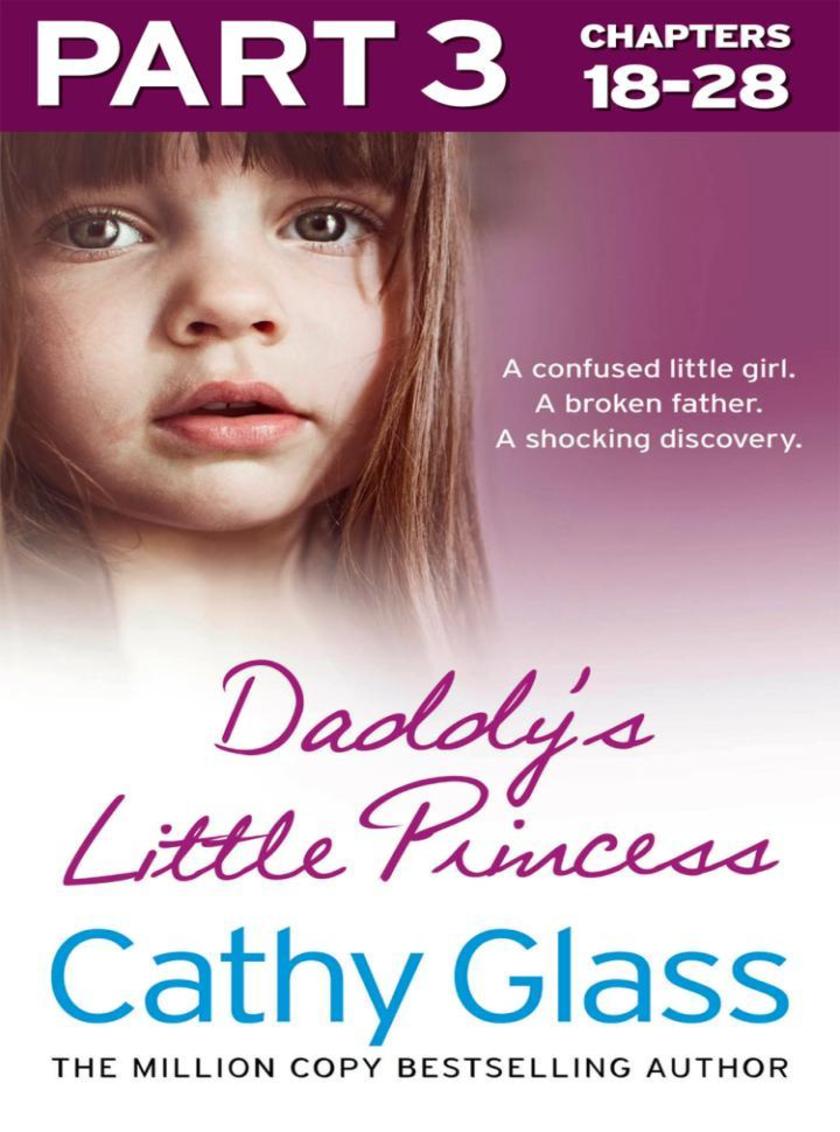
Daddy’s Little Princess: Part 3 of 3
¥47.48
The latest title from the internationally bestselling author and foster carer Cathy Glass. Beth is a sweet-natured child who appears to have been well looked after. But it isn’t long before Cathy begins to have concerns that the relationship between Beth and her father is not as it should be. Little Beth, aged 7, has been brought up by her father Derek after her mother left when she was a toddler. When Derek is suddenly admitted to hospital with psychiatric problems Beth is taken into care and arrives at Cathy’s. Beth and her father clearly love each other very much and Derek spoils his daughter, treating her like a princess, but there is something bothering Cathy, something she can’t quite put her finger on. Meanwhile Cathy’s husband is working away a lot and coming home less at weekends. Then, suddenly, everything changes. Events take a dramatic turn for both Beth and Cathy and her family; as Cathy strives to pick up the pieces all their lives are changed forever.


