


 购物车
购物车 个人中心
个人中心


2023国家统一法律职业资格考试:应试法条口袋书
¥48.99
暂无

国际电子商务法通论
¥48.99
电子商务具有全球性、跨国性,基于此特,国家内的电子商务立法需要注意与其他国家的相关法律的协调,还要注意吸纳*新的国际立法经验,以保障电子商务在互联网上全球畅通。 本书从电子商务合同、跨境电子商务、电子商务平台知识产权保护、争议解决等几个方面介绍和分析了国际电子商务的法律规则以及我国的相关制度,附录部分翻译了联合国的相关条约法、欧盟相关法律。

新时代网络法治建设法律法规全书
¥48.99
全书按照《新时代的中国网络法治建设》白皮书“夯实网络空间法制基础”部分的框架,从网络权益保障、数字经济法治规则、网络安全和网络生态治理四个方面出发,汇编我国网络法治建设过程中所涉及的法律、行政法规、部门规章、规范性文件和司法解释等。 本书是《新时代的中国网络法治建设》白皮书的配套法规用书,是我国网络法律法规的普及用书,也是网信系统党员干部学法用法的工具用书。
中华人民共和国生态环境保护注释法典(新五版)
¥48.99
“注释法典”丛书是我社集数年法规编撰经验,创新出版的大型实用法律工具书。 本分册涵盖刑事诉讼领域重要的法律、法规、部门规章、司法解释等文件,收录的文件均为现行有效文本,方便读者全面、及时掌握相关规定。本书对重要法律规定的重难条文行详细阐释,注释内容在吸取全国人大常委会法制工作委员会、最高人民法院等权威解读的基础上,结合最新公布的相关规定及司法实践全新撰写,保证注释内容的准确性与时效性。在相关条文下,根据最高人民法院司法观、相关函复等,提炼实务问答;收录最高人民法院、最高人民检察院指导性案例及公报案例案例要旨。本书重在多角度全面阐释重要法律规定,并收录相关领域重要法律文件,是掌握、适用相关领域法律文件的实用工具书。
中华人民共和国行政注释法典(新五版)
¥48.99
“注释法典”丛书是我社集数年法规编撰经验,创新出版的大型实用法律工具书。 本分册涵盖行政领域重要的法律、法规、部门规章、司法解释等文件,收录的文件均为现行有效文本,方便读者全面、及时掌握相关规定。本书对重要法律规定的重难条文行详细阐释,注释内容在吸取全国人大常委会法制工作委员会、最高人民法院等权威解读的基础上,结合最新公布的相关规定及司法实践全新撰写,保证注释内容的准确性与时效性。在相关条文下,根据最高人民法院司法观、相关函复等,提炼实务问答;收录最高人民法院、最高人民检察院指导性案例及公报案例案例要旨。本书重在多角度全面阐释重要法律规定,并收录相关领域重要法律文件,是掌握、适用相关领域法律文件的实用工具书。
*高人民法院指导性案例裁判规则理解与适用:合同卷四(第二版)
¥48.99
第二版根据《民法总则》行了全面修订,同时,笔者增加了*人民法院新公布的指导性案例和公报案例,另外,根据内容的相关性、相近性等特,根据《民法总则》制定的原则、依据以及背景,重突出《民法总则》对《民法通则》相关内容修改、补充的比较,重突出《民法总则》所修改、补充条文涉及内容的理解,重突出《民法总则》修改、补充内容在司法实践中的把握,以便于读者全面对全书所涉及《民法总则》相关内容的整体理解和把握。对全书中所有规则的有关内容行了补充和完善,重更加明确,体系化更加突出,以便于读者理解和把握。
*高人民法院指导性案例裁判规则理解与适用:合同卷三(第二版)
¥48.99
本书对于旅行合同、转让合同、居间合同、保兑仓合同、委托合同、借款合同、合同欺诈等合同相关问题行了深阐释,明确了有关裁判规则,解答了合同纠纷中常见的疑难问题。第二版根据《民法总则》行了全面修订。

中华人民共和国自然资源法律法规全书(含土地、矿产、海洋资源)(2020年版)
¥48.99
《中华人民共和国自然资源法律法规全书》此次改版,根据近年国家立法的变化,更新了相应的法律文件共计11件:《中华人民共和国城市房地产管理法》《中华人民共和国土地管理法》《节约集约利用土地规定》《土地调查条例实施办法》《土地复垦条例实施办法》《不动产登记暂行条例》《不动产登记暂行条例实施细则》《不动产登记资料查询暂行办法》《中华人民共和国农村土地承包法》《中华人民共和国城镇土地使用税暂行条例》《中华人民共和国契税暂行条例》;新增法律文件20件:《自然资源行政应诉规定》《自然资源行政复议规定》《土地储备项目预算管理办法(试行)》《自然资源统一确权登记暂行办法》《划拨国有 建设用地使用权地价评估指导意见(试行)》《自然资源部办公厅关于加强村庄规划促乡村振兴的通知》《自然资源部、农业农村部关于加强和改*久基本农田保护工作的通知》,等等。

中华人民共和国教育法律法规全书(含全部规章及法律解释)(2020年版)
¥48.99
套书涵盖*新法律、行政法规、国务院文件、部门规章、规范性文件、司法解释及相关示范文本,书中收录文件均为经过清理修改的现行有效标准文本,方便读者及时掌握*新法律文件。全文法律文件按照紧密程度排列,方便读者集中对某一类问题查找使用,重法律附加条文主旨,指引读者快速找到目标条文,附录相关典型案例与文书范本。

中华人民共和国农业法律法规全书(含全部规章及法律解释)(2020年版)
¥48.99
套书涵盖*新法律、行政法规、国务院文件、部门规章、规范性文件、司法解释及相关示范文本,书中收录文件均为经过清理修改的现行有效标准文本,方便读者及时掌握*新法律文件。全文法律文件按照紧密程度排列,方便读者集中对某一类问题查找使用,重法律附加条文主旨,指引读者快速找到目标条文,附录相关典型案例与文书范本。

劳动用工全流程法律风险防控指引
¥48.99
本书内容围绕企业劳动用工全流程展,涵盖六大核心板块。 第一章解析招聘职管理,包括招聘信息、录用通知、用工歧视等问题,以及特殊用工关系建立的注意事项。 第二章聚焦劳动合同,涉及签订、试用期、续签等要,如未及时签约的赔偿、试用期规范等。 第三章讲劳动用工管理,包含规章制度、岗位调整、考勤请假、保密竞业限制、损害赔偿及股权激励。 第四章阐述劳动报酬与待遇,涉及薪酬、加班费、休息休假、工伤认定与待遇、生育津贴、“三期”保护及社保福利等内容。 第五章说明劳动关系解除与终止,涵盖员工和公司解除合同的情形、劳动关系终止的处理。 第六章介绍劳动纠纷处理程序,包括工伤认定、劳动仲裁和诉讼的相关流程。 本书及时纳了《最高人民法院关于审理劳动争议案件适用法律问题的解释(二)》的新规定,结合具体案例对该司法解释行解读,并提供了对应的风险提示与实操应对方案,确保本书内容紧贴司法前沿。 全书立足实践,深剖析企业在用工管理各环节中普遍面临的高频难与痛问题,力求提供清晰、务实的解决方案和风险防范策略。
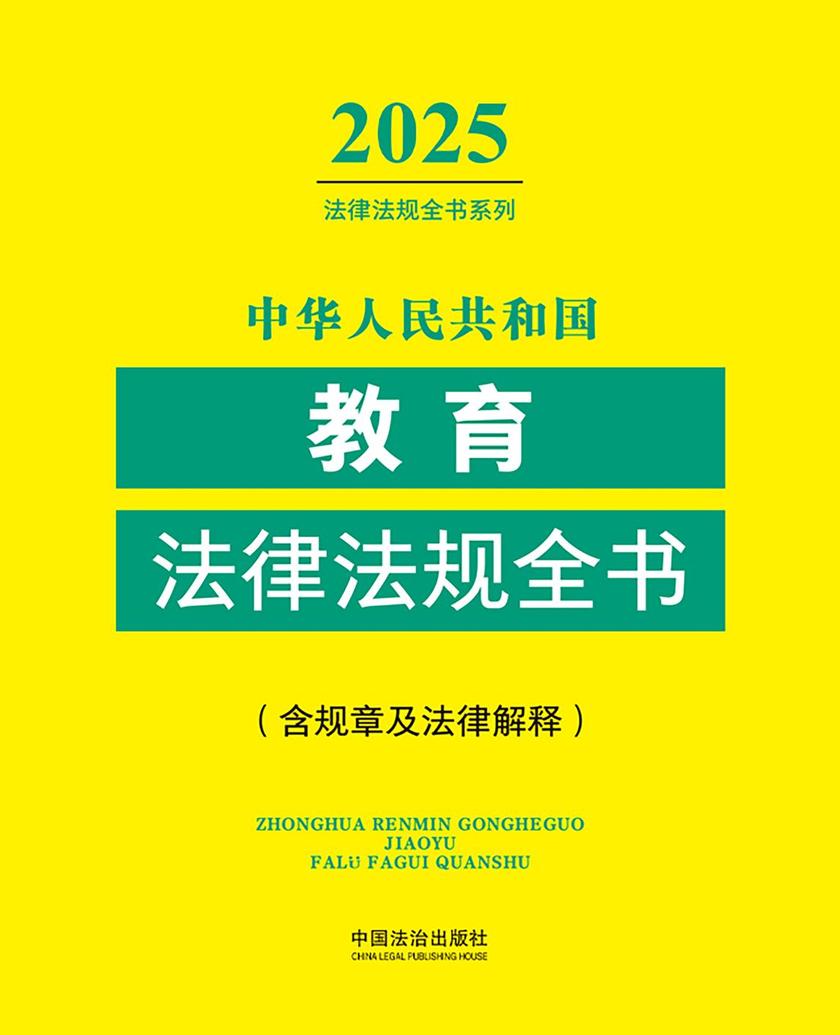
中华人民共和国教育法律法规全书(含规章及法律解释)(2025年版)
¥48.99
本书涵盖教育领域常用法律法规、国务院文件、部门规章、规范性文件、司法解释及人大代表建议和政协委员提案的重要答复,书中收录文件均为全国人大及其常委会、国务院及部委经过清理修改后的现行有效文本,方便读者及时掌握最新法律文件。法律文件按照紧密程度排列,而不是文件公布的时间顺序排列,以方便读者集中对某一类问题查找使用,避免疏漏重法律文件的相关规定。重法律文件附加条文主旨,指引读者快速找到目标条文,了解条文规定的主要内容。本书重在全面收录法律文件,同时确保内容准确。
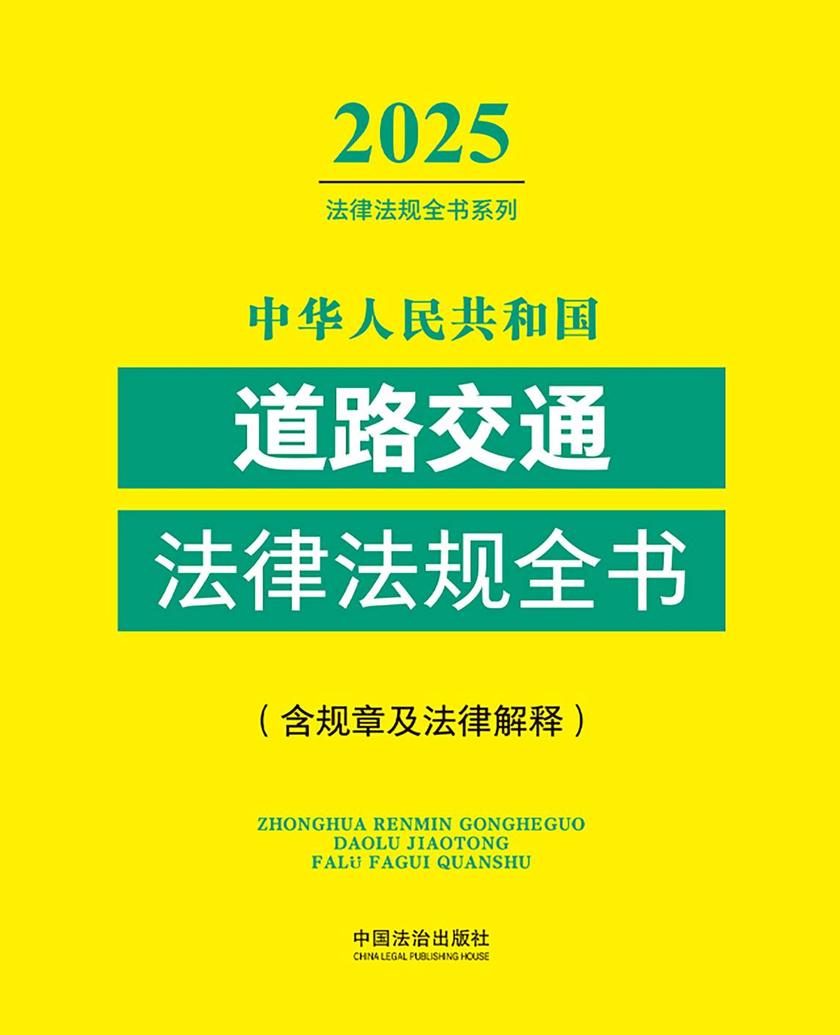
中华人民共和国道路交通法律法规全书(含规章及法律解释)(2025年版)
¥48.99
本书涵盖道路交通相关领域常用法律法规、国务院文件、部门规章、规范性文件、司法解释及人大代表建议和政协委员提案的重要答复,书中收录文件均为全国人大及其常委会、国务院及部委经过清理修改后的现行有效文本,方便读者及时掌握最新法律文件。法律文件按照紧密程度排列,而不是文件公布的时间顺序排列,以方便读者集中对某一类问题查找使用,避免疏漏重法律文件的相关规定。重法律文件附加条文主旨,指引读者快速找到目标条文,了解条文规定的主要内容。本书重在全面收录法律文件,同时确保内容准确。

中华人民共和国合同法律法规全书(含指导案例及文书范本)(2025年版)
¥48.99
本书涵盖合同相关领域常用法律法规、国务院文件、部门规章、规范性文件、及司法解释,书中收录文件均为全国人大及其常委会、国务院及部委经过清理修改后的现行有效文本,方便读者及时掌握最新法律文件。法律文件按照紧密程度排列,而不是文件公布的时间顺序排列,以方便读者集中对某一类问题查找使用,避免疏漏重法律文件的相关规定。重法律文件附加条文主旨,指引读者快速找到目标条文,了解条文规定的主要内容。本书重在全面收录法律文件,同时确保内容准确。
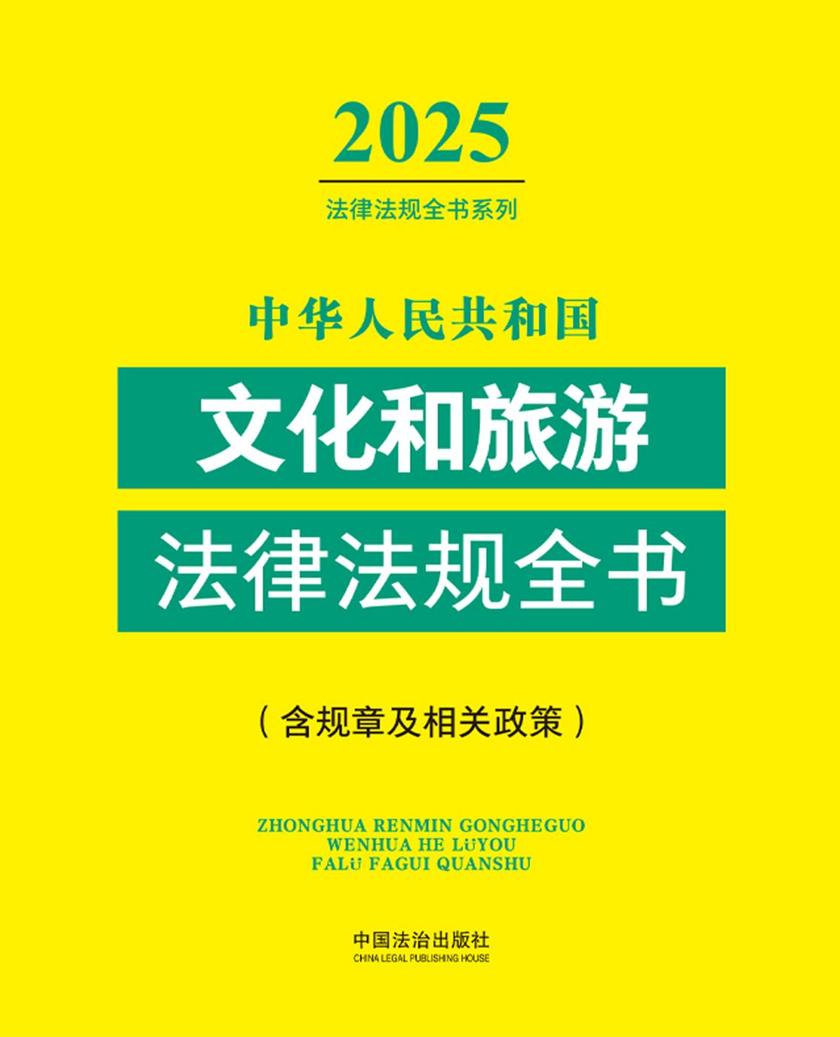
中华人民共和国文化和旅游法律法规全书(含规章及相关政策)(2025年版)
¥48.99
本书涵盖文化和旅游相关领域常用法律法规、国务院文件、部门规章、规范性文件、司法解释及人大代表建议和政协委员提案的重要答复,书中收录文件均为全国人大及其常委会、国务院及部委经过清理修改后的现行有效文本,方便读者及时掌握最新法律文件。法律文件按照紧密程度排列,而不是文件公布的时间顺序排列,以方便读者集中对某一类问题查找使用,避免疏漏重法律文件的相关规定。重法律文件附加条文主旨,指引读者快速找到目标条文,了解条文规定的主要内容。本书重在全面收录法律文件,同时确保内容准确。

Unicat. Cartea cu o sut? de finaluri
¥48.97
O parte dintre noi au tr?it vremuri grele pe care uneori le mai vis?m, le povestim sau despre care scriem ?nc?, f?r? patima cumplit? care i-a cuprins pe profitorii de atunci, care ?i ast?zi ne fac r?u, ?i chiar mai r?u dec?t ?pe vremea aceea“, cum se zice. E drept c? noi am prev?zut-o ?ntr-un fel sau altul, spun?nd-o celor care se-ncumetau s? ne asculte, f?r? preten?ia, Doamne, fere?te!, de a ne considera ?i disiden?i, cum o f?cur? cei men?iona?i mai sus. Previziunile noastre s-au bazat pe o anume cunoa?tere a mersului istoriei, care, cum se ?tie, se tot repet?, cu mici deosebiri, fire?te. Oricum, ceva cuno?tin?e de economie politic? nu ne stric? nici ?n zilele noastre, pentru a ne da seama de jocul frecvent al trecerii de la economia politic? la politica economic? ?i, mai ales, al trecerilor de la un sistem sau or?nduire economic? la alta ?i invers, cum le-am tr?it noi: de la capitalism la socialism ?i viceversa. Ca un fel de ciud??enie, au r?mas considera?iunile despre noul eon sau noua er? (New Age) ale filosofului din Lancr?m, mai ales c? acestea s-au realizat abia dup? c?derea comunismului, pe care n-o mai prev?zuse Blaga. (Alexandru Surdu) Eseuri filosofice de acela?i autor 1. Voca?ii filosofice rom?ne?ti, Editura Aca?de?miei Rom?ne, Bucure?ti, 1995, 216 p.; edi??ia a II-a, Editura Ardealul, T?rgu-Mure?, 2003, 206 p. 2. Confluen?e cultural-filosofice, Editura Pai?de?ia, Bucure?ti, 2002, 219 p. 3. M?rturiile anamnezei, Editura Paideia, Bu?cu?re?ti, 2004, 193 p. 4. Comentarii la rostirea filosofic?, Editura Kron-Art, Bra?ov, 2009, 186 p. 5. Izvoare de filosofie rom?neasc?, Editura Biblioteca Bucure?tilor, Bucure?ti, 2010, 171 p.; edi?ia a II-a, Editura Renaissance, Bucu?re?ti, 2011, 161 p. 6. A sufletului rom?nesc cinstire, Editura Re?naissance, Bucure?ti, 2011, 197 p. 7. Pietre de poticnire, Editura Ardealul, T?r?gu-Mure?, 2014, 179 p.

Limba Rom?n?. Admiterea la drept. 1200 de ?ntreb?ri ?i r?spunsuri
¥48.97
Numele lui Comenius s-a ?nscris ?n istoria literaturii cehe ?i universale prin cea mai important? lucrare a sa de beletristic?, romanul alegoric Labirintul lumii ?i raiul inimii. Cartea cuprinde dou? p?r?i. ?n prima, Labirintul lumii, este ?nf??i?at? alegoric lumea sub forma unui ora? medieval, amintind de un labirint pe care ?l parcurge c?l?torul-povestitor. ?n cea de-a doua parte, Raiul inimii, c?l?torul se retrage dezam?git ?n l?ca?ul inimii sale, unde ?l ?nt?lne?te pe Dumnezeu, iar credin?a ?i aduce pacea ?i alinarea. C?l?torul este de fapt reprezentarea alegoric? a curiozit??ii omene?ti; el str?bate ora?ul-lume c?ut?ndu-?i o ?ndeletnicire pl?cut? sufletului ?i trupului.Labirintul lumii ?i raiul inimii face parte din a?a-numita serie de scrieri de consolare, prin care Comenius ?ncerca s? arate c? destinul oamenilor este condus prin dreapta decizie a lui Dumnezeu. Romanul este considerat de critica literar? ceh? ca fiind cea mai reu?it? lucrare a literaturii vechi, cel mai frecvent tip?rit? p?n? ?n zilele noastre.
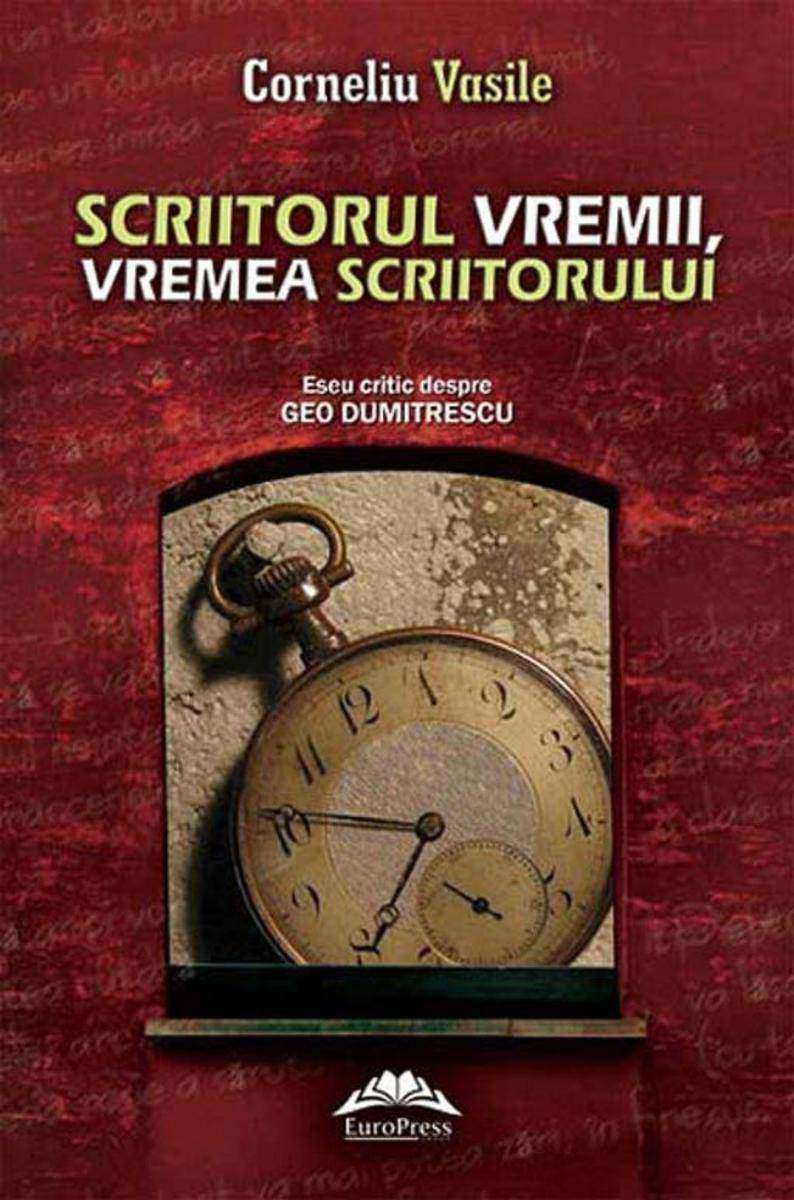
Scriitorul vremii, vremea scriitorului. Eseu critic despre Geo Dumitrescu
¥48.97
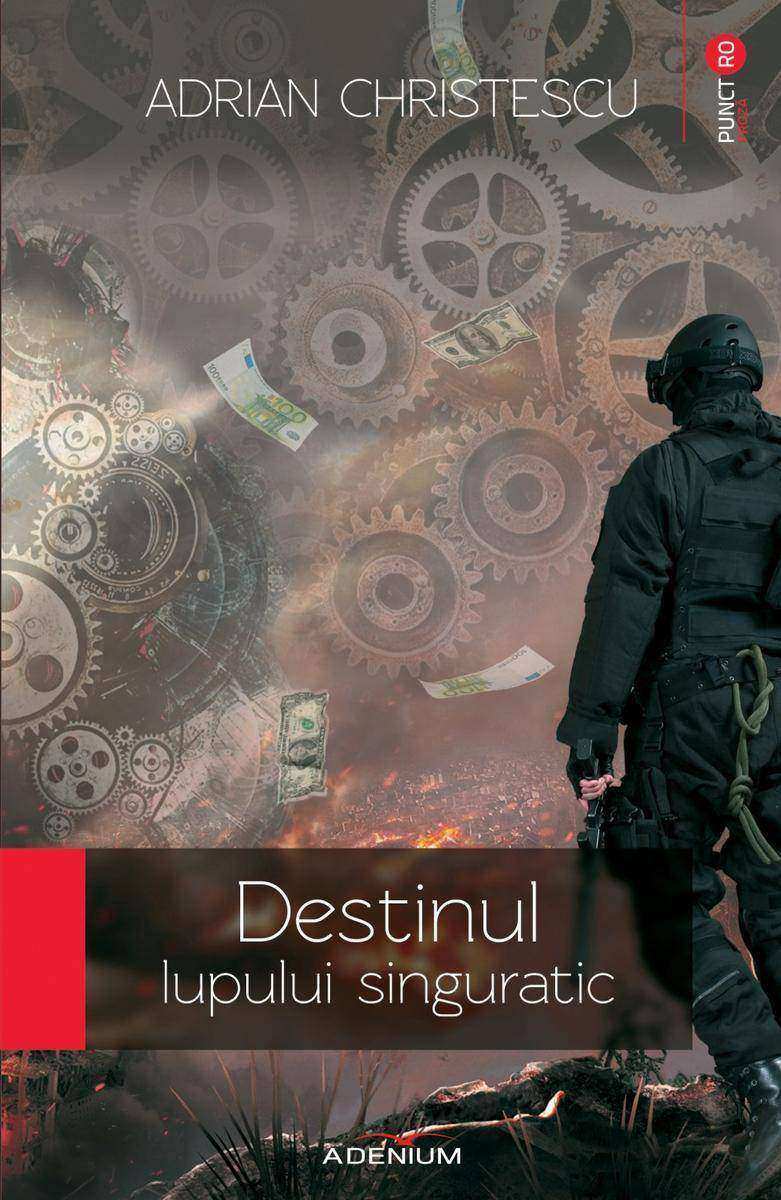
n vremurile traversate, cnd nevoia de repere morale pare c a fost deja abandonat, cnd oamenii oneti din aceast ar abia mai disting limita dintre moral i imoral, cnd decadena tinde s ne subjuge pe muli dintre noi, manipulatorii care-i sporesc prestigiul n funcie de numrul i statusul victimelor sunt luai drept modele de ctre copiii notri. nspimnttor mai este ns ceva. C nc nu i-au atins apogeul, c cel mai probabil o vor face n curnd, atunci cnd vor descoperi i vor nva s foloseasc ntregul arsenal existent unde manipularea reprezint doar o roti dintr-un angrenaj diabolic. Or, dac acum supun i controleazdestine fr remucri, fr regrete i fr apsri, ceea ce ar trebui s ne frmnte pe toi este ce vor mai pune la cale de acum nainte, fiindc, ntr-o normalitate deliberat confuz, cu certitudine tuturor ne va fi tot mai greu s gsim pe cineva cu care s purtm o discuie sincer. Cu att mai dificil s descoperim colegi sau prieteni pe care s ne putem baza, formatori de opinie oneti sau chiar parteneri de via care s nu mimeze sentimentele trite. Firete, manipulatori de tipologii diferite ntlnim peste tot. Pe strad, n centrele comerciale, n mijloacele de transport, acolo unde cei mai muli dintre ei sunt uor de sesizat. Tocmai de aceea, ajuns la momentul retrospectivei, nu mi-am propus s m refer la acetia, ci la cei din avangarda lor care construiesc n timp relaia personal cu victima, care exceleaz n arta prefctoriei i poart n 16 buzunarul din dos instrumente distrugtoare perfide. Cu ct sunt mai joviali i simpatici, cu att sunt mai penetrani, cu ct sunt mai afectuoi i iubitori, cu att sunt mai vtmtori. i atenie, dup cum spuneam, nc nu s-au desvrit. n curnd vom avea de-a face cu acest tip de manipulator, de departe cel mai perfid i periculos dintre toi, pe ct de eficient pe att de nociv, care ne va lua pe nepregtite. Doar n carcasa lui embrionar, sub mti atrgtoare i convingtoare, unii dintre noi l-au ntlnit deja printre amici, colegi, parteneri sentimentali, decideni i aa mai departe.Toate acestea, dar i ncercarea de a le anticipa mutrile, sunt motivele pentru care m-am hazardat la o abordare tranant, sub ndemnul desprinde-te de ei, rectig-te pe tine, plecnd, dac vrei, de la o comparaie ntre manipulatorii de azi i cei de mine, care tind s se nasc. Ce instrumente folosesc sau pot folosi, cum anume se insinueaz i seduc interlocutorul, cum i camufleaz interesul fa de persoana vizat, cum preiau sub control captura i cum am putea s-i contracarm sunt ntrebri la care am s ncerc s ofer rspunsurile ateptate dintr-o perspectiv personal, bazat pe acumulrile dintr-o via de om greu ncercat.
Destinul lupului singuratic
¥48.97
Antonio Gramsci este, dup? Niccolò Machiavelli, al doilea mare g?nditor politic italian publicat ?i tradus ?n Italia ?i ?n str?in?tate. Gramscianismul reprezint? un fenomen cultural recunoscut la nivel mondial, ce se reg?se?te ?n ??ri ca Marea Britanie, SUA, India sau America Latin?. Silvio Suppa:??Ast?zi, pentru a putea s? ne apropiem corect de Gramsci ?i de g?ndirea sa, este nevoie s? ne delimit?m de multe dintre interpret?rile doctrinare ce au fost exprimate de-a lungul anilor ?i s?-i recitim scrierile ca pe ni?te documente sau, mai bine spus, ca pe un sistem de documente care adun? mii de pagini ?i care, din diferite motive, nu au ?ncetat s? vorbeasc? ?i s? fac? s? se vorbeasc? despre ele. Scrierile sale nu au nici o leg?tur? cu acea Europ? care a rezultat ca urmare a acordurilor de la Yalta. Dintre notele din ?nchisoare ale lui Gramsci, Americanismul ?i fordismul, ?n afara oric?rui echivoc ideologic, este un studiu care conserv? ?n primul r?nd capacitatea sa de cunoa?tere ?i de compara?ie ?ntre caracteristicile productive ale vechii Europe ?i capitalismul de tip american, o form? a capitalismului care a constituit o noutate absolut? pentru secolul XX. ?n lexicul gramscian, ?fordismul? indic? o puternic? simbolistic? industrial?. Acest argument alimenteaz? motive de reflec?ie independente de istoria conflictelor interna?ionale.”

Sirens: How to Pee Standing Up: An Alarming Memoir of Combat and Coming Back Hom
¥48.97
There’s a steep learning curve for every American soldier who deploys to the Middle East war zone. Much of that involves culture shock, and the excitement and confusion also applies to female soldiers. And when that female soldier is also a Military Police Officer, the curve gets bent way out of shape. Laura Colbert was heartland-bred and tough enough when the Army sent her to an MP unit in Baghdad, but she quickly discovered soldiering in Iraq involved a lot more than she expected. How to establish her military cop cred? How to deal with chauvinistic soldiers? How to deal with Iraqis—men who disrespected her and women who initially distrusted her? How much military law applied in a lawless land? And dealing with even the simplest things, like how to pee standing up. Laura managed it and survived, but the learning curve just bent in another direction when she came home from war suffering with stress and anxiety that eventually bloomed into Post-Traumatic Stress.

Exercitii practice de psihogenealogie
¥48.97
Satisfacerea neîngr?dit? a nevoilor instinctuale ale omului este oare compatibil? cu limit?rile impuse de progresul civiliza?iei? Lansat? de Freud în celebrul text Disconfort în cultur? (1930), întrebarea este reluat? peste un sfert de veac de c?tre Herbert Marcuse, eminent filosof din ?coala de la Frankfurt. În vreme ce Freud ofer? un r?spuns pesimist, vorbind despre inevitabila subjugare a instinctelor umane de c?tre societatea represiv?, Marcuse întrevede o cale de îmblânzire a agresivit??ii Civiliza?iei prin for?a unificatoare, vital? ?i ludic? a Erosului. Solu?iile de emancipare sugerate de c?tre Marcuse au influen?at profund mi?c?rile studen?e?ti, ecologice, anticolonialiste sau de eliberare sexual? din ultima jum?tate de secol. De aceea interesul pentru criticile sale trece dincolo de ?tiin?ele socio-umane, înspre to?i cei ce vor s? în?eleag? mecanismele alienante ale „societ??ii abunden?ei“. Acest eseu folose?te categorii psihologice, deoarece ele au devenit categorii politice. Exist? procese psihice, alt?dat? autonome ?i identificabile, care sunt absorbite de func?ia individului în stat - de c?tre existen?a sa public?. Problemele psihologice se transform? a?adar în probleme politice. ?– Herbert Marcuse Pornind de la Freud ?i de la tradi?ia eliberatoare a filosofiei ?i culturii, Marcuse schi?eaz? tabloul unei civiliza?ii în care alienarea ?i reprimarea sunt înlocuite de dimensiunea libidinal? ?i nealienant? a muncii, jocului ?i sexualit??ii libere ?i deschise, toate acestea conducând mai departe c?tre emancipare ?i fericire. – Douglas Kellner, editor al seriei The Collected Papers of Herbert Marcuse


