


 购物车
 个人中心


Insurgent Democracy
¥294.30
In 1915, western farmers mounted one of the most significant challenges to party politics America has seen: the Nonpartisan League, which sought to empower citizens and restrain corporate influence. Before its collapse in the 1920s, the League counted over 250,000 paying members, spread to thirteen states and two Canadian provinces, controlled North Dakota's state government, and birthed new farmer-labor alliances. Yet today it is all but forgotten, neglected even by scholars.Michael J. Lansing aims to change that. Insurgent Democracy offers a new look at the Nonpartisan League and a new way to understand its rise and fall in the United States and Canada. Lansing argues that, rather than a spasm of populist rage that inevitably burned itself out, the story of the League is in fact an instructive example of how popular movements can create lasting change. Depicting the League as a transnational response to economic inequity, Lansing not only resurrects its story of citizen activism, but also allows us to see its potential to inform contemporary movements.
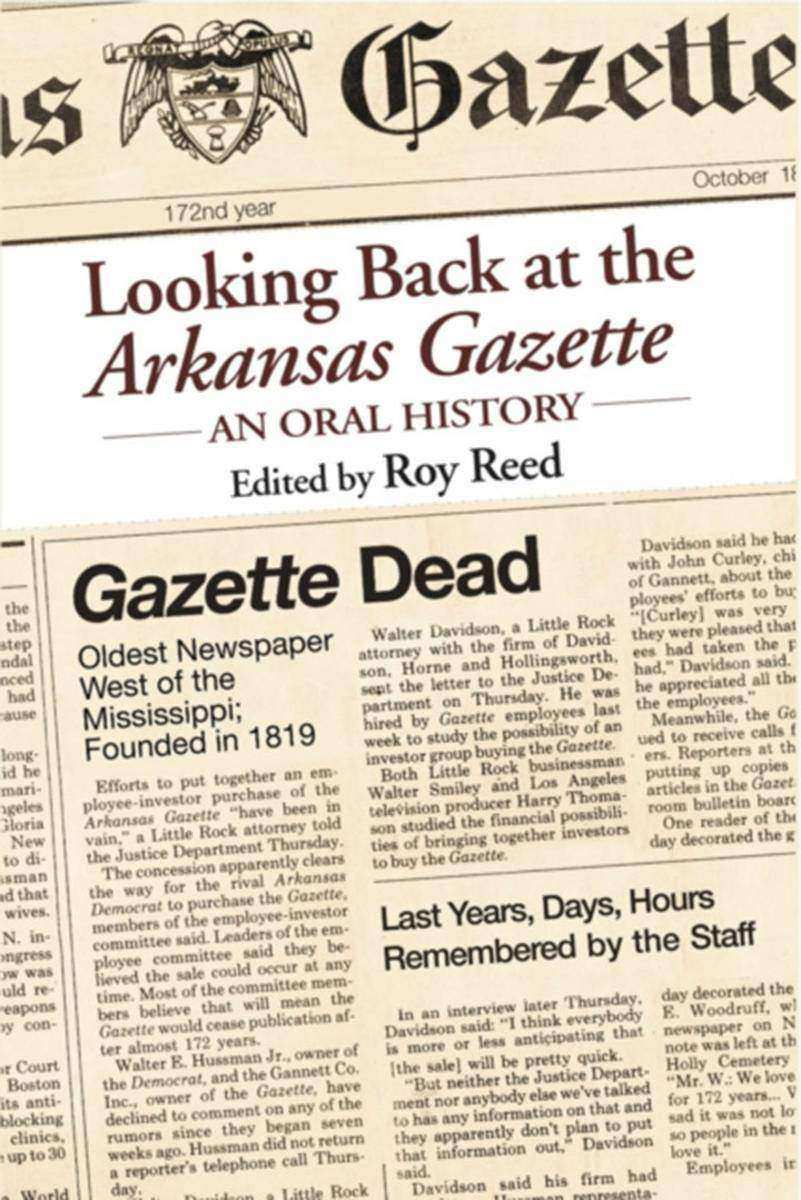
Looking Back at the Arkansas Gazette
¥260.75
The Arkansas Gazette was born in a log cabin November 20, 1819, on a bank of the Arkansas River. A local establishment donated a barrel of whiskey to celebrate the event. The first issue carried a complaint from a citizen that the town had too many lawyers. When the paper died 167 years later, the problem was not lawyers but corporate executives who had found themselves, to their confusion, in charge of the oldest newspaper west of the Mississippi and not knowing what to do with it.
Martin Faber: The Story of a Criminal
¥260.85
William Gilmore Simms's (1806-1870) body of work, a sweeping fictional portrait of the colonial and antebellum South in all its regional diversity, with its literary and intellectual issues, is probably more comprehensive than any other nineteenth-century southern author. Simms's career began with a short novel, Martin Faber, published in 1833. This Gothic tale is reminiscent of James Hogg's Confessions of a Sinner and was written four years before Edgar Allan Poe's "e;William Wilson."e; Narrated in the first person, it is considered a pioneering examination of criminal psychology. Martin seduces then murders Emily so that he might marry another woman, Constance. Martin confesses to his friend and is killed after attempting to stab Constance when she visits him in jail. The book was immediately successful and was well received by the northern media, thus starting Simms's successful career as a writer, one that would rank him as the only major southern literary figure besides Poe before the Civil War. As with other volumes in the Arkansas Edition of Simms's work, this volume includes a critical introduction by the editor and a Simms chronology, as well as appendices dealing with textual matters. This edition also includes Simms's 1829 story, "e;Confessions of a Murderer,"e; which was the germ for his first book of fiction.

A Documentary History of Arkansas
¥142.34
A Documentary History of Arkansas provides a comprehensive look at Arkansas history from the state's earliest events to the present. Here are newspaper articles, government bulletins, legislative acts, broadsides, letters, and speeches that, taken collectively, give a firsthand glimpse at how the twenty-fifth state's history was made. Enhanced by additional documents and brought up to date since its original publication in 1984, this new edition is the standard source for essential primary documents illustrating the state's political, social, economic, educational, and environmental history.
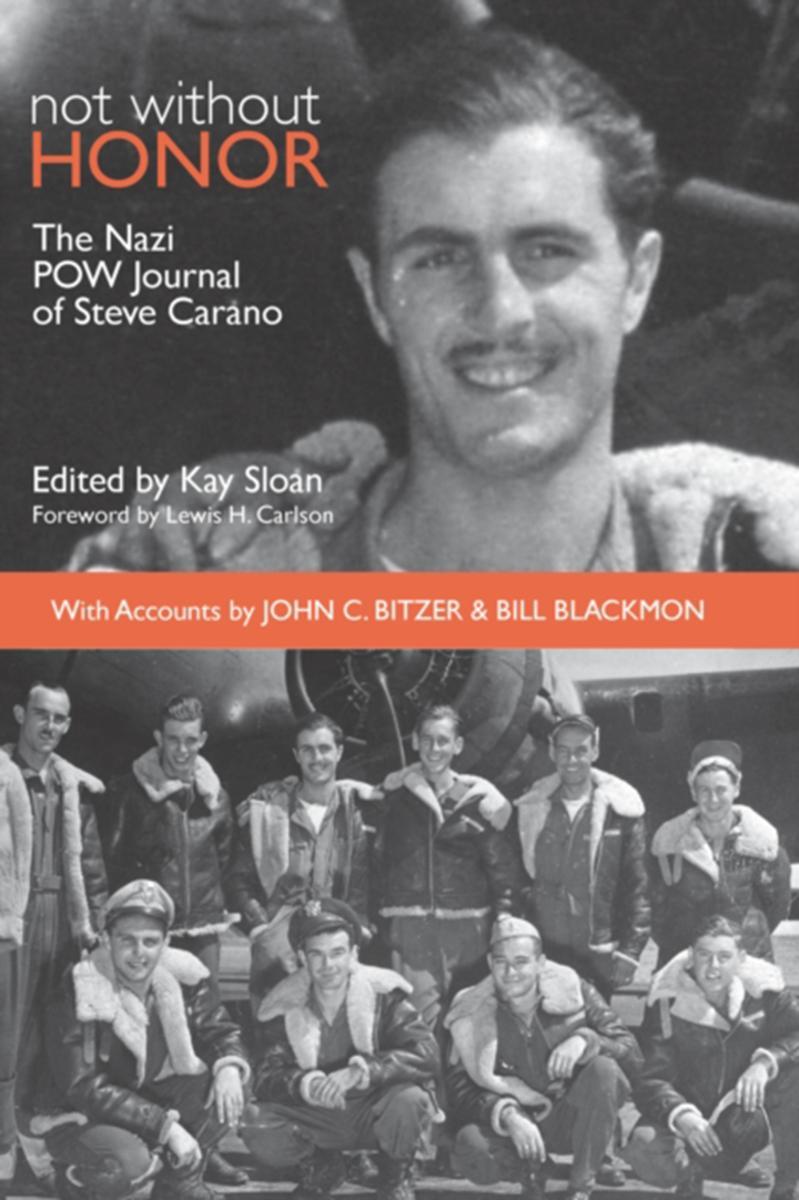
Not Without Honor
¥223.57
Not Without Honor threads together the stories of three American POWs-Carano; his buddy Bill Blackmon, who was also at Stalag 17 b; and John C. Bitzer, who survived the brutal "e;Death March"e; from northern Germany to liberation in April 1945. At times the journal reads like a thriller as he records air battles and escape attempts. Yet in their most gripping accounts, these POWs ruminate on psychological survival. The sense of community they formed was instrumental to their endurance. This compelling book allows the reader to journey with these young men as they bore firsthand witness to the best and worst of human nature.
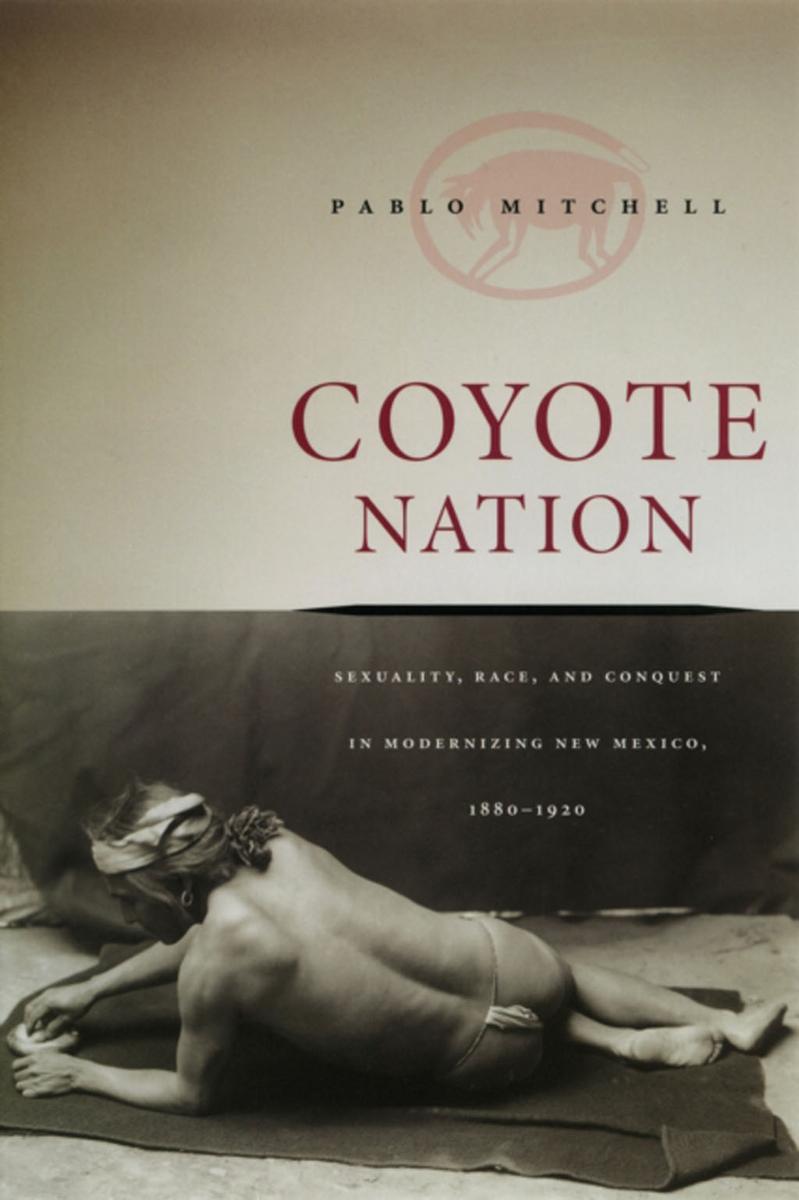
Coyote Nation
¥253.10
With the arrival of the transcontinental railroad in the 1880s came the emergence of a modern and profoundly multicultural New Mexico. Native Americans, working-class Mexicans, elite Hispanos, and black and white newcomers all commingled and interacted in the territory in ways that had not been previously possible. But what did it mean to be white in this multiethnic milieuAnd how did ideas of sexuality and racial supremacy shape ideas of citizenry and determine who would govern the region?Coyote Nation considers these questions as it explores how New Mexicans evaluated and categorized racial identities through bodily practices. Where ethnic groups were numerous and-in the wake of miscegenation-often difficult to discern, the ways one dressed, bathed, spoke, gestured, or even stood were largely instrumental in conveying one's race. Even such practices as cutting one's hair, shopping, drinking alcohol, or embalming a deceased loved one could inextricably link a person to a very specific racial identity.A fascinating history of an extraordinarily plural and polyglot region, Coyote Nation will be of value to historians of race and ethnicity in American culture.

From Mother and Daughter
¥265.87
Among the best-known and most prolific French women writers of the sixteenth century, Madeleine (1520-87) and Catherine (1542-87) des Roches were celebrated not only for their uncommonly strong mother-daughter bond but also for their bold assertion of poetic authority for women in the realm of belles lettres. The Dames des Roches excelled in a variety of genres, including poetry, Latin and Italian translations, correspondence, prose dialogues, pastoral drama, and tragicomedy; collected in From Mother and Daughter are selections from their celebrated oeuvre, suffused with an engaging and enduring feminist consciousness. Madeleine and Catherine spent their entire lives in civil war-torn Poitiers, where a siege of the city, vandalism, and desecration of churches fueled their political and religious commentary. Members of an elite literary circle that would inspire salon culture during the next century, the Dames des Roches addressed the issues of the day, including the ravages of religious civil wars, the weak monarchy, education for women, marriage and the family, violence against women, and the status of women intellectuals. Through their collaborative engagement in shared public discourse, both mother and daughter were models of moral, political, and literary agency.
Timing of Affect
¥288.41
Affect, or the process by which emotions come to be embodied, is a burgeoning area of interest in both the humanities and the sciences. For Timing of Affect, Marie-Luise Angerer, Bernd Bosel, and Michaela Ott have assembled leading scholars to explore the temporal aspects of affect through the perspectives of philosophy, music, film, media, and art, as well as technology and neurology. The contributions address possibilities for affect as a capacity of the body; as an anthropological in*ion and a primary, ontological conjunctive and disjunctive processes; as an interruption of chains of stimulus and response; and as an arena within cultural history for political, media, and psychopharmacological interventions. Showing how these and other temporal aspects of affect are articulated both throughout history and in contemporary society, the editors then explore the implications for the current knowledge structures surrounding affect today.
Players and Pawns
¥147.15
A chess match seems as solitary an endeavor as there is in sports: two minds, on their own, in fierce opposition. In contrast, Gary Alan Fine argues that chess is a social duet: two players in silent dialogue who always take each other into account in their play. Surrounding that one-on-one contest is a community life that can be nearly as dramatic and intense as the across-the-board confrontation.?Fine has spent years immersed in the communities of amateur and professional chess players, and with Players and Pawns he takes readers deep inside them, revealing a complex, brilliant, feisty world of commitment and conflict. Opening with a close look at a typical tournament in Atlantic City, Fine carries us from planning and setup through the climactic final day's match-ups between the weekend's top players, introducing us along the way to countless players and their relationships to the game. At tournaments like that one, as well as in locales as diverse as collegiate matches and community chess clubs, players find themselves part of what Fine terms a "e;soft community,"e; an open, welcoming space built on their shared commitment to the game. Within that community, chess players find both support and challenges, all amid a shared interest in and love of the long-standing traditions of the game, traditions that help chess players build a communal identity.?Full of idiosyncratic characters and dramatic gameplay, Players and Pawns is a celebration of the ever-fascinating world of serious chess.
Body by Darwin
¥147.15
We think of medical science and doctors as focused on treating conditions-whether it's a cough or an aching back. But the sicknesses and complaints that cause us to seek medical attention actually have deeper origins than the superficial germs and behaviors we regularly fault. In fact, as Jeremy Taylor shows in Body by Darwin, we can trace the roots of many medical conditions through our evolutionary history, revealing what has made us susceptible to certain illnesses and ailments over time and how we can use that knowledge to help us treat or prevent problems in the future.?In Body by Darwin, Taylor examines the evolutionary origins of some of our most common and serious health issues. To begin, he looks at the hygiene hypothesis, which argues that our obsession with anti-bacterial cleanliness, particularly at a young age, may be making us more vulnerable to autoimmune and allergic diseases. He also discusses diseases of the eye, the medical consequences of bipedalism as they relate to all those aches and pains in our backs and knees, the rise of Alzheimer's disease, and how cancers become so malignant that they kill us despite the toxic chemotherapy we throw at them. Taylor explains why it helps to think about heart disease in relation to the demands of an ever-growing, dense, muscular pump that requires increasing amounts of nutrients, and he discusses how walking upright and giving birth to ever larger babies led to a problematic compromise in the design of the female spine and pelvis. ?Throughout, he not only explores the impact of evolution on human form and function, but he integrates science with stories from actual patients and doctors, closely examining the implications for our health.?As Taylor shows, evolutionary medicine allows us think about the human body and its adaptations in a completely new and productive way. By exploring how our body's performance is shaped by its past, Body by Darwin draws powerful connections between our ancient human history and the future of potential medical advances that can harness this knowledge.
Southern Provisions
¥147.15
Southern food is America's quintessential cuisine. From creamy grits to simmering pots of beans and greens, we think we know how these classic foods should taste. Yet the southern food we eat today tastes almost nothing like the dishes our ancestors enjoyed because the varied crops and livestock that originally defined this cuisine have largely disappeared. Now, a growing movement of chefs and farmers is seeking to change that by recovering the rich flavor and diversity of southern food. At the center of that movement is historian David Shields, who has spent over a decade researching early American agricultural and cooking practices.In Southern Provisions, he reveals how the true ingredients of southern cooking have been all but forgotten and how the lessons of its current restoration and recultivation can be applied to other regional foodways.?Shields's turf is the southern Lowcountry, from the peanut patches of Wilmington, North Carolina to the sugar cane fields of the Georgia Sea Islands and the citrus groves of Amelia Island, Florida, and he takes us on an excursion to this region in order to offer a vivid history of southern foodways, drawing connections among plants, farms, growers, seed brokers, vendors, cooks, and consumers. Shields begins by looking at how professional chefs during the nineteenth century set standards of taste that elevated southern cooking to the level of cuisine. He then turns to the role of food markets in creating demand for ingredients and enabling conversation between producers and preparers. Next, his focus shifts to the field, showing how the key ingredients-rice, sugarcane, sorghum, benne, cottonseed, peanuts, and citrus-emerged and went on to play a significant role in commerce and consumption. Shields concludes with a look at the challenges of reclaiming both farming and cooking traditions.?From Carolina gold rice to white flint corn, the ingredients of authentic southern cooking are returning to fields and dinner plates, and with Shields as our guide, we can satisfy our hunger both for the most flavorful regional dishes and their history.
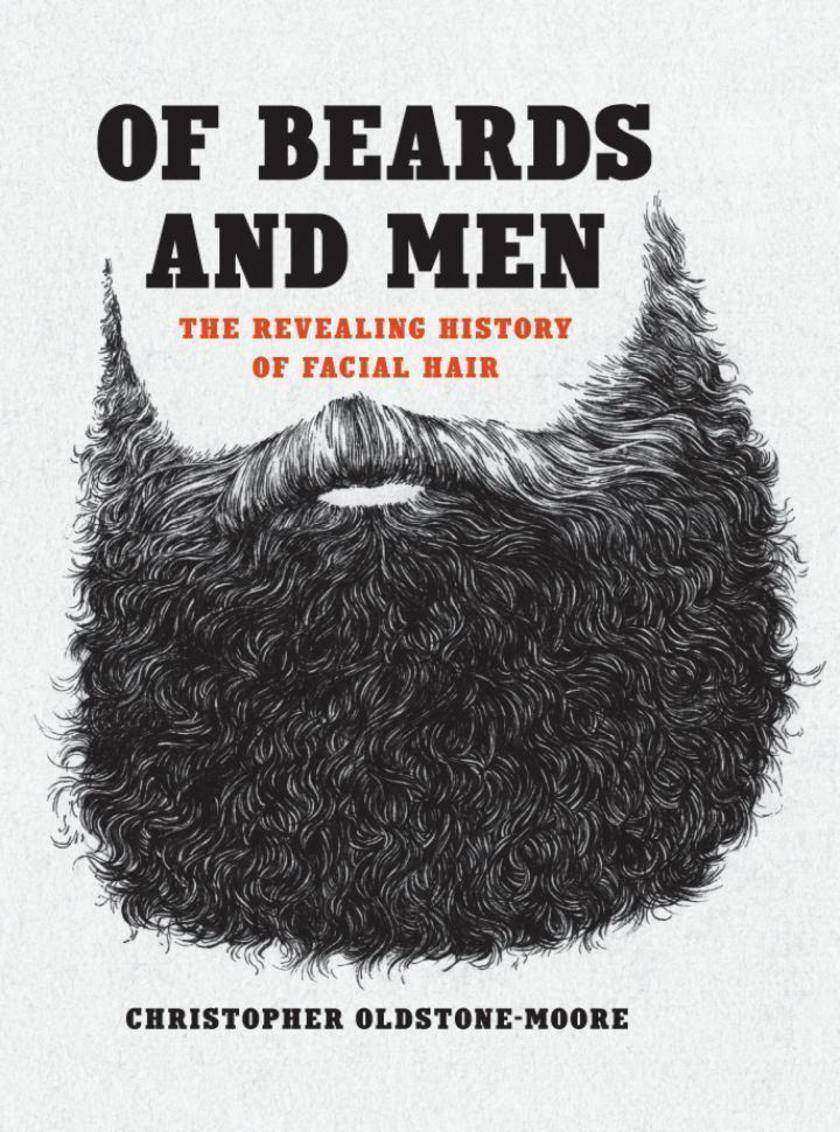
Of Beards and Men
¥147.15
Beards-they're all the rage these days. Take a look around: from hip urbanites to rustic outdoorsmen, well-groomed metrosexuals to post-season hockey players, facial hair is everywhere. The New York Times traces this hairy trend to Big Apple hipsters circa 2005 and reports that today some New Yorkers pay thousands of dollars for facial hair transplants to disguise patchy, juvenile beards. And in 2014, blogger Nicki Daniels excoriated bearded hipsters for turning a symbol of manliness and power into a flimsy fashion statement. The beard, she said, has turned into the padded bra of masculinity.Of Beards and Men makes the case that today's bearded renaissance is part of a centuries-long cycle in which facial hairstyles have varied in response to changing ideals of masculinity. Christopher Oldstone-Moore explains that the clean-shaven face has been the default style throughout Western history-see Alexander the Great's beardless face, for example, as the Greek heroic ideal. But the primacy of razors has been challenged over the years by four great bearded movements, beginning with Hadrian in the second century and stretching to today's bristled resurgence. The clean-shaven face today, Oldstone-Moore says, has come to signify a virtuous and sociable man, whereas the beard marks someone as self-reliant and unconventional. History, then, has established specific meanings for facial hair, which both inspire and constrain a man's choices in how he presents himself to the world.This fascinating and erudite history of facial hair cracks the masculine hair code, shedding light on the choices men make as they shape the hair on their faces. Oldstone-Moore adeptly lays to rest common misperceptions about beards and vividly illustrates the connection between grooming, identity, culture, and masculinity. To a surprising degree, we find, the history of men is written on their faces.
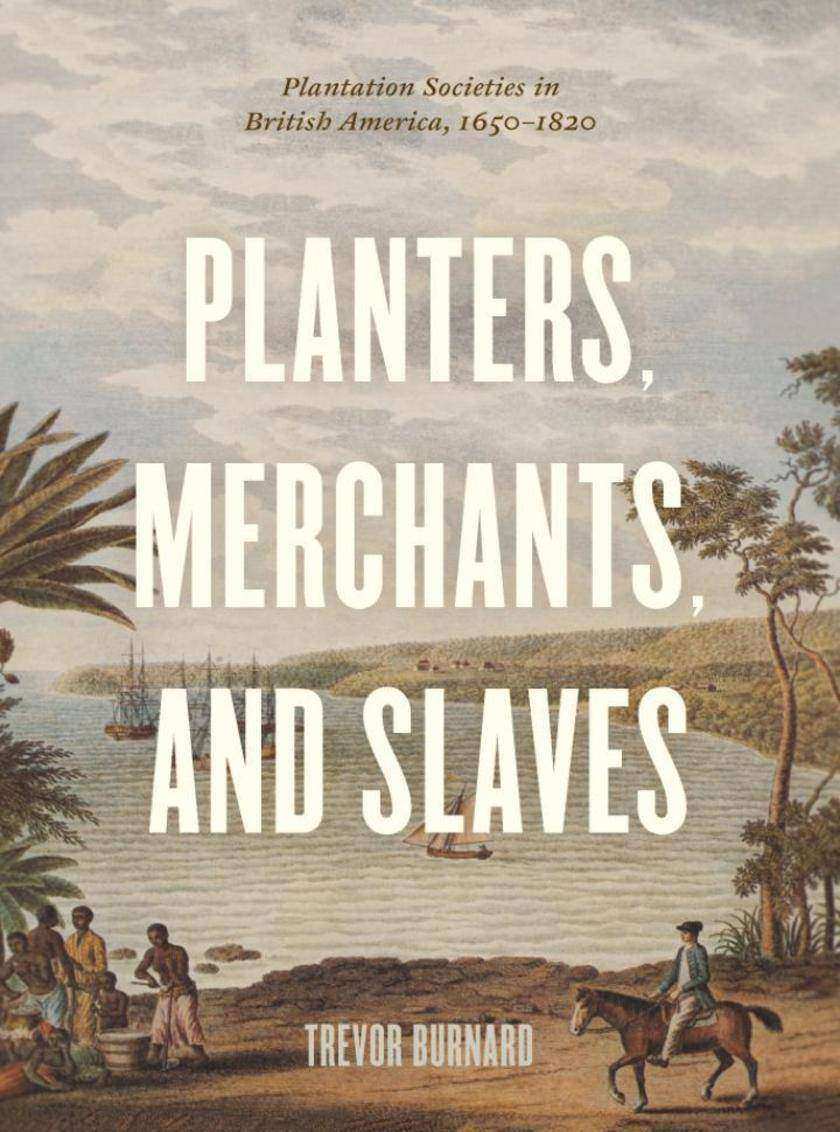
Planters, Merchants, and Slaves
¥294.30
As with any enterprise involving violence and lots of money, running a plantation in early British America was a serious and brutal enterprise. Beyond resources and weapons, a plantation required a significant force of cruel and rapacious men-men who, as Trevor Burnard sees it, lacked any better options for making money. In the contentious Planters, Merchants, and Slaves, Burnard argues that white men did not choose to develop and maintain the plantation system out of virulent racism or sadism, but rather out of economic logic because-to speak bluntly-it worked.These economically successful and ethically monstrous plantations required racial divisions to exist, but their successes were always measured in gold, rather than skin or blood. Burnard argues that the best example of plantations functioning as intended is not those found in the fractious and poor North American colonies, but those in their booming and integrated commercial hub, Jamaica. Sure to be controversial, this book is a major intervention in the scholarship on slavery, economic development, and political power in early British America, mounting a powerful and original argument that boldly challenges historical orthodoxy.

Physics Envy
¥294.30
At the close of the Second World War, modernist poets found themselves in an increasingly scientific world, where natural and social sciences claimed exclusive rights to knowledge of both matter and mind. Following the overthrow of the Newtonian worldview and the recent, shocking displays of the power of the atom, physics led the way, with other disciplines often turning to the methods and discoveries of physics for inspiration.?In Physics Envy, Peter Middleton examines the influence of science, particularly physics, on American poetry since World War II. He focuses on such diverse poets as Charles Olson, Muriel Rukeyser, Amiri Baraka, and Rae Armantrout, among others, revealing how the methods and language of contemporary natural and social sciences-and even the discourse of the leading popular science magazine Scientific American-shaped their work. The relationship, at times, extended in the other direction as well: leading physicists such as Robert Oppenheimer, Werner Heisenberg, and Erwin Schrdinger were interested in whether poetry might help them explain the strangeness of the new, quantum world. Physics Envy is a history of science and poetry that shows how ultimately each serves to illuminate the other in its quest for the true nature of things.

Nut Country
¥147.15
On the morning of November 22, 1963, President Kennedy told Jackie as they started for Dallas, "e;We're heading into nut country today."e; That day's events ultimately obscured and revealed just how right he was: Oswald was a lone gunman, but the city that surrounded him was full of people who hated Kennedy and everything he stood for, led by a powerful group of ultraconservatives who would eventually remake the Republican party in their own image.In Nut Country, Edward H. Miller tells the story of that transformation, showing how a group of influential far-right businessmen, religious leaders, and political operatives developed a potent mix of hardline anticommunism, biblical literalism, and racism to generate a violent populism-and widespread power. Though those figures were seen as extreme in Texas and elsewhere, mainstream Republicans nonetheless found themselves forced to make alliances, or tack to the right on topics like segregation. As racial resentment came to fuel the national Republican party's divisive but effective "e;Southern Strategy,"e; the power of the extreme conservatives rooted in Texas only grew.Drawing direct lines from Dallas to DC, Miller's captivating history offers a fresh understanding of the rise of the new Republican Party and the apocalyptic language, conspiracy theories, and ideological rigidity that remain potent features of our politics today.
Infested
¥147.15
Bed bugs. Few words strike such fear in the minds of travelers. In cities around the world, lurking beneath the plush blankets of otherwise pristine-looking hotel beds are tiny bloodthirsty beasts just waiting for weary wanderers to surrender to a vulnerable slumber. Though bed bugs today have infested the globe, the common bed bug is not a new pest at all. Indeed, as Brooke Borel reveals in this unusual history, this most-reviled species may date back over 250,000 years, wreaking havoc on our collective psyche while even inspiring art, literature, and music-in addition to vexatious red welts.?In Infested, Borel introduces readers to the biological and cultural histories of these amazingly adaptive insects, and the myriad ways in which humans have responded to them. She travels to meet with scientists who are rearing bed bug colonies-even by feeding them with their own blood (ouch!)-and to the stages of musicals performed in honor of the pests. She explores the history of bed bugs and their apparent disappearance in the 1950s after the introduction of DDT, charting how current infestations have flourished in direct response to human chemical use as well as the ease of global travel. She also introduces us to the economics of bed bug infestations, from hotels to homes to office buildings, and the expansive industry that has arisen to combat them.Hiding during the day in the nooks and seams of mattresses, box springs, bed frames, headboards, dresser tables, wallpaper, or any clutter around a bed, bed bugs are thriving and eager for their next victim. By providing fascinating details on bed bug science and behavior as well as a captivating look into the lives of those devoted to researching or eradicating them, Infested is sure to inspire at least a nibble of respect for these tenacious creatures-while also ensuring that you will peek beneath the sheets with prickly apprehension.
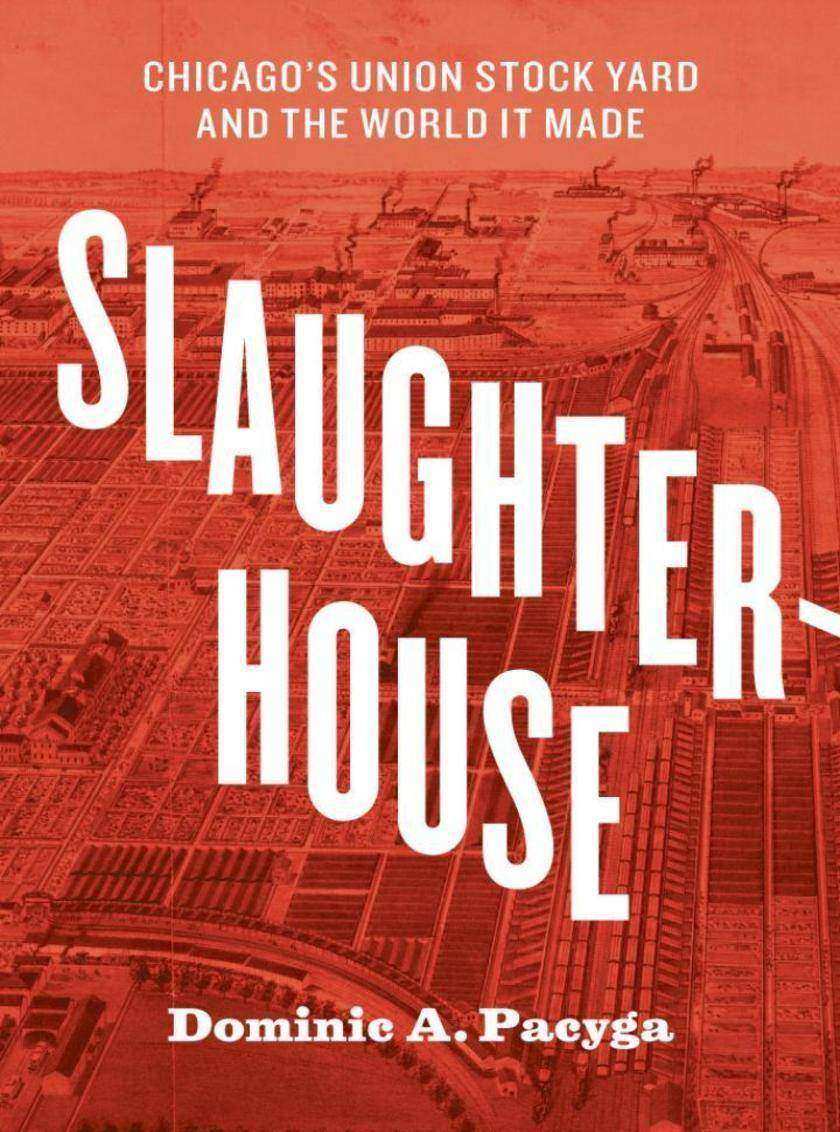
Slaughterhouse
¥147.15
From the minute it opened-on Christmas Day in 1865-it was Chicago's must-see tourist attraction, drawing more than half a million visitors each year. Families, visiting dignitaries, even school groups all made trips to the South Side to tour the Union Stock Yard. There they got a firsthand look at the city's industrial prowess as they witnessed cattle, hogs, and sheep disassembled with breathtaking efficiency. At their height, the kill floors employed 50,000 workers and processed six hundred animals an hour, an astonishing spectacle of industrialized death.Slaughterhouse tells the story of the Union Stock Yard, chronicling the rise and fall of an industrial district that, for better or worse, served as the public face of Chicago for decades. Dominic A. Pacyga is a guide like no other-he grew up in the shadow of the stockyards, spent summers in their hog house and cattle yards, and maintains a long-standing connection with the working-class neighborhoods around them. Pacyga takes readers through the packinghouses as only an insider can, covering the rough and toxic life inside the plants and their lasting effects on the world outside. He shows how the yards shaped the surrounding neighborhoods and controlled the livelihoods of thousands of families. He looks at the Union Stock Yard's political and economic power and its sometimes volatile role in the city's race and labor relations. And he traces its decades of mechanized innovations, which introduced millions of consumers across the country to an industrialized food system.Although the Union Stock Yard closed in 1971, the story doesn't end there. Pacyga takes readers to present day, showing how the manufacturing spirit lives on. Ironically, today the site of the legendary "e;stockyard stench"e; is now home to some of Chicago's most successful green agriculture companies.Marking the 150th anniversary of the opening of the stockyards, Slaughterhouse is an engrossing story of one of the most important-and deadliest-square miles in American history.
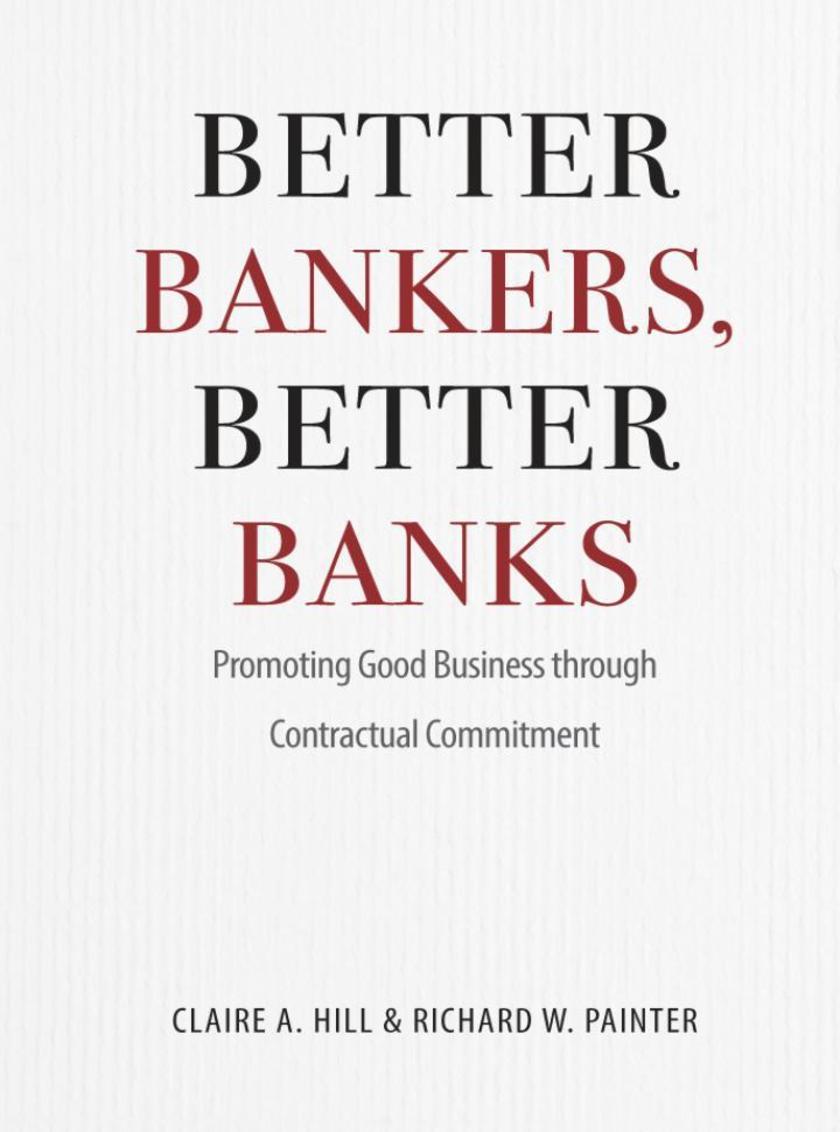
Better Bankers, Better Banks
¥147.15
Taking financial risks is an essential part of what banks do, but there's no clear sense of what constitutes responsible risk. Taking legal risks seems to have become part of what banks do as well. Since the financial crisis, Congress has passed copious amounts of legislation aimed at curbing banks' risky behavior. Lawsuits against large banks have cost them billions. Yet bad behavior continues to plague the industry. Why isn't there more changeIn Better Bankers, Better Banks, Claire A. Hill and Richard W. Painter look back at the history of banking and show how the current culture of bad behavior-dramatized by the corrupt, cocaine-snorting bankers of The Wolf of Wall Street-came to be. In the early 1980s, banks went from partnerships whose partners had personal liability to corporations whose managers had no such liability and could take risks with other people's money. A major reason bankers remain resistant to change, Hill and Painter argue, is that while banks have been faced with large fines, penalties, and legal fees-which have exceeded one hundred billion dollars since the onset of the crisis-the banks (which really means the banks'shareholders) have paid them, not the bankers themselves. The problem also extends well beyond the pursuit of profit to the issue of how success is defined within the banking industry, where highly paid bankers clamor for status and clients may regard as inevitable bankers who prioritize their own self-interest. While many solutions have been proposed, Hill and Painter show that a successful transformation of banker behavior must begin with the bankers themselves. Bankers must be personally liable from their own assets for some portion of the bank's losses from excessive risk-taking and illegal behavior. This would instill a culture that discourages such behavior and in turn influence the sorts of behavior society celebrates or condemns.Despite many sensible proposals seeking to reign in excessive risk-taking, the continuing trajectory of scandals suggests that we're far from ready to avert the next crisis. Better Bankers, Better Banks is a refreshing call for bankers to return to the idea that theirs is a noble profession.

Broken
¥55.91
The first novel in New York Times bestselling author Cynthia Eden's sizzling LOST series introduces the Last Option Search Team, an elite unit that must protect the only surviving victim of a serial killer. Ex-SEAL and LOST founder Gabe Spencer is accustomed to the unusual in his job. But when knockout Eve Gray steps into his office, he's rattled. For the mysterious woman is a dead ringer for the heiress thought to be the latest prey of the serial killer who goes by the name Lady Killer.When Eve awoke in an Atlanta hospital, her past was a blank slate. Then she recognized her own face in the newspaper and vowed to learn the truth. Determined to confront the nightmares hidden in her mind, she never expects to find a partner in Gabe.As Gabe and Eve work together, their explosive attraction becomes irresistible. Gabe knows that his desire for Eve is growing too strong, bordering on a dangerous obsession, but nothing pulls him away from her. And when another Eve lookalike disappears, Gabe vows to protect Eve at all costs. While Eve may have forgotten the killer in her past, it's clear he hasn't forgotten her.

Philoktetes
¥50.47
One of the most celebrated plays of ancient Athens in a vivid and dynamic new translation by award-winning poet James Scully Fate, free will, and the sacredness of the social bond are all challenged and reassessed in this tale torn from the midst of the Trojan War.The soldier Philoktetes was abandoned with a festering, god-inflicted foot wound on the desolate island of Lemnos by the Greeks under Odysseus, who could no longer stand the stench or the soldier's screams of pain. Now, ten years later, the Greeks realize they will never take Troy without Philoktetes and the bow given to him by Herakles. But Philoktetes refuses to rejoin the Greek army, vowing to kill his enemy Odysseus instead so Neoptolemos, son of the slain hero Achilles, is dispatched to trick Philoktetes into returning. Philoktetes and Neoptolemos, however, are constantly at sea, their minds shifting and re-shifting amid mixed feelings, deceptions, suspicions, and qualms as they struggle with themselves and their strangely evolving relationship.James Scully's remarkable translation of Sophocles' classic Philoktetes achieves an accurate yet accessibly idiomatic rendering of the Greek original, suited for reading, teaching, or performing. This is Sophocles for a new generation, certain to strike a powerful chord with contemporary audiences everywhere.
Black Pearls
¥55.33
Eric V. Copage's Black Pearls is an extraordinary book of inspirational thoughts and practical advice for African-Americans. The 365 quotes that begin each day's entry range from African proverbs to wisdom from Oprah Winfrey, Malcolm X, Terry McMillan, Bill Cosby, Rosa Parks, Spike Lee, Marian Wright Edelman, Alice Walker, and Martin Luther King, Jr., among hundreds of other diverse and accomplished people of African descent. And each day's entry covers a new topic: Love, Anger, Pride, Dieting, Stress, Stereotypes, Power, and Success are just a few! From the daily inspirations, author Eric V. Copage suggests meditations and specific actions that will help readers boost their spirits -- and achieve their dreams.


