


 购物车
购物车 个人中心
个人中心
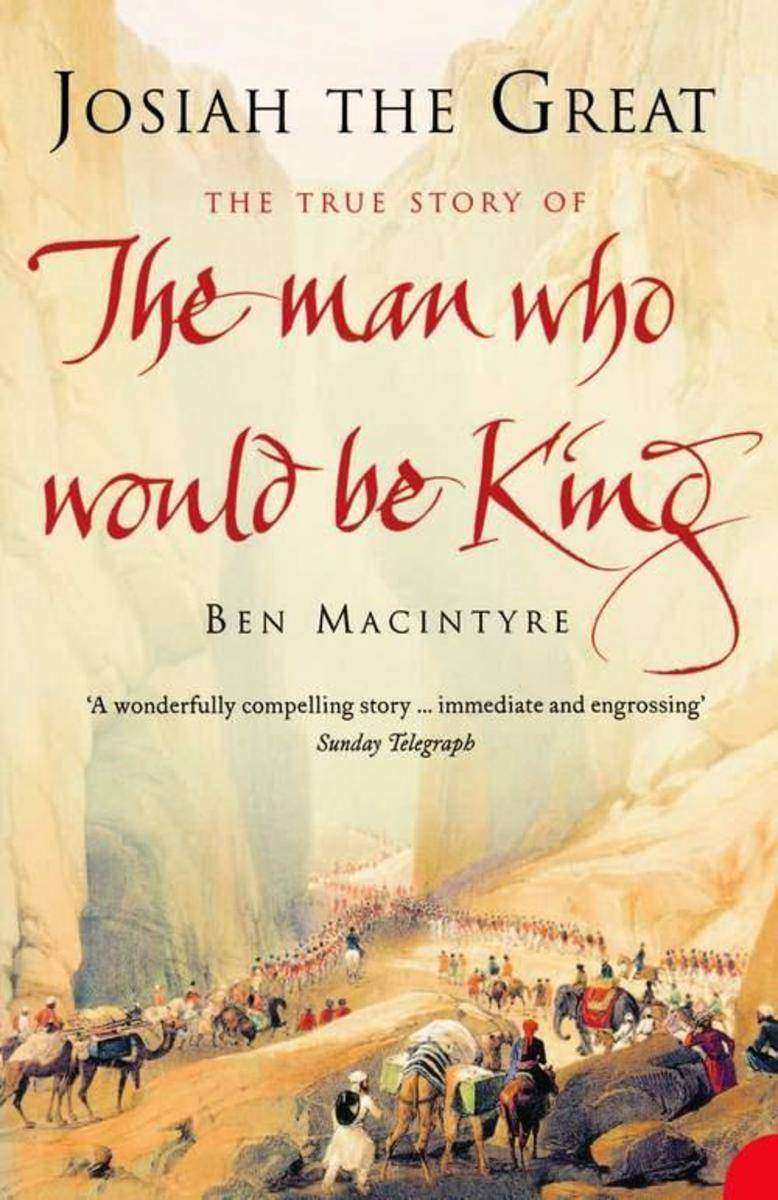
Josiah the Great: The True Story of The Man Who Would Be King
¥68.67
The amazing tale of a resourceful and unscrupulous early-19th-century American adventurer who forges his own kingdom in the wilds of Afghanistan. In the year 1838, a young adventurer, surrounded by his native troops and mounted on an elephant, raised the American flag on the summit of the Hindu Kush and declared himself Prince of Ghor, the heir to Alexander the Great. Josiah Harlan, the first American to set foot in Afghanistan, would become the model for Kipling’s ‘The Man Who Would be King’, but the true story of his life is stranger than fiction. A soldier, spy, doctor, naturalist and writer, Harlan set off into the wilds of Central Asia after a failed love affair in 1820. Following a brief stint as a surgeon in the East India Company’s army, he joined the court of the deposed Afghan monarch Shah Shujah, and then slipped into Kabul disguised as a Muslim priest to foment rebellion. For the next two decades he would play a pivotal role in the bloody politics of the region. Using a trove of newly discovered documents, including Harlan’s long-lost journals, Ben Macintyre has followed Harlan’s footsteps to uncover an astonishing, untold chapter in the history of the Great Game. If you enjoyed William Dalrymple’s ‘Return of a King’, ‘Josiah the Great’ should be on your reading list.

Secretariat
¥45.62
The remarkable true story of ‘Big Red,’ one of America’s finest racehorses. When her beloved Meadow Stables is faced with closure following her father’s illness, housewife and mother Penny Chenery agrees to take over. Despite her lack of horse-racing knowledge she calls in assistance from trainer Lucien Laurin and a host of successful jockeys. Pitted against the Phipps’ racing dynasty, Penny takes the decision to breed her mare Somethingroyal to the Phipps’ Bold Ruler, the nation’s favourite stallion. With the toss of a coin it is agreed that one family will take Somethingroyal’s first foal with the losing stable taking the colt out of Hasty Matelda and Somethingroyal’s second foal. Penny loses the toss, but the wait for the unborn foal proves fortuitous when a bright red chestnut colt is born, Secretariat. Nicknamed “Big Red,” with Laurin’s guidance, Penny manages to navigate the male-dominated business of horse racing, ultimately fostering the first Triple Crown winner in 25 years and what may be the greatest racehorse of all time. Now, more than 30 years after its initial publication, the story of "Big Red" continues to be a classic. Secretariat is the tale of a great racehorse but also a testimony to the dedication of Penny Chenery. Following her triumph with Secretariat she was elected as the first female member of The Jockey Club, changing the face of American horse racing forever.
Homecoming
¥65.16
The Sunday Times No. 1 paperback bestseller. …because it’s where the heart is. Four women. Four lives. One place they call home. Eleanor Levine left Ireland years ago with just a suitcase and her mother’s recipe book. And now, a lifetime later, she returns from New York for Dublin’s beautiful Golden Square full of hard-won wisdom. As she watches life unfold from her window, she is drawn into the lives of the women who live in the square… Beautiful actress Megan Bouchier had fame and success in her grasp – then she made the wrong kind of headlines. Now she needs a place to hide. Big-hearted teacher Connie O’Callaghan is approaching forty and has given up on love. Why does no man match the heroes in her romantic novels? Rae is a loyal friend and wife, dispensing tea and sympathy from Titania’s Tea Room – until a secret threatens everything she holds dear… Rae is a loyal friend and wife, dispensing tea and sympathy from Titania’s Tea Room – until a secret threatens everything she holds dear…

Smart Swarm: Using Animal Behaviour to Organise Our World
¥72.30
How Understanding Flocks, Schools and Colonies Can Make Us Better at Communicating, Decision Making and Getting Things Done. The modern world may be obsessed with speed and productivity, but twenty-first century humans actually have much to learn from the ancient instincts of swarms. A fascinating new take on the concept of collective intelligence and its colourful manifestations in some of our most complex problems, Smart Swarm introduces a compelling new understanding of the real experts on solving our own complex problems relating to such topics as business, politics, and technology. Based on extensive globe-trotting research, this lively tour from National Geographic reporter Peter Miller introduces thriving throngs of ant colonies, which have inspired computer programs for streamlining factory processes, telephone networks, and truck routes; termites, used in recent studies for climate-control solutions; schools of fish, on which the U.S. military modelled a team of robots; and many other examples of the wisdom to be gleaned about the behaviour of crowds-among critters and corporations alike. In the tradition of James Surowiecki's The Wisdom of Crowds and the innovative works of Malcolm Gladwell, Smart Swarm is an entertaining yet enlightening look at small-scale phenomena with big implications for us all.

Meerkat Madness (Awesome Animals)
¥31.49
The first book in the hilarious Awesome Animals series – awesome adventures with the wildest wildlife. Told in Ian Whybrow’s unique style, this hilarious animal adventure starring ever-popular meerkats is a funny, fast-paced, sure-fire hit. Meerkat Madness is the story of a burrow of meerkat pups and their eccentric babysitter, Uncle Fearless who once travelled to the Blah-Blah camp at the edge of the desert. Truth be told, Uncle is a bit of a show-off but the pups love his colourful stories even if they don’t really believe them. But then they find a mysterious object buried in the sand and it isn’t long before they are caught up in a daring adventure of their own! A hilarious story about ever-endearing meerkats from the creator of Harry and the Bucketful of Dinosaurs.
Casper Candlewacks in the Claws of Crime! (Casper Candlewacks, Book 2)
¥44.15
Jeremy Strong described Ivan's first Casper Candlewacks book as a "funny and engaging debut". This is the triumphant follow-up from the funniest new voice in fiction and once again unsung hero, Casper must save the day. Most villages have an idiot but Casper's village is full of them. So being bright makes poor Casper something of an outsider. An infamous cat burglar has struck in the village of Corne-on-the-Kobb, stealing a precious jewelled sword and kidnapping Casper’s baby sister. To make matters worse a gaggle of amateur detectives are on the case, questioning the villagers and getting in the way. Armed only with his wits, an egg-boiling lie-detecting machine and his best friend Lamp, can Casper rescue his sister and save the day? A side-splittingly funny tale for girls and boys
The Goblin King (Sophie and the Shadow Woods, Book 1)
¥27.27
Exciting 6 book character-led series for 7+ girls who love adventure! Very few people ever enter the Shadow Woods, for these woods are like no others. Hidden deep within them is the Gateway to the Shadow Realm – a dark and chaotic world where all kinds of gruesome creatures live… On her tenth birthday, tomboy Sophie learns she is the Guardian of the magical gateway, and that her destiny is to protect the human world from the goblins, trolls and evil sprites that inhabit the Shadow Woods. Each book sees Sophie having to outwit weird and terrifying creatures from the Shadow Woods, starting with the gruesome Goblins!
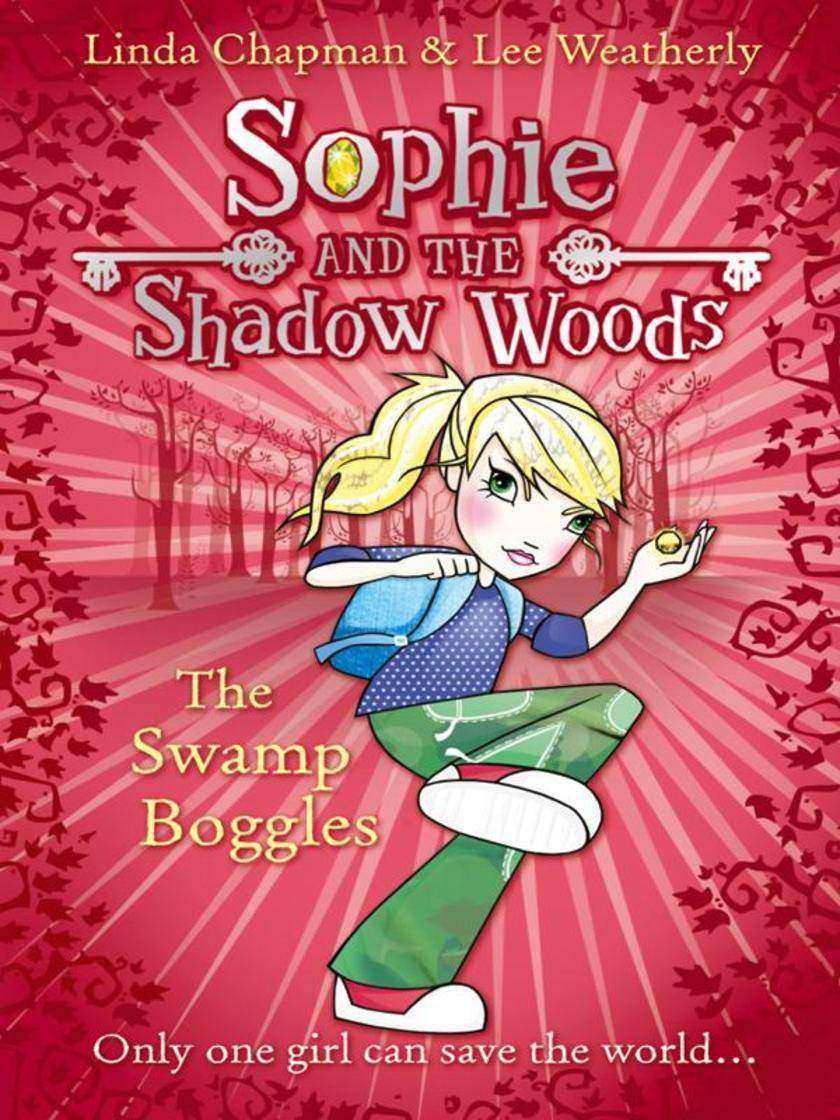
The Swamp Boggles (Sophie and the Shadow Woods, Book 2)
¥27.27
The second action-packed quest in an exciting new six book character-led series for 7+ girls who love fantasy, adventure, and high-kicking heroines! This time, Sophie has to call upon all her strength and skills to defeat her most gruesome foe yet… THE SWAMP BOGGLES! Very few people ever enter the Shadow Woods, for these woods are like no others. Hidden deep within them is the Gateway to the Shadow Realm – a dark and chaotic world where all kinds of gruesome creatures live… On her tenth birthday, tomboy Sophie learns she is the Guardian of the magical gateway, and that her destiny is to protect the human world from the goblins, trolls and evil sprites that inhabit the Shadow Woods. Together with her brave best friend and loyal sidekick, Sam, Sophie must find a way to stop an invasion of disgusting slime-filled, stinky Swamp Boggles from causing mayhem in her town and it’ll take all of Sophie’s Guardian magic powers to defeat it!

The Fog Boggarts (Sophie and the Shadow Woods, Book 4)
¥27.27
The fourth action-packed quest in an exciting six book character-led series for 7+ girls who love fantasy, adventure, and high-kicking heroines! Very few people ever enter the Shadow Woods, for these woods are like no others. Hidden deep within them is the Gateway to the Shadow Realm – a dark and chaotic world where all kinds of gruesome creatures live… On her tenth birthday, tomboy Sophie learns she is the Guardian of the magical gateway, and that her destiny is to protect the human world from the goblins, trolls and evil sprites that inhabit the Shadow Woods. Each book sees Sophie having to outwit weird and terrifying creatures from the Shadow Woods, and in this fourth action-packed adventure, we meet the stinky Fog Boggarts!
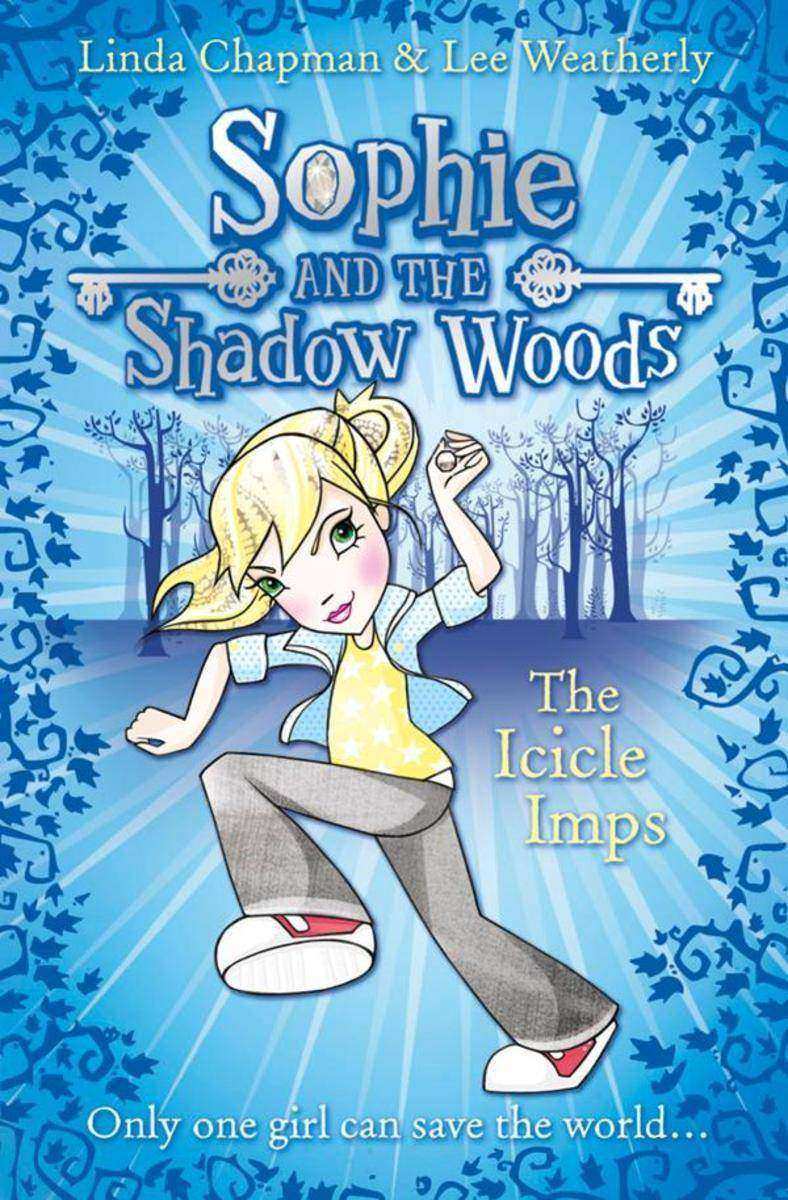
The Icicle Imps (Sophie and the Shadow Woods, Book 5)
¥27.27
The fifth action-packed quest in an exciting new six book character-led series for 7+ girls who love fantasy, adventure, and high-kicking heroines! Very few people ever enter the Shadow Woods, for these woods are like no others. Hidden deep within them is the Gateway to the Shadow Realm – a dark and chaotic world where all kinds of gruesome creatures live… On her tenth birthday, tomboy Sophie learns she is the Guardian of the magical gateway, and that her destiny is to protect the human world from the goblins, trolls and evil sprites that inhabit the Shadow Woods. Each book sees Sophie having to outwit weird and terrifying creatures from the Shadow Woods, and in this fifth action-packed adventure, it’s the turn of the nasty Icicle Imps!

The Perfume Lover: A Personal Story of Scent
¥66.22
‘Why couldn’t I be a perfumer’s muse? I’ve come such a long way in the realm of scent. In fact, I was never really meant to poke my nose into it …’ The Perfume Lover by Denyse Beaulieu is an intimate journey into the mystery of scent. What if the most beautiful night in your life inspired a fragrance? Denyse Beaulieu is a respected fragrance writer; it is her world, her love, her life. When she was growing up, perfume was forbidden in her house, spurring a childhood curiosity that went on to become an intellectual and sensual passion. It is this passion she pursued all the way to Paris, where she now lives, and entered the secretive world of the perfume industry. But little did she know that it would lead her to achieve a fragrance lover’s wildest dream … When Denyse tells a famous perfumer of a sensual night spent in Seville under an orange tree in full blossom, wrapped in the arms of a beautiful young man, the story stirs his imagination and together they create a scent that captures the essence of that night. This is the story of that perfume. As the unique creative collaboration unfolds, the perfume-in-progress conjures intimate memories, leading Beaulieu to make sense of her life through scents. Throughout, she weaves the evocative history of perfumery into her personal journey, in an intensely passionate voice: the masters and the masterpieces; the myths and the myth-busting, down to the molecular mysteries that weld our flesh to flowers… The Perfume Lover is an unprecedented account of the creative process that goes into composing a fragrance, and a uniquely candid insider’s view into the world and history of fragrance. Your world will never smell the same.
One-Pot Cooking: Casseroles, curries, soups and bakes and other no-fuss family f
¥73.58
Love cooking but tired of of washing up all those pots and pans? One-Pot cooking contains over 130 delicious and easy-to-make recipes that can be cooked in just one dish. Bestselling food writer Katie Bishop shows you how easy it is to produce fast, hassle-free meals for all the family. From favourites such as chicken curry and oven-baked risotto, Asian-inspired noodles and stir-fries to mouth-watering desserts, every recipe will delight those looking for good food that requires minimal clearing up. Katie's straightforward, helpful style and inspired recipes, which use easily attainable supermarket ingredients, will be loved by anyone who wants to produce perfect meals every time. One-pot is divided into six accessible chapters and recipes include: * In a Pot - Sausage, bean and tomato hot pot; Thai coconut beef curry; Creamy cauliflower cheese soup; Toffee apple pudding. * In a Pan - Big brunch breakfast omelette; Pesto pepper chicken and potatoes; Speedy pasta and meatballs; Emergency prawn curry. * In a Wok - Lemon Chicken with rise; Lamb, spring green and garlic noodles; Rainbow vegetable and cashew nut stir-fry. * In a Bowl - Watercress, blue cheese, pear and pecan salad; Smoked salmon with celeriac and capers; Chicken and lentil salad; Rocky road; Strawberry and vanilla shortcakes. * In the Oven - Quick Fish Pie; Baked garlic mushroom risotto; Roast beef and Yorkshire pudding; Creamy potato and blue cheese gratin; Easy apple pies. * Under the Grill - Pork burgers; Lamb and mango chutney kebabs; Charred steak and onion sandwiches; Sticky balsamic duck and fig salad; Caramelised bananas with pecan praline.

Twelve Days of Christmas: A bestselling Christmas read to devour in one sitting!
¥41.20
“One of the best writers around!” Katie Fforde “Full of down-to-earth humour.” Sophie Kinsella Trisha’s bestselling Christmas book will have you hooked from start to finish - the perfect read as those cold winter nights draw in. Christmas has always been a sad time for young widow Holly Brown. So when she's asked to look after a remote house on the Lancashire moors, the opportunity to hide herself away is irresistible – the perfect excuse to forget about the festivities. The owner of the house, Jude Martland, is also avoiding Christmas since the last one saw his brother run off with his fiancee. But forced to return home unexpectedly, Jude arrives to find that his family are running amok - with Holly seemingly at the centre of it all. As the blizzards descend, there is no escape. With nowhere to go, Holly and Jude get much more than they bargained for - and a Christmas they will always remember!
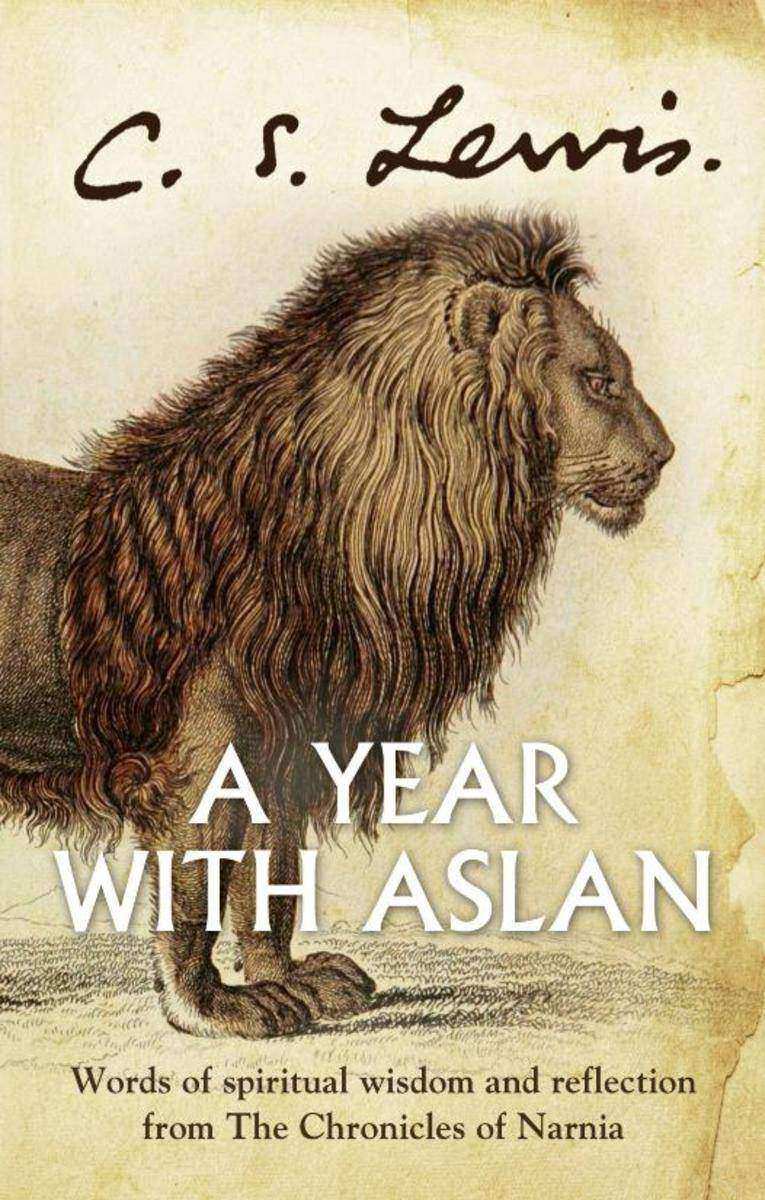
A Year With Aslan: Words of Wisdom and Reflection from the Chronicles of Narnia
¥69.26
This long-awaited daily reader brings 365 selections from The Chronicles of Narnia to provide daily inspiration, solace and guidance, as well as a memorable reminder of the power of C.S. Lewis’s enchanting stories and insightful themes. The Chronicles of Narnia have long been mainstays of children’s literature, but when re-read as an adult can deliver an entirely new experience. In the midst of these stories about adventures in a magical land are profound spiritual and ethical messages. A Year with Aslan selects the most thought-provoking and poignant passages from all seven books in the series, and provides reflective questions that get the heart of what matters most. There are many great moments found within the pages of The Chronicles of Narnia when C.S. Lewis is providing profound insights about what it means to be a better person and how to think the right way about things. This powerful but subtle ability to express human nature has helped make these books some of the most memorable and treasured stories ever written. This book of 365 passages allows the reader to reflect on these poignant lessons and see how they might apply to their own lives. The perennial appeal of Lewis as an inspirational writer and thinker is encapsulated more than anywhere else in this attractive and timely book.
The Thing is…
¥61.51
Described as the Irish John Peel, Dave Fanning has been a major player in the Irish and global music scene for over 30 years. In this compelling memoir, RTE Radio 2 DJ Dave Fanning will give the behind-the-scenes story of all the international musicians he has met, including The Rolling Stones, The Beatles, David Bowie, The Who and many, many more. Dave's story starts in the 60s, when he discovered his love for Bob Dylan, Joni Mitchell, Leonard Cohen and of course, The Beatles through the family sub*ion to the NME. This was to be his first glimpse of a world he would soon become an important part of. Graduating from pirate radio and a stint as Editor of Scene magazine, Dave joined RTE radio 2 when it launched in 1973, and quickly became the voice of a generation. Billboard magazine hailed him as the man solely responsible for the growth of Ireland's music industry. Renowned for supporting young, new Irish talent, Dave Fanning will detail the unique story of his role in the launch of U2 and his ongoing friendship with the band, delving into their humble beginnings and rise to fame. Including never-before-seen photographs and images from Dave's huge personal collection, this is an absolute must-have for any music fan and will be a significant contribution to the history of music.

The Girl in the Mirror
¥58.86
‘Entrancing, compelling, and beautifully written…a fabulous novel, bursting with integrity and authenticity, vividly eboking the court of Elizabeth I…I feel I know the characters and was mesmerised by their story. This is the historical novel as literary fiction – and damned good literary fiction at that.’ Alison Weir Jeanne, a young French exile orphaned by the wars of religion on the continent, is brought to London as a young girl disguised as a boy. Growing up, the disguise has not been shed and she finds a living as a clerk, ending up in the household of Robert Cecil. As she witnesses the intrigues and plots swirling round the court of Elizabeth I in the last days of Gloriana's reign, she finds herself sucked into the orbit of the dashing and ambitious young favourite, the Earl of Essex. As the queen draws near to the end of her life, with no heir to follow, the stakes are high. As Essex hurtles towards self-destruction, Jeanne finds her loyalties, her disguise and her emotions under threat – in a political climate where the least mistake can attract dire penalties. This is a beautifully layered and textured book, rich with the details of life and politics of Elizabeth I's court. Jeanne's struggle for survival and love is interwoven with her passionate pull towards nature, a lovely and seductive backdrop to the novel.
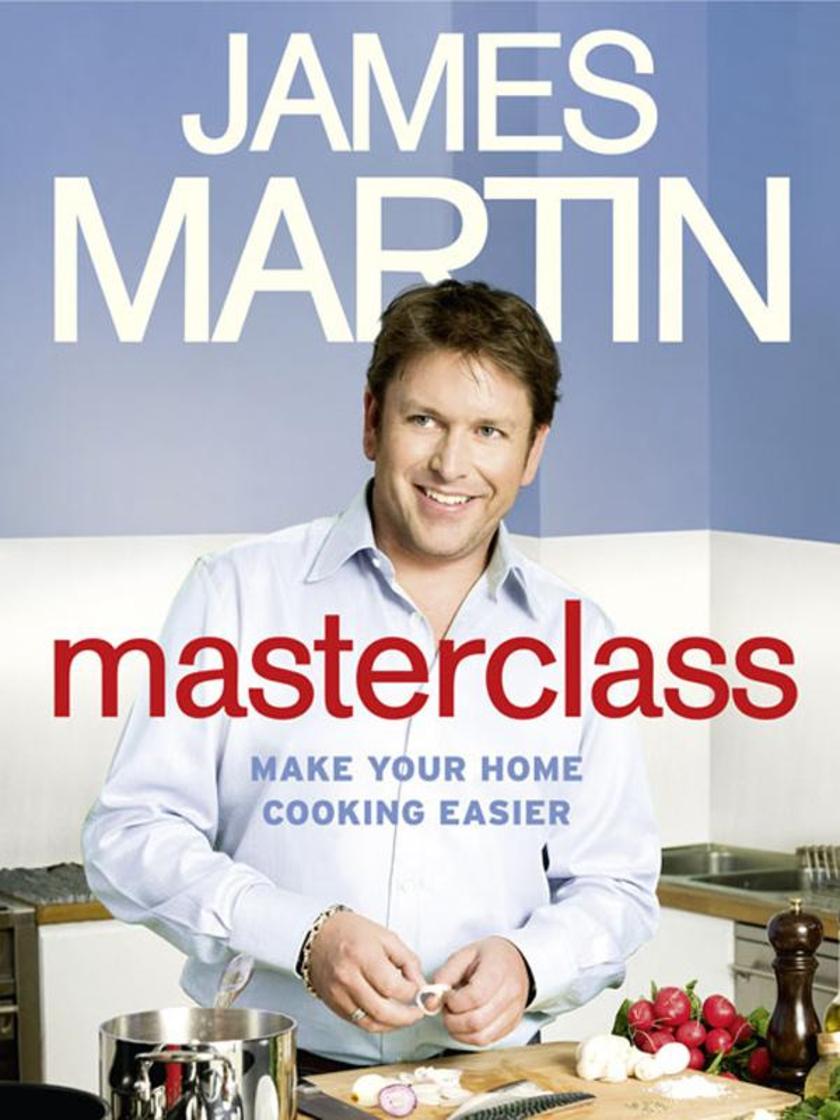
Masterclass: Make Your Home Cooking Easier
¥147.35
TEXT ONLY EB TV favourite James Martin is back with another collection of brilliant recipes. This is the book James Martin fans have been waiting for. Recipes you need, like the ultimate beef burger, perfect pies, a foolproof risotto and puddings to die for. With James's help, you can master them all. Masterclass is the ultimate collection of James Martin recipes; the ones that everyone should know how to cook. James takes classic dishes and much-loved favourites and makes them simpler than ever, and even more delicious, adding some exciting tweaks and twists of his own. Learn how to master James' recipes for beloved classics such as Cheese Soufflé, Beef Bourguignon and traditional Bakewell Tart, as well as his take on international dishes such as Onion Bhajis, Saffron Gnocchi, Bang Bang Chicken and Brioche French Toast. Alongside the recipes, you'll find manageable step-by-step guides to essential kitchen skills, such as how to fillet a fish, how to tie a joint for roasting and the best way to poach an egg. So, if you want to take your cooking to the next level, James Martin will help show you how.
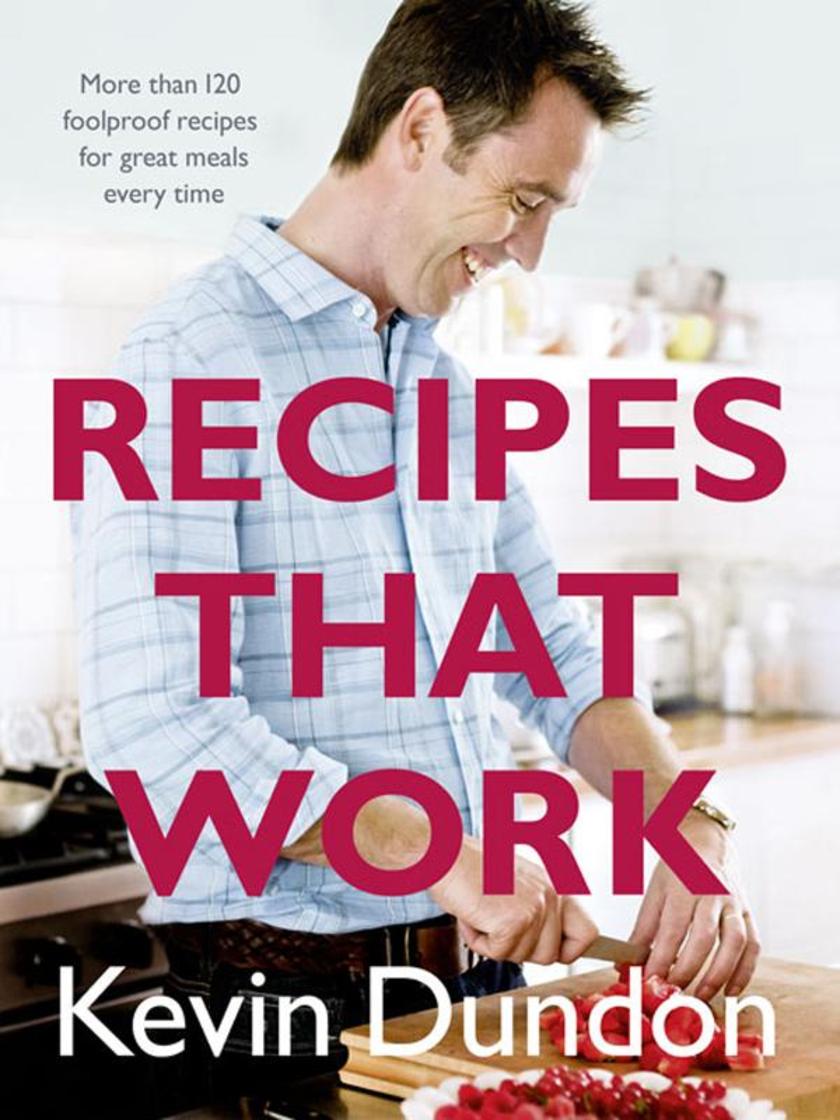
Recipes That Work
¥147.35
An offering from critically acclaimed Irish celebrity chef, Kevin Dundon. ‘Recipes That Work’ is a robust, confident collection of delicious, classic recipes that does exactly what it says on the tin. A firm believer that great tasting, seasonal food shouldn't be reserved for the restaurant, Kevin specialises in taking his vast knowledge and years of experience as head chef, and creating delicious, simple recipes that you can replicate in the home. ‘Recipes That Work’ is a collection of tried-and-tested, fail safe recipes that any home cook of any experience will be able to master. These are recipes that you can dig out time and time again whatever the occasion. Whether you are hosting a dinner party for friends, preparing tea for the kids or making a quick, nutritious supper for two, Kevin will have the perfect solution. This book will give confidence to the most timid of cooks but will also help more experienced home chefs build their repertoire. Focusing on delicious, simple, seasonal food ‘Recipes That Work’ is guaranteed to bring some restaurant magic to your everyday meals. With Kevin's expertise guiding you all the way, it's the essential kitchen companion. Recipes Include: Pan seared scallops with creamy leeks Hamhock & Parsley Terrine Classic French onion soup Roasted rib of beef with horseradish cream Smoked trout, poached eggs & hollandaise Glazed pork belly Ginger-spiced vegetable pie Coffee & walnut layer cake Triple chocolate brownie Chapter Breakdown: Starters & Salads Soups Main Courses Desserts Larder & Kitchen essentials
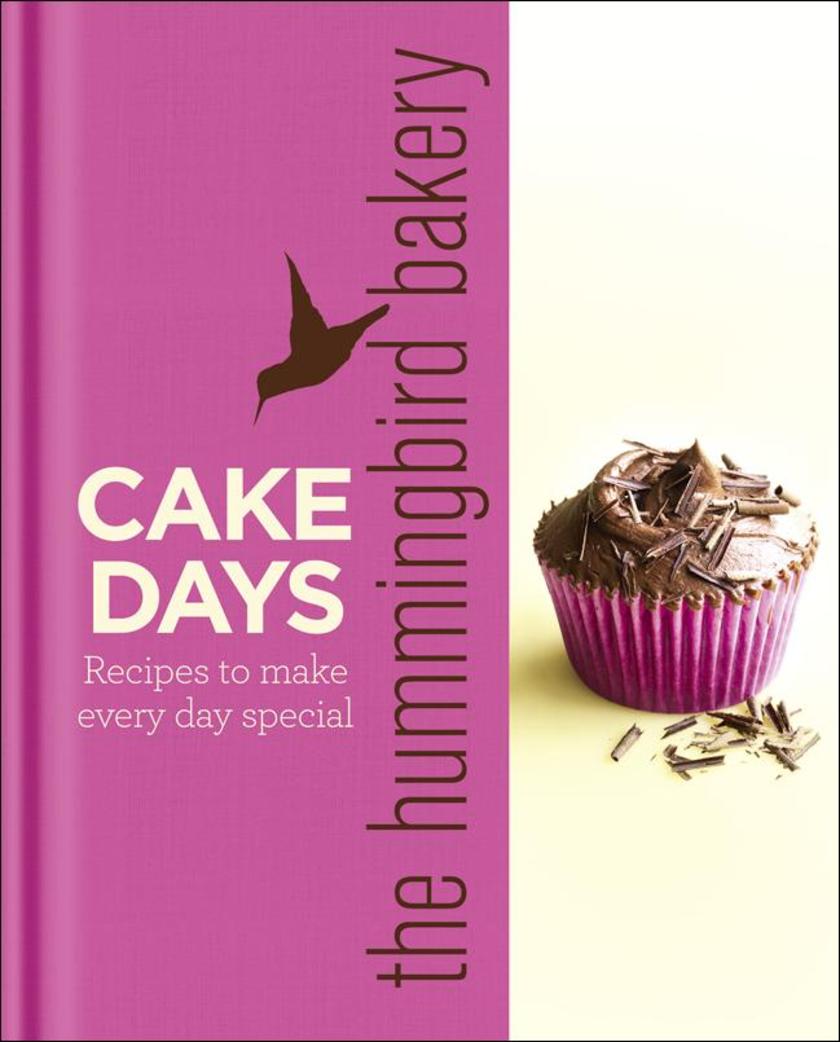
The Hummingbird Bakery Cake Days: Recipes to make every day special
¥114.48
The bestselling, hugely popular Hummingbird Bakery is back with a wonderful new collection of easy and delicious cupcakes, layer cakes, pies and cookies to suit all occasions in this beautiful book. The Hummingbird Bakery has brought their mouth-watering yet easy-to-make cupcakes to kitchens everywhere and this time they show readers how to bake delicious cakes and other sweet delights for those days of the year that are just meant for indulgence - such as birthdays, Easter, Valentine's and Christmas - as well as those times when you just deserve a little treat. This beautifully designed, lavishly photographed book takes you through the year to offer simple baking recipes suited to your favourite seasonal events or celebrations, plus inspired recipes that will encourage you into the kitchen even if there is no special occasion! ‘Cake Days: Recipes to Make Everyday Special’ not only includes the Hummingbird favourites that so many people have come to love, but many brand new ideas such as cocktail and fizzy pop cupcakes, flower-infused cupcakes and even coffee- and tea-flavoured cupcakes. Whether you fancy a classic Red Velvet, want to enjoy an Earl Grey cupcake with your cup of tea, or bake Lemonade cupcakes for a party, the Hummingbird Bakers will how you how easy it is to make fun and delicious cakes. In addition readers will find the Hummingbird's new whoopie pies, easy tray bakes, classic layer cakes, fruit pies and plenty of scrumptious cookies. With a photograph for every recipe, plus tips and friendly advice, The Hummingbird Bakery's new cookbook is an essential and enjoyable addition to every kitchen.

Birds Britannia
¥132.53
Birds and bird lore provide a fascinating window onto our social and cultural history, and can tell us much about our changing relationship with the British landscape, our people and society. We Brits love our birds. They hold a special place in our hearts – whether it's the sound of birdsong on a spring morning, the sight of a Barn Owl hunting on a summer's evening, or a Robin perched on our garden spade. In this book, Stephen Moss focusses on some of our most beloved and charismatic birds. He explores their fascinating biology, and their place in the evolving culture and history of the British people. The author delves into the worlds of Sea Birds (Puffin, Sea Eagle and Gannet), Water Birds (Kingfisher, Swan and Avocet), Countryside Birds (Red Grouse, Nightingale and Skylark ) and Town & Garden Birds (Robin, House Sparrow and Magpie), weaving their stories together to tell four very different stories about the changing face of Britain.

The Puppy Listener
¥73.58
An indispensible guide to raising your new puppy from the author of The Dog Listener. From teething to training, this book follows the development of your puppy from new pet to best friend. In The Puppy Listener Jan Fennell presents a simple-to-follow yet detailed handbook for puppy owners. Whether this is your first pup or you are a seasoned dog-owner, the hints and tips in this concise guide are valuable and well informed. This handy guide follows the life of your puppy from weaning to walking. Jan Fennell covers every aspect of caring for your new best friend – from introducing a puppy into its new home and handling it in public, to dealing with behavioural problems. With detailed sections on everything from exercise to diet, there are problem-solving guides dealing with worries such as biting or anxiety. Once again Jan illustrates her points with entertaining and inspiring real-life cases from her own work with damaged and delinquent dogs. Her love of animals is contagious and she inspires owners to persevere with their pups and show them who is boss. The book contains photographs and plate sections which accompany the text.


