


 购物车
购物车 个人中心
个人中心
Return of the Bird Tribes
¥88.56
Ken Carey is one of the greatest living teachers Read him, and you'll have hope.'MARIANNE WILLIAMSONExploring the transformative impact of Native American spirituality on contemporary events, this is the third book in Ken Carey's be
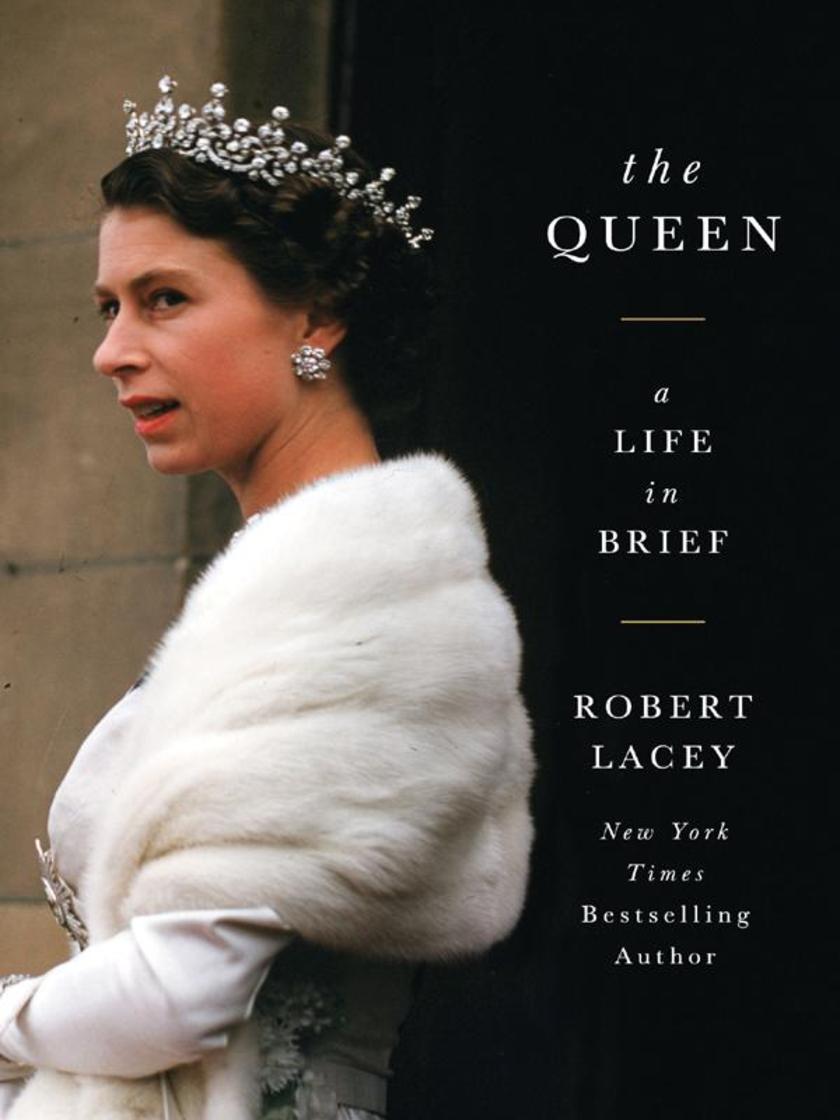
The Queen
¥88.56
the QueenElizabeth II was not born to be queen. She came into the world on April 21, 1926, the equivalent of the modern Princess Beatrice, first-born daughter of the Duke of York, destined to flutter on the royal fringe. So while Lilibet was brought up with almost religious respect for the crown, there seemed no chance of her inheriting it. Her head was never turned by the personal prospect of grandeur which is why she would prove so very good at her job. Elizabeth II's lack of ego was to prove the paradoxical secret of her greatness. For more than thirty years, acclaimed author and royal biographer Robert Lacey has been gathering material from members of the Queen's inner circle her friends, relatives, private secretaries, and prime ministers. Now, in The Queen, Lacey offers a life of the celebrated monarch, told in six succinct chapters, accentuated by elegant color and black-and-white photographs that capture the distinctive flavor of passing eras and reveal how Elizabeth II adapted or, on occasions, regally declined to adapt to changing times.
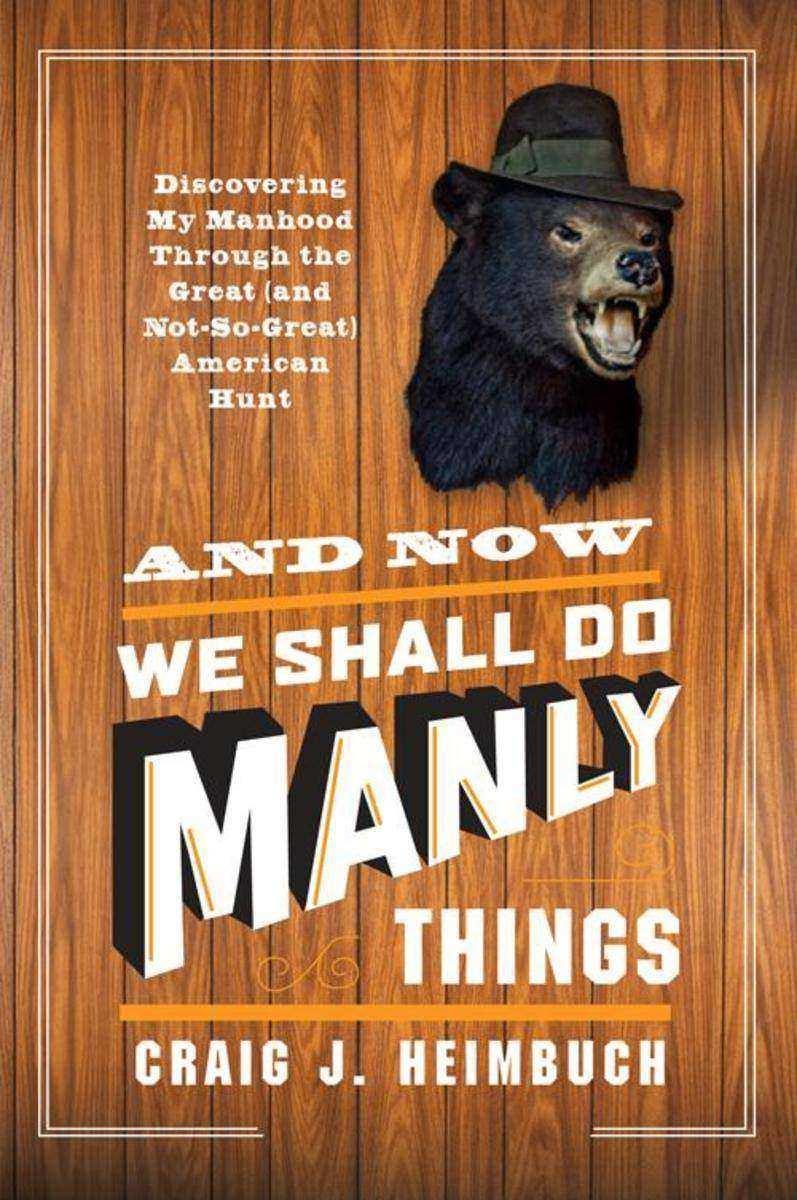
And Now We Shall Do Manly Things
¥90.77
In the tradition of Bill Bryson's A Walk in the Woods and A. J. Jacobs's The Know-It-All, Craig J. Heimbuch takes a wry look at some of our most deeply cherished cultural beliefsCraig J. Heimbuch had never even thought of owning a gun when, in his early thirties, he was given a twelve-gauge Winchester over-under shotgun by his father. The black sheep, so to speak, of his Midwestern family, Craig was possibly the only male Heimbuch never to have taken an animal. But now that he had a shotgun, he figured he might as well try it out, and in so doing, explore the meaning of manhood while getting closer to his hunting-enthusiast dad.And Now We Shall Do Manly Things is the witty, moving, and insightful story of one man's quest to free himself from the shackles of his domesticated suburban lifestyle by immersing himself for one year in the hunting culture his family has always cherished. Along the way Heimbuch learns what putting food on the table once entailed and what it means to be a man in America and discovers that it's possible to be a committed father, a loving spouse, and a hunter without being mistaken for a gun-toting lunatic.
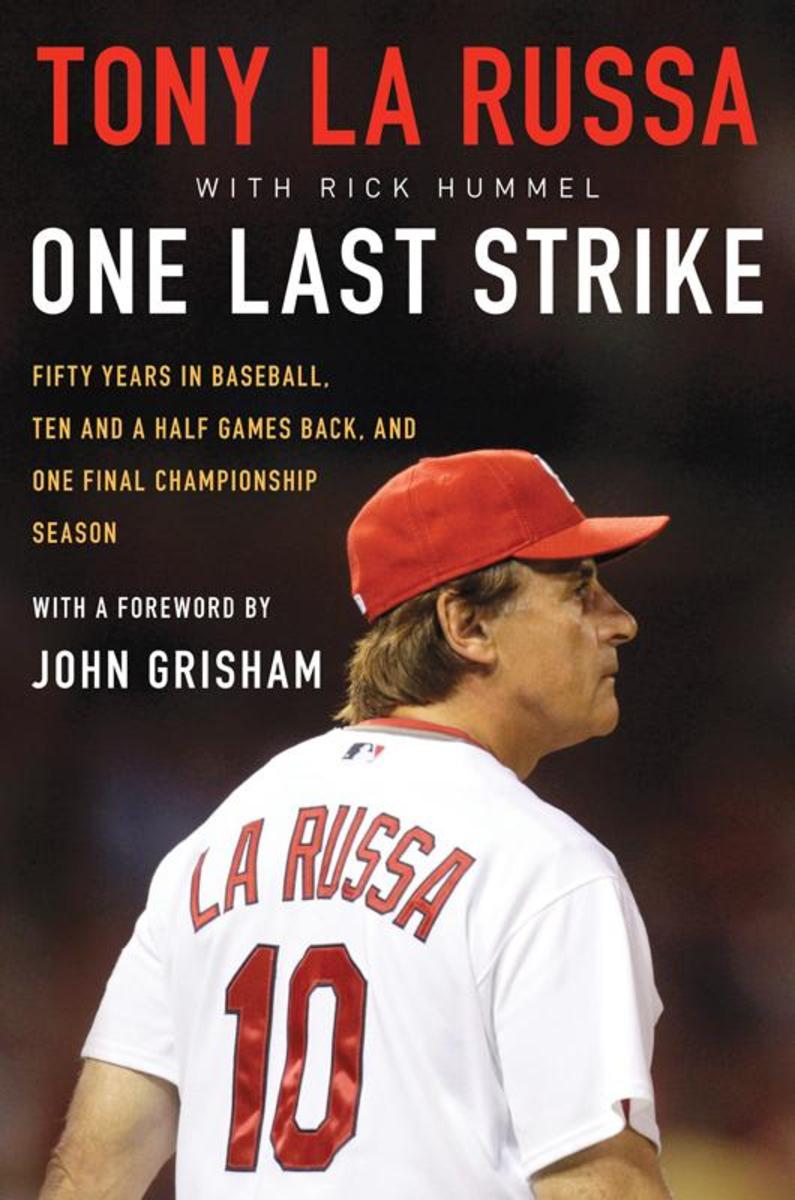
One Last Strike
¥94.10
The team that refused to give up their manager in his final season A comeback that changed baseball After thirty-three seasons managing in Major League Baseball, Tony La Russa thought he had seen it all that is, until the 2011 Cardinals. Down ten and a half games with little more than a month to play, the Cardinals had long been ruled out as serious postseason contenders. Yet in the face of those steep odds, this team mounted one of the most dramatic and impressive comebacks in baseball history, making the playoffs on the night of the final game of the season and going on to win the World Series despite being down to their last strike twice.Now La Russa gives the inside story behind this astonishing comeback and his remarkable career, explaining how a team with so much against it was able to succeed on baseball's biggest stage. Opening up about the devastating injuries, the bullpen struggles, the crucial games, and the players who made it all possible, he reveals how the team's character shaped its accomplishments, demonstrating how this group came together in good times and in bad to become that rarest of things: a team that actually enjoyed it when the odds were against them. But this story is much more than that of a single season. As La Russa, the third-winningest manager in baseball history, explains, their season was the culmination of a lifetime spent studying the game. Laying bare his often scrutinized and frequently misunderstood approach to managing, he explains his counterintuitive belief in process over result, present moments over statistics, and team unity over individual talent. Along the way he shares the stories from throughout his career that shaped his outlook from his first days managing the Chicago White Sox to his championship years with the Oakland A's, to his triumphant tenure as St. Louis's longest-serving manager. Setting the record straight on his famously intense style, he explores the vital yet overlooked role that his personal relationships with his players have contributed to his victories, ultimately showing how, in a sport often governed by cold, hard numbers, the secret to his success has been surprisingly human. Speaking candidly about his decision to retire, La Russa discusses the changes that he'd observed both in the game and in himself that told him, despite his success, it was time to hang up his spikes. The end result is a passionate, insightful, and remarkable look at our national pastime that takes you behind the scenes of the comeback that no one thought possible and inside the mind of one of the game's greatest managers.
Sundancing
¥70.17
Every winter, 8,000 feet above sea level in the Utah snow, the hopes and dreams of young moviemakers are put on display at the Sundance Film Festival--the haven for independent films where you can show up a kid and go home a star. In barely twenty years of existence, the festival--now overseen by Robert Redford's Sundance Institute--has assumed tremendous importance for today's film culture: during the annual ten-day event, tiny Park City is so overrun by agents, publicists, studio executives, and other Hollywood types that in 1988 they blew out the town's cell-phone relay system.

Why Do Pirates Love Parrots?
¥72.71
Are you the type of person who stays up nights wondering how they get the paper tag into Hershey's KissesOr why portholes are roundEven if you don't lose sleep over such matters, you have to admit that such questions are, well, worthy of consideration. Here, from David Feldman, creator of the Imponderables series, are the latest questions on the minds of his devoted readers and fans. No question from his readers is too small or obscure for Feldman to tackle. From the return of red Ms (they are back, if you've missed it) to new-car smell, the answers to life's little mysteries are dissected in these pages. Although it's all done in great fun, there is also an educational edge to the answers, as Feldman ferrets out top experts in diverse fields to come up with his entertaining answers. And their answers may surprise you from the detailed physics involved in why cans of Diet Coke float but regular Coke doesn't, all the way to why they put crinkly paper into pairs of men's socks (but only one sock, not both).Complete with drawings by longtime Imponderables illustrator Kassie Schwan, and a special section updating answers to questions in previous books in the series, this eleventh book of Imponderables is sure to entertain the thousands of Feldman fans who have purchased over 2 million copies to date. Prepare to be delighted!
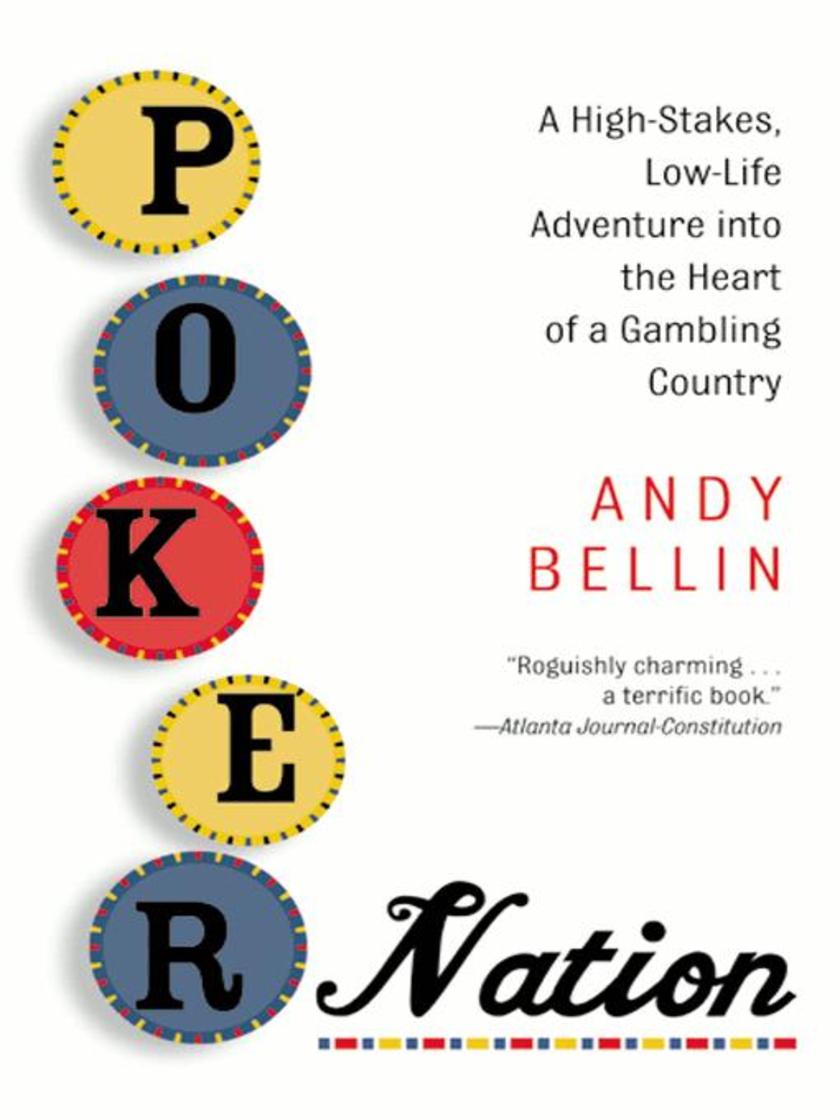
Poker Nation
¥72.70
Journalist and poker fanatic Andy Bellin takes readers on a raucous journey into the shut-up-and-deal world of professional poker. From basement games to the World Series of Poker in Las Vegas, you'll look over his shoulder as he learns to count cards, read a legendary player's body language, hang in there when the chips are down, and take his beatings like a man. Even if you don't know the difference between a flop and a river card, Bellin keeps you in the game with his portraits of the colorful players, dreamers, hustlers, and eccentrics who populate this strange subculture. Along with learning what goes on behind the scenes in illegal poker clubs, you'll get great advice on how to play Texas Hold'em, today's game of choice for big-money players.

First Lady
¥55.31
How does the most famous woman in the world hide in plain sightThe beautiful young widow of the President of the United States thought she was free of the White House, but circumstances have forced her back into the role of First Lady. Not for long, however, because she's made up her mind to escape -- if only for a few days -- so she can live the life of an ordinary person. All she needs is the perfect disguise . . . and she's just found it.An entire nation is searching for her, but the First Lady is in the last place anybody would think to look: in the company of a man, an infuriatingly secretive and quietly seductive stranger whose charm, good looks, and sensuous appeal are awakening the forgotten woman within the dignitary. And with two adorable little orphaned girls in need of a family along for the ride, they're heading out across the heartland chasing their own American Dream -- on a wild journey of love, adventure, and glorious rebirth.First Lady: A star-spangled, richly emotional story of self-discovery, celebrity, love, and family.
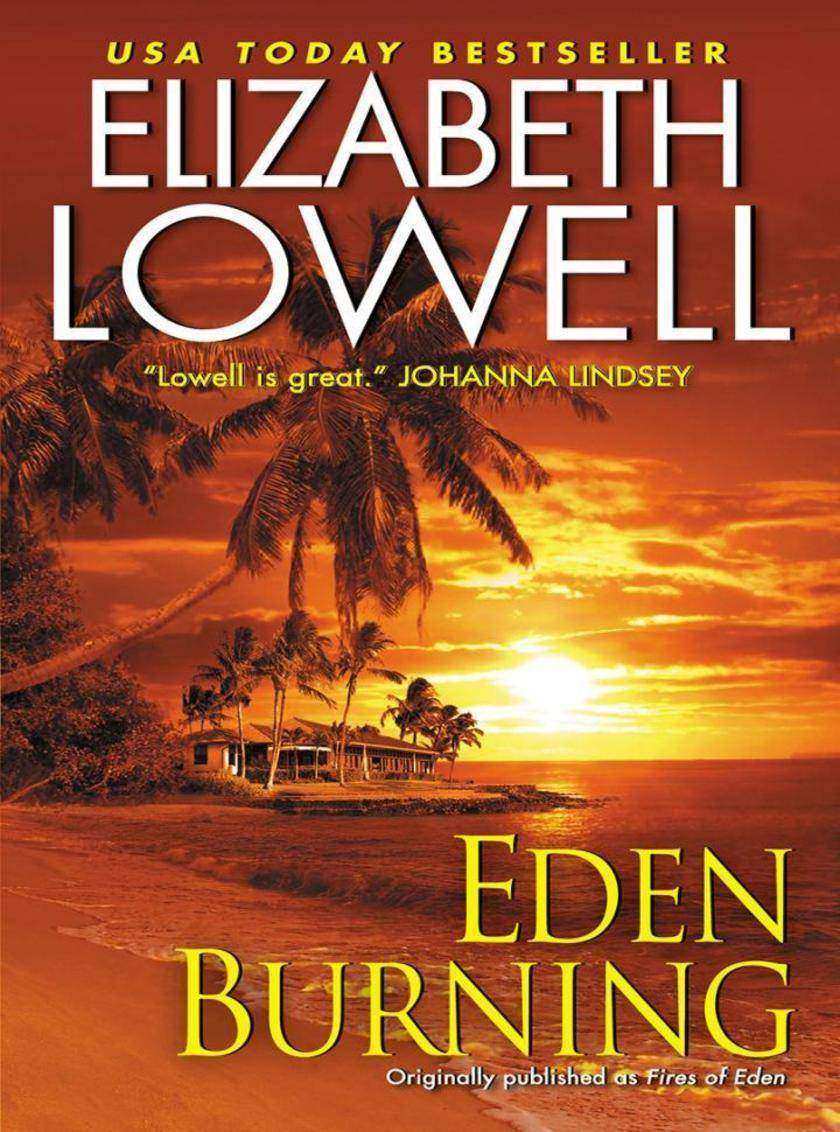
Eden Burning
¥55.31
Paradise calls to Chase Wilcox. A man of science fascinated by the rebirth of life in the wake of cataclysmic natural upheaval, he is drawn to the lush beauty of the island of Hawaii and the secrets it holds while escaping the destruction of his own personal world. Here where warm breezes caress the skin and vibrant colors assault the senses and where dangerous fires rage unseen beneath the earth's surface Chase plans to immerse himself in his work...and somehow heal and forget. The last thing he needs or wants is love.But the island is home to many unexpected wonders, which is why Nicole Ballard could never leave it. A research assistant, an artist, and a dancer a tall, stunning redhead who goes by the stage name of Pele, the goddess of fire she, too, hides a secret pain, releasing her pent-up sensuality to the accompaniment of native drums before a mesmerized audience. Nicole has never met a man quite like Chase, strong, intense, and brilliant. And he, in turn, is fascinated by this remarkable woman who seems to be a breathtaking force of nature in her own right. Fate has cast them together, causing a chain reaction that neither imagined in their most secret dreams.Joined on an important scientific project that carries them into the verdant heart of a tropical wonder land, Nicole and Chase will be forced to confront their own lingering inner darkness, while resisting a newly inflamed need to touch, to give...to care. But in the shadows of Kilauea, all restraints will be broken, as emotions flow as hot and free as rivers of molten lava. And desire will erupt, as unpredictable and dangerous as the living volcano, transforming the very landscape of their lives a torrent that no power on earth can contain, a passion that bums like fire.

It Only Takes a Moment
¥55.91
A seasoned television professional the host of the top-rated KEY News morning show Eliza Blake has reported on tragedies many times from behind the anchor's desk . . . and she has survived devastating crises of her own. But only now is she learning the true meaning of terror when her seven-year-old daughter, Janie, is kidnapped from summer camp. Forced to suffer through a mother's worst nightmare in the glare of the camera lights, Eliza finds herself trapped in a media circus as the police and FBI explore every avenue . . . and every lead winds up at a dead end.But Eliza isn't going to just sit around and wait for answers because every minute wasted in the desperate race to reveal the shocking motives of a ruthless abductor brings a frightened little girl one minute closer to her death.

Dying for Mercy
¥55.31
When death shatters the serenity of the exclusive moneyed enclave of Tuxedo Park, New York, Eliza Blake, cohost of the country's premier morning television show KEY to America, is on the scene. While attending a lavish gala at her friends' newly renovated estate, Pentimento, Eliza's host is found dead a grotesque suicide that is the first act in a macabre and intricately conceived plan to expose the sins of the past involving some of the town's most revered citizens.Determined to find out the truth, Eliza and her KEY News colleagues producer Annabelle Murphy, cameraman B.J. D'Elia, and psychiatrist Margo Gonzalez discover that Pentimento holds the key. Nestled in the park's sprawling architectural masterpieces, picturesque gardeners' cottages, and lush, rolling landscape, the glorious mansion is actually a giant "puzzle house," filled with ingenious clues hidden in its fireplaces, fountains, and frescoes that lead them from one suspicious locale to another and, one by one, to the victims of a fiendish killer.As Pentimento gives up its secrets, it becomes clear that no amount of wealth or privilege will keep the residents of Tuxedo Park safe. But just when Eliza unearths one final surprise, she comes face-to-face with a murderer who believes that some puzzles should never be solved.
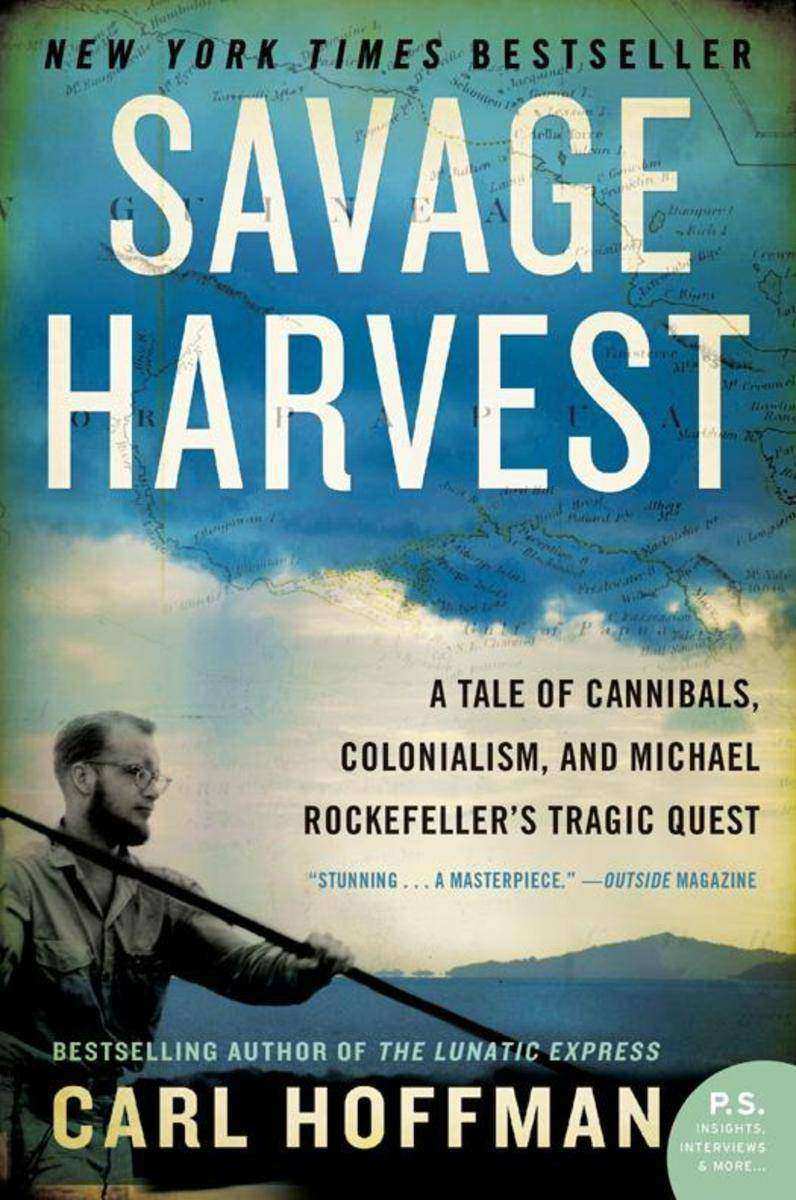
Savage Harvest
¥88.56
The mysterious disappearance of Michael Rockefeller in remote New Guinea in 1961 has kept the world, and even Michael's powerful, influential family, guessing for years. Now, Carl Hoffman uncovers startling new evidence that finally tells the full, astonishing story. On November 21, 1961, Michael C. Rockefeller, the twenty-three-year-old son of New York governor Nelson Rockefeller, vanished off the coast of southwest New Guinea when his catamaran capsized while crossing a turbulent river mouth. He was on an expedition to collect art for the Museum of Primitive Art, which his father had founded in 1957, and his expedition partner who stayed with the boat and was later rescued shared Michael's final words as he swam for help: "I think I can make it."Despite exhaustive searches by air, ground, and sea, no trace of Michael was ever found. Soon after his disappearance, rumors surfaced that he'd made it to shore, where he was then killed and eaten by the local Asmat a native tribe of warriors whose complex culture was built around sacred, reciprocal violence, headhunting, and ritual cannibalism. The Dutch government and the Rockefeller family vehemently denied the story, and Michael's death was officially ruled a drowning. While the cause of death was accepted publicly, doubts lingered and sensational stories circulated, fueling speculation and intrigue for decades. The real story has long waited to be told until now. Retracing Michael's steps, award-winning journalist Carl Hoffman traveled to the jungles of New Guinea, immersing himself in a world of former headhunters and cannibals, secret spirits and customs, and getting to know generations of Asmat. Through exhaustive archival research, he uncovered hundreds of pages of never-before-seen original documents and located witnesses willing to speak publicly for the first time in fifty years. In Savage Harvest Hoffman finally solves this decades-old mystery and illuminates a culture transformed by years of colonial rule, whose people continue to be shaped by ancient customs and lore. Combining history, art, colonialism, adventure, and ethnography, Savage Harvest is at once a mesmerizing whodunit and a fascinating portrait of the clash between two civilizations that resulted in the death of one of America's richest and most powerful scions.
The Social Sex
¥90.51
In today's culture, the bonds of female friendship are taken as a given. But only a few centuries ago, the idea of female friendship was completely unacknowledged, even pooh-poohed. Dating back to the Greeks and the Romans, women were long considered weaker than men and constitutionally unsuited for friendship at the highest level. Only men, the reasoning went, had the emotional and intellectual depth to develop and sustain these meaningful relationships.Surveying history, literature, philosophy, religion, and pop culture, acclaimed author Marilyn Yalom and coauthor Theresa Donovan Brown demonstrate how women were able to co-opt the public face of friendship throughout the years. Chronicling shifting attitudes toward friendship both female and male from the Bible and the Romans to the Enlightenment, to the women's rights movements of the 1960s up to Sex and the City and Broad City, they reveal how the concept of female friendship has been inextricably linked to the larger social and cultural movements that have defined human history.With Yalom and Brown as our guides, we delve into the fascinating historical episodes and trends that illuminate the story of friendship between women: the literary salon as the original book club, the emergence of female professions and the working girl, the phenomenon of gossip, the advent of women's sports, and more.Lively, informative, and richly detailed, The Social Sex is a revelatory cultural history.
Secrets of Breaking into the Film and TV Business
¥90.77
A highly successful, award-winning independent producer shares his funny, practical, and innovative approach to breaking into film or television, whether you want to direct, act, write, or produceIt doesn't take film school or expensive, high-tech equipment to make a brilliant and marketable movie today, says successful maverick producer Dean Silvers. For aspiring filmmakers, it's easier than ever to produce and sell their work. Secrets of Breaking into the Film and TV Business is packed with concrete, proven advice to help you follow in the footsteps of today's cinematic giants, many of whom broke out with runaway independent successes. Drawing from his own experience as a filmmaker, Silvers offers essential tips and a wealth of invaluable knowledge about every aspect of the moviemaking business, from Internet shorts to how to adapt, option, and collaborate on feature-length films (with shoestring budgets).

Sociology Through the Eyes of Faith
¥88.56
Colorfully written by two popular and respected sociologists, this volume shows how sociology has evolved, how it became divided from Christian faith, and how Christian sociologists can make sense of this branch of social science.

I Didn't Come Here to Make Friends
¥88.56
Courtney Robertson joined season 16 of The Bachelor looking for love. A working model and newly single, Courtney fit the casting call: She was young, beautiful, and a natural in front of the cameras. Although she may have been there for all the right reasons, as the season unfolded and sparks began to fly something else was clear: She was not there to make friends. Courtney quickly became one of the biggest villains in Bachelor franchise history. She unapologetically pursued her man, steamrolled her competition, and broke the rules—including partaking in an illicit skinny-dip that sealed her proposal. Now, after a very public breakup with her Bachelor, Ben Flajnik, Courtney opens up and tells her own story—from her first loves to her first moments in the limo. She dishes on life before, during, and after the Bachelor, including Ben’s romantic proposal to her on a Swiss mountaintop and the tabloid frenzy that continued after the cameras stopped rolling. For the first time ever, a former Bachelor contestant takes us along on her journey to find love and reveals that “happily ever after” isn't always what it seems. Complete with stories, tips, tricks, and advice from your favorite Bachelor alumni, and filled with all the juicy details Courtney fans and foes alike want to know, I Didn’t Come Here to Make Friends is a must-read for every member of Bachelor nation.

Quality School Teacher RI
¥72.93
This book is the follow-up to its immediate predecessor, The Quality School. Based on the work of W. Edwards Deming and on Dr. Glasser's own choice theory, it is written for teachers who are trying to abandon the old system of boss-managing, which is effective for less than half of all students. William Glasser, M.D., explains that only through lead-management can teachers create classrooms in which all students not only do competent work but begin to do quality work. These classrooms are the core of a quality school. The book begins by explaining that to persuade students to do quality schoolwork, teachers must first establish warm, totally noncoercive relationships with their students; teach only useful material, which means stressing skills rather than asking students to memorize information; and move from teacher evaluation to student self-evaluation. There are no generalities in this book: It provides the specifics that classroom teachers seek as they begin the move to quality schools.
The Boys of Summer
¥99.65
This is a book about young men who learned to play baseball during the 1930s and 1940s, and then went on to play for one of the most exciting major-league ball clubs ever fielded, the team that broke the color barrier with Jackie Robinson. It is a book by and about a sportswriter who grew up near Ebbets Field, and who had the good fortune in the 1950s to cover the Dodgers for the Herald Tribune. This is a book about what happened to Jackie, Carl Erskine, Pee Wee Reese, and the others when their glory days were behind them. In short, it is a book about America, about fathers and sons, prejudice and courage, triumph and disaster, and told with warmth, humor, wit, candor, and love.

Growing Up in Heaven
¥88.56
Blessed with an exceptional gift, New York Times bestselling author James Van Praagh has the ability to bridge the gap between this world and the next. Based on nearly thirty years of spirit communication, this renowned and beloved medium takes us on a powerful, eye-opening, and ultimately inspiring voyage. Filled with incredible and uplifting true stories and profound messages of love, this astounding look at heaven provides a remarkably detailed portrayal of the child's soul as it moves from this world to the next. Our eyes and hearts open and we experience firsthand the unbreakable bond between parent and child, all the while glimpsing a vision of heaven.Van Praagh reveals the reality that love transcends the physical and material planes of this world. Growing Up in Heaven lifts our spirits with the knowledge that our departed ones will always be with us an extraordinary gift for all of us who yearn to understand life on the other side.
The Evolution of Faith
¥90.77
Philip Gulley, famous for his own controversial theology that affirms universality, urges us in The Evolution of Faith to let go of our tightly held beliefs and start the journey toward a dynamic faith. Faith should always be seen as a work in progress, and this accessible guide will be a must-have tool for those interested in where the Christian faith is going today.

My Year with Eleanor
¥94.10
After losing her high-octane job as an entertainment blogger, Noelle Hancock was lost. About to turn twenty-nine, she'd spent her career writing about celebrities' lives and had forgotten how to live her own. Unemployed and full of self-doubt, she had no idea what she wanted out of life. She feared change in fact, she feared almost everything. Once confident and ambitious, she had become crippled by anxiety, lacking the courage required even to attend a dinner party until inspiration struck one day in the form of a quote on a chalkboard in a coffee shop:"Do one thing every day that scares you." Eleanor RooseveltPainfully timid as a child, Eleanor Roosevelt dedicated herself to facing her fears, a commitment that shaped the rest of her life. With Eleanor as her guide, Noelle spends the months leading up to her thirtieth birthday pursuing a "Year of Fear." From shark diving to fighter pilot lessons, from tap dancing and stand-up comedy to confronting old boyfriends, her hilarious and harrowing adventures teach her about who she is, and what she can become lessons she makes vital for all of us.


