本草纲目
¥3.48
《本草纲目》收入中药材120余种,每种不但备有“释名”、“集解”等原著中的精粹白话文翻译,更加入了诸如“科学新概念”等适于现代人理解和接受的新内容,并准备了该药材的实际应用方法,大多数药材配有插图,可谓贴心周到。唯愿其能对国学爱好者在研究中医药知识方面有所帮助和补益,便是《本草纲目》出版的全部希冀所在了。
孟子
¥5.00
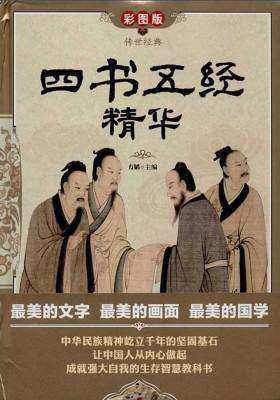
《孟子》以朱熹的《四书章句集注·孟子》为蓝本,博采众长编译而成。每篇前有一篇导读,画龙点睛地阐明本篇的主旨。译文尽可能符合现代人的阅读习惯,准确通顺,简洁流畅。而书中意境深远的插图,则为读者提供了一个更好地理解孟子思想的平台。
大学·中庸
¥3.48
《大学》提出了明明德、亲民、止于至善三纲领,还提出了格物、致知、诚意、正心、修身、齐家、治国、平天下八条目,因而具有由“内圣”而“外王”的重要意义。《中庸》强调“诚”,把“诚”视作思想体系的范畴,将对“诚”的追求作为“人道”的准则,同时提出了“博学之”、“审问之”、“慎思之”、“明辨之”、“笃行之”的学习过程与认知方法。
生活中的美学
¥13.20
本书主要以日常生活当中的美学为深描对象,从日常生活美学的基本建构开始谈起,逐步展开生活美学的整个图景,倡导美学回归现实生活,提出了一整套崭新的“生活美学”的观念,其重要的意义就在于直接面对日常生活发言,使得美学不再成为一门“玄学”,而是与每个人的日常生活息息相关。与此相应,本书可以为现实生活中的审美提供“生活指南”,这恰恰是当代人在生活当中所需要的。适于广大热爱生活的读者阅读。
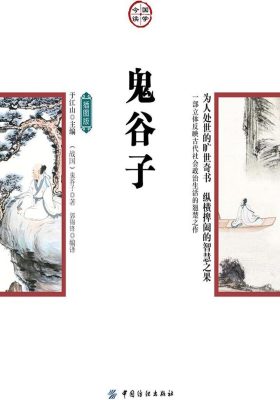
鬼谷子智赢之道
¥27.78
翻开本书,您将走进中国古代一个个出奇制胜、以弱胜强的经典战役,并能见识到一个个文能治国、武可安邦者的雄才伟略!作者通过对《鬼谷子》典籍的全面诠释,展现了鬼谷子当年提出的治国之道、外交策略及言谈辩论技巧。并结合奇瑞汽车、李宁品牌、麦肯锡咨询以及索尼电器等商业实体的剖析,让读者全面领悟到鬼谷子哲学智慧对现代企业管理的深刻影响。
叔本华随笔
¥8.94
本书从叔本华的诸多著作集中选取了数十篇具有代表性的文章,内容涉及人生、哲学、美学、道德等诸多方面,基本反映了叔本华人生哲学的主要思想和理论。其随笔主题鲜明,论述清晰,条理分明,深刻而全面地反映了作者的思想体系,充分展示了叔本华作为一位伟大哲学家的精神魅力,足以让读者一窥这位“不折不扣的天才”的思想世界,领略大家风范。
论可能生活
¥22.20
本书以无立场方法论重新分析了幸福和公正问题,试图重建一种综合中西理论优势的当代美德伦理学,其中关于幸福的两条原则,自成目的和他人礼物,典型地表达了作者在美德伦理学上的当代推进。
庄子
¥5.00
上个世纪末,有一首歌叫做《潇洒走一回》。潇洒来去天地间,是少年人金色的憧憬,中年人的一声叹息,老年人不由自主“想当年”。逍遥的脚步,总是来去无踪,沿着中国千年的历史长河,溯流而上,有武陵桃源,遗世而独立,自在悠闲。身临其境,可以留,却不可以游。再往前,乘物以游心,独与天地精神往来,有庄子,也只有庄子。
Suprema?ia experien?ei. Conservatorismul anglo-saxon
¥57.14
Via?a fiec?ruia dintre noi se desf??oar? pe fundalul unor nara?iuni?sau teorii filosofice discrete ?i insesizabile, care ne ofer? sens ?i ne ?ndrum? ?n momentele de cump?n?.Au o istorie fascinant? ?i uneori extrem de agitat?, care st? m?rturie?pentru str?daniile noastre de a ?n?elege lumea ?i de a o transforma ?ntr-un mediu familiar.Cartea de fa?? ne prezint? istoriile a trei dintre aceste nara?iuni,?cunoscute mai mult filosofilor, cu toate c? ele ?ncearc? s? ofere r?spuns?la ?ntreb?ri tulbur?toare ?i de?o importan?? cov?r?itoare pentru?noi to?i: de ce exist? lumea, ?n ce const? identitatea persoanei, ce?este realitatea.
Nagyapó mesésk?nyve
¥22.73
...a knyvet ne tekintsük úgy, mint amelynek a fejldése már befejezdtt, és amin már nincs is mit tkéletesíteni... azzal mintha nem foglalkozna senki, hogy a knyvet miként lehetne az olvasó számára használhatóbbá tenni... nagyon is el tudnék képzelni ergonomikusabban megtervezett és knnyebben kézben tartható knyvet is (amelyet nem ejtek el, ha a mobilom után kezdek kotorászni a 6-os villamoson. Ha egyszer vehetünk jobban kézbe ill tollat, akkor talán ez sem képtelenség).”
A leskel?d?
¥66.79
Within our Society (the International Society for Krishna Consciousness), guru has been taken to be synonymous with diksa-guru, but what about those great souls who have introduced us to Krsna consciousness? What relationship do we have with these Vaisnavas, and what are our obligations toward them, as well as toward parents, teachers, sannyasis, and other superiors who help guide us back to Godhead? Not much has been said by the Society on these topics, and hardly any appreciation is shown for those souls who labor to elevate us day by day.The scriptures, however, glorify as guru all Vaisnavas who guide a conditioned soul back to Godhead — be they instructors or initiators — advocating a culture of honor and respect. ISKCON needs to reflect upon these principles further, and the purpose of this book is to act as a catalyst toward such an end.
The Tragedy of Julius Caesar
¥18.74
Mülkiyet kar??t? ya?l? anar?ist, hayat?n?n son y?llar?nda ironik bir durumda kald?. ?svi?re vatanda?l???na girmenin yollar?n? arayan Bakunin'e sunulan se?enek, orada bir ev sahibi olmas?yd? ve belki de en hazini, sahip olaca?? bu ev nedeniyle, polisin, resm? tutanaklara “Michael Bakunin, rantiye” notunu dü?mesiydi. 18 May?s 1814'te Rusya'da do?an Michael Aleksandrovich Bakunin, 1 Temmuz 1876'da ?ldü?ünde ülkesinden ?ok uzaklardayd? ve cenazesinde yaln?zca 30–40 ki?i vard?. Gen? Bakunin i?in, “A?k, insan?n yeryüzündeki en üst misyonuydu. Bir insan?n kendini a?ks?z vermesi, Kutsal Ruh’a kar?? i?lenmi? bir günaht?”.. ?Kad?nlar taraf?ndan olduk?a ?ekici bulunan Mihail'in ise kad?nlarla ili?kisi hep ruhsal bir a?k olarak kald?.??svi?re'nin muhte?em manzaras? e?li?inde George Sand romanlar? okuyan Bakunin, Frans?z dü?üncesinin Alman dü?üncesinden üstün oldu?u inanc?n? sa?lamla?t?r?yordu. ? Bakunin, Marx i?in, “O, beni duygusal idealist olarak adland?r?yordu; hakl?yd?. Ben de onu, hoyrat, kendini be?enmi? ve ac?mas?z olarak de?erlendiriyordum; ben de hakl?yd?m” diyordu.. ? Kendisine ili?kin konularda kindar olmayan Bakunin, Herzen'in kar?s?na g?sterdi?i so?uklu?u hayat?n?n sonuna kadar unutamad?.?“Art?k reaksiyonun muzaffer gü?lerine kar?? Sisifos'un ta??n? yuvarlamak i?in ne gerekli güce ne de güvene sahibim. Bu yüzden, mücadeleden ?ekiliyor ve arkada?lar?mdan tek bir iyilik bekliyorum: "Unutulmak”,?Orta ve ge? on dokuzuncu yüzy?lda, radikal sol –yani, a?g?zlü kapitalizm ele?tirmenleri ve sanayi i??ilerinin ?zgürlü?ünün savunucular?– iki temel franksiyona ayr?l?yordu: Marksistler ve anar?istler. Kabaca s?ylemek gerekirse (ki bu son derece kar???k bir hik?yedir), kazanan Marksistler oldu ve yirminci yüzy?l?n tüm ba?ar?l? sol devrimleri –Rus, ?in ve Küba, ?rne?in– Marksist ilkelere ba?l?l?klar?n? ilan ettiler. ? Marksistler ile anar?istler aras?ndaki sava? bu noktada tarihsel bir meraktan ?te devam eden bir meseledir. Pi?man olmayan ya da ele?tirilmeyen tek ger?ek Marksist sol Kim Jong Il ve taraf etraftaki birka? entelektüel ve profes?rdür. Anar?izm ise uygulanabilir bir toplumsal hareket olarak ?kinci Dünya Sava??yla yava? yava? tükenmeye yüz tutmu?ken küreselle?me kar??t? hareket ve d?nemimizin di?er radikalizmleri i?inde yeniden dirilmeye ba?lam??t?r. ? Ne var ki, d?neminde –Marx’?n di?erleriyle aras?ndaki– bu sava? bir ?lüm kal?m meselesiydi ve Marksizm muhtemel kapitalizm kar??t? olarak ve yan? s?ra anar?izm kar??t? olarak tan?mlan?yordu. Asl?nda, Marx’?n yazarl??? anar?izme y?nelik sald?r?lar? a??s?ndan handiyse gülün? bir geni?li?e ula?m??t?r. Marx’?n Alman ?deolojisi kitab?n?n büyük b?lümü –yüzlerce sayfas?– bireyci/anar?ist Max Stirner’e y?nelik bir sald?r?dan ibarettir. Felsefenin Sefaleti Proudhon’a kar?? büyük?e bir fikir sava??d?r. Marx onca zaman ve enerjisini Bakunin’e sald?rmaya harcam??t?r: ?“dangalak!”?“canavar, et ve ya? y???n?,” “sap?k” vesaire: ?bu tabirler, has?mlar? s?z konusu oldu?unda Marx’?n bildik üslubudur: yazarl??? yar? bilimsel inceleme, yar? s?zlü tacizdir. Marx’?n, gerek kendi a?z?ndan gerekse de kimi s?zcülerini kullanarak ony?llar boyunca y?neltti?i ve muhtemelen di?erleri denli e?lenceli olmayan var olan su?lamas?, Bakunin’in bir muhbir oldu?u y?nündeydi ve Marx’?n bu ba?ar?l? sald?r?lar? nihayetinde Bakunin’in Enternasyonal ???i Z?mb?rt?s?ndan tasfiyesine yol a?t?.. ?
Horda
¥72.27
Un mare vinovat f?r? vin?, sihastrul de la Sils-Maria a dinamitat g?ndirea secolului al XIX-lea, figur?nd – al?turi de Dostoievski – printre uria?ii profe?i ai omenirii, care au proorocit nenorocirile ce-au urmat, crimele ?n numele unei idei, rasismul, precum ?i devastatorul totalitarism ro?u. Dincolo de bine ?i de r?u e una dintre capodoperele g?nditorului de la na?terea c?ruia se va s?rb?tori ?n toamna anului 2014 (15 octombrie) 170 de ani.
Unicat. Cartea cu o sut? de finaluri
¥48.97
O parte dintre noi au tr?it vremuri grele pe care uneori le mai vis?m, le povestim sau despre care scriem ?nc?, f?r? patima cumplit? care i-a cuprins pe profitorii de atunci, care ?i ast?zi ne fac r?u, ?i chiar mai r?u dec?t ?pe vremea aceea“, cum se zice. E drept c? noi am prev?zut-o ?ntr-un fel sau altul, spun?nd-o celor care se-ncumetau s? ne asculte, f?r? preten?ia, Doamne, fere?te!, de a ne considera ?i disiden?i, cum o f?cur? cei men?iona?i mai sus. Previziunile noastre s-au bazat pe o anume cunoa?tere a mersului istoriei, care, cum se ?tie, se tot repet?, cu mici deosebiri, fire?te. Oricum, ceva cuno?tin?e de economie politic? nu ne stric? nici ?n zilele noastre, pentru a ne da seama de jocul frecvent al trecerii de la economia politic? la politica economic? ?i, mai ales, al trecerilor de la un sistem sau or?nduire economic? la alta ?i invers, cum le-am tr?it noi: de la capitalism la socialism ?i viceversa. Ca un fel de ciud??enie, au r?mas considera?iunile despre noul eon sau noua er? (New Age) ale filosofului din Lancr?m, mai ales c? acestea s-au realizat abia dup? c?derea comunismului, pe care n-o mai prev?zuse Blaga. (Alexandru Surdu) Eseuri filosofice de acela?i autor 1. Voca?ii filosofice rom?ne?ti, Editura Aca?de?miei Rom?ne, Bucure?ti, 1995, 216 p.; edi??ia a II-a, Editura Ardealul, T?rgu-Mure?, 2003, 206 p. 2. Confluen?e cultural-filosofice, Editura Pai?de?ia, Bucure?ti, 2002, 219 p. 3. M?rturiile anamnezei, Editura Paideia, Bu?cu?re?ti, 2004, 193 p. 4. Comentarii la rostirea filosofic?, Editura Kron-Art, Bra?ov, 2009, 186 p. 5. Izvoare de filosofie rom?neasc?, Editura Biblioteca Bucure?tilor, Bucure?ti, 2010, 171 p.; edi?ia a II-a, Editura Renaissance, Bucu?re?ti, 2011, 161 p. 6. A sufletului rom?nesc cinstire, Editura Re?naissance, Bucure?ti, 2011, 197 p. 7. Pietre de poticnire, Editura Ardealul, T?r?gu-Mure?, 2014, 179 p.
Confesiunile unei dependente de art?
¥57.14
One of the greatest works of philosophy, political theory, and literature ever produced, Plato’s Republic has shaped Western thought for thousands of years, and remains as relevant today as when it was written during the fourth century B.C.Republic begins by posing a central question: "What is justice, and why should we be just, especially when the wicked often seem happier and more successful?" For Plato, the answer lies with the ways people, groups, and institutions organize and behave. A brilliant inquiry into the problems of constructing the perfect state, and the roles education, the arts, family, and religion should play in our lives, Republic employs picturesque settings, sharply outlined characters, and conversational dialogue to drive home the philosopher’s often provocative arguments.Highly regarded as one of the most accurate renderings of Plato's Republic that has yet been published, this widely acclaimed work is the first strictly literal translation of a timeless classic. This Special Collector's Edition includes a new introduction by Prof. Colin Kant, PH.D, a noted Platonian and Socratic scholar.
Mindig is éjjel lesz
¥69.65
Sri Krsna számtalan univerzum vitathatatlan Ura, akit korlátlan er?, gazdagság, hírnév, tudás és lemondás jellemez, ám ezek az ?r?kké diadalmas energiák csupán részben tárják fel ?t. Végtelen dics?ségét csak az ismerheti meg, aki elb?v?l? szépségénél keres menedéket, ?sszes t?bbi fenséges tulajdonsága forrásánál, melynek páratlan transzcendentális teste ad otthont. Szépségének legf?bb jellemz?je az a mindenek f?l?tt álló édes íz, ami t?mény kivonata mindennek, ami édes. Minden édes dolgot túlszárnyal, és nem más, mint az édes íz megízlelésének képessége. Sri Krsna édes természete finom arany sugárzásként ragyog át transzcendentális testén. Govinda páratlanul gy?ny?r? testének legszebb és legédesebb része ragyogó arca. ?des hold-arcán rejtélyes mosolya a legédesebb, az az arcáról ragyogó ezüst holdsugár, ami nektárral árasztja el a világot. Mosolyának sugárzása nélkül keser? lenne a cukor, savanyú a méz, és a nektárnak sem lenne íze. Amikor mosolyának holdsugara elvegyül teste ragyogásával, a kett? együtt a kámfor aromájára emlékeztet. Ez a kámfor aztán ajkán keresztül a fuvolába kerül, ahonnan megfoghatatlan hangvibrációként t?r el?, és er?nek erejével rabul ejti azoknak az elméjét, akik hallják. Ahogy a szavak gondolatok mondanivalóját hordozzák, ahogy a gondolatok a szemben tükr?z?dnek, ahogy egy mosoly a szív érzelmeir?l árulkodik, úgy a fuvola hangja Sri Krsna szépségét viszi a fül?n keresztül a szív templomának oltárára.
A kalózkirály
¥8.67
Euthyphro (Ancient Greek: Euthuphron) is one of Plato's early dialogues, dated to after 399 BC. Taking place during the weeks leading up to Socrates' trial, the dialogue features Socrates and Euthyphro, a religious expert also mentioned at Cratylus 396a and 396d, attempting to define piety or holiness. Background The dialogue is set near the king-archon's court, where the two men encounter each other. They are both there for preliminary hearings before possible trials (2a).Euthyphro has come to lay manslaughter charges against his father, as his father had allowed one of his workers to die exposed to the elements without proper care and attention (3e–4d). This worker had killed a slave belonging to the family estate on the island of Naxos; while Euthyphro's father waited to hear from the expounders of religious law (exegetes cf. Laws 759d) about how to proceed, the worker died bound and gagged in a ditch. Socrates expresses his astonishment at the confidence of a man able to take his own father to court on such a serious charge, even when Athenian Law allows only relatives of the deceased to sue for murder. Euthyphro misses the astonishment, and merely confirms his overconfidence in his own judgment of religious/ethical matters. In an example of "Socratic irony," Socrates states that Euthyphro obviously has a clear understanding of what is pious and impious. Since Socrates himself is facing a charge of impiety, he expresses the hope to learn from Euthyphro, all the better to defend himself in his own trial. Euthyphro claims that what lies behind the charge brought against Socrates by Meletus and the other accusers is Socrates' claim that he is subjected to a daimon or divine sign which warns him of various courses of action (3b). Even more suspicious from the viewpoint of many Athenians, Socrates expresses skeptical views on the main stories about the Greek gods, which the two men briefly discuss before plunging into the main argument. Socrates expresses reservations about such accounts which show up the gods' cruelty and inconsistency. He mentions the castration of the early sky god, Uranus, by his son Cronus, saying he finds such stories very difficult to accept (6a–6c). Euthyphro, after claiming to be able to tell even more amazing such stories, spends little time or effort defending the conventional view of the gods. Instead, he is led straight to the real task at hand, as Socrates forces him to confront his ignorance, ever pressing him for a definition of 'piety'. Yet, with every definition Euthyphro proposes, Socrates very quickly finds a fatal flaw (6d ff.). At the end of the dialogue, Euthyphro is forced to admit that each definition has been a failure, but rather than correct it, he makes the excuse that it is time for him to go, and Socrates ends the dialogue with a classic example of Socratic irony: since Euthyphro has been unable to come up with a definition that will stand on its own two feet, Euthyphro has failed to teach Socrates anything at all about piety, and so he has received no aid for his own defense at his own trial (15c ff.).
Ruins of Ancient Cities: (Volume -II)
¥28.61
More’s “Utopia” was written in Latin, and is in two parts, of which the second, describing the place ([Greek text]—or Nusquama, as he called it sometimes in his letters—“Nowhere”), was probably written towards the close of 1515; the first part, introductory, early in 1516. The book was first printed at Louvain, late in 1516, under the editorship of Erasmus, Peter Giles, and other of More’s friends in Flanders. It was then revised by More, and printed by Frobenius at Basle in November, 1518. It was reprinted at Paris and Vienna, but was not printed in England during More’s lifetime. Its first publication in this country was in the English translation, made in Edward’s VI.’s reign (1551) by Ralph Robinson. It was translated with more literary skill by Gilbert Burnet, in 1684, soon after he had conducted the defence of his friend Lord William Russell, attended his execution, vindicated his memory, and been spitefully deprived by James II. of his lectureship at St. Clement’s. Burnet was drawn to the translation of “Utopia” by the same sense of unreason in high places that caused More to write the book. Burnet’s is the translation given in this volume. The name of the book has given an adjective to our language—we call an impracticable scheme Utopian. Yet, under the veil of a playful fiction, the talk is intensely earnest, and abounds in practical suggestion. It is the work of a scholarly and witty Englishman, who attacks in his own way the chief political and social evils of his time. Beginning with fact, More tells how he was sent into Flanders with Cuthbert Tunstal, “whom the king’s majesty of late, to the great rejoicing of all men, did prefer to the office of Master of the Rolls;” how the commissioners of Charles met them at Bruges, and presently returned to Brussels for instructions; and how More then went to Antwerp, where he found a pleasure in the society of Peter Giles which soothed his desire to see again his wife and children, from whom he had been four months away. Then fact slides into fiction with the finding of Raphael Hythloday (whose name, made of two Greek words [Greek text] and [Greek text], means “knowing in trifles”), a man who had been with Amerigo Vespucci in the three last of the voyages to the new world lately discovered, of which the account had been first printed in 1507, only nine years before Utopia was written. Designedly fantastic in suggestion of details, “Utopia” is the work of a scholar who had read Plato’s “Republic,” and had his fancy quickened after reading Plutarch’s account of Spartan life under Lycurgus. Beneath the veil of an ideal communism, into which there has been worked some witty extravagance, there lies a noble English argument. Sometimes More puts the case as of France when he means England. Sometimes there is ironical praise of the good faith of Christian kings, saving the book from censure as a political attack on the policy of Henry VIII. Erasmus wrote to a friend in 1517 that he should send for More’s “Utopia,” if he had not read it, and “wished to see the true source of all political evils.” And to More Erasmus wrote of his book, “A burgomaster of Antwerp is so pleased with it that he knows it all by heart.” Sir Thomas More, son of Sir John More, a justice of the King’s Bench, was born in 1478, in Milk Street, in the city of London. After his earlier education at St. Anthony’s School, in Threadneedle Street, he was placed, as a boy, in the household of Cardinal John Morton, Archbishop of Canterbury and Lord Chancellor. It was not unusual for persons of wealth or influence and sons of good families to be so established together in a relation of patron and client. The youth wore his patron’s livery, and added to his state. The patron used, afterwards, his wealth or influence in helping his young client forward in the world.
Be? Kavram, Be? Deneme: (inan?, ?zgür irade, ya?am?n anlam?, ahlak, mutluluk)
¥9.40
Bu alma ilk olarak ekim 2007`de bir internet sitesinde (exlibrary.com) e-kitap formunda yaymland; daha sonra birinci kitabmn ikinci blümünde yer ald. Bu almay tekrar gzden geirip küük baz düzeltmeler yaptm. Bu kitapn ilham kayna Thomas Nagel’in “Her ey Ne Anlama Geliyor” balkl eseridir. 70 sayfalk bu küük ama youn kitab okuduumda hayran olmutum. Nagel almasnn giri blümünde unlar yazm: “Günümüzün ve gemiin büyük filozoflarndan seilmi metinler ieren birok harika giri el kitab vardr. Elinizdeki bu küük kitap onlarn yerine geecek türden bir kitap deildir. Onun, yalnzca, konuya olabildii kadar ak ve dorudan bir ilk deerlendirme sunmasn umuyorum.” Ben de aynsn umarak bu almaya ykündüm ve ortaya bu be deneme kt. Daha nce yaymlanm bu denemelerin yeniden yaymlanmasnn anlam hakl olarak sorulabilir. Ben de derim ki belki yeni baz okurlarn ilgisini ekebilir belki de yeniden okunabilir. Bu sefer de neden yeniden okunsun ki diyenler kabilir; ben de Borges’in bir szünü aktarmakla yetinirim: “Okumak nemli deildir, nemli olan yeniden okumaktr.” Yazar Hakknda Prof. Dr., 1955 doumlu. 1976 da Ankara niversitesi Fen Fakültesi kimya mühendislii blümünden mezun oldu. Eskiehir Anadolu ve Eskiehir Osmangazi niversitesinde retim üyesi olarak alt. 2002 de emekli oldu. Akademik yaynlar haricinde felsefe konusunda sobil yaynclk tarafndan yaymlanm ü kitab vardr: 1.“Düünmek zerine Düünmek” (2009), 2. “Zorunluluk ve Sorumluluk” (2012), 3.“Nietzsche ve Schopenhauer ile küük bir sylei” (2018).
Noica. B?t?lia continu?
¥81.67
Ce este dragostea? Cum poate fi explicat ceva at?t de intim, de misterios, de minunat? Autorul nu ??i propune s? ne dezv?luie vreun mare adev?r filosofic, nici s? ne ofere sfaturi practice. Nu ne ?nva?? cum s? avem orgasm sau cum s? sc?p?m de gelozie. Nu ne spune c? femeile g?ndesc cu o alt? parte a creierului dec?t b?rba?ii, nici nu ne arat? cum s? ne salv?m rela?ia. ?n schimb, ne ajut? s? ?n?elegem comportamentul sexual ?i social, dar ?i mecanismele din spatele unor reac?ii pe care le consider?m normale ?i fire?ti.?n c?utarea r?spunsului la ?ntrebarea Ce este dragostea?, Richard David Precht exploreaz? discipline dintre cele mai diverse: biologia, psihologia, sociologia, filosofia, chiar ?i chimia. De la fiecare vom afla c?te ceva despre dragoste: c?t de egoiste sunt genele noastre ?i c?t de mult ne influen?eaz?; ce este tipic comportamentului sexual feminin ?i celui masculin; c?t de mare este aportul culturii la capacitatea noastr? de a ne ?n?elege pe noi ?n?ine ?i de a ?n?elege lumea, ca femeie sau ca b?rbat; ce se ?nt?mpl?, de fapt, ?n creierul nostru c?nd iubim; care este diferen?a dintre dragoste ?i sex; de ce a devenit at?t de important? pentru noi dragostea romantic?.?n final, afl?m c? dragostea nu are explica?ie. Ea nu poate fi dec?t tr?it?!
Káin
¥8.83
...amikor apaként elmegyek az óvodába, hogy elhozzam a kisfiamat, akkor milyen alapon választom ki, hogy kit viszek haza Talán megkérdezem az óvóntl, hogy melyik gyerek viselkedett a legjobban Vagy krülnézek, hogy melyik klyk a legszebb s ha az óvón azzal fogad, hogy az én gyerekem elpáholta t csoporttársát, és egy pohár kefirt nttt a takarító néni fejére, akkor ott hagyom, és választok egy normális gyereket Nem. Minden krülmények kzt a sajátomat viszem haza. Azért, mert az enyém! Ez a vele való kapcsolatom alapja. s ha ez az alap megvan, hazaviszem t, és otthon elbeszélgetek vele a pohár kefirrl, az ovistársakról, a takarító nénirl és a verekedésrl. Milyen egyszernek és természetesnek tnik mindez, ha a saját gyermekeinkrl van szó, de ha Jézus mondja ugyanezt az Atyáról, akkor zavarba jvünk, mert a szégyen és a félelem által belénk vésdtt kalmárszellem olyan mélyen járja át a lelkünket, hogy el sem tudjuk képzelni, hogy csak úgy, minden feltétel nélkül szeretni való emberek vagyunk...” BOLYKI LSZL 1973-ban született Budapesten. Zenész (Bolyki Brothers, Budapesti Fesztiválzenekar, Erkel Ferenc Kamarazenekar), spirituális szemlélet lelkigondozó, párkapcsolati és nismereti témákra szakosodott tréner, a Milyen zenét szeret Isten cím ktet szerzje. Bolyki László munkája azt tanítja nekünk, hogy a múlt si kultúrájának szimbolikus értékei a mai ember problémáiban is eleven lélektani, spirituális útmutatást tudnak nyújtani.” dr. SLE FERENC, a volt Országos Pszichiátriai és Neurológiai Intézet Valláslélektani Osztályának forvosa A Kegyelem és kalmárszellem nem csak egy knyv a sok kzül; fontos, hogy minél tbb olvasóhoz eljusson! Mindenkinek ajánlom szeretettel.” SZENCZY SNDOR a Baptista Szeretetszolgálat Alapítvány vezetje

购物车
个人中心