万本电子书0元读

万本电子书0元读

Don Quijote de la Mancha
Miguel de Cervantes Saavedra
¥8.83
Valamikor a muzsika egyszer volt, szerény és tiszteletreméltó, ma cicomás lett és zrzavaros, méltóságát és értékét veszített, gyalázatos iparrá süllyedt.” Mikor volt a muzsika egyszer, szerény és tiszteletreméltó, és vajon milyen úton-módon veszítette el méltóságát és értékét Meg tudjuk határozni, hogy melyek a zene zrzavaros és cicomás stíluselemei Tudjuk-e, hogy hogyan és miért süllyedt a zene gyalázatos iparrá Végül, de nem utolsósorban fel tudjuk-e mérni annak jelentségét, hogy a fenti idézet a 6. századból származik, a nagy keresztény gondolkodó, Boethiusz tollából E knyv a zene és a kereszténység hagyományosan feszültségektl terhelt kapcsolatát vizsgálja, a valamikor” és a ma” szakrális zenéjének tükrében. A szerz szándéka, hogy a zene a dicséret és magasztalás eszkze, és ne a feszültségek állandó forrása legyen a keresztény egyházak és gyülekezetek életében. BOLYKI LSZL 1994-ben szerezte mvész-tanári diplomáját a budapesti Zeneakadémián. A Bolyki Brothers énekegyüttes, a Budapesti Fesztiválzenekar és az Erkel Ferenc Kamarazenekar tagjaként rendszeresen fllép Európa, Amerika és zsia legjelentsebb zenei kzpontjaiban. Spirituális szemlélet lelkigondozó, párkapcsolati és nismereti témákra szakosodott tréner, a Kegyelem és kalmárszellem cím ktet szerzje.
Mindig is éjjel lesz
Liz Nugent
¥69.65
Sri Krsna számtalan univerzum vitathatatlan Ura, akit korlátlan er?, gazdagság, hírnév, tudás és lemondás jellemez, ám ezek az ?r?kké diadalmas energiák csupán részben  tárják fel ?t. Végtelen dics?ségét csak az ismerheti meg, aki elb?v?l? szépségénél keres menedéket, ?sszes t?bbi fenséges tulajdonsága forrásánál, melynek páratlan transzcendentális teste ad otthont. Szépségének legf?bb jellemz?je az a mindenek f?l?tt álló édes íz, ami t?mény kivonata mindennek, ami édes. Minden édes dolgot túlszárnyal, és nem más, mint az édes íz megízlelésének képessége. Sri Krsna édes természete finom arany sugárzásként ragyog át transzcendentális testén. Govinda páratlanul gy?ny?r? testének legszebb és legédesebb része ragyogó arca. ?des hold-arcán rejtélyes mosolya a legédesebb, az az arcáról ragyogó ezüst holdsugár, ami nektárral árasztja el a világot. Mosolyának sugárzása nélkül keser? lenne a cukor, savanyú a méz, és a nektárnak sem lenne íze. Amikor mosolyának holdsugara elvegyül teste ragyogásával, a kett? együtt a kámfor aromájára emlékeztet. Ez a kámfor aztán ajkán keresztül a fuvolába kerül, ahonnan megfoghatatlan hangvibrációként t?r el?, és er?nek erejével rabul ejti azoknak az elméjét, akik hallják. Ahogy a szavak gondolatok mondanivalóját hordozzák, ahogy a gondolatok a szemben tükr?z?dnek, ahogy egy mosoly a szív érzelmeir?l árulkodik, úgy a fuvola hangja Sri Krsna szépségét viszi a fül?n keresztül a szív templomának oltárára.
Evolution of the Culture
Augustus Henry Lane-Fox Pitt Rivers
¥28.04
Paradise Lost is an epic poem in blank verse by the 17th-century English poet John Milton (1608–1674). The first version, published in 1667, consisted of ten books with over ten thousand lines of verse. A second edition followed in 1674, arranged into twelve books (in the manner of Virgil's Aeneid) with minor revisions throughout and a note on the versification. It is considered by critics to be Milton's "major work", and helped solidify his reputation as one of the greatest English poets of his time. The poem concerns the Biblical story of the Fall of Man: the temptation of Adam and Eve by the fallen angel Satan and their expulsion from the Garden of Eden. Milton's purpose, stated in Book I, is to "justify the ways of God to men" Short Summary:The poem is separated into twelve "books" or sections, the lengths of which vary greatly (the longest is Book IX, with 1,189 lines, and the shortest Book VII, with 640). The Arguments at the head of each book were added in subsequent imprints of the first edition. Originally published in ten books, a fully "Revised and Augmented" edition reorganized into twelve books was issued in 1674, and this is the edition generally used today. The poem follows the epic tradition of starting in medias res (Latin for in the midst of things), the background story being recounted later.Milton's story has two narrative arcs, one about Satan (Lucifer) and the other following Adam and Eve. It begins after Satan and the other rebel angels have been defeated and banished to Hell, or, as it is also called in the poem, Tartarus. In Pand?monium, Satan employs his rhetorical skill to organise his followers; he is aided by Mammon and Beelzebub. Belial and Moloch are also present. At the end of the debate, Satan volunteers to poison the newly created Earth and God's new and most favoured creation, Mankind. He braves the dangers of the Abyss alone in a manner reminiscent of Odysseus or Aeneas. After an arduous traversal of the Chaos outside Hell, he enters God's new material World, and later the Garden of Eden. At several points in the poem, an Angelic War over Heaven is recounted from different perspectives. Satan's rebellion follows the epic convention of large-scale warfare. The battles between the faithful angels and Satan's forces take place over three days. At the final battle, the Son of God single-handedly defeats the entire legion of angelic rebels and banishes them from Heaven. Following this purge, God creates the World, culminating in his creation of Adam and Eve. While God gave Adam and Eve total freedom and power to rule over all creation, He gave them one explicit command: not to eat from the Tree of the knowledge of good and evil on penalty of death.
Ruins of Ancient Cities: (Volume -II)
Charles Bucke
¥28.61
More’s “Utopia” was written in Latin, and is in two parts, of which the second, describing the place ([Greek text]—or Nusquama, as he called it sometimes in his letters—“Nowhere”), was probably written towards the close of 1515; the first part, introductory, early in 1516. The book was first printed at Louvain, late in 1516, under the editorship of Erasmus, Peter Giles, and other of More’s friends in Flanders. It was then revised by More, and printed by Frobenius at Basle in November, 1518. It was reprinted at Paris and Vienna, but was not printed in England during More’s lifetime. Its first publication in this country was in the English translation, made in Edward’s VI.’s reign (1551) by Ralph Robinson. It was translated with more literary skill by Gilbert Burnet, in 1684, soon after he had conducted the defence of his friend Lord William Russell, attended his execution, vindicated his memory, and been spitefully deprived by James II. of his lectureship at St. Clement’s. Burnet was drawn to the translation of “Utopia” by the same sense of unreason in high places that caused More to write the book. Burnet’s is the translation given in this volume. The name of the book has given an adjective to our language—we call an impracticable scheme Utopian. Yet, under the veil of a playful fiction, the talk is intensely earnest, and abounds in practical suggestion. It is the work of a scholarly and witty Englishman, who attacks in his own way the chief political and social evils of his time. Beginning with fact, More tells how he was sent into Flanders with Cuthbert Tunstal, “whom the king’s majesty of late, to the great rejoicing of all men, did prefer to the office of Master of the Rolls;” how the commissioners of Charles met them at Bruges, and presently returned to Brussels for instructions; and how More then went to Antwerp, where he found a pleasure in the society of Peter Giles which soothed his desire to see again his wife and children, from whom he had been four months away. Then fact slides into fiction with the finding of Raphael Hythloday (whose name, made of two Greek words [Greek text] and [Greek text], means “knowing in trifles”), a man who had been with Amerigo Vespucci in the three last of the voyages to the new world lately discovered, of which the account had been first printed in 1507, only nine years before Utopia was written. Designedly fantastic in suggestion of details, “Utopia” is the work of a scholar who had read Plato’s “Republic,” and had his fancy quickened after reading Plutarch’s account of Spartan life under Lycurgus. Beneath the veil of an ideal communism, into which there has been worked some witty extravagance, there lies a noble English argument. Sometimes More puts the case as of France when he means England. Sometimes there is ironical praise of the good faith of Christian kings, saving the book from censure as a political attack on the policy of Henry VIII. Erasmus wrote to a friend in 1517 that he should send for More’s “Utopia,” if he had not read it, and “wished to see the true source of all political evils.” And to More Erasmus wrote of his book, “A burgomaster of Antwerp is so pleased with it that he knows it all by heart.” Sir Thomas More, son of Sir John More, a justice of the King’s Bench, was born in 1478, in Milk Street, in the city of London. After his earlier education at St. Anthony’s School, in Threadneedle Street, he was placed, as a boy, in the household of Cardinal John Morton, Archbishop of Canterbury and Lord Chancellor. It was not unusual for persons of wealth or influence and sons of good families to be so established together in a relation of patron and client. The youth wore his patron’s livery, and added to his state. The patron used, afterwards, his wealth or influence in helping his young client forward in the world.
The Sorrows of Young Werther
J. W. Von Goethe
¥18.74
Among the notable books of later times-we may say, without exaggeration, of all time--must be reckoned The Confessions of Jean Jacques Rousseau. It deals with leading personages and transactions of a momentous epoch, when absolutism and feudalism were rallying for their last struggle against the modern spirit, chiefly represented by Voltaire, the Encyclopedists, and Rousseau himself--a struggle to which, after many fierce intestine quarrels and sanguinary wars throughout Europe and America, has succeeded the prevalence of those more tolerant and rational principles by which the statesmen of our own day are actuated. On these matters, however, it is not our province to enlarge; nor is it necessary to furnish any detailed account of our author's political, religious, and philosophic axioms and systems, his paradoxes and his errors in logic: these have been so long and so exhaustively disputed over by contending factions that little is left for even the most assiduous gleaner in the field. The inquirer will find, in Mr. John Money's excellent work, the opinions of Rousseau reviewed succinctly and impartially. The 'Contrat Social', the 'Lattres Ecrites de la Montagne', and other treatises that once aroused fierce controversy, may therefore be left in the repose to which they have long been consigned, so far as the mass of mankind is concerned, though they must always form part of the library of the politician and the historian. One prefers to turn to the man Rousseau as he paints himself in the remarkable work before us. That the task which he undertook in offering to show himself--as Persius puts it--'Intus et in cute', to posterity, exceeded his powers, is a trite criticism; like all human enterprises, his purpose was only imperfectly fulfilled; but this circumstance in no way lessens the attractive qualities of his book, not only for the student of history or psychology, but for the intelligent man of the world. Its startling frankness gives it a peculiar interest wanting in most other autobiographies. Many censors have elected to sit in judgment on the failings of this strangely constituted being, and some have pronounced upon him very severe sentences. Let it be said once for all that his faults and mistakes were generally due to causes over which he had but little control, such as a defective education, a too acute sensitiveness, which engendered suspicion of his fellows, irresolution, an overstrained sense of honour and independence, and an obstinate refusal to take advice from those who really wished to befriend him; nor should it be forgotten that he was afflicted during the greater part of his life with an incurable disease. Lord Byron had a soul near akin to Rousseau's, whose writings naturally made a deep impression on the poet's mind, and probably had an influence on his conduct and modes of thought: In some stanzas of 'Childe Harold' this sympathy is expressed with truth and power; especially is the weakness of the Swiss philosopher's character summed up in the following admirable lines: "Here the self-torturing sophist, wild Rousseau, The apostle of affliction, he who threw Enchantment over passion, and from woe Wrung overwhelming eloquence, first drew The breath which made him wretched; yet he knew How to make madness beautiful, and cast O'er erring deeds and thoughts a heavenly hue Of words, like sunbeams, dazzling as they passed The eyes, which o'er them shed tears feelingly and fast. "His life was one long war with self-sought foes, Or friends by him self-banished; for his mind Had grown Suspicion's sanctuary, and chose, For its own cruel sacrifice, the kind, 'Gainst whom he raged with fury strange and blind. But he was frenzied,-wherefore, who may know? Since cause might be which skill could never find; But he was frenzied by disease or woe To that worst pitch of all, which wears a reasoning show."
The Tragedy of Julius Caesar
William Shakespeare
¥18.74
Mülkiyet kar??t? ya?l? anar?ist, hayat?n?n son y?llar?nda ironik bir durumda kald?. ?svi?re vatanda?l???na girmenin yollar?n? arayan Bakunin'e sunulan se?enek, orada bir ev sahibi olmas?yd? ve belki de en hazini, sahip olaca?? bu ev nedeniyle, polisin, resm? tutanaklara “Michael Bakunin, rantiye” notunu dü?mesiydi. 18 May?s 1814'te Rusya'da do?an Michael Aleksandrovich Bakunin, 1 Temmuz 1876'da ?ldü?ünde ülkesinden ?ok uzaklardayd? ve cenazesinde yaln?zca 30–40 ki?i vard?. Gen? Bakunin i?in, “A?k, insan?n yeryüzündeki en üst misyonuydu. Bir insan?n kendini a?ks?z vermesi, Kutsal Ruh’a kar?? i?lenmi? bir günaht?”.. ?Kad?nlar taraf?ndan olduk?a ?ekici bulunan Mihail'in ise kad?nlarla ili?kisi hep ruhsal bir a?k olarak kald?.??svi?re'nin muhte?em manzaras? e?li?inde George Sand romanlar? okuyan Bakunin, Frans?z dü?üncesinin Alman dü?üncesinden üstün oldu?u inanc?n? sa?lamla?t?r?yordu. ? Bakunin, Marx i?in, “O, beni duygusal idealist olarak adland?r?yordu; hakl?yd?. Ben de onu, hoyrat, kendini be?enmi? ve ac?mas?z olarak de?erlendiriyordum; ben de hakl?yd?m” diyordu.. ? Kendisine ili?kin konularda kindar olmayan Bakunin, Herzen'in kar?s?na g?sterdi?i so?uklu?u hayat?n?n sonuna kadar unutamad?.?“Art?k reaksiyonun muzaffer gü?lerine kar?? Sisifos'un ta??n? yuvarlamak i?in ne gerekli güce ne de güvene sahibim. Bu yüzden, mücadeleden ?ekiliyor ve arkada?lar?mdan tek bir iyilik bekliyorum: "Unutulmak”,?Orta ve ge? on dokuzuncu yüzy?lda, radikal sol –yani, a?g?zlü kapitalizm ele?tirmenleri ve sanayi i??ilerinin ?zgürlü?ünün savunucular?– iki temel franksiyona ayr?l?yordu: Marksistler ve anar?istler. Kabaca s?ylemek gerekirse (ki bu son derece kar???k bir hik?yedir), kazanan Marksistler oldu ve yirminci yüzy?l?n tüm ba?ar?l? sol devrimleri –Rus, ?in ve Küba, ?rne?in– Marksist ilkelere ba?l?l?klar?n? ilan ettiler. ? Marksistler ile anar?istler aras?ndaki sava? bu noktada tarihsel bir meraktan ?te devam eden bir meseledir. Pi?man olmayan ya da ele?tirilmeyen tek ger?ek Marksist sol Kim Jong Il ve taraf etraftaki birka? entelektüel ve profes?rdür. Anar?izm ise uygulanabilir bir toplumsal hareket olarak ?kinci Dünya Sava??yla yava? yava? tükenmeye yüz tutmu?ken küreselle?me kar??t? hareket ve d?nemimizin di?er radikalizmleri i?inde yeniden dirilmeye ba?lam??t?r. ? Ne var ki, d?neminde –Marx’?n di?erleriyle aras?ndaki– bu sava? bir ?lüm kal?m meselesiydi ve Marksizm muhtemel kapitalizm kar??t? olarak ve yan? s?ra anar?izm kar??t? olarak tan?mlan?yordu. Asl?nda, Marx’?n yazarl??? anar?izme y?nelik sald?r?lar? a??s?ndan handiyse gülün? bir geni?li?e ula?m??t?r. Marx’?n Alman ?deolojisi kitab?n?n büyük b?lümü –yüzlerce sayfas?– bireyci/anar?ist Max Stirner’e y?nelik bir sald?r?dan ibarettir. Felsefenin Sefaleti Proudhon’a kar?? büyük?e bir fikir sava??d?r. Marx onca zaman ve enerjisini Bakunin’e sald?rmaya harcam??t?r: ?“dangalak!”?“canavar, et ve ya? y???n?,” “sap?k” vesaire: ?bu tabirler, has?mlar? s?z konusu oldu?unda Marx’?n bildik üslubudur: yazarl??? yar? bilimsel inceleme, yar? s?zlü tacizdir. Marx’?n, gerek kendi a?z?ndan gerekse de kimi s?zcülerini kullanarak ony?llar boyunca y?neltti?i ve muhtemelen di?erleri denli e?lenceli olmayan var olan su?lamas?, Bakunin’in bir muhbir oldu?u y?nündeydi ve Marx’?n bu ba?ar?l? sald?r?lar? nihayetinde Bakunin’in Enternasyonal ???i Z?mb?rt?s?ndan tasfiyesine yol a?t?.. ?
A kalózkirály
A kalózkirály
Jókai Mór
¥8.67
Euthyphro (Ancient Greek: Euthuphron) is one of Plato's early dialogues, dated to after 399 BC. Taking place during the weeks leading up to Socrates' trial, the dialogue features Socrates and Euthyphro, a religious expert also mentioned at Cratylus 396a and 396d, attempting to define piety or holiness. Background The dialogue is set near the king-archon's court, where the two men encounter each other. They are both there for preliminary hearings before possible trials (2a).Euthyphro has come to lay manslaughter charges against his father, as his father had allowed one of his workers to die exposed to the elements without proper care and attention (3e–4d). This worker had killed a slave belonging to the family estate on the island of Naxos; while Euthyphro's father waited to hear from the expounders of religious law (exegetes cf. Laws 759d) about how to proceed, the worker died bound and gagged in a ditch. Socrates expresses his astonishment at the confidence of a man able to take his own father to court on such a serious charge, even when Athenian Law allows only relatives of the deceased to sue for murder. Euthyphro misses the astonishment, and merely confirms his overconfidence in his own judgment of religious/ethical matters. In an example of "Socratic irony," Socrates states that Euthyphro obviously has a clear understanding of what is pious and impious. Since Socrates himself is facing a charge of impiety, he expresses the hope to learn from Euthyphro, all the better to defend himself in his own trial. Euthyphro claims that what lies behind the charge brought against Socrates by Meletus and the other accusers is Socrates' claim that he is subjected to a daimon or divine sign which warns him of various courses of action (3b). Even more suspicious from the viewpoint of many Athenians, Socrates expresses skeptical views on the main stories about the Greek gods, which the two men briefly discuss before plunging into the main argument. Socrates expresses reservations about such accounts which show up the gods' cruelty and inconsistency. He mentions the castration of the early sky god, Uranus, by his son Cronus, saying he finds such stories very difficult to accept (6a–6c). Euthyphro, after claiming to be able to tell even more amazing such stories, spends little time or effort defending the conventional view of the gods. Instead, he is led straight to the real task at hand, as Socrates forces him to confront his ignorance, ever pressing him for a definition of 'piety'. Yet, with every definition Euthyphro proposes, Socrates very quickly finds a fatal flaw (6d ff.). At the end of the dialogue, Euthyphro is forced to admit that each definition has been a failure, but rather than correct it, he makes the excuse that it is time for him to go, and Socrates ends the dialogue with a classic example of Socratic irony: since Euthyphro has been unable to come up with a definition that will stand on its own two feet, Euthyphro has failed to teach Socrates anything at all about piety, and so he has received no aid for his own defense at his own trial (15c ff.).
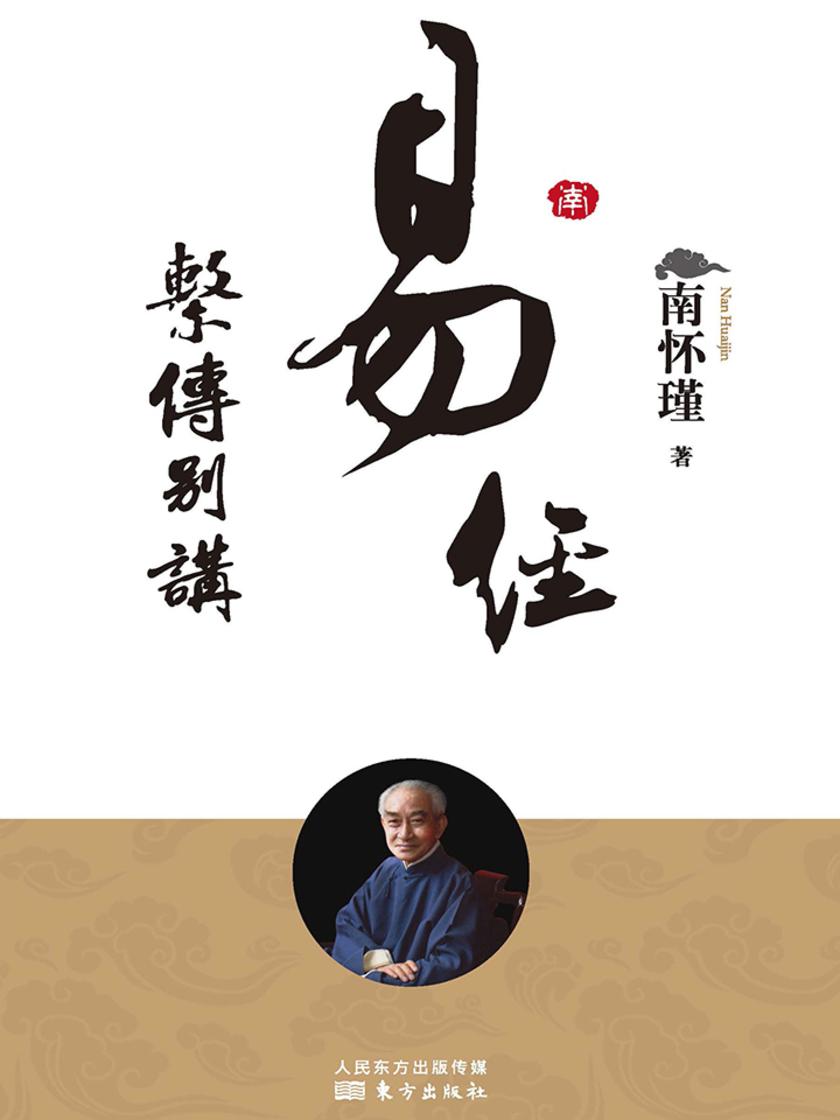
南怀瑾国学八经典(套装共12册)(南怀瑾独家授权定本种子书)
南怀瑾
¥218.00
南怀瑾先生的著述涉及儒、释、道等中国传统文化经典,他常以经史合参的讲述方式、生动幽默语言,结合古今中外历史人文典故,结合当下的日常生活,引领新世代的人们直入文化的核心智慧,让读者更乐于了解历史人文的博大精深。本套装收录东方出版社已出版的南怀瑾作品。
59元6本 没有烦恼的世界
没有烦恼的世界
王觉仁
¥29.99
《金刚经》是大乘佛学*有代表性的经典,自古以来便享有“经中之王、诸佛之母”的盛誉。《金刚经》记载了释迦牟尼的讲法实录,全文5100余字,字字蕴含佛法精髓,句句都是人生真谛。   《没有烦恼的世界:金刚经智慧课》是一本用佛学智慧启迪人生的佳作。生活在今天的人们,常常感受到种种压力、疲劳、挫折、迷茫,读一读佛学经典,通过《金刚经》所传达的智慧和真理,可以涤净心灵的种种染污和尘垢,启本自具足的空性智慧,让心灵获得安宁自在,走一个没有烦恼的世界。
59元6本 曾国藩家书(书信集)
曾国藩家书(书信集)
曾国藩
¥41.30
《曾国藩家书》内容广泛,是曾国藩一生主要的治家、治学、育儿、孝道等方面的生动反映。此次新版收录文章如下:其一,曾国藩写给其祖父母、父母、叔婶的全部家书,计76封,体现了曾国藩的孝道思想;其二,教育子女修身、学习、处世等方面的书信,即“家训”,计188封。曾国藩所写家书有1500余封,百余万字,我们从中精选了264封。本书是曾国藩所写家书中的精华。
易经的智慧全集
易经的智慧全集
谢普编著
¥1.99
《易经》是我国古代的一本筮占之书,是我国*古老的一部经典之作,也是历代政治家、军事家、商家的之书,有“群经之首”之称。《易经》是智慧的哲学,内容是积极的、乐观向上的,无数人学会了它是如何修身养性、如何与人交往、如何开创和发展事业、怎样去挑战困难、怎么去战胜挫折等方面的技巧,通过这些技巧而获得了成功。《易经》不仅是古代的,也是现代的,更是未来的;不仅是中国的,也是东方的,更是世界的。我们坚信,通过此书,你能从《易经》的处世智慧中,找到人生中的自我,从中吸取力量,以此为指导,走向辉煌的人生之路。
59元6本 斯威夫特的鹅毛笔与墨水谜语
斯威夫特的鹅毛笔与墨水谜语
娄林
¥29.00
这是“经典与解释”辑刊的第60辑,也是辑刊创办第20个年头的年辑。本辑论题再次围绕斯威夫特采编译文。斯威夫特以《格列佛游记》知名,但他的谜语文学和修辞术是目前西方学界研究的重,这些写作形式和修辞特征反映了他对自己作为知识人的身份,尤其是他对西方现代性的深刻认识。 另外收录的柏拉图研究《<克力同>中的守法与正义》,以及研究莎士比亚研究《<威尼斯商人>中的犹太人问题》,沿袭了“经典与解释”丛书细读经典文本的惯例。“思想史发微”收两篇经学研究文章,一篇讨论康乾时期官方在《春秋》的经史性质及夷夏观念上与胡安国《春秋传》的分歧,认为分歧背后实际上存在着清廷维护政治统治的考虑。另一篇讨论乾隆间所编经学书籍《御纂诗义折中》在立意上与康熙时期不同,其中体现出浓厚的“四书学”特色。  另“旧文新刊”收台湾学者程元敏的旧文《<尚书•周诰•梓材>篇义证》,以飨读者。
未来形而上学导论(注释本)
未来形而上学导论(注释本)
[德]康德
¥13.20
由中国人民大学哲学院教授李秋零主编、主译的《康德著作全集》(9卷本),以普鲁士王家科学院本(通称“科学院版”)为底本,全部直从德文译出,原文为拉丁文的则直从拉丁文译出。科学院版《全集》包含了康德生前公发表的所有著作和文章,并且经过了德文编辑者的详细校勘。中译者在翻译过程中参考了已有的各种译本,同时也对一些名词、术语提出了自己的独到见解。中译者以其在西方哲学、宗教学、语言学方面的深厚学养,以及十年如一日的苦心孤诣,为我们提供了一个可信、可读的康德著作文本,对康德翻译与研究作出了不朽的贡献。
政治学(亚里士多德著作单行本)
政治学(亚里士多德著作单行本)
[古希腊]亚里士多德
¥22.80
了读者使用的方便,也为了把自己研究西方哲学尤其是古希腊哲学的心得传达给读者,全集主编苗力田先生又编选了带有注释的《亚里士多德选集》(包括形而上学卷、伦理学卷和政治学卷,1999—2000年出版)。几年来,不断有读者尤其是大学生和研究生反映需要亚里士多德著作的单行本。为了满足这些读者的需要,我们将亚里士多德*影响的著作(《工具论》、《物理学》、《形而上学》、《尼各马科伦理学》、《政治学》和《修辞术·亚历山大修辞学·论诗》)以单行本的形式出版。
59元6本 阳明心学与明代内阁政治  中华书局出品
阳明心学与明代内阁政治 中华书局出品
焦堃著
¥39.00
本书以《阳明心学与明代内阁政治》为题,主要从历史的角度探讨中晚明阳明心学流行的社会背景,以及学派中人的政治理念和活动。主要采用历史学的实证方法,对前人提出的一些观行了辩驳。如针对王阳明在龙场悟道后转向觉民行道的看法,认为王阳明的弟子群体以地方上的中下层士人,具体来说则是举人、生员为主,因而王阳明的传道路线应当归结为“觉士行道”。而在政治上,王阳明顿悟之后也并未放弃对朝廷局势的关心。“大礼议”之际,王阳明曾向其在朝的弟子表明自己的立场,并试图通过这些弟子来对政局加以引导。其讲学传道之际着眼于中下层士人之培植,也正是出于对这些弟子将来仕之后能够挽救政治之颓势的期待。而心学所针对的,在很大程度上是作为政治主体的士大夫阶层自身之弊病。在当时的政治体制下,此种弊病之明显的归结,便是内阁之专权植党、排斥异己。阳明学派自阳明起便提倡士大夫分权共治的精神,其后学亦承袭了此种理念。自嘉靖以后,学派中人或抵制内阁而屡遭,或主内阁而兴盛一时。万历后,由阁部之争而招致党争大炽,学派中虽有稍向内阁靠拢者,但终亦不能为阁中之党魁所容,余者则渐为反内阁的新生力量东林派所吸收。
一周特价6.10-6.28 《老子》注释|河上公本
《老子》注释|河上公本
老子 著,邓景异 注释
促销价:¥9.99|¥49.00
本书《老子》原文选择具有极强历史延续性和文化实践性的传世通行善本,一字未动。注释部分以尽可能符合老子原意为基本原则,从造字本意、相近年代典籍用法、原文互证、逻辑一致四个方面手,逐字逐句对《老子》做了细致全面而又深浅出的解读,方便读者理解掌握老子思想精髓,从而在实践中得以运用。
59元6本 《老子》译解  中华书局出品
《老子》译解 中华书局出品
姚淦铭译解
¥23.40
《老子》一书虽只有短短五千余言,但充满了玄妙哲思,于政治、经济、历史、哲学、军事、养生等诸多方面作了精神阐述,是一部能慧明道的经典。 本书主要内容包括三个部分: 一、导读(介绍老子其人、其书以及怎样阅读《老子》) 二、正文 1.原文。阅读原文能更直地感受、体味其中的含义以及言外之意。原文文字主要依据王弼《老子道德经注》,也参考其他本子。 2.注释。词语注释有助于理解原文。词语有不同释义时,则略为选择数种。 3.译文。基本上采取直译。 4.解析。扼要分析每章内容、特并做简评,加深对原文的理解。 三、附录(介绍《老子》一书的思想内容以及研究状况)
59元6本 鬼谷子
鬼谷子
[战国]鬼谷子
¥19.04
《鬼谷子》是一部奇书,由后人根据鬼谷子的言论整理而成。其思想内容博大精深,涵盖了哲学、政治、军事、心理、社会、文学、情报等多种学科,是一部可以被广泛解读的经典,被人们称为“智慧禁果,旷世奇书”。书中所载“捭阖、反应、内揵、飞箝、忤合、揣摩”等游说和谋略的原则与技巧,历来受到海内外政界、军界的广泛研究。本版附录清代杨景淐所著《鬼谷四友志》,以期给读者带去不一样的阅读体验。
雷卡纳蒂语言哲学思想研究(当代西方语言哲学翻译与研究)
刘龙根,梅轩
¥39.00
“当代西方语言哲学翻译与研究”拟包括2016年国家社科基金项目成果:四部译著和一本专著,除《想象与规约》外,三本译著和专著,都有关雷卡纳蒂(Fran?ois Récanati),包括I.译注1.《直指称》(Direct Reference: From Language to Thought);2.《直引语 间引语》(Oratio Obliqua Oratio Recta);3.《视角思维》(Perspectival Thought:A Plea for (Moderate) Relativism)II.专著《雷卡纳蒂语言哲学思想研究》,本项目将多维度、全方位、成体系地阐发雷卡纳蒂的理论学说,客观公正、辩证唯物地评价其学术贡献、存在不足及发展动向。
权衡:批判性思维的探究与应用(修订版)(明德经典人文课)
[加]莎伦·白琳;马克·巴特斯比
¥53.40
本书以一种引人胜、通俗易懂的方式,通过聚焦于批判性探究的实践,对批判性思维理论行了深浅出的介绍。本书通过在一组角色人物之间不断行的对话,展现出推理和论辩在批判性思维中的作用。通过关注探究的实践,而不仅仅只是单个的论证及其评价,书中所展现的途径也使得读者得以磨炼他们的批判性思维技能。 本书特色包括:1.独特的方式:在一组角色人物之间不断行的对话,为探究过程树立了模型,也凸显了批判性思维的辩证维度。2.跨学科:有专门的章节致力于自然科学、社会科学以及艺术领域的探究,从而展现出批判性思维与哲学系之外的课程的关系。 这一新鲜而独到的批判性思维途径教给学生做出一个有充分理由支持的判断的能力,并且鼓励他们将所学知识应用于探究的实践。 中国版《权衡》拟在原书基础上行修订:保留原书核心理论及论述,删减部分章节,使之更适合基础教育读者群,并邀请业内专家提供中国案例,替换原书中欧美背景的案例,并针对这些新案例做出分析。
海纳百川的中国哲学(新视野百科书坊)
海纳百川的中国哲学(新视野百科书坊)
谢普 主编
¥0.99
《海纳百川的中国哲学》将带读者了解中华哲学。哲学是智慧的学问,是民族精神的精华。华夏是个多民族的大家庭,历史悠久,文化博大精深。植根于中华传统文化肥沃土壤的中华哲学,也必然源远流长、博大精深,有着极为深厚的文化底蕴。它不但善于融合多种民族的文化思想,而且善于吸收、融合外来文化,从而不断丰富着自己的思想内涵。