


 购物车
购物车 个人中心
个人中心
Shakespeare's Winter's Tale in French
¥8.09
Le conte d'hiver de Shakespeare en traduction fran?aise. "Selon Wikipedia:" The Winter's Tale est une pièce de William Shakespeare, initialement publié dans le premier folio de 1623. Bien qu'il ait été regroupé parmi les comédies, certains éditeurs modernes ont ré-étiqueté la pièce comme une des dernières romances de Shakespeare. Certains critiques, parmi lesquels W. W. Lawrence, considèrent que c'est un des ?problèmes de jeu? de Shakespeare, parce que les trois premiers actes sont remplis de drame psychologique intense, tandis que les deux derniers actes sont comiques et fournissent une fin heureuse.
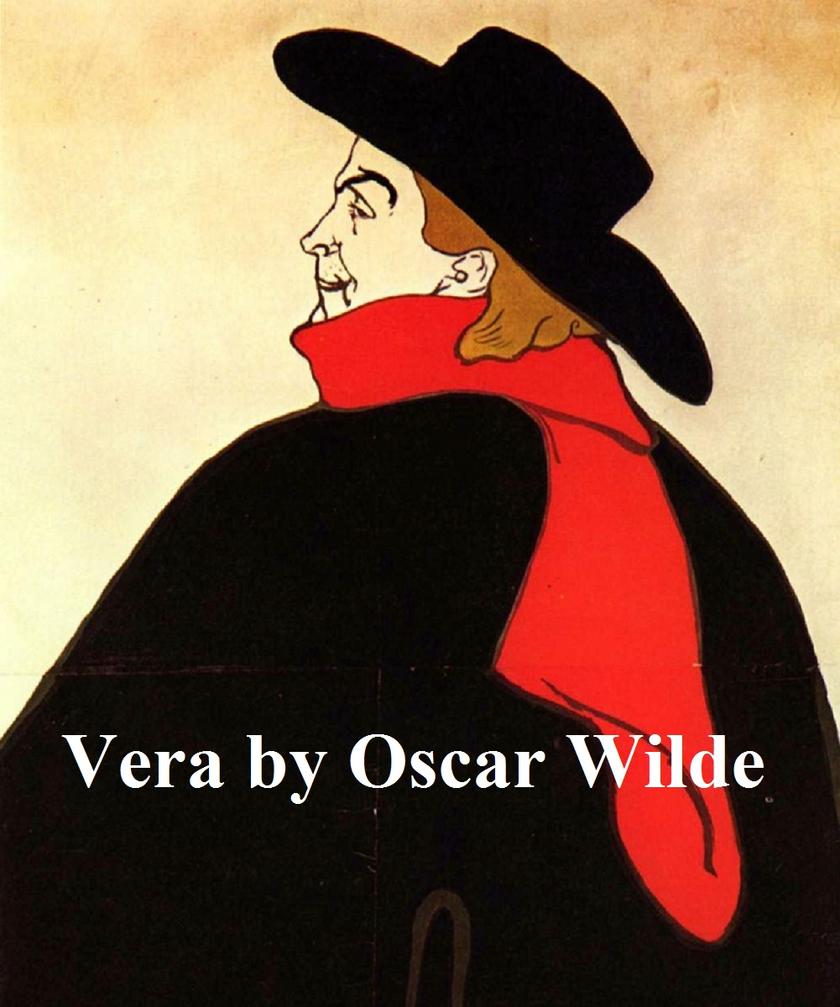
Vera: The Nihilists, a Drama in a Prologue and Four Acts
¥8.09
Four-act play, written in 1881. According to Wikipedia: "Oscar Fingal O'Flahertie Wills Wilde (16 October 1854 – 30 November 1900) was an Irish writer and poet. After writing in different forms throughout the 1880s, he became one of London's most popular playwrights in the early 1890s. Today he is remembered for his epigrams, plays and the circumstances of his imprisonment, followed by his early death."
Romeo und Juliette
¥8.09
Die Shakespeare-Trag?die, übersetzt von Christoph Martin Wieland. Wikipedia: "Romeo und Julia ist eine Trag?die, die früh in der Karriere von William Shakespeare über zwei jugendliche" Stern-überkreuzte Liebende "geschrieben wurde, deren pl?tzlicher Tod ihre verfeindeten Familien vereint. Es war zu Shakespeares popul?rsten Stücken zu seinen Lebzeiten mit Hamlet, ist eines seiner am h?ufigsten aufgeführten Stücke. Heute gelten die Titelfiguren als archetypische junge Liebhaber. "
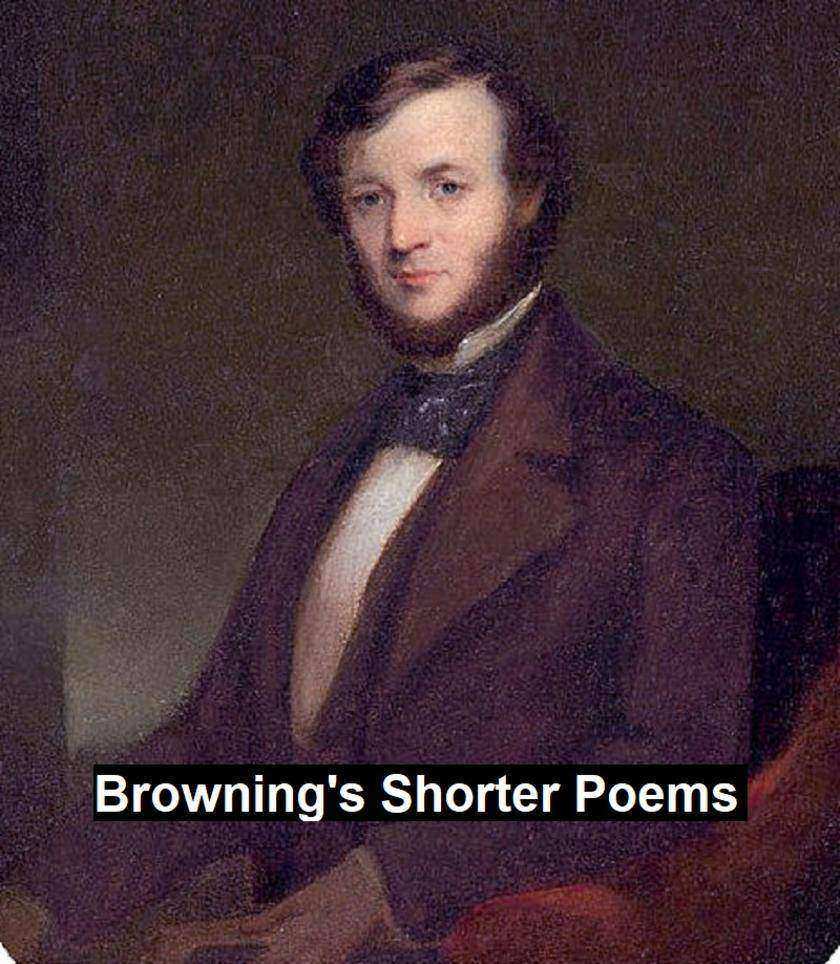
Browning's Shorter Poems
¥8.09
Selected and edited by Franklin Baker. According to Wikipedia: "Robert Browning (1812 – 1889) was an English poet and playwright whose mastery of dramatic verse, especially dramatic monologues, made him one of the foremost Victorian poets."

As You Like It/ Wie Es Euch Gefallt: Bilingual edition
¥8.09
Bilingual, English and German. Shakespeare comedy in English with line numbers and translated to German. According to Wikipedia: "As You Like It is a pastoral comedy by William Shakespeare believed to have been written in 1599 or early 1600 and first published in the First Folio, 1623. The play's first performance is uncertain, though a performance at Wilton House in 1603 has been suggested as a possibility. As You Like It follows its heroine Rosalind as she flees persecution in her uncle's court, accompanied by her cousin Celia and Touchstone the court jester, to find safety and eventually love in the Forest of Arden. " Zweisprachig, Englisch und Deutsch. Shakespeare-Kom?die in Englisch mit Zeilennummern und ins Deutsche übersetzt. Laut Wikipedia: "As You Like It" handelt es sich um eine Pastoralkom?die von William Shakespeare, die vermutlich im Jahr 1599 oder Anfang 1600 geschrieben und erstmals im First Folio 1623 ver?ffentlicht wurde. Die erste Aufführung des Stücks ist ungewiss, obwohl eine Aufführung im Wilton House in 1603 wurde als eine M?glichkeit vorgeschlagen, wie Sie es m?gen, folgt seine Heldin Rosalind, wie sie Verfolgung in Hof ihres Onkels flieht, begleitet von ihrer Cousine Celia und Touchstone der Hofnarr, um Sicherheit und schlie?lich Liebe im Wald von Arden zu finden.
Tout Est Bien Qui Finit Bien (All's Well that Ends Well, in French)
¥8.09
Selon Wikipédia: "Tout est bien qui finit bien" est une pièce de William Shakespeare, qui aurait été écrite entre 1604 et 1605, et qui fut publiée à l'origine. dans le premier folio en 1623. "
The Value of Nothing
¥23.14
Welcome! Come on in! Take part in the project launch of ArtWorks, the new back to work initiative created and run by your friend and ours, the one, the only, the most fantastic… Vince Fine! And so begins the project launch from hell… Exploring issues of how society views those living on benefits, the ‘creative industries’ and what we should value in life, this dark comedy (running in real time) charts the fall from grace of the central comedic hero, Vince Fine, as he watches everything he’s ever dreamed of slip from his fingers. Includes some audience participation and interaction.
Prometheus Bound
¥40.79
Prometheus, a Titan who defies the gods and gives fire to mankind, acts for which he is subjected to perpetual punishment. The Oceanids appear and attempt to comfort Prometheus by conversing with him. Prometheus cryptically tells them that he knows of a potential marriage that would lead to Zeus's downfall. A Titan named Oceanus commiserates with Prometheus and urges him to make peace with Zeus.
The Frogs
¥40.79
The Frogs tells the story of the god Dionysus, who, despairing of the state of Athens' tragedians, travels to the underworld to bring the playwright Euripides back from the dead. He brings along his slave Xanthias, who is smarter and braver than Dionysus. As the play opens, Xanthias and Dionysus argue over what kind of jokes Xanthias can use to open the play.
The Ecclesiazusae
¥40.79
A group of women, led by the wise and redoubtable Praxagora, has decided that the women of Athens must convince the men to give them control of the city, as they are convinced they can do a better job. Disguised as men, the women sneak into the assembly and command the majority of votes needed to carry their series of revolutionary proposals, even convincing some of the men to vote for it on the grounds that it is the only thing they have not tried.
Three Sisters
¥24.44
Three Sisters was written for the Moscow Art Theatre and was directed by Staniskavski himself on first opening. The play is often included in Chekhov's list of four outstanding plays and part of the classic repertoire of many world theatres. The play follows Chekhovian tradition of subtle character development and humour which often makes it a challenge for both performers and directors.
Visual Grammar: No Mistakes Grammar, Volumes I, II, and III
¥106.19
This book is a combination of No Mistakes Grammar volumes I, II, and III. But it’s so much more. It has some new material, but it also has about 200 pictures. That’s right—pictures. This is one of the world’s first, if not the first, visual grammar book. Most people learn better with pictures. With Visual Grammar, you get images that show examples of the words you’re learning. Not every word has a picture but a lot of them do. This book includes misused words, redundancies, absolutes, flat adverbs, eponyms, idiomatic expressions, Latin phrases, and more. ?

Mother and the Tiger
¥65.32
In 1969 the small Asian nation of Cambodia was under attack: first by US bombers as the Vietnam war spilled over the border, and then by the Khmer Rouge as they began their brutal reign of terror. Under the rule of Pol Pot, ordinary city folk were driven from their homes and banished to labour camps that eventually saw two million people die. Darkness descended and "Year Zero" had begun. Mother and the Tiger is the story of one small girl, who struggled to survive one of the most ruthless regimes in human history. Six-year-old Hui Lim was trapped by the madness around her and cast into a seemingly endless nightmare. Her family was cursed as a member of a hated ethnic minority and targeted by the murderous Khmer Rouge. To survive where so many others died, Hui had to tap an inner strength that she never knew she possessed. Despite her youth she was determined to find her scattered family, no matter the odds. Her memoir of that brutal regime proves that even amidst the blackest depths of human depravity, hope can endure.
21st Century Dodos: A Collection of Endangered Objects (and Other Stuff)
¥39.04
A REVISED AND UPDATED EBOOK EDITION WITH ALL NEW READERS’ DODOS! We’ve all heard of the list of endangered animals, but no one has ever pulled together a list of endangered inanimate objects. Until now, that is. Steve Stack has catalogued well over one hundred objects, traditions, cultural icons and, well, other stuff that is at risk of extinction. Some of them have vanished already. Cassette tapes, rotary dial phones, half-day closing, milk bottle deliveries, Concorde, handwritten letters, typewriters, countries that no longer exist, white dog poo… …all these and many more are big a fond farewell in this nostalgic, and sometimes irreverent, trip down memory lane.

Talk to the Hand
¥66.22
A battle-cry for civilised behaviour from the author of the multi-million selling Eats, Shoots and Leaves. "Talk to the hand 'cause the face ain't listening," the saying goes. When did the world get to be so rude? When did society become so inconsiderate? It's a topic that has been simmering for years, and Lynne Truss says that it has now reached boiling point. Taking on the boorish behaviour that has become a point of pride for some, Talk to the Hand is a rallying cry for courtesy. Like Eats, Shoots and Leaves, Talk to the Hand is a spirited conversation, not a stuffy guidebook. It is not about forks, for a start. Why hasn't your nephew ever thanked you for that perfect Christmas present? What makes your builder think he can treat you like dirt in your own home? When you phone a utility with a complaint (and have negotiated the switchboard), why can't you ever speak to a person who is authorised to apologise? What accounts for the appalling treatment you receive in shops? Most important, what will it take to roll back a culture that applauds rudeness and finds it so amusing? For anyone who's fed up with the brutality inflicted by modern manners (and is naturally too scared to confront the actual yobs), Talk to the Hand is a colourful call to arms from the wittiest defender of the civilised world.
RA The Book
¥24.44
RA:The Book - The Recording Architecture Book of Studio Design was first published as a single, hardcover volume in 2011 and which has sold in over fifty countries to critical acclaim. A necessarily large format dictated by the detailed drawings it contained, RA:The Book was unavoidably heavy and costly to produce and ship. This iBook version is the first of three stand alone volumes which will hopefully make this essential guide to recording studio design more accessible. It includes a new introduction with previously unavailable photographs. The following de*ion is for the original hardcover: Established by Roger D'Arcy and Hugh Flynn on April 1st 1987 Recording Architecture has risen to become one of the premier recording studio design companies in the world. First Commissioned by ex Def Leppard guitarist Pete Willis for Blue Room studios In Sheffield swiftly followed by projects such as Hulgrave Hall, for composer Keith Hopwood the company has grown to design key installations around the world. Now for the first time they will be publishing a history of these ground breaking designs covering all aspects of architectural, acoustic and interior design of these studios and spaces specifically related to sound on a project by project basis. In a Career spanning Three decades Recording Architecture has virtually unrivalled experience in the design of studios which range in size and purpose from classical orchestral, residential, mixing, mastering, post production, film dubbing, video editing and rehearsal studios over 40 countries worldwide. Stating his desire to expand awareness with the new book Roger D Arcy states Over the years, and perhaps surprisingly, the only available books on recording studio design seem to have been written by individuals with little or no qualified background in Architecture or design in the field - we are trying show the detailed architectural/acoustic input behind a successful design with each studio study showing drawings in large format . This is not a theoretical guide but a detailed presentation of tried and tested techniques as applied to real, built projects in many of the case studies, the actual drawings issued for construction are reproduced. The examples illustrate not only what we think should be done but what was in fact physically (and successfully) implemented in a wide variety of situations from small, private project studios to large, commercial land mark studios such as Lansdowne and CTS. Examples range in scope from individual spaces and rooms to multi studio facilities and cover the two principal strands of recording and mixing: MUSIC studios recording (tracking), mixing and mastering (including cutting) project to orchestral in scale examples have been taken from the private, commercial and educational sectors. POST PRODUCTION studios voice over (dubbing), FX recording ( Foley ), film mix studios (dubbing theatres) from small voice over studios for TV to large Dolby Premier Certified film mix theatres. Contents include hundreds of photographs together with detailed plans and construction drawings - including comprehensive specifications of materials and techniques - showing exactly how these environments were created.
Decision Between Us
¥370.82
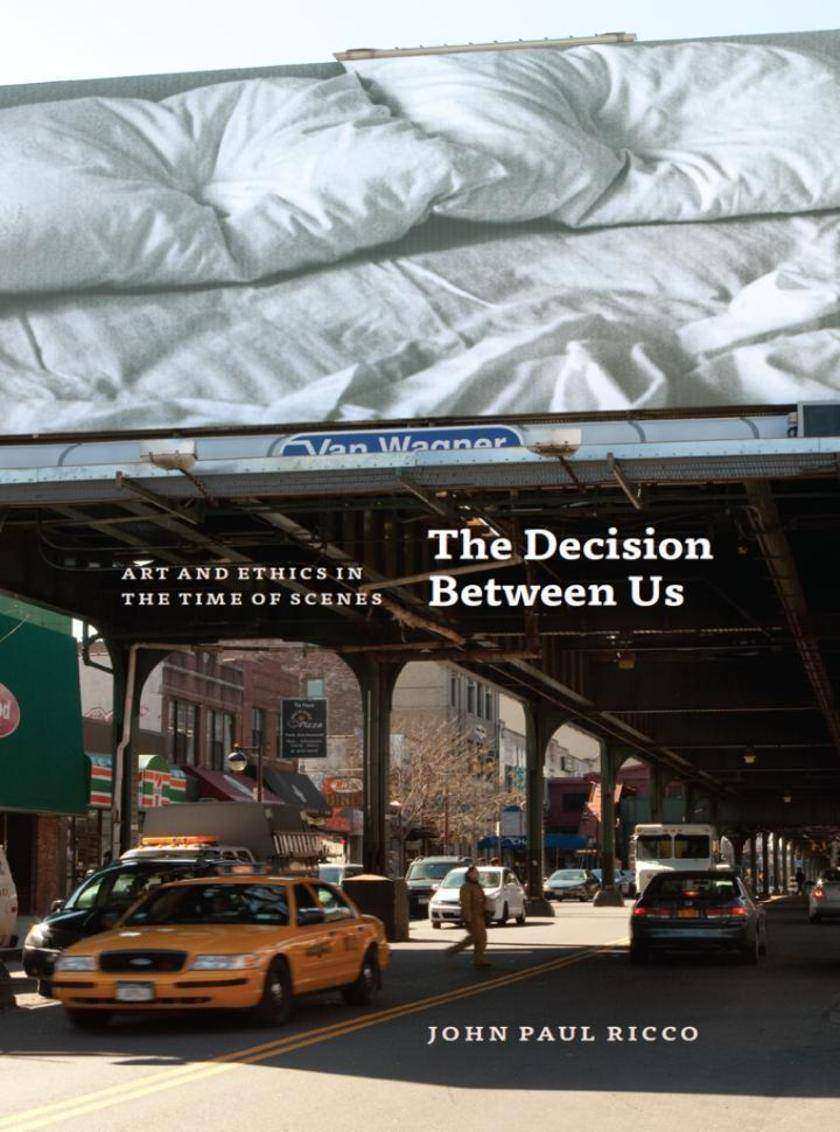
The Decision Between Us?combines an inventive reading of Jean-Luc Nancy with queer theoretical concerns to argue that while scenes of intimacy are spaces of sharing, they are also spaces of separation. John Paul Ricco shows that this tension informs our efforts to coexist ethically and politically, an experience of sharing and separation that informs any decision. Using this incongruous relation of intimate separation, Ricco goes on to propose that "e;decision"e; is as much an aesthetic as it is an ethical construct, and one that is always defined in terms of our relations to loss, absence, departure, and death.?Laying out this theory of "e;unbecoming community"e; in modern and contemporary art, literature, and philosophy, and calling our attention to such things as blank sheets of paper, images of unmade beds, and the spaces around bodies,?The Decision Between Us?opens in 1953, when Robert Rauschenberg famously erased a drawing by Willem de Kooning, and Roland Barthes published?Writing Degree Zero, then moves to 1980 and the "e;neutral mourning"e; of Barthes'?Camera Lucida, and ends in the early 1990s with installations by Felix Gonzalez-Torres. Offering surprising new considerations of these and other seminal works of art and theory by Jean Genet, Marguerite Duras, and Catherine Breillat,?The Decision Between Us?is a highly original and unusually imaginative exploration of the spaces between us, arousing and evoking an infinite and profound sense of sharing in scenes of passionate, erotic pleasure as well as deep loss and mourning.
Cezanne and the End of Impressionism
¥353.16
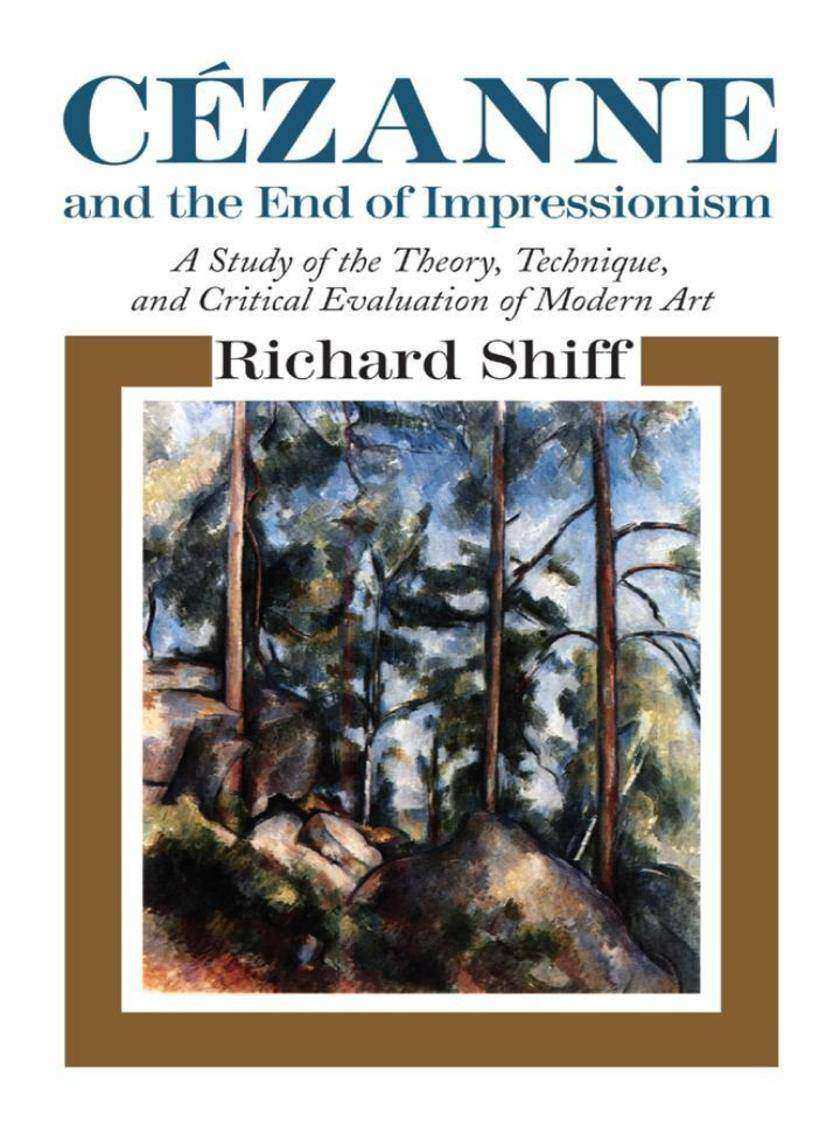
Drawing on a broad foundation in the history of nineteenth-century French art, Richard Shiff offers an innovative interpretation of Cezanne's painting. He shows how Cezanne's style met the emerging criteria of a "e;technique of originality"e; and how it satisfied critics sympathetic to symbolism as well as to impressionism. Expanding his study of the interaction of Cezanne and his critics, Shiff considers the problem of modern art in general. He locates the core of modernism in a dialectic of making (technique) and finding (originality). Ultimately, Shiff provides not only clarifying accounts of impressionism and symbolism but of a modern classicism as well.

The Lizard King
¥109.31
What if every farfetched conspiracy theory about Barack Obama turned out to be trueTwo reporters for the The Daily Caller received an unsolicited manu* in the mail, the diary of a former Obama administration political operative. What they read stunned them. "The Lizard King" describes a White House where the reality is more surreal, and comically bizarre, than anything its most fervent enemies have alleged. Tasked by David Axelrod with debunking right wing rumors about the president, the narrator embarks on a journey that takes him from Washington to Moscow to the tribal areas of Pakistan in search of the real Barack Obama. His findings leave him shocked, his political ideology in tatters and his understanding of the world forever changed.
This Is Why You're Fat
¥56.08
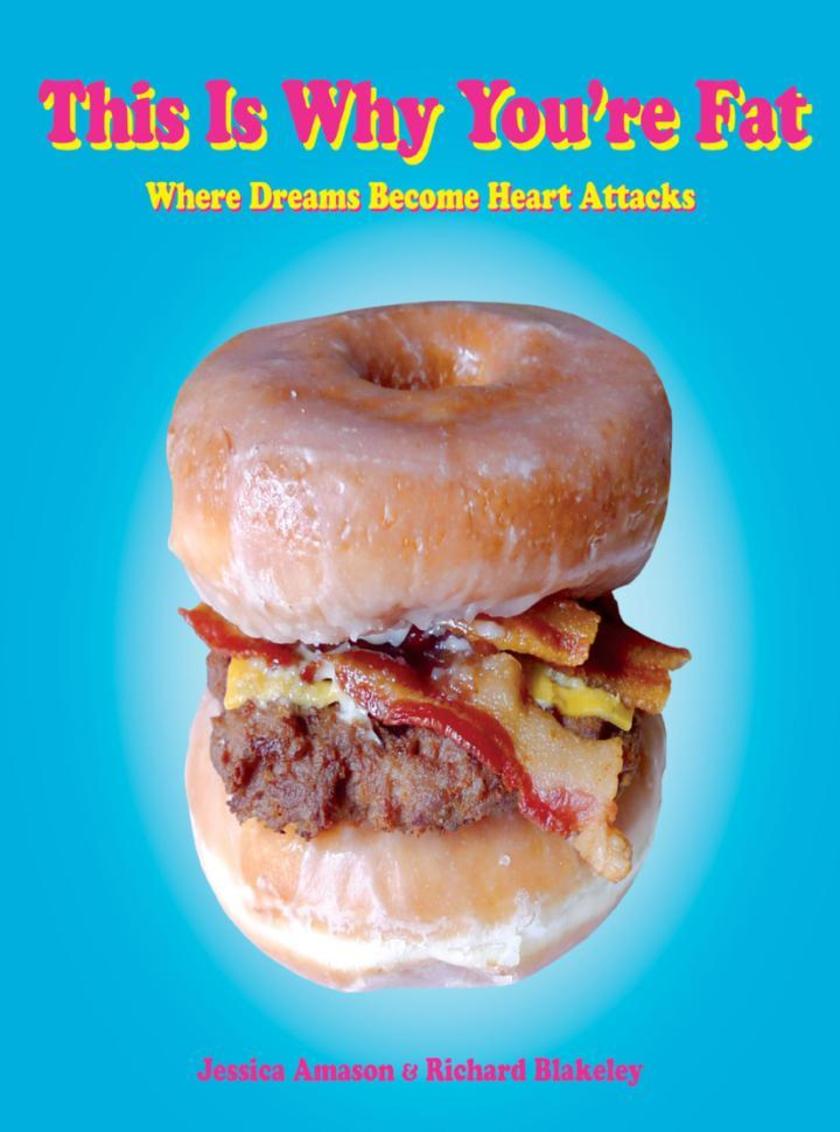
Food was once the providence of celebrated chefs and critical connoisseurs. Cooking shows featured all gourmet creations and web sites displayed artfully photographed delights. Then something changed. Perhaps it was the desensitizing of web culture or perhaps it was a cry for help from the food loving public. But by God there came a day when fancy vegetable towers came crashing down and $50 mushrooms were no longer acceptable. Amason and Blakley wanted see the old stand bys the carnival foods of their childhoods the sticky mess of a deep fried candy bar the indulgence of a greasy burger with all the fixins. It was the birth of the nasty food web trend. And it was delicious. The website This is Why You're Fat is an ode to this trend whether seen as a commentary on North American dietary habits or a celebration of the deliciously bad Amason and Blakey are devoted to the world's newfound obsession with over the top food. Within its first month the site pulled in over ten million eye balls and attracted major nation media including CNN. The world cooked they listened. www.thisiswhyyourefat.com
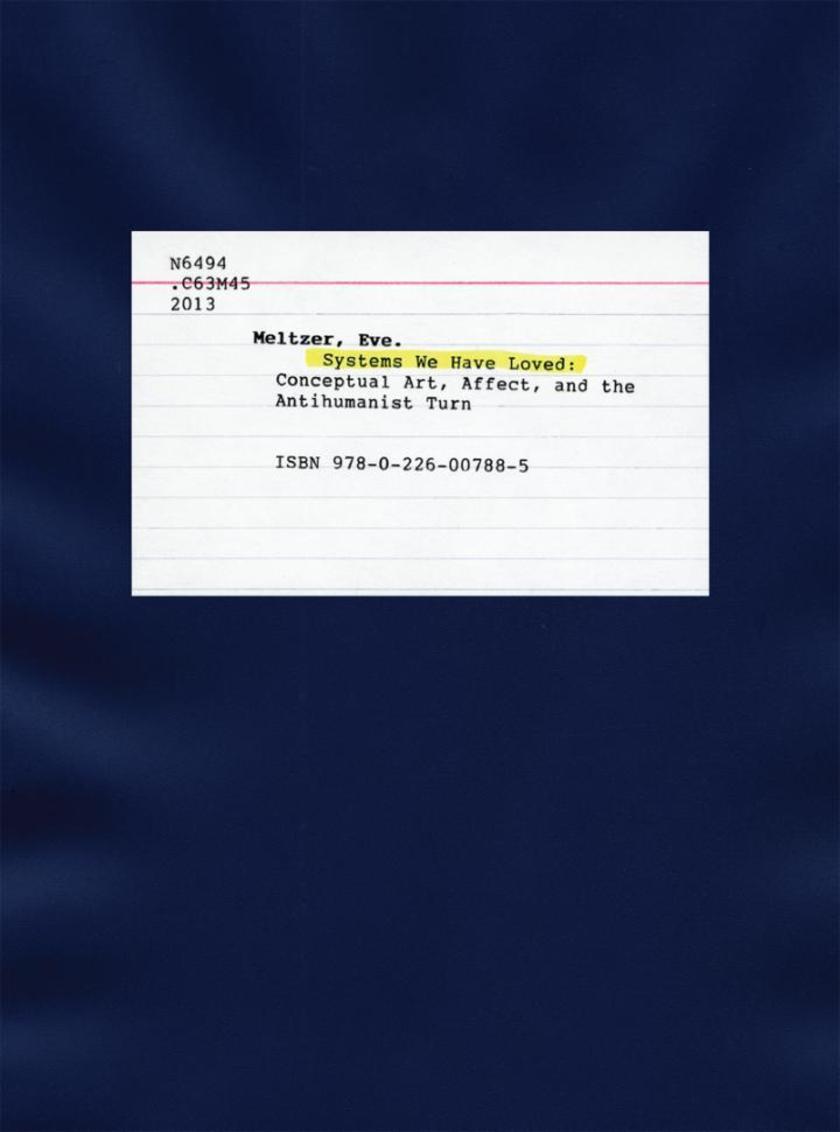
Systems We Have Loved
¥370.82
By the early 1960s, theorists like Levi-Strauss, Lacan, Foucault, and Barthes had created a world ruled by signifying structures and pictured through the grids of language, information, and systems. Artists soon followed, turning to language and its related forms to devise a new, conceptual approach to art making. Examining the ways in which artists shared the structuralist devotion to systems of many sorts, Systems We Have Loved shows that even as structuralism encouraged the advent of conceptual art, it also raised intractable problems that artists were forced to confront.?Considering such notable art figures as Mary Kelly, Robert Morris, Robert Smithson, and Rosalind Krauss, Eve Meltzer argues that during this period the visual arts depicted and tested the far-reaching claims about subjectivity espoused by theorists. She offers a new way of framing two of the twentieth century's most transformative movements-one artistic, one expansively theoretical-and she reveals their shared dream-or nightmare-of the world as a system of signs. By endorsing this view, Meltzer proposes, these artists drew attention to the fictions and limitations of this dream, even as they risked getting caught in the very systems they had adopted. The first book to describe art's embrace of the world as an information system, Systems We Have Loved breathes new life into the study of conceptual art.


