万本电子书0元读

万本电子书0元读

Кап?тал?зм ? свобода
Milton Friedman
¥28.61
Europa, 1900.–1914.: svijet u tra?enju, pulsiraju?e razdoblje kreativ?nosti i suprotnosti. Glavne su teme terorizam, globalizacija, imigranti, konzumerizam, propast moralnih vrijednosti i suparni?tvo velikih sila. Dvadeseto stolje?e nije se rodilo u rovovima kod Somme ili Passchendaela, nego u petnaest vrtoglavih godina koje su prethodile Prvome svjetskom ratu. U kratkom razdoblju novi svjetski poredak proiza?ao je iz tragi?nih suprotnosti staroga. Posljedice industrijske revolucije, na politi?kom i osobnom planu, osje?ale su se u cijelom svijetu: gradovi rastu zbog pristizanja seoskog stanovni?tva koje napu?ta svoje tradicionalne vrijednosti, znanost donosi napredak, ali i izume iz no?nih mora, obrazovanje je milijunima ljudi otvorilo nove mogu?nosti, masovno proizvedeni predmeti promijenili su svakodnevni ?ivot, radnici zahtijevaju udio u politi?koj vlasti, ?ene ?ele promijeniti svoj polo?aj u dru?tvu i prirodu seksualnih odnosa. Od nevjerojatne nade u novo stolje?e koju je utjelovio Svjetski sajam u Parizu 1900. do atentata na austrijskog nadvojvodu u Sarajevu 1914., povjesni?ar Philipp Blom ovo razdoblje istra?uje godinu po godinu. Premijeri i seljaci, anarhisti i glumice, znanstvenici i psihopati susre?u se na pozornici novoga stolje?a u ovom prikazu rasko?noga, nestabilnog doba na rubu katastrofe. Prelijepo napisana i puna vje?to ispri?anih anegdota, knjiga Vrtoglave godine o?ivljava ?udesa, u?ase i strahove ranoga dvadesetog stolje?a.
У л?с?-л?с? темному
У л?с?-л?с? темному
Ware Rute
¥24.93
The Interrelation Between Art Worlds is a part of PhD thesis and it deals with the simultaneous and successive art using the illustrations of Bhagavad Gita, in 18 chapters, where each chapter has two versions. The substance of the author's interest is a transfer of thoughts and feelings from the ancient Indian epic, through visual elements, that is, the visualization of temporal arts. She tried to explain the philosophy of Bhagavad Gita?through composition, color, contrast, third dimension, structure, texture, proportion, rhythm and dynamics, which is particular because in India philosophy equals religion, and vice versa. Described is also the analogy between temporal and spatial arts, such as color (valeur), music (chord). Through the synergy of meaning and radiation on the illustrations, we can achieve experience of "reading the image". ? Tatjana Burzanovi? is a writer, artist, graphics designer, and interior designer, professor at the Faculty of Culture and Tourism, where she teaches Indian culture, and Faculty of Design and Multimedia, at the University of Donja Gorica in Podgorica, Montenegro. She graduated from Academy of Fine Arts in Sarajevo, and acquired her PhD at Faculty of Art and Design at the University of Belgrade. She presented her works in numerous solo and group exhibitions, and took part in several artistic and pedagogical colonies. She received several awards for her book designs. The book The Interrelation Between Art Worlds?was awarded at 11th Book Fair in Podgorica for the best designed art book.
Джерело
Джерело
Ayn Rand
¥34.83
Idu?i ?enskom stranom hrvatske knji?evnosti Lidija Duji? sla?e koncizan i zanimljiv pregled izabranog segmenta doma?e knji?evne povijesti. Ocrtava sociolo?ke krokije hrvatskih knji?evnica, iznosi kratke karakterizacije, uzgred problematiziraju?i ?enski geto didakti?ke i dje?je knji?evnosti. Analiziraju?i i ponovno vrednuju?i neka djela, prihva?ena pod etiketom ??enskog pisma“, autorica dovodi u pitanje mnoga op?a mjesta, ne ?tite?i se krinkom autoriteta znanstvene objektivnosti – pi?u?i u prvom licu. Knjiga se temelji na njezinoj doktorskoj disertaciji, ali je pisana popularno te je namijenjena ?iroj publici.
K?zel a t?zh?z
K?zel a t?zh?z
Ryan Gattis
¥71.69
This book, in affectionate tribute to the gallant courage, rugged indepen-dence and wonderful endurance of those adventurous souls who formed the vanguard of civilization in the early history of the Territory of Arizona and the remainder of the Great West, is DEDICATED TO JOHN H. CADY and?BASIL D. WOON ?/ ?PATAGONIA, ARIZONA, NINETEEN-FIFTEEN. When I first broached the matter of writing his autobiography to John H. Cady, two things had struck me particularly. One was that of all the literature about Arizona there was little that attempted to give a straight, chronological and intimate description of events that occurred during the early life of the Territory, and, second, that of all the men I knew, Cady was best fitted, by reason of his extraordinary experiences, remarkable memory for names and dates, and seniority in pioneership, to supply the work that I felt lacking. Some years ago, when I first came West, I happened to be sitting on the observation platform of a train bound for the orange groves of Southern California. A lady with whom I had held some slight conversation on the journey turned to me after we had left Tucson and had started on the long and somewhat dreary journey across the desert that stretches from the "Old Pueblo" to "San Berdoo," and said: "Do you know, I actually used to believe all those stories about the 'wildness of the West.' I see how badly I was mistaken." She had taken a half-hour stroll about Tucson while the train changed crews and had been impressed by the—to the casual observer—sleepiness of the ancient town. She told me that never again would she look on a "wild West" moving picture without wanting to laugh. She would not believe that there had ever been a "wild West"—at least, not in Arizona. And yet it is history that the old Territory of Arizona in days gone by was the "wildest and woolliest" of all the West, as any old settler will testify.
Charles I
Charles I
Jacob Abbott
¥18.56
KING CHARLES THE FIRST was born in Scotland. It may perhaps surprise the reader that an English king should be born in Scotland. The explanation is this:??They who have read the history of Mary Queen of Scots, will remember that it was the great end and aim of her life to unite the crowns of England and Scotland in her own family. Queen Elizabeth was then Queen of England. She lived and died unmarried. Queen Mary and a young man named Lord Darnley were the next heirs. It was uncertain which of the two had the strongest claim. To prevent a dispute, by uniting these claims, Mary made Darnley her husband. ??They had it son, who, after the death of his father and mother, was acknowledged to be the heir to the English throne, whenever Elizabeth's life should end. In the meantime he remained King of Scotland. His name was James. He married a princess of Denmark; and his child, who afterward was King Charles the First of England, was born before he left his native realm.
TRI KNJIGE O SOFIJI
TRI KNJIGE O SOFIJI
Rasa Popov
¥80.93
O istorie politico-sentimental? a capitalei noastre. De ce o istorie politico-sentimental?? Pentru c?, ?n evolu?ia Bucure?tiului, de-alungul secolelor, afacerile politice s-au ?mpletit adesea, inevitabil, cu b?t?ile inimii. Chiar prima perioad? a cet??ii, ca ?i capital? domneasc?, tutelat? de figu ra dominant? a doamnei Chiajna, poate fi b?nuit? de un senzualism crud care a deschis drum acelui fenomen pe care Ionescu-Gion ?l numea at?t de plastic ?ginecolatrie“, adic? ascultarea dovedit? de domnitorii valahi fa?? de so?iile lor.
Te ur?sc - nu m? p?r?si. ?n?elegerea personalit??ii borderline
Jerold J. Kreisman, Hal Straus
¥73.49
Lucrarea abordeaza teme majore ale politicii despre parlamentarism, parlament, parlamentari, care au suscitat si suscita si astazi aprige controverse, antrenand eforturi si pasiuni in toate mediile culturale si politice ale societatii in decursul vremilor.In analiza Discursurilor si dezbaterilor parlamentare, specialistii si nespecialistii au la dispozitie un bogat material arhivistic alaturi de presa timpului, rod al eforturilor parlamentarilor indiferent de sistemele de reprezentare existente in stat la un moment dat – unicameral sau bicameral.De semnalat in cuprinsul volumului este Mesajul Tronului, sustinut de Al.I. Cuza, alaturi de care intalnim maestri ai elocintei parlamentare romanesti cum ar fi M. Kogalniceanu, Titu Maiorescu, P.P. Carp, I.I.C. Bratianu, Take Ionescu, N. Iorga, O. Goga, N. Titulescu, A.C. Cuza, Al. Vaida-Voievod si multi altii.
Last Descendants - A New York-i felkelés
Matthew J. Kirby
¥65.97
Europa acas“ este un album creat n urma unui turneu de conferine i lecturi publice inute de ctre autoare, Aura Christi, n ara lui Homer i Aristotel. Protagonitii albumului sunt Aura Christi, Nicolae Breban, Ion Ianoi, Janina Ianoi, Andrei Potlog, Victor Ivanovici, Monica Svulescu-Voudouri. Protagonistul cel mai important, ns, este fr ndoial Marea Elad i cultura ei, civilizaia acestei ri mitice - temelia civilizaiei europene moderne. Albumul conine poeme i comentarii, dar i imagini memorabile realizate de poeta Aura Christi la Delphi, Atena i alte epicentre legendare ale civilizaiei europene.
Az ?sfák fiainak lombjai alatt
Wanderer János
¥36.54
A rock and roll nem csupán egy zenei m?faj, ?nem egy tánc”: maga az ?r?k fiatalság. Alkotás és feloldódás, amit nem magányos farkasoknak találtak ki. Csapatmunka, melyben zenész és hallgatósága egyaránt részt vesz. ?Mindenki itt van?” – kiáltja a sztár a színpadról, a t?meg pedig harsogva feleli: ?Mindenki!” Mert ahhoz, hogy egy dal megszülessen, hogy ezernyi torok visszhangozza az énekes mágikus szavait, valóban mindenkire szükség van. Az Azok a régi csibészek a hazai pop és rock legendáinak arcképcsarnoka. Csatári Bence t?rténész és Poós Zoltán író faggatja a popkultúra olyan ikonikus alakjait és nagyágyúit, mint Bródy János, Nagy Feró, Sz?rényi Levente, T?r?k ?dám, Pataky Attila, Zalatnay Sarolta és még sokan mások. Az interjúkból kirajzolódik a magyarországi rock and roll els? negyedszázadának íve Nógrádver?cét?l Londonig. A megszólalók mesélnek és mesélnek – a legvidámabb barakk k?nny?zenei szcénájáról, ?rületes bulikról, rend?rpofonokról és persze a rock and roll iránti olthatatlan szerelemr?l...
Jung & Reich. Trupul ca o umbr?
John P. Conger
¥57.14
L?sa?i atunci trufia la o parte, C?ci de b?rba?i trufia ne desparte. ?i m?inile, duioase ?i supuse, ?n slujba lor pe veci s? fie puse. ?i so?ul meu, de ?ndat? ce ar vrea, ?n m?na lui mi a? pune m?na mea. Then vail your stomachs, for it is no boot,And place your hands below your husband’s foot: In token of which duty, if he please, My hand is ready; may it do him ease.
Bernard Brooks' Adventures: Illustrated
Horatio Alger
¥4.58
The dominant motives in Calderon's dramas are characteristically national: fervid loyalty to Church and King, and a sense of honor heightened almost to the point of the fantastic. Though his plays are laid in a great variety of scenes and ages, the sentiment and the characters remain essentially Spanish; and this intensely local quality has probably lessened the vogue of Calderon in other countries. In the construction and conduct of his plots he showed great skill, yet the ingenuity expended in the management of the story did not restrain the fiery emotion and opulent imagination which mark his finest speeches and give them a lyric quality which some critics regard as his greatest distinction. Of all Calderon's works, "Life is a Dream" may be regarded as the most universal in its theme. It seeks to teach a lesson that may be learned from the philosophers and religious thinkers of many ages—that the world of our senses is a mere shadow, and that the only reality is to be found in the invisible and eternal. The story which forms its basis is Oriental in origin, and in the form of the legend of "Barlaam and Josaphat" was familiar in all the literatures of the Middle Ages. Combined with this in the plot is the tale of Abou Hassan from the "Arabian Nights," the main situations in which are turned to farcical purposes in the Induction to the Shakespearean "Taming of the Shrew." But with Calderon the theme is lifted altogether out of the atmosphere of comedy, and is worked up with poetic sentiment and a touch of mysticism into a symbolic drama of profound and universal philosophical significance. LIFE IS A DREAM DRAMATIS PERSONAE Basilio King of Poland.Segismund his Son.Astolfo his Nephew.Estrella his Niece.Clotaldo a General in Basilio's Service.Rosaura a Muscovite Lady.Fife her Attendant. Chamberlain, Lords in Waiting, Officers,Soldiers, etc., in Basilio's Service. The Scene of the first and third Acts lies on the Polish frontier: of the second Act, in Warsaw. As this version of Calderon's drama is not for acting, a higher and wider mountain-scene than practicable may be imagined for Rosaura's descent in the first Act and the soldiers' ascent in the last. The bad watch kept by the sentinels who guarded their state-prisoner, together with much else (not all!) that defies sober sense in this wild drama, I must leave Calderon to answer for; whose audience were not critical of detail and probability, so long as a good story, with strong, rapid, and picturesque action and situation, was set before them. about author: Pedro Calderon de la Barca was born in Madrid, January 17, 1600, of good family. He was educated at the Jesuit College in Madrid and at the University of Salamanca; and a doubtful tradition says that he began to write plays at the age of thirteen. His literary activity was interrupted for ten years, 1625-1635, by military service in Italy and the Low Countries, and again for a year or more in Catalonia. In 1637 he became a Knight of the Order of Santiago, and in 1651 he entered the priesthood, rising to the dignity of Superior of the Brotherhood of San Pedro in Madrid. He held various offices in the court of Philip IV, who rewarded his services with pensions, and had his plays produced with great splendor. He died May 5, 1681. At the time when Calderon began to compose for the stage, the Spanish drama was at its height. Lope de Vega, the most prolific and, with Calderon, the greatest, of Spanish dramatists, was still alive; and by his applause gave encouragement to the beginner whose fame was to rival his own. The national type of drama which Lope had established was maintained in its essential characteristics by Calderon, and he produced abundant specimens of all its varieties. Of regular plays he has left a hundred and twenty; of "Autos Sacramentales," the peculiar Spanish allegorical development of the medieval mystery, we have seventy-three; besides a considerable number of farces.
Vigyázz, mit kívánsz!
Matt Haig
¥45.53
RUINS OF ANCIENT CITIES, WITH GENERAL AND PARTICULAR ACCOUNTS OF THEIR RISE, FALL, AND PRESENT CONDITION. - BY CHARLES BUCKE This Volume contain these cities; Abydos, Abydus, ?gesta, ?ina, Agrigentum, Alba Longa, Alcantara, Alexandria, Amisus, Antioch, Argos, Ariammene, Arsinoe, Artaxata, Artemita, Athens, Babylon, Balbec, Byzantium, Cairo (Old), Cann?, Capua, Carthage, Catanea, Chalcedon, Ch?ronea, Corduba, Corcyra (Corfu), Corinth, Ctesiphon, Delphos, Ecbatana, Eleusis, Elis, Ephesus, Gerasa (Djerash), Granada, Gnidos, Heliopolis, Herculaneum, Hierapolis, Isfahan, Italica, Jerusalem, Laced?mon, Or Sparta, Laodicea, Leuctra, Magnesia, Mantinea, Marathon, Megalopolis, Megara, Memphis. Of chance or change, oh! let not man complain;Else shall he never, never, cease to wail;For from the imperial dome, to where the swainRears his lone cottage in the silent dale,All feel the assault of fortune's fickle gale.Art, empire, earth itself, to change are doom'd;Earthquakes have raised to heaven the humble vale;And gulfs the mountains' mighty mass entomb'd;And where the Atlantic rolls wide continents have bloom'd. {BEATTIE.} The reader is requested to observe, that, though the plan of this work is entirely his own, the compiler of it does not put it forth as in any way original in respect to language or description. It is, in fact, a much better book, than if it had been what is strictly called original, (which, indeed, must have involved an utter impossibility:) for it is a selection of some of the best materials the British Museum could furnish; sometimes worked up in his own language; and sometimes—and, indeed, very frequently—in that of others: the compiler having, at an humble distance and with unequal steps, followed the plan which M. Rollin proposed to himself, when he composed his celebrated history of ancient times.—"To adorn and enrich my own," says that celebrated writer, "I will be so ingenuous as to confess, that I do not scruple, nor am ashamed, to rifle whereever I come; and that I often do not cite the authors from whom I transcribe, because of the liberty I take to make some slight alterations. I have made the best use in my power of the solid reflections that occur in the Bishop of Meaux's Universal History, which is one of the most beautiful and most useful books in our language. I have also received great assistance from the learned Dean Prideaux's 'Connexion of the Old and New Testament,' in which he has traced and cleared up, in an admirable manner, the particulars relating to ancient history. I shall take the same liberty with whatever comes in my way, that may suit my design, and contribute to its perfection. I am very sensible, that it is not so much for a person's reputation to make use of other men's labours, and that it is in a manner renouncing the name and quality of author. But I am not over-fond of that title, and shall be extremely well pleased, and think myself very happy, if I can but deserve the name of a good compiler; and supply my readers with a tolerable history, who will not be over-solicitous to inquire what hand it comes from, provided they are but pleased with it."
Hints for Lovers: "The Secret Nature and Psychology of Love"
Arnold Haultain
¥18.74
The Aeneid is widely considered Virgil's finest work and one of the most important poems in the history of western literature. Virgil worked on the Aeneid during the last eleven years of his life (29–19 BC), commissioned, according to Propertius, by Augustus. The epic poem consists of 12 books in dactylic hexameter verse which describe the journey of Aeneas, a warrior fleeing the sack of Troy, to Italy, his battle with the Italian prince Turnus, and the foundation of a city from which Rome would emerge. The Aeneid's first six books describe the journey of Aeneas from Troy to Rome. Virgil made use of several models in the composition of his epic; Homer the preeminent classical epicist is everywhere present, but Virgil also makes especial use of the Latin poet Ennius and the Hellenistic poet Apollonius of Rhodes among the various other writers to which he alludes. Although the Aeneid casts itself firmly into the epic mode, it often seeks to expand the genre by including elements of other genres such as tragedy and aetiological poetry. Ancient commentators noted that Virgil seems to divide the Aeneid into two sections based on the poetry of Homer; the first six books were viewed as employing the Odyssey as a model while the last six were connected to the Iliad. Book 1 (at the head of the Odyssean section) opens with a storm which Juno, Aeneas' enemy throughout the poem, stirs up against the fleet. The storm drives the hero to the coast of Carthage, which historically was Rome's deadliest foe. The queen, Dido, welcomes the ancestor of the Romans, and under the influence of the gods falls deeply in love with him. At a banquet in Book 2, Aeneas tells the story of the sack of Troy, the death of his wife, and his escape, to the enthralled Carthaginians, while in Book 3 he recounts to them his wanderings over the Mediterranean in search of a suitable new home. Jupiter in Book 4 recalls the lingering Aeneas to his duty to found a new city, and he slips away from Carthage, leaving Dido to commit suicide, cursing Aeneas and calling down revenge in a symbolic anticipation of the fierce wars between Carthage and Rome. In Book 5, Aeneas' father Anchises dies and funeral games are celebrated for him. On reaching Cumae, in Italy in Book 6, Aeneas consults the Cumaean Sibyl, who conducts him through theUnderworld where Aeneas meets the dead Anchises who reveals Rome's destiny to his son. Book 7 (beginning the Iliadic half) opens with an address to the muse and recounts Aeneas' arrival in Italy and betrothal to Lavinia, daughter of King Latinus. Lavinia had already been promised to Turnus, the king of the Rutulians, who is roused to war by the Fury Allecto, and Amata Lavinia's mother. In Book 8, Aeneas allies with King Evander, who occupies the future site of Rome, and is given new armor and a shield depicting Roman history. Book 9 records an assault by Nisus and Euryalus on the Rutulians, Book 10, the death of Evander's young son Pallas, and 11 the death of the Volscian warrior princess Camilla and the decision to settle the war with a duel between Aeneas and Turnus. The Aeneid ends in Book 12 with the taking of Latinus' city, the death of Amata, and Aeneas' defeat and killing of Turnus, whose pleas for mercy are spurned. The final book ends with the image of Turnus' soul lamenting as it flees to the underworld.
The Colonists
The Colonists
Raymond F. Jones
¥9.24
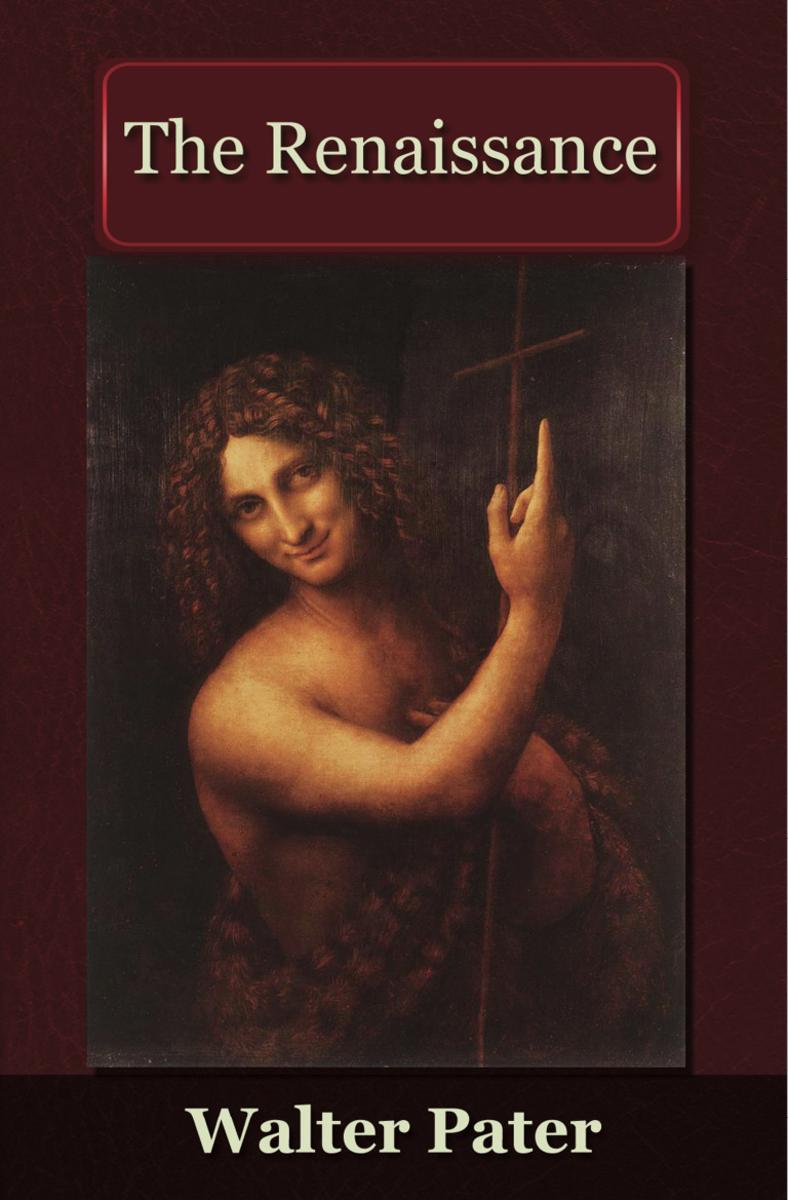
Leonardo Da Vinci, the many-sided genius of the Italian Renaissance, was born, as his name implies, at the little town of Vinci, which is about six miles from Empoli and twenty miles west of Florence. Vinci is still very inaccessible, and the only means of conveyance is the cart of a general carrier and postman, who sets out on his journey from Empoli at sunrise and sunset. Outside a house in the middle of the main street of Vinci to-day a modern and white-washed bust of the great artist is pointed to with much pride by the inhabitants. Leonardo's traditional birthplace on the outskirts of the town still exists, and serves now as the headquarters of a farmer and small wine exporter.Leonardo di Ser Piero d'Antonio di Ser Piero di Ser Guido da Vinci—for that was his full legal name—was the natural and first-born son of Ser Piero, a country notary, who, like his father, grandfather, and great-grandfather, followed that honourable vocation with distinction and success, and who subsequently—when Leonardo was a youth—was appointed notary to the Signoria of Florence. Leonardo's mother was one Caterina, who afterwards married Accabriga di Piero del Vaccha of Vinci. His BirthLeonardo Da Vinci, the many-sided genius of the Italian Renaissance, was born, as his name implies, at the little town of Vinci, which is about six miles from Empoli and twenty miles west of Florence. Vinci is still very inaccessible, and the only means of conveyance is the cart of a general carrier and postman, who sets out on his journey from Empoli at sunrise and sunset. Outside a house in the middle of the main street of Vinci to-day a modern and white-washed bust of the great artist is pointed to with much pride by the inhabitants. Leonardo's traditional birthplace on the outskirts of the town still exists, and serves now as the headquarters of a farmer and small wine exporter. His ArtLeonardo, whose birth antedates that of Michelangelo and Raphael by twenty three and thirty-one years respectively, was thus in the forefront of the Florentine Renaissance, his life coinciding almost exactly with the best period of Tuscan painting.Leonardo was the first to investigate scientifically and to apply to art the laws of light and shade, though the preliminary investigations of Piero della Francesca deserve to be recorded.He observed with strict accuracy the subtleties of chiaroscuro—light and shade apart from colour; but, as one critic has pointed out, his gift of chiaroscuro cost the colour-life of many a noble picture. Leonardo was "a tonist, not a colourist," before whom the whole book of nature lay open. His MindWe can readily believe the statements of Benvenuto Cellini, the sixteenth-century Goldsmith, that Francis I. "did not believe that any other man had come into the world who had attained so great a knowledge as Leonardo, and that not only as sculptor, painter, and architect, for beyond that he was a profound philosopher." Leonardo anticipated many eminent scientists and inventors in the methods of investigation which they adopted to solve the many problems with which their names are coupled. Among these may be cited Copernicus' theory of the earth's movement, Lamarck's classification of vertebrate and invertebrate animals, the laws of friction, the laws of combustion and respiration, the elevation of the continents, the laws of gravitation, the undulatory theory of light and heat, steam as a motive power in navigation, flying machines, the invention of the camera obscura, magnetic attraction, the use of the stone saw, the system of canalisation, breech loading cannon, the construction of fortifications, the circulation of the blood, the swimming belt, the wheelbarrow, the composition of explosives, the invention of paddle wheels, the smoke stack, the mincing machine! It is, therefore, easy to see why he called "Mechanics the Paradise of the Sciences."Leonardo was a SUPERMAN.
Oameni de treab?
Oameni de treab?
Mugur Burcescu
¥48.97
Volumul top t – festivalul rezisten?ei rock (re)aduce ?n discu?ie istoria celui mai important festival rock al Rom?niei. Ap?rut ?n seria STRATONE, cu Nelu Stratone coordonator, volumul beneficiaz? de un cuv?nt introductiv semnat de Gabi Gombo? plus o potfa?? de Florin-Silviu Ursulescu, doi grei ai istoriei rockului rom?nesc ?i prieteni ai festivalului. Structura este una cumva istoricizant?: un palmares al edi?iilor, un amplu interiviu cu Cornel Constantinescu, Tolea Po?tovei ?i Florin Artene, trei dintre artizanii organizatori, un capitol dedicat scenei rock buzoiene, impresii ale participan?ilor la festival, interviuri realizate de-a lungul timpului ?n caietele program. Ve?i reg?si ?i multe fotografii din edi?iile top t. Cartea-document este ?i o pledoarie pentru revenirea festivalului ?n circuitul na?ional, editura Casa de pariuri literare propun?nd ?n noiembrie 2016, la t?rgul Gaudeamus, un stand personalizat al festivalului.
A sz?ke ciklon
A sz?ke ciklon
Rejtő Jenő
¥14.39
Mindannyian tudjuk még, mit jelentett az ?tvenes években, ha valakir?l azt mondták: ?elvitte egy fekete autó”, ahogy a ma emberének nem csengenek ismeretlenül az ?VO vagy az ?VH bet?szavak sem. Ezt hallva mindenki tudja: a kommunista diktatúráról, és annak legfontosabb eszk?zér?l, a politikai rend?rségr?l van szó. M?LLER ROLF k?nyve e szervezet t?rténetét dolgozza fel. A második világháború végét?l az 1956-os forradalomig kalauzolja el az olvasót, mik?zben számos k?zszájon forgó fogalmat tisztáz. Sorra veszi a kül?nb?z? elnevezések alatt m?k?d? titkos nyomozó szerveket, az átalakítások m?g?tt meghúzódó okokat. Elbeszéli az államvédelem évekig els? számú vezet?jének, Péter Gábornak az élett?rténetét, bemutatja kevésbé ismert riválisát, segít?it, és pozíciójának ?r?k?seit. Szemléletes példákat hoz a Rákosi Mátyás és sz?kebb k?re által gyakorolt ?kézi irányításra”, amelynek során még a felejthetetlen helsinki olimpia és a magyar-angol labdarúgó mérk?zés is el?kerül. A k?tetb?l természetesen nem maradhatnak ki az ügyn?k?k és a besúgók sem: a hálózat m?k?désén és a titkos technikákon túl az érdekl?d? megismerheti azt is, hogy kikb?l szervezték a hivatásos állományt, bepillanthat mindennapjaikba, és végigjárhatja azokat a helyszíneket, amelyek valamilyen módon a magyar politikai rend?rség legs?tétebb évtizedéhez k?t?dtek. Müller Rolf 1974-ben született Kaposváron. A Kossuth Lajos Tudományegyetem b?lcsészkarán végzett t?rténelem-politológia szakon. 1998-tól a T?rténeti Hivatalnak, 2033 óta jogutódjának, az ?llambiztonsági Szolgálatok T?rténeti Levéltárának munkatársa. Alapító szerkeszt?je a Betekint? cím? internetes folyóiratnak, t?bb éven át a lap f?szerkeszt?je. 2007-ben védte meg doktori disszertációját. 2011 szeptemberét?l a Magyar Tudományos Akadémia Bolyai-?szt?ndíjasa. Kutatási területe az 1945 és 1990 k?z?tt m?k?d? magyar politikai rend?rség t?rténete, illetve a fényképek és az emlékezet kapcsolata.
Numele meu este Hanako. Aventurile c??elu?ei din Bucure?ti ajunse ?n Japonia
Claudia Sumiya
¥40.79
In The Beginner's American History, D. H. Montgomery provides a wide-ranging and authoritative history of America, capturing in a compact space the full story of our nation. The Beginner's American History offers an illuminating account of politics, diplomacy, and war as well as the full spectrum of social, cultural, and scientific developments that shaped our country.?Illustrated, Maps, Full-Page Illustrations. Contents start with Columbus, last chapter is Since the Civil War. Some of the other contents: Captian Sutter, General Sam Houston, General Andrew Jackson, General George Rogers Clark and lots more.
The Trespasser
The Trespasser
David Herbert Lawrence
¥8.01
Egy t?kéletes férfi és egy kül?nleges lány. Vajon mit rejthet a hibátlan álca? William, a milliárdos üzletember Seattle-be utazik, hogy megtalálja elhunyt nevel?apja egyetlen vér szerinti gyermekét, akit ténylegesen megillet a férfira hagyott ?r?kség. Mik?zben piszkos módszereivel a valódi ?r?k?s után kutat, ?sszehozza a sors egy dacos, szemtelen, fiatal lánnyal, aki egyedi szépségével azonnal megbabonázza ?t. William felrúgva saját szabályait, enged Jessica csábításának. Ahogy egyre k?zelebb kerülnek egymáshoz, William ráj?n, hogy Jessica nem egy átlagos lány, a múltját s?tét titkok rejtik, ami után a férfi hiába nyomoz, folyton zsákutcába fut.Mer?ben eltér? személyiségük, életvitelük és a k?ztük lév? korkül?nbség nehéz d?ntés elé állítja ?ket. Megéri ennyit szenvedni egy boldog kapcsolat lehet?sége miatt? Ha fény derül minden titokra, képesek lesznek ugyanúgy nézni egymásra, mint azel?tt?Lilly Shade t?rténete nemcsak arra bizonyíték, hogy nincsenek véletlenek, de arra is, hogy a sors sem mindig kegyes. A t?kéletes nem valódi, és ami annak látszik, csupán álca. Az ilyen álcák pedig a legs?tétebb titkokat rejtegetik.
Vesztegzár a Grand Hotelben
Rejtő Jenő
¥14.39
1944. május k?zepét?l sz?k két hónap leforgása alatt a magyar csend?r?k, rend?r?k és hivatalnokok hatékony k?zrem?k?désével t?bb mint 430 ezer, zsidónak min?sített magyar állampolgárt deportáltak. Túlnyomó t?bbségüket Auschwitz-Birkenauba vitték és meg?lték. Vajon az események milyen láncolata vezetett ehhez a holokauszt t?rténetében is példátlan méret? és gyorsaságú akcióhoz? Hol határoztak a magyarországi ?végs? megoldásról”? Berlinben vagy Budapesten? Kik, mikor és milyen k?rülmények k?z?tt hoztak végs? d?ntést a magyar zsidók deportálásáról? K?D?R G?BOR és V?GI ZOLT?N az etnikai tisztogatásokat és népirtásokat, valamint a világháborús német és magyar d?ntéshozatali mechanizmust elemezve keres válaszokat a kérdésekre. ?gy vélik, hogy a tragédia hátterében két er?, két szándék találkozása állt. Az egyik a német népirtási program volt, amelynek gy?kerei Hitler és a nácik radikális antiszemitizmusában, fajhigiéniai és etnopolitikai elképzeléseiben lelhet?k fel. A másik pedig az a mára szinte elfelejtett magyar t?rténeti attit?d, amely évszázadok óta az ?idegennek” tekintett népcsoportok beolvasztására, kiszorítására és el?zésére t?rekedett, és amely rabul ejtette a hazai fajvéd?k és a politikai elit gondolkodását. A t?rténészpáros szerint 1944-ben e két t?rekvést leginkább megszemélyesít? szerepl?k, a német Adolf Eichmann és a magyar Endre László végzetes találkozása radikalizálta tovább azt a folyamatot, amely az európai zsidóüld?zés egyik leggyilkosabb d?ntéséhez vezetett.
Невидимець. Машина часу
Djordj Vels
¥5.72
A obra encadeia associa??es entre os valores técnicos da língua e os valores estéticos da literatura. Realiza, ent?o, duas abordagens complementares, defi nida a unidade língua/literatura como uma díade com polos inseparáveis – a língua sustentando um código limitativo e prescritivo; a literatura alimentando a reprodu??o artística do sistema linguístico –, da fus?o de ambas resultando um efeito de sentido.
Big Foot: …And Tiny Little Heartstrings
Joseph Barnes Phillips
¥40.79
With grime music and Guyanese folk stories, Joseph Barnes-Phillip's semi-autobiographical story is a comic, tragic and honest portrayal of becoming a man. The story follows Rayleigh as he negotiates the tensions of growing up and taking responsibility – to his pregnant girlfriend, to his sick mother, to his church, to the multi-cultural community he grew up in and somewhere in the mix to himself. When the euphoric highs of teenage life in south London collide with his mum's terminal illness, all Rayleigh wants to do it watch anime in his pants and eat indomie. Love, life and masculinity meet head-on as Rayleigh tries to find his feet, torn between the new girl in his life and being there for his mum, while trying not to make the same mistakes as his dad.