


 购物车
购物车 个人中心
个人中心
Sublimul tr?d?rii
¥61.83
Apariia n 1948 a primei reviste romneti n exil, la Paris, intitulat de creatorii ei, Virgil Ierunca i Mircea Eliade, Luceafrul“, a venit dup ce tvlugul sovietic reuise s anihileze n ar Romnia politic, iar pe cea spiritual parial, ducnd, dup cum spunea Julien Benda, la trdarea crturarilor. Reacia la aceast stare a venit, aa dup cum era i firesc, din partea unor intelectuali exilai i cu precdere a lui Virgil Ierunca, unul dintre cei doi componeni a ceea ce putem denumi instituia Lovinescu – Ierunca“. Acest cuplu a tiut s prezerve valorile romneti i nu numai pe cele spirituale, s anime, s conving, s scoat din inerie pe acei intelectuali romni exilai care i cutau menirea n acea lume care, pe atunci, nu oferea, ca mai trziu, linitea interioar att de necesar creaiei. Ierunca a fost deseori cel care l-a mpins pe Mircea Eliade s nu rmn ancorat ntr-o literatur de mrturii, ci ntr-o via activ de creaie, de cutri. Volumul de fa, care ne restituie“ Luceafrul“, se datoreaz meritului deosebit al autorilor Mihaela Albu i Dan Anghelescu.Studiul efectuat cu ntreaga dragoste i acribie a cercetatorului ne dezvluie, cu rafinament, ndeosebi o cunoatere aprofundat a simirilor celor care, cu 60 de ani n urm, nu abdicaser de la datorie. Impresioneaz nu numai relatarea faptic, dar i bogia cu care cei doi autori pun n relaie imensul lor bagaj cultural cu ceea ce au produs cu o jumtate de secol n urm autorii Luceafrului“.“ (Dinu Zamfirescu)
![Descent into Hell: [Illustrated & Biography Added]](https://platform-permanent.ddimg.cn/pt-media-info-soa-resource/digital/product/47/16/1901164716_ii_cover.jpg?version=a18d0f02-f816-45de-87f7-612b965f776d)
Descent into Hell: [Illustrated & Biography Added]
¥18.56
Descent Into Hell is a novel written by Charles Williams, first published in 1937. Williams is less well known than his fellow Inklings, such as C. S. Lewis and J. R. R. Tolkien. Like some of them, however, he wrote a series of novels which combine elements of fantasy fiction and Christian symbolism. Forgoing the detective fiction style of most of his earlier supernatural novels, most of the story's action is spiritual or psychological in nature. It fits the "theological thriller" description sometimes given to his works. For this reason Descent was initially rejected by publishers, though T. S. Eliot's publishing house Faber and Faberwould eventually pick up the novel, as Eliot admired Williams's work, and, though he did not like Descent Into Hell as well as the earlier novels, desired to see it printed.SHORT SUMMARY: The action takes place in Battle Hill, outside London, amidst the townspeople's staging of a new play by Peter Stanhope. The hill seems to reside at the crux of time, as characters from the past appear, and perhaps at a doorway to the beyond, as characters are alternately summoned heavenwards or descend into hell. Pauline Anstruther, the heroine of the novel, lives in fear of meeting her own doppelganger, which has appeared to her throughout her life. But Stanhope, in an action central to the author's own theology, takes the burden of her fears upon himself—Williams called this The Doctrine of Substituted Love—and enables Pauline, at long last, to face her true self. Williams drew this idea from the biblical verse, "Ye shall bear one another's burdens" And so Stanhope does take the weight, with no surreptitious motive, in the most affecting scene in the novel. And Pauline, liberated, is able to accept truth.On the other hand, Lawrence Wentworth, a local historian, finding his desire for Adela Hunt to be unrequited, falls in love instead with a spirit form of Adela, which seems to represent a kind of extreme self-love on his part. As he isolates himself more and more with this insubstantial figure, and dreams of descending a silver rope into a dark pit, Wentworth begins the descent into Hell.HARROWING of HELL: "Christ in Limbo" and "Descent into Hell" redirect here. For the novel by Charles Williams, see Descent into Hell (novel). For the 8th-century Anglo-Saxon liturgical play, see Harrowing of Hell (drama).
Societatea deschis? contra Societ??ii deschise
¥51.85
Cei ce sus?in c? tr?im ?ntr-o er? a comunic?rii par s? confunde dezvoltarea telecomunica?iilor cu progresul comunic?rii interumane. Nu este c?tu?i de pu?in sigur c? suntem ast?zi mai capabili dec?t ?n trecut de solidaritate afectiv? cu semenii, de ?mp?rt??ire de tr?iri intime, de prietenie ?i dragoste. Poate chiar dimpotriv?. Ceea ce ?inea ?n trecut de normalitatea vie?ii de fiecare zi ?i, ca atare, nu mobiliza ?n mod special aten?ia celor implica?i, a devenit ast?zi obiect de analiz? tocmai pentru c? nu se mai produce spontan, ci necesit? un efort con?tient, inclusiv de natura teoretic-investigativ?.Cunoa?terea principiilor ?i a mecanismelor comunic?rii interpersonale a devenit indispensabil? pentru ameliorarea raporturilor dintre oameni ?i a ?ncetat s? mai fie numai o problem? a speciali?tilor. Dac? ?n trecut oamenii comunicau spontan, ?n felul ?n care f?cea proza ?burghezul gentilom“, ast?zi suntem tot mai mult ?n situa?ia unui domn Jourdain care, pentru a se apropia de semenii s?i, are nevoie de un ghid. Acestui imperativ ?ncearc? s?-i r?spund?, ?n felul s?u, ?i lucrarea de fa??.
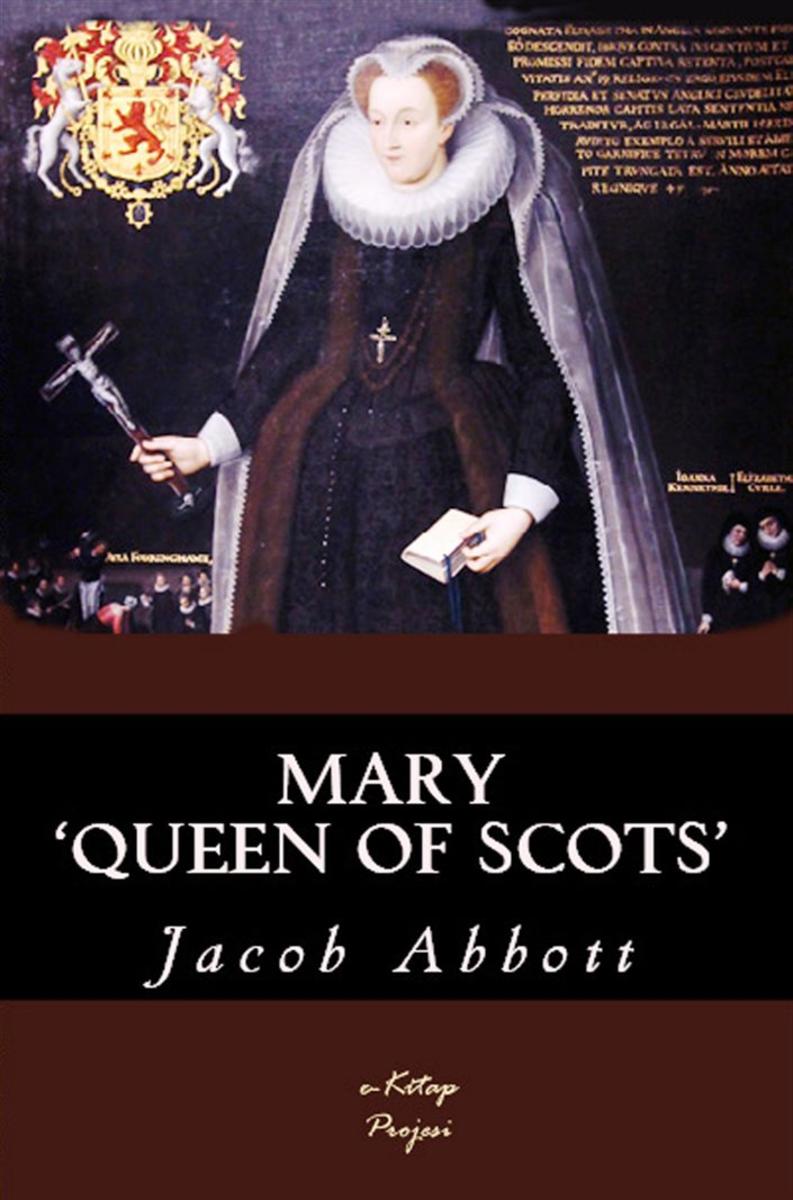
Mary Queen of Scots
¥27.88
TRAVELERS who go into Scotland take a great interest in visiting, among other places, a certain room in the ruins of an old palace, where Queen Mary was born. Queen Mary was very beautiful, but she was very unfortunate and unhappy. Every body takes a strong interest in her story, and this interest attaches, in some degree, to the room where her sad and sorrowful life was begun.??The palace is near a little village called Linlithgow. The village has but one long street, which consists of ancient stone houses. North of it is a little lake, or rather pond: they call it, in Scotland, a loch. The palace is between the village and the loch; it is upon a beautiful swell of land which projects out into the water. There is a very small island in the middle of the loch and the shores are bordered with fertile fields. The palace, when entire, was square, with an open space or court in the center. There was a beautiful stone fountain in the center of this court, and an arched gateway through which horsemen and carriages could ride in. The doors of entrance into the palace were on the inside of the court.??The palace is now in ruins. A troop of soldiers came to it one day in time of war, after Mary and her mother had left it, and spent the night there: they spread straw over the floors to sleep upon. In the morning, when they went away, they wantonly set the straw on fire, and left it burning, and thus the palace was destroyed. Some of the lower floors were of stone; but all the upper floors and the roof were burned, and all the wood-work of the rooms, and the doors and window-frames. Since then the palace has never been repaired, but remains a melancholy pile of ruins.??The room where Mary was born had a stone floor. The rubbish which has fallen from above has covered it with a sort of soil, and grass and weeds grow up all over it. It is a very melancholy sight to see.
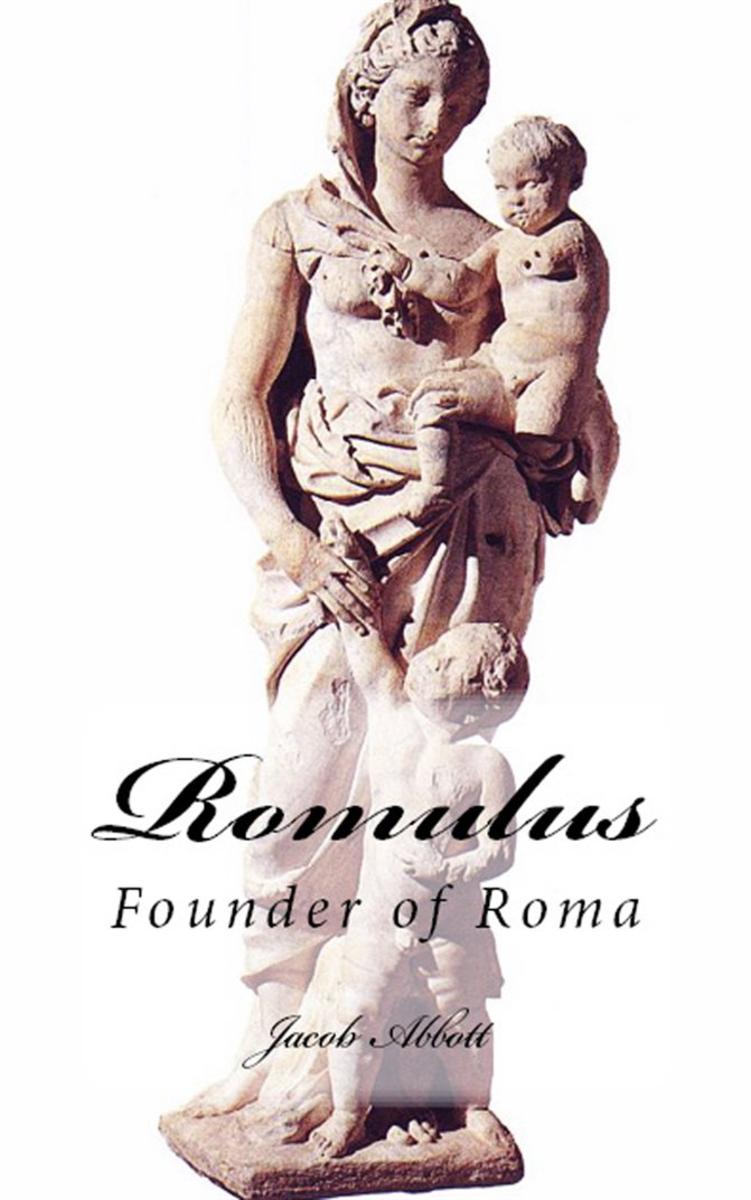
Romulus
¥18.56
SOME men are renowned in history on account of the extraordinary powers and capacities which they exhibited in the course of their career, or the intrinsic greatness of the deeds which they performed. Others, without having really achieved any thing in itself very great or wonderful, have become widely known to mankind by reason of the vast consequences which, in the subsequent course of events, resulted from their doings. Men of this latter class are conspicuous rather than great. From among thousands of other men equally exalted in character with themselves, they are brought out prominently to the notice of mankind only in consequence of the strong light reflected, by great events subsequently occurring, back upon the position where they happened to stand.??The celebrity of Romulus seems to be of this latter kind. He founded a city. A thousand other men have founded cities; and in doing their work have evinced perhaps as much courage, sagacity, and mental power as Romulus displayed. ?The city of Romulus, however, became in the end the queen and mistress of the world. It rose to so exalted a position of influence and power, and retained its ascendency so long, that now for twenty centuries every civilized nation in the western world have felt a strong interest in every thing pertaining to its history, and have been accustomed to look back with special curiosity to the circumstances of its origin. ??In consequence of this it has happened that though Romulus, in his actual day, performed no very great exploits, and enjoyed no pre-eminence above the thousand other half-savage chieftains of his class, whose names have been long forgotten, and very probably while he lived never dreamed of any extended fame, yet so brilliant is the illumination which the subsequent events of history have shed upon his position and his doings, that his name and the incidents of his life have been brought out very conspicuously to view, and attract very strongly the attention of mankind.??The history of Rome is usually made to begin with the story of ?neas. In order that the reader may understand in what light that romantic tale is to be re-garded, it is necessary to premise some statements in respect to the general condition of society in ancient days, and to the nature of the strange narrations, circulated in those early periods among mankind, out of which in later ages, when the art of writing came to be introduced, learned men compiled and recorded what they termed history.
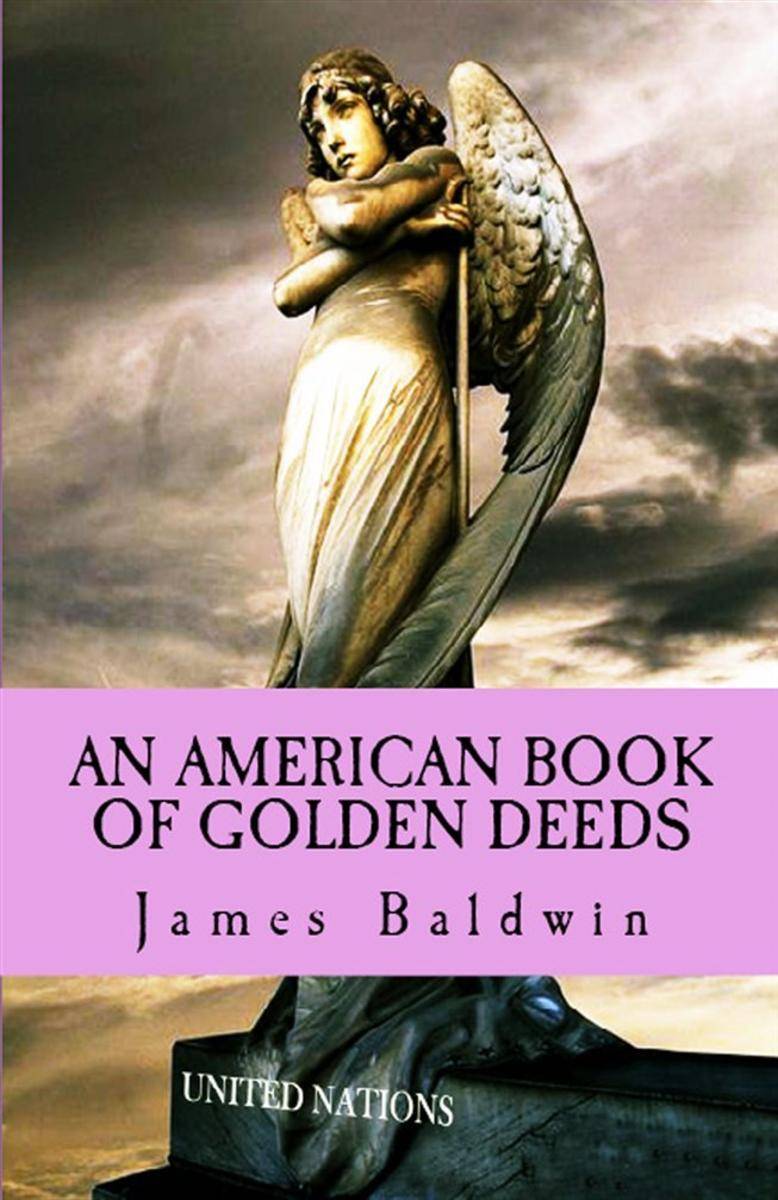
An American Book of Golden Deeds
¥28.29
AS you open this book you will probably ask, "What is a golden deed?"?Let me tell you. It is the doing of something for somebody else doing it without thought of self, without thought of reward, fearlessly, heroically, and because it is a duty.??Such a deed is possible to you, to me, to everybody. It is frequently performed without forethought or definite intention. It is the spontaneous manifestation of nobility, somewhere, of mind or heart. It may consist merely in the doing of some kind and helpful service at home or at school. It may be an unexpected test of heroism a warning of danger, a saving of somebody's life. It may be an act of benevolence, or a series of such acts, world-wide in application and results.??This little volume is only a book of samples. Here are specimens of golden deeds of various kinds and of different degrees of merit, ranging from the unpremeditated saving of a railroad train to the great humanitarian movement which carries blessings to all mankind. To attempt to tell of every such deed, or of every one that is eminently worthy, would fill a multitude of books. ??The, examples which I have chosen are such only as have occurred on American soil, or have been performed by Americans, thus distinguishing the volume from Miss Charlotte Yonge's "Book of Golden Deeds," published for English readers fifty years ago. While some of these narratives may have the appearance of romance, yet they are all believed to be true, and in most cases the real name of the hero, or of the lover of humanity, is given.??Instances of doing and daring have always a fascination for young people, and when to these is added the idea of a noble underlying motive the lessons taught by them cannot fail to be beneficial. ?
TRI KNJIGE O SOFIJI
¥80.93
O istorie politico-sentimental? a capitalei noastre. De ce o istorie politico-sentimental?? Pentru c?, ?n evolu?ia Bucure?tiului, de-alungul secolelor, afacerile politice s-au ?mpletit adesea, inevitabil, cu b?t?ile inimii. Chiar prima perioad? a cet??ii, ca ?i capital? domneasc?, tutelat? de figu ra dominant? a doamnei Chiajna, poate fi b?nuit? de un senzualism crud care a deschis drum acelui fenomen pe care Ionescu-Gion ?l numea at?t de plastic ?ginecolatrie“, adic? ascultarea dovedit? de domnitorii valahi fa?? de so?iile lor.

Exploratorii. Cartea a III-a - Muntele de fum
¥73.49
Cartea t?n?rului universitar Mihai-Bogdan Marian consacrat? analizei conflictelor interna?ionale este o invita?ie la luciditate, la reflec?ie autonom?, dezinhibat?, la cercetare aplicat?, f?r? prejudec??i ?i partizanate apriorice. Autorul este un analist pentru care exerci?iul ?n sine al disec?rii cauzelor ?i ?mprejur?rilor ce favorizeaz? apari?ia ?i acutizarea conflictelor interna?ionale nu este unul fortuit sau gratuit. Ideea sa tutelar? este c? orice astfel de conflict poate fi pre?nt?mpinat. Iar dac?, fatalmente, el s-a declan?at ?i s-a dezvoltat, sc?p?nd poate de sub control, poate fi dezamorsat, factorii angrena?i ?n acest proces av?nd la ?ndem?n? algoritmi ?i proceduri standard care nu trebuie s? fac? obiectul unei ac?iuni in extremis, care s? justifice de fapt prin e?ec escaladarea ?n continuare a conflictului ca atare. (Mihai Milca)

Cel mai bun tat?
¥73.49
Insumeaza o serie de cursuri universitare (de docenta si nu numai) tinute de unul dintre cei mai ilustrii elevi ai lui Vasile Parvan, prof. dr. docent Vladimir Dumitrescu, la Universitatea din Bucuresti in anii 30 ai secolului trecut, in vederea obtinerii titlului de docent si pe cel de conferentiar al respectivei Universitati. Volumul incepe cu o cuprinzatoare prelegere din care aflam cere au fost formele de civilizatie preistorica in Dacia rasariteana pana in mileniul I, i. C., precum si rolul marilor fluvii in dezvoltarea civilizatiilor omenesti.
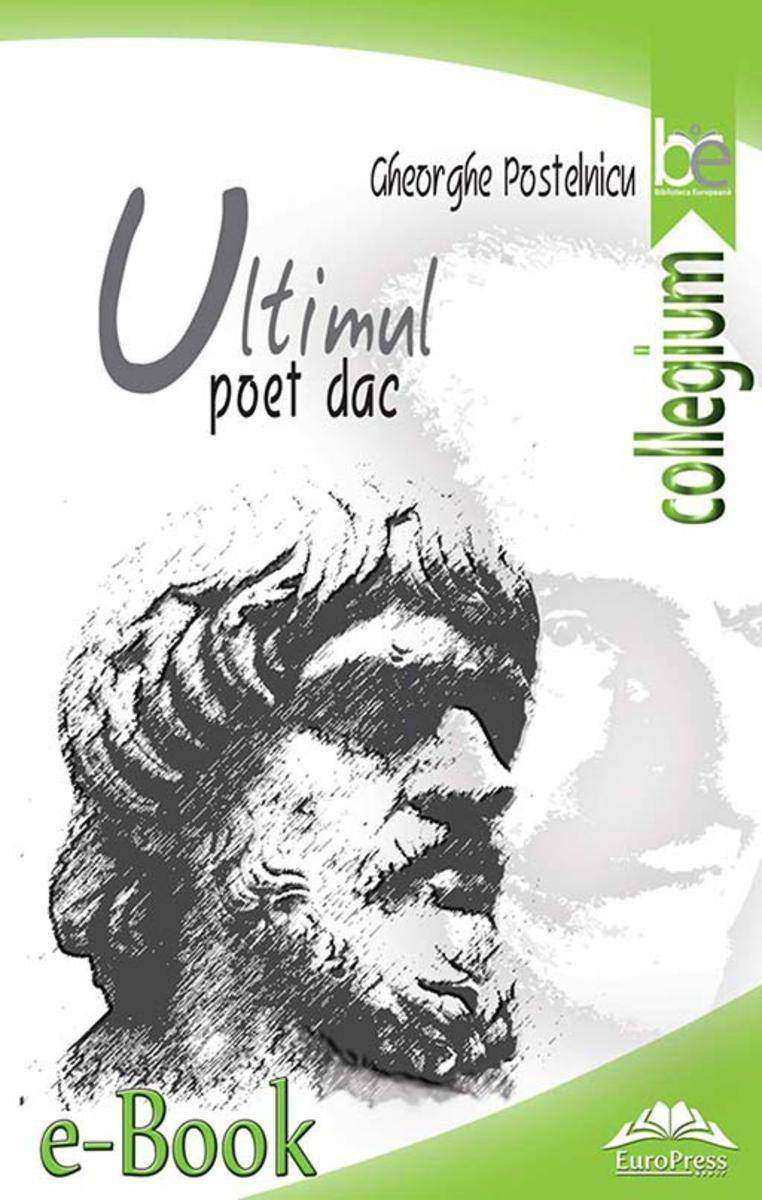
Ultimul poet dac
¥40.79
Dictionarul de sociologie rurala este primul volum din cele sase care alcatuiesc Enciclopedia Rurala. Lucrarea se inscrie in traditia deschisa de Scoala Sociologica de la Bucuresti si pentru realizarea sa a colaborat un colectiv de autori din toate centrele universitare ale tarii: Bucuresti, Cluj, Oradea, Iasi, Brasov, Craiova. Dictionarul este structurat pe patru sectiuni (termeni, personalitati, curente, reviste) si cumuleaza, pe o intindere de aproximativ 650 de pagini, un numar de peste 300 de termeni. Lucrarea valorifica terminologia sociologiei rurale romanesti si europene precum si cea din practica unor institutii internationale si regionale care prin natura preocuparilor lor afecteaza mediul rural. De asemenea dictionarul ofera o sistematizare schematica a teoriilor si curentelor de referinta pentru domeniu si constituie un ghid util pentru toti cei interesati de practica si metodologia de cercetare rurala din sociologie, antropologie si politici de dezvoltare.
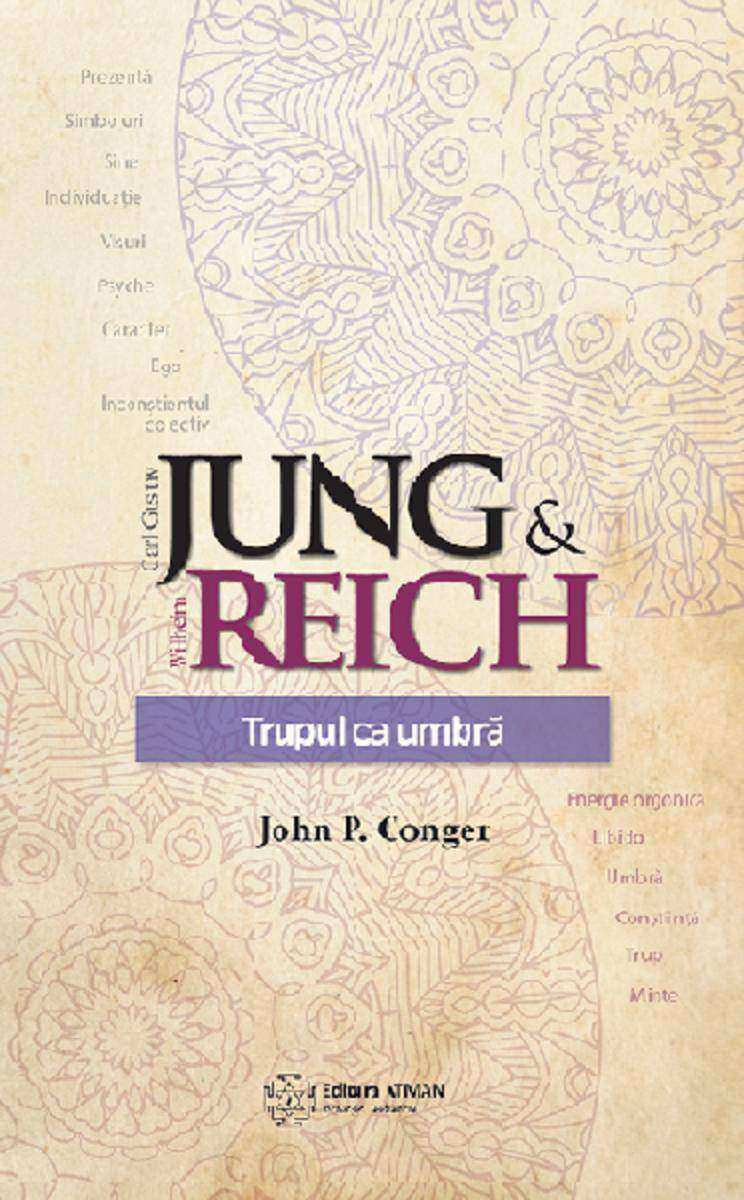
Jung & Reich. Trupul ca o umbr?
¥57.14
L?sa?i atunci trufia la o parte, C?ci de b?rba?i trufia ne desparte. ?i m?inile, duioase ?i supuse, ?n slujba lor pe veci s? fie puse. ?i so?ul meu, de ?ndat? ce ar vrea, ?n m?na lui mi a? pune m?na mea. Then vail your stomachs, for it is no boot,And place your hands below your husband’s foot: In token of which duty, if he please, My hand is ready; may it do him ease.
Woody Allen. Bufon ?i filosof
¥48.97
Cartea constituie un foarte dens ?i interesant manual indirect de istorie a Americii, adres?ndu-se elevilor, studen?ilor, precum ?i publicului larg de cititori. O carte despre fragmentele cele mai controversate ale istoriei Americii.
Karl Marx ?n 1234 de fragmente alese de Ion Iano?i
¥65.32
Volumul cuprinde un amplu studiu introductiv (aprox. 50 pag.) si o selectie – pe tema stabilita in titlu – de 200 documente inedite descoperite in arhivele britanice, americane, franceze, germane si foste sovietice.
Marea amiaz?. Studii ?i eseuri despre Nietzsche
¥40.79
The work represents a synthesis published and printed in two volumes (the 1st volume in 2002, the second one, in 2004) under the aegis of Mica Valahie Publishing House in Bucharest. Being elaborated on the basis of some documents discovered in the Romanian and foreign archives, the two volumes cover the period up to 1929 in the first volume and the period from 1929 to 2005 in the second one. The paper reveals the role and place of Romanian oil in the evolution of the national and worldwide history, especially during the World War between 1939 and 1945 and in the development of the so-called “cold war”. The book insists upon the prospects of the specific “black gold” evolution.In the addendum there are to be found some interesting documents and the complete bibliography of oil.
Last Descendants - A New York-i felkelés
¥65.97
Europa acas“ este un album creat n urma unui turneu de conferine i lecturi publice inute de ctre autoare, Aura Christi, n ara lui Homer i Aristotel. Protagonitii albumului sunt Aura Christi, Nicolae Breban, Ion Ianoi, Janina Ianoi, Andrei Potlog, Victor Ivanovici, Monica Svulescu-Voudouri. Protagonistul cel mai important, ns, este fr ndoial Marea Elad i cultura ei, civilizaia acestei ri mitice - temelia civilizaiei europene moderne. Albumul conine poeme i comentarii, dar i imagini memorabile realizate de poeta Aura Christi la Delphi, Atena i alte epicentre legendare ale civilizaiei europene.
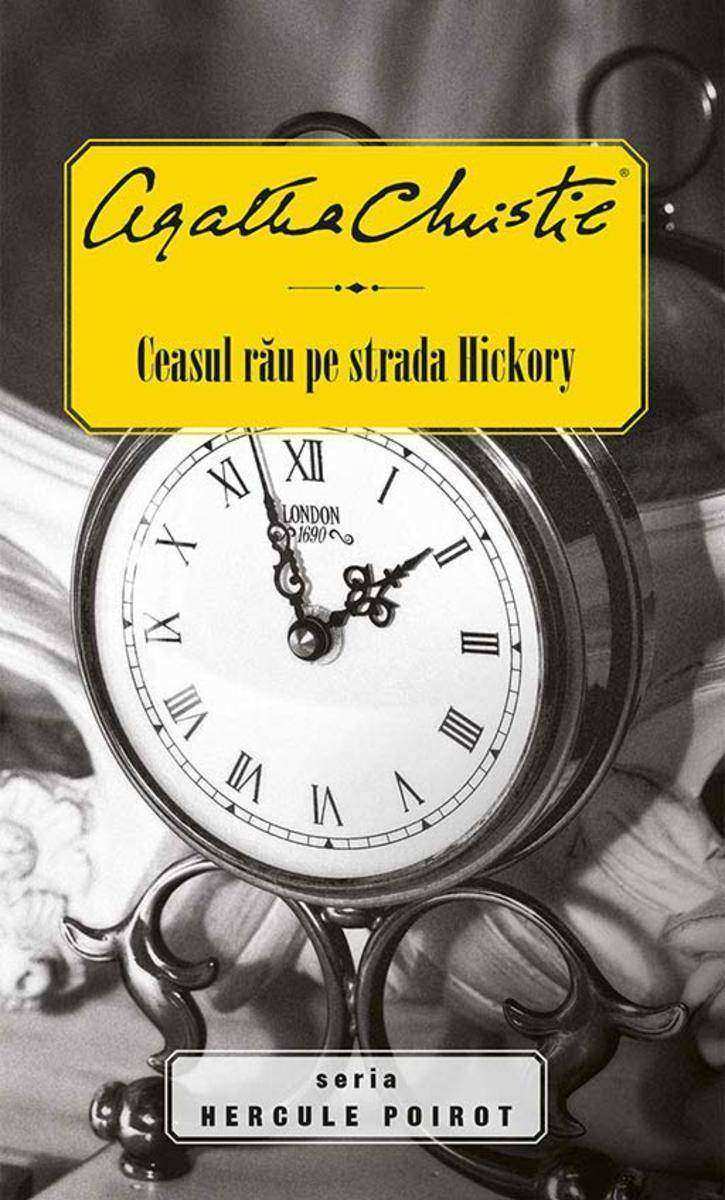
Ceasul r?u pe strada Hickory
¥33.03
Cartea de fa?? vrea s? relateze succint, dar temeinic, evenimentele petrecute în cei dou?zeci de ani de insecuritate ?i criz? ce au urmat Marelui R?zboi. Indiferent cât de puternice sau de durat? au fost for?ele ce au dus la izbucnirea celui de-al Doilea R?zboi Mondial, a existat un moment când principalii actori pe scena istoriei s-au v?zut nevoi?i s? se confrunte cu aceste for?e ?i s? ia anumite decizii. Marile evenimente ale istoriei î?i genereaz? o dinamic? ?i o desf??urare proprii. Din perspectiva noastr?, a celor de acum, al Doilea R?zboi Mondial pare s? fi izbucnit din cauza crizei interna?ionale provocate de Germania lui Hitler. Îns? nimic din ce se întâmpl? în istorie nu este inevitabil, dup? cum va încerca s? demonstreze acest volum. Dialogul straniu între sistem ?i actorii lui se afl? la baza relat?rii istorice. Evenimentele înse?i pot fi, în acela?i timp, cauz? ?i efect – la fel cum s-a întâmplat ?
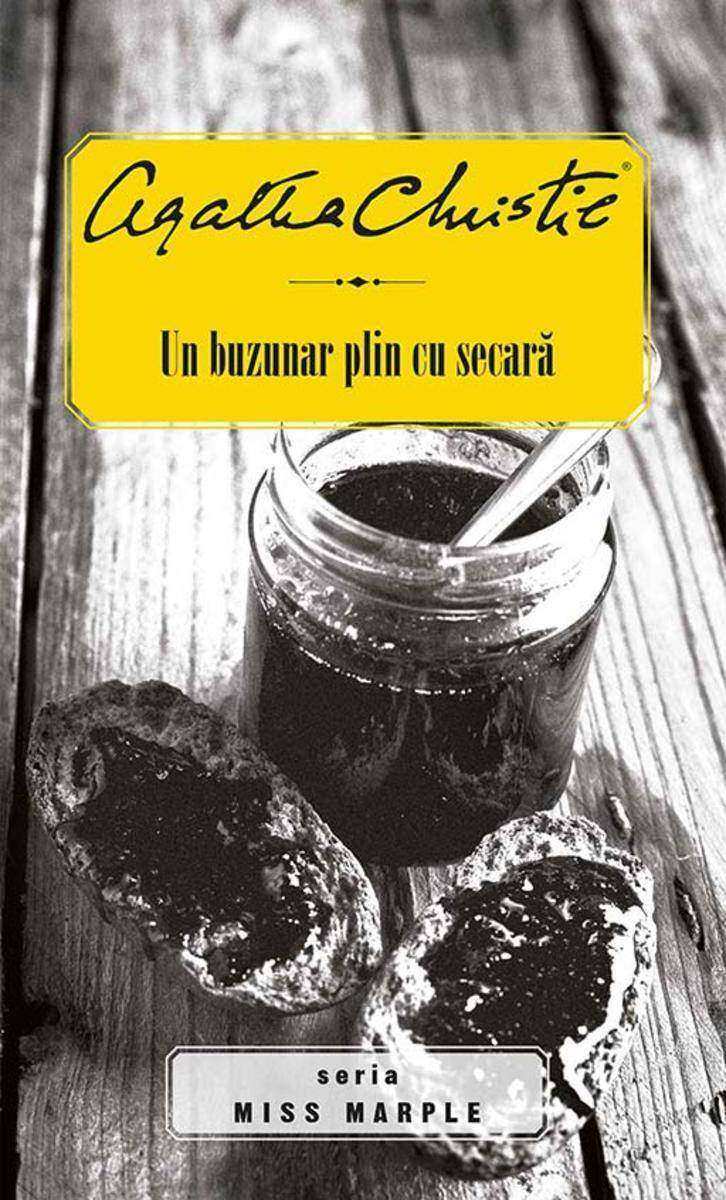
Un buzunar plin cu secar?
¥33.03
Istoria serviciilor de informa?ii sovietice continu? s? fie un mister“, m?rturise?te Boris Volodarski, fost c?pitan în Serviciul de Informa?ii Militare din URSS (GRU), unul dintre cei mai mari exper?i în studierea serviciilor secrete sovietice. ?i tot Volodarski este de p?rere c? majoritatea materialelor publicate pe aceast? tem? este plin? de falsuri ?i de informa?ii distorsionate, incluzând aici ?i memoriile publicate de fo?tii agen?i. Noile documente disponibile ast?zi ne permit s? cunoa?tem mult mai bine adev?rul despre interven?ia sovietic? în Spania ?i rolul jucat de agen?ii URSS: Gerö, Grigulevici, Philby (ini?ial trimis cu misiunea de a-l asasina pe Franco), Kol?ov ?i, mai ales, Lev Nikolski, cunoscut drept Aleksandr Orlov – omul care i-a în?elat pe Stalin ?i pe cei de la CIA, ?i chiar lumea întreag? cu memoriile sale. Acesta a condus, din februarie 1937, sta?ia NKVD din Spania ?i a fost responsabil de o etap? important? a regimului de teroare sângeroas?, care a inclus asasinarea lui Kurt Landau ?i a lui Andreu Nin. Cartea de fa??, care demonteaz? o cantitate impresionant? de fabula?ii, falsuri ?i minciuni, ce continu? s? fie propagate ?i ast?zi, va fi, f?r? îndoial?, o referin?? indispensabil? pentru to?i cei care î?i propun s? studieze R?zboiul Civil din Spania.
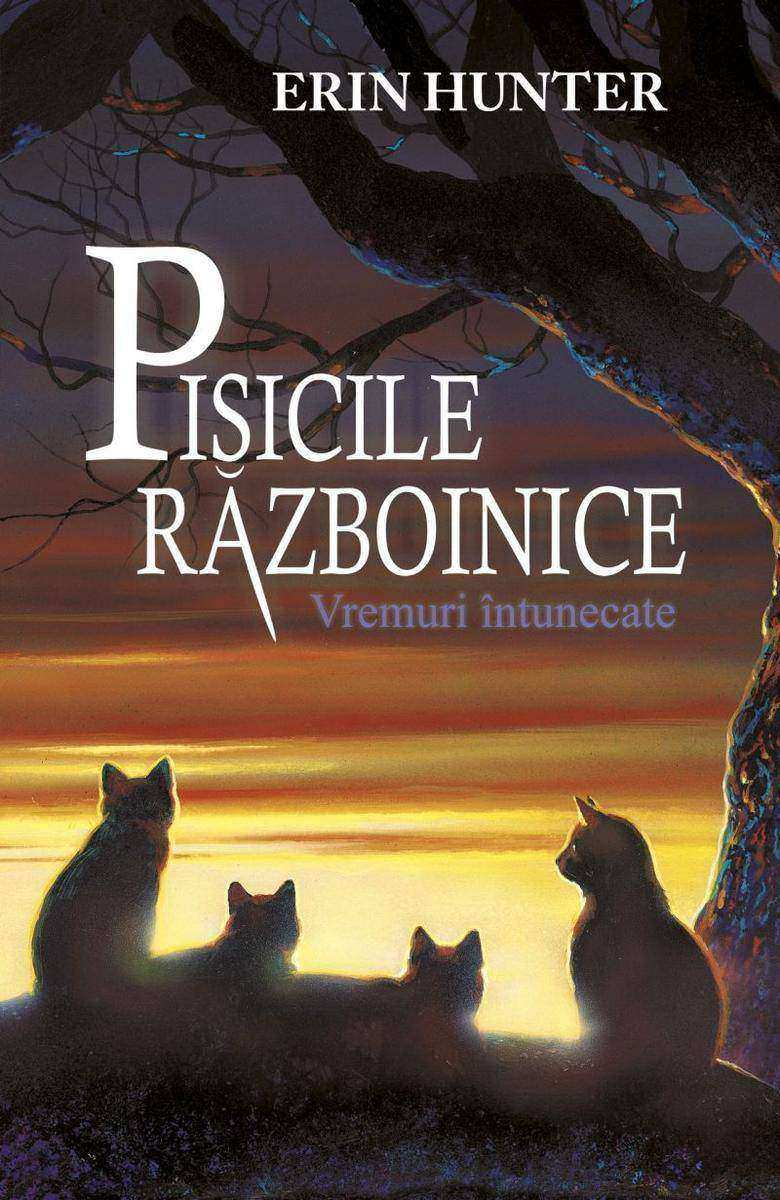
Pisicile r?zboinice. Cartea a VI-a - Vremuri ?ntunecate
¥73.49
Junimea ?i revista Convorbiri literare, pentru o ?ar? ca a noastr?, a tuturor nea?ez?rilor, au fost un suflu de temeinicie care s-a mai repetat ?n perioada interbelic?, f?r? a reu?i s? se coaguleze ca urmare a r?zboiului ?i dictaturilor ce l-au ?nso?it ?i urmat; suflu care pare ?nc? departe, ca s? nu spunem imposibil s? revin? ?n cultura rom?n? sub presiunea globalismului ?i multiculturalismului, a deconstruc?iei cu program ?n toate manifest?rile social-culturale, materiale ?i spirituale. E un model care, dup? o sut? cincizeci de ani, ?nc? ??i trimite razele f?r? a primi o reflectare pe m?sur?.Ceea ce deosebe?te criticismul junimist de criticile epocii ?i, ?n parte, ?i de al ?nainta?ilor este atitudinea comun?, afirmat? de Maiorescu, respectul adev?rului.Importan?a ?i influen?a junimismului ?n sfera politic? sunt de acela?i nivel cu cele afirmate ?n plan cultural ?i literar, e drept, nu cu aceea?i durabilitate, politicul este mult mai efemer, dar nu mai pu?in implicat ?i cu efecte imediate ?i adesea pe termen mediu ?i lung ?n via?a social? a ??rii. (Cassian Maria Spiridon)
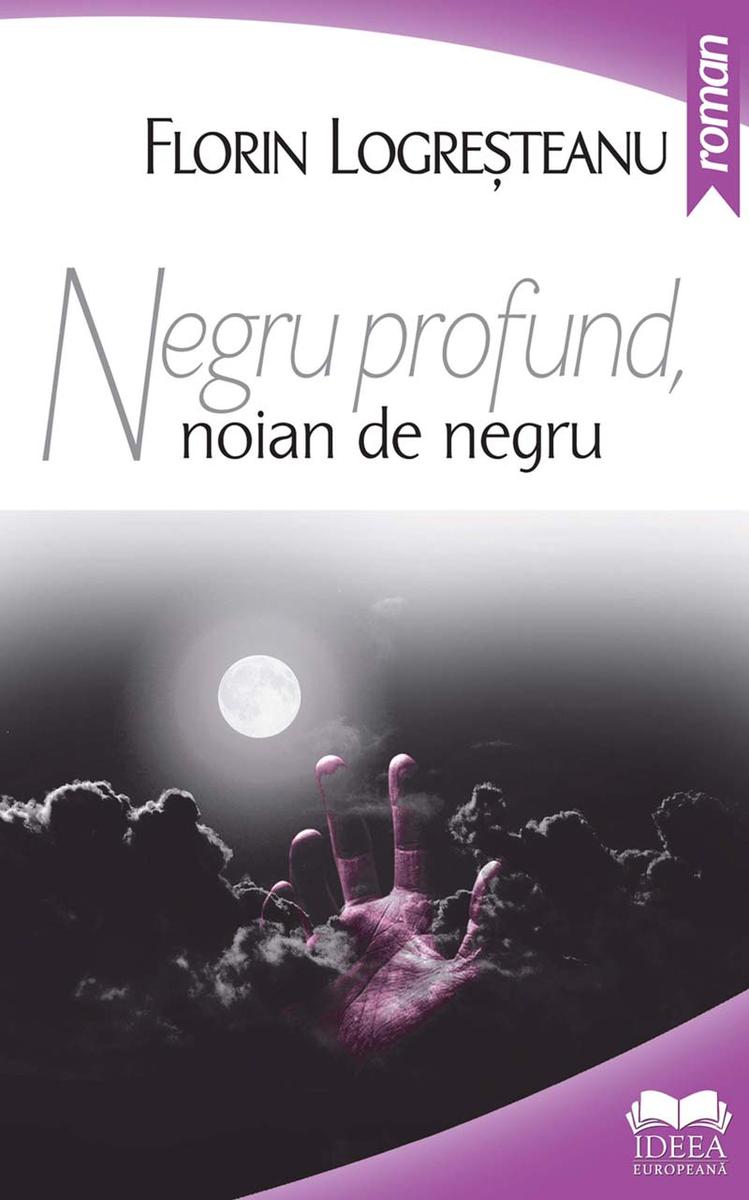
Negru profund, noian de negru
¥75.21
Aceast? carte este un demers pe care l-am g?ndit ca pe o lucrare de sintez? care s? surprind?, ?n m?sura posibilit??ilor, puncte de referin?? ?ntre texte ?i autori din perioade diferite, din Evul Mediu european ?i Rena?tere, con?tient? fiind c? epoca medieval? nu trebuie considerat? cu nimic mai prejos dec?t grandorile Greciei vechi sau ale Rena?terii. Problematica acestui concept al Alegoriei ?n receptarea sa de c?tre literatura Evului Mediu, dar ?i de c?tre epocile ulterioare, este complex? ?i bogata bibliografie ce i s-a consacrat ?n ultimele decenii nu face dec?t s? provoace la noi discu?ii ?i interpret?ri a?a cum este ?i aceast? lucrare.

Mame ?i fiice. Pove?ti adev?rate. Vol. 5
¥11.04
Fiecare zi a anului are o poveste de spus. Cine a fost asasinat, cine a urcat pe tron, cine a fugit din ?ar?? Cine s-a n?scut? Ce armat? a fost ?nvins? ?n mod nea?teptat?Autorii prezint?, structurate pe zilele anului, evenimente cu impact asupra epocii ?n care s-au petrecut (?i poate chiar asupra epocii noastre) – na?teri, decese, c?s?torii, ?ncoron?ri, asasin?ri, scandaluri, execu?ii, b?t?lii, dueluri ?i tratate. Adeseori, evenimentele au ?n centrul lor c?te o personalitate marcant?, precum Horatio Nelson sau Lorenzo Magnificul, Robespierre sau Dante. Ve?i citi despre ziua ?n care Rommel, Vulpea De?ertului, s-a sinucis, cea ?n care Napoleon a evadat din exilul de pe insula Elba, cea ?n care Galileo Galilei a fost condamnat pentru erezie ?i despre multe altele.Un compendiu fascinant, pentru to?i cei interesa?i de marile evenimente care au marcat istoria sau de sl?biciunile oamenilor mari din toate epocile.

Viitoare mame. Pove?ti adev?rate. Vol. 6
¥11.04
n 1960, Adolf Eichmann, artizanul soluiei finale“, era capturat n Argentina de un comando al Mossadului i adus n Israel pentru a fi judecat. Avea s fie doar una dintre rsuntoarele operaiuni ale temutului serviciu secret israelian. Au ieit la iveal multe altele – eradicarea gruprii Septembrie Negru (responsabil de atentatul sngeros de la München, din 1972), distrugerea facilitilor nucleare siriene, eliminarea savanilor iranieni implicai n proiectul nuclear, lichidarea unor lideri teroriti extrem de periculoi etc.Despre misiunile Mossadului s-a scris puin, n comparaie cu alte servicii secrete de elit (KGB, CIA sau MI5). Cu att mai fascinant este cartea autorilor Michael Bar-Zohar i Nissim Mishal, care ne introduce n culisele spionajului israelian, de la nfiinarea acestuia pn n prezent. Metodele pe care le folosete, de la otrav la virui informatici i drone, par desprinse din filmele cu spioni, de o complexitate i o eficien incredibile. Nu este de mirare c Mossadul a cptat, n timp, o aur de legend, fiind considerat n prezent cel mai eficient serviciu de spionaj din lume.Aceast carte ne spune ceea ce ar fi trebuit s fie tiut i nu este – c fora ascuns a Israelului este la fel de formidabil ca puterea lui fizic recunoscut.“ – Shimon Peres, preedinte al statului Israel


