


 购物车
购物车 个人中心
个人中心
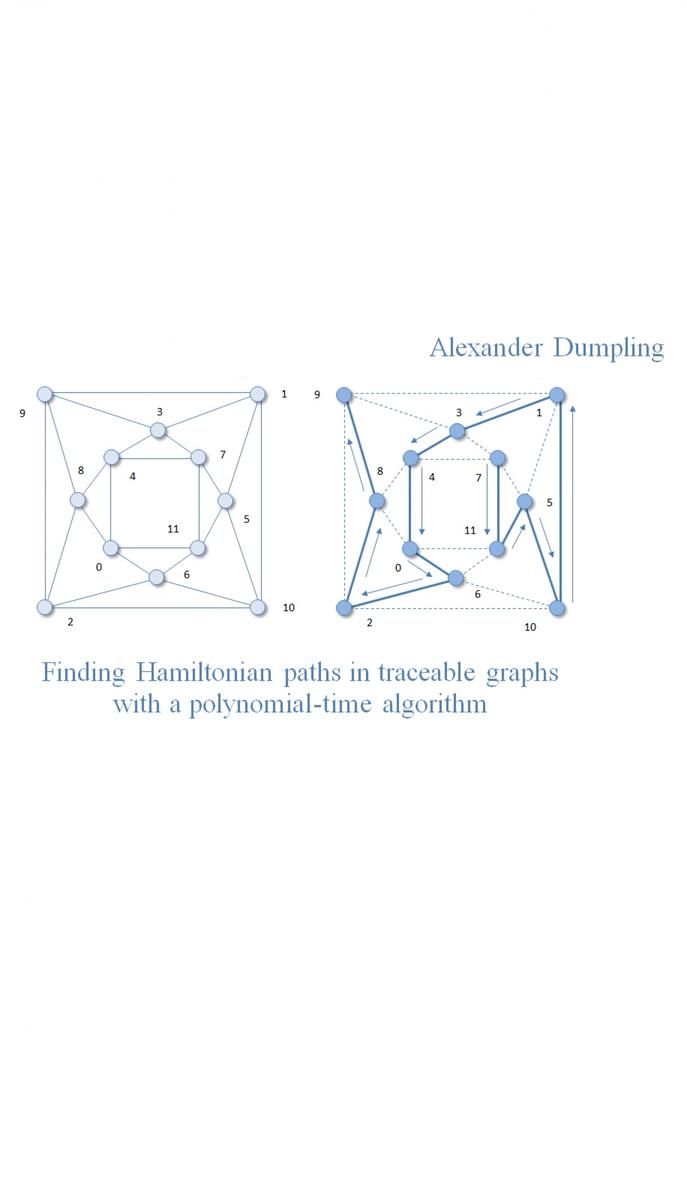
Finding Hamiltonian paths in traceable graphs with a polynomial-time algorithm
¥1635.00
Finding Hamiltonian paths in traceable graphs with a polynomial-time algorithm

List Anti Rootkit & AntiVirus For Ubuntu, Linux & BSD: Edition 2018
¥16.27
List Anti Rootkit & AntiVirus For Ubuntu, Linux & BSD: Edition 2018
Narrative Design for Indies: Getting Started
¥40.79
Narrative Design for Indies: Getting Started
50 most powerful Excel Functions and Formulas
¥24.44
50 most powerful Excel Functions and Formulas
15 Most Powerful Features Of Pivot Tables: Save Your Time With MS Excel
¥24.44
15 Most Powerful Features Of Pivot Tables: Save Your Time With MS Excel

The Beginner’s Short Guide to Pinterest: How to Promote Products on Pinterest
¥8.09
The Beginner’s Short Guide to Pinterest: How to Promote Products on Pinterest
Secrets of Lookup: Become More Poductive With Vlookup Free Your Time
¥24.44
Secrets of Lookup: Become More Poductive With Vlookup Free Your Time
Secrets of MS Excel VBA Macros for Beginners !: Save Your Time With Visual Basic
¥24.44
Secrets of MS Excel VBA Macros for Beginners !: Save Your Time With Visual Basic Macros!
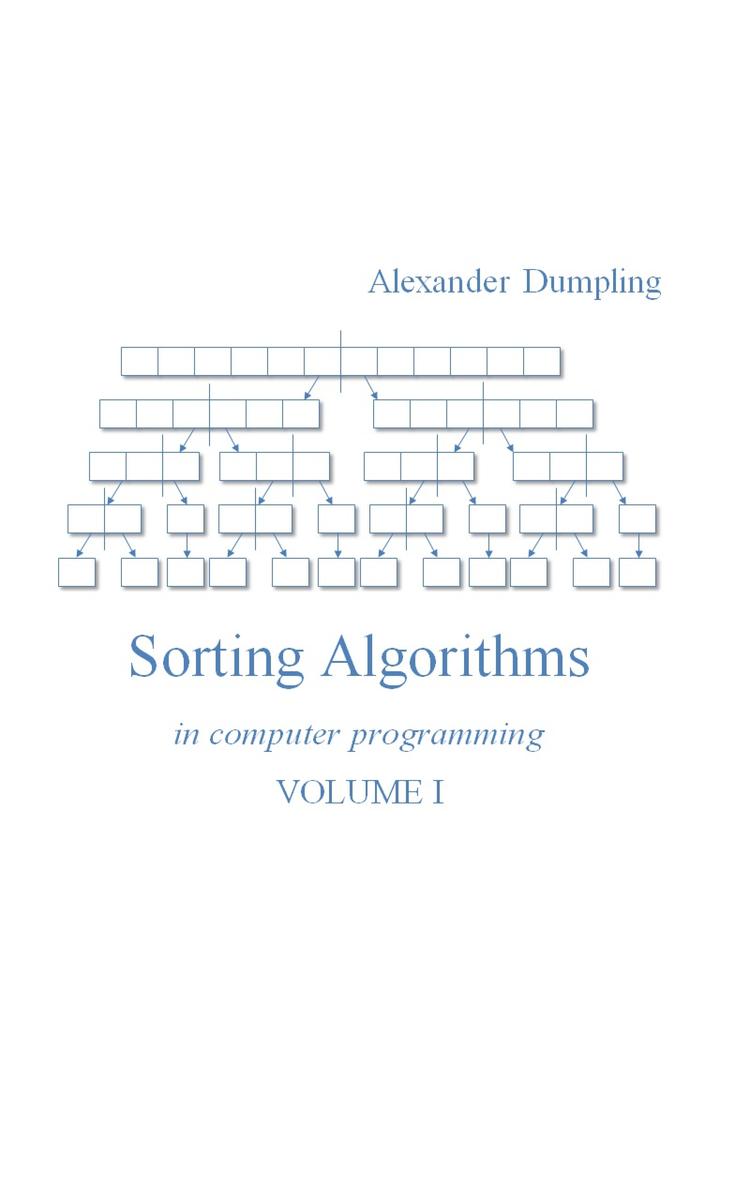
Sorting Algorithms In Computer Programming: Volume 1
¥163.50
Sorting Algorithms In Computer Programming: Volume 1
Flux Architecture
¥334.25
Learn to build powerful and scalable applications with Flux, the architecture that serves billions of Facebook users every dayAbout This Book·This the first resource dedicated to the new architectural pattern that powers Facebook·You'll learn all the tips and tricks you need to get the most out of Flux·Filled with practical, hands-on samples, you'll not only understand how Flux works, but will be able to start building Flux-powered applications straight away·Written by Adam Boduch, software architect at Virtustream (EMC), and author of JavaScript at Scale, JavaScript Concurrency, and jQuery UI Cookbook for Packt PublishingWho This Book Is ForAre you trying to use React, but are struggling to get your head around Flux? Maybe you're tired of MV* spaghetti code at scale? Do you find yourself asking what the Flux?!Flux Architecture will guide you through everything you need to understand the Flux pattern, and design and build powerful web applications that rely on the Flux architecture.You don't need to know what Flux is or how it works to read along with the book. No knowledge of Flux's partner technology, ReactJS, is necessary to follow along, but it is recommended that you have a good working knowledge of JavaScript.What You Will Learn·Understand the Flux pattern and how it will impact your React applications·Build real-world applications that rely on Flux·Handle asynchronous actions in your application·Implement immutable stores with Immutable.js·Replace React.js with alternate View components such as jQuery and Handlebars·Test and benchmark your Flux architecture using Jest—Facebook's enhancement of the Jasmine libraryIn DetailWhilst React has become Facebook's poster-child for clean, complex, and modern web development, it has quietly been underpinned by its simplicity. It's just a view. The real beauty in React is actually the architectural pattern that handles data in and out of React applications: Flux. With Flux, you're able to build data-rich applications that engage your users, and scale to meet every demand. It is a key part of the Facebook technology stack that serves billions of users every day.This book will start by introducing the Flux pattern and help you get an understanding of what it is and how it works. After this, we'll build real-world React applications that highlight the power and simplicity of Flux in action. Finally, we look at the landscape of Flux and explore the Alt and Redux libraries that make React and Flux developments easier.Filled with fully-worked examples and code-first explanations, by the end of the book, you'll not only have a rock solid understanding of the architecture, but will be ready to implement Flux architecture in anger.Style and approachThis book is filled with practical, hands-on examples. You'll not only understand how Flux works, but will be able to start building Flux-powered applications straight away.
RESTful Web API Design with Node.js - Second Edition
¥222.81
Design and implement efficient RESTful solutions with this practical hands-on guideAbout This Book·Create a fully featured RESTful API solution from scratch.·Learn how to leverage Node.JS, Express, MongoDB and NoSQL datastores to give an extra edge to your REST API design.·Use this practical guide to integrate MongoDB in your Node.js application.Who This Book Is ForThe ideal target audience for this book is web developers who have some experience with RESTful services. Familiarity with basic JavaScript programming techniques is required. No prior experience with Node.JS or Express.js is required.What You Will Learn·Install, develop, and test your own Node.js user modules·Comprehend the differences between an HTTP and a RESTful application·Optimize RESTful service URI routing with best practices·Eliminate third-party dependencies in your tests with mocking·Learn about NoSQL data stores and integrate MongoDB in your Node.js application with Mongoose·Secure your services with NoSQL database integration within Node.js applications·Enrich your development skills to create scalable, server-side, RESTful applications based on the Node.js platformIn DetailIn this era of cloud computing, every data provisioning solution is built in a scalable and fail-safe way. Thus, when building RESTful services, the right choice for the underlying platform is vital. Node.js, with its asynchronous, event-driven architecture, is exactly the right choice to build RESTful APIs.This book will help you enrich your development skills to create scalable, server-side, RESTful applications based on the Node.js platform.Starting with the fundamentals of REST, you will understand why RESTful web services are better data provisioning solution than other technologies. You will start setting up a development environment by installing Node.js, Express.js, and other modules. Next, you will write a simple HTTP request handler and create and test Node.js modules using automated tests and mock objects. You will then have to choose the most appropriate data storage type, having options between a key/value or document data store, and also you will implement automated tests for it. This module will evolve chapter by chapter until it turns into a full-fledged and secure Restful service.Style and approachCreate state of the art RESTful API solutions leveraging Node.JS 4.x.
Deployment with Docker
¥297.10
A practical guide to rapidly and efficiently mastering Docker containers, along with tips and tricks learned in the field.About This Book·Use Docker containers, horizontal node scaling, modern orchestration tools (Docker Swarm, Kubernetes, and Mesos) and Continuous Integration/Continuous Delivery to manage your infrastructure.·Increase service density by turning often-idle machines into hosts for numerous Docker services.·Learn what it takes to build a true container infrastructure that is scalable, reliable, and resilient in the face of increased complexities from using container infrastructures.·Find out how to identify, debug, and mitigate most real-world, undocumented issues when deploying your own Docker infrastructure.·Learn tips and tricks of the trade from existing Docker infrastructures running in production environments.Who This Book Is ForThis book is aimed at system administrators, developers, DevOps engineers, and software engineers who want to get concrete, hands-on experience deploying multi-tier web applications and containerized microservices using Docker. This book is also for anyone who has worked on deploying services in some fashion and wants to take their small-scale setups to the next level (or simply to learn more about the process).What You Will Learn·Set up a working development environment and create a simple web service to demonstrate the basics·Learn how to make your service more usable by adding a database and an app server to process logic·Add resilience to your services by learning how to horizontally scale with a few containers on a single node·Master layering isolation and messaging to simplify and harden the connectivity between containers·Learn about numerous issues encountered at scale and their workarounds, from the kernel up to code versioning·Automate the most important parts of your infrastructure with continuous integrationIn DetailDeploying Docker into production is considered to be one of the major pain points in developing large-scale infrastructures, and the documentation available online leaves a lot to be desired. With this book, you will learn everything you wanted to know to effectively scale your deployments globally and build a resilient, scalable, and containerized cloud platform for your own use.The book starts by introducing you to the containerization ecosystem with some concrete and easy-to-digest examples; after that, you will delve into examples of launching multiple instances of the same container. From there, you will cover orchestration, multi-node setups, volumes, and almost every relevant component of this new approach to deploying services. Using intertwined approaches, the book will cover battle-tested tooling, or issues likely to be encountered in real-world scenarios, in detail. You will also learn about the other supporting components required for a true PaaS deployment and discover common options to tie the whole infrastructure together.At the end of the book, you learn to build a small, but functional, PaaS (to appreciate the power of the containerized service approach) and continue to explore real-world approaches to implementing even larger global-scale services.Style and approachThis in-depth learning guide shows you how to deploy your applications in production using Docker (from the basic steps to advanced concepts) and how to overcome challenges in Docker-based infrastructures. The book also covers practical use-cases in real-world examples, and provides tips and tricks on the various topics.
MEAN Blueprints
¥334.25
Unlock the power of the MEAN stack by creating attractive and real-world projectsAbout This Book·Build six optimum end-to-end web applications using the M.E.A.N stack·Follow the advanced Angular.js 2 application structure to build more scalable and maintainable apps·Integrate an authorization system into your application and reuse existing code from projectsWho This Book Is ForIf you are a web developer with a basic understanding of the MEAN stack, experience in developing applications with JavaScript, and basic experience with NoSQL databases, then this book is for you.What You Will Learn·Build modern, end-to-end web applications by employing the full stack web development solution of MEAN·Learn NoSQL databases and separate the client logic from the server code·Build a complex application from start to finish and work with monetary data in MongoDB·Handle a multi-user type system and authorize your users to access control list·Implement a chat application from scratch using Socket.IO·Create distributed applications and use the power of server-side rendering in your applications·Extend a project with a real-time bidding system using WebSocketsIn DetailThe MEAN stack is a combination of the most popular web development frameworks available—MongoDB, Angular, Express, and Node.js used together to offer a powerful and comprehensive full stack web development solution. It is the modern day web dev alternative to the old LAMP stack. It works by allowing AngularJS to handle the front end, and selecting Mongo, Express, and Node to handle the back-end development, which makes increasing sense to forward-thinking web developers. The MEAN stack is great if you want to prototype complex web applications.This book will enable you to build a better foundation for your AngularJS apps. Each chapter covers a complete, single, advanced end-to-end project. You'll learn how to build complex real-life applications with the MEAN stack and few more advanced projects. You will become familiar with WebSockets and build real-time web applications, as well as create auto-destructing entities. Later, we will combine server-side rendering techniques with a single page application approach. You'll build a fun project and see how to work with monetary data in Mongo. You will also find out how to a build real-time e-commerce application.By the end of this book, you will be a lot more confident in developing real-time, complex web applications using the MEAN stack.Style and approachThis book is filled with independent hands-on projects that teach you how to build real-life end-to-end complex web applications using the MEAN stack.
Swift 3 New Features
¥222.81
A fast-paced guide to get you up and running with Swift 3 and its new featuresAbout This Book·Get up to date with the latest changes to Swift 3·Make your life easier by knowing how to port your Swift code to the latest version·Learn how to write programs that work on most of the major platforms such as iOS and LinuxWho This Book Is ForThe book is for those who are familiar with Swift but are in need of clear guidance on what's changed in the latest version and the new features.What You Will Learn·Migrate a Swift 2.2 project to Swift 3·Understand the workings of Swift Package Manager·Interact with Cocoa libraries when importing Objective C to Swift·Explore the function and operator changes new in Swift 3·Work with the advanced type changes, attribute improvements, and floating point type improvements in Swift·Discover the changes in the Swift API and see how Objective-C can be manipulated in the current API·Implement the new features central to Swift Testing and understand the new debug features·Create server-side applications using Swift 3In DetailSince Swift was introduced by Apple in WWDC 2015, it has gone on to become one of the most beloved languages to develop iOS applications with. In the new version, the Swift team aimed to take its adoption to the next level by making it available for new platforms and audiences.This book will very quickly get you up to speed and productive with Swift 3. You will begin by understanding the process of submitting new feature requests for future versions of Swift. Swift 3 allows you to develop and run your applications on a Linux machine. Using this feature, you will write your first Linux application using the debugger in Linux. Using Swift migrator, you will initiate a conversion from Swift 2.2 to Swift 3.Further on, you will learn how to interact with Cocoa libraries when importing Objective C to Swift. You will explore the function and operator changes new to Swift 3, followed by Collection and Closure changes. You will also see the changes in Swift 3 that allow you write tests easier with XCTest and debug your running code better with new formats as well. Finally, you will have a running server written completely in Swift on a Linux box.By the end of the book, you will know everything you need to know to dive into Swift 3 and build successful projects.Style and approachThe book takes a tutorial-based approach offering an overview of the new features introduced in the latest version of Swift. It includes relevant examples of how code and concepts change when it comes to working on Swift 3 compared to previous versions.
Modular Programming with Python
¥297.10
Introducing modular techniques for building sophisticated programs using PythonAbout This Book·The book would help you develop succinct, expressive programs using modular deign·The book would explain best practices and common idioms through carefully explained and structured examples·It will have broad appeal as far as target audience is concerned and there would be take away for all beginners to PythonWho This Book Is ForThis book is intended for beginner to intermediate level Python programmers who wish to learn how to use modules and packages within their programs. While readers must understand the basics of Python programming, no knowledge of modular programming techniques is required.What You Will Learn·Learn how to use modules and packages to organize your Python code·Understand how to use the import statement to load modules and packages into your program·Use common module patterns such as abstraction and encapsulation to write better programs·Discover how to create self-testing Python packages·Create reusable modules that other programmers can use·Learn how to use GitHub and the Python Package Index to share your code with other people·Make use of modules and packages that others have written·Use modular techniques to build robust systems that can handle complexity and changing requirements over timeIn DetailPython has evolved over the years and has become the primary choice of developers in various fields. The purpose of this book is to help readers develop readable, reliable, and maintainable programs in Python.Starting with an introduction to the concept of modules and packages, this book shows how you can use these building blocks to organize a complex program into logical parts and make sure those parts are working correctly together.Using clearly written, real-world examples, this book demonstrates how you can use modular techniques to build better programs. A number of common modular programming patterns are covered, including divide-and-conquer, abstraction, encapsulation, wrappers and extensibility. You will also learn how to test your modules and packages, how to prepare your code for sharing with other people, and how to publish your modules and packages on GitHub and the Python Package Index so that other people can use them. Finally, you will learn how to use modular design techniques to be a more effective programmer.Style and approachThis book will be simple and straightforward, focusing on imparting learning through a wide array of examples that the readers can put into use as they read through the book. They should not only be able to understand the way modules help in improving development, but they should also be able to improvise on their techniques of writing concise and effective code.
Learning Rust:A comprehensive guide to writing Rust applications
¥334.25
Start building fast and robust applications with the power of Rust by your sideAbout This Book·Get started with the language to build scalable and high performance applications·This book will help C#/C++ developers gain better performance and memory management·Discover the power of Rust when developing concurrent applications for large and scalable softwareWho This Book Is ForThe book is for absolute beginners to Rust, who want to build high performance, concurrent applications for their projects. It is suitable for developers who have a basic knowledge of programming and developers who are using the C#/C++ language to write their applications. No knowledge of Rust is expected.What You Will Learn·Set up Rust for Windows, Linux, and OS X·Write effective code using Rust·Expand your Rust applications using libraries·Interface existing non-Rust libraries with your Rust applications·Use the standard library within your applications·Understand memory management within Rust and speed efficiency when passing variables·Create more complex data types·Study concurrency in Rust with multi-threaded applications and sync threading techniques to improve the performance of an application problemIn DetailRust is a highly concurrent and high performance language that focuses on safety and speed, memory management, and writing clean code. It also guarantees thread safety, and its aim is to improve the performance of existing applications. Its potential is shown by the fact that it has been backed by Mozilla to solve the critical problem of concurrency.Learning Rust will teach you to build concurrent, fast, and robust applications. From learning the basic syntax to writing complex functions, this book will is your one stop guide to get up to speed with the fundamentals of Rust programming. We will cover the essentials of the language, including variables, procedures, output, compiling, installing, and memory handling.You will learn how to write object-oriented code, work with generics, conduct pattern matching, and build macros. You will get to know how to communicate with users and other services, as well as getting to grips with generics, scoping, and more advanced conditions. You will also discover how to extend the compilation unit in Rust.By the end of this book, you will be able to create a complex application in Rust to move forward with.Style and approachThis comprehensive book will focus on the Rust syntax, functions, data types, and conducting pattern matching for programmers. It is divided into three parts and each part of the book has an objective to enable the readers to create their own applications at an appropriate level, ultimately towards creating complex applications.
Mastering Bitcoin For Absolute Beginners: The Ultimate Guide To Bitcoin And The
¥32.62
☆★☆The Ultimate ?Guide To The World of Bitcoin ?Technology is here! ☆★☆ This book will teach you the history, fundamentals, and real world applications of bitcoin cryptocurrency ?Tired of being cheated by the current system of ?central banking? They are like rouge intermediaries with absolute control and hold all the power and can print money on a whim. How much longer can we allow this dysfunctional system of currency exchange to exist? ?This is the digital age and this new wave of currency will impact the lives of millions and even billions worldwide! ?Meaning ?no more scandals from third party intermediaries who can print money out of thin air! No more centralized banks! But a unified and decentralized system that is transparent, distributed, and validated among EVERYONE. If ?you are wondering how can all this be possible? Than it is strongly recommended you grab your copy now and learn everything you need to know about bitcoin, whether you want to invest or understand the convoluted concepts of cyptocurrency in the most easy to read and detailed step by step guide in plain English! What You'll Learn ?Benefits of Bitcoin ?History of Bitcoin Real World Application ?Blockchain technology ?How mining works ?Estimating Trends ?Worldwide Influence On ?Laws, Policies and Regulations For Bitcoin ?And, much,much more! Not enough? Ok, well there's more... This book also includes bonus chapters and diagrams! ?Over 200+ pages of valuable content! ?How Does This Book Differ From The Rest? ?This book is truly set apart from the rest and is vastly superior. There's an entire section dedicated to blockchain technology as understanding the fundamental technology behind bitcoin is as equally as important itself. Unlike other books this book does not skim over any details, but gives you the reader an enhanced experience of in depth information, so you can have a greater understanding of both bitcoin and blockchain technology. What are you waiting for? Grab your copy now and join the next big wave of change and see the future! ?Imagine a world with no more physical currency or central authority figures that control the supply of money.
Git Essentials - Second Edition
¥259.95
Dive and explore into the latest addons of the latest Git.About This Book·Master all the basic concepts of Git to protect your code and make it easier to evolve·Use Git proficiently, and learn how to resolve day-by-day challenges easily·This step-by-step guide is packed with examples to help you learn and work with Git's internalsWho This Book Is ForIf you are a software developer with little or no experience of versioning systems, or you are familiar with other centralized versioning systems, then this book is for you.If you have experience in server and system management and need to broaden your use of Git from a DevOps perspective, this book contains everything you need.What You Will Learn·Master Git fundamentals·Be able to "visualize," even with the help of a valid GUI tool·Write principal commands in a shell·Figure out the right strategy to run change your daily work with few or no annoyances·Explore the tools used to migrate to Git from the Subversion versioning system without losing your development history·Plan new projects and repositories with ease, using online services, or local network resourcesIn DetailSince its inception, Git has attracted skilled developers due to its robust, powerful, and reliable features. Its incredibly fast branching ability transformed a piece of code from a niche tool for Linux Kernel developers into a mainstream distributed versioning system. Like most powerful tools, Git can be hard to approach since it has a lot of commands, subcommands, and options that easily confuse newcomers.The 2nd edition of this very successful book will help you overcome this fear and become adept in all the basic tasks in Git. Building upon the success of the first book, we start with a brief step-by-step installation guide; after this, you'll delve into the essentials of Git. For those of you who have bought the first edition, this time we go into internals in far greater depth, talking less about theory and using much more practical examples.The book serves as a primer for topics to follow, such as branching and merging, creating and managing a GitHub personal repository, and fork and pull requests. You'll then learn the art of cherry-picking, taking only the commits you want, followed by Git blame. Finally, we'll see how to interoperate with a Subversion server, covering the concepts and commands needed to convert an SVN repository into a Git repository.To conclude, this is a collection of resources, links, and appendices to satisfy even the most curious.Style and approachThis short guide will help you understand the concepts and fundamentals of GIT is a step-by-step manner.
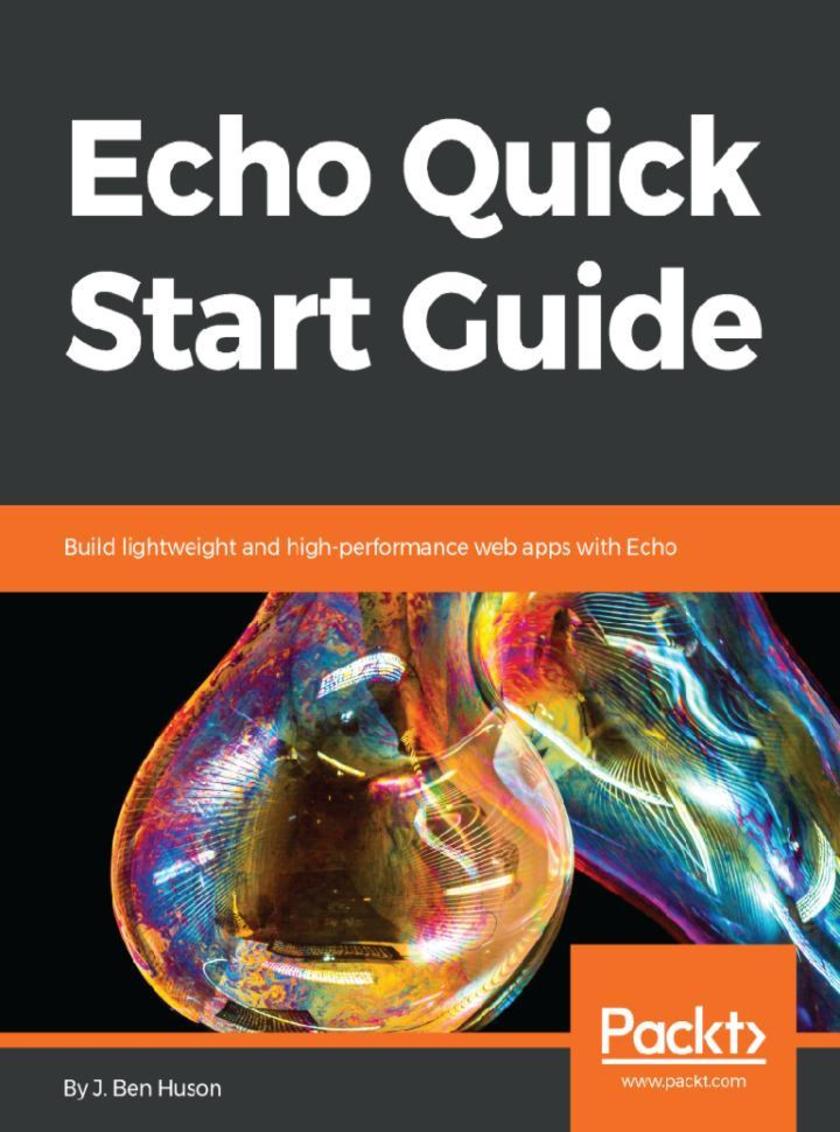
Echo Quick Start Guide
¥45.77
Echo is a leading framework for creating web applications with the Go language. This book will show you how to develop scalable real-world web apps, RESTful services, and backend systems with Echo. About This Book ? The easiest way to learn how to build web apps with Echo ? Build a full working project ? For Go developers with only basic web development knowledge required Who This Book Is For You will need to know the basics of the Go language, and the general concepts of web development. What You Will Learn ? Key design considerations for high performance Echo applications ? How Echo handles routing ? How context is managed through the lifetime of the request and response pipeline ? Decrease complexity of your apps by developing middleware functions ? Interact with the request through request data bindings ? Interact with the response through response data renderings within the framework ? Use Echo's logging and error handling facilities ? Render Go templates within Echo to allow for server side rendering of content In Detail Echo is a leading framework for creating web applications with the Go language.? This book will show you how to develop scalable real-world web apps, RESTful services, and backend systems with Echo.? After a thorough understanding of the basics, you'll be introduced to all the concepts for a building real-world web system with Echo. You will start with the the Go HTTP standard library, and setting up your work environment. You will move on to Echo handlers, group routing, data binding, and middleware processing. After that, you will learn how to test your Go application and use templates.? By the end of this book you will be able to build your very own high performance apps using Echo. A Quick Start Guide is a focussed, shorter title which provides a faster paced introduction to a technology. They are for people who don’t need all the detail at this point in their learning curve. The presentation has been streamlined to concentrate on the things you really need to know, rather than everything. Style and approach This book creates a working example of a web application written with the Echo framework, and shows you enough of Echo to give context for a developer to bootstrap a high performance web application with the smallest amount of development time.
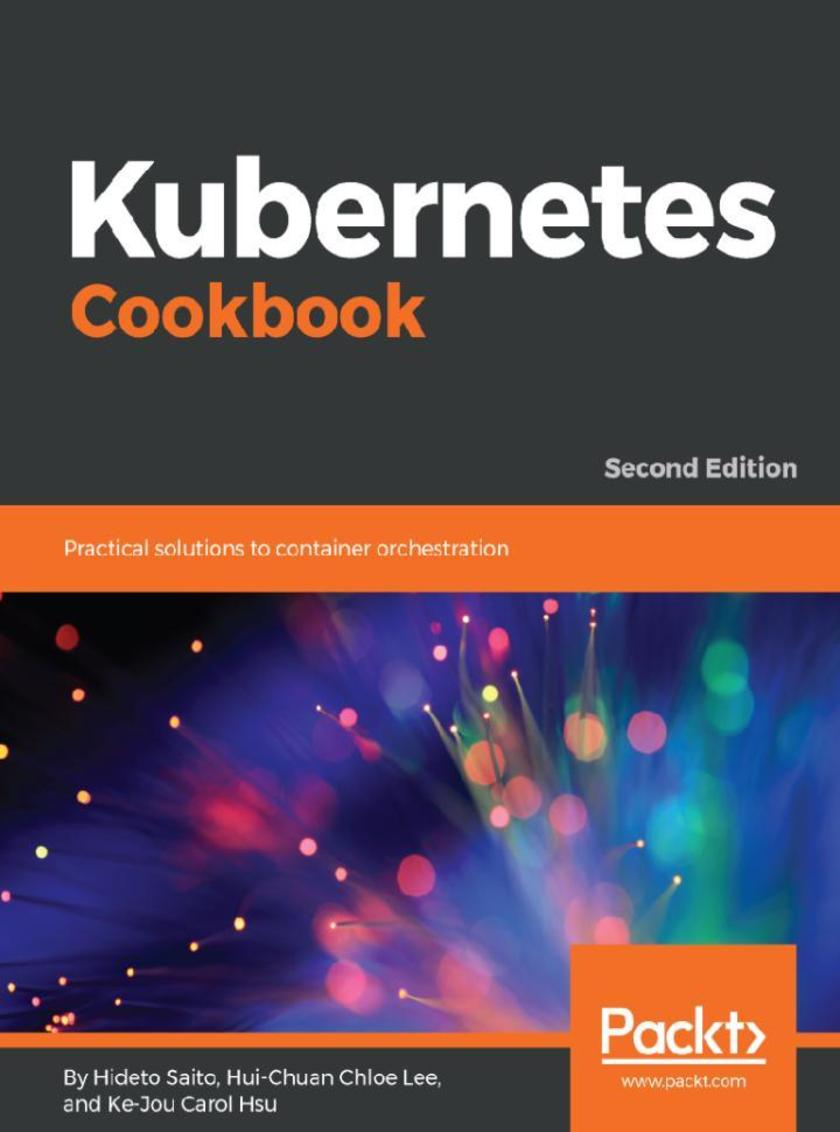
Kubernetes Cookbook
¥73.02
Learn how to automate and manage your containers and reduce the overall operation burden on your system. About This Book ? Use containers to manage, scale and orchestrate apps in your organization ? Transform the latest concept of Kubernetes 1.10 into examples ? Expert techniques for orchestrating containers effectively Who This Book Is For This book is for system administrators, developers, DevOps engineers, or any stakeholder who wants to understand how Kubernetes works using a recipe-based approach. Basic knowledge of Kubernetes and Containers is required. What You Will Learn ? Build your own container cluster ? Deploy and manage highly scalable, containerized applications with Kubernetes ? Build high-availability Kubernetes clusters ? Build a continuous delivery pipeline for your application ? Track metrics and logs for every container running in your cluster ? Streamline the way you deploy and manage your applications with large-scale container orchestration In Detail Kubernetes is an open source orchestration platform to manage containers in a cluster environment. With Kubernetes, you can configure and deploy containerized applications easily. This book gives you a quick brush up on how Kubernetes works with containers, and an overview of main Kubernetes concepts, such as Pods, Deployments, Services and etc. This book explains how to create Kubernetes clusters and run applications with proper authentication and authorization configurations. With real-world recipes, you'll learn how to create high availability Kubernetes clusters on AWS, GCP and in on-premise datacenters with proper logging and monitoring setup. You'll also learn some useful tips about how to build a continuous delivery pipeline for your application. Upon completion of this book, you will be able to use Kubernetes in production and will have a better understanding of how to manage containers using Kubernetes. Style and approach This recipe-based book will teach you how to use Kubernetes in production and will help you discover various steps involved in managing your containers using Kubernetes
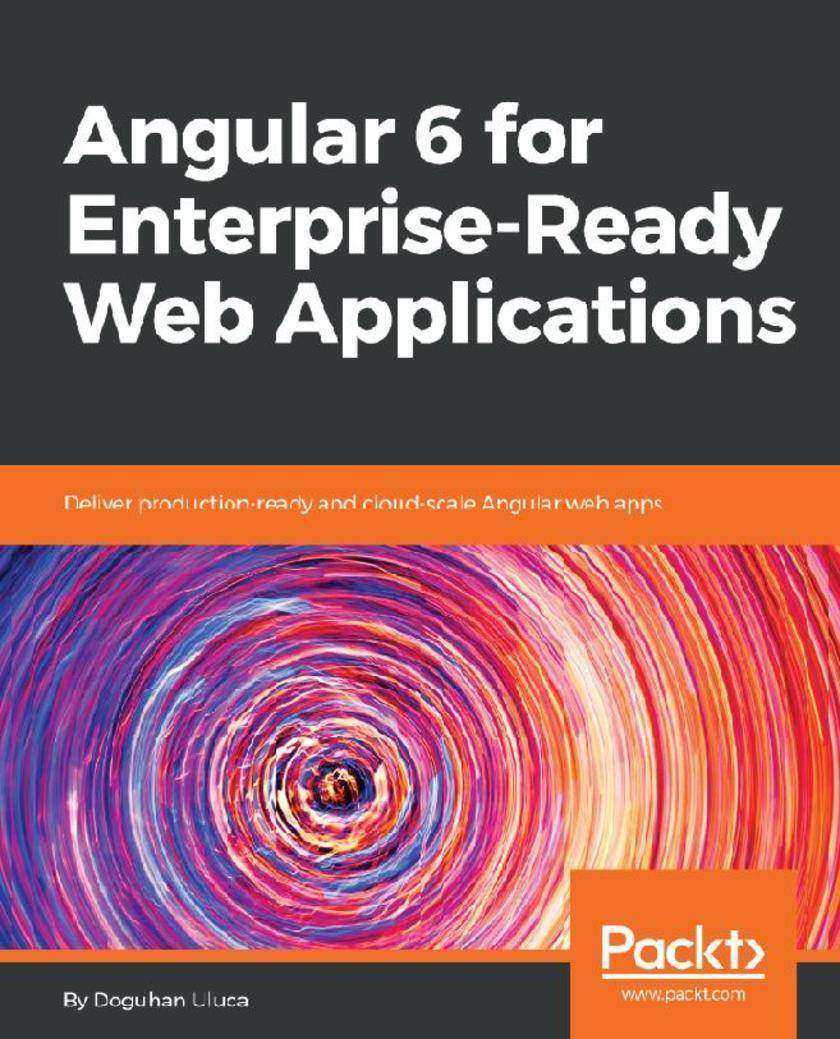
Angular 6 for Enterprise-Ready Web Applications
¥90.46
A hands-on guide with a minimalist and flexible approach that enables quick learning and rapid delivery of cloud-ready enterprise applications with Angular 6 About This Book ? Explore tools and techniques to push your web app to the next level ? Master Angular app design and architectural considerations ? Learn continuous integration and deploy your app on a highly available cloud infrastructure in AWS Who This Book Is For This book is for developers who want to confidently deliver high-quality and production-grade Angular apps from design to deployment. We assume that you have prior experience in writing a RESTful API with the tech stack of your choice; if you don't, you can still gain a lot of benefit from this book, which focuses on the entire scope of frontend development, from design to deployment! What You Will Learn ? Create full-stack web applications using Angular and RESTful APIs ? Master Angular fundamentals, RxJS, CLI tools, unit testing, GitHub, and Docker ? Design and architect responsive, secure and scalable apps to deploy on AWS ? Adopt a minimalist, value-first approach to delivering your app with Kanban ? Get introduced to automated testing with continuous integration on CircleCI ? Optimize Nginx and Node.js web servers with load testing tools In Detail Angular 6 for Enterprise-Ready Web Applications follows a hands-on and minimalist approach demonstrating how to design and architect high quality apps. The first part of the book is about mastering the Angular platform using foundational technologies. You will use the Kanban method to focus on value delivery, communicate design ideas with mock-up tools and build great looking apps with Angular Material. You will become comfortable using CLI tools, understand reactive programming with RxJS, and deploy to the cloud using Docker. The second part of the book will introduce you to the router-first architecture, a seven-step approach to designing and developing mid-to-large line-of-business applications, along with popular recipes. You will learn how to design a solid authentication and authorization experience; explore unit testing, early integration with backend APIs using Swagger and continuous integration using CircleCI. In the concluding chapters, you will provision a highly available cloud infrastructure on AWS and then use Google Analytics to capture user behavior. By the end of this book, you will be familiar with the scope of web development using Angular, Swagger, and Docker, learning patterns and practices to be successful as an individual developer on the web or as a team in the Enterprise. Style and approach The book follows a hands-on, value-first methodology to help readers design and architect small and large applications, while covering ancillary topics that all web developers should be aware of. The book uses minimal and flexible tools and techniques to enable quick learning and rapid delivery of high-quality and reliable Angular applications.


