


 购物车
购物车 个人中心
个人中心

Aurora:In Search of the Northern Lights
¥95.26
The beautiful aurorae, or northern lights, are the stuff of legends. The ancient stories of the Sami people warn that if you mock the lights they will seize you, and their mythical appeal continues to capture the hearts and imagination of people across the globe. Aurora explores the visual beauty, ancient myths and science of the northern lights and challenges the popular theory of how the lights are formed. Plasma physicist Melanie Windridge explains this extraordinary and evocative phenomenon, a scientific marvel unlike any other in which the powers of astronomy, geology, magnetism and atomic physics combine to create one of the wonders of the natural world. As Melanie travels in search of the perfect aurora, she uncovers the scientific realities of this plasmic phenomenon full of natural power. She combines the science behind the lights with a fascinating travelogue as she pursues the aurora across the northern hemisphere – from the Arctic Circle to Scotland.
Walking Through Spring
¥73.58
Walking Through Spring follows Graham Hoyland’s journey as he creates a new national trail, walking with the Spring from the south coast in March up to the border with Scotland, which he reaches on the longest day:the twenty-first of June. How does the Earth’s angle to the sun make the seasons change? Which plants start blooming first? Which birds survive the bitter winter in our hedgerows and which arrive from overseas? Graham Hoyland introduces us to England’s unique botanical, geographical and social landscape as Spring unfolds across the country – from dairy cows cantering and kicking their heels when released into lush meadows in the West Country, to new lambs in the Peak District. Avoiding roads, Walking Through Spring begins on the sea shore at Lymington, up through the New Forest, following the old ways to Salisbury and Bath, then heads north along the Cotswold Escarpment, up the River Wye through England’s secret county of Herefordshire to Offa’s Dyke. Hoyland takes us through John Lewis-Stempel’s famous meadowland, across the Malvern Hills and along canal tow-paths to the Pennine Way, Yorkshire Dales and the English Border country. The journey also engages with England’s rural characters:farmers, tractor drivers, pub landlords and narrow-boat owners. What does Spring mean to them? Is it really getting earlier every year? Away from the streams of gleaming cars and motorways, can Springtime help us reconnect with the old England of The Wildwood and Pan?
Every Time a Bell Rings
¥37.47
Belle has taken all the Christmas decorations down. This year they won’t be celebrating. As foster parents, Belle and Jim have given many children the chance of a happier start in life. They’ve loved them as if they were their own. They shouldn’t have favourites but little Lauren has touched their hearts. And now her mother is well enough to take her back and Belle can’t bear the loss. Hence, Christmas is cancelled. So when Jim crashes his car one icy December night, after an argument about Lauren, Belle can only blame herself. Everything she loves is lost. And Belle finds herself standing on The Ha’Penny Bridge wishing she had never been born. But what happens to a Christmas wish when an angel is listening… Will Belle realise, before it’s too late, that her life is the most wonderful life of all? Inspired by the timeless tale of beloved Christmas movie, It’s a Wonderful Life, Carmel Harrington’s next book tells the story of Belle, a young woman and foster carer from Dublin who faces the hardest decision of her life this Christmas on The Ha’Penny Bridge. Full of Irish charm, magic, and the warmth of the festive season this is an emotional, heartwarming story that will stay with you long after you’ve reached ‘The End’. Perfect for fans of Cecelia Ahern & Jojo Moyes. Carmel is the bestselling author of The Life You Left & Beyond Grace’s Rainbow, voted Romantic eBook of the Year 2013.
The Silent Cry:Part 3 of 3
¥15.60
The heartbreaking true story of a young, troubled mother who needed help. The sixteenth fostering memoir by Cathy Glass. It’s a big, exciting moment for Laura when she decides to finally take her new baby out to the school playground for the first time ever. What should be a happy, magical moment quickly sours, however, when Laura suddenly feels queasy and runs off back home. None of the other schoolyard mothers seem to notice this troubled, struggling woman – apart from Cathy. But when Cathy tries to help, she finds herself hitting wall after wall. Laura needs medical help but refuses to see a doctor. Her own cold mother refuses to help. It is left to Cathy to try and bring light to this dark and dangerous place.
Can I Let You Go?:Part 1 of 3
¥28.45
Can I Let You Go? is the true story of Faye, a wonderful young woman who may never be able to parent her unborn child. Faye is 24, pregnant, and has learning difficulties as a result of her mother’s alcoholism. Faye is gentle, childlike and vulnerable, and normally lives with her grandparents, both of whom have mobility problems. Cathy and her children welcome Faye into their home and hearts. The care plan is for Faye to stay with Cathy until after the birth when she will return home and the baby will go for adoption. Given that Faye never goes out alone it is something of a mystery how she ever became pregnant and Faye says it’s a secret. To begin with Faye won’t acknowledge she is pregnant or talk about the changes in her body as she worries it will upset her grandparents, but after her social worker assures her she can talk to Cathy she opens up. However, this leads to Faye realizing just how much she will lose and she changes her mind and says she wants to keep her baby. Is it possible Faye could learn enough to parent her child? Cathy believes it is, and Faye’s social worker is obliged to give Faye the chance.

Lara:The Untold Love Story That Inspired Doctor Zhivago
¥73.58
The heartbreaking story of the passionate love affair between Boris Pasternak and Olga Ivinskaya – the tragic true story that inspired ‘Doctor Zhivago’. ‘Doctor Zhivago’ has sold in its millions yet the true love story that inspired it has never been fully explored. Pasternak would often say ‘Lara exists, go and meet her’, directing his visitors to the love of his life and literary muse, Olga Ivinskaya. They met in 1946 at the literary journal where she worked. Their relationship would last for the remainder of their lives. Olga paid an enormous price for loving ‘her Boria’. She became a pawn in a highly political game and was imprisoned twice in Siberian labour camps because of her association with him and his controversial work. Her story is one of unimaginable courage, loyalty, suffering, tragedy, drama and loss. Drawing on both archival and family sources, Anna Pasternak’s book reveals for the first time the critical role played by Olga in Boris’s life and argues that without Olga it is likely that Doctor Zhivago would never have been completed or published. Anna Pasternak is a writer and member of the famous Pasternak family. She is the great-granddaughter of Leonid Pasternak, the impressionist painter and Nobel Prize winning novelist Boris Pasternak was her great-uncle. She is the author of three previous books.
Mister Cleghorn’s Seal
¥76.91
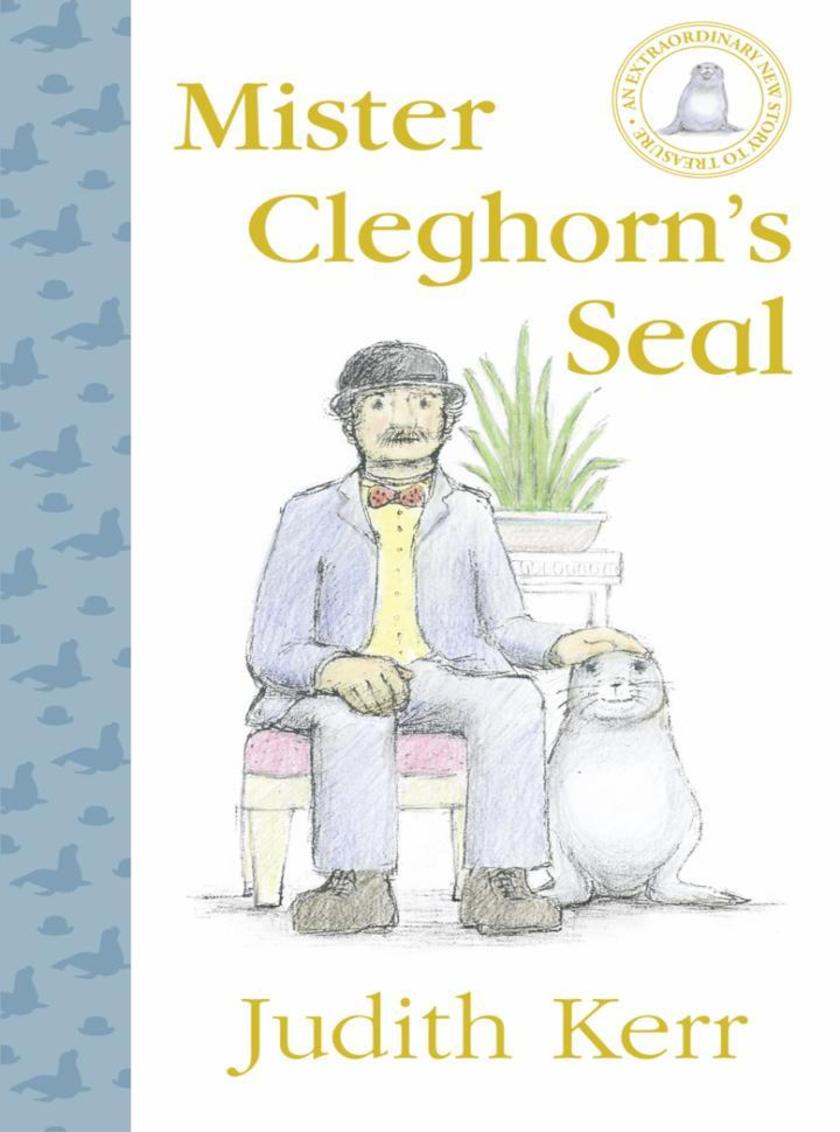
An exquisite new story to delight readers young and old, from a much-loved writer and illustrator. What do you do if you find an abandoned seal pup on a rock in the middle of the sea? Well, take it home with you to your flat, of course. At least that’s what Mr Albert Cleghorn thought, though perhaps he hadn’t considered all the complications… This is the story of what then happened to Mr Cleghorn and Charlie the seal in their determination to find a home for Charlie and, incidentally, happiness for them both. Sometimes funny, sometimes sad, Mister Cleghorn’s Seal is a classic in the making from the inimitable Judith Kerr.

Care for your Goldfish (RSPCA Pet Guide)
¥31.59
Published in association with the RSPCA, the UK’s leading animal welfare charity, this practical family guide is full of expert advice on how to choose a goldfish and how best to look after it. If you already own or are planning to buy a goldfish this easy-to-use introductory guide is a must. Clearly illustrated with colour photographs throughout, it covers all aspects of daily care including sections on aquaria, ponds, maintenance, feeding and health. Published in association with the experts at the RSPCA, this book will help you ensure that you are giving your goldfish the best possible care.
Phil Bennett:The Autobiography
¥60.14
The former Wales and Lions rugby captain has travelled the world watching rugby and talking about the game since his retirement in 1978. This book tackles a host of issues dominating the sport in the modern era. When Prince Charles watched Llanelli play the All Blacks on their last meeting in 1997, he claimed he had the best seat in the house - the one next to Phil Bennett. Such is the esteem in which the ex Wales and Lions captain is held, it's no wonder his frank opinions and hard-hitting appraisal of the sport he lives and breathes continue to have as much impact now as they did when he was the world's premier fly-half in his heyday. In his book, Bennett is scathing of the Welsh rugby administrators, poor standards of coaching and the failure to embrace new ideas. On a global level he has strong views on professional rugby and the rise of the European game.
From Stress to Success
¥66.22
Although we often feel that stress is caused by external factors - ... my boyfriend makes me stressed!...my sales targets are making me stressed! - it's actually more useful in the long term for us to recognize that stress is something that comes from within ourselves - it's a response.
John Harding 2-Book Gothic Collection
¥150.58
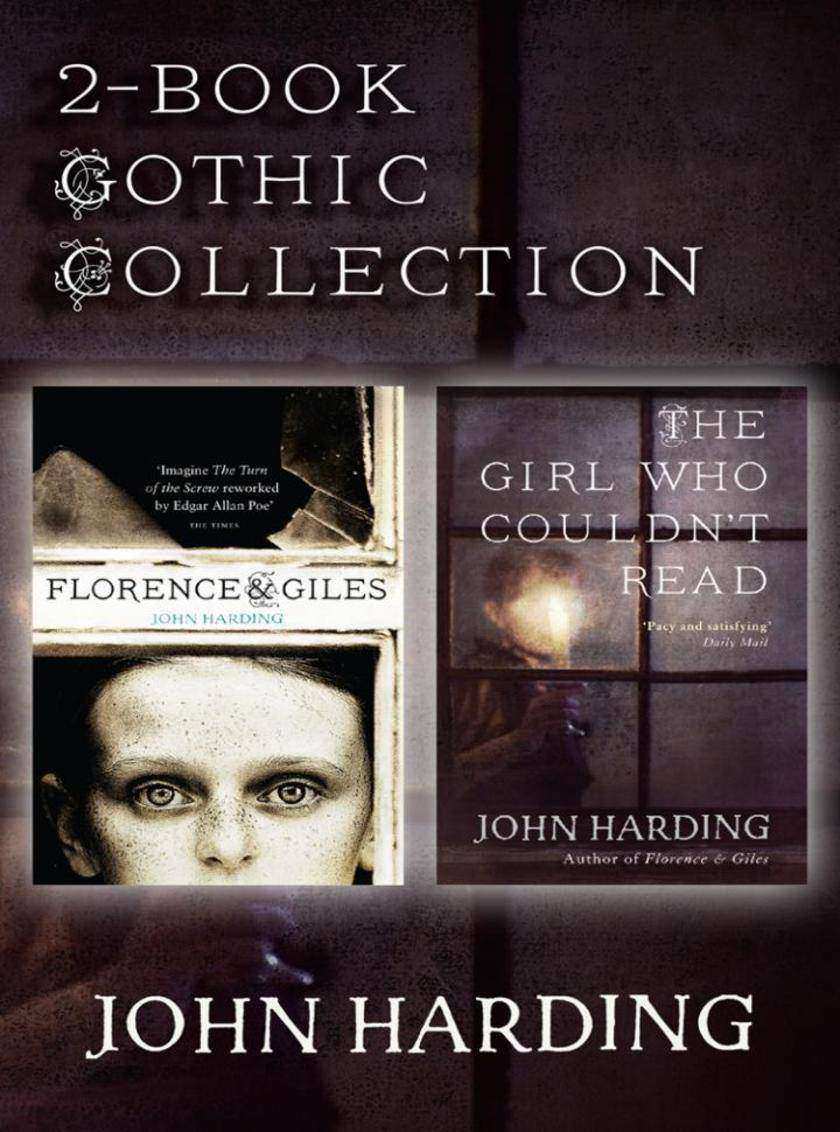
A unique chance to read these two chilling Gothic tales from the brilliant storyteller John Harding together. Modern Gothic classic Florence & Giles and it’s sequel The Girl Who Couldn’t Read are a must for fans of Edgar Allen Poe. A pair of Gothic novels that will chill and delight. FLORENCE & GILES New England, 1891 Alone in a crumbling mansion, 12-year-old orphan Florence is neglected by her guardian uncle and banned from reading. By day she secretly devours books, creating a unique language of her own invention and by night, she sleepwalks the corridors plagued by a reoccurring nightmare. With the arrival of a new teacher, Miss Taylor, strange phenomena begin to occur. And Florence blames the new governess and fears for Giles’ safety. Without any adult to whom she can turn for help, Florence must use her ingenuity to both protect her little brother and preserve her private world. Inspired by and in the tradition of Henry James' s The Turn of the Screw, Florence & Giles is a gripping gothic page-turner told in a startlingly different and wonderfully captivating narrative voice. THE GIRL WHO COULDN’T READ New England, The 1890s When a young doctor begins work at an isolated mental asylum, he is expected to fall in with the shocking regime for treating the patients. He is soon intrigued by one patient, a strange amnesiac girl who is fascinated by books but cannot read. He embarks upon a desperate experiment to save her but when his own dark past begins to catch up with him, he realises it is she who is his only hope of escape. In this chilling literary thriller from a master storyteller, everyone has something to hide and no one is what they seem.
The Sirt Diet Cookbook
¥60.14
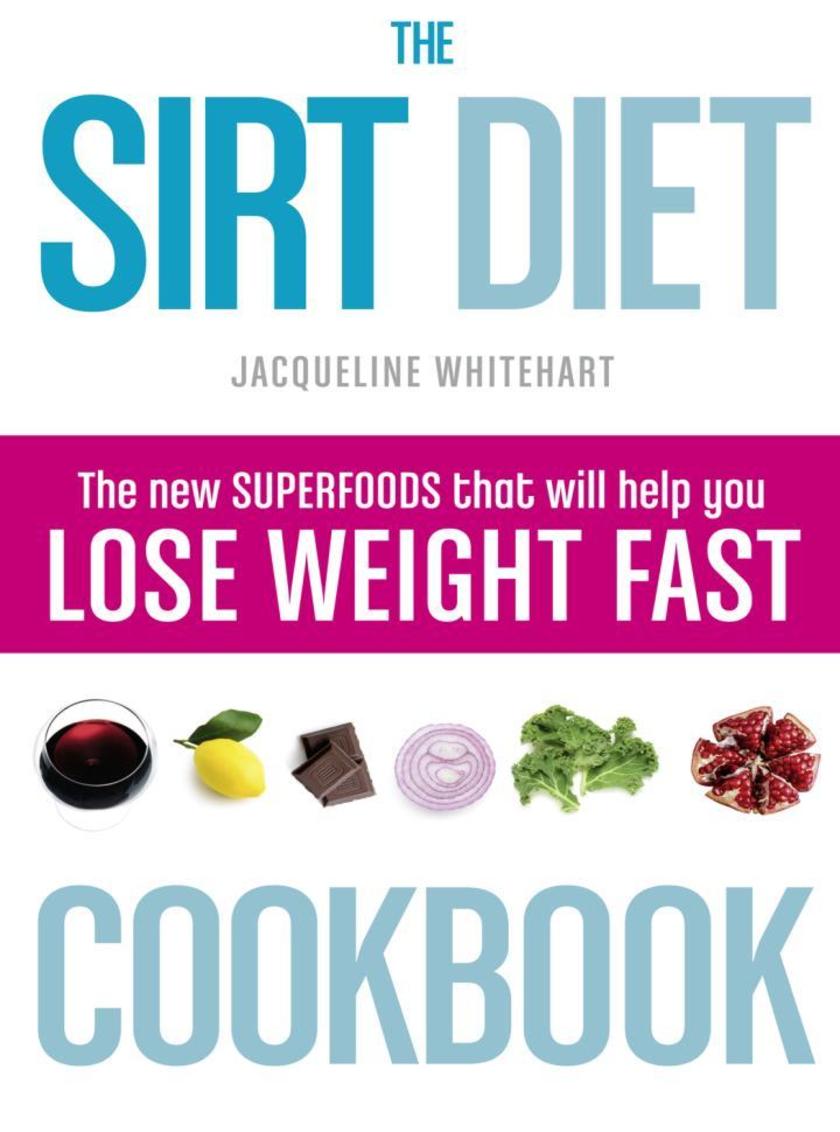
The SIRT Diet shows how to incorporate tasty SIRT superfoods into your daily routine and how these foods can help burn fat, increase muscle definition and boost health. The world of nutrition has been revolutionized by the discovery of a chemical compound naturally found in certain fruits and vegetables called ‘sirtuins.’ These chemicals control the way our bodies deal with fat and sugar, helping to reduce hunger, burn fat and boost anti-ageing health. Not only do these sirtuin-activating foods – or, SIRT foods – aid weight loss, but they also help build muscle without any additional exercise. People incorporating SIRT foods into their diets have found their bodies get skinnier, leaner and fitter without the time-consuming and hefty price tag of a gym. The best part is that transforming your body is really easy as lots of everyday, tasty favourites are SIRT foods – like olives, tofu, blackcurrants, kale, cocoa and green tea. Best selling diet expert Jacqueline Whitehart presents a selection of SIRT food rich recipes, meal planners and useful shopping tips to help you transform your diet and find a quick and easy way to lose weight, replacing flab for muscle definition. All the while still eating delicious favourites like dark chocolate, apples and red wine! The SIRT Diet jumpstarts your fat-burning genes by restricting to 800 calories for the first two days of the week, and then allowing 1,500 SIRT-rich calories for the other five. Jacqueline provides an easy to follow four-week meal plan with over 100 feel-good, calorie-counted recipes packed with these superfoods, from grilled chicken with lemon and olives to pomegranate cheesecake. So what are you waiting for? Get ready for a whole new you!
Foxlowe
¥66.22
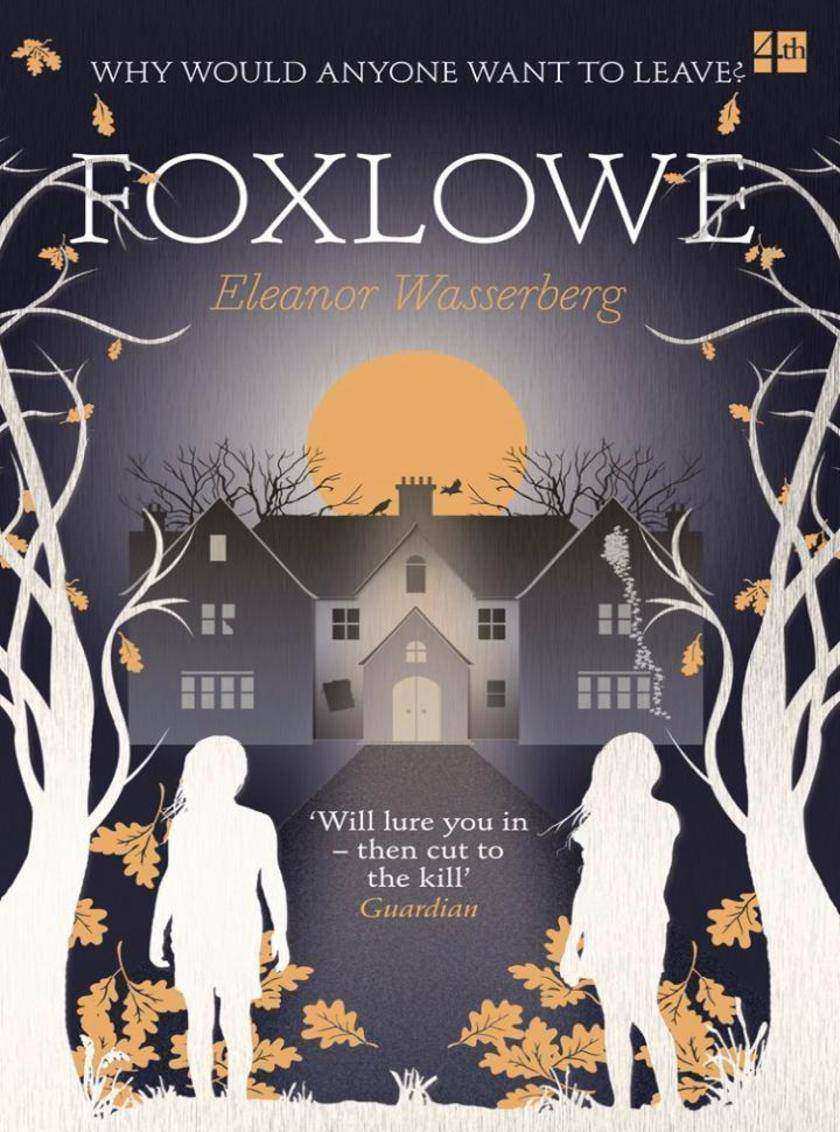
A chilling, compulsive debut about group mentality, superstition and betrayal – and a utopian commune gone badly wrong We were the Family, and Foxlowe was our home. There was me – my name is Green – and my little sister, Blue. There was October, who we called Toby, and Ellensia, Dylan, Liberty, Pet and Egg. There was Richard, of course, who was one of the Founders. And there was Freya. We were the Family, but we weren’t just an ordinary family. We were a new, better kind of family. We didn’t need to go to school, because we had a new, better kind of education. We shared everything. We were close to the ancient way of living and the ancient landscape. We knew the moors, and the standing stones. We celebrated the solstice in the correct way, with honey and fruit and garlands of fresh flowers. We knew the Bad and we knew how to keep it away. And we had Foxlowe, our home. Where we were free. There really was no reason for anyone to want to leave.
All Aboard:A perfect feel good romance (The Canal Boat Café, Book 1)
¥28.15
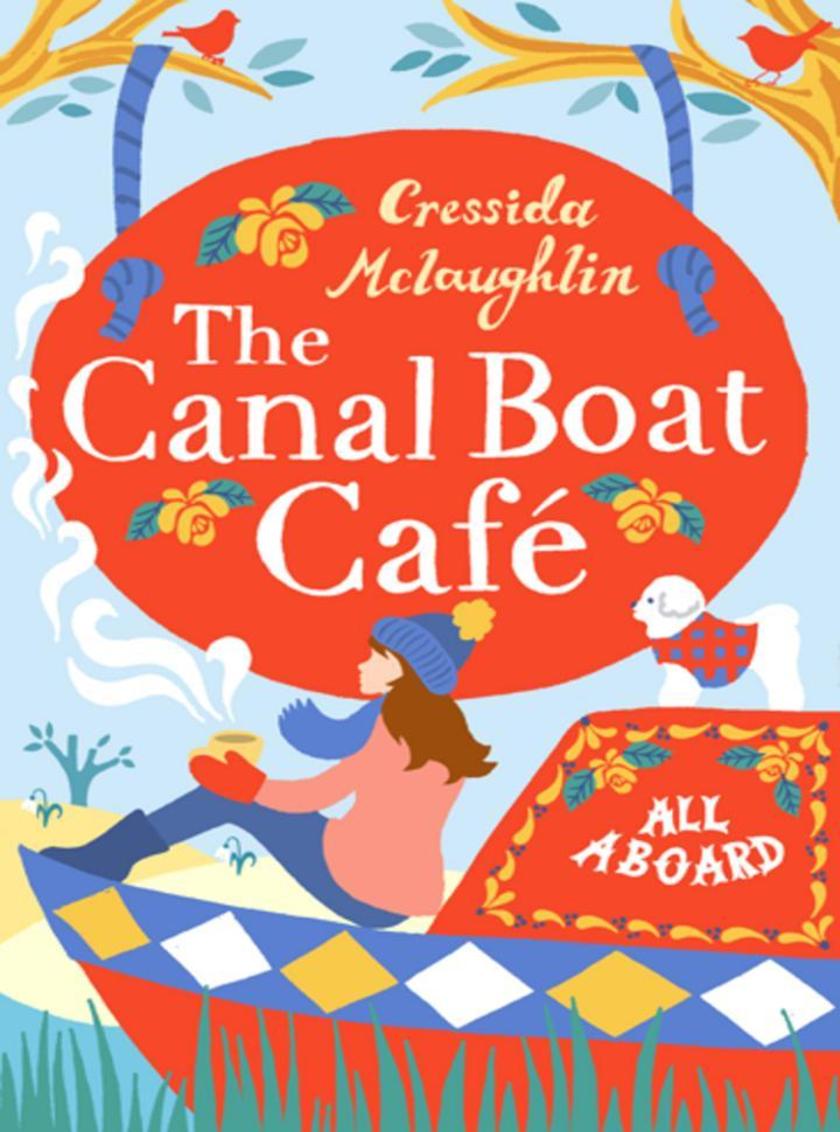
Summer Freeman returns to the waterside village of Willowbeck to rescue the Canal Boat Café, her late mother’s picturesque narrowboat, which has run into choppy waters. A family friend, Valerie, has been trying to keep things afloat, but the coffee machine is jammed, the cake offerings are paltry, and not all of the locals want to see the café succeed. Help comes from the boat next door, in the shape of handsome wildlife photographer, Mason and his naughty Border Terrier, who are showing more than a passing interest in Summer and her adorable Bichon Frise, Latte. But is Mason being honest about himself? Or does he have something to hide? As her life and the community of Willowbeck begin to entwine, Summer finds herself setting sail on a new adventure. Will the anchor of a steady life on land be too strong, or can Summer learn to cut loose and embrace life afloat?
Land Ahoy!:A perfect feel good romance (The Canal Boat Café, Book 4)
¥28.15
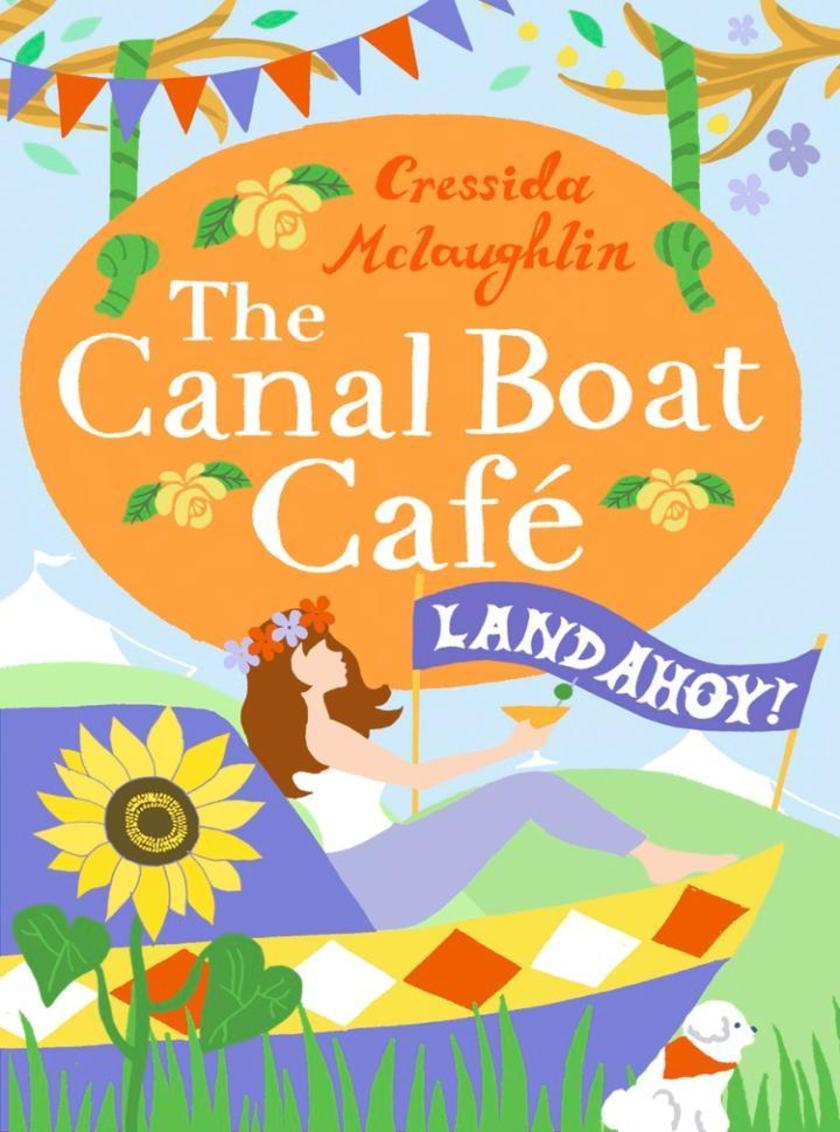
Summer Freeman returns to the waterside village of Willowbeck to rescue the Canal Boat Café, her late mother’s picturesque narrowboat, which has run into choppy waters. A family friend, Valerie, has been trying to keep things afloat, but the coffee machine is jammed, the cake offerings are paltry, and not all of the locals want to see the café succeed. Help comes from the boat next door, in the shape of handsome wildlife photographer, Mason and his naughty Border Terrier, who are showing more than a passing interest in Summer and her adorable Bichon Frise, Latte. But is Mason being honest about himself? Or does he have something to hide? As her life and the community of Willowbeck begin to entwine, Summer finds herself setting sail on a new adventure. Will the anchor of a steady life on land be too strong, or can Summer learn to cut loose and embrace life afloat?

His Very Special Bride (Mills & Boon Medical)
¥23.05
Enter into the world of high-flying Doctors as they navigate the pressures of modern medicine and find escape, passion, comfort and love – in each other’s arms! A doctor to belong to Dr Ben Brinkley is dedicated to his job, but when a new family moves in next door he cannot help but be drawn to single mum Sarah Hall and her adorable daughter. They seem to bring out his protective side, and soon he is spending more and more time with them. Sarah moved to the beautiful Peak District to make a fresh start after an accident left her with amnesia, yet she still feels lost. Can handsome doctor Ben be the one to show Sarah how special she is, and make her whole again?
Not-So-Perfect Princess , The Heart of a Hero:Not-So-Perfect Princess
¥40.81
Dutiful Princess Julianna has a secret--she's actually happiest makeup free, sailing with the sea breeze in her hair. Her attraction to rebel prince Alejandro is instant-- but her intended is his brother, the proper but dull Enrique For the first time, Julianna's irresistibly tempted. Before long, she's spending her nights sailing with gorgeous Alejandro while the rest of the palace believes she's sleeping. Soon she'll have to choose--remain the perfect princess, or follow her heart and stop sleepwalking her way through life....
Once Upon a Time in Tarrula , To Wed a Rancher:Once Upon a Time in Tarrula
¥40.81
Once Upon a Time in Tarrula After an injury, ex-soldier Troy's too busy putting his life back together to worry about his heart. And his new assistant Stacie deserves a fairytale - not damaged goods. Yet could this Cinderella inspirei 1/2heri 1/2Prince Charming to claim their happy ever after...? To Wed a Rancher When Rachel dumps her cheating boyfriend, he dumps her in a one-horse Montana town. Then a deep, whisky-rough voice offers her a way out. Shane has returned to town to sell his parent's ranch, but could Rachel help put the 'home' back in his homestead?"

Her Italian Soldier (Mills & Boon Cherish)
¥25.41
The soldier’s homecoming Plucked from obscurity to model in an exciting campaign on the Amalfi coast, Annabelle Marsh can’t wait for her month away! Surely when she’s surrounded by so much natural beauty her emotional bruises can’t help but recover? However, she’s planned to heal her wounds in private – sharing accommodation with a darkly brooding, battle-scarred army pilot is not on the agenda! Ex-nurse Annabelle is compelled to help Lucca, even though he’s got ‘keep out’ written all over him. But once the spark between them ignites, it’s impossible to put out…
Once and for All (Mills & Boon Cherish) (Single Father, Book 29)
¥25.41
He’s the last man she expected to fall for! Take care of her father’s ranch for a few weeks? No problem. Jodie’s a successful lawyer so how hard could it be to oversee a bunch of cows? Turns out it’s pretty hard…especially when she has to beg for help from Sam, the vet her father almost ruined. Between her father’s new prize horse getting injured and the cows that are calving, she’d be done for if not for Sam’s help. Sam’s also the first man who’s fascinated her in a long time. If these sparks between them mean anything, his help could soon turn to love…

The Secretary's Secret , Rodeo Daddy:The Secretary's Secret
¥40.81
Kit Mercer smooths down her skirt preparing to face her boss the morning after spending the most amazing night of her life with him! Surely he can’t wait to sweep her into his arms again? Actually, Alex Hallam tells her what a mistake he’s made! It’s the right thing to do – after his ex-wife’s lies, is he really ready to be a proper full-time daddy? Rodeo Daddy A fall ended Lark Anderson’s rodeo career – and his marriage – leaving him a single dad. The community, suspicious of the new ‘celebrity’ resident, nominated Sophie to keep the hot-tempered cowboy out of trouble. But the sight of Lark hugging his daughter breaks Sophie’s heart, reminding her of what will never be hers…


