


 购物车
购物车 个人中心
个人中心

At the Rancher's Request (Mills & Boon Desire) (Lone Star Legends, Book 3)
¥31.10
She’s pregnant and snowbound with a hot Texan in this tale from USA TODAY bestseller Sara Orwig! Pregnant, abandoned and stranded in a Texas blizzard, nurse Savannah Grayson is grateful when billionaire rancher Mike Calhoun rescues her. The widowed father offers shelter—and only shelter—at his vast ranch. Determined to never love another woman again, Mike tries to do the right thing and resist his attraction to his vulnerable guest. As they spend cold days building snowmen with his son and long nights talking and kissing by the fire, Mike fights the thaw of his heart . . . a battle he just might lose.

Australian Secrets (Mills & Boon M&B)
¥9.71
Some secrets need to be told… Current affairs reporter Nicola Harvey has everything – she’s part of Australian television’s A-list, has a wealthy, successful fiancé and a classy apartment in Adelaide. But appearances are deceiving and Nicola’s sensing a problem. So, when her boss sends her on an extended research trip, she’s happy to get away for some country-style relaxation. When Nicola arrives in the little town of Nowhere Else, nothing is as she expected: there’s no spa and all the locals are tight-lipped except the handsome stranger from the plane, who’s keen to entertain her! The deeper Nicola digs for a story, the more time she spends with rugged Alex and she realises coming here wasn’t a mistake. In fact, Alex may just unlock the mystery of her past. And hold the key to her future happiness… Originally published as Nowhere Else.

Her Perfect Proposal (Mills & Boon Cherish)
¥31.10
For journalist Lilly Matsuda, the assignment always comes first. So when work leads her to gorgeous policeman Gunnar Norling, she refuses to let him be a distraction. She’s here to interview him! Until Gunnar has a very important question for her...

He's the One: Winning a Groom in 10 Dates / Molly Cooper's Dream Date / Mr Right
¥37.96
WINNING A GROOM IN TEN DATES As a teenager, Sophie adored Brandon Sheridan… until he left for the army. Now he’s back just in time to rescue her from a social nightmare – she needs him to pretend they’re in love! But are they really pretending? MOLLY COOPER'S DREAM DATE Millionaire Patrick Knight finds the chatty e-mails from house-sitter Molly Cooper strangely addictive. But what do you do when you realise what you want is a world away… sleeping in your bed? MR RIGHT THERE ALL ALONG Simon Ford may make Chloe McDaniels’ heart flutter inappropriately, but they’ve always been friends… and with their high school reunion coming up, she needs him more than ever! But this time, she might get more than friendship…
Hill Country Courtship (Mills & Boon Love Inspired Historical) (Brides of Simpso
¥31.10
A Baby of Her Own Maude Harkey is resigned to a loveless life until a baby is born - and orphaned - at her boardinghouse home. She'll never be a wife…but she can still be a mother. Yet a boardinghouse is no place for a newborn. Enter Jonas MacLaren - a handsome, exasperating rancher with an offer too good to refuse. Jonas can handle running a ranch - but handling his cantankerous mother is another matter. Maude matches his mother's stubbornness so she'll be a perfect live-in companion. But she's there for his mother, not for him. He'll just have to keep his wounded heart closed to her beauty, her humor, her warmth and strength - and her irresistibly adorable baby. Brides of Simpson Creek: Small-town Texas spinsters find love with mail-order grooms!
Protecting Her Daughter (Mills & Boon Love Inspired Suspense) (Wrangler's Corner
¥33.84
ANYTHING FOR HER CHILD After someone attempts to abduct her daughter, single mom Zoe Collier flees to a remote ranch for safety. But when the would-be kidnappers follow them to Wrangler’s Corner, Zoe must figure out why somebody wants Sophia. Local vet Aaron Starke is determined to help Zoe investigate—and to keep his intriguing new neighbors safe. Zoe’s used to relying on her own wits to survive. But quick-witted, caring Aaron is just the type of man she needs in her corner. And he might be her partner for keeps…if they can find the truth without losing their lives.

Saving Maddie's Baby (Mills & Boon Medical) (Wildfire Island Docs, Book 3)
¥31.10
A precious rescue… Dr Maddie Haddon doesn’t think twice before running into Wildfire Island’s crumbling goldmine to save a life. But another rockfall leaves Maddie trapped inside—and this time it’s her turn to be saved… Emergency medic Josh Campbell is used to working under pressure, but when he discovers that his latest call is to rescue his ex-wife, who is on the brink of labour, the stakes are higher than ever! Can Josh save Maddie and her baby…and heal their broken marriage too? Wildfire Island Docs Welcome to Paradise!

The Bull Rider Meets His Match (Mills & Boon American Romance)
¥33.84
TESTING THE LIMITS Rodeo star Grady Owen has a new challenge. No-nonsense Alexa Benjamin is tougher than any bull he’s ever faced…but she sure is a whole lot prettier! Not that Grady has time for much between caring for his twin nieces, rebuilding his family‘s farm and training. Trouble is, the more he tangles with Lex, the more he wants to win her heart. Lex is drawn to Grady…in spite of herself. But ever since her bullfighter father died in the ring, she’s determined to never need anyone again. She’s afraid, and Grady is all about facing fear head-on. Taking a chance on this bull rider is unthinkable…but so is the idea of letting him walk away!
The Cowboy's Ready-Made Family (Mills & Boon Love Inspired Historical) (Montana
¥33.84
The Cowboy Arrangement Susanne Collins has her hands full raising her four orphaned nieces and nephews and managing the family farm. So when her cowboy neighbor proposes he plant her crops in exchange for keeping his wild horses in her corrals, Susanne hesitantly takes the deal. Soon her reluctance to accept help ebbs, and she wonders if Tanner Harding will he prove to be the strong, solid man she’s been hoping for… Half-Native American Tanner has always been adrift in a white man’s world. Yet the beautiful stand-in mother and her ready-made family give him a sense of belonging for the very first time. But can he convince Susanne to take a chance and welcome him not just into her home but also into her heart?
Wrangling The Cowboy's Heart (Mills & Boon Love Inspired) (Big Sky Cowboys, Book
¥33.84
Love Under the Big Sky Back home in Montana, free spirit Jodie McCauley plans to stay at her late father’s ranch for just two months. Then she’ll sell the Rocking M and head off on her next adventure. But first she’ll have to take her beloved horses from wild to sellable. That means asking the boy she once loved for help. Finn Hicks is now a deputy sheriff and a horse trainer. Working so closely with Jodie, his feelings are suddenly resurfacing. But Finn remembers her as a wild child, not the family-oriented woman he’s looking for. A second chance seems impossible, but is there still hope for the rugged cowboy and his first love?
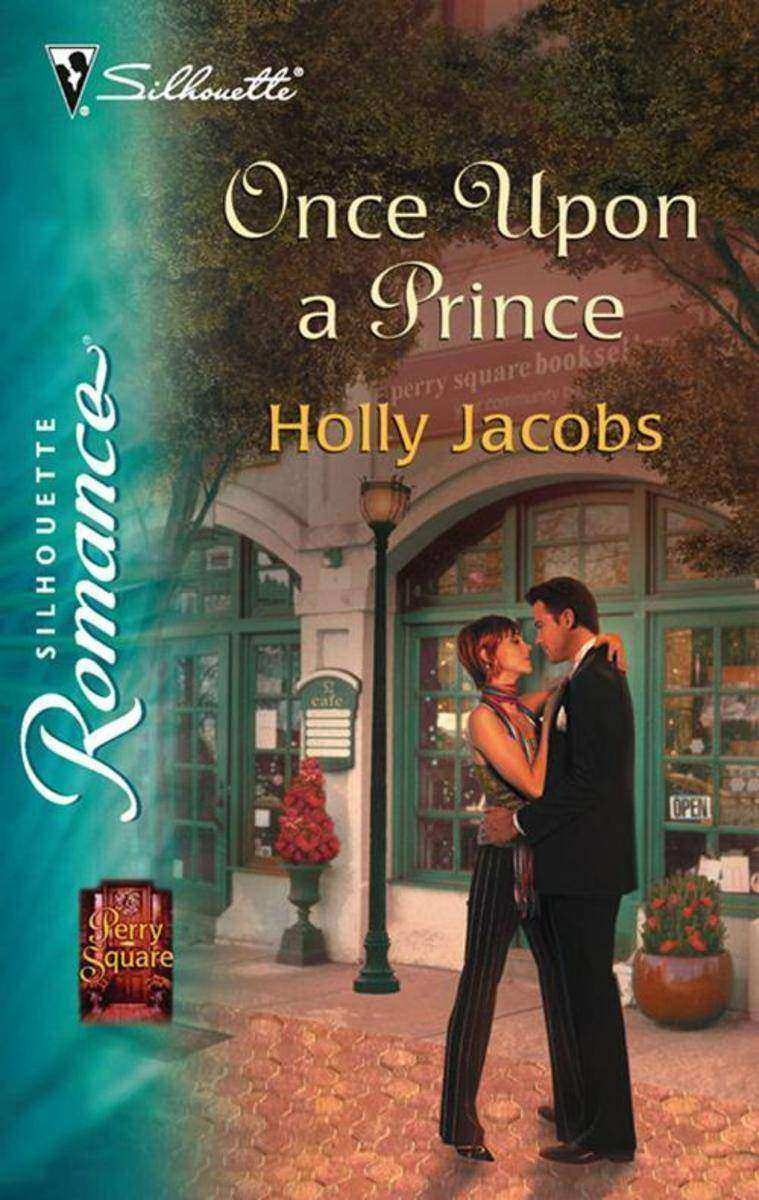
Once Upon A Prince (Mills & Boon M&B)
¥33.84
Royals in Perry Square!—AGAIN We didn't think future princesses rode around on motorcycles, but Shey Carlson—local coffee shop diva—just might prove us wrong! Seems Prince Eduardo Matthew Tanner Ericson is back in town, and this highly eligible bachelor has set his sights on Shey. Of course, stubborn Shey denies all rumors of a royal courtship. But we've seen Tanner steal a kiss from his red-haired beauty, and wow do they kiss! Those who've seen them canoodling couldn't be happier. After all, everyone's rooting for this local girl with a big heart to make good…with a real noble man!
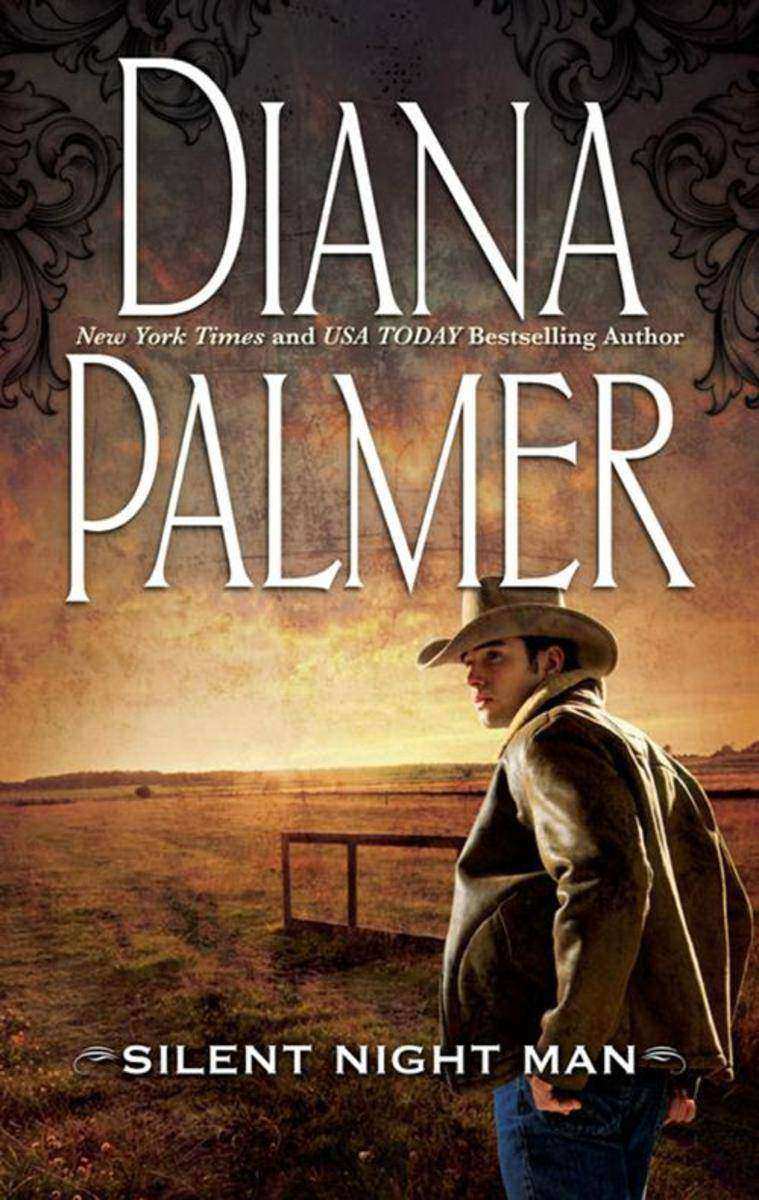
Silent Night Man (Mills & Boon M&B)
¥13.93
This Christmas, New York Times bestselling author Diana Palmer revisits a tale of danger and true love under the mistletoe… What does Millie Evans want in her stocking for Christmas? Just one thing…to feel safe. Even though her stalker is dead, he arranged for a hit man to kill her. Now the special government agent Millie has loved from afar for years has vowed to protect her. The man of her dreams seems finally within her grasp… In order to keep Millie safe, Tony Danzetta moves the prim librarian into his home. He insists on keeping her in sight 24/7, but their proximity causes Tony to question what he really wants for the holidays. Can the agent resign himself to keeping Millie at arm's length – or can their secret connection blossom into a real happily ever after?
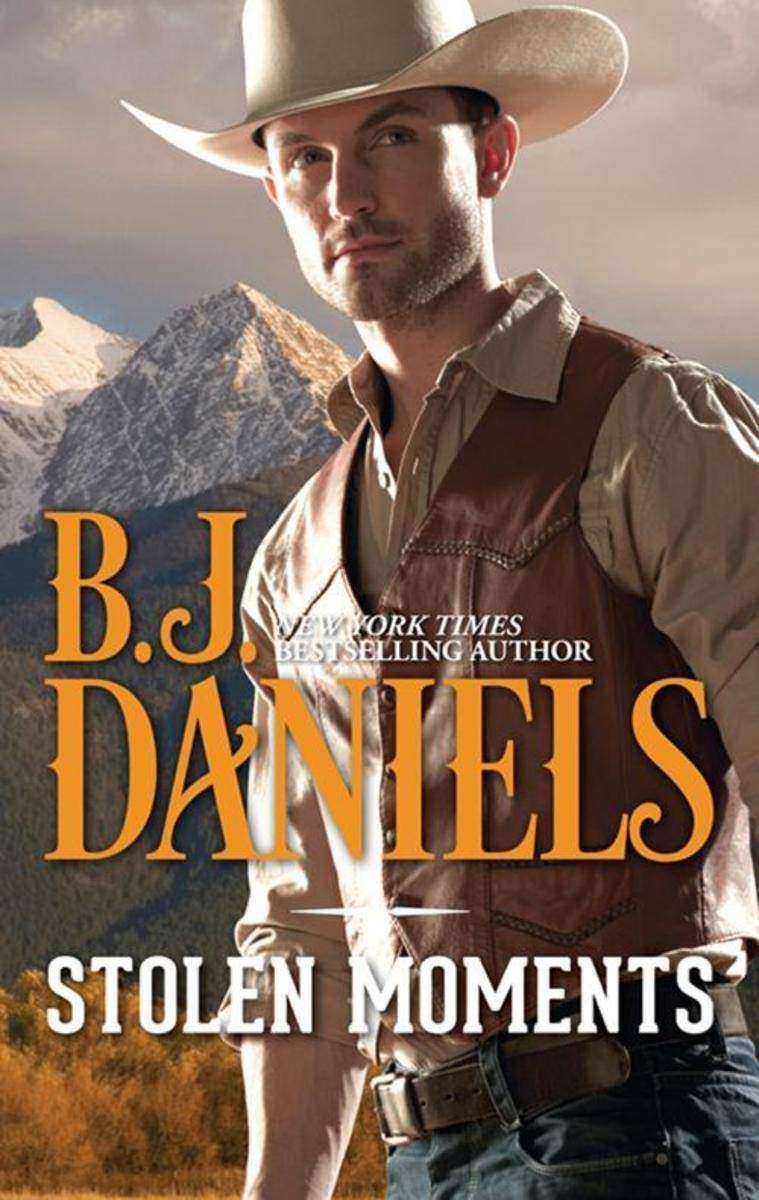
Stolen Moments (Mills & Boon M&B)
¥33.84
She needed protection for herself–and her baby… With ebony hair and bottomless eyes, Seth Gantry was the kind of man Olivia "Levi" McCord's father warned her about–and the last man on earth she'd ever fall for. Especially after the sinewy cowboy kidnapped her. Seth claimed to be her bodyguard and that he needed to take her to a safe house. But when the Montana mountain cabin blows up, he becomes all that stands between Levi and an untimely death. Running for their lives and with no one to trust, Levi is at the mercy of the sexiest man she'd ever met. Suddenly she isn’t certain whether the real danger comes from the killer on her trail…or the virile cowboy who's vowed to keep her alive.
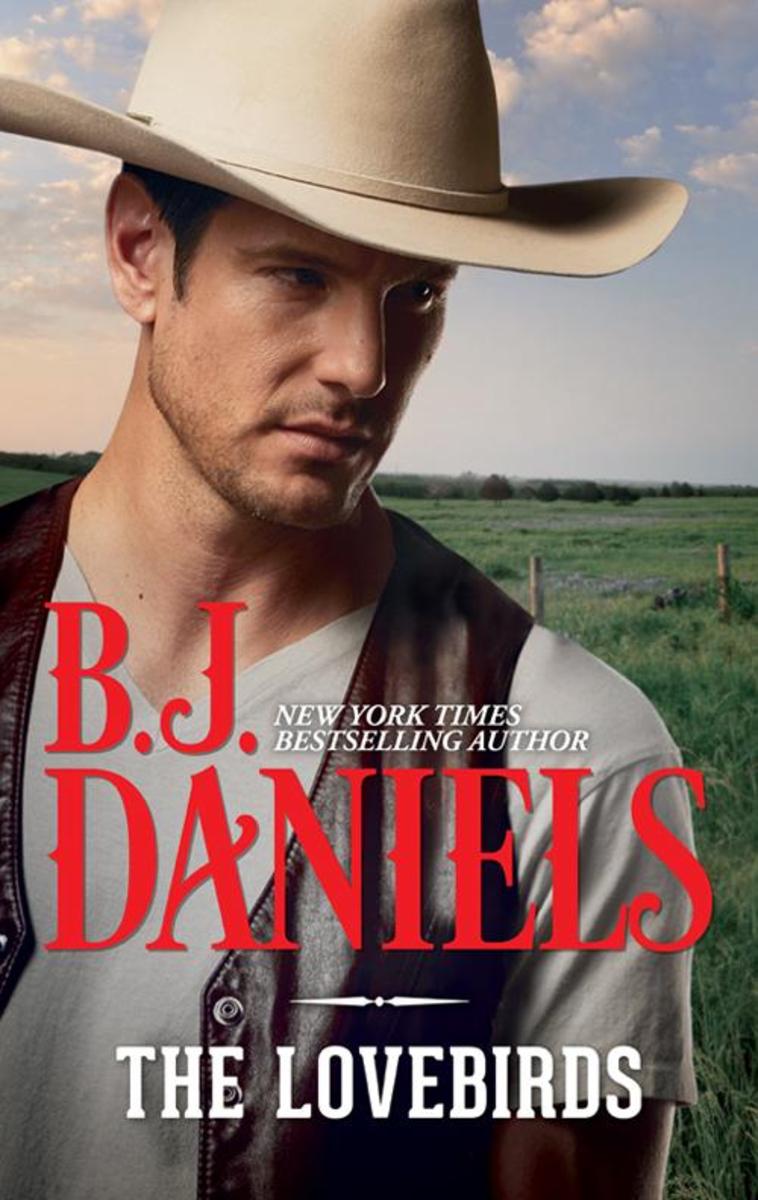
The Lovebirds (Mills & Boon M&B)
¥16.97
Old rivalries and long-buried passions are reignited by a Valentine's Day murder in this classic mystery by New York Times bestselling author B.J. Daniels. Jack McAllister is pulled right back to his past when he returns to his hometown. As the sheriff of River's Edge, Montana, he is called on to solve the gruesome murder of former classmate Peggy Kane, secretary to the resort community's most prominent citizen—and Jack's high school rival—Oliver Sanders. The case is further complicated by the presence of Jack's former sweetheart, Detective Tempest Bailey. Jack and Tempest will have to reconcile old feelings and untangle a complicated web of deceit to catch the killer and get justice for the past.

A Secret In Conard County (Mills & Boon Romantic Suspense) (Conard County: The N
¥30.61
Protected against her will… Healing from bullet wounds, fleeing the bomber who shot her, FBI agent Erin Sanders refuses to play it safe. Driving west, she’ll stay off the grid – until Deputy Sheriff Lance Conroe spoils her secret getaway. Taking her to his remote Wyoming home, the hunky lawman only hopes to protect her. Just what headstrong, untrusting Erin doesn’t want! But when another showdown with the bomber looms and a shocking betrayal surfaces, Erin wants Lance…badly. It’s time to indulge their dangerous attraction – because her plan to catch the killer could cost them both their lives.
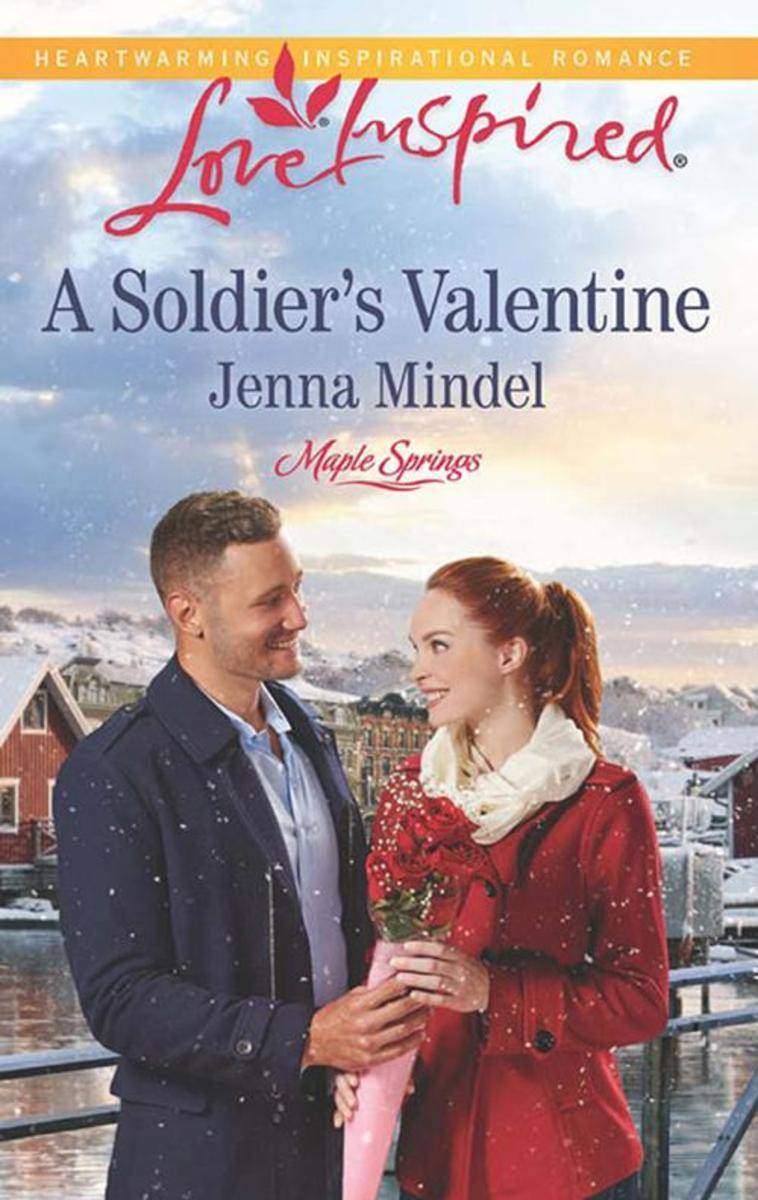
A Soldier's Valentine (Mills & Boon Love Inspired) (Maple Springs, Book 2)
¥33.84
The Captain’s Homecoming Retired army captain Zach Zelinsky is determined to put his harrowing past behind him and start a quiet life selling his artwork. But the storefront building he buys comes with a tenant—a too-pretty tea shop owner who doesn’t give him a moment’s rest. Ginger Carleton is rallying the merchants of Maple Springs, Michigan, for a Valentine’s Day window-decorating contest. And she’s on a mission to convince Zach to lose the gruff exterior and open up to her. As February 14 approaches, the wounded warrior may just find that Ginger is offering exactly what he’s been missing: love.

Craving Her Ex-Army Doc (Mills & Boon Medical) (Sealed by a Valentine's Kiss, Bo
¥31.10
Flirting with danger… Having sworn off love when his wife left him for his best friend, ex-army doc Luke Ralston revels in his lone wolf existence. Until the arrival of beautiful doctor Sarah Ledet tempts him to reconsider his stance on romance. Sexy Luke is the last kind of distraction Sarah needs as she starts over, determined to prove herself once and for all. But when an avalanche traps them together and body heat is the only way to survive suddenly all bets are off! Sealed by a Valentine’s Kiss These untamed docs are almost too hot to handle!

Dr. Forget-Me-Not (Mills & Boon Cherish) (Matchmaking Mamas, Book 20)
¥31.10
DIAGNOSIS: TRUE LOVE! Filling the lives of orphaned kids with hope is what gives meaning to Melanie McAdams’s own life. So what if she’s a little lonely? That doesn’t mean she’s ready to fly into the arms of Mitchell Stewart, the shelter’s handsome new volunteer. Or that her totally irrational attraction to the dedicated doctor means she’s ready to put the pain of the past behind her. Everyone needs dreams, including the compassionate teacher who thinks staying single is a hedge against heartbreak. But Melanie can’t deny the powerful chemistry not even science can explain. And with the help of some special matchmakers, Mitchell plans to take their we-won’t-call-it-a-romance to the next level . . . which is beginning to look a lot like love.

Her Holiday Miracle (Mills & Boon Medical)
¥30.61
Her Caribbean escape Talented A&E doc Cade Byfield appears to have it all, and yet there’s always been something missing… When Dr Rebecca Flynn arrives on his Caribbean island Cade begins to think that she might be the answer. But the mysterious beauty hides a devastating secret – the family Cade wants is the one thing she can never give him. Until one smouldering kiss in the eye of a storm makes Rebecca question… Could trusting Cade with her past give them both the future they dream of?
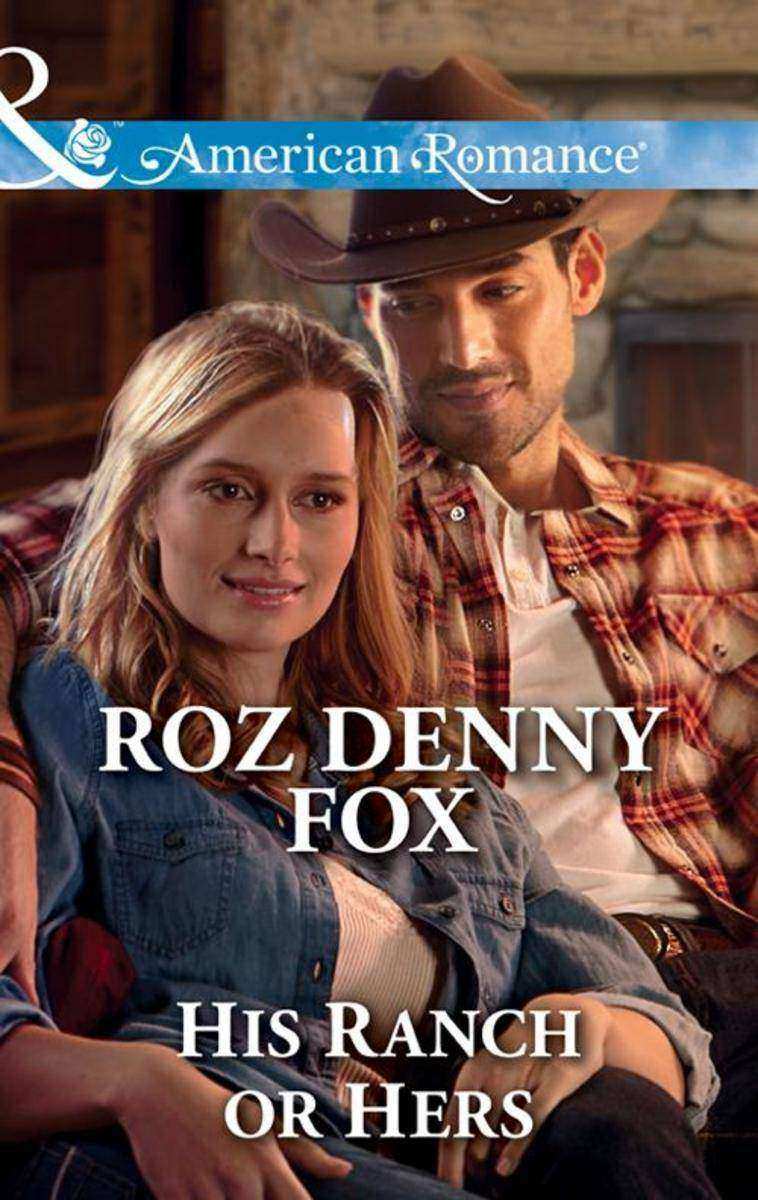
His Ranch Or Hers (Mills & Boon American Romance) (Snowy Owl Ranchers, Book 1)
¥33.84
From green beret to greenhorn Myra Odell’s parents have given away her Montana ranch—to a tenderfoot. Lieutenant Zeke Maxwell may have saved her brother's life, but he doesn’t know the first thing about cattle. For the sake of the ranch, Myra agrees to train Zeke, but she’s determined not to get too close. The military taught Zeke a lot of things, but ranching wasn’t one of them. Zeke is impressed by Myra’s experience and courage…but seriously distracted by her beautiful eyes. Her claim on the Flying Owl is complicated, as is her claim on his heart. Can he prove to Myra that the ranch will never be his home without her?
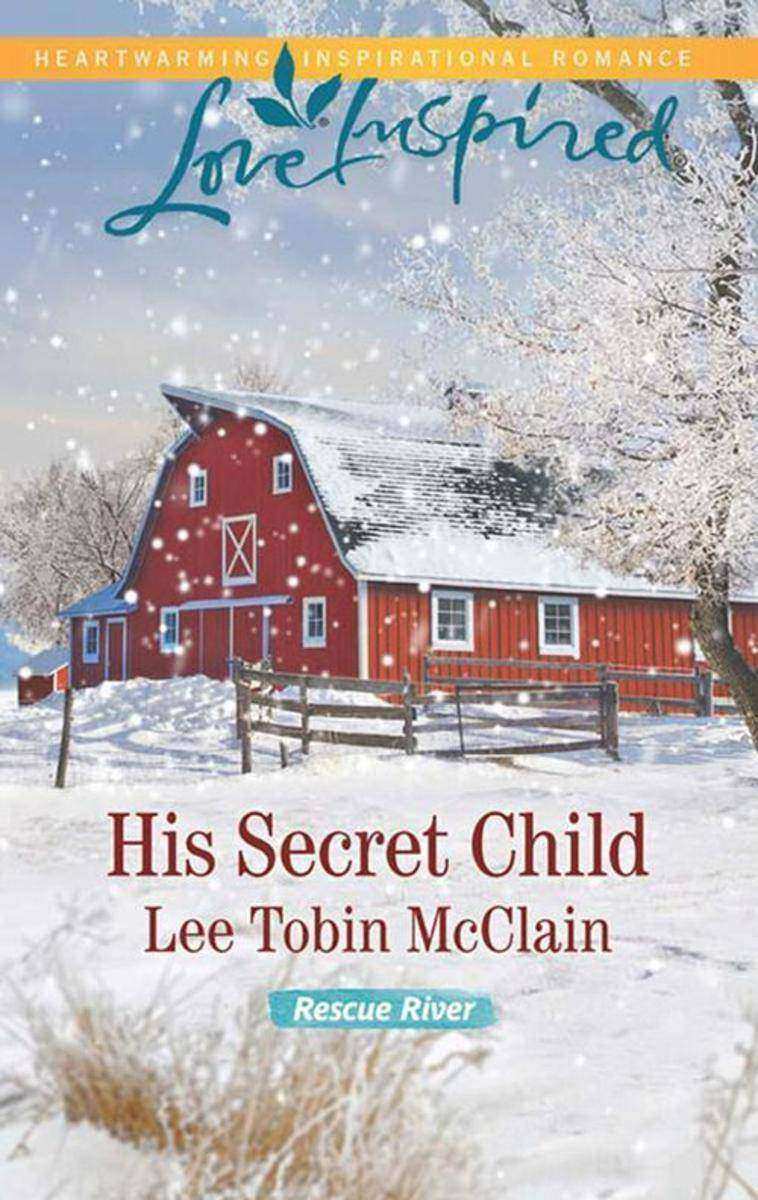
His Secret Child (Mills & Boon Love Inspired) (Rescue River, Book 2)
¥33.84
A Surprise Father Snowed in at the dog rescue farm where she's housesitting, Fern Easton can't turn away the handsome stranger who appears during the blizzard. Who is this mysterious man who's as capable with stray dogs as he is with her four-year-old foster child? Carlo Camden's returned to Rescue River to be a father to a daughter he never knew existed. But he doesn't expect to stumble upon little Mercedes right away. Let alone to start caring about the devoted beauty who desperately wants to be her mom. Carlo's surprise homecoming is all about making amends. But he might just have found the woman of his dreams, too "


