


 购物车
购物车 个人中心
个人中心
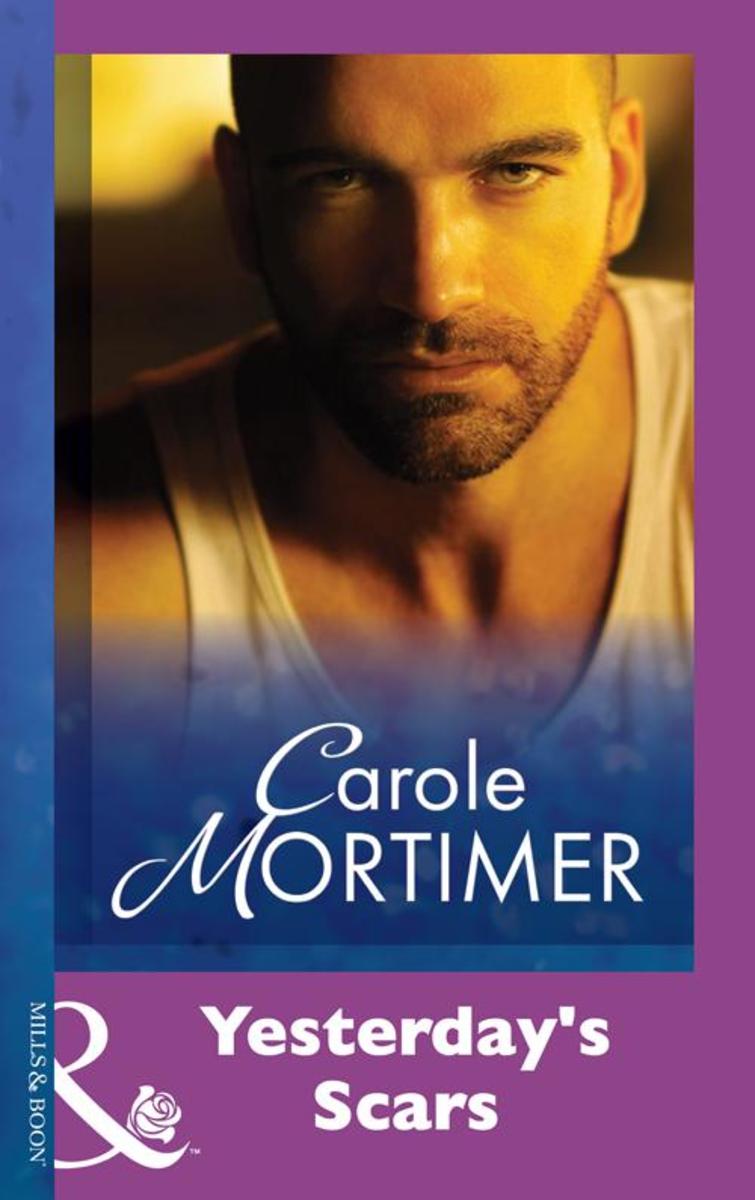
Yesterday's Scars (Mills & Boon Modern)
¥31.10
Carole Mortimer is one of Mills & Boon’s best loved Modern Romance authors. With nearly 200 books published and a career spanning 35 years, Mills & Boon are thrilled to present her complete works available to download for the very first time! Rediscover old favourites - and find new ones! - in this fabulous collection… A Savage infatuation… It’s only when Hazel Stanford returns home to Cornwall after three years that she realises the extent of her feelings for Rafe Savage. She is no longer just infatuated with him—she is head over heels in love! But Rafe is bitter and angry—and as cold as ice towards Hazel. Was the accident that left him scarred responsible? Hazel knows her love can heal some of Rafe’s wounds, but can she convince him to let her stay and administer the cure?
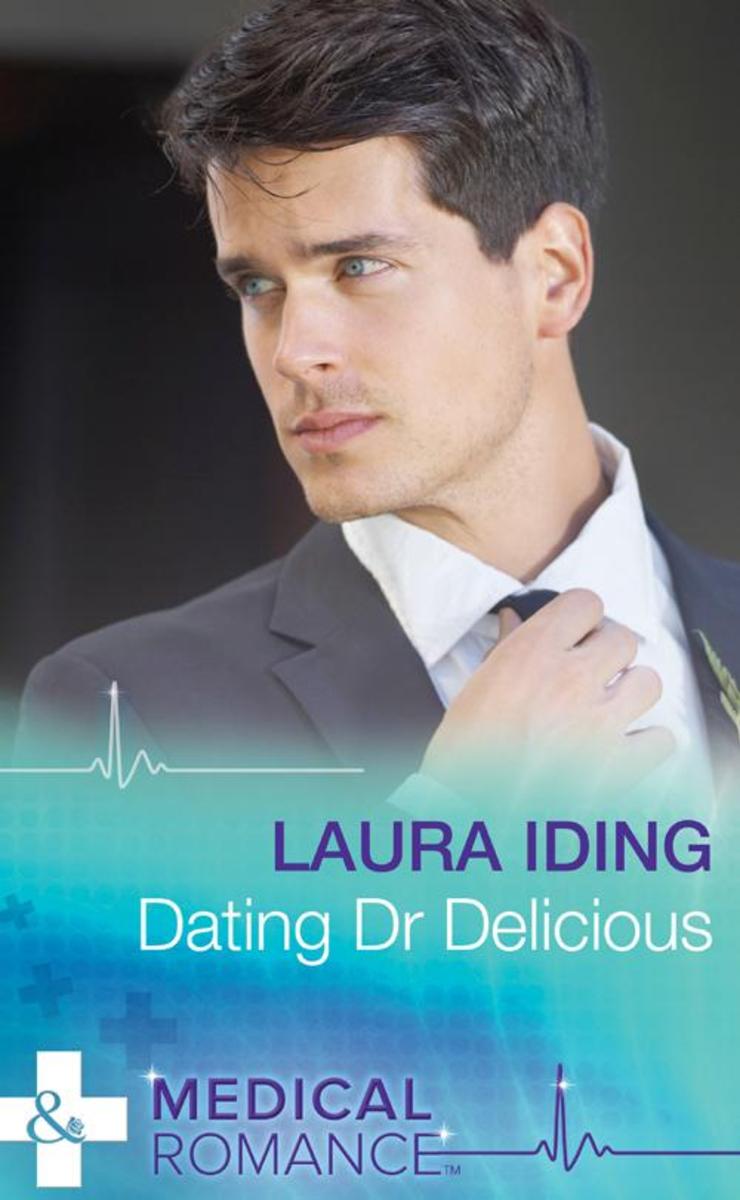
Dating Dr Delicious (Mills & Boon Medical)
¥25.41
Jake Holt – Chicago Care Hospital’s Hottest Doc! It’s Hannah Stewart’s first day as a surgical intern at Chicago’s busiest hospital and she couldn’t be more excited – those long, hard years of study are about to pay off. Then she meets Dr Jake Holt – her new boss… and her reckless, completely out-of-character one- night stand! Jake is suspicious. Did Hannah know who he was when she slept with him? Past experience has led to his strict ‘no relationships at work’ rule. But his new intern is proving to be a distraction impossible to ignore… !

Greek Doctor Claims His Bride (Mills & Boon Medical)
¥31.10
Dr Tanya Angelapoulos' heart stops when she returns to her Greek island home and sees Dr Manolis Stangos–the man she loved and parted from amidst the pain of losing their baby. Now a single dad, Manolis knows that he and his little girl could heal Tanya's broken heart–if she will only risk it once more, together they could be the perfect family…

The Surgeon's Special Delivery (Mills & Boon Medical)
¥23.05
From top-notch doc to daddy! Dr Tess Dalton couldn't wait to give her two closest friends the greatest gift - a baby of their own. But when tragedy strikes, Tess finds herself alone, carrying her friends' baby… Enter the baby's uncle, Callum Halroyd, leading surgeon and dedicated bachelor. Returning to the Outback for the sake of his family, he's shocked to meet Tess… and to discover she's about to give birth to his nephew! Becoming an adoptive dad certainly wasn't in Cal's plan! But newborn Oscar and beautiful, vibrant Tess make Cal reassess everything… Soon he realises just how much he wants to give Tess and the baby the love and care they so very much deserve…

A Fine Year for Love (Mills & Boon Heartwarming) (Shores of Indian Lake, Book 3)
¥31.10
Her grandfather told her never to trust a Barzonni Nothing gives Liz Crenshaw more delight than walking the hills of her family's winery and tending her precious vines. And nothing frustrates her more than Gabe Barzonni, the handsome, successful and utterly aggravating son of Indian Lake's most prominent farmers. All her instincts scream "avoid," especially when she finds out he's going into the wine business himself. But Liz can't seem to shake him. One minute, he's nosing around her property, the next he's arranging to escort her to her best friend's wedding. Well, too bad. Whatever he has designs on–her or her land–Gabe is out of luck. Now, to get him out of her mind…
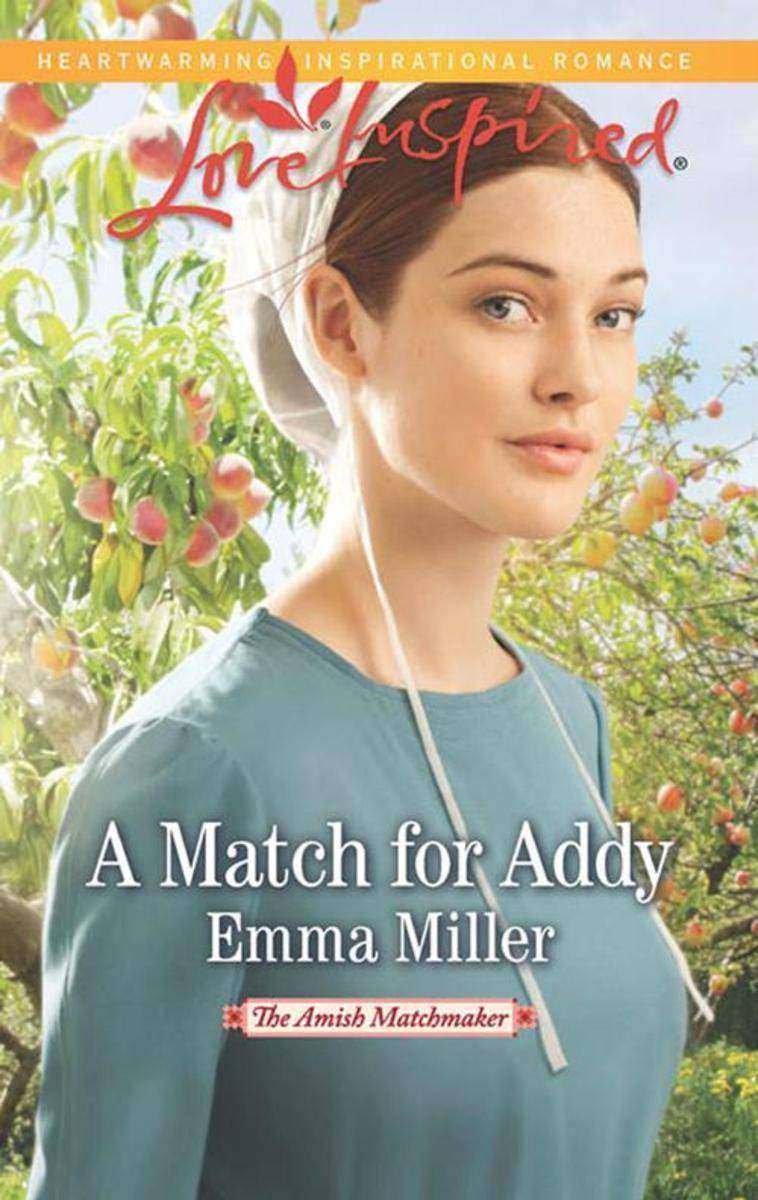
A Match for Addy (Mills & Boon Love Inspired) (The Amish Matchmaker, Book 1)
¥31.10
In Search of True Love Spinster Addy Coblentz fears she'll never marry. So her parents hire the new matchmaker who's moved to their Amish community of Seven Poplars. But Addy doesn't just want a match. She wants love. While some of her potential suitors are perfectly fine, only one man catches her eye. Gideon Esch is everything Addy's looking for: strong, kind–and handsome. But he's only a poor hired hand who can never give her family the stability they want. With her future happiness at stake, will Addy follow the rules…or follow her heart? THE AMISH MATCHMAKER: Bringing love to Seven Poplars–one couple at a time!

A Pregnancy, a Party & a Proposal (Mills & Boon Cherish)
¥31.10
Her big secret in the Big Apple! Event co-ordinator Lauren Randall always has a plan. And falling pregnant after a fling with infamous Ray Donovan is not part of it! Creative and commanding, Ray might be an award-winning movie director, but he’s definitely not up for Dad-of-the-Year. Posing as Ray’s date gives Lauren a chance to reveal her secret. There’s just one glitch: his ailing grandmother announces their engagement. With everyone assuming she’s his fiancée, it’s hard to keep a distance – and even harder to pretend she’s not falling for her baby’s father…!
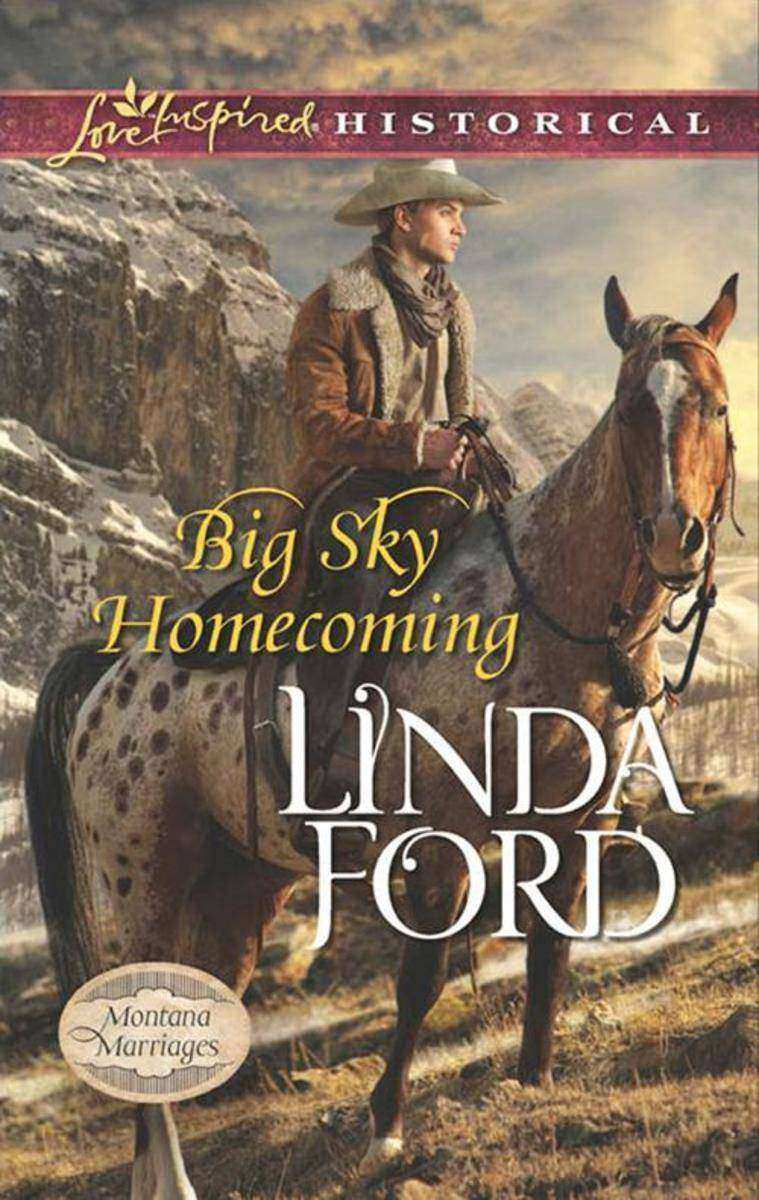
Big Sky Homecoming (Mills & Boon Love Inspired Historical) (Montana Marriages, B
¥31.10
Falling for the enermy Newly returned Duke Caldwell is the son of her family's enemy–and everyone knows a Caldwell can't be trusted. Yet when Duke is thrown from his horse, Rose Bell puts her misgivings aside to help care for the handsome rancher. And soon there's no denying that her childhood nemesis isn't the scoundrel she thinks he is. Duke keeps telling himself that his reasons for wanting to spend time with feisty Rose have to do only with ending their families' feud–and not with how captivating he finds her. But though Rose might be willing to mend fences with the enemy, could she ever believe Duke worthy of her love? Montana Marriages: Three sisters discover a legacy of love beneath the Western sky

Carrying His Secret (Mills & Boon Romantic Suspense) (The Adair Affairs, Book 1)
¥30.61
FAMILY SECRETS… For years, Elizabeth Shelton kept her attraction to Whit Adair hidden. But when one explosive night with the gorgeous tycoon leaves her pregnant, it’s not just her heart that’s at risk. Because the Adair family have been targeted by a killer… and Elizabeth is next on their list. When Whit learns of the danger Elizabeth is in, he immediately whisks her away to his ranch, the only place where he can keep this beautiful, vulnerable woman safe. And, once he learns that Elizabeth is carrying his child, Whit knows that he’ll defend their future… whatever it takes.

Daddy Wanted (Mills & Boon Love Inspired)
¥31.10
Overnight Mom Former wild child Savannah Bowers goes from being happily single to the guardian of three children after the sudden death of her best friend. Struggling with her new role, Savvy's not sure if Brodie Evans's offer to help is a welcome one. She has trouble forgiving her childhood friend's past mistakes, but she'll give him a chance for the sake of the kids. Which is why the attraction she begins to feel for him catches her off guard. And she can tell she's not the only one. If Brodie can prove he's changed his ways, he might just be this instant family's perfect daddy.
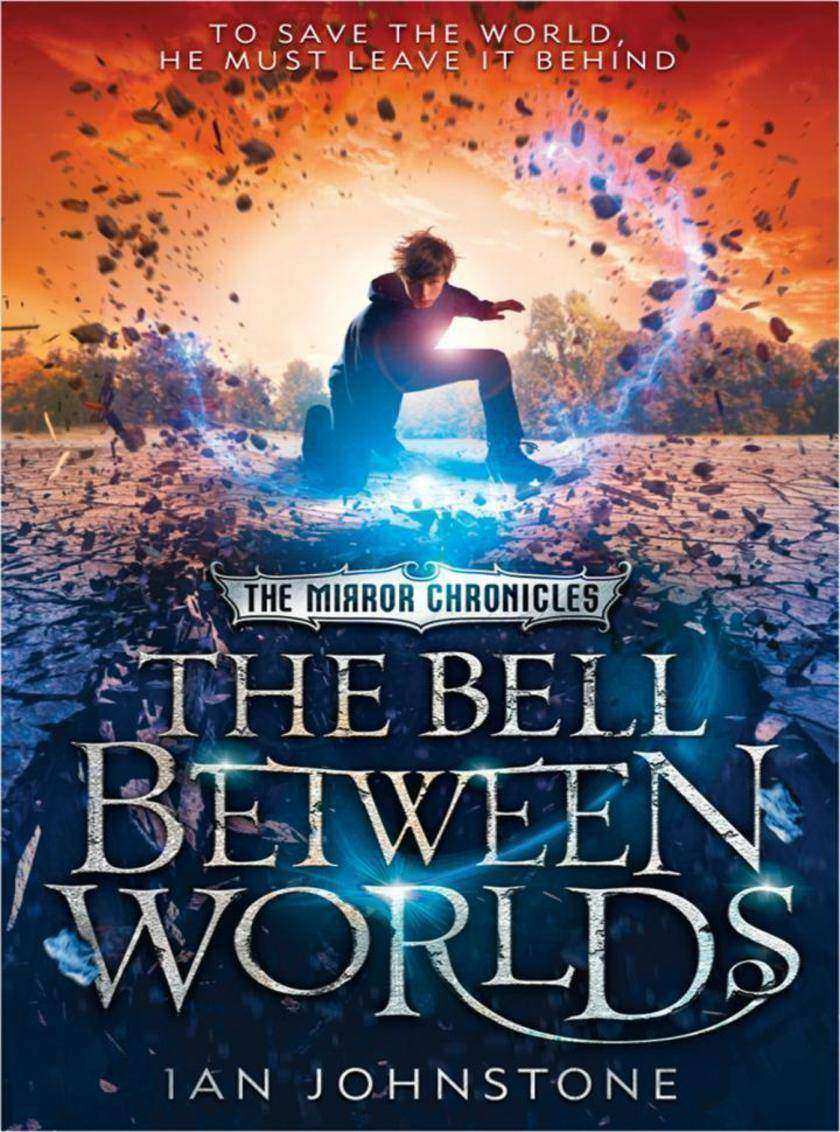
The Bell Between Worlds (The Mirror Chronicles, Book 1)
¥58.86
A glorious epic fantasy in the grand tradition of CS Lewis and Philip Pullman, and a major publishing event, The Mirror Chronicles will take you into another world, and on the adventure of your lifetime… Half of your soul is missing. The lost part is in the mirror. And unless Sylas Tate can save you, you will never be whole again. Sylas Tate leads a lonely existence since his mother died. But then the tolling of a giant bell draws him into another world known as the Other, where he discovers not only that he has an inborn talent for the nature-influenced magic of the Fourth Way, but also that his mother might just have come from this strange parallel place. Meanwhile, evil forces are stirring, and an astounding revelation awaits Sylas as to the true nature of the Other. As violence looms and the stakes get ever higher, Sylas must seek out a girl called Naeo who might just be the other half of his soul – otherwise the entire universe may fall…
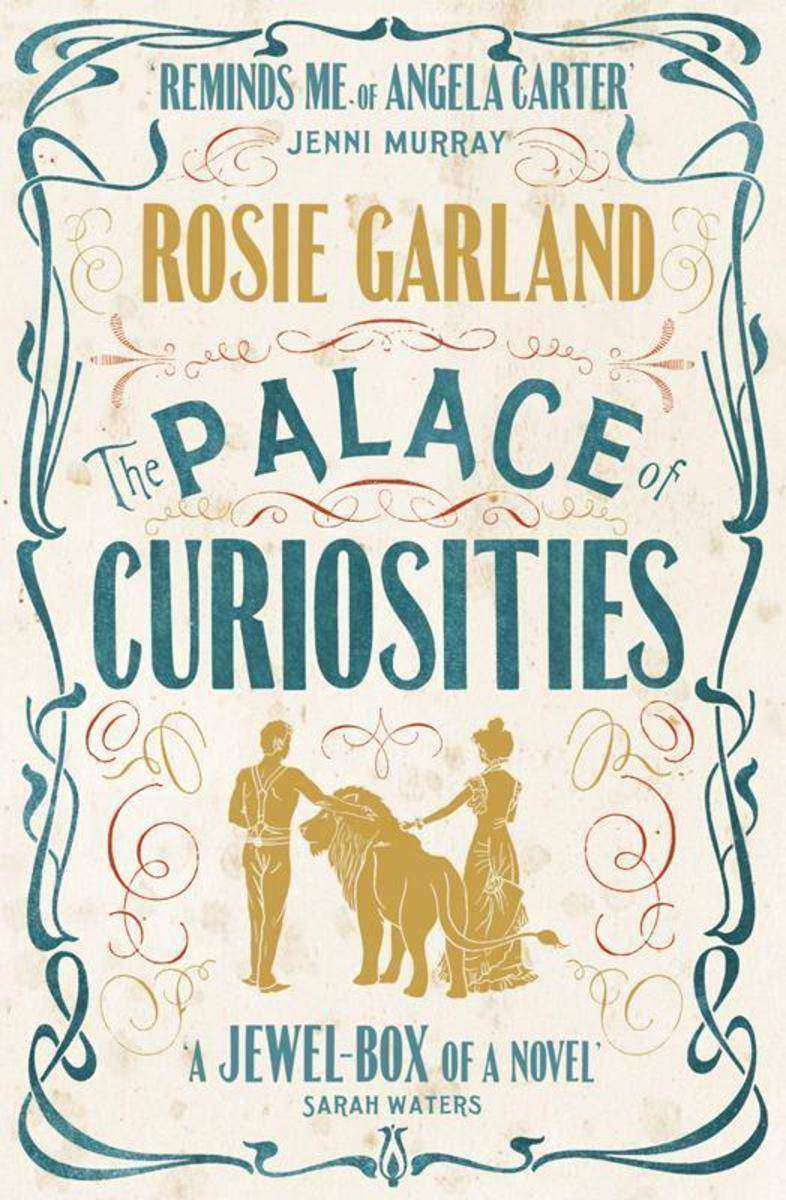
The Palace of Curiosities
¥66.22
A luminous and bewitching debut novel that is perfect for fans of Angela Carter. Set in Victorian London, it follows the fortunes of Eve, the Lion-Faced Girl and Abel, the Flayed Man. A magical realism delight. Before Eve is born, her mother goes to the circus. She buys a penny twist of coloured sugar and settles down to watch the heart-stopping main attraction: a lion, billed as a monster from the savage heart of Africa, forged in the heat of a merciless sun. Mama swears she hears the lion sigh, just before it leaps…and when Eve is born, the story goes, she didn’t cry – she meowed and licked her paws. When Abel is pulled from the stinking Thames, the mudlarks are sure he is long dead. As they search his pockets to divvy up the treasure, his eyes crack open and he coughs up a stream of black water. But how has he survived a week in that thick stew of human waste? Cast out by Victorian society, Eve and Abel find succour from an unlikely source. They will become The Lion Faced Girl and The Flayed Man, star performers in Professor Josiah Arroner’s Palace of Curiosities. And there begins a journey that will entwine their fates forever.

Insurrection
¥25.60
MURDER DOCTRINE A jihadist bomb brings down a massive church in Ibadan, and injured Catholic bishops flee the sanctuary-turned-death-trap…straight into the machetes of Nigeria's most fearsome terrorist group, Boko Haram. This bloodbath is only the beginning of a reign of terror linked to al Qaeda. As the gloating leader amps up the massacres of Christians across the country, Mack Bolan sets out to hunt him down and smash al Qaeda's hopes of building another major African power base. Yet the moment Bolan hits Nigerian soil, his identity is compromised. His only allies have little training, and their priority is protecting children orphaned by the terrorists' brutal attacks. Now survival means fighting his way through the crowded city, ambush by lethal ambush, and staying one step ahead of a traitor moving in for the kill. With the death toll rising, the Executioner will have to play one last gamble to restore the region's rightful government–and send this unholy gang of jihadists into fiery oblivion.

Reunited with the Major (Mills & Boon Historical) (Regency Brides of Convenience
¥38.36
FOR HONOUR… Major Harry Brockley gave up on love long ago, when he lost his heart to his colonel’s wife, Samantha Scatterby. Now, years later, Brock agrees to a loveless marriage to save a damsel in distress – only for Sam to reappear in his life! … OR FOR LOVE? Courageous Sam, now a widow, is happy to see the one man she’s secretly adored for years – even if he is engaged to someone else. And when Brock seeks Sam’s help she’s powerless to resist this chance to be reunited with her handsome major… Regency Brides of Convenience: deals made at the altar!
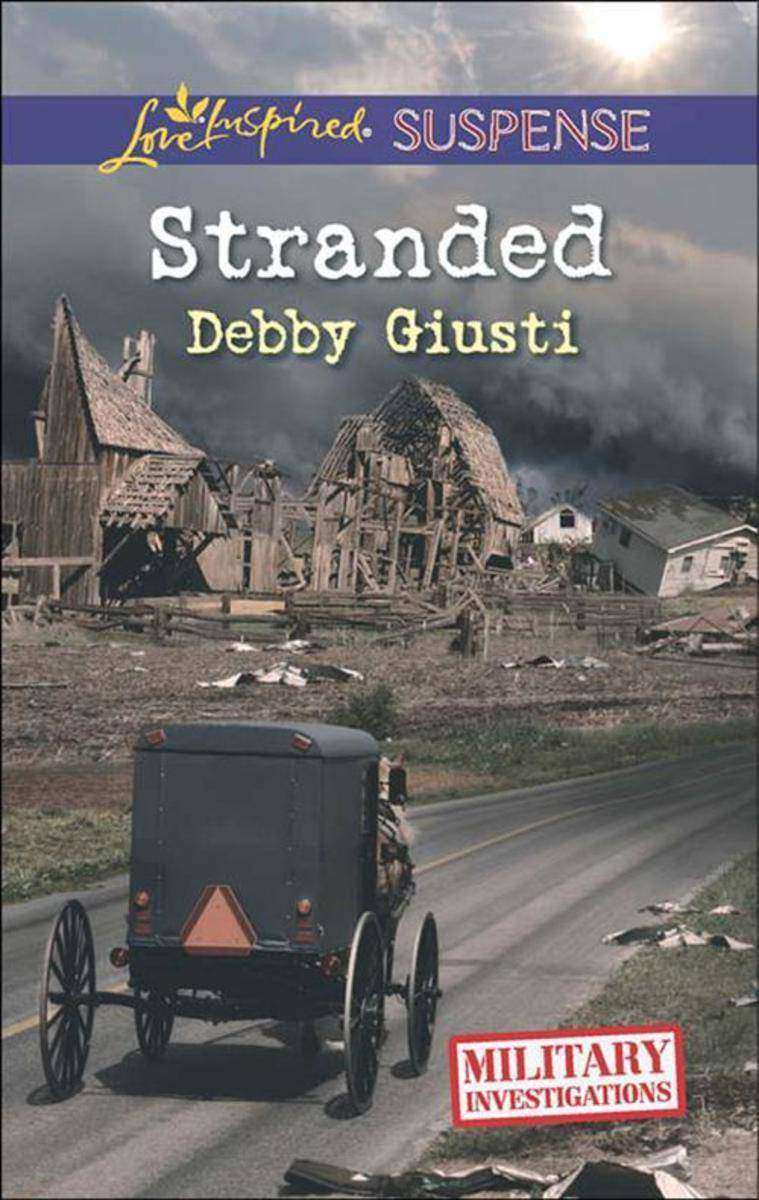
Stranded (Mills & Boon Love Inspired Suspense) (Military Investigations, Book 7)
¥31.10
AMISH COUNTRY REFUGE Colleen Brennan has one goal - take down her sister's killer. But chasing after evidence leaves her in the path of a tornado and stranded in an Amish community. With the killer nearby, Colleen must depend on the kindness of Special Agent Frank Gallagher. Although the army officer is recuperating from a battlefield injury, he wants to help the beautiful woman he rescued from the tornado's fury. He can tell she's hiding something important. But getting her to reveal her secrets may be his most dangerous mission ever. Military Investigations: Serving their country and solving crimes
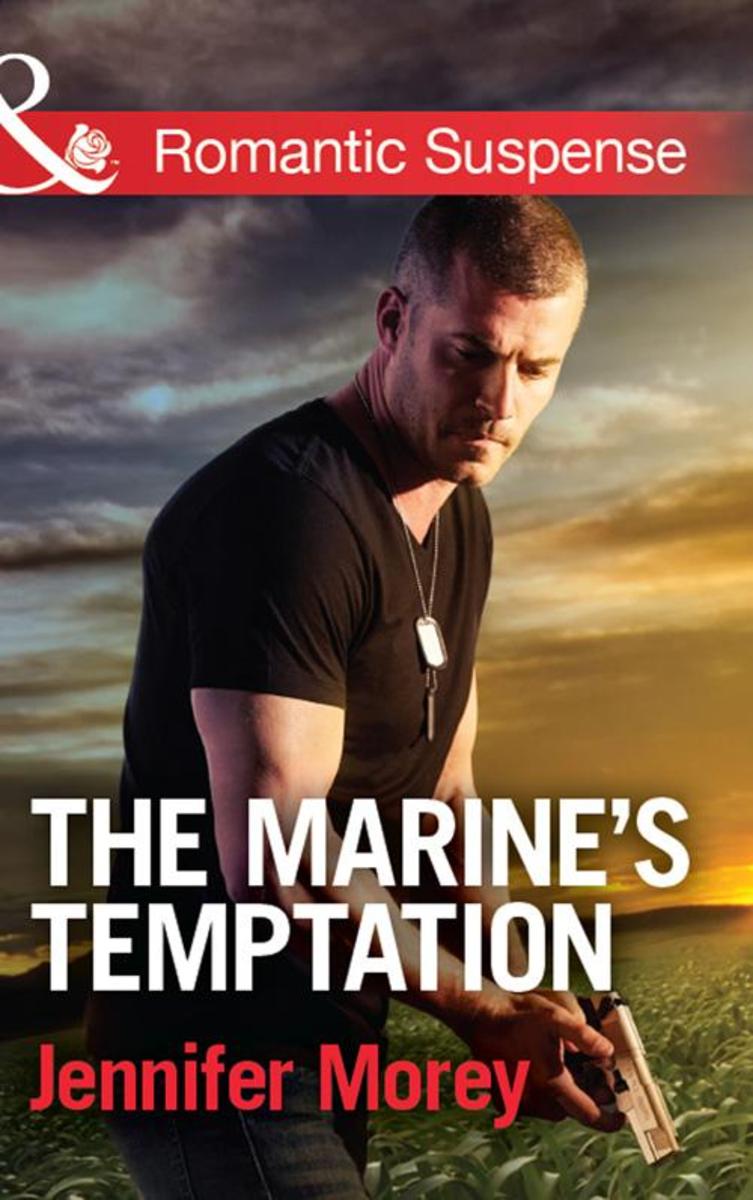
The Marine's Temptation (Mills & Boon Romantic Suspense) (The Adair Affairs, Boo
¥25.21
CAN’T BUY ME LOVE… Carson Adair’s father ruined Georgia Mason’s stepmother’s life and Georgia is not about to give Carson the same opportunity with her. She’s determined to resist his charms – however tempting it is to allow the smouldering sexy ex-marine to seduce her! But it’s hard to hate him when he’s trying to track down the traitor behind his botched mission. And, when a gunman from Carson’s dark past tracks him down and puts Georgia in the line of fire, Carson protects her, igniting a scorching passion. Maybe Carson’s someone for Georgia to trust, respect… and love.

The Pregnant Witness (Mills & Boon Intrigue) (Special Agents at the Altar, Book
¥31.10
Strong, handsome and crossing a dangerous line! An expert at catching bank robbers, FBI Special Agent Blaine Campbell isn’t sure who to trust. He's just rescued the beautiful assistant manager from being abducted by robbers–but was it an inside job? What if pregnant Maggie Jenkins wasn’t a hostage but a co-conspirator? After several harrowing attempts on the young widow’s life, the steely Blaine relies on his instincts. Maggie wasn't involved. The only thing she's guilty of is stealing his heart. Risking his life to find Maggie’s would-be killers has become more than a job. She and her unborn child could be the future he never imagined for himself. All he has to do is keep her alive.
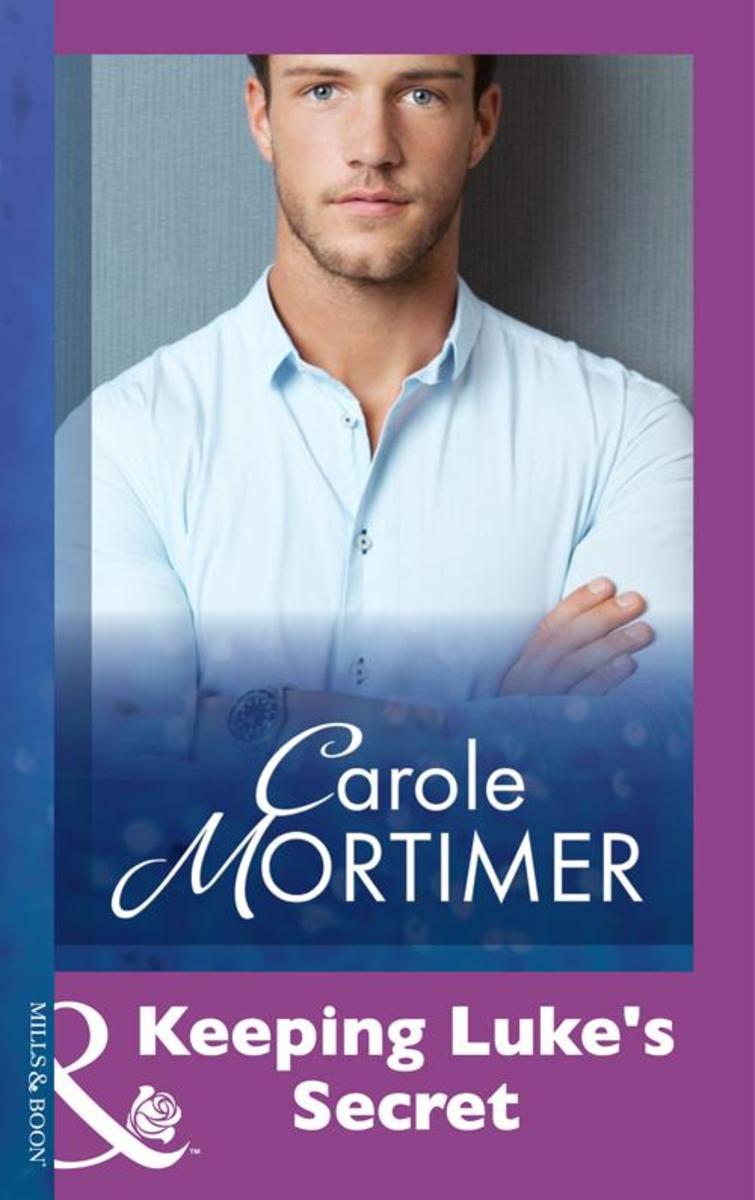
Keeping Luke's Secret (Mills & Boon Modern)
¥31.10
Carole Mortimer is one of Mills & Boon’s best loved Modern Romance authors. With nearly 200 books published and a career spanning 35 years, Mills & Boon are thrilled to present her complete works available to download for the very first time! Rediscover old favourites - and find new ones! - in this fabulous collection… Secrets of the past… Unexpectedly, writer Leonie is asked to write the biography of renowned actress Rachel Richmond. Although she has published a biography before, Leonie has no idea why Rachel would choose her as the author. And her doubts about the job deepen when Rachel's son, Luke, seems determined to relentlessly intimidate her! Even though Luke’s attitude towards her is hostile, Leonie is intensely aware of his piercing green eyes and stunned by the tempestuous passion between them. But can they survive the secrets of the past?
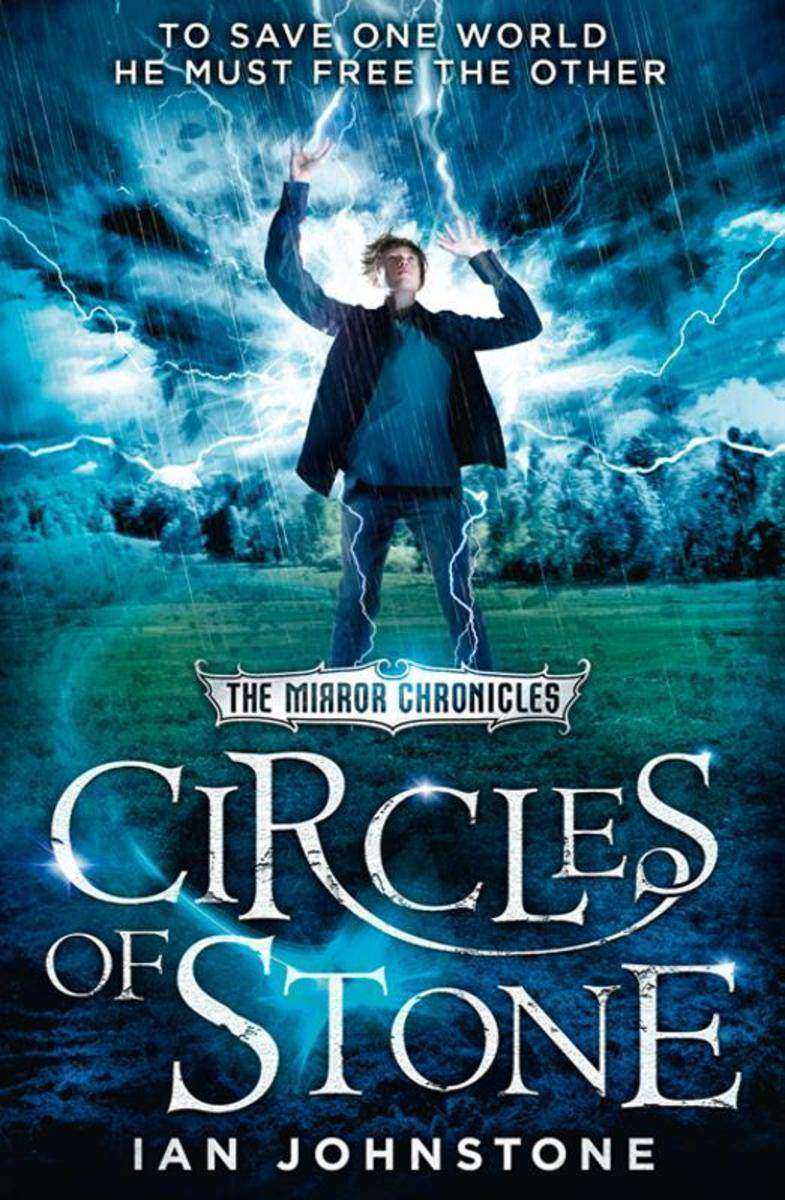
Circles of Stone (The Mirror Chronicles, Book 2)
¥58.86
The second volume in an epic fantasy trilogy that will thrill everyone who loves rich stories of wonder and magic. Together, they have unimaginable power. But unless they part, that power may destroy them. As the dark lord Thoth raises a monstrous army, Sylas and Naeo discover that their new-found power could also be their undoing. At the same time, Sylas longs to find his mother, and Naeo her father. So begins a mirrored quest that will bring Naeo into our world of science and take Sylas deep into the magic of the Other. They both hope to find the one the other loves, but also the ultimate truth: of our broken worlds and divided souls, of prophecy and of Sylas and Naeo’s wondrous power. But it’s a race against time. Even as they begin their journey, Thoth’s creatures mass at the gateways between our worlds – at the ancient circles of stone… War is coming and unless Sylas and Naeo can stop it, it may destroy us all.
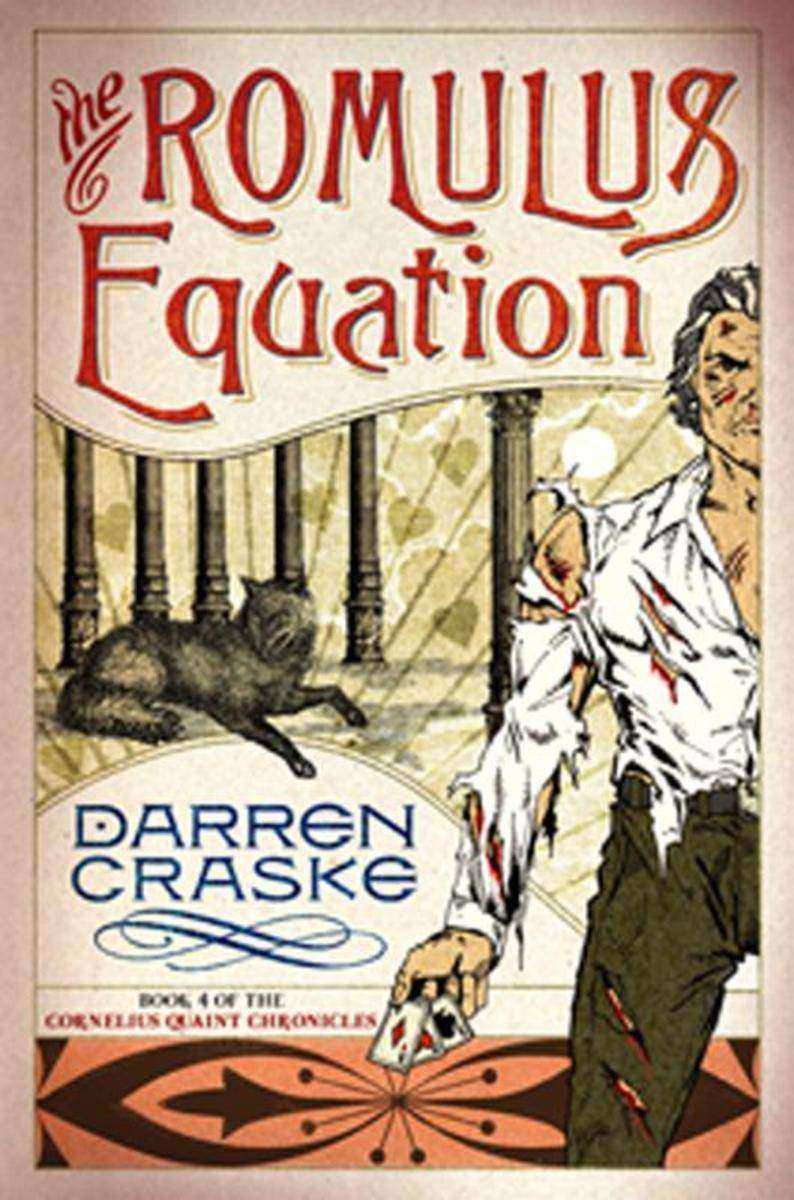
The Romulus Equation (Cornelius Quaint Chronicles, Book 4)
¥56.11
The fourth book in the Cornelius Quaint Chronicles.
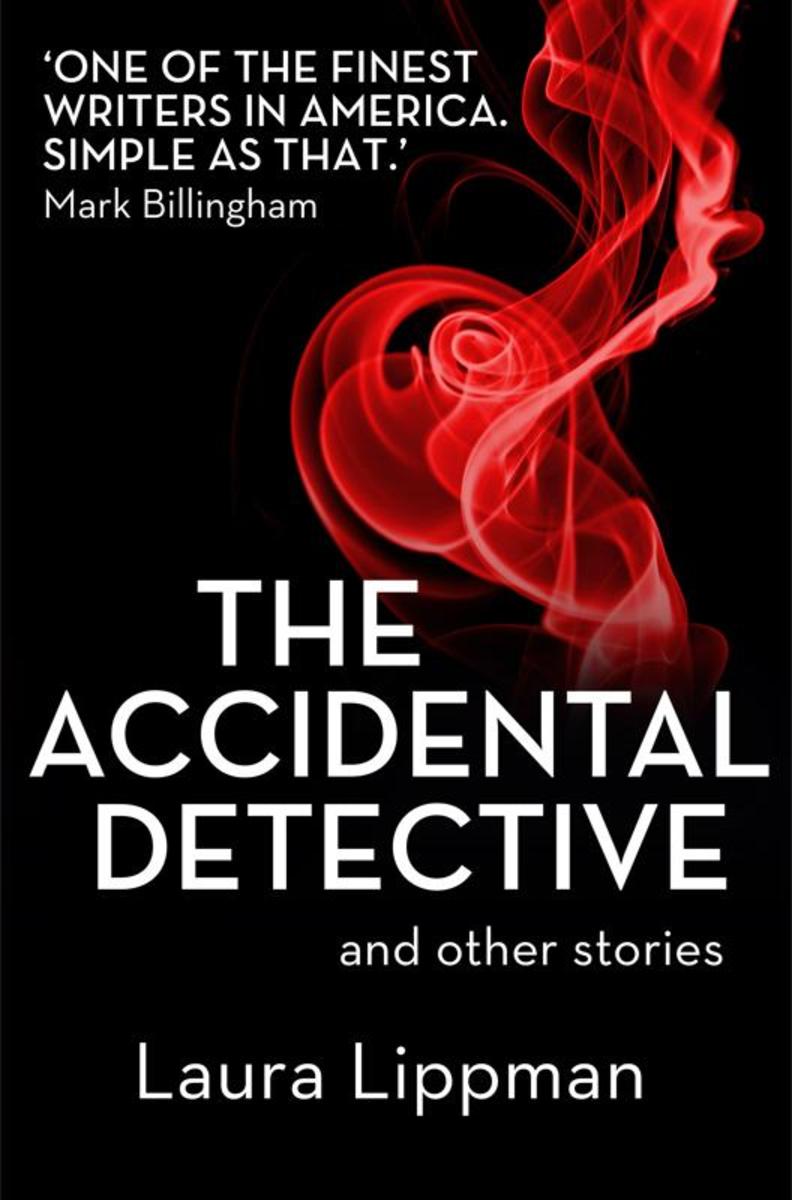
The Accidental Detective and other stories:Short Story Collection
¥18.34
Nine deliciously dark, funny and twisted short stories from one of America’s top crime writers. EXCLUSIVE EBOOK EDITION ALSO INCLUDES A FREE EXTRACT FROM LAURA’S FORTHCOMING NOVEL THE INNOCENTS. If you haven’t discovered Laura Lippman yet, delve into these nine ingenious tales and read an exclusive extract from Laura’s latest novel The Innocents. Within this collection, Laura Lippman takes us from Dublin in ‘Honor Bar’ to Washington D.C. in ‘ARM and the Woman’ and to New Orleans in ‘Pony Girl.’ Other higlights include a rare interview with Tess (of Laura’ popular Tess Monaghan series) in ‘The Accidental Detective.’ Sometimes poignant, sometimes humorous and always filled with shocking twists and turns, expect the unexpected… If you enjoy this collection, why not try ‘Femme Fatale and other stories’. Also available now as an exclusive ebook short story collection.


