


 购物车
购物车 个人中心
个人中心
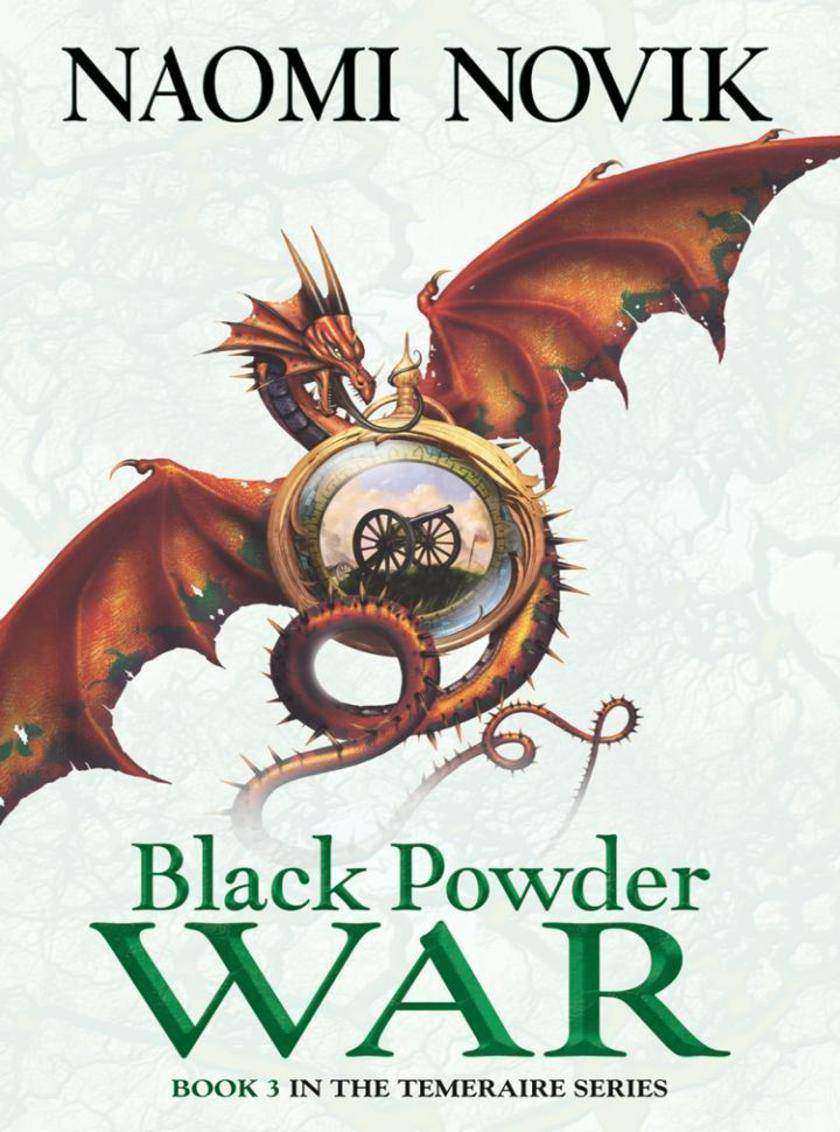
Black Powder War (The Temeraire Series, Book 3)
¥42.58
Naomi Novik’s stunning series of novels follow the adventures of Cpt Laurence and his dragon Temeraire as they travel from the shores of Britain to China and Africa. Before Captain Will Laurence can prepare his crew for the slow voyage home from China, new orders arrive for him and his dragon, Temeraire: they must fly home immediately, stopping only in Istanbul to collect three priceless dragon eggs, purchased by the British government from the Ottoman Empire. But the cross-continental journey is fraught with danger; not only will they have to scale mountains and traverse vast hostile deserts, but a Machiavellian herald precedes them, spreading political menace in her wake. Holding Temeraire responsible for the death of her princely companion, Lien has absconded from China consumed by vengeance. If she can, she will destroy everything and everyone Temeraire loves.

Election
¥57.09
A brilliantly funny novel from the author of ‘The Abstinence Teacher’ and ‘Little Children’, made into an acclaimed film starring Reece Witherspoon and Matthew Broderick. Tracy Flick wants to be president of Winwood High. She’s one of those ambitious girls who finds time to do it all: edit the yearbook, star in the school musical, sleep with her English teacher. Staunch idealist, Jim McAllister (aka ‘Mr M’) thinks the students deserve better. So he persuades Paul Warren – a well-liked, good-hearted jock – to run as well. But that puts Paul’s sister, Tammy, in a snit. So she runs too, on an apathy platform – before starting a real campaign…to get herself kicked out of school. The idea was to educate the students of this suburban New Jersey school in the democratic process and the American way. But with all the sex scandals, smear campaigns and behind-the-scenes powerbrokers at Winwood High, it doesn’t look as if they need any lessons…

Rebellion
¥63.18
Rebellion is brewing in Napoleonic Paris, in the new action-packed novel from the author of the bestselling Ratcatcher October 1812: Britain and France are still at war. France is engaged on two battle fronts - Spain and Russia - and her civilians are growing weary of the fight. Rebellion is brewing. Since Napoleon Bonaparte appointed himself as First Consul, there have been several attempts to either kill or overthrow him. All have failed, so far… Meanwhile in London, Bow Street Runner Matthew Hawkwood has been seconded to the foreign arm of the Secret Service. There, he meets the urbane Henry Brooke, who tells him he’s to join a colleague in Paris on a special mission. Brooke's agent has come up with a daring plan and he needs Hawkwood's help to put it into action. If the plan is successful it could lead to a negotiated peace treaty between France and the allies. Failure would mean prison, torture and a meeting with the guillotine…

The Drought
¥22.76
With a new introduction by M. John Harrison and a striking new cover design from the artist Stanley Donwood, this acclaimed cult novel sees human existence threatened by devastating climate change. Water. Man’s most precious commodity is a luxury of the past. Radioactive waste from years of industrial dumping has caused the sea to form a protective skin strong enough to devastate the Earth it once sustained. And while the remorseless sun beats down on the dying land, civilization itself begins to crack. Violence erupts and insanity reigns as the remnants of mankind struggle for survival in a worldwide desert of despair. Remarkable for its prescience and the originality of its vision, The Drought is a work of major importance from the early career of one of Britain’s most acclaimed novelists. This edition is part of a new commemorative series of Ballard’s works, featuring introductions from a number of his admirers (including Ned Beauman, Ali Smith, Neil Gaiman and Martin Amis) and brand-new cover designs.

The Information Officer
¥72.30
From the No. 1 bestseller and author of Richard & Judy pick The Savage Garden: an atmospheric world war two crime thriller for fans of Carlos Ruiz Zafon and Jed Rubenfeld "You want to know who I am? I'm the last living soul you'll ever set eyes on" Summer, 1942. For the people of Malta, suffering daily bombing raids, the British are the last line of defence against the Nazis. And it is Max Chadwick's job as the information officer to ensure the news the islanders receive maintains morale. So when Max is given proof suggesting a British officer is murdering local women, he knows the consequences of discovery are dire. With the violence on the war-ravaged island escalating daily, he embarks on a private investigation, hidden from the eyes of superiors, friends and the woman he loves. But Max finds himself torn between patriotic duty and personal honour in his efforts to track down the killer… an elusive figure always one step ahead of his hunter.
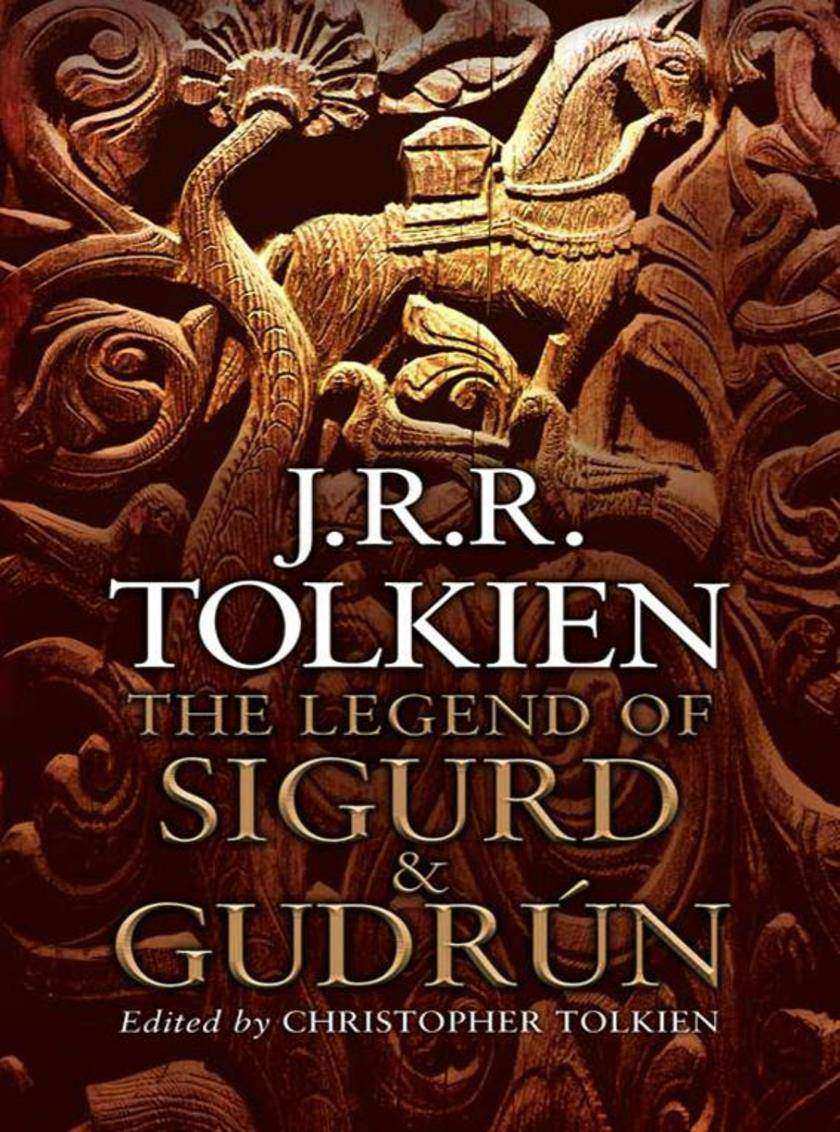
The Legend of Sigurd and Gudrún
¥58.47
The world first publication of a previously unknown work by J.R.R. Tolkien, which tells the epic story of the Norse hero, Sigurd, the dragon-slayer, the revenge of his wife, Gudrún, and the Fall of the Nibelungs. “Many years ago, J.R.R. Tolkien composed his own version, now published for the first time, of the great legend of Northern antiquity, in two closely related poems to which he gave the titles The New Lay of the V?lsungs and The New Lay of Gudrún. “In the Lay of the V?lsungs is told the ancestry of the great hero Sigurd, the slayer of Fáfnir most celebrated of dragons, whose treasure he took for his own; of his awakening of the Valkyrie Brynhild who slept surrounded by a wall of fire, and of their betrothal; and of his coming to the court of the great princes who were named the Niflungs (or Nibelungs), with whom he entered into blood-brotherhood. In that court there sprang great love but also great hate, brought about by the power of the enchantress, mother of the Niflungs, skilled in the arts of magic, of shape-changing and potions of forgetfulness. “In scenes of dramatic intensity, of confusion of identity, thwarted passion, jealousy and bitter strife, the tragedy of Sigurd and Brynhild, of Gunnar the Niflung and Gudrún his sister, mounts to its end in the murder of Sigurd at the hands of his blood-brothers, the suicide of Brynhild, and the despair of Gudrún. In the Lay of Gudrún her fate after the death of Sigurd is told, her marriage against her will to the mighty Atli, ruler of the Huns (the Attila of history), his murder of her brothers the Niflung lords, and her hideous revenge. “Deriving his version primarily from his close study of the ancient poetry of Norway and Iceland known as the Poetic Edda (and where no old poetry exists, from the later prose work the V?lsunga Saga), J.R.R. Tolkien employed a verse-form of short stanzas whose lines embody in English the exacting alliterative rhythms and the concentrated energy of the poems of the Edda.” — Christopher Tolkien

Gathering Blue (The Giver Quartet)
¥50.82
The fascinating sequel to THE GIVER which inspired the dystopian genre and is soon to be a major motion picture starring Jeff Bridges, Katie Holmes and Taylor Swift.
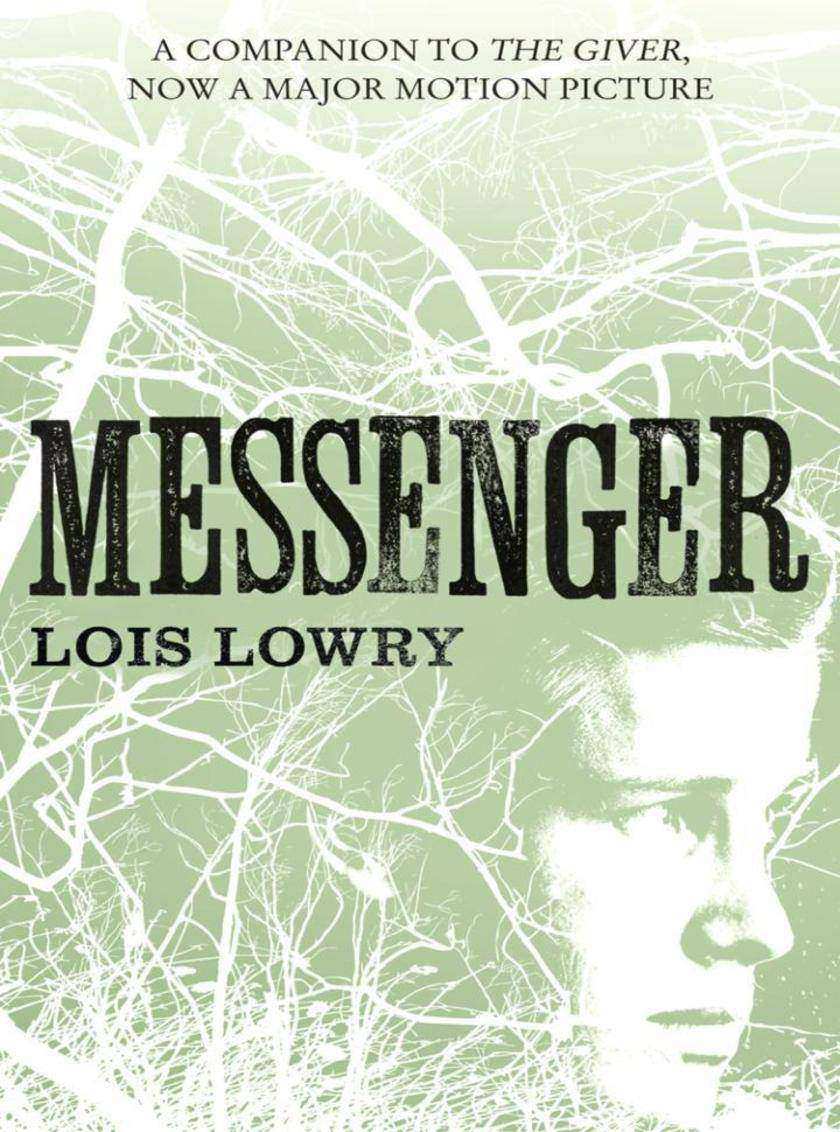
Messenger (The Giver Quartet)
¥51.50
The fascinating third companion novel to THE GIVER which inspired the dystopian genre and is soon to be a major motion picture starring Jeff Bridges, Katie Holmes and Taylor Swift.
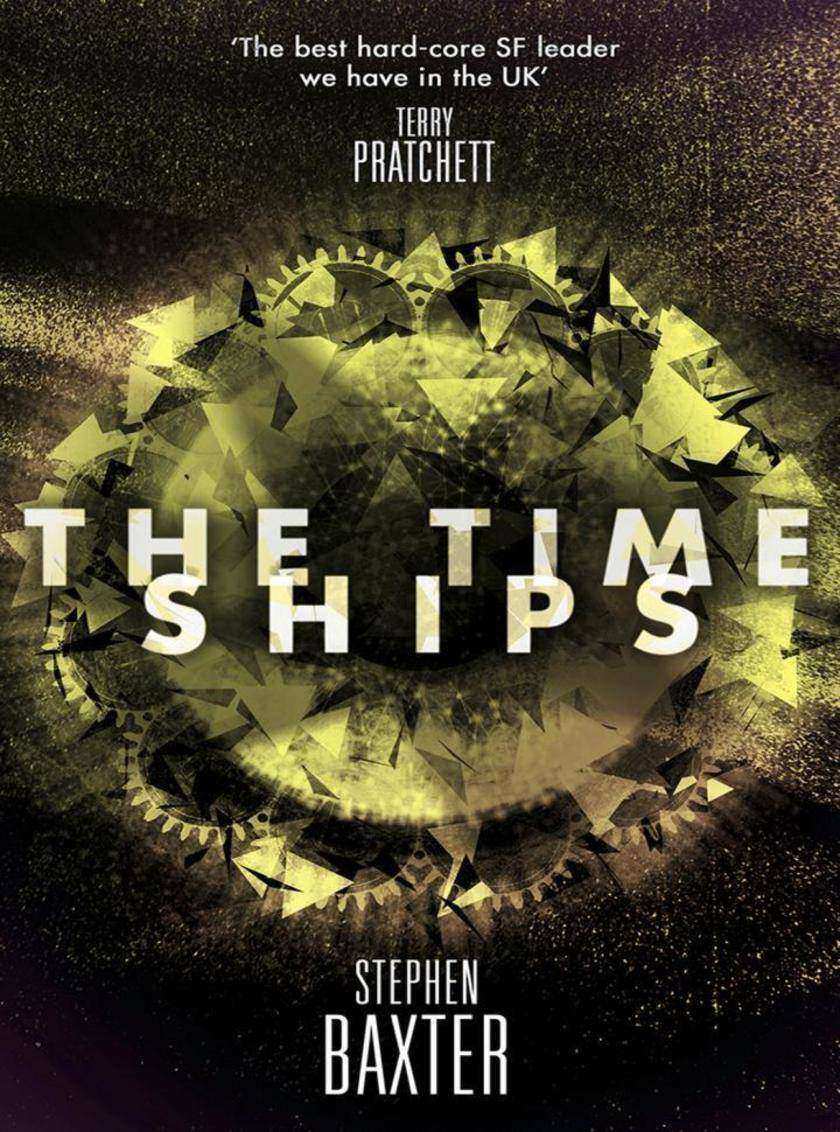
The Time Ships
¥53.76
The highly-acclaimed sequel to H G Wells’s The Time Machine, from the heir to Arthur C. Clarke. Written to celebrate the centenary of the publication of H G Wells’s classic story The Time Machine, Stephen Baxter’s stunning sequel is an outstanding work of imaginative fiction. The Time Traveller has abandoned his charming and helpless Eloi friend Weena to the cannibal appetites of the Morlocks, the devolved race of future humans from whom he was forced to flee. He promptly embarks on a second journey to the year AD 802,701, pledged to rescue Weena. He never arrives! The future was changed by his presence… and will be changed again. Hurled towards infinity, the Traveller must resolve the paradoxes building around him in a dazzling temporal journey of discovery. He must achieve the impossible if Weena is to be saved.
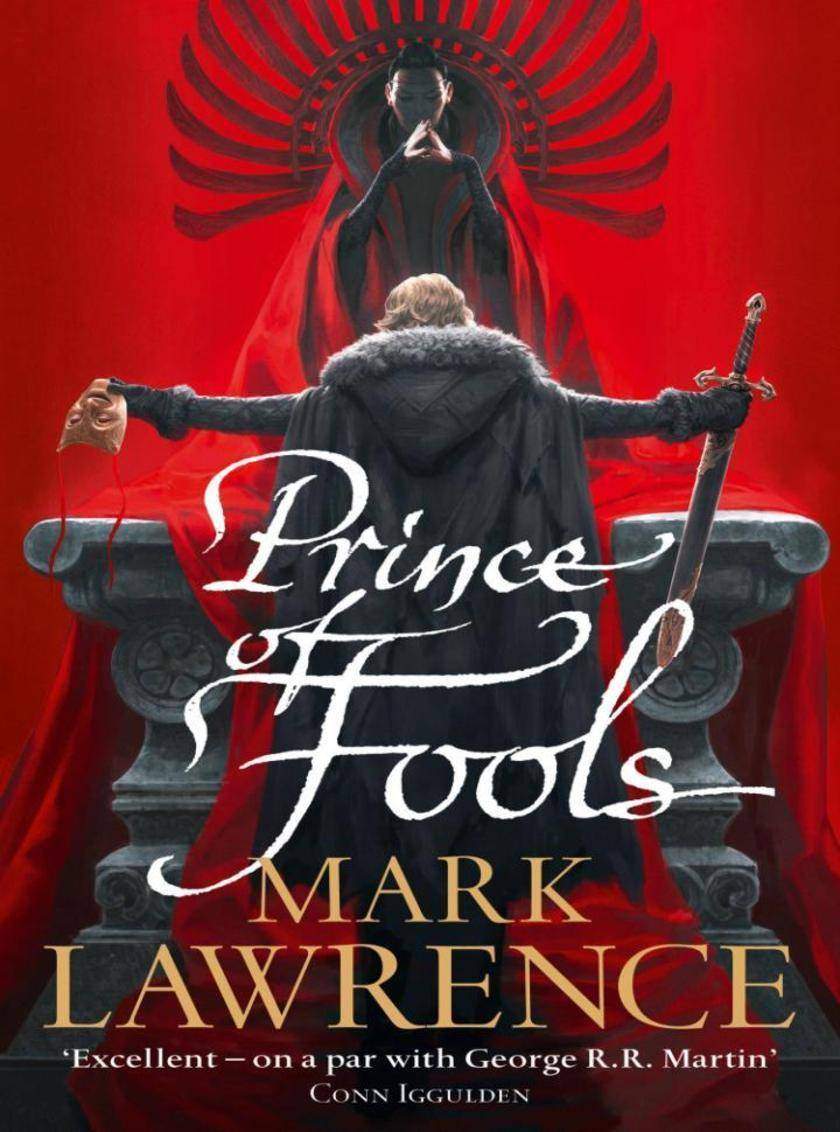
Prince of Fools (Red Queen’s War, Book 1)
¥48.27
From the critically acclaimed author of THE BROKEN EMPIRE series comes a brilliant new epic fantasy series, THE RED QUEEN’S WAR.

All the Light We Cannot See
¥66.22
WINNER OF THE 2015 PULITZER PRIZE FOR FICTIONNATIONAL BOOK AWARD FINALISTNEW YORK TIMES BESTSELLERWINNER OF THE CARNEGIE MEDAL FOR FICTION A beautiful, stunningly ambitious novel about a blind French girl and a German boy whose paths collide in occupied France as both try to survive the devastation of World War II

A Colder War (Thomas Kell Spy Thriller, Book 2)
¥65.16
From the winner of the CWA Ian Fleming Steel Dagger 2012 for Best Thriller of the Year comes a gripping and suspenseful new spy novel. Perfect for fans of John le Carré, Charles Cumming is ‘the master of the modern spy thriller’ (Mail on Sunday) MI6's Head of Station in Turkey is killed in a mysterious plane crash. Amelia Levene, chief of the Secret Intelligence Service, wants the incident investigated – quickly and quietly. The only man she can trust is Thomas Kell, a disgraced spy searching for redemption. Arriving in Istanbul, Kell discovers that MI6 operations in the region have been fatally compromised: a traitor inside Western Intelligence threatens not just the Special Relationship, but the security of the entire Middle East. Kell’s search for the mole takes him from London, to Greece, and into Eastern Europe. But when Kell is betrayed by those closest to him, the stakes become personal. He will do anything to see this operation through – including putting himself, and others, in the line of fire…

Interpreter of Maladies
¥66.22
Pulitzer-winning, scintillating studies in yearning and exile from a Bengali Bostonian woman of immense promise. A couple exchange unprecedented confessions during nightly blackouts in their Boston apartment as they struggle to cope with a heartbreaking loss; a student arrives in new lodgings in a mystifying new land and, while he awaits the arrival of his arranged-marriage wife from Bengal, he finds his first bearings with the aid of the curious evening rituals that his centenarian landlady orchestrates; a schoolboy looks on while his childminder finds that the smallest dislocation can unbalance her new American life all too easily and send her spiralling into nostalgia for her homeland… Jhumpa Lahiri’s prose is beautifully measured, subtle and sober, and she is a writer who leaves a lot unsaid, but this work is rich in observational detail, evocative of the yearnings of the exile (mostly Indians in Boston here), and full of emotional pull and reverberation.

Hercule Poirot and the Greenshore Folly
¥67.69
As a favour to an old friend, Hercule Poirot finds himself at a summer fete in Devon, taking part not in a Treasure Hunt, but a Murder Hunt, in this never-before-published novella version of Dead Man’s Folly. Now released for the first time in print in this illustrated collector’s edition. Sir George and Lady Stubbs, the hosts of a village fête, hit upon the novel idea of staging a mock murder mystery. In good faith, Ariadne Oliver, the well known crime writer, agrees to organise their murder hunt. But at the last minute Ariadne calls her friend Hercule Poirot for his expert assistance. Instinctively, she senses that something sinister is about to happen… In 1954, Agatha Christie wrote this novella with the intention of donating the proceeds to a fund set up to buy stained glass windows for her local church at Churston Ferrers, and she filled the story with references to local places, including her own home of Greenway. But having completed it, she decided instead to expand the story into a full-length novel, Dead Man’s Folly, which was published two years later, and donated a Miss Marple story (Greenshaw’s Folly) to the church fund instead. Unseen for sixty years, Hercule Poirot and the Greenshore Folly is finally published in this collector’s hardback edition. The book includes a jacket painting, illustrations and exclusive introduction by Tom Adams, Agatha Christie’s most famous cover artist, who is back illustrating Agatha Christie for the first time in more than 30 years.

Dare She Dream Of Forever? (Mills & Boon Medical)
¥25.41
Ebony Matthews hasn’t seen neurosurgeon Bartholomew Goldmark since high school…and when they meet again a shared grief sparks an unexpected attraction. Ebony’s learnt the hard way that nothing lasts for ever, but suddenly Bart is showing Ebony that there’s hope for the future. And a second chance at happiness might be closer than she thinks…

Swallowbrook's Wedding Of The Year (Mills & Boon Medical)
¥26.78
A white wedding for the village nurse? Beloved by the locals and immersed in her job, Nurse Julianne Marshall loves the life she’s built for herself in the cosy Lakeland village of Swallowbrook. Then Aaron Somerton saunters into her medical practice, proud and strong… Julianne’s held a torch for Aaron for years – even before his break-up with her sister. She fears he hasn’t forgiven her for her part in this, but could a marriage miracle be in store for Swallowbrook’s favourite nurse?

Return of the Rebel Doctor (Mills & Boon Medical)
¥22.07
Her irresistible rival For years Katie has run her small Scottish community hospital, and is not impressed when the bad boy from her past comes back to stake his claim on her job! Ross McGregor might have been from the wrong side of the tracks once, but the exarmy doc has developed a charm that's as sharply honed as his medical skills. Katie intends to fiercely protect her dream job - but why does she find her mind wandering to thoughts of the handsome doctor who's back in her life?

Resisting The New Doc In Town (Mills & Boon Medical)
¥22.07
One month to win her heart! Dr Richard Allington - fresh from romantic Paris - would be dangerously easy to fall for. But A&E Director Bergan Moncrief hasn't fought her way to the top, overcoming her troubled youth, to become a notch on the bedpost of a globetrotting charmer who is only in town for a month...But Richard knows instantly Bergan is special, unlike any woman he's met on his travels. The handsome widower realises he's ready to risk his heart again, but it's going to take all his charm to convince Bergan that he's serious - and time is running out...

Her Firefighter Under the Mistletoe (Mills & Boon Medical)
¥31.10
Being reunited with her childhood sweetheart is quite a surprise for Paediatric Consultant Jessica Rae. Especially as the boy she once knew is now a sinfully sexy, lifesaving firefighter! Even now, single dad Callum Kennedy still makes her heart go boom – something this grieving doctor never again thought possible… For Callum and his gorgeous son, Drew, Jessica could be just what his heartbroken little family needs. And he’ll do anything to convince her that he’s just what she needs too… starting with a heart-stopping Christmas kiss!

Her Mistletoe Wish (Mills & Boon Medical)
¥25.60
Bubbly Dr. Reggie Smith can’t believe her eyes when gorgeous Dr. Flynn Jamieson walks back into her life and her ER! He’s the man who broke her heart, and Reggie is horrified to realize she still finds the charismatic surgeon oh-so irresistible! Maybe it’s because Flynn seems different – has he finally managed to throw off the shackles that once came between them? If so, maybe this Christmas Reggie will get what she’s always wished for…

Selected Journal Entries by Beatrix Potter - Delphi Classics (Illustrated)
¥8.09
This eBook features the unabridged text of ‘Selected Journal Entries by Beatrix Potter - Delphi Classics (Illustrated)’ from the bestselling edition of ‘The Complete Works of Beatrix Potter’. Having established their name as the leading publisher of classic literature and art, Delphi Classics produce publications that are individually crafted with superior formatting, while introducing many rare texts for the first time in digital print. The Delphi Classics edition of Potter includes original annotations and illustrations relating to the life and works of the author, as well as individual tables of contents, allowing you to navigate eBooks quickly and easily. eBook features: * The complete unabridged text of ‘Selected Journal Entries by Beatrix Potter - Delphi Classics (Illustrated)’ * Beautifully illustrated with images related to Potter’s works * Individual contents table, allowing easy navigation around the eBook * Excellent formatting of the text Please visit www.delphiclassics.com to learn more about our wide range of titles


