


 购物车
购物车 个人中心
个人中心
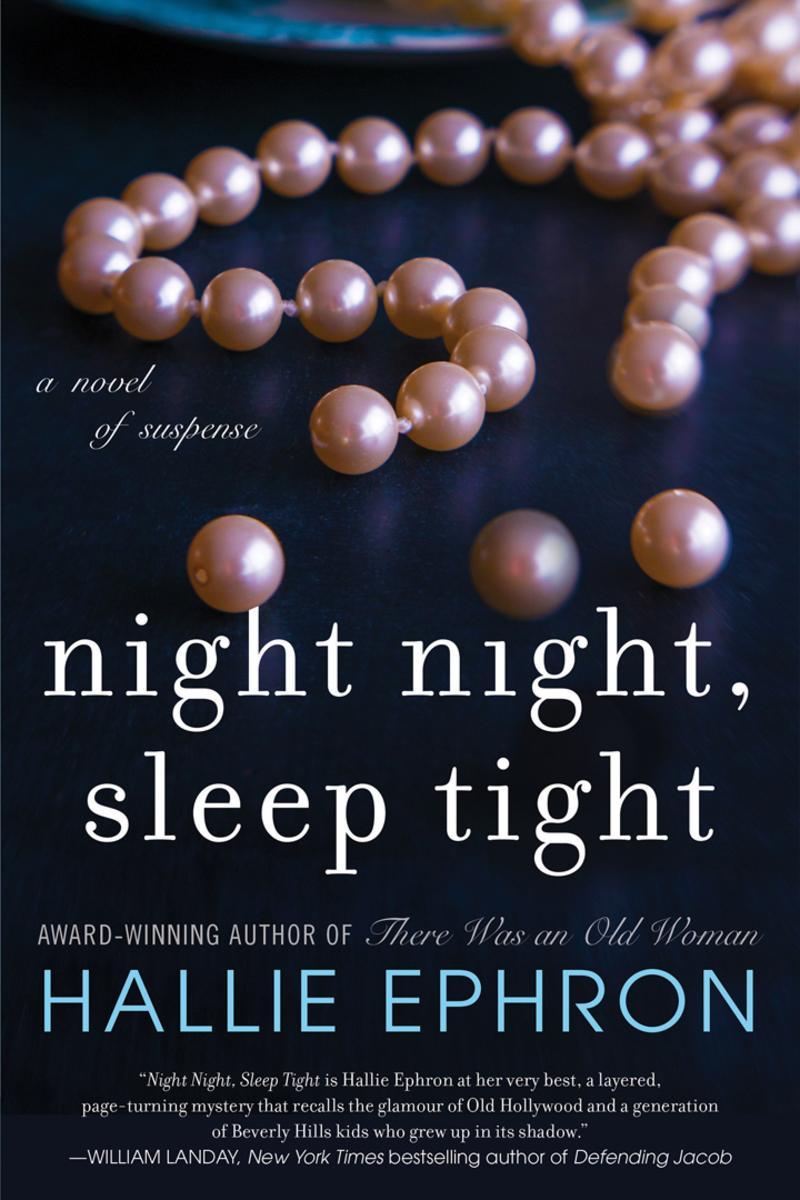
Night Night, Sleep Tight
¥84.16
From the award-winning author of There Was an Old Woman comes a mystery tinged with Hollywood glamour, set in a town where fame and infamy are often interchangeableLos Angeles, 1985. When Deirdre Unger makes the drive from San Diego to Beverly Hills to help her father put his dilapidated house on the market, she's expecting to deal with his usual kvetching and dark moods. But she gets a lot more than she expected. . . . In a cruel Sunset Boulevard–in a twist, Deirdre arrives home to find her father facedown in his too-small swimming pool—dead.At first, Deirdre assumes her father's death was a tragic accident. But the longer she stays in town, the more Deirdre begins to suspect that everything isn't as open-and-closed as she first presumed. The sudden resurfacing of Deirdre's childhood BFF Joelen Nichol—daughter of the famous and infamous Elenor "Bunny" Nichol—seems like more than a coincidence. Back in 1963, Joelen confessed to killing her movie-star mother's boyfriend. Deirdre was at the Nichols' house the night of the murder, which was also the night she suffered her own personal tragedy. Could all these events be connected?As Deirdre digs deeper into the past, she becomes increasingly convinced that her father's death is merely the deadly third act in a story that has long been in development. And if she isn't careful, she might be its final victim.
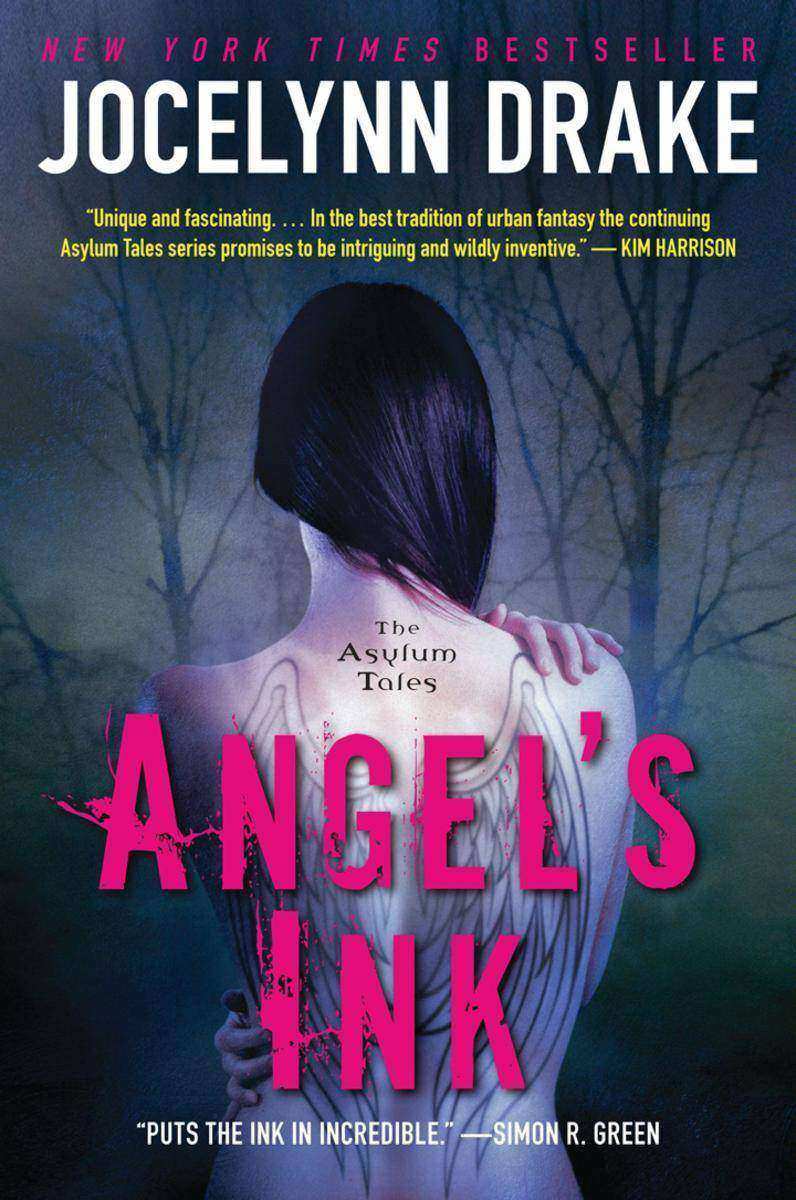
Angel's Ink
¥83.03
Buyer beware . . .Looking for a tattoo—and maybe a little something extra: a burst of good luck, a dollop of true love, or even a hex on an exHead to the quiet and mysterious Gage, the best skin artist in town. Using unique potions—a blend of extraordinary ingredients and special inks—to etch the right symbol, he can fulfill any heart's desire. But in a place like Low Town, where elves, faeries, trolls, werewolves, and vampires happily walk among humanity, everything has its price. No one knows that better than Gage. Turning his back on his own kind, he left the magical Ivory Tower where cruel witches and warlocks rule, a decision that cost him the right to practice magic. And if he disobeys, his punishment—execution—will be swift.Though he's tried to fly under the radar, Gage can't hide from powerful warlocks who want him dead—or the secrets of his own past. But with the help of his friends, Trixie, a gorgeous elf who hides her true identity, and a hulking troll named Bronx, Gage might just make it through this enchanted world alive.
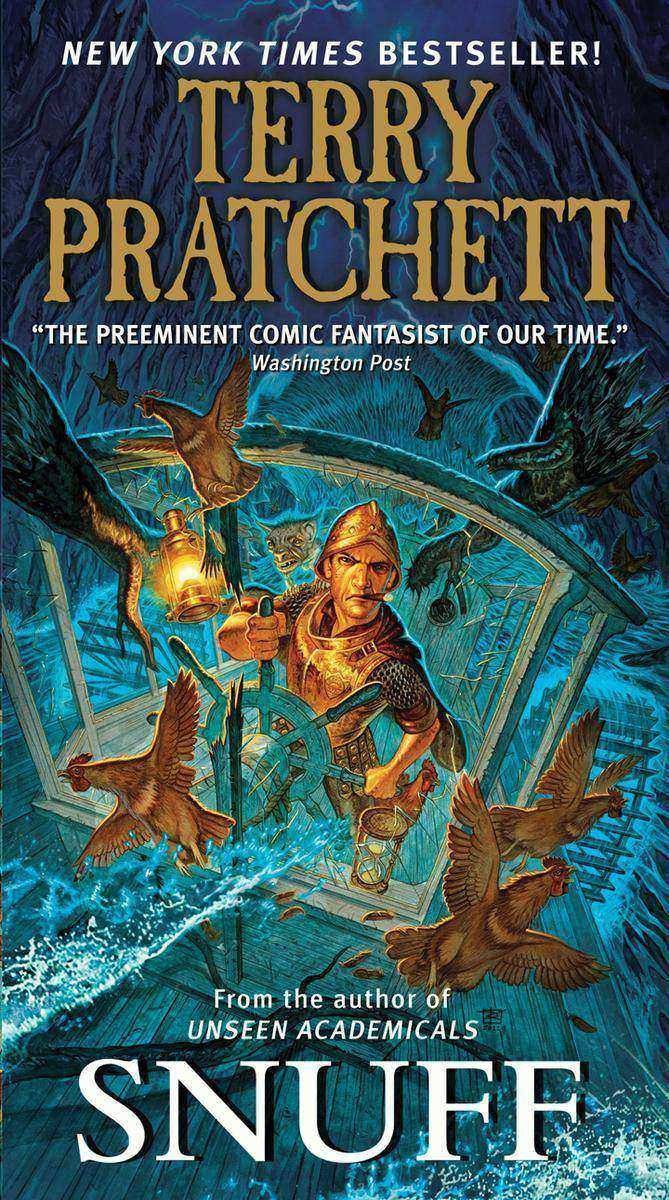
Snuff
¥70.10
For nearly three decades, Terry Pratchett has enthralled millions of fans worldwide with his irreverent, wonderfully funny satires set in the fabulously imaginative Discworld, a universe remarkably similar to our own. From sports to religion, politics to education, science to capitalism, and everything in between, Pratchett has skewered sacred cows with both laughter and wisdom, and exposed our warts, foibles, and eccentricities in a unique, entertaining, and ultimately serious way.At long last, Lady Sybil has lured her husband, Sam Vimes, on a well-deserved holiday away from the crime and grime of Ankh-Morpork. But for the commander of the City Watch, a vacation in the country is anything but relaxing. The balls, the teas, the muck—not to mention all that fresh air and birdsong—are more than a bit taxing on a cynical city-born and -bred copper.Yet a policeman will find a crime anywhere if he decides to look hard enough, and it’s not long before a body is discovered, and Sam—out of his jurisdiction, out of his element, and out of bacon sandwiches (thanks to his well-meaning wife)—must rely on his instincts, guile, and street smarts to see justice done. As he sets off on the chase, though, he must remember to watch where he steps. . . . This is the countryside, after all, and the streets most definitely are not paved with gold.Hailed as the “purely funniest English writer since Wodehouse” (Washington Post Book World), with a “satirist’s instinct for the absurd and a cartoonist’s eye for the telling detail” (Daily Telegraph, London), Terry Pratchett offers a novel of crime, class, prejudice, and punishment that shows this master at his dazzling best.

Bellagrand
¥90.51
From internationally bestselling author Paullina Simons comes another compelling saga of heartbreak and redemption, and the devastating love story that led to The Bronze HorsemanLove was just the beginning of their journeyGina and Harry gave up everything to be together. But they both want different things—from their marriage, from life, from each other . . . and from the shifting world around them.Gina, independent, compassionate, and strong, desperately wants a family. Harry, idealistic and fiercely political, wants to create a better world, a better country. At a crossroads and at cross-purposes, they pursue their opposing dreams at great cost to themselves and those near to them. Through years of passion and turmoil they rail, rage, and break each other's hearts, only to come face-to-face with a stark final choice that will forever determine their destiny.Their journey takes them through four decades and two continents, from extreme poverty to great wealth, from the wooden planks of the troubled immigrant town of Lawrence, Massachusetts, to the marble halls and secret doors of a mystical place called . . . Bellagrand.
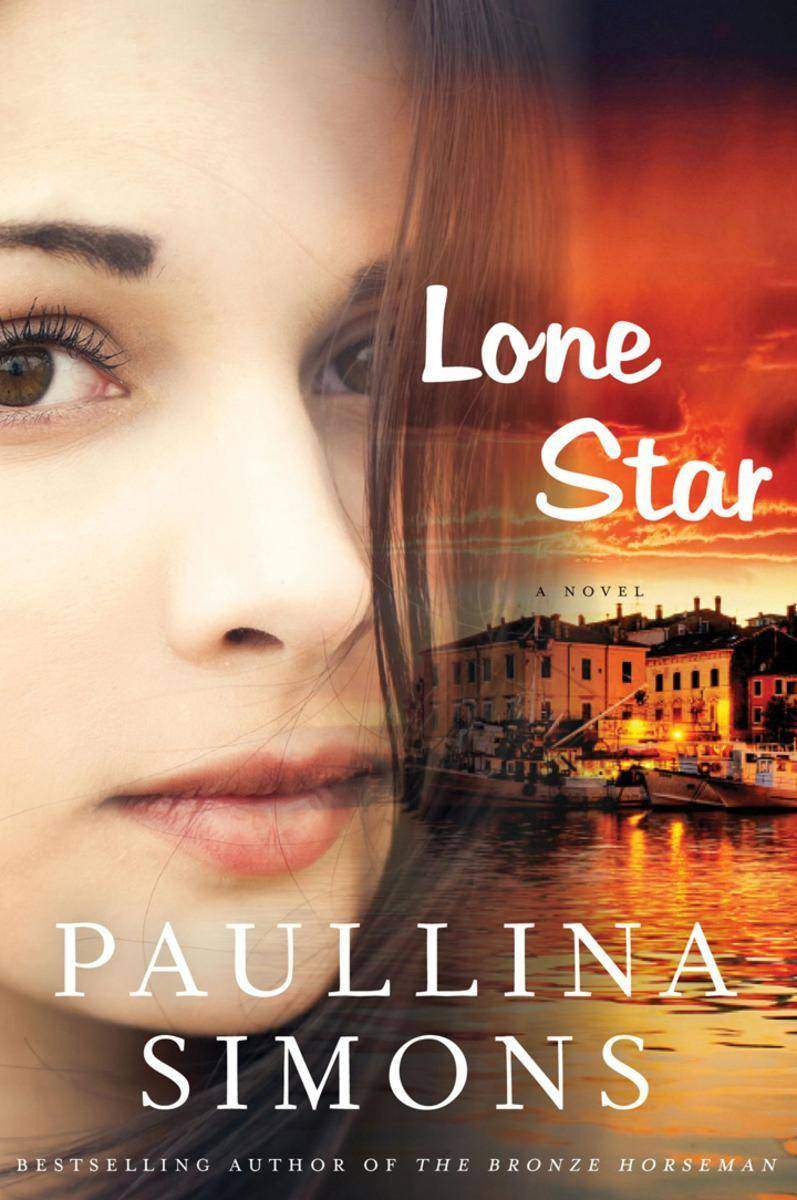
Lone Star
¥94.10
Falling in love was the easy part . . .Chloe and her three best friends are weeks away from finishing high school and beginning their new grown-up lives apart from one another. They have been friends since they were kids, their families and lives intertwined, but this is their last summer together. They plan a magical trip to sun-drenched Barcelona, with its possibility of adventure and passion. But first, Chloe has an old family promise to keep, and the four of them must detour through historic Eastern Europe.In this fledgling post-Communist world, Chloe meets a mysterious American vagabond named Johnny, who carries a guitar, an easy smile, and a lifetime of secrets. From Treblinka to Trieste, from Carnikava to Krakow, the unlikely band of friends and mismatched lovers traverses the Old World on a train ride that becomes a treacherous journey into Europe’s and Johnny’s dark pasts—a journey that jeopardizes Chloe’s plans and all she ever thought she wanted.The ties that bind Chloe to her friends and her future are about to be put to the ultimate test. Whether or not they reach Barcelona . . . their lives will never be the same again.A sweeping, beautiful tale of old friendships and new love that mesmerizes and enchants, Lone Star will linger long in the memory even after the final page has been turned.
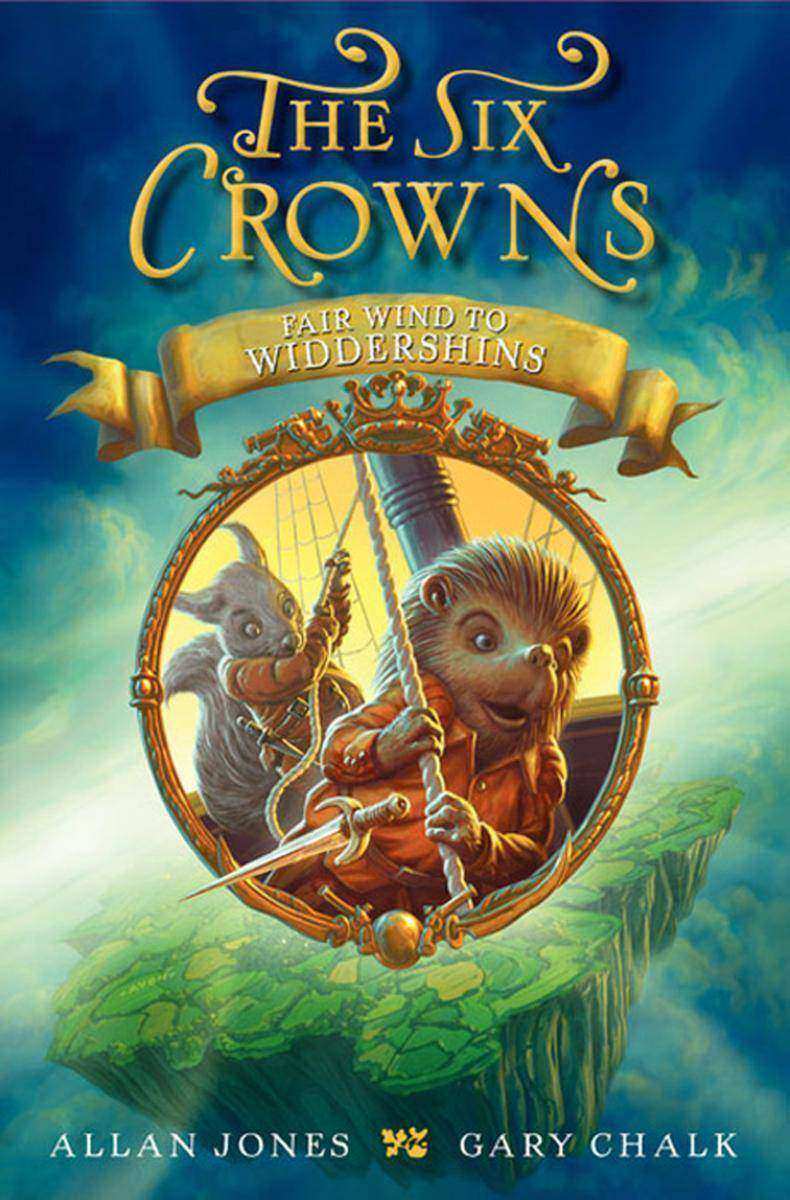
The Six Crowns: Fair Wind to Widdershins
¥90.77
After finding the first of six legendary crowns, Trundle the lamplighter thought he could finally return to his quiet life in Port Shiverstones. But Esmeralda has other ideas. A princess with a talent for magic and mischief, she is determined to continue their quest to find the five other crowns, and to use them to unite the Sundered Lands once and for all.Accompanied by their new friend, Jack Nimble the bard, Trundle and Esmeralda sail to new lands in search of Esmeralda’s wise old aunt. Will the mysterious Aunt Millie give them the clues they need to find the next treasureOr are they walking straight into a trap?
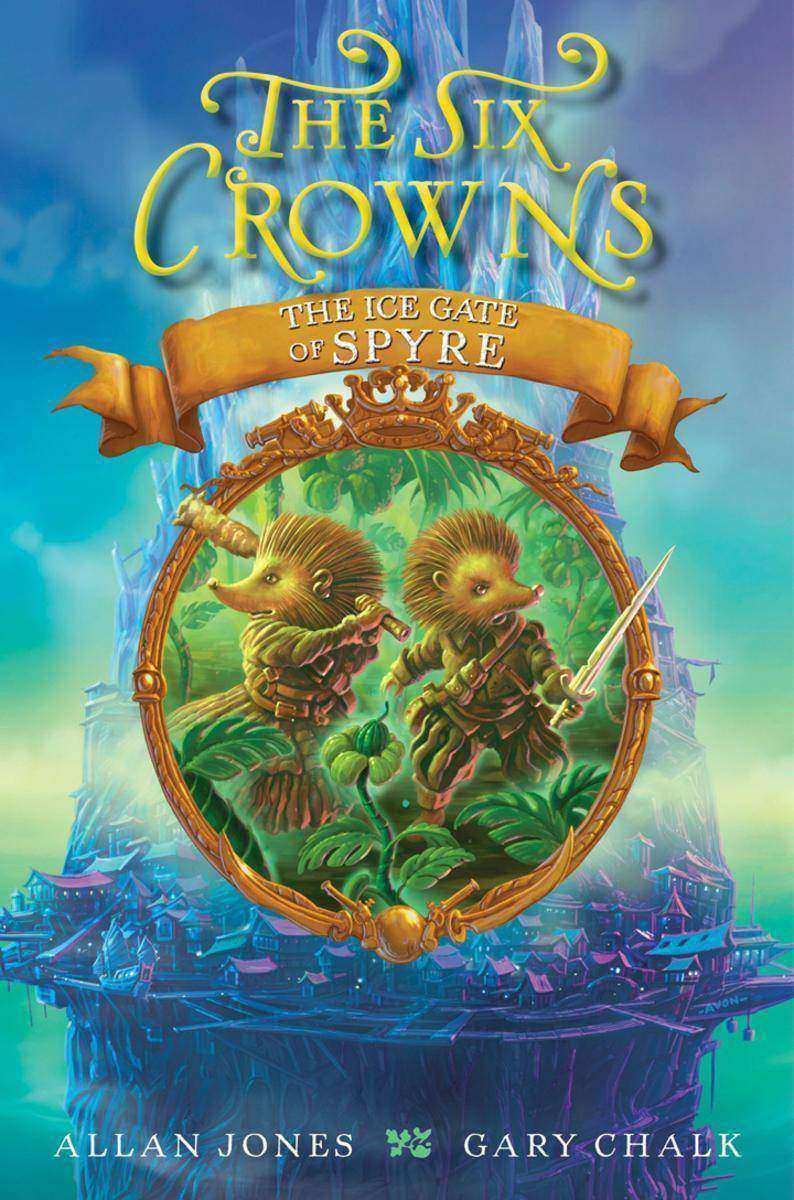
The Six Crowns: The Ice Gate of Spyre
¥90.77
The valiant hedgehog Trundle's quest for the Crown of Ice leads him and his crew to the sacred island of Spyre. According to legend, only the Oracle can find the crown, and Trundle's spirited friend Esmeralda Lightfoot is convinced she's the chosen one. Spyre is full of wonders—and danger—from its low, swampy jungles to its soaring, icy mountaintops. And as Trundle, Esmeralda, the squirrel troubadour Jack Nimble, and their new companion, a wild and crazy hare, make their way through a monastery of fighting llamas and a nest of hungry snow snakes, they discover that nothing on this extraordinary island is as it seems.
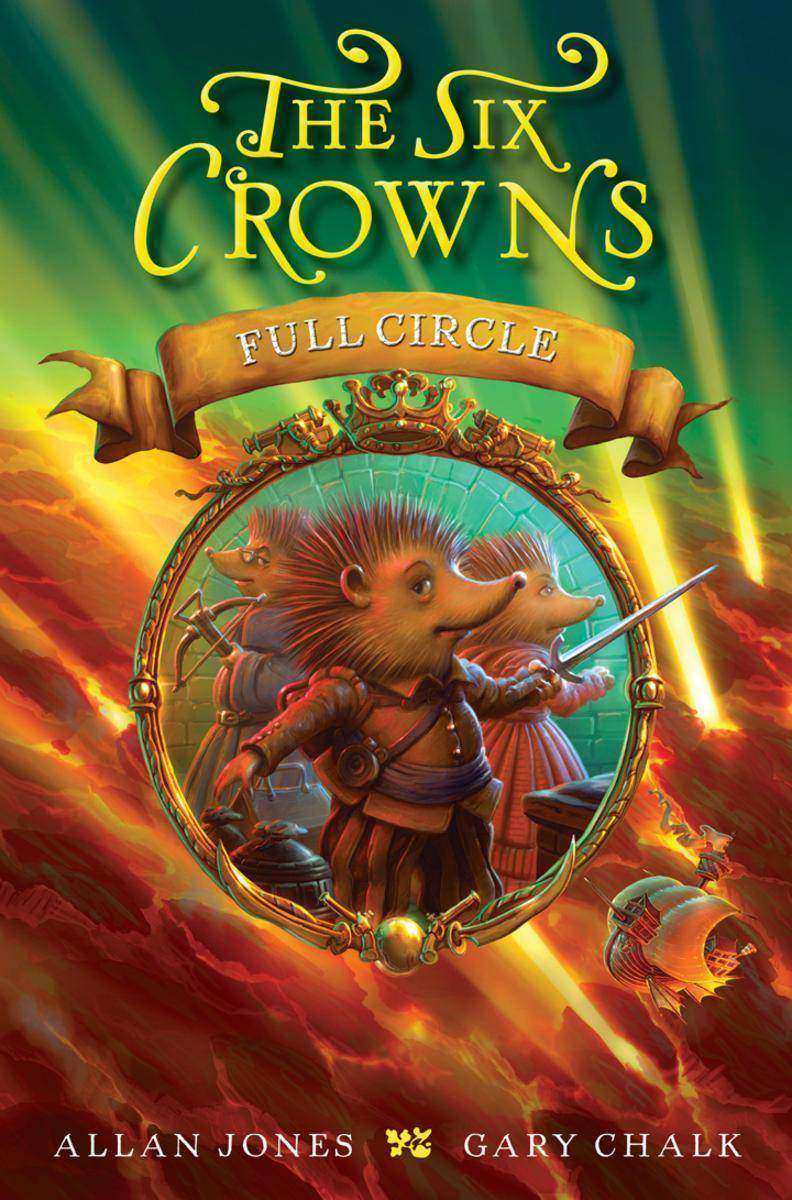
The Six Crowns: Full Circle
¥96.50
The sixth and final book in the animal fantasy series The Six Crowns, of which Booklist said, "Evokes elements of both Redwall and Lord of the Rings." The adventuring hedgehog Trundle Boldoak and energetic Princess Esmeralda must find the final legendary crown in their quest to save their lands!Five of the six lost Badger crowns have been found. Only one is left—the Crown of Stone. But legend has it this crown is on an island long forgotten. Will Trundle and his swashbuckling companions be able to find it on their trusty shipWith dangerous pirates hot on their trail, Trundle and his friends must set sail to an island that might not even exist. An entertaining—and funny!—tween adventure with lively black-and-white illustrations throughout. School Library Journal called the Six Crowns an "action-packed page-turner . . . that even reluctant fantasy readers will embrace."

Parents Need to Eat Too
¥94.10
The question is as old as parenting itself: How can new moms and dads eat well when all their time and energy is spent on babyFinally, we have the answer!Specifically designed for frazzled, sleep-deprived parents, every recipe in Parents Need to Eat, Too is nutritious, delicious, satisfying, and EASY. As a bonus each recipe includes instructions for preparing baby food from the same ingredients. Plus every recipe has the added advantage of being tested by a group of more than 100 new parents.Inside you'll find: Meals you can eat with one hand Recipes for the new parent's best friend: the slow cooker More ambitious recipes, broken down into simple stages to perform while baby naps “Un-Recipes” for parents who can't cook at all Recipes that support breastfeeding Advice from experts, including a pediatric dietitian and a lactation consultantHere are real solutions for the real problems new parents face in the kitchen. Through comforting, honest, and essential help for stressed out, undernourished moms and pops, Parents Need To Eat Too ensures that nobody will go hungry!Parents Need to Eat Too has been named one of the Best Cookbooks of 2012 by Leite’s Culinaria, whose Editor-in-Chief Renee Schettler Rossi called it the “What to Expect After You’re Expecting” and said that the book “savvily and sassily helps you extend the efficiency of any time spent in the kitchen.”
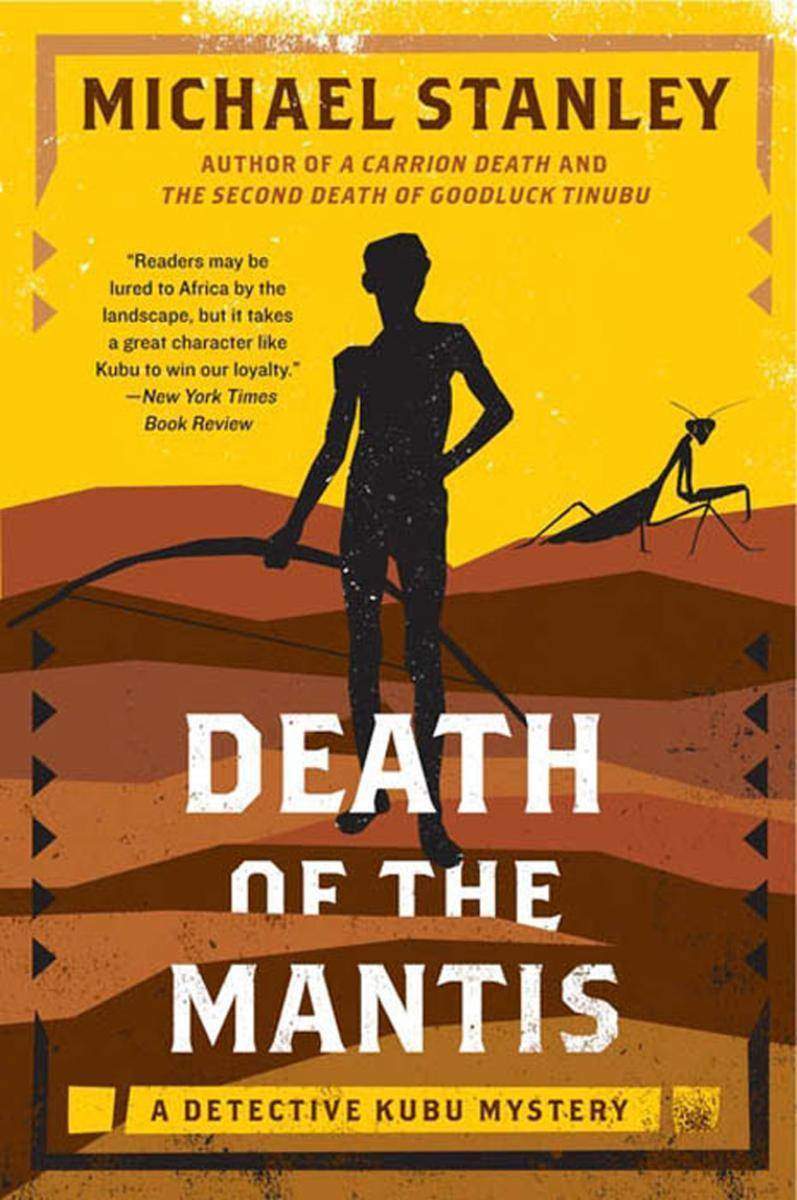
Death of the Mantis
¥83.03
In the southern Kalahari area of Botswana—an arid landscape of legends that speak of lost cities, hidden wealth, and ancient gods—a fractious ranger named Monzo is found dying from a severe head wound in a dry ravine. Three Bushmen surround the doomed man, but are they his killers or there to helpDetective David “Kubu” Bengu is on the case, an investigation that his old school friend Khumanego claims is motivated by racist antagonism on the part of the local police. But when a second bizarre murder, and then a third, seem to point also to the nomadic tribe, the intrepid Kubu must journey into the depths of the Kalahari to uncover the truth. What he discovers there will test all his powers of detection . . . and his ability to remain alive.
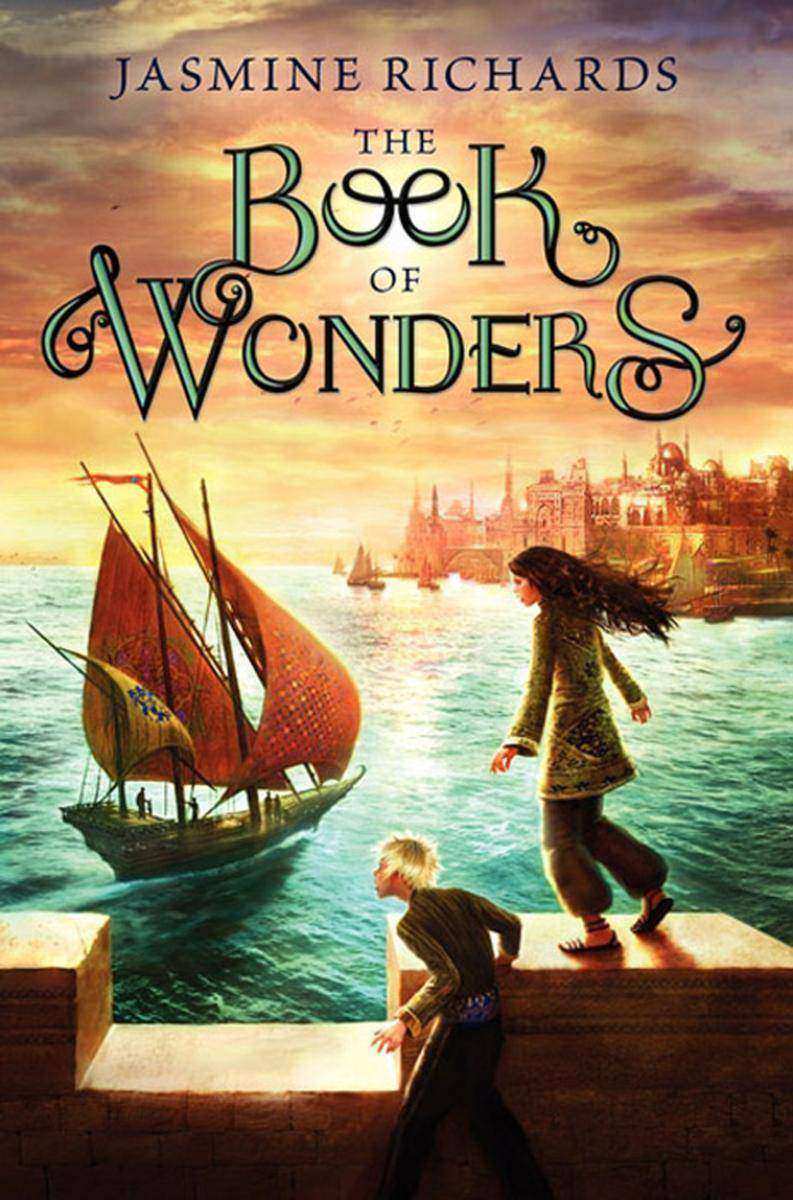
The Book of Wonders
¥95.39
Sorcerers, Cyclops, Djinnis . . . Magic.Thirteen-year-old Zardi loves to hear stories about fantastical beings long banned from the kingdom of Arribitha. But anyone who is caught whispering of their powers will feel the rage of the sultan—a terrifying tyrant who, even with his eyes closed, can see all.When her own beloved sister is captured by the evil ruler, Zardi knows that she must risk everything to rescue her. Along with Rhidan, who is her best friend, and an unlikely crew of sailors led by the infamous Captain Sinbad, Zardi ventures forth into strange and wondrous territory with a seemingly impossible mission: to bring magic back to Arribitha and defeat the sultan once and for all.
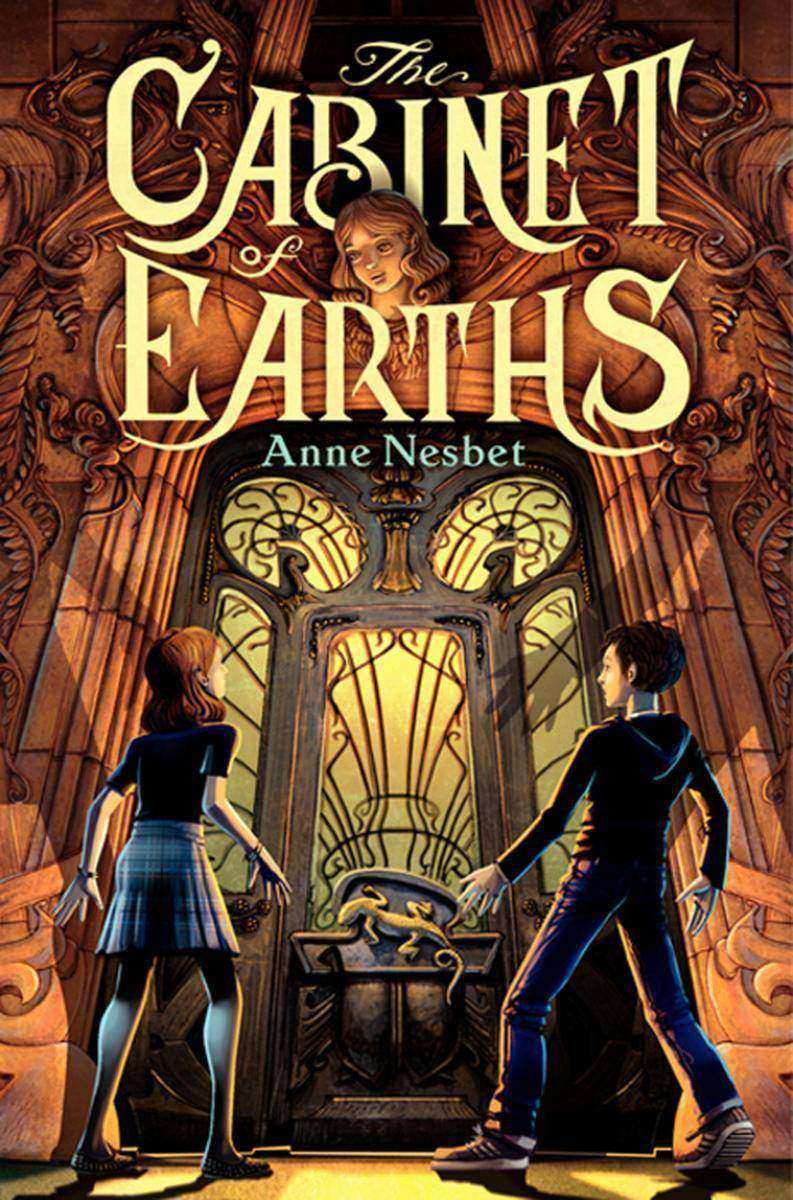
The Cabinet of Earths
¥39.24
The Cabinet of Earths, Anne Nesbet’s debut novel for tweens, blends fantasy, science, and horror into an irresistible story in the vein of the classic His Dark Materials series.?Twelve-year-old Maya is miserable when she has to move from California to Paris. Not speaking French at a school full of snobby French girls is bad enough, but Maya believes there is something sinister going on in her new city. A purple-eyed man follows Maya and her younger brother, James. Statues seem to have Maya’s face. And an eerie cabinet filled with mysterious colored bottles calls to her.?When James becomes the target of dark forces, Maya decides she must answer the call of the Cabinet of Earths, despite the danger.?

We Live in Water
¥88.56
We Live in Water, the first collection of short fiction from New York Times bestselling author Jess Walter, is a suite of diverse, often comic stories about personal struggle and diminished dreams, all of them marked by the wry wit and generosity of spirit that has made him one of our most talked-about writers. In "Thief," a blue-collar worker turns unlikely detective to find out which of his kids is stealing from the family vacation fund. In "We Live in Water," a lawyer returns to a corrupt North Idaho town to find the father who disappeared thirty years earlier. In "Anything Helps," a homeless man has to "go to cardboard" to raise enough money to buy his son the new Harry Potter book. In "Virgo," a local newspaper editor tries to get back at his superstitious ex-girlfriend by screwing with her horoscope. And the collection's final story transforms slyly from a portrait of Walter's hometown into a moving contemplation of our times.
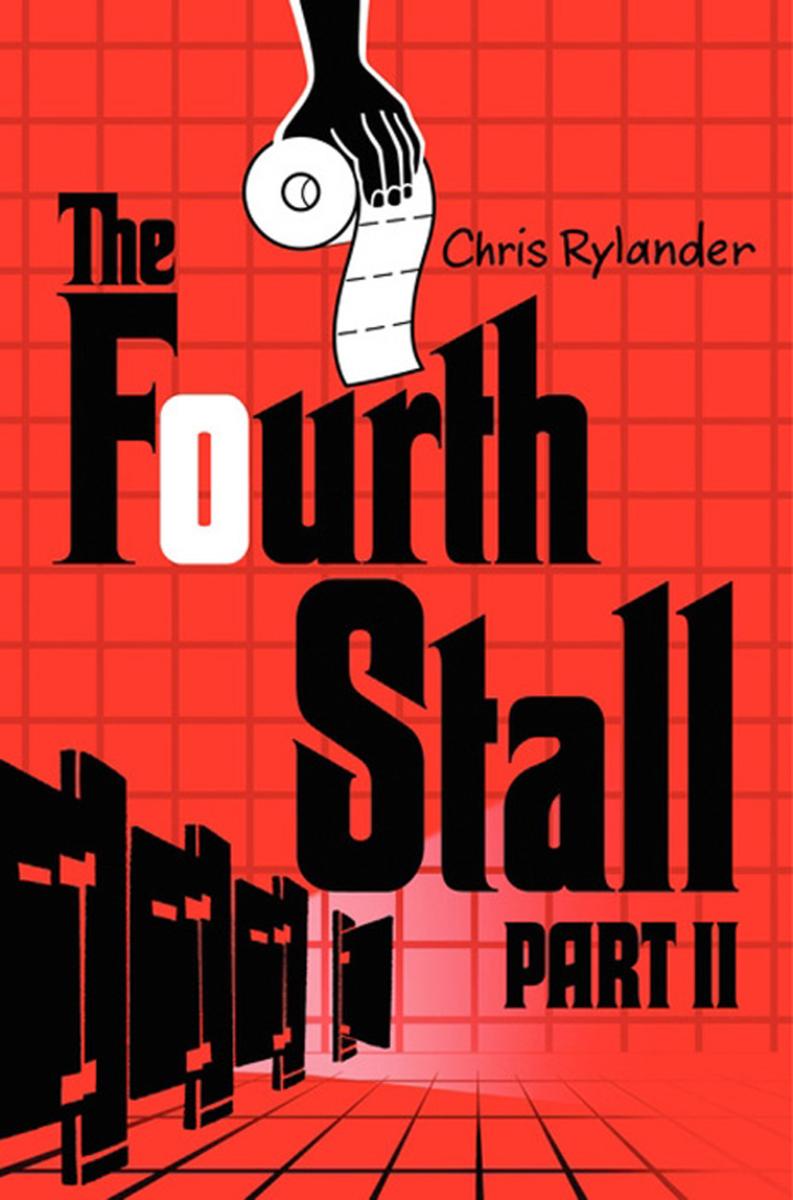
The Fourth Stall Part II
¥39.24
The life of crime is good.Mac has taken down legendary high school crime boss Staples, business has been booming, and Mac and Vince are getting ready for middle school baseball tryouts. But this can’t last. Mac has always tried to keep his friends close and his enemies closer. But what happens when you can’t tell the difference?This dilemma walks into the fourth stall in the form of Trixie Von Parkway—an eighth grader with a mean look and an even meaner predicament. The new science teacher is terrorizing her, and she needs Mac to get him off her back. Seems simple enough, but as Mac starts to dig deeper, he finds even more trouble brewing at his school, including a new administrator bent on destroying his business, and indications that Trixie isn’t who she claims to be. In the past, the worst thing that could have happened to Mac was that he might lose a little money, maybe catch a beating. In The Fourth Stall Part II, though, there’s going to be much more on the line than that.
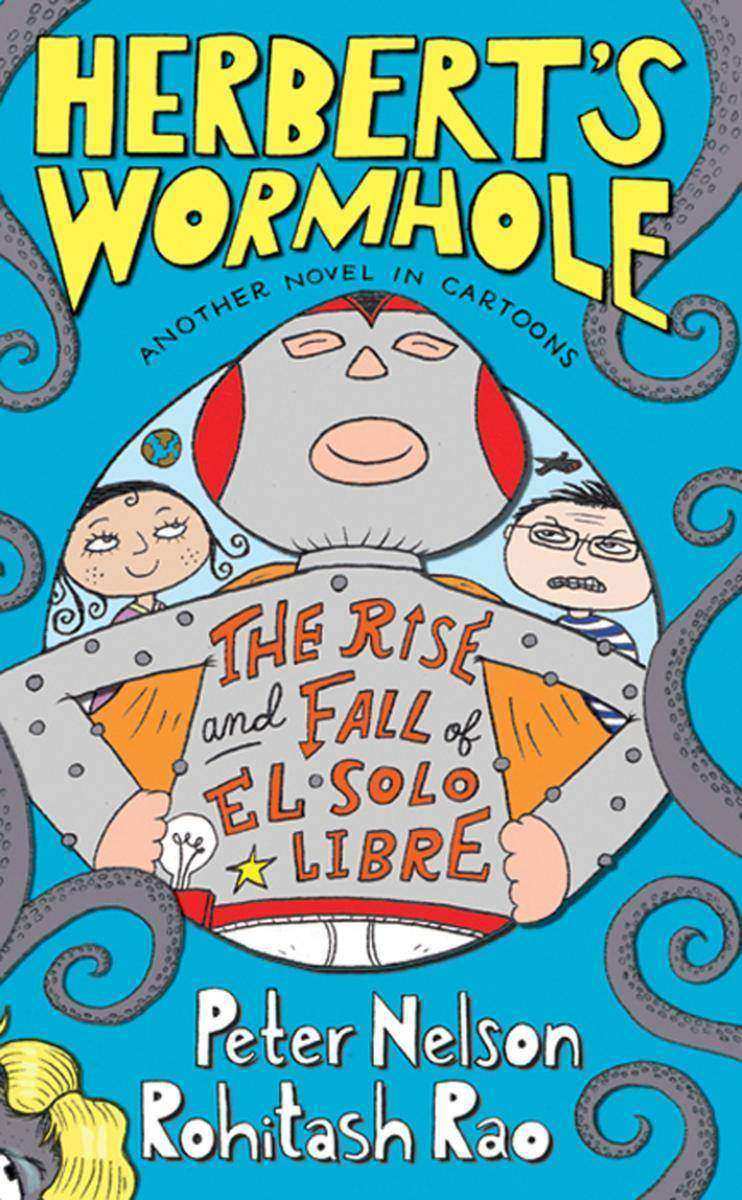
Herbert's Wormhole: The Rise and Fall of El Solo Libre
¥39.24
For fans of Diary of a Wimpy Kid and Big Nate comes the sequel to Peter Nelson and Rohitash Rao's Herbert's Wormhole, the breakout novel-in-cartoons that J. K. Rowling called "absolutely wonderful—fast-paced, inventive, engaging, and hilarious."Herbert, Alex, and Sammi are heroes in the year 2109, having successfully saved the planet from an alien invasion (or so everyone thinks). Everything is going just swimmingly until, inevitably, real aliens appear—the evil, destruction-obsessed Klapthorians. The crew is going to come clean, but then they meet a crazy old man—who turns out to be Alex, age 109—with a plan for saving the world all over again. Can they do it and still make it back home by curfew?The sequel to Herbert's Wormhole is chock-full of the same humor, imagination, and irresistible artwork as the first title. There are hijinks aplenty, not to mention skateboard stunts, time travel, and a whole lot of fake moustache shenanigans. Fans, old and new alike, will not be disappointed.
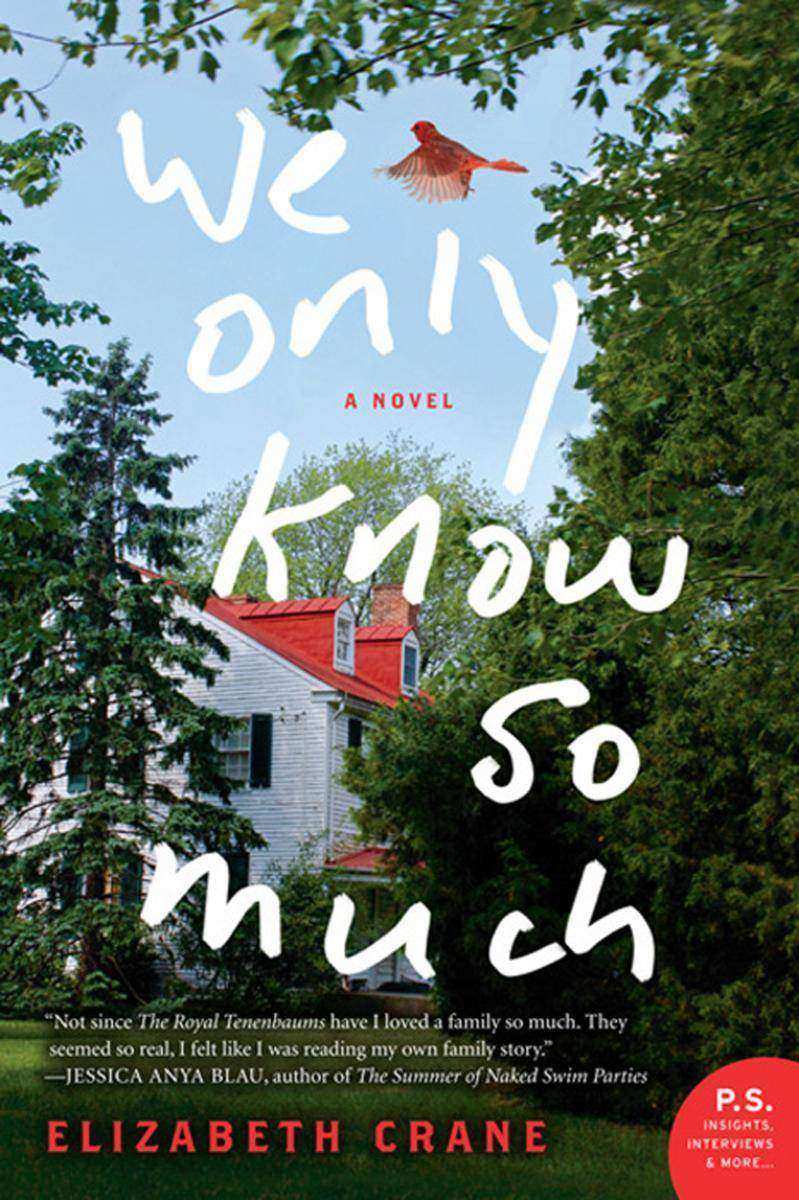
We Only Know So Much
¥84.16
Jean Copeland, an emotionally withdrawn wife and mother of two, has taken a secret lover—only to lose him in a moment of tragedy that leaves her reeling. Her husband, Gordon, is oblivious, distracted by the fear that he's losing his most prized asset: his memory. Daughter Priscilla (a pill since birth—don't get us started) is talking about clothes, or TV, or whatever, and hatching a plan to extend her maddening reach to all of America. Nine-year-old Otis is torn between his two greatest loves: crossword puzzles and his new girlfriend. At the back of the house, grandfather Theodore is in the early throes of Parkinson's disease. (And he's fine with it—as long as they continue to let him walk the damn dog alone.) And Vivian, the family's ninety-eight-year-old matriarch, is a razor-sharp grande dame who suffers no fools...and still harbors secret dreams of her own. With empathy, humor, and an unforgettable voice, Elizabeth Crane reveals what one family finds when everyone goes looking for meaning in all the wrong places.
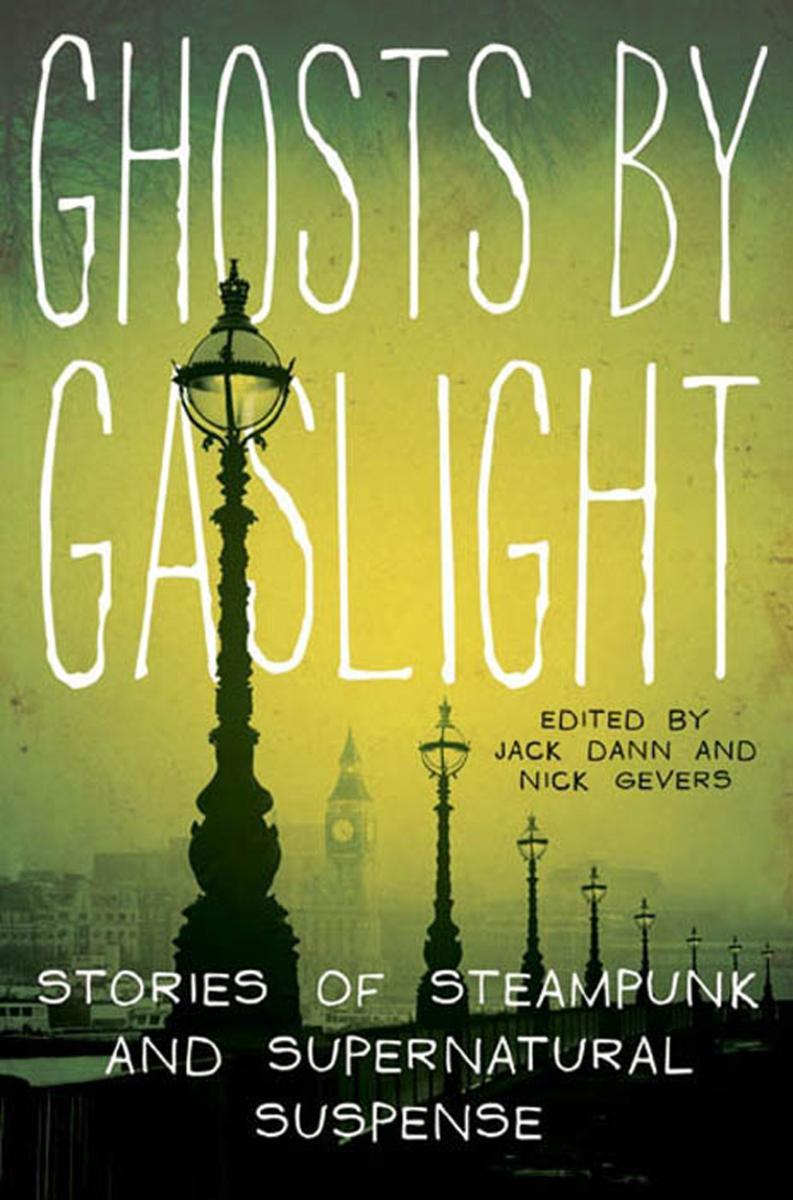
Ghosts by Gaslight
¥83.03
Seventeen all-new stories illuminate the steampunk world of fog and fear!Modern masters of the supernatural weave their magic to revitalize the chilling Victorian and Edwardian ghostly tale: here are haunted houses, arcane inventions, spirits reaching across the centuries, ghosts in the machine, fateful revelations, gaslit streets scarcely keeping the dark at bay, and other twisted variations on the immortal classics that frighten us still.
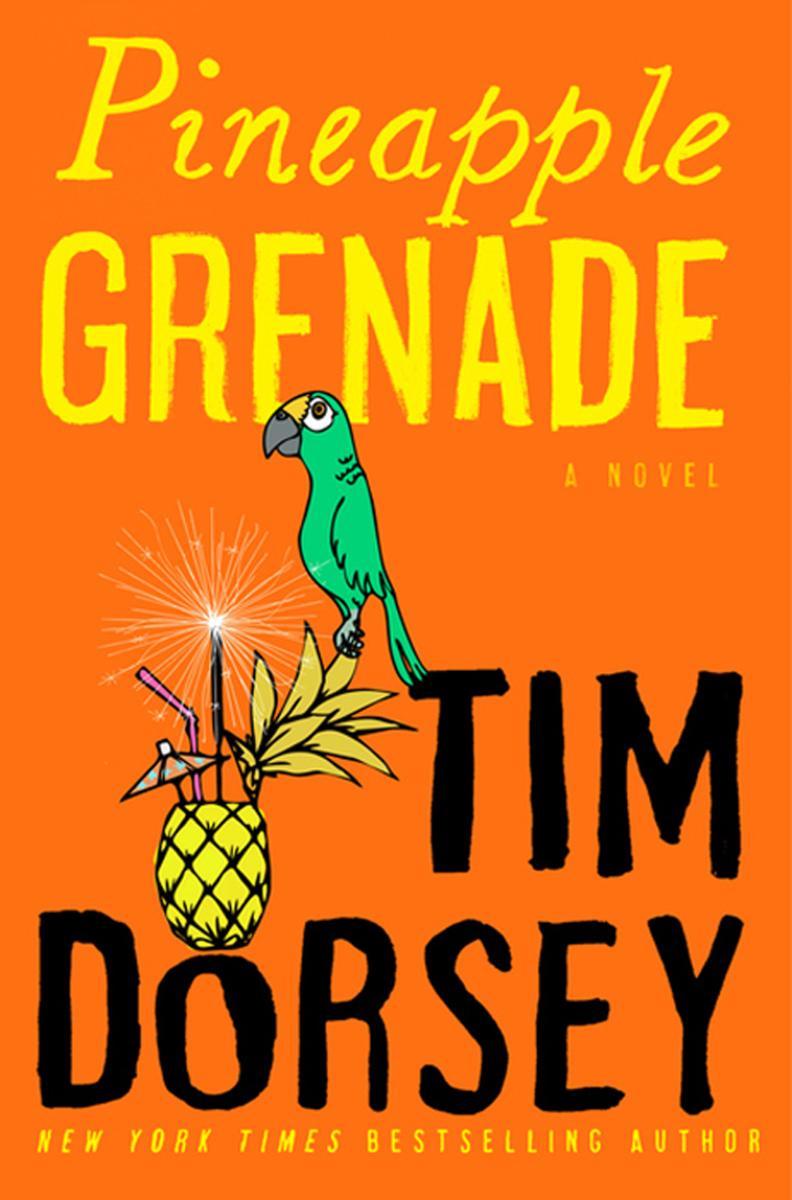
Pineapple Grenade
¥94.10
Miami has always set the weirdness bar, but Serge Storms is back in action and ready to pole vault over it.First, there’s the media frenzy over the “Hollow Man,” a gutless corpse found on the beach. And yet people think it’s perfectly normal to find dead sharks in the middle of downtown boulevards—or to spot black mushroom clouds behind the airport. Then there are the roving bands of carjackers who suddenly find themselves inconvenienced. Not to mention people lurking outside sex-addiction meetings. Could this be the work of Serge, that eccentric trivialista and one-man vigilanteAnd why is he extensively photographing foreign consulates right before the critically important Summit of the Americas comes to townDoes it have something to do with Serge’s declaration to tell his ever-stoned sidekick, Coleman, that he’s decided to become a spyOf course he’s not working for anyone yet, so Serge is content to just spy for himself until he shows up on radar and his talents are appreciated. His ace in the holeSerge’s newly revamped Secret Master Plan! His spider senses tell him something big is about to go down in Miami, and it just might involve the recently reactivated CIA cell operating in the same historic building that plotted the overthrow of Fidel Castro.The intelligence community isn’t amused, and they want answers:How did Serge and Coleman get so cozy with the president of a banana republic?Who is the femme fatale with a heart of gold—and national pride?Why is the congressman in favor of the latest oil spill?When did everyone in the city forget how to drive?And what about the Most Laid Man in MiamiMeanwhile, a mysterious international man of intrigue is shipping military arms around the clock, in competition with clandestine flights of souvenirs, causing the office of Homeland Security to take measures against people who aren’t scared enough. The crossfire of chaos continues to escalate as Serge plays Extreme Dominos in Little Havana, hurtling everyone toward a fateful climax that seems destined for the hemispheric summit jamboree on the shores of Biscayne Bay.So put on your favorite pink flamingo shirt, hit the dunes of South Beach, and find all the answers in . . . Pineapple Grenade!
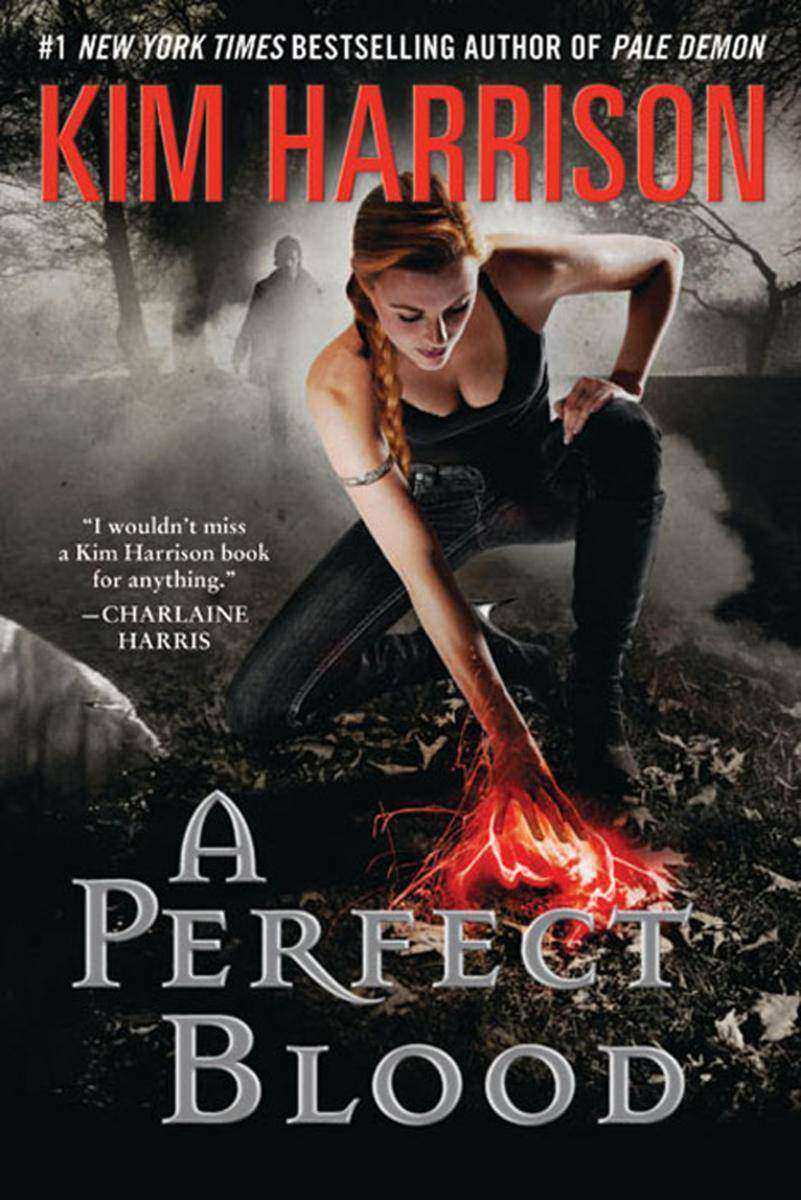
A Perfect Blood
¥55.91
Ritually murdered corpses are appearing across Cincinnati, terrifying amalgams of human and other.Pulled in by the FIB to help investigate, former witch-turned-day-walking demon Rachel Morgan soon realizes a horrifying truth: others want to create their own demons, and to do so they need her blood. She’s faced vampires, witches, werewolves, demons, and more—but this time Rachel’s toughest challenge might be humanity itself.

The Food52 Cookbook
¥193.85
The Best Cooks Are Home CooksAccomplished food writers and editors Amanda Hesser and Merrill Stubbs had a mission: to discover and celebrate the best home cooks in the country. Each week for fifty-two weeks, they ran recipe contests on their website, Food52.com, and the 140 winning recipes make up this book. They include:Double Chocolate Espresso CookiesSecret Ingredient Beef Stew Simple Summer Peach CakeWishbone Roast Chicken with Herb ButterThese recipes prove the truth that great home cooking doesn’t have to be complicated or precious to be memorable. This book captures the community spirit that has made Food52 a success. It features Amanda’s and Merrill’s thoughts and tips on every recipe, plus behind-the-scenes photos, reader comments, and portraits of the contributors—putting you right in the kitchen with America’s most talented cooks.
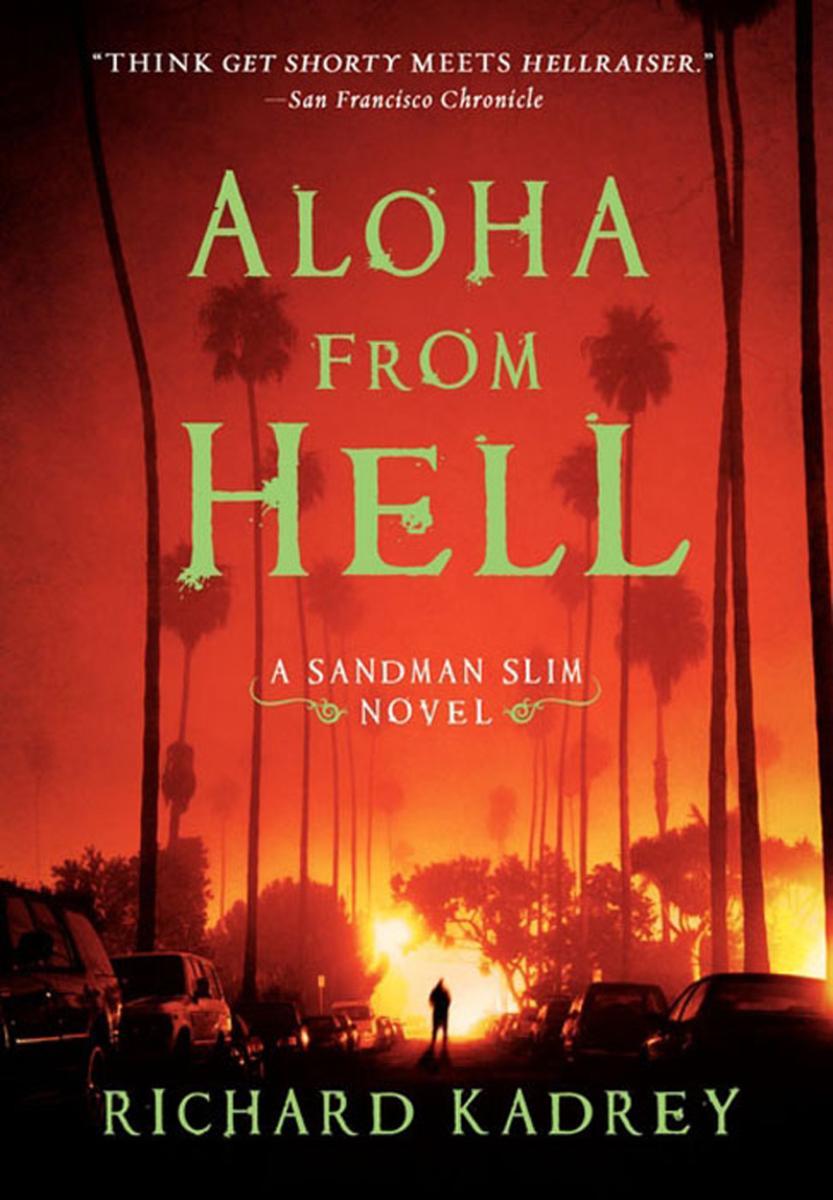
Aloha from Hell
¥83.03
Supernatural fantasy’s greatest anti-hero goes back to hell!In Sandman Slim Stark came back from hell for revenge. In Kill the Dead he tackled both a zombie plague and being Lucifer’s bodyguard. Once again all is not right in L.A. Lucifer is back in Heaven, God is on vacation, and an insane killer mounts a war against both Heaven and Hell. Stark’s got to head back down to his old stomping grounds in Hell to rescue his long lost love, stop an insane serial killer, prevent both Good and Evil from completely destroying each other, and stop the demonic Kissi from ruining the party for everyone.Even for Sandman Slim, that’s a tall order. And it’s only the beginning.


