


 购物车
 个人中心


Enzima ?ntineririi
¥48.97
Volumul de proz? scurt? al lui Dorin David reune?te dou?zeci ?i trei de scrieri, o parte din ele publicate ?n perioada 2001-2013 ?n revistele Calende, Vatra, Tribuna ?i Astra, restul fiind inedite.Povestirile penduleaz? ?ntre dou? universuri – cel al realit??ii imediate, cu personaje ?i situa?ii palpabile, ?i cel al fic?iunii literare, chiar al magicului –, care la un moment dat ??i confund? grani?ele, cititorul trec?nd , gra?ie ?u?ilor“ ?i ?ferestrelor“ sugerate cu subtilitate de autor, dintr-o dimensiune ?n alta.

Téli fagyi
¥67.77
"A lányok még viharosabban nevettek. Kelepei azonban t?prengve szítta a fogát. Azon gondolkodott, mi lenne, ha csakugyan idek?lt?zne? Lelki szeme el?tt egész csomó dolog jelent meg. A jó koszt, a dunyhás ágy, amellyel talán minden együtt jár, ingyen, ami a Háznak specialitása, ha az ember itt lakik helyben."
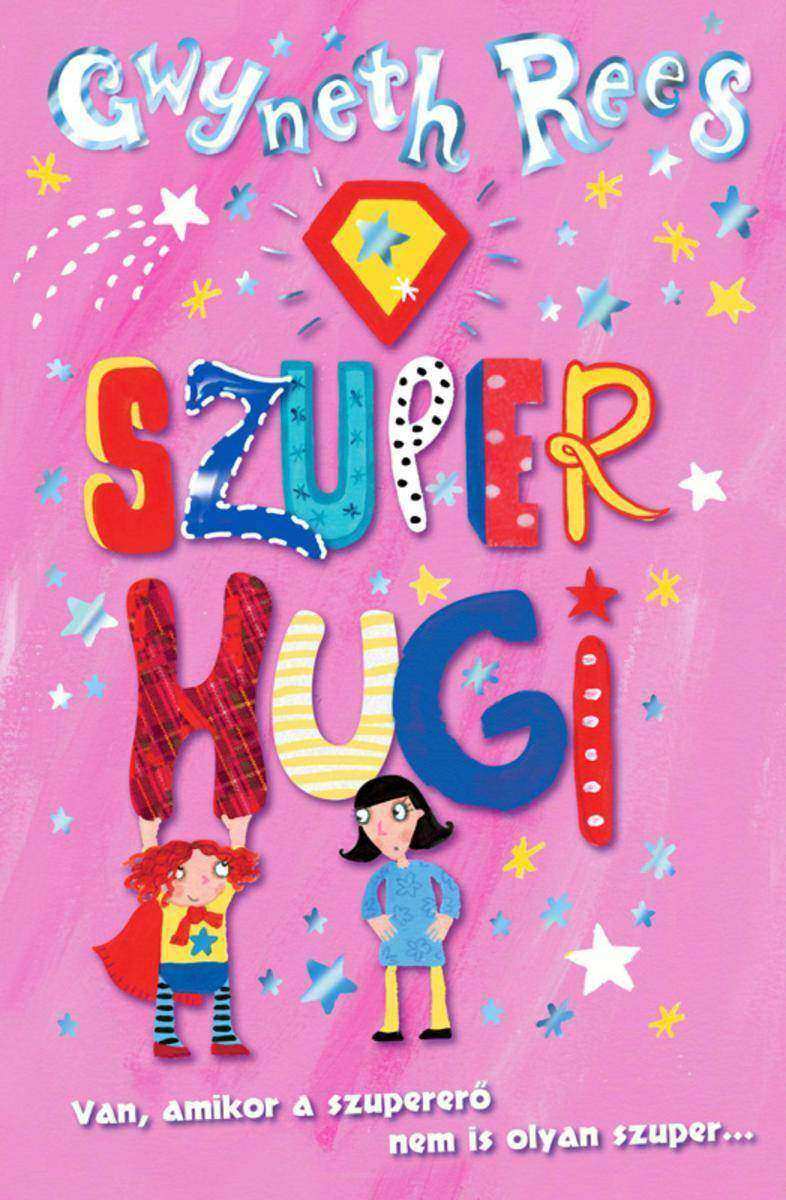
Szuper Hugi
¥40.38
Verne egyik legsikerültebb és legnépszer?bb regénye, melyet mindenféle m?fajban újra és újra feldolgoznak. A lebilincsel? t?rténet mindenki fantáziáját megmozgatja, a siker garantált. Pedig már szinte a legapróbb gyerekekt?l a feln?ttekig mindenki tudja, mi t?rténik: Phileas Fogg úr – az el?kel? londoni Reform Club tagja – vállalkozik arra, hogy fogadásból 80 nap alatt k?rül utazza a F?ldet. A regény mégis olyan fordulatos, annyi mulatságos meglepetést tartogat, Verne olyan találóan jellemzi szerepl?it, hogy az olvasók újra és újra megjutalmazzák magukat a k?tet élményével. Nem csoda, hisz Phileas Fogg és Passepartout fantasztikus kalandokkal teli világ k?rüli útja sohasem pontosan ugyanúgy zajlik.

D?rm?g? D?m?t?r szerencséje
¥8.83
The Jungle Book (1894) is a collection of stories written by Rudyard Kipling.The tales in the book (and also those in The Second Jungle Book which followed in 1895, and which includes five further stories about Mowgli) are fables, using animals in an anthropomorphic manner to give moral lessons. The verses of The Law of the Jungle, for example, lay down rules for the safety of individuals, families and communities. Kipling put in them nearly everything he knew or "heard or dreamed about the Indian jungle."
A láthatatlan légió
¥14.39
Peter Pan, or The Boy Who Wouldn't Grow Up and Peter and Wendy are the stage play and novel (respectively) which tell the story of Peter Pan, a mischievous little boy who can fly, and his adventures on the island of Neverland with Wendy Darling and her brothers, the fairy Tinker Bell, the Lost Boys, the Indian princess Tiger Lily, and the pirate Captain Hook. The story was written by Scottish playwright and novelist J. M. Barrie, inspired by his friendship with the Llewelyn-Davies family.
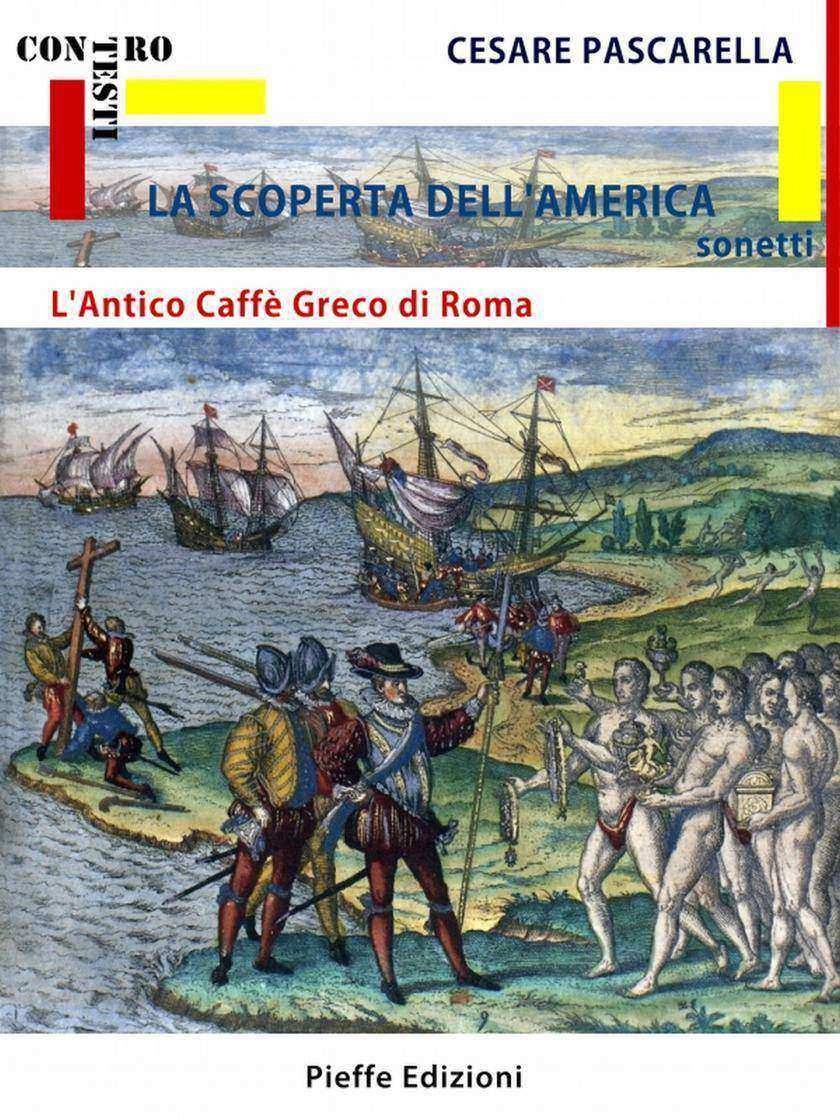
La Scoperta de l'America - L'Antico Caffè Greco di Roma
¥55.75
Ap?rut ?n 1897 ?i tradus pentru prima dat? ?n limba rom?n?, romanul Zile ?i nop?i ??i are r?d?cinile ?n experien?a de soldat a lui Jarry ?nsu?i. Conflictul dintre o inteligen?? aleas? ?i abrutizanta disciplin? militar?, absurdul ?i grotescul caz?rmilor ?i al spitalelor militare se ?mbin? aici cu evocarea fratelui absent – un adev?rat dublu al eroului -, pasiunea pentru heraldic? sau deliciile unui dezm?? ha?i?in. Satira, de care nu scap? nici lumea militar?, nici cea intelectual-artistic?, se las? atenuat? de lirism ?i jocuri de limbaj. Iar ?ntr-unul dintre capitole ??i face apari?ia chiar ?i conceptul de patafizic?.

Vreau sa c?nt ?i chiar c?nt. 13 interviuri cu Mihail Vakulovski
¥48.97
n Morile lui Quincas Berro Dágua i Btrnii marinari sau Cpitanul de curs lung, Jorge Amado ofer o adevrat mostr de magie literar, rescriind, dea lungul unor pagini memorabile prin dureroasele adevruri umane coninute, destine sau, alteori, pur i simplu frnturi de existen ntrun fel carel apropie de maetrii prozei latinoamericane de secol XX, dar i i fixeaz identitatea inconfundabil.
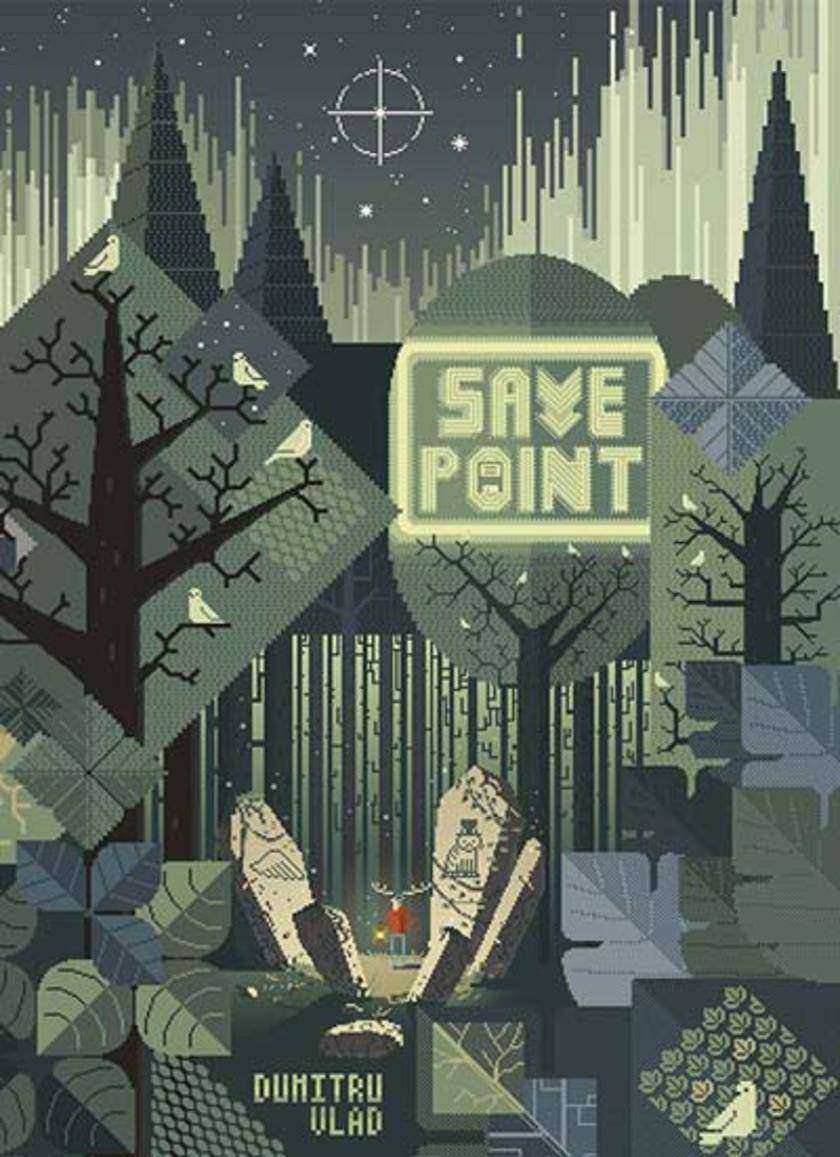
Save Point
¥8.09
n secolul XXI, omenirea, devastat de cium, se afl n pragul extinciei. i, pentru c nu exist leac, evenimentele se precipit, iar protagonitii, n ncercarea de ai salva vieile, pleac n cutarea unui trm iluzoriu, a unui nou eden care s prezerve umanitatea. n final, rmas singur, naratorul triete cu sperana c undeva, ntrun col al planetei, exist mcar un supravieuitor i pornete n cutarea lui.
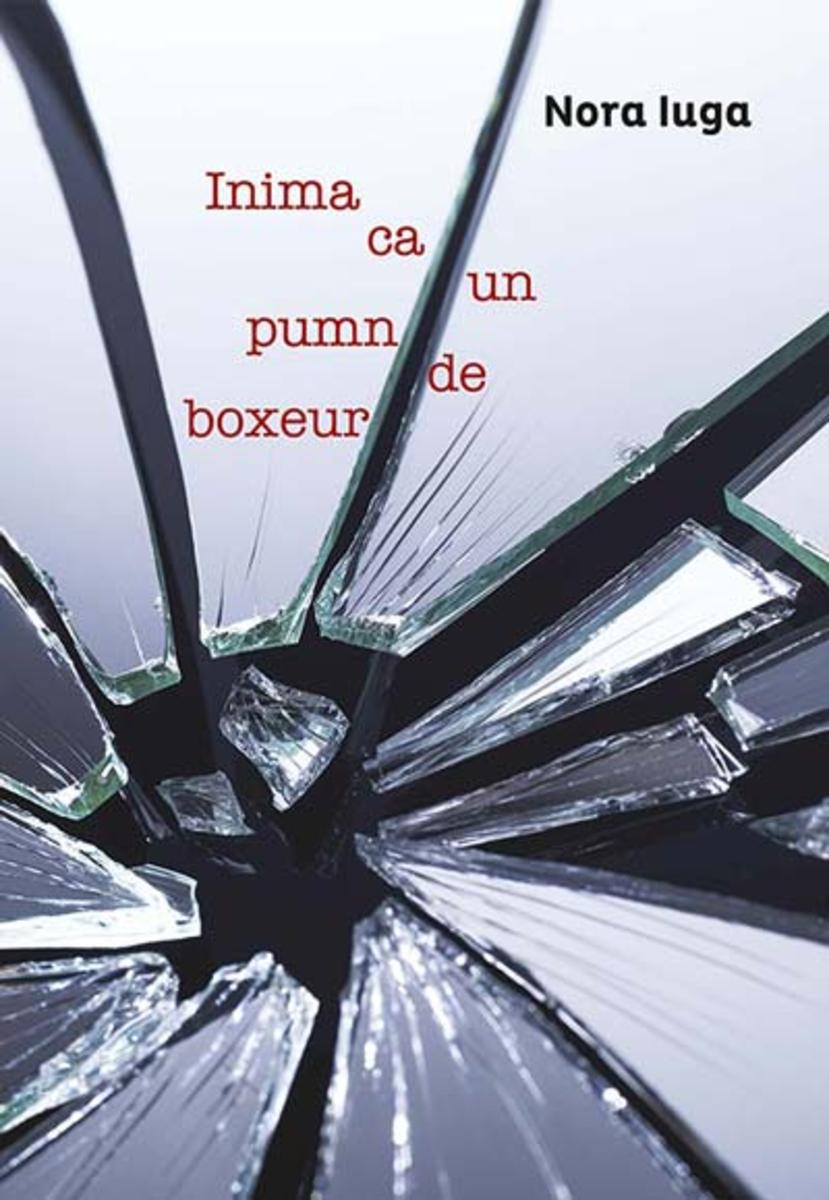
Inima ca un pumn de boxeur
¥24.44
Volumul cuprinde prima pies? a lui Boris Vian tradus? ?n rom?ne?te, Ecarisajul pentru to?i, urmat? de seria de Cronici roman?ate ap?rut? ?n volumul de opere complete. Ecarisajul pentru to?i este una dintre cele mai cunoscute piese ale lui Vian, ?n care umorul negru, absurdul ?i jocurile de cuvinte amintesc teatrul lui Eugène Ionesco. C?t despre Cronicile roman?ate, acestea fac parte dintr?o categorie de texte aparte scrise de Vian ?i ap?rute ini?ial ?n publica?ii periodice precum s?pt?m?nalul La Rue: colorate, incisive, ciudate sau sobre, Cronicile sunt un dublu portret, al epocii lui Vian ?i al preocup?rilor autorului: via?a monden?, jazz?ul, automobilele, literatura, stilul de via?? american.

Picaj
¥24.44
Un preot militant pentru drepturile imigran?ilor pare s???i fi ucis so?ia ?i apoi s? se fi ?mpu?cat. Un str?in pare s? fi murit ?ntr?un banal accident rutier. Dar anchetatorii din subordinea inspectorului Alex Recht trebuie s? vad? dincolo de aparen?ele ?n?el?toare ?i, pe fundalul sumbru al iernii suedeze, s? reconstituie un puzzle al dramelor sociale ?i familiale care au condus la crime. Intriga detectivistic? se ?mplete?te cu analiza psihologic? ?i thrillerul, iar rezultatul este o carte captivant? care a impus?o pe Kristina Ohlsson printre cei mai importan?i autori din literatur? poli?ist? scandinav?.
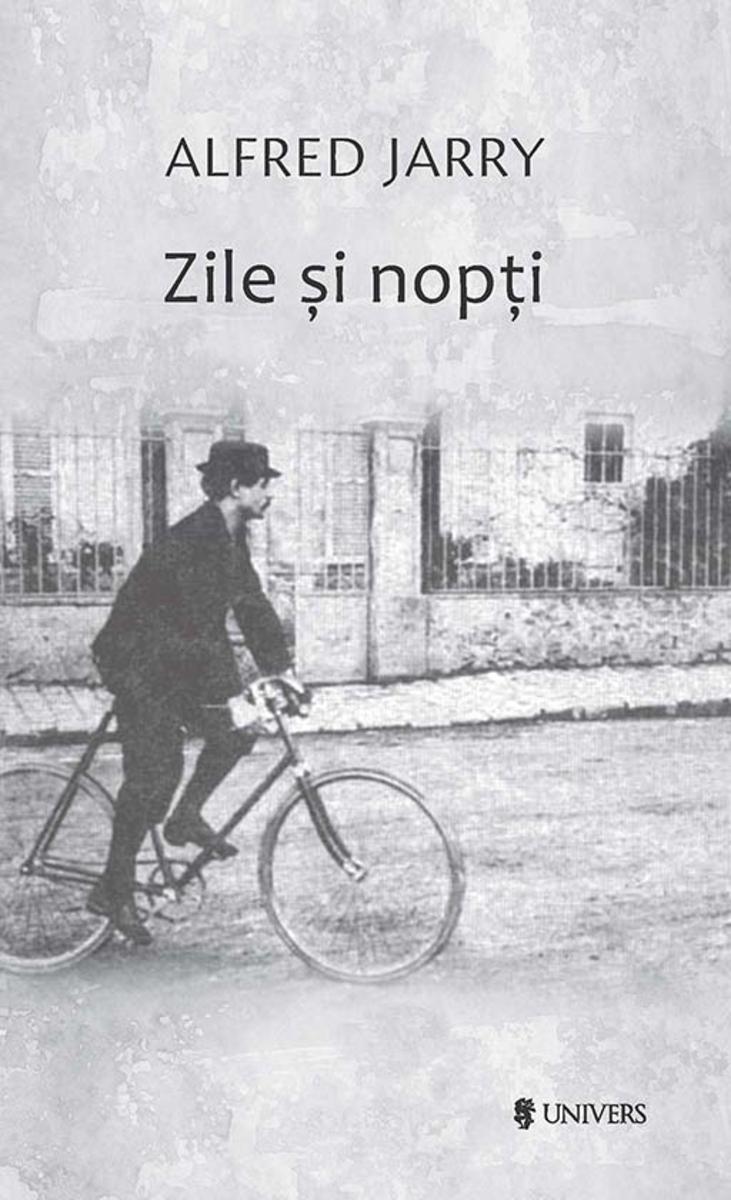
Zile ?i nop?i
¥40.79
n Ferma, tnrul Daniel primete pe neateptate o vizit de la mama sa, Tilde, care i spune, cu o for de convingere i o coeren tulburtoare, o istorie ntunecat a regiunii rurale din Suedia n care se retrsese de cteva luni mpreun cu soul ei. n povestea aceasta se amestec abuzul sexual, conspiraia i crima, iar Daniel este avertizat c, dac refuz s-o cread, propria lui mam n-o s l mai considere fiul ei. Pe de alt parte, un telefon primit de la tatl lui l informeaz pe Daniel c Tilde a suferit o cdere nervoas i povestea ei e rodul unei imaginaii paranoide. Care este adevrul Tnrul va trebui s cltoreasc pn la ferm n cutarea unor rspunsuri de care acum depinde chiar viaa mamei sale.

Cizme, rob?, c?ma?a de noapte
¥48.97
O poveste de dragoste se înfirip? între un soldat ?i o tân?r? turist?, într?un ora? de pe litoralul albanez. Numai c? nimic nu este ceea ce pare în acest minunat decor estival. Pe fundalul ruinelor unui teatru antic, regimul comunist monteaz? o înscenare grotesc? pentru a??i ?ine sub teroare propriul popor, iar protagoni?tii devin, cu sau f?r? voia lor, actori.

Alterna?tere
¥73.49
Enigma unor crime sângeroase din secolul al XVII?lea, tradi?ii africane aduse de sclavi, o confrerie secret? – toate acestea se împletesc în firul unei pove?ti spuse de diferi?i protagoni?ti, într?un amestec de perspective ?i rase care red? îns??i esen?a Braziliei. Iar deasupra tuturor se profileaz? figura misterioasei regine Jinga.
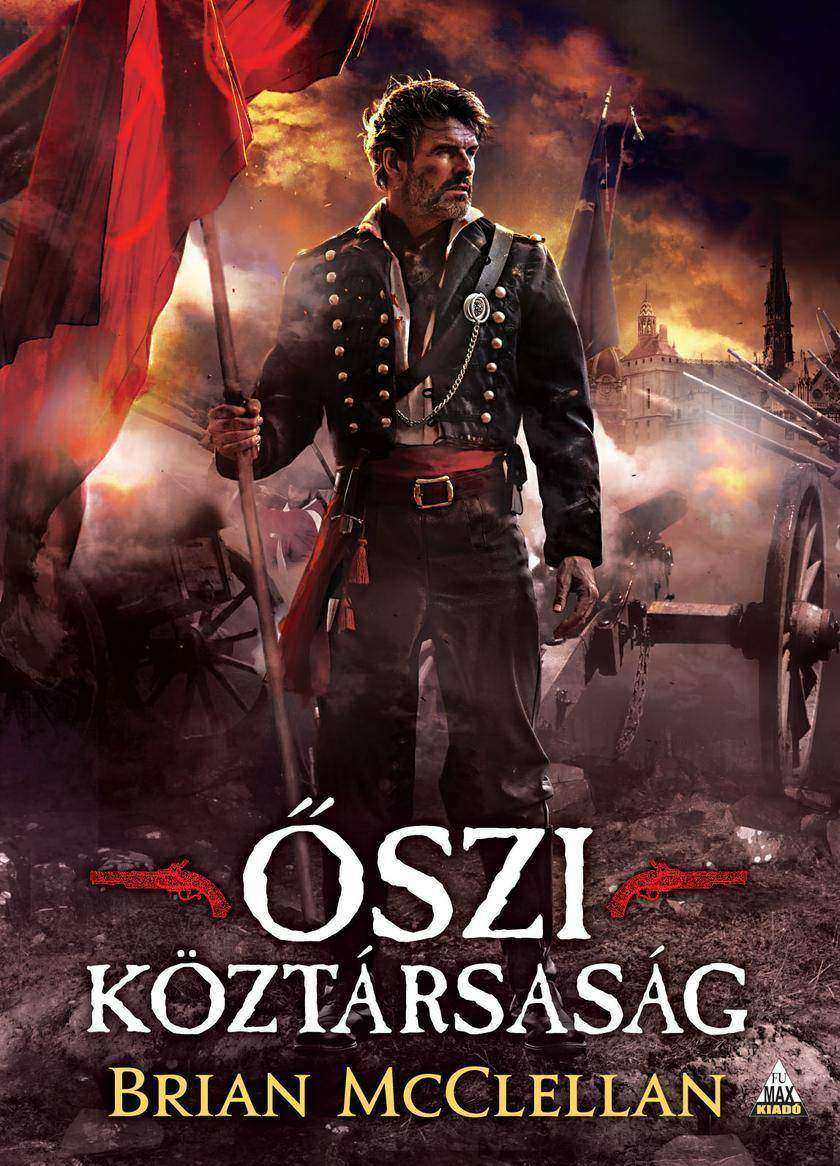
?szi k?ztársaság
¥80.52
Anna Karenina is a novel by the Russian writer Leon Tolstoy, published in serial installments from 1873 to 1877 in the periodical The Russian Messenger. Tolstoy clashed with editor Mikhail Katkov over political issues that arose in the final installment (Tolstoy's unpopular views of volunteers going to Serbia); therefore, the novel's first complete appearance was in book form. Widely regarded as a pinnacle in realist fiction, Tolstoy considered Anna Karenina his first true novel, when he came to consider War and Peace to be more than a novel. Fyodor Dostoevsky declared it to be "flawless as a work of art". His opinion was shared by Vladimir Nabokov, who especially admired "the flawless magic of Tolstoy's style", and by William Faulkner, who described the novel as "the best ever written". The novel is currently enjoying popularity, as demonstrated by a recent poll of 125 contemporary authors by J. Peder Zane, published in 2007 in "The Top Ten" in Time, which declared that Anna Karenina is the "greatest novel ever written" "..The novel opens with a scene introducing Prince Stepan Arkadyevich Oblonsky ("Stiva"), a Moscow aristocrat and civil servant who has been unfaithful to his wife Darya Alexandrovna ("Dolly"). Dolly has discovered his affair with the family's governess, and the household and family are in turmoil. Stiva's affair and his reaction to his wife's distress show an amorous personality that he cannot seem to suppress. In the midst of the turmoil, Stiva informs the household that his married sister, Anna Arkadyevna Karenina, is coming to visit from Saint Petersburg. Meanwhile, Stiva's childhood friend, Konstantin Dmitrievich Levin ("Kostya"), arrives in Moscow with the aim of proposing to Dolly's youngest sister, Princess Katerina Alexandrovna Shcherbatskaya ("Kitty"). Levin is a passionate, restless, but shy aristocratic landowner who, unlike his Moscow friends, chooses to live in the country on his large estate. He discovers that Kitty is also being pursued by Count Alexei Kirillovich Vronsky, an army officer. Whilst at the railway station to meet Anna, Stiva bumps into Vronsky who is there to meet his mother, the Countess Vronskaya. Anna and Vronskaya have traveled and talked together in the same carriage. As the family members are reunited, and Vronsky sees Anna for the first time, a railway worker accidentally falls in front of a train and is killed. Anna interprets this as an "evil omen." Vronsky, however, is infatuated with her. Anna is uneasy about leaving her young son, Sergei ("Seryozha"), alone for the first time.At the Oblonsky home, Anna talks openly and emotionally to Dolly about Stiva's affair and convinces her that Stiva still loves her despite the infidelity. Dolly is moved by Anna's speeches and decides to forgive Stiva. Kitty, who comes to visit Dolly and Anna, is just eighteen. In her first season as a debutante, she is expected to make an excellent match with a man of her social standing. Vronsky has been paying her considerable attention, and she expects to dance with him at a ball that evening. Kitty is very struck by Anna's beauty and personality and becomes infatuated with her just as Vronsky is. When Levin proposes to Kitty at her home, she clumsily turns him down, believing she is in love with Vronsky and that he will propose to her, and encouraged to do so by her mother who believes Vronsky would be a better match.At the big ball Kitty expects to hear something definitive from Vronsky, but he dances with Anna, choosing her as a partner over a shocked and heartbroken Kitty. Levin, crushed by Kitty's refusal, returns to his estate, abandoning any hope of marriage. Anna returns to her husband Alexei Alexandrovich Karenin, a senior government official, and her son Seryozha in Saint Petersburg. On seeing her husband for the first time since her encounter with Vronsky, Anna realises that she finds him unattractive, though she tells herself he is a good man.." ? ABOUT AUTHOR: Tolstoy was born in Yasnaya Polyana, the family estate in the Tula region of Russia. The Tolstoys were a well-known family of old Russian nobility. He was the fourth of five children of Count Nikolai Ilyich Tolstoy, a veteran of the Patriotic War of 1812, and Countess Mariya Tolstaya (Volkonskaya).
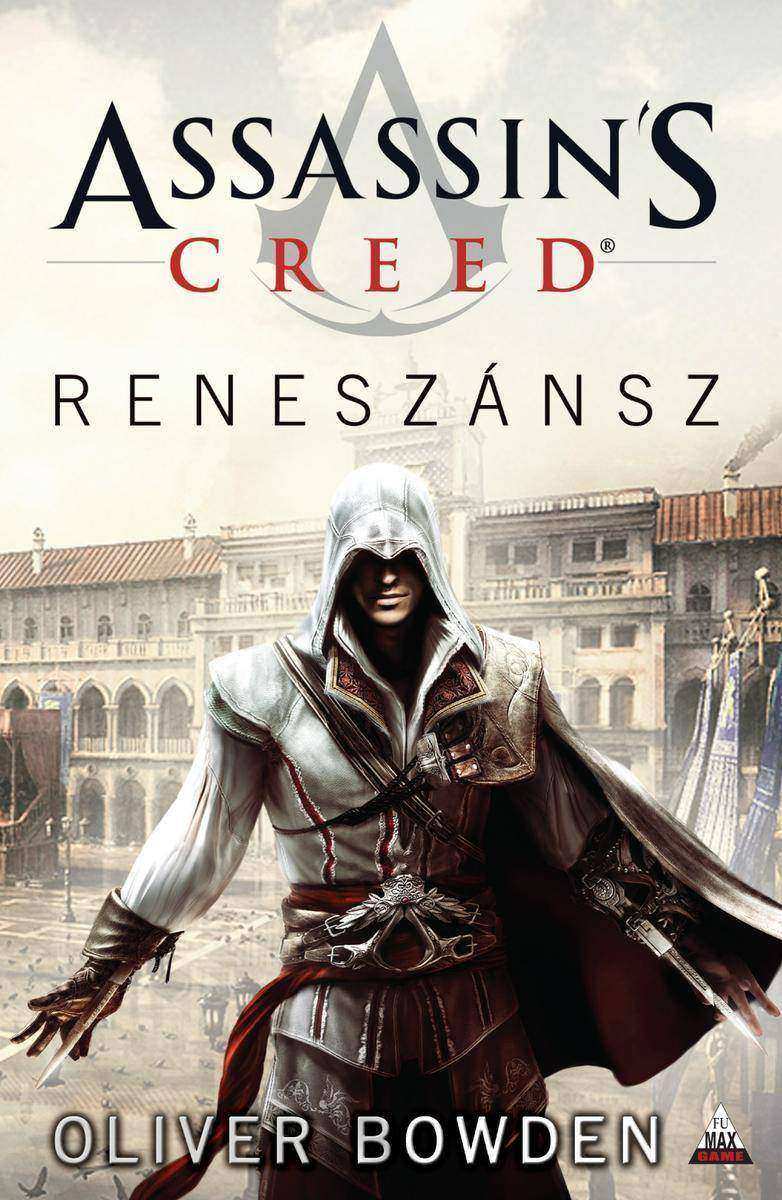
Assassin's Creed: Reneszánsz
¥71.69
The story starts in London on Tuesday, October 1, 1872. Fogg is a rich English gentleman and bachelor living in solitude at Number 7 Savile Row, Burlington Gardens. Despite his wealth, which is ?40,000 (roughly ?3,020,000 today), Fogg, whose countenance is described as "repose in action", lives a modest life with habits carried out with mathematical precision. Very little can be said about his social life other than that he is a member of the Reform Club. Having dismissed his former valet, James Foster, for bringing him shaving water at 84 °F (29 °C) instead of 86 °F (30 °C), Fogg hires a Frenchman by the name of Jean Passepartout, who is about 30 years old, as a replacement. Later on that day, in the Reform Club, Fogg gets involved in an argument over an article in The Daily Telegraph, stating that with the opening of a new railway section in India, it is now possible to travel around the world in 80 days. He accepts a wager for ?20,000 (roughly ?1,510,000 today) from his fellow club members, which he will receive if he makes it around the world in 80 days. Accompanied by Passepartout, he leaves London by train at 8:45 P.M. on Wednesday, October 2, 1872, and thus is due back at the Reform Club at the same time 80 days later, Saturday, December 21, 1872. Mr. Phileas Fogg lived, in 1872, at No. 7, Saville Row, Burlington Gardens, the house in which Sheridan died in 1814. He was one of the most noticeable members of the Reform Club, though he seemed always to avoid attracting attention; an enigmatical personage, about whom little was known, except that he was a polished man of the world. People said that he resembled Byron—at least that his head was Byronic; but he was a bearded, tranquil Byron, who might live on a thousand years without growing old. Certainly an Englishman, it was more doubtful whether Phileas Fogg was a Londoner. He was never seen on 'Change, nor at the Bank, nor in the counting-rooms of the "City"; no ships ever came into London docks of which he was the owner; he had no public employment; he had never been entered at any of the Inns of Court, either at the Temple, or Lincoln's Inn, or Gray's Inn; nor had his voice ever resounded in the Court of Chancery, or in the Exchequer, or the Queen's Bench, or the Ecclesiastical Courts. He certainly was not a manufacturer; nor was he a merchant or a gentleman farmer. His name was strange to the scientific and learned societies, and he never was known to take part in the sage deliberations of the Royal Institution or the London Institution, the Artisan's Association, or the Institution of Arts and Sciences. He belonged, in fact, to none of the numerous societies which swarm in the English capital, from the Harmonic to that of the Entomologists, founded mainly for the purpose of abolishing pernicious insects. Phileas Fogg was a member of the Reform, and that was all. The way in which he got admission to this exclusive club was simple enough. He was recommended by the Barings, with whom he had an open credit. His cheques were regularly paid at sight from his account current, which was always flush. Was Phileas Fogg rich? Undoubtedly. But those who knew him best could not imagine how he had made his fortune, and Mr. Fogg was the last person to whom to apply for the information. He was not lavish, nor, on the contrary, avaricious; for, whenever he knew that money was needed for a noble, useful, or benevolent purpose, he supplied it quietly and sometimes anonymously. He was, in short, the least communicative of men. He talked very little, and seemed all the more mysterious for his taciturn manner. His daily habits were quite open to observation; but whatever he did was so exactly the same thing that he had always done before, that the wits of the curious were fairly puzzled. ABOUT AUTHOR: Jules Gabriel Verne (1828 – 1905) was a French novelist, poet, and playwright best known for his adventure novels and his profound influence on the literary genre of science fiction. Born to bourgeois parents in the seaport of Nantes, Verne was trained to follow in his father's footsteps as a lawyer, but quit the profession early in life to write for magazines and the stage. His collaboration with the publisher Pierre-Jules Hetzel led to the creation of the Voyages Extraordinaires, a widely popular series of scrupulously researched adventure novels including Journey to the Center of the Earth, Twenty Thousand Leagues Under the Sea, and Around the World in Eighty Days.
Vészmadarak
¥57.47
"BLEAK HOUSE" is a novel by Charles Dickens, published in 20 monthly instalments between March 1852 and September 1853. It is held to be one of Dickens's finest novels, containing one of the most vast, complex and engaging arrays of minor characters and sub-plots in his entire canon. The story is told partly by the novel's heroine, Esther Summerson, and partly by a mostly omniscient narrator. Memorable characters include the menacing lawyer Tulkinghorn, the friendly but depressive John Jarndyce, and the childish and disingenuous Harold Skimpole, as well as the likeable but imprudent Richard Carstone. At the novel's core is long-running litigation in England's Court of Chancery, Jarndyce v Jarndyce, which has far-reaching consequences for all involved. This case revolves around a testator who apparently made several wills. The litigation, which already has taken many years and consumed between 60,000 and 70,000 in court costs, is emblematic of the failure of Chancery. Though Chancery lawyers and judges criticised Dickens's portrait of Chancery as exaggerated and unmerited, his novel helped to spur an ongoing movement that culminated in the enactment of legal reform in the 1870s. In fact, Dickens was writing just as Chancery was reforming itself, with the Six Clerks and Masters mentioned in Chapter One abolished in 1842 and 1852 respectively: the need for further reform was being widely debated. These facts raise an issue as to when Bleak House is actually set. Technically it must be before 1842, and at least some of his readers at the time would have been aware of this. However, there is some question as to whether this timeframe is consistent with the themes of the novel. The English legal historian Sir William Holdsworth set the action in 1827. Characters in Bleak House: As usual, Dickens drew upon many real people and places but imaginatively transformed them in his novel. Hortense is based on the Swiss maid and murderess Maria Manning. The "telescopic philanthropist" Mrs Jellyby, who pursues distant projects at the expense of her duty to her own family, is a criticism of women activists like Caroline Chisholm. The "childlike" but ultimately amoral character Harold Skimpole is commonly regarded as a portrait of Leigh Hunt. "Dickens wrote in a letter of 25 September 1853, 'I suppose he is the most exact portrait that was ever painted in words! ... It is an absolute reproduction of a real man'; and a contemporary critic commented, 'I recognized Skimpole instantaneously; ... and so did every person whom I talked with about it who had ever had Leigh Hunt's acquaintance.'"[2] G. K. Chesterton suggested that Dickens "may never once have had the unfriendly thought, 'Suppose Hunt behaved like a rascal!'; he may have only had the fanciful thought, 'Suppose a rascal behaved like Hunt!'". Mr Jarndyce's friend Mr Boythorn is based on the writer Walter Savage Landor. The novel also includes one of the first detectives in English fiction, Inspector Bucket. This character is probably based on Inspector Charles Frederick Field of the then recently formed Detective Department at Scotland Yard. Dickens wrote several journalistic pieces about the Inspector and the work of the detectives in Household Words, his weekly periodical in which he also published articles attacking the Chancery system. The Jarndyce and Jarndyce case itself has reminded many readers of the thirty-year Chancery case over Charlotte Smith's father-in-law's will. Major characters: Esther Summerson – the heroine of the story, and one of its two narrators (Dickens's only female narrator), raised as an orphan because the identity of her parents is unknown. At first, it seems probable that her guardian, John Jarndyce, is her father because he provides for her. This, however, he disavows shortly after she comes to live under his roof.
Wuthering Heights
¥8.09
Kedves Feln?ttek! ?Ez a k?nyv Nektek készült! T?rténetünk a XXXIV. században játszódik. Egy királyi család nem épp szokványos életén keresztül betekintést nyerhetünk a j?v?be. ??j faj k?rvonalazódik, aminek fejl?dése megállíthatatlan. ?Unalmasnak t?n?, idillikus életüket felváltja a S?tétség er?ivel folytatott harc, aminek kimenetele végleg meghatározza a F?ld bolygó sorsát...
Annuska
¥8.67
The history of our English translations of "Don Quixote" is instructive. Shelton's, the first in any language, was made, apparently, about 1608, but not published till 1612. This of course was only the First Part. It has been asserted that the Second, published in 1620, is not the work of Shelton, but there is nothing to support the assertion save the fact that it has less spirit, less of what we generally understand by "go," about it than the first, which would be only natural if the first were the work of a young man writing currente calamo, and the second that of a middle-aged man writing for a bookseller. On the other hand, it is closer and more literal, the style is the same, the very same translations, or mistranslations, occur in it, and it is extremely unlikely that a new translator would, by suppressing his name, have allowed Shelton to carry off the credit. In 1687 John Phillips, Milton's nephew, produced a "Don Quixote" "made English," he says, "according to the humour of our modern language." His "Quixote" is not so much a translation as a travesty, and a travesty that for coarseness, vulgarity, and buffoonery is almost unexampled even in the literature of that day. But it is, after all, the humour of "Don Quixote" that distinguishes it from all other books of the romance kind. It is this that makes it, as one of the most judicial-minded of modern critics calls it, "the best novel in the world beyond all comparison." It is its varied humour, ranging from broad farce to comedy as subtle as Shakespeare's or Moliere's that has naturalised it in every country where there are readers, and made it a classic in every language that has a literature.
Antigoné
¥8.67
FIRE MOUNTAIN IS "A THRILLING SEA STORY BY "NORMAN SPRINGER", AUTHOR OF "THE BLOOD SHIP" Years. Bright, aslant eyes, and a suave and ever-ready smile that broke immediately Martin met his gaze. "You will be so good as to inform the honorable that Dr. Ichi is here?" he asked in precise and stilted voice. Ever the same—the noiseless entry, the quietly spoken request for the lawyer. Martin repressed a flash of irritation; the little Japanese, with his uncanny soft-footedness and stereotyped address, got upon his nerves. However, his orders were explicit; Mr. Smatt would see Dr. Ichi without delay or preliminary, whenever Dr. Ichi favored the office with a visit. It was already the third visit that day, but orders were orders. So, Martin inclined his head toward the door of Smatt's private office. The Japanese crossed the room. He bowed to Martin, as stately a bow as if Martin were also an "honorable," instead of a poor devil of a law clerk; then, noiselessly as he had entered the outer office, Dr. Ichi disappeared within Smatt's sanctum. Martin turned to his window again. But his bright day dream was fled, and he could not conjure it back again. The view was without charm. His thoughts, despite himself, persisted in centering upon the dapper little figure now closeted with his employer. The dandified Jap aroused Martin's interest. What manner of client was this Dr. Ichi? Martin had not seen a single scrap of paper, nor had Smatt dropped a single hint, concerning the case. It was mysterious! Martin was not an overly curious chap, but he was human. It was another of Smatt's secret cases, thought Martin. Another token of those hidden activities of the old vulture, which he sensed, but did not know about. For, though Martin attended to the routine work, though his duties were responsible—Smatt specialized and was prominent in maritime law—still Martin knew he did not enjoy his employer's complete confidence. Much of Smatt's time was taken up with cases Martin knew nothing about, with clients who appeared to shun the daylight of the courts. The Nippon Trading Company, for instance! Martin knew Smatt was interested in a company of that name—a strange company, that apparently conducted business without using the mails. And there was business between Ichi and Smatt—money, or Smatt would have nothing to do with it. The mystery aroused Martin's dormant curiosity. But all his speculation was pointless. Martin bethought himself of the marine affidavit lying uncompleted upon his desk. He turned from the window with the intention of applying himself to that task—and he discovered the office to have a second visitor. Another unusual figure who possessed the penchant for surreptitious entry. He observed the fellow in the very act of closing the office door.

Szigorúan bizalmas
¥46.68
– Itt Zachary Horner beszél! Miben segíthetek? – Jó estét kívánunk Zachary James Horner! A Brit Szerencsejáték Sz?vetség ?r?mmel értesíti ?nt, hogy megnyerte a British Bonus f?nyereményét, azaz nyolcvan?tmillió fontot. – A rohadt élet! – d?bbent meg a fiatalember a hír hallatán, majd felülve az ágyán, nagy ?r?mmel folytatta – Ez most azt jelenti, hogy eltalálták mind a négy számot, amit megjátszottam? – Igen, tisztelt uram! Ez a legmagasabb ?sszeg, amit ember eddig valaha nyert. Nyereményét bármikor átveheti a londoni k?zpontunkban is személyesen, de akár bankszámlára is elutalhatjuk ?nnek.
A Journal of the Plague Year: "Illustrated"
¥8.09
A háború el?szele már mindenütt érezhet?: az utakat másfajúak renegát csapatai tartják rettegésben, a városok utcáin rejtélyes halálesetek t?rténnek. A királyok nem bíznak t?bbé a varázslókban, akik azt képzelik, varázshatalmuk feljogosítja ?ket, hogy beleártsák magukat a politikába. Némelyikük a szabad országok javáért cselekszik, mások ?n?s érdekb?l, de a varázslók álságos mosolya és felszínes csevegése m?g?tt sorsd?nt? játszmák zajlanak. Ríviai Geralt mindig is büszke volt semlegességére. A vaják korábban úgy gondolta, elegend?, hogy a saját sorsáról d?nts?n… csakhogy akkor még nem kellett mások miatt aggódnia. Egyedül k?nny? semlegesnek maradni, de ha egy kislány élete a tét, már nem annyira. Geralt igyekszik mindent megtenni Ciri védelmében.


