


 购物车
购物车 个人中心
个人中心
Little Miracles
¥51.50
When a routine trip to the beach turns to tragedy, Julia Fearon’s life becomes a heartbreaking search for the truth. When she arrives in Spain with fiancé Charlie and their toddler Hadyn, Julia is excited at the prospect of meeting his family. But Julia’s happiness is short-lived as she becomes increasingly isolated from the strict and deeply religious clan, and lies from her past threaten to destroy her future happiness. Then tragedy strikes and Haydn disappears on a day out at the beach. Whilst the authorities presume him drowned, Julia is tortured by the thought that her child is alive – and has been snatched. Grief-stricken, Julia searches desperately for the truth, whilst Charlie throws himself into his work. Consumed by the fact that they may never know what happened that day, can Julia find the strength to let Haydn go? Or will her faith be rewarded with the truth? Heart wrenching and morally complex, if you love Dorothy Koomson and Jodi Picoult, you’ll love Giselle Green.
Rebellion
¥63.18
Rebellion is brewing in Napoleonic Paris, in the new action-packed novel from the author of the bestselling Ratcatcher October 1812: Britain and France are still at war. France is engaged on two battle fronts - Spain and Russia - and her civilians are growing weary of the fight. Rebellion is brewing. Since Napoleon Bonaparte appointed himself as First Consul, there have been several attempts to either kill or overthrow him. All have failed, so far… Meanwhile in London, Bow Street Runner Matthew Hawkwood has been seconded to the foreign arm of the Secret Service. There, he meets the urbane Henry Brooke, who tells him he’s to join a colleague in Paris on a special mission. Brooke's agent has come up with a daring plan and he needs Hawkwood's help to put it into action. If the plan is successful it could lead to a negotiated peace treaty between France and the allies. Failure would mean prison, torture and a meeting with the guillotine…

Chicago
¥81.03
Sex, money and politics are the driving forces of society in this new novel from bestselling author Alaa al Aswany. A medley of Egyptian and American lives collides on the campus of the University of Illinois Medical Center in a post-9/11 Chicago, and crises of identity abound. Among the players are an atheistic anti-establishment American professor of the sixties generation, whose relationship with a younger African-American woman becomes a moving target for intolerance; a veiled PhD candidate whose conviction in the code of her traditional upbringing is shaken by her exposure to American society; an emigre who has fervently embraced his new American identity, but who cannot escape his Egyptian roots when faced with the issue of his daughter's 'honour'; an Egyptian State Security informant who spouts religious doctrines while hankering after money and power; and a dissident student poet who comes to America with the sole aim of financing his literary aspirations, but whose experience in Chicago turns out to be more than he bargained for. This tightly plotted page-turner is set far from the downtown Cairo of al Aswany's ‘The Yacoubian Building’, but is no less unflinching an examination of contemporary Egyptian lives.

Lovers and Newcomers
¥72.99
From the bestselling author of Iris and Ruby comes a novel in which a group of old friends reunite to start a new stage of their lives. Miranda Meadowe decides a lonely widowhood in her crumbling country house is not for her. Reviving a university dream, she invites five of her oldest friends to come and join her to live, and to stave off the prospect of old age. All have their own reasons for accepting. To begin with, omens are good. They laugh, dance, drink and behave badly, as they cling to the heritage they thought was theirs for ever: power, health, stability. They are the baby boomers; the world is theirs to change. But as old attractions resurface alongside new tensions, they discover that the clock can’t be put back. When building work reveals an Iron Age burial site of a tribal queen, the outside world descends on their idyllic retreat, and the isolation of the group is breached. Now the past is revealed; and the future that beckons is very different from the one they imagined.
The Stepmothers’ Support Group
¥51.50
You can’t choose your family – but you can choose your friends… A heartfelt, warm and truthful novel about female friendship. Eve has never imagined herself as a stepmother. But when she falls in love with Ian, he comes with a ready-made family of three children. And, to make matters worse, he's a widower. The ghost of his glamorous and well known wife haunts them. Clare, a teacher and single mother, is Eve's best friend. She is the only person Eve can talk to about how on earth a journalist in her thirties can win round three wary children. But despite Clare's years of practice with her own teenage daughter, it's Lily, her younger sister, who provides the truly sympathetic ear. Mel is sent along to Eve's so-called 'support group' by a colleague. With a fledgling relationship and a new business to get off the ground, she has a very different set of pressures to the other women. And Mandy is the stay-at-home mum, whose relationship comes with stepchildren, and who wants more than anything to stitch together a happy family life for herself, her kids and her new step-kids. As a cup of coffee turns to a bottle of wine and the get-togethers become a regular fixture, conversations about new families evolve into ones about relationships, life and each woman’s deepest hopes and dreams. But the friendship is tested and feelings about lovers, husbands and step-children challenged when the five women are forced to confront new futures as well as unwelcome figures from the past…
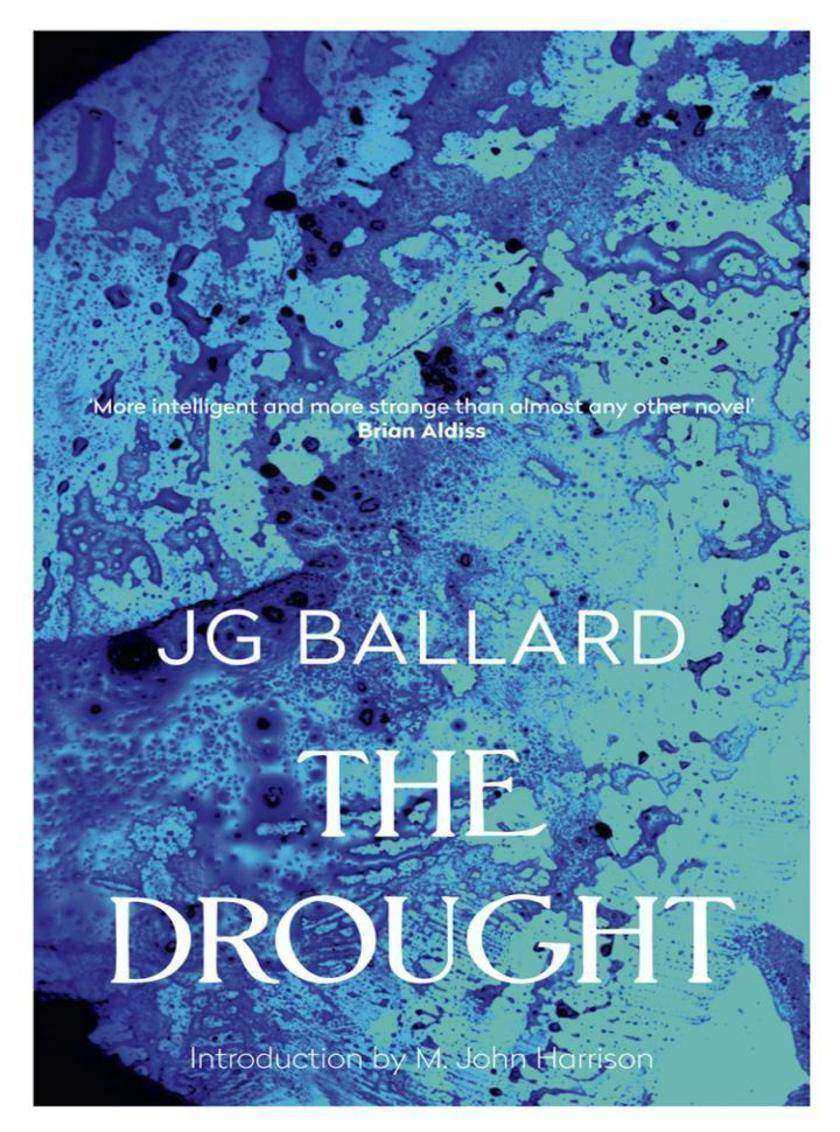
The Drought
¥22.76
With a new introduction by M. John Harrison and a striking new cover design from the artist Stanley Donwood, this acclaimed cult novel sees human existence threatened by devastating climate change. Water. Man’s most precious commodity is a luxury of the past. Radioactive waste from years of industrial dumping has caused the sea to form a protective skin strong enough to devastate the Earth it once sustained. And while the remorseless sun beats down on the dying land, civilization itself begins to crack. Violence erupts and insanity reigns as the remnants of mankind struggle for survival in a worldwide desert of despair. Remarkable for its prescience and the originality of its vision, The Drought is a work of major importance from the early career of one of Britain’s most acclaimed novelists. This edition is part of a new commemorative series of Ballard’s works, featuring introductions from a number of his admirers (including Ned Beauman, Ali Smith, Neil Gaiman and Martin Amis) and brand-new cover designs.

Vitals
¥45.42
Scientist Hal Cousins is close to discovering the key to immortality but someone has already found it and will kill him to keep it secret. Vitals is a tense technothriller in the best Michael Crichton tradition. A mile and a half below the surface of the Pacific Ocean, scientist Hal Cousins, frightened of the dark and no friend of God, is looking for the fountain of youth. The Nobel Prize doesn't interest him. Hal is in longevity research for the long haul, the really long haul. 'Angels' (rich businessmen keen to live a thousand years) fund him. Hal finds what he is searching for: xenos, the single-celled tramps of the sea floor, each one as big as a clenched fist. But then the pilot of his sub goes berserk. Hal barely survives; the xenos don't. The pilot kills himself. Five other scientists in related fields die violently in the space of a week. Hal discovers a trail of death stretching back over decades, from Stalin's Russia to present-day Manhattan. Another epidemic of murder by superbly trained killers has been triggered by what Hal nearly discovered… From the bottom of Russia’s Lake Baikal to a billionaire’s bionic house built into the cliffs of the Californian seashore, from the darkest days of the reign of Joseph Stalin in Russia to the capitalist free-for-all of modern America, the edge of immortality is the most dangerous place to be.
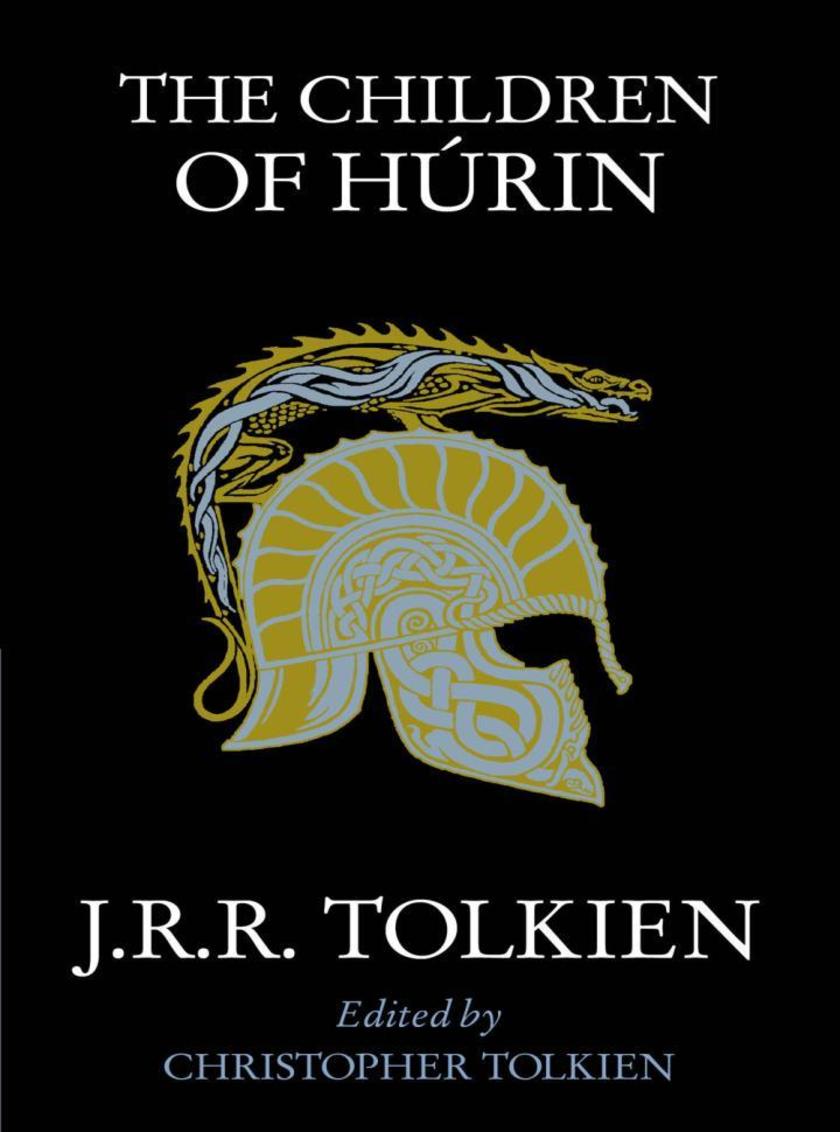
The Children of Húrin
¥66.22
Painstakingly restored from Tolkien’s manu*s and presented for the first time as a fully continuous and standalone story, this illustrated paperback of the epic tale of The Children of Húrin will reunite fans of The Hobbit and The Lord of the Rings with Elves, dragons, Dwarves and Orcs, and the rich landscape and characters unique to Tolkien. It is a legendary time long before The Lord of the Rings, and Morgoth, the first Dark Lord, dwells in the vast fortress of Angband in the North; and within the shadow of the fear of Angband, and the war waged by Morgoth against the Elves, the fates of Túrin and his sister Ni?nor will be tragically entwined. Their brief and passionate lives are dominated by the elemental hatred that Morgoth bears them as the children of Húrin, the man who dared to defy him to his face. Against them Morgoth sends his most formidable servant, Glaurung, a powerful spirit in the form of a huge wingless dragon of fire, in an attempt to fulfil the curse of Morgoth, and destroy the children of Húrin. Begun by J.R.R. Tolkien at the end of the First World War, The Children of Húrin became the dominant story in his later work on Middle-earth. But he could not bring it to a final and finished form. In this book Christopher Tolkien has constructed, after long study of the manu*s, a coherent narrative without any editorial invention.

The Information Officer
¥72.30
From the No. 1 bestseller and author of Richard & Judy pick The Savage Garden: an atmospheric world war two crime thriller for fans of Carlos Ruiz Zafon and Jed Rubenfeld "You want to know who I am? I'm the last living soul you'll ever set eyes on" Summer, 1942. For the people of Malta, suffering daily bombing raids, the British are the last line of defence against the Nazis. And it is Max Chadwick's job as the information officer to ensure the news the islanders receive maintains morale. So when Max is given proof suggesting a British officer is murdering local women, he knows the consequences of discovery are dire. With the violence on the war-ravaged island escalating daily, he embarks on a private investigation, hidden from the eyes of superiors, friends and the woman he loves. But Max finds himself torn between patriotic duty and personal honour in his efforts to track down the killer… an elusive figure always one step ahead of his hunter.

Brothers in Arms
¥66.22
Charismatic hero Jack Steel returns, in a new and perilous adventure. England 1708 and Jack Steel returns to Flanders from England a married man. But his wife Lady Henrietta Vaughan is proving expensive and Jack must look for a promotion. At the battle of Oudenarde Steel is sent in to stem off the French attack and wins a glorious victory for Marlborough.The allies eyes’ turn from Paris to Lille, where the Dutch have recommenced a siege. Unbeknownst to them, Marlborough sends Steel, his trusted envoy to Paris to broker a deal with a man who has the ear of the French King. Disguised, in danger of exposure and in fear of his life, Steel accomplishes his mission and makes it back to the bloody, mud-logged siege of Lille – a victory for the British in the end, but at huge cost of human life. As Steel desperately tries to open supply lines to his troops, he discovers that his wife has been unfaithful to him, though he has risked all to rescue her from the besiged town of Leffinghe. Jack returns to England covered in glory from Lille, and with the promotion that he desired. Although he has lost his reason for desiring money and honour he is now even more determined to win further military accolades in order outshine his wife’s new lover.
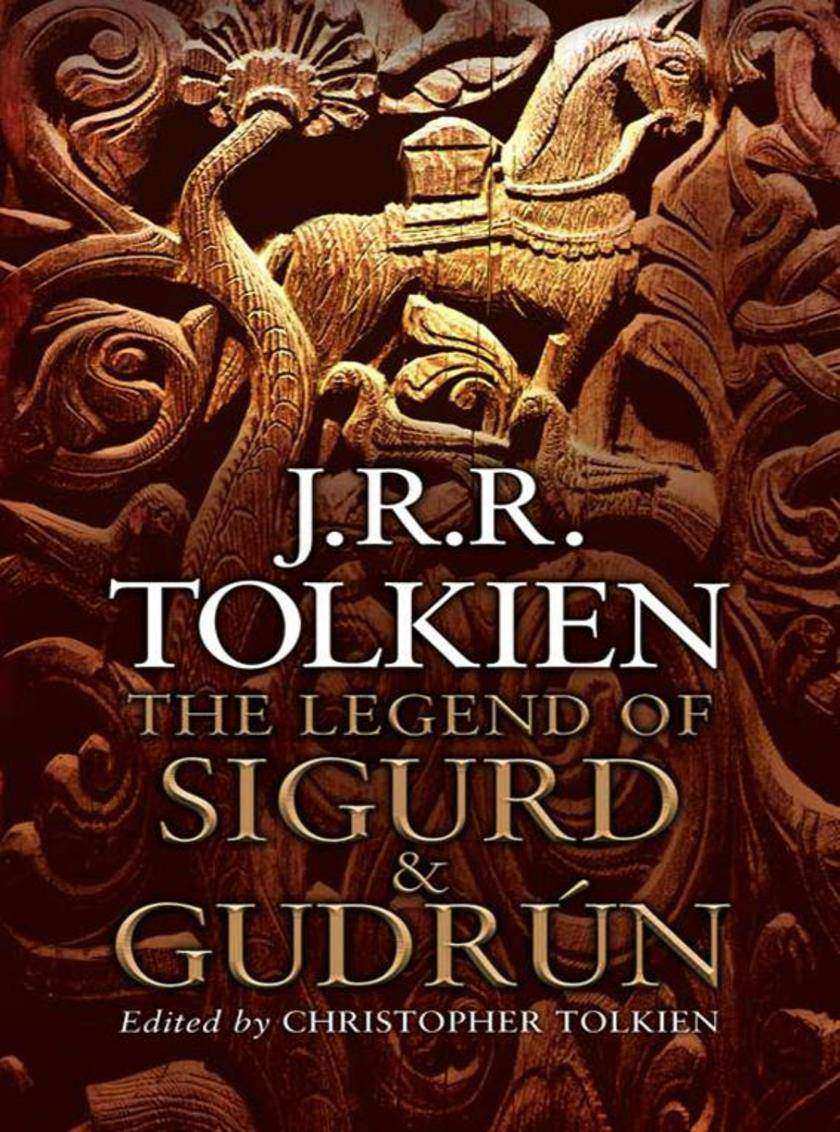
The Legend of Sigurd and Gudrún
¥58.47
The world first publication of a previously unknown work by J.R.R. Tolkien, which tells the epic story of the Norse hero, Sigurd, the dragon-slayer, the revenge of his wife, Gudrún, and the Fall of the Nibelungs. “Many years ago, J.R.R. Tolkien composed his own version, now published for the first time, of the great legend of Northern antiquity, in two closely related poems to which he gave the titles The New Lay of the V?lsungs and The New Lay of Gudrún. “In the Lay of the V?lsungs is told the ancestry of the great hero Sigurd, the slayer of Fáfnir most celebrated of dragons, whose treasure he took for his own; of his awakening of the Valkyrie Brynhild who slept surrounded by a wall of fire, and of their betrothal; and of his coming to the court of the great princes who were named the Niflungs (or Nibelungs), with whom he entered into blood-brotherhood. In that court there sprang great love but also great hate, brought about by the power of the enchantress, mother of the Niflungs, skilled in the arts of magic, of shape-changing and potions of forgetfulness. “In scenes of dramatic intensity, of confusion of identity, thwarted passion, jealousy and bitter strife, the tragedy of Sigurd and Brynhild, of Gunnar the Niflung and Gudrún his sister, mounts to its end in the murder of Sigurd at the hands of his blood-brothers, the suicide of Brynhild, and the despair of Gudrún. In the Lay of Gudrún her fate after the death of Sigurd is told, her marriage against her will to the mighty Atli, ruler of the Huns (the Attila of history), his murder of her brothers the Niflung lords, and her hideous revenge. “Deriving his version primarily from his close study of the ancient poetry of Norway and Iceland known as the Poetic Edda (and where no old poetry exists, from the later prose work the V?lsunga Saga), J.R.R. Tolkien employed a verse-form of short stanzas whose lines embody in English the exacting alliterative rhythms and the concentrated energy of the poems of the Edda.” — Christopher Tolkien
The Importance of Being Kennedy
¥57.09
A brilliant novel by Laurie Graham set in wartime London, which follows Kick Kennedy, sister of future US President JFK, as she takes London society by storm. Nora Brennan is a country girl from Westmeath. When she lands herself a position as nursery maid to a family in Brookline, Massachusetts, she little thinks it will place her at the heart of American history. But it's the Kennedy family. In 1917 Joseph Kennedy is on his way to his first million and he has plans to found a dynasty and ensure that his baby son, Joe Junior, will be the first Catholic President of the United States. As nursemaid to all nine Kennedy children, Nora witnesses every moment, public and private. She sees the boys coached at their father's knee to believe everything they'll ever want in life can be bought. She sees the girls trained by their mother to be good Catholic wives. World War II changes everything. At the outbreak of war the Kennedys are living the high life in London, where Joseph Kennedy is the American ambassador. His reaction is to send the entire household back across the Atlantic to safety, but Nora, surprised by midlife love, chooses to stay in England and do her bit. Separated from her Kennedys by an ocean she nevertheless remains the warm, approachable sun around which the older children orbit: Joe, Jack, Rosemary, and in particular Kick, who throws the first spanner in the Kennedy works by marrying an English Protestant. Laurie Graham's poignant new novel views the Kennedys from below stairs, with the humour and candour that only an ex-nursemaid dare employ.

Secrets
¥57.09
We all have our secrets. It’s just some are bigger than others… Joe has a beautiful house, a great job, no commitments – and he likes it like that. All he needs is a quiet house-sitter for his rambling old place by the sea. When Tess turns up on his doorstep, he’s not sure she’s right for the job. Where has she come from in such a hurry? Her past is a blank and she’s something of an enigma. But there’s something about her – even though sparks fly every time they meet. And it looks as though she’s here to stay…

The Wolf at the Door (Sean Dillon Series, Book 17)
¥54.84
Dillon and company are back in the ultimate blockbuster from the legend that is Jack Higgins… THE LEGEND IS BACK Someone is targeting the members of the elite intelligence unit known as 'the Prime Minister's private army' and all those who work with them. On Long Island, a trusted operative for the President nudges his boat up to a pier, when a man materializes out of the rain and shoots him. In London, General Charles Ferguson, adviser to the Prime Minister, approaches his car on a side street, when there is a flash, and the car explodes. In New York a former British soldier takes a short walk when a man comes up fast behind him, a pistol in his hand. For Sean Dillon the hunt is on, a very well-connected old nemesis has clearly become tired of their interference in his schemes. But proving it is going to be a difficult task, and surviving it the hardest task of all…
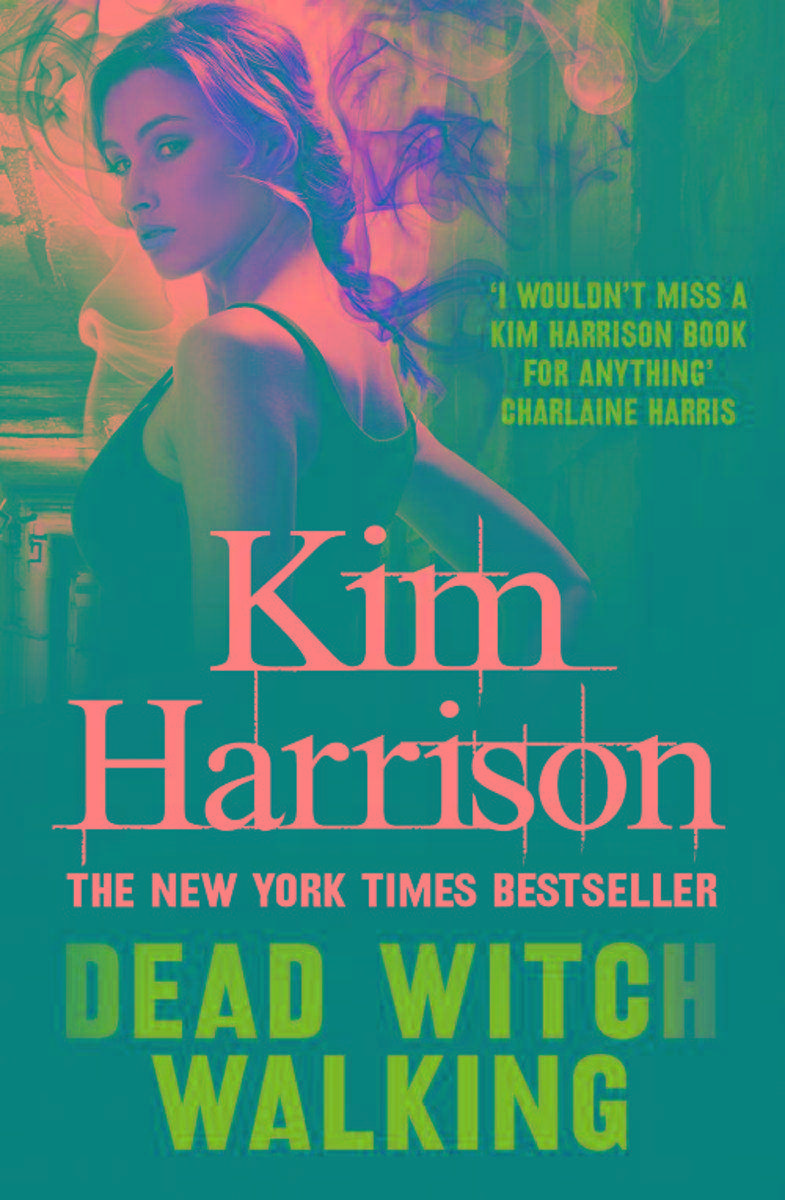
Dead Witch Walking
¥18.93
From New York Times best-selling author, Kim Harrison, comes the first book in her brilliant Hollows series; packed with the perfect balance of wry humour and thrilling action, which will delight fans of thrillers and fantasy alike. Rachel Morgan lives in a world where a bioengineered virus wiped out most of the world's human population – exposing the existence of supernatural communities that had long lived alongside humanity. It’s her job as a white witch working for Inderland Security to protect the humans from things that go bump in the night. For the last five years Rachel has been tracking down lawbreaking Inderlanders in modern-day Cincinnati, but now she wants to leave and start her own agency. Her only problem: no one quits the I.S. Marked for death, Rachel will have to fend off fairy assassins and homicidal werewolves armed to the teeth with deadly curses. Unless she can appease her former employers by exposing the city's most prominent citizen as a drug lord, she might just be a dead witch walking.

Second Chance
¥51.50
Every woman needs a best friend… And Deena Munger needs one more than most. Faced with an almost empty nest, a marriage that's as stale as week-old bread, and hot flushes that are driving her mad, no wonder she feels running away. Despite her twenty extra pounds, Deena feels invisible and wonders when she started to disappear. And how come she never even noticed. Until the day Heloise enters her life. To the astonishment of her family, Deena volunteers to raise a Guide dog-and suddenly her world is turned upside down. Can this messy, boisterous, playful Labrador puppy show her the way out of the darkness? Seeing really is believing…
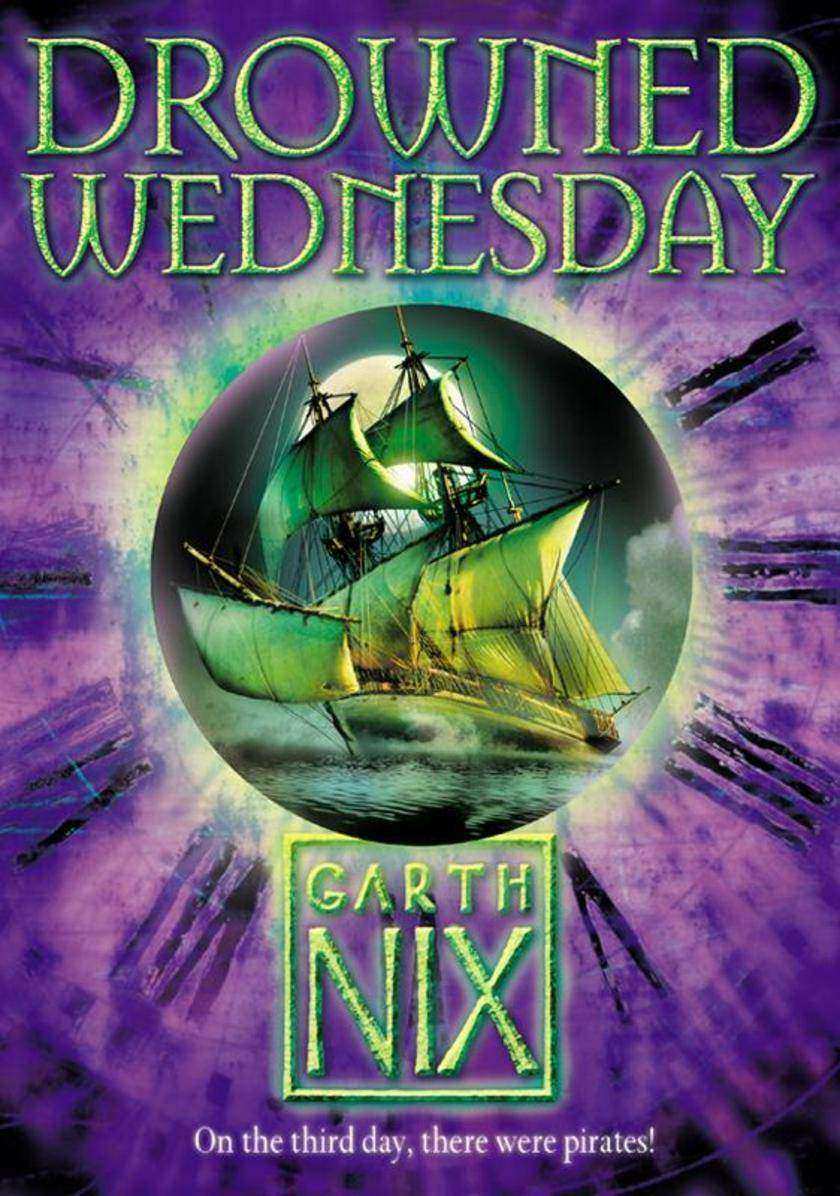
Drowned Wednesday (The Keys to the Kingdom, Book 3)
¥53.76
On the third day, there were PIRATES! Arthur Penhaligon finds himself on an adventure that will pit him against pirates, storms, explosions and a vast beast that eats everything it encounters. Will our unwitting hero be able to find the third part of the Will and claim the Third Key? No rest for poor Arthur Penhaligon. As Grim Tuesday ends, he discovers a square of stiff cardboard under his pillow, gilt-edged and inscribed with the following words: LADY WEDNESDAY Trustee of the Architect and Duchess of the Border Sea has great pleasure in inviting ARTHUR PENHALIGON to a Particular Luncheon of Seventeen Removes Transport has been arranged RSVP not required… It’s an invitation he cannot refuse. From hospital room to the high seas, Arthur finds himself on an adventure that will pit him against pirates, storms, explosions of Nothing-laced gunpowder, and a vast beast that eats everything it encounters. Through it all, he is drawn deeper into the central mystery of the House. Arthur must find the third part of the Will and claim the Third Key – not just for himself, but for the millions (if not trillions) who will suffer if he doesn't. The first step? Surviving life aboard ship on the Border Sea…

Everything We Ever Wanted
¥58.86
How do you choose between your family and your history? Emotional and compelling storytelling from Sara Shepard, author of All the Things We Didn’t Say. A late-night phone call on a Sunday evening rarely brings good news. So when Sylvie, a recently-widowed mother of two, receives a call from the head teacher of the school she's on the board of, she knows it won't be something she wants to hear. The school was founded by her grandfather, and she's inherited everything he strived to build up - a reputation, a heritage, the school and the grand old family house. And with this inheritance comes responsibility. So when her son Scott is whispered to be involved in a scandal that led to the death of one of the boys he coaches at the school, it throws the family into chaos: Sylvie has to decide between her loyalty to the school that has been part of her family legacy for years and her son who she feels wants nothing to do with her. She starts spying on the dead boy's father, making an unlikely connection. Sara Shepard's compelling new novel tells how hard it can be to really, truly connect to people, how making quick, easy judgments can come back to haunt you, and how the life you always planned for - and always dreamed of - often doesn't always turn out the way you imagined at all…
Amnesia
¥51.50
You’ll be up all night with this addictive thriller from the New York Times bestselling author. What if, one by one, your exes were being murdered – and all the evidence pointed at you? Hotshot lawyer Quinn Cortez is infamous for his prowess in the courtroom – and the bedroom. But when his latest conquest – notorious party girl Lulu Vanderley – is found butchered, Cortez becomes the prime suspect. Suffering paralysing blackouts, and with no memory of his actions at the time of the murder, Cortez must fight to clear his name. Lulu's cousin Annabelle is willing to believe he is innocent – until more bodies are discovered, and all the clues lead back to him. To catch a killer, Cortez must explore the blackness within him, and confront the shocking truth…
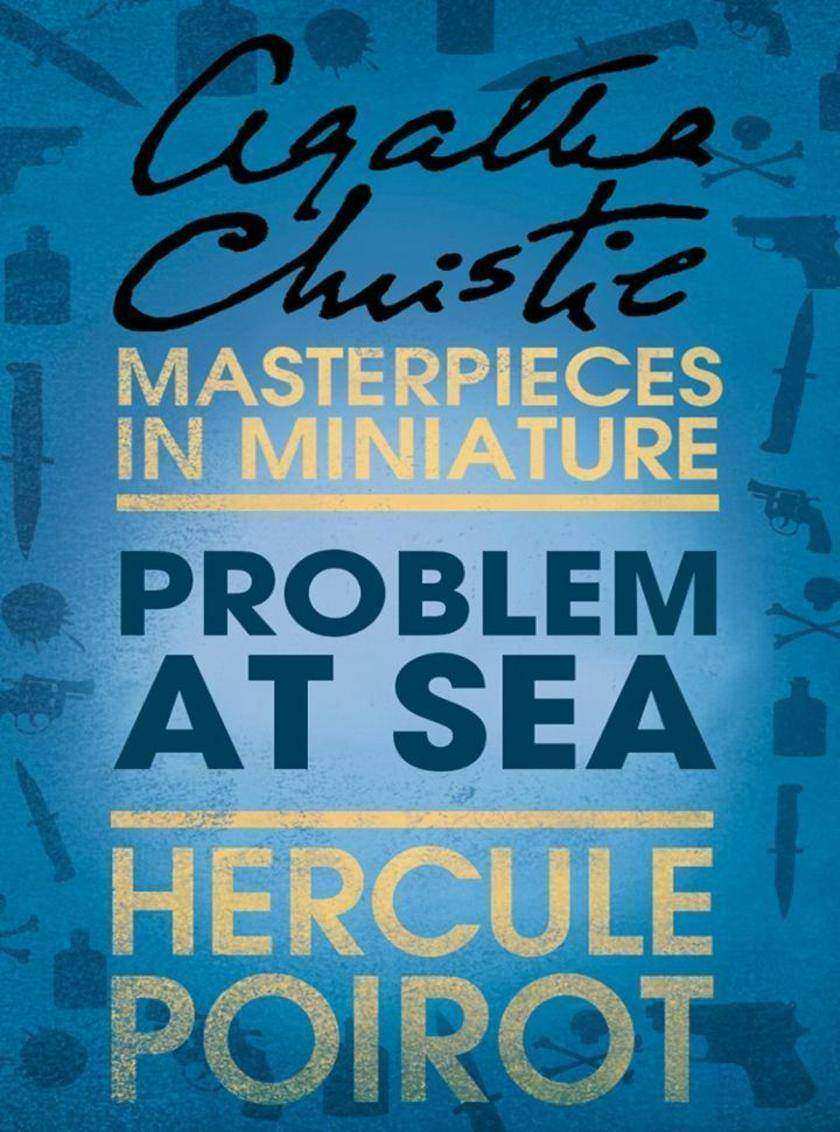
Problem at Sea: A Hercule Poirot Short Story
¥19.13
A classic Agatha Christie short story, available individually for the first time as an ebook. A new bride is murdered in Cabin 66 on a cruise to Egypt, while her husband is ashore with other passengers. Their travelling companion Hercule Poirot finds that his holiday has become an investigation…
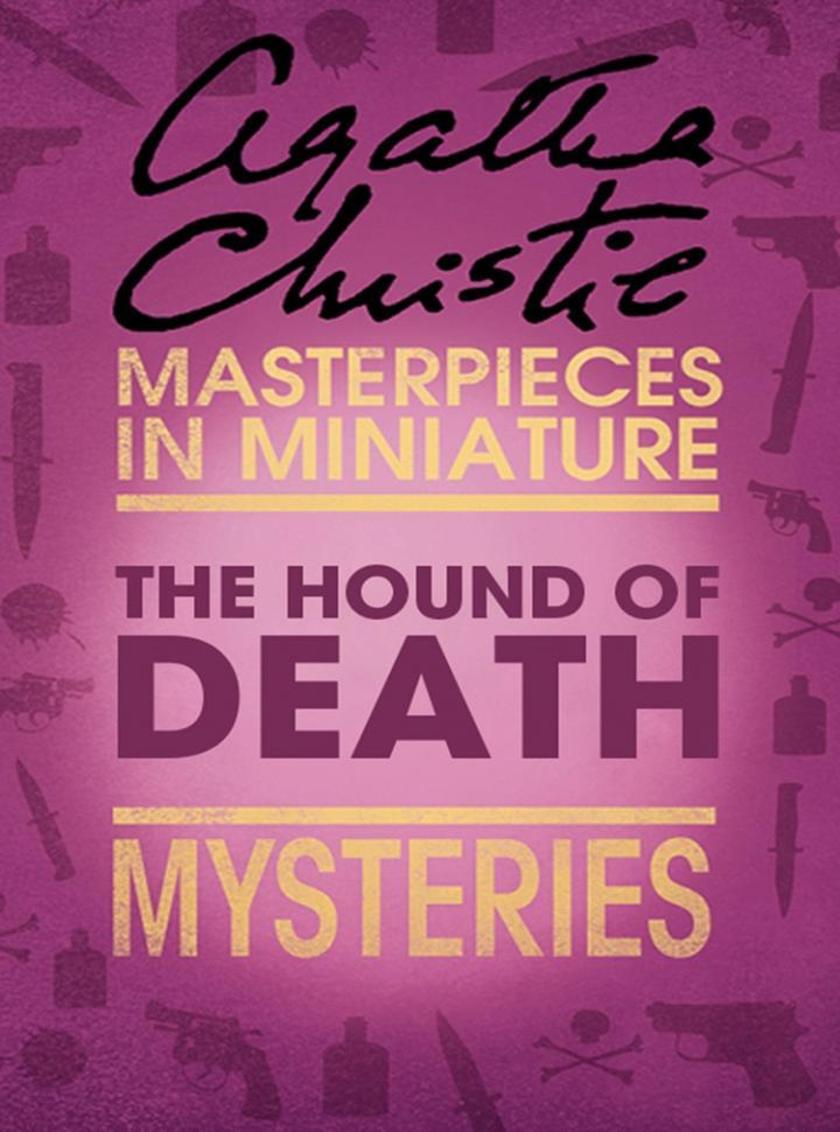
The Hound of Death: An Agatha Christie Short Story
¥23.25
A classic Agatha Christie short story, available individually for the first time as an ebook. In this supernatural tale by the Queen of Crime, a nun has memories of a past-life in an ancient civilisation and believes she can harness natural psychic powers…


