


 购物车
购物车 个人中心
个人中心

Mrs. Raffles: Amateur Crackswoman
¥24.44
Mrs. Raffles: Amateur Crackswoman

Japanese Folklore The Story of Love & Reincarnation
¥12.18
Japanese Folklore The Story of Love & Reincarnation
The Magic World
¥24.44
The Magic World

A Thief in the Night
¥24.44
A Thief in the Night
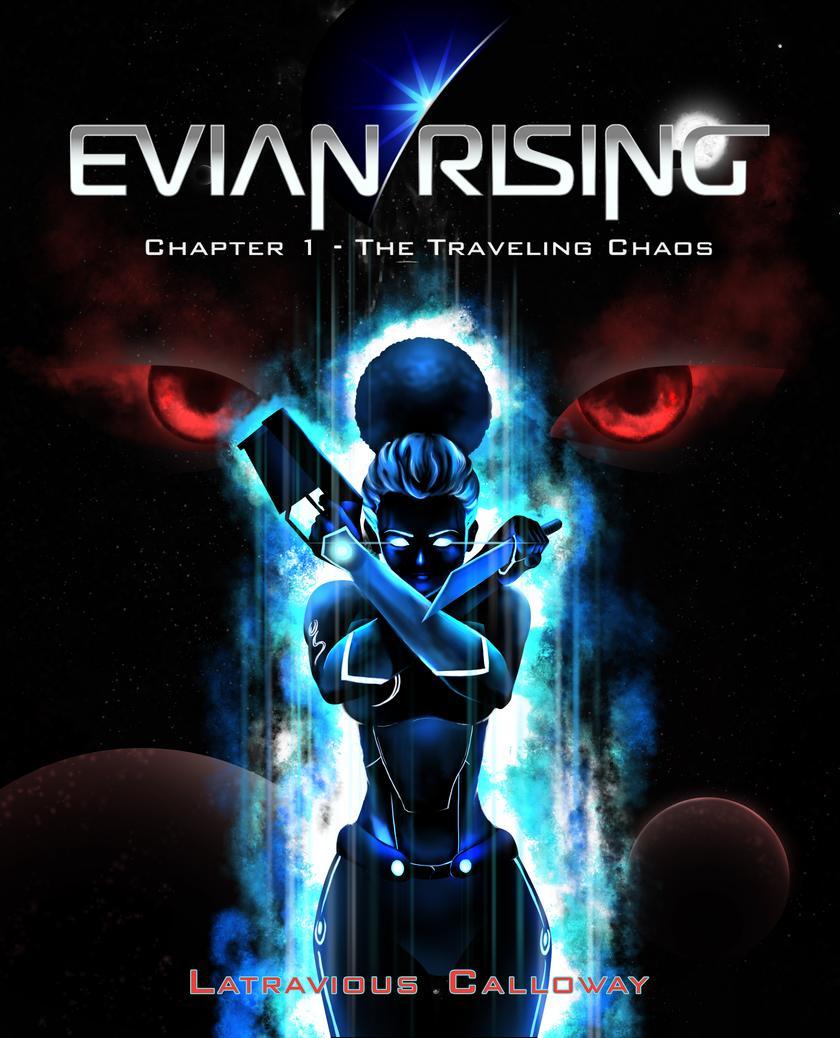
Evian Rising: Chapter 1 - The Traveling Chaos
¥31.10
Evian Rising: Chapter 1 - The Traveling Chaos

The Successful Software Manager
¥62.12
A developer's guide to successfully managing teams, customers, and software projects Key Features ?A complete guide to managing developer teams, software projects, customers, and users ?Transition successfully from a technical role to management ?Develop crucial skills to enhance your performance and advance your career Book Description The Successful Software Manager is a comprehensive and practical guide to managing software developers, software customers, and the process of deciding what software needs to be built. It explains in detail how to develop a management mindset, lead a high-performing developer team, and meet all the expectations of a good manager. The book will help you whether you’ve chosen to pursue a career in management or have been asked to "act up" as a manager. Whether you’re a Development Manager, Product Manager, Team Leader, Solution Architect, or IT Director, this is your indispensable guide to all aspects of running your team and working within an organization and dealing with colleagues, customers, potential customers, and technologists, to ensure you build the product your organization needs. This book is the must-have authoritative guide to managing projects, managing people, and preparing yourself to be an effective manager. The intuitive real-life examples will act as a desk companion for any day-to-day challenge, and beyond that, Herman will show you how to prepare for the next stages and how to achieve career success. What you will learn ?Decide if moving to management is right for you ?Develop the skills required for management ?Lead and manage successful software development projects ?Understand the various roles in a technical team and how to manage them ?Motivate and mentor your team ?Deliver successful training and presentations ?Lead the design process with storyboards and personas, and validate your solution Who this book is for Development Managers, Product Managers, Team Leaders, Solution Architects, or IT Directors who want to effectively manage colleagues, customers, potential customers, and technologists. Table of Contents 1.Why Do You Want to Become a Manager? 2.What Are the Key Skills I Need? 3.What Is My Job Now? 4.A Week in the Life of a Manager 5.Managing Your Team 6.Asking the Right Questions to Your Users 7.Meetings 8.Design Techniques 9.Validating the Solution 10.Agile, Waterfall, and Everything in Between 11.Always Be Shipping 12.The Training Day 13.Organizational Management in the 21st Century 14.Developing Yourself as a Leader 15.Your Next Steps
The Dunwich Horror
¥9.00
In H.P. Lovecraft’s, "The Dunwich Horror", we are told the story of Wilbur Whateley, the son of a deformed albino mother and an unknown father (alluded to in passing by the mad Old Whateley as "Yog-Sothoth"), and the strange events surrounding his birth and precocious development. Wilbur matures at an abnormal rate, reaching manhood within a decade. All the while, his sorcerer grandfather indoctrinates him into certain dark rituals and the study of witchcraft.

Kay?p Halkan?n S?rr?
¥18.56
Yazar, bandan geen gizemli olaylar okuyucusuyla paylamaktadr.Yazar yal bir kadn tesadüfen kaldrmda baygn vaziyette bulur hastaneye kaldrr fakat daha sonra hastane odasnda brakr ve mutsuz ekilde Bodrum’a geri dner. ünkü yaynevlerinden bekledii ilgiyi grmez.Doktor hemire ve hastalar kadn ok sever ve sahip karlar.Yal kadna daha sonra devlet sahip kar ve onu bir huzur evine yatrr. Yal kadn orada da ok sevilir. Fakat huzur evi müdürü kadndan üphelenir. Yazar ise bir türlü istedii eseri yazamamaktadr. stelik ok sevdii ruh eine kavuamamaktadr. Bütün skntlarn zecek gü yal kadndr fakat yazar bunu bilmez. Fakat yazarn kader dngüsü deimek üzeredir ve yal kadn onu kendisine doru arr.Yazar balarda bununla mücadele etmeye alr fakat daha sonra pes eder. stanbul’a doru yolculuk yapmaya karar verir. Yolculuk esnasnda rüyasnda gerilim ve gizemli olaylar grür bilmedii ey aslnda bu olaylarn gerekte yaanddr. Yal kadn düündüü kii deildir.Yazarn gizemli bir ekilde tant yal kadnn srlar vardr. Yazar gerek grevi iin armaktadr.Aslnda yazar kayp halkadan birisidir.
The Descendant
¥9.00
"The Descendant" is a story fragment by American horror fiction writer H. P. Lovecraft, believed to have been written in 1927.[1] It was first published in the journal Leaves in 1938, after Lovecraft's death.

Dagon
¥9.00
The story is the testament of a tortured, morphine-addicted man who relates an incident that occurred during his service as an officer during World War I. In the unnamed narrator's account, his cargo ship is captured by an Imperial German sea-raider in "one of the most open and least frequented parts of the broad Pacific"
The Crawling Chaos
¥9.00
"The Crawling Chaos" is a short story by American writers H. P. Lovecraft and Winifred V. Jackson (first published April 1921 in the United Cooperative. As in their other collaboration, "The Green Meadow", the tale was credited to "Elizabeth Berkeley" (Jackson) and "Lewis Theobald, Jun" (Lovecraft). The story begins with the narrator describing the effects of opium and the fantastical vistas it can inspire. The narrator then tells of his sole experience with opium in which he was accidentally administered an overdose by a doctor during the "year of the plague".
The Colour Out of Space
¥9.00
"The Colour Out of Space" is a first-person narrative written from the perspective of an unnamed surveyor from Boston. In order to prepare for the construction of a new reservoir in Massachusetts, he surveys a rural area that is to be flooded near Lovecraft's fictional town of Arkham. He comes across a mysterious patch of land, an abandoned five-acre farmstead, which is completely devoid of all life.
The Book
¥9.00
"The Book" is an unfinished short story by American horror fiction writer H. P. Lovecraft, believed to have been written in late 1933. It was first published in the journal Leaves in 1938, after Lovecraft's death. In the story fragment, the narrator is given an ancient book by a strange bookseller, and when he takes it home and examines it, weird and sinister events ensue.
Fairy Stories and Fables
¥28.29
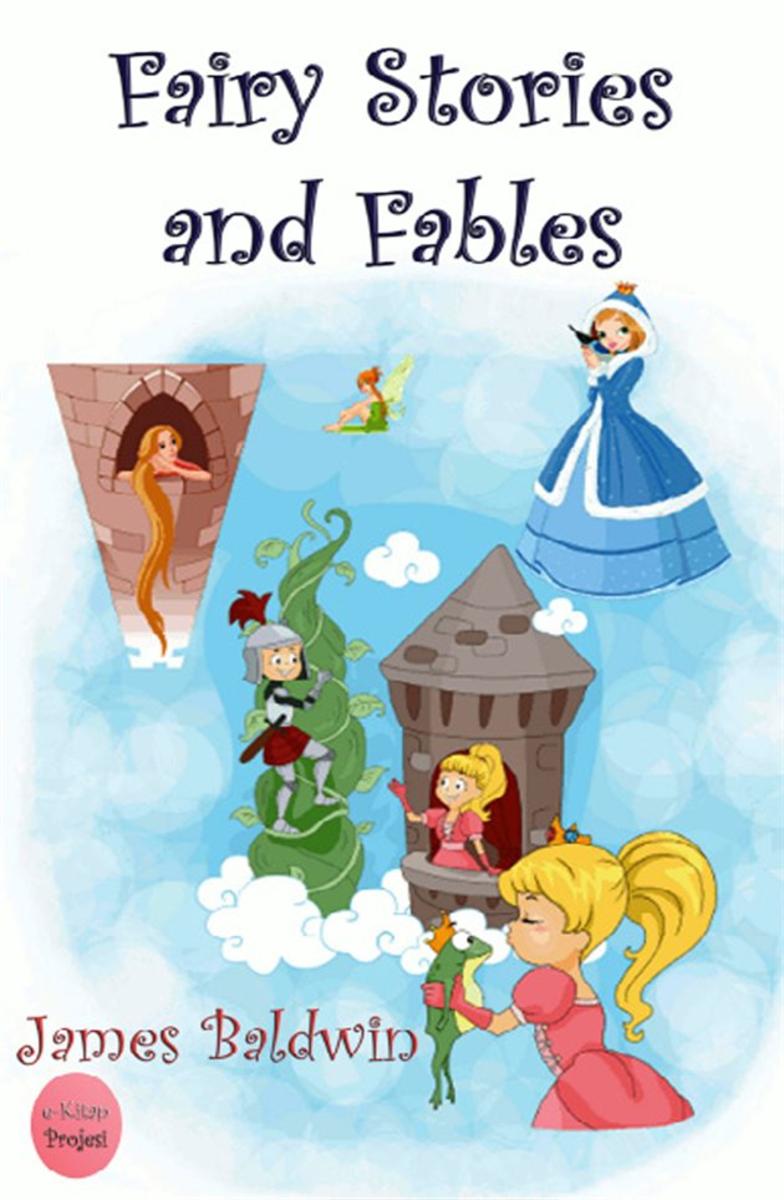
The longer stories in this book are called Fairy Stories, because that is the name by which such tales are always known to children; and yet only a very few contain any direct reference to fairies. The most of them have to do with talking animals and with strange incidents and transformations such as have always delighted the childish fancy. They have been drawn from a variety of sources; and liberty has been taken to make such changes in the narratives as seemed most necessary to adapt them to the understanding and needs of the children of our own time and country. ??Free renderings, they may be called, of some of the most popular folktales of foreign lands. The Three Bears, Tom Thumb, Jack and the Beanstalk, and Tom Tit Tot are old English favorites dressed in modern garb; Little Red Riding Hood, Puss in Boots, Princet and the Golden Blackbird, and Drakesbill and his Friends are variants of the well-known French versions by Perrault, Marelles, and Sebillot; Little Tuppen and The Three Goats named Bruse are from Norwegian sources; and the rest are founded upon German originals. In the retelling of these tales care has been taken to avoid whatever might distress the most sensitive child as well as everything that could give a wrong bias to his moral nature or distort his perception of the beautiful and the true.
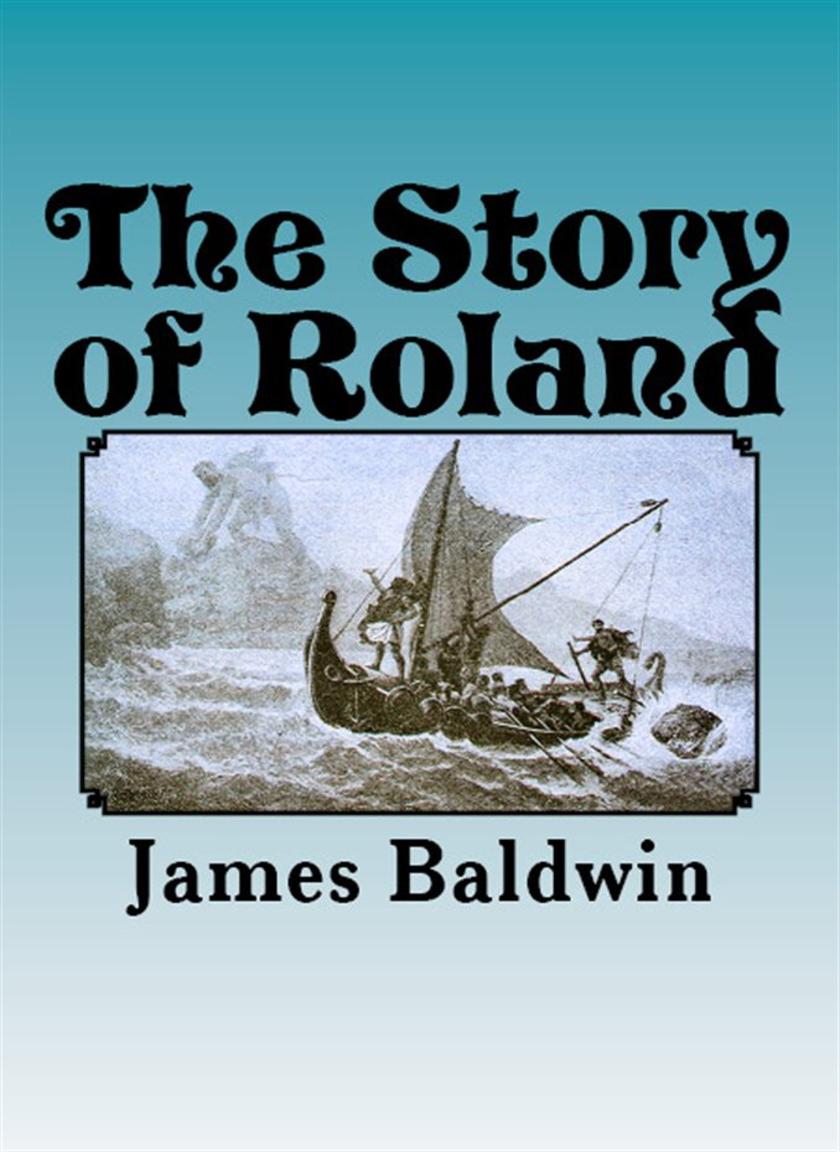
The Story of Roland
¥28.29
Jean Bodel a minstrel of the thirteenth century, wrote, "There are but three subjects which interest men,—the tales of France, of Britain, and of Rome the great; and to these subjects there is nothing like. The tales of Britain are so light and pleasant, those of Rome are wise and of teachful sense; those of France, truly every day of greater appearance."??In this story of Roland as I propose telling it, I shall intro-duce you to some of the most pleasing of those "tales of France" The poems and legends which embody them were written in various languages, and at widely different times; but in them two names, Charlemagne and Roland are of very frequent occurrence. Charlemagne, as you know, was a real historical personage, the greatest monarch of medieval times. His empire included France, the greater part of Germany and Italy; and his power and influence were felt all over the Christian world. The fame of his achievements in war was heralded and sung in every country of Europe; his name was in the mouth of every story-teller and wandering bard; and it finally became customary to ascribe all the heroic deeds and wonderful events of three centuries to the time of Charlemagne. ??The songs and stories in which these events were related were dressed up with every kind of embellishment to suit the circumstances of their recital. Wild myths of the Pagan ages, legends and traditions of the Christian Church, superstitious notions of magic and witchcraft, fantastic stories derived from the Arabs of Spain and the East,—all these were blended in one strange mass, and grafted upon a slender core of historical truth. The result was a curious mixture of fact and fiction, of the real and the marvellous, of the beautiful and the impure, of Christian devotion and heathen superstition. And it was thus that "the tales of France", which we may term the legendary history of Charlemagne, came into being ..
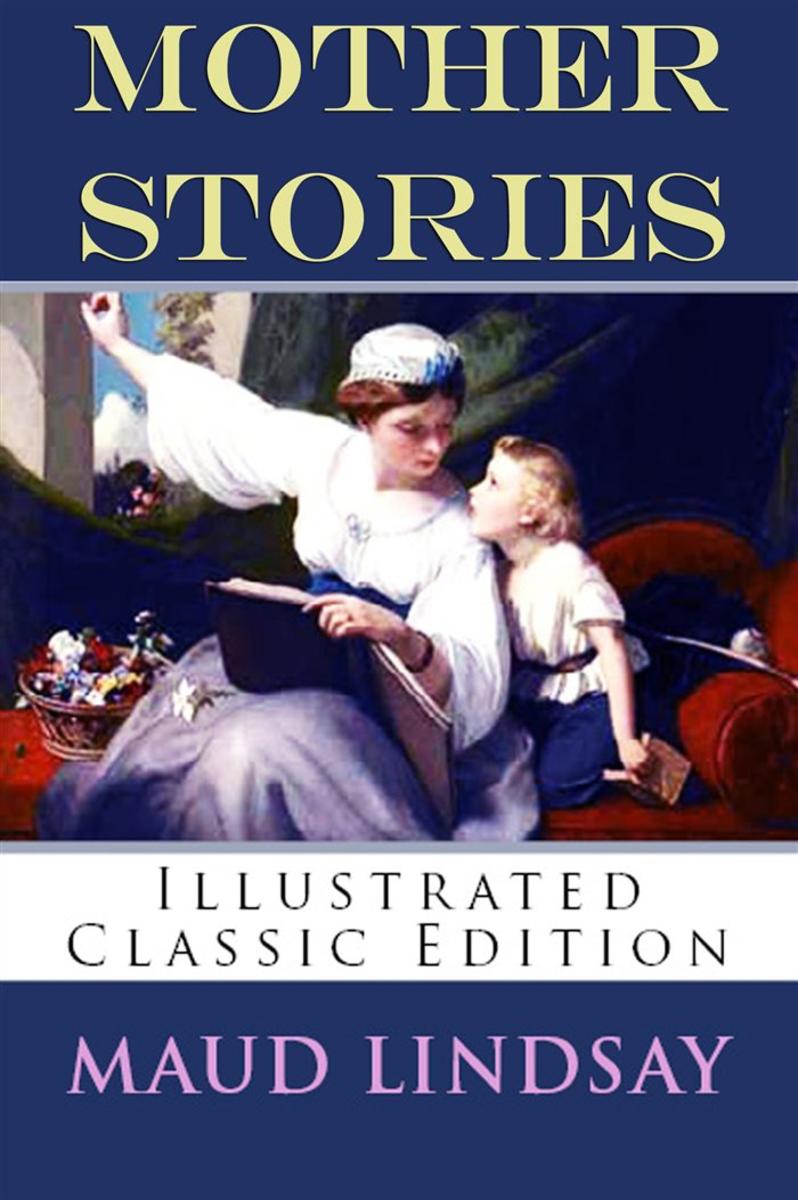
Mother Stories: (Illustrated)
¥18.80
"Mother, a Story at the right time,Is a Looking-glass for the Mind." – Froebel – Endeavored to write, for mothers and dear little children, a few simple stories, embodying some of the truths of Froebel's Mother Play. The Mother Play is such a vast treasure house of Truth, that each one who seeks among its stores may bring to light some gem; and though, perhaps, I have missed its diamonds and rubies, I trust my string of pearls may find acceptance with some mother who is trying to live with her children. I have written my own mottoes, with a few exceptions, that I might emphasize the particular lesson which I endeavor to teach in the story; for every motto in the Mother Play comprehends so much that it is impossible to use the whole for a single subject. From "The Bridge" for instance, which is replete with lessons, I have taken only one,—for the story of the "Little Traveler."
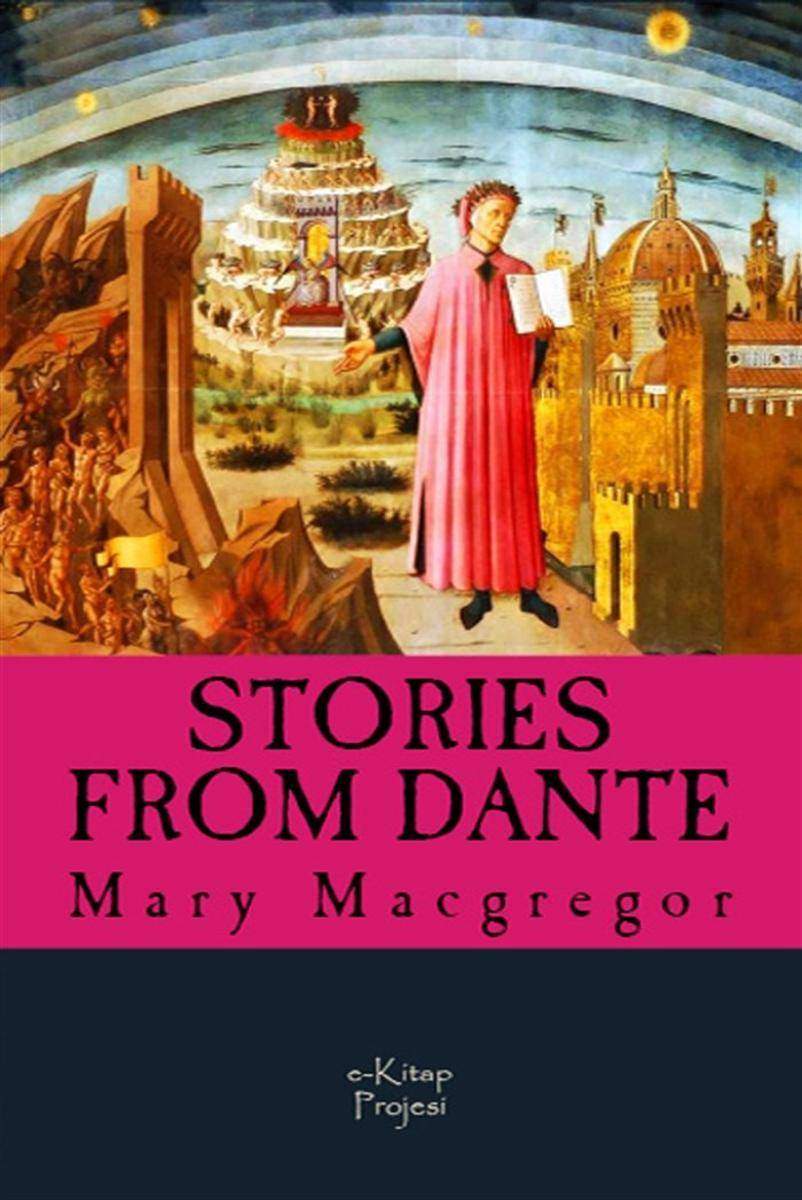
Stories from Dante: Told to the Children
¥14.06
IN the far-off days when Dante lived, those who wrote books wrote them in the Latin tongue. Dante himself wrote the first seven cantos of his great poem in Latin. But like many another poet, he was not satisfied with his first attempt. He flung the seven Latin cantos aside and seemingly forgot all about them, for when he was banished from Florence the poem he had begun was not among his treasures. His wife, however, found the seven cantos and tossed them into a bag among her jewels. Then she also seemed to forget all about them. Five years later a nephew of Dante chanced to find the long-forgotten verses. He at once sent them to his uncle, who was still living in exile. When Dante received the cantos he had written so long ago, he believed that their recovery was a sign from Heaven that he should complete the great poem he had begun. He therefore set to work afresh, but this time he wrote, not in Latin, but in his own beautiful mother-tongue, which was, as you know, Italian. When at length the great poem was finished, Dante named it simply, "The Comedy," and it was not until many years after his de-ath that the title was changed into "The Divine Comedy." A comedy was a tale which might be as sad as tale could be, so only that it ended in gladness.In "The Divine Comedy," then, about which this little book tells, you may expect to find much that is sad, much that is terrible. Yet you may be certain that before the end of the tale you will find in it gladness and joy..
La última fada
¥9.00
Novela basada en dos leyendas artúricas: "Tristán e Isolda" y "Merlín y Viviana", entreteje textos conocidos con versiones nuevas con el objetivo de moralizar a un público lector, presumiblemente de fe única, poseedor de prejuicios religiosos arraigados en la cultura de la época.

El cisne de Vilamorta
¥9.00
EL CISNE DE VILAMORTA : Leocadia, la maestra de Vilamorta, ama apasionadamente al joven y apuesto Segundo ( el cisne ) al que recibe en su casa y de vez en cuando hace algún obsequio, ya que Segundo aunque estudió derecho , no trabaja. Leocadia tiene un hijo deficiente producto de una violación incestuosa de un tío con el que vivía en Ourense. Segundo aspira a conseguir una colocación en Madrid que le permita darse a conocer en el mundo literario de la capital. Llega a Vilamorta un político influyente ( don Victoriano ). Viene a curarse con las aguas del balneario. El poeta se enamora de la joven mujer del político ( Nieves ) y ella coquetea con él , pero el marido muere y la viuda marcha a Madrid sin querer saber nada de Segundo ...
Admiral Farragut
¥8.09
Admiral Farragut
Lessons of the War with Spain and Other Articles
¥8.09
Lessons of the War with Spain and Other Articles


