


 购物车
购物车 个人中心
个人中心

Professor And The Nanny (Mills & Boon Silhouette)
¥31.10
Brittany Baldwin was helplessly in love with her sexy, much older boss. But the sophisticated college professor wanted nothing to do with an innocent like her. Well, she wasn't going to let that stop her, especially since Ethan Thorpe was the only man who'd ever made her tremble with desire. Between his toddler son and elderly father, Ethan's life was already in an uproar! There was nothing he needed less than young and virginal nurse-turned-nanny Brittany tempting his weary soul. Yet despite his vow to stay clear of the delectable beauty, he couldn't help wanting to teach her about a man's tender touch…
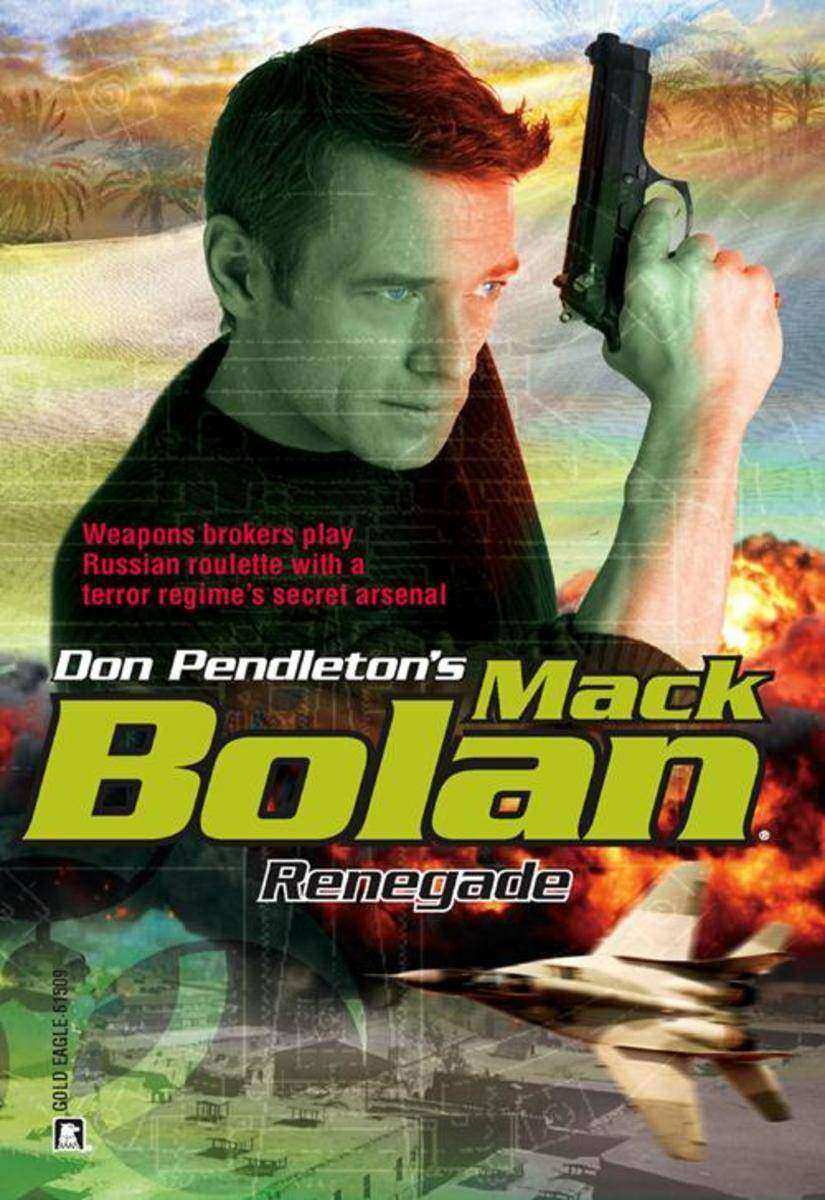
Renegade
¥25.60
State of Terror Mack Bolan hits the streets of Tehran, looking for a renegade former Soviet weapons expert who sold out to the terror business –a man who knows the hiding places of the toppled Iraqi dictator's arsenal of biological and chemical agents. But the stakes get higher when Bolan makes the grim connection between the deadly weapons and individuals double-dealing in death. Those paid to hide the cache are now reselling everything, from bubonic plague to sarin gas, to any terrorists with enough cash. In a world held hostage by the madness of a few, Bolan stands determined to fi ght as long as he's alive to keep the balance of power in the hands of the good… and hope it's enough to make a difference.
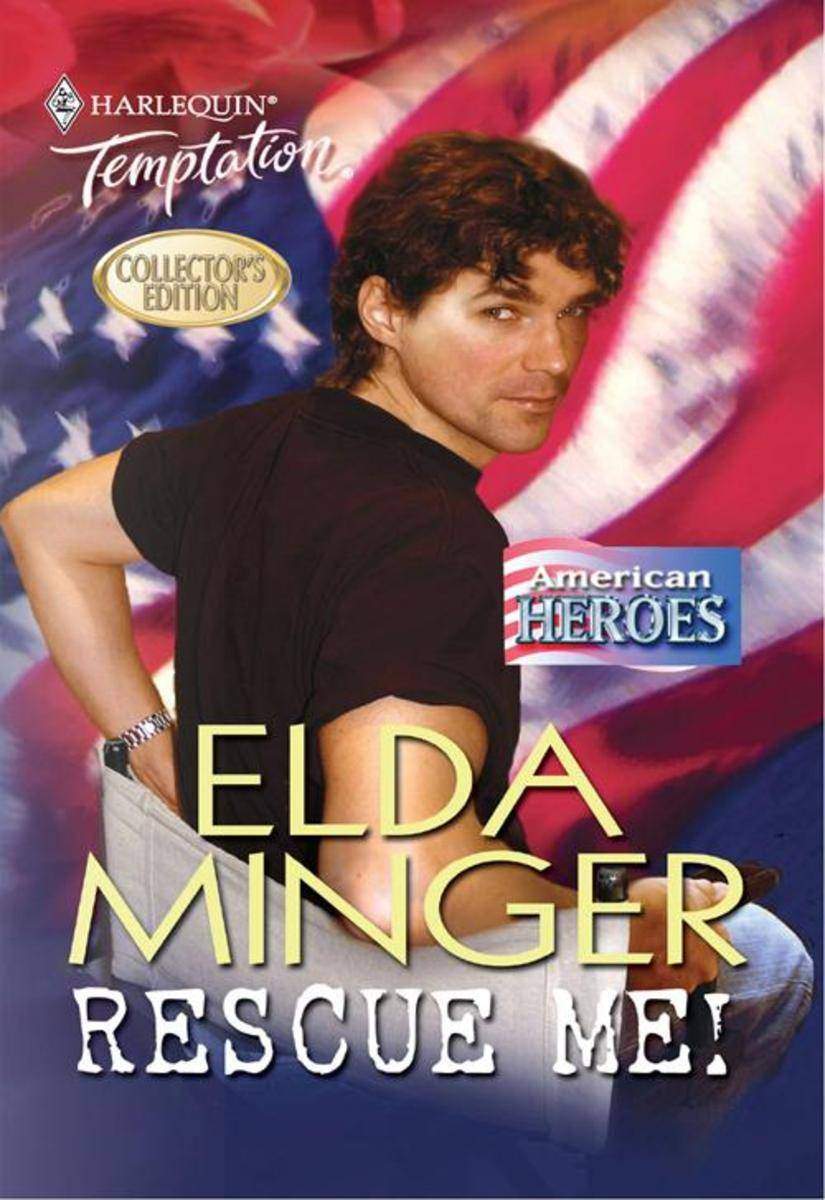
Rescue Me! (Mills & Boon Temptation)
¥31.10
Ladies' Night at Clancy's, the dry cleaner's or the produce aisle at Puccini's Market? The last place Cody Roberts expects to find a sexy woman is at a convenience store during an armed robbery. He's no hero, just a troubled actor playing action heroes for the silver screen and living on the edge. But Cody tackles the gunman and saves the day. Jennifer Whitney can't believe this gorgeous stranger has come to her rescue. She's shaken, yet intensely drawn to Cody's warmth and comfort–it's little wonder they spend hours making love, reaffirming life. But when morning comes, Jen senses that it's really Cody who needs rescuing…. Badly. And in her vulnerable state is she the woman to do it?

Rolling Thunder
¥25.60
The clandestine operations group known as Stony Man is unbound by rules of procedure and answers only to the Oval Office. Hal Brognola's team of cyber warriors and battlefield commandos takes the most direct approach to stem the tide of global terrorism and high crime. As the court of last resort, they handle the dirty work no other department or agency can touch. The Basque Liberation Movement, a militant splinter cell of Spain's notorious ETA terrorist group, has seized a state-of-the-art new super tank equipped with nuclear firing capabilities. Intent on carrying their blood message to the world, the BLM has planned a devastating show of force at a NATO conference in Barcelona. As Stony Man's cybernetics team works feverishly to track the terrorists and the stolen warheads, the commandos of Able Team and Phoenix Force hit the ground running. But a clever, resourceful enemy remains one step ahead, in a race against the odds getting worse by the minute….

Saved by the Fireman (Mills & Boon Love Inspired) (Gordon Falls, Book 5)
¥31.10
Building their future Charlotte Taylor isn't good at playing it safe. Reeling from the sudden loss of her job and her beloved grandmother, Charlotte knows buying a dilapidated cottage in Gordon Falls isn't exactly practical. Especially since she just hired the one man who may love the property more than she does to help renovate it. Volunteer firefighter and part-time contractor Jesse Sykes can't stay mad at Charlotte for very long. Though she snatched up the home he'd planned on purchasing, Charlotte's dreams are big enough for both of them…if only she'd let him in. Charlotte promised she'd never fall for a first responder, but is it already too late? Gordon Falls: Hearts ablaze in a small town Charlotte Taylor isn't good at playing it safe. Reeling from the sudden loss of her job and her beloved grandmother, Charlotte knows buying a dilapidated cottage in Gordon Falls isn't exactly practical. Especially since she just hired the one man who may love the property more than she does to help renovate it. Volunteer firefighter and part-time contractor Jesse Sykes can't stay mad at Charlotte for very long. Though she snatched up the home he'd planned on purchasing, Charlotte's dreams are big enough for both of them…if only she'd let him in. Charlotte promised she'd never fall for a first responder, but is it already too late? Gordon Falls: Hearts ablaze in a small town
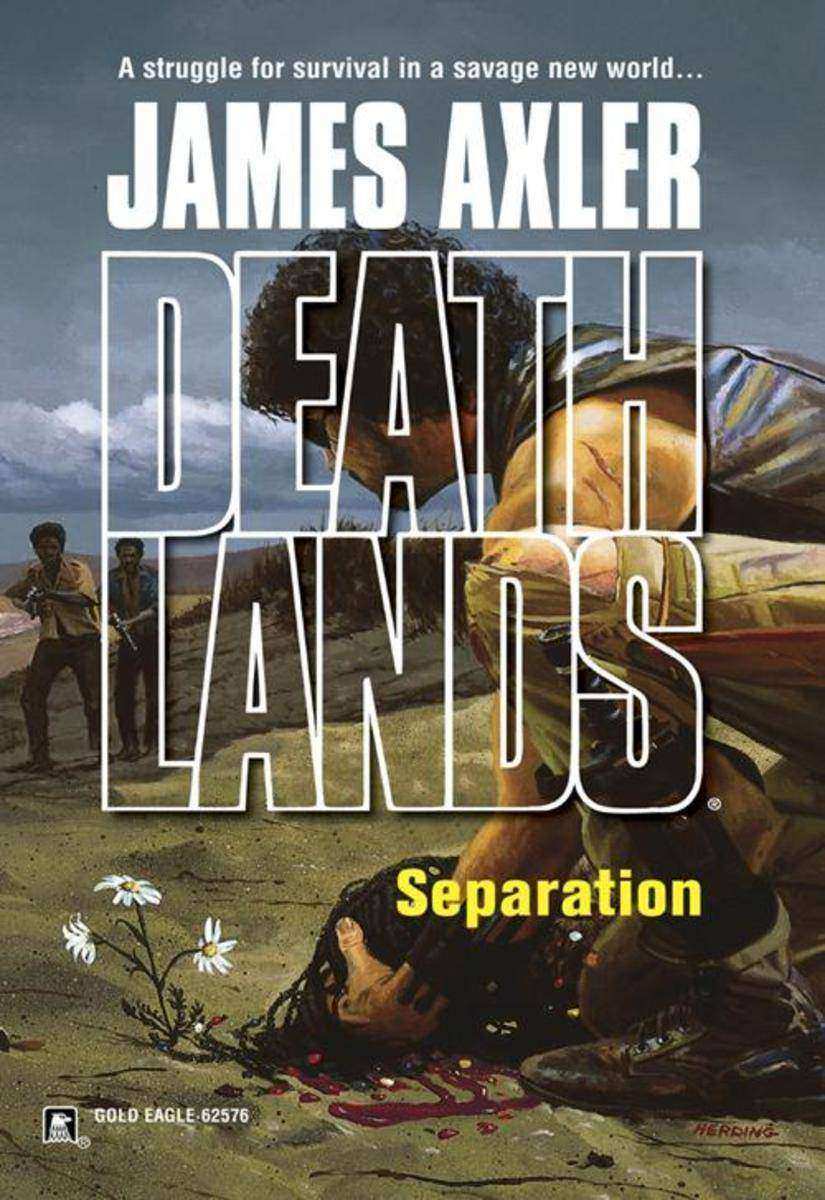
Separation
¥25.60
Hard strength and resilience are needed to survive each new day in the treacherous world of post nuclear America. For Ryan Cawdor and his companions, honour, integrity and a willingness to kill are necessary as well, as they struggle to balance a survivalist spirit with a warrior's resolve to press on, living by their own rules in a tortured land, pursuing a dream that leads them into the unknown…. Ryan and his group make their way to a remote island in hopes of finding brief sanctuary. Instead, they are captured by an isolated tribe of descendants of African slaves from pre-Civil War days. When the tribesmen declare Mildred Wyeth "free" from her white masters, it is a twist of fate that ultimately leads the battle hardened medic to question where her true loyalties lie. Will she side with Ryan, J. B. Dix and those with whom she has forged a bond of trust and friendship…or with the people of her own blood? But the loss of Mildred is not the only threat the group faces–in a treacherous world where the ties that bind can cut both ways. In the Deathlands, the future is not what it used to be….
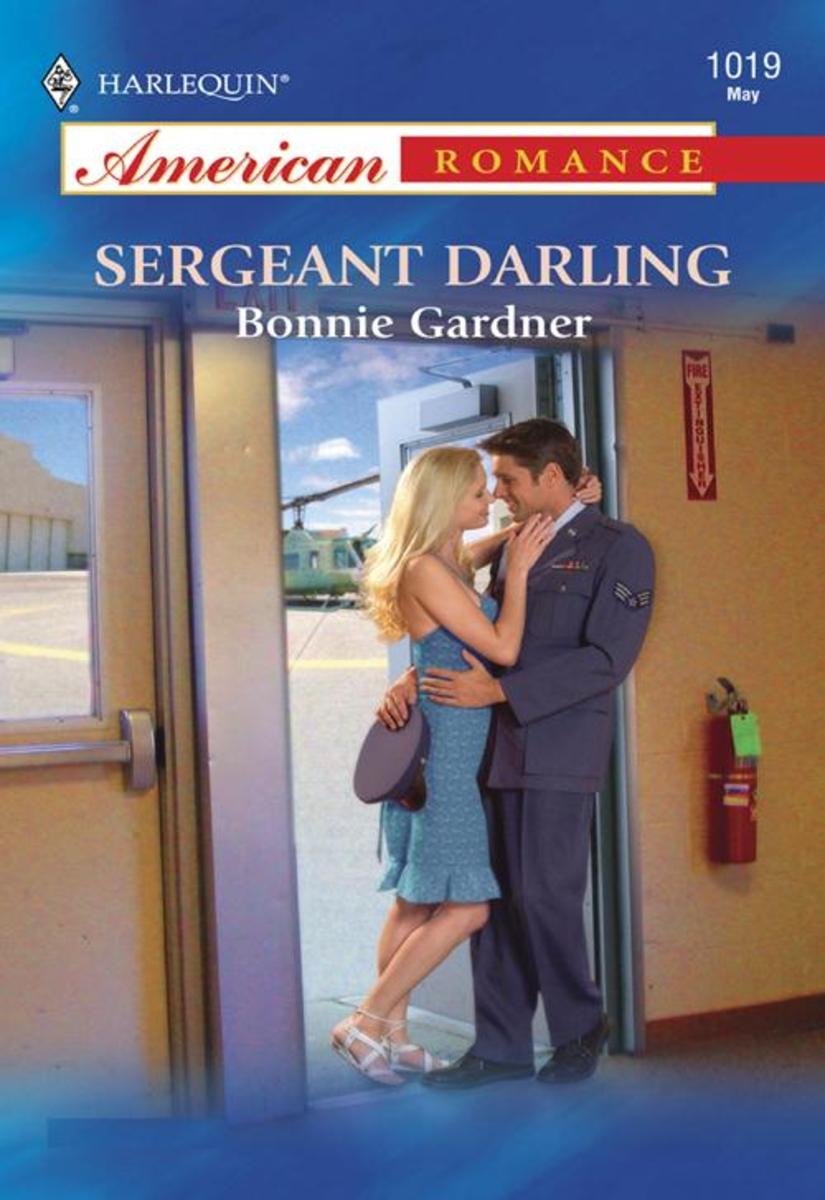
Sergeant Darling (Mills & Boon American Romance)
¥31.10
Mission Impossible? Nurse Patsy Pritchard wears her hospital uniform like camouflage gear, hiding a lonely heart she's declared off-limits to the men who try to get close. Then her eccentric aunt concocts a campaign with a handsome sergeant in mind, and Patsy knows her conflicts will only get worse–unless there's an unconditional surrender. Ray Darling has seen his share of hot spots and tough places, but getting through to the lovely blue-eyed blonde may be the hardest challenge yet. And just when his hopes appear to be more than dreams, he's sent overseas–and the gulf between him and Patsy is wider than ever…. When two people are caught up in their own private wars, they just might need unconventional tactics to conquer the obstacles ahead!

Serpent's Lair
¥25.60
SUICIDE MISSION Mack Bolan is dispatched to shut down a high-tech arms deal brokered by the Yakuza. But a simple assignment takes an ugly twist when Bolan's cover is blown. Outgunned, outnumbered and on the run with a gutsy kid in tow, Bolan's grim situation becomes worse when a new and deadlier enemy appears in his sights. An ancient cult is taking new recruits and its leader is manufacturing death in a canister. A temporary truce with his Yakuza enemies may be the Executioner's only chance. He has to stay alive long enough to halt the threat of the hour: a madman with a bioweapon that could wipe out the population of Japan… and beyond.
Shadow Fortress
¥25.60
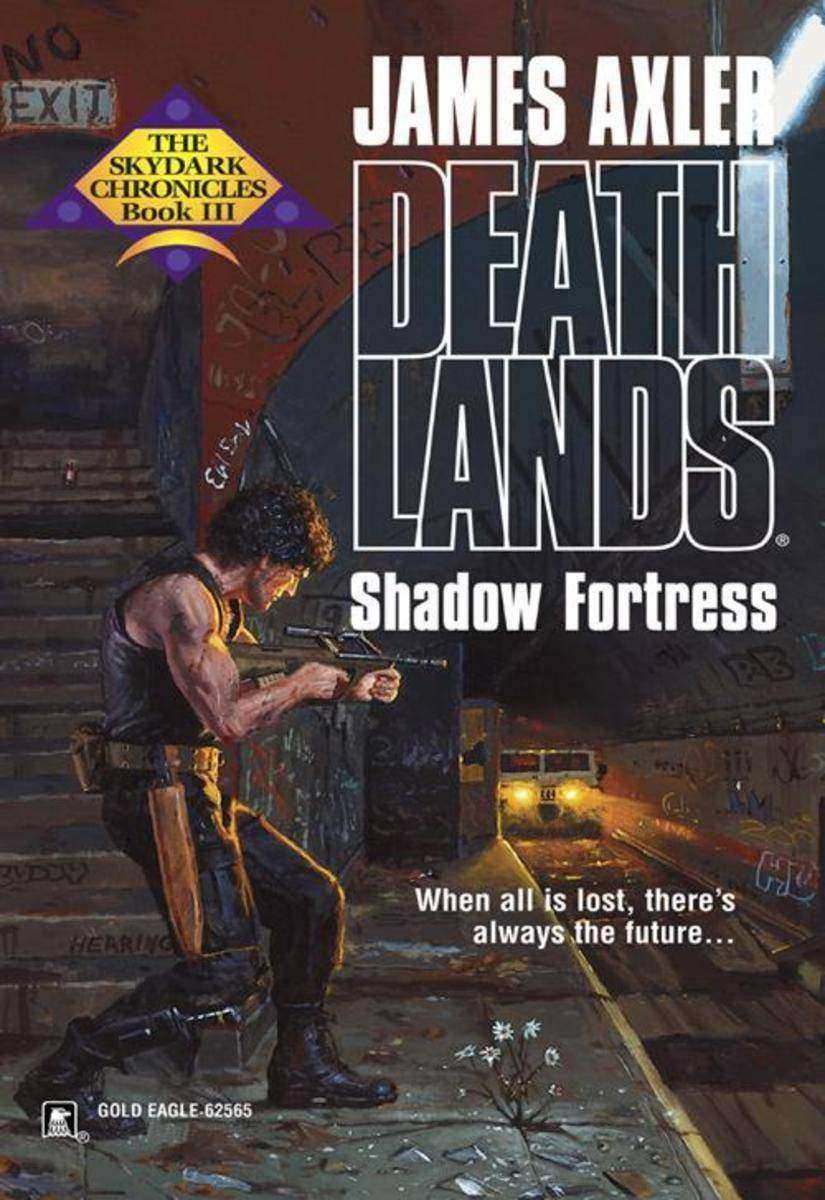
A planet ravaged by the apocalyptic blast of 2001 gave birth to a new world of savagery–and a new breed of hero. In a land where violence rules with absolute authority, Ryan Cawdor and his wayfarer survivalists roam the strange, nascent twenty-second century, living by their own creed of honour as they continue their search for a sanctuary they can call home. In what was once the nuclear testing ground of the preDark world, the Marshall Islands are now the kingdom of the grotesque Lord Baron Kinnison. Here in this world of slavery and brutality the companions have fought a fierce war for survival, on land and sea–yet the crafty baron still conspires to destroy these interlopers. Activating a twentieth-century hot air balloon left untouched by the blast, they escape to the neighbouring pirate-ruled Forbidden Island, with the baron's sec men in hot pursuit–and become trapped in a war for total supremacy of this water world. Not even Deathlands can deny the human will to survive.

Silent Night Standoff (Mills & Boon Love Inspired Suspense) (First Responders, B
¥31.10
HOSTAGE SITUATION When armed robbers strike her bank, hostage negotiator Skyler Brennan's life is on the line. Rescue comes from the last person she thought she could count on–the ex-boyfriend who chose his job over their relationship. FBI agent Logan Hunter knows how much is resting on this case. The promotion of his dreams…and the safety of the woman he's never been able to forget. But when an unexpected twist in the case pulls Logan in two separate directions, he'll have to make an impossible choice. Will he manage to have it all by Christmas–a career and love–or will he lose them both? First Responders: Brave men and women alert and ready for danger and love.
Slayground
¥25.60
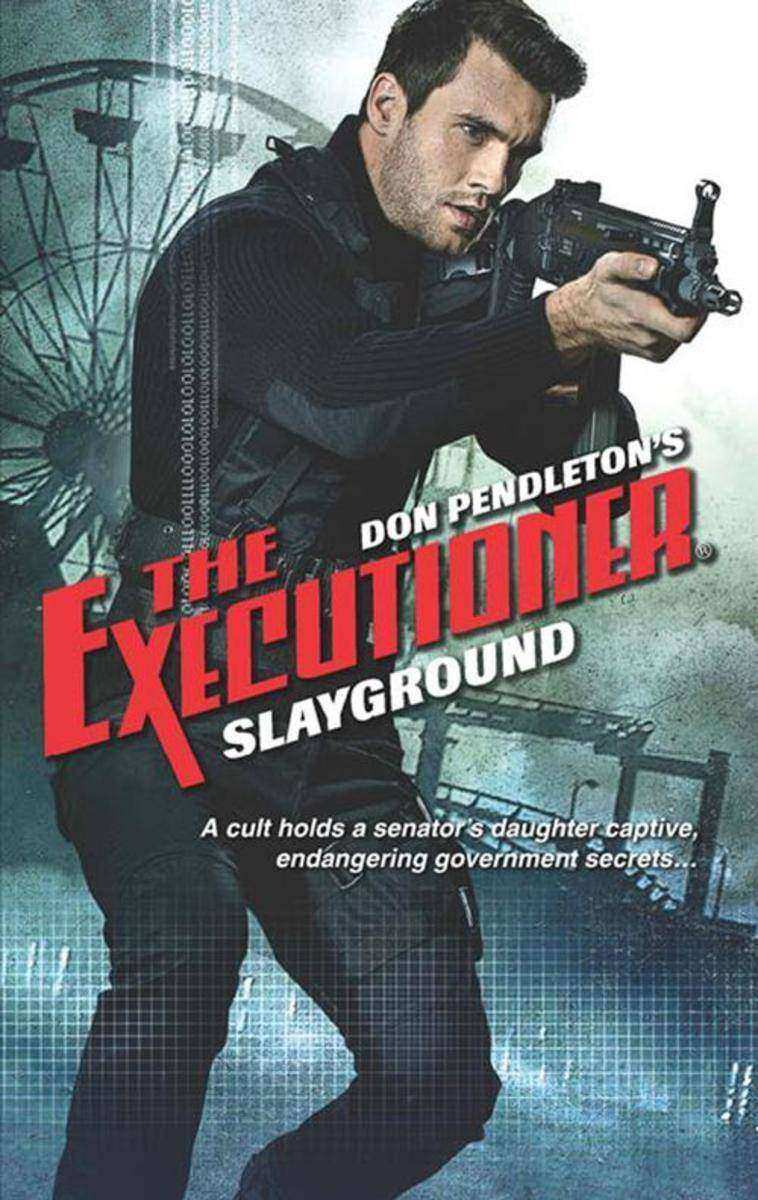
SWAMP FEVERS National security is on the line when a senator's daughter disappears from her Florida college. The leader of the cult responsible is desperate to boost his sect's influence by gaining access to the sensitive government information the girl possesses…even if she dies in the process. Needing to act fast, but quietly, the White House sends Mack Bolan deep into the swamplands. Bolan's mission is to rescue the girl before she gives up any secrets, but infiltrating the leader's stronghold is no easy feat. Using the humid, marshy landscape to their advantage, the cult has laced the swamps with armed guards and deadly traps. And when Bolan discovers the sect's most dangerous weapons threaten the mind, not the body, he realizes he'll need more than guns and brawn to win this battle. But the Executioner has put his faith in justice, and he won't quit until his enemies are converted.

Splinter Cell
¥25.60
AVENUE OF ATTACK The disappearance of a tourist in Amsterdam is attributed to a rise in kidnappings of Westerners by terrorists. But those inside U.S. Intelligence know better. The hostage is a top American nuclear expert. When the scientist's brother, a former Army Ranger, is set to go it alone for a full-throttle rescue, the Oval Office puts Mack Bolan in charge. But the odds of extracting the man from enemy hands are next to impossible and getting worse. Low on hard intel, the Executioner and his highly trained companion must rely on a CIA informant to lead them into the heart of one of the most dangerous terrorist cells on the planet before any worst-case scenarios can erupt.

Spring In The Valley (Mills & Boon American Romance)
¥31.10
North Versus South… Police officer Brynn Sawyer is all but married to Pleasant Valley, her picture-perfect Southern hometown. And even if she were in the mood for romance, smooth New York lawyer Rand Benedict is the opposite of everything Brynn wants in a man. So why can't she stop thinking about him and his little boy, Jared? Rand can't deny the electric chemistry that burns between him and the beautiful Brynn. But Rand's real motivation for his arrival in Pleasant Valley isn't pleasant at alL.and the discovery of his secret just might tear apart a once-in-a-lifetime chance at love.

Suicide Highway
¥25.60
TARGET ACQUIRED Mack Bolan arrives in war-torn Afghanistan in answer to the murders of UN relief workers–and walks into the crossfire of an international crisis that includes Mossad, Hamas and American Special Forces. All are hunting a coalition of rogue Israeli agents calling themselves Abraham's Dagger. This killing squad is on a rampage of wanton slaughter. Every day Bolan walks the fine line between being a soldier on a mission and a vigilante. He fights by a strict code: civilian losses are unacceptable and he strikes only when dead certain of the prey's guilt. Abraham's Dagger has violated the rules of war, confusing justice with revenge. The Executioner plans to show them the fine print…in blood.

Ten Ways To Win Her Man (Mills & Boon Silhouette)
¥31.10
She was the hotshot CEO of a multimillion-dollar company. But when it came to Maxwell Padgett, Danielle Harrington was lost. Though he was too arrogant, he was also too darn hot–to let get away! What she needed to win this man was a plan…. Maxwell Padgett had never been so irritated–or so aroused–in all his life! Every time he turned around, the vulnerable beauty who was messing up all his plans was plying him with home-cooked meals and soul-stealing kisses. Why, if he didn't know Dani Harrington better, he might have believed she had more than business on her mind. Was it possible Maxwell had miscalculated the real power of this mesmerizing millionairess?
That Man Matthews (Mills & Boon Vintage Superromance)
¥31.10
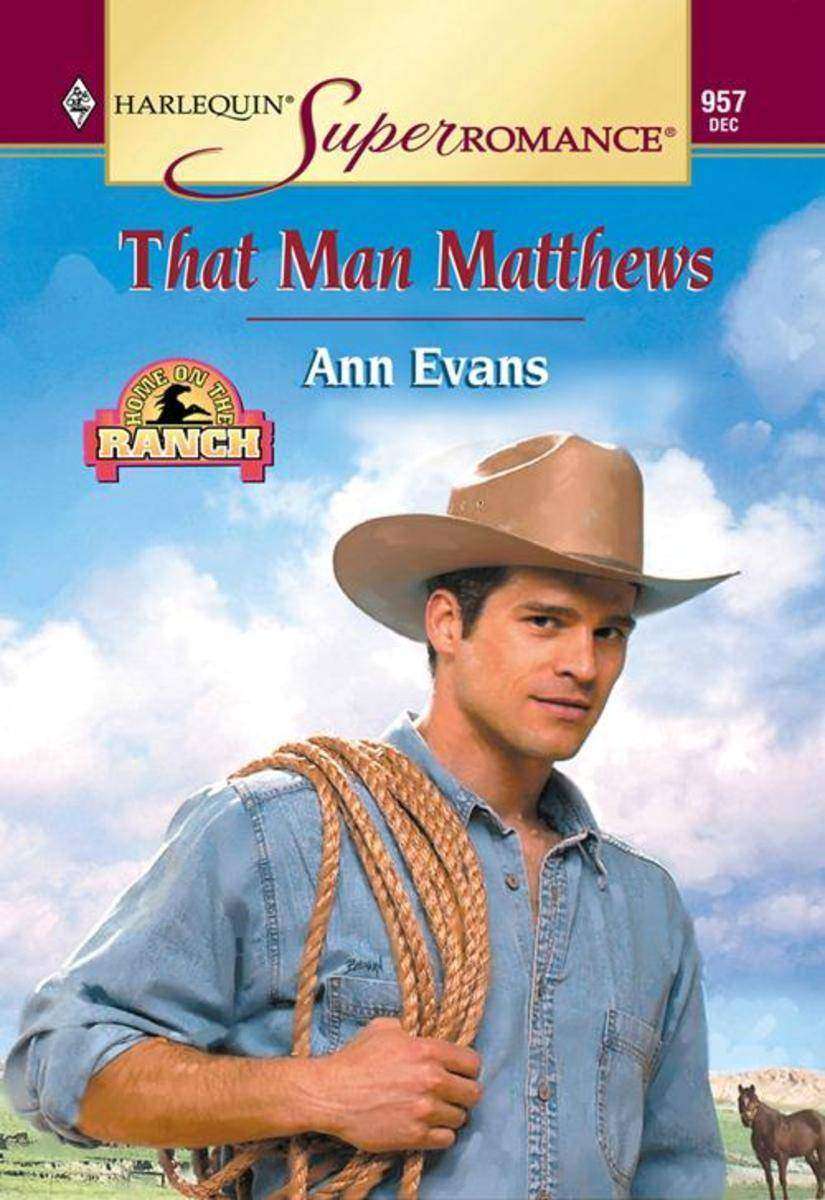
Even the best father in the world needs a little help now and then… Cody Matthews can't believe the recent changes in his daughter. Gone is the daddy's little angel; in her place, the devil in blue jeans. As a last resort–since Cody's a man who believes he should be able to cope with family problems on his own–he turns for help to Joan Paxton. But Joan has her work cut out for her. Cody is just as stubborn as his daughter–and just as good at keeping secrets. And unless Joan can uncover the truth, she won't be able to prevent the Matthews family from breaking apart. It's a possibility Joan can't bear to consider. She knows Cody and his daughter belong together…and she wants to believe Cody's conviction–that she belongs with them, too.

The 15 Lb. Matchmaker (Mills & Boon Silhouette)
¥31.10
When the best-looking man she'd ever set eyes on strode into the diner, Jolie Carleton nearly forgot she'd sworn off men after her fiance jilted her. Now this sexy cowboy was asking her to live at his family ranch and look after a ten-month-old infant! Jolie needed a job, and Griff needed her–in more ways than one. Sheer desperation made Griff hire the stranded city beauty on the spot. His nephew needed a woman's care. But the longer the pretty Miss Carleton stayed, the more Griff realized he needed some TLC, too. Was the nanny from nowhere the key to unlocking his hardened heart–and creating a family filled with love…?

The Borrowed Groom (Mills & Boon Silhouette)
¥31.10
It was her smile that caused all the trouble. Yep, ranch foreman Rob Hansen was sure he never would have agreed to be Melissa Kennedy's counterfeit fiance if she hadn't given him one of her killer smiles. And now he found himself "engaged" to her, he was determined to keep as much distance as he possibly could from the lovely foster mom. He was no home-and-hearth kind of man. So Rob would resist her delicious meals, comforting arms…dimples…smiles…passionate embraces. Yeah. Right.

The Bridal Quest (Mills & Boon Cherish)
¥31.10
The New Nanny: Stunning, secretive Jessica Walker The Lonely Lawman: Handsome, devoted widower Sam Dawson The Mini-Matchmakers: Sam's darling daughters. They were determined their daddy marry again, and their new nanny was the ideal choice! Giving up a mansion was easy for runaway heiress Jessica Walker when it meant taking care of two adorable little girls and their gorgeous daddy. Tender and seductive, Sam Dawson was everything Jessica could ask for in a husband, yet he guarded his fragile heart as fiercely as he protected his girls. Jessica just hoped that the heat of their passion could melt his defenses…before her past caught up with them! Triplet sisters separated at birth–and reunited by love!

The C.e.o.'S Unplanned Proposal (Mills & Boon American Romance)
¥31.10
Cinderella by Mistake! When a case of mistaken identity landed Katie Canton in the Braddock world of wealth and power, she couldn't resist the temptation to mingle with the famous family. Especially fascinating eldest brother, Adam. Getting the commanding C.E.O. to loosen up was a worthy cause–until Katie realized the danger of opening her heart to a man whose master plan did not include Ms. Nobody from Nowhere! The unshakeable Adam was all shook up–and a slip of a woman was to blame. Mysterious Katie had tilted his ordered world off its axis. Would the man who had everything recognize the one gift money couldn't buy–a lifetime of love? Billion Dollar Braddocks: Born to a legacy of wealth and power, three handsome brothers discover that love is the ultimate privilege.
The Commander (Mills & Boon Vintage Superromance)
¥31.10
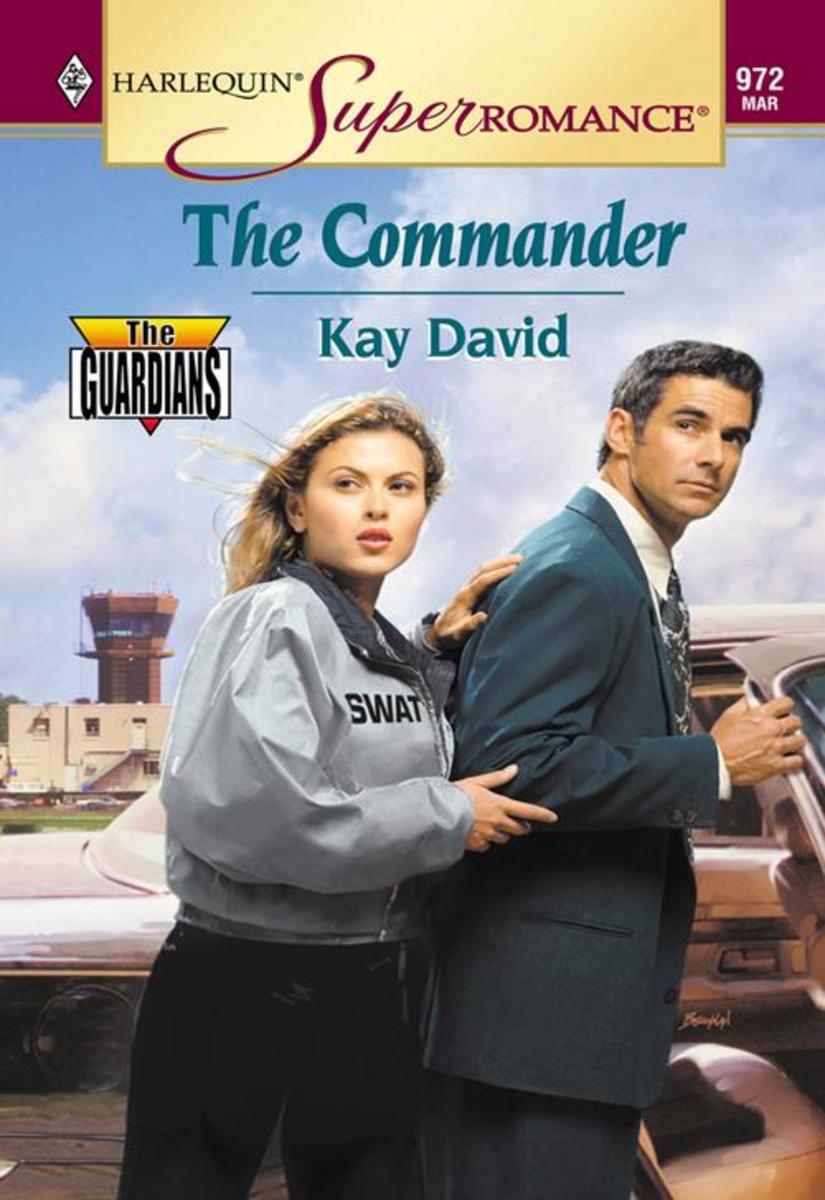
Lena McKinney is the Commander. Two years ago, Lena tried to be both a woman and a cop–it didn't work out. Now her ex-fiance is back in town and her SWAT team has been assigned to protect him. Much as she'd like to walk away, Lena will do her duty, keeping her true feelings buried. But that's before the shots are fired….


