


 购物车
购物车 个人中心
个人中心

Stranger in a Small Town (Mills & Boon Intrigue) (Shivers, Book 6)
¥31.10
The house wasn't ready to give up its secrets... The mysterious blue-eyed stranger who showed up in the middle of the night wasn't just looking for work. No, when "John Samuels" signed on with Maggie Harper to restore the decrepit old house, he was hoping for answers and a chance to face the demons of his past. But then strange happenings started threatening his beautiful new boss-and disrupting the passion that sparked between them. Someone didn't want them in that house. Someone who knew the truth about what had happened there thirty years before, about the brutal murder that destroyed John's family. John never expected redemption. But danger waited in the old house, haunting them both....
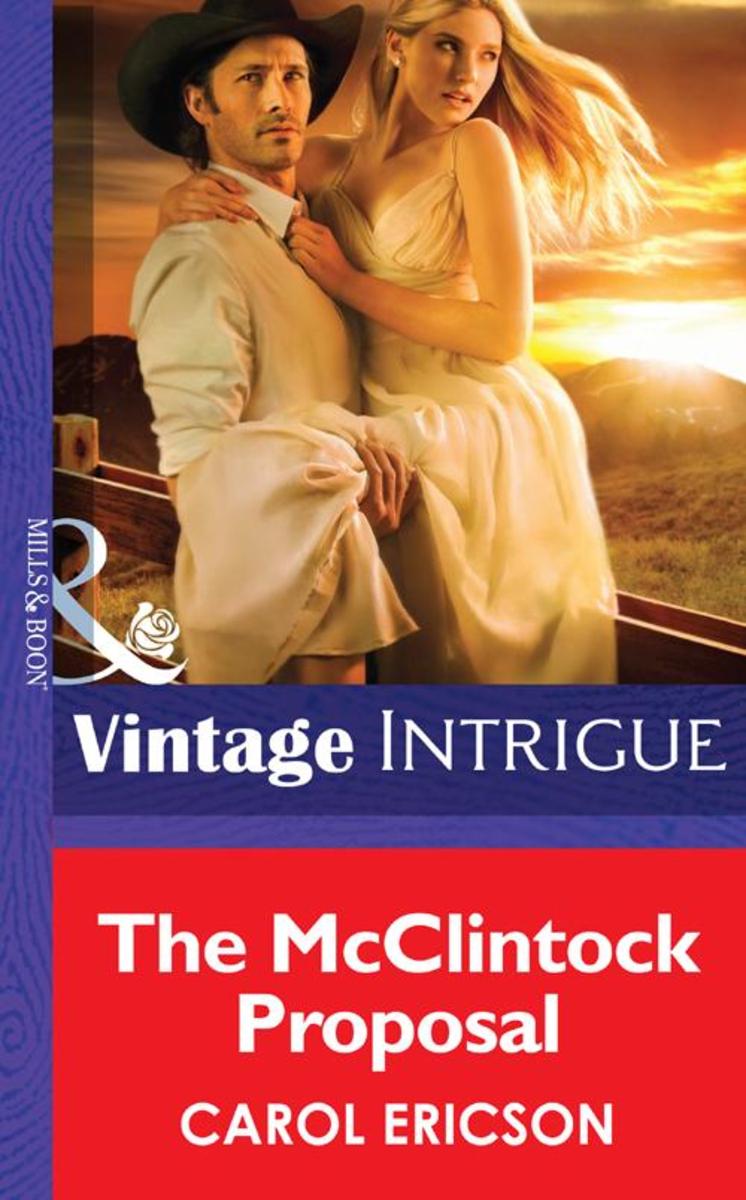
The McClintock Proposal (Mills & Boon Intrigue)
¥31.10
The moment Rod McClintock spots the disheveled bride on the side of the road, he knows life is about to become a lot more complicated. Callie Price is on the run and in need of his protection. She's also the answer to his financial woes, if they're both willing to say "I do." A marriage of convenience is Callie's sole shot at inheriting the ranch that'll help her rebuild her life. All she needs is a husband in name only. Her smoldering cowboy rescuer fits the role perfectly. Too perfectly. As they struggle to escape a killer's obsession, peril and passion tie them together. And before long, someone is putting "till death do us part" to the ultimate test….

Raising Connor (Mills & Boon Heartwarming)
¥59.45
When Brooke O’Toole’s sister and brother-in-law die in a tragic accident, her only priority is the emotional well-being of her one-year-old nephew, Connor. Unfortunately, that means making nice with the man she holds responsible for her mother’s murder. Hunter Stone. Allowing Hunter into her life is the opposite of easy. Brooke’s never understood why her sister forgave him—and worse, became his neighbour and friend. But even she can’t deny the bond between the man and child, or how much she’s come to rely on both of them. Despite her instinct to fight this ex-cop who’s challenging her right to custody, Brooke suspects the best thing for Connor is a life with both of them in it.

If the Ring Fits... (Mills & Boon Modern Tempted)
¥25.21
Practical Rachel Palmer’s aversion to risk-taking had led to a marriage—and a life—that just didn’t fit. Now single again, she knows she has to start living a little bit more dangerously, and her first step is taking her jewellery business around the world! For that she needs the expert help from Italian Antonio Salerno… His help with her business soon turns personal. And being in close-enough-to-kiss proximity to a sexy playboy makes Rachel feel she’s taking a flying leap into deliciously risky territory! It's everything she's been craving… but this is a man famous for loving and leaving. Surely falling for him would be a risk too far?

Once a Rebel... (Mills & Boon Modern Tempted)
¥30.61
Shy teenager Shirley Marr fell for her mother’s most brilliant student, the charismatic rebel Hayden Tennant. When her mother passed away, both vowed to keep her memory alive by fulfilling her bucket list wishes. Ten years later, Shirley’s nearly done – but Hayden has yet to begin. And Shirley wants to know why! Hayden is happily set on the path to self-destruction, and is not best pleased to find his late-mentor’s daughter judging his choices. The blushing girl he remembers was easy to resist, but this Shirley is older, curvier, and worryingly, far more formidable…

Must Like Kids (Mills & Boon Modern Tempted)
¥30.61
“Children have a place and it’s anywhere I’m not!” It was one off-the-cuff remark. But when it goes viral, Alec McAvoy, the new CEO of Best for Baby, is labelled a playboy bachelor who hates kids. Enter Julia Stillwell, image consultant extraordinaire. The widowed mom of two has a knack for changing public opinion, and she’ll teach Alec all he needs to know. But once they start this makeover, they don’t want to stop… and that’s when one little kiss leads to many, many others! So now Julia’s worked her magic, but is Alec’s transformation only skin-deep? Or can this hunky executive convince her he’s truly become a family man?

Blame It on the Champagne (Mills & Boon Modern Tempted) (Girls Just Want to Hav
¥25.70
English rose Saskia Elwood has slaved for years to turn her family estate into London’s most exclusive venue. She's not going to do anything to jeopardise its success! So considering wine magnate Rick Burgess’s business proposition would be nothing short of madness… But, before she can catch her breath, her heart-stoppingly gorgeous new business partner has swept her off to Europe for intimate champagne tastings and once in a lifetime experiences. Saskia won’t be able to blame the sparks flying between them on the champagne for much longer!
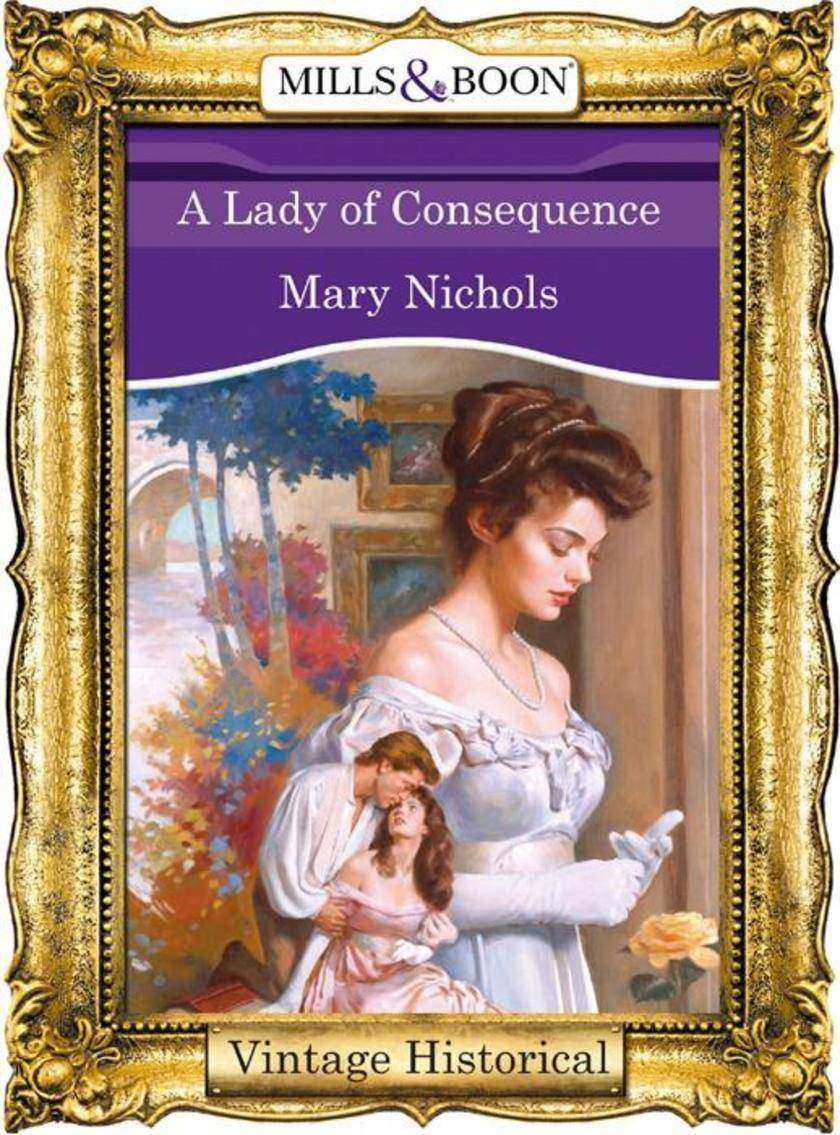
A Lady of Consequence (Mills & Boon Historical) (Regency, Book 39)
¥32.27
An Unwilling Mistress Duncan, Lord Risley, is challenged by a bet to try his luck with actress Madeleine Charron–when he should be looking for a suitable wife. He takes her to dinner, and discovers strong feelings for this beautiful woman who is so clearly a lady. But how can he contemplate marrying outside his class? Madeleine yearns to be accepted by society, but she is not willing to become any man's chère amie. The burning question is: what is more important–love or reputation?
A Most Unseemly Summer (Mills & Boon Historical)
¥25.60
More Than A Guardian! Sir Leon Gascelin was completely unprepared for Lady Felice Marwelle's arrival to oversee the final preparations to her family's new home. The handsome surveyor knows he must take drastic steps to prevent her from distracting his workforce–and himself! Capable, determined Felice has had to learn how to take care of herself. So it comes as a shock when Sir Leon forces her to accept him as her temporary guardian. Is it to stop tongues wagging because they are living under the same roof? Or has she deliberately been sent to this dangerously attractive man to be well and truly tamed?

An Elusive Desire (Mills & Boon Modern) (The Anne Mather Collection)
¥31.10
Mills & Boon are excited to present The Anne Mather Collection – the complete works by this classic author made available to download for the very first time! These books span six decades of a phenomenal writing career, and every story is available to read unedited and untouched from their original release. Her first love… Jaimie Forster has never forgotten her passionate affair with the irresistible Rafaello di Vaggio. At the time, independent-minded Jaimie had strong ideas about her future – which didn’t include marriage! When she finds out that Rafaello’s marriage to her friend Nicola is far from a bed of roses, and Nicola begs her to visit their glamorous home in Italy, Jaimie is torn. She wants to help her friend, but seeing Rafaello again may be just one temptation too far…
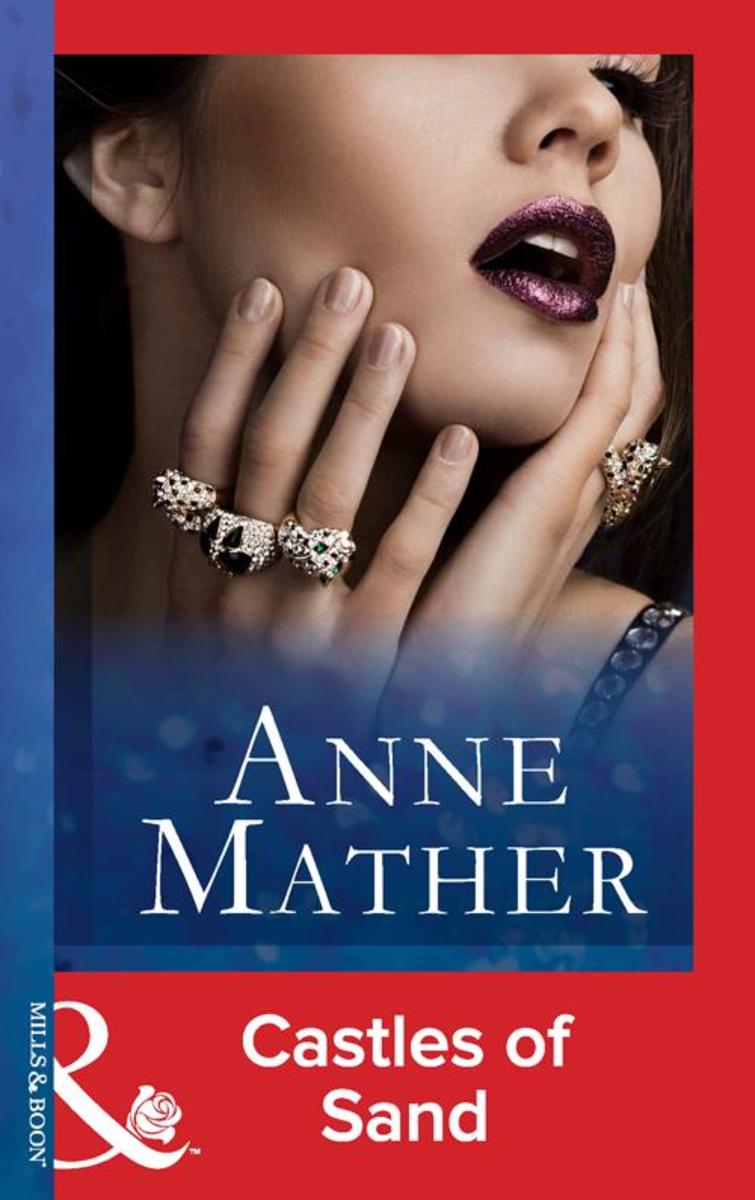
Castles of Sand (Mills & Boon Modern) (The Anne Mather Collection)
¥31.20
Mills & Boon are excited to present The Anne Mather Collection – the complete works by this classic author made available to download for the very first time! These books span six decades of a phenomenal writing career, and every story is available to read unedited and untouched from their original release. The governess’s secret… Ashely has not seen her son since he was taken away from her seven years ago – when she was blamed for her husband’s death by his family. Her only chance to be with little Hussein again is to become his governess on his Uncle Alain’s palatial home in the Middle East. Her son can’t know who she is to him – but she’ll take any chance to be near her boy. What she hadn’t expected was the fierce attraction that ignites between her and Alain, her sworn and mutual enemy… Ashely finally has a chance to be happy – but can she ever reveal her true identity? Dare she trust Alain enough to forgive her past?
Mask of Scars (Mills & Boon Modern) (The Anne Mather Collection)
¥31.10
Mills & Boon are excited to present The Anne Mather Collection – the complete works by this classic author made available to download for the very first time! These books span six decades of a phenomenal writing career, and every story is available to read unedited and untouched from their original release. Perfect wife material…? Christiana can’t think of a better way to spend her summer vacation than sun, sea and sand in the Algarve, Portugal. But when she arrives at her brother’s hotel, the reception from her sister-in-law is decidedly frosty. So she is grateful when she is offered a job by local ‘lord of the manor’ Dom Carlos Ramirez – despite his positively feudal attitude to women! Perhaps it is his dark good looks, but Christiana can’t help but be drawn to difficult Dom Carlos. But the Dom is already betrothed – and surely a suitable fiancée would make a better wife than an argumentative young English student anyway?!

Pale Dawn Dark Sunset (Mills & Boon Modern) (The Anne Mather Collection)
¥31.10
Mills & Boon are excited to present The Anne Mather Collection – the complete works by this classic author made available to download for the very first time! These books span six decades of a phenomenal writing career, and every story is available to read unedited and untouched from their original release. Once upon a time in Mexico… Miranda is overjoyed when she discovers that the niece she had given up for dead may still be alive. Travelling to Mexico, Miranda finds that the child is in good hands – in a Catholic mission with two brothers who have more or less adopted her. While Juan Cueras is helpful and kind, Miranda is most intrigued by his enigmatic, darkly handsome brother Rafael. The brothers seem destined to bring her nothing but unhappiness – would it be fair to take the little girl away when she is so happily settled? But as she finds herself more and more drawn to Rafael Cueras, she wonders if there might be another solution…

Sandstorm (Mills & Boon Modern) (The Anne Mather Collection)
¥31.10
Mills & Boon are excited to present The Anne Mather Collection – the complete works by this classic author made available to download for the very first time! These books span six decades of a phenomenal writing career, and every story is available to read unedited and untouched from their original release. The Crown Prince’s reluctant wife… Once upon a time she was whisked away to a desert kingdom by a handsome Prince… but marriage to Rachid was no fairy-tale – and Abby soon fled. Abby has tried to rebuild her life, but now Rachid has returned to claim her! Though Abby wants a divorce, Rachid will never accept it’s over. Her reasons for leaving are still valid, but with her treacherous body obeying his every command – Abby may just have no choice in the matter…
Silver Fruit upon Silver Trees (Mills & Boon Modern) (The Anne Mather Collection
¥31.10
Mills & Boon are excited to present The Anne Mather Collection – the complete works by this classic author made available to download for the very first time! These books span six decades of a phenomenal writing career, and every story is available to read unedited and untouched from their original release. Four weeks soaking up the sun in Trinidad - how could she refuse? All Sophie has to do is pose as the grand-daughter of super-wealthy Brandt St. Vicente. It should be easy – and will earn Sophie some much-needed cash to boot – except she hadn’t counted on the disturbing presence of Edge St Vicente… As a powerful attraction develops, Sophie realises that this task is going to be harder than she thinks! But how can Sophie back out now?
Take What You Want (Mills & Boon Modern) (The Anne Mather Collection)
¥31.10
Mills & Boon are excited to present The Anne Mather Collection – the complete works by this classic author made available to download for the very first time! These books span six decades of a phenomenal writing career, and every story is available to read unedited and untouched from their original release. The Duque’s willing captive… Sophie has always adored her step-brother Robert. But her whole family disapproves, and are determined to do everything in their power to discourage any kind of union! Only the fact that he seems to feel for her too gives Sophie any hope at all. But now Robert has produced a fiancée who appears to have a hold over him and Sophie fears she’ll never be able to compete…
Tangled Tapestry (Mills & Boon Modern) (The Anne Mather Collection)
¥31.10
Mills & Boon are excited to present The Anne Mather Collection – the complete works by this classic author made available to download for the very first time! These books span six decades of a phenomenal writing career, and every story is available to read unedited and untouched from their original release. The Duque’s willing captive… A world she’d never dreamed of… Debra Warren is astounded when she discovers her long lost mother was none other than world-famous actress Elizabeth Steel! Catapulted into a world of glamour, luxury and celebrity – Debra struggles to stay grounded, especially in the face of her overwhelming attraction to handsome Dominic McGill. Debra knows he could lead her astray – she must resist or risk the same fate as her wayward mother… Trouble is, he’s already broken down her defences…
The Night of the Bulls (Mills & Boon Modern) (The Anne Mather Collection)
¥31.10
Mills & Boon are excited to present The Anne Mather Collection – the complete works by this classic author made available to download for the very first time! These books span six decades of a phenomenal writing career, and every story is available to read unedited and untouched from their original release. The only man she needs…? It is nothing less than absolute desperation that brings Dionne back to the Camargue – the remote part of Southern France that was the scene of the most tragic event of her life. While she dreads seeing Manoel again, a small part of her still yearns for him… Manoel’s mother hates her, while Manoel has probably married the beautiful Yvonne by now. But Dionne has no choice but to face them all…

The Shrouded Web (Mills & Boon Modern) (The Anne Mather Collection)
¥31.10
Mills & Boon are excited to present The Anne Mather Collection – the complete works by this classic author made available to download for the very first time! These books span six decades of a phenomenal writing career, and every story is available to read unedited and untouched from their original release. Her make-believe husband… Justina had been practically forced into an unhappy marriage by her domineering aunt and, for complicated reasons, had decided not to tell her of her husband’s death three years later. But now, her aunt was demanding to see her – with husband in tow! It was only when Justina heard about Dominic Hallam, who was in hospital suffering from amnesia after a plane crash, that the germ of an idea came to her. If she pretended he was her husband, her aunt’s mind would be put at rest. But how far would Dominic co-operate?

The Smouldering Flame (Mills & Boon Modern) (The Anne Mather Collection)
¥31.10
Mills & Boon are excited to present The Anne Mather Collection – the complete works by this classic author made available to download for the very first time! These books span six decades of a phenomenal writing career, and every story is available to read unedited and untouched from their original release. Passion that burns as fiercely as ever… Joanna never expected to see Shannon Carne again. But when family reasons lead her to seek him out in Africa – she is overwhelmed by the force of her emotions. And it is clear he still feels the same as her… But her renewed passion for Shannon couldn’t have come at a worst time – she is engaged to be married to another man. Dare she give up everything, and trust her heart to Shannon once more?
Summer Of Love (The Love Trilogy, Book 3)
¥42.48
It's only a summer fling… Boutique jewellery designer Lily Thomas knows hating the boring ring her fiancé gave her isn't a good enough reason to end a seven-year relationship. Especially when settling down with Edward is the only thing she's ever done right in the eyes of her mother–and her hometown. Besides, everyone else seems to be getting married: Lily's best friend Cora, her cousin, her friends from work. So why not Lily? But when Alex Harper, Lily's high school crush, moves back to Felinfach, he shows her exactly why. She can't pretend to be someone she's not just to keep her fiancé happy. It's a terrible way to start a marriage, and a terrible way to live. Lily calls off her engagement, but she still needs a date to all the weddings crowding her summer calendar. Conveniently, Alex has a few weddings to attend as well. They agree to be wedding buddies, and soon the whole town is talking about them. If everyone's going to talk anyway, why shouldn't Lily and Alex make the most of it? As long as they both know it's only a summer fling… Praise for Sophie Pembroke's Love Trilogy 'A very sweet story which I really loved; I finished it in no time.' - Rachel Cotterill Book Reviews 'What a delightful story! I loved the de*ions of the old inn and surrounding countryside and the occupants of the inn were irresistible. This book is a real treat' - cayocosta72 – Book Reviews 'Well, I have never met a sweeter hero! ' - Random Book Muses The Love trilogy by Sophie Pembroke: Room for Love An A to Z of Love Summer of Love


