


 购物车
购物车 个人中心
个人中心

The Cowboy Soldier (Mills & Boon Vintage Superromance) (Home on the Ranch, Book
¥31.10
Major Rafe Eaglefeather loves a challenge–the riskier the better. A former rodeo champion, he's also served his country. So is it too much to ask for a little solitude to heal from the effects of his deployment? With pushy relatives like his, apparently it is. Despite his protests, they've arranged for naturopath Alexa Robinson to treat him. Since treatment involves staying at Alexa's remote Texas ranch, Rafe sort of gets his wish for peace. Surprisingly, spending time with Alexa helps him feel more like himself. Something about her is irresistible and the attraction between them is growing. It's so strong he's tempted to take the biggest risk of all…committing to her.

The Family Plan (Mills & Boon Vintage Superromance) (Suddenly a Parent, Book 16
¥25.60
Dr. Amelia Young has meticulously organized her family plan. Wonderful daughter? Done. Man? Unnecessary. All Amelia has ever needed is carefully selected DNA. So what if the donor turns out to be a ridiculously hot chef with a distracting butt and wicked smile? That only proves she had good taste in genes.

The One She Left Behind (Mills & Boon Vintage Superromance) (Delta Secrets, Boo
¥31.10
You can go home again At eighteen, Savannah Greer has a dream and one shot to make it happen. Choosing big-city success in corporate law means putting her family's farm–and Sam McBriar–in her past. Now, years later, she's on a path toward home. And she has every intention of keeping the visit brief. Too bad life gets in the way. With Sam managing the farm, Savannah can't help but see him–everywhere! He's as gorgeous as ever, and when he's with his little girl? Well, it would take a stronger woman than Savannah to resist him. It's not long before they're picking up where they left off…until old betrayals and long-buried secrets threaten to separate them for good.

Rand's Redemption (Mills & Boon Modern)
¥25.60
Rand Caldwell was as rugged and untamed as the land he owned: 75,000 wild acres of hills and savannah in vast, beautiful Kenya. He might love women, but they'd never been a part of his long-term plan. Warm, fun-loving Shanna Moore turned Rand's life upside down. So much so that soon he was gruffly inviting her to share his home– if she'd like. Shanna knew she would, but did his invitation include sharing his bed?

The Eleventh-Hour Groom (Mills & Boon Modern)
¥31.10
Eighteen months ago Elizabeth and Jay Hammond made a hasty marriage of convenience to secure her inheritance. But when Elizabeth suspected Jay was having an affair with another woman, she left him. Her expertly hidden feelings for Jay ran so deep that she fled Jamaica to make a new life for herself in London. Now Jay has come to find her– and it seems he has some unfinished business concerning their marriage merger! The trouble is, Elizabeth can't be sure revenge isn't part of his reason for tracking her down….

The Final Seduction (Mills & Boon Modern)
¥31.10
Mills & Boon are proud to present a thrilling digital collection of all Sharon Kendrick’s novels and novellas for us to celebrate the publication of her amazing 100th book! Many of these books are available as e books for the first time. Form more than just one night… Drew Glover’s emotional absence hurt Shelley Turner terribly, causing her to leave for Italy for three years to pursue her career and freedom. But when she returns, far from seeming happy to see her, Drew appears even more impossible to handle. Drew is determined to think the worst of the sleek, sophisticated beauty Shelly has become. Surely she can’t be the same innocent girl he once knew. There’s only one way he can be rid of her completely and that’s to have her in his bed… But his final seduction is about to change their lives forever!

The Playboy King's Wife (Mills & Boon Modern) (Kings of the Outback, Book 2)
¥31.10
Samantha Connelly finally knows what it is to feel sexy, elegant– and desirable. Playboy Tommy King, the man she has secretly loved for years, is amazed at her transformation. Up to now, Sam and Tommy have clashed head-on. Suddenly the friction deepens into fiery sexual attraction. But is this just another game for Tommy to win… or will Sam be the woman he marries?

The Temptation Trap (Mills & Boon Modern)
¥31.10
The Charmer… Ewen Fraser's rakish reputation went before him–Rosanna had read the newspapers, and could see with her own eyes his collection of girlfriends, past and present… The Charmed … But that didn't stop her falling for him–he was funny, tender, warm and sexy, and working closely with him was a joy… The Trap… Rosanna was tempted. Ewen was all that she'd ever wanted, but could she trust her instincts when they told her that Ewen, the infamous lover-and-leaver, had marriage at heart after all?

Confessions of the Heart (Mills & Boon Intrigue)
¥22.27
WAS IT LOVE AT FIRST SIGHT… Anna Sebastian wanted desperately to learn about the stranger whose transplanted heart beat within her chest…particularly once the erotic dreams and deathly silent late-night calls began. But when her journey brought her face-to-face with her darkly handsome fantasy lover, she debated whether to divulge the truth. For brooding widower Ben Porter was rumored to have murdered the wife whose tragic end had given Anna a precious second chance…. OR SOMETHING EVEN MORE DANGEROUS? A former cop, Ben knew that Anna harbored secrets, just as he knew they would become lovers. But Anna's sudden appearance aroused more than his guarded heart and urge to protect. It awakened a dormant killer who'd chosen now to strike again….

Duplicate Daughter (Mills & Boon Intrigue) (Dead Ringer, Book 2)
¥23.84
MISSION: ALASKA Katie Fields came to Alaska demanding answers. What she found was a much-too-appealing single father determined to protect his little girl–and their hermit lifestyle–from outsiders. Nick Pierce may have been reluctant to help her, but Katie was convinced the rugged pilot could track down her missing mother. Now, with a storm raging and Katie's long-lost twin recovering back home, she and Nick had no choice but to journey through the icy wilderness, avoiding an unknown enemy tracking their every move…and an all-too-dangerous desire threatening to erupt.

Familiar Mirage (Mills & Boon Intrigue)
¥31.10
LORD OF THE DESERT Proud and fierce as the windswept sands he ruled, Omar Dukhan was sworn to protect his people and to guard their ancient secret.To keep lovely scientist Beth Bradshaw from exposing it, he became her desert guide. But when Beth's life was threatened, Omar swept her to his desert hideaway and into his protection–with a little help from a strange black cat! Falling for her mysterious guide had been foolish. Falling for a desert king was hopeless.Yet Beth's desire for Omar knew no rules.Whoever he was, she was his to command–for as long as he kept her alive….

Going to Extremes (Mills & Boon Intrigue) (Big Sky Bounty Hunters, Book 1)
¥23.84
MAN OF ACTION Aidan Campbell instinctively flew into the fray when the authorities rallied the troops to catch a gang of escaped convicts. Yet, as the adventurous bounty hunter scoured the storm-swept terrain with his teammates, he unexpectedly found himself rescuing a blond beauty dangling precariously from a cliff. His protective nature kicked into high gear when Kaitlyn Wilson's fragmented memories recalled a grisly crime carried out by the very militia members he hunted. After Aidan spirited the fiercely independent investigative reporter away to a safe house, it seemed pointless to battle their potent attraction in the passionate afterglow. But when Kaitlyn's nose for the news lured her to trouble, could a heroic, high-speed helicopter chase prevent a full-scale catastrophe?

His Mysterious Ways (Mills & Boon Intrigue) (Quantum Men, Book 1)
¥23.05
THE DEMON WARRIOR Deep in the most remote Central American jungle, mercenary Jon Lassiter found solitude if not solace. He was trained to be a supersoldier and wasn't in the market to protect anything other than his own interests. But when Melanie Stark penetrated his personal domain…he had to come out of the shadows to save her from herself. HIS ANGEL SAVIOR Determined to recover her past, Melanie had to reveal her darkest secret to Jon. In doing so she faced an even more confounding mystery…one of the heart. How could she be falling for her dark guardian? With evil forces closing in, they'd have to face a devil in the flesh to discover an unspeakable plot of horror.
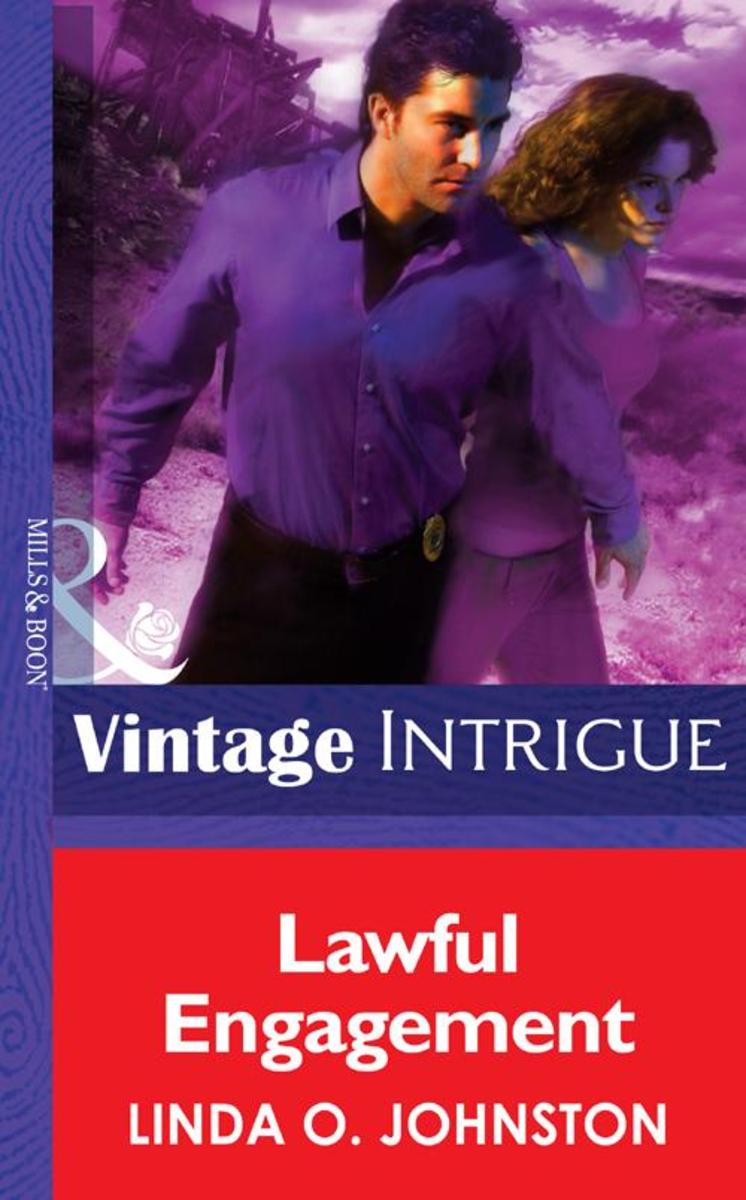
Lawful Engagement (Mills & Boon Intrigue) (Shotgun Sallys, Book 3)
¥23.84
HE LIVED BY THE CODE OF THE WEST Fledgling reporter Cara Hamilton had just landed the story of her life. But it was the aggravating–yet oh-soappealing–Deputy Mitch Steele trailing her every step of the way, insisting they share information, that had her heart racing. Mitch swore all he wanted was to keep her safe. Or so he tried to tell her…. It was Mitch's job to protect the feisty journalist. After all, a killer was loose and Cara had stumbled upon the most recent victim. Mitch would let nothing, and no one, harm beautiful Cara. Even if ensuring her safety meant spending night and day holding her in his arms….
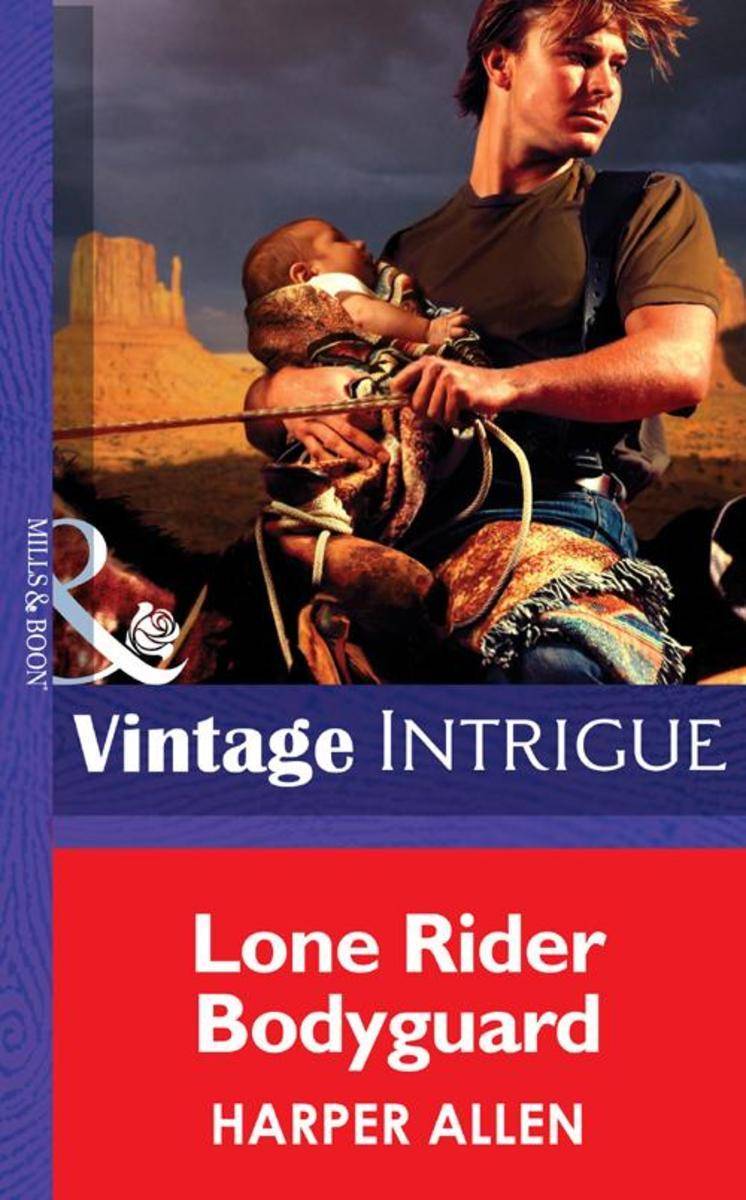
Lone Rider Bodyguard (Mills & Boon Intrigue)
¥23.05
A DESERTED COUNTRY ROAD, A BROKEN-DOWN CAR AND IN THE THROES OF LABOR THE MOST BEAUTIFUL WOMAN TYLER ADAMS HAD EVER SEEN… Tye didn't know how Susannah Bird had gotten into her current predicament, but after delivering her newborn son and holding the squirming bundle in his arms, he vowed to protect them both with his life. Accept the protection Tye offered or disappear? Susannah had to think of how best to keep her baby safe from the men who were determined to kill them both. She fought against the devil that tempted her with Tye's blue eyes and tender promises, but could the mysterious stranger be the answer to her and her son's prayers…?
Lullabies and Lies (Mills & Boon Intrigue) (Ultimate Agents, Book 4)
¥31.10
DEAR MS. LOVELESS, Do you want your daughter back…alive? We're watching you…and that distractingly handsome detective Griffin Stone. His sharp eyes cut right through your lies; and talking to the police can get you into trouble…the fatal kind. Don't fool yourself, Sunny. Griff's sorrowful past haunts his present. You can't make him love again and no one can protect your sweet little Emily from me. Once Griff finds his missing piece, you'll be just another unsolved case…a discarded lover. Perhaps you're not the only bleeding heart–searching for refuge–beneath those steamy sheets. Private detective Sunny Loveless–so pretty and naive–do you still believe in happy endings?
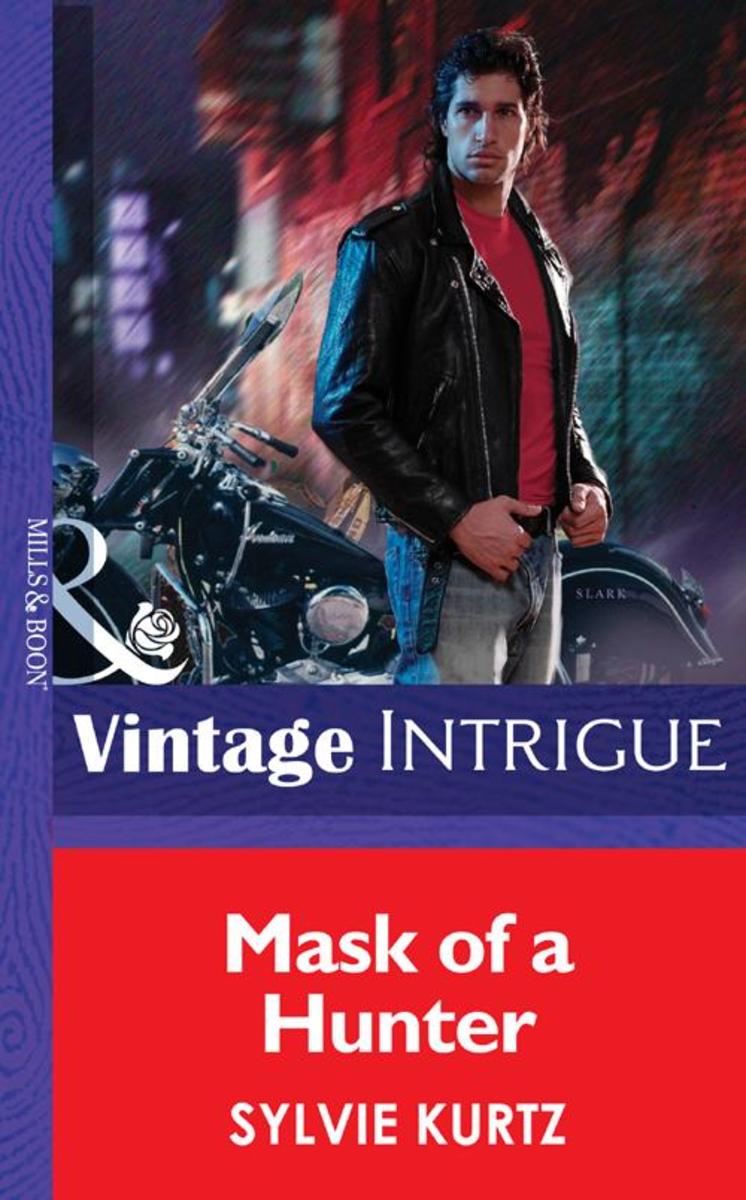
Mask Of A Hunter (Mills & Boon Intrigue) (The Seekers, Book 2)
¥31.10
THE MAN BEHIND THE MASK Haunted by the demons of his past, hardened Seeker "Ace" Esteleone was the man least likely to mix business with pleasure. But the reckless behavior of the book-smart beauty he'd sworn to protect was threatening to ruin his investigation, and pretending to be her lover was the only way to keep them both safe. Desperate to find her missing sister, Aurora Cates hadn't counted on being dragged into the arms of the dark, unpredictable hunter. The passionate kisses meant for show soon shook them to the core–and led Ace to tell her his deepest secret. But when his cover was blown, Aurora was put right in the line of fire….
Maverick Christmas (Mills & Boon Intrigue)
¥23.84
CHRISTMAS CAME TO SHERIFF JOSH McCAIN'S HOUSE WITH MORE THAN A FEW SURPRISES He'd been solitary for so long–his own man. Then suddenly a single father doing his best. But above all, the Montana lawman did what was right no matter the cost. Until he met Chrysie Atwater and her two girls. She had a fake name, a fake past and few details in between. And for some reason Josh found her totally irresistible. Was it the spirit of Christmas that had him breaking the rules, or his own loneliness? More likely it was the fierce determination he saw in Chrysie's eyes. She went to considerable trouble to protect her daughters, and Josh was resolved to fi nd out why. But he'd do it on his terms before he'd reveal her secrets to the authorities, who he suspected were involved in setting her up. It would take a Christmas miracle and then some to do that and still celebrate Christmas as a family….

Memory Reload (Mills & Boon Intrigue) (Dead Bolt, Book 2)
¥23.45
Silent memories unlock simmering passions… He found her on the beach with no memory and a gun…FBI Agent Ryan Williams had a soft spot for women in distress and this one was a textbook example. He'd come to Paradise for some R and R–instead he took in a beautiful stranger with killers on her trail. Ryan had named her AJ, but she hadn't a clue to her identity. Even her reflection was that of a stranger's. But she knew something terrible had happened to those closest to her. Because of her. And unless she unlocked the secrets of her past, Ryan's kindness and his growing feelings for her would be repaid in blood….
Protecting the Innocent (Mills & Boon Intrigue)
¥23.45
HER CHILD NEEDED SECURITY… Single mother Anya Bouchard Parrish lived in a guarded institution with her prodigy son who was schooled by elite instructors. Anya never felt more at risk…or more attracted to the handsome businessman who watched her every move. Roman charmed her with his dark brown eyes and seductive smile, but she couldn't help thinking he kept something from her. Roman Alexander had a secret mission: to keep Anya safe. While he functioned as a leader in a corrupt organization, he worked undercover to bring down his colleagues and help Anya and her son escape. Falling in love wasn't in his plans. Now, Roman had a woman and child in his care to complicate matters–which only fueled his determination to protect them.

Partners In Crime Part 2
¥11.77
36 Hours Serial As a devastating summer storm hits Grand Springs, Colorado, the next thirty-six hours will change the town and its residents forever…. Partners in Crime Part 2 Jack Stryker's investigation into Olivia Stuart's death leads straight to Josie. He'll have to do his job–even if it means arresting the woman he hasn't been able to get out of his mind since their night together. Josie can't believe Jack thinks she could murder her friend. If he were suspected of murder she would believe in him, no matter how damning the evidence. She'll trust her heart over her head any day. How can a relationship survive when two lovers are on opposite sides of the law? The story concludes in Partners in Crime Part 3.


