


 购物车
购物车 个人中心
个人中心
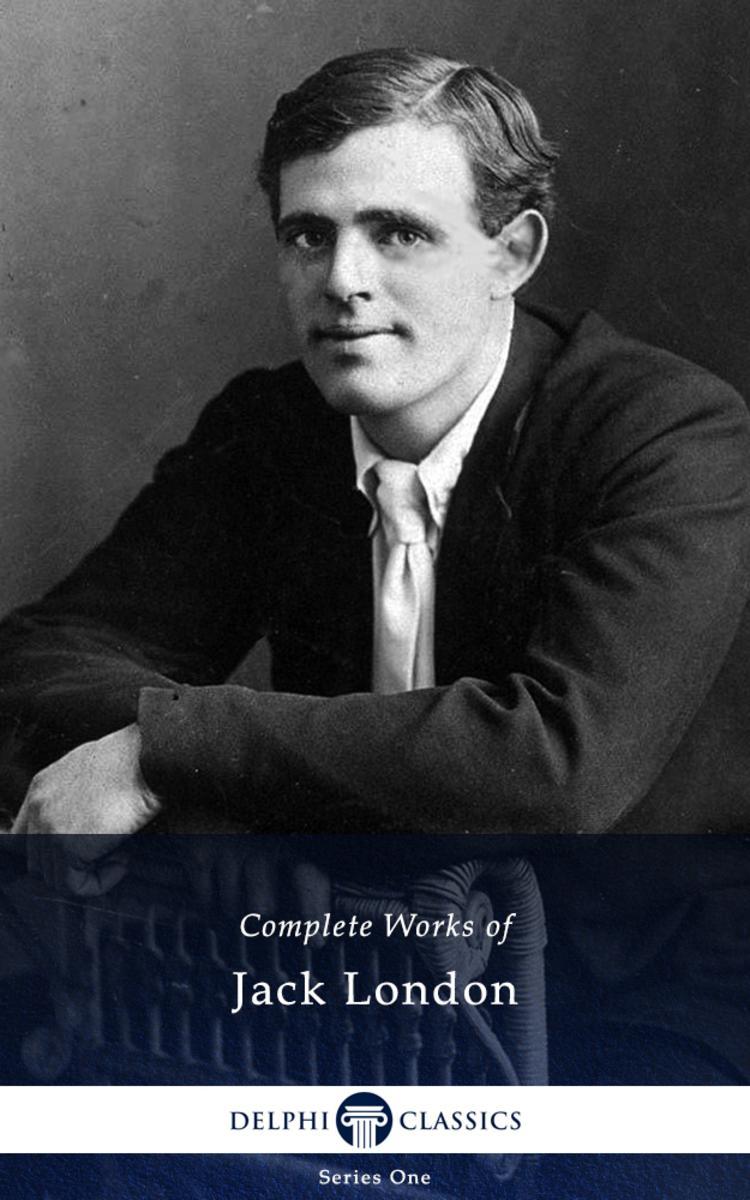
Delphi Complete Works of Jack London (Illustrated)
¥24.44
Finally, America’s great storyteller Jack London receives the scholarly Delphi treatment. This is the only eBook available with every novel, every short story – even the very rare ones – play, poem, memoir, non-fiction text and much, much more! Now you can truly own all of London’s works on your eReader, and all in ONE well-organised file. (Version 2) * brief but informative introductions to the novels and other works * images of how the novels first appeared, giving your eReader a taste of the original texts * ALL 22 novels and each with their own contents table * even includes the rare novels ‘THE CRUISE OF THE DAZZLER’ and ‘HEARTS OF THREE’, often missed out of collections * packed full of images relating to London’s life and works * ALL 197 short stories and novellas, with excellent formatting, in their own special contents table – find that special story quickly and easily! * the COMPLETE plays, including the rare ‘THE RETURN OF ULYSSES’ * EVEN includes London’s complete poetry with special contents table * ALL of the memoirs and non-fiction texts, with many illustrations * RARE magazine articles by the great writer * The popular travel book ‘THE CRUISE OF THE SNARK’ is presented with its original images of London’s adventures * scholarly ordering of texts into chronological order and literary genres * includes a front MASTER table of contents, allowing easy navigation around London’s immense oeuvre * Charmian London’s biography “Book of Jack London” – explore his interesting life in the words of his beloved wife CONTENTS: The Novels THE CRUISE OF THE DAZZLER A DAUGHTER OF THE SNOWS THE CALL OF THE WILD THE KEMPTON-WACE LETTERS THE SEA-WOLF THE GAME WHITE FANG BEFORE ADAM THE IRON HEEL MARTIN EDEN BURNING DAYLIGHT ADVENTURE SMOKE BELLEW THE SCARLET PLAGUE A SON OF THE SUN THE ABYSMAL BRUTE THE VALLEY OF THE MOON THE MUTINY OF THE ELSINORE THE STAR ROVER THE JACKET THE LITTLE LADY OF THE BIG HOUSE JERRY OF THE ISLANDS MICHAEL, BROTHER OF JERRY HEARTS OF THREE The Short Stories LIST OF THE COMPLETE SHORT STORIES The Plays THEFT THE ACORN-PLANTER A WICKED WOMAN THE BIRTH MARK THE FIRST POET THE RETURN OF ULYSSES–A MODERN VERSION The Poetry LIST OF THE COMPLETE POETRY The Memoirs THE ROAD JOHN BARLEYCORN The Non-Fiction THE PEOPLE OF THE ABYSS WAR OF THE CLASSES HOW I BECAME A SOCIALIST REVOLUTION AND OTHER ESSAYS THE CRUISE OF THE SNARK WHAT COMMUNITIES LOSE BY THE COMPETITIVE SYSTEM THE HUMAN DRIFT THE STORY OF AN EYEWITNESS EDITORIAL CRIMES – A PROTEST THE FUTURE OF WAR MEXICO’S ARMY AND OURS A LETTER TO HOUGHTON, MIFFLIN & CO. A LETTER TO WOMAN’S HOME COMPANION PHENOMENA OF LITERARY EVOLUTION AGAIN THE LITERARY ASPIRANT THE RED GAME OF WAR WITH FUNSTON’S MEN STALKING THE PESTILENCE THE TROUBLE MAKERS OF MEXICO LAWGIVERS OUR ADVENTURES IN TAMPICO HOUSEKEEPING IN THE KLONDIKE The Biography BOOK OF JACK LONDON
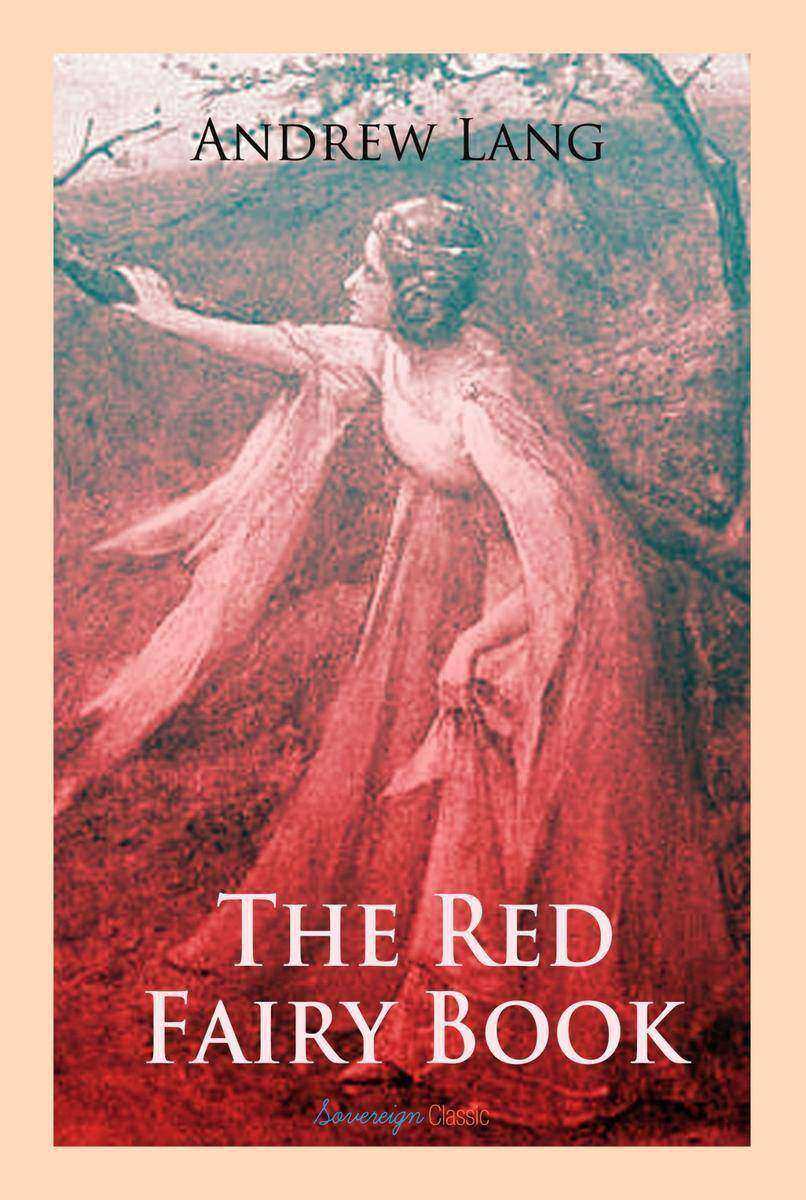
The Red Fairy Book
¥40.79
Once upon a time there lived in the village of Montignies-sur-Roc a little cow-boy, without either father or mother. His real name was Michael, but he was always called the Star Gazer, because when he drove his cows over the commons to seek for pasture, he went along with his head in the air, gaping at nothing.
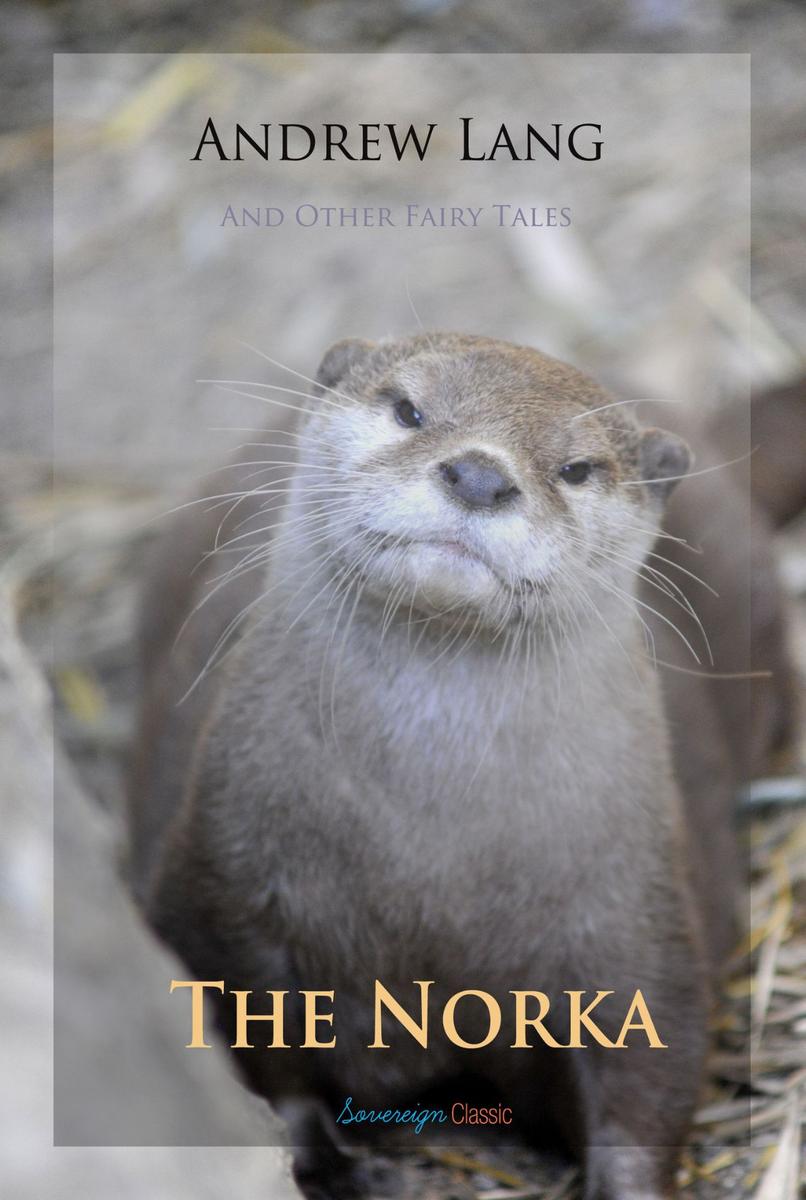
The Norka and Other Fairy Tales
¥40.79
Once upon a time there lived a King and Queen. They had three sons, two of them with their wits about them, but the third a simpleton. Now the King had a deer park in which were quantities of wild animals of different kinds. Into that park there used to come Norka and do fearful mischief...
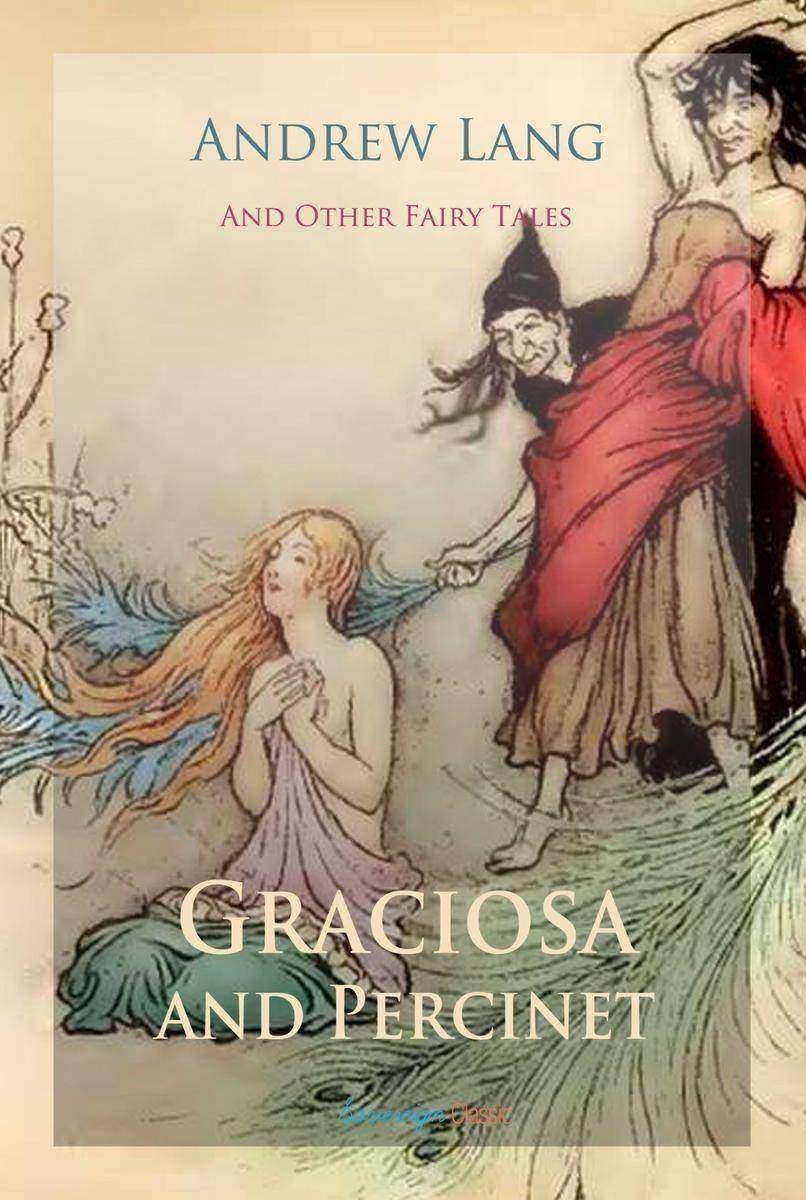
Graciosa and Percinet and Other Fairy Tales
¥40.79
Once upon a time there lived a King and Queen who had one charming daughter. She was so graceful and pretty and clever that she was called Graciosa, and the Queen was so fond of her that she could think of nothing else. Everyday she gave the Princess a lovely new frock of gold brocade, or satin, or velvet, and when she was hungry she had bowls full of sugar-plums, and at least twenty pots of jam...
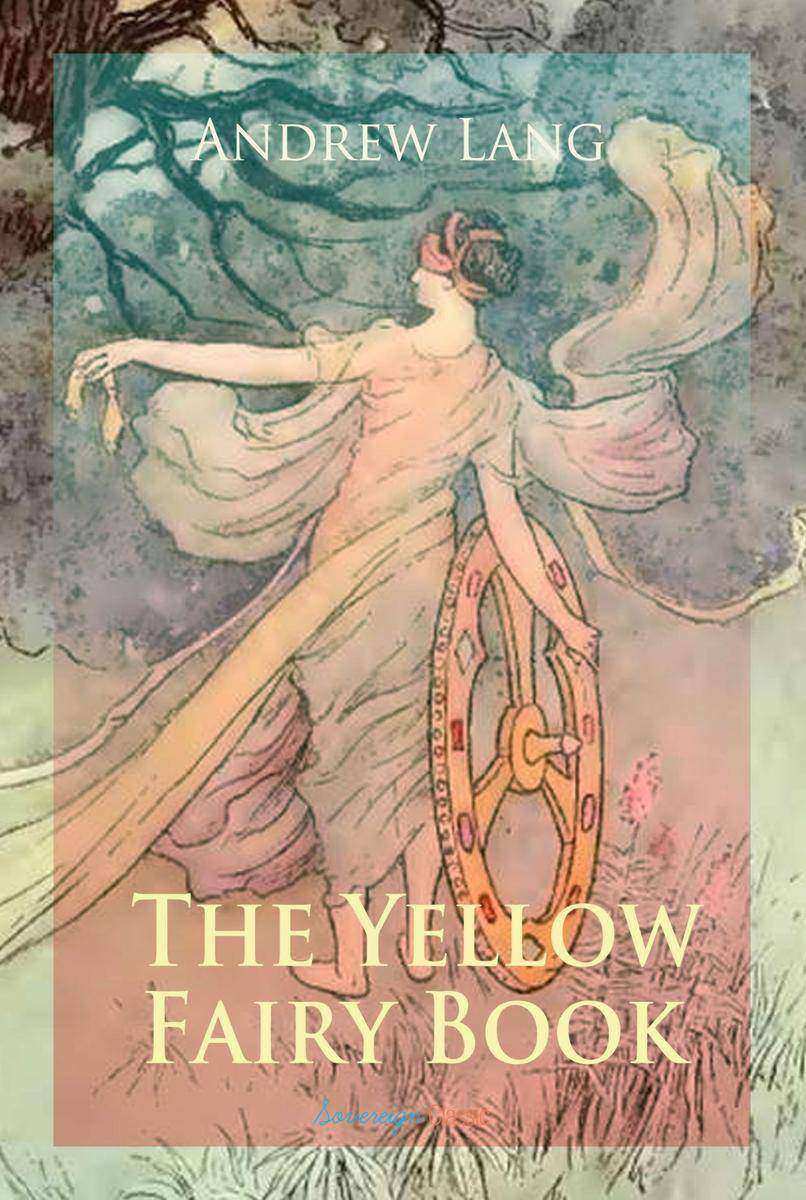
The Yellow Fairy Book
¥40.79
In the Yellow Fairy Book, are many tales by Madame D'Aulnoy and Herr Hans Christian Andersen. There are Russian, German, French, Icelandic, Red Indian, and other stories here.
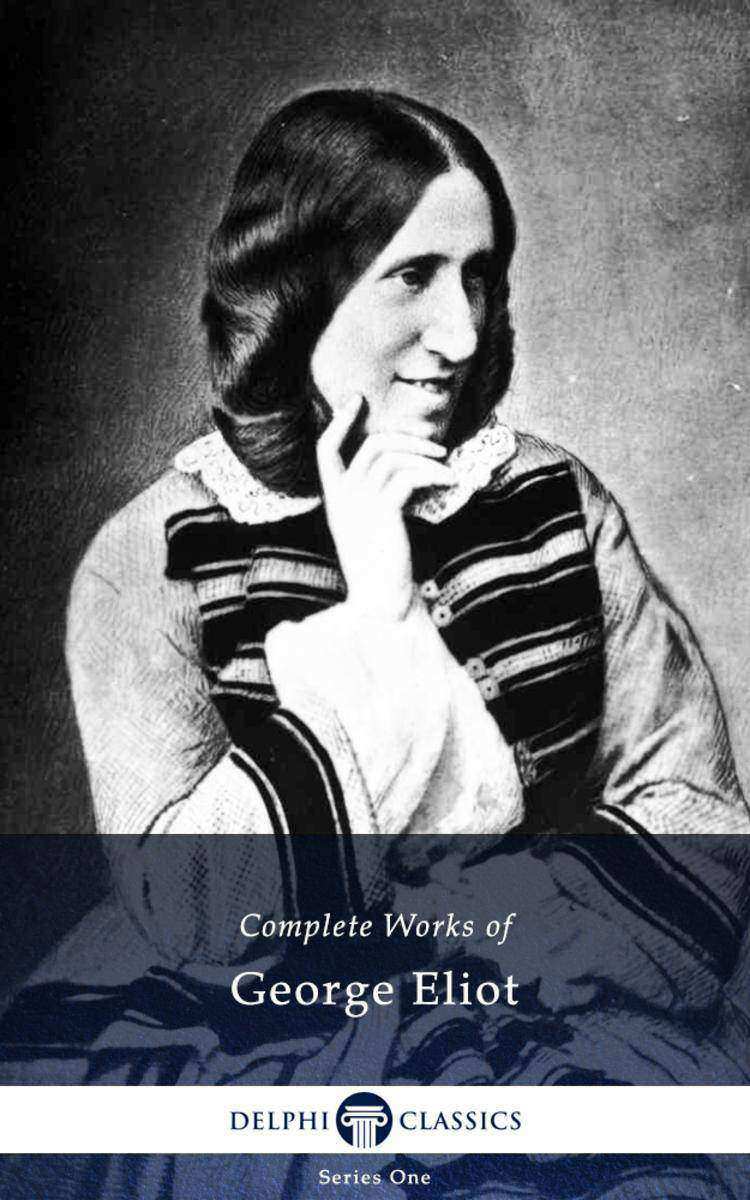
Delphi Complete Works of George Eliot (Illustrated)
¥24.44
More famously known by her pen name George Eliot, Mary Anne Evans was a celebrated novelist, journalist, translator, critic and leading writer of the Victorian era. Her novels of provincial life in England were celebrated for their innovative realism and psychological insight. This comprehensive eBook presents the complete works of George Eliot, with numerous illustrations, rare texts appearing in digital print for the first time, informative introductions and the usual Delphi bonus material. (Version 5) * Beautifully illustrated with images relating to Eliot’s life and works * Concise introductions to the novels and other texts * ALL 7 novels, with individual contents tables * Images of how the books were first printed, giving your eReader a taste of the original texts * Excellent formatting of the texts * Includes the complete shorter fiction and poetry * Easily locate the poems or short stories you want to read * Includes Eliot’s non-fiction and rare translations – spend hours exploring the author’s entire works * UPDATED with a special criticism section, featuring 14 essays by authors such as Henry James, Virginia Woolf and George Willis Cooke, evaluating Eliot’s contribution to literature * UPDATED with five bonus biographies – immerse yourself in Eliot’s literary life * UPDATED with entirely revised texts, formatting and many new images * Scholarly ordering of texts into chronological order and literary genres Please visit www.delphiclassics.com to browse through our range of exciting titles CONTENTS: The Novels ADAM BEDE THE MILL ON THE FLOSS SILAS MARNER ROMOLA FELIX HOLT THE RADICAL MIDDLEMARCH DANIEL DERONDA The Shorter Fiction SCENES OF CLERICAL LIFE THE LIFTED VEIL BROTHER JACOB The Poetry LIST OF POEMS The Translations THE LIFE OF JESUS CRITICALLY EXAMINED by Dr. David Friedrich Strauss THE ESSENCE OF CHRISTIANITY by Ludwig Andreas Feuerbach The Non-Fiction THREE MONTHS IN WEIMAR IMPRESSIONS OF THEOPHRASTUS SUCH MISCELLANEOUS ESSAYS The Criticism GEORGE ELIOT: A CRITICAL STUDY OF HER LIFE, WRITINGS AND PHILOSOPHY by George Willis Cooke THE ETHICS OF GEORGE ELIOT’S WORKS by John Morley GEORGE ELIOT by Virginia Woolf LETTER FROM EMILY DICKINSON TO FRANCES AND LOUISE NORCROSS THE NOVELS OF GEORGE ELIOT by Henry James DANIEL DERONDA: A CONVERSATION by Henry James THE POETRY OF GEORGE ELIOT by Henry James ON GEORGE ELIOT from The Quarterly Review GEORGE ELIOT, HAWTHORNE, GOETHE, HEINE by William Dean Howells GEORGE ELIOT by Richard Burton GEORGE ELIOT by William Ernest Henley GEORGE ELIOT by Frederic Harrison “GEORGE ELIOT’S” ANALYSIS OF MOTIVES by Nathan Sheppard GEORGE ELIOT’S HEROINES from The Spectator The Biographies GEORGE ELIOT’S LIFE AS RELATED IN HER LETTERS AND JOURNALS GEORGE ELIOT by Mathilde Blind THE LIFE OF GEORGE ELIOT by John Morley GEORGE ELIOT by Sarah Knowles Bolton GEORGE ELIOT by Hattie Tyng Griswold Please visit www.delphiclassics.com to browse through our range of exciting titles

Silvertip by Max Brand - Delphi Classics (Illustrated)
¥8.09
This eBook features the unabridged text of ‘Silvertip by Max Brand - Delphi Classics (Illustrated)’ from the bestselling edition of ‘The Collected Works of Max Brand’. Having established their name as the leading publisher of classic literature and art, Delphi Classics produce publications that are individually crafted with superior formatting, while introducing many rare texts for the first time in digital print. The Delphi Classics edition of Brand includes original annotations and illustrations relating to the life and works of the author, as well as individual tables of contents, allowing you to navigate eBooks quickly and easily. eBook features: * The complete unabridged text of ‘Silvertip by Max Brand - Delphi Classics (Illustrated)’ * Beautifully illustrated with images related to Brand’s works * Individual contents table, allowing easy navigation around the eBook * Excellent formatting of the textPlease visit www.delphiclassics.com to learn more about our wide range of titles
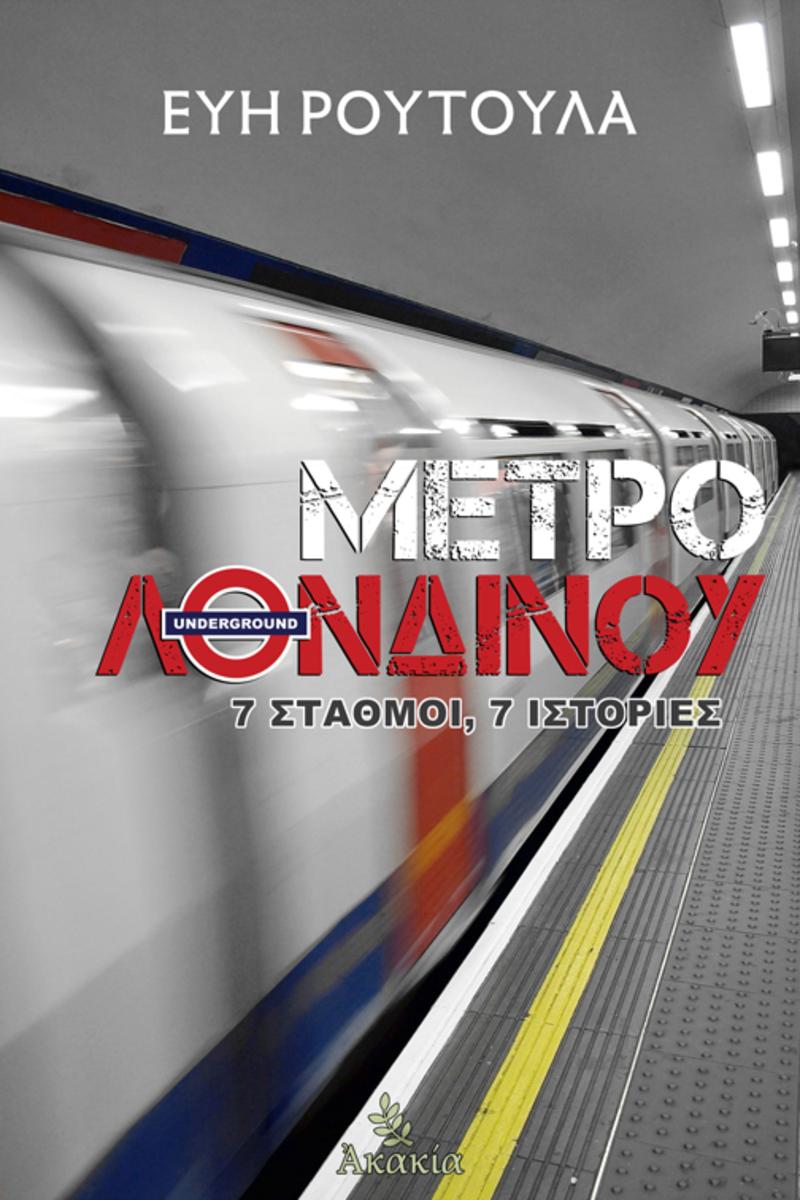
London Tube: 7 Stations, 7 Stories
¥52.65
London Tube: Seven different stations take part into seven different stories. Seven stations that play a significant role to the lives of different passengers. A trip from the beginning of London tube till nowadays.
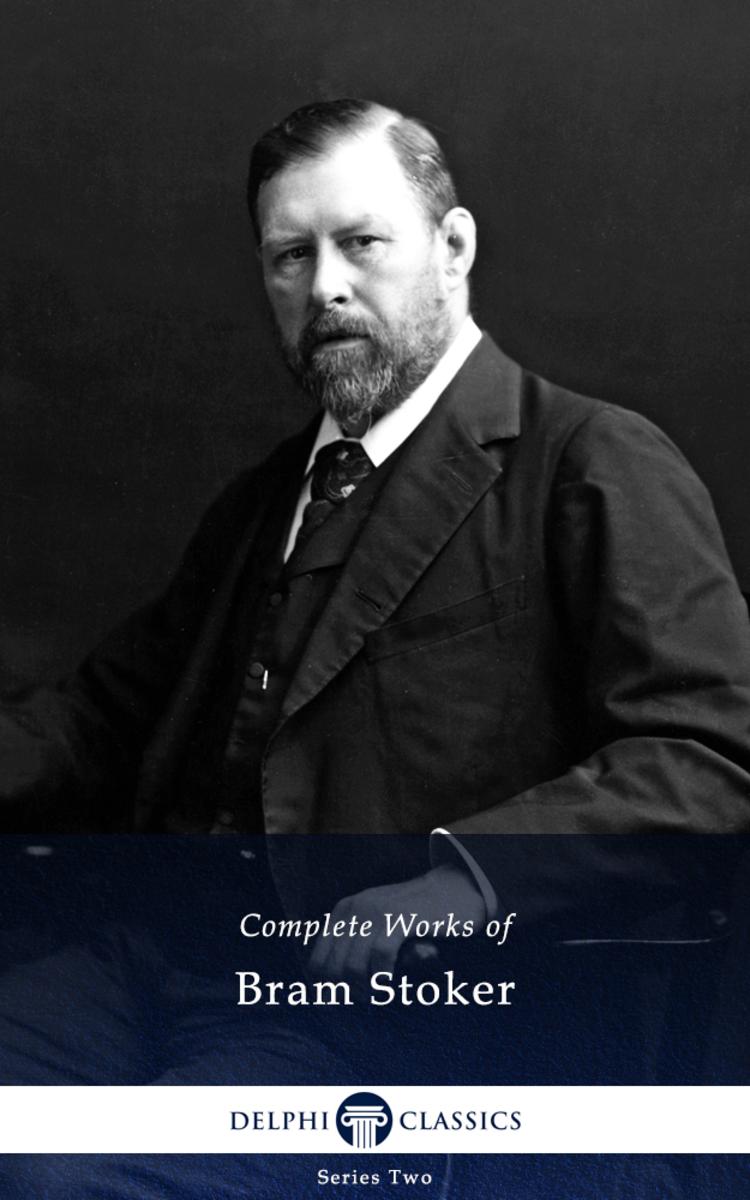
Delphi Complete Works of Bram Stoker (Illustrated)
¥24.44
Bram Stoker is a leading figure of gothic literature, having not only written ‘Dracula’, but also other groundbreaking horror stories, featuring Egyptian Mummies, grisly monsters and haunting encounters. This enormous eBook offers readers the unique opportunity of exploring the prolific writer’s work in a manner never before possible. This is the complete FICTIONAL works of Bram Stoker, with many bonus texts for gothic lovers to explore. (Current Version: 2) * illustrated with many images relating to Stoker’s life and works * annotated with concise introductions to the novels and other works * ALL 12 novels – even Stoker’s rare novels like THE PRIMROSE PATH and THE MYSTERY OF THE SEA – first time in digital print * BOTH versions of the Mummy novel THE JEWEL OF SEVEN STARS – compare the original grisly ending to the revised happy ending! * each novel has its own contents table * images of how the novels first appeared, giving your eReader a taste of the Victorian texts * ALL the short story collections, with rare uncollected tales * separate chronological and alphabetical contents tables for the short stories – find that special story easily! * EVEN includes Stoker’s rare biography of Sir Henry Irving – explore their interesting lives and unique relationship * boasts a special VAMPIRE SOURCES section, with five works examining Stoker’s influences in writing DRACULA * SPECIAL BONUS texts including the first ever vampire story in English -THE VAMPYRE by Henry Colburn * also includes the mammoth Penny Dreadful novel that caused a sensation in Victorian times – VARNEY THE VAMPIRE BY JAMES MALCOLM RYMER * EVEN includes CARMILLA BY JOSEPH SHERIDAN LE FANU – the haunting female vampire novel that influenced Stoker’s work * scholarly ordering of texts into chronological order and literary genres, allowing easy navigation around Stoker’s immense oeuvre Please visit www.delphiclassics.com to browse through our range of exciting titles The Novels THE PRIMROSE PATH THE SNAKE’S PASS THE WATTER’S MOU’ THE SHOULDER OF SHASTA DRACULA MISS BETTY THE MYSTERY OF THE SEA THE JEWEL OF SEVEN STARS (1903 VERSION) THE JEWEL OF SEVEN STARS (1912 VERSION) THE MAN LADY ATHLYNE THE LADY OF THE SHROUD THE LAIR OF THE WHITE WORM The Short Story Collections UNDER THE SUNSET SNOW BOUND: THE RECORD OF A THEATRICAL TOURING PARTY DRACULA’S GUEST AND OTHER WEIRD STORIES UNCOLLECTED SHORT STORIES The Short Stories LIST OF SHORT STORIES IN CHRONOLOGICAL ORDER LIST OF SHORT STORIES IN ALPHABETICAL ORDER The Vampire Sources DER VAMPIR BY HEINRICH OSSENFELDER THE GIAOUR BY LORD BYRON THE VAMPYRE BY HENRY COLBURN VARNEY THE VAMPIRE BY JAMES MALCOLM RYMER CARMILLA BY JOSEPH SHERIDAN LE FANU The Biography PERSONAL REMINISCENCES OF HENRY IRVING Please visit www.delphiclassics.com to browse through our range of exciting titles

Delphi Complete Works of Christopher Marlowe (Illustrated)
¥24.44
Marlowe was an enigmatic character – part poet, scholar, soldier, spy and tavern brawler – and his legend continues to elude historians. This eBook provides readers with a new and erudite edition of Marlowe’s works, offering every play, poem, translation and much more. Now you can truly own all of Marlowe’s works and a range of BONUS material on your eReader, and all in one well-organised file. (Current version: 4) * concise introductions to the plays and other works * ALL the plays, each with its own contents table – navigate easily between acts and scenes – find that special quotation quickly! * even includes the apocryphal play LUST’S DOMINION, available nowhere else * contains both versions (A & B) of DOCTOR FAUSTUS * ALL the poetry, with excellent formatting * beautiful images relating to Marlowe’s life, locations and works * EVEN includes the SOURCES for some of the plays, allowing you to explore Marlowe’s inspiration * INCLUDES no less than 4 biographies – explore the playwright’s mysterious life from multiple sources across history * the SPECIAL literary criticism section boasts four works that examine Marlowe’s contribution to literature * scholarly ordering of texts into chronological order and literary genres * includes a front MASTER table of contents, allowing easy navigation around Marlowe’s immense oeuvre * features a special ‘Glossary of Elizabethan Language’, which will aid your comprehension of difficult words and phrases Please visit www.delphiclassics.com to browse through our range of exciting titles CONTENTS: The Plays DIDO, QUEEN OF CARTHAGE THE SOURCE TEXT OF DIDO, QUEEN OF CARTHAGE TAMBURLAINE THE GREAT PART 1 TAMBURLAINE THE GREAT PART 2 THE JEW OF MALTA DOCTOR FAUSTUS (A TEXT) DOCTOR FAUSTUS (B TEXT) EDWARD II THE SOURCE TEXT OF EDWARD II THE MASSACRE AT PARIS The Apocryphal Play LUST’S DOMINION The Poetry TRANSLATION OF BOOK ONE OF LUCAN’S THE PHARSALIA TRANSLATION OF OVID’S ELEGIES THE PASSIONATE SHEPHERD TO HIS LOVE THE NYMPH’S REPLY TO THE SHEPHERD BY SIR WALTER RALEIGH HERO AND LEANDER FRAGMENT IN OBITUM HONORATISSIMI VIRI, ROGERI MANWOOD etc. DIALOGUE IN VERSE EPIGRAMS BY J.D. The Criticism EXTRACTS FROM ‘THE LIFE OF WILLIAM SHAKESPEARE’ BY SIDNEY LEE THE INFLUENCE OF CHRISTOPHER MARLOWE ON SHAKSPERE’S BY A. W. VERITY EXTRACT FROM ‘A STUDY OF SHAKESPEARE’ BY ALGERNON CHARLES SWINBURNE SOME NOTES ON THE BLANK VERSE OF CHRISTOPHER MARLOWE BY T.S. ELIOT The Biographies MARLOWE AND HIS ASSOCIATES BY JOHN H. INGRAM THE MUSES’ DARLING BY CHARLES NORMAN CHRISTOPHER MARLOWE BY J. G. LEWIS THE DEATH OF CHRISTOPHER MARLOWE BY J. LESLIE HOTSON GLOSSARY OF ELIZABETHAN LANGUAGE Please visit www.delphiclassics.com to browse through our range of exciting titles
Αρχαιοελληνικ? Ασκημ?θεια
¥73.66
Φιλοδοξ?α του γρ?φοντο? ε?ναι να αποτελ?σει το εγχειρ?διο αυτ? ?να πολ?τιμο εργαλε?ο για τον μαθητ?, τον φοιτητ? αλλ? και τον καθηγητ? που θα θελ?σει να εμβαθ?νει στο πρακτικ? σκ?λο? τη? Αρχα?α? Ελληνικ?? Γλ?σσα?. Προσαρμοσμ?νο στι? διαδικτυακ?? απαιτ?σει? των καιρ?ν, εμπερι?χει στοχευμ?νε? ασκ?σει? Γραμματικ?? (χωρ?? να δ?νονται οι λ?σει?) και Συντακτικο? (με τι? λ?σει?), που καλ?πτουν επαρκ?στατα τι? σχολικ?? και πανεπιστημιακ?? αν?γκε?. Στο corpus του βιβλ?ου ?χουν επ?ση? ενταχθε? πρ?τυπα διαγων?σματα με αδ?δακτα κε?μενα κλιμακο?μενη? δυσκολ?α? (με τι? λ?σει? του?), εν? στο τελικ? Παρ?θεμα ο αναγν?στη? θα βρει χρηστικ?τατου? π?νακε? με τη Σ?νταξη βασικ?ν ρημ?των τη? Αρχα?α? Ελληνικ??, με τη σημασ?α των προθ?σεων, με ενδεικτικ? αλλ? πλο?σιο λεξιλ?γιο κτλ. Αν η εξειδ?κευση – ιδ?ω? σε ?να μ?θημα ?πω? αυτ? των Αρχα?ων Ελληνικ?ν – ε?ναι προαπαιτο?μενο για τη σ?γουρη επιτυχ?α, ο αναγν?στη?-λ?τη? του πον?ματο? που κρατ? στα χ?ρια του, μπορε? να νι?σει ?τι βαδ?ζει σε ασφαλ?? ?δαφο?!
The Tall Stones: Guardians of the Tall Stones 1
¥32.62
Book One of The Guardians of the Tall Stones series. This book has been called one of the great esoteric novels of the 20th century". The first of four novels set in Bronze Age Britain, a society focused around the great circles of Sacred Stones scattered across the landscape. It tells the story of a community threatened by the evil designs of Wardyke, a corrupt and ambitious priest, and its only defence, the courageous young psychic, Kyra. But to defend her community, Kyra must enter the forbidden circle of stones and call upon its unseen, mystical powers... From the Introduction: This is a story set in Bronze Age Britain, c.1500 BC, when the great circles of standing stones that were such a feature of the Neolithic Age were already more than a thousand years old, yet still in use as sacred temples. Hundreds of stone circles have been found throughout Britain, the most famous today being Avebury and Stonehenge in Wiltshire. That such a homogeneous culture flourished in communities so widely separated by dense and dangerous forests, mountains, and wild and stormy seas, is extraordinary. The Tall Stones begins in a stone circle in Scotland where a young girl, Kyra, finds that she has psychic powers usually only possessed by the Priesthood. She is thrust into a situation of great danger in order to attempt to rescue her community threatened by a dark and menacing evil. She is forced to ‘spirit travel’ before she is ready, to seek the help of the mighty Lords of the Sun."
The Havilfar Cycle I: The second Dray Prescot omnibus
¥81.67
Together, the three books in this volume make up the first part of the Havilfar Cycle of the Saga of Dray Prescot of Earth and of Kregen. Dray Prescot is launched headlong into a brand-new series of adventures upon the planet of Kregen, that marvelous and beautiful, mystical and terrible world four hundred light-years away beneath the Suns of Scorpio. A new life opens for Dray, but that new life is cruelly different from all he expected and dreamed, hurling him into fresh adventure and danger among peoples and places far removed from those he knows and loves. Dray Prescot's saga has been aclaimed as the best planetary adventure series since Burroughs stopped writing about Barsoom. Manhounds of Antares: Will Dray Prescot be able to remain a prince of proud Vallia or will he become just another human victim of the hunters and manhounds of the mysterious Southern Continent? For that is the enigmatic fate that the Star Lords have suddenly confronted him with. They want someone freed from the terrified pack of human prey among whom Prescot finds himself. But who it is and how it is to be done, they have left to Dray to work out... Arena of Antares: Never a man to leave something half done, Dray Prescot knows his task on the mysterious continent of Havilfar is far from complete. There are cruel conquerors to be overthrown, the pursuit of the manhounds and their masters to continue, and there is the dreaded arena. Can he survive the life of a gladiator against the killers and monsters of a spoiled queen while the Star Lords wait for his mission to continue? Fliers of Antares: Dray Prescot confronts his most baffling task while he is a hunted and harried wanderer of the continent of Havilfar. That task is to discover the means by which the aircraft of that continent's most advanced civilization operate. Prescot is no scientist, but fulfill his task he must or he will never return to the princess and homeland he has won. So, for Dray Prescot there is but one course. With a whole continent against him, with time itself conspiring to balk him, the secrets of an unknown science must be made his...
Avenger of Antares: Dray Prescot 10
¥40.79
For a brief but wonderful moment it seemed as if Dray Prescot was on the road to victory, for he was aboard a Vallian ship bound for home with the secret of Vallia's enemies in his possession. But Dray, the Earthman sent to the planet Kregen of the double-star Antares in Scorpio, has not fulfilled the mission of the unseen Star Lords, and until he does there can be no escape from peril! And peril arrives in the form of hideous sea raiders, in the sharp edges of the dueling blades of a swordsman enemy, and in the horrid rites of the underground cult of the Silver Leem. Avenger of Antares is the tenth book in the epic fifty-two book saga of Dray Prescot of Earth and of Kregen by Kenneth Bulmer, writing as Alan Burt Akers. It follows Bladesman of Antares and the series continues in Armada of Antares.
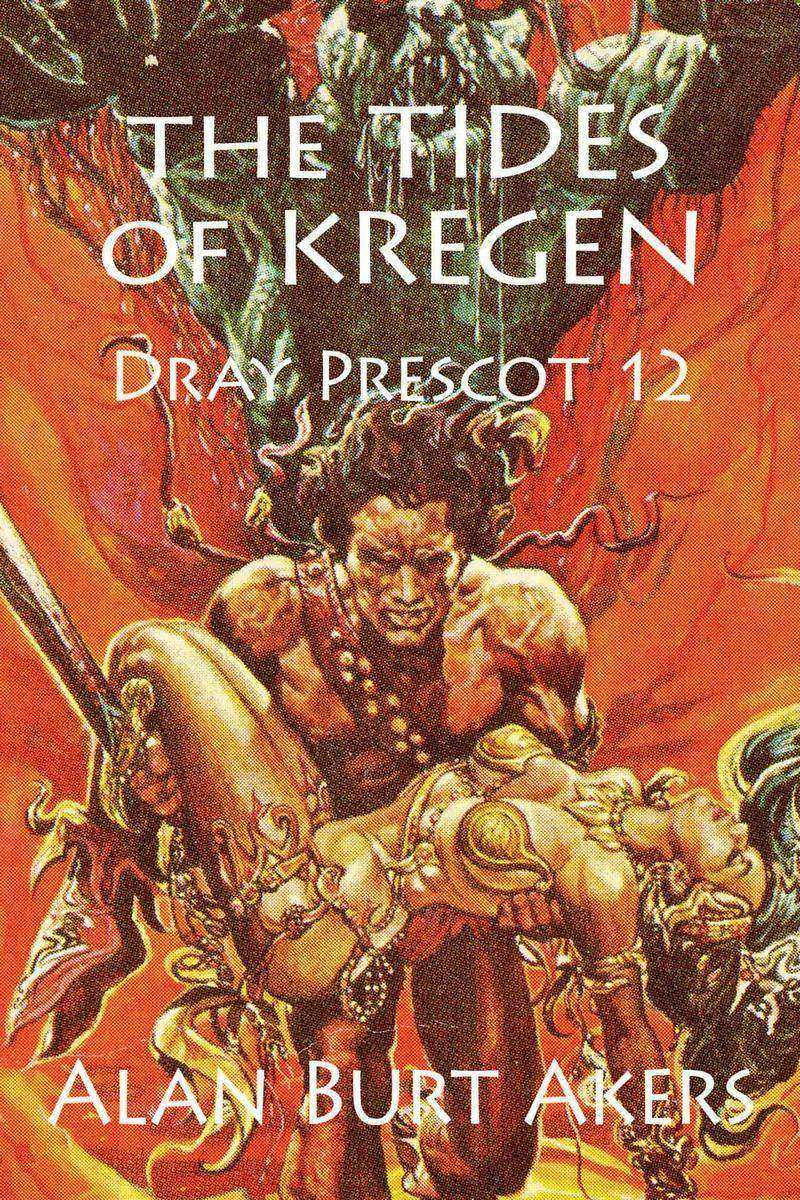
The Tides of Kregen: Dray Prescot 12
¥40.79
Of all the honours that Dray Prescot, Earthman, has won during his fabulous adventures on Kregen, none are valued by him more than his membership in the Order of the Krozairs of Zy. The Krozairs are the highest order of chivalry on that turbulent planet, dedicated men, warriors of stern convictions and unflinching hearts. Thus, when the Krozairs in their hour of need called on all their far-flung members for aid, he should have gone. But he could not. His return from Earth was blocked by the anger of the mysterious Star Lords. And before Dray Prescot can achieve redemption, he has two armies opposed to him, two warring kingdoms naming him outlaw, and only the tides of the seven moons as a weapon... The Tides of Kregen is the twelfth book in the epic fifty-two book saga of Dray Prescot of Earth and of Kregen by Kenneth Bulmer, writing as Alan Burt Akers. The series continues with Renegade of Kregen.
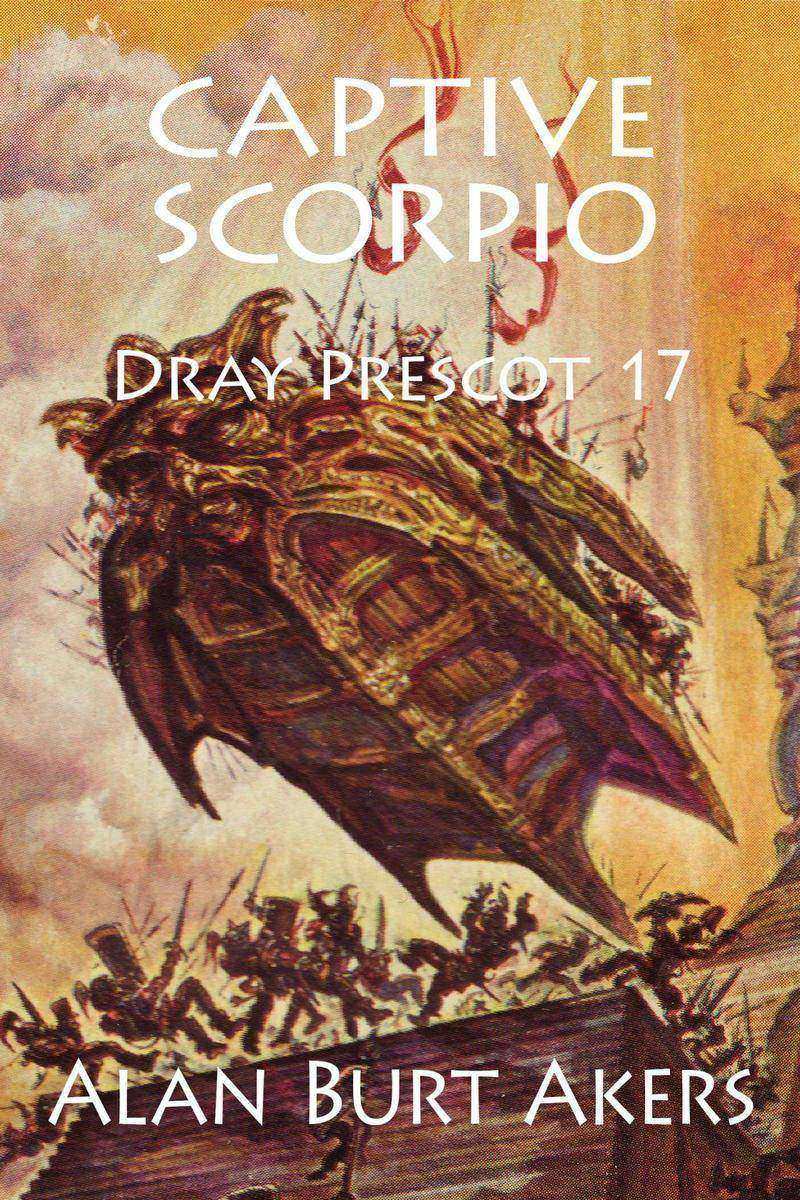
Captive Scorpio: Dray Prescot 17
¥40.79
Dray Prescot, Earthman of Kregen, that wonderful world circling the twin suns of Antares, has risen high in the empire of Vallia, but luck cannot always sustain him. When, at last, all the forces opposed to his lands, his princess, his emperor, and to him personally, converge, it was to produce the darkest hour of his long career. For treason struck at the court, while rebel armies marched from the backlands, the war fleets of enemy nations were aloft, and the uncanny wizardry of a master scientist launched a spell of doom against all that Prescot holds dear. With his back to the wall, Dray Prescot faces that time of peril with unflinching will... until the cruelest blow of all is struck: his warrior daughter Dayra rides in the vanguard of his foes! Captive Scorpio is the seventeenth book in the epic fifty-two book saga of Dray Prescot of Earth and of Kregen by Kenneth Bulmer, writing as Alan Burt Akers. The series continues with Golden Scorpio.
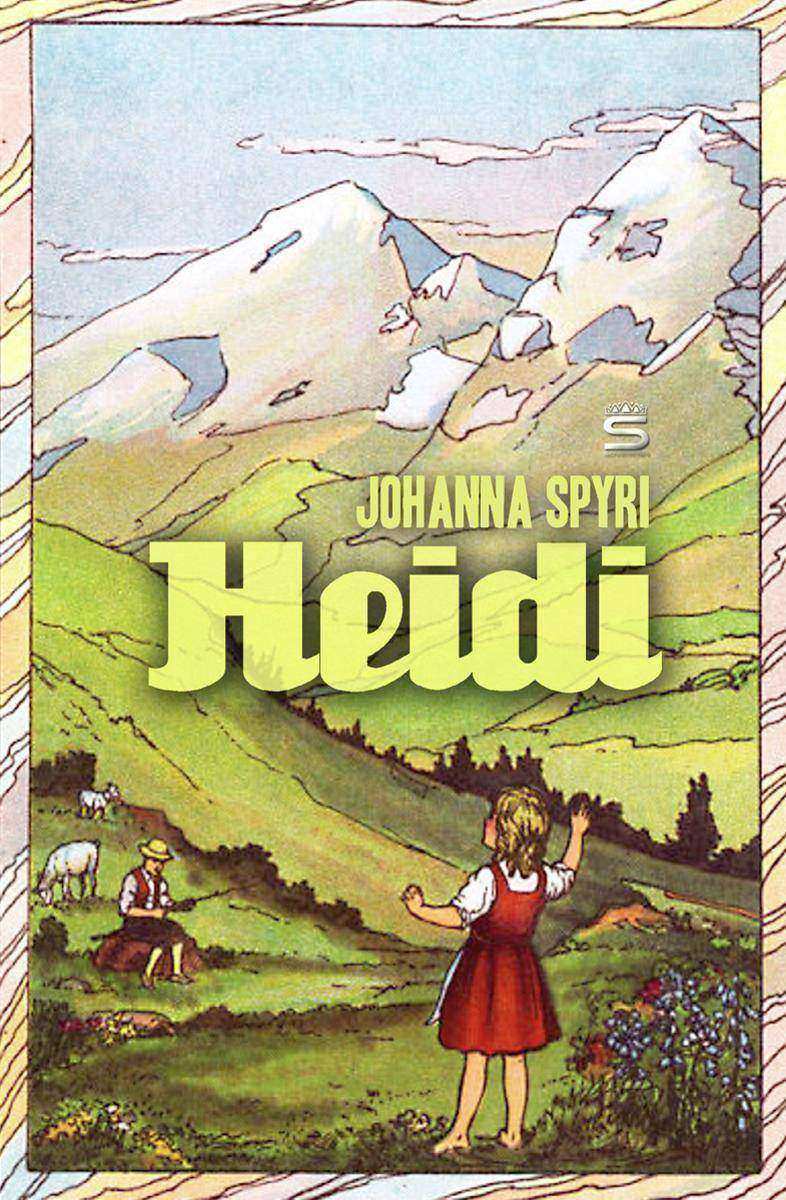
Heidi
¥40.79
Heidi is a delightful story of life in the Alps written by the Swiss authoress, Johanna Spyri. Her own sympathy with the instincts and longings of the child’s heart is shown in her picture of Heidi. The record of the early life of this Swiss child amid the beauties of her passionately loved mountain-home and during her exile in the great town has been for many years a favourite book of younger readers.
The Haunted Man and The Ghost’s Bargain
¥40.79
Redlaw is a teacher of chemistry who often broods over wrongs done him and grief from his past life. He is haunted by a spirit, who is not so much a ghost as Redlaw's phantom twin and is an awful likeness of himself.

Carson’s Confession
¥52.81
Dave Woolf’s enemies are much closer to home than he realises in this shocking thriller from Bernard Bannerman. The uncontainable lawyer-detective’s domestic life is under threat, haunted by ghosts from his sidekick Carson’s troubled youth in Australia and complicated by an assignment to search for a contract hitman’s wayward son. Dave and Carson are soon led to France and Switzerland, where they encounter a potentially dangerous cult, The Accord. Who are The Accord? What is the purpose of their ‘gatherings’? Can Carson escape her own past? Woolf confronts double agents, criminal masterminds and dark conspiracies while he questions the loyalties of his friends, the limits of his love and even his own sanity. Nothing is sacred and no one is safe in the sixth gripping instalment in the Dave Woolf saga.
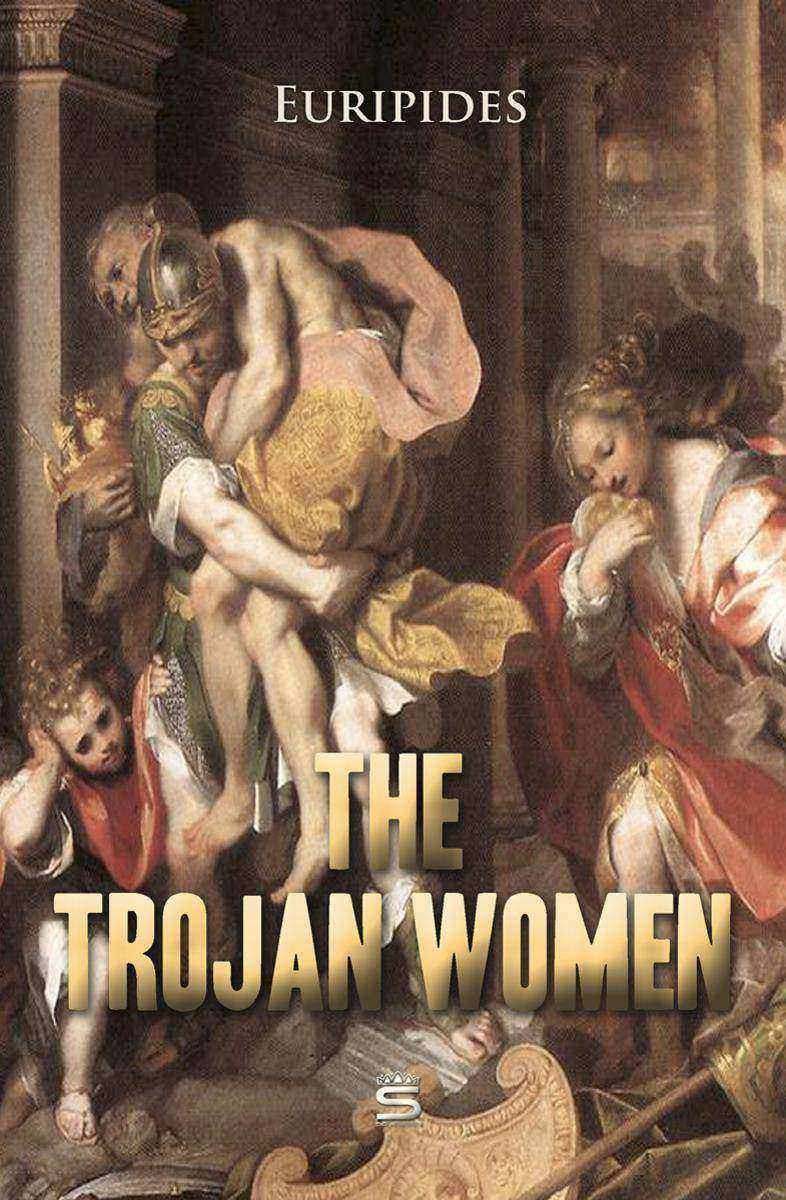
The Trojan Women
¥40.79
The play begins with the god Poseidon lamenting the fall of Troy. He is joined by the goddess Athena, who is incensed by the Greek’s exoneration of Ajax the Lesser’s actions in dragging away the Trojan princess Cassandra from Athena's temple (and possibly raping her). Together, the two gods discuss ways to punish the Greeks, and conspire to destroy the home-going Greek ships in revenge.
Manon Lescaut
¥40.79
Set in France and Louisiana, this new edition from Egoist Press follows the story of Chevalier des Grieux, the protagonist and his lover, Manon Lescaut. Des Grieux comes from a noble and landed family, but forfeits his hereditary wealth and incurs the disappointment of his father by running away with Manon. In Paris, the young lovers enjoy a blissful cohabitation, while Des Grieux struggles to satisfy Manon's taste for luxury.


