


 购物车
购物车 个人中心
个人中心

A Place for Family (Mills & Boon Love Inspired)
¥30.90
Hometown Girl Returns… With A Secret One suitcase is all Amanda Gardner has to her name when she ends up back in Harland, North Carolina. No one knows how the high-powered ad exec, the girl who couldn't leave town fast enough after high school, lost her glamorous life in California. Everyone's curious—except John Sawyer. He's done enough wondering about his childhood best friend over the years. Why she never called…or wrote…or visited. But John's instinct is to protect Amanda, and something tells him she's in deep trouble. Will she feel safe enough to trust him—and lean on his strength?
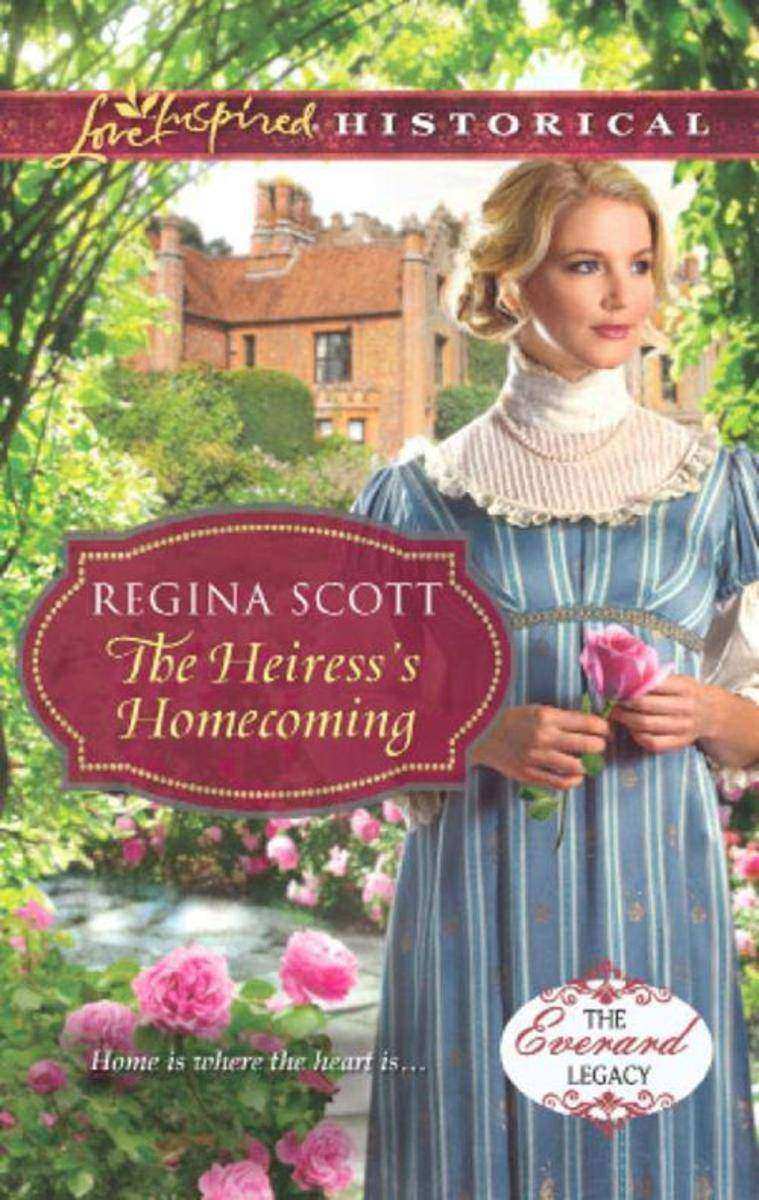
The Heiress's Homecoming (Mills & Boon Love Inspired Historical) (The Everard Le
¥30.90
TERMS OF THE WILL To keep her cherished childhood home, Samantha Everard must marry by her twenty-fifth birthday. Yet she refuses to marry on a whim, not even to save her fortune. When she returns to Dallsten Manor to say goodbye, the last person she expects to see is her handsome, disapproving neighbor William Wentworth, Earl of Kendrick. Will is certain the scandalous Everard family is nothing but trouble. He shouldn’t care about Samantha’s predicament, but her feistiness and kindheartedness intrigue him—as does her refusal to wed. He wants to help, especially when he perceives the threat that surrounds her. Soon his greatest wish is to persuade Samantha that her true home is with him. The Everard Legacy: These cousins set out to claim their inheritance—and find love is their greatest reward

Zoology
¥76.81
A funny, wise and heartwarming story of a young man’s first forays into love during a long, hot summer in New York City. Henry likes to think of himself as a promising jazz musician. The truth, however, is considerably less glamorous. At eighteen, he’s dropped out of university, lives at home with his bickering parents, and spends most of his time with the family dog. So when his brother offers to put him up in his New York City apartment for the summer, Henry leaps at the chance to start living the life of his dreams… In the Big Apple, Henry lands a job at the Central Park Children’s Zoo. Over weeks spent chopping vegetables and shovelling dung, his world gradually expands to include a motley crew of zoo keepers, doormen and animals of every de*ion. Amongst these, the undisputed star is Newman, the zoo’s stoic Nubian goat, in whom Henry confides his growing love for Margaret, the alluringly wholesome girl next door. As the months unfold in a haze of jazz bars, ill-advised romance and hard truths about family, Henry learns what what it is to love – and to lose – in this hilarious, inventive and touching debut novel.
The Dilemmas of Harriet Carew
¥63.77
Harriet Carew is the endearing heroine of Cristina Odone's popular weekly 'Daily Telegraph' column, 'Posh But Poor'. Based on the character from the column, 'The Dilemmas of Harriet Carew' is the story of her struggle to juggle family life, work and money. Meet Harriet Carew, mother of three and juggler of work, home and family. Harriet only wants to do her best for her husband Guy, her children and herself. But while their friends flourish, and other parents look on pityingly, the Carews are struggling – and sliding down the ladder of fortune and happiness. Guy is a writer with a starry past, a humdrum present and unrealistic optimism about the future. His starchy family still treat Harriet as a newcomer to the family. Alex (12) is lazy, Tom (10) is bullied at school and Maisie (3) just misses her mum. Harriet is torn between wanting to be at home more and the need to work longer hours to help pay the school fees. When Harriet’s ex-boyfriend James turns up, super-successful and single, Harriet must make some tough decisions. Funny, witty, warm and page-turning, this is the novel that every woman will want to read.
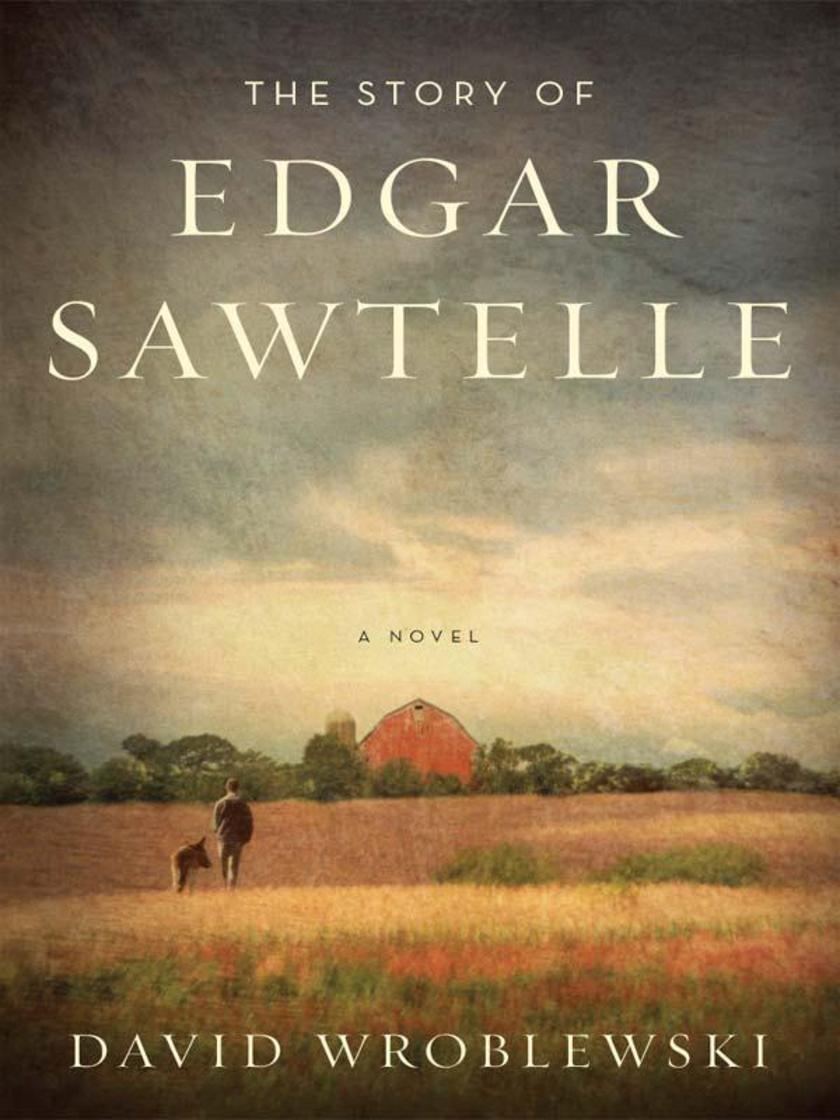
The Story of Edgar Sawtelle
¥69.26
A literary debut of stark and striking brilliance – a coming-of-age story, set in the remote wilderness of northern Wisconsin. Born mute and able to communicate only by sign, the brilliant Edgar Sawtelle leads an idyllic life with his parents Gar and Trudy. For generations, the Sawtelles have raised and trained a breed of dog whose thoughtful companionship is epitomised by Almondine, Edgar's lifelong companion. But when his beloved father mysteriously dies, Edgar blames himself, if only because his muteness left him unable to summon help. Grief-stricken and bewildered by his mother's desperate affair with her dead husband's brother, Edgar's world unravels one spring night when, in the falling rain, he sees his father's ghost. After a botched attempt to prove that his uncle orchestrated Gar's death, Edgar flees into the Chequamegon wilderness leading three yearling dogs. Yet his need to face his father's murderer, and his devotion to the Sawtelle dogs, turn Edgar ever homeward. When he returns, nothing is as he expects, and Edgar must choose between revenge or preserving his family legacy…

Turn Left at the Daffodils
¥51.50
A stirring Second World War tale of love and loss set in Yorkshire from the author of The Linden Walk and A Scent of Lavender. Set during World War 2, TURN LEFT AT THE DAFFODILS tells two love stories – those of Nan and Carrie. Nan meets Charles, a gauche, young airman at a dance. Despite his stammer and inability to dance, Nan is captivated by her first romance, and takes him under her wing. When Nan learns that Charles is from the landed gentry, she refuses his offer of marriage fearing that their difference in social status will ruin their chances of happiness. But it is the war itself which seems to end any hope for them when Charles is reported missing in action, believed killed, in the skies over Germany. Carrie starts a passionate affair following a chance encounter with Todd Coverdale on a railway platform in Lincoln. When Carrie finds herself alone and pregnant after Todd disappears without explanation, her only option is to leave the ATS and move to Daffy Cottage, the home Todd inherited from his Aunt. Will either woman find happiness after being left alone at a time of war, loneliness and difficult decisions?

Canarino
¥25.02
This remarkable debut novel is a vibrant tale of beauty and passion, stalked by desolation. Katherine Bucknell captures the tragedy of a marriage on the brink with extraordinary delicacy and insight and draws us into a compelling world glittering with wealth and social prestige. David is an investment banker; Elizabeth, his wife, is a woman of peerless beauty and refinement. They have two children; their marriage seems perfect. Why does she want him to retire and move home to America? One summer evening David, alone in their empty mansion, receives a phone call from a long-lost friend. So begins a tale about friendship, marriage and betrayal that is filled with unexpected reversals. Canarino is a portrait of intimate relationships set in a world of privilege and achievement. Its characters possess personal gifts in dazzling abundance, yet their appetites to succeed, to be exceptional, tempt them to risk everything. How can we recognise love and friendship? Which are the bonds that bind people longest? What is the cost for the heart of seeking perfection? Like the drink of the title – boiling water over a twist of lemon peel – the prose has a sharp, delicate clarity. Beneath its polished surface lie psychological depths both uncanny and haunting. Canarino is a novel that lingers in the mind, long after the final page has been turned.

The Whaleboat House
¥61.51
From the No. 1 bestseller and author of Richard & Judy pick The Savage Garden: an award-winning crime novel set in post-war New York for fans of Carlos Ruiz Zafon and Jed Rubenfeld Long Island, 1947 The men of Long Island have fished the wild Atlantic waters over the centuries. For Conrad Labarde, recently returned from the Second World War, the nets hold a sinister catch – the body of Lillian Wallace, a beautiful New York socialite. Is it an accident or murder? Police chief Tom Hollis is convinced the roots of the tragedy lie in the twisted histories of local families. But the enigmatic Labarde insists on pursuing his own investigation. It seems the fisherman may have powerful reasons for wanting answers to the questions surrounding her death. And in this strange place where tradition meets power and riches, the truth is a rare thing indeed…
Dead on Arrival
¥100.06
Joe DeMarco is back and the corridors of power have never felt so deadly… First a bomb attack on the Baltimore Harbour tunnel is averted. Then a young American Muslim is shot down in a Cessna plane whilst trying to drive it into The Whitehouse. What follows is chaos as a ruthless senator tries to pass a xenophobic law that will see non-citizen Muslims deported and extensive background checks on all Muslims living in the US carried out immediately. Speaker of the house John Mahoney wants nothing to do with the bill being pushed through. He knows all to well what trouble a law like that could stir up, and what's worse he knows the kid who tried to crash the plane into the White House. Enter Joe DeMarco, a man with a shady past, a lawyer who has never practised law. He's charged with investigating the attacks but there's a twist to the attempted mass destruction, something the FBI didn't even see, and suddenly at every turn DeMarco faces a new and terrifying danger…
The Watcher
¥54.25
When you see him, it's already too late… Four days before Christmas, a young woman's body is found in a ditch in the grounds of Edinburgh Castle, the discovery rendered even more terrifying by the message 'More Will Die' written on her body in blood. Soon, the prophecy is fulfilled, more young women disappear - all redheads - their bodies later found bludgeoned to death, their feet severed. Quickly dubbed 'The Edinburgh Ripper', the murders bring the city to its knees. It might be the season of goodwill but its citizens live in fear of becoming the latest victim. Headstrong young lawyer Brodie McLennan teams up with DI Duncan Bancho in an effort to discover the identity of this warped killer. Soon, their investigations uncover a ring of human traffickers, selling Eastern European women as sex slaves, a depraved group called the ‘Hobbyists’ and a clandestine internet chat room. Unbeknownst to Brodie, the killer's web is spinning ever closer to her and her teenaged half sister Connie, recently back in her life. When Connie is reported missing, Brodie must quickly uncover the Ripper's identity - before her own flesh and blood becomes the latest victim.

No One Listened
¥53.76
When Isobel and Alex came home from school to find their abusive father had brutally murdered their mother, their world was thrown into chaos. Plunged into a care system that neglected them, Isobel and Alex were expected to come to nothing, and had only each other to rely on. Isobel and Alex’s mother used to do everything with them. A full-time teacher, she dedicated herself to her children, partly in order to give them every possible opportunity in life, and partly to keep them out of the way of their increasingly eccentric, erratic and unpleasant father. Their father, a violent and frightening man, spent most of his time locked in his bedroom, a room the rest of the family never ventured into. He became increasingly bitter and angry at the outside world in general, and at his wife and children in particular. The local community feared his outbursts as much as Isobel and Alex did, but the neighbours saw far less of him as he became increasingly housebound. No one came to the Kerr’s house to visit. When Isobel was 15 and Alex 13, they came home from school to find police everywhere. Their father had stabbed their mother between fifty and sixty times with a sharpened chisel. As far as anyone could tell the attack was unprovoked and of incredible savagery, but the children were given the minimum amount of information. No one wanted to upset them unnecessarily. Their mother had been an only child and they had never been in contact with their father's family. There was no one else for them to turn to - except each other. This is an inspiring story of a brother and sister who only had each other, and a powerful testament to what can be achieved through courage and love.

The Exodus Quest
¥59.15
Fact collides with fiction in Will Adams second pulse-pounding adventure featuring the enigmatic Daniel Knox – hero of The Alexander Cipher Fact collides with fiction in Will Adams second pulse-pounding adventure featuring the enigmatic Daniel Knox. On the trail of a Dead Sea Scroll, Knox stumbles across an ancient temple being surreptitiously excavated by evangelical Christians outside Alexandria. A chase ends in tragedy with the death of Alexandria's senior archaeologist, and Knox the chief suspect. Meanwhile, Knox's partner Gaille Bonnard is baby-sitting a television crew around the ancient city of Amarna, home of the multiple mysteries of Pharaoh Akhenaten. Kidnapped by rogue soldiers, her time fast running out, she sends Knox a message hidden in a hostage video, pleading with him to come to her rescue. But Knox has problems of his own, under arrest on suspicion of murder, locked in a police cell half a country away. And the only way for him to find and save her is to crack one of the great unsolved mysteries of the ancient world.
The Gift
¥58.47
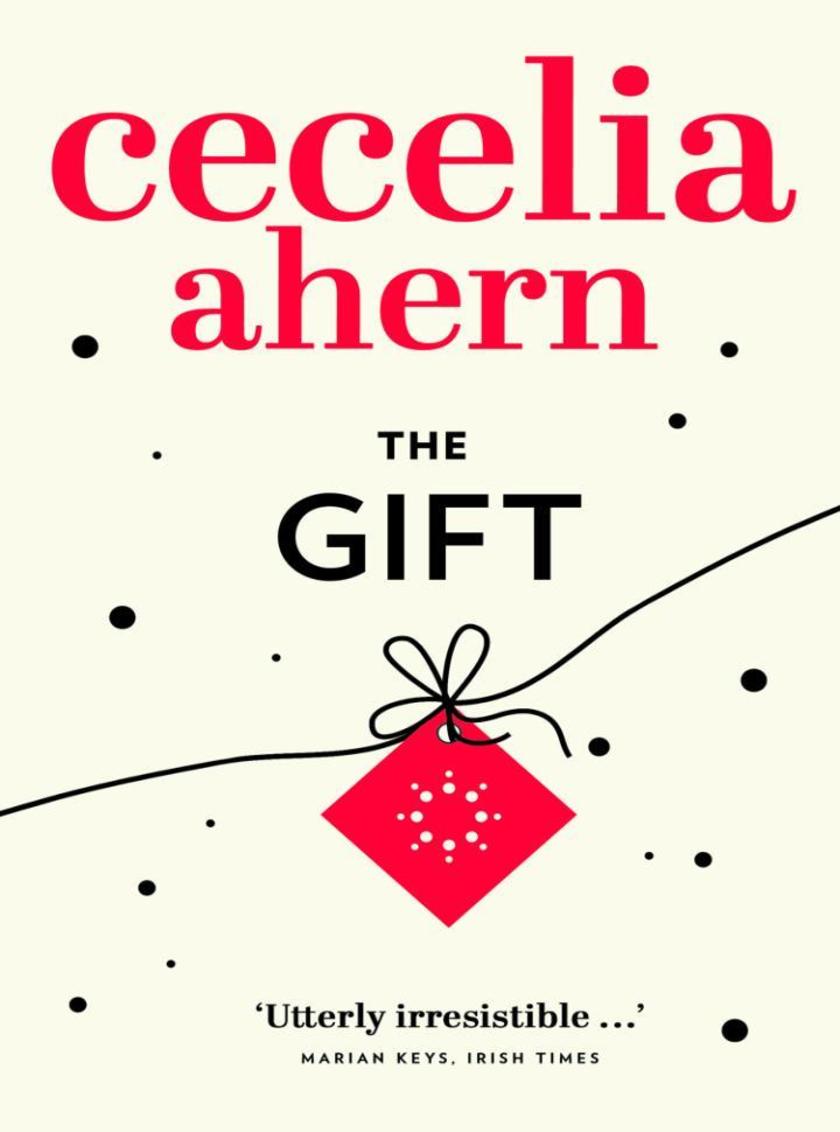
Step into the magical world of Cecelia Ahern in this heartwarming bestseller. If you could wish for one gift this Christmas, what would it be? Lou Suffern wishes he could be in two places at once. His constant battle with the clock is a sensitive issue with his wife and family. Gabe wishes he was somewhere warm. When Lou invites Gabe, a homeless man who sits outside his office, into the building and into his life, Lou’s world is changed beyond all measure… An enchanting and thoughtful Christmas story that speaks to all of us abut the value of time and what is truly important in life.

Look who it is!: My Story
¥57.09
The brilliantly funny Sunday Times top ten bestseller. Alan Carr tells his life story in his own words, from growing up in a football-mad family in Northampton to his rise as one of Britain’s best-loved comedians. ‘Puberty had been unkind. Whereas it had come in the night and left the other boys with chiselled, stubbly chins and deep masculine voices, I’d been left with a huge pair of knockers and the voice of a pensioner.’ Alan Carr Alan Carr grew up in one of the most boring towns in England – Northampton. A place known for making shoes. It was also known for its football club, Northampton Town FC. Alan’s dad as manager of the club was a local hero. A dream come true for most lads, but not Alan. Alan wore glasses and had man boobs at 14. He did not like P.E. In his very first book, Alan tells his life story, (‘oh and what a life’) with his unique twist of natural, observational humour – ‘I’m not saying I’m a fantasist but there have been times when things that I’ve seen on television when I was younger have tended to seep into my subconscious and blended into my own life. I remember telling my Mum about the time I stopped that woman from having a diamond encrusted necklace stolen and she’d say ‘No Alan, that was Poirot.’ With his tongue-in-cheek, end of pier humour that made him famous, Alan describes an ordinary life in bursts of technicolour. His journey from awkward schoolboy hiding his man-boobs on the pitch, drinking tea with the dinner ladies and working in a call centre, to becoming one of our best-loved comedians likened to the great Frankie Howerd, make his book a guaranteed tickler with a laugh-out-loud gag on every page.

An Angel Called My Name: Incredible true stories from the other side
¥63.77
Following on from the hugely popular ‘Angel Saved My Life’ series comes a moving new collection of real-life stories from the Afterlife. Following the bestsellers An Angel by My Side and An Angel Held My Hand comes a brand new collection of heartwarming and inspiring real-life dramas about people who have had 'a little help' from the other side when they most needed it. Stories include: ? The shouting angel whose playful antics saved a young girl from falling down the stairs. ? The angel who prevented a woman's bad judgement becoming a tragedy. ? The whispering angel who helped a serial dieter lose weight for good. ? The angel voice that quietly guided a woman to her soul mate. ? The group of friends whose guardian angels revealed their purpose in life. ? The laughing angel who helped a lost boy find his way home. These are just some of the miraculous accounts in this inspiring new collection of true stories.
Azincourt
¥58.47
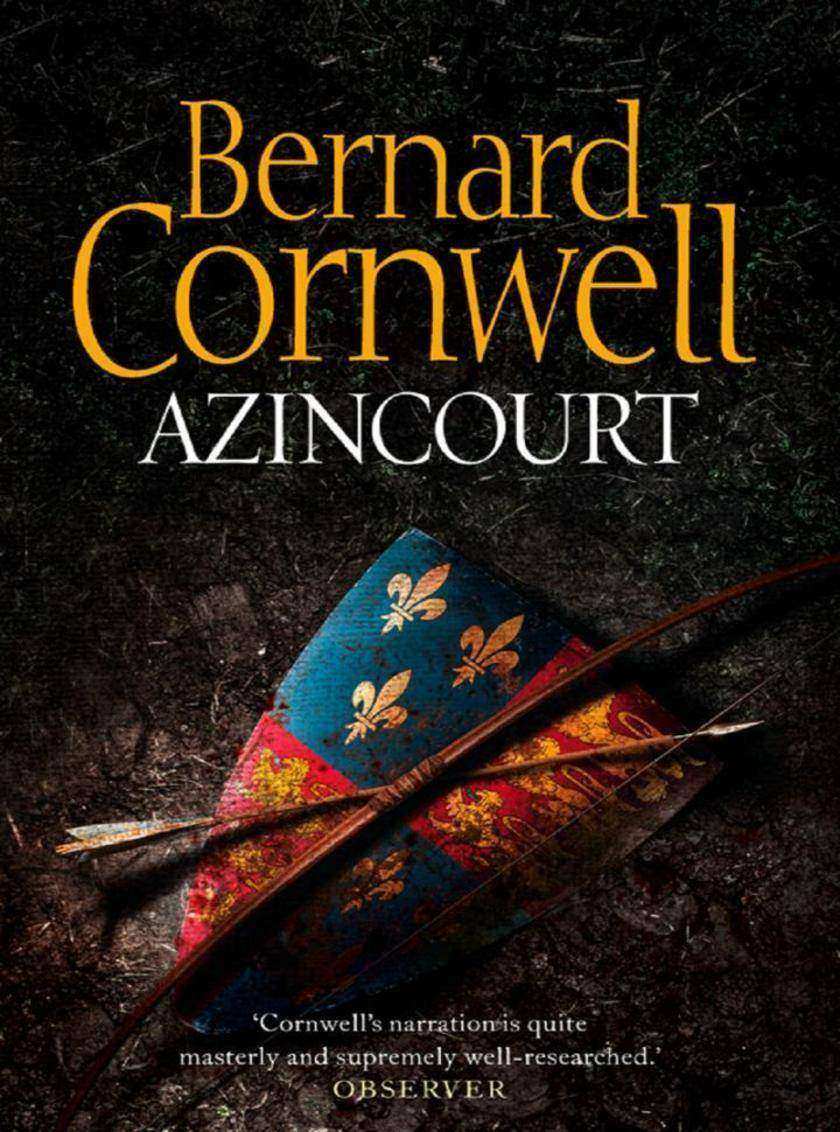
An extraordinary and dramatic depiction of the legendary battle of Agincourt from the number one historical novelist Azincourt, fought on October 25th 1415, St Crispin's Day, is one of England’s best-known battles, in part through the brilliant depiction of it in Shakespeare's Henry V, in part because it was a brilliant and unexpected English victory and in part because it was the first battle won by the use of the longbow - a weapon developed by the English which enabled them to dominate the European battlefields for the rest of the century. Bernard Cornwell’s Azincourt is a vivid, breathtaking and meticulously well-researched account of this momentous battle and its aftermath. From the varying viewpoints of nobles, peasants, archers, and horsemen, Azincourt skilfully brings to life the hours of relentless fighting, the desperation of an army crippled by disease and the exceptional bravery of the English soldiers.
Punished
¥57.09
‘Punished’ is the inspiring true story of an unusual little girl, Vanessa, whose childhood was devastated by torture and abuse at the hands of her sadistic mother. Vanessa was nearly destroyed until she discovered a secret that ultimately saved her life. From the age of 3, Vanessa lived in daily terror of her mother's unpredictable rage. If she was 'naughty', her mother would lash out at her – with beatings, torture, starvation and making Vanessa sleep in their garden's pigsty, tied up like an animal. Her mother said her punishments were God's revenge on her for being the devil's child. Her father lived in denial of her suffering. When she was 6 years old, Vanessa's grandfather began to sexually abuse her – to her despair, aided and abetted by both her mother and grandmother. At eight years old, she then discovered that the 'mother' who hated her so much had adopted her as a baby and would never love her as her own. At the most horrific times of Vanessa's abuse, she nearly lost all hope that she would escape her prison, until mysterious things started to happen to her that allowed her to fight back. This is the story of how Vanessa survived a childhood that nearly destroyed her and how her secret led her out of the horrors of her past.

The Dark Crusader
¥54.25
A classic tale of espionage, secret missions and exotic locations which out-Bonds Bond, from the acclaimed master of action and suspense. Eight job advertisements. Eight jobs. Eight specialists in modern technology required. Eight scientists to fill them. Applicants to be married, with no children, and prepared to travel. Highly persuasive salaries. One criminal mastermind. Eight positions filled. Eight scientists - and their wives - disappear. Completely. One secret agent to stop him. Advertisment no.9. Sydney, Australia. Fuel specialist required. Looks like a job for John Bentall…

Fear is the Key
¥63.77
A classic novel of ruthless revenge set in the steel jungle of an oil rig in the Gulf of Mexico – and on the sea bed below it. Now reissued in a new cover style. A sunken DC-3 lying on the Caribbean floor. Its cargo: ten million, two hundred and fifty thousand dollars in gold ingots, emeralds and uncut diamonds guarded by the remains of two men, one woman and a very small boy. The fortune was there for the taking, and ready to grab it were a blue-blooded oilman with his own offshore rig, a gangster so cold and independent that even the Mafia couldn’t do business with him and a psychopathic hired assassin. Against them stood one man, and those were his people, those skeletons in their watery coffin. His name was Talbot, and he would bury his dead – but only after he had avenged their murders.

Goodbye California
¥57.09
The classic tale of terrorism, where a criminal fanatic is hell-bent on blasting San Francisco into the ocean, from the acclaimed master of action and suspense. 'Earthquake country,' said the Professor. 'San Francisco is geologically and seismologically a city that waits to die. Los Angeles is ringed by earthquake centres - seven massive quakes so far. We have no idea where the next, the monster, will hit…' …until a criminal fanatic kidnaps a nuclear scientist and builds his own atomic bombs. If exploded on California's fault lines they could trigger off the mightiest earthquake of them all - killing half its population and dumping the entire city of San Francisco into the sea. Goodbye California…
Puppet on a Chain
¥45.62
From the acclaimed master of action and suspense. The all time classic. Paul Sherman of Interpol's Narcotics Bureau flies to Amsterdam on the trail of a dope king. With enormous skill the atmosphere is built up: Amsterdam with its canals and high houses; stolid police; psychopaths; women in distress and above all – murder.


